
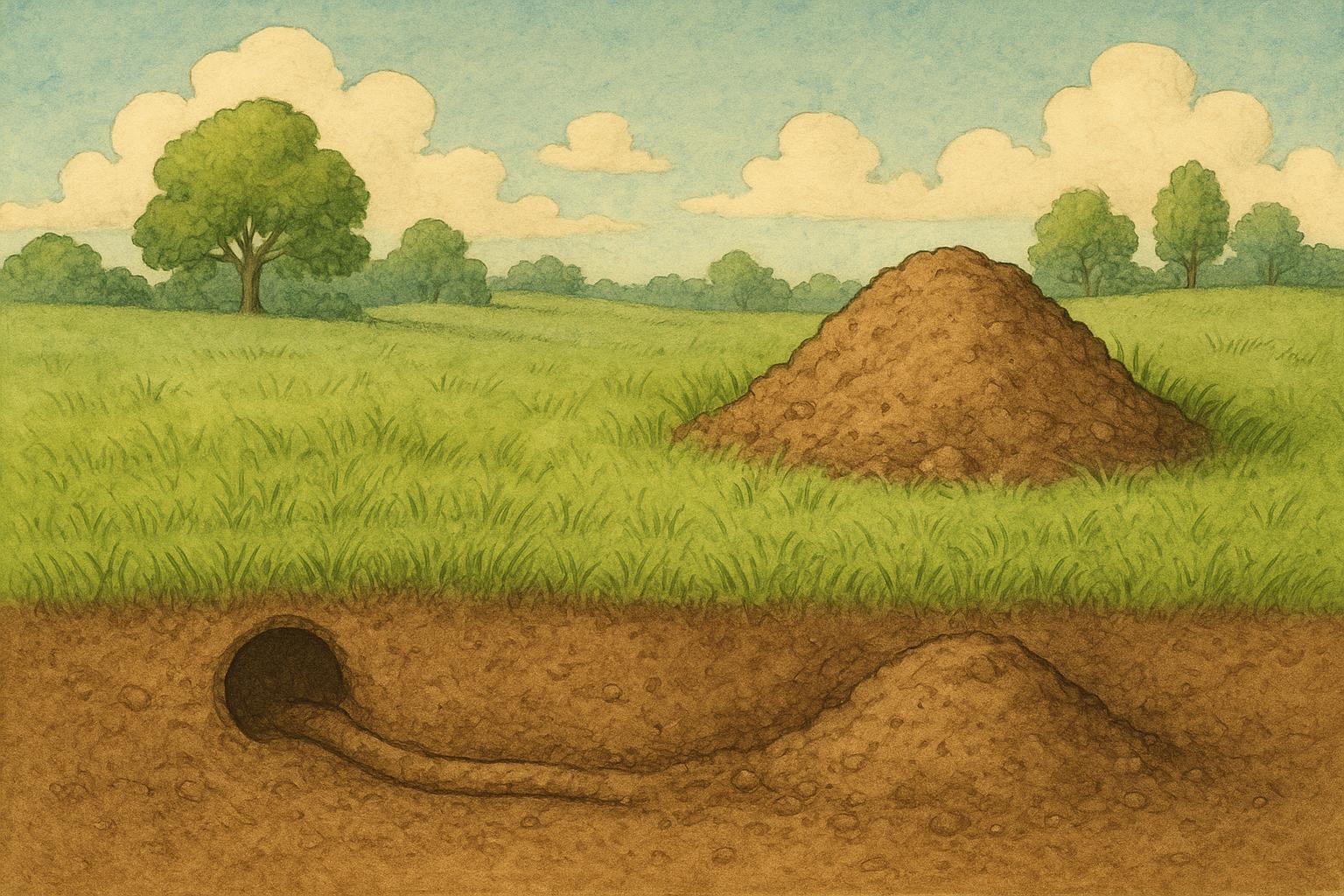
You can tell a lot about what’s been underfoot without calling an exterminator on day one. A pile of fresh soil isn’t always the same thing as a rodent fortress, and a shallow tunnel could mean a mole, not a badger. Knowing how to tell them apart saves time, money, and a lot of needless digging.
## Practical Tips For Distinguishing Yard Burrows From Mounds
Start by standing back and looking. The shape, size, and arrangement of soil give you a first clue. Mounds tend to be loose heaps of dirt sitting on top of the lawn; burrows usually have a clear entrance, sometimes with a plug or a rim of excavated soil. When you’re distinguishing yard burrows from mounds, focus on these three things: the hole, the soil, and the surrounding vegetation.
The hole: Is there a visible opening or just a collapsed spot? A clean, round entrance with compacted soil around it often signals a den or active tunnel. A crater-like depression with loose, grainy soil on top is more likely a mound from digging, sometimes by a dog or a raccoon searching for grubs.
The soil: Fresh excavations look different from displaced soil. Soil that’s finely crumbled and forms a crescent or volcano shape usually comes from a tunneling animal pushing material up. Soil that’s clumpy, damp, and smeared suggests an animal repeated digging at the surface or someone shoveling.
The vegetation: Look at how grass and roots are affected. If roots are severed and turf is torn, that’s a surface dig. If the grass surrounding the hole is intact and the blades bend inward toward the entrance, that’s a tunneled burrow. These are the simplest burrow identification checks you can do without tools.
### How Size, Shape, And Placement Tell A Story
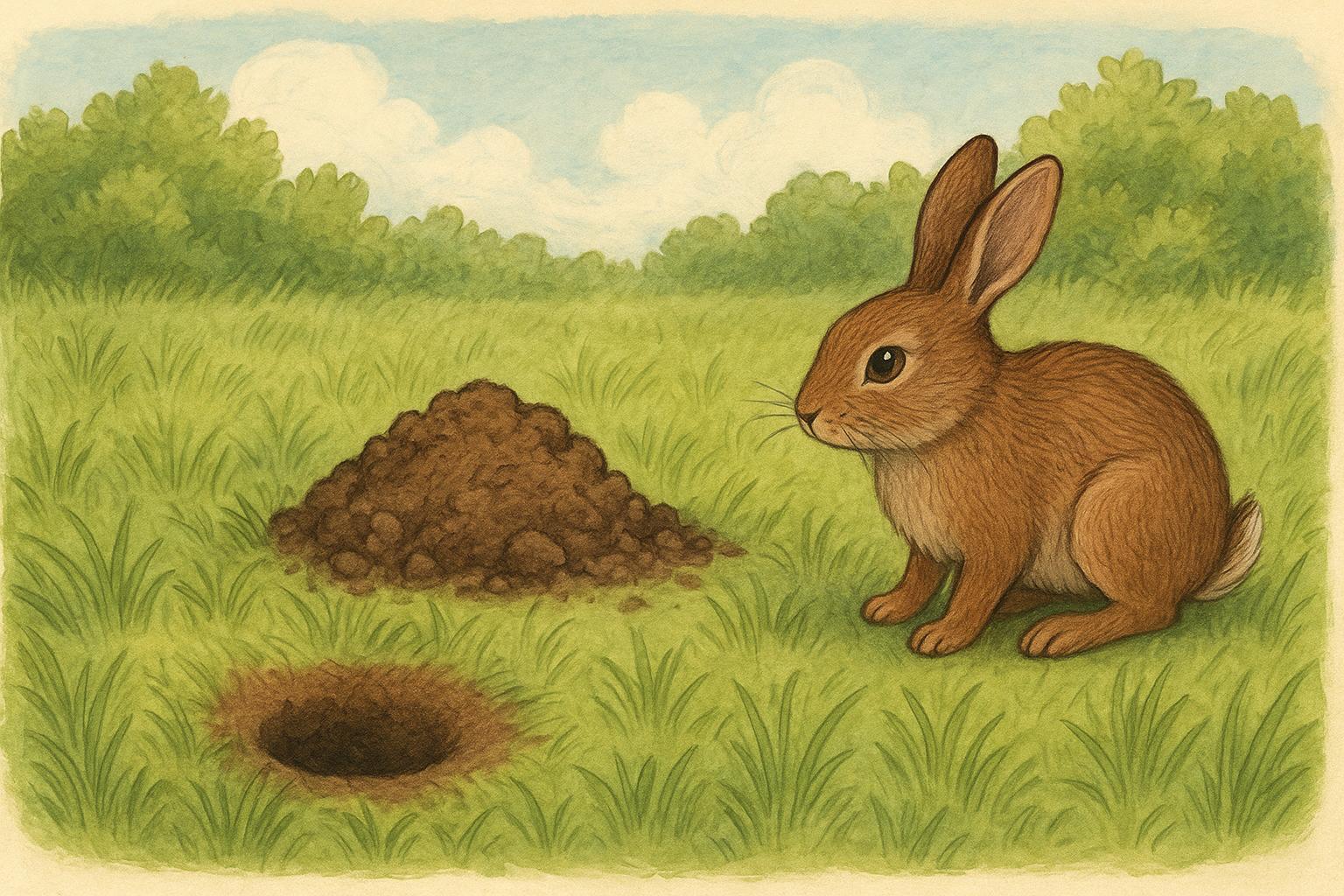
Different animals leave different signatures. Moles create raised ridges and fan-shaped mounds because they tunnel near the surface following invertebrates. Gophers toss up crescent-shaped mounds because they push dirt out of laterally running tunnels. Rabbits make small, shallow scrapes with no displaced soil heaps. Groundhogs dig round, roomy entrances often near fences or hedgerows. When you’re distinguishing yard burrows from mounds, learn a few common size ranges: mole ridges are narrow, gopher mounds are about the size of a dinner plate to a small wheelbarrow, and groundhog holes are closer to the diameter of a grapefruit or larger.
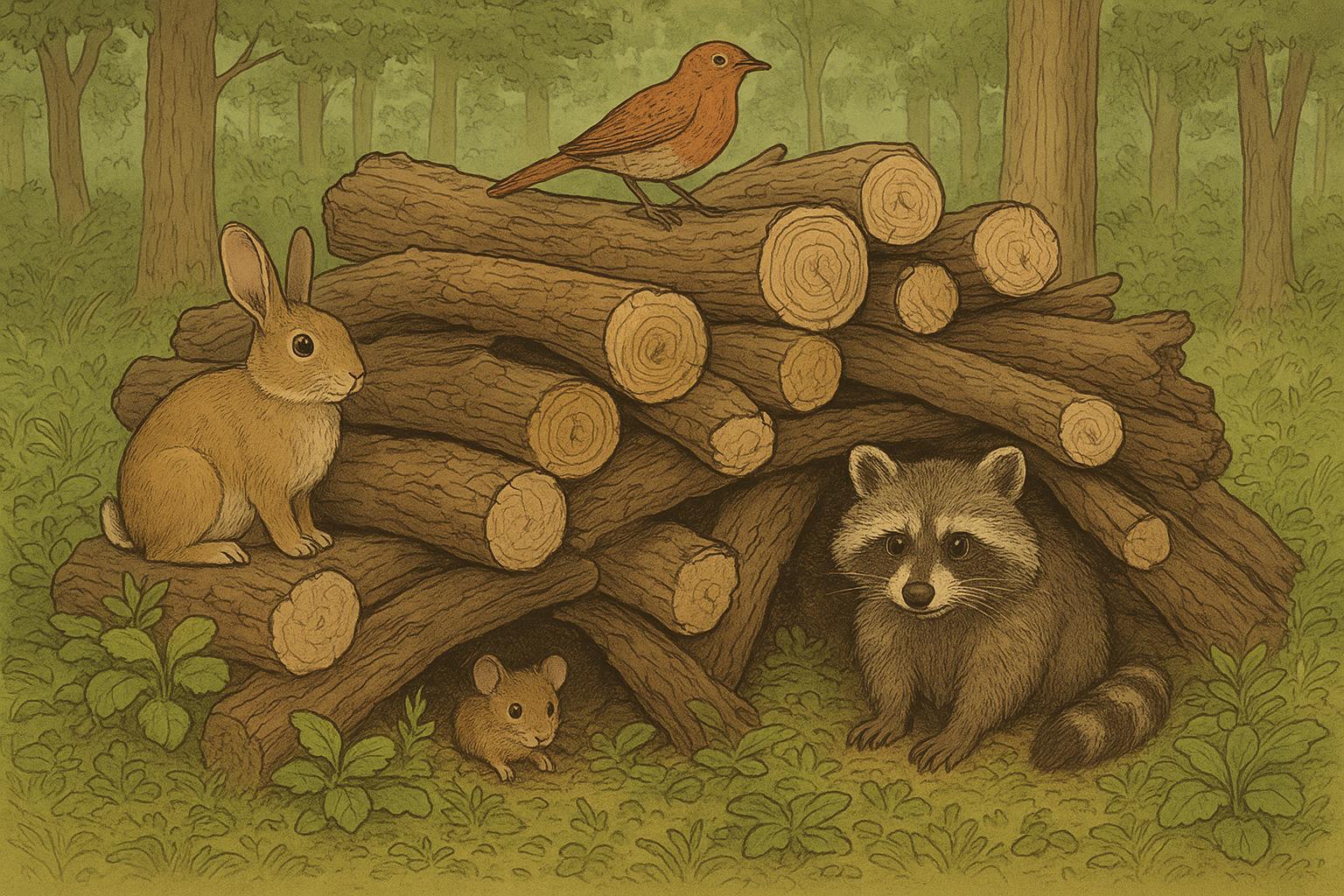
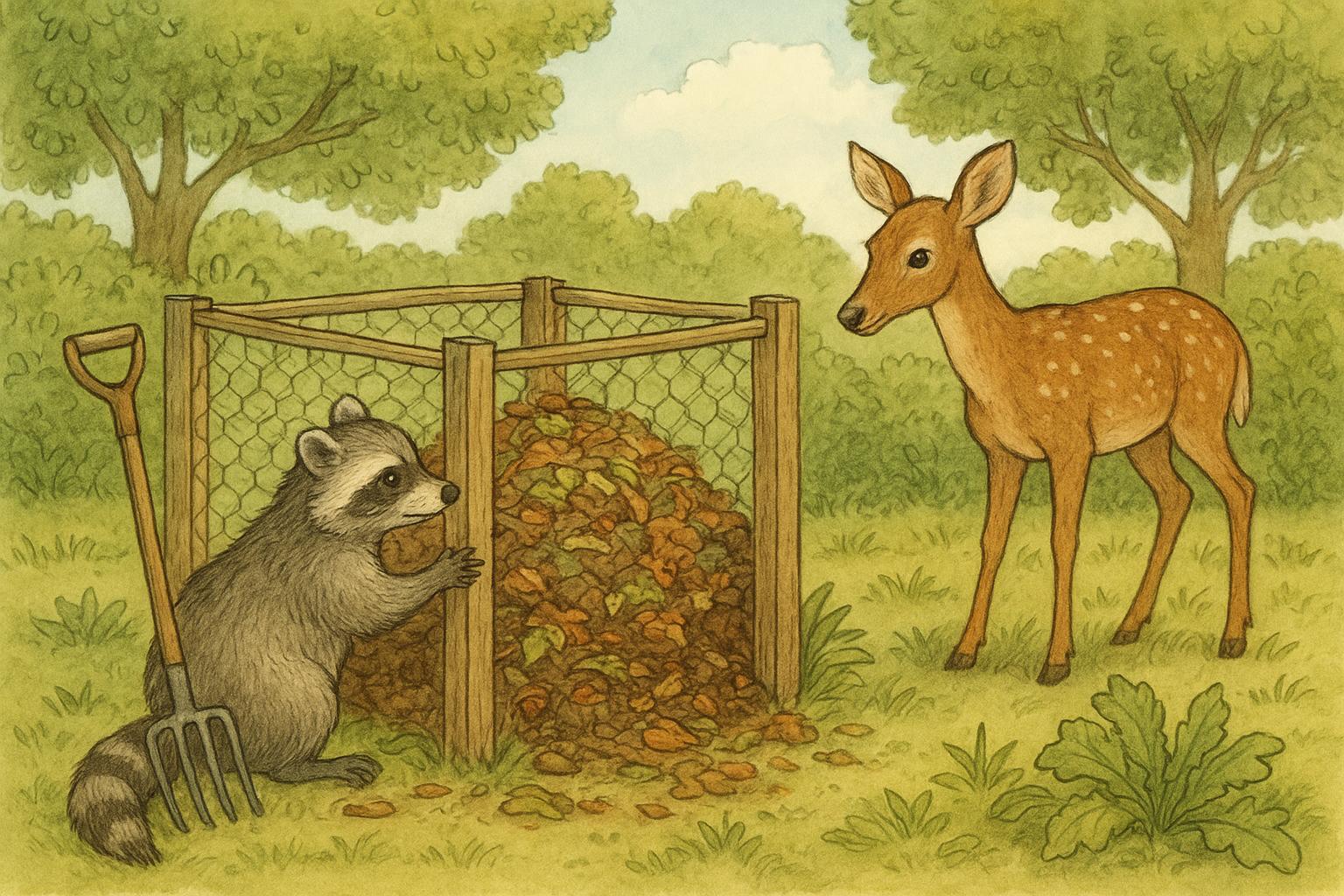
Placement helps too. Burrows often appear under cover — brush piles, rock edges, thick shrubs, or the base of trees. Mounds from digging animals or pets can show up anywhere, often where they found food, like near compost bins or under trees with lots of grubs.
## Common Animals Behind Burrows And Mounds
People assume one animal when there are many possibilities. Here’s a practical breakdown.
### Moles, Voles, And Shallow Tunnels
Moles create raised tunnels and push up soil in rows. Those ridges are the most typical mole sign, not the round volcanoes. Voles make runways in the grass and may have shallow burrow openings around 1 inch across used as feeding exits. Moles rarely leave neat holes, so if you see a ridgeline, think mole.
### Gophers And Crescent Mounds
Pocket gophers dig lateral tunnels and usually leave crescent-shaped mounds with a plugged entrance nearby. The plug is a telltale burrow clue: the animal pushes soil out and packs it on one side. If you dig through that pile, you’ll often find the tunnel opening where the plug once sat.
### Ground Squirrels, Groundhogs, And Deep Burrows
These animals dig larger, more permanent burrows. Groundhogs build clear round entrances often 6–12 inches across. Ground squirrels make smaller but still obvious holes. Both will clear vegetation away from their entrances and sometimes leave soil mounds that look like mini-volcanoes.
### Rabbits, Skunks, And Surface Digs
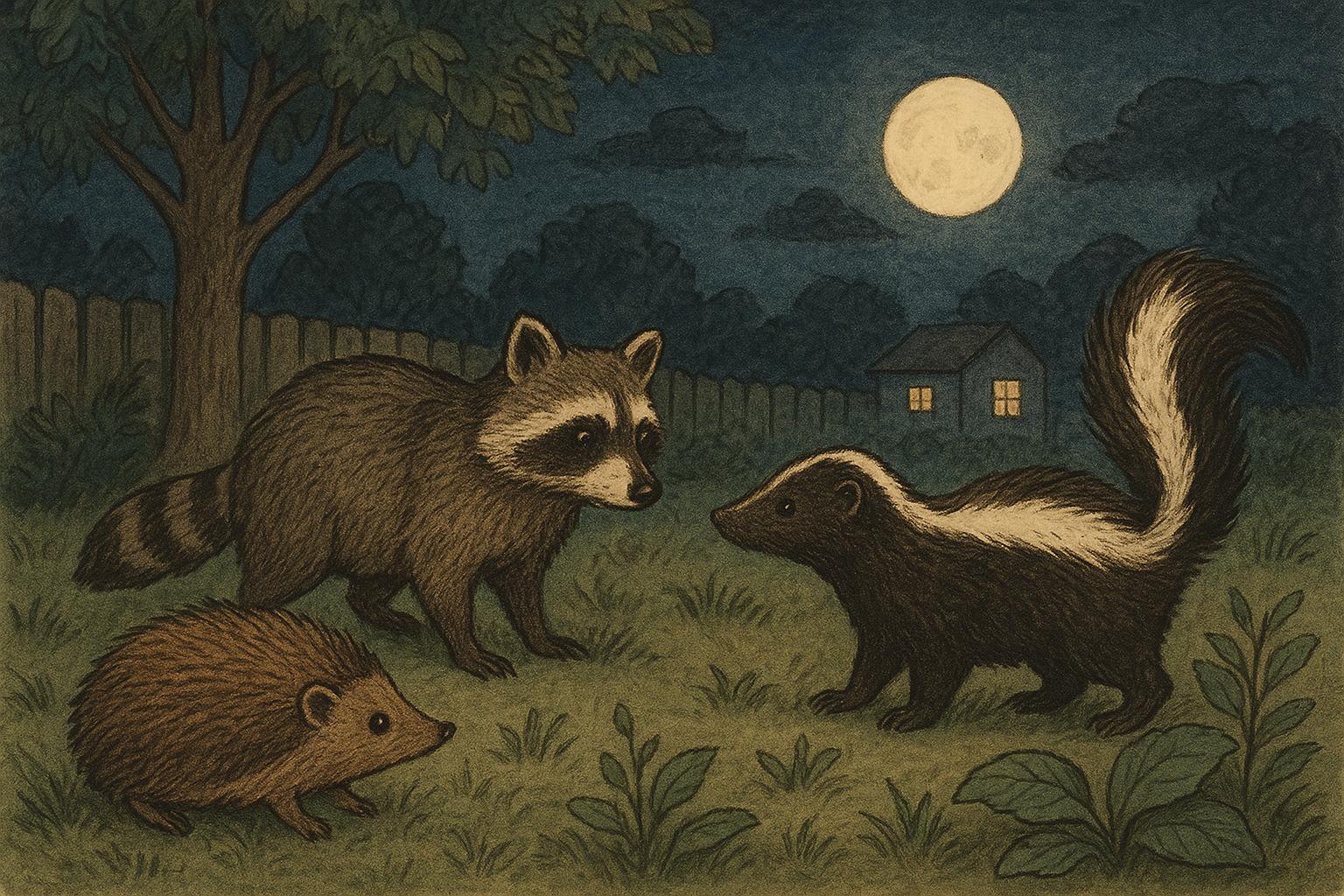
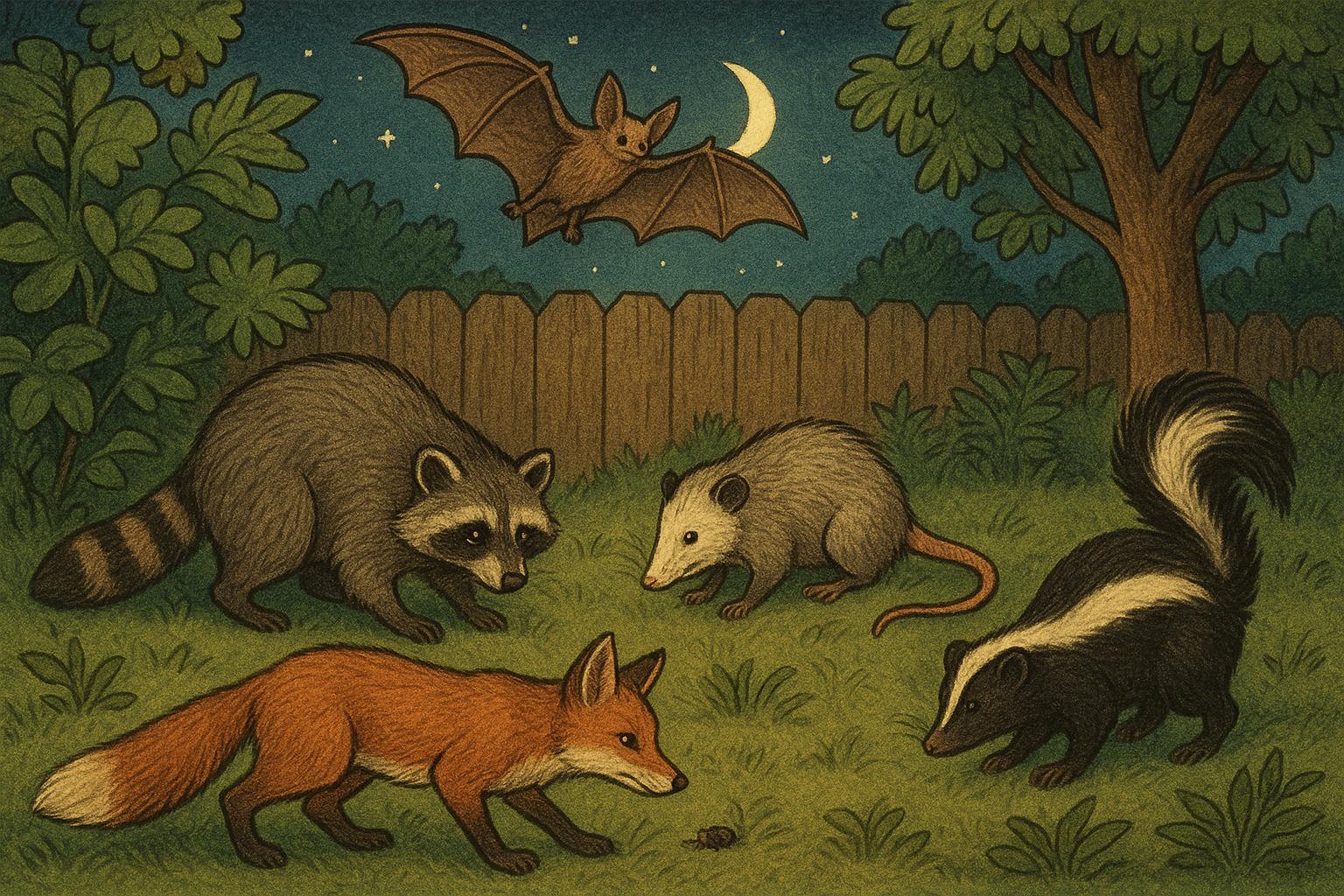
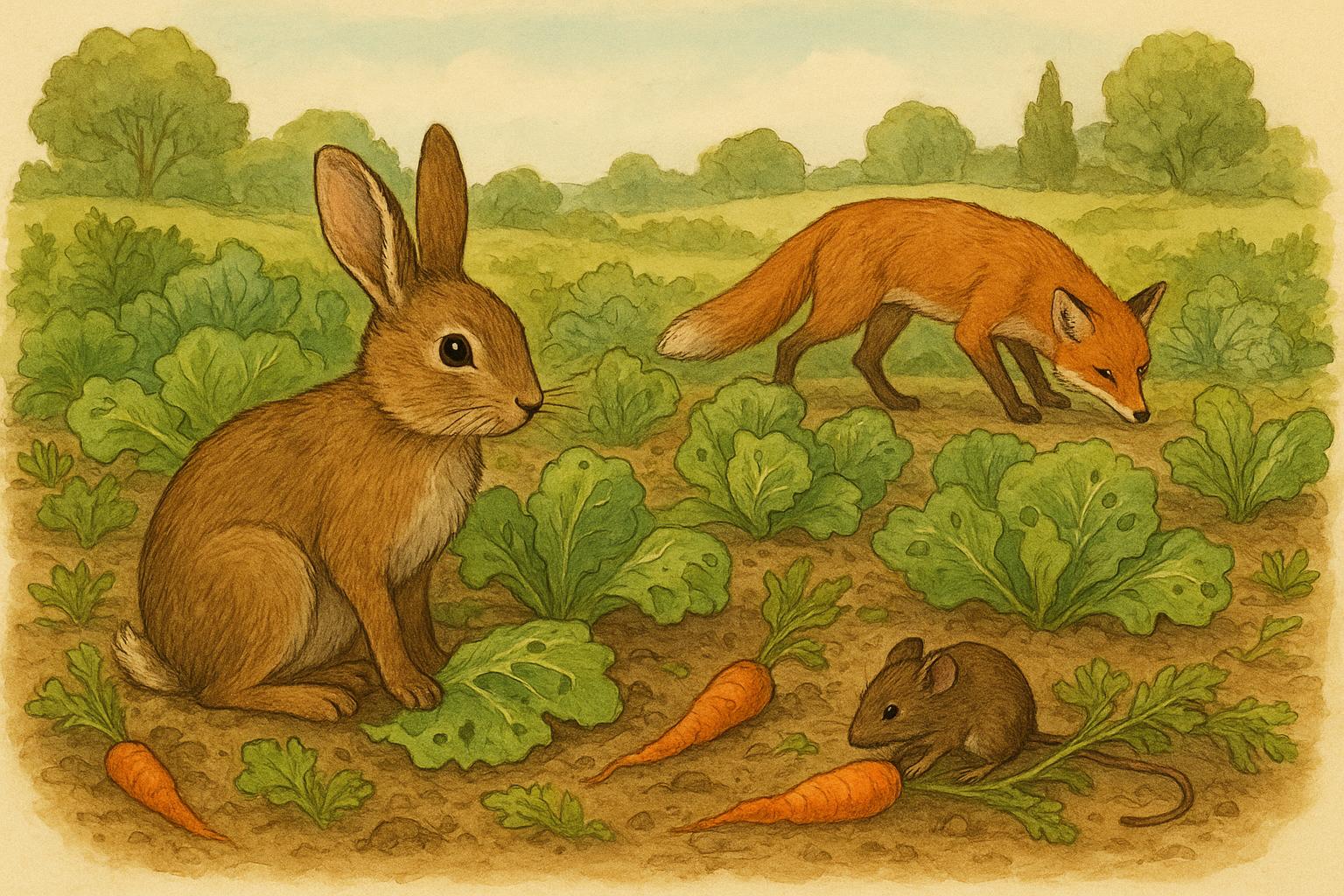
Rabbits don’t usually make full burrows in lawns; they scrape shallow depressions. Skunks dig small, conical holes when hunting grubs, leaving tip-up patches with loose soil. Raccoons and opossums will dig intermittently and leave clumpy, disturbed areas rather than shaped mounds.
## Tools And Techniques For Closer Inspection
You don’t need fancy gear. A flashlight, a trowel, maybe a short probe or metal rod will do.
#### Basic Steps For Responsible Inspection
1. Wear gloves and avoid sticking your hand into holes.
2. Use a flashlight to peer into any hollow entrance. Light can reveal a tunnel or a plugged end.
3. Probe gently with the rod to see if tunnels run horizontally or drop down. Horizontal tunnels mean gophers or rodents; vertical drops could be badger or fox dens in some regions.
4. Mark active sites with a stake and revisit in a day to see fresh soil accumulations or tracks.
For burrow identification, avoid collapsing tunnels when probing. Compact soil can cause injury to the animal or damage the tunnel’s structure, which might confuse your identification.
### Reading Tracks And Droppings
Look around the entrance for footprints. Small paw prints that show claws and a centralized pad often belong to skunks or raccoons. Rabbit tracks are distinctive — long hindfoot impressions with smaller forefeet. Droppings inside or near a burrow help with burrow identification too. Pellet-like droppings indicate rabbits; tubular, segmented droppings are rodent material.
## What Burrow Clues Come From Soil And Vegetation
Pay attention to how the soil behaves and what the plant life tells you.
– Freshly excavated soil is loose and lighter in color if it came from deeper down. Topsoil looks darker and richer. If you see the lighter subsoil on the surface, that was dug from deeper tunnels.
– Bent or matted grass pointing toward a hole suggests recent activity; the animal walks out and drags blades inward.
– Roots cut cleanly mean the animal used a sharp digging motion; torn roots point to surface digging or a larger animal.
These burrow clues are small details, but together they paint a clear picture. When you examine several sites across your yard, patterns emerge. The same type of mound repeated every few feet probably means one species is at work, not random disturbances.
### Seasonal Patterns And Behavior
Animals behave by season. Spring and fall are common times for new burrows. Juvenile animals disperse in late spring and summer and will test new burrow sites. After droughts or heavy rain, animals may push up more soil as their tunnels collapse or as they search for food closer to the surface. Knowing local seasonal behavior helps when distinguishing yard burrows from mounds.
## Safety And Practical Decisions
Not all burrows need immediate action. Some animals are harmless and beneficial; moles, for example, eat grubs and aerate soil. Others cause landscape damage or create tripping hazards. When deciding what to do, weigh risk, property damage, and legal protections — some species are protected in certain regions.
If you choose to intervene, do so humanely and with local regulations in mind. Exclusion methods, habitat modification, and targeted trapping (performed by licensed professionals where required) are the main options. Don’t pour anything toxic into burrows or use crude traps that can harm non-target animals, pets, or kids.
## Fixing The Lawn Without Encouraging Re-Digging
If you’ve identified burrows and want to repair damage, match your fix to the cause.
– For mole ridges: Flatten gently with a rake and water to settle soil. Avoid filling tunnels completely unless you want to collapse them; that can make moles dig new ones.
– For gopher mounds: Scatter the soil into low spots and plant ground-covering grasses or flowers; gophers prefer loose soil to dig, and dense roots discourage them.
– For skunk or raccoon digs: Replace topsoil and reseed quickly. These animals return if there’s a food source like grubs or uncovered compost. Remove attractants.
Use a topsoil mix that matches your lawn’s texture. If you fill holes with different soil, it compacts differently and will settle in odd ways, creating future depressions. Water after filling to help compaction and then monitor for signs of fresh activity.
### Preventive Landscaping
Simple changes reduce burrowing incentives. Keep compost bins sealed. Remove brush piles and excessive mulch where animals hide. If grubs are the problem, treat the lawn appropriately—some natural predators and targeted insecticides help, but balance pest control with environmental concerns.
Planting shrubs with dense roots near vulnerable areas makes tunneling harder. Avoid open piles of rocks or wood that invite wildlife to nest nearby. For areas you must protect, hardware cloth buried vertically along garden beds forms an effective barrier.
## When To Call In The Pros
There are times when DIY identification and fixes aren’t enough. If burrows multiply rapidly, if someone trips, or if you suspect a den with young animals, contact a wildlife control professional. Choose someone who documents methods, follows local laws, and offers humane options. The right pro will use the same burrow clues you can read and explain why a particular method makes sense.
### Questions To Ask A Wildlife Specialist
– How will you identify the species?
– What methods do you use, and are they legal here?
– Will you provide a written estimate and follow-up plan?
– Do you offer exclusions or only removal?
A good technician will show you the signs that led them to a diagnosis, not just tell you what animal was present. That’s a practical test of expertise.
## Small Experiments To Improve Your Skills
If you want to get better at distinguishing yard burrows from mounds, run a few low-effort tests.
1. Place a small twig across a suspected tunnel entrance and check it the next day for disturbance. This tells you if the tunnel is still in use.
2. Sprinkle a little flour around overnight near a hole to catch tracks — an easy way to record paw prints.
3. Gently disturb a mound and note whether the animal repairs it within 24–48 hours. Quick repairs mean active tenants.
Keep records. After a season, you’ll recognize the differences between mole activity and gopher behavior without tools. You’ll also know which areas of your yard are repeatedly targeted and why.
Finally, remember that context matters. A single mound after rain might be nothing. Multiple, patterned mounds repeated across sunny lawn areas point to a resident digger. When you’re distinguishing yard burrows from mounds, approach every site like a small mystery: collect the burrow clues, weigh the possibilities, and take the least invasive, most sensible step next. That way you fix the problem and keep the yard healthy, without causing more trouble or betraying your neighbors’ pet rabbit for doing something perfectly natural and visible.







Leave a Reply