
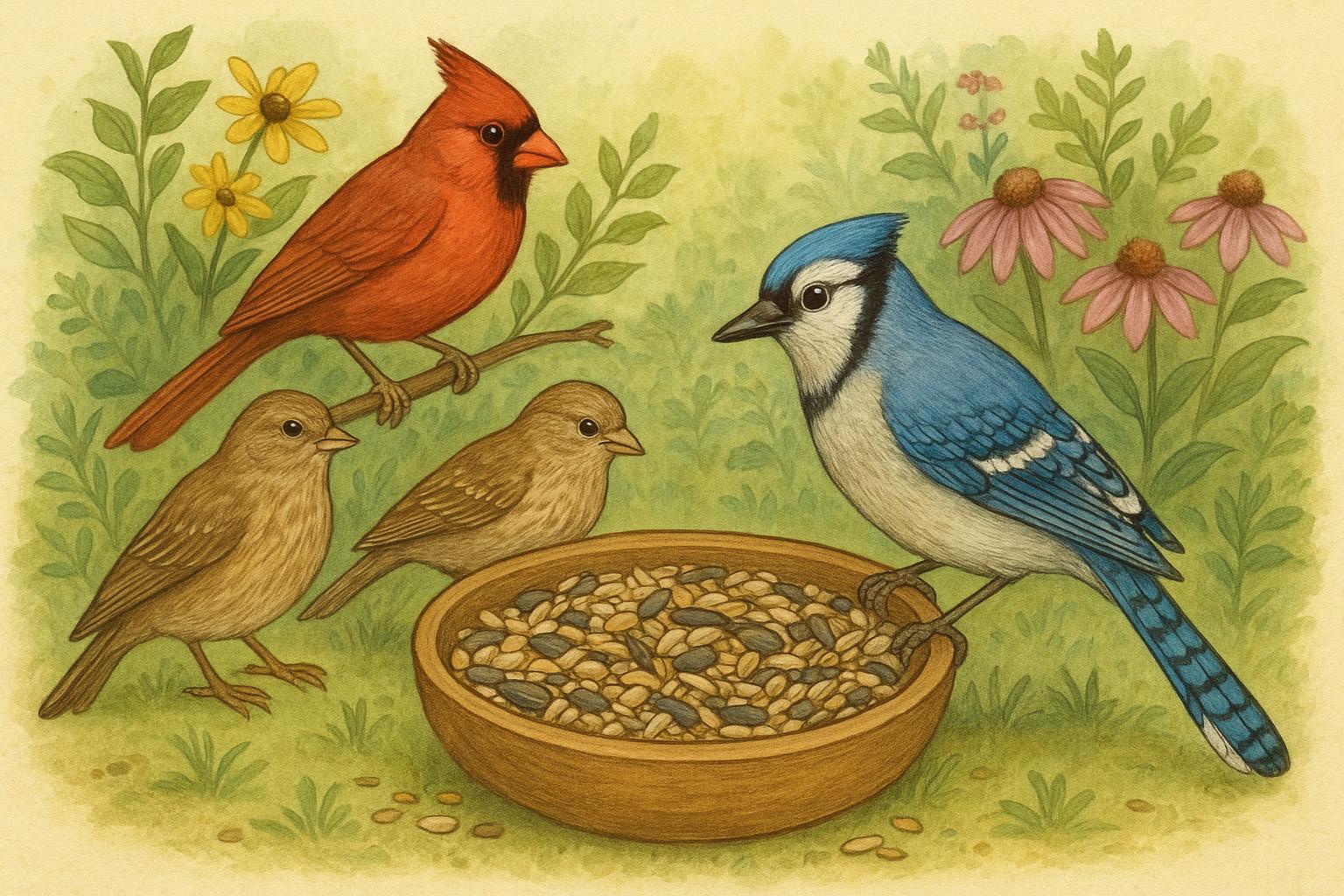
## Why Seed Mixes Matter For Backyard Birds
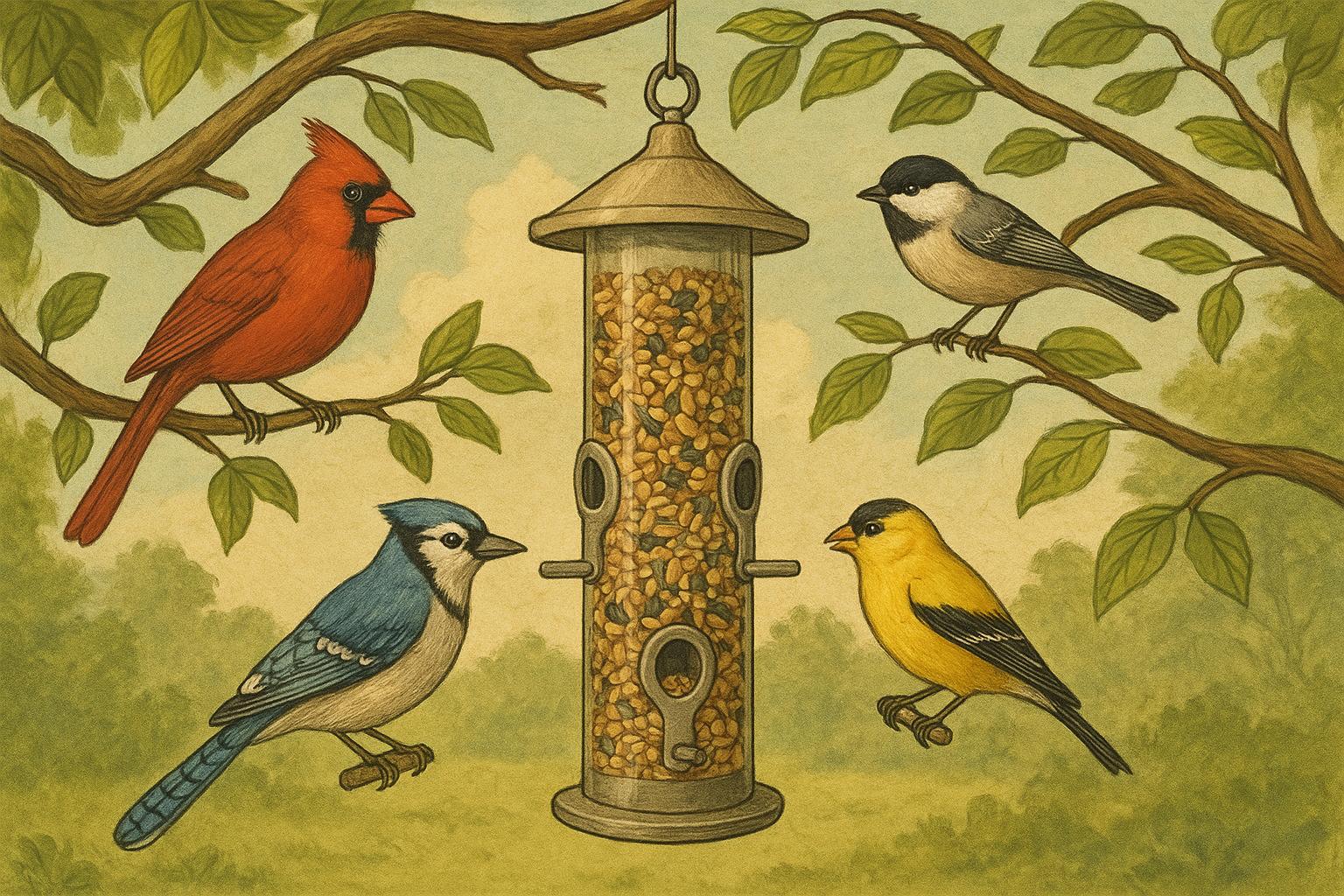
If you want more than one or two species visiting your yard, what you pour into the feeder matters. Different birds have different diets, beak shapes and habits. A cheap, generic bag of bird seed will bring a handful of house sparrows and maybe a few doves. A thoughtful selection of seed mixes will pull in finches, cardinals, grosbeaks, chickadees, nuthatches and more. That variety changes everything about watching birds from your window.
This isn’t about buying the most expensive brand. It’s about matching seeds to species and seasons. Some mixes are designed to attract quantity; others to attract diversity. Knowing the ingredients and why birds like them makes your yard more inviting. And it reduces waste — both money and unused seed on the ground.
## Choosing Seed Mixes For Diverse Backyard Birds
When the goal is wide species diversity, you want seed mixes that include a variety of seed sizes and types. The easiest shorthand: include black-oil sunflower, nyjer, millet, safflower and cracked corn in different proportions. Each of those targets different beaks and feeding styles.
Black-Oil Sunflower
– Attractive to: Finches, cardinals, grosbeaks, chickadees, nuthatches.
– Why: High fat content, thin shell, easy to extract.
Nyjer (Thistle)
– Attractive to: Goldfinches, siskins, some redpolls.
– Why: Tiny, high-oil seeds best presented in tube feeders.
Safflower
– Attractive to: Cardinals, grosbeaks, some doves.
– Not attractive to: House sparrows and starlings often avoid it.
Millet
– Attractive to: Sparrows, juncos, towhees, ground-feeding doves.
– Best used: In platform feeders or on the ground.
Cracked Corn
– Attractive to: Doves, blackbirds, jays, many ground feeders.
– Use sparingly if you want to limit large flocks of starlings.
A single all-purpose mix that piles these ingredients together works okay. But you’ll get better results by offering a couple different feeders with specialized mixes. That way you don’t force a bird to compete with a species that prefers a different seed size.
## Understanding Common Ingredients In Seed Mixes
Mixes vary a lot. Some are heavy on millet and filler, others on sunflower and nuts. Learn the staples.
### Black-Oil Sunflower
Thin shell. Big reward. It’s the single best seed to attract a lot of species. Cardinals can crack it, chickadees can strip it quickly, and it’s not too large for smaller finches. If you have to choose one seed, this is it. Use in tube and hopper feeders, and in platform feeders too.
### Nyjer (Thistle)
Tiny and valuable. Nyjer is expensive, but worth it for attracting goldfinches and siskins. Must be offered in a fine-mesh tube feeder or an inverted sock. Expect a steady stream of small birds if you keep it fresh; nyjer goes rancid faster than larger seeds.
### Safflower
Safflower is denser and has a slightly bitter taste to many starlings and blackbirds. Cardinals enjoy it, as do some grosbeaks. It’s a good selective ingredient when you want to favor larger songbirds over aggressive flocks.
### Millet
White proso millet is cheap filler in many seed mixes. It attracts ground-feeding species: sparrows, juncos, towhees. Too much millet, though, and your feeder becomes a sparrow magnet. Balance it depending on which sepcies you actually want.
### Cracked Corn And Peanuts
Cracked corn draws doves, jays and some gamebirds. Peanuts — shelled or in pieces — bring jays, woodpeckers, titmice. Use peanuts carefully if you live in an area with a lot of squirrels; they’ll devour them fast.
### Specialty Add-Ins
Dried fruit, suet pieces, and safflower chips show up in some premium mixes. These can attract winter fruit-eaters like robins and waxwings, and they add variety for woodpeckers and nuthatches. But they also go bad faster than whole seeds.
## Top Seed Mixes To Attract A Range Of Species
If you want diversity, don’t expect a single bag to be perfect. Below are practical combinations and why they work.
### Multi-Species Blend (Balanced)
A balanced multi-species blend typically includes:
– 40–50% black-oil sunflower,
– 20–30% millet,
– 10–15% cracked corn,
– 5–10% safflower and peanuts.
Who it brings: Cardinals, sparrows, doves, finches, chickadees, jays. Good all-around choice for mixed yards. Avoid if you strongly prefer finches over sparrows.
### Finch-Focused Mix
A finch mix emphasizes nyjer and small sunflower hearts. Use in tube feeders designed for nyjer. Formulation:
– 60% nyjer,
– 30% sunflower hearts,
– 10% small seeds or dried insects.
Who it brings: American goldfinch, purple finch, siskins. Expect small, tight groups. Offer this separately from a ground mix.
### Ground-Feeder And Sparrow Mix
If you like towhees, juncos and sparrows:
– 50% millet,
– 20% cracked corn,
– 20% millet/other small seeds,
– 10% sunflower chips.
Place it on the ground or in platform feeders. This mix keeps ground-feeding birds happy but will also tempt some larger species.
### Premium Mix For Hummingbacks (Seed-Plus)
Some mixes blend seeds with dried fruit and nut pieces for fruit-eating species in colder months:
– 40% sunflower,
– 20% peanut pieces,
– 15% dried currants or cranberries,
– 25% mixed seeds and suet pieces.
This appeals to woodpeckers, nuthatches, waxwings and even some thrushes. Rotate during winter to prevent spoilage.
### DIY Seed Mix For Diversity
If you prefer making your own:
– Base: black-oil sunflower 40%
– Filler: millet 25%
– Selective: safflower 10%
– Specialty: nyjer 10% (in separate feeder)
– Treats: peanuts 10% (in separate tray)
Separating nyjer and peanuts keeps small finches safe from larger competitors and reduces waste.
## How To Use Seed Mixes Effectively
Putting out the right seed is only half the job. The way you present it makes a huge difference.
### Use Multiple Feeders
One mix in one feeder creates a hierarchy: the biggest, most aggressive birds dominate. Put different seed mixes in different feeders. A nyjer tube, a sunflower tube, a hopper with mixed seed, and a ground tray will divide the feeding pressure and increase species diversity.
### Positioning
Place feeders at different heights and near cover. Finches love open perches near seed but close enough to shrubs for quick escape. Ground feeders need low cover nearby so sparrows and juncos feel safe.
### Keep It Fresh
Seeds spoil. Moldy bird seed is bad for birds and will reduce visits. Clean feeders regularly and replace uneaten seed every few days in warm weather. Nyjer and sunflower hearts are oilier and go rancid faster; check them often.
### Cleanliness
Clean up hulls under feeders. A tidy feeding station reduces disease risk and discourages rodents. A scattering of seed on the ground invites sparrows and doves — good if you want them, but not if you want finches to dominate.
## Seasonal Considerations For Seed Mixes
Bird needs change with the seasons. Adjust mixes accordingly.
### Spring And Summer
Breeding birds need more protein. Add high-protein treats like nyjer and peanut pieces. Mealworms in a dish will attract bluebirds and robins. Reduce cracked corn, which is more of a calorie-dense winter staple.
### Fall
Migrants pass through. Consider a mix with dried fruit to supply quick sugars and fat. Keep sunflower seeds readily available; many migrants will stock up before continuing.
### Winter
Fat-rich seeds help birds survive cold nights. Increase black-oil sunflower and peanut offerings. Suet and high-energy seed mixes become important. Also, watch for icing and snow that can cover ground feeding areas.
## Feeder Types And Placement To Maximize Diversity
Different feeders favor different mixes. Matching feeder to seed avoids waste and attracts the intended species.
### Tube Feeders
Best for sunflower seeds and nyjer. Use wire cages around larger tube feeders to exclude grackles if necessary. Place at eye level or higher to discourage squirrels.
### Hopper And Tray Feeders
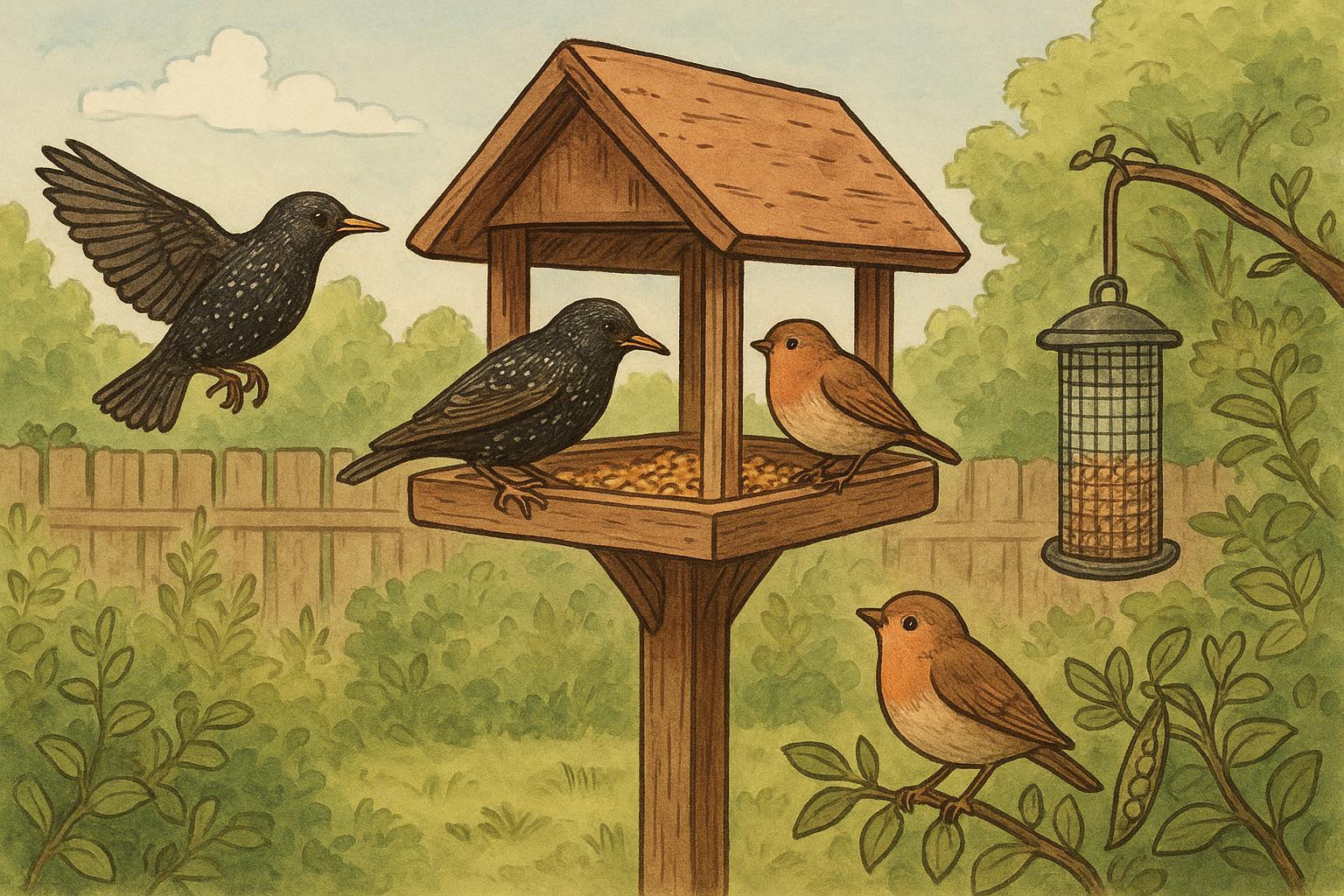
Good for multi-species mixes that include millet and sunflower. Platform feeders are excellent for jays, doves and ground-feeders. Keep them near trees to give birds a quick escape route.
### Ground Feeding
Spread millet or cracked corn on a cleared patch of ground, leaving some cover nearby. This attracts sparrows, juncos, towhees and doves, and creates a lively understory feeding area.
### Suet Cages
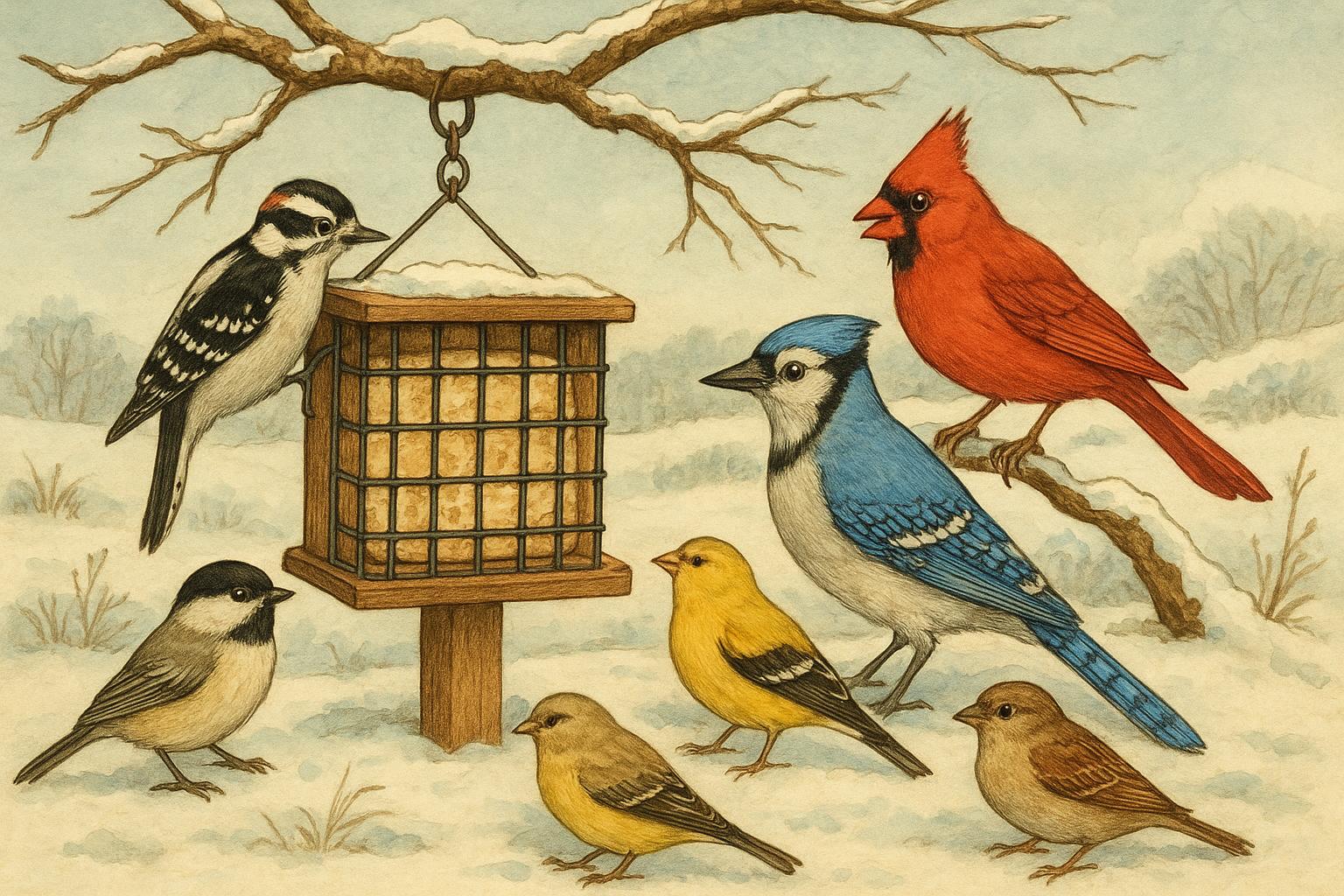
Use suet cages to offer peanut suet cakes or fruit-and-seed cakes. These will bring woodpeckers, nuthatches and chickadees. Suet is critical in cold weather when insects are scarce.
## Making Your Own Seed Mixes
Buying finished mixes is convenient, but DIY gives control over quality and proportions. It’s more economical too.
### Basic DIY Recipe For Diversity
Start with base seeds and add small quantities of specialty items:
– 50% Black-Oil Sunflower
– 20% Proso Millet
– 10% Safflower
– 10% Peanuts (chopped)
– 10% Cracked Corn
Store in a cool, dry place. Keep nyjer separate and only fill nyjer feeders from its container.
### Sourcing Seeds
Buy in bulk from reputable feed stores. Avoid mixes with filler like red millet and excessive canary seeds — those attract mainly sparrows and can be wasteful. Look for fresh-smelling seeds; musty odor indicates age and likely rancidity.
### Safety And Labeling
Label jars clearly and use the oldest stock first. If you keep a variety of mixes, store them in sealed containers to prevent pests and moisture. Rotate stock seasonally.
## Avoiding Problems With Seed Mixes
Every yard has challenges. Anticipate them.
### Aggressive Species
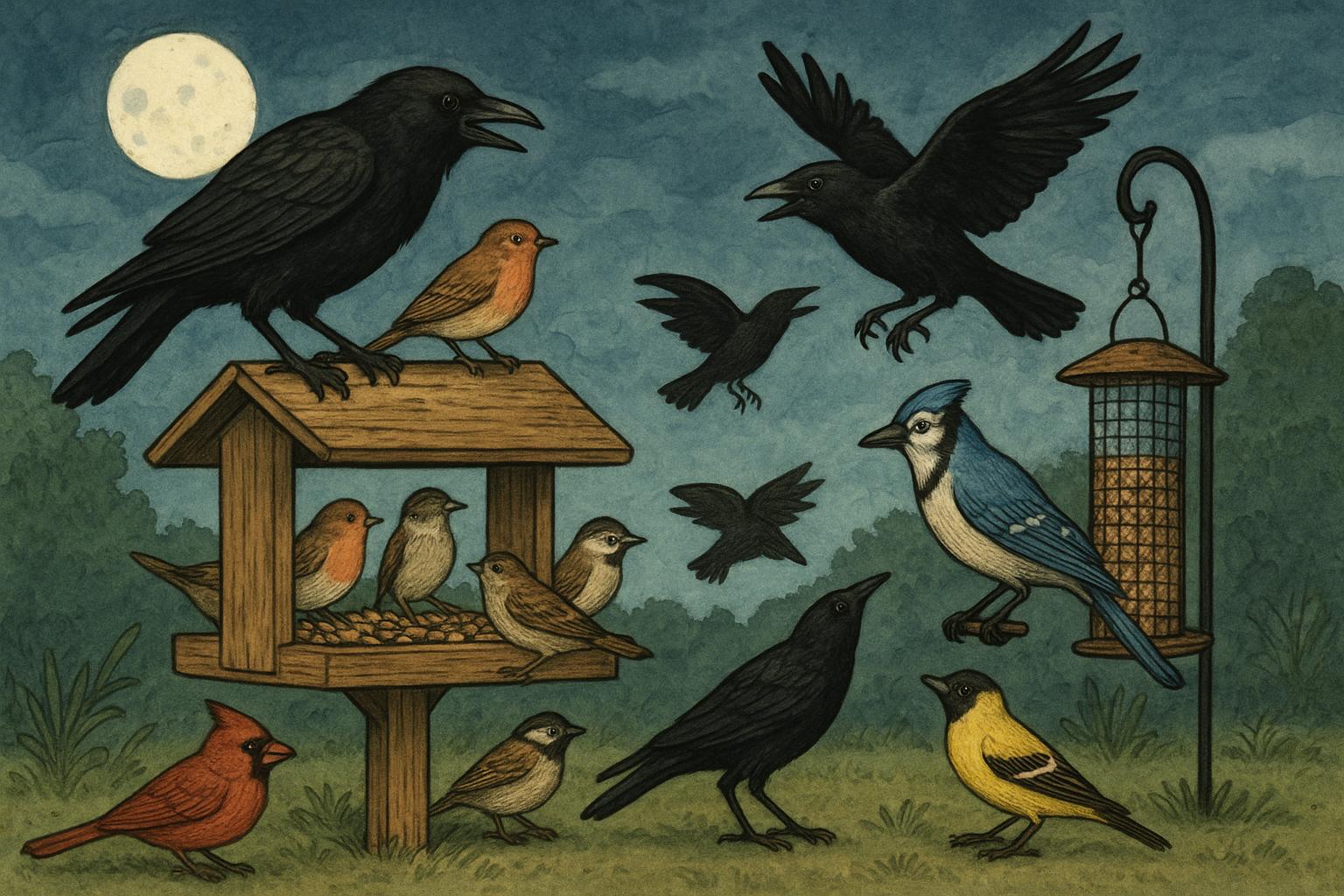
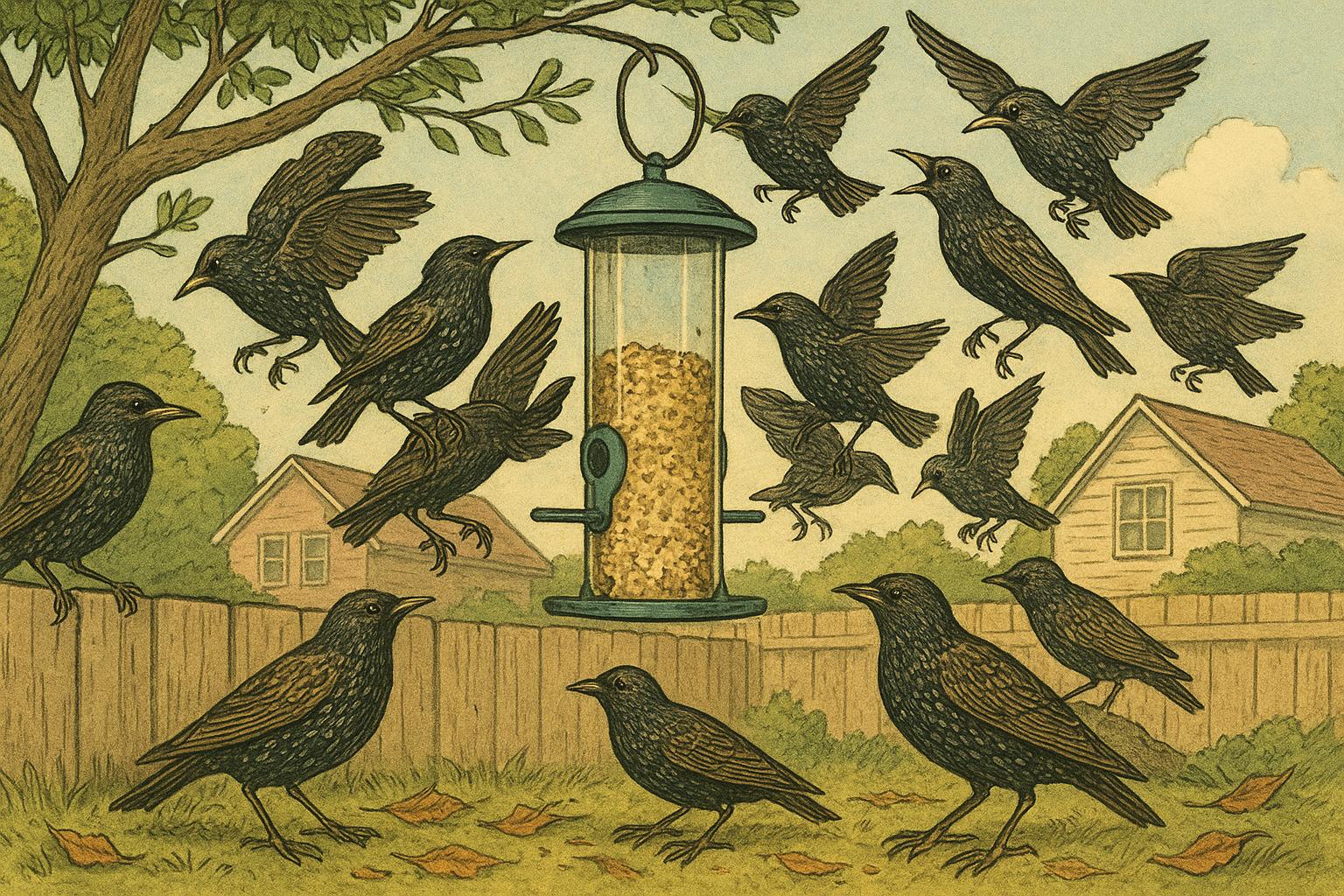
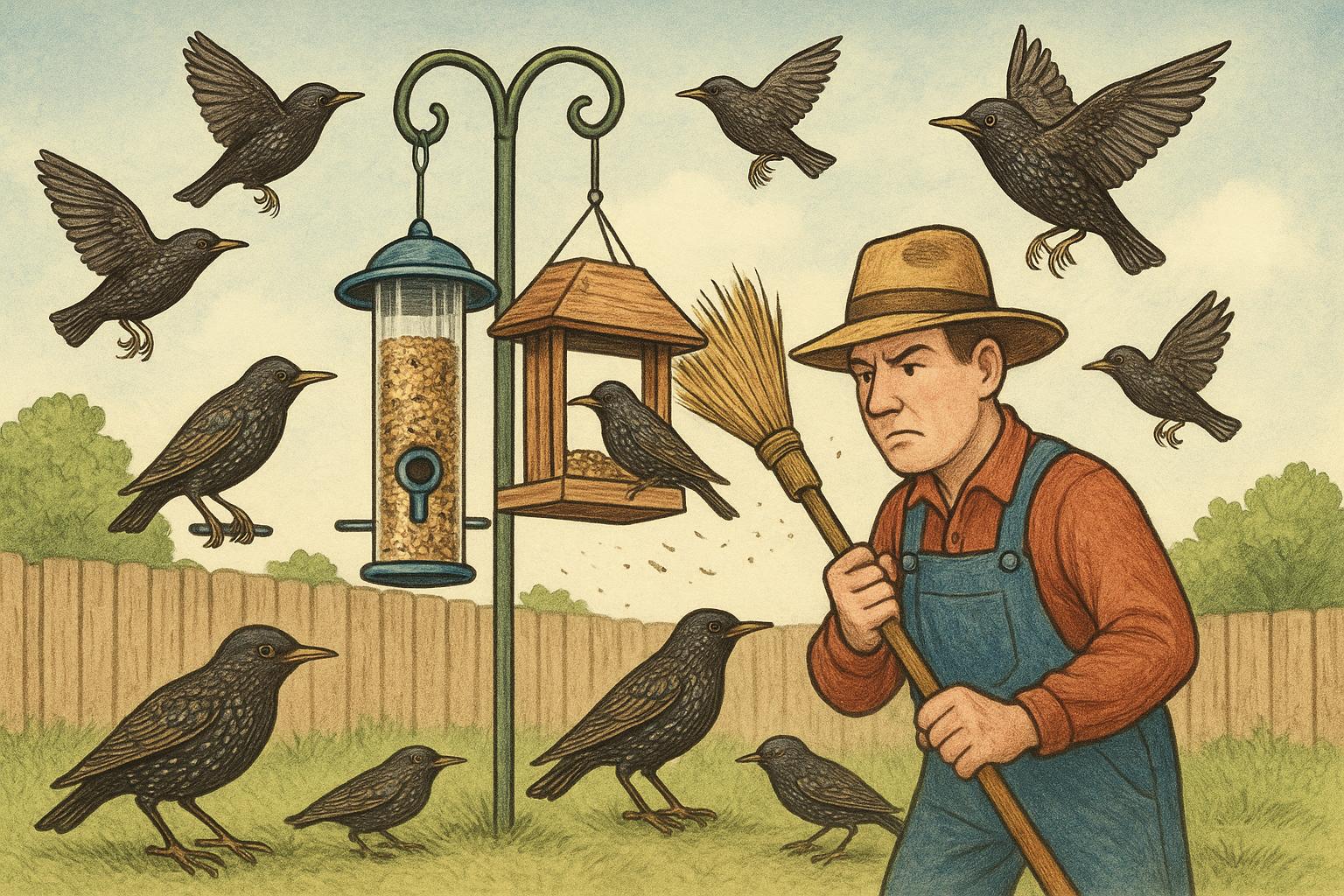
House sparrows and starlings can dominate feeders. Safflower and nyjer are a partial solution since starlings tend to avoid them. Use specialized finch feeders that limit access to larger birds.
### Squirrels And Rodents
Squirrels will empty feeders given the chance. Use baffles, place feeders away from tree limbs, or offer a separate squirrel feeding station with corn to distract them. For rodents, keep seed off the ground if you don’t want to attract them.
### Mold And Disease
Mold grows in damp seed. Keep feeders dry and clean. Replace seed after heavy rain or snow exposure. Rotate feeders and clean with a mild bleach solution occasionally to reduce disease transmission.
### Overfeeding
Leaving too much seed out encourages heavy reliance on feeders and can lead to unnatural congregation levels. Feed enough to satisfy but not oversupply. A few well-placed feeders with daily refills work better than a backyard full of stale seed.
## Species-Focused Tips To Maximize Attraction
Target specific groups within your diversity plan.
### Attracting Finches
– Use nyjer and sunflower chips.
– Provide thistle and seed heads on coneflowers and teasel for a natural supplement.
– Keep feeders clean; finches are picky about seed freshness.
### Attracting Cardinals And Grosbeaks
– Offer larger seeds: sunflower and safflower.
– Place feeders near shrubs for perching.
– Avoid tiny millet mixes for these species.
### Attracting Woodpeckers And Nuthatches
– Offer peanuts and suet.
– Use suet cages and peanut feeders.
– Hang feeders near tree trunks if possible.
### Attracting Ground-Feeders
– Scatter millet on the ground or use a low platform.
– Provide nearby low cover for safety.
– Avoid placing ground feed under dense shrubs where predators can hide.
## Common Mistakes People Make With Seed Mixes
Understanding what not to do is as valuable as knowing what to offer.
– Using one big bag and expecting every species to show up. It won’t happen.
– Letting seed sit and go stale. Fresh beats variety if you must choose.
– Mixing nyjer with regular seed in the same hopper. Tiny seeds fall through and spoil everything.
– Over-relying on filler-heavy mixes that are cheap but attract only house sparrows.
– Placing all feeders in one spot without vertical variety. Different species prefer different heights.
## Where To Buy Quality Seed Mixes
Not all stores are equal. Local feed stores often have fresher stock than big-box chains. Wild bird specialty stores carry higher-quality blends and single-seed bags like nyjer or safflower. Buying in-season and in smaller quantities helps maintain freshness. If you buy online, check reviews for freshness and packing date.
## Cost Versus Value
The cheapest mix will get birds — but probably not the mix you actually want. Spending a bit more on black-oil sunflower and separating nyjer into its own feeder will pay off in species variety and viewing pleasure. Think of it like gardening: good soil (quality seed) makes the flowers (birds) show up better.
## Observing And Tuning Your Mixes
Watch. If your yard is overrun by one species, tweak proportions. If goldfinches are scarce, add nyjer. If sparrows dominate, cut the millet. Keep a simple log if you’re serious: which mix goes where and which birds show up. Change one variable at a time so you know what works.
## Legal And Ethical Considerations
In some regions, feeding certain species is discouraged or regulated, especially where feeders might encourage invasive species. Check local guidelines. Never feed birds bread or processed foods; these provide little nutrition and can cause harm.
## The Little Extras That Make A Big Difference
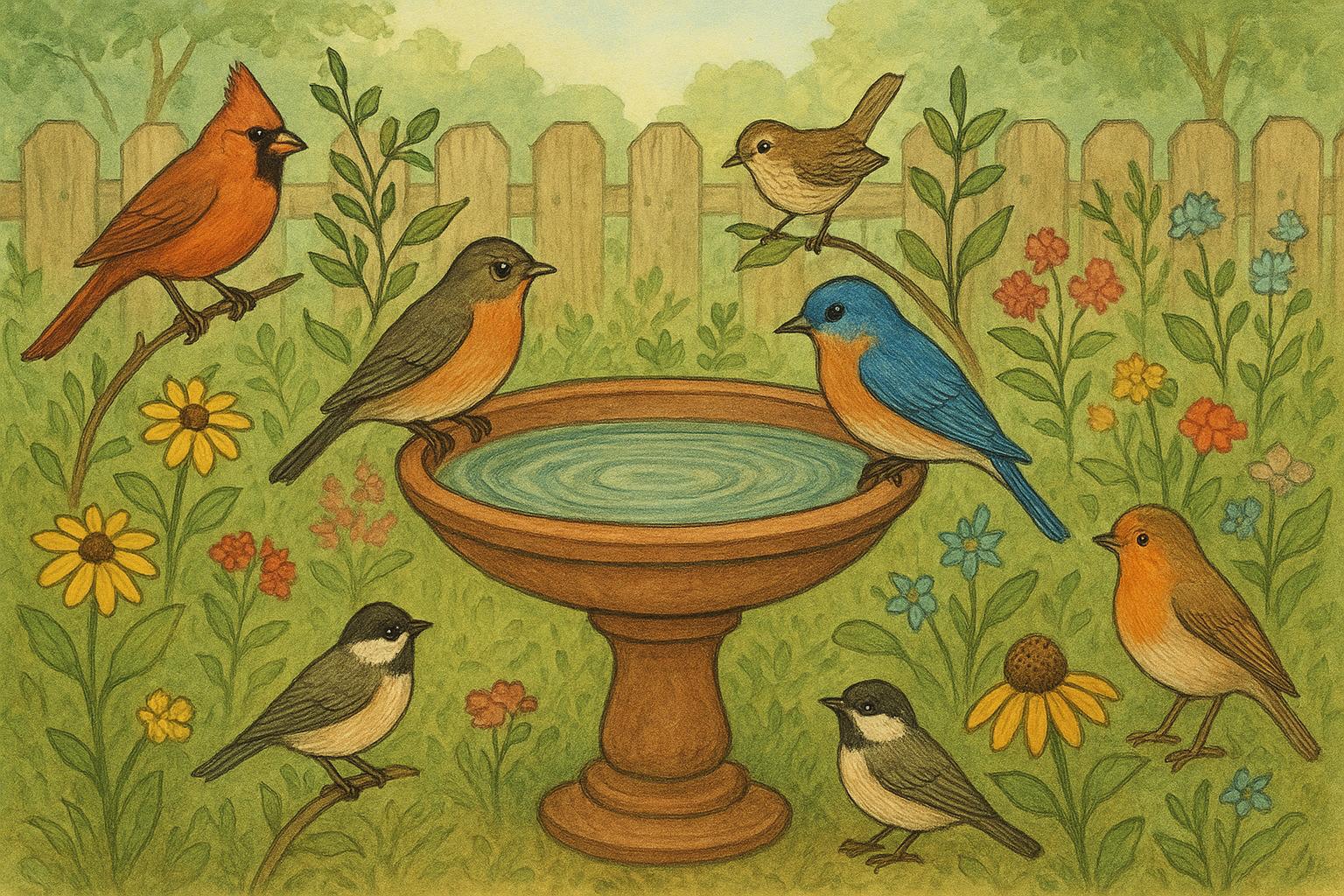
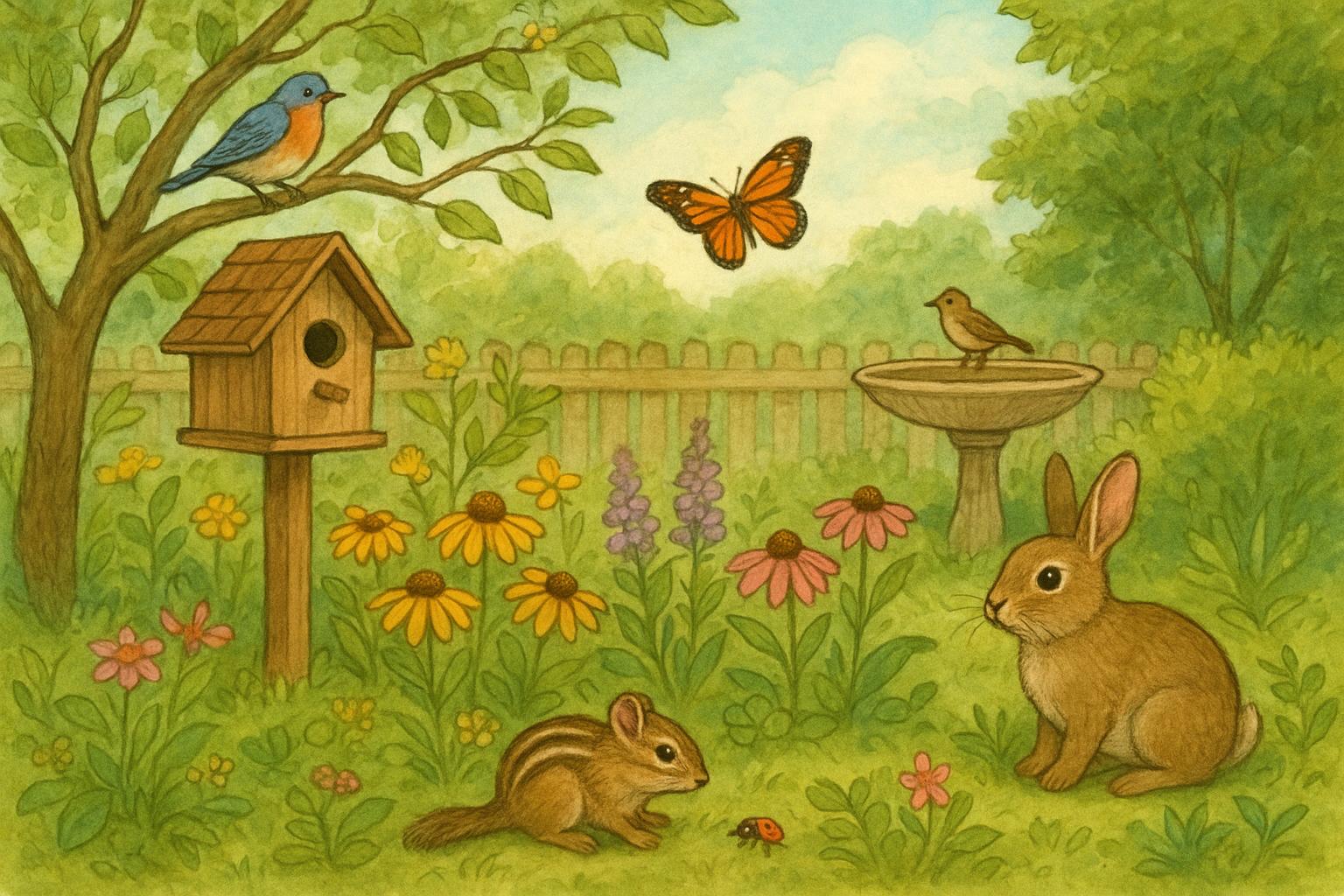
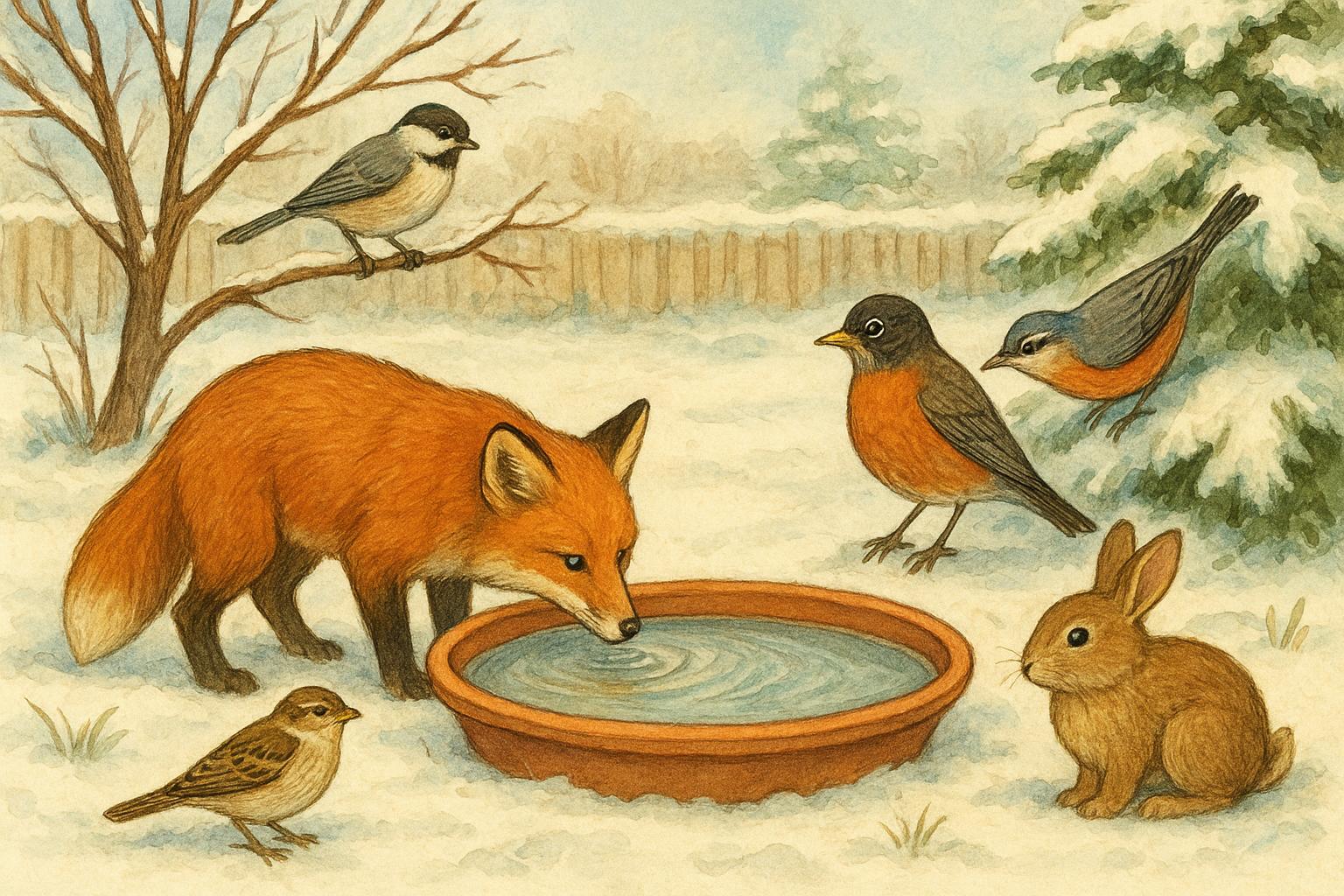
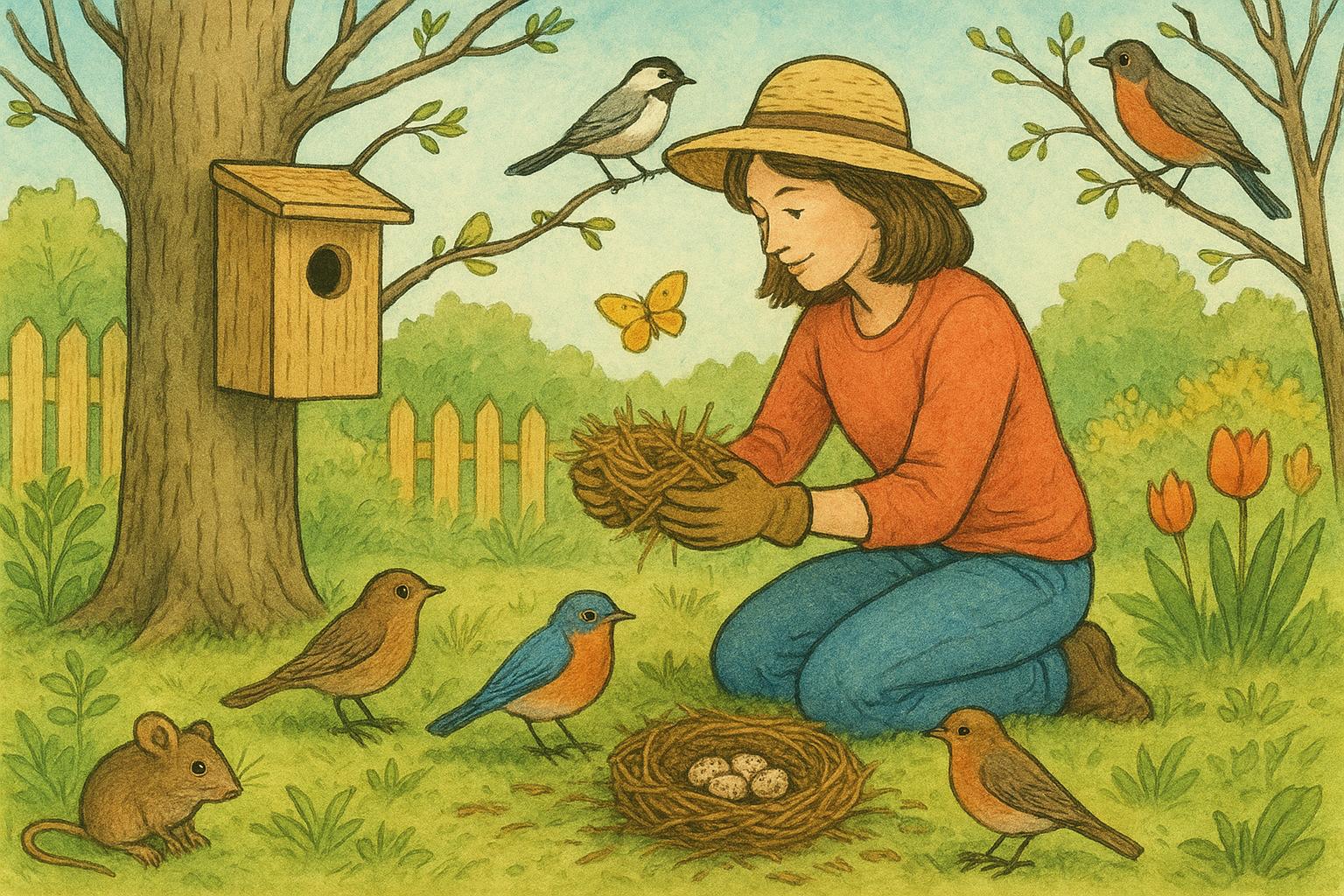
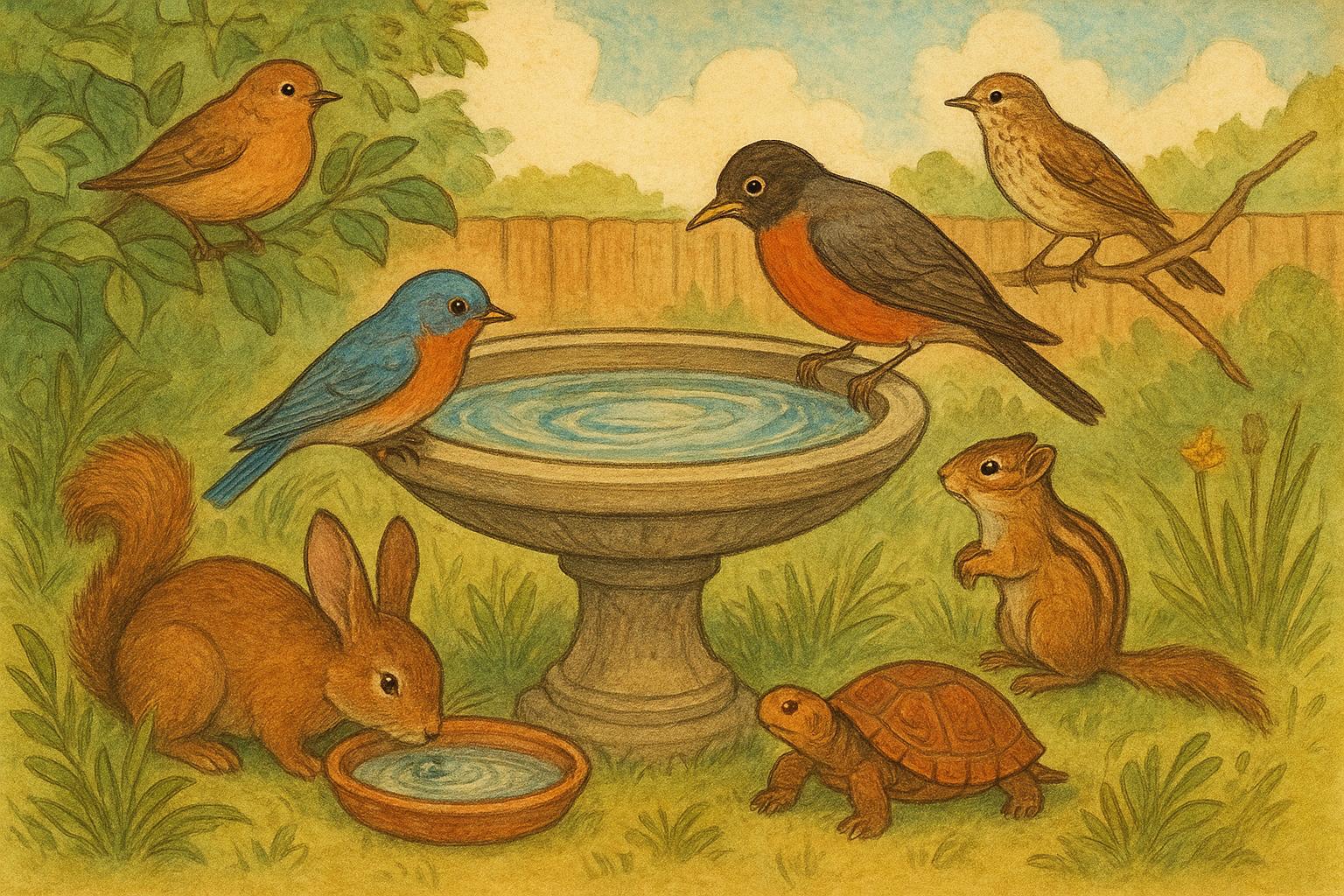
Nutritious water sources, native plants, and nesting material complement seed mixes. A small, heated bird bath in winter keeps species coming through cold snaps. Planting native shrubs that produce berries will supplement seed offerings naturally and support more species year-round.
Keep experimenting. Small shifts in seed mixes and feeder placement produce big changes in who shows up. And don’t worry about perfection — part of the fun is learning which combinations work in your yard. Enjoy the variety, and be ready to refill the feeders.

Leave a Reply