
## What Are Gopher Holes And How To Recognize Them
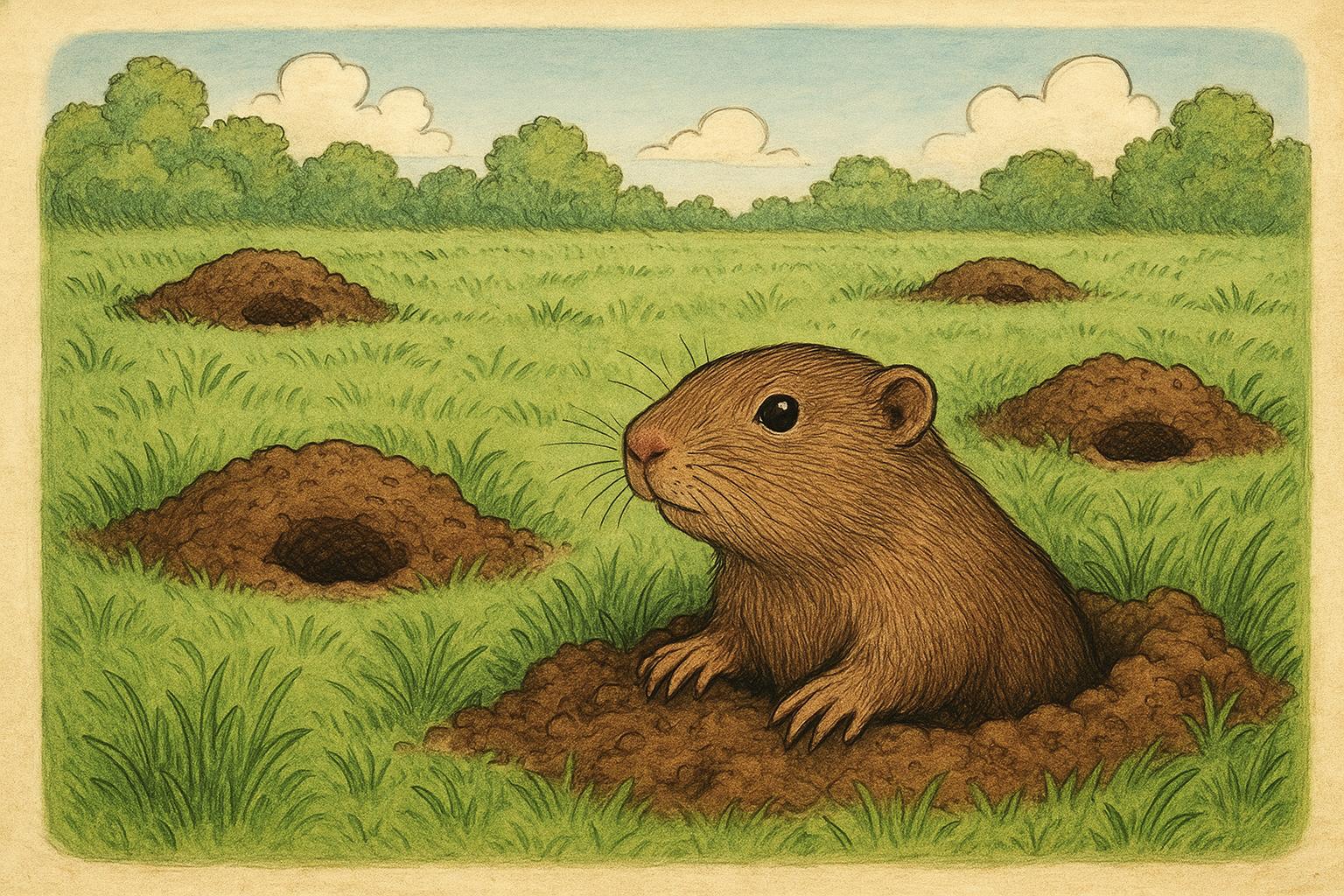
If you’ve ever walked across your lawn and felt like you were navigating a miniature moonscape, chances are you’re dealing with gopher holes. These are the entrance or spoil piles created when pocket gophers push excavated soil to the surface. They’re small, neat, and often fan-shaped — like someone took a tiny shovel to your grass with an eye for design. In this guide you’ll learn how to identify gopher holes, tell them apart from other critters’ work, and — when necessary — how to deal with them responsibly.
### Typical Signs Of Underground Activity
Gopher holes are usually accompanied by a few telltale signs:
– Fresh soil mounds with a low, fan or crescent shape.
– Tunnels beneath the surface that collapse after a day or two if left alone.
– Chewed roots, especially of bulbs, young trees and vegetable plants.
– Areas of raised, uneven turf that can create tripping hazards.
#### The Distinctive Fan-Shaped Mounds
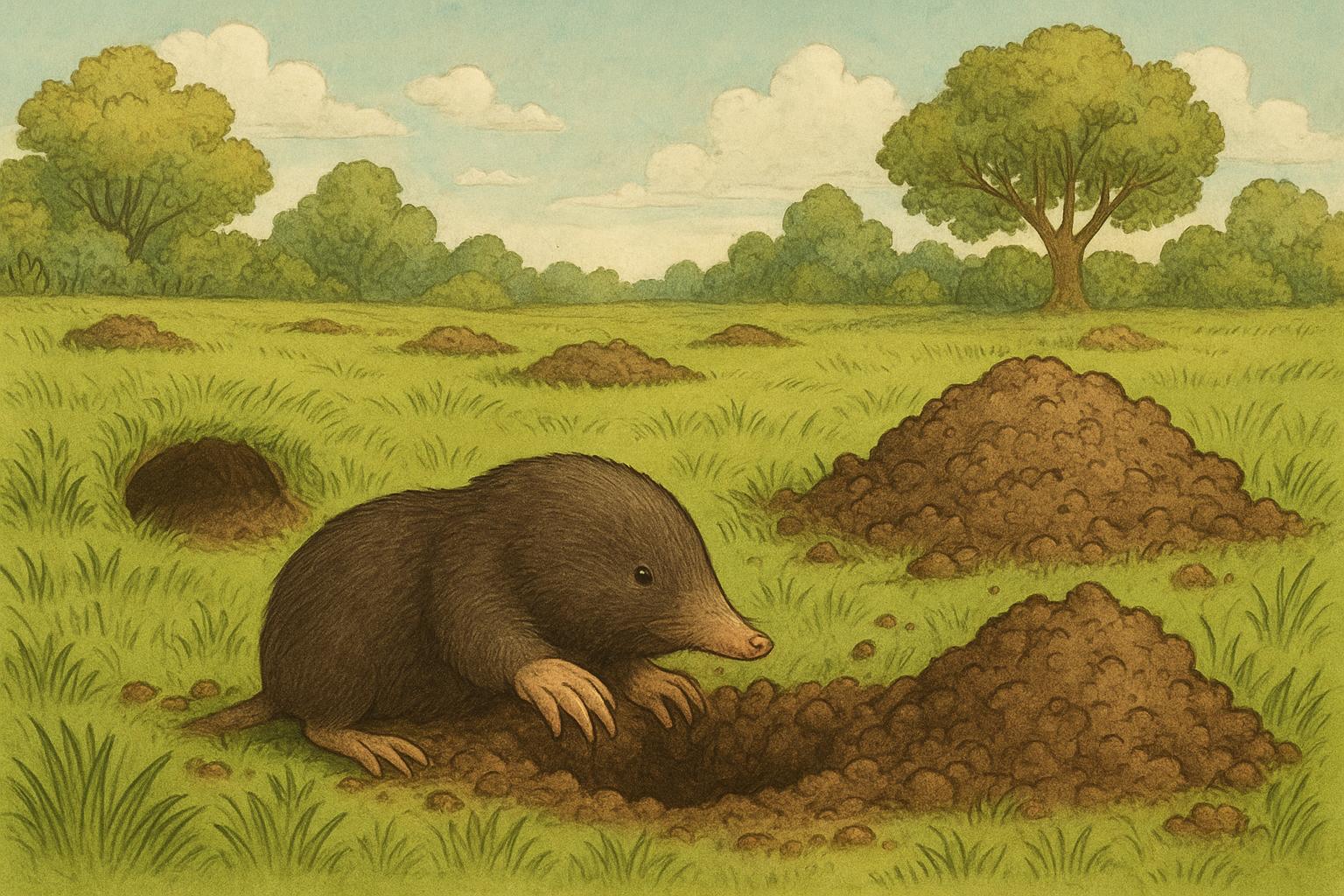
Unlike mole hills, which tend to be round and volcano-like, gopher holes form crescent-shaped spoil piles. The actual entrance to the tunnel is often hidden on the side of the mound, so you don’t see a neat hole like with some other burrowers. If you see small, pellet-like bits of soil spread in a shallow arc, that’s a strong indicator of gopher activity.
### How Gopher Holes Differ From Moles, Voles, And Ground Squirrels
Moles create ridged tunnel lines under the grass as they hunt for insects; their mounds are conical. Voles leave runways in the grass and nibble on stems near the surface. Ground squirrels and prairie dogs dig larger, rounder burrows with more open entrances. Gopher holes are unique because they are primarily excavation spoil piles and tend to be isolated rather than forming the continuous raised tunnels you see with moles.
## Lawn Damage Patterns Caused By Gopher Holes
Gopher holes can do more than just make your yard look lumpy. Their tunneling damages roots, uproots plants, and can create hazards for lawn equipment.
### Plant Damage And Root Severing
Gophers feed mainly on roots and bulbs. They tunnel directly through root systems, which causes plants to wilt or die without obvious above-ground chew marks. If a cluster of plants or a row of garden veggies suddenly fails and you find gopher holes nearby, the two are often related.
### Surface Unevenness, Sinkholes, And Dead Grass
As tunnels collapse or as gophers excavate new chambers, the soil above can settle unevenly. That leaves sunken patches, exposed roots, or dead grass. Over time, repeated digging can change drainage patterns in your lawn, creating soggy spots or dry dips.
## How To Inspect And Map Gopher Activity
A little detective work saves a lot of time and effort later. Mapping activity helps you target remedies instead of treating the whole yard.
### When To Inspect And What Tools To Use
Inspect early in the morning or after a light rain when soil is soft and gophers are active. Bring:
– A shovel or garden trowel
– Flagging tape or small stakes
– A notepad or phone to sketch a map
– Gloves and sturdy shoes
#### Marking And Mapping Active Burrows
Flag each fresh spoil pile and note the date. Revisit in 48–72 hours to see which mounds are newly active — gophers can be seasonally active in different parts of their tunnel system. Mapping will reveal clusters where trapping or exclusion will be most effective.
## Remedy 1: Trapping (Recommended)
Trapping is one of the most effective and targeted ways to reduce gopher numbers when done humanely and legally. Below are materials and a formal, step-by-step method for setting traps in active tunnels.
Materials / Required Items:
– One-way gopher traps or box traps (commercially made) or professional spring-loaded gopher traps
– Shovel or probe rod
– Gloves
– Small flashlight or headlamp
– Protective eyewear
– Heavy-duty plastic bags or container for deceased animals (local disposal rules vary)
Step-by-Step Application:
1. Confirm Activity: Identify the freshest mounds using your map (see previous section). Choose a mound that is no more than a few days old.
2. Open The Tunnel: Wearing gloves, carefully dig down into the side of the spoil pile to expose the tunnel. Be cautious — the animal may be nearby.
3. Locate The Tunnel Floor: Clear enough soil to reveal the tunnel route and entrance to the chamber where the gopher travels. Keep disturbance minimal to avoid collapsing the tunnel.
4. Place The Trap: Set the trap in the tunnel according to the manufacturer’s instructions. For spring traps, orient the trigger so the gopher will likely pass through; for one-way traps, place at the tunnel entrance where the gopher will enter but not exit.
5. Mask Human Scent: Lightly brush loose soil back to resemble natural conditions. Avoid directly handling the trap’s triggering area with bare hands to reduce scent transfer.
6. Cover And Mark: Cover the opened section with a board or turf to prevent sun or rain from collapsing the tunnel, then mark the spot with a flag.
7. Inspect Regularly: Check traps once or twice daily. Prompt removal prevents prolonged suffering and reduces exposure to predators or scavengers.
8. Dispose Or Relocate: Remove captured gophers per local laws. In many places, relocation is discouraged or illegal due to disease and survival concerns; follow municipal wildlife regulations.
Note: Always follow local wildlife and pesticide regulations. Use traps designed for pocket gophers and handle animals using gloves and proper sanitation.
## Remedy 2: Baits And Repellents (If Legal In Your Area)
Baits and repellents can be effective but carry more risk to pets, non-target wildlife and people, so use them cautiously and only when legal in your jurisdiction.
Materials / Required Items:
– Approved gopher bait product (sodium nitrate or other toxicants approved locally)
– Bait applicator or trowel
– Gloves and protective equipment
– Measuring cup or scoop per product instructions
– Clear signage to warn neighbors and family
Step-by-Step Application:
1. Check Local Regulations: Confirm which baits are legal and whether permits are required.
2. Identify Active Tunnels: Use mapped active burrows for targeted placement.
3. Follow Label Instructions Precisely: Bait products have specific dosage and placement instructions — read them carefully. Incorrect usage increases collateral risk.
4. Place Bait In Tunnel: Open the tunnel at the spot indicated and deposit the recommended amount inside the main runway, not just in the spoil pile.
5. Seal The Tunnel: Cover the opening to prevent bait removal by birds or pets.
6. Monitor And Reapply As Directed: Inspect after 24–48 hours and reapply only if the product guidelines call for it.
7. Record Use: Keep records of product name, lot number, amounts used, and locations for safety tracking.
Warnings: Many baits are toxic to pets and non-target animals; children and pets should be kept away from treated areas. Consider professional application if you’re uncertain.
## Remedy 3: Exclusion And Habitat Modification
If trapping or baits aren’t your style, you can make your lawn less attractive and build barriers. This method is preventive and works best for new plantings, garden beds, and small yards.
Materials / Required Items:
– Hardware cloth or welded wire mesh (1/4–1/2 inch is effective for roots)
– Shovel and landscape fabric
– Garden compost and soil amendments (for less attractive turf)
– Mulch and root cages for trees and shrubs
– Heavy-duty gloves and safety glasses
Step-by-Step Application:
1. Install Root Barriers: For new trees and valuable plants, dig a trench around the planting area and line it with hardware cloth to a depth of at least 24–36 inches, bending the bottom outward to create an L-shaped barrier.
2. Protect Garden Beds: Line vegetable beds with landscape fabric and a layer of wire mesh below the soil. This prevents gophers from tunneling up into root crops.
3. Modify Habitat: Reduce dense ground cover, brush piles and excessive mulch where gophers might hide. Keep grass trimmed and remove fallen fruit and roots that serve as food.
4. Plant Gopher-Resistant Species: Use less palatable plants (native grasses, certain ornamentals) in problem zones.
5. Maintain Vigilance: Check barriers annually after freeze-thaw cycles and lawn aeration, repairing any breaches promptly.
## When To Call A Professional Or Consider Live Removal
If gopher numbers are high, if you have sick or injured wildlife, or if local regulations restrict homeowner control measures, call a licensed wildlife control professional. Professionals have specialized traps, permits, and experience to handle complex infestations with minimal risk to people and non-target animals.
### Safety And Legal Considerations
Local laws vary widely. Some regions prohibit relocation or certain toxins. For humane and legal compliance, always check municipal wildlife guidelines before acting. If in doubt, consult your local extension office or a licensed pest control operator.
(End of article — no summary provided.)







Leave a Reply