

Welcome to a relaxed but practical stroll through your backyard battlefield: the patch of cosmos you planted with love, and the deer that regard it as an all-you-can-eat buffet. If you’ve ever found torn leaves, stripped bark, or half-eaten tulip heads, you’re in the right place. This guide explains what deer plant damage looks like, why it happens, and—most importantly—how to stop it without turning your garden into a fortress of doom.
## Understanding Deer Plant Damage
Deer plant damage is often distinctive once you know what to look for. Deer are browsers, not grazers, meaning they nibble on leaves, buds, shoots, and sometimes the bark of small trees. Their feeding can weaken plants, deform growth, or kill young specimens outright. Losses can be subtle (ragged leaf edges) or dramatic (entire shrubs denuded to the main stems). Knowing the stages and patterns of deer plant damage helps you pick the right response.
### Types Of Damage
Deer plant damage generally falls into a few recognizable categories:
– Soft tissue feeding: missing leaf tips, clipped flowers, chewed buds.
– Twig and stem stripping: smooth cuts or stripped bark, often at shoulder height.
– Trampling damage: crushed groundcovers or soil compaction from regular deer paths.
– Rubs and antler damage: vertical bark gouges on saplings during rutting season.
### When Damage Happens
Deer feed year-round, but damage spikes in late winter and early spring when food is scarce, and again in late fall as they fatten up. New plantings and tender shoots in spring are particularly vulnerable. If you notice a sudden uptick in damage coinciding with these seasons, deer are a likely suspect.
### Plants Most At Risk
Some species are practically an all-you-can-eat sign to deer: tulips, hostas, yews, fruit trees, and many ornamentals. Others—lavender, daffodils, and many aromatic herbs—are often left alone. Still, hungry deer are opportunistic; nothing is truly deer-proof if deer populations are high and food is limited.
## Signs Versus Other Causes
Not every torn leaf or broken stem is deer plant damage. Distinguishing deer activity from rabbits, rodents, insects, weather, or disease avoids wasted effort.
### How To Identify Bite Patterns
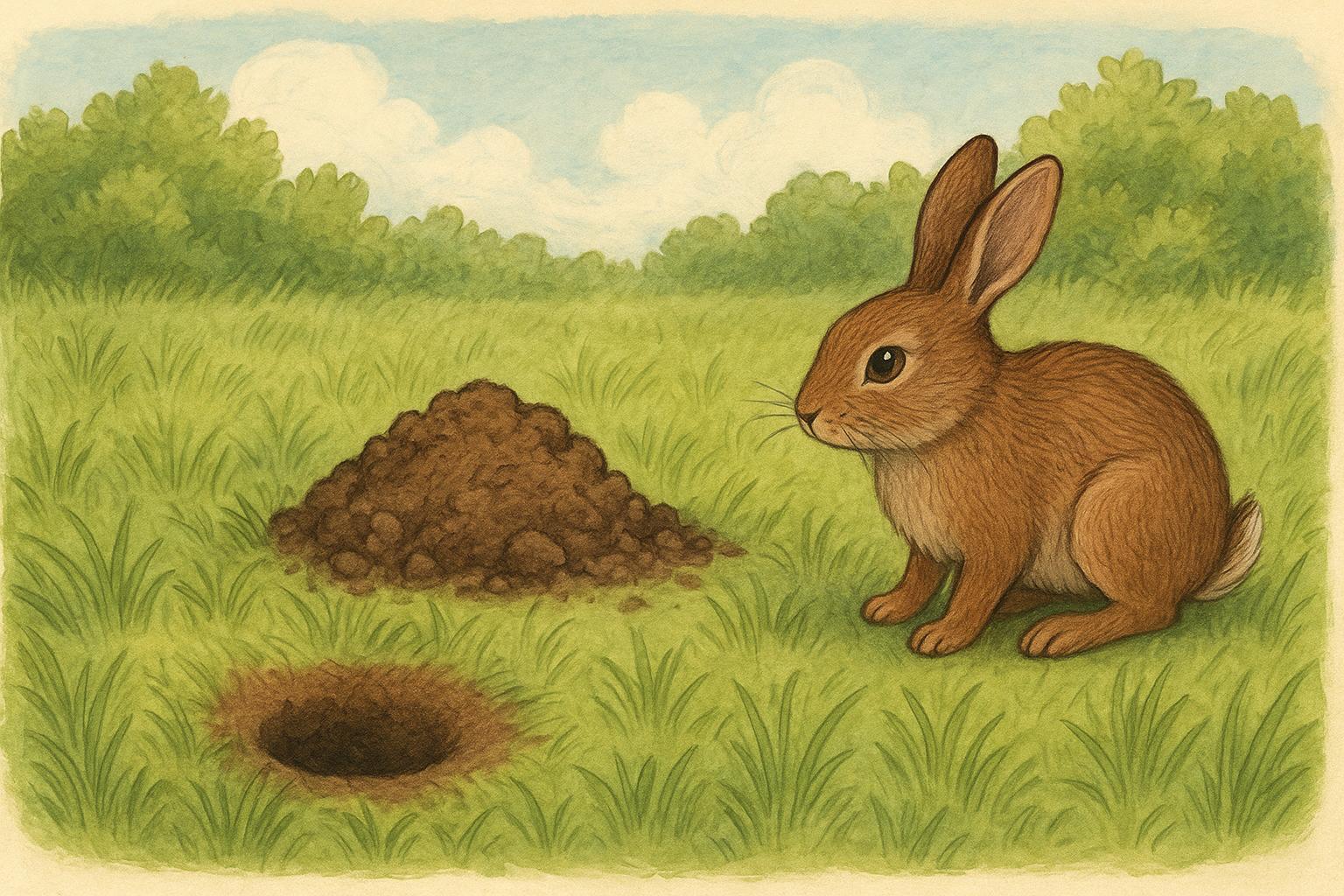
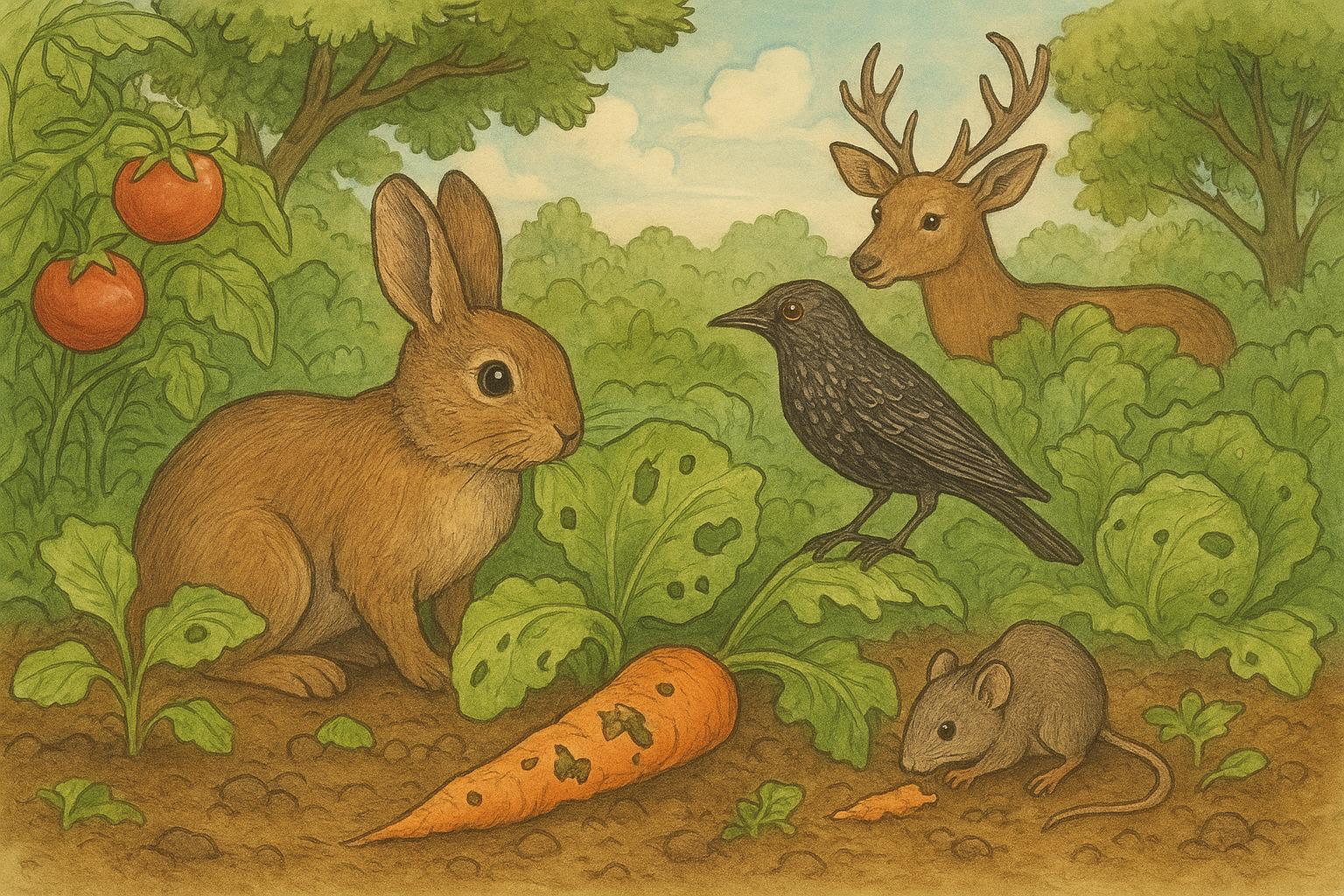
Deer typically leave clean, angled cuts—like tiny scissors took a nibble. Look for higher damage (above 2 feet) and on the outer tips of plants. Footprints (cloven hooves), droppings, and trail patterns are good corroborating evidence. If you find whole bulbs missing or very low damage near the ground, smaller mammals might be the culprits.
### Damage Versus Disease Or Abiotic Stress
Diseases often produce spots, discoloration, or patterns consistent across leaves. Frost or drought causes wilting, discoloration, and uniform dieback rather than selective nibbling. If you see chewed edges or missing buds paired with deer sign, deer plant damage becomes the likeliest diagnosis.
## 3 Remedies For Deer Plant Damage
Below are three practical, proven remedies to reduce or prevent deer plant damage. Remedies are presented with clear lists of materials and precise, formal steps for creation and application. Choose the approach that best fits the scale of your problem, local regulations, and aesthetic preferences.
### 1. Physical Barriers: Fencing
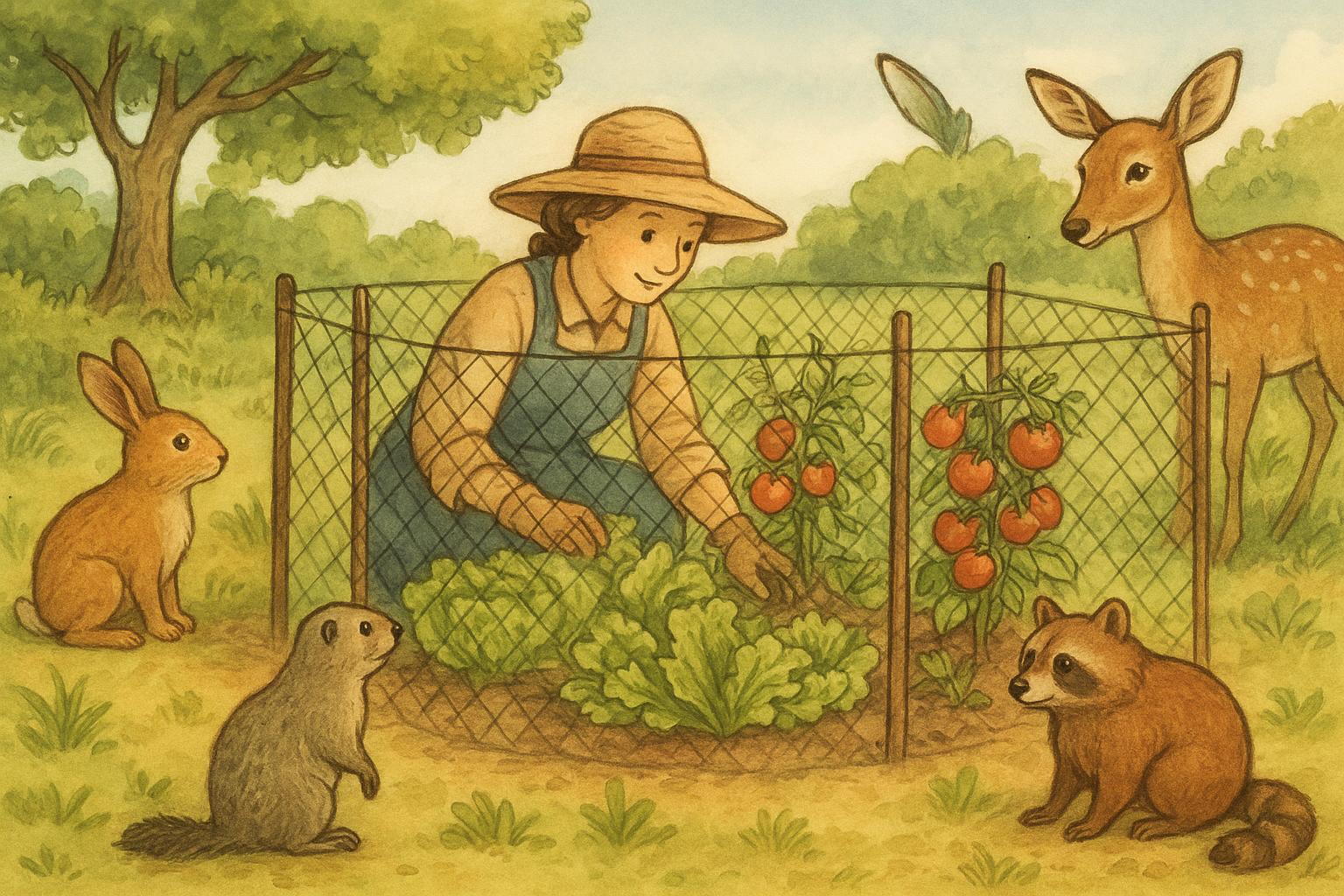
Physical exclusion is the most reliable long-term method to prevent deer plant damage. Proper fencing interrupts entry and forces deer to seek food elsewhere.
#### Materials Needed
– 7- to 8-foot high deer fencing (mesh or woven wire) or two staggered fences (one 4-ft, another 3-ft).
– Secure fence posts (wood or metal) set at appropriate intervals.
– Gates with latches.
– Zip ties, staples, or fencing clips.
– Optional: angled topper arms and wire ties.
#### Steps For Creation And Application
1. Plan perimeter: Map the area to protect and measure required fencing length. Include extra for gates and overlap.
2. Install posts: Set posts in ground at firm intervals (commonly 8–12 feet). Use concrete for stability where soil is loose.
3. Attach fencing: Unroll fencing and secure it to posts, keeping tension to minimize sag. For mesh, ensure mesh openings are small enough to prevent fawns from squeezing through.
4. Height considerations: Use a single 7–8 foot fence or two staggered fences (4-foot inner and 3-foot outer) spaced 6–8 feet apart; the staggered arrangement exploits deer reluctance to jump twice in quick succession.
5. Install gates: Ensure gates close securely; deer explore gaps.
6. Inspect and maintain: Regularly check for damage, sagging, or vines that create climbing opportunities.
Properly installed fencing can reduce deer plant damage substantially, but it is visible and requires investment and upkeep.
### 2. Repellents: Chemical And Homemade Options
Repellents deter deer by taste and smell. They should be used as part of an integrated strategy and applied rigorously and legally.
#### Materials Needed (Commercial Repellent Option)
– EPA-approved commercial deer repellent (read label for active ingredient).
– Spray pump or backpack sprayer.
– Gloves and protective eyewear.
– Water for dilution if required by label.
#### Materials Needed (Homemade Repellent Option)
– 1 cup of human or dog hair (collected from brushes or salons).
– 1 quart of water.
– 1/2 cup of beaten eggs (or egg wash).
– 1 tablespoon of dish soap (as an adhesive surfactant).
– Spray bottle or pump sprayer.
– Gloves.
#### Steps For Creation And Application (Commercial)
1. Read label: Always follow manufacturer instructions, including concentration, safety precautions, and pre-harvest intervals (if treating edibles).
2. Prepare sprayer: Mix repellent to specified dilution.
3. Apply evenly: Spray the foliage, shoots, and trunks to the drip point, targeting newly emerging growth.
4. Reapply: Many repellents require reapplication after rain or every 2–4 weeks during peak feeding seasons.
5. Rotate active ingredients: To avoid habituation, alternate repellents with different active ingredients seasonally.
#### Steps For Creation And Application (Homemade)
1. Combine hair and water in a container; let steep 24–48 hours to release odor compounds.
2. Strain liquid into a spray container; mix in beaten eggs and dish soap to help adhesion.
3. Apply as with commercial sprays—covering new growth and vulnerable plants.
4. Reapply after heavy rain and every 7–14 days; homemade repellents tend to break down faster and require more frequent application.
5. Monitor for plant sensitivity; egg mixtures can attract pollinators if misapplied—apply carefully.
Repellents are most effective when used consistently and in conjunction with other measures. Document application dates and observed results.
### 3. Habitat Modification And Strategic Planting
Reducing attractants and making your garden less hospitable can lower deer traffic and associated plant damage. This remedy blends behavioral ecology with horticulture.
#### Materials Needed
– Native or deer-resistant plant lists appropriate to your USDA zone.
– Mulches that do not attract deer (avoid aromatic mulches like cocoa).
– Motion-activated lights or sprinklers (optional).
– Dense thorny shrubs or hedges for screening (e.g., berberis, pyracantha) if appropriate.
#### Steps For Creation And Application
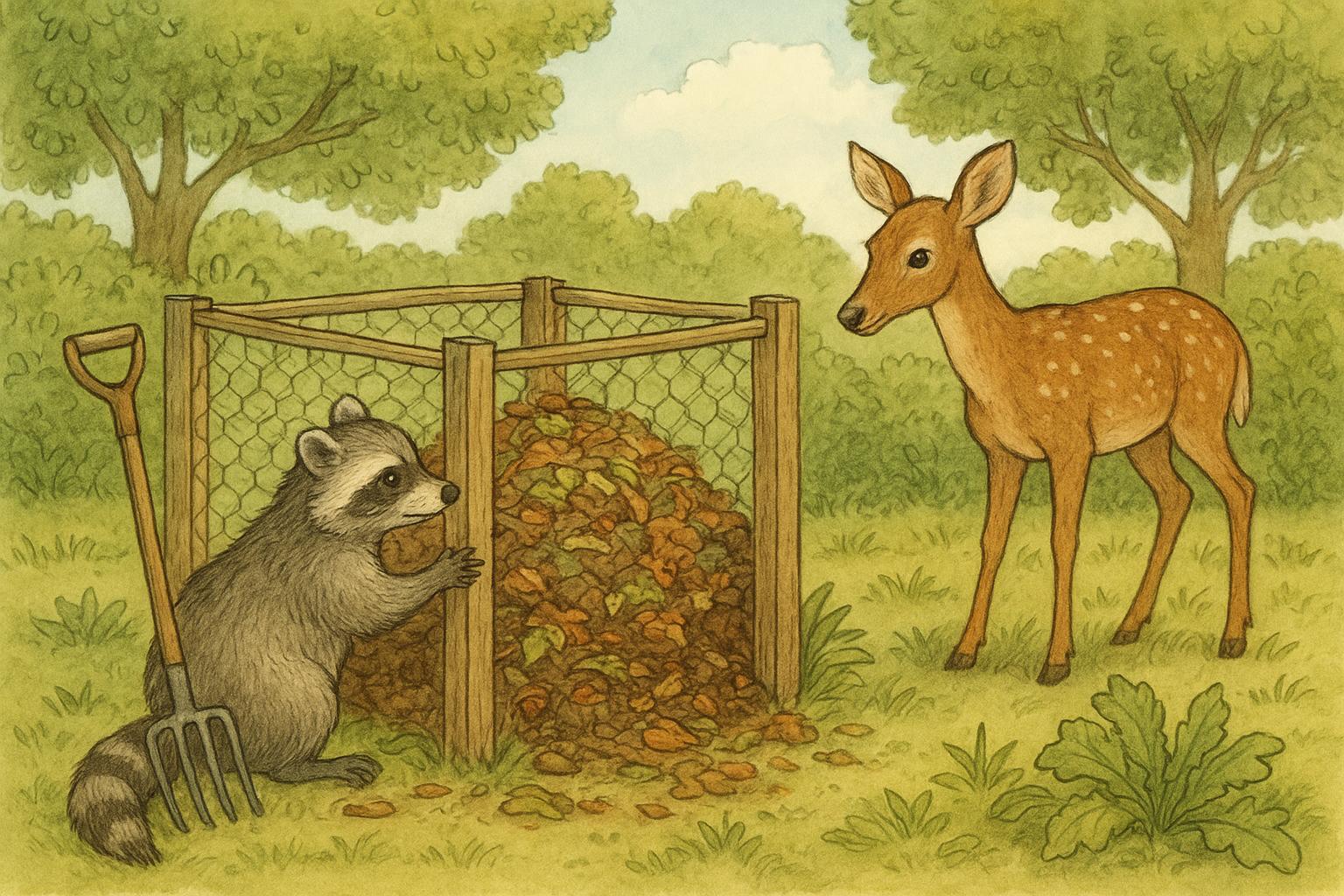
1. Survey and identify attractants: Fruit trees, easily accessible vegetable beds, and accessible compost piles are common attractants. Relocate or secure compost; harvest fruit promptly.
2. Replant strategically: Replace highly preferred species with less palatable or aromatic plants. Use a mix of deer-resistant perennials and structural shrubs to create visual interest without offering a menu.
3. Create barriers of deterrence: Plant dense, thorny, or strongly scented shrubs as perimeter hedging. These provide a psychological and physical deterrent.
4. Reduce cover: Trim undergrowth and remove brush piles that provide bedding. Open sightlines discourage deer that prefer cover.
5. Employ aversive devices: In areas where modifications are insufficient, consider motion-activated lights or sprinklers to startle deer at night. Position devices to avoid harming wildlife and to comply with local ordinances.
6. Monitor and adapt: Habitat modification is not immediate; observe deer behavior over seasons and adjust plant choices and placements accordingly.
Habit change takes time: combining plant choice with other measures amplifies protection.
## When Professional Help Is Appropriate
If deer plant damage persists despite reasonable measures, or if local regulations restrict lethal control and fencing options, consider consulting wildlife management professionals or local extension services. They can perform site-specific assessments and recommend legal, humane strategies tailored to your situation, helping to balance conservation and property protection.
Enjoy your gardening—and may your tulips survive to see another spring.


Leave a Reply