
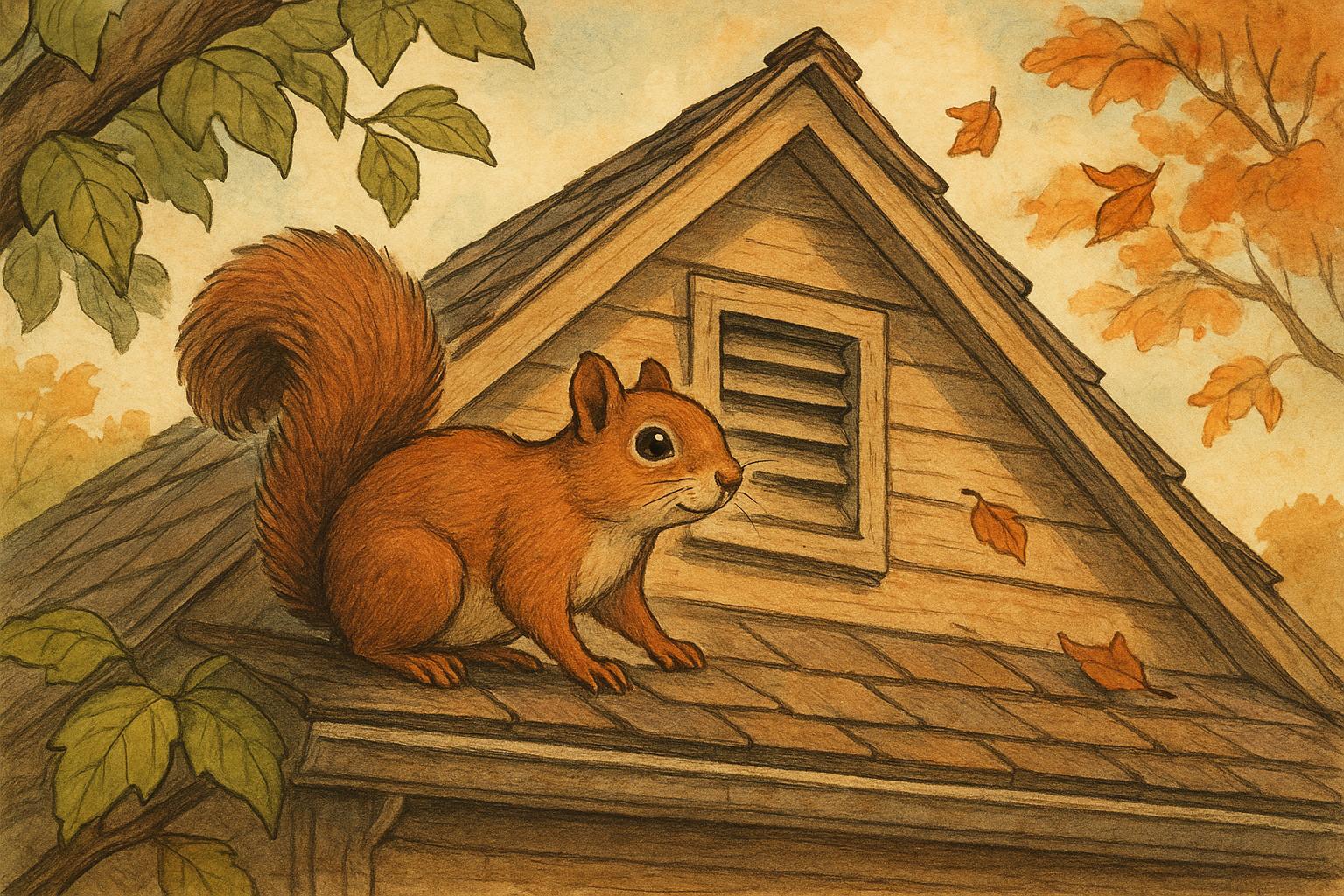
If you hear scratching above your bedroom at dawn, act fast. Squirrels in the attic start out as a nuisance and can become a steady source of damage: chewed wires, ruined insulation, nests built inside your rafters. The fix isn’t glamorous, but it’s straightforward if you know what to look for and what to do next.
## Why Squirrels Choose Your Attic
Squirrels are looking for a few simple things: shelter, warmth, and access to food nearby. A small hole in the fascia or a gap under the eaves becomes a perfect doorway. If branches brush the roof, squirrels treat the tree like a ladder. Once they get inside, the attic offers a quiet place to rear young and stash nesting material.
Squirrel attic problems usually start small. One animal comes inside to escape bad weather. Then mates may follow during breeding season. Before long you’ve got multiple chewing animals and lots more droppings and noise than you expected. Understanding the how and why makes follow-through easier.
## Squirrel Attic Prevention Tips For Homeowners
Use these squirrel attic prevention tips in this order: deny access, remove attractants, and repair damage. Prioritize the easiest fixes first—trimming branches and installing a chimney cap give you a lot of immediate protection. Then move on to sealing gaps and replacing vulnerable materials.
Squirrel attic prevention tips that actually work focus on the weak points of a house: soffits, vents, ridge lines, plumbing vent stacks, and siding seams. Don’t ignore smaller gaps. A rodent-sized hole can be as small as 1.5 inches. Squirrels are persistent and will enlarge an opening by chewing wood and insulation.
### Entry Points To Inspect
Start at the roofline and work down. Here are the main trouble spots and what to look for.
#### Roof Valleys, Shingles, And Flashing
Look for gaps where flashing meets roofing or around vent stacks. Missing shingles or torn flashing let squirrels pry at the underlying wood. Replace damaged flashing with metal that resists chewing, and use stainless steel screws when possible.
#### Soffits, Fascia, And Eave Vents
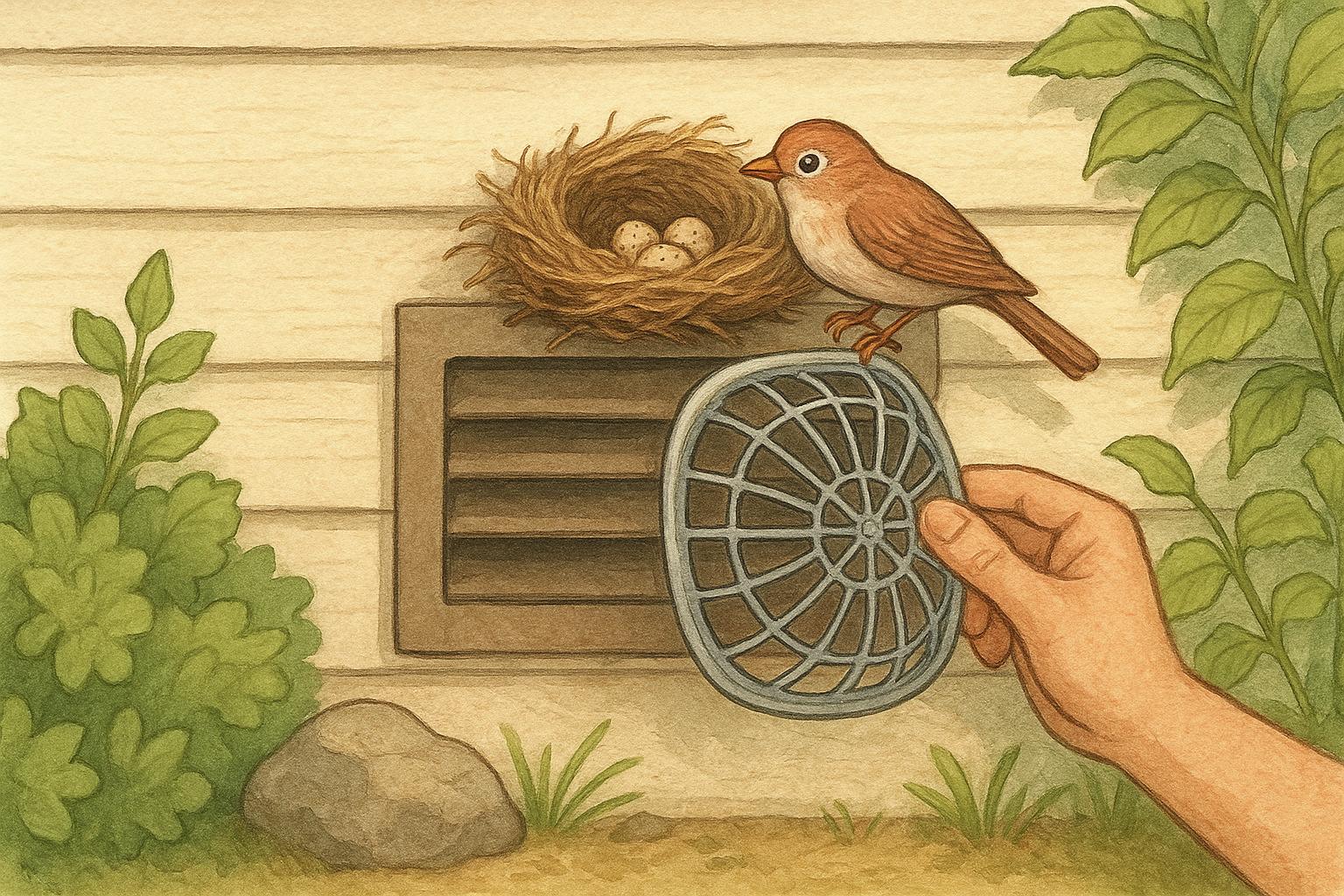
Soffit vents can be a favorite entry because they’re right where the attic begins. If the vent screen is stretched or corroded, replace it with 1/4-inch hardware cloth. Wooden soffits can be chewed at the seams; seal with metal strips or exterior-grade caulk.
#### Gable Vents, Ridge Vents, And Chimneys
Gable and ridge vents need strong mesh covers. Chimneys should always have a cap that’s secured to the crown, not just resting on top. A properly installed cap stops both climbing animals and fallen debris.
### Signs Of A Problem
You don’t need to wait for noise. Other signs show up sooner.
– Fresh droppings or oily smudges near possible entry points.
– Scattered insulation or shredded nesting material around vents.
– Chewed electrical wiring or gnawed beams.
– Loose or missing roof shingles close to tree lines.
If you find nesting material, avoid reaching in with your bare hands. Squirrel nests can harbor parasites and bacteria.
## Practical Materials And Tools For Attic Prevention
You don’t need exotic products. Pick durable, animal-resistant materials and tools you’re comfortable using.
– 1/4-Inch Hardware Cloth: Use for vent and soffit covers. Metal mesh this fine keeps squirrels out and lets air move.
– Galvanized Steel Flashing: Better than aluminum in areas where chewing is likely.
– Stainless Steel Screws And Washers: They resist rust and hold better over time.
– Chimney Cap With Spark Arrestor: Choose one that bolts to the chimney to prevent animals and rain.
– Foam Backer Rod + Exterior Caulk: For sealing minor gaps around trim and vents.
– Hand Tools: A drill with driver bits, tin snips, a pry bar, and a ladder that reaches comfortably.
Don’t use standard window screen or plastic mesh. Squirrels will tear through those. Buy materials rated for pest exclusion.
### Timing Your Work: When To Act
Timing matters. If you suspect squirrels have young in the attic, eviction attempts can cause tragedy. In most areas, squirrels have clearly defined breeding seasons—spring and late summer to fall. If you hear frantic noises and tearing sounds, assume kits are present and contact a wildlife professional who can check and, if needed, use live-entry exclusion at the right time.
Outside of those windows, you can seal openings immediately after confirming no animals inside. Fall is the best season for proactive attic prevention because animals are looking for winter dens.
## Simple Yard Changes That Help
Small adjustments around the property reduce the temptation to come close to the house.
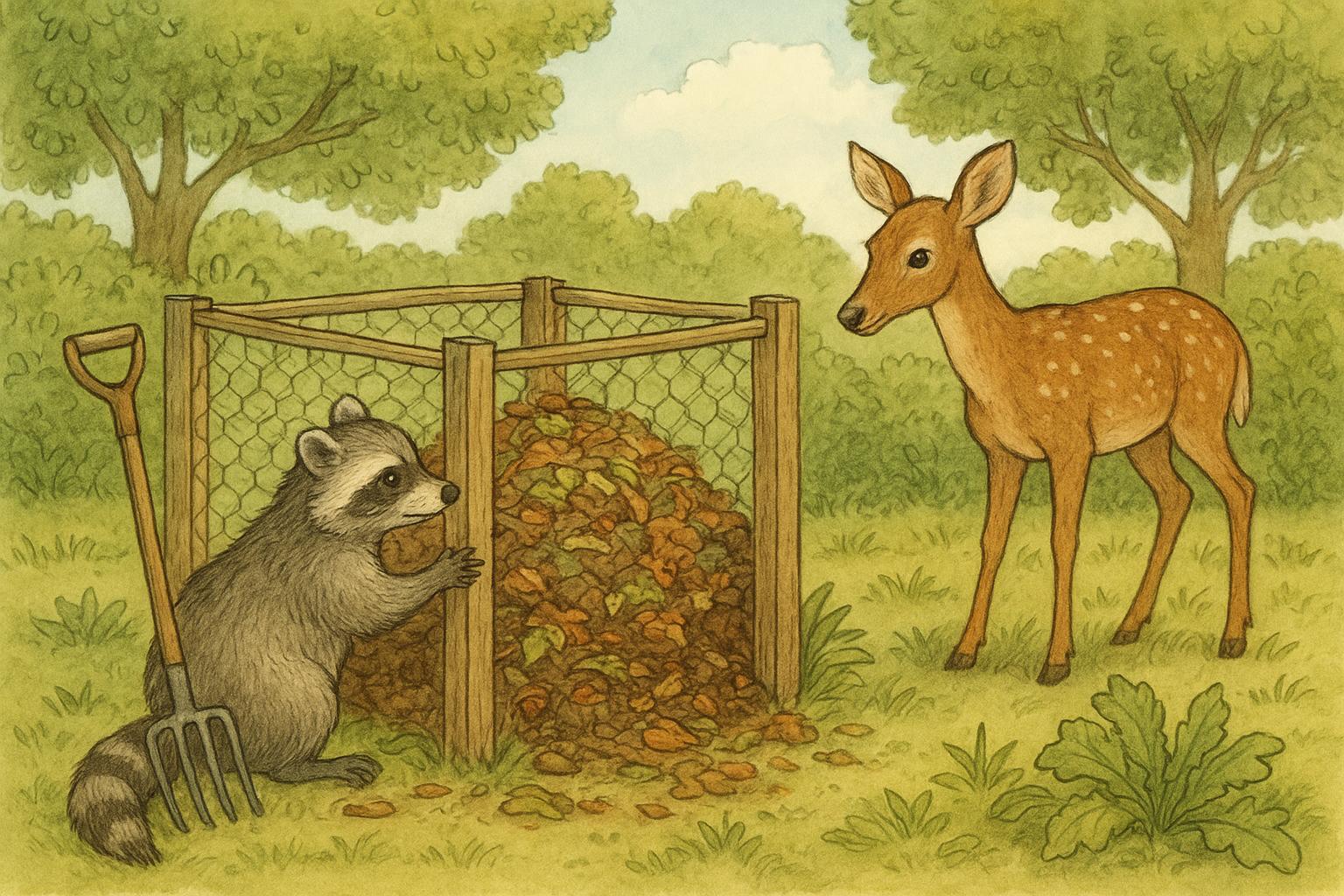
Trim tree limbs back so they’re at least 6 to 8 feet from the roof. Squirrels are agile, but they prefer short jumps between surfaces. Remove bird feeders or relocate them far from the house; birdseed is an easy snack that puts animals on the roof. Secure compost and store pet food indoors. If you have a fruit tree, pick fallen fruit promptly.
Also consider planting deterrent groundcover under trees near the house. Thick, thorny plants make a poor staging area for squirrels to jump from branch to roof.
### One-Way Doors And Live Exclusion
One-way doors can solve a current infestation without killing animals. These devices let squirrels leave but not re-enter. Install them on the identified entry point and watch for a few days. Once no animals are using the door, seal the hole permanently.
One-way doors are effective when used correctly. Make sure the door is sized to handle multiple animals and that there aren’t alternate entry points. If in doubt, call a pro. Mistakes can trap animals inside, which makes the problem worse.
## Why Insulation And Wiring Need Prompt Attention
Squirrels like soft bedding. Insulation is an easy target. Once they’ve pulled apart batts or blown insulation, energy efficiency drops and your heating bills can rise. Chewed wires are a fire risk. Squirrels often gnaw to keep teeth trimmed, and electrical insulation provides tempting material.
Check for exposed wiring and document damage with photos. Replace chewed wiring with conduit where practical and hire a licensed electrician for major repairs. For insulation, remove heavily contaminated or soiled sections and replace them with new batts or dense-pack cellulose. This is especially important if droppings are present; droppings can carry disease.
### Repair Steps For Damaged Attics
When you go into the attic, bring protective gear: gloves, an N95 respirator, and eye protection. Work carefully.
1. Photograph damage and make a repair plan.
2. Remove nesting material and droppings in sealed bags. Wet down dusty areas to reduce airborne particles before sweeping.
3. Replace or repair wiring using approved methods.
4. Seal entry points from the outside. Use hardware cloth and metal flashing.
5. Replace insulation as needed.
If the damage seems extensive, call an insulation contractor and an electrician. It’s cheaper in the long run than risking a fire or major structural repair.
## DIY Versus Professional Services
DIY projects save money, but some situations need a pro. Choose a professional if any of the following apply: multiple animals, evidence of young animals, widespread structural damage, or chewed electrical wiring.
A wildlife removal specialist can humanely remove animals and advise on exclusion methods. A roofing contractor can repair structural issues and replace compromised sheathing. For wiring, only a licensed electrician should handle repairs that involve circuits.
Get multiple quotes and ask for references. A reliable company will inspect the site, explain the methods they use, and provide a written estimate.
### Legal And Ethical Considerations
Local laws may protect certain wildlife or restrict relocation options. Some jurisdictions prohibit translocating wildlife more than a short distance because of disease spread and stress on animals. Check local regulations before acting. A reputable wildlife control operator will know these rules.
Also consider humane methods first. Many homeowners find that exclusion and prevention work better and cause less collateral damage than trapping and killing.
## Long-Term Maintenance Plan
Prevention is ongoing. Once you’ve sealed the obvious gaps, schedule seasonal checks.
– Spring: Inspect after winter storms. Check soffits and chimney caps.
– Summer: Trim tree branches and prune back plant growth near the house.
– Fall: Prepare for winter by checking exterior seals and vents.
– After Major Weather Events: Roof damage can create new entry points.
Make a simple log. Note the date of inspections, repairs made, and materials used. That record helps track recurring trouble spots and shows contractors what’s already been tried.
### Checklists For Annual Inspections
A short checklist takes ten minutes and can save you money.
– Walk the roofline with binoculars to spot missing shingles.
– Inspect soffit vents and gable vents for sagging or holes.
– Examine chimney cap and flashing.
– Look for new chew marks on siding or trim.
– Listen for noises at dawn or dusk for a few nights.
Routine attention prevents larger problems. It’s not exciting work, but it’s effective.
## Handling A Recurring Problem
If squirrels return after repairs, re-evaluate your methods. Common mistakes include sealing only the hole that was used while leaving others open, using inadequate mesh or fasteners, or placing deterrents that are easy to defeat.
Consider upgrading materials. Stainless steel or galvanized metal resists chewing. Secure everything with screws rather than nails. In some cases, professional exclusion using heavy-gauge metal sheeting around the roofline is the best long-term solution.
If you keep seeing evidence and the damage continues, there may be an attractant you missed. Re-check trees, feeders, compost, and stored food. Sometimes the problem comes from a neighbor’s yard. Talk to neighbors and coordinate if necessary.
## Costs And Budgeting For Prevention
Expect a range of costs. A basic DIY kit for a small area might run a few hundred dollars for mesh, screws, and a chimney cap. Full professional exclusion and repair can cost thousands, depending on roof complexity and damage extent. Prioritize safety items first: chimney caps, electrical repairs, and sealing major entry points. Other aesthetic fixes can wait.
Keep receipts and documentation. If you have homeowner’s insurance, some claims for wildlife damage may be covered, though many policies exclude pest damage. Check yours and document everything with photos.
## Final Practical Tips
If you must interact directly with animals, avoid direct contact and use gloves. Keep pets away from suspected entry points until repairs are complete. When choosing materials, buy one grade up from what you think you need. It’s cheaper to use a more durable fix now than to repeat repairs next season.
If you want a single takeaway: stop access first. Once squirrels can’t get in, the rest is paperwork and repairs. Prevention is cheaper and less stressful than waiting until the problem is big. And remember to check twice before sealing anything—mistakes can trap animals inside. You’ll save time and keep the attic quiet, clean, and safty intact.
(definately)







Leave a Reply