
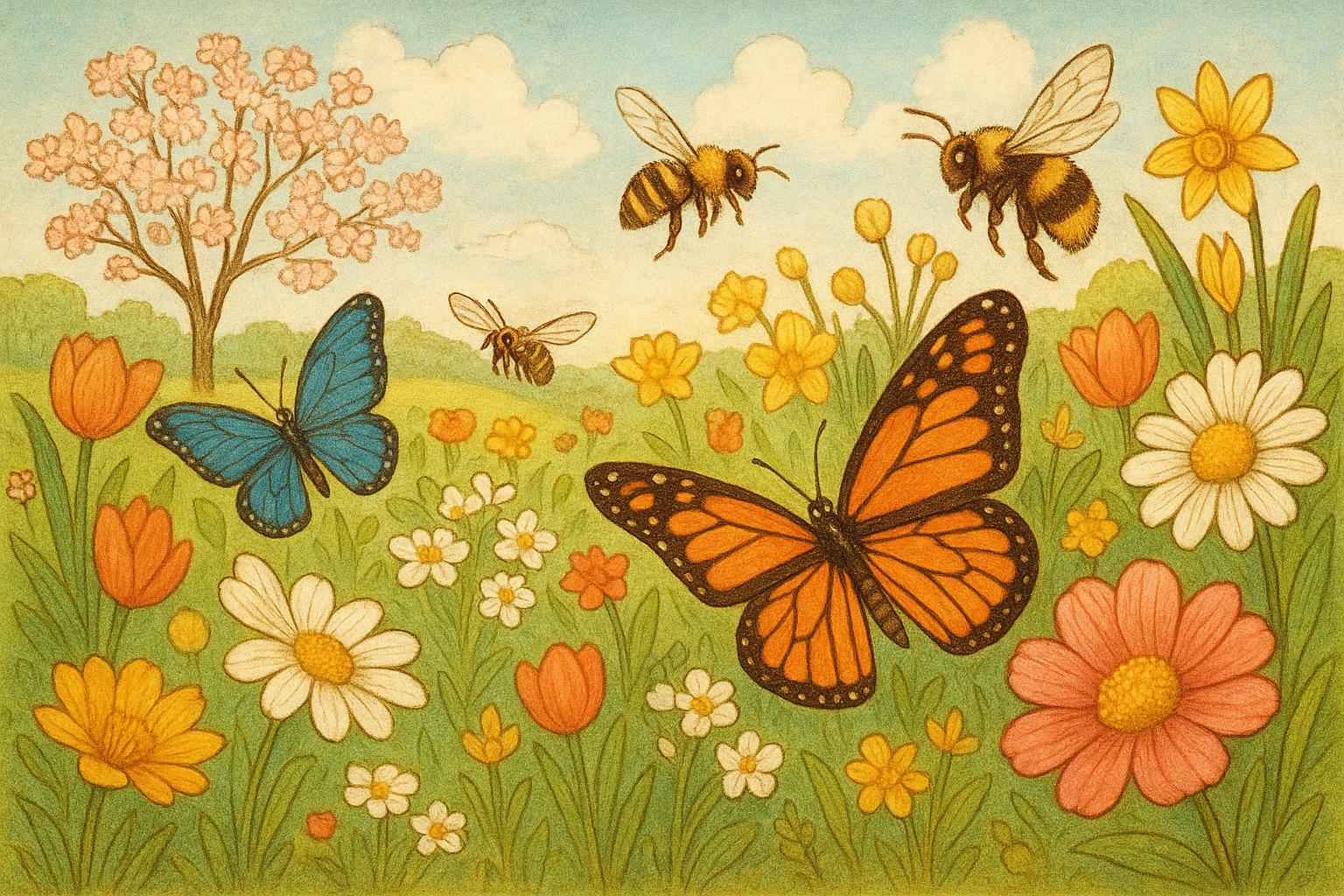
Spring has a way of turning even the grumpiest lawn into a small, buzzing amusement park. If you’ve noticed extra color at the edge of the flower bed and a chorus of faint wings, you’re witnessing a natural revival. Gardens, balconies, and roadside verges are staging a collective comeback, and the guests of honor are arriving with enthusiasm. Let’s celebrate how a little attention now can turn any outdoor nook into a pollinator paradise.
## Spring Blooms Unleash Pollinator Paradise This Season
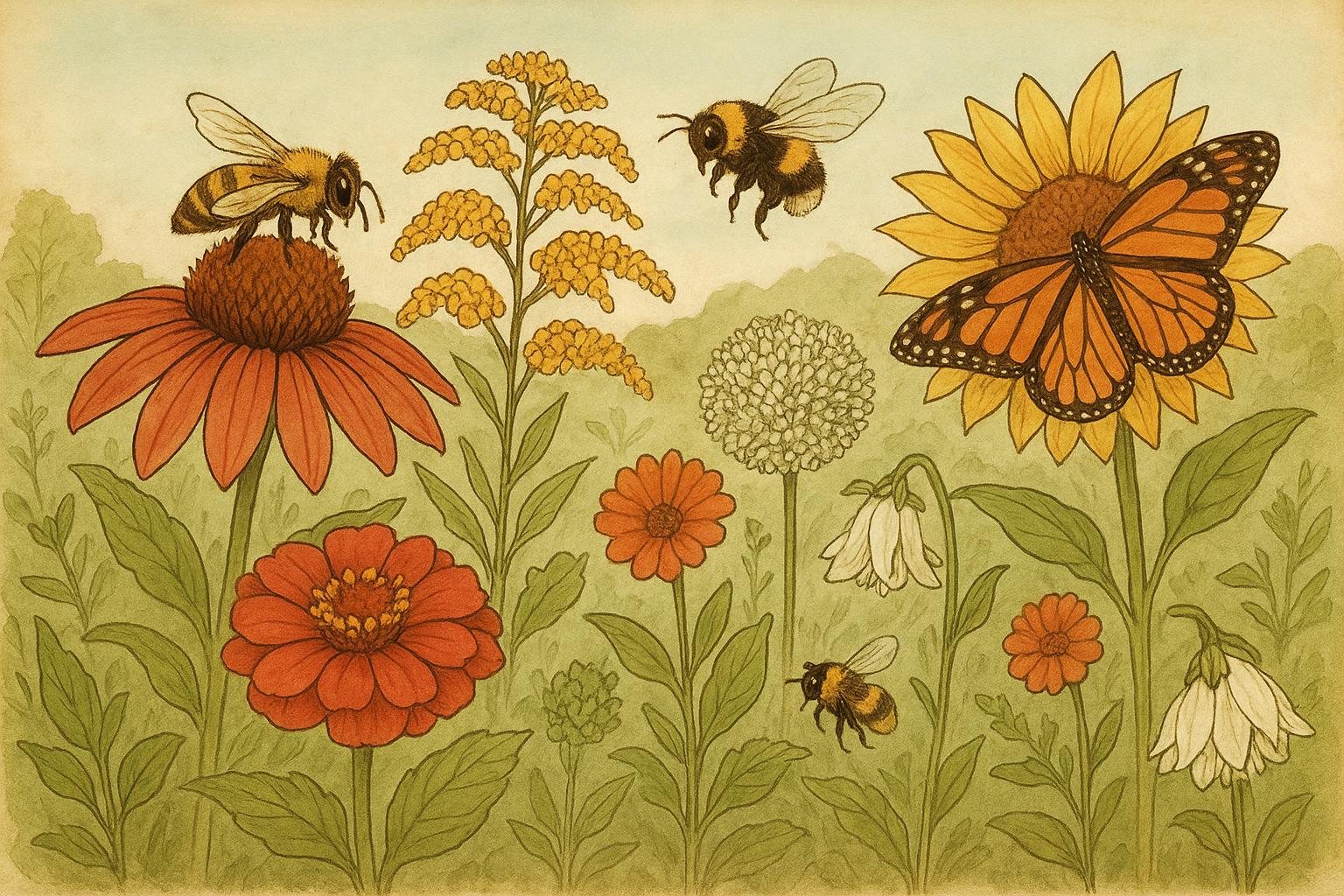
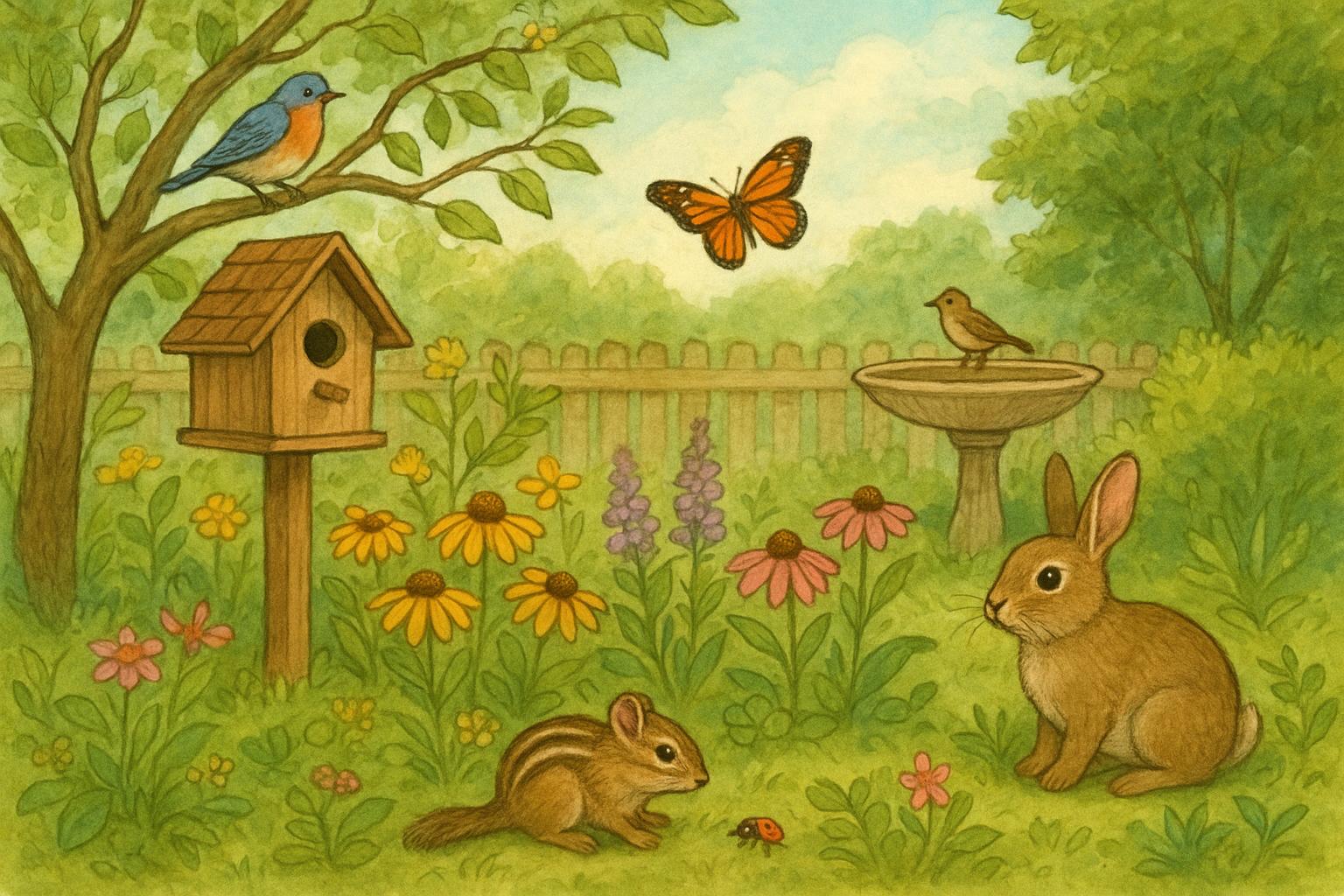
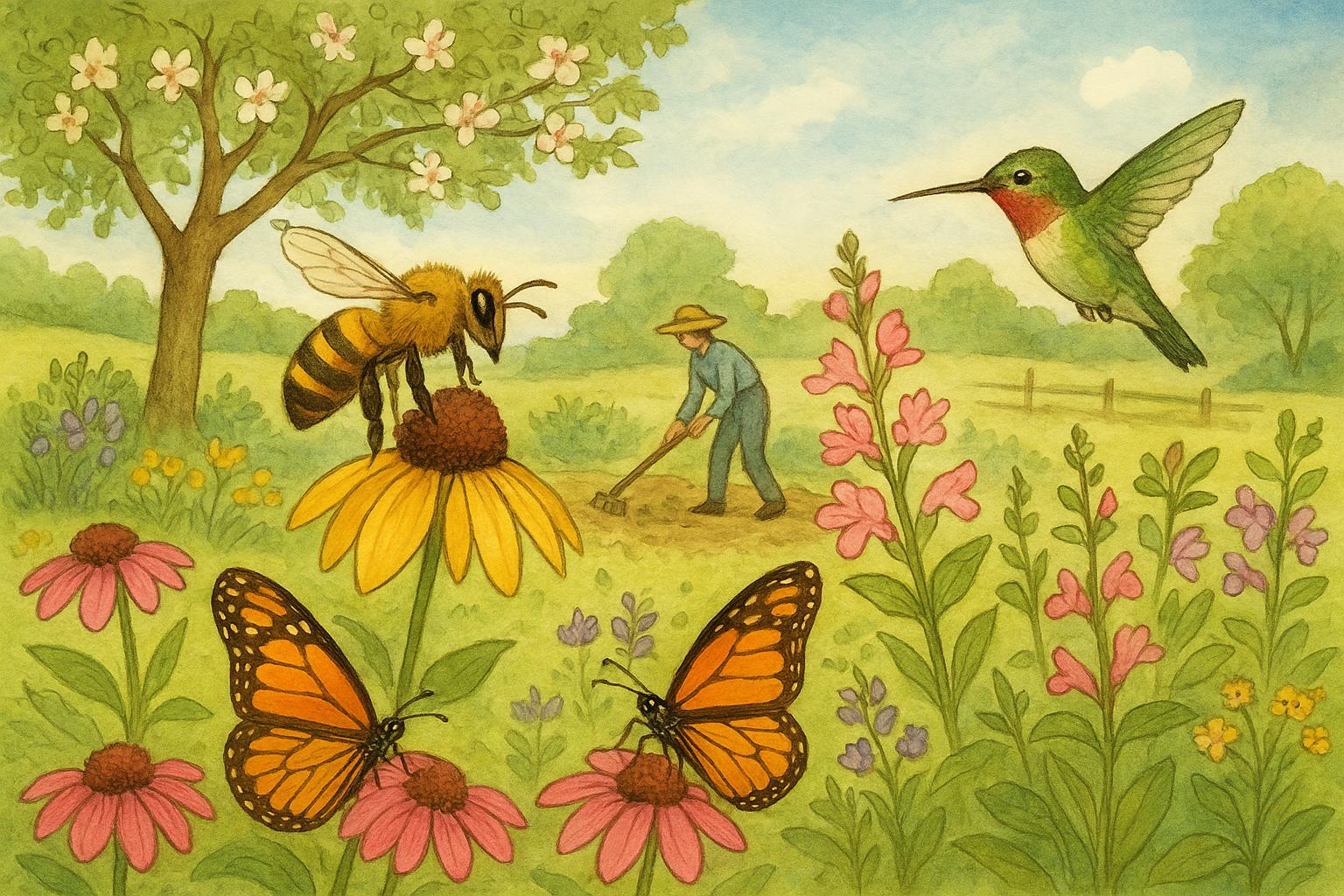
There’s something almost magnetic about the first true flush of color. As temperatures climb and days stretch, “spring blooms” become the marquee sign for pollinators—one bright bloom at a time. From native bees and honeybees to butterflies, hoverflies, and hummingbirds, these creatures are essential partners in the backyard drama of seed and fruit production. Letting them in is not only good for the ecosystem; it’s great theater for anyone who likes watching tiny acrobats at work.
### Why Pollinators Love Spring Blooms
Pollinators follow resources: nectar for energy, pollen for protein, and shelter for their young. Early spring flowers offer a concentrated buffet of high-energy pollen and nectar after a lean winter. Native wildflowers and well-chosen garden plants are especially valuable because local pollinators evolved to match their bloom times and shapes. The more diverse and continuous the display of spring blooms, the more species you support.
The visual appeal isn’t the only reason to care. Pollinators drive reproduction for many plants we rely on—both ornamentals and edibles. A robust population means better fruit set on small fruit bushes and early vegetables, improved seed production for native plants, and a livelier yard that supports biodiversity.
### Spotting The Most Productive Spring Blooms
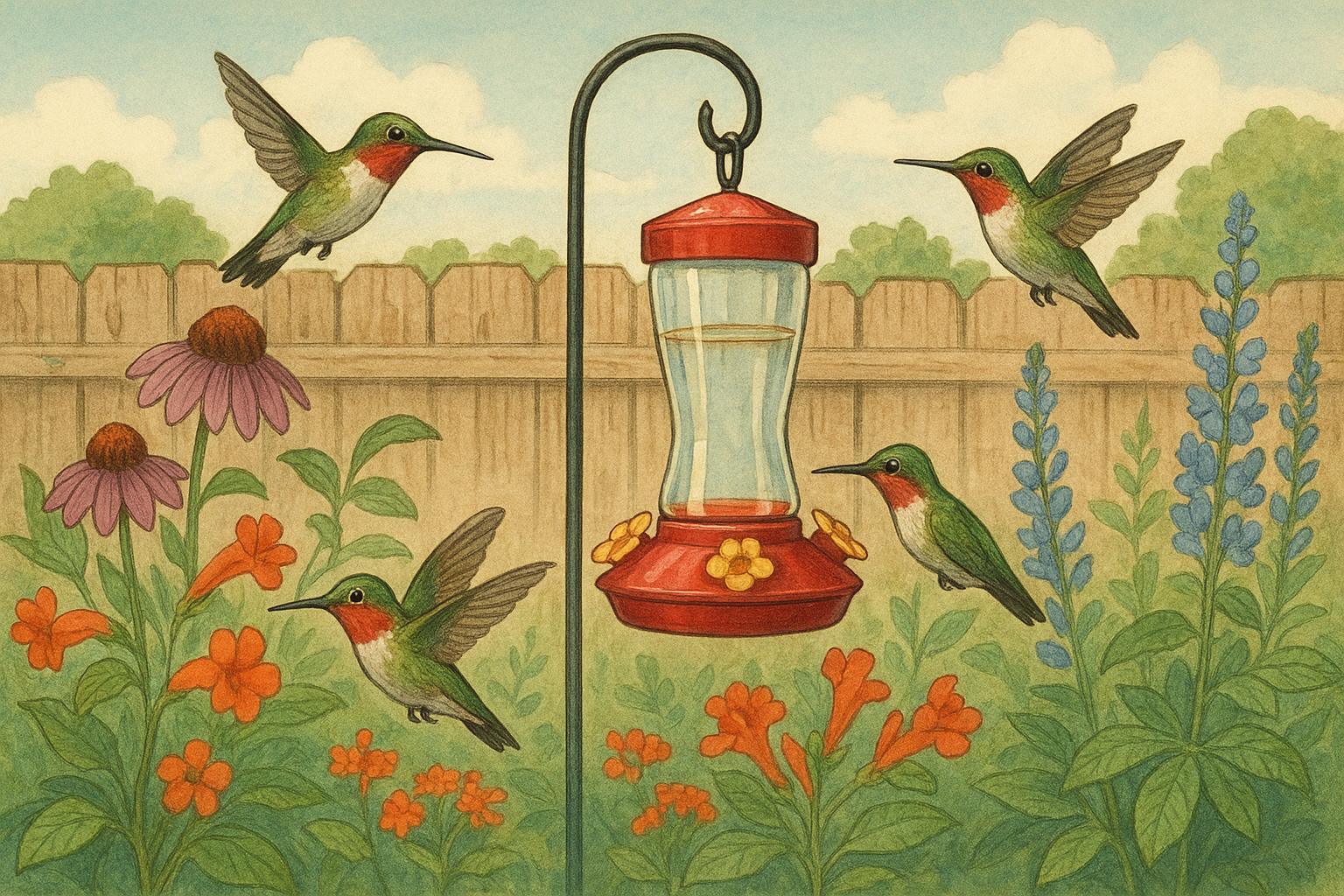
Look for clusters of flowers, varied bloom heights, and a mix of colors. Blue, purple, yellow, and white are especially attractive to bees, while red tubular flowers engage hummingbirds. Early-season favorites include native crocus, willows, dandelions (yes, really), native tulips, early azaleas, and many early-blooming perennials. Grouping plants in drifts instead of isolated pots helps pollinators locate and exploit resources more efficiently.
## Remedy 1: Create A Pollinator Planting Palette
This remedy is a practical planting strategy to maximize attraction and support for pollinators during the spring. The following instructions are presented formally to ensure clarity and reliable results.
### Materials
– A sketch or plan of the planting area (paper or digital).
– Soil test kit (optional but recommended).
– Native perennial plugs or seeds selected for staggered bloom times.
– Early-blooming bulbs and hardy annuals for immediate color.
– Compost or well-rotted organic matter.
– Mulch (wood chips or leaf mulch).
– Hand tools: trowel, spade, gloves, watering can or hose with adjustable nozzle.
### Step-By-Step Creation And Application
1. Assess Site Conditions: Determine sunlight exposure, soil type, and drainage. Note microclimates—north-facing corners, heated walls, or sheltered nooks—that influence plant selection.
2. Test And Improve Soil: If available, use a soil test kit to assess pH and nutrient levels. Amend compacted or poor soils with compost to improve structure and microbial activity.
3. Choose A Diverse Plant Palette: Select at least eight species of flowering plants that bloom sequentially through spring. Include a combination of early bulbs (e.g., crocus, snowdrops), spring perennials (e.g., salvia, native phlox), and shrubs (e.g., early-flowering willow, forsythia). Ensure species are native or non-invasive and suited to your climate zone.
4. Design For Foraging Efficiency: Group like plants in clusters of at least 3–7 individuals rather than scattering single plants. Include varying heights and flower shapes to support different pollinator mouthparts and foraging behaviors.
5. Planting Execution: Prepare planting holes slightly larger than root balls. Place plants at the proper depth, backfill with amended soil, and firm gently. Mulch the area to retain moisture but keep mulch away from crowns to prevent rot.
6. Watering Regimen: Water newly planted areas thoroughly at planting, then maintain consistent moisture until plants are established. Avoid overwatering once established; many native plants prefer moderate moisture.
7. Monitor And Adjust: Observe pollinator visitation patterns and plant vigor. Replace or relocate species that do not perform well. Maintain records of bloom times to refine the palette year to year.
#### Timing And Maintenance Tips
Planting in early fall or early spring works depending on species (bulbs prefer fall; many natives are fine in spring). Avoid broad-spectrum insecticides, especially systemic neonicotinoids, which can harm pollinators. Instead, use targeted, least-toxic controls only when pest pressure threatens plant survival.
## Remedy 2: Build A Bee Hotel And Water Station
This remedy provides nesting and hydration resources that complement floral offerings. Instructions are structured formally for reliability and reproducibility.
### Materials And Placement For Spring Blooms
– Untreated wood block or wooden box (cedar or pine preferred).
– Assorted hollow stems (bamboo or raspberry canes), diameter range 2–10 mm.
– Paper straws or drilled holes (depth 10–15 cm) for solitary bees.
– Roof material or simple plastic overhang to keep rain out.
– Fine gravel, shallow dish, and untreated ceramic saucer for a water station.
– Small flat stones or marbles for perching in the water dish.
– Natural twine or stainless-steel screws for mounting.
– Location: south- or southeast-facing spot, sheltered from driving rain and prevailing winds, near the pollinator plantings.
### Step-By-Step Creation And Application
1. Construct The Nesting Box: If using a wooden block, drill holes of varying diameters (2–10 mm) at a slight upward angle to shed rain. Ensure holes are smooth and do not split. If using bamboo or canes, cut to 10–15 cm lengths and bundle tightly with natural twine inside the box or mount them standing in the box.
2. Provide Weather Protection: Attach a small overhang or angled roof to prevent water ingress. Position the box so the entrance faces south or southeast to catch morning sun and warm the nesting area.
3. Mount Securely: Fasten the bee hotel 1–1.5 meters above ground on a building, sturdy post, or fence. Avoid swaying mounts and minimize exposure to full afternoon sun to prevent overheating.
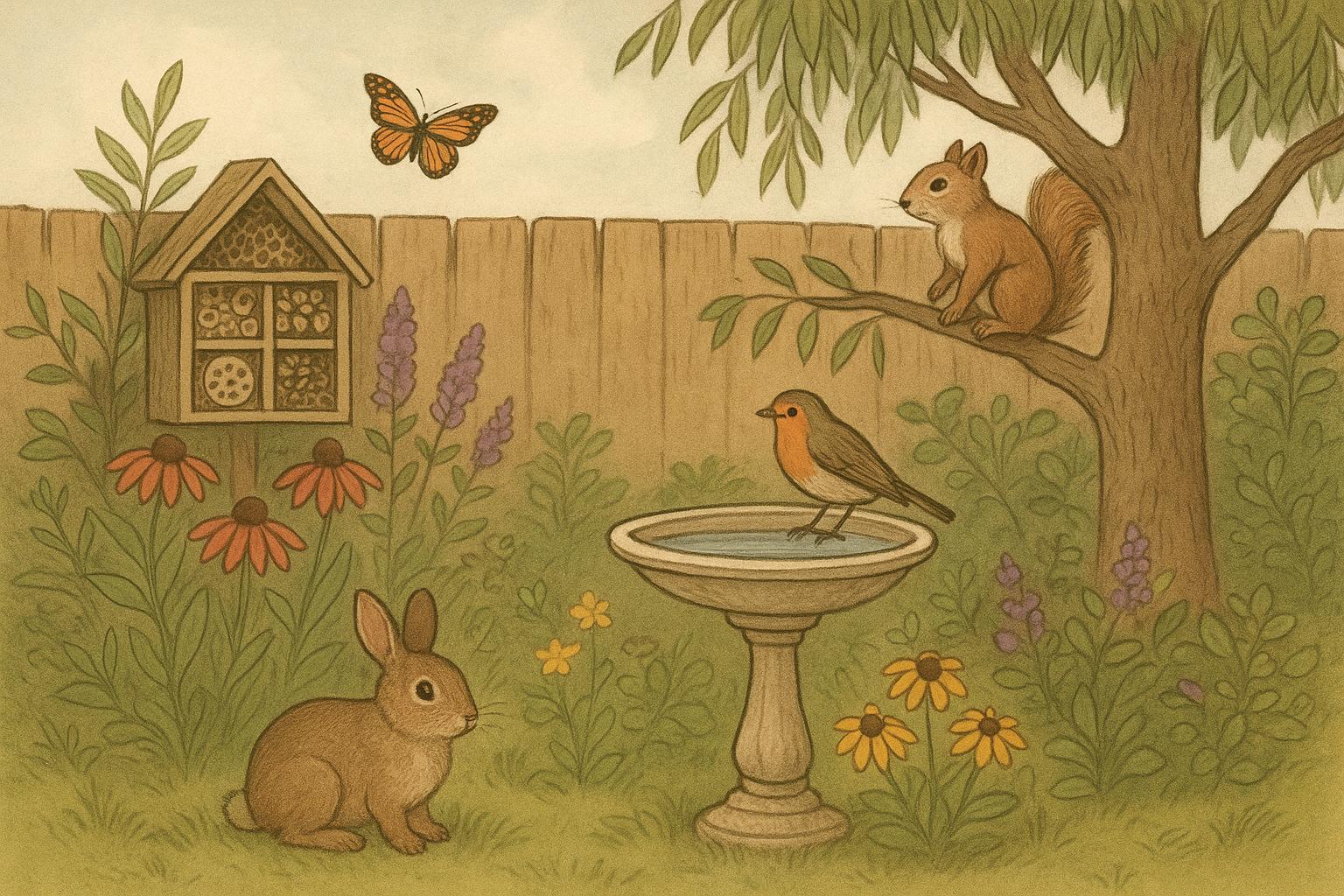
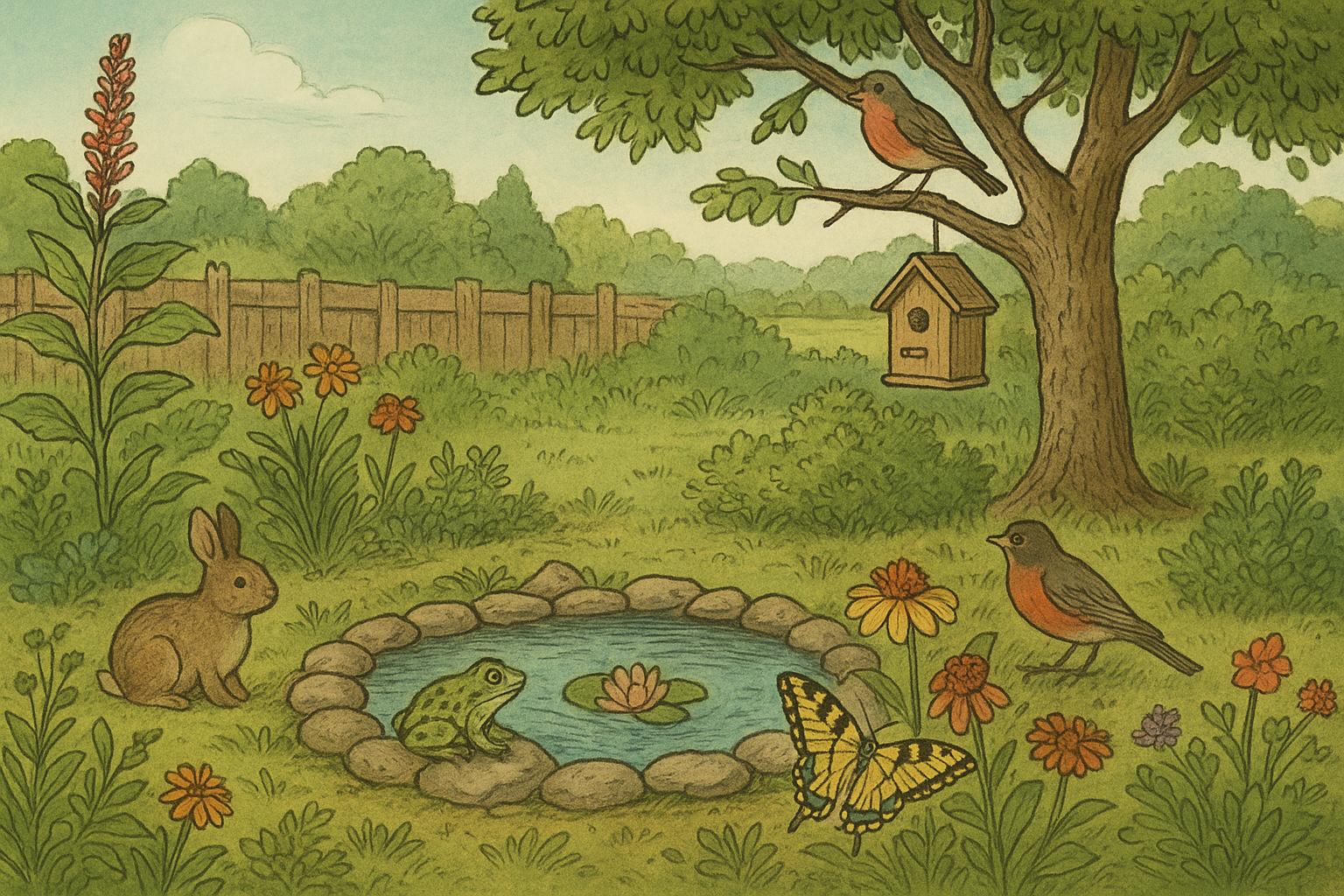
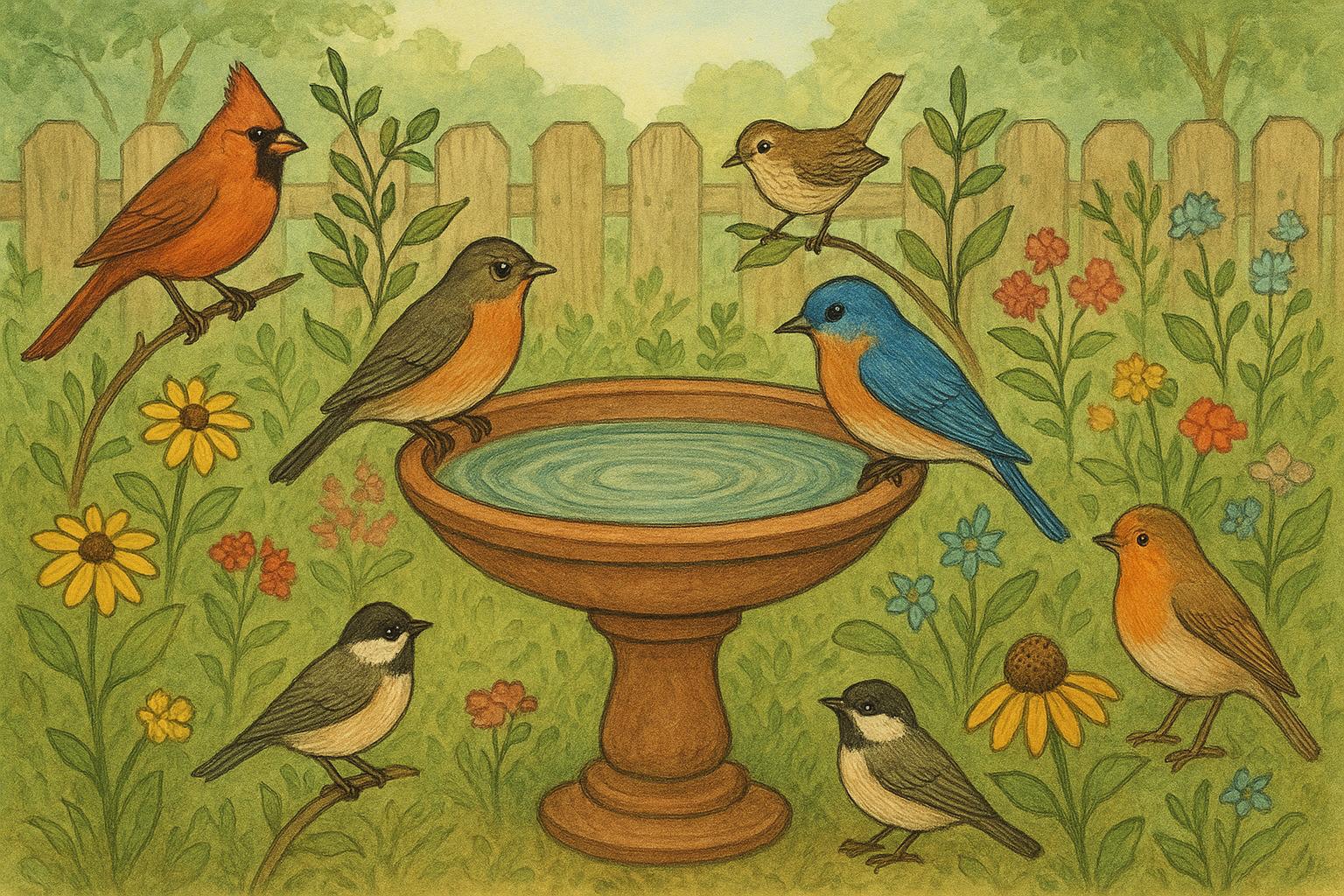
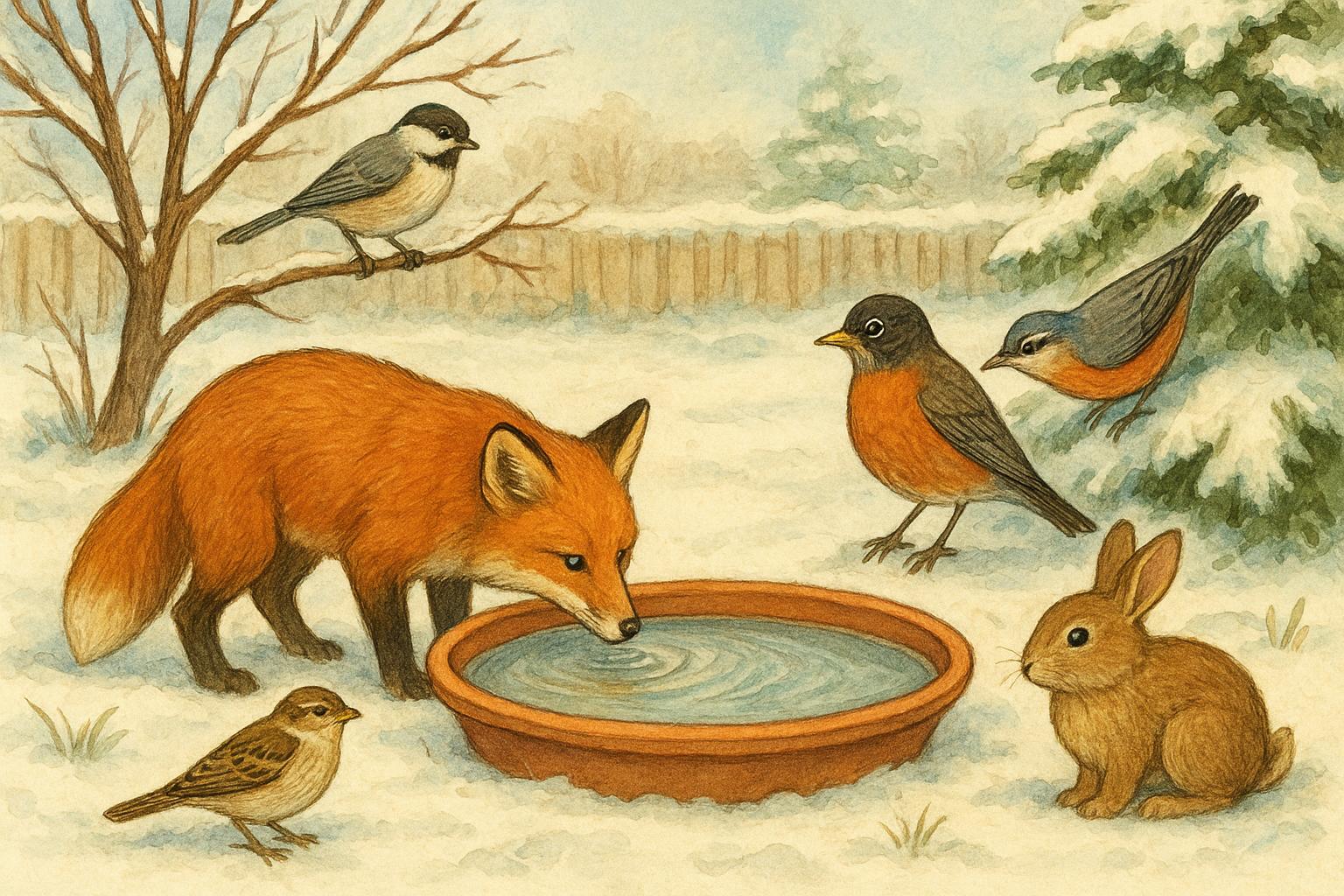
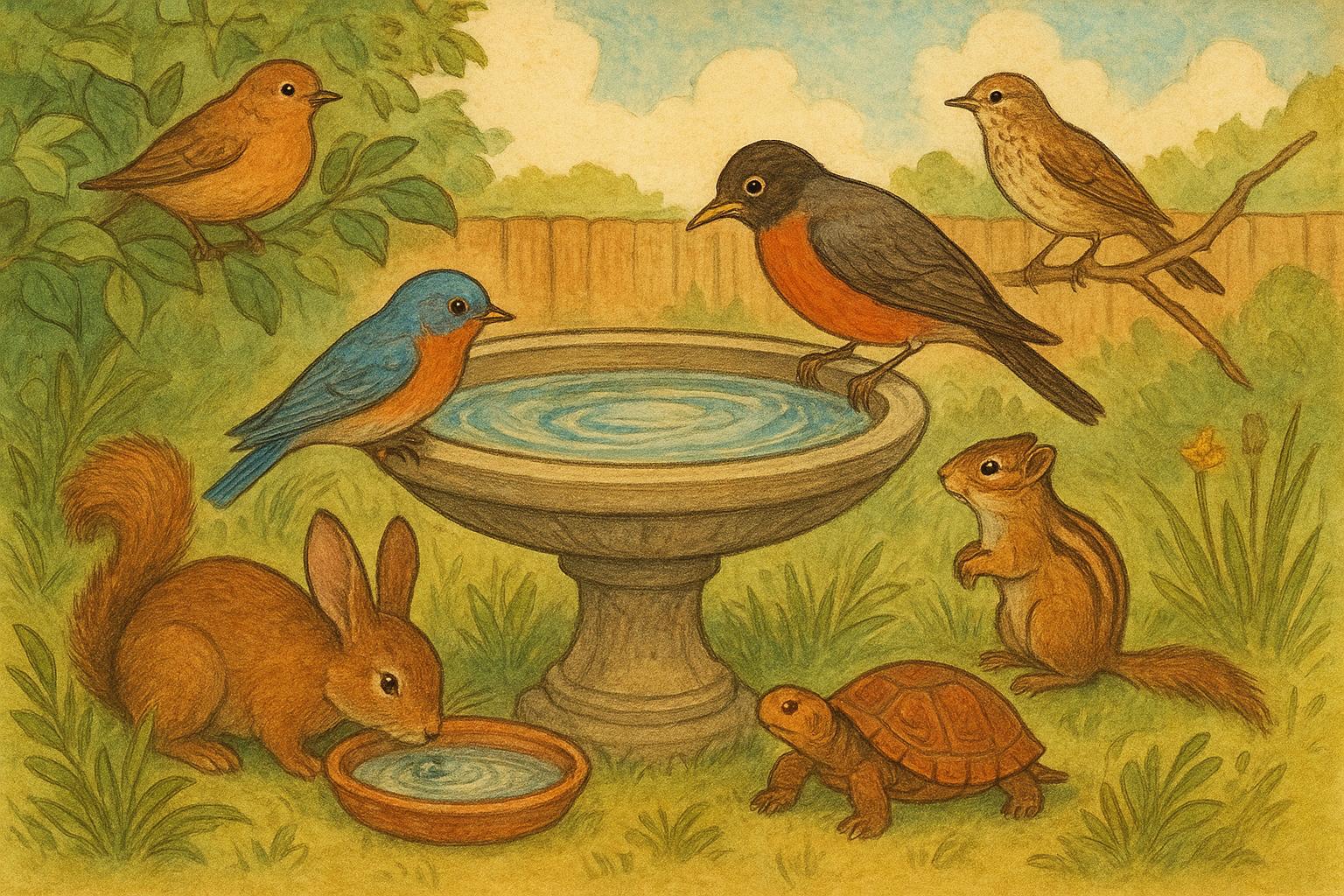
4. Establish A Water Station: Place a shallow dish or ceramic saucer near the plantings. Partially fill with water and add stones or marbles to provide landing spots. Refill regularly and clean weekly to prevent algae and mosquito larvae.
5. Monitor And Maintain: Annually inspect nesting tubes in late fall and clean or replace damaged materials. Do not disturb active nests during the breeding season. Replace paper tubes after one season to reduce parasite load.
6. Integration With Plantings: Situate the water and nesting features within 10–30 meters of abundant spring blooms to maximize utility. Avoid pesticide drift from neighboring lawn treatments.
#### Seasonal Considerations And Safety
Monitor for parasites and predators; solitary bee nests can attract cuckoo bees and small predators. If parasite loads appear high, rotate or replace nesting materials. Keep the water station fresh and accessible but avoid stagnant puddles. Respect local regulations regarding structure mounting if in an HOA or rental property.
### Simple Habitat Enhancements That Make A Difference
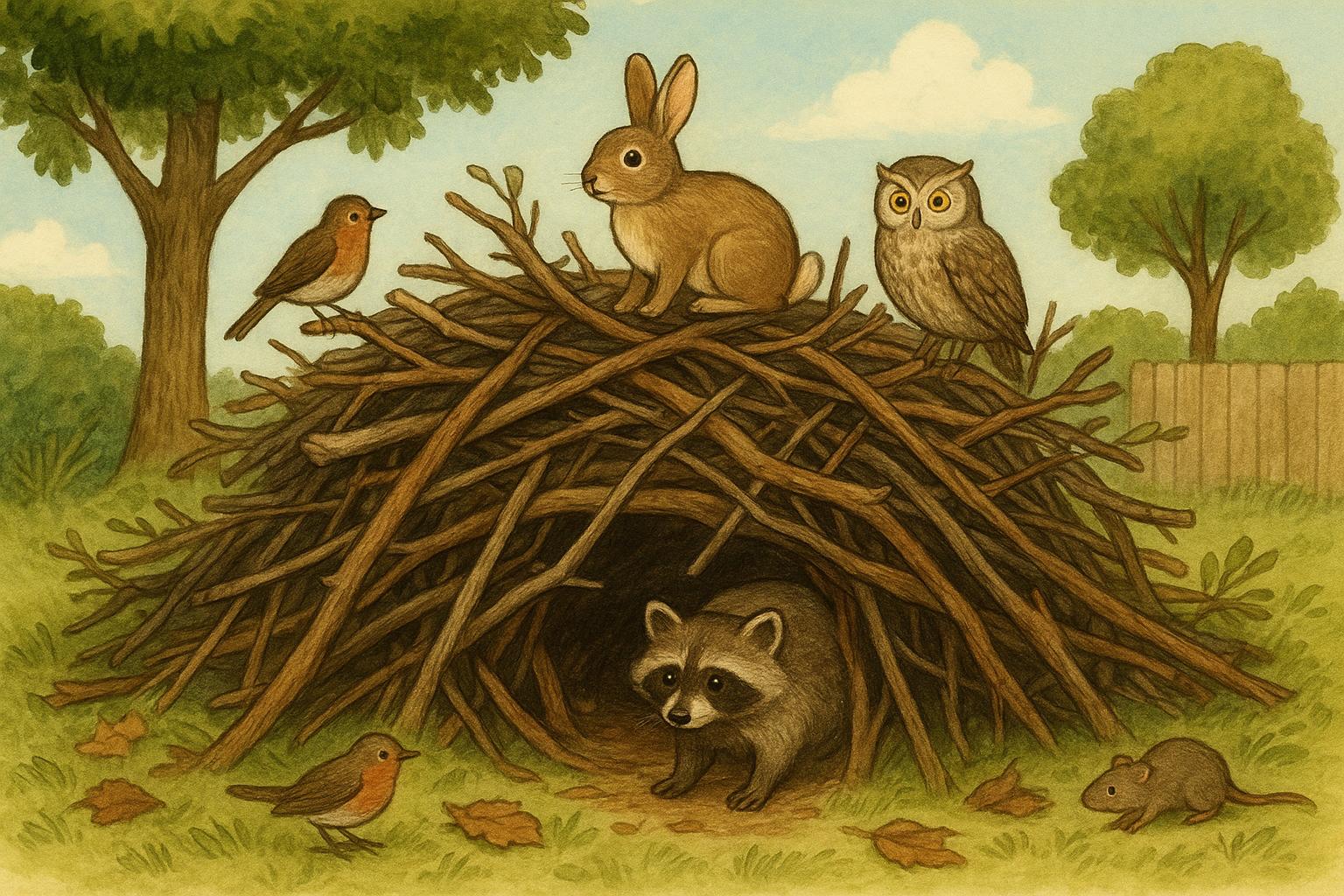
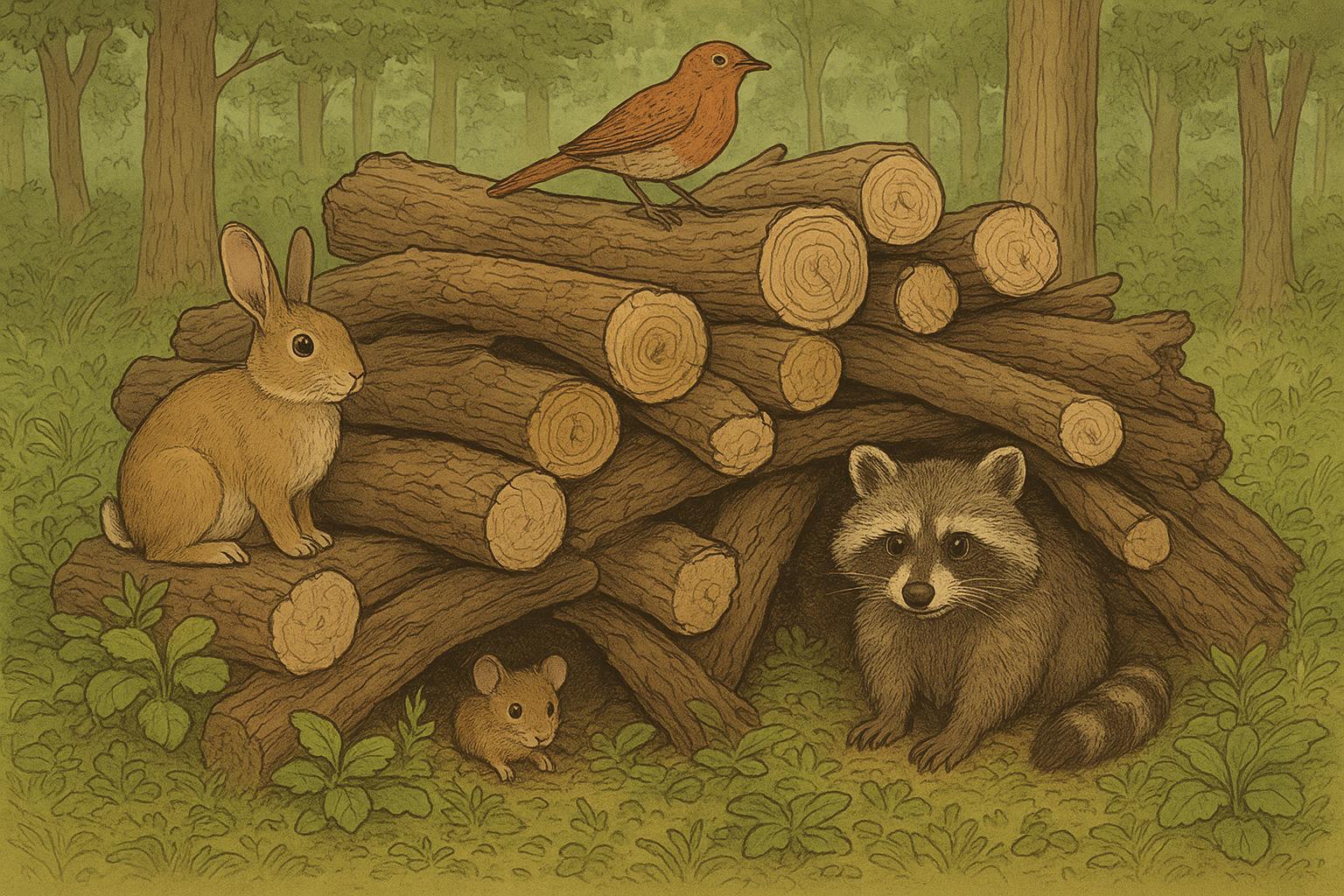
Scatter patches of bare ground or compact soil for ground-nesting bees and maintain leaf litter and brush piles for overwintering insects. Reduce lawn real estate gradually by converting narrow strips into native plantings—each small change increases overall habitat value.
A well-considered combination of food, shelter, and water will turn a tidy spring display into a functioning ecosystem that rewards visitors and gardeners alike. Follow the planting palette and nesting station steps carefully to produce reliable results that support an array of species during the critical early-season window when spring blooms are at their most influential.

Leave a Reply