
## Why Starlings Taking Over Feeders Happens
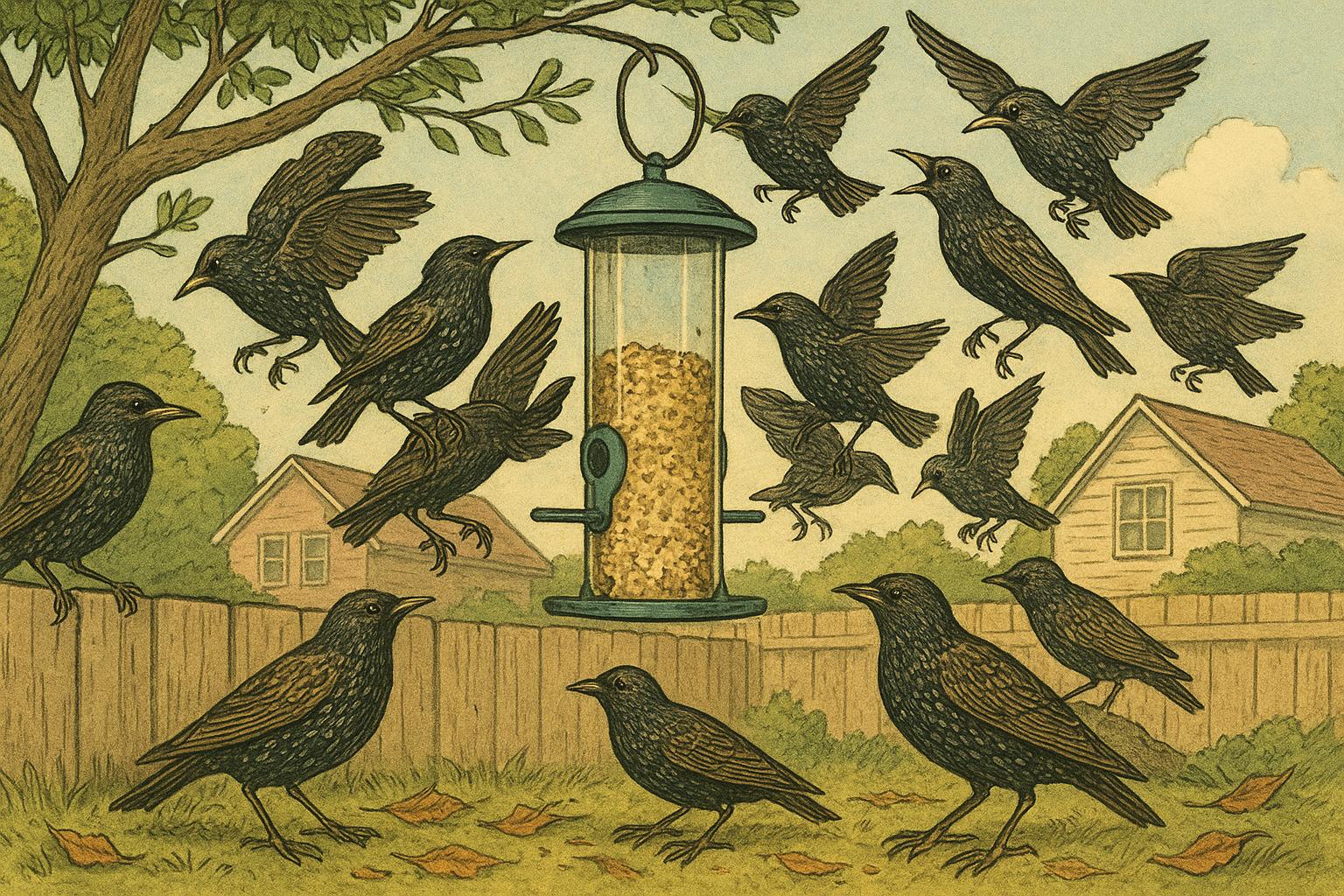
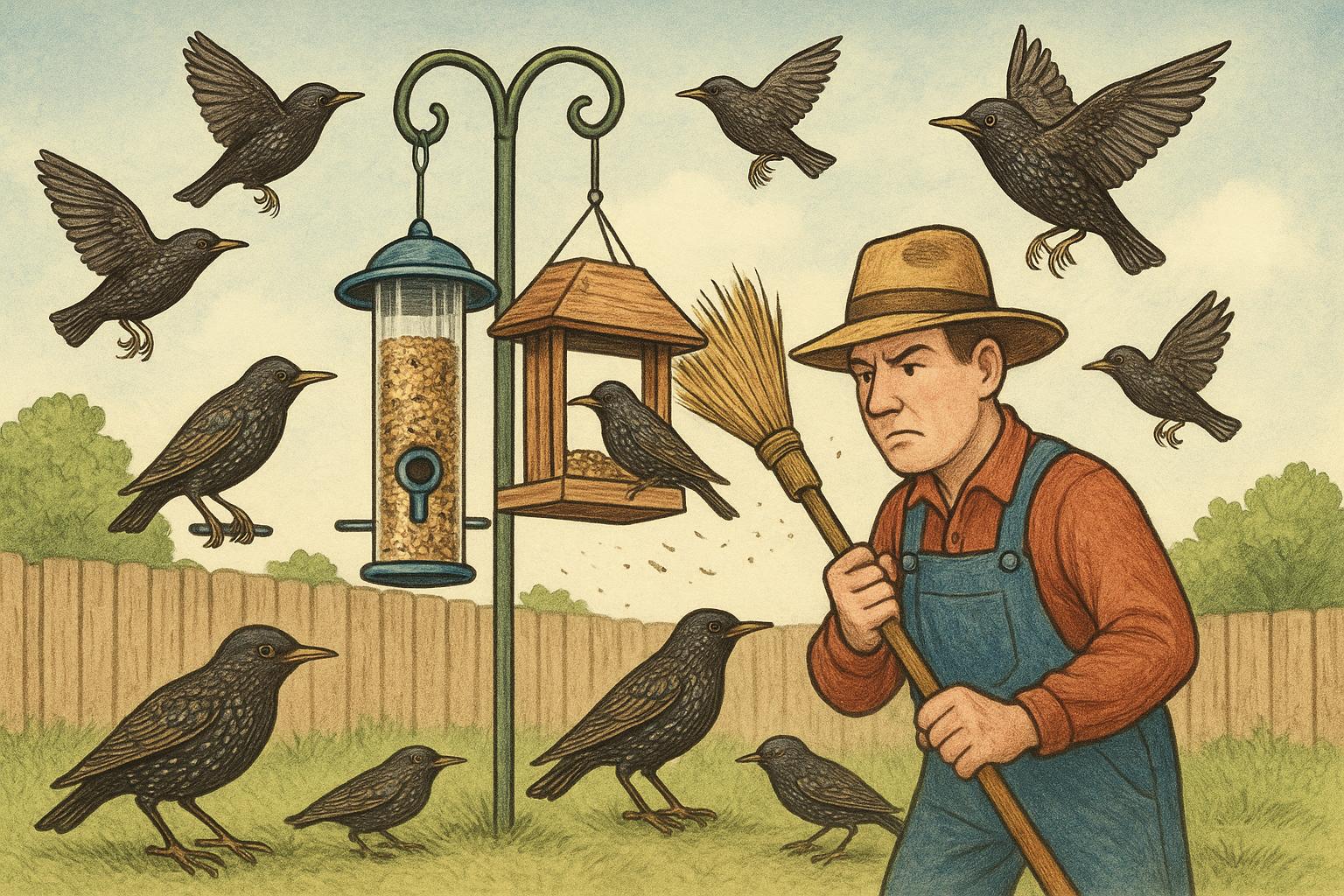
If you’ve ever stepped outside to find a noisy knot of glossy black birds dominating your backyard, you know what this looks like. Starlings are fast, bold, and social. They show up in groups, work a feeder until it’s bare, and can push smaller songbirds off the platform. That pattern—starlings taking over feeders—shows up in suburban neighborhoods year after year. There are reasons for it that are simple and avoidable once you recognize them.
Starlings exploded across North America after being introduced in the 19th century. They’re cavity nesters, opportunistic eaters and built to handle urban life. That makes suburban backyards, with their clipped lawns and steady food sources, ideal. When one bird discovers a reliable stash, its call attracts others. Within days you can go from a handful of cardinals to an all-out majority of starlings at feeders.
## How To Tell If Starlings Are Dominating Your Yard
### What Starlings Look And Sound Like
Starlings are medium-sized, shorter-tailed birds with a chunky silhouette. In summer their plumage has a glossy, iridescent sheen; in winter their feathers pick up white spots. Watch them hop and lean—they’re more terrestrial than many songbirds. And they’re loud. You’ll hear a gurgling chatter or mimicry, not the high, clear notes of a finch or warbler.
### Behavior That Spells Trouble For Native Birds
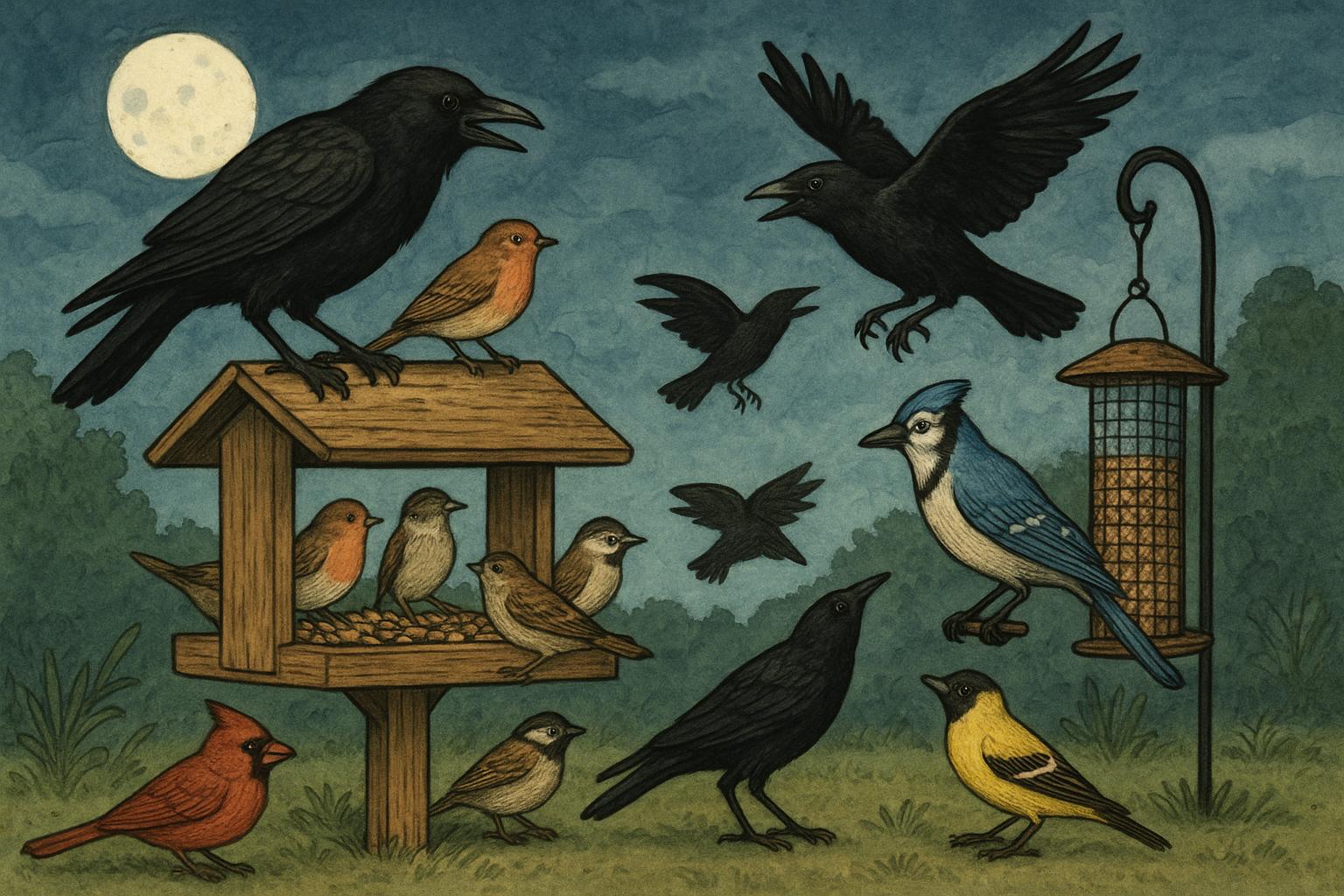
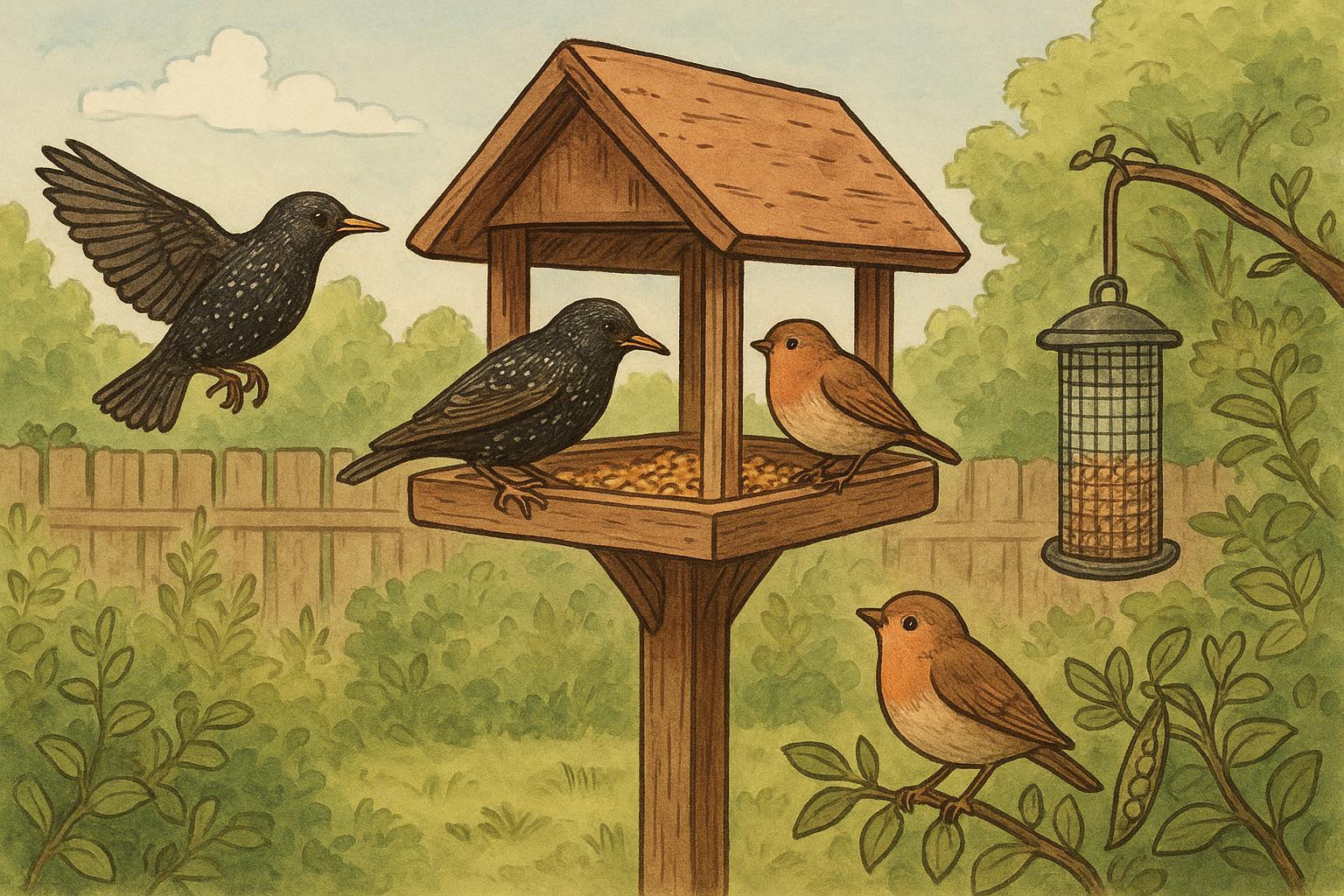
Starlings are gregarious. They eat in groups, which gives them a competitive edge. Once a feeder becomes a reliable food source, starlings will claim it. They can clamber around tube feeders, occupy platform feeders in numbers, and even learn to open lids or push through small openings. When you see repeated, aggressive interactions—chased cardinals, young sparrows not getting to waste seed—that’s starlings taking over feeders in action.
## Practical Steps To Reduce Starling Pressure
### Feeders And Designs That Discourage Starlings
You don’t need to strip your yard of food to get native birds back. You need smarter placement and a few changes in equipment.
– Tall, hanging tube feeders with small perches are less friendly to starlings because their bodies are awkward on tiny perches. Choose feeders where only small birds can comfortably cling.
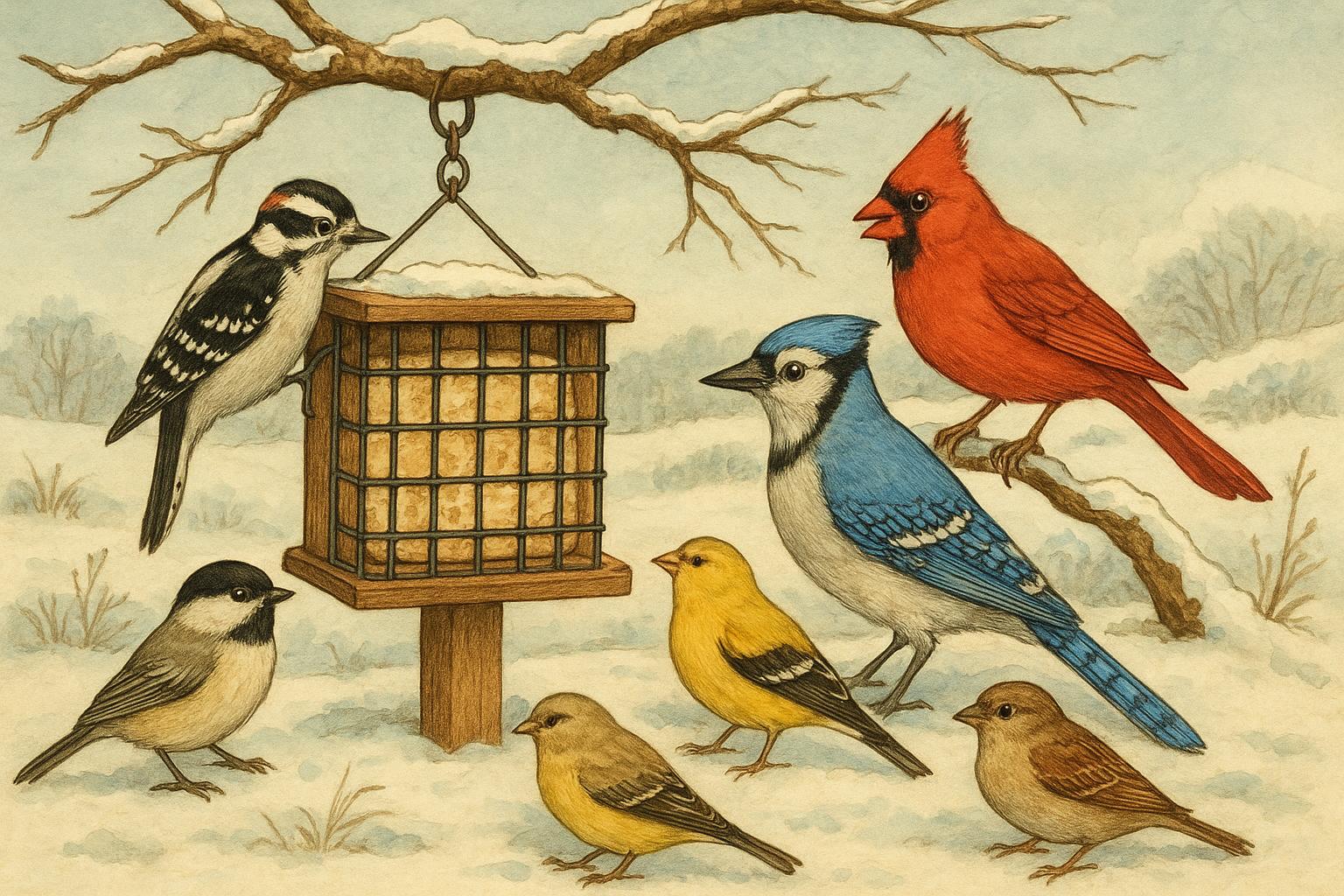
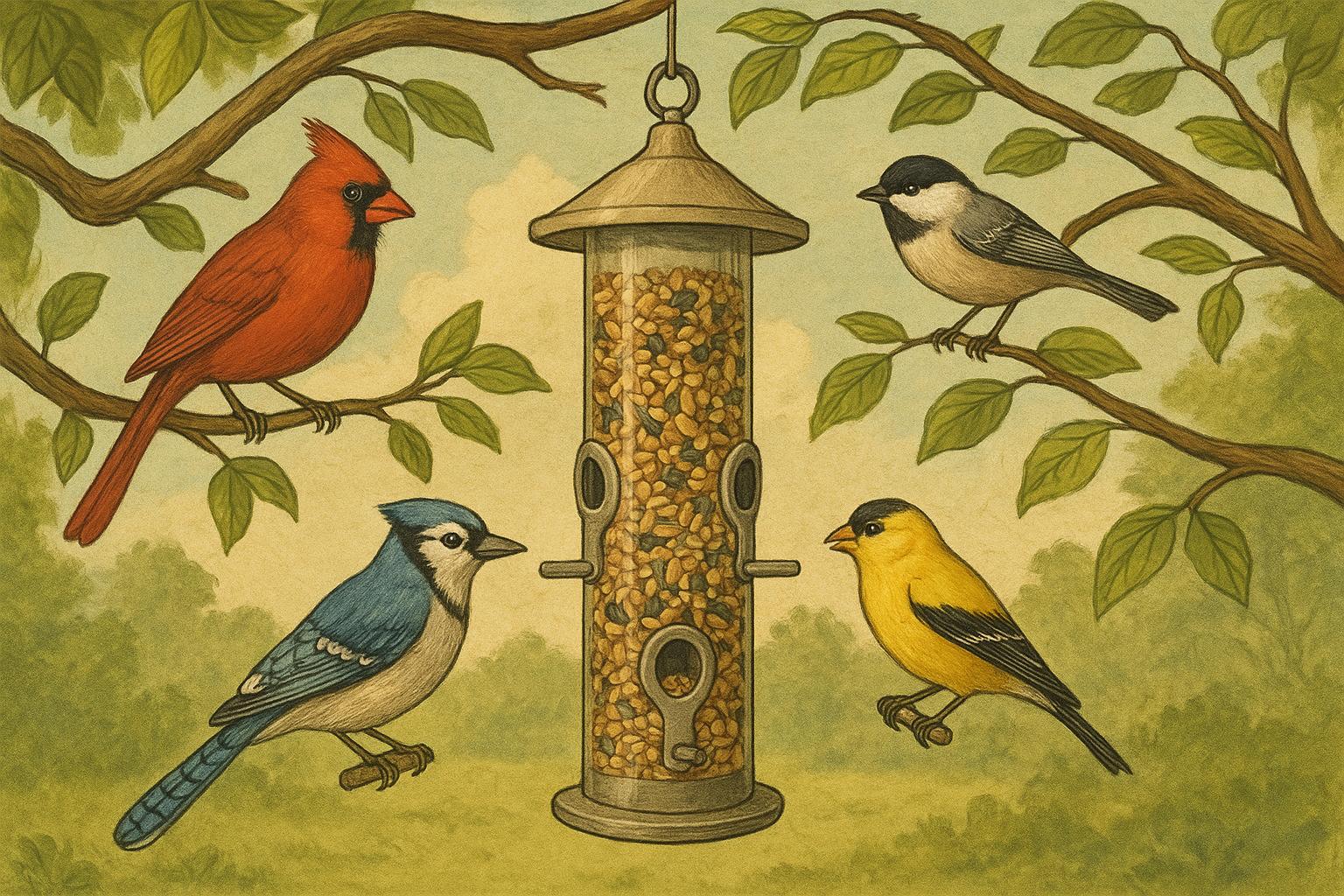
– Caged feeders with spacing designed for chickadees or goldfinches keep larger birds out. The cages let small birds slip through openings that are too small for starlings.
– Weight-sensitive feeders that close ports under the weight of a starling can be effective. But test them: some starlings learn to feed from partially open ports.
If you rely on platform feeders, accept that these are starling magnets. Consider replacing a single large platform with two or three small, enclosed feeders placed in different spots. Starling feeders—feeders that actually attract starlings—are easy to find, but switching to starling-resistant designs forces those birds to move on.
### Placement Matters More Than People Think
Move feeders away from perches where starlings can stage their raids. They use roofs, low tree branches, and fences as launching pads. Install feeders 10 to 12 feet from those perches and 4 to 6 feet from dense shrub cover where predators might hide. Starlings like open staging areas; deny them their preferred takeoff zones and they’re less efficient.
Poles with predator baffles can stop raccoons, but they won’t always deter starlings. Instead, hang feeders from thin, unbranching wires that sway. Starlings are less comfortable feeding from swaying perches, while small songbirds adapt more easily.
### Change The Food, Change The Crowd
Starlings are generalists. They eat sunflower seeds, cracked corn, suet, and many mixes. If your feeder’s main offering is cheap mixed seed, you are inviting a party.
– Switch to nyjer (thistle) seed for tube feeders. Nyjer attracts finches and siskins but starlings largely ignore it.
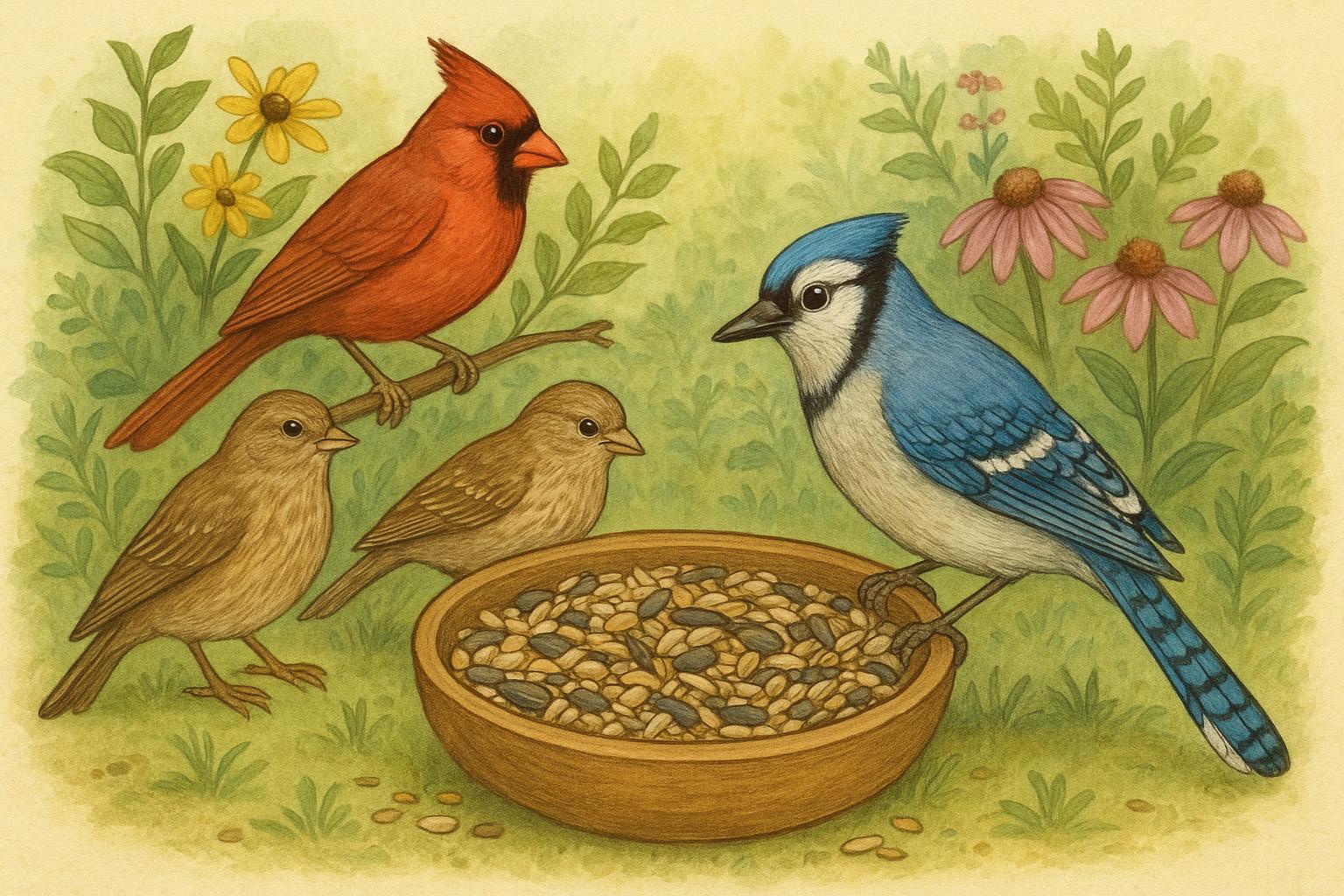
– Offer hulled sunflower or sunflower hearts in small, weight-sensitive feeders aimed at cardinals and grosbeaks. Use feeders where bigger birds like starlings can’t cling comfortably.
– Avoid large piles of cracked corn in winter. That draws starlings and pigeons.
Timing can help too. Put out only enough food to last a day and remove it at night during mild weather; that denies starlings a predictable overnight food source that lets them keep nesting nearby. During cold snaps, starlings will still show up, but managing consistent availability discourages long-term colonization.
## Non-Lethal Deterrents That Do Work
### Visual And Motion Deterrents
Starlings are cautious around sudden movement and shapes that suggest danger. You can exploit that without harming birds.
– Hang a few reflective strips or old CDs near feeders. The glint startles birds on approach and makes the area less inviting.
– Add motion elements—wind spinners or streamers that move unpredictably. Starlings get spooked by erratic motion more often than small songbirds.
– A realistic hawk or owl decoy placed nearby can help at first. Move it weekly; starlings habituate quickly.
### Sound And Human Presence
Starlings adapt fast. Recorded distress calls can work for a very short window, but these calls also bother other species and neighbors. A better approach is to increase human activity near feeders for brief periods each day. Walk out to refill, garden near feeders, or work with kids to create slight commotion. Starlings take their cues from human presence and may shift to a quieter yard.
#### Use Of Professional Devices
There are commercial devices—ultrasonic repellers, gas cannons, and motion-activated sprinklers—marketed to deter birds. Ultrasonics are hit-or-miss and often ineffective for starlings. Motion-activated sprinklers work well for ground-feeding flocks but are impractical for most feeder setups.
## Dealing With Large Murmurations In Suburbia
### Understand Why Murmurations Form
Starlings gather in huge flocks as a defense mechanism and for efficient foraging. It’s not just drama; there’s logic. A big flock confuses predators and shares information about food and roost sites. In a suburban patchwork of yards, a single resource can attract multiple flocks over the season.
### Spread The Attractants, Or Concentrate Them
You can either make each yard less attractive or create a designated spot that takes the pressure off neighboring feeders.
If you host a local feeding station where starlings are allowed—say, a separate container of cracked corn placed far from your main avian garden—starlings will focus there. That’s a deliberate choice: feed them in a corner so they give the rest of the yard back to smaller birds.
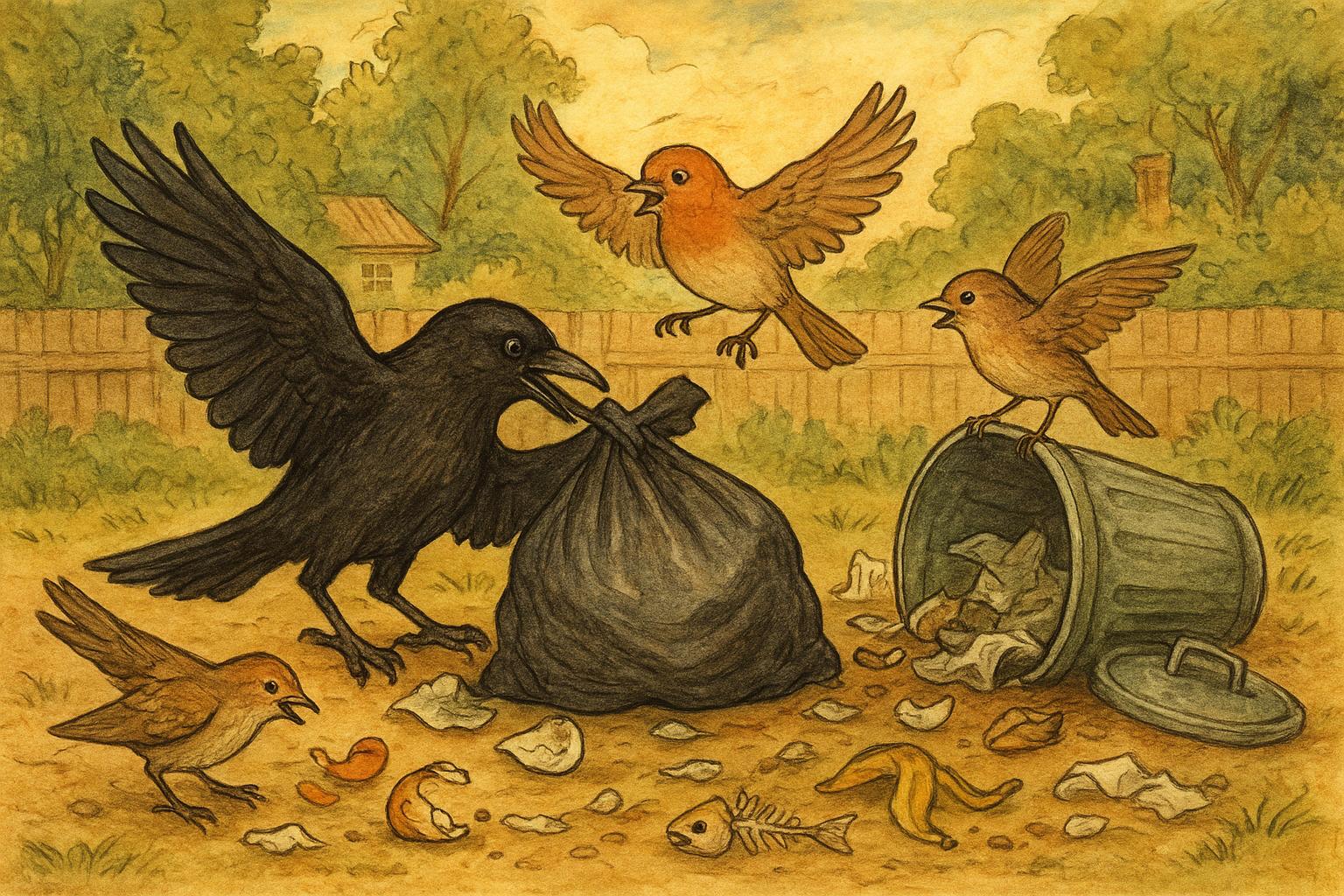
Conversely, if you want starlings gone, coordinate with neighbors to stop leaving open food sources like pet food, open compost, and unsecured trash. Starlings are clever and will exploit any reliable source.
## If You Intend To Feed Starlings, Do It With Intention
### Separate Feeders For Different Goals
Some people enjoy starlings’ antics. They’re social, bold, and interesting to watch. If you fall into that camp, set up starling feeders in one area and keep native-bird-friendly feeders elsewhere.
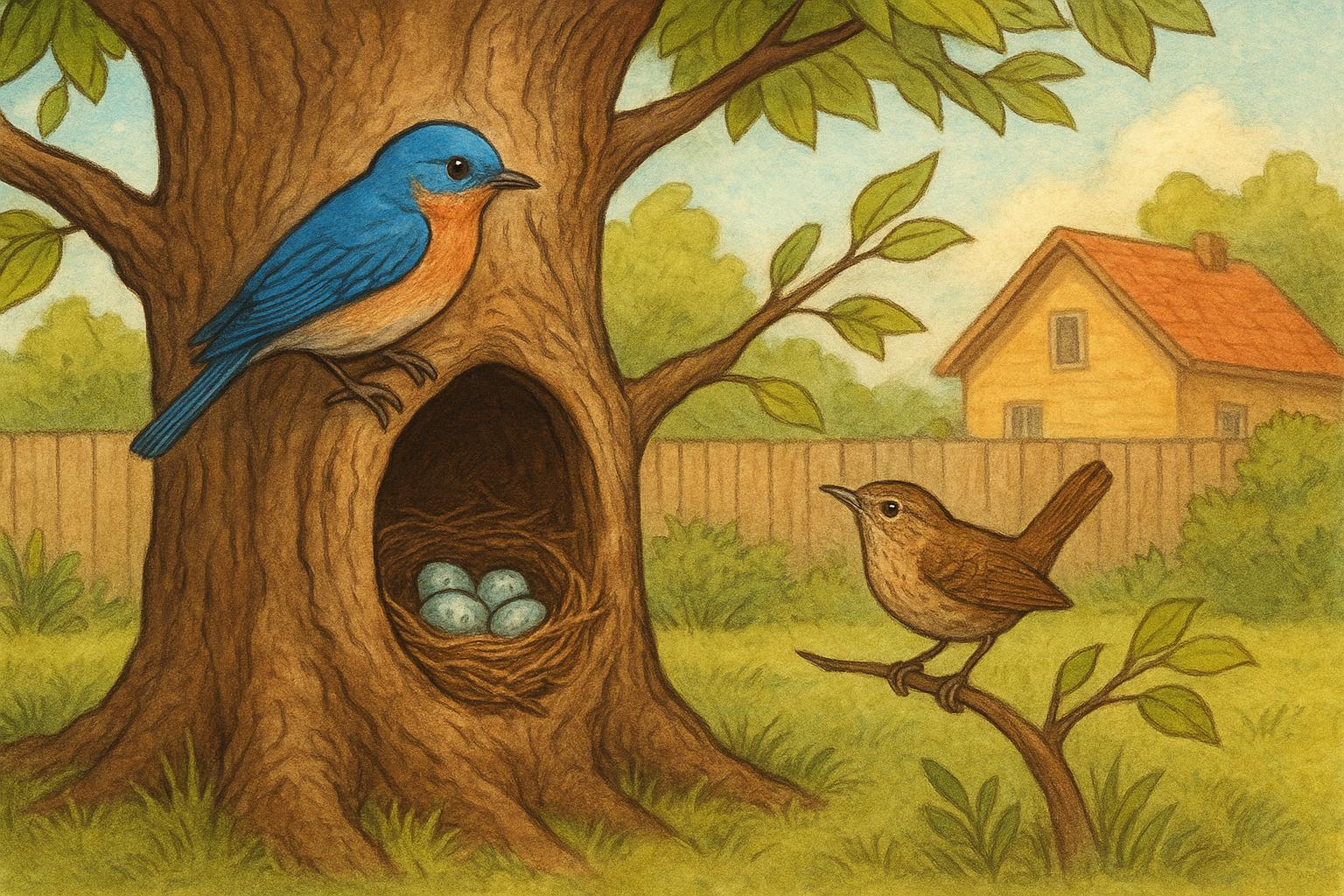
Starling feeders can be big platform trays or large hopper feeders filled with cracked corn and suet. Place them away from nesting areas of cavity-nesting birds to prevent competition. This reduces conflicts between species and preserves nesting opportunities for native bluebirds, chickadees and nuthatches.
### Ethical And Legal Considerations
Starlings are non-native in many regions and sometimes cause agricultural damage. However, municipal regulations vary. Feeding wildlife is often allowed, but problems arise if bird droppings affect sidewalks, cars, or neighbors’ health. Keep an open dialogue with your neighbors before dedicating public-facing areas to attract starlings.
## Encouraging Native Birds Without Feeding The Invaders
### Create Habitat That Favors Small Songbirds
Feeders are only one part of the backyard ecosystem. If your yard is a monoculture of lawn, starlings will dominate because they can exploit the simplicity.
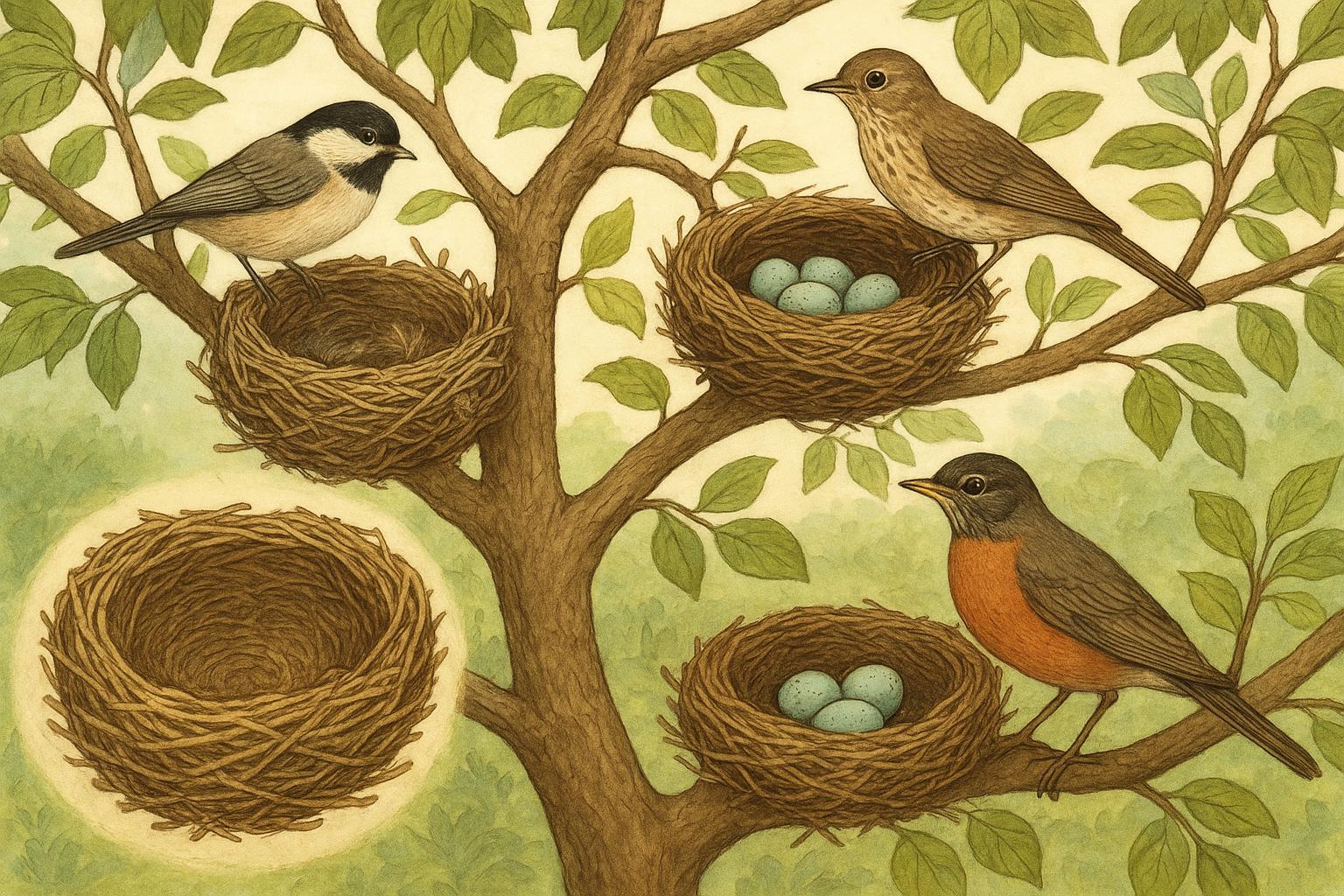
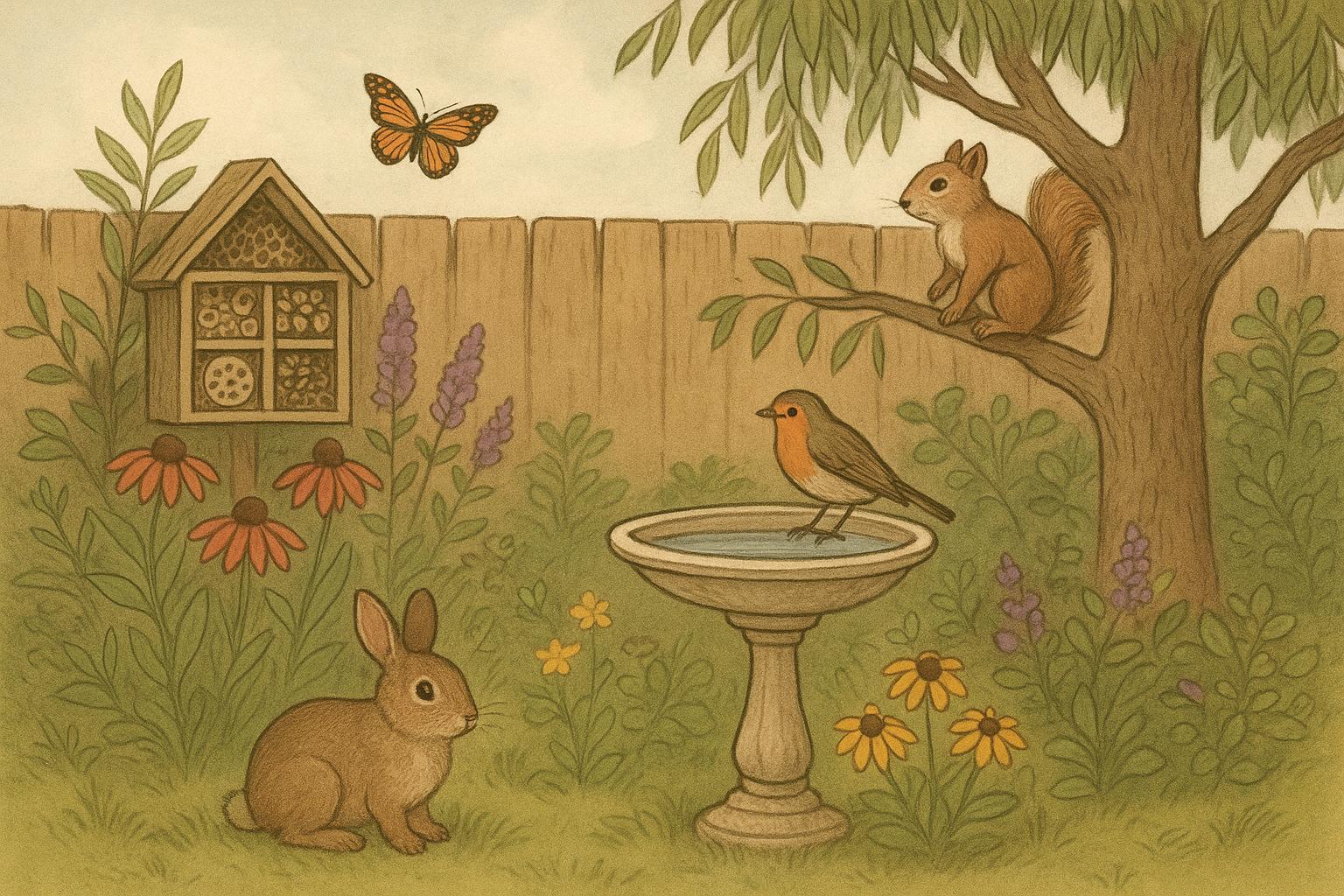
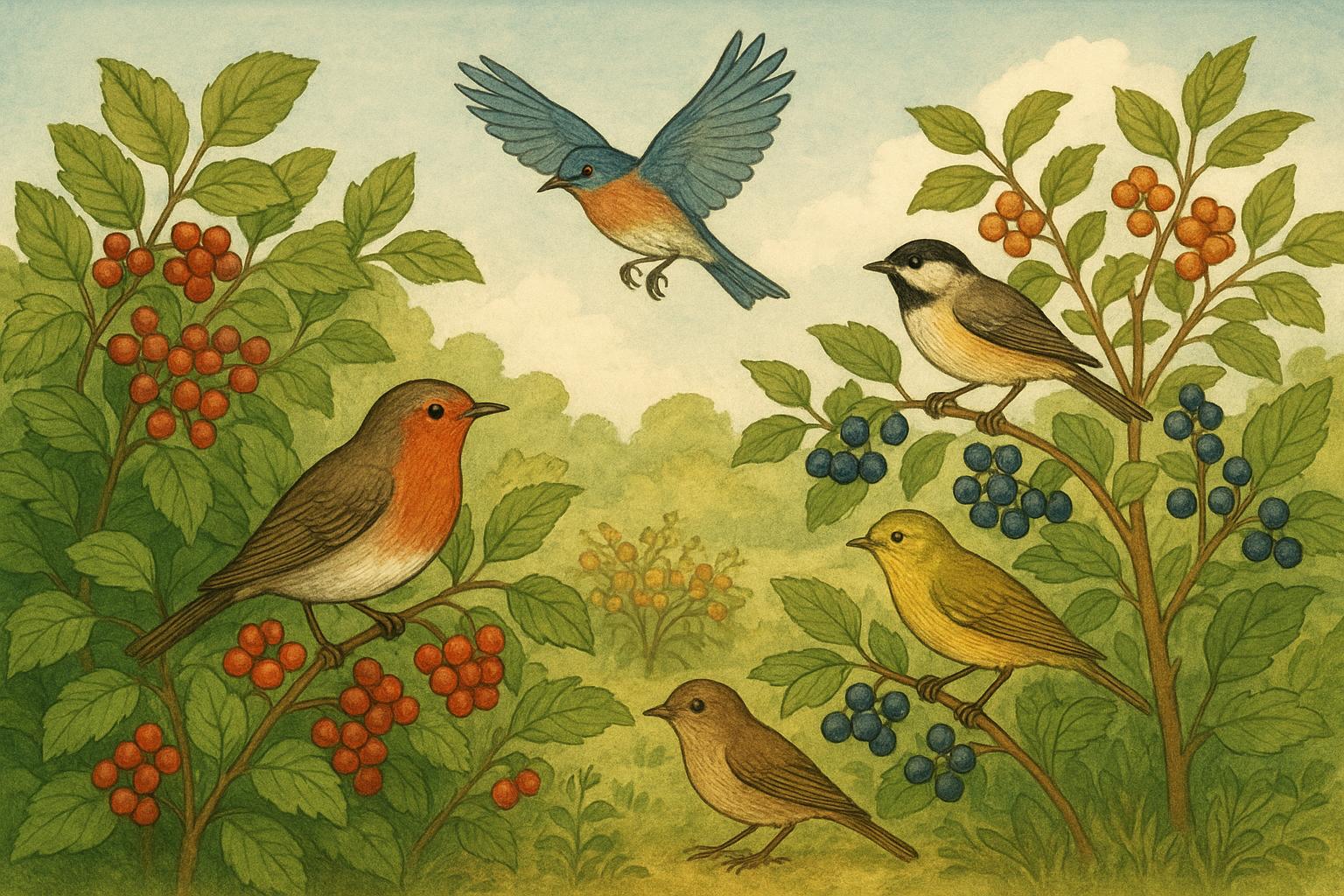
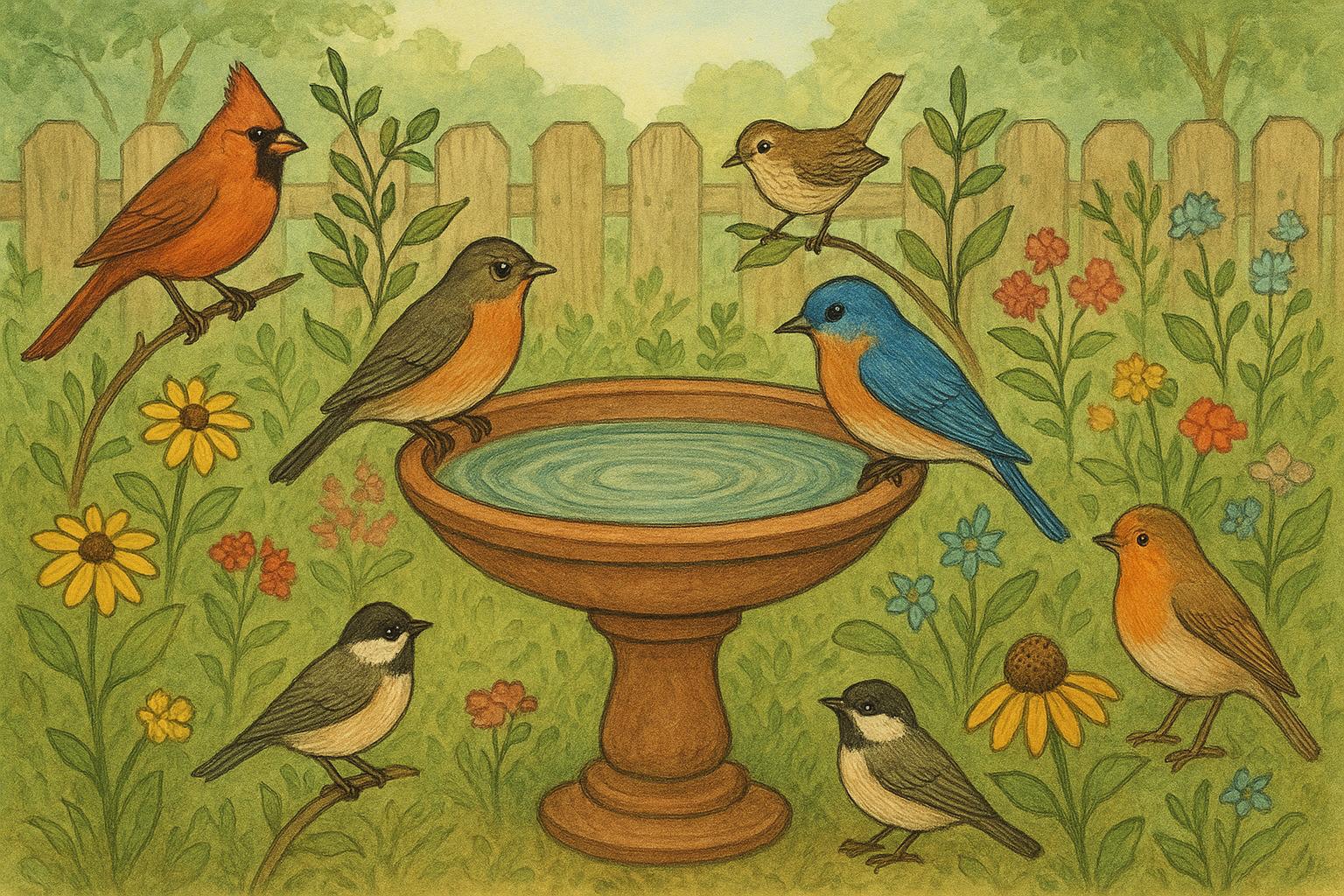
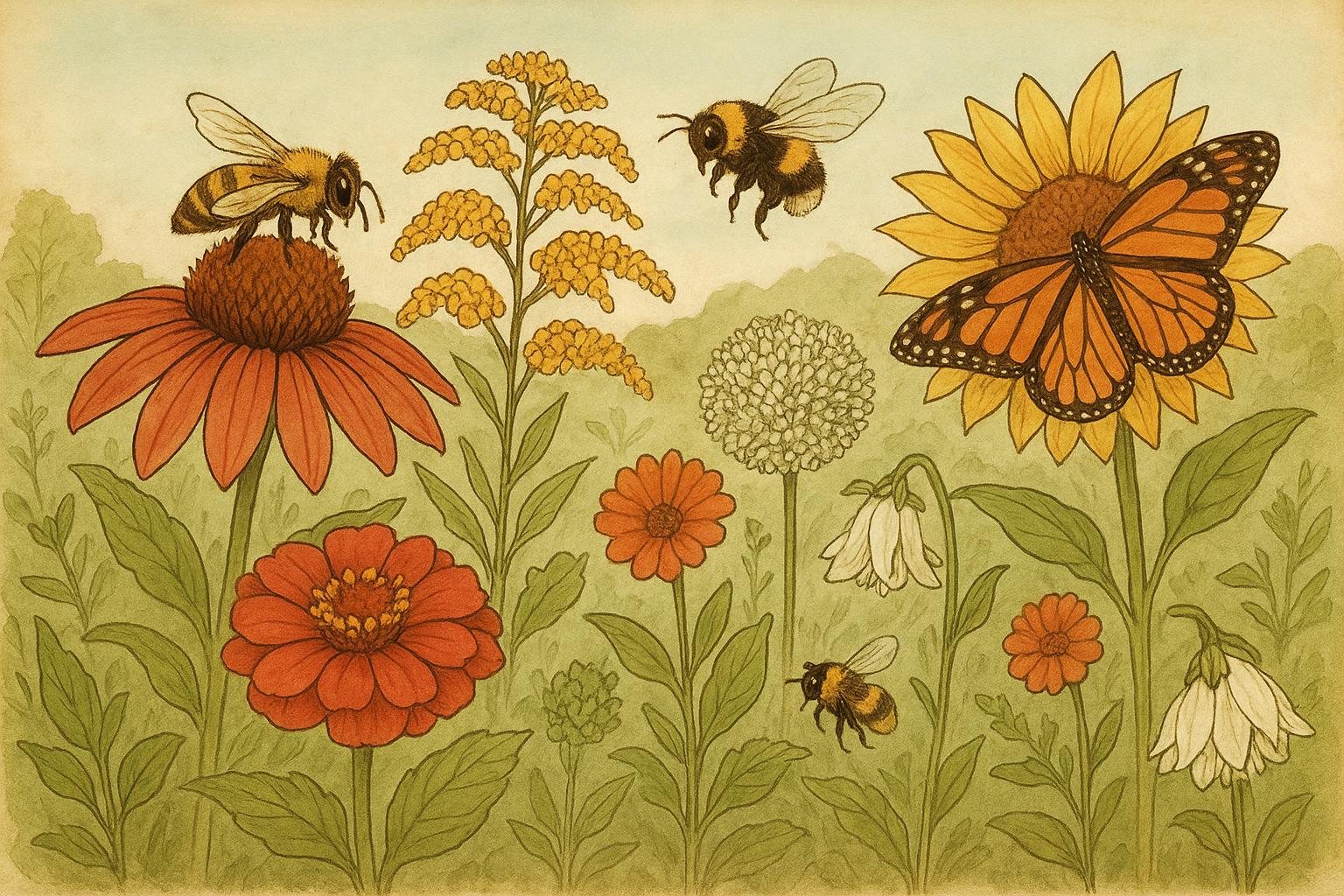
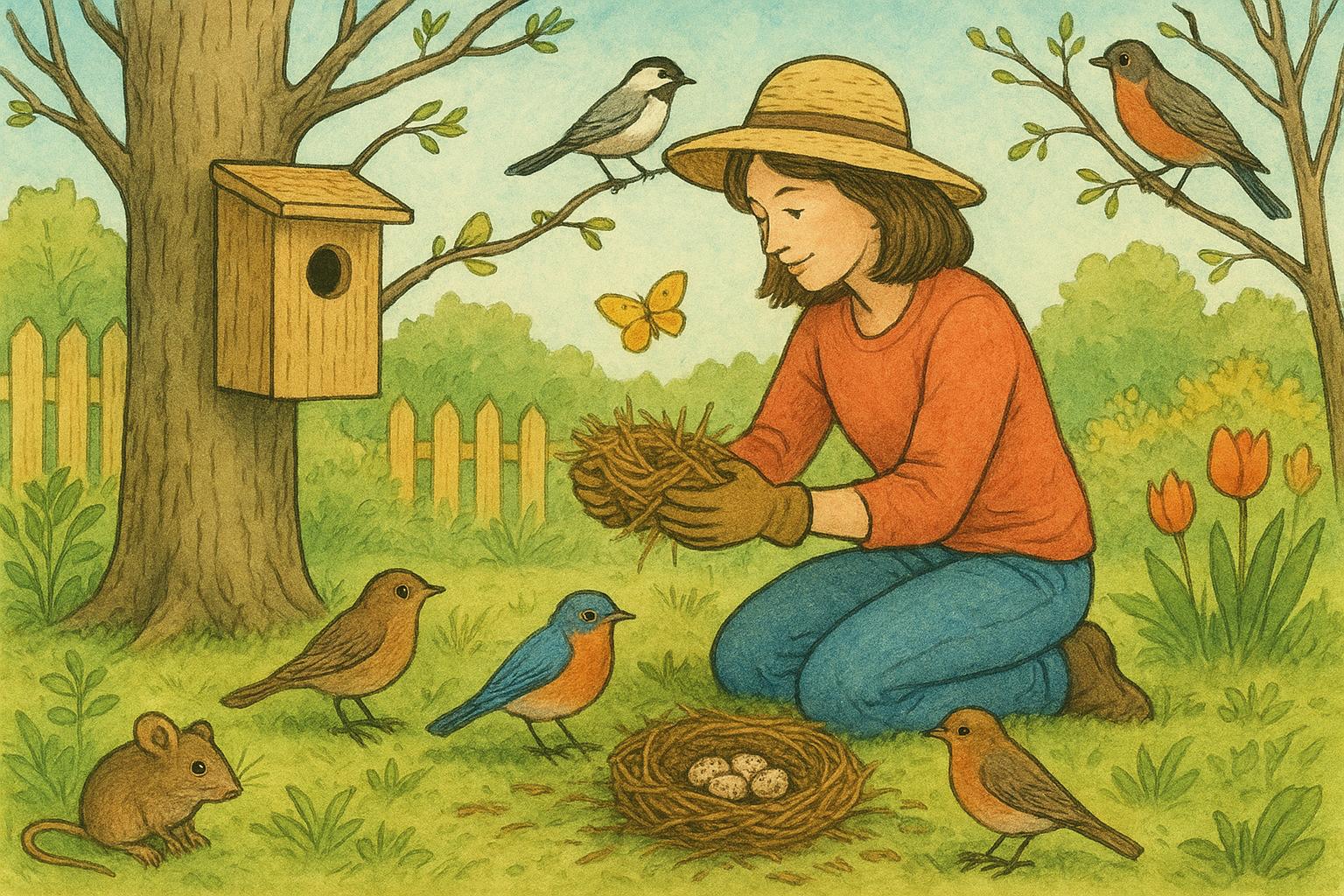
Plant native shrubs and trees that produce berries and provide dense, thorny cover. Species like serviceberry, elderberry, and hawthorn give food that many native birds prefer. Underplant with perennials and native grasses to attract insects for warblers and thrushes. Providing a mix of natural food and nesting sites helps native birds compete with starlings.
### Offer Nest Boxes Sized For Native Species
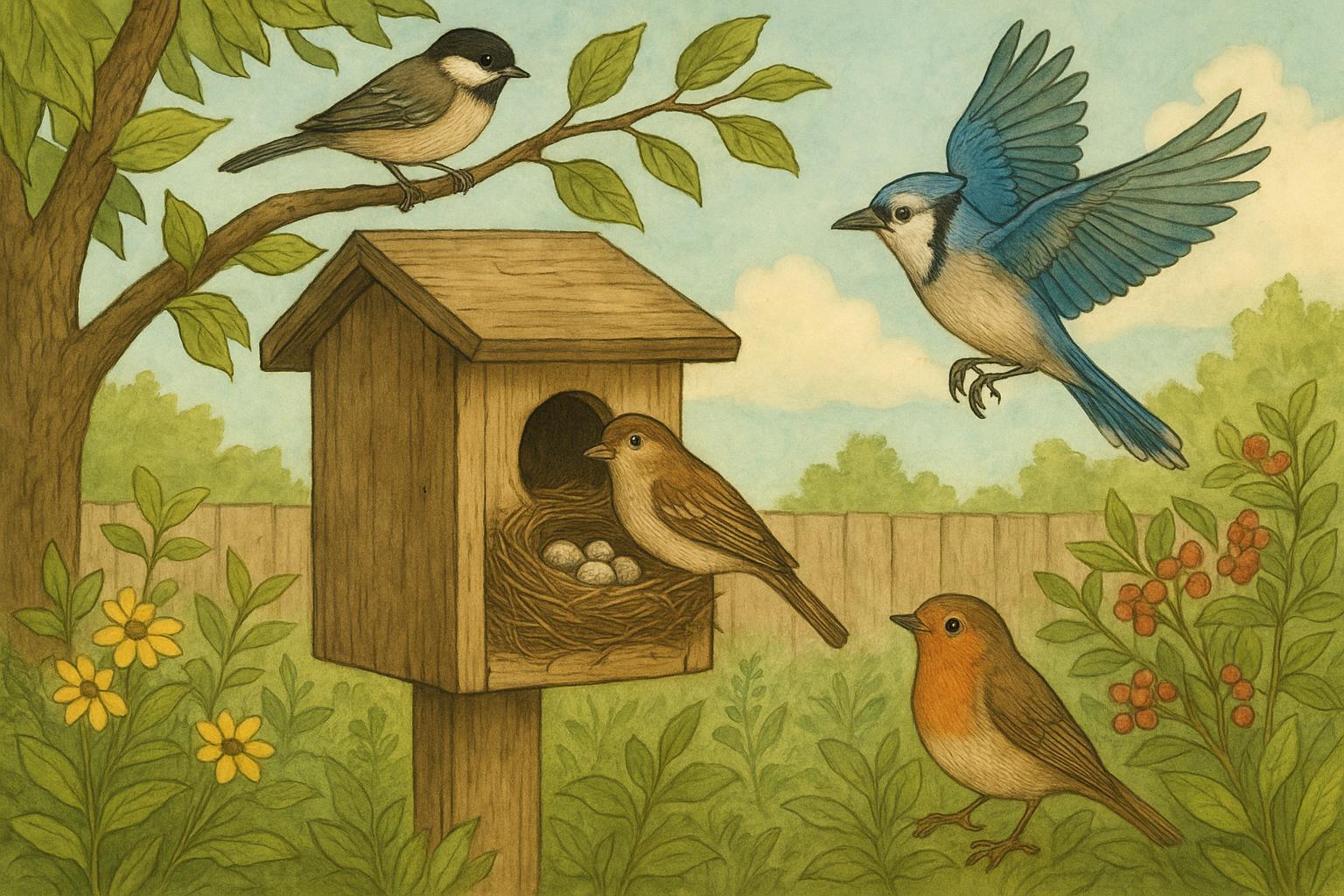
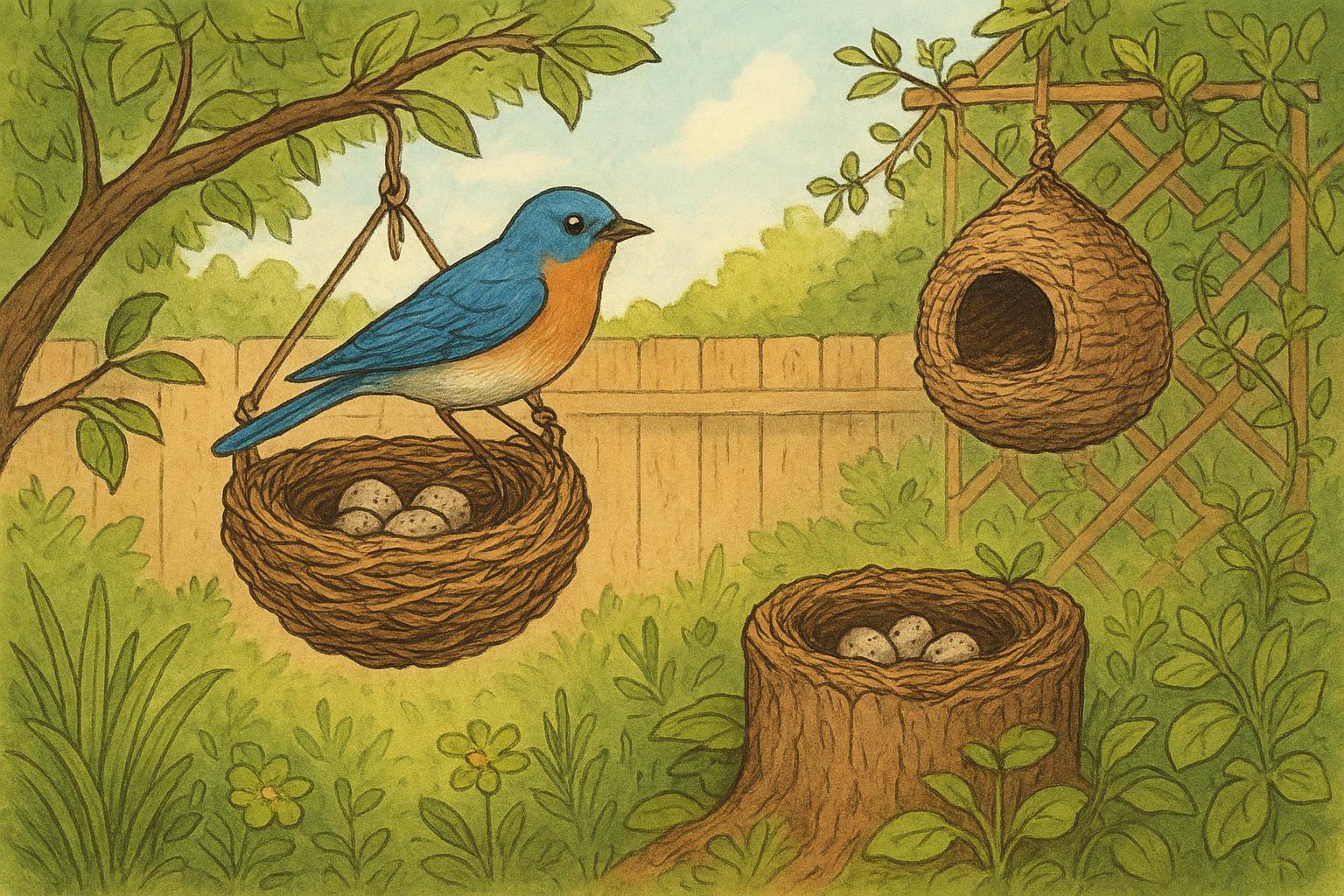
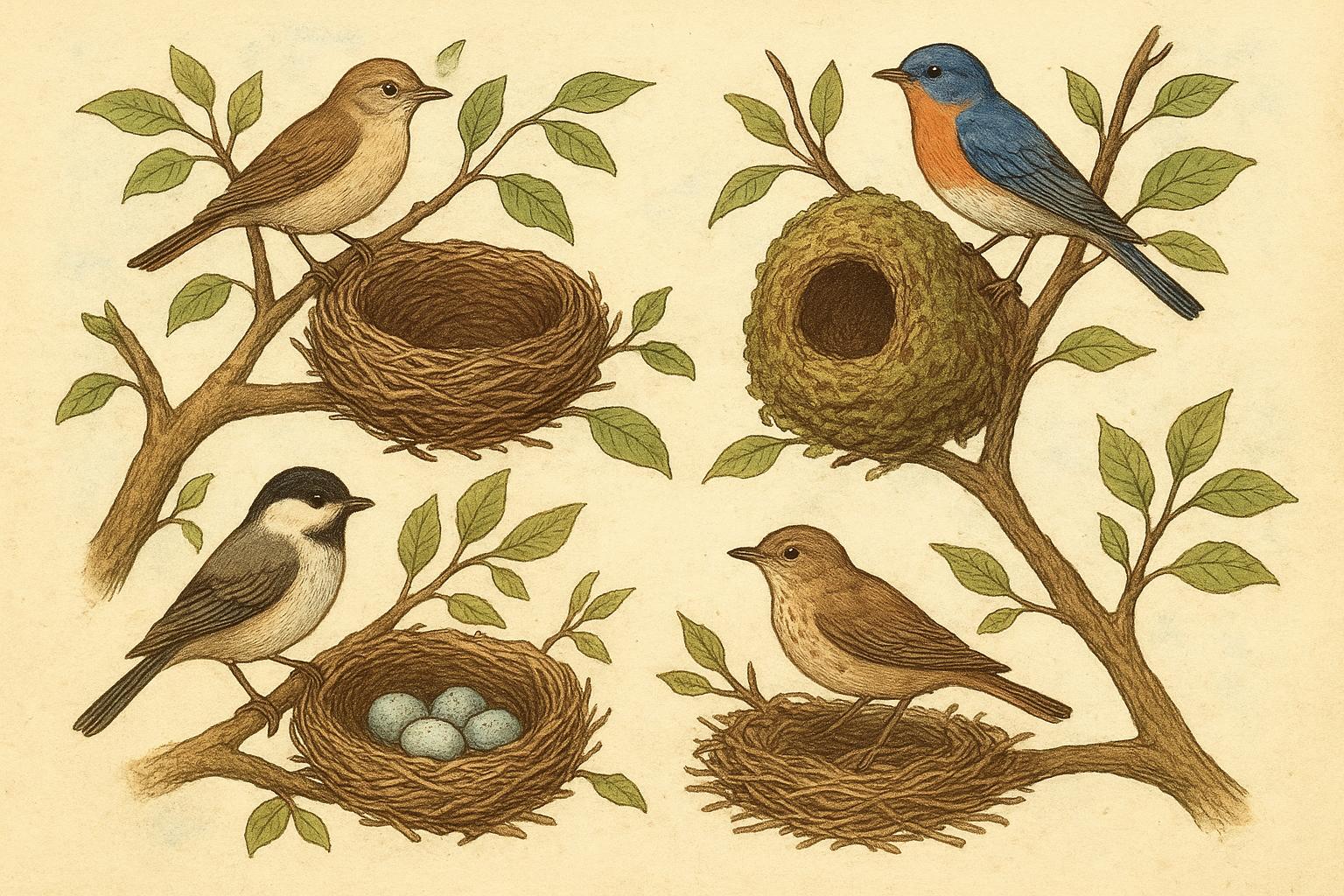
Starlings will take over nest boxes if they’re the right size. Unless you want starlings nesting in your boxes, build or buy boxes with entrance holes sized for target species: 1 1/8-inch holes for chickadees, 1 1/2 inches for bluebirds in areas where starlings are less aggressive. Place boxes away from open areas where starlings congregate.
## Common Mistakes That Make Starlings Worse
### Leaving Seed Out All The Time
An all-day buffet attracts persistent flocks. Refill in the morning and remove leftover seed overnight when possible. That reduces the benefit for starlings and favors birds that feed quickly in the mornings and evenings.
### Using The Wrong Seed Mixes
Cheap mixes with a lot of millet and cracked corn are like an invitation. Use specialized seed for the birds you want. Nyjer for finches, sunflower hearts for cardinals and grosbeaks, and suet in cages for woodpeckers and nuthatches limit starling appeal.
### Single-Feeder, Single-Method Mindset
Relying on one large platform feeder is asking for trouble. Diversify: several feeders of different designs and food types placed strategically can reduce monopolization. If starlings are on one platform, smaller birds may feed at a tube or thistle feeder elsewhere.
## When To Call Local Wildlife Experts
If starlings create public health hazards, show signs of avian disease, or your attempts to manage them lead to escalation, seek local wildlife control advice. Professionals can suggest humane, legal remedies and sometimes help coordinate neighborhood-level solutions. Avoid pesticides and illegal trapping; those actions often backfire and may violate local laws.
## Small Adjustments That Add Up
A feeder moved a few feet. A switch of seed. A cage around a hopper. None of these ideas is dramatic on its own, but together they shift the yard’s carrying capacity for starlings. People get frustrated because they try one trick, see limited change, then give up. Persistence matters. Rotate tactics; what works in spring may not in winter when food is scarce.
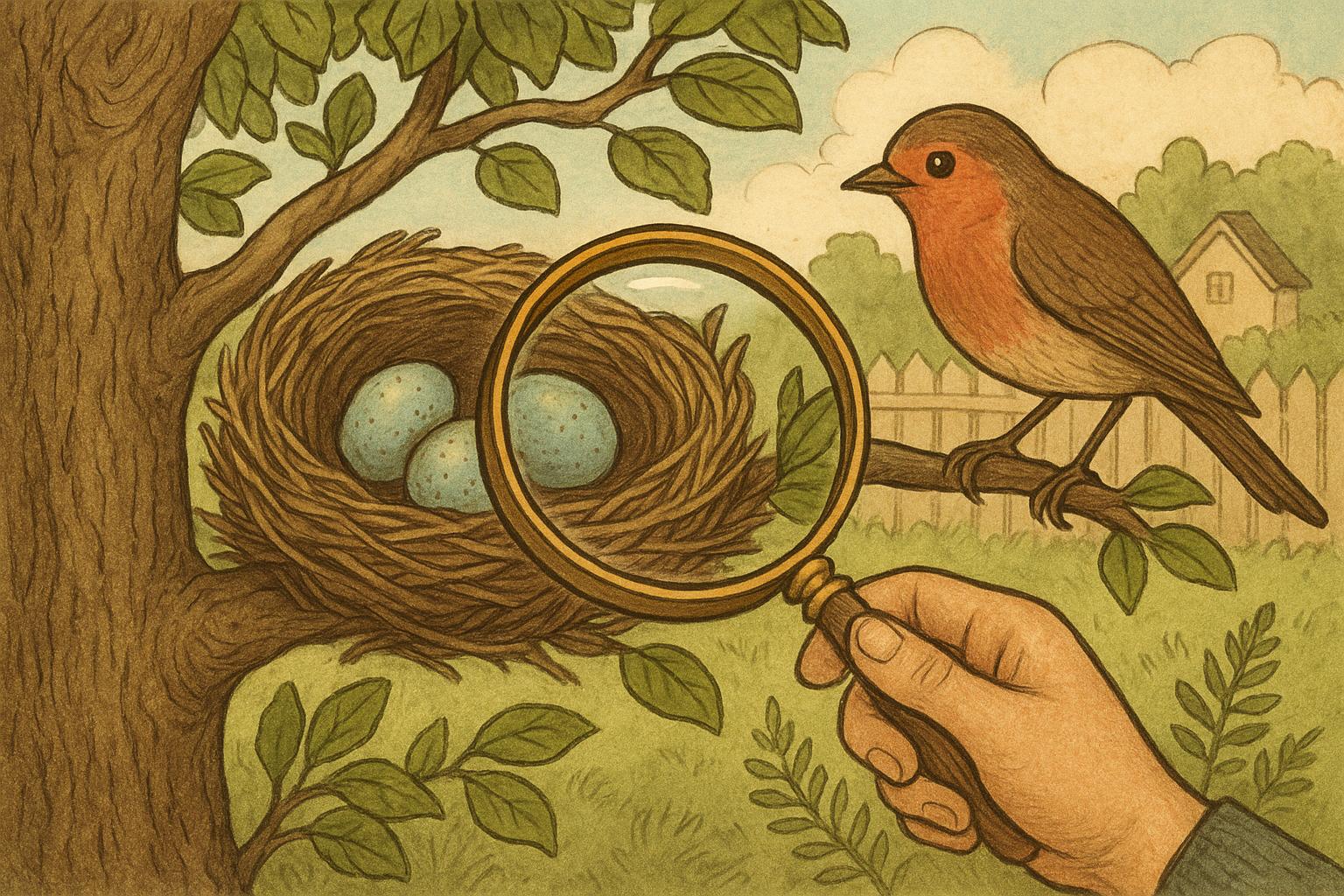
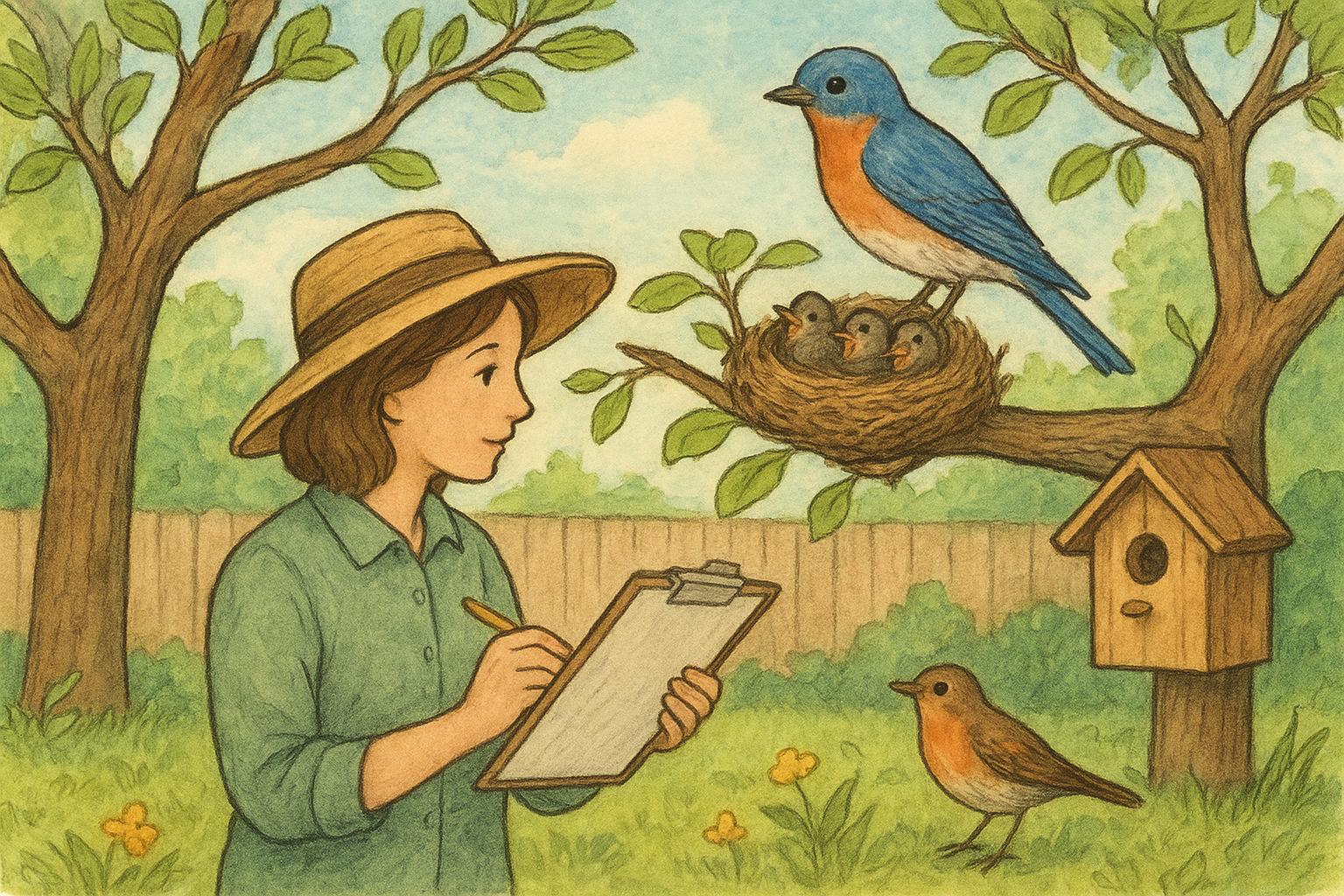
One final, practical note: document what you try. Take pictures of feeder setups and the species using them. Note times of day with the heaviest starling activity. That record helps you refine choices rather than repeating the same mistakes. If you’ve ever watched a starling murmurate over a twilight-roofline, you know they’re resilient. But they’re also predictable. Learn the patterns and change the rules of the yard. You’ll see different birds come back, and in time the starlings taking over feeders will be an annoyance of the past, not the norm.

Leave a Reply