
## How To Identify Backyard Bird Nests Fast Using Simple Clues
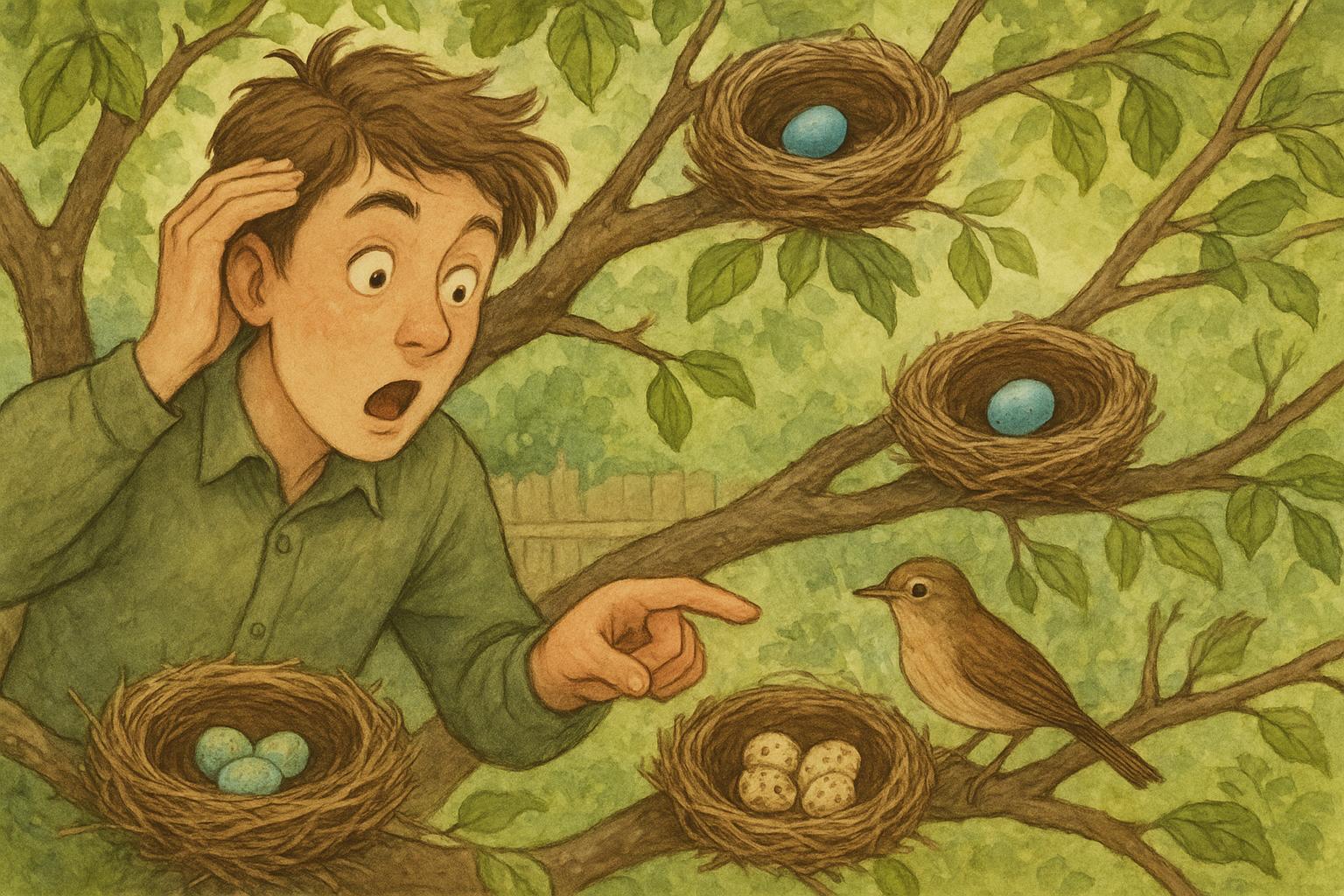
Start with your eyes. A lot of nest spotting comes down to noticing odd shapes and textures in places you walk past every day. A small cup tucked into a bush, a bulky platform in a tree fork, or a neat pocket under eaves — those are all worth a second look. Knowing how to identify backyard bird nests means learning a few reliable patterns, not memorizing every species.
### Read The Location First
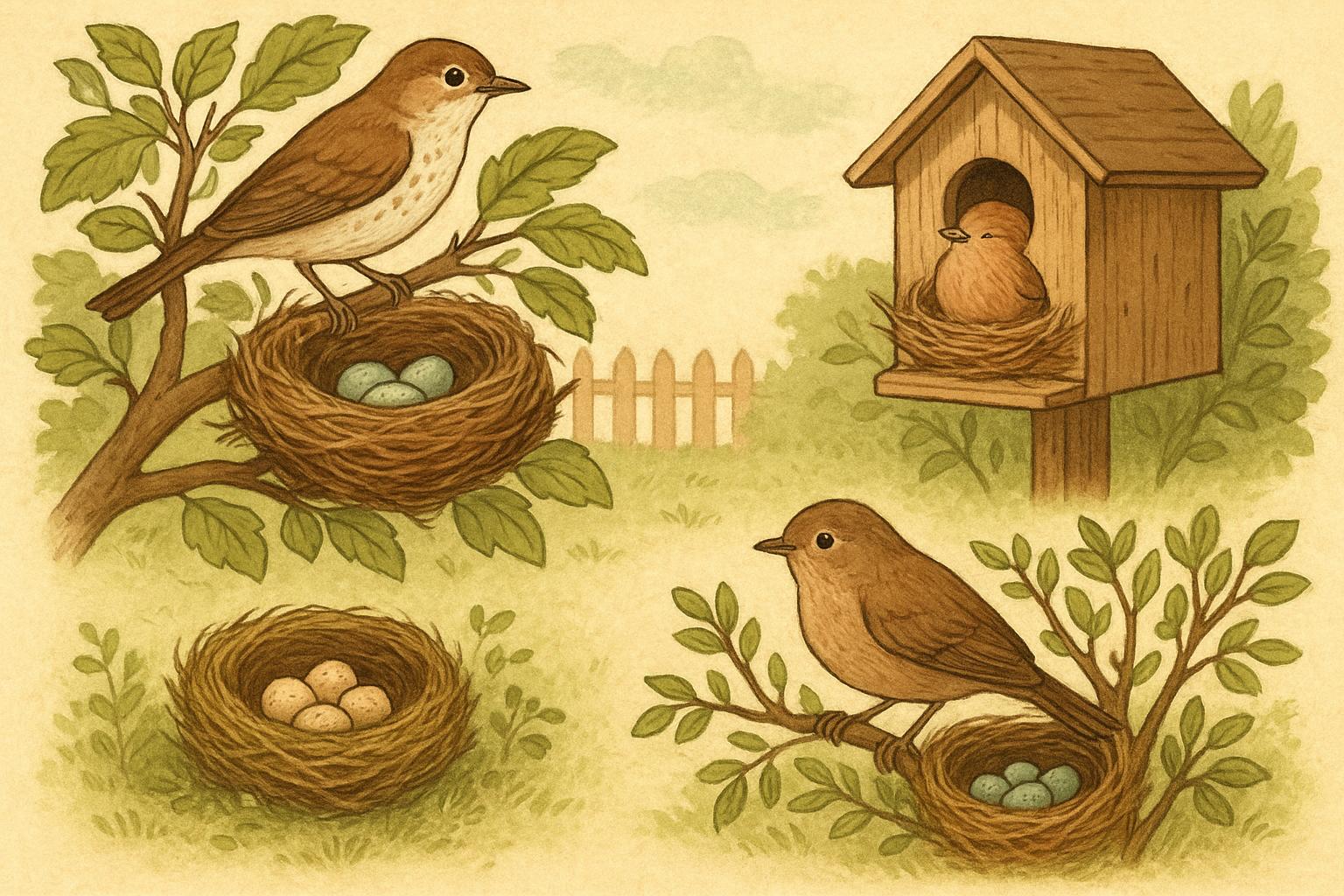
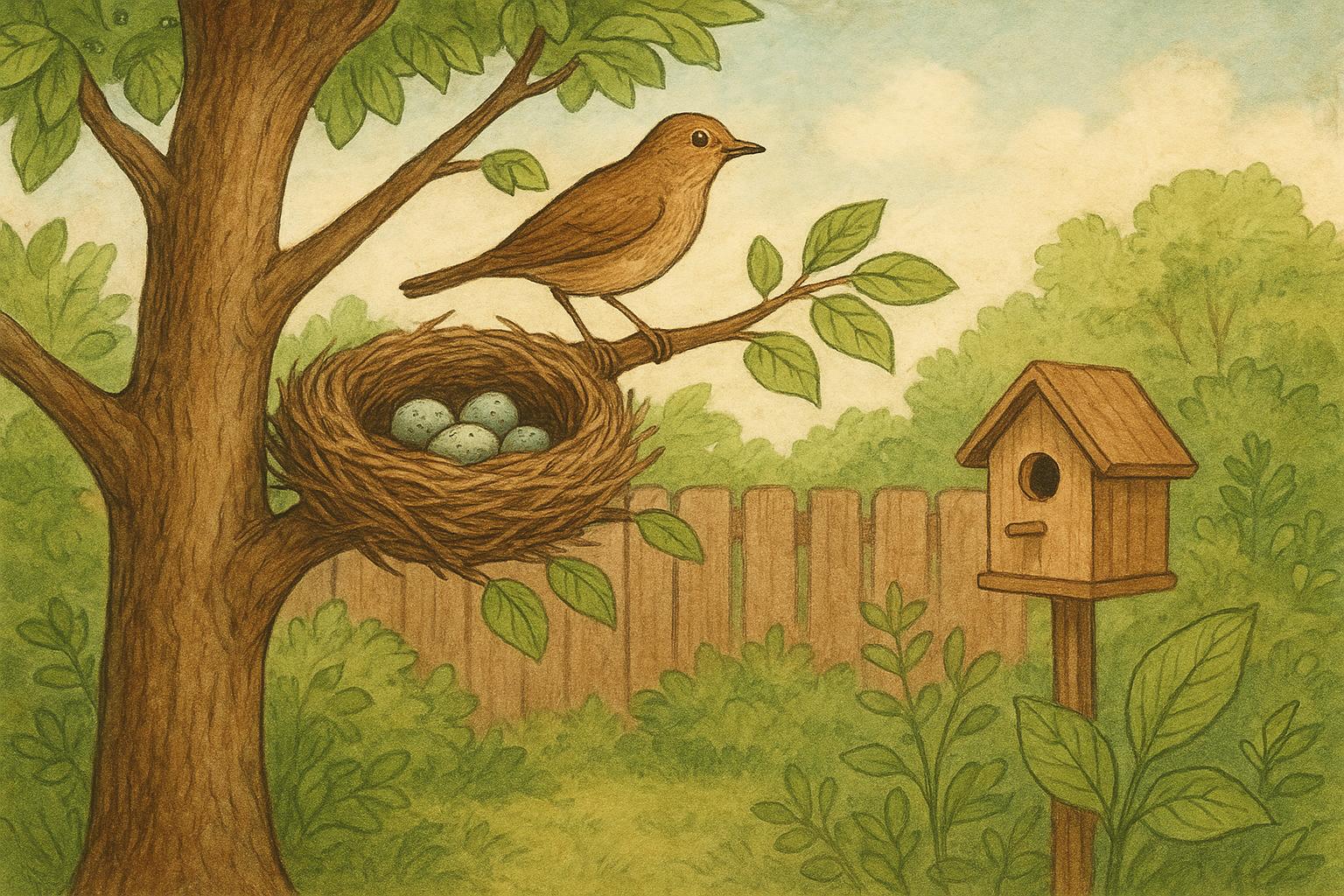
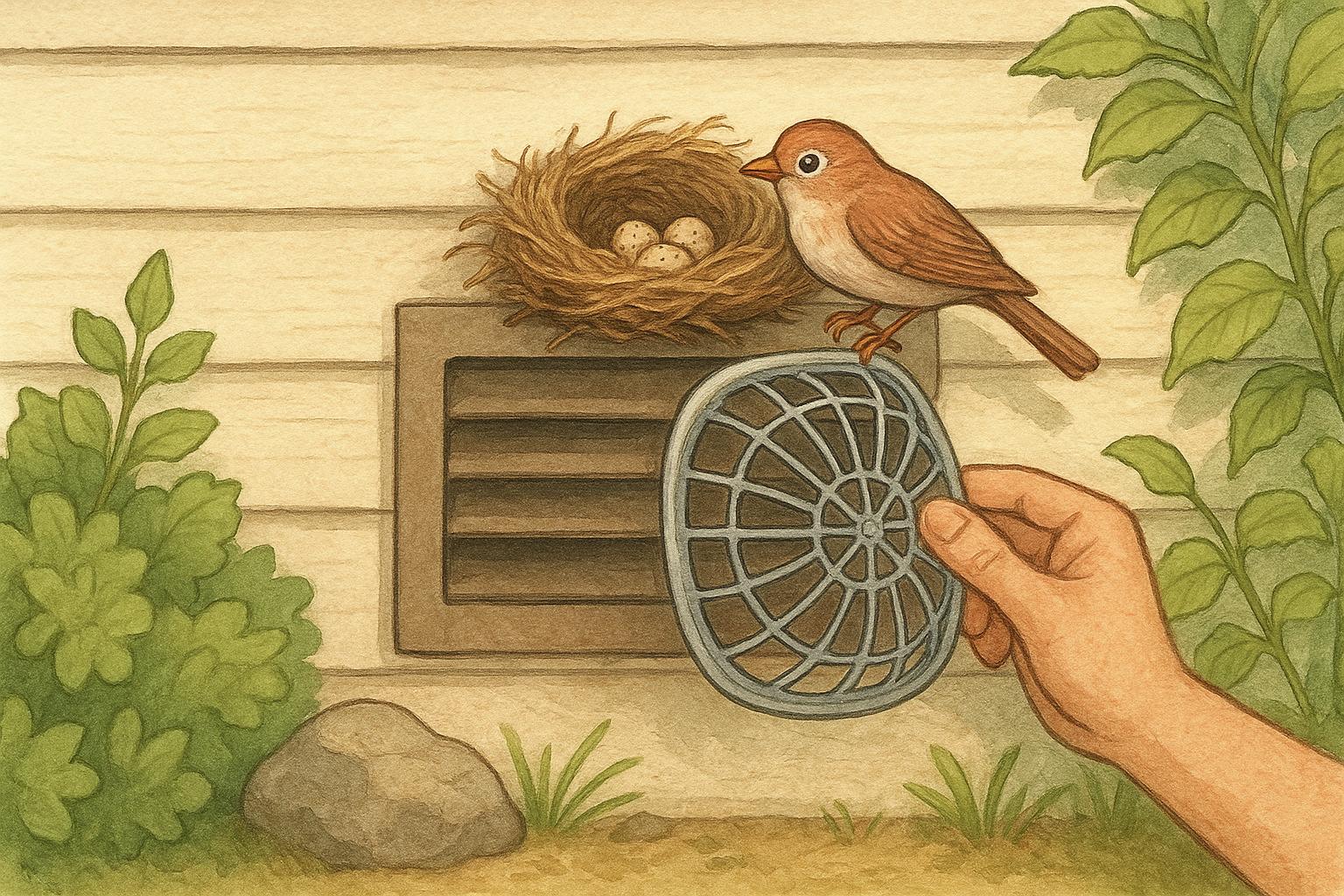
Where a nest sits tells you more than how it looks. Robins and finches favor open cups in shrubs and small trees. Sparrows and wrens often squeeze into tight cavities or dense tangles. Hawks and crows build bulkier platforms, usually higher up. When you practice nest spotting, start by cataloging likely zones: hedges, porch eaves, ivy-clad fences, and the crotches of mature trees.
#### Pay Attention To Height And Exposure
Low, hidden nests usually belong to ground-foraging small birds. High, exposed platforms are for larger or more conspicuous species. That simple observation slashes the list of candidates fast.
### Inspect Materials And Construction
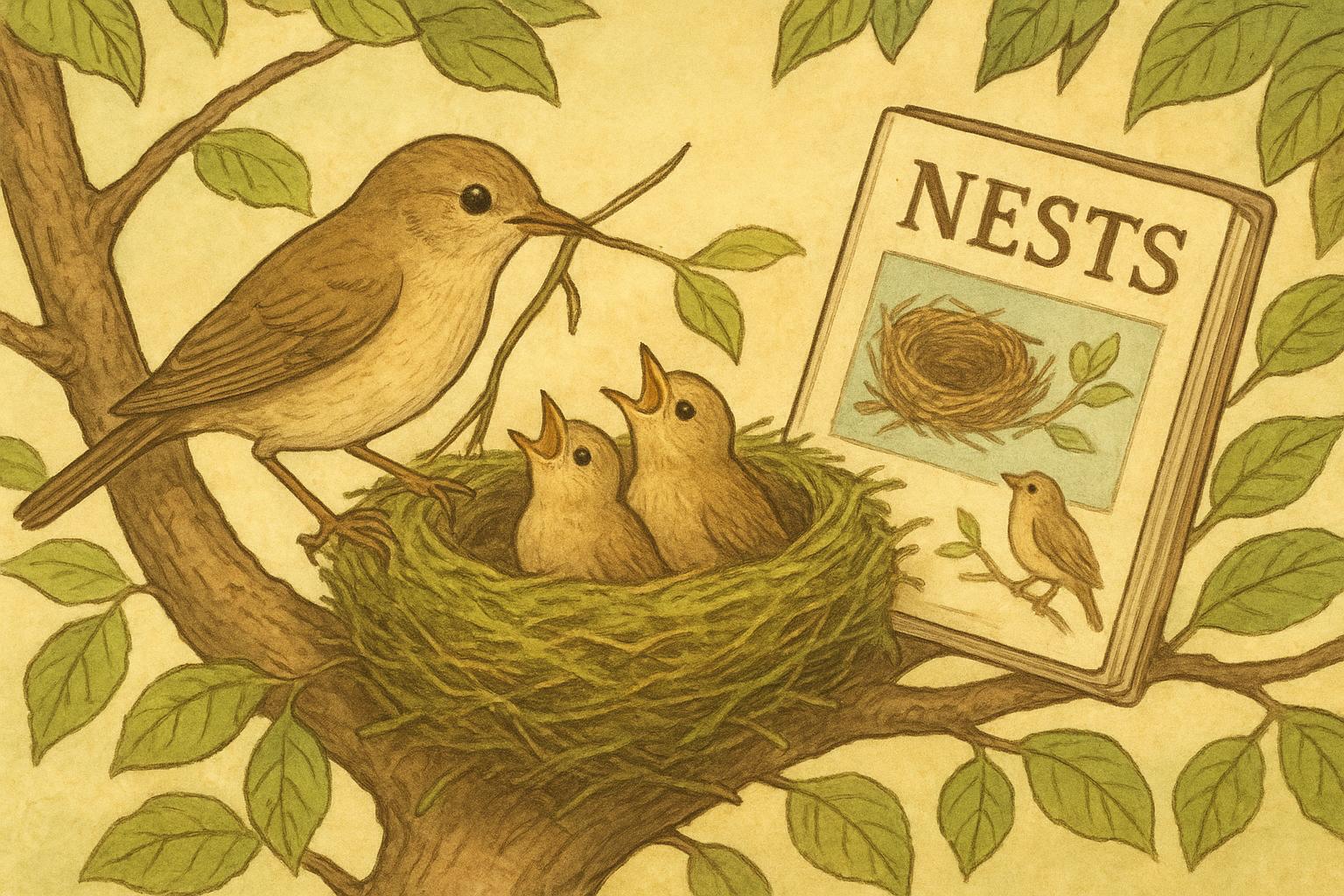
Different birds fetch different things. If the nest is a neat cup of mud and grass, think robins or swallows. Messy piles of twigs and leaves suggest crows, ravens, or raccoons-built spaces (they sometimes reuse old nests). Look for lining: soft grasses, feathers, or fur indicate an effort to insulate eggs. Birds that line with down or hair are often warming small clutches.
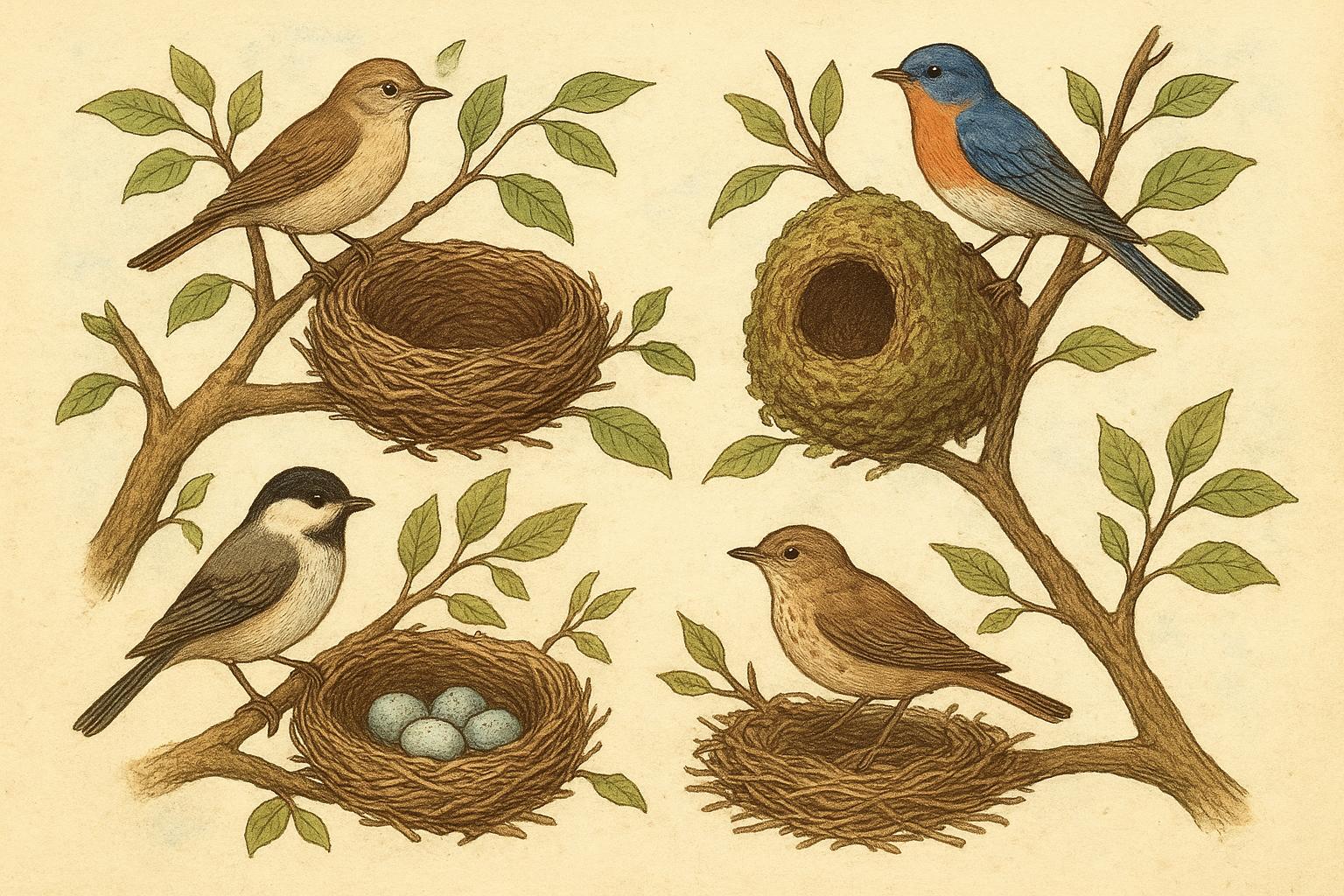
When you’re identifying bird nests, focus on texture. Woven grass and spider silk? Hummingbirds. Mud-bodied cups? Barn swallows or American robins. A domed structure with a side entrance? Think wrens or some species of ovenbirds.
### Watch Parent Behavior
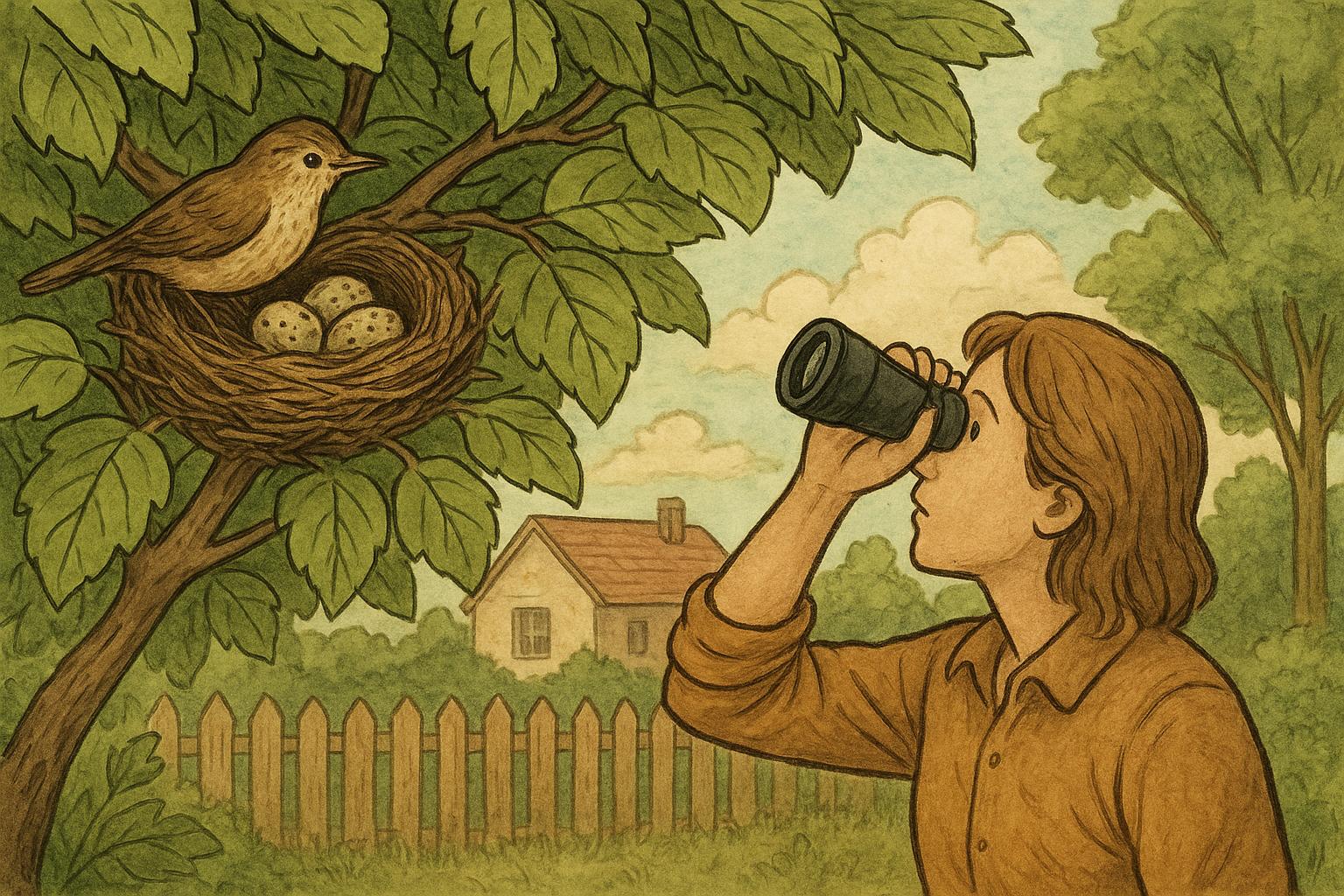
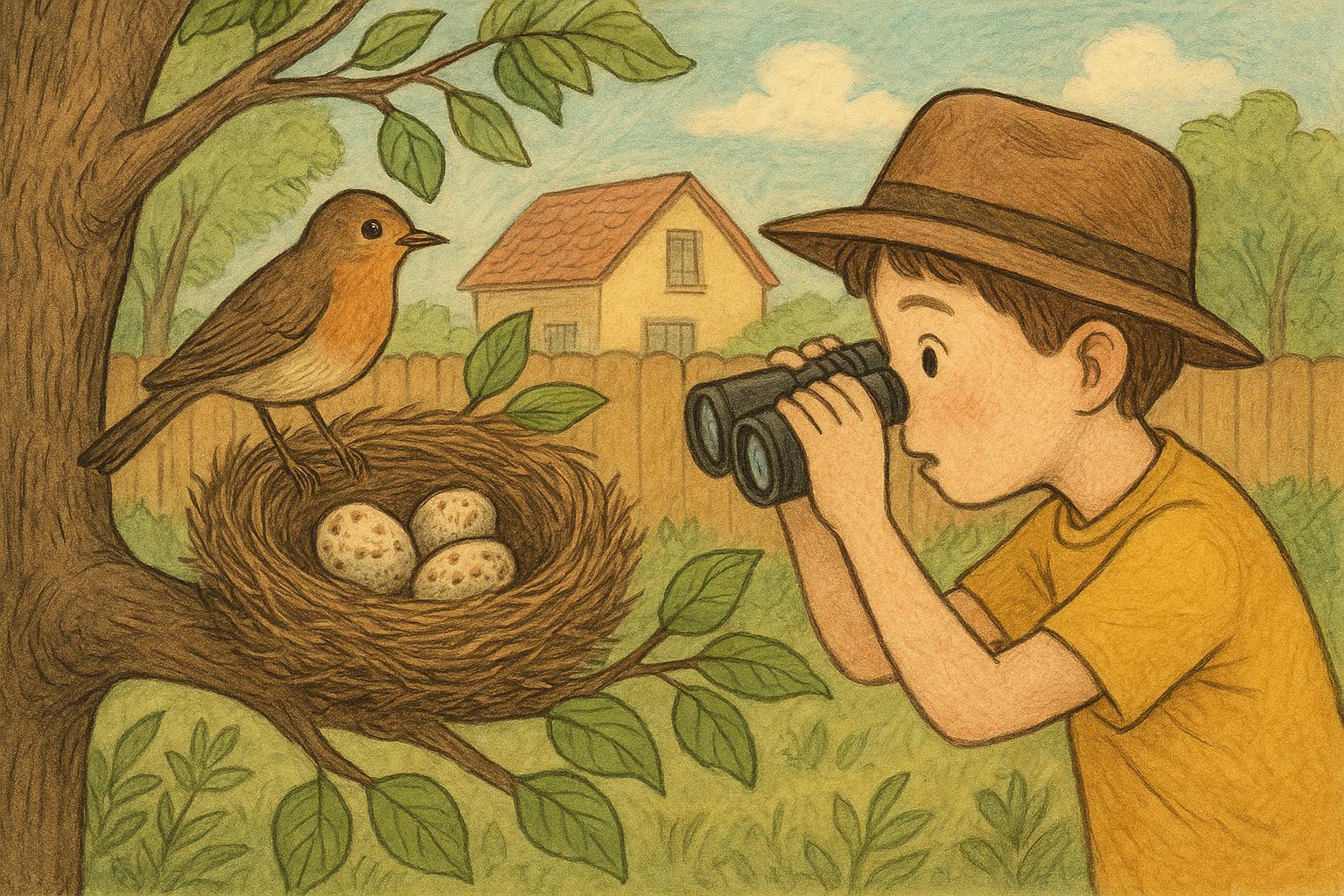
You don’t need to get close to learn a lot. Observe from a distance for ten minutes. Birds returning with beakfuls of nesting material or food will show you the exact spot. That’s the quickest trick in nest spotting: follow the bird. If an adult perches and calls from nearby repeatedly, the nest is likely close.
#### Timing Matters
Birds are most active in the morning and late afternoon. Check then. Beware of approaching a nest during the hottest part of the day — adults may be stressed and more likely to abandon their young.
### Look At Shape And Size
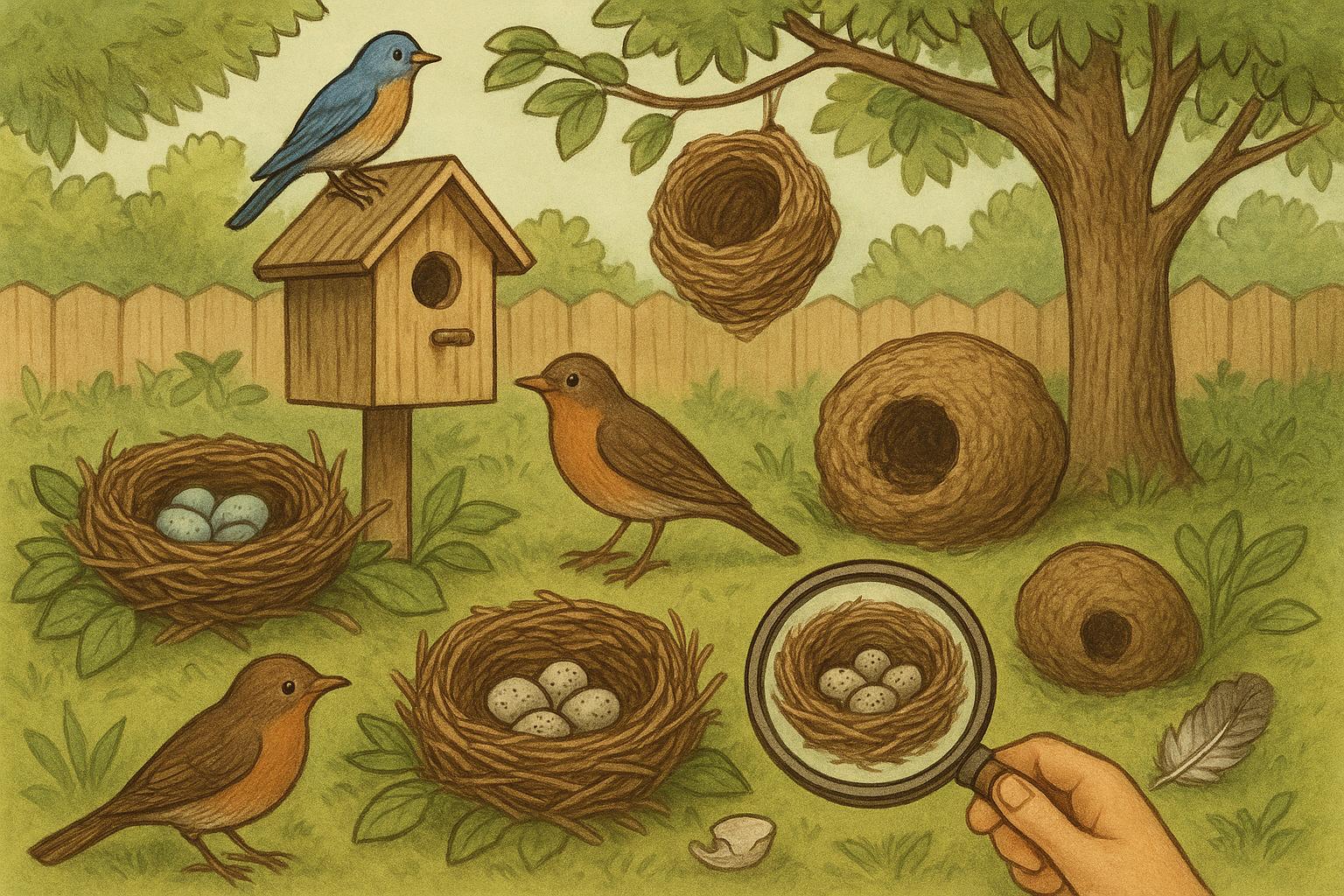
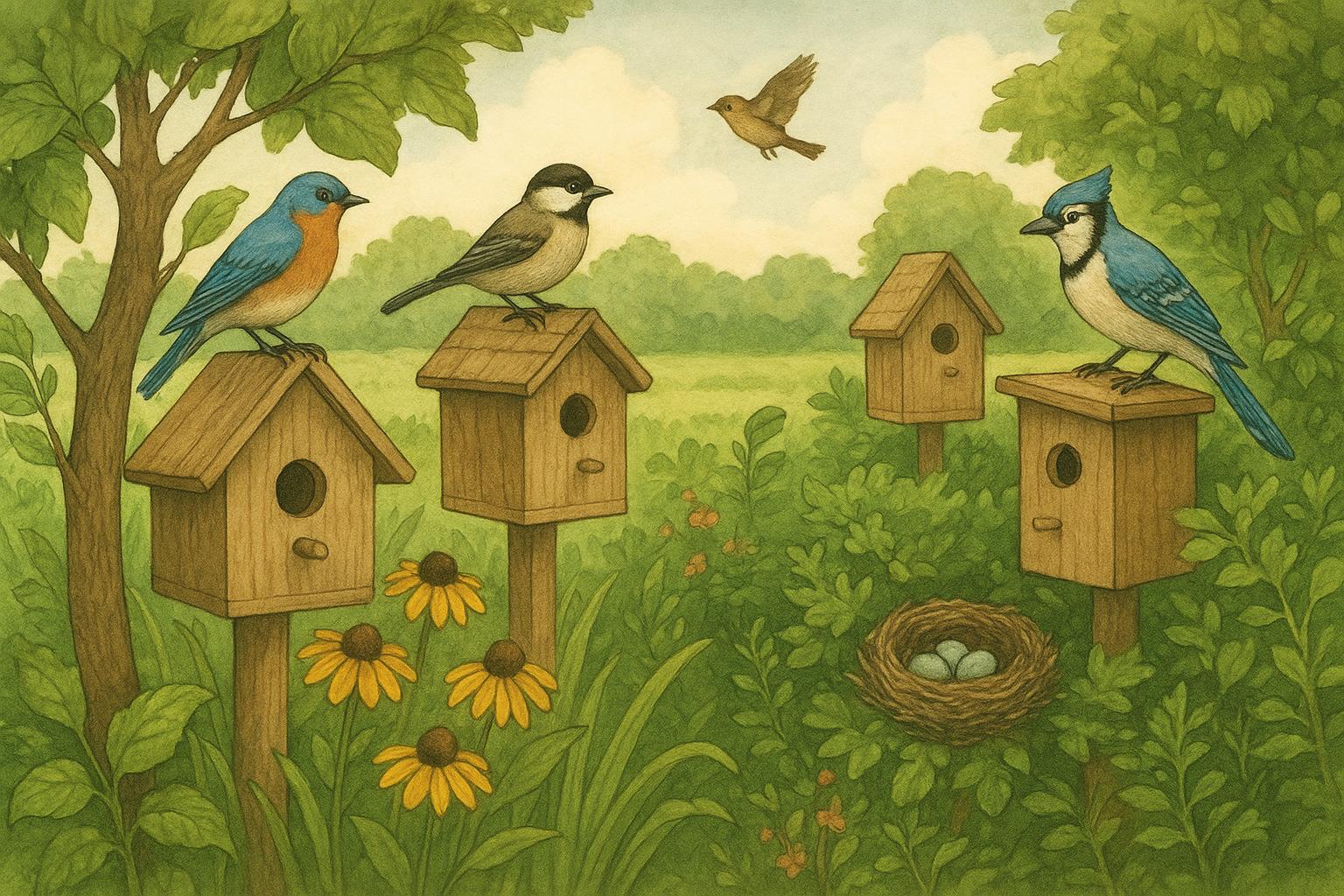
Cup, platform, cavity, pendant, dome — these basic categories narrow options immediately. A pendant nest that hangs from a twig suggests orioles or vireos. Cavity nests are used by bluebirds, woodpeckers, and chickadees. Size tells you the likely occupants too: coin-sized cups are for small songbirds; larger cups for thrushes; massive platforms for raptors.
Try a quick size estimate from a distance: compare the nest to a known object like a baseball, coffee mug, or a hand. That gives you a fast mental filter when identifying bird nests.
### Eggs And Nestling Clues
If you can safely, legally, and ethically see inside (rarely recommended), egg color and markings are distinctive. Speckled bluish eggs point to robins or starlings; pure white, cavity-hidden eggs point to owls or woodpeckers. More useful and less intrusive is watching what parents bring: caterpillars and insects for insectivores, seeds for finches.
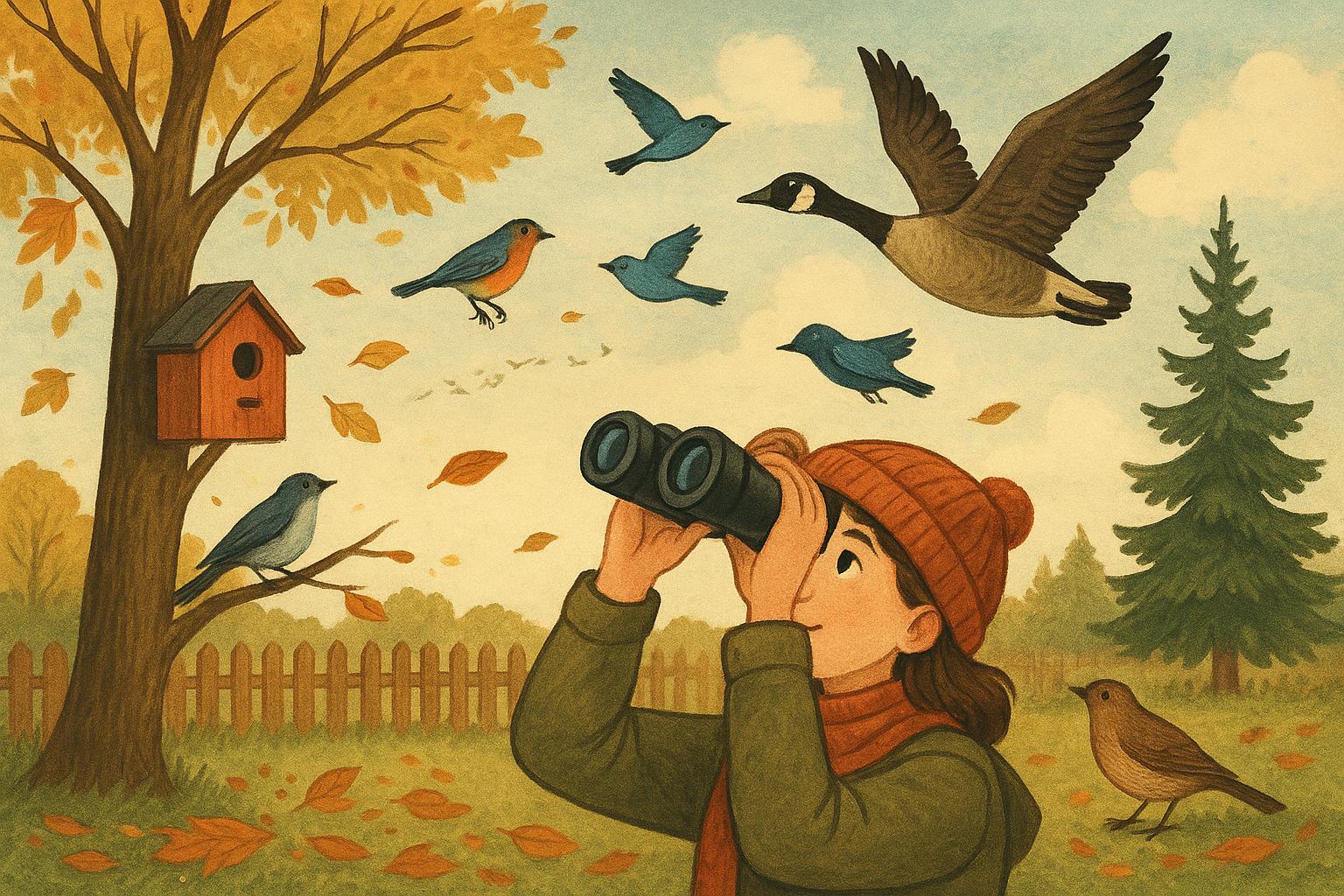
Be conservative. Disturbing nests is illegal in many places and risks harm. Use binoculars or a camera with a zoom lens to get details.
### Match Behavior To Materials
Notice if the nest contains lots of hair or pet fur. Owners in urban yards often see cat hair woven into nests; that’s a sign of proximity to people and pets. Bright bits of plastic or yarn mean the same. These human-sourced materials can be a giveaway when identifying bird nests in suburban settings. A sepcimen of bright yarn in an oriole nest is a dead giveaway.
### Use Seasonal Timing
Different species nest at different times. Early spring brings robins, wrens, and tits. Mid-summer has fledglings and second broods. Late summer and fall are often quiet for nesting but busy with fledglings practicing flights. Match the calendar to your sightings for faster ID.
### Keep A Photo Log
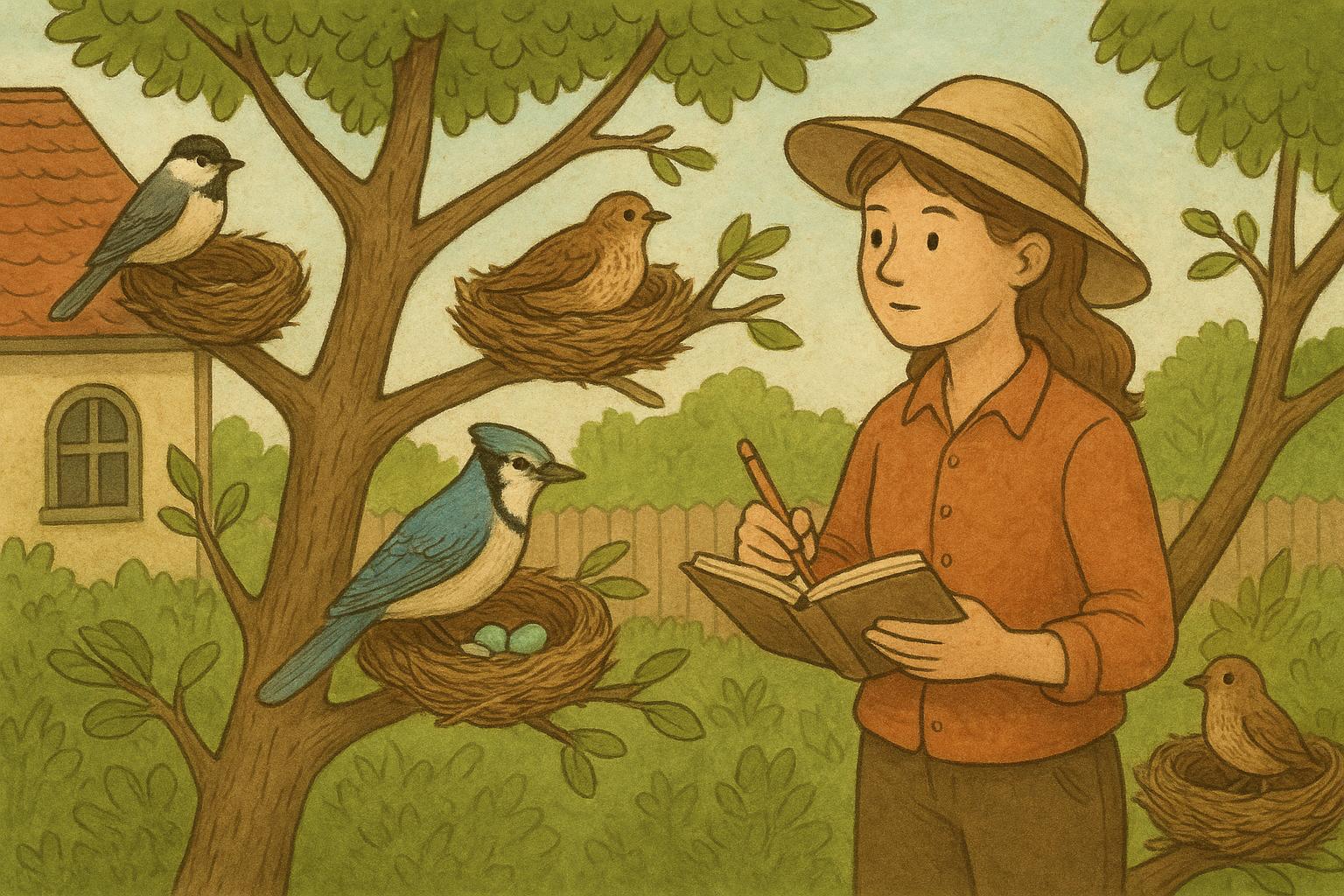
Snap one or two distant photos. Date them, note where you stood, and jot a quick description. Later, compare with field guides or online galleries. When you combine photos with location, materials, and parental behavior, identifying bird nests becomes almost mechanical.
#### When To Call An Expert
If you find a large nest with eggs of unknown type, or a nesting site near heavy human activity, contact a local wildlife rehabilitator or ornithological society. They can tell you whether the nest needs intervention or simply protection. Use experts for safety and legality, not for the thrill of discovery.
### Practice With Purpose
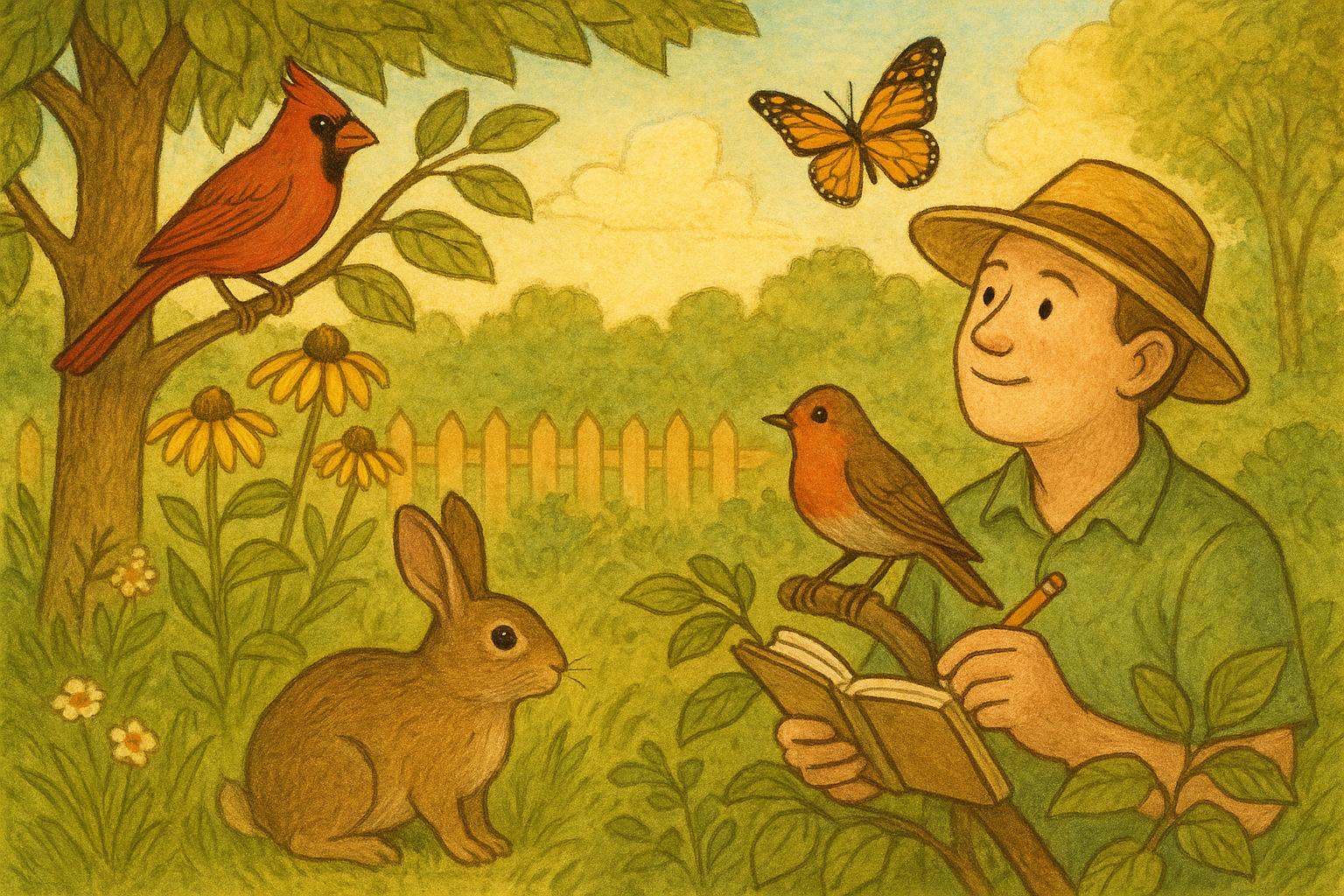
Spend five minutes each morning scanning the same shrub or porch. Over a week, you’ll start recognizing patterns. Nest spotting isn’t mystical. It’s practiced observation plus a few rules of thumb. Keep a field notebook. Make notes about the microhabitat, the nest’s texture, and the birds you see coming and going. Those small, specific details are the backbone of identifying bird nests.

Leave a Reply