
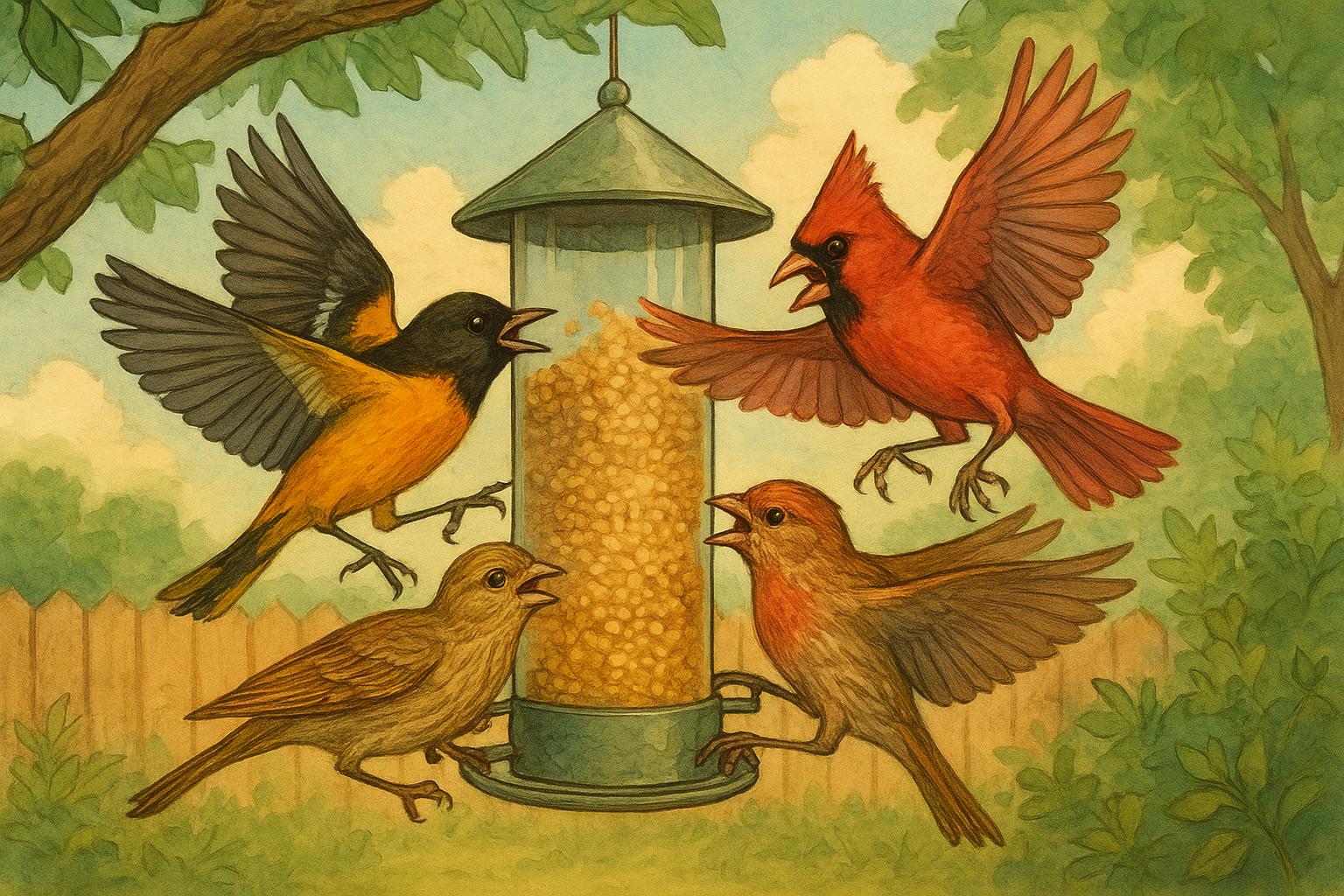
You will hear the scrape of wings and the quick, sharp calls before you see the flash of feathers. That sudden silence, the chase around the feeder, a bird hanging upside down off a perch while another insists on the seed port — these are normal backyard scenes. But normal is messy. Birds fighting at feeders isn’t a sign of failure on your part. It’s communication, competition and sometimes a little showmanship.
## Why Birds Fighting At Feeders Happens
Aggression around food starts with basic math: number of birds versus available bites. But that math is shaped by species, season and the feeder itself. A male cardinal at a single tube feeder can block access for a whole flock because cardinals are bold and prefer a stable perch. A handful of starlings can turn a platform into a no-go zone for smaller birds. You notice patterns fast: the same bully returns, the same victims get pushed off.
Territory matters too. Even non-migratory species keep a home range. When resources are tight, defending a feeder is cheaper than moving farther to find another patch. That creates regular confrontations and the kind of feeder drama that neighbors will comment on.
### Dominance And Territorial Drives
Dominance is learned and enforced. Young birds test boundaries; older birds enforce them. House finches, sparrows and chickadees form pecking orders where lower-ranked birds feed at the edges or wait for the dominant bird to leave. Some species have physical advantages — bigger bills, longer tails, stronger legs — and those traits determine winners more often than temperament.
#### Male Territoriality Examples
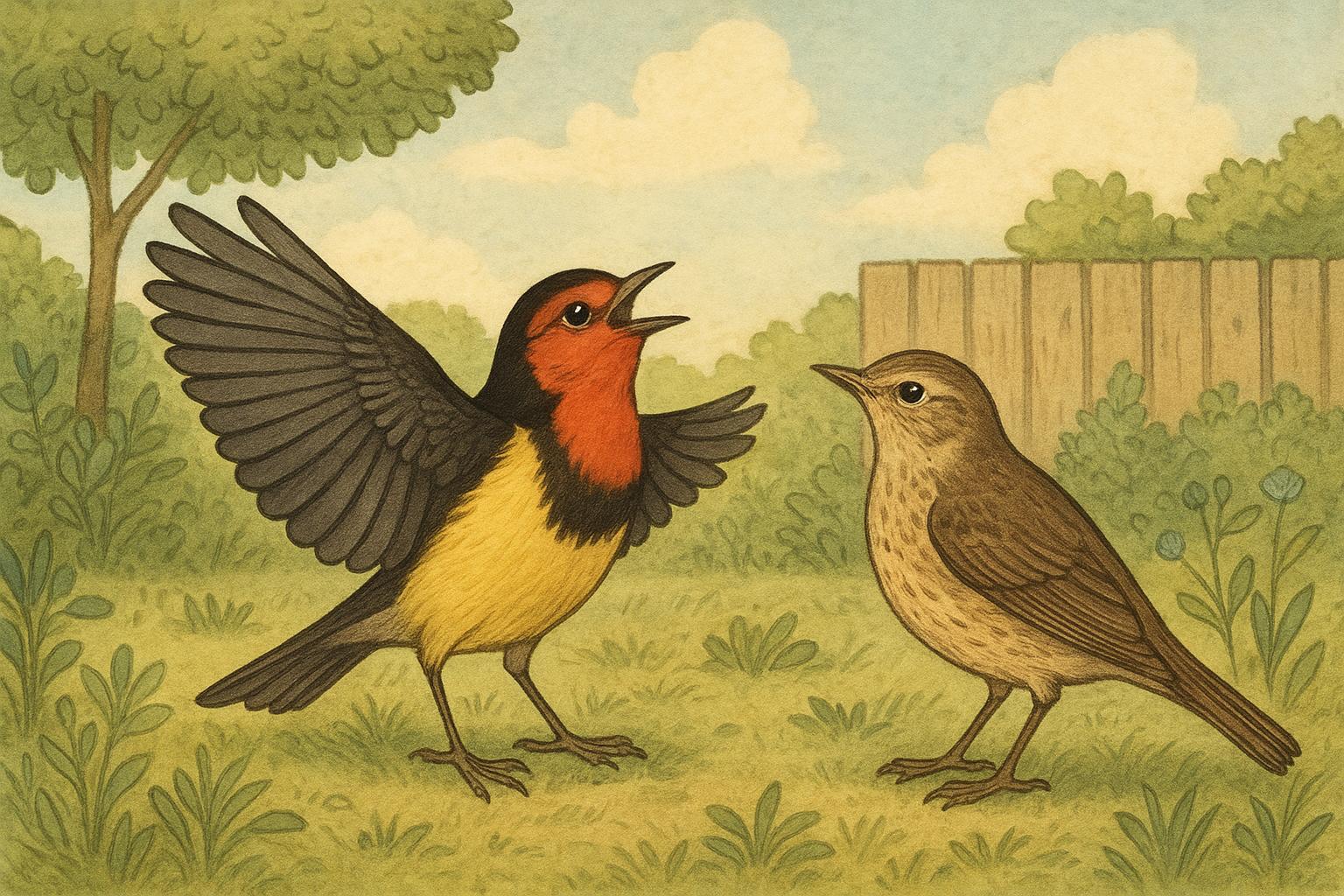
Male cardinals and male house sparrows are textbook examples. Cardinals sing to announce and then patrol. House sparrows, especially males, move in groups and quickly displace smaller visitors. During the breeding season, male aggression spikes because they protect nesting areas around feeders. You’ll see males darting from branch to branch, chasing any bird that approaches “their” feeder.
### Food Availability And Seasonal Pressure
Scarcity raises tension. Late winter and early spring are common hotspots because natural food is limited and birds are preparing for breeding. Conversely, during migration stops, large flocks concentrate, and fighting increases simply from crowding. Seed type plays a role too. Premium sunflower and safflower attract more species and therefore more competition. Cheap mixed seed scatters fast and draws ground-feeders that skirt feeder etiquette.
#### Winter Crowding Vs Spring Breeding
Winter fights tend to be pragmatic — who gets the calories. Spring fights are more territorial and tied to mating. In winter you might notice larger flocks and quick skirmishes; in spring, the same individuals keep returning to stake claims. That changes how you manage the situation if your goal is to reduce conflict.
## How Feeder Type Shapes Conflict
Some feeders create one-at-a-time situations. Others allow groups to feed simultaneously. That design choice will shape the intensity and frequency of fights.
### Which Designs Reduce Bullying
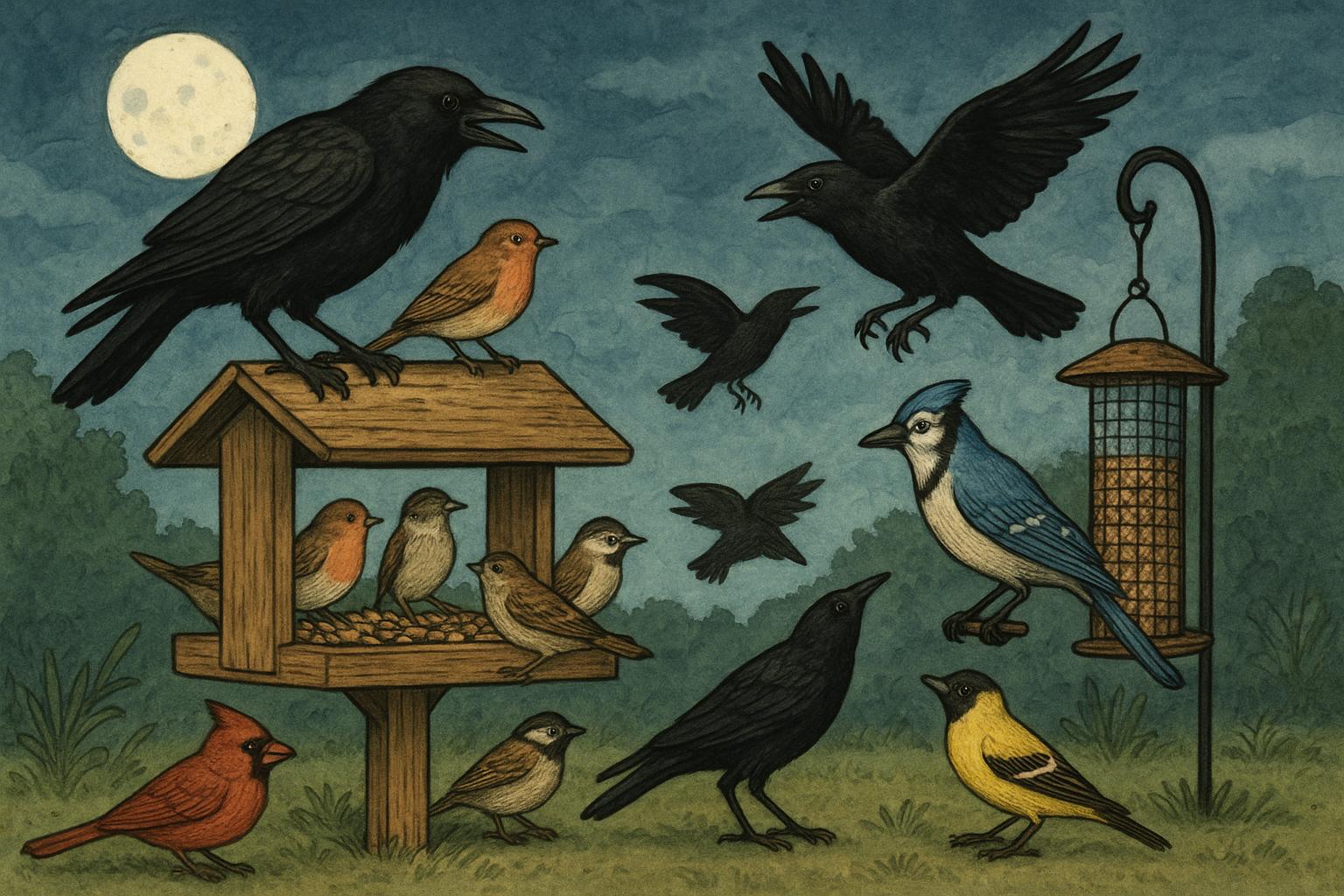
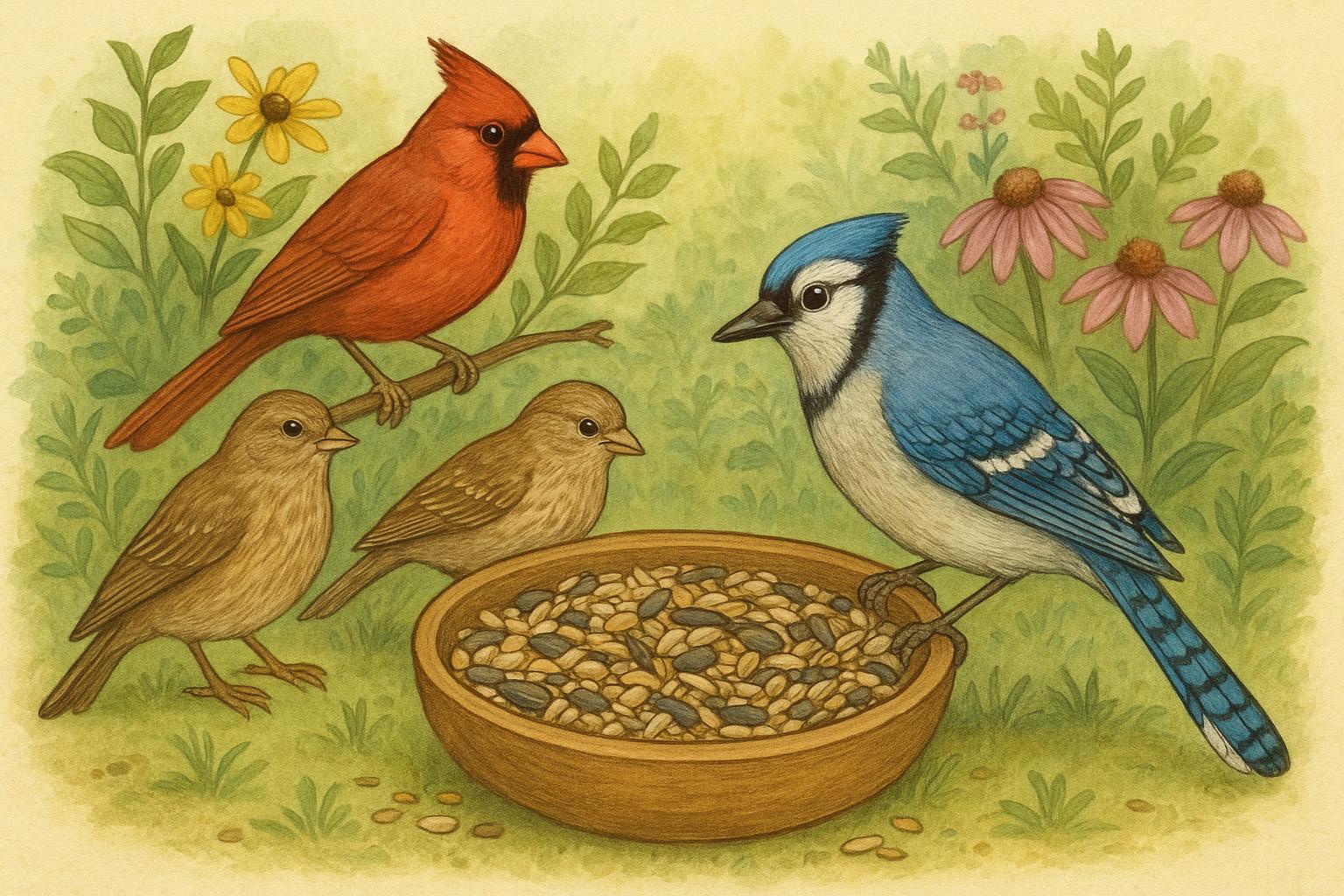
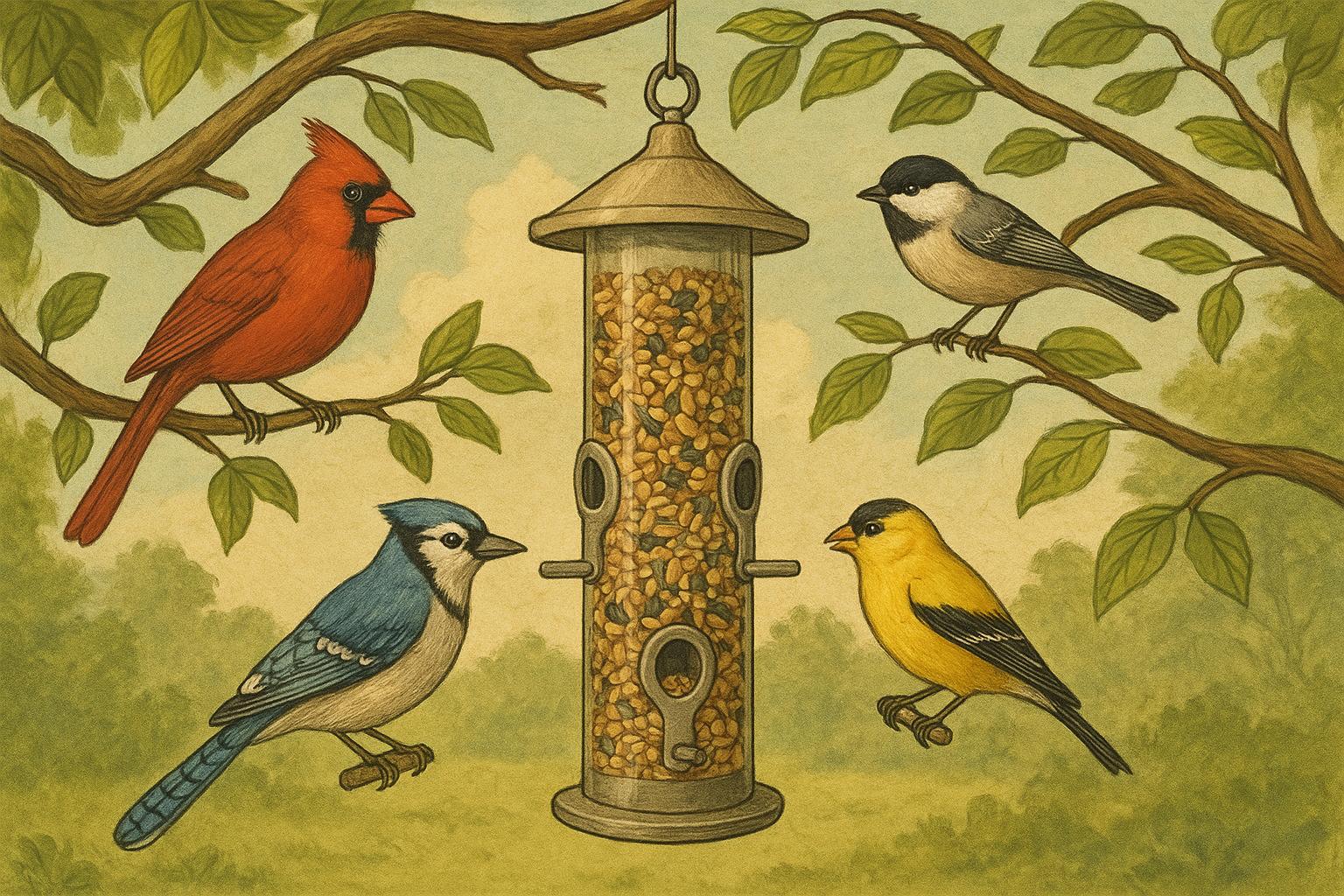
Tube feeders with multiple ports often force birds to queue because perches are small; that can favor aggressive perching species. Hoppers and larger tray-style feeders let several birds feed together and reduce one-on-one pushing. Platform feeders are a compromise: they attract ground-feeding species and give a clear space for several birds to eat, but they also invite larger, more aggressive species like grackles.
#### Tube Feeders Versus Platform Feeders
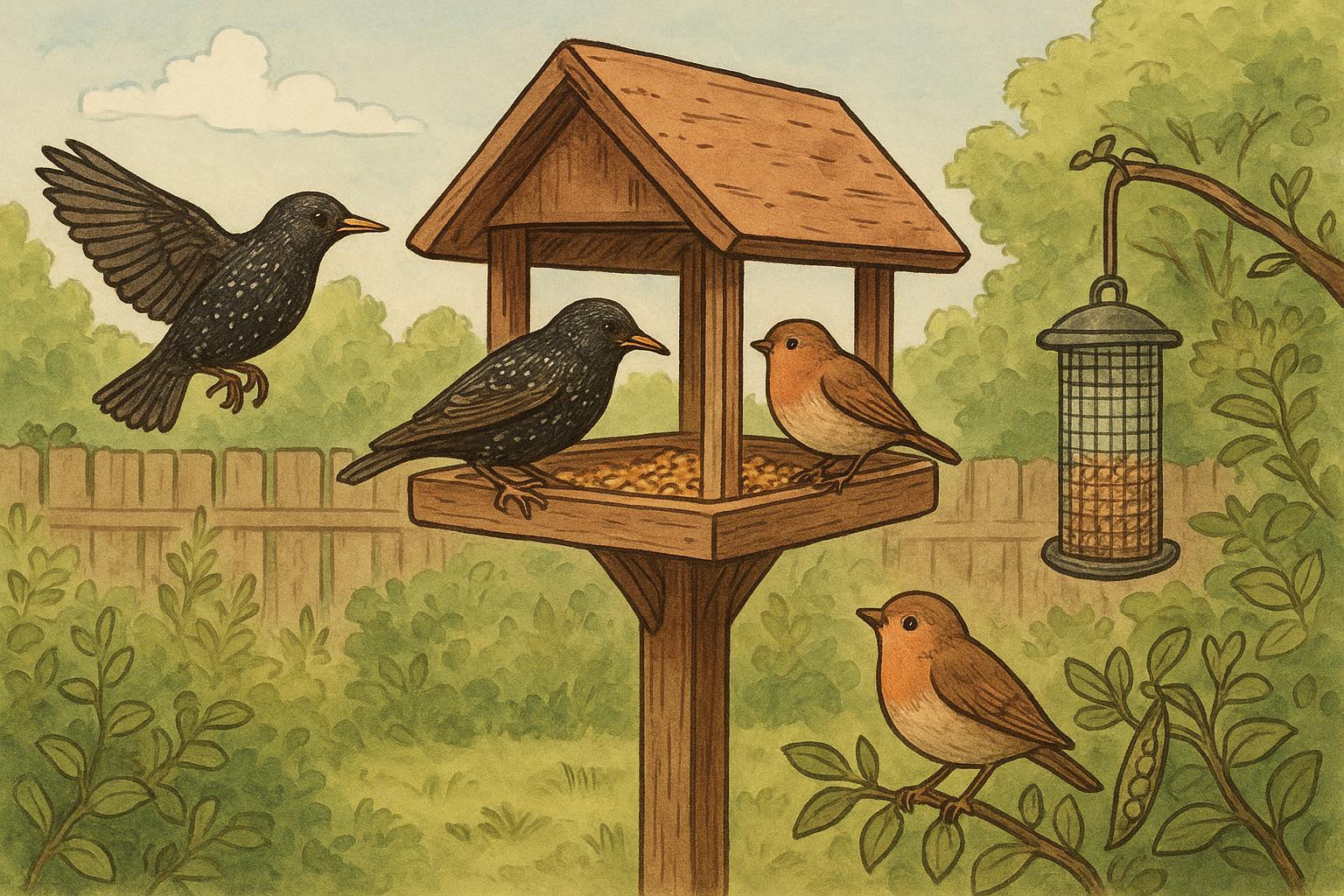
If you want to decrease scuffles, try adding a platform near your tube feeder rather than swapping one for the other. The platform diffuses pressure by increasing capacity. If starlings or grackles monopolize the platform, move it closer to cover so smaller birds can dash in and out. A weight-sensitive port that excludes larger birds is another targeted solution for specific bullies.
## Practical Steps To Minimize Aggression
You don’t need to be a bird behaviorist to make a difference. Small, deliberate changes reduce both the frequency and severity of fights.
### Placement, Food Choices, And Timing
Move feeders so they’re not the only reliable food source in the yard. Spacing matters: two feeders 20 to 30 feet apart will split groups and lower competition more than two feeders right next to each other. Place feeders at different heights. Nuthatches and titmice prefer higher spots; sparrows and juncos feed lower. That natural segregation reduces overlap.
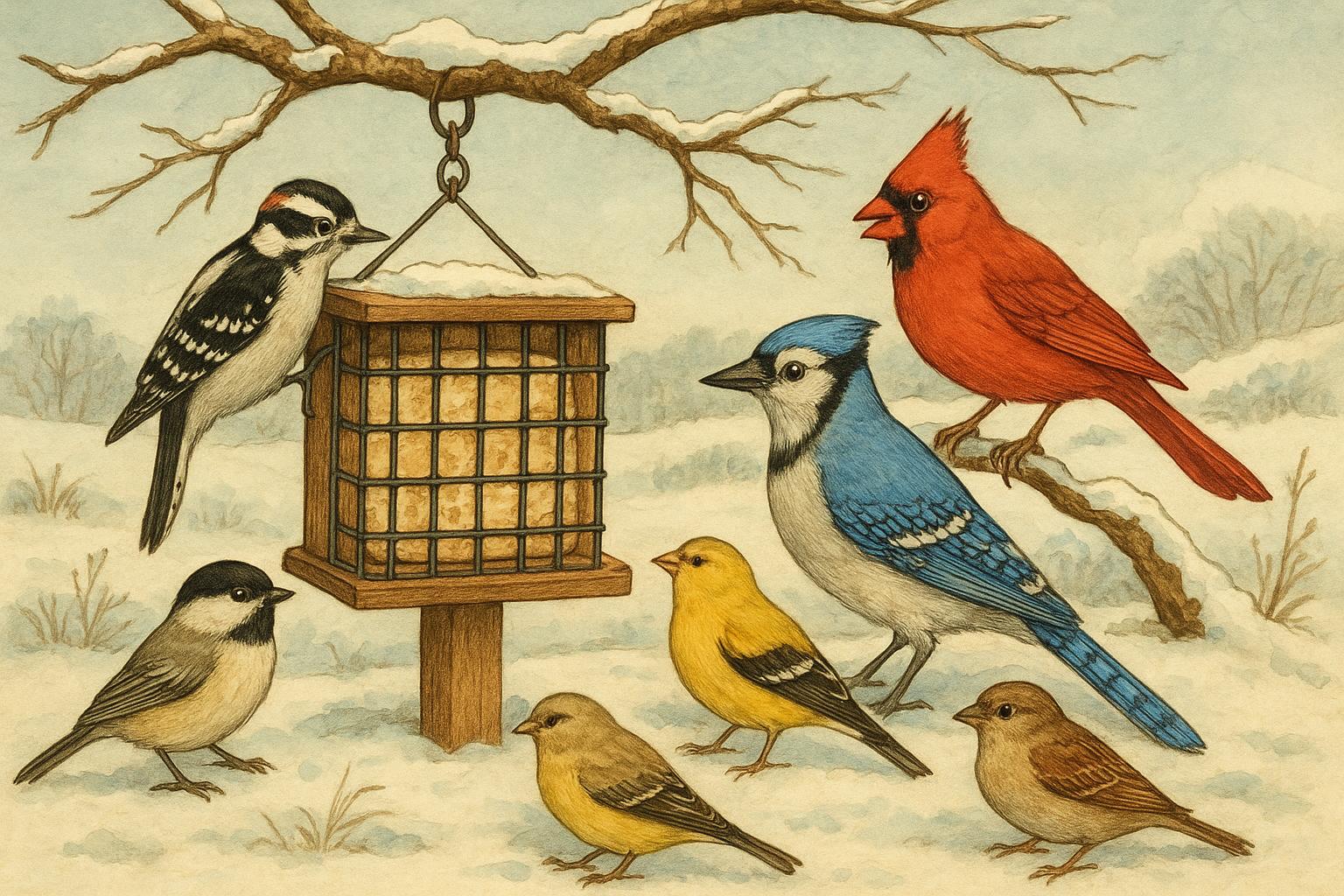
Change the seed sometimes. Safflower is less attractive to some species, so it reduces visitors from more aggressive groups. Nyjer is loved by finches and tends to attract fewer larger bullies. Offering a separate suet feeder can divert woodpeckers and titmice away from seed feeders.
Feeding schedule matters. Refill in the evening when most birds have left. Midday refills draw attention and can create rushes that escalate into fights. If you want more casual watching, sprinkle small amounts during daylight to prevent crowding at a single refill moment.
#### Using Multiple Stations Effectively
Rather than one big feeder, set up three modest feeders in different parts of the yard. That encourages flock dispersion and gives shy birds alternative options. Try a platform for groups, a tube for finches, and a hopper for generalists. Keep some open perches with clear sightlines so birds can scan for predators while feeding. Predation risk makes birds more defensive, and cramped, hidden feeders magnify that stress.
## What Different Species Teach Us About Aggression
Watch who bullies and who retreats. The behavior patterns are species-specific and predictable once you learn them.
### Common Backyard Bullies And Their Tactics
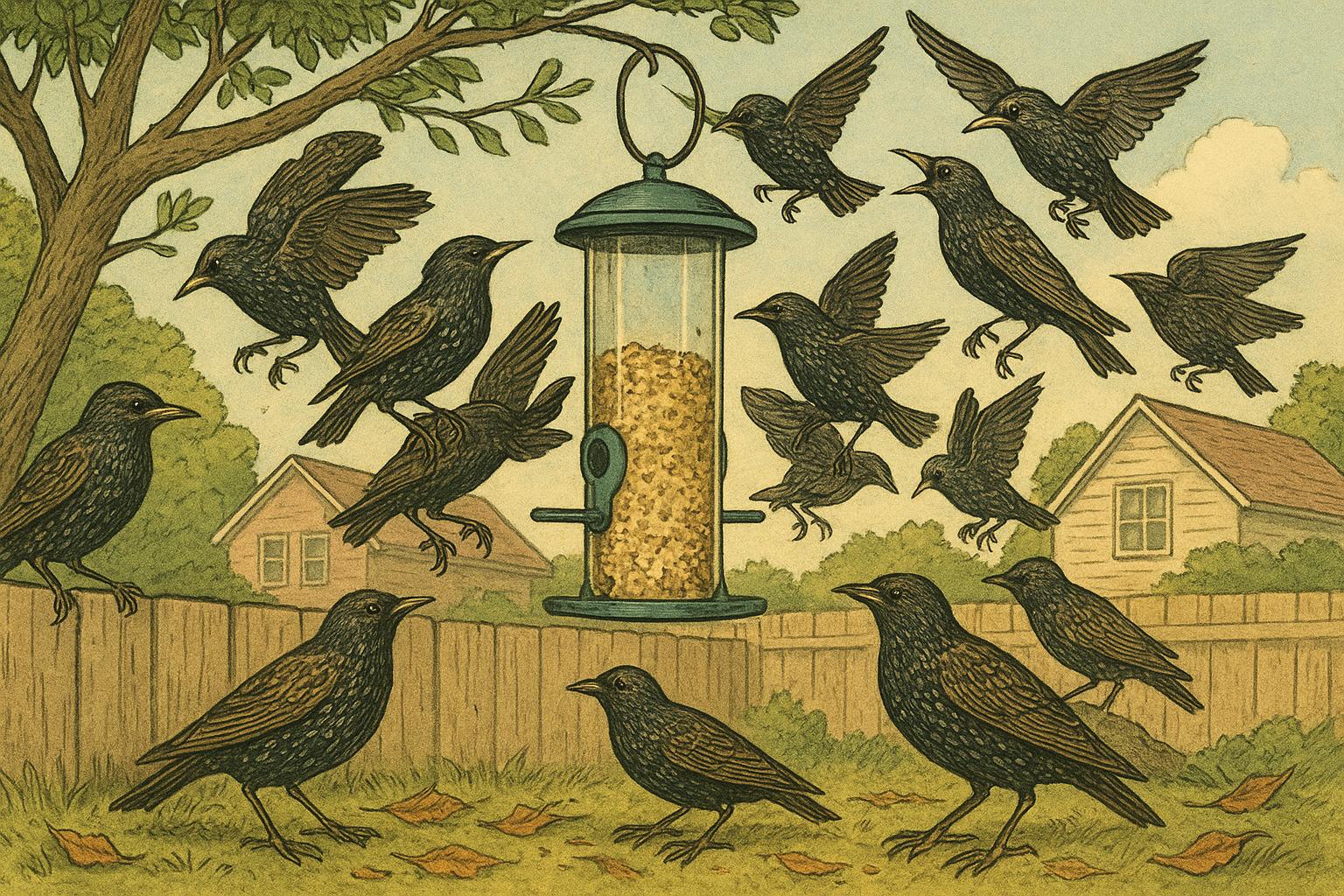
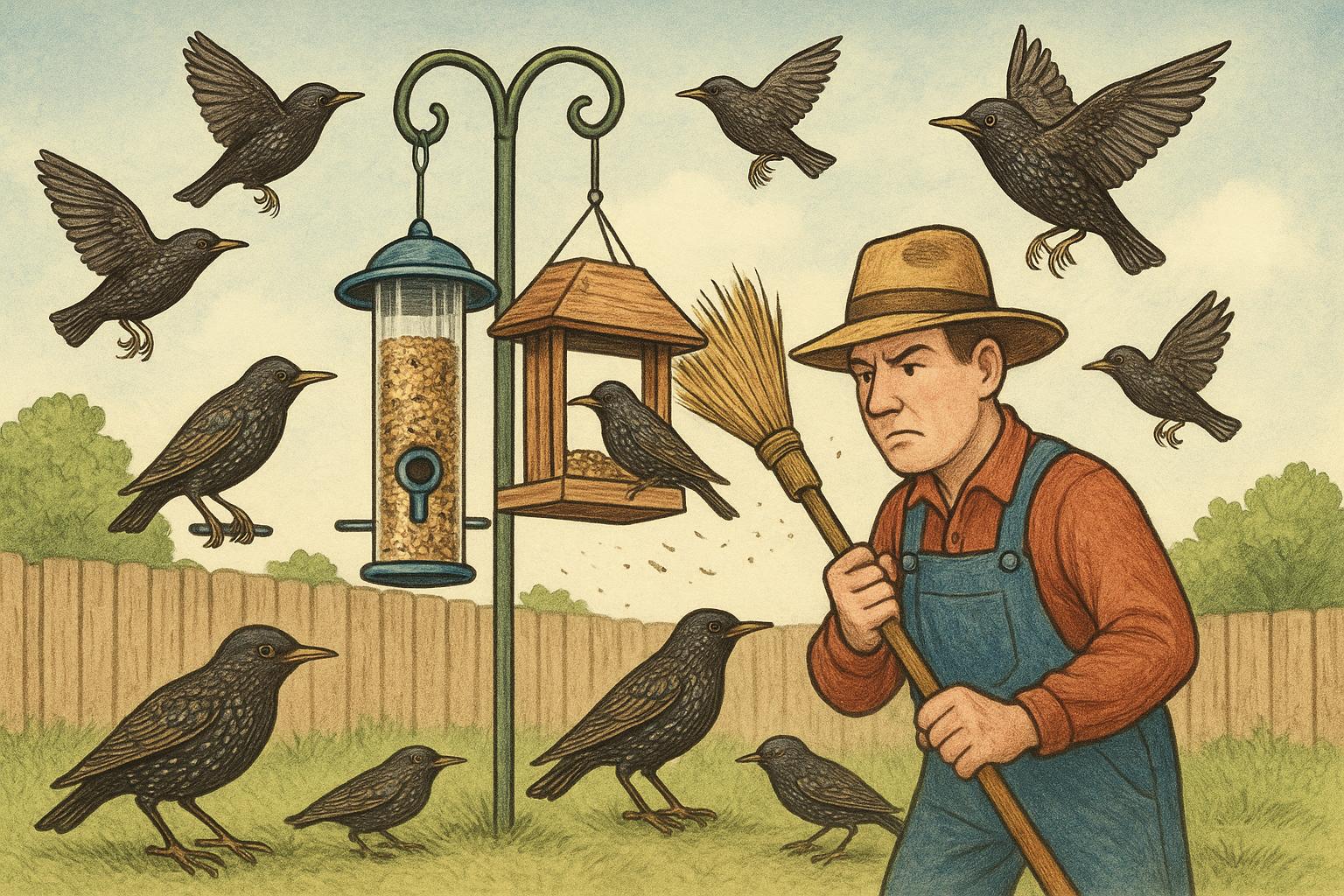
Grackles and starlings use size and numbers. They flood a platform and sit on the seed until others leave. Blue jays take short, forceful grabs and fly off, then return. Cardinals stake and patrol. House sparrows mob in groups and drive off single visitors. Recognizing these tactics helps you tailor responses.
#### Small Birds, Big Rules
Chickadees, titmice and nuthatches are small but persistent. They rely on speed and a willingness to feed near cover. A highly visible feeder with a quick escape route benefits them. For goldfinches, choose nyjer and create a perch arrangement that suits their small size.
## Safety And Welfare Considerations
Fights can injure birds. If you see blood or wounded birds, take action. Clean the feeder; bacteria and feather loss spread disease. Temporarily removing a feeder can reduce pressure if a dominant species is severely injuring others, but beware of creating a food vacuum in harsh weather.
Keep feeders clean. Moldy seed and droppings help disease spread during fights and jostling. Wash feeders with a mild bleach solution regularly and let them dry thoroughly before refilling. Replace old seed; stale seed loses its oil and becomes less appealing and more hazardous.
### When To Intervene
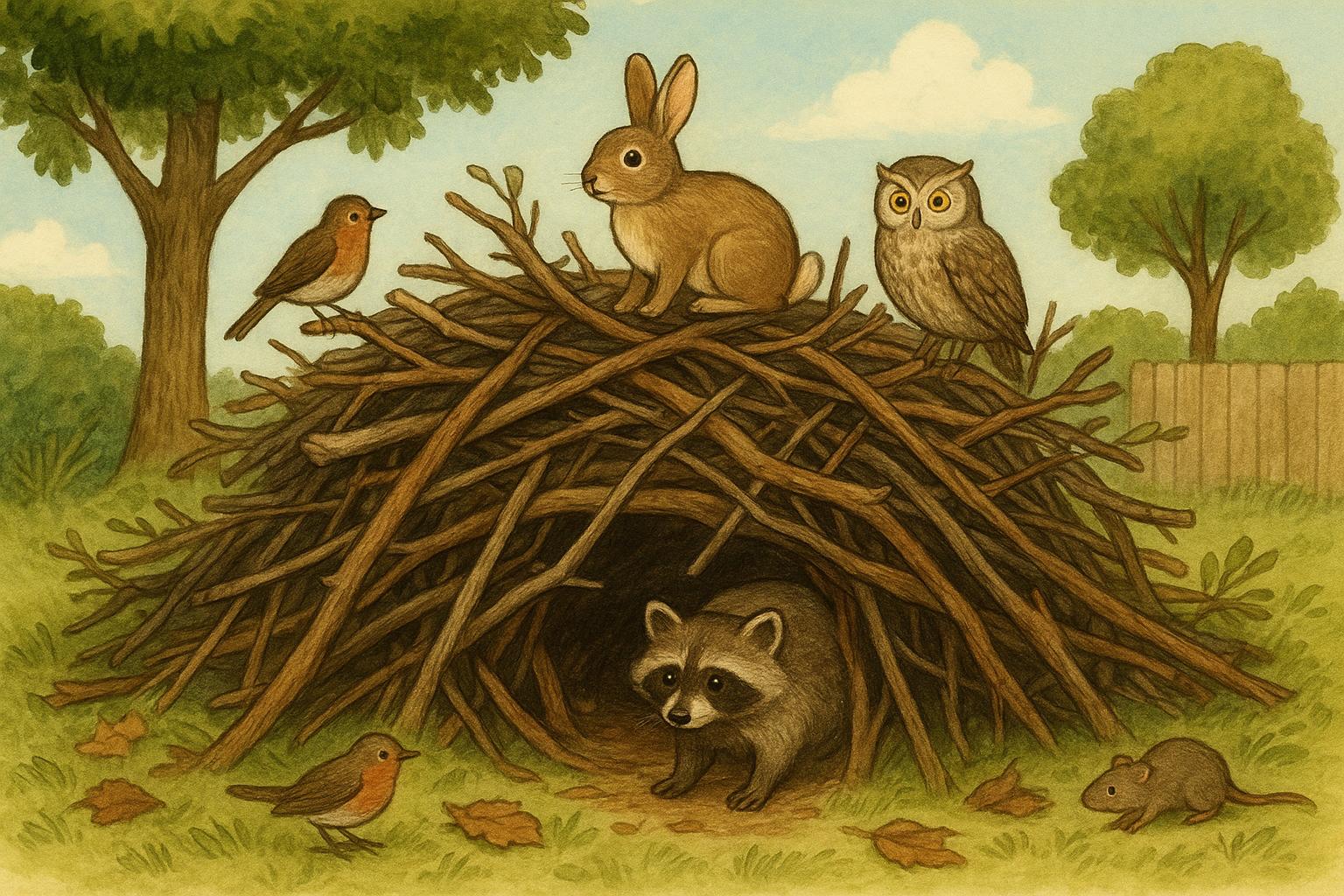
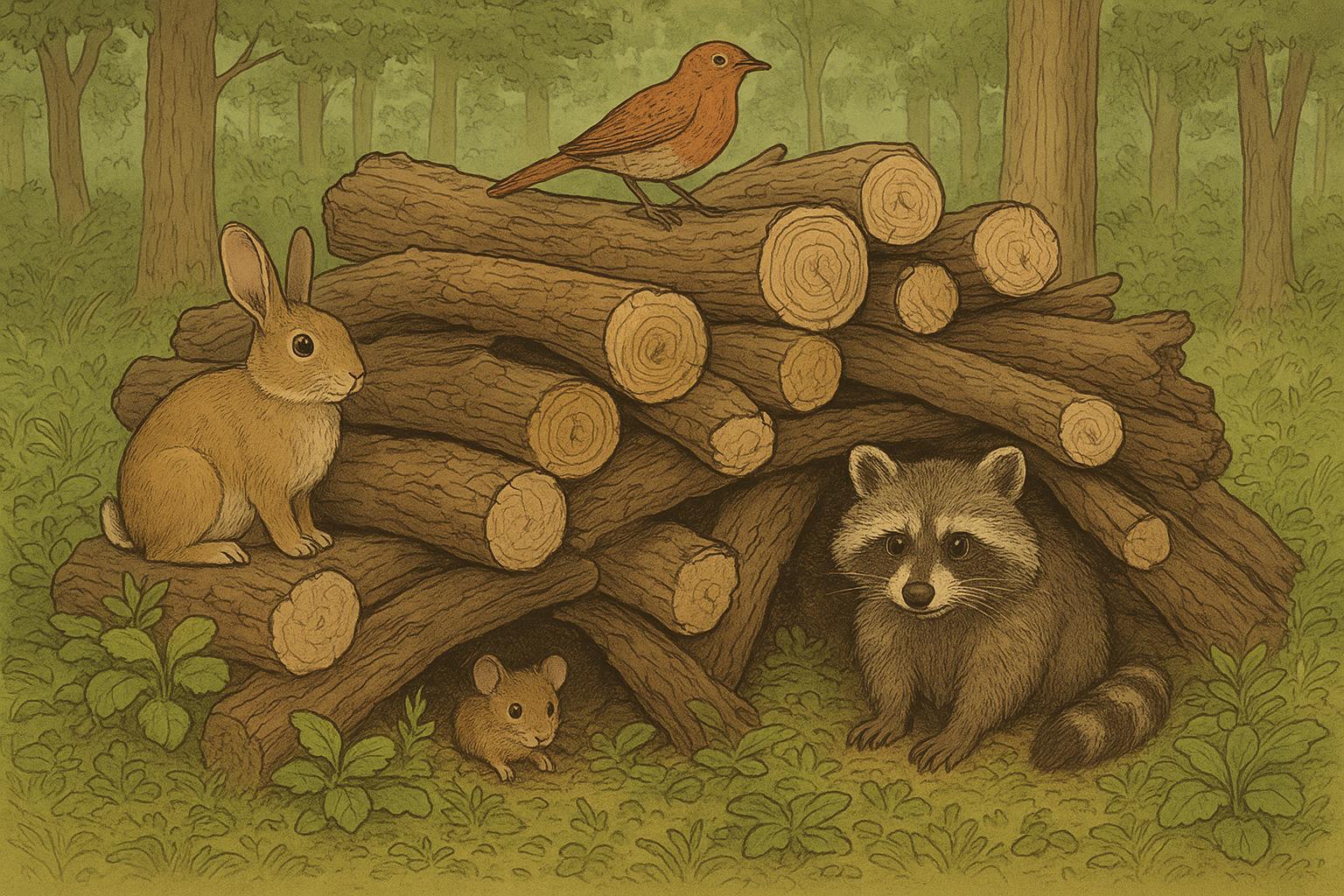
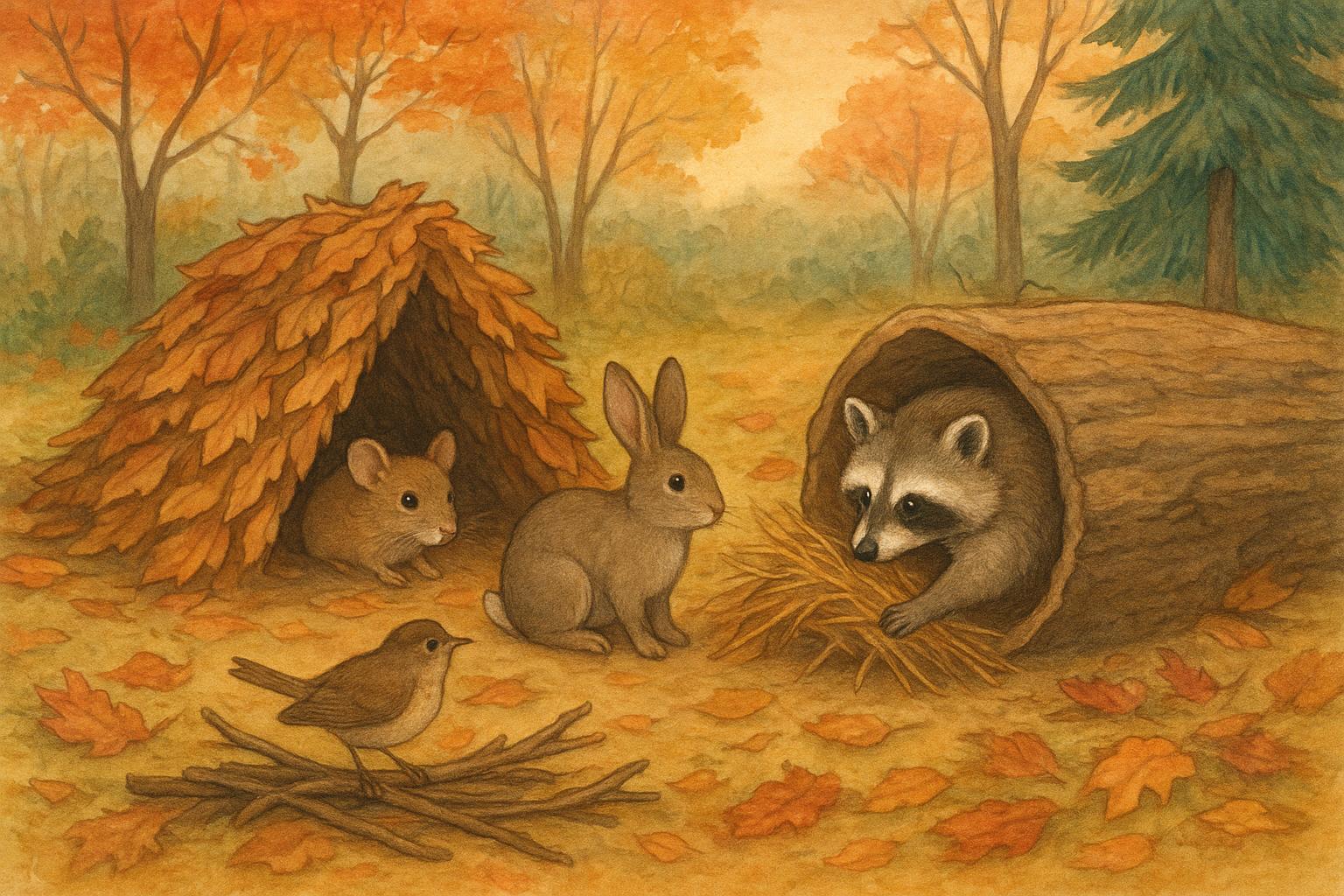
If you consistently see damage or a sharp decline in diversity at your feeder, try a change-up for a few weeks. Swap seed type, move the feeder a few feet, or introduce a new feeder type. If aggression spikes during nesting season, provide additional shelter like brush piles or native plants so birds can retreat and let the bully have the feeder space.
#### Legal And Ethical Notes
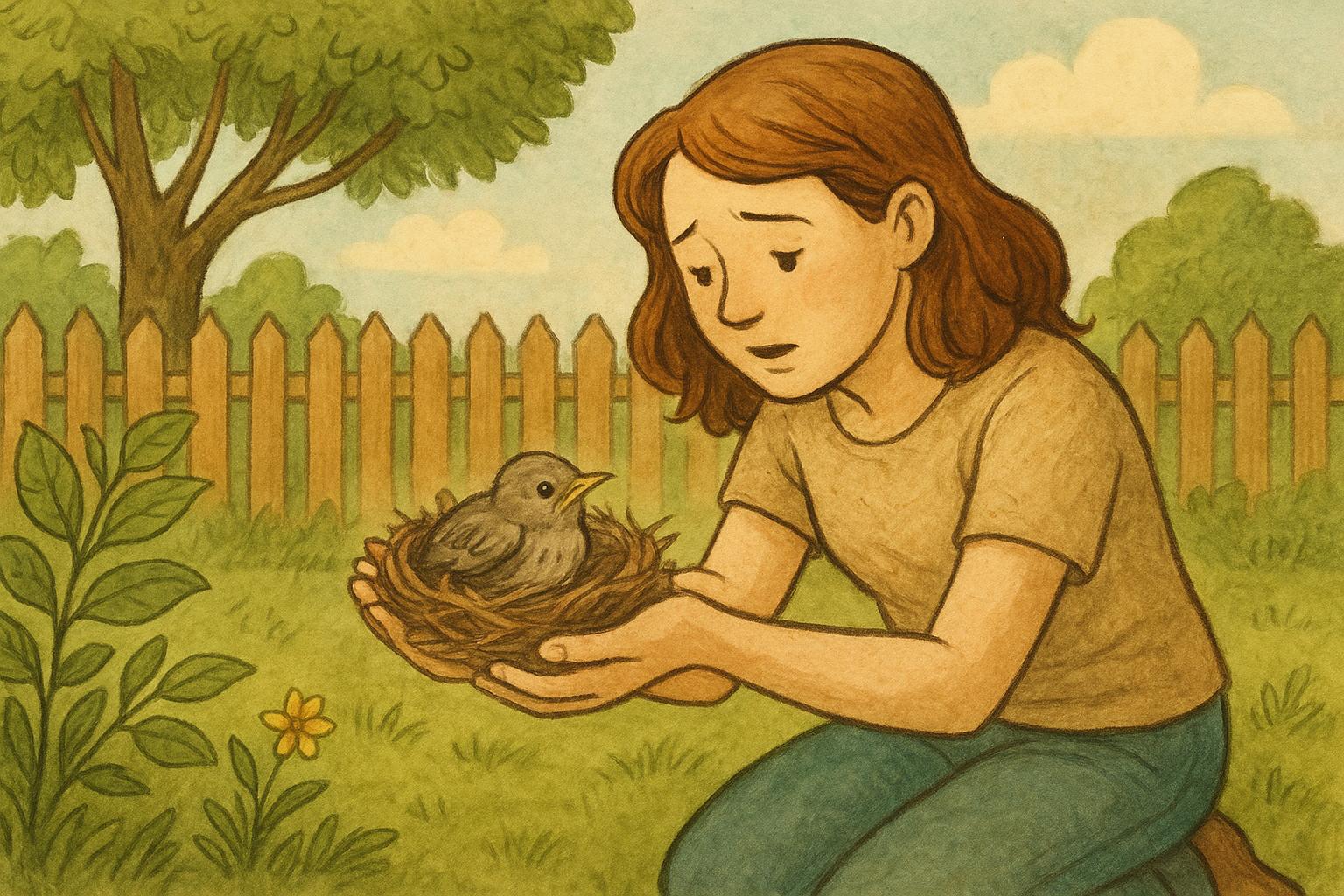
Always avoid trapping or harming birds to stop fights. Most aggressive behaviors are natural and temporary. Your role is to manage the environment. If you find an injured bird, contact a local rehabilitator rather than attempting treatment yourself.
## Watching And Learning As A Tool
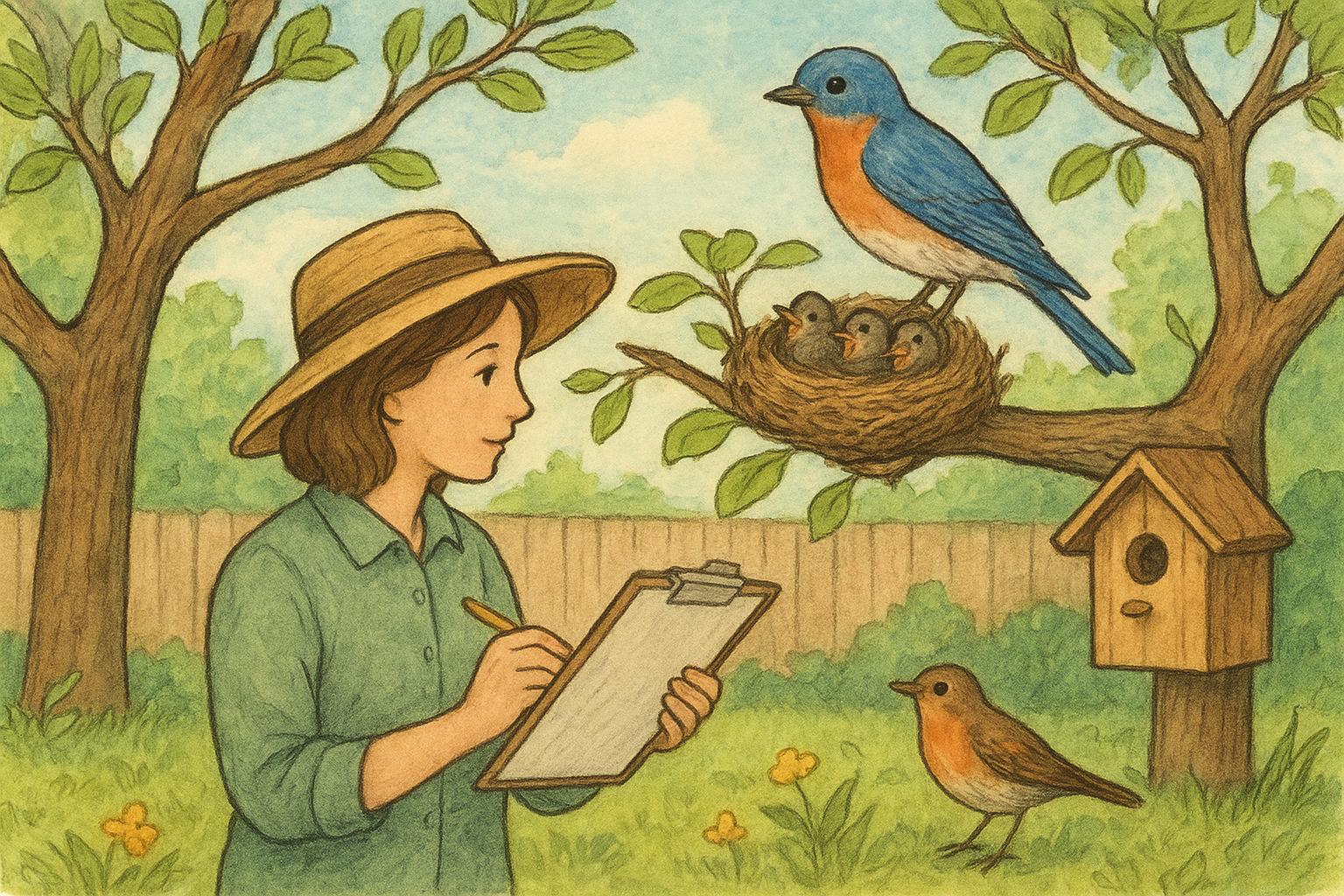
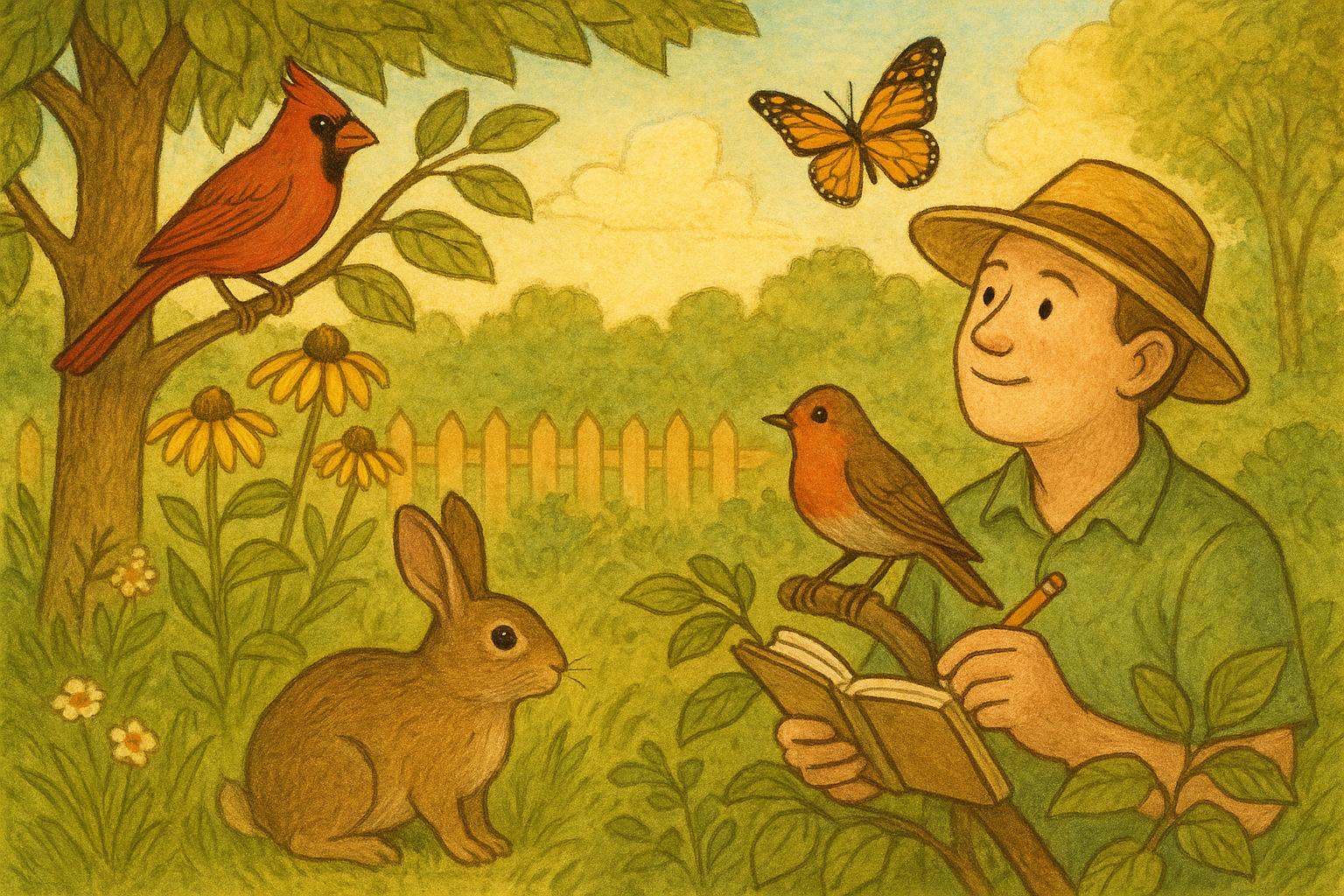
The quickest way to improve the feeding scene is observation. Sit quietly for a few mornings and take notes. Which species dominate? What time of day are fights worst? Do certain weather patterns increase aggression? This is not about controlling nature but about making choices that support a wider range of birds.
If you want to reduce dramatic scrambles, think like a bird. Provide options, avoid choke points, and design for diversity. Small adjustments change interactions. You’ll still see the occasional chase. Expect it. But with some thought, you’ll also see more birds feed together, fewer fights, and a yard that feels livelier without turning into a battleground. Mispelled signs of victory can be as simple as a shy sparrow returning to feed in plain sight.




Leave a Reply