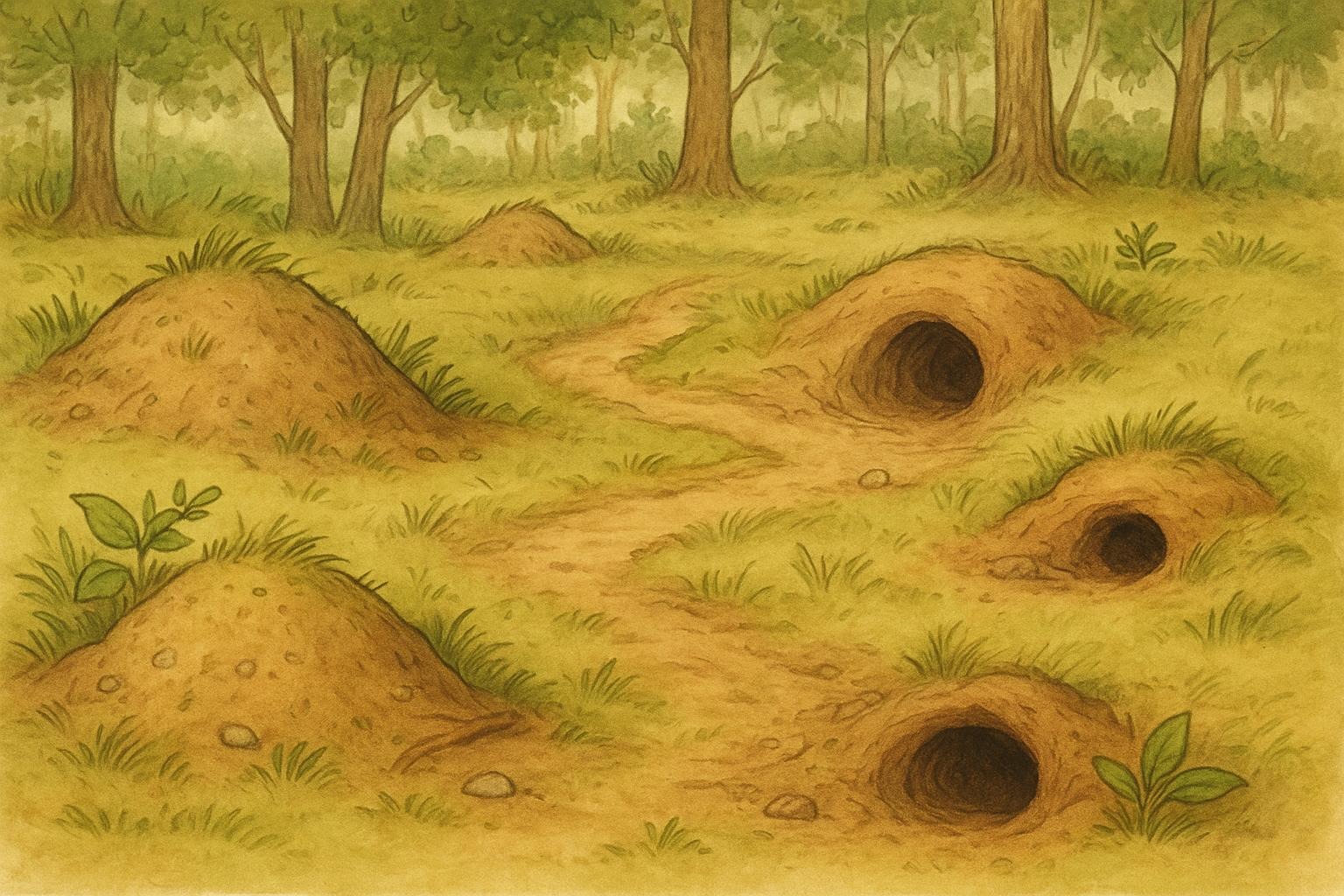
Hi there — glad you wandered in. If you’ve been circling mysterious earthworks in your yard and wondering whether you’ve got a bona fide burrow or just a garden theatrics troupe (chipmunks with commitment issues), you’ve come to the right place. We’ll walk through signs, species, and practical fixes so you can identify and manage what’s underfoot without losing your sense of humor — or your lawn.
## Burrow Identification Distinguishing Mounds From Burrows
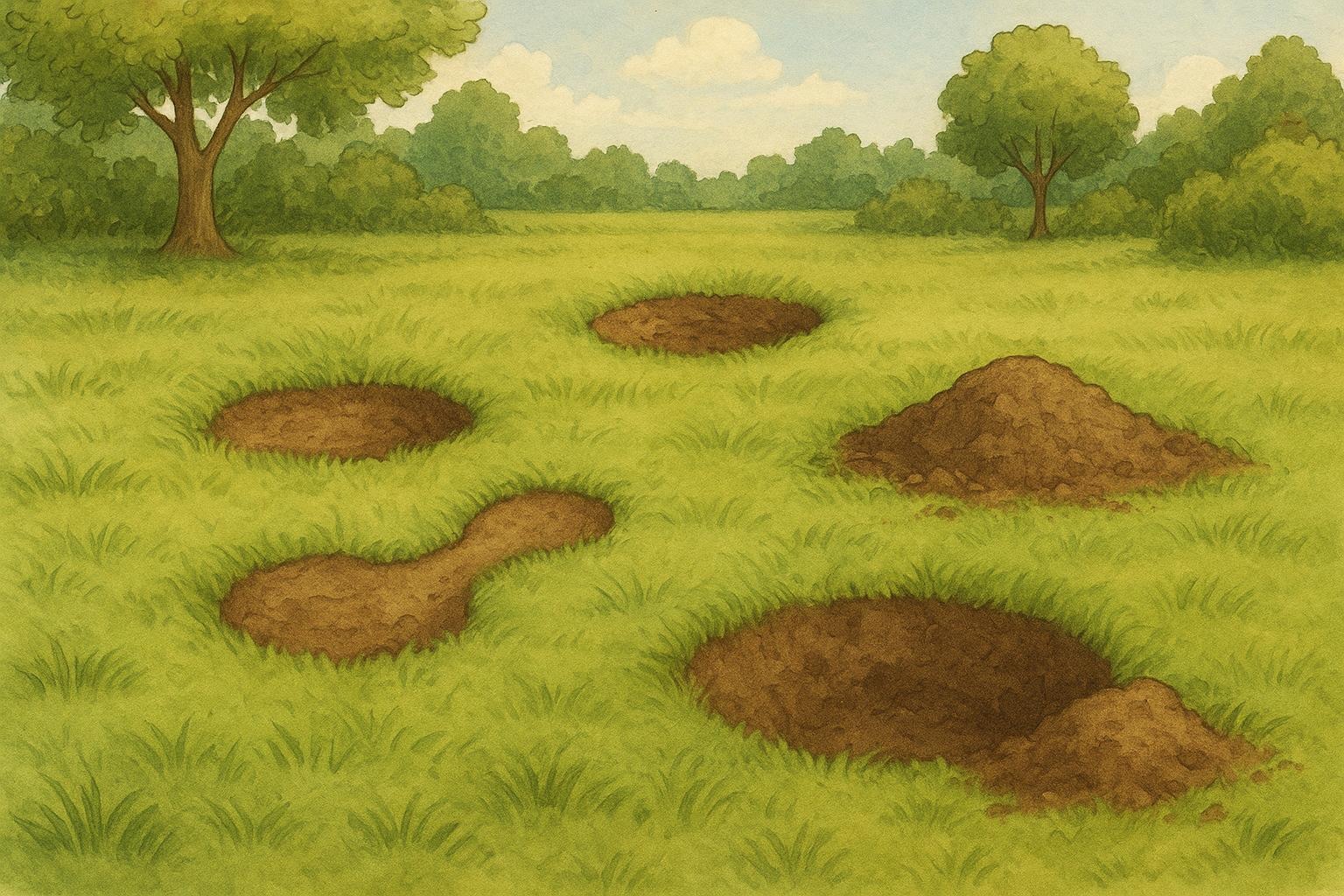
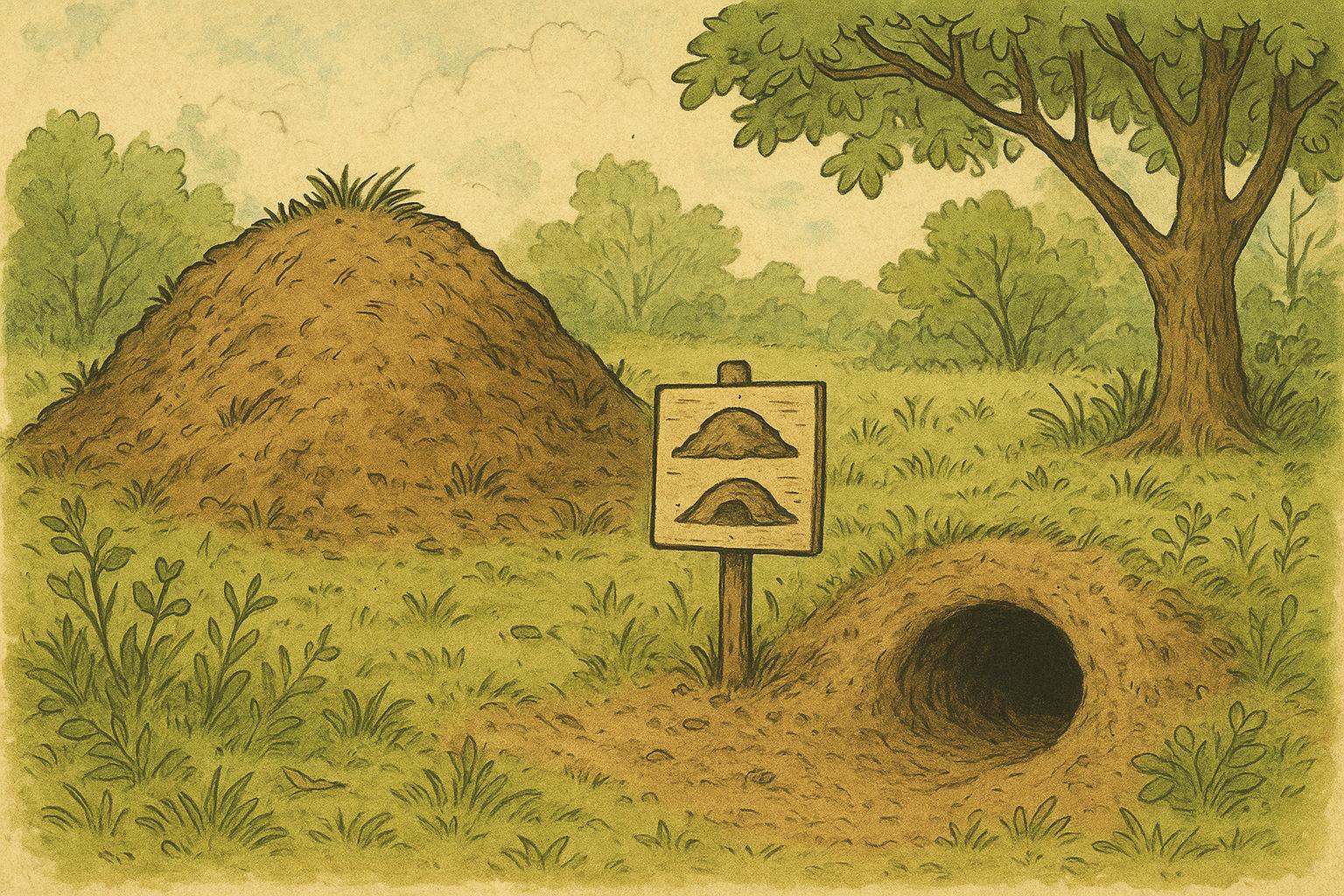
“Burrow identification” is less about magic and more about pattern-reading. The first step is to decide whether you’re looking at a mound created by digging or an actual tunnel entrance. Mounds are loose piles of excavated soil with no clear passage; burrows have an identifiable entrance and often lead into a tunnel system. A few quick checks — hole shape, soil placement, presence of tracks or droppings, and nearby disturbances — will take you most of the way.
### Hole Shape And Soil Pattern
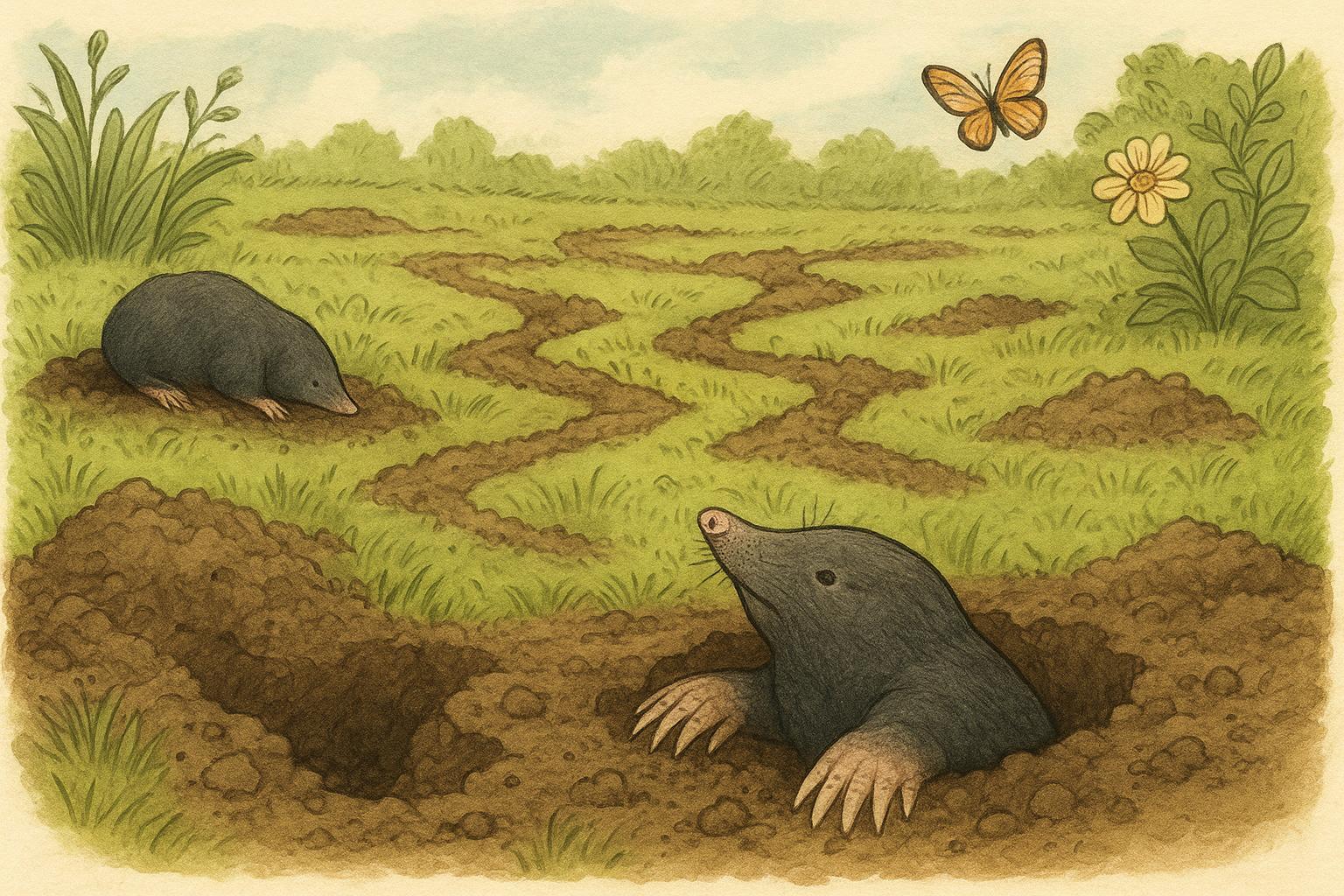
– Circular, fan-shaped mounds of loose soil often mean a pocket gopher or mole has been at work. Gophers usually push soil to the surface in crescent-shaped mounds, while moles create volcano-like mounds with a plugged central hole.
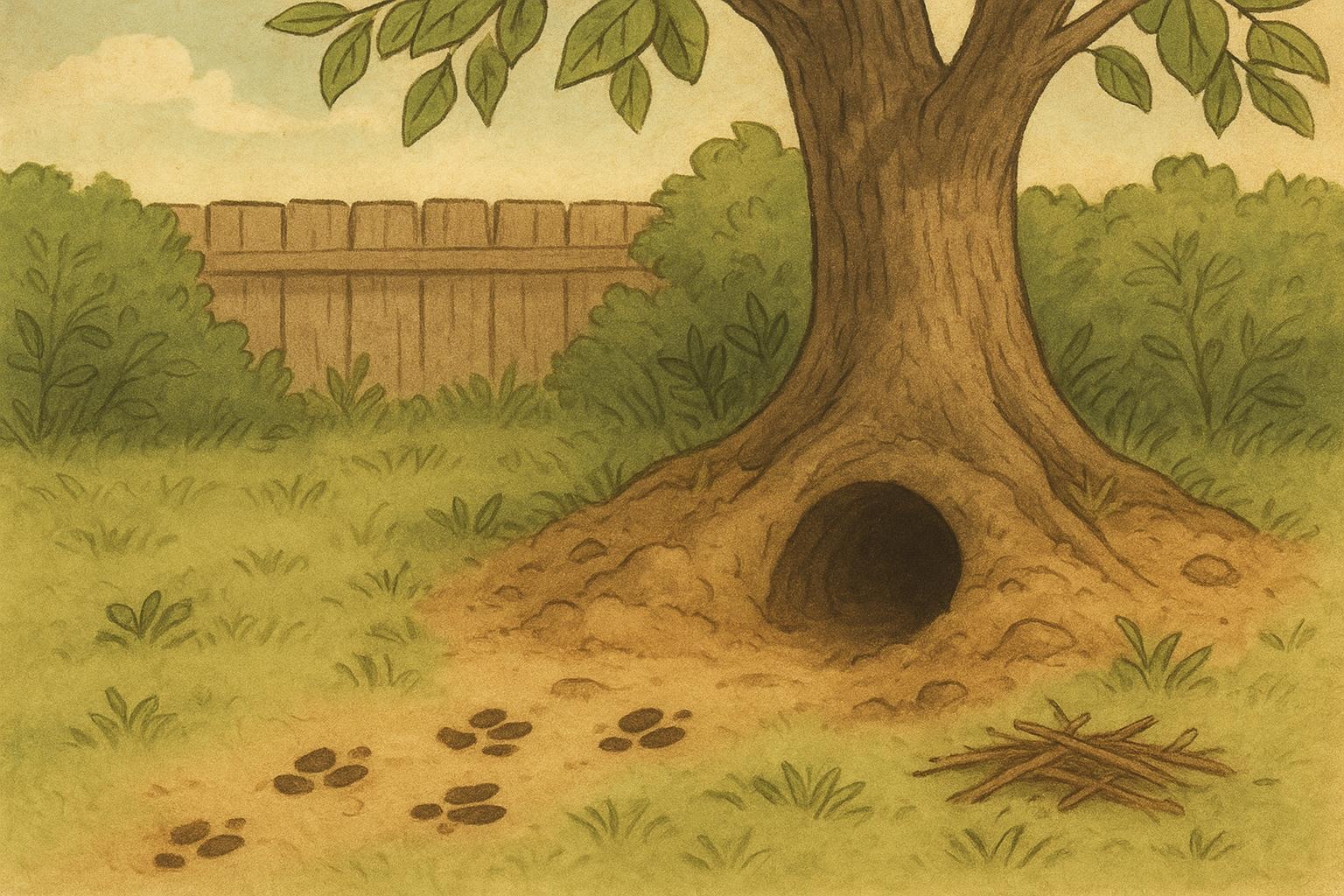
– An open, cleanly defined tunnel entrance — often slightly oval and worn — suggests a mammal that uses the same entry repeatedly (rabbits, ground squirrels, foxes).
– If the soil has been pushed to one side like somebody shoveled and got distracted, that’s typical of animals pushing dirt out from a burrow.
### Tracks, Droppings, And Markers
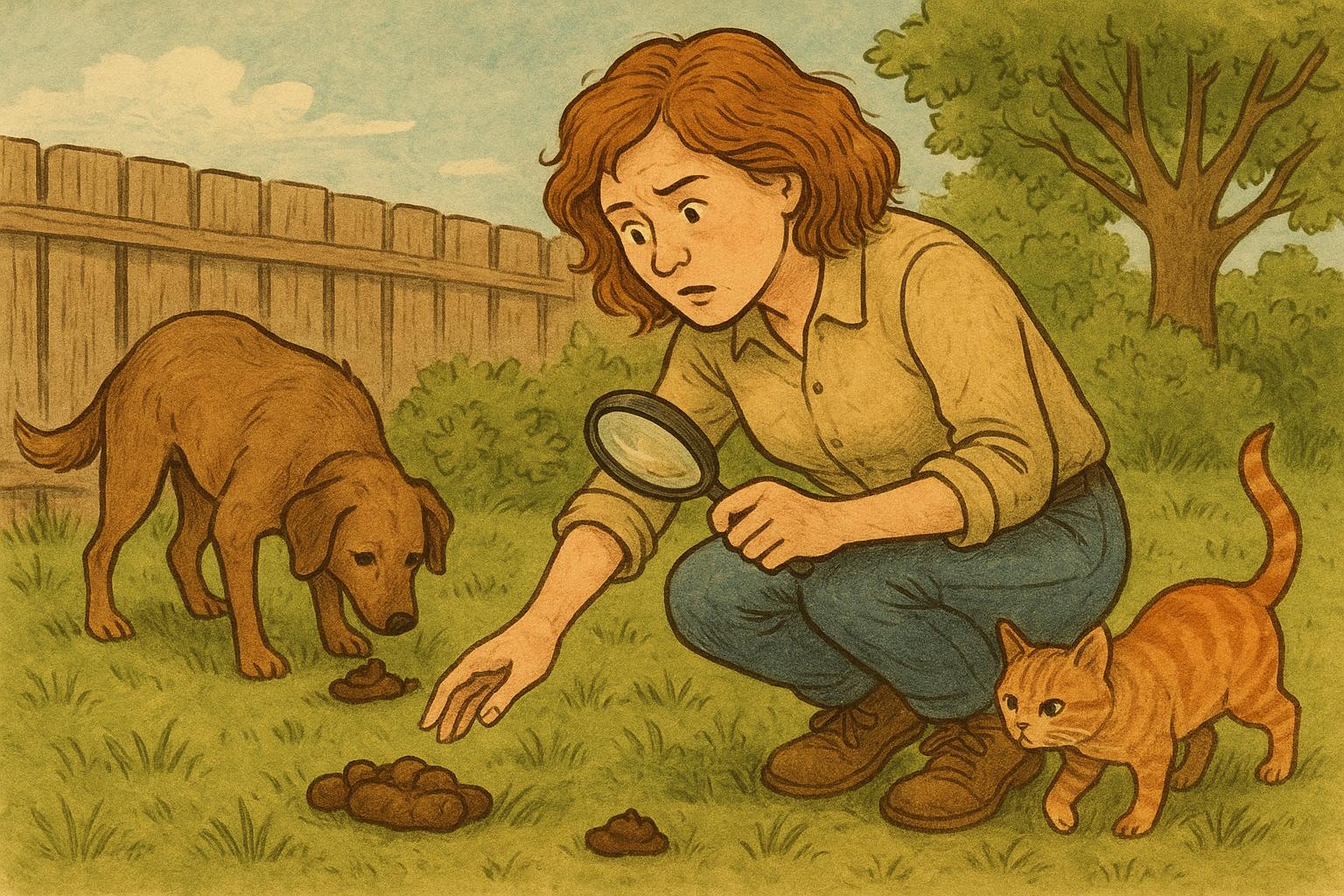
Look around the perimeter for footprints, scat, fur, feathers, or claw marks. Rabbit droppings are small, round pellets; rodent droppings are more cylindrical. Gopher tunnels often have no footprints near the mound because the animal exits elsewhere underground; raccoons leave wheeled prints and often smudges from repeated use.
### Freshness And Vegetation
Fresh soil is darker and moist; older mounds are light and crumbly. Vegetation trampling or freshly chewed roots near an entrance points to active use. Ant hills and ground-nesting bees have distinct patterns — small granules or packed fine soil — and are typically shallower than mammal burrows.
### Seasonal And Behavioral Clues
Many animals dig in spring and fall — breeding, nesting, or storing food can drive excavations. If you notice nocturnal activity (fresh soil in mornings), nocturnal species like foxes, skunks, or raccoons might be responsible. Daytime activity points more to rabbits, ground squirrels, and some rodents.
## Reading The Signs: What Different Mounds Tell You
Different species leave distinct signatures. Understanding these makes burrow identification easier and faster.
### Mole Versus Gopher
Moles: Surface ridges or volcano-shaped mounds with no obvious entry; soil is fine and evenly cast. Moles tunnel near the surface feeding on earthworms, so damage to turf is usually linear ridges.
Gophers: Fan-shaped mounds and plugged holes, often with larger soil clods. Gopher activity typically creates pocket-sized craters as they move soil from chambered tunnels.
### Rabbit And Rodent Burrows
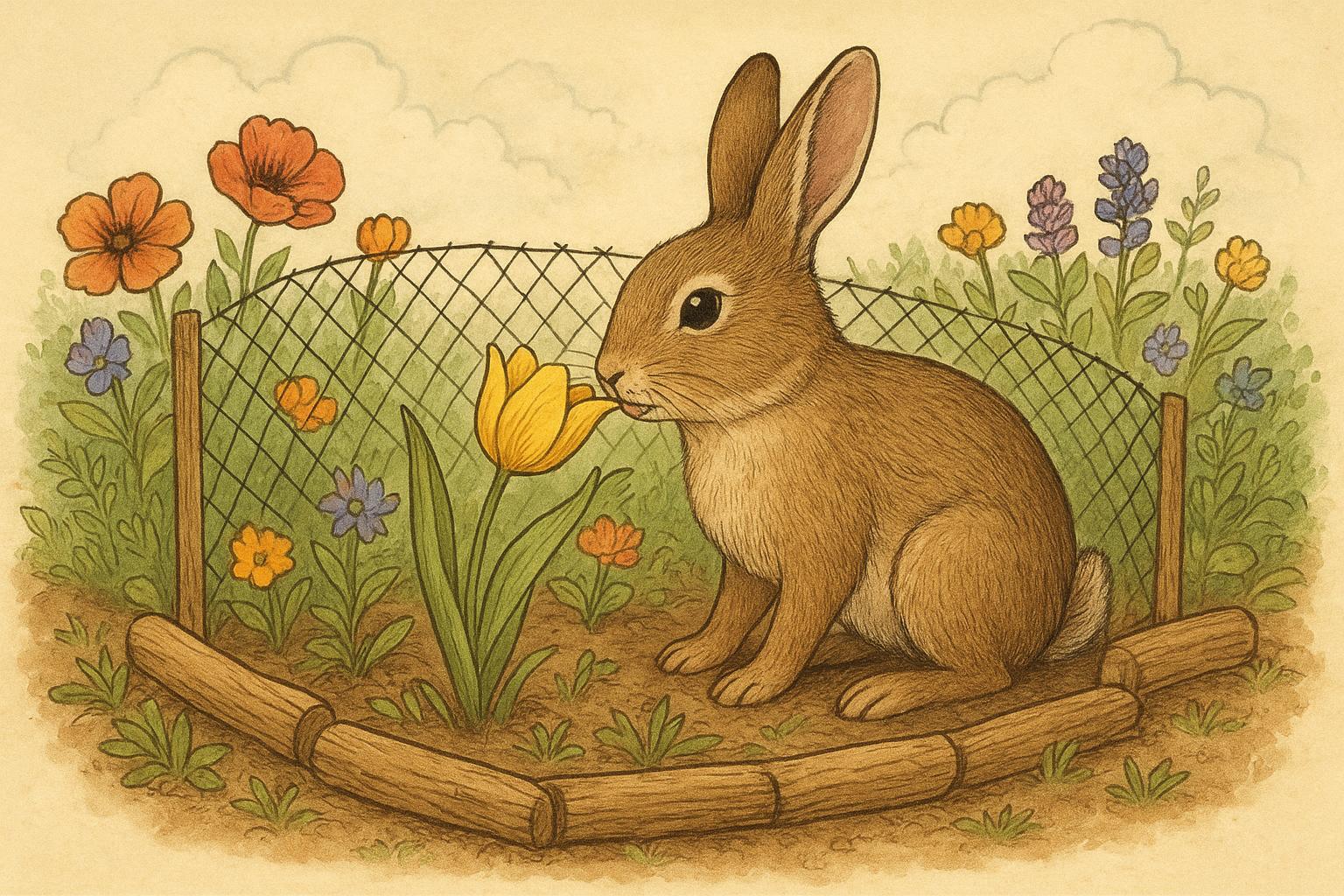
Rabbits: Entrance often 4–6 inches in diameter, with bedding material inside and a well-worn path leading to it. Multiple entrances may be present.
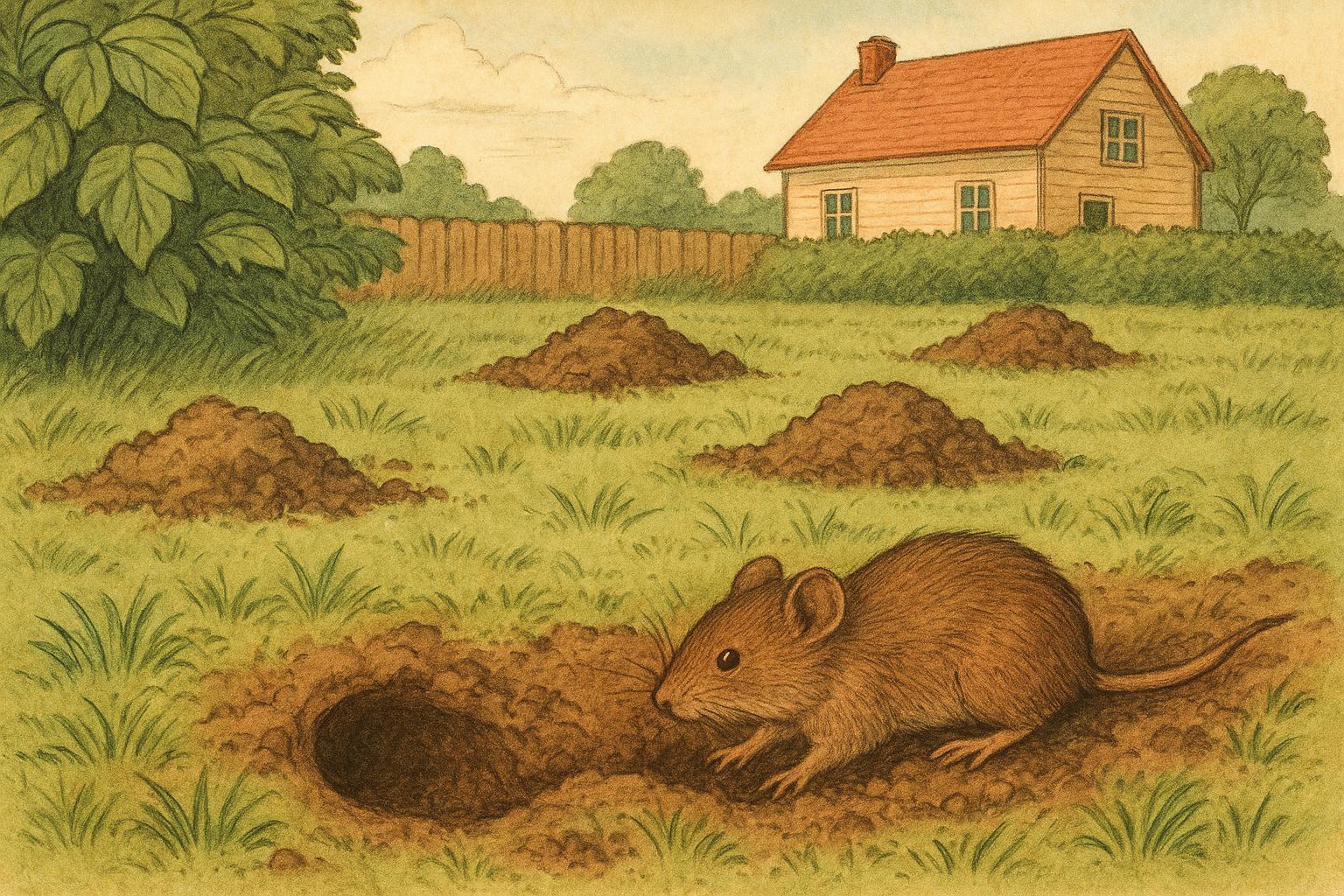
Ground Squirrels/Chipmunks: Larger openings with nearby signs of food caches or gnawing marks. Their burrows may have a distinct ringed appearance of soil ejected outward.
### Fox, Skunk, And Raccoon
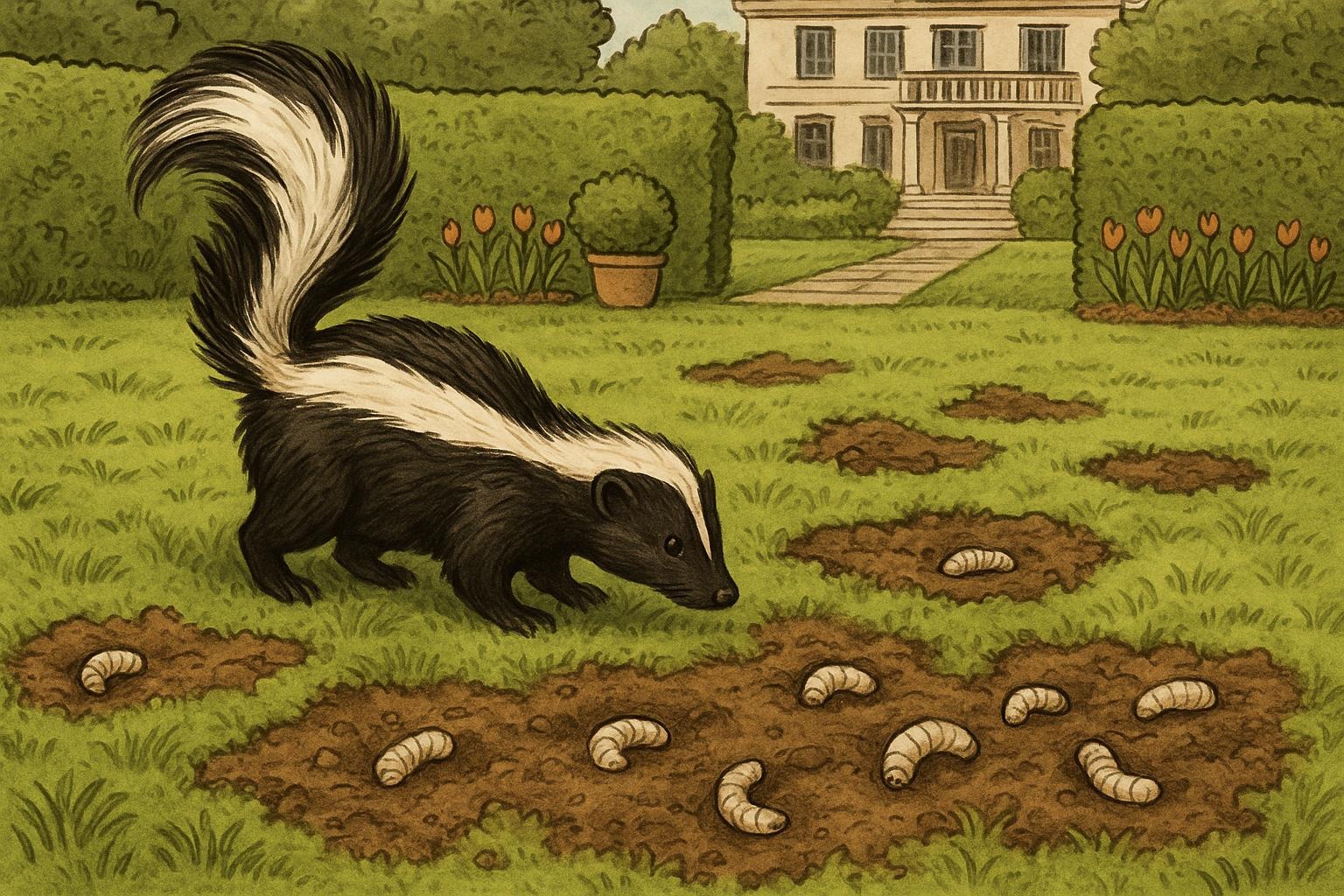
These animals often dig to access grubs or create dens. Fox dens can be larger, with a more pronounced tunnel and may show multiple entrances. Skunks leave shallow holes and often have a musky odor if recently used.
#### Insect And Reptile Considerations
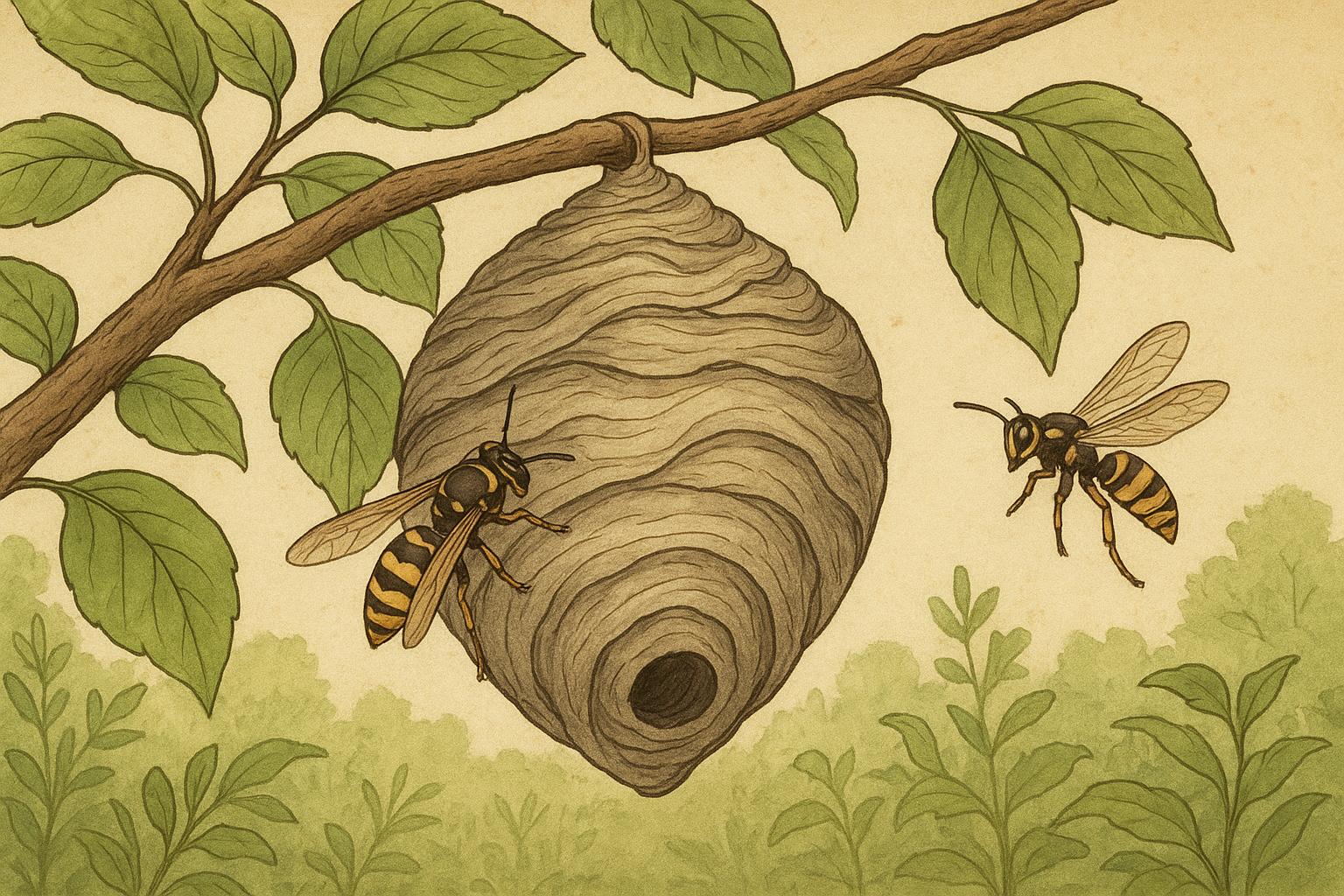
Ant hills, wasp nests, and reptile retreats can be mistaken for mammal burrows. Ant hills are granular and compact; reptile holes are often shallow and near warm, sunny banks.
## Practical Field Checklist For Quick Burrow Identification
If you like a short, actionable checklist: gently prod the soil edge with a stick (don’t collapse the hole), look for hair or nesting material, note the hole’s size, and observe at dawn/dusk if safe. Wear gloves and carry a flashlight if you plan to peer inside from a safe distance.
## Remedy 1: Humane Exclusion And Monitoring
When you’ve confirmed a burrow is active and you need to protect structures, pets, or people, humane exclusion is often the best first-line approach. This remedy focuses on encouraging animals to leave voluntarily and preventing return.
Ingredients / Required Materials:
– Thick gloves and protective clothing
– Flashlight and headlamp
– One-way exclusion doors (commercially available) or galvanized hardware cloth (1/2 inch)
– Stakes and zip ties
– Soil or bedding replacement (clean straw or leaf litter) — optional
– Trail camera (optional, for monitoring)
Step-By-Step Creation And Application:
1. Assess Activity: Confirm burrow is active by observing fresh soil and checking for recent tracks or fresh droppings. Use a trail camera if needed.
2. Identify Entrances: Locate all entrances to the burrow system. Animals will often have multiple exits.
3. Install One-Way Doors: At each entrance, secure a one-way exclusion device that allows the animal to exit but not re-enter. If fabricating, create a funnel of hardware cloth anchored to the ground with stakes and zip ties so the animal can push out and not pull back in.
4. Monitor Nightly: For 3–7 nights, monitor entrances to ensure animals have left. Never seal an entrance until you’re confident the burrow is empty.
5. Seal After Vacancy: After continuous inactivity (no signs for several days), close entrances with soil, pack firmly, and level the ground. Replace bedding or topsoil where needed.
6. Restore Habitat: Plant native groundcover to reduce soil erosion and discourage re-digging. Avoid immediate heavy landscaping that compresses soil and leaves voids.
Notes: This method is humane and often complies with wildlife regulations. For burrows used as maternity dens (e.g., rabbits in spring), wait until the season is over or consult local wildlife authorities.
## Remedy 2: Filling, Stabilizing, And Landscaping To Deter Future Burrowing
If the burrow is abandoned or you need to make the area less attractive for future digging, structural modifications and landscaping can deter burrowers. Be methodical to avoid creating sinkholes or harming beneficial animals.
Ingredients / Required Materials:
– Shovel and tamper (or rented plate compactor for larger areas)
– Coarse gravel (3/4–1 inch)
– Topsoil and organic compost
– Landscape fabric (heavy-duty)
– Native, deep-rooting plants or groundcover (e.g., ornamental grasses, shrubs)
– Clay-based soil amendment or compacting material (if local soil is sandy)
– Work gloves and safety glasses
Step-By-Step Creation And Application:
1. Confirm Vacancy: Verify burrow is no longer occupied (no fresh soil, tracks, or nighttime activity).
2. Open And Inspect: Carefully widen the entrance to inspect internal chambers and ensure nothing is trapped. For safety, wear protective gear.
3. Create A Stable Base: Fill the deepest voids with coarse gravel to prevent settling. Compact gravel in layers using a tamper.
4. Layer Landscape Fabric: Lay heavy-duty landscape fabric over the compacted base to discourage digging while allowing water flow.
5. Backfill In Layers: Add topsoil mixed with compost in 6–8 inch lifts, compacting each layer firmly to eliminate air pockets.
6. Final Grade And Plant: Finish with a firm top layer of soil, grade for drainage, and immediately plant deep-rooting native plants or install groundcover. Dense roots discourage re-entry.
7. Monitor And Repair: Over the next months, check for any settling and add soil as needed. Replant any areas that erode.
Notes: Avoid simply dumping soil into a burrow without compaction — that leads to future collapse. If in doubt about underground voids beneath structures, consult a professional to assess structural risk.
## When To Call A Professional Wildlife Specialist
Some situations require expert help: if the burrow is beneath a foundation, under decks, near gas lines, or used by protected species (check local regulations). Professionals can humanely trap and relocate where lawful, assess for animal health risks, and safely repair structural damage.
If you’re unsure about species identification, safety, or legal concerns, a backyard wildlife specialist can perform a targeted inspection, confirm the species, and recommend a tailored remediation plan. They can also advise on preventive landscaping that both protects your yard and supports local biodiversity.
























Leave a Reply