
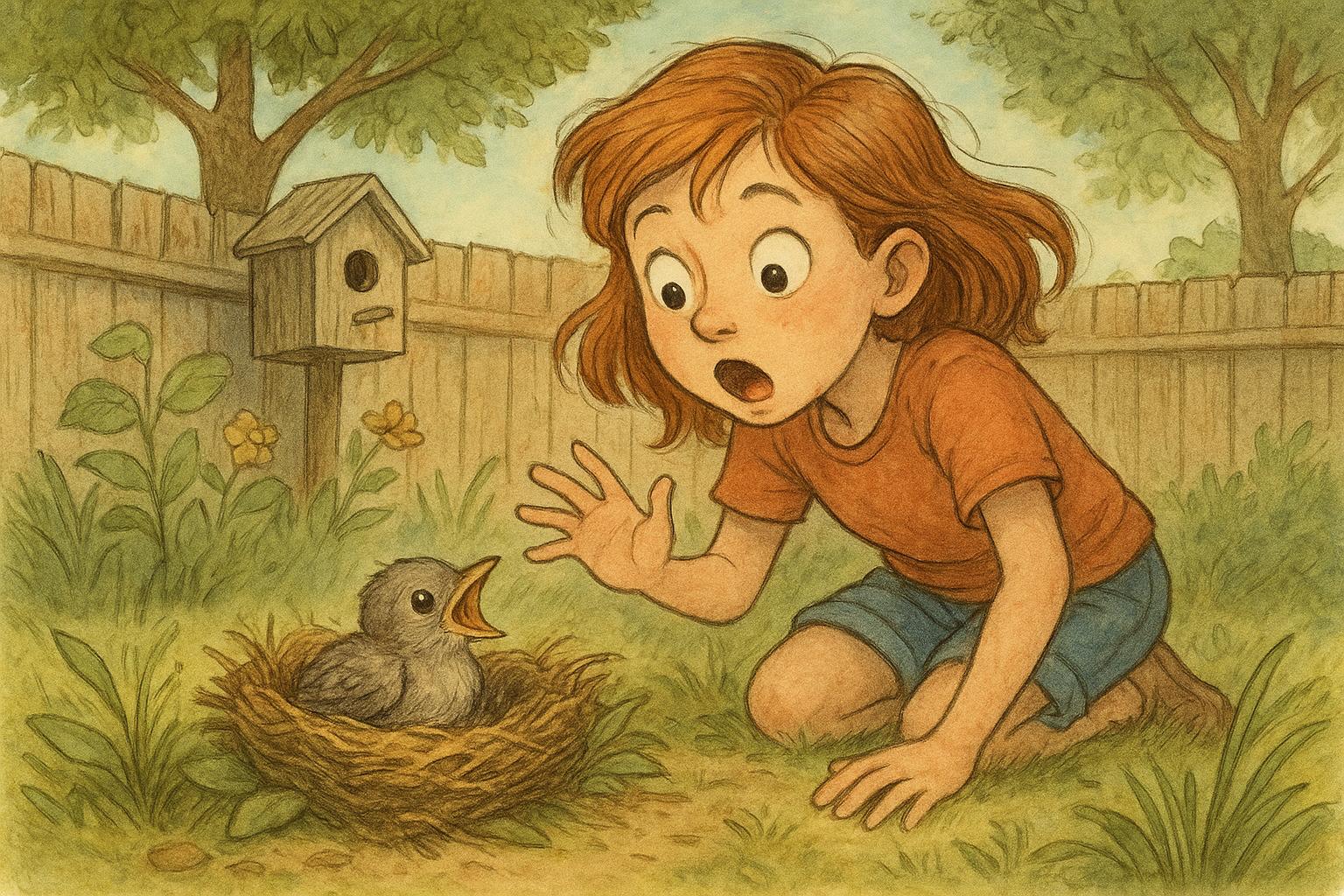
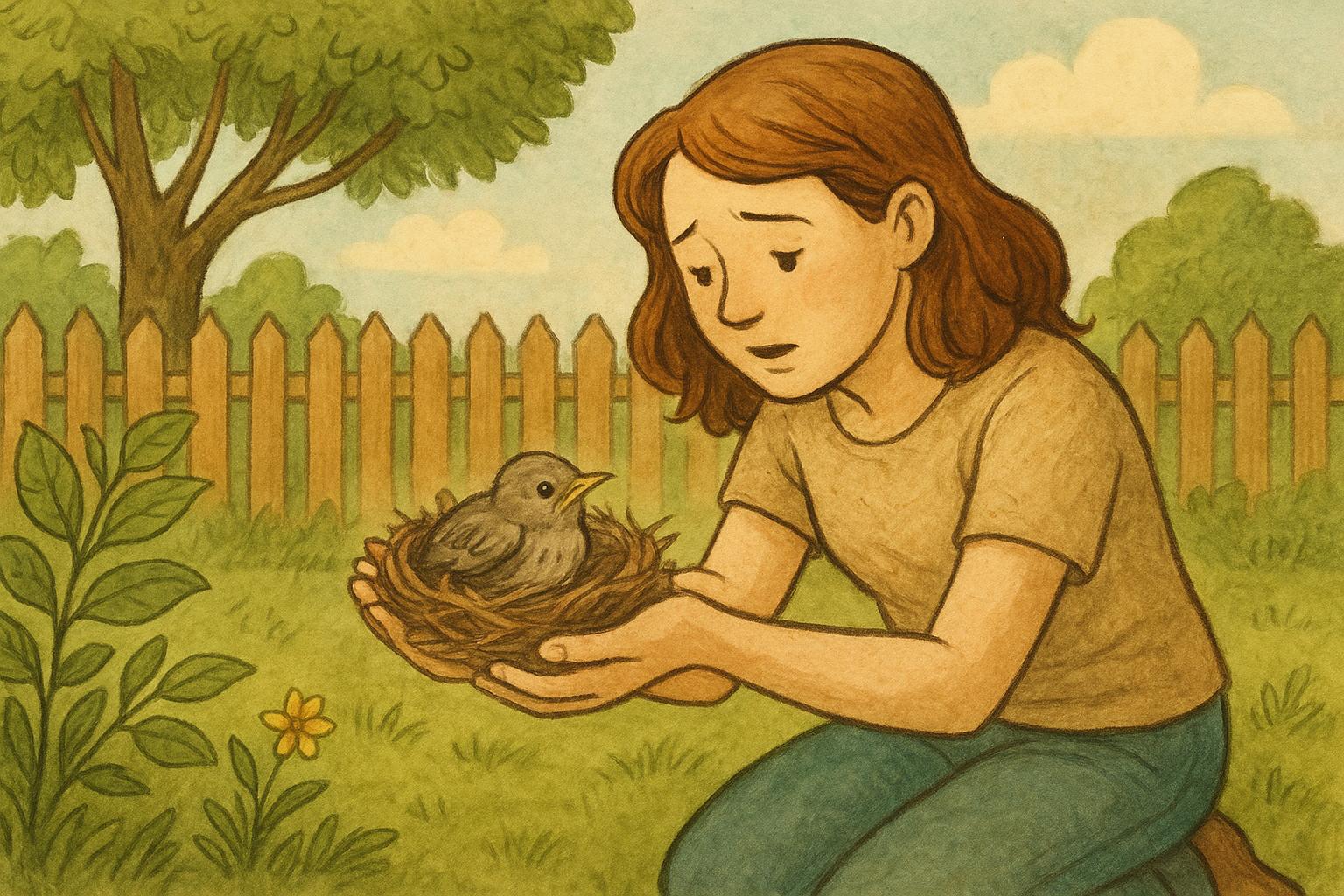
Finding a lone baby bird in your yard can feel like a tiny, feathered emergency: part “aww,” part “uh-oh.” Before you panic and concoct a Laplander-sized nest in your cardigan, take a breath. This guide walks you through what really matters, what to avoid, and how to do a proper backyard bird rescue without turning your garden into Bird SOS Central. Light humor ahead, but the rescue steps are straight-shooting and practical.
## Backyard Bird Rescue: What To Do When You Find A Baby Bird
The first thing to know is that many young birds are meant to be on the ground. Fledglings learn to fly by hopping and fluttering under the watchful eye of their parents. That said, some birds fall from nests or get separated. If you’re reading this, you’re already doing the right thing by pausing and thinking, not leaping.
### How To Tell Nestling Versus Fledgling
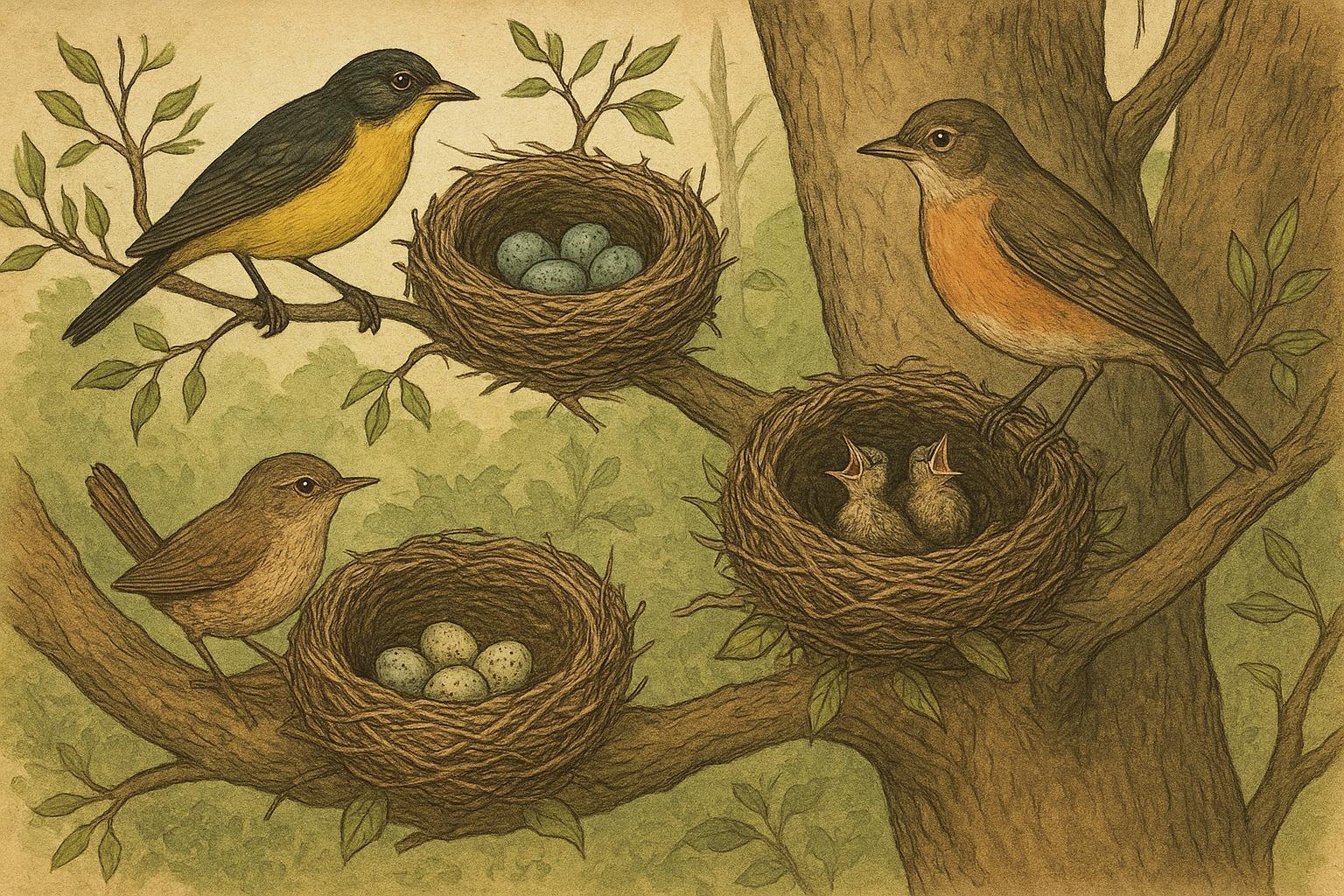
The difference decides the next move. A nestling is very young, often mostly naked or downy, with eyes closed or only recently opened. A fledgling looks more like a small, awkward adult—fluffy rather than bare, with open, alert eyes and developing wing feathers.
– Nestling: Needs to be in a nest or very close to one. High urgency for intervention.
– Fledgling: Usually should be left alone unless in immediate danger (cats, cars, busy walkways).
### Quick Safety Assessment
Check for immediate threats: predators, lawnmowers, foot traffic. If danger is present, move the bird a short distance (a few feet) to a safer spot in the same general area. Do not assume the parents have abandoned the bird. Many adult birds will continue feeding chicks even if humans handle them briefly.
## When To Contact Professionals For Backyard Bird Rescue
If the bird is injured (visible wounds, drooping wing, bleeding), cold and lethargic, or clearly orphaned (parents absent for many hours and you’ve monitored discreetly), contact a licensed wildlife rehabilitator. For species protected by law (most native birds), wildlife rehabilitators and local animal control are the correct channels — they have permits and experience to provide medical care and long-term rehabilitation.
### What Information To Have Ready
Wildlife rehabilitators will ask: exact location, species (or description), age estimate, visible injuries, and whether you observed parents. Take a photo if possible. Keep the bird warm and quiet while you prepare for transport.
### Legal And Ethical Notes
Many native species are protected by federal or state laws. It is illegal in many jurisdictions to keep wild birds without a permit. A backyard bird rescue handled by a trained rehabilitator ensures compliance and the bird’s best chance of survival.
### 1. Temporary Nest Remedy: Make A Safe Holding Nest
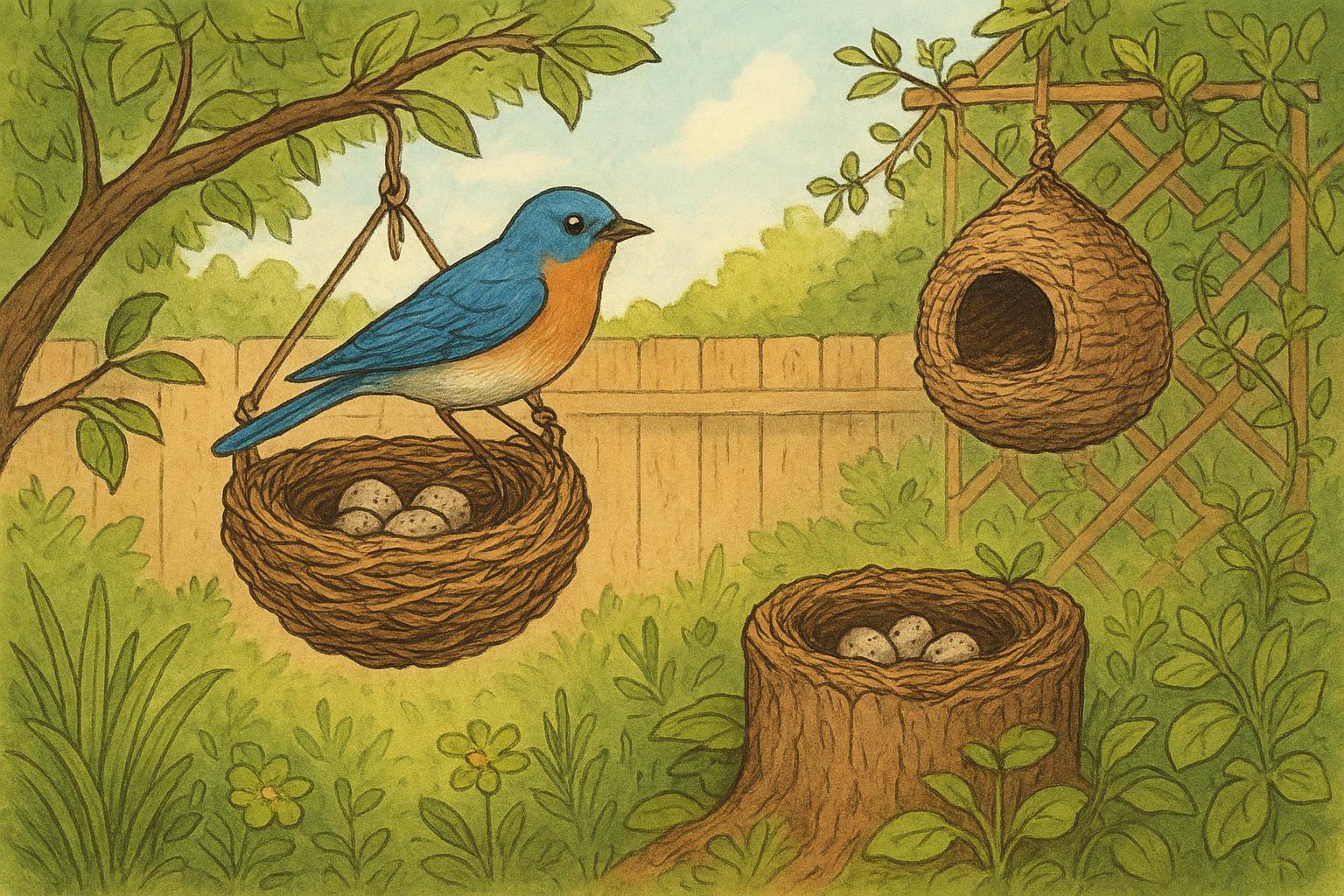
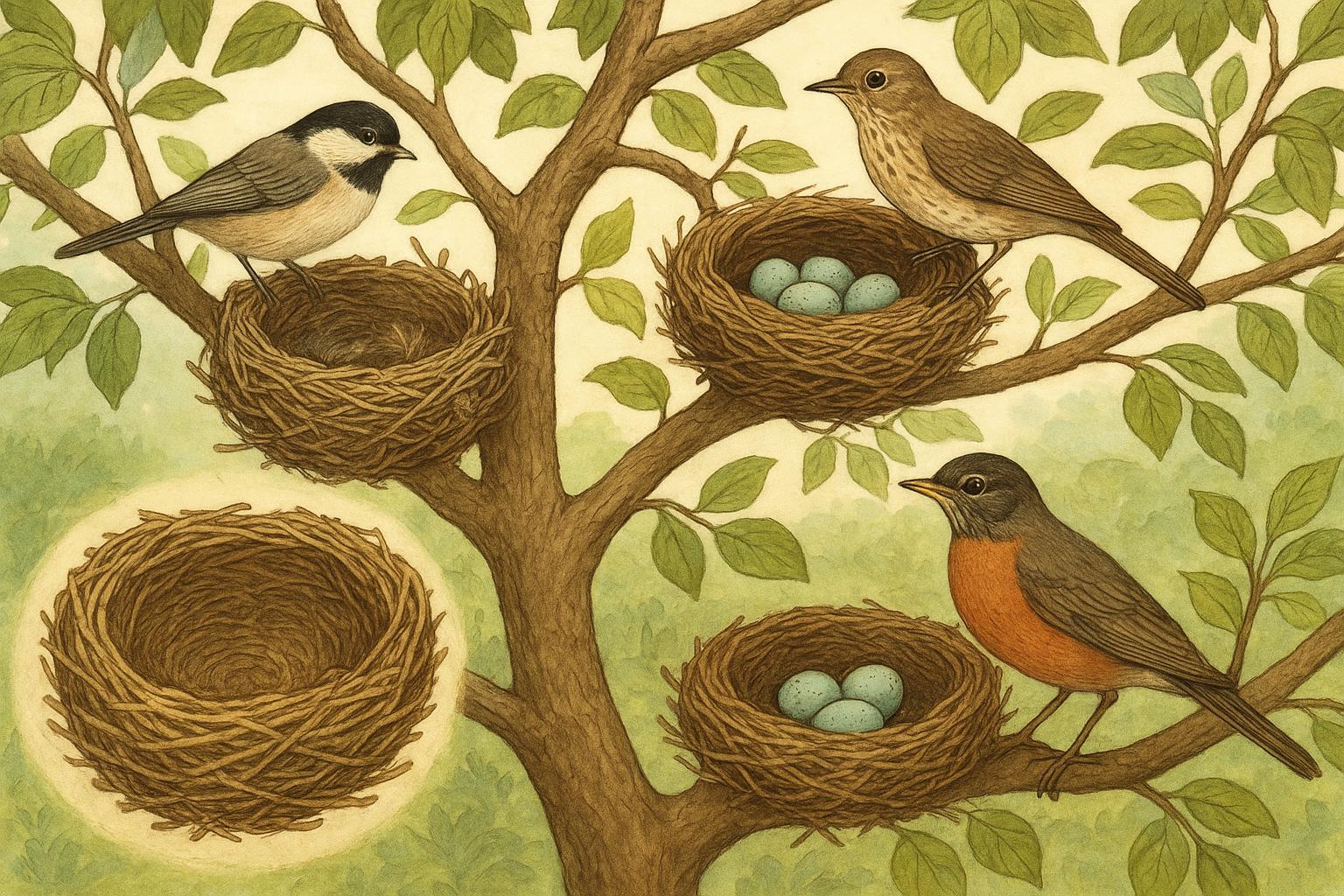
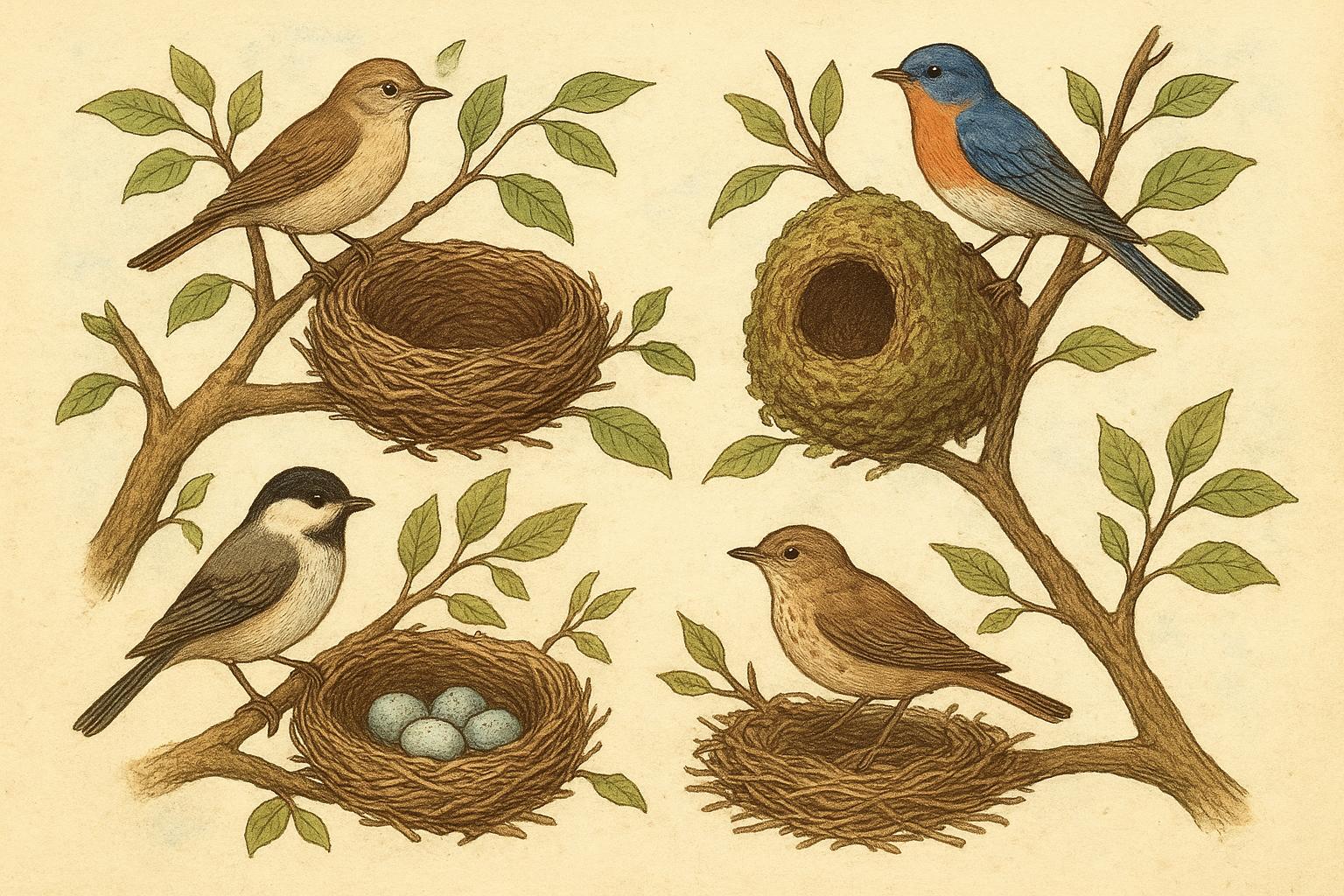
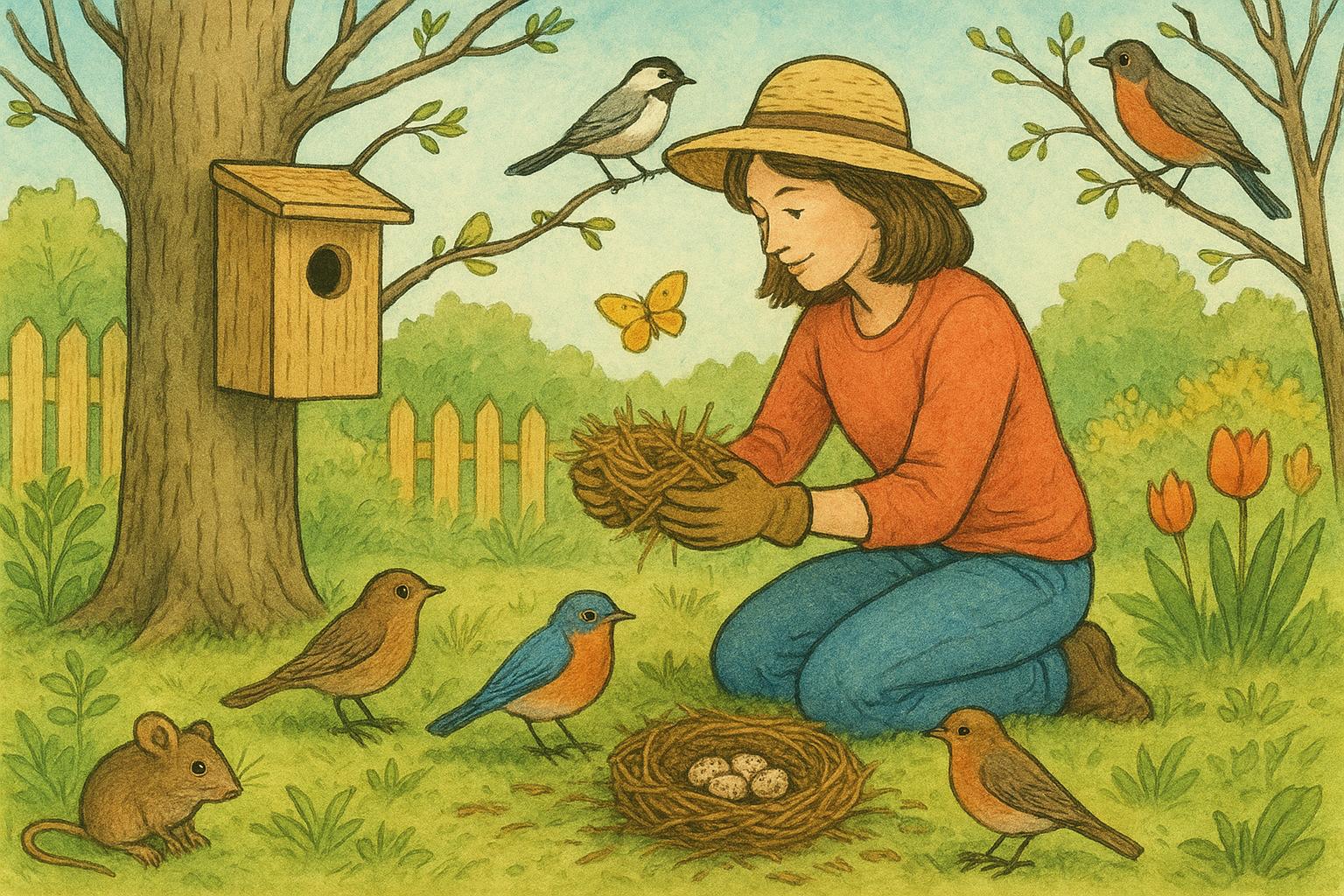
When a nestling has fallen from a low nest or a nest has been compromised, a temporary holding nest can buy time and keep the baby safe while you contact a rehabilitator or attempt to return it to the original nest. The instructions below are practical and designed to minimize stress and contamination risk.
#### Materials Needed
– Small plastic or wicker basket (clean, with ventilation)
– Clean, soft, dry nesting material (paper towels, shredded paper, dry grass)
– Non-toxic, breathable fabric or mesh to anchor the basket (optional)
– Soft string or twine (if you need to secure the temporary nest)
– Gloves (lightweight disposable or cloth) to minimize handling and scent transfer
– A small shallow container for warm water to keep cloth warm for the bird if cold (do not allow bird to sit in water)
– Cardboard or a flat base to stabilize the basket
#### Step-By-Step Creation And Application
1. Prepare a quiet workspace. Wash or sanitize hands and wear gloves.
2. Line the bottom of the basket with soft, dry nesting material. Use only enough to make a shallow cup; do not over-stuff. The nest should be shallow so the bird can breathe and so it’s easy for parents to access.
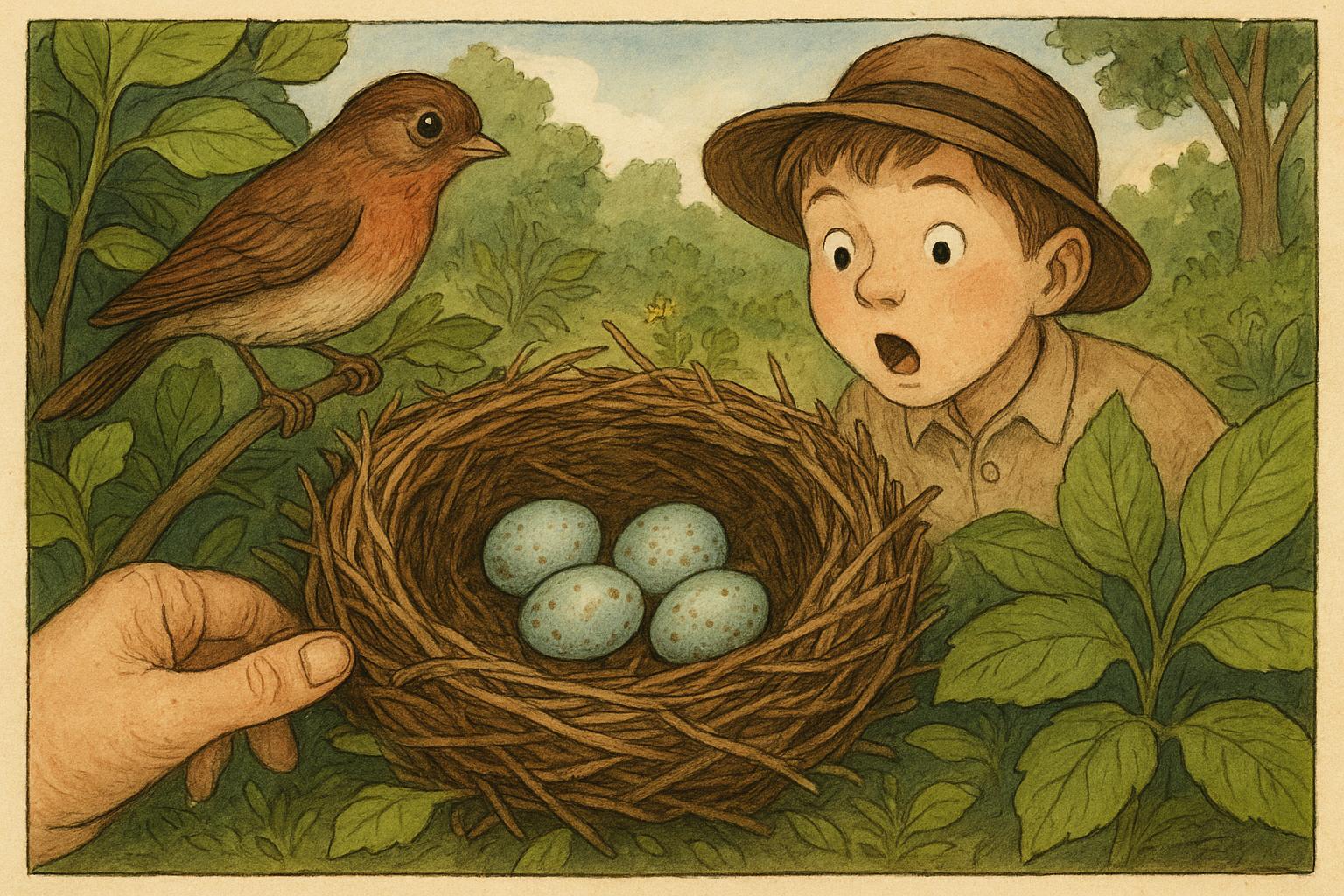
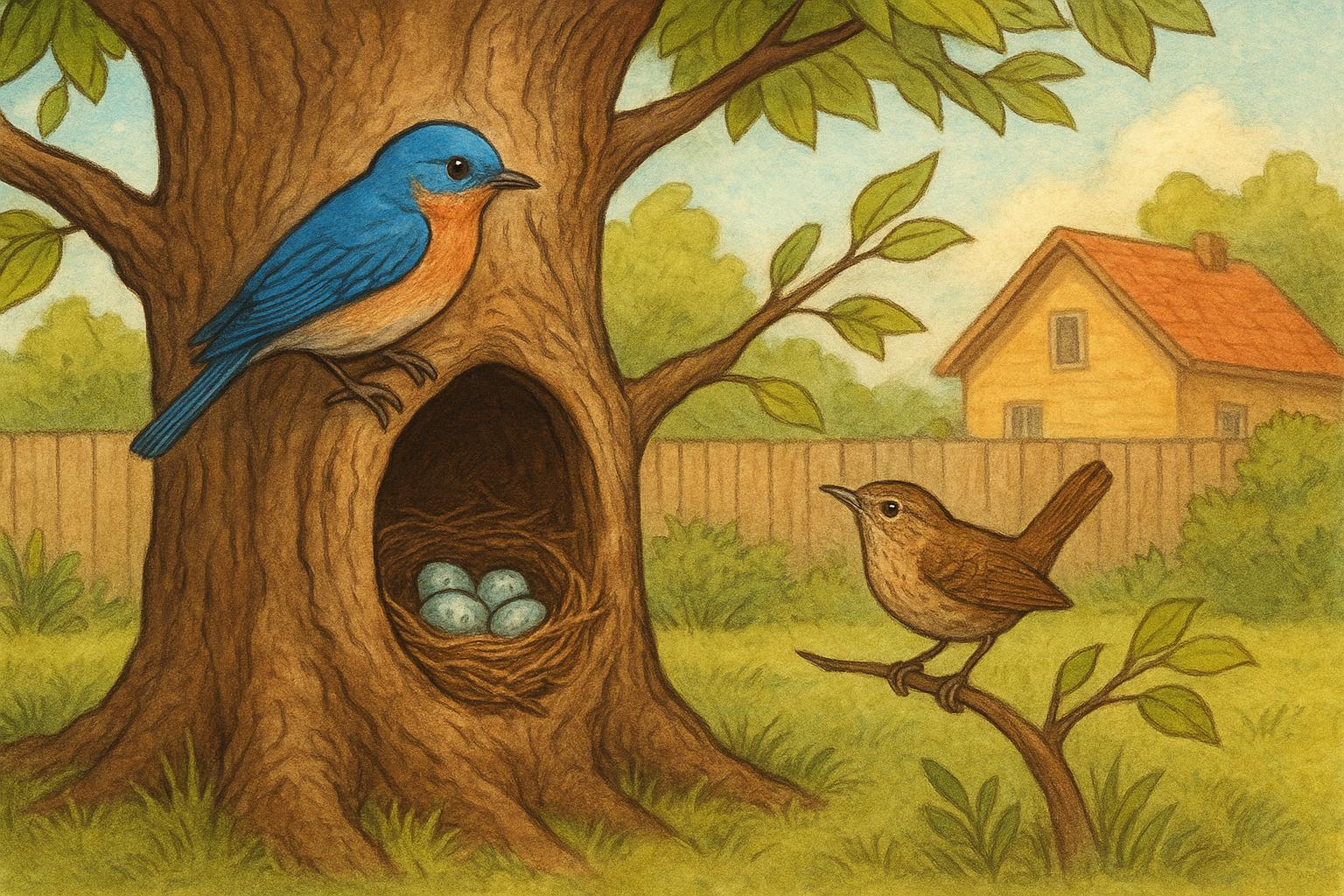
3. If the original nest is intact and reachable, gently place the nestling back into it. Support the nest with one hand while you secure branches if necessary. If you cannot reach the original nest or it’s destroyed, place the temporary basket close to where the nest was located—ideally within sight of the original tree or shrub.
4. Secure the basket using soft twine or by wedging it into a stable forked branch or on a level platform (e.g., a wooden shelf attached temporarily to a tree). Ensure it is stable and not likely to fall with a breeze. Do not place on the ground if you can avoid it.
5. Observe discreetly from a distance for up to two hours. Parents may return but will often wait until you leave before approaching. If the bird is cold, briefly warm a cloth with warm (not hot) water, wring it out thoroughly, wrap it in a sealed bag, and place it near the bird to raise ambient temperature slightly. Do not place a direct heat source against the bird.
6. If parents do not return within a couple of hours or the bird shows signs of distress, transport it to a licensed wildlife rehabilitator immediately. Use a small, ventilated box lined with soft paper towels for transport. Keep the bird quiet and warm.
Be precise: do not attempt to feed a nestling unless you have training. Incorrect diets and feeding techniques can cause aspiration, injury, or death.
### How To Handle A Fledgling During A Backyard Bird Rescue
If you find a fledgling on the ground, keep interaction minimal. Move it a short distance to a safer spot if necessary, and watch from indoors to see if parents return. Only intervene further if the bird is unsafely placed or injured. Resist the urge to “rehabilitate” on your porch like a rookie avian ER.
### Feeding And Hydration — What Not To Do
Do not give bread, milk, or human food. Do not drop water into the bird’s beak. Incorrect feeding is a common cause of backyard bird rescue failures. Only trained rehabilitators should provide hand-feeding protocols and appropriate formulas.
## How To Keep The Parents Coming Back
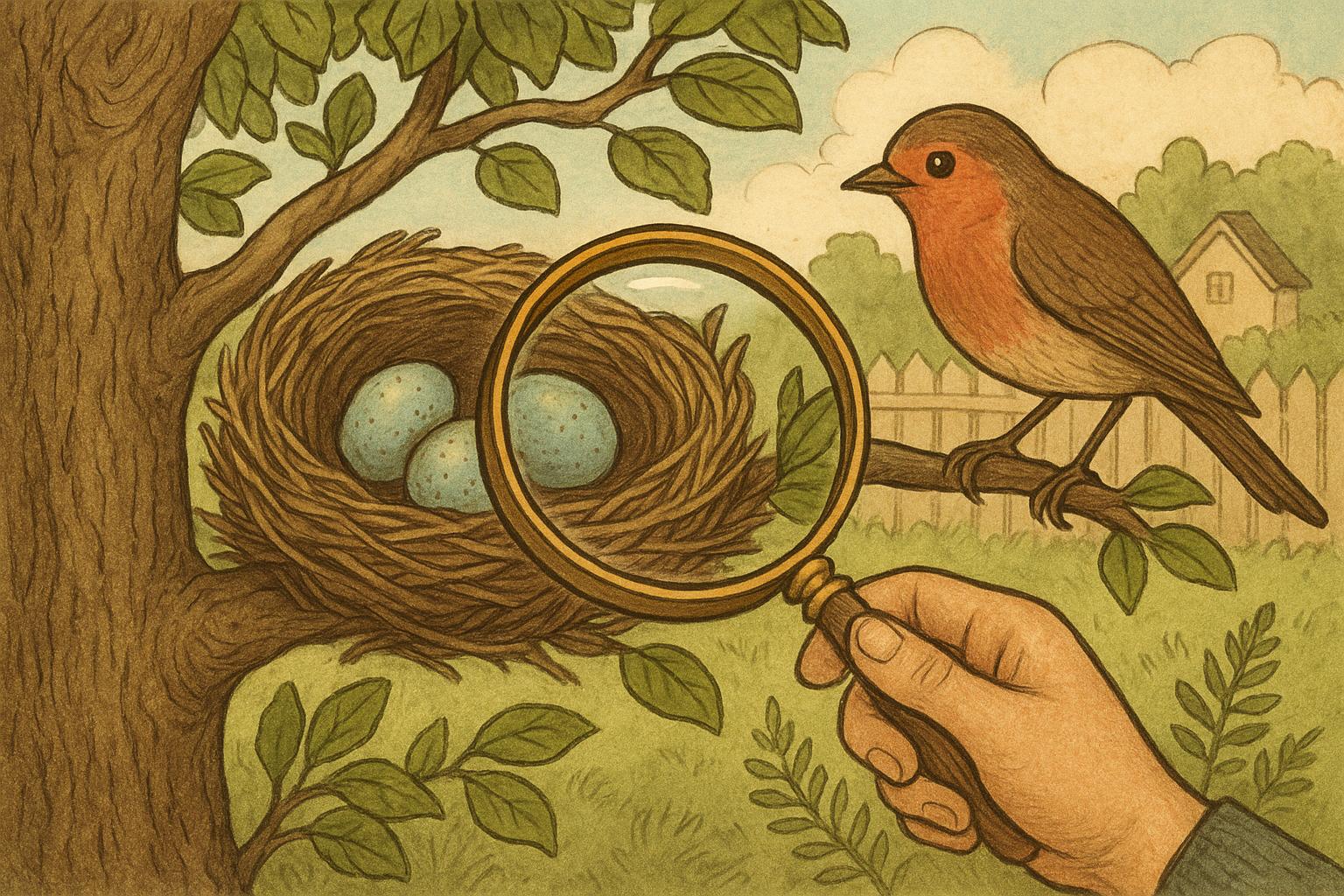
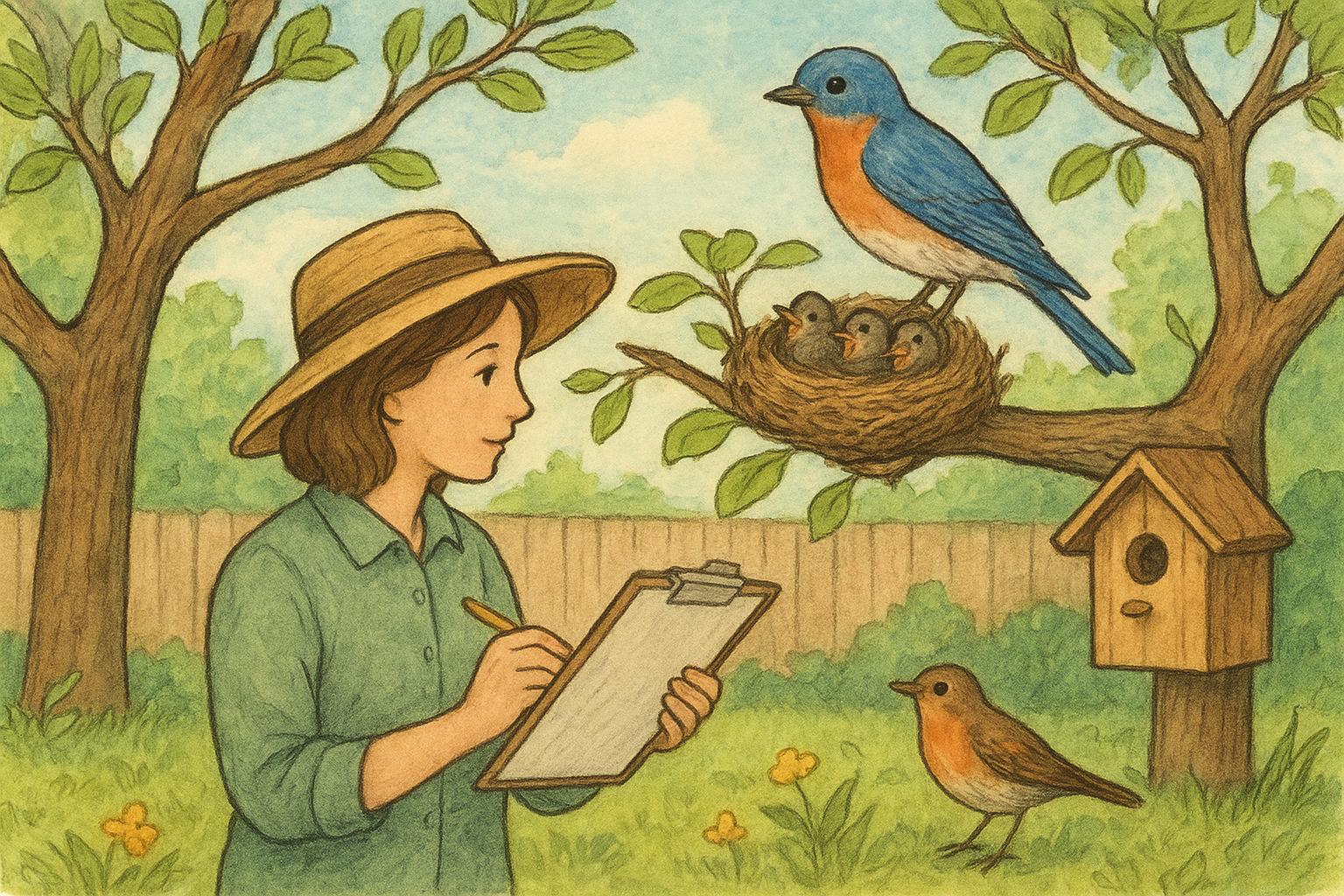
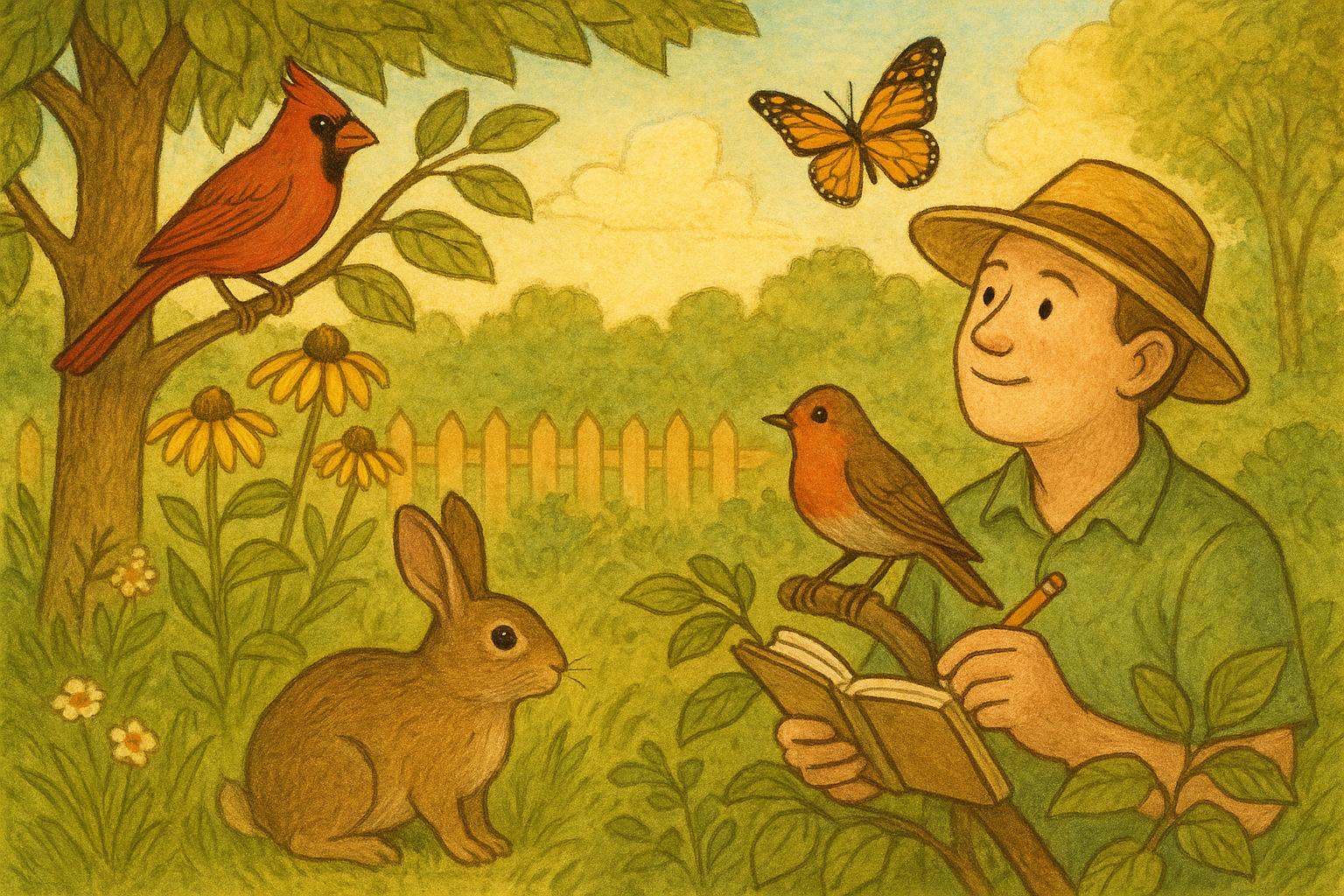
One of the secret powers in backyard bird rescue is patience and discretion. Parents are highly sensitive to disturbance near their nest. Keep pets indoors, reduce noise, and limit human presence near the area. Position yourself at a distance to observe—binoculars help—and let the adults return on their own timetable. If you must monitor closely, do so from inside the house to reduce scent and visual cues.
### Monitoring And Recording For Rehabilitators
If you end up calling a professional, your notes can be invaluable. Record the time you found the bird, behavior observed (e.g., calling, movement), approximate last-seen parental visits, and any visible injuries. Photos and short videos help identify species and assess condition remotely.
### Simple Prevention Tips For Future Backyard Bird Rescue Needs
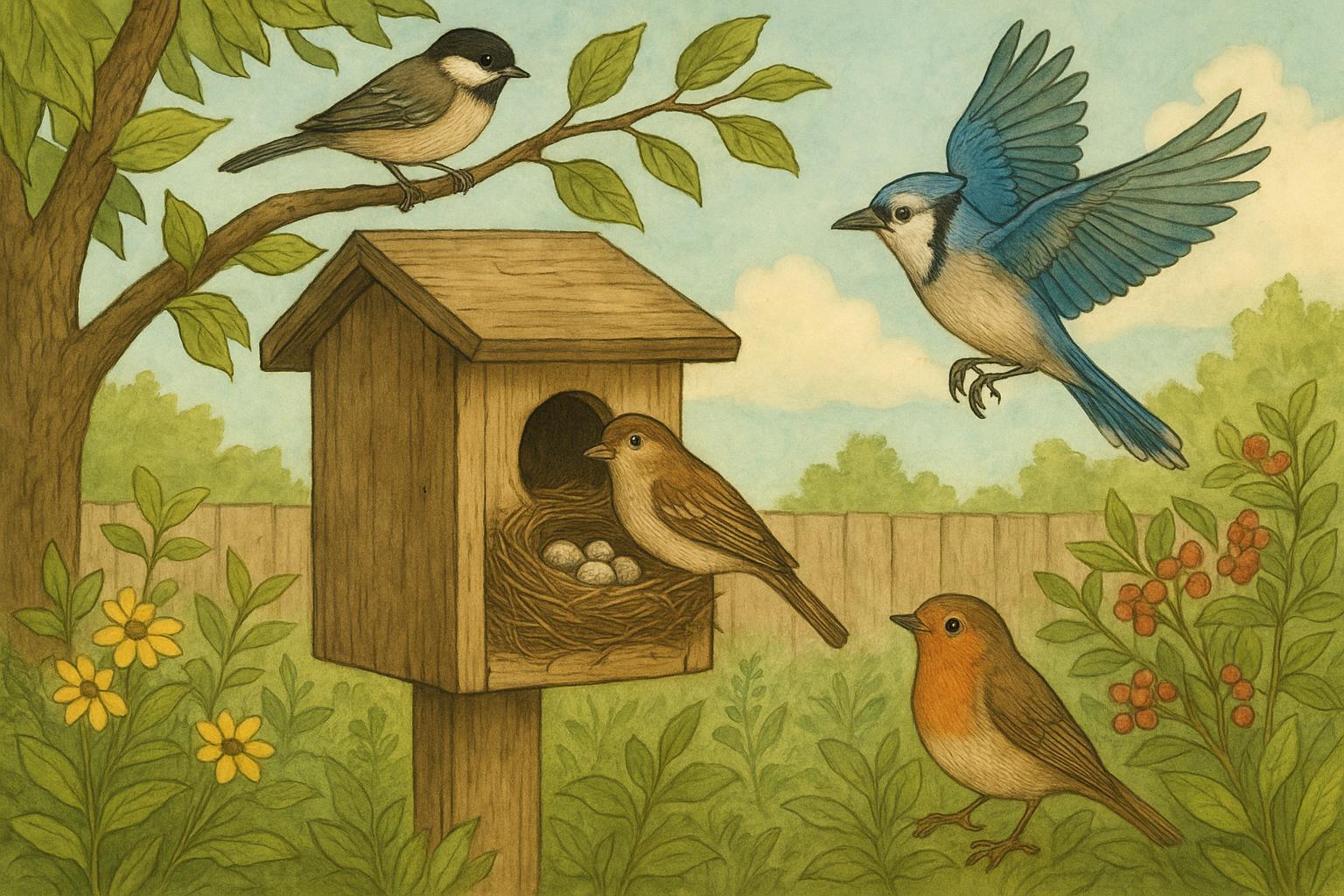
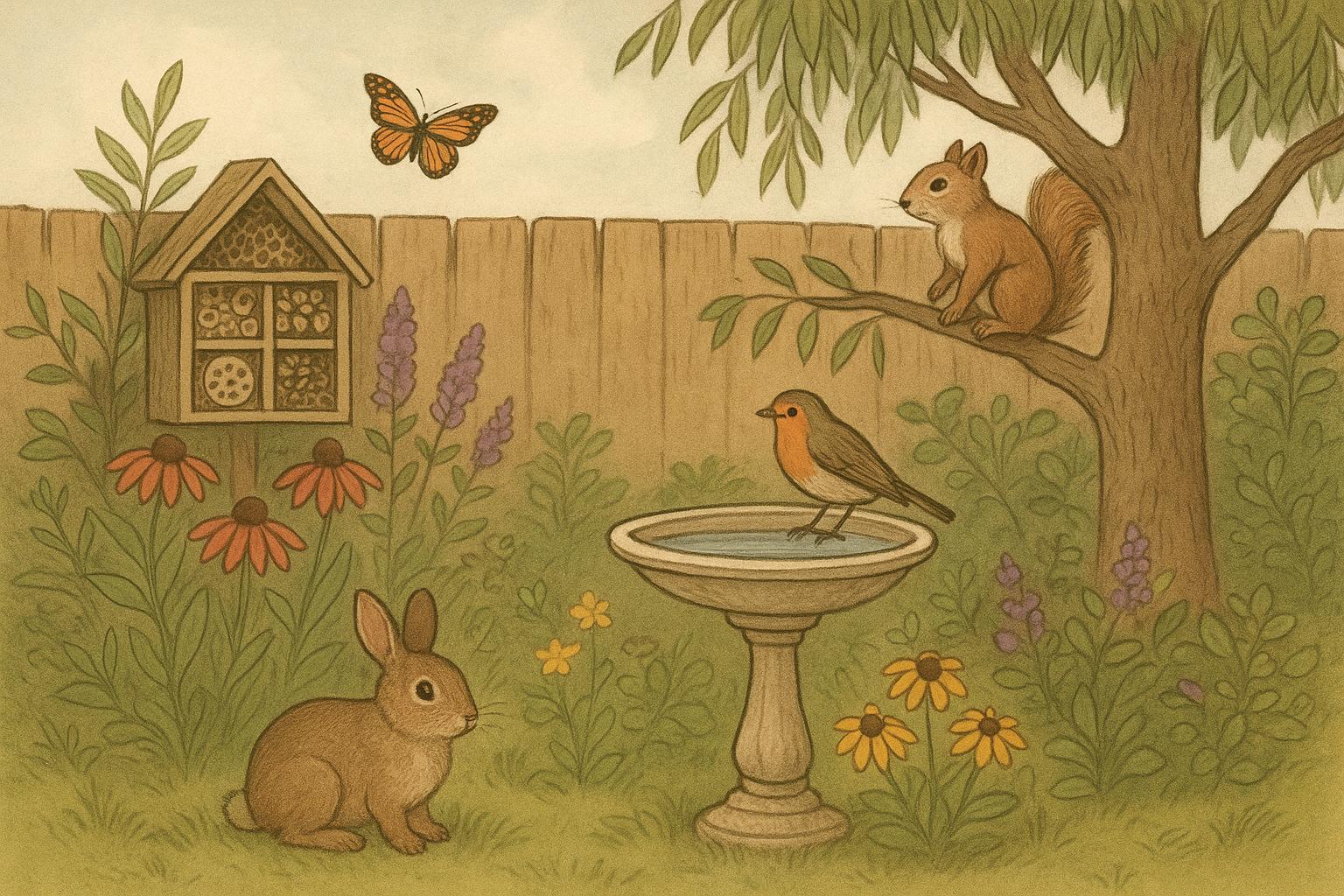
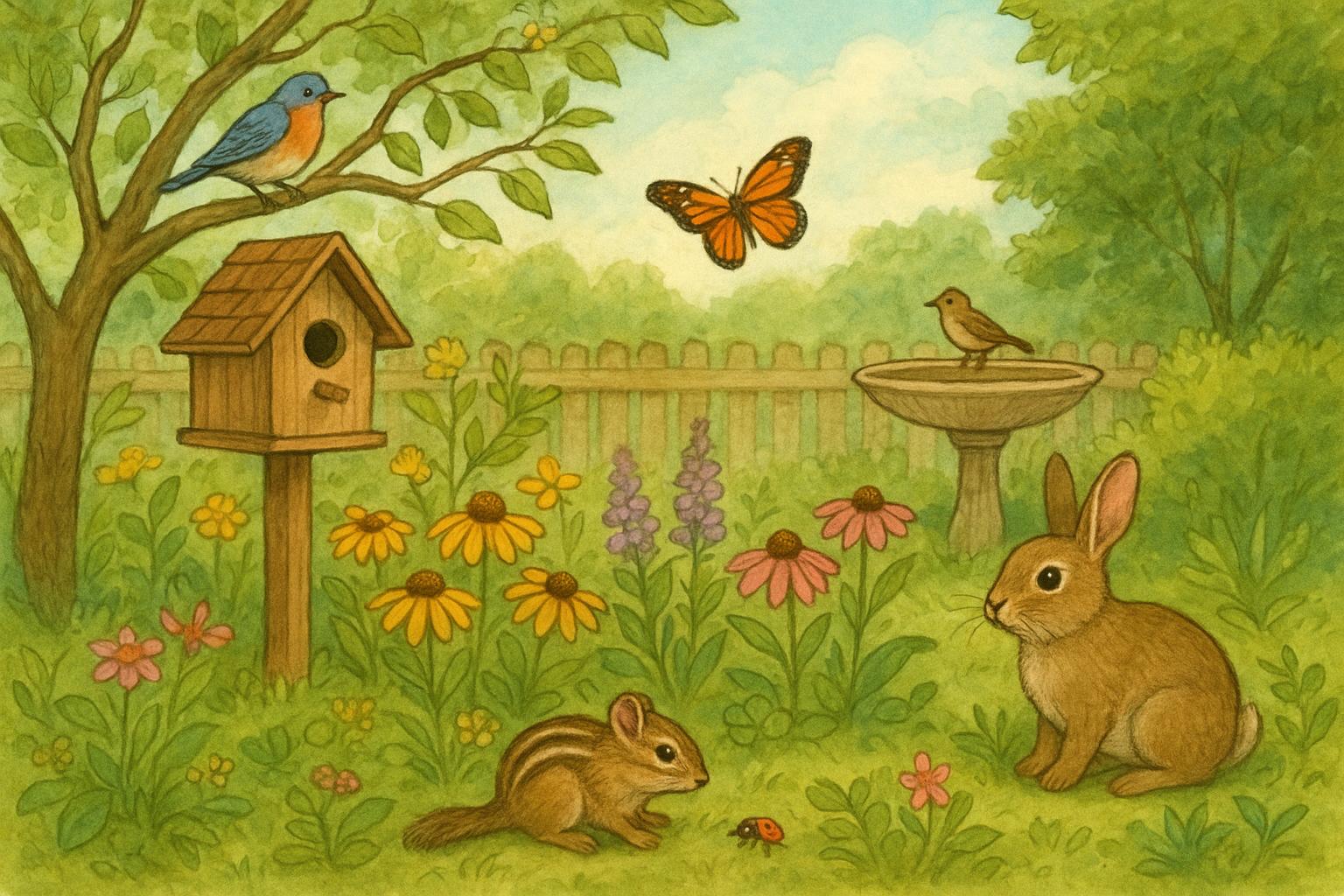
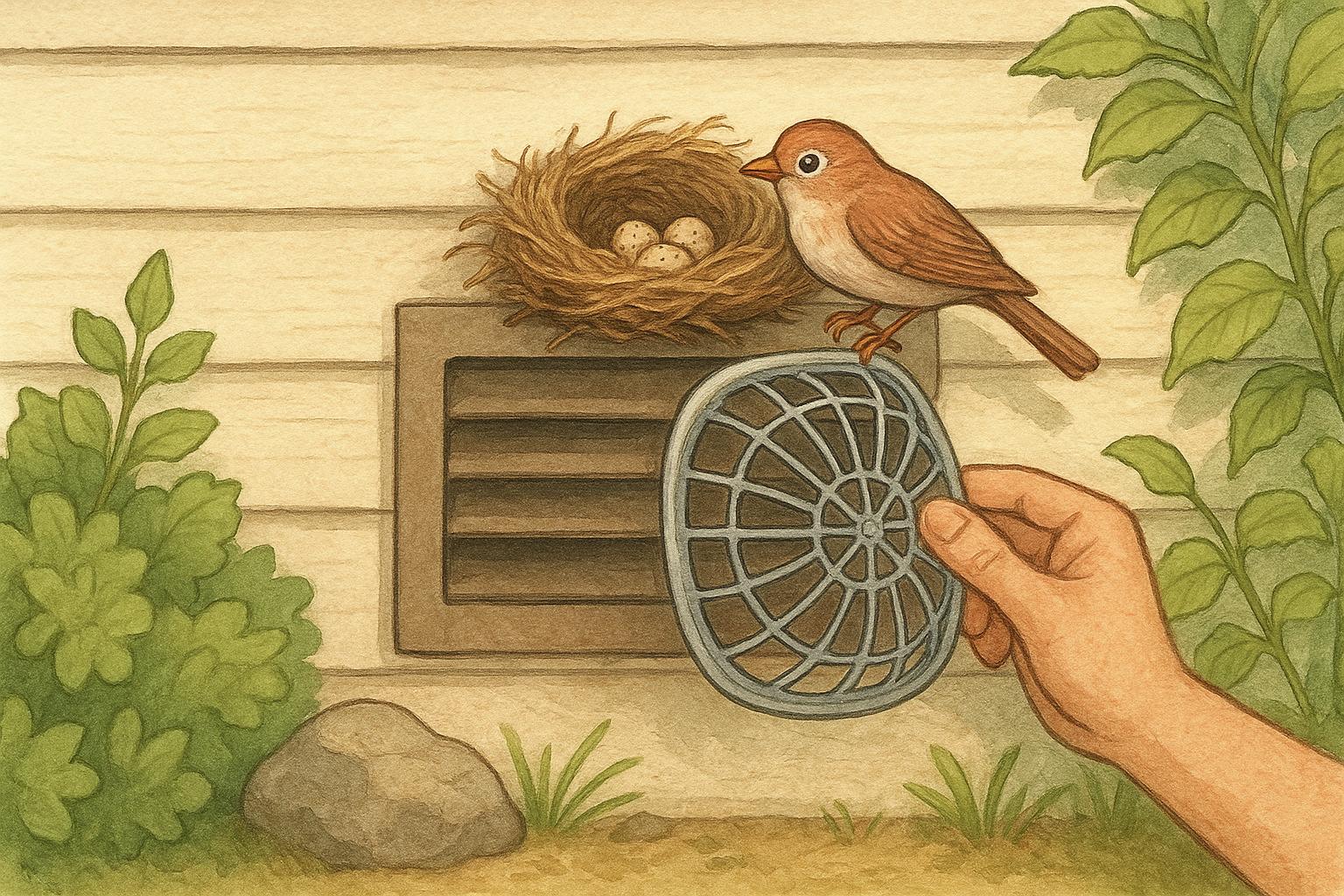
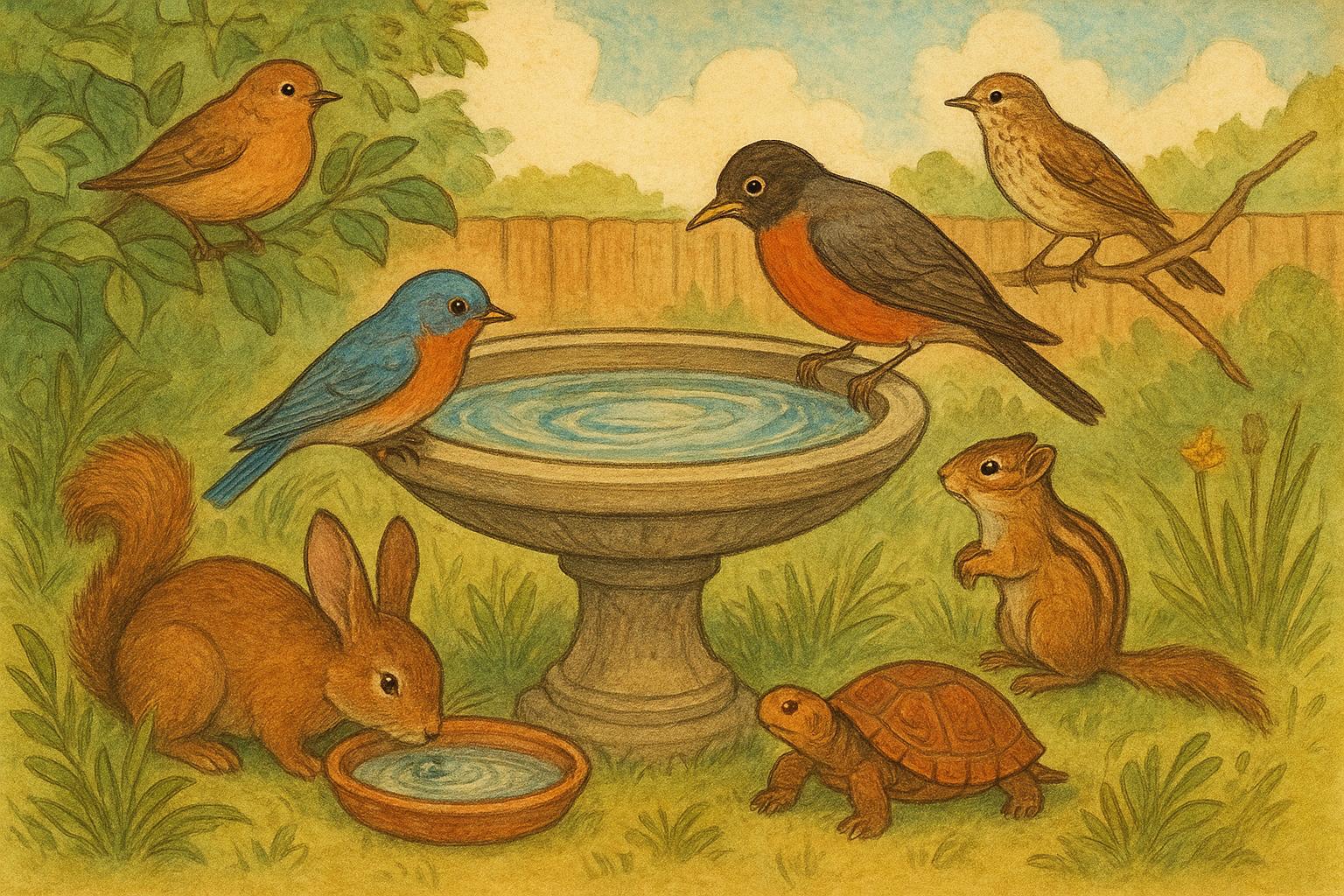
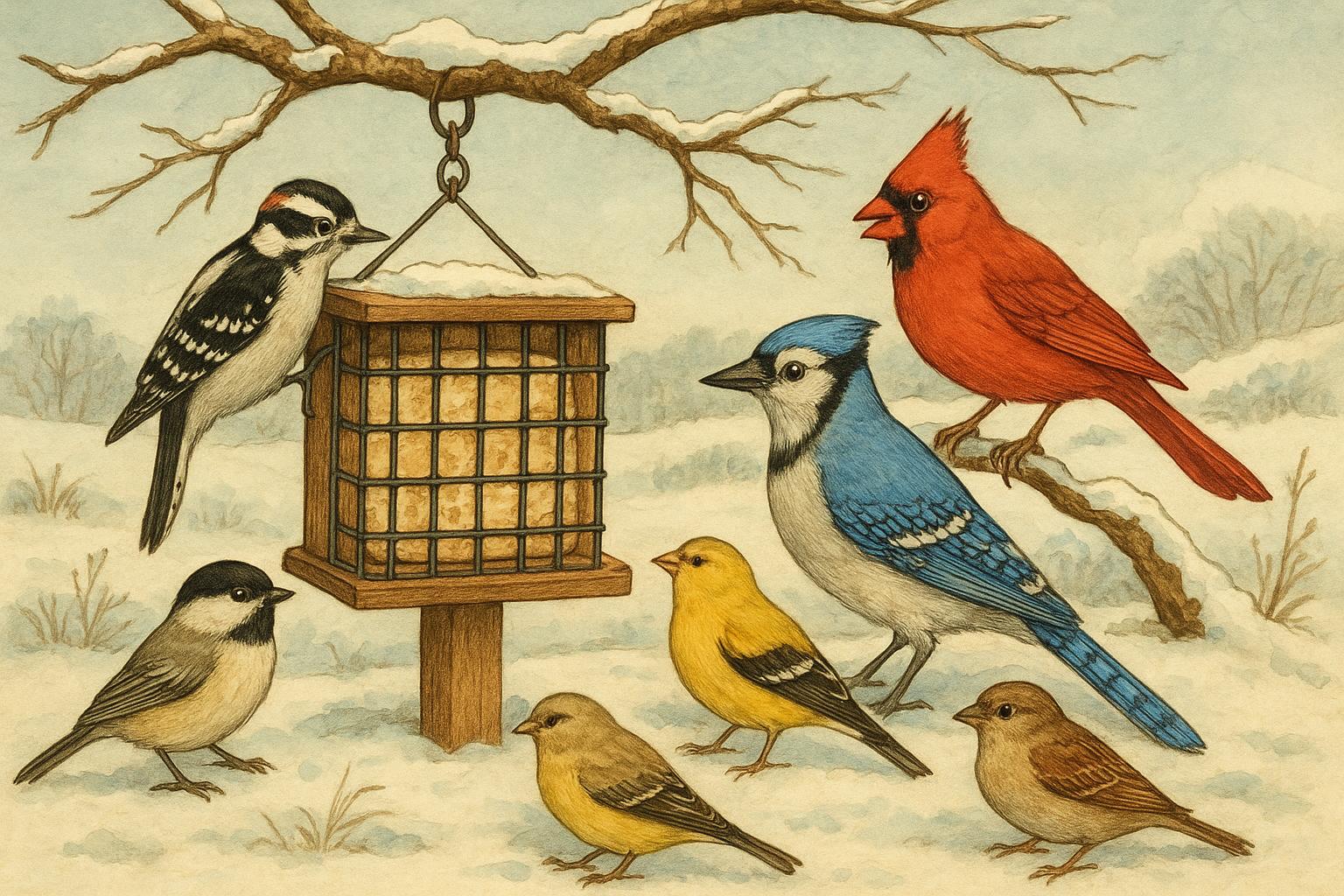
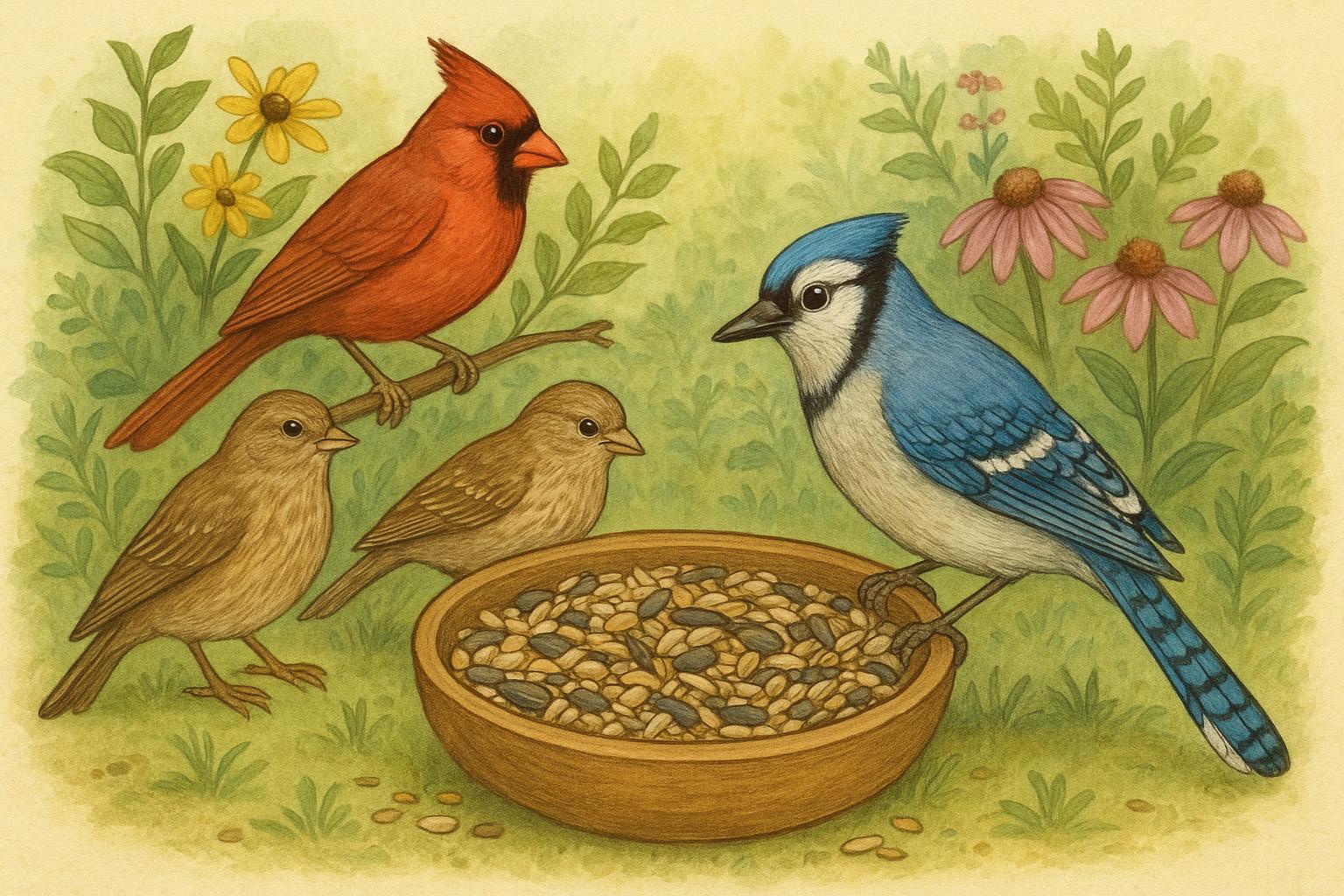
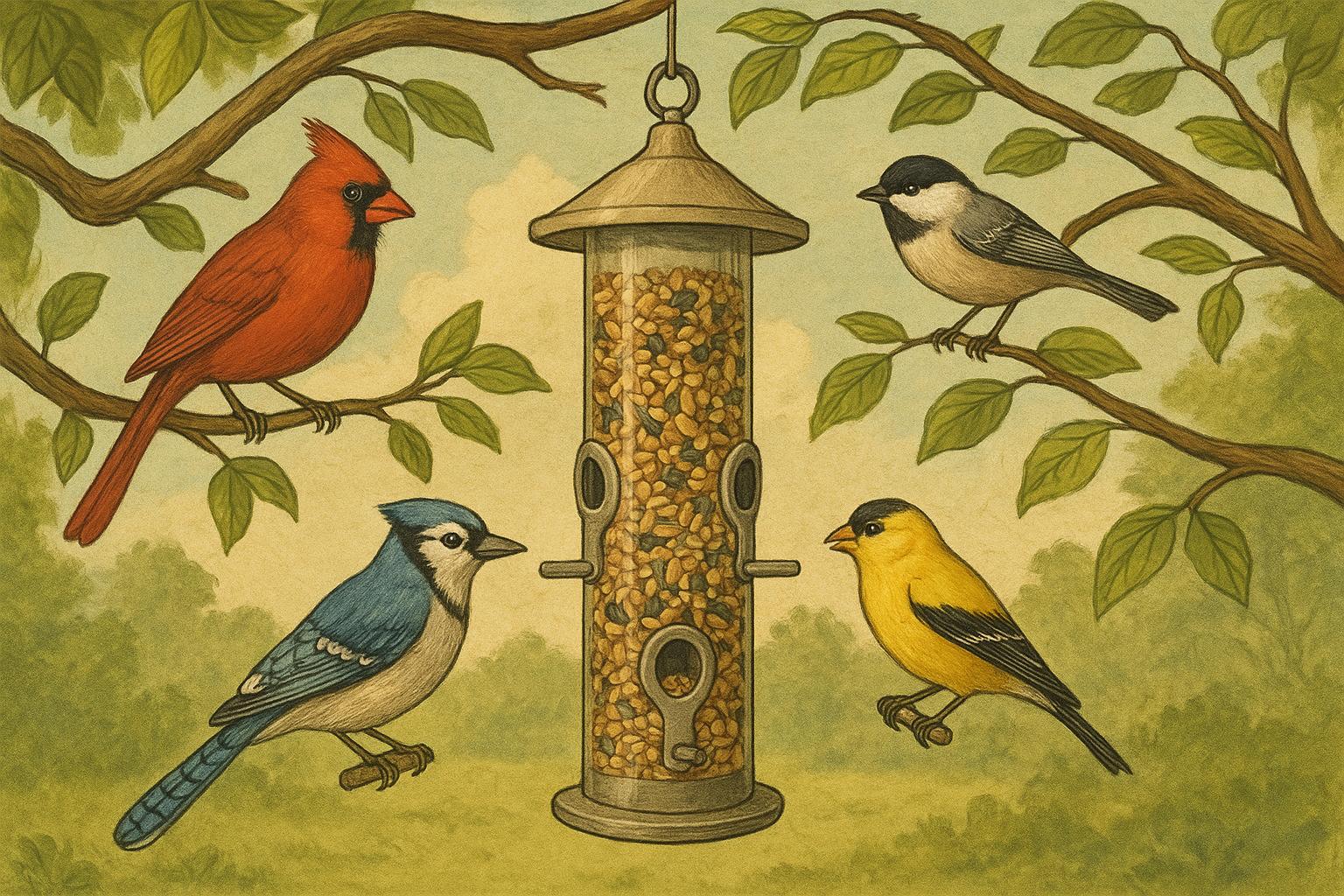
Make your yard safer without turning it into Fort Feather. Keep cats indoors or supervised, cover open-top trash bins, check for vulnerable nests before pruning trees, and place netting or screens over potential hazards. Bird baths and feeders, when kept clean, can support adult birds—indirectly benefiting chicks by reducing the time parents must forage.
## When Transport Is Necessary For Backyard Bird Rescue
If a rehabilitator directs you to bring the bird in, use a small ventilated box lined with paper towels. Keep the bird warm but not overheated. Minimize noise and movement during transport. Call ahead so the facility is ready. Documentation of where you found the bird and what you observed will accelerate their care.
### How To Find A Licensed Rehabilitator Fast
Search your state wildlife agency website or the National Wildlife Rehabilitators Association directory. Local birding groups and veterinarian offices often have contact lists. If you’re unsure, local animal control or a humane society can usually point you in the right direction.
Keep these tips tucked into your mental toolbelt: many backyard bird rescue situations resolve with a bit of calm, quick assessment, and the right call to a professional. If you feel unsure, err on the side of consulting an expert rather than improvising. Your instincts matter; pairing them with the right resources gives that tiny bird its best shot.




Leave a Reply