
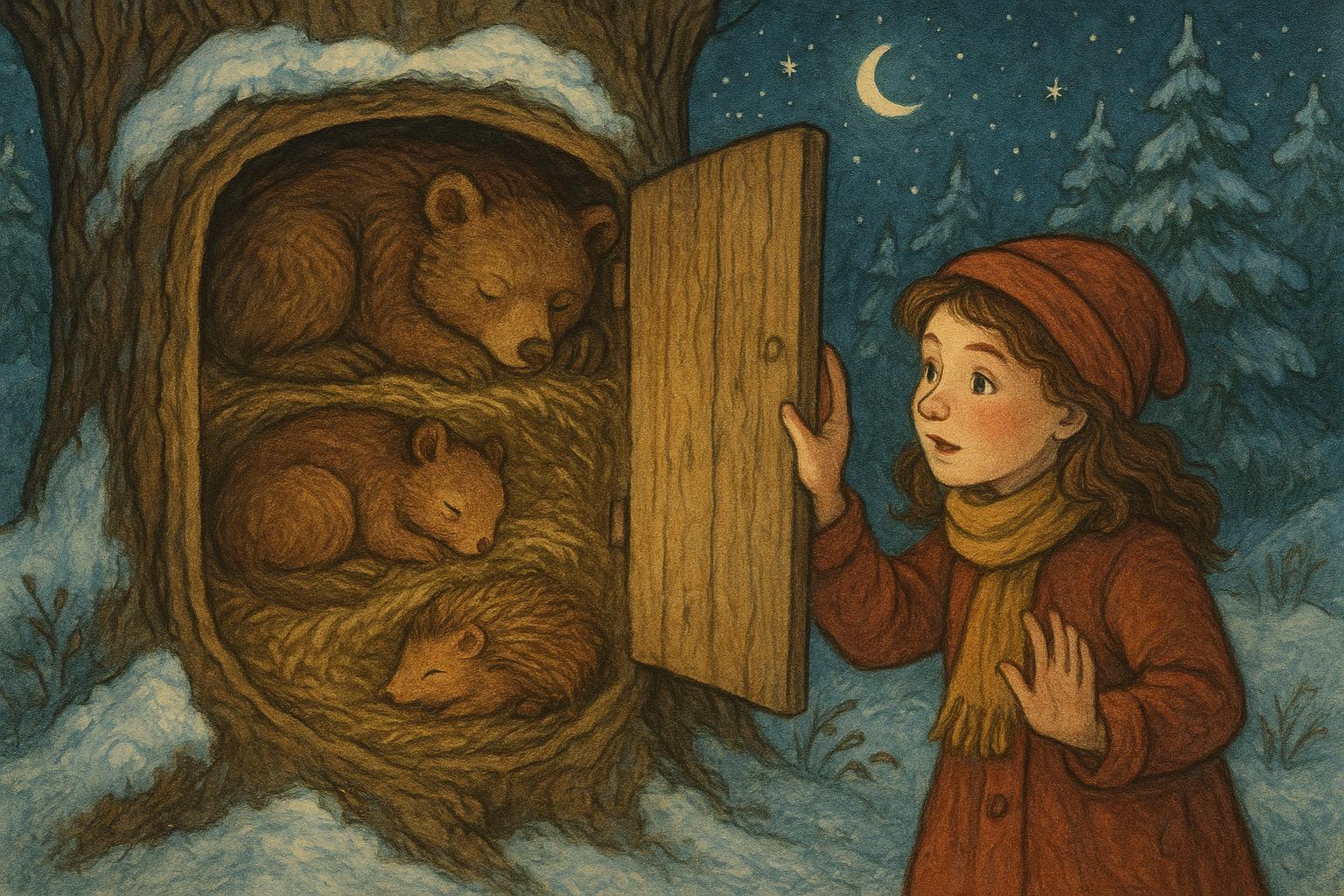
Winter in the backyard can feel like a long nap for the landscape — and for a surprising number of creatures. If you’ve ever wondered who’s gone radio silent under the porch or beneath the leaf litter, you’re about to meet the cast. I’ll keep things light and friendly as we tour these sleepy neighbors, and when we get to practical tips for helping them through the cold, I’ll switch to a more formal, step-by-step tone so you can actually build useful habitat without guesswork.
## Animals That Hibernate: Who And How
“Hibernation” gets tossed around casually, but it’s a specific physiological strategy. True hibernators drop their metabolic rate, body temperature, and heart rate dramatically to conserve energy during months when food is scarce. Other creatures employ shorter, daily torpor or seasonal lethargy. When we talk about animals that hibernate, we mean a range from deep-sleep specialists like bats and groundhogs to milder dozers such as some rodents and reptiles.
### Definitions And Differences
– Hibernation: extended dormancy with pronounced metabolic suppression lasting weeks to months.
– Torpor: short-term reduction in physiology, often daily, used by animals like hummingbirds and certain small mammals.
– Brumation: a reptile-equivalent of hibernation, with cold-induced sluggishness rather than metabolic suppression to mammalian levels.
Knowing which species uses which strategy helps you make better decisions in your yard — for example, leaving stacked wood and rock piles undisturbed for reptiles and amphibians that brumate, versus installing a den-like structure for mammals.
## Common Backyard Hibernators You Might See
Not every hibernator looks like a cartoon bear tucking into a cave. Here are common backyard examples, with little notes on what they’re doing and where they prefer to bed down.
### Groundhogs (Woodchucks)
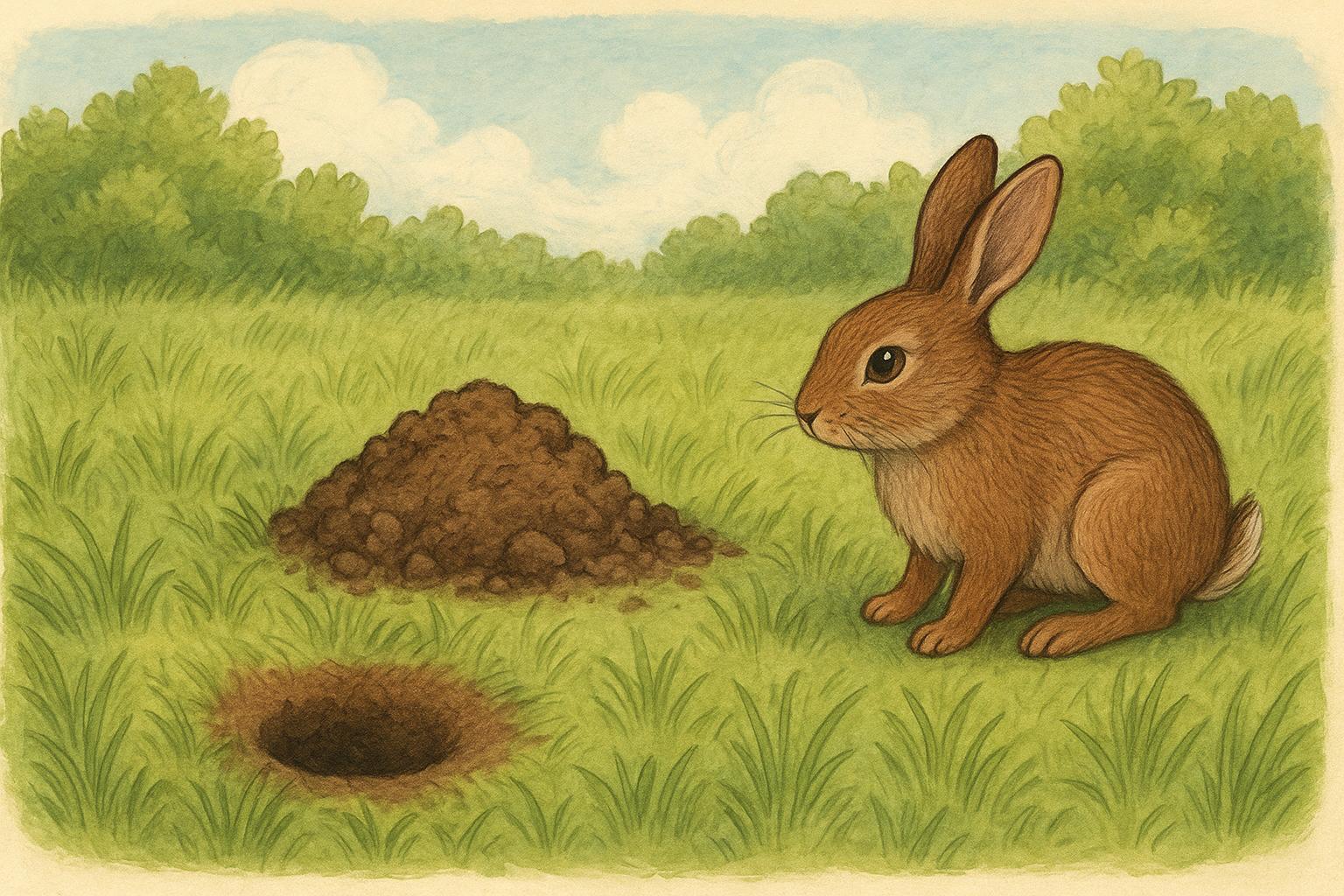
Groundhogs are classic hibernators in many temperate areas. They dig burrows that can be quite elaborate, complete with multiple chambers for hibernation and ventilation. Female groundhogs often retreat to deeper, well-insulated chambers to ride out the cold.
### Chipmunks And Some Squirrels
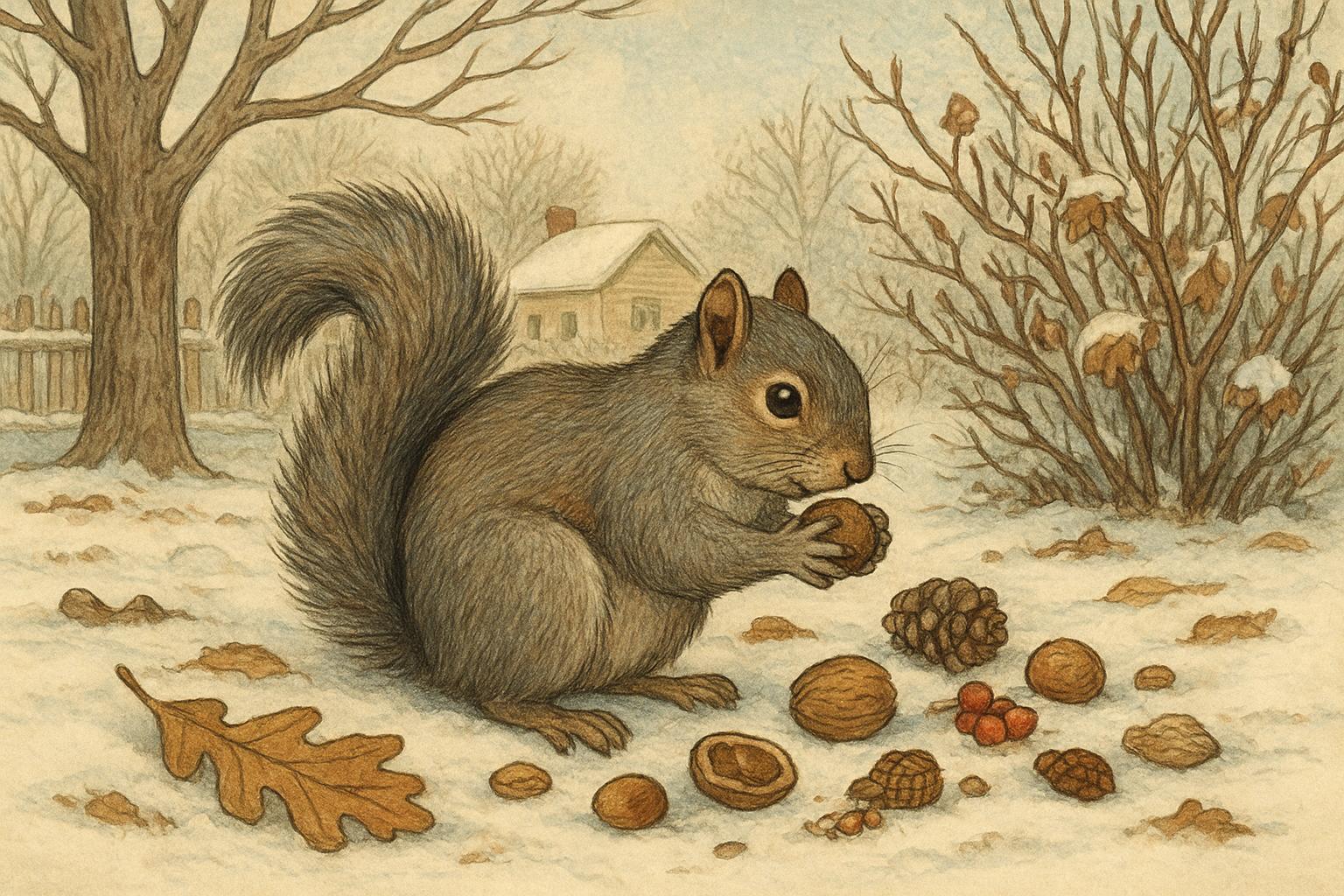
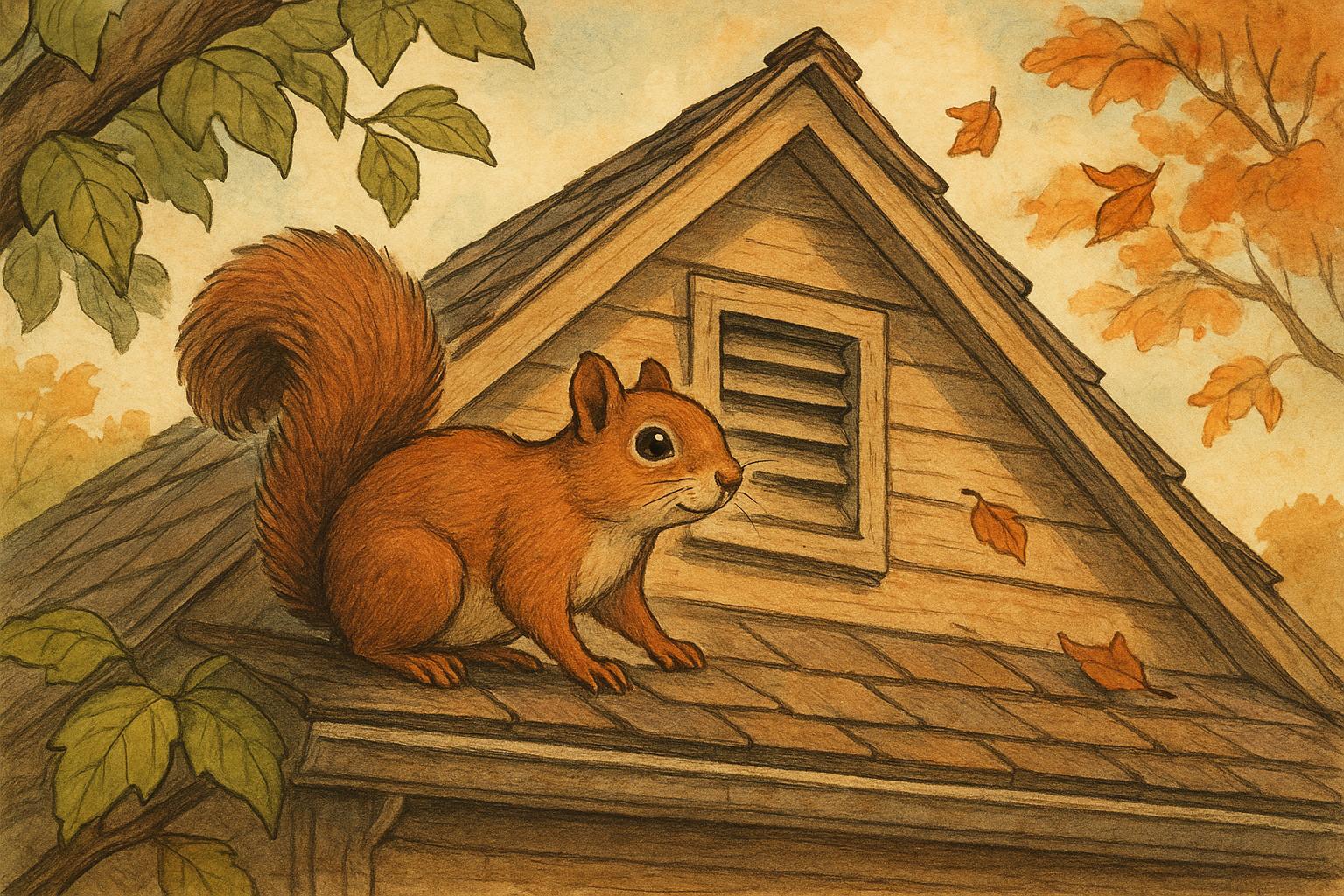
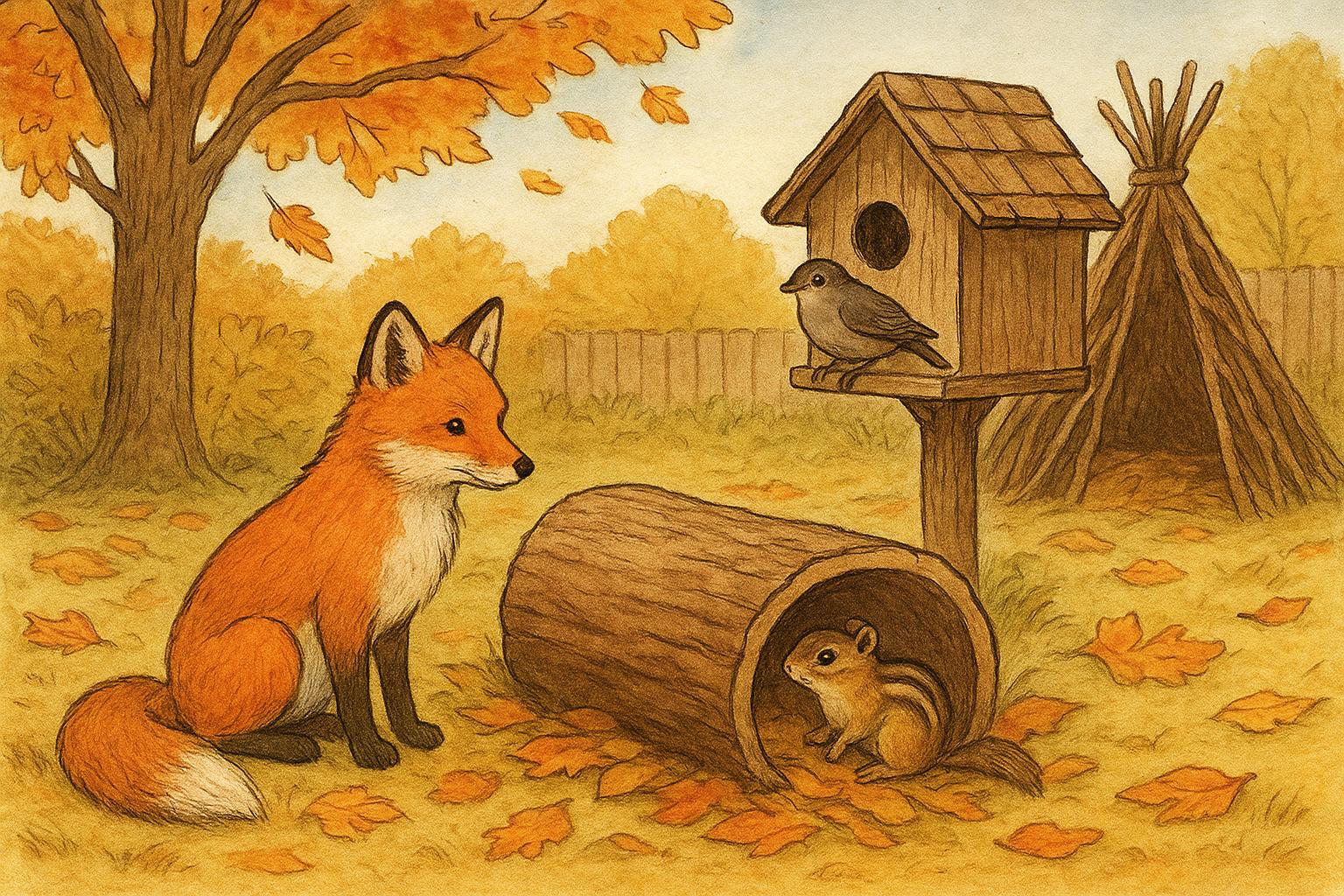
Many chipmunks hibernate but wake periodically to eat from cached food. Tree squirrels generally do not true-hibernate; they reduce activity and may stay in nests longer during storms but remain relatively alert.
### Bats
Several species of bats enter deep hibernation in caves, attics, or hollow trees. Disturbing a hibernating bat forces it to burn precious energy reserves and can be fatal. If you find bats in winter, the best action is usually to leave them completely alone and ensure their roosts won’t be sealed off inadvertently.
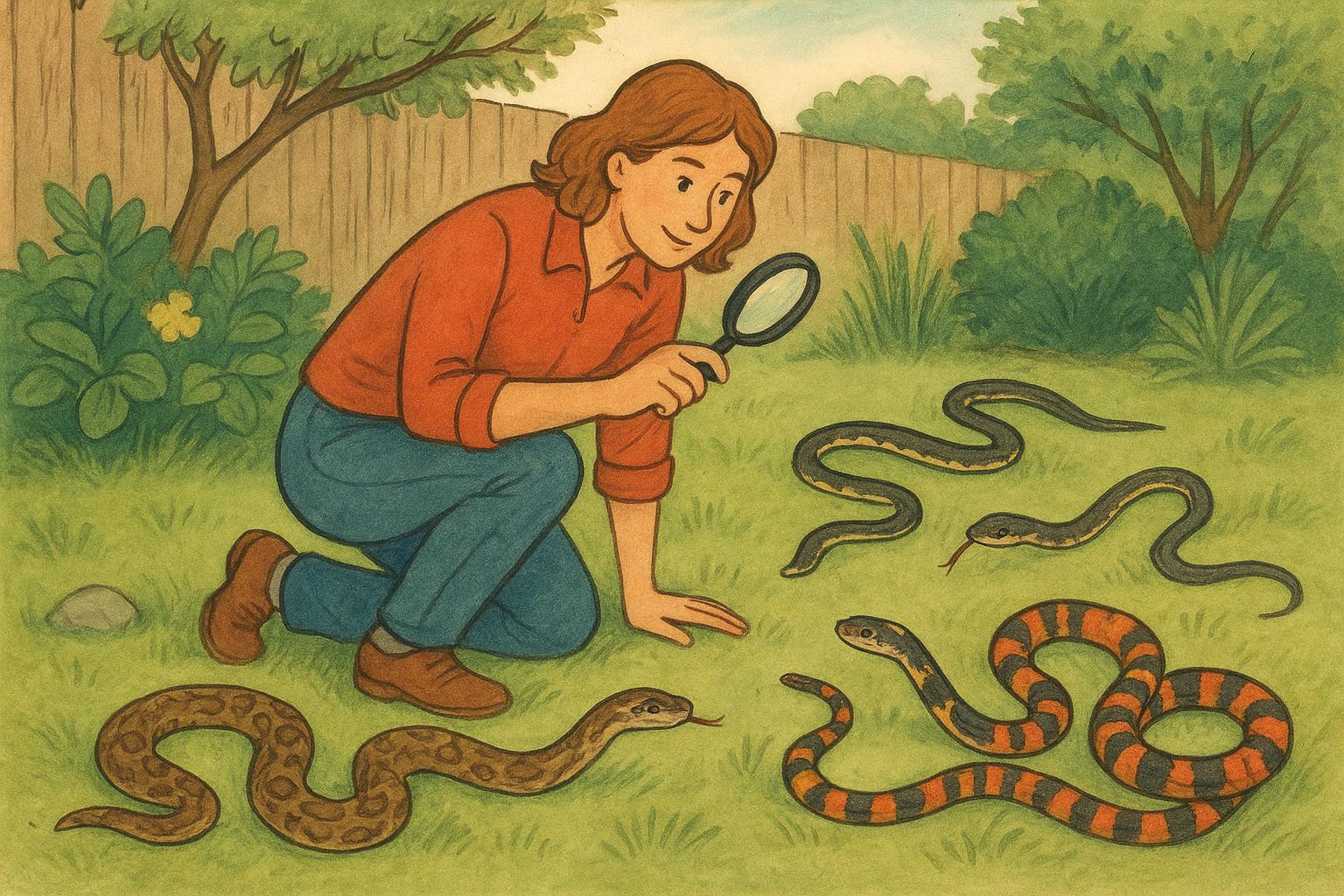
### Box Turtles And Some Snakes
Reptiles typically brumate rather than hibernate. Box turtles dig into leaf litter or shallow holes; many snakes seek out rock crevices, stone walls, or deep burrows. They remain immobile until temperatures rise.
### Frogs And Toads
Some frogs hibernate underwater or in mud where oxygen access allows survival despite extreme cold. Toads may bury into leaf litter or shallow burrows on land. Their breathing and metabolic needs are minimal during this period.
### Bears (A Special Case)
Bears enter a lighter form of hibernation often called torpor or winter sleep. They lower metabolic rate and body temperature modestly, but can wake more readily than smaller hibernators. Because of their size and particular needs, managing backyard habitat for bears is mostly about preventing attractants rather than providing overwintering shelter.
## Why Some Animals Hibernate And Others Don’t
Food availability, body size, fat reserves, and evolutionary history all play roles. Small mammals with high metabolic rates are prime candidates for true hibernation because the energetic cost of staying warm through winter can exceed the cost of metabolic suppression. Larger mammals like deer remain active but shift diets and behavior.
## Signs A Hibernation Spot Is Occupied
If you suspect a den or hibernaculum in your yard, look for subtle clues:
– Entrance holes that remain undisturbed and free of debris.
– Tracks or faint odors near burrow entrances before the onset of deep winter.
– Visible, periodic activity in early fall and late winter (e.g., chipmunks making final food runs).
Avoid digging into or deeply probing suspected hibernation spots once animals have chosen them — disturbance can be lethal.
## How To Create A Hibernaculum For Backyard Hibernators
This section provides a formal, step-by-step remedy to help native hibernators by creating a safe, insulating hibernaculum (a shelter that mimics natural dens). Follow local wildlife regulations and avoid attracting non-target species such as rodents or predators. Construction should occur in late summer or early fall before hibernation begins.
### Required Materials
– Untreated lumber (planks or plywood) for framing (e.g., 1″ x 6″ boards) or natural materials (large logs/stones) if building a rock-based hibernaculum.
– Soil and leaf litter or straw for insulation.
– Natural vegetation, brush, or loose bark for cover.
– Landscape fabric (breathable) to help hold insulation without trapping moisture (optional).
– Garden tools: shovel, gloves, hand saw or circular saw, measuring tape.
– Rocks or bricks for anchoring and creating crevices (optional).
– Hardware: galvanized screws or nails (if using wood), hinges if you want an access panel for monitoring (not recommended once occupied).
### Step-By-Step Construction And Placement
1. Choose Location: Select a quiet, shaded spot near existing habitat features (rock outcroppings, hedgerows, or brush piles). Avoid low-lying bogs where water can pool.
2. Prepare Base: Clear surface debris but keep leaf litter nearby. For wood structures, create a shallow base depression about 12–18 inches deep to provide earth contact and stable insulation.
3. Build Structure Shell:
– Wood Option: Assemble a box roughly 2–3 feet wide, 3–4 feet long, with an internal partition creating a deeper chamber for insulation. Include an entrance tunnel 6–12 inches in diameter and 12–18 inches long to mimic natural burrow entrances.
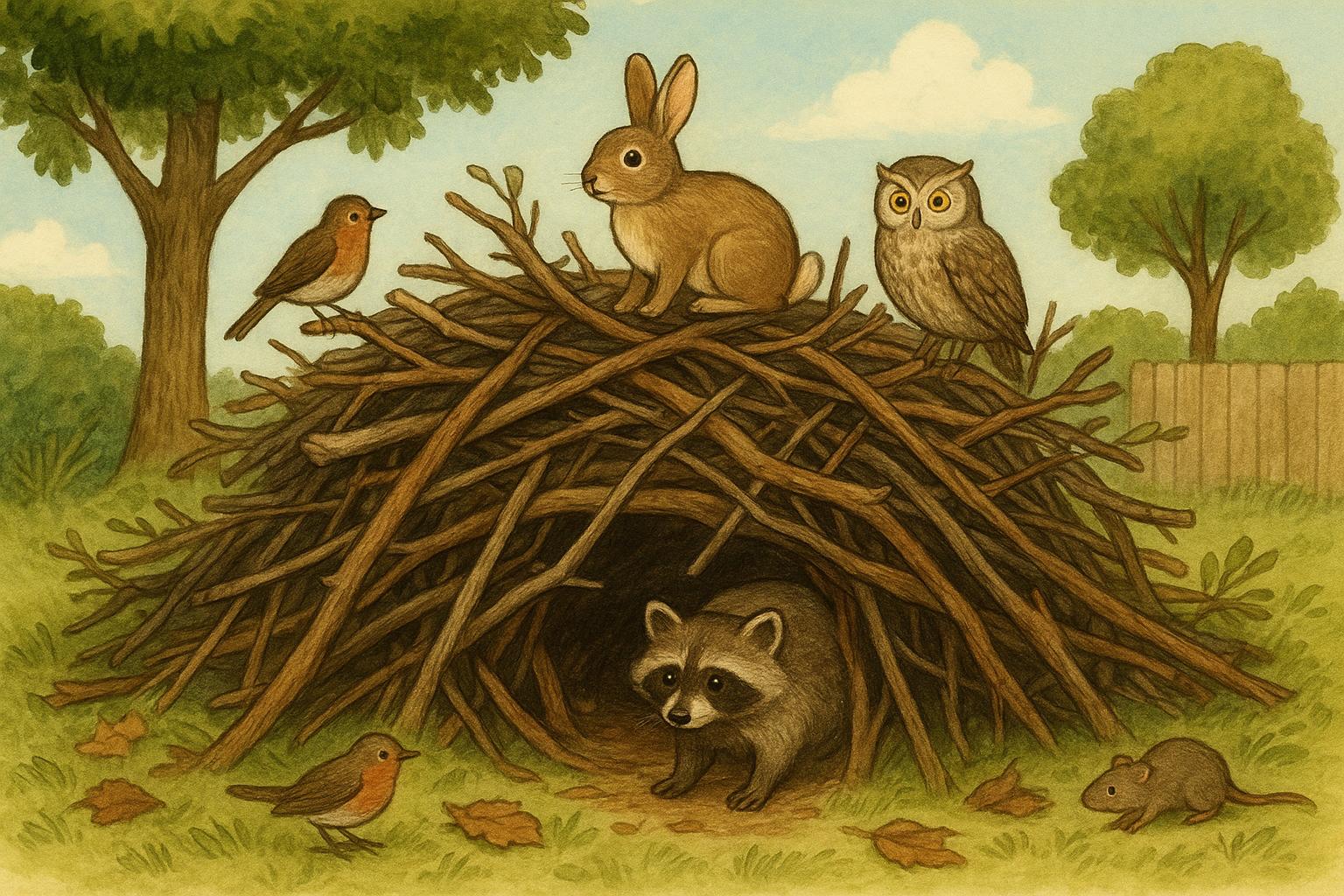
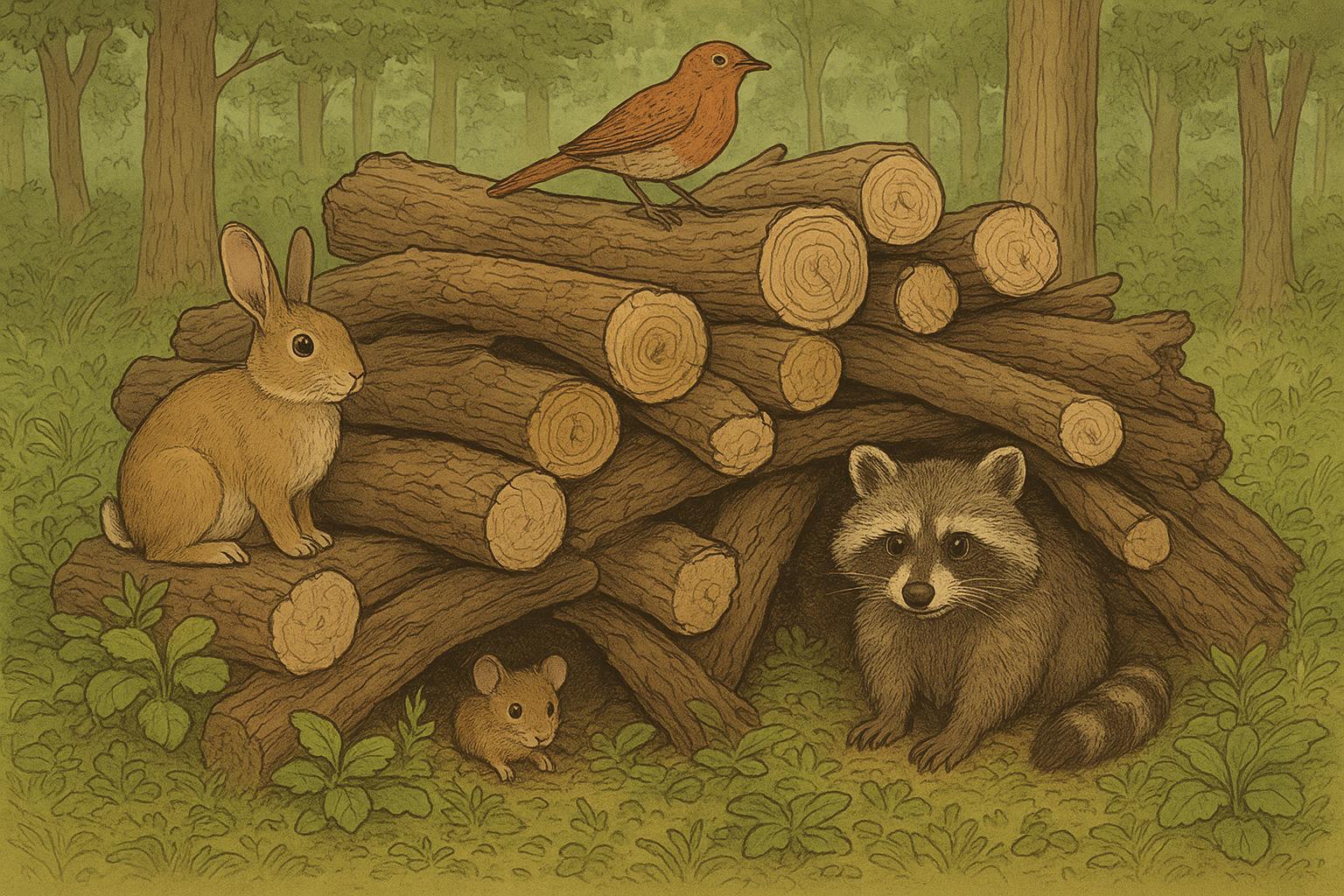
– Rock/Log Option: Stack large flat stones or logs to create a crevice with multiple internal pockets and a narrow entrance. Allow small voids and tunnels for easy access.
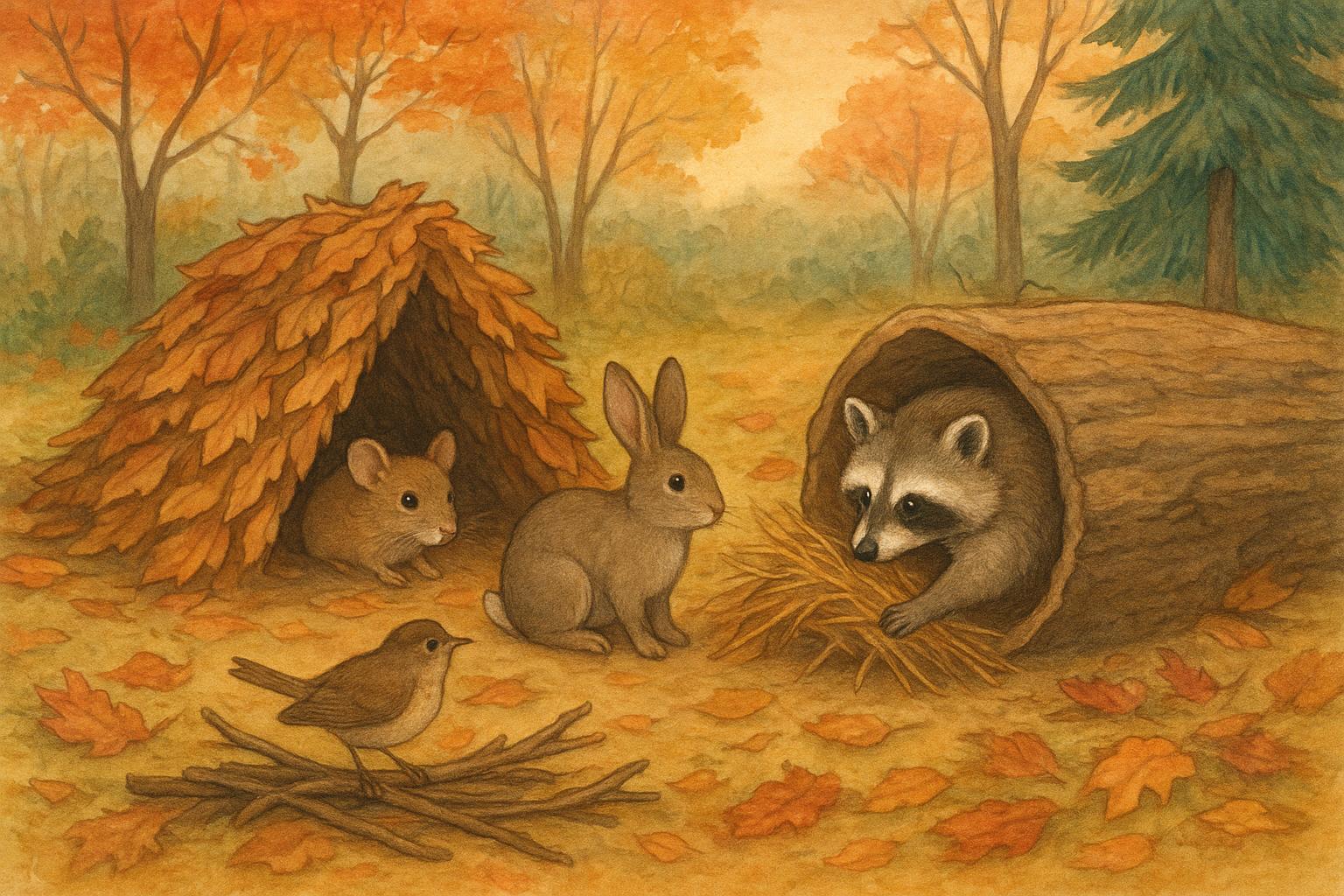
4. Insulate Interior: Line the interior floor and walls with 6–12 inches of dry leaf litter, shredded bark, or straw. Do not use materials that mold easily or retain moisture (avoid hay that’s damp).
5. Create Entrance Camouflage: Cover top and sides with soil and additional leaf litter, leaving the entrance tunnel clear. Add an outer mound of soil to improve drainage away from the entrance.
6. Add Surface Cover: Pile brush, small branches, and natural vegetation over the structure to provide additional insulation and concealment. Planting native shrubs nearby will increase overhead cover over time.
7. Monitor Without Disturbing: Check the structure for stability during autumn; after animals have likely moved in, minimize checks. Do not dig into it once you suspect occupancy.
### Application And Maintenance
– Timing: Build in late summer or early fall so animals can discover the shelter before hibernation.
– Disturbance: Avoid vandalizing, flipping, or excavating the shelter through winter. A hibernaculum works best when left undisturbed.
– Water Management: Ensure the site drains well; standing water will ruin insulation and can drown brumating reptiles and amphibians.
– Monitoring: Use non-invasive methods such as motion-activated cameras set at a distance or passive listening (carefully) in early fall and late winter to detect visitors. If you find evidence of a protected species (bats, certain turtles), consult local wildlife authorities before intervening.
#### Legal And Ethical Considerations
Local laws may protect certain hibernating species (especially bats and turtles). Before building or modifying potential hibernation sites, check regional wildlife guidelines and, if needed, get advice from a local naturalist or wildlife rehabilitation group. Never relocate a hibernating animal unless instructed by licensed professionals.
## Backyard Practices That Help Hibernators
You don’t always need a constructed hibernaculum. Simple, low-effort practices greatly help animals that hibernate:
– Leave leaves and fallen branches in protected piles.
– Avoid heavy late-fall yard cleanups that remove natural insulation.
– Keep compost piles undisturbed in winter if they’re away from human activity.
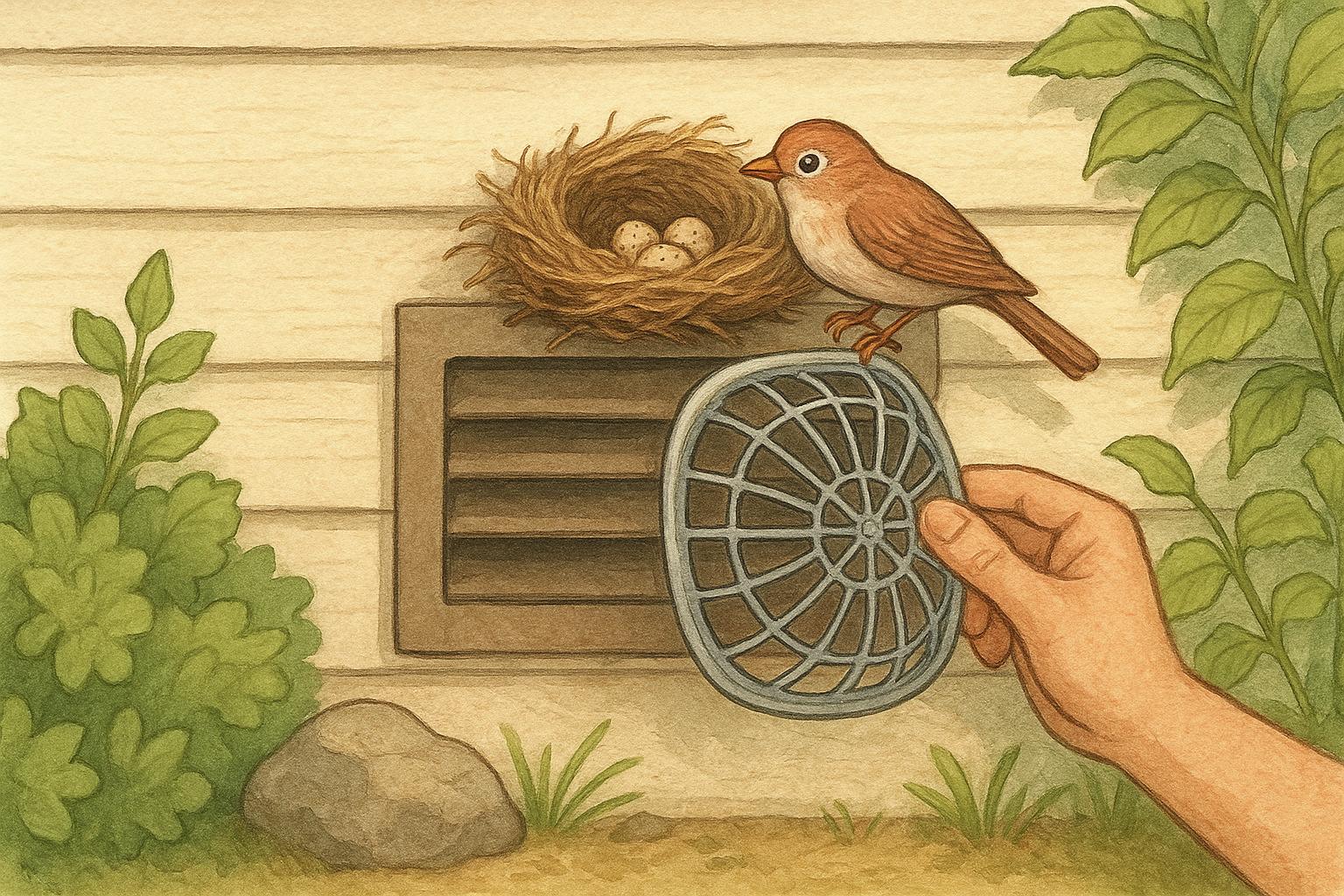
– Seal up garages and attics to prevent accidental entrapment of bats and other wildlife (but allow natural roosts to remain intact where legal and safe).
## When To Intervene — And When To Step Back
If you find an obviously injured or orphaned animal, contact a licensed wildlife rehabilitator. Do not attempt to force animals out of a den or move a hibernaculum; premature awakening can be fatal. For situations involving human safety (e.g., a den under a frequently used structure), consult wildlife control professionals who follow humane, legal protocols.
There are many cozy ways to make your yard a safe winter neighborhood for the creatures that rely on dormancy. With a little knowledge and a few carefully executed steps, your landscape can be both a sanctuary and an ongoing lesson in how resilient and interesting these sleeping neighbors truly are.


Leave a Reply