
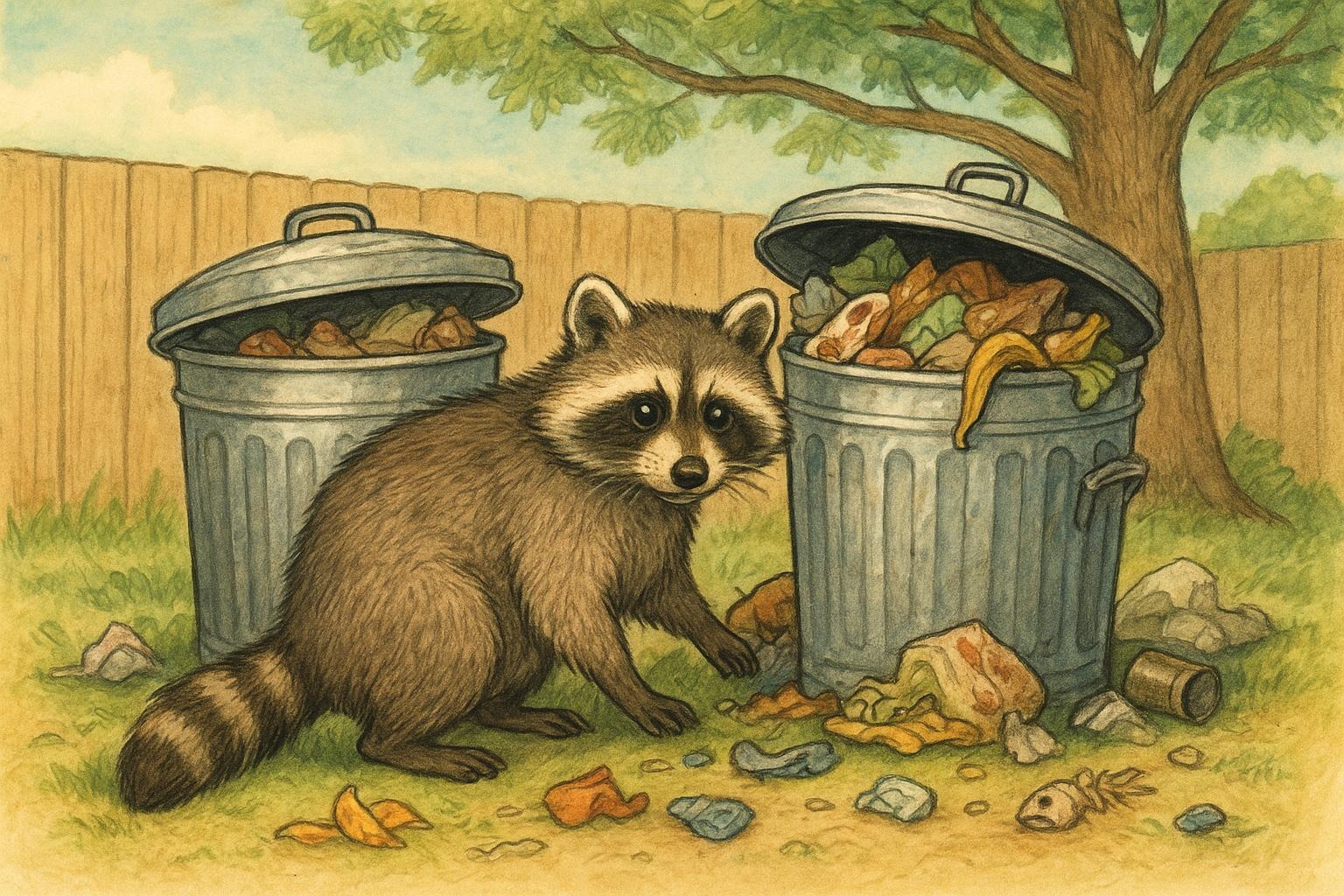
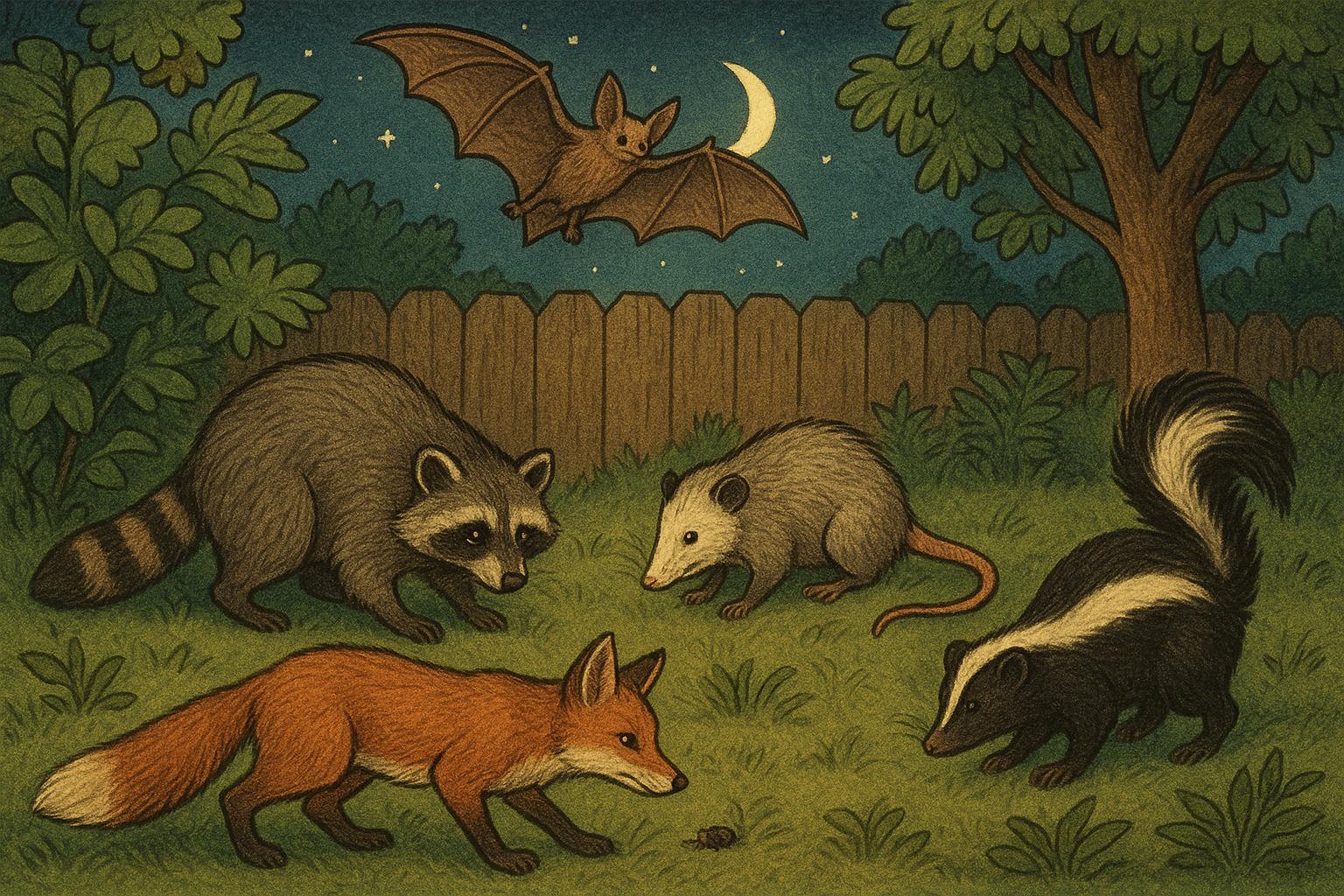
You step outside, and there it is: a little bandit-shaped silhouette riffling through your garbage like it’s a midnight buffet. Before you don an armadillo-sized sense of dread, breathe. This is common, fixable, and — yes — mildly entertaining if you’re a person who appreciates impromptu critter acrobatics. Let’s talk about why a trash raccoon keeps visiting your yard and what practical, humane steps you can take to keep your cans closed and your nights quieter.
## Trash Raccoon: Why They Love Your Yard
Raccoons are opportunists with excellent problem-solving skills and nimble paws. To them, your curbside trash is a rotating restaurant. A trash raccoon is drawn to accessible calories, safe daytime hiding spots, and places to den. If your property offers one or more of those conveniences, it becomes an all-you-can-eat buffet and a cozy hangout.
Several factors make your yard especially attractive:
– Food odors emanating from unsecured bags or cracked lids.
– Compost bins, pet food left outside, or accessible gardens.
– Easy access to your property: low fences, gaps under decks, or open garages.
– Quiet, dark spaces for daytime rest under porches or sheds.
They’re clever and persistent — if a trash raccoon figures out a method to open a bin, it’ll teach itself and try again. The trick is to make that method fail often enough that the reward isn’t worth the effort.
### Signs You Have A Visitor
You don’t always have to catch one in the act. Look for these telltale signs of a trash raccoon:
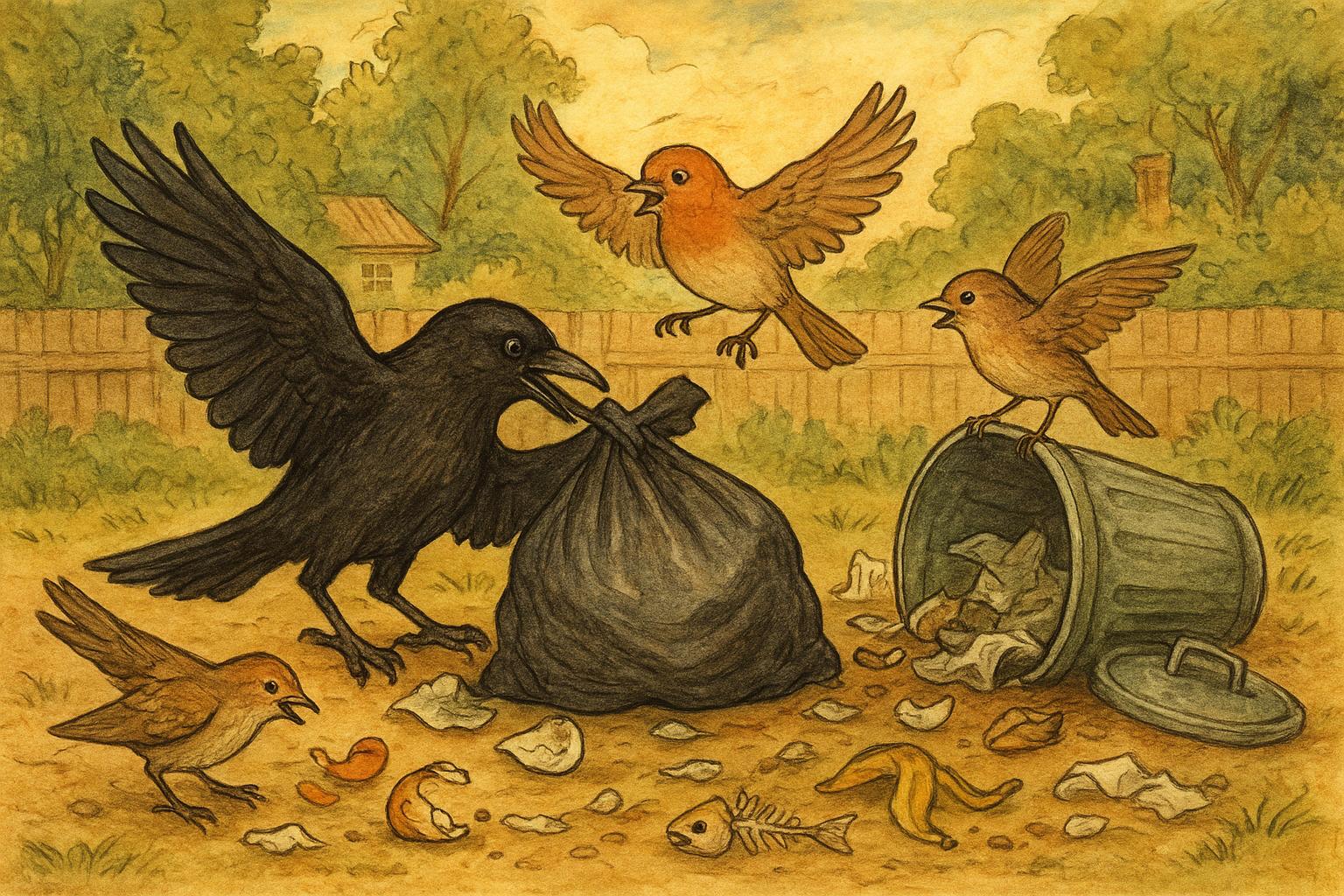
– Scattered garbage and torn bags around the can.
– Paw prints in mud or snow — five toes and a hand-like print.
– Scratches or bite marks on lids and plastic bins.
– Disturbed compost or overturned garden beds.
– Droppings near the dumpsters or beneath favored shelter spots.
If you see evidence, act quickly. The longer an animal habitually raids your trash, the harder it is to break the behavior.
### Risks And Why You Should Care
Raccoons are more than messy. They can carry parasites (like roundworms), bacteria, and viruses; their feces can contaminate play areas and water sources. Damaged trash cans also attract other pests, from rats to stray dogs. Nuisance behavior may escalate if a trash raccoon becomes den-dependent on your property, turning casual visits into a permanent problem.
## 3 Remedies To Keep Trash Raccoon Out Of Your Cans
Below are three humane, practical remedies. Each remedy lists the materials you’ll need and a clear step-by-step application. Choose one or combine them; consistency is key. The tone here is intentionally methodical — these are actionable protocols.
### Remedy 1: Secure Lids And Reinforce Containers
Materials:
– Heavy-duty bungee cords or ratchet straps (exterior-rated)
– Metal or heavy-duty plastic trash cans with tight-fitting lids (if replacing)
– Hose clamps or zip ties (for minor lid repairs)
– Optional: 2–3 concrete blocks or a weighted lid anchor
Steps:
1. Inspect existing cans for broken hinges, cracked lids, or gaps.
2. If damage is repairable, use hose clamps or zip ties to reinforce hinges and seal gaps. Replace lids that no longer sit flush.
3. Place a concrete block on the lid or secure the lid to the can with a bungee cord or ratchet strap — ensure it’s fastened so animals can’t easily dislodge it, but still human-manageable for you.
4. If you’re buying new cans, select heavy-gauge plastic or metal designs with locking mechanisms designed to be animal-proof. Confirm that lids compress slightly to form a tight seal.
5. Train family members or housemates to close lids and fasten straps after each use.
Rationale: The most reliable way to deter a trash raccoon is to remove easy access. If a raccoon can’t get the food, it moves along.
### Remedy 2: Build A Simple Trash Enclosure
Materials:
– Pressure-treated lumber or weather-resistant composite boards
– Hardware cloth or 1/2-inch welded wire (to ventilate while keeping critters out)
– Outdoor-grade hinges and latch (with a lockable option)
– Screws, post holes, concrete mix (for posts)
– Basic carpentry tools (saw, drill, measuring tape)
Steps:
1. Measure the total footprint of your cans plus 1–2 feet of clearance on all sides for access.
2. Build or assemble a rectangular box with an openable front or top: four posts anchored in the ground, siding panels attached, and a roof or hinged lid.
3. Add ventilation panels covered in hardware cloth to prevent small animals from nesting in enclosed air pockets.
4. Install a heavy-duty latch that you can lock or clip with a carabiner; ensure it can’t be pried open by raccoons.
5. Place cans inside and train household members to close and latch after each use. Consider painting or camouflaging the enclosure to blend with landscaping.
Rationale: A physical barrier reduces temptation and signage of food odors, and an enclosure provides long-term protection for multiple cans at once.
### Remedy 3: Remove Attractants And Use Deterrents
Materials:
– Airtight compost bin or indoor compost solution (worm bin or bokashi)
– Wildlife-safe deterrent spray (commercial raccoon repellent) OR household items (ammonia in sealed containers; predator urine from reputable suppliers)
– Motion-activated light or sprinkler
– Trash schedule sticker or reminder for homeowners
Steps:
1. Eliminate attractants first: bring pet food indoors, store birdseed in sealed containers, and avoid putting meat, dairy, or oily food in outdoor bins.
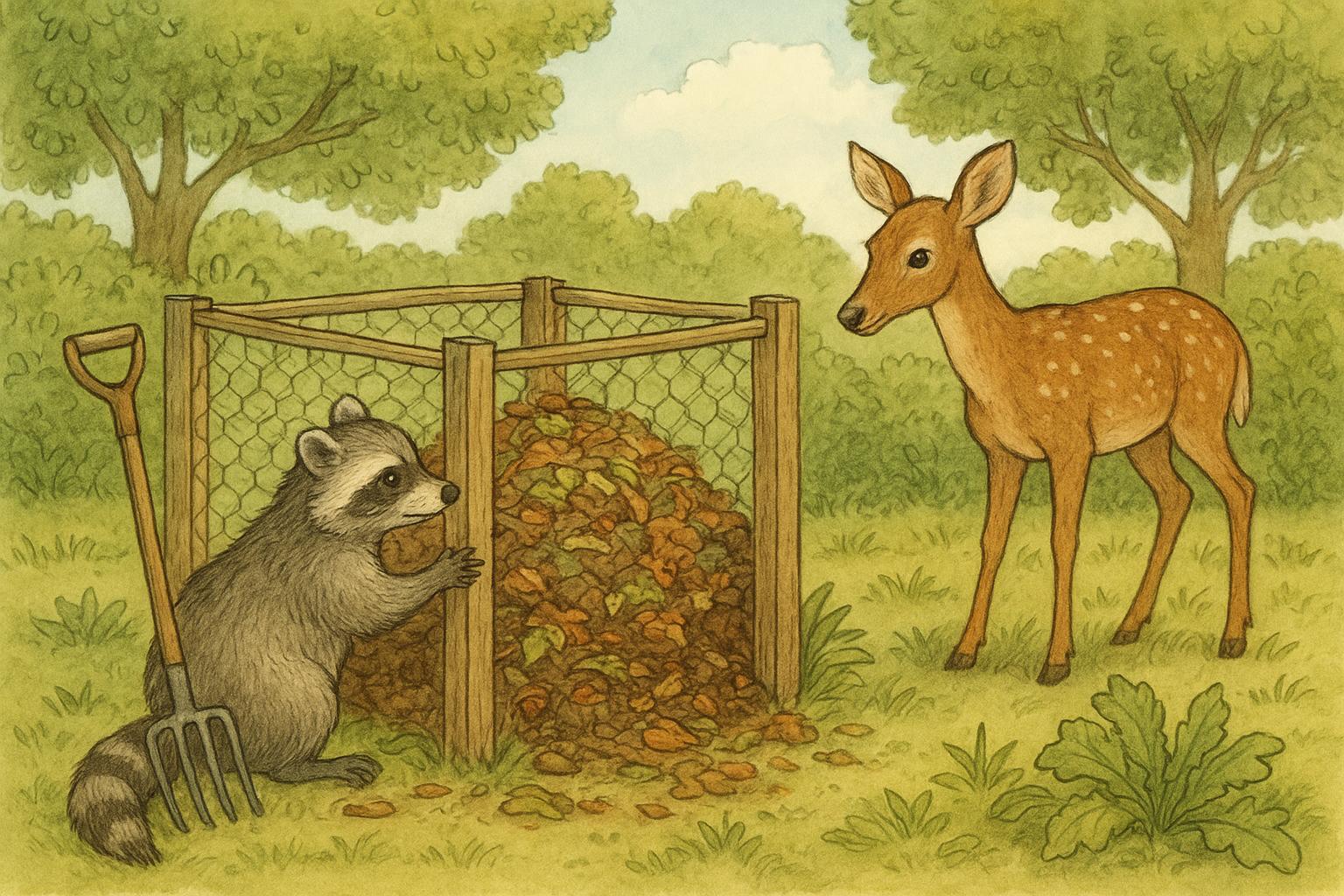
2. Secure compost: use an airtight tumbler for kitchen scraps or switch to an indoor composting method.
3. Place commercially approved wildlife deterrent sprays around trash can per product instructions (do not spray directly on trash intended for pick-up). If using ammonia, soak rags, place them in sealed perforated containers near the cans — but use caution: ammonia can be hazardous to people and pets.
4. Install a motion-activated light or sprinkler aimed at the garbage area. Configure sensitivity so it triggers when an animal approaches.
5. Reinforce good habits: schedule trash set-out for the morning of pickup rather than the night before; keep cans in a locked garage if possible until collection.
Rationale: Removing the incentive to forage and introducing unpredictable stimuli discourages repeat visits. Deterrents should be used judiciously and humanely.
#### When To Combine Remedies
Use Remedy 1 as baseline protection, Remedy 2 if you need a long-term structural solution, and Remedy 3 when you’re dealing with persistent or particularly bold individuals. Combining secure lids with removal of attractants is the most cost-effective approach.
#### When To Call A Professional
If you observe a raccoon with signs of illness (disorientation, daytime aggression, foaming mouth), or one that has nested inside your home, contact local animal control or a licensed wildlife removal specialist. Do not attempt to handle or trap wildlife without training — it’s both unsafe and often regulated.
### A Few Friendly Etiquette Tips For Living With Wildlife
– Avoid deliberate feeding of raccoons; it habituates them to humans and worsens conflicts.
– Teach children to admire wildlife from a distance and not to approach.
– Keep pet door access controlled at night if raccoons are active in your neighborhood.
– Report unusually bold or sick animals to local authorities.
A trash raccoon is a common urban wildlife problem but one that responds well to predictable, humane measures. Keep lids secure, remove temptations, and add a bit of structure to your trash routine — you’ll take the mystery out of midnight garbage raids and save your cans (and your sanity) in the process.










Leave a Reply