
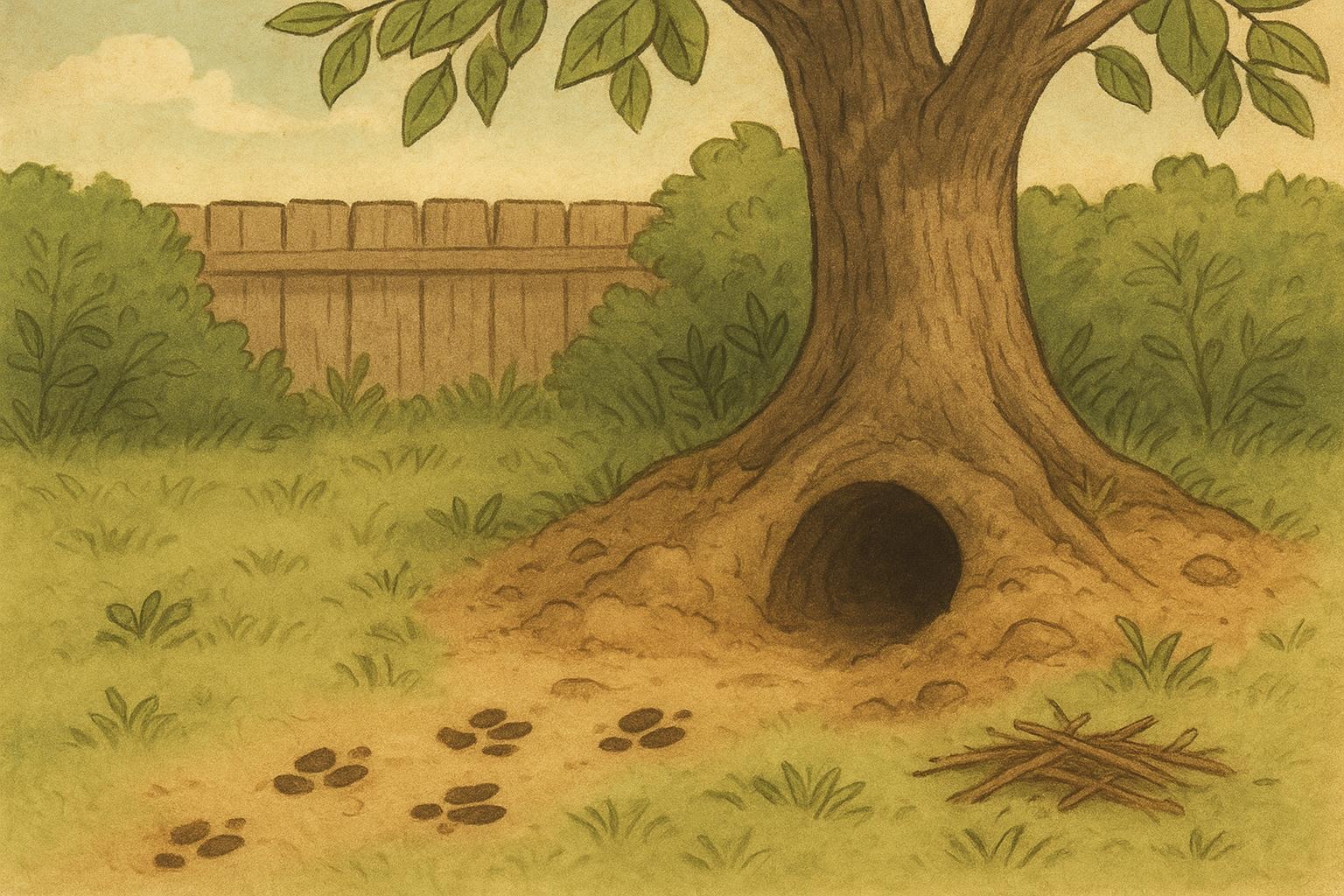
If you’ve been finding odd dirt mounds, tufts of fur, or a suspiciously well-groomed patch of grass in a quiet corner of your yard, you might have a secret tenant. Backyard mammals don’t always advertise with a wreath on the door — they prefer quiet, dark, and safe places. Learning to read den sites will make your yard safer for people and wildlife alike, and it’s surprisingly satisfying (like solving a tiny, furry mystery).
## Den Sites: How To Spot Them
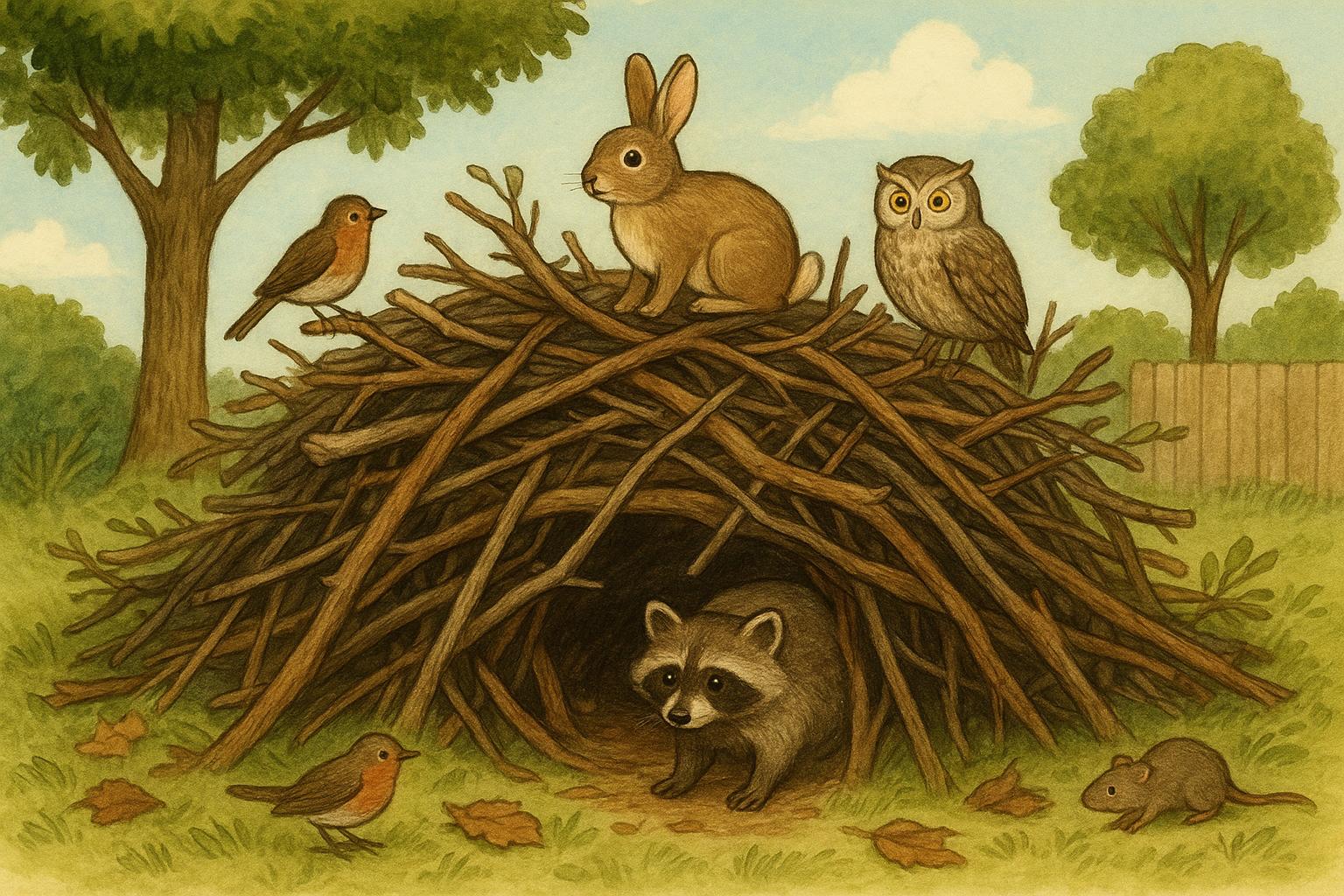
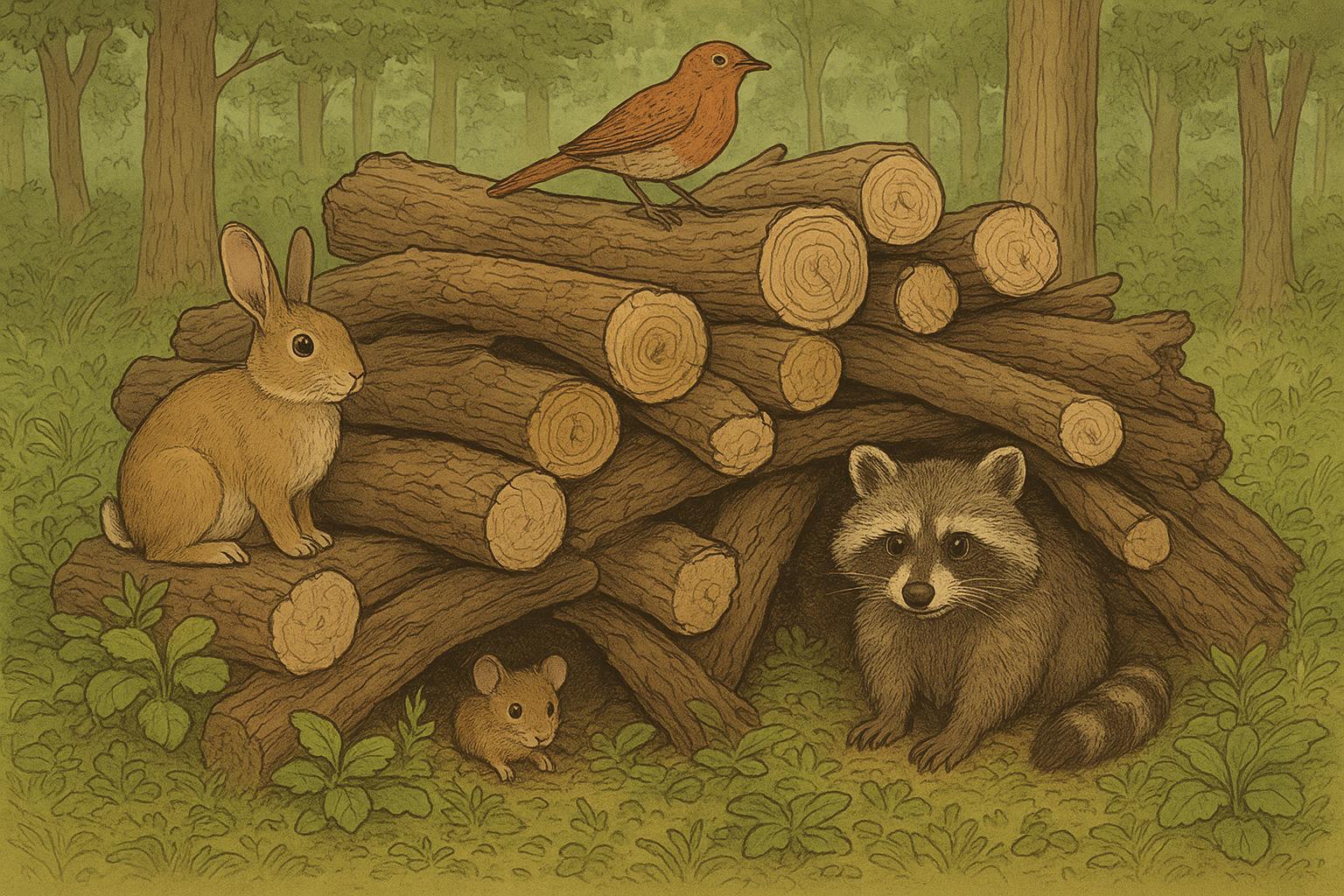
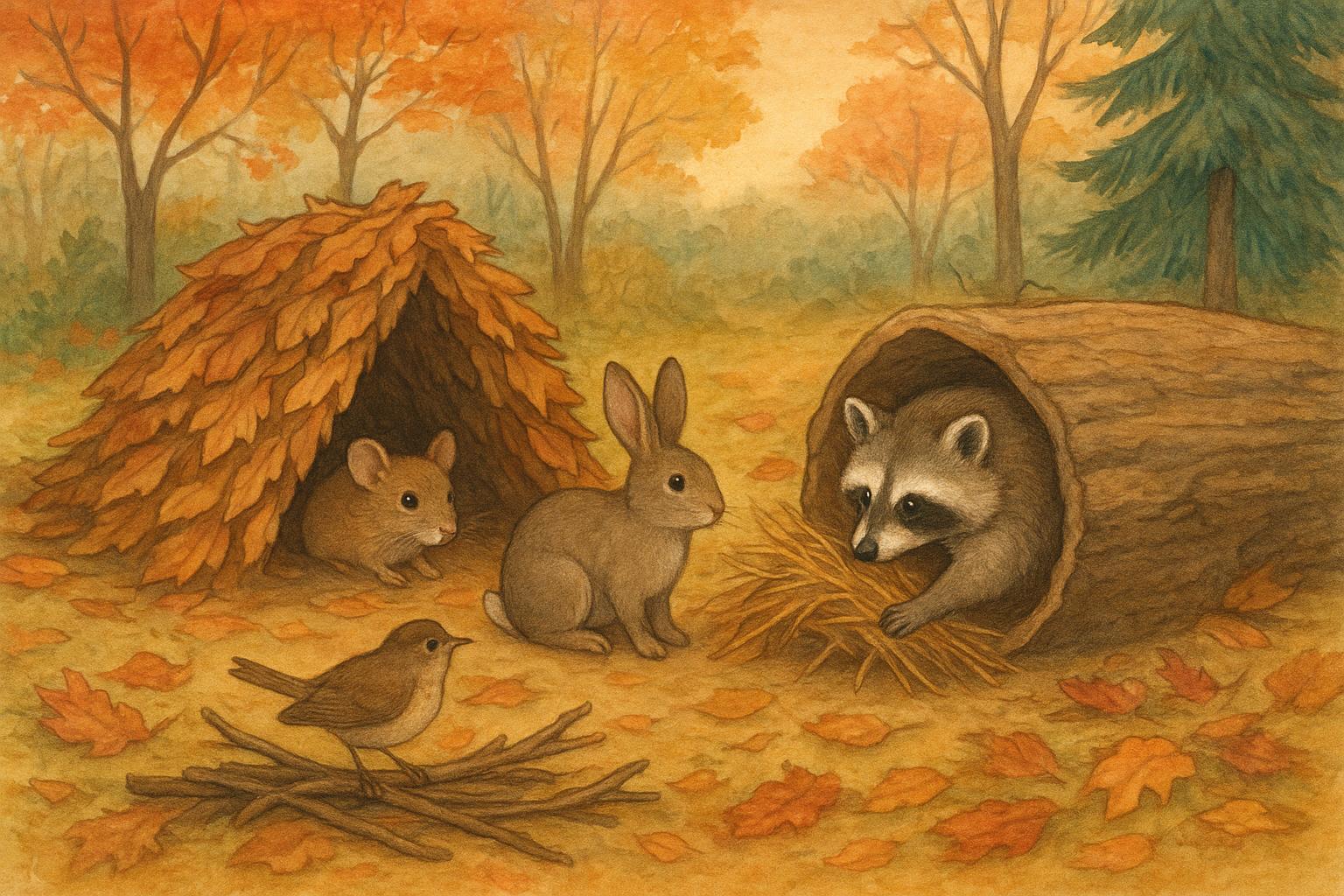
Den sites come in all shapes and sizes depending on the species, the season, and the yard’s layout. A den is basically an animal’s home base: a place to sleep, nurse young, store food, or escape predators. In yards, den sites are commonly under sheds, decks, wood piles, hollow logs, dense shrubs, or in burrows dug in banks and lawns.
Common clues that point to den sites:
– Repeated entry and exit trails (short, flattened paths through vegetation).
– Smells: strong musky odors from mink and skunks, ammonia-like scents near raccoon latrines.
– Tracks and paw marks around the entrance, often more visible in soft soil or snow.
– Droppings near the entrance; different species have characteristic shapes and sizes.
– Warmth or moistness in the area (animal respiration and body heat can alter ground conditions).
Spotting one or more of these signs means you’ve likely found a den site — now what to do about it is the next question.
### Tracks, Smells, And Droppings
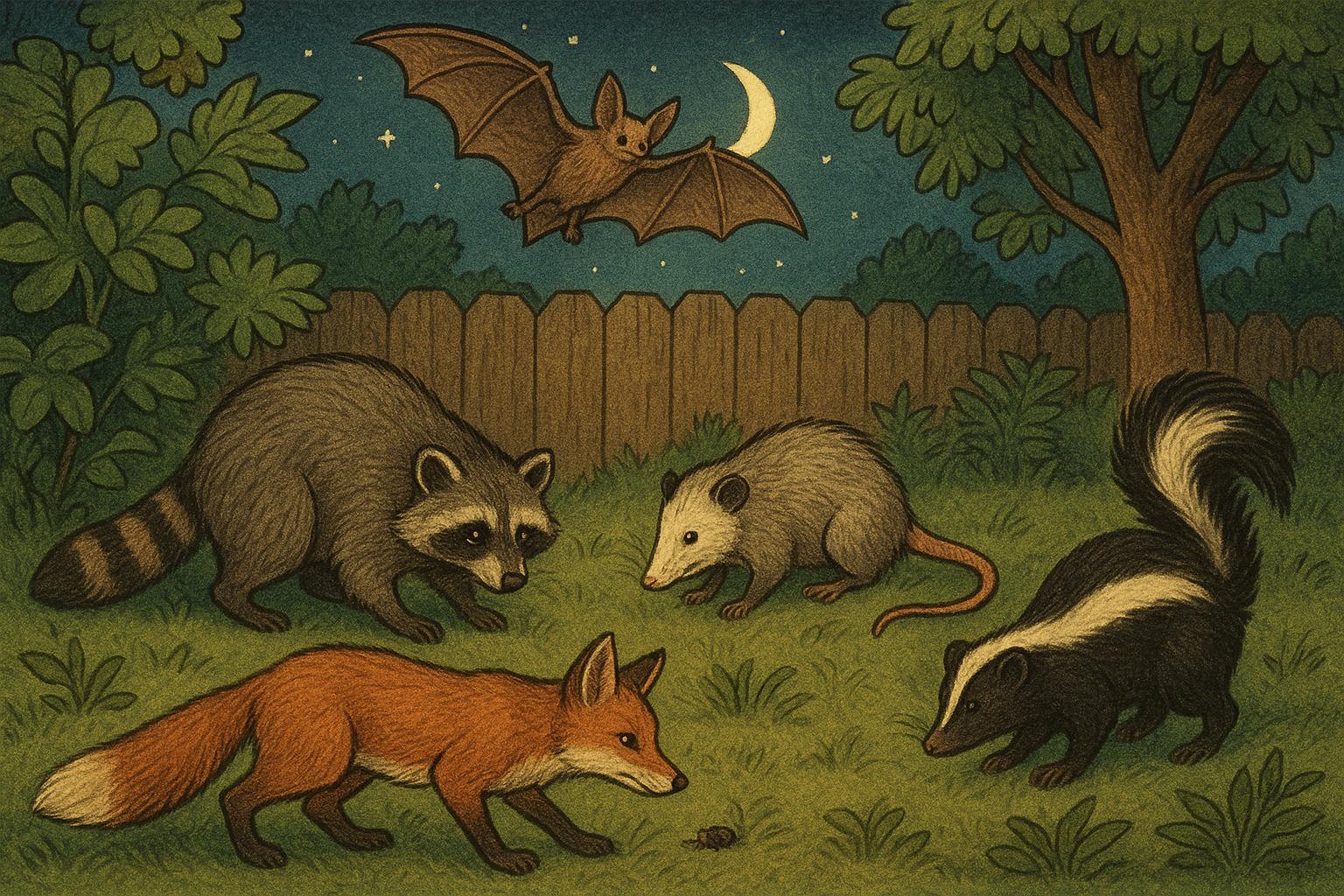
Tracks can be a telltale sign. Raccoon prints look like little handprints; foxes have elongated oval pads; skunks leave small, cat-like prints. Droppings near den sites often indicate recent occupancy and should be treated carefully — some droppings can carry parasites or pathogens. Note the size, shape, and contents (you might see fur, seeds, or insect parts) and, if needed, photograph them for identification rather than touching.
### Structural Clues Around The Yard
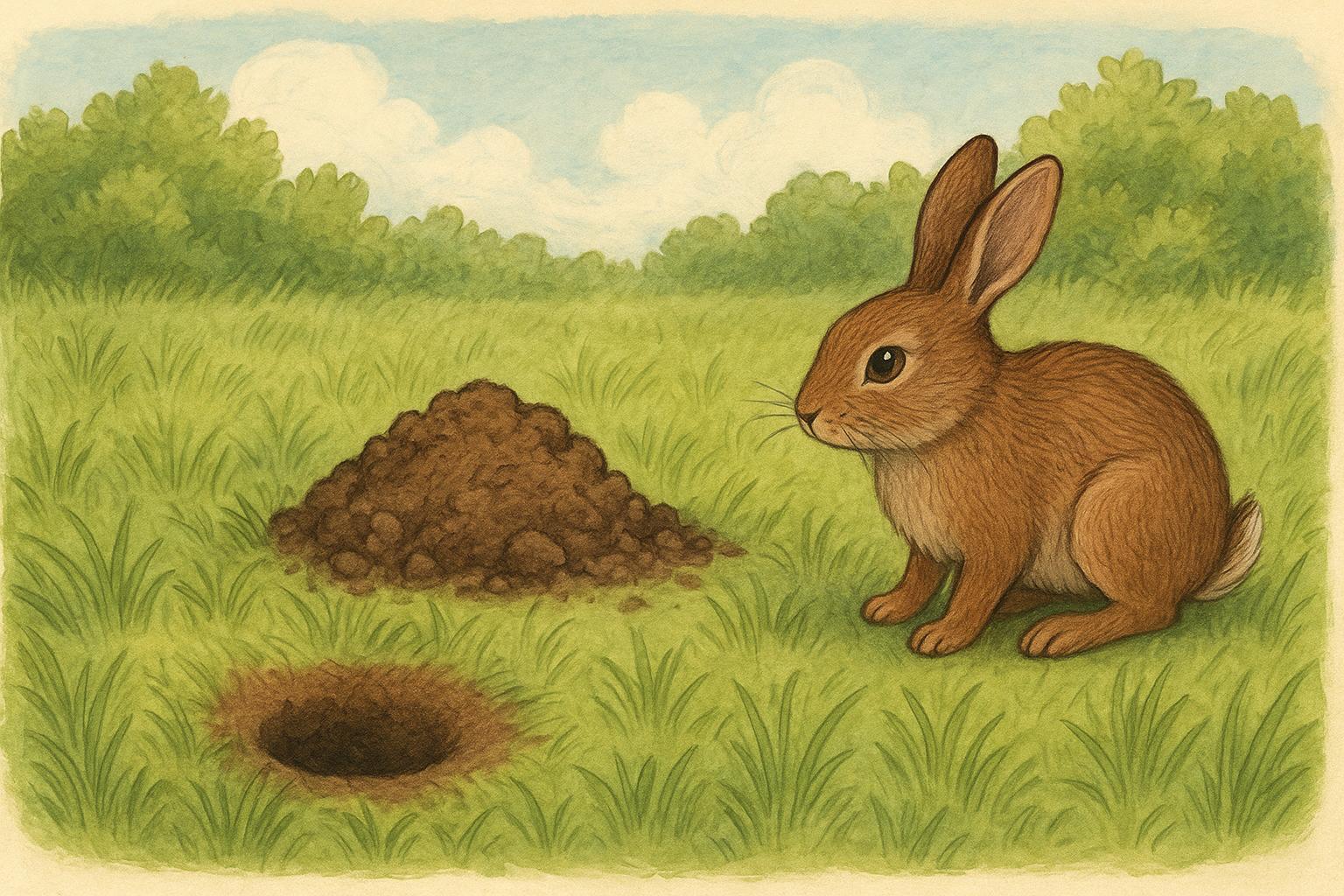
Look for worn dirt ramps leading to an under-deck opening or a tidy pile of leaves turned into a nest. Gaps under foundations, vents without grilles, and unsecured crawl spaces are favorite real estate. If a mound of excavated soil appears near a foundation or under a tree, that’s a strong indicator of burrowing activity.
## Who’s Likely To Make Dens In Your Yard
Different mammals prefer different den sites. Understanding who might be using a den helps guide humane responses.
### Small Mammals
Rabbits, groundhogs, skunks, and some rodents dig shallow dens or use existing burrows. They often choose den sites with easy escape routes and dense cover.
### Medium Mammals
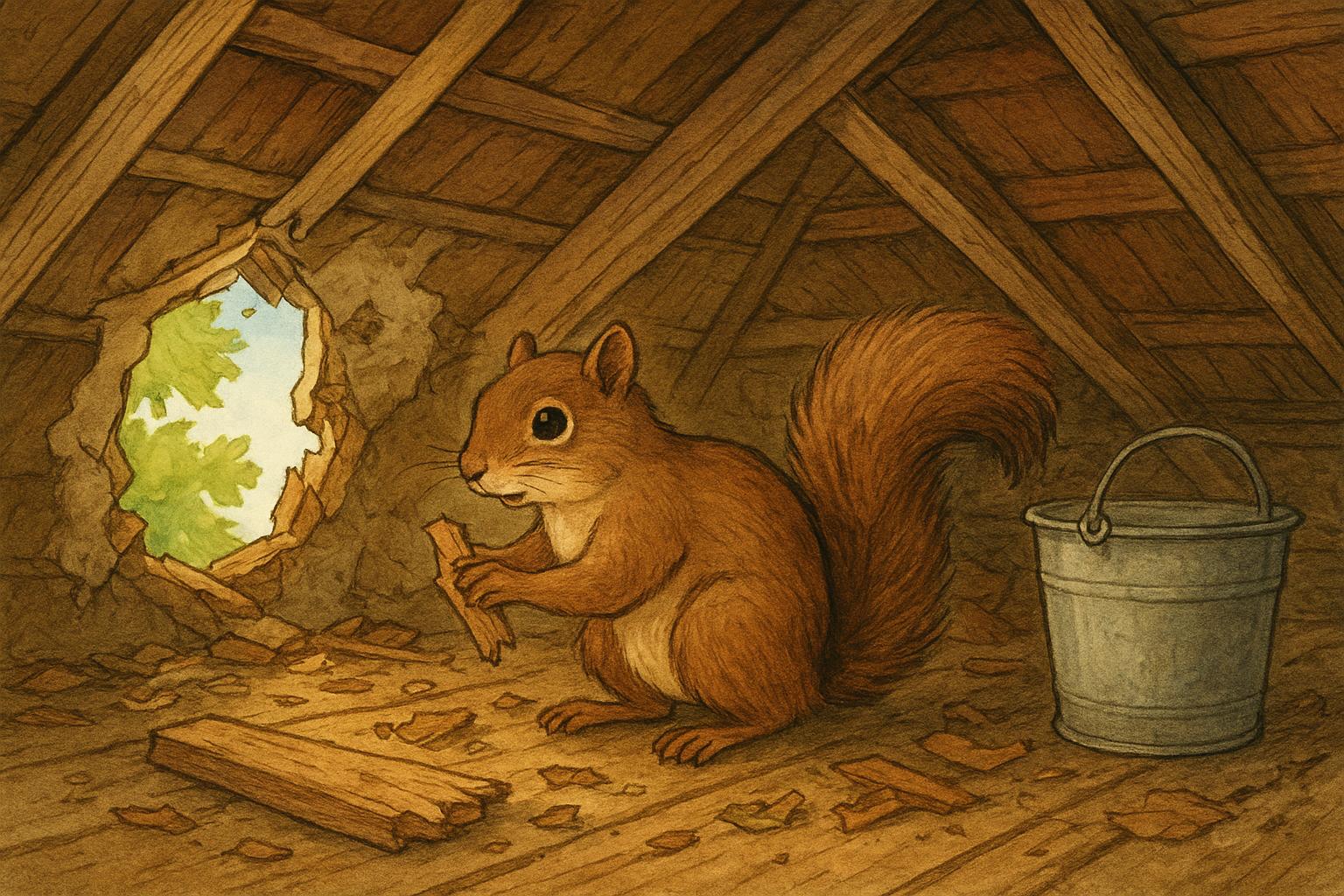
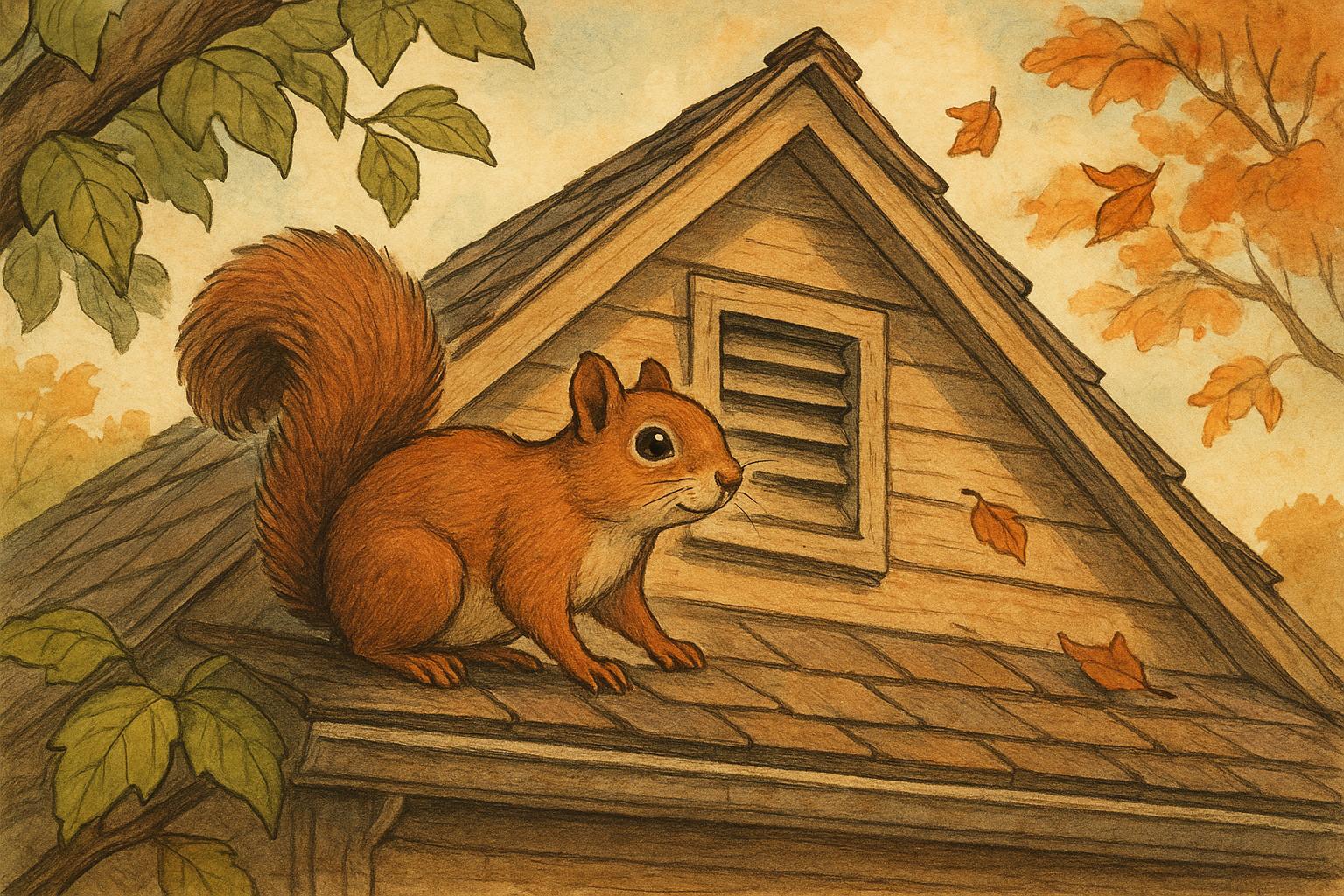
Raccoons and opossums prefer enclosed spaces like chimneys, attics, and under sheds. They’ll often modify an existing den site to make it more habitable.
### Predators And Family Dens
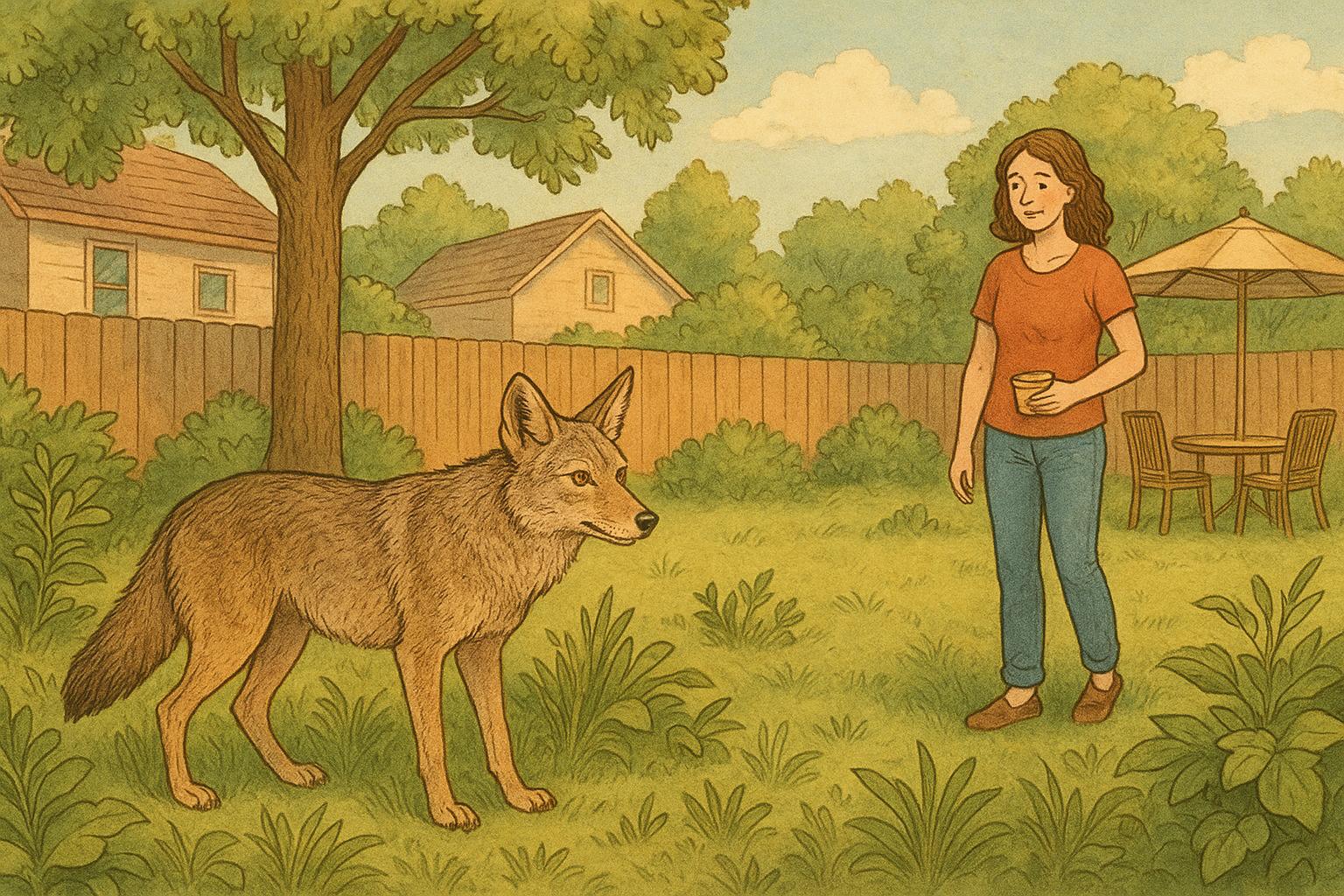
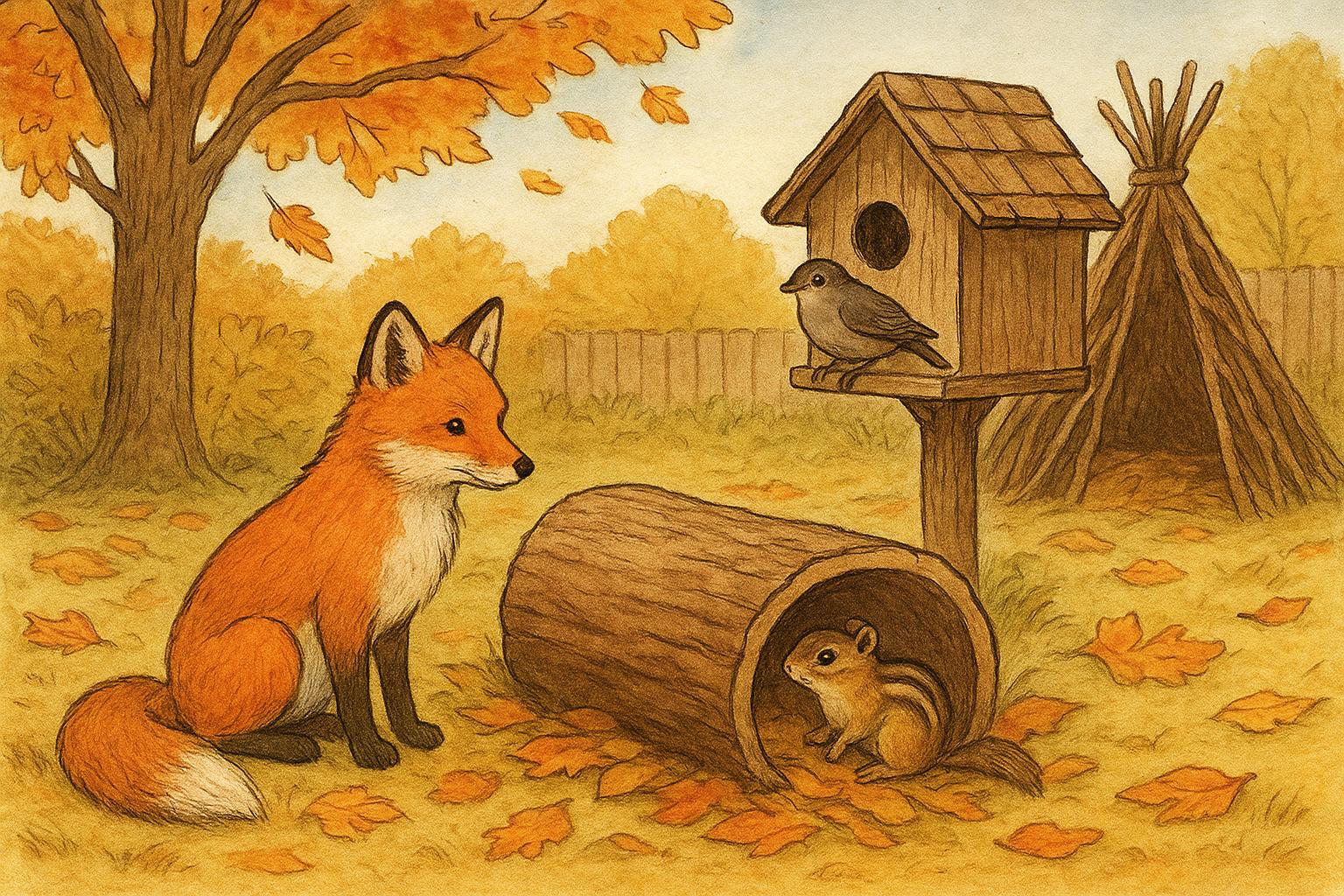
Foxes may use dens for raising pups and will reuse the same den sites year after year. Coyotes sometimes use dens but often prefer above-ground sheltered spaces. If you notice increased activity at a den site during spring or early summer, assume there could be offspring inside.
#### Seasonal Considerations
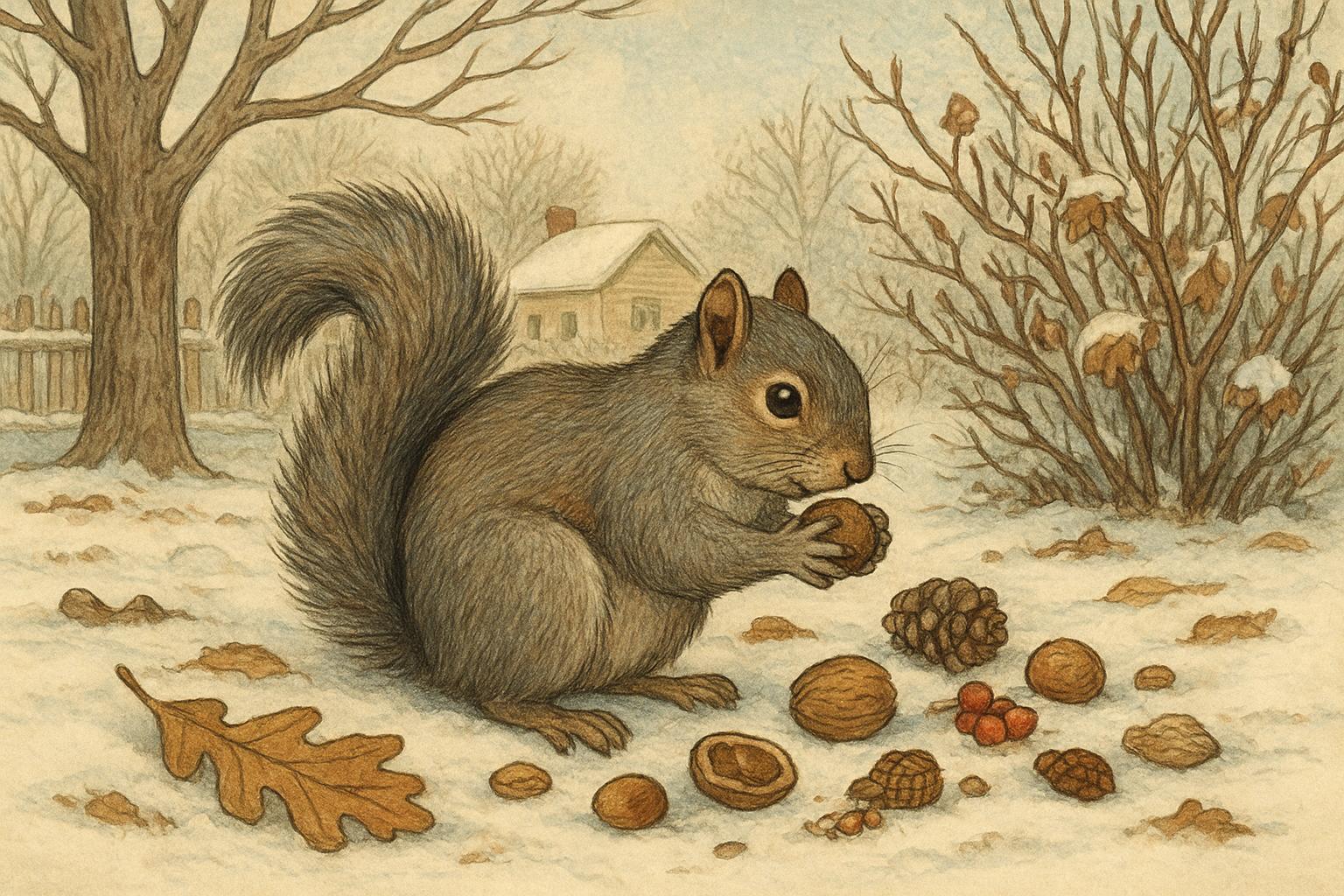
Winter dens offer shelter from cold and predators; spring den sites are often birthing sites; late-summer dens may be used for molting or as temporary resting spots. Timing matters: disturb a den in spring and you could separate mothers from vulnerable young, which is both sad and often illegal in many regions.
## Humane Exclusion Remedy: Materials And Step-By-Step Application
If a den site is causing problems (damage, safety hazard, or disease risk), a humane exclusion and cleanup approach is usually best. The following remedy is presented in a formal, procedural manner. Only proceed if you are certain no dependent young are present. If young are suspected, contact local wildlife authorities or a rehabilitator before intervening.
Required Materials
– Heavy-duty work gloves and protective eyewear
– N95 respirator mask
– Long-handled shovel and rake
– Heavy-duty trash bags and sealable containers
– Stainless steel or thick plastic mesh (hardware cloth) and fastening materials (screws, zip ties)
– Exterior-grade wood or metal flashing (for sealing larger gaps)
– Disinfectant solution (1 part bleach to 9 parts water) or a commercial enzymatic cleaner
– Deodorizer/neutralizer safe for outdoor use
– Flashlight and camera (for documentation)
– Optional: one-way exclusion door (commercially available for raccoons and skunks)
Step-by-Step Procedure
1. Confirm Vacancy: Monitor the den site for 48–72 hours at varied times (dawn, dusk, night) using binoculars or a camera. Record activity patterns. If no animals are seen and no fresh tracks/droppings accumulate, it’s likely vacant.
2. Inspect For Young: If there is any doubt that juveniles may be present (seasonal timing, small animals seen entering but not exiting), stop and contact wildlife authorities. Removing a den with young present may be illegal and harmful.
3. Prepare For Sanitation: Put on gloves, eye protection, and an N95 mask before approaching the den site to minimize exposure to pathogens.
4. Install One-Way Exclusion (If Applicable): For species like raccoons, install a commercial one-way exclusion device over the entrance. Secure it with hardware cloth and screws so animals can leave but not re-enter. Leave the device in place for 3–5 nights and monitor.
5. Seal Entrances: Once vacancy is confirmed, close all entry points using hardware cloth, flashing, or sturdier materials as appropriate. Backfill burrows with soil, tamping down to discourage re-digging. Ensure vents and foundation gaps are fitted with appropriate grilles.
6. Remove Nesting Material Safely: Carefully collect nesting materials, fur, and droppings into heavy-duty bags. Avoid shaking material to prevent aerosolization of pathogens.
7. Sanitize The Area: Apply the disinfectant solution to the den site and any contaminated surfaces. Allow adequate dwell time per disinfectant instructions (bleach solution typically needs several minutes). Rinse and allow to dry.
8. Deodorize: Use an outdoor-safe neutralizer to remove lingering odors that may attract other animals to the same den sites.
9. Prevent Reoccupation: Modify the landscape to reduce cover: trim dense shrubs, move wood piles away from structures, and install gravel or paving where burrowing was occurring.
10. Monitor Post-Remediation: Continue to monitor the former den sites for several weeks to ensure the exclusion remains effective and no new digging begins.
### Legal And Safety Notes
Check local wildlife laws before exclusion; some species are protected and may require permits for removal. Always prioritize safety: if you encounter aggressive animals, observe from a distance and call a professional.
## Tips To Make Your Yard Less Attractive For New Den Sites
There’s an art to discouraging den sites without creating ecological harm.
### Habitat Modification
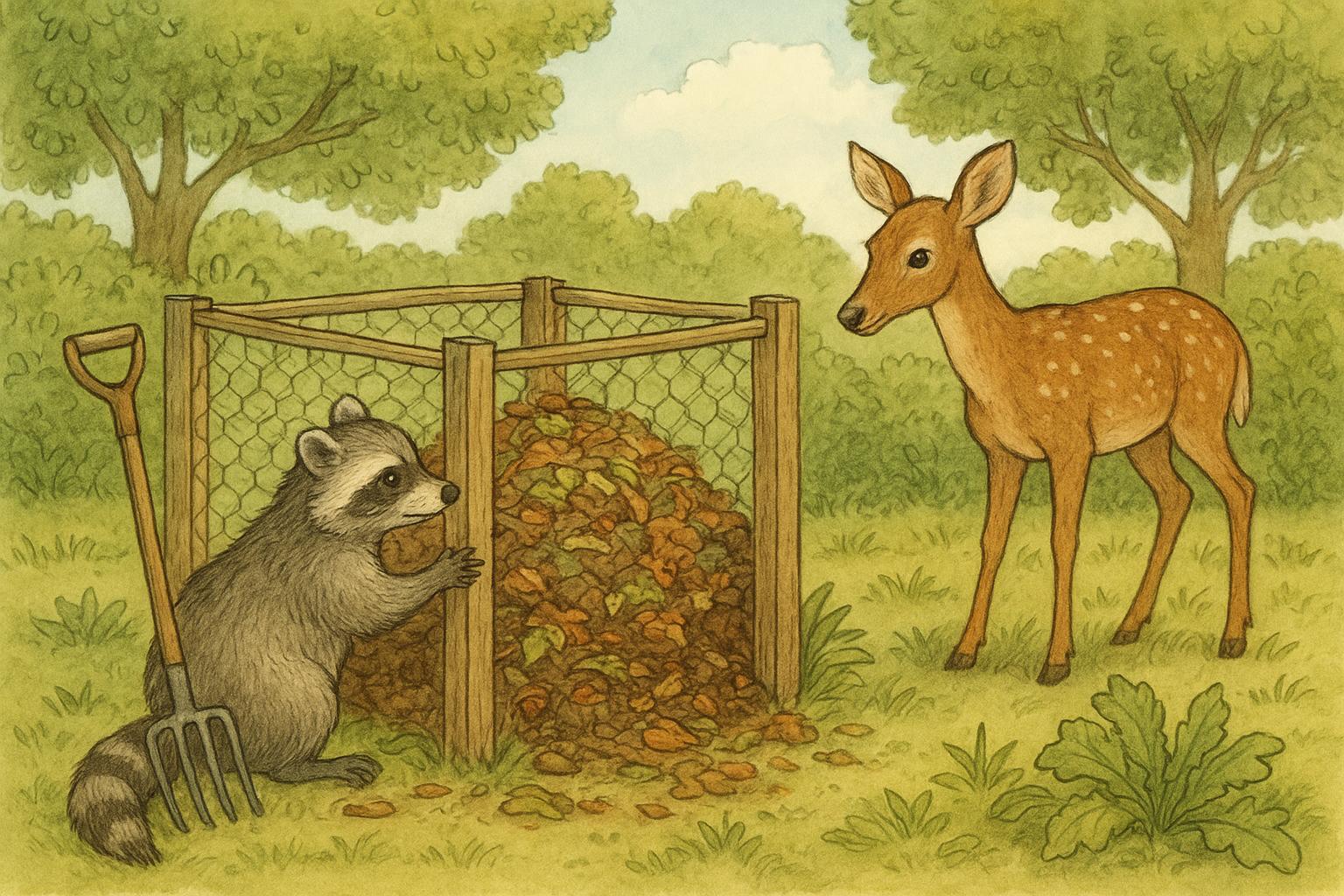
Reduce hiding places: stack firewood neatly off the ground, clear brush piles, and maintain a tidy compost area. Replace dense groundcover near foundations with lower vegetation or gravel.
### Food Source Management
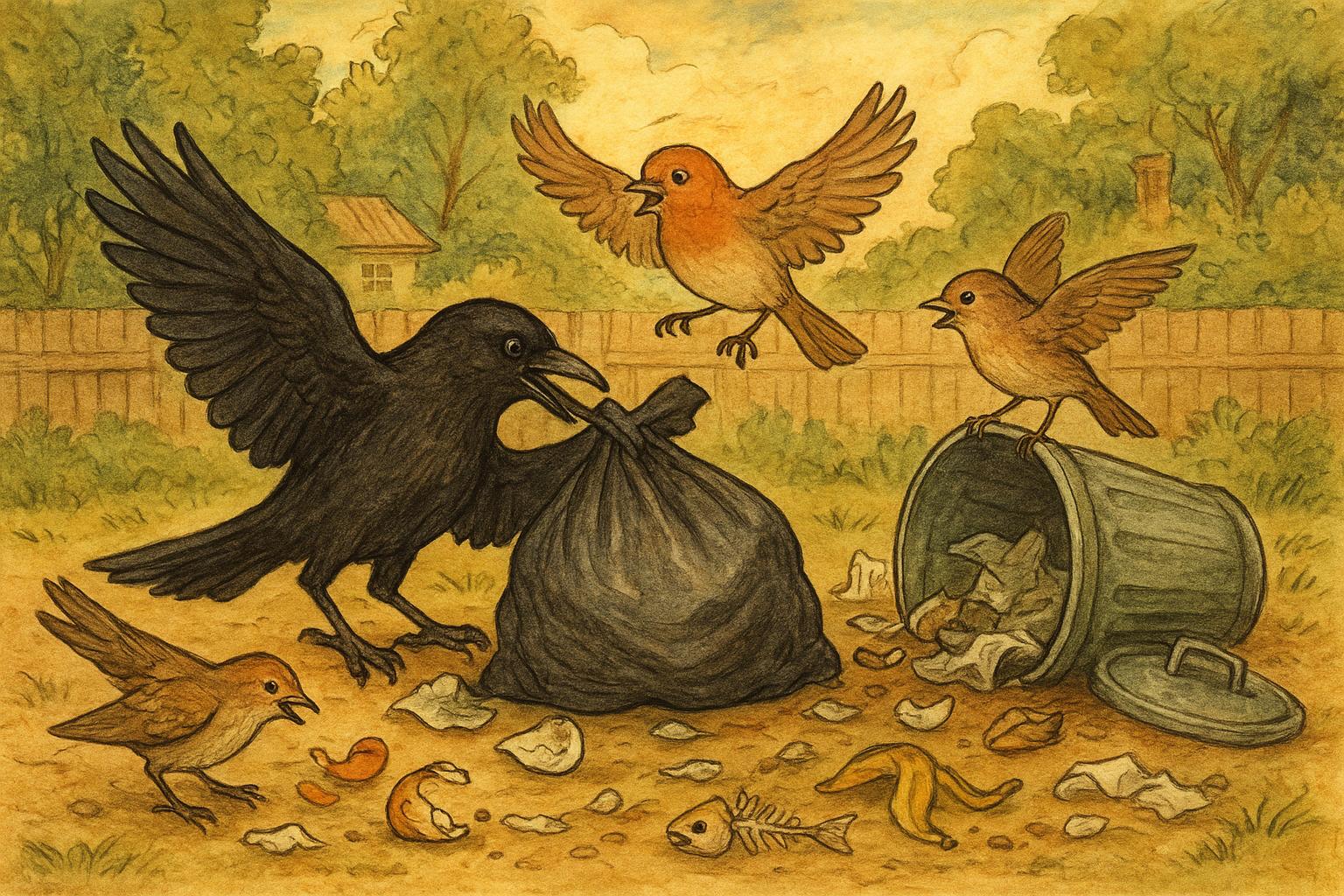
Secure trash containers, remove pet food at night, and harvest fruit promptly. Accessible food is the most reliable magnet for mammals considering den sites.
#### Structural Repairs
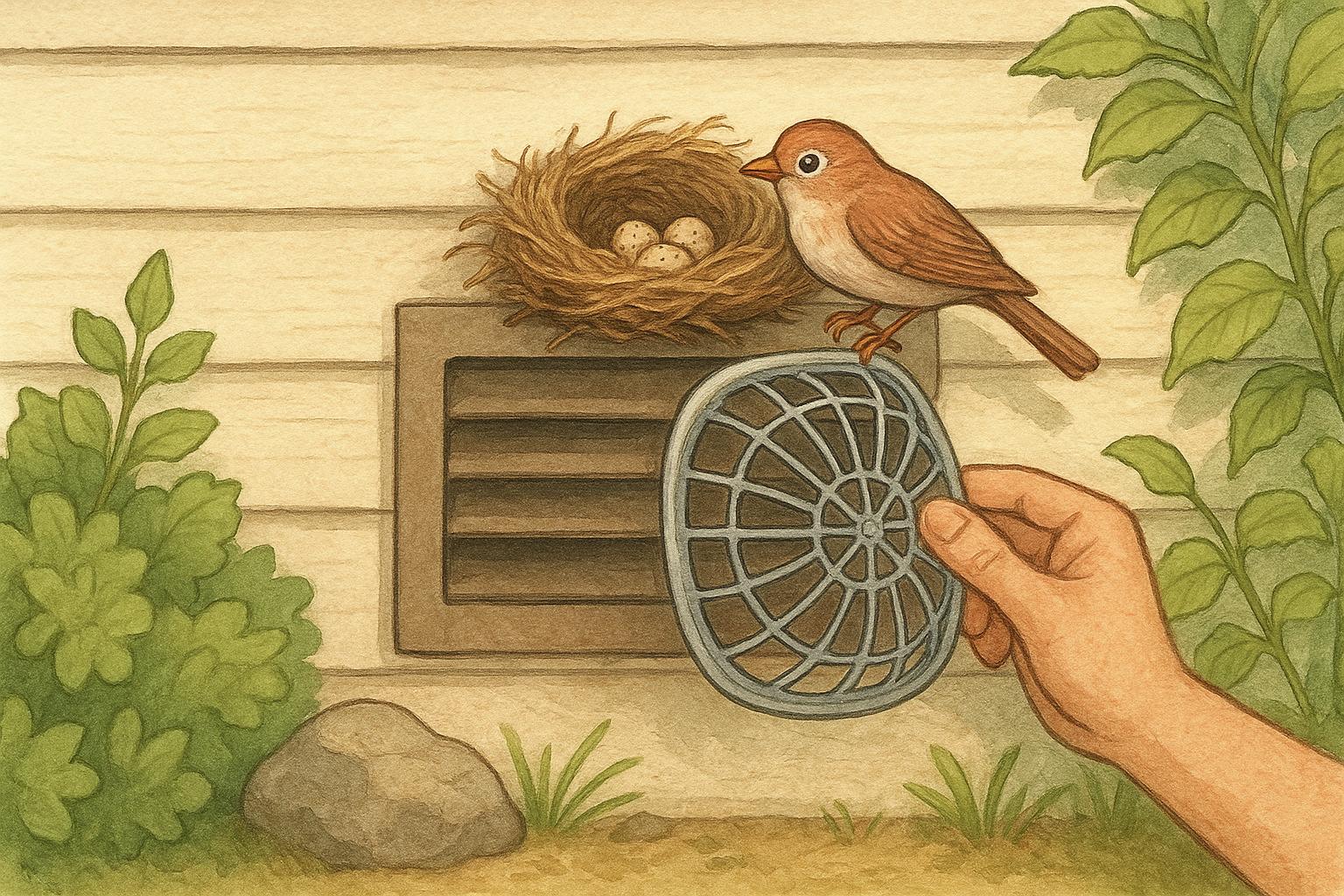
Seal foundation gaps, fit chimney caps, and screen vents. Even small holes under a deck can be enticing; plug them with hardware cloth, not just loose boards.
### When To Call A Pro
If you suspect rabies (abnormal daytime behavior, paralysis, foaming), observe heavy infestation, or face repeated reoccupation of den sites, hire a licensed wildlife control professional. They can provide humane trapping and relocation where legal, and coordinate with public health officials if needed.
## Observing Dens Responsibly
Enjoy the detective work but keep a respectful distance. Use motion-sensor cameras if you want close-up behavioral observations without intruding. Educating neighbors about den sites and simple prevention steps reduces conflict and improves outcomes for wildlife.
If you follow these signs and steps, you’ll be better equipped to identify den sites and respond humanely and effectively — your yard will stay livable for both people and wildlife, and those mystery mounds will have fewer secrets (but maybe still a little charm).




























Leave a Reply