
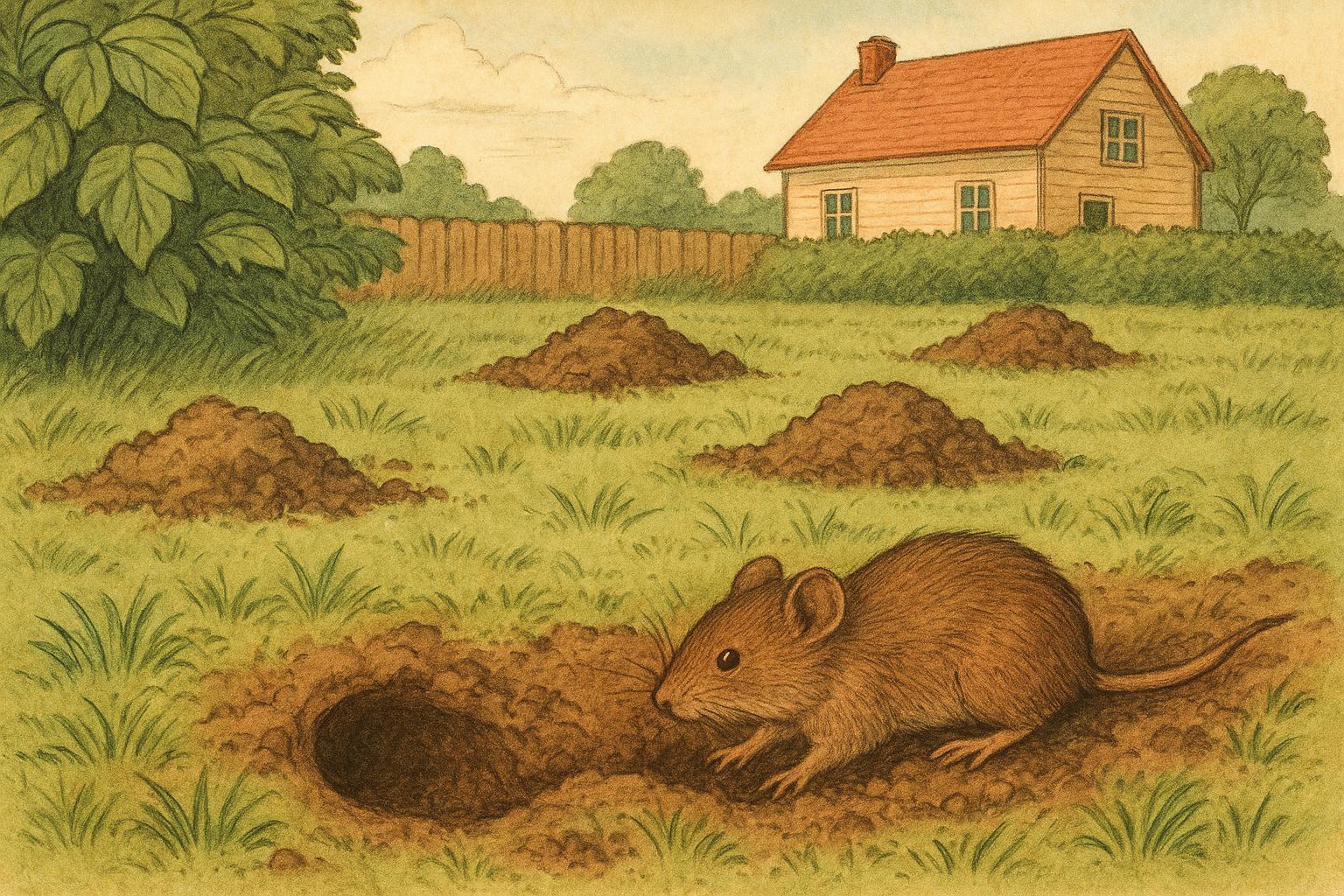
If you’ve ever walked across your lawn and felt like you were tiptoeing through mini-minefields, you’re in good company. Those little crescent-shaped runways and chewed plant bases often point to a cheerful, pocket-sized landscaper: the vole. This article will help you recognize vole damage, understand what drives these critters to dig, and — most importantly — show you practical, step-by-step remedies to tame the chaos so your lawn can get back to being the neighbor-envy kind of green.
## Vole Damage: What You’re Seeing In Your Lawn
Vole damage most commonly shows up as shallow, narrow surface tunnels and a scat of missing bulbs, nibbled bark, and tiny craters. Unlike moles, voles leave visible runway networks through grass and ground cover. If you notice patches of grass with a maze of shallow trails or young trees with girdled bark near the base, vole damage is a prime suspect.
Voles breed quickly and love dense ground cover, thick mulch, and overgrown borders. They’re primarily herbivores and can severely damage ornamentals and young trees by gnawing the bark, which disrupts nutrient flow and can kill small trunks over a season or two.
### Signs That Distinguish Vole Activity
– Surface runways about 1–3 inches wide weaving through the turf.
– Small, paired teeth marks on bulbs, roots, or bark.
– Unevenly chewed plant crowns rather than deep tunnels like mole work.
– Sightings at dawn or dusk; voles are most active in those low-light windows.
#### When To Worry About Lawn Recovery
If vole damage is localized and you catch it early, recovery is straightforward. Widespread runway networks, repeated bark girdling on saplings, or continual bulb losses indicate a substantial population that needs structured management.
## Why Voles Dig And How They Differ From Other Pests
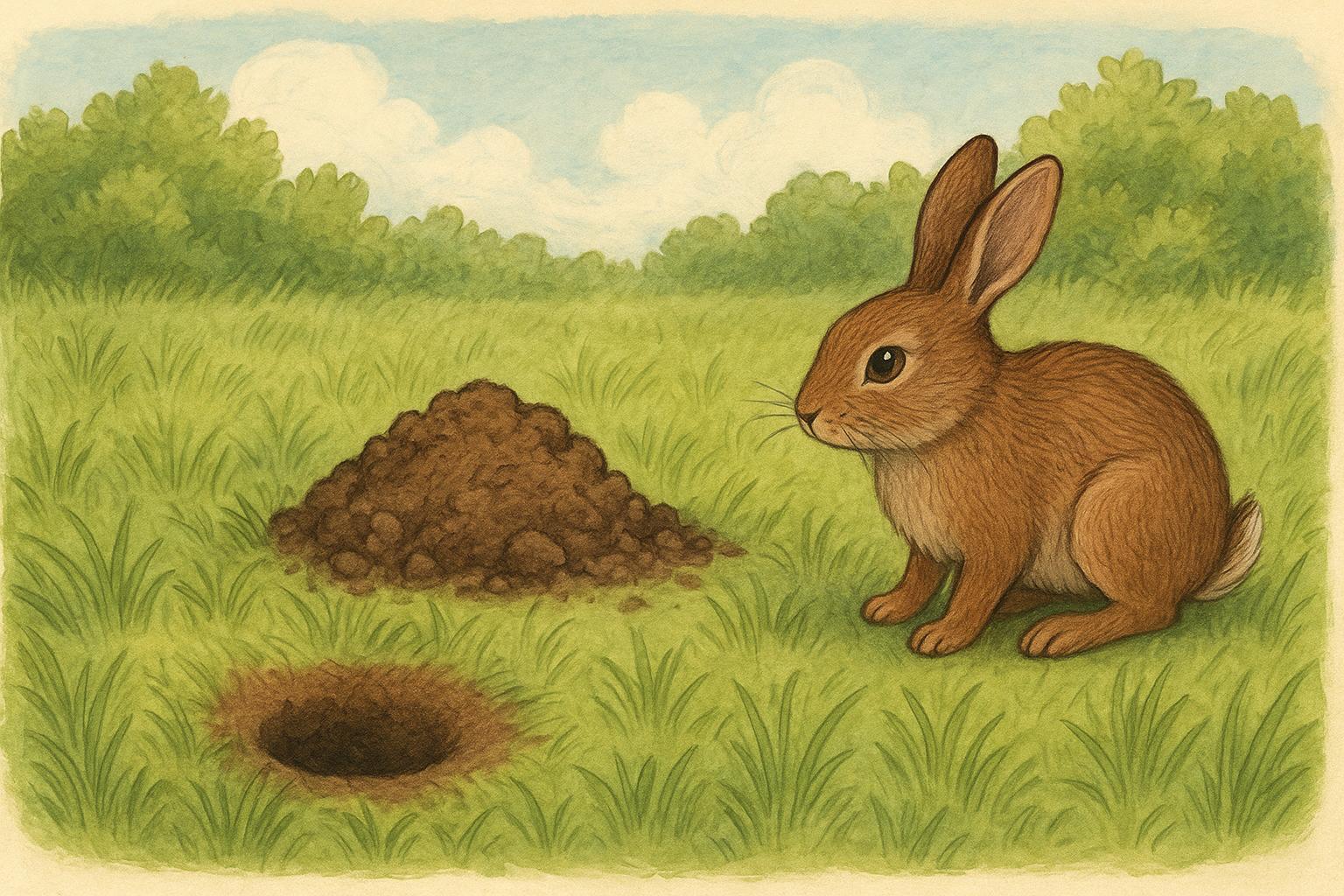
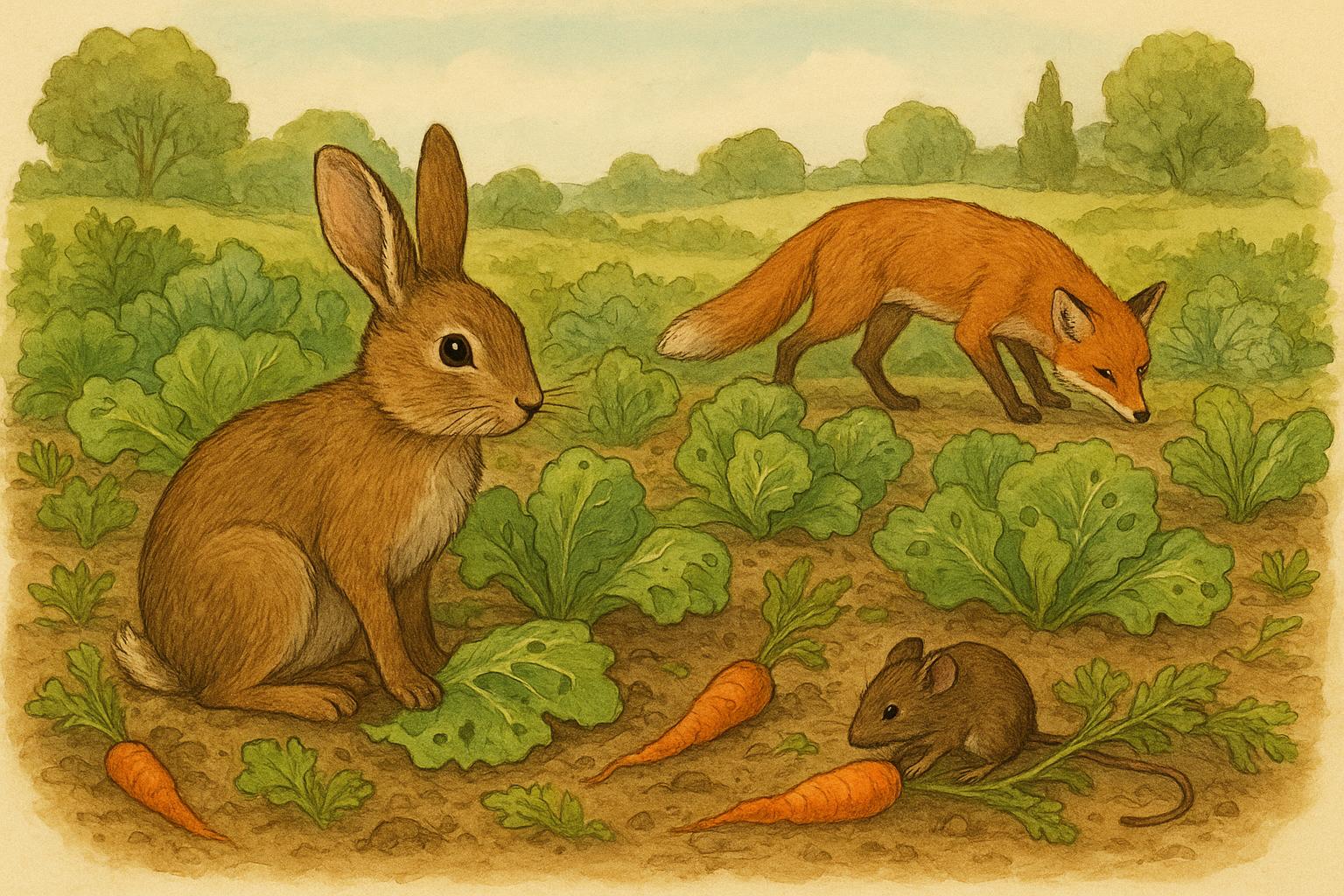
Voles dig to create protective surface runways for feeding and movement, not necessarily to hunt insects. Their burrows are shallow and often just under the sod, making them conspicuous. Moles, in contrast, are insectivores and create deeper tunnels while looking for grubs. Rabbits and ground squirrels might nibble plants above ground but don’t typically create the tight runway patterns voles do.
Vole damage is often seasonal—winter snow cover can let voles mine beneath the protection of the snow and cause concentrated harm to plant roots and lower bark. Yet populations can persist year-round in favorable habitat.
### Habitat Elements That Attract Voles
Dense ground cover, tall uncut grass, heavy mulch, rock piles, and unmanaged compost heaps make excellent vole hideouts. Removing or modifying these elements reduces the carrying capacity for voles and lowers the risk of recurrent vole damage.
#### The Role Of Predators
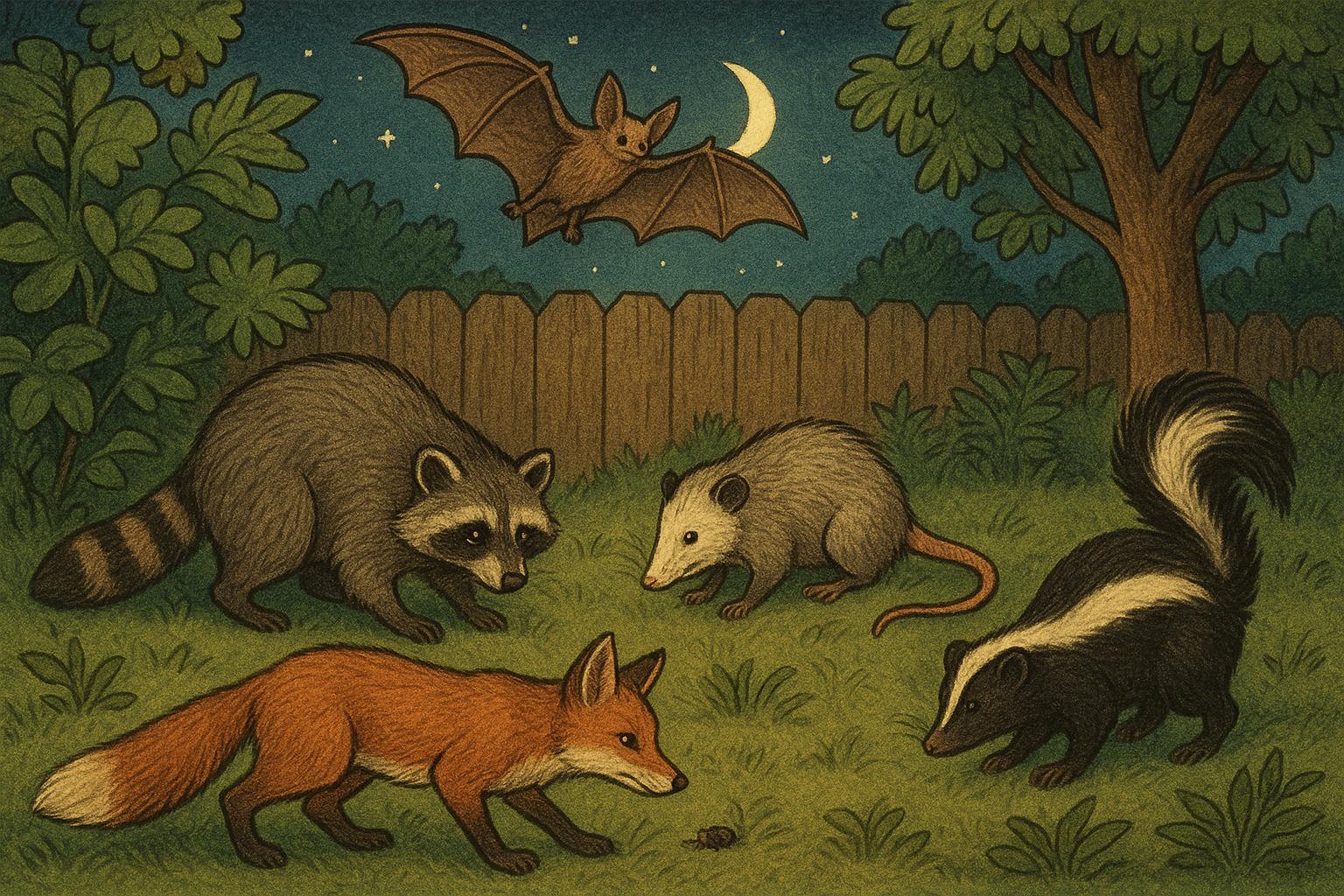
Owls, hawks, foxes, and neighborhood cats all help keep vole populations in check. Encouraging predatory birds and adding perch posts can boost natural control without single-handedly solving a major infestation.
## 1. Trapping And Removing Voles Safely
Materials:
– Small snap traps or specially designed vole traps (multiple units recommended)
– Bait: peanut butter, apple slices, or rolled oats
– Thin gloves (to avoid human scent transfer, optional)
– Garden kneeler or pad
– Small screwdriver or trowel for adjusting trap placement
Procedure:
1. Survey the lawn at dawn or dusk to confirm active runways. Look for fresh droppings and soft-edged runways.
2. Place traps directly in the runway perpendicular to the path of travel so that the trap top aligns with the tunnel surface. For snap traps, set them so a vole will cross through the trigger plate naturally.
3. Bait each trap sparingly — a small dab of peanut butter or a thin apple slice is enough. Avoid over-baiting; voles are forage feeders and may nibble without triggering.
4. Space traps 5–10 feet apart in the most active areas. Use multiple traps for rapid population reduction.
5. Check traps daily. Dispose of captured voles in accordance with local regulations or relocate carcasses responsibly. Use gloves when handling traps and carcasses.
6. Continue trapping for at least two weeks after the last capture to ensure the population is reduced.
Safety and Legal Notes: Use traps in compliance with local wildlife laws. Avoid poison unless legally permitted and used according to the manufacturer’s label and local ordinances.
## 2. Exclusion And Habitat Modification
Materials:
– Hardware cloth or wire mesh (¼-inch to ½-inch woven)
– Shovel and garden staples
– Mulch rake and pruning shears
– Tall grass mower or string trimmer
– Coarse mulch alternatives (e.g., stone mulch in sensitive areas)
Procedure:
1. First, reduce cover: mow tall grasses, thin brush piles, and remove ground-cover plants or thick mulch near foundations and tree trunks.
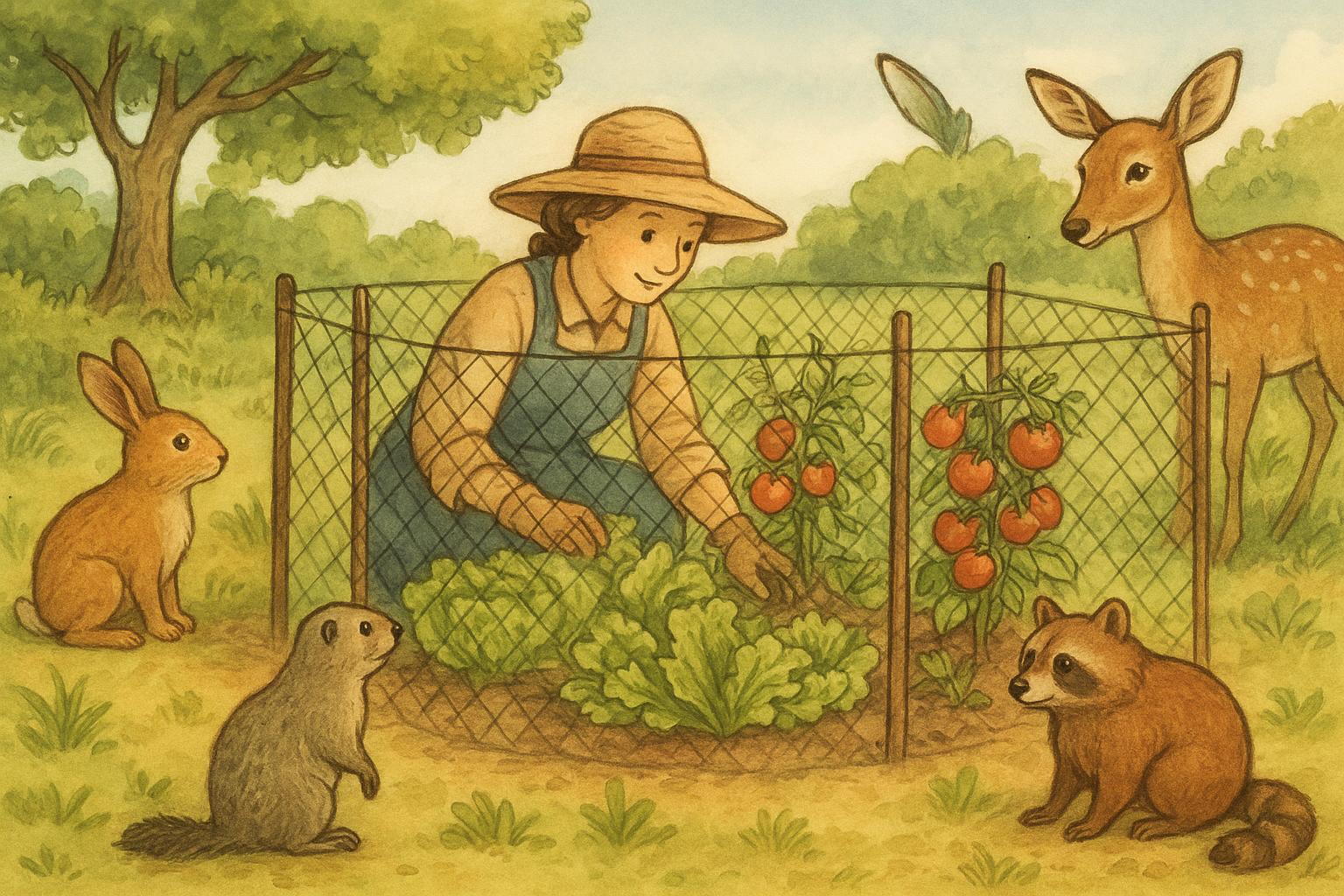
2. Create a vole-free barrier around garden beds and young trees by surrounding them with hardware cloth. Bend a 6–12 inch skirt outward and bury it 3–4 inches into the ground to prevent burrowing underneath.
3. For tree protection, wrap the lower trunk (up to at least 12 inches above the soil) with hardware cloth or tree guards during high-risk seasons.
4. Replace heavy organic mulch near vulnerable plantings with coarser mulch or gravel where practical; voles dislike moving across rough, open textures.
5. Maintain a 1–2 foot weed-free zone around planting beds and tree bases to reduce protective cover.
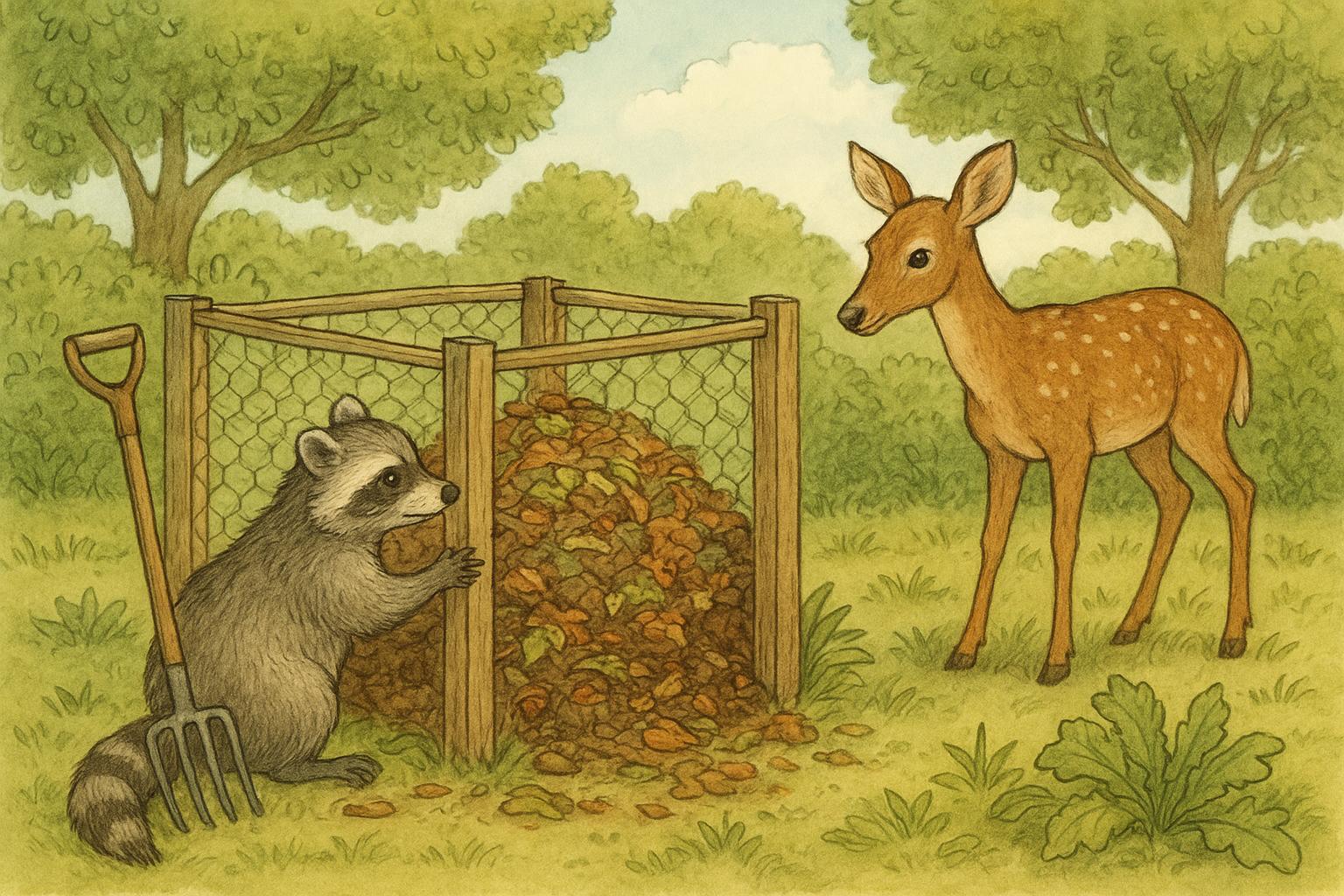
6. Keep compost heaps elevated and enclosed if voles are suspected of nesting nearby.
Effectiveness: These methods reduce vole habitat and protect sensitive plants. They’re long-term, non-lethal, and should be combined with active reduction when populations are high.
## 3. Targeted Baiting And Chemical Controls
Materials:
– Commercial rodenticides labeled for vole control (anticoagulant baits or single-feed baits depending on label)
– Secure tamper-resistant bait stations
– Gloves and protective eyewear
– Measuring scoop or bait dispenser
– Locking pliers or screwdriver to secure bait station lids
Procedure:
1. Only consider chemical control when non-chemical methods have not achieved control and vole damage is significant. Review local regulations and label restrictions carefully.
2. Select a rodenticide product specifically labeled for voles. Follow manufacturer instructions without deviation.
3. Place tamper-resistant bait stations in active runways and along perimeter areas where voles travel. Bait stations should be anchored to prevent tipping and inaccessible to children, pets, and non-target wildlife.
4. Fill bait stations with the recommended bait quantity. Monitor bait consumption twice weekly.
5. Remove and replace bait as recommended; maintain records of bait type, amounts used, and station locations.
6. After baiting is complete and activity subsides, remove all bait and stations and dispose of any leftover product per label instructions.
Safety and Environmental Considerations: Chemical controls carry significant non-target risk (pets, birds of prey, and other wildlife). Use tamper-resistant stations and the minimum effective quantity. Consider consulting a licensed pest control professional for application in sensitive settings.
### Integrated Approach: Combining Methods For Best Results
A coordinated plan—habitat modification, targeted trapping, and, if necessary, careful use of baits—produces the best long-term outcome. Address immediate damage with traps, make the landscape less attractive through exclusion and maintenance, and reserve chemical options for severe infestations. That combination reduces the chance of rebound populations and minimizes environmental impacts.
#### Timing And Ongoing Maintenance
Plan most intensive control for late winter and early spring when populations are easier to suppress and before vegetation growth offers new cover. Continue vigilant yard maintenance: regular mowing, removing debris, and checking tree guards seasonally will prevent vole damage from becoming an annual headache.
## When To Call A Professional
If vole damage persists despite your efforts, you’re seeing large-scale bark girdling of trees, or you’re uncomfortable with trapping and chemical options, contact a licensed wildlife control or pest management professional. They can perform population assessments, implement certified baiting strategies, or set a broader exclusion plan tailored to your property.
A few practical final tips before you get out there: wear gloves when handling traps or doing repairs (voila, no bench-side weathering), keep pets supervised in treated areas, and document areas of activity so you can measure progress. With patience and the right mix of tactics, vole damage can be reduced dramatically — and your lawn’s runway days can be numbered.













Leave a Reply