
## What Lives In Your Yard: A Primer On Honey Bees
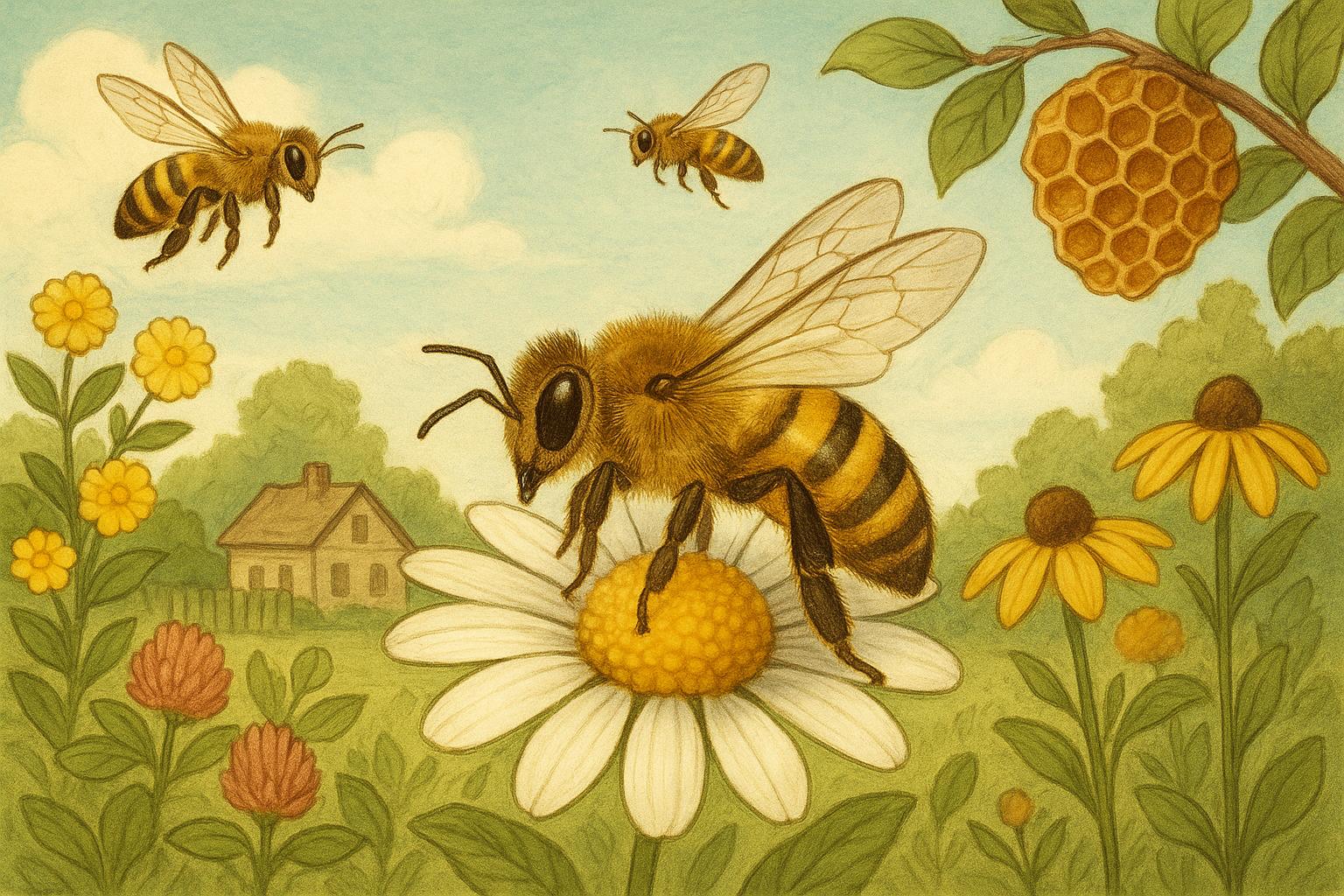
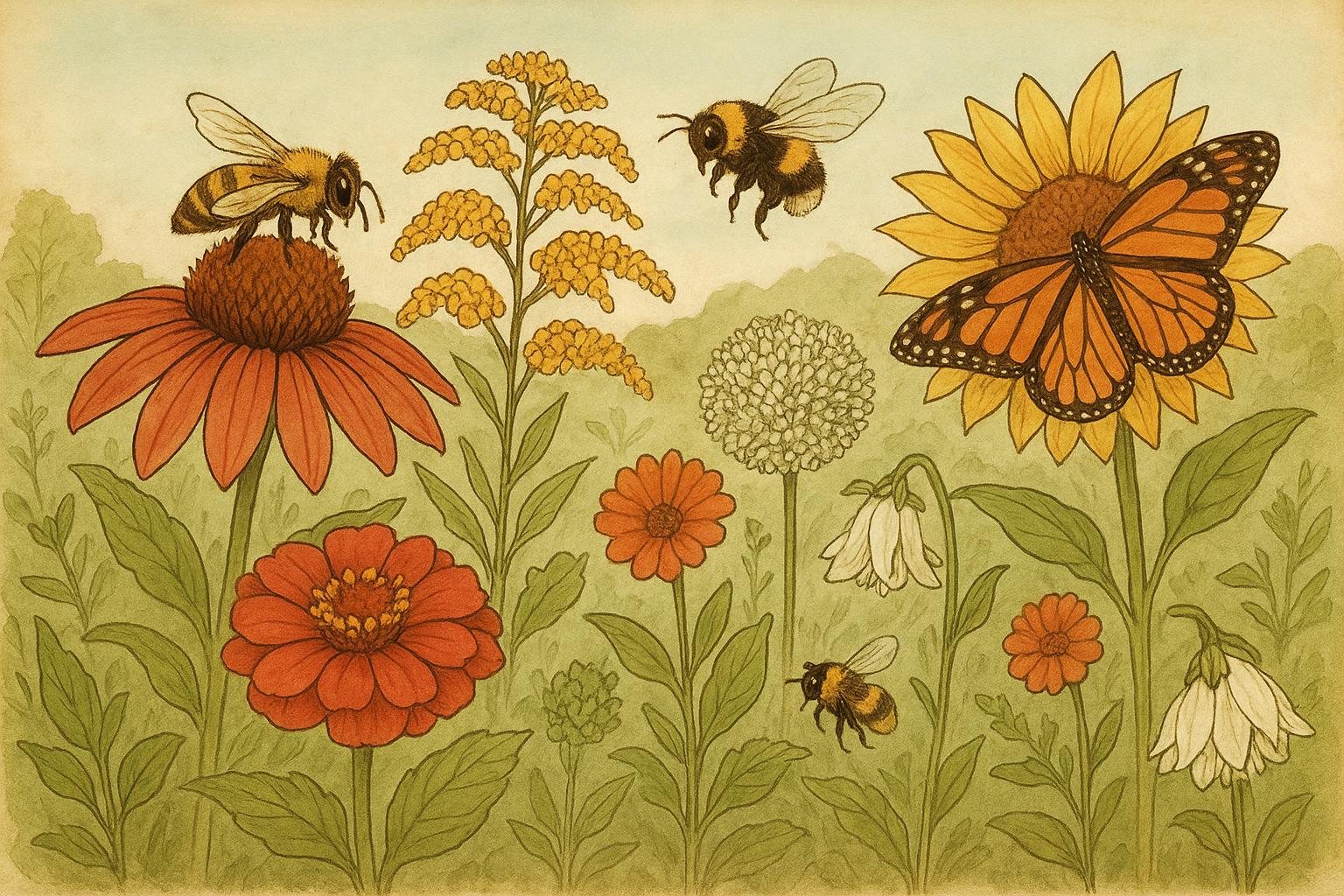
If you’ve been watching blossoms open in spring and noticed a steady, purposeful hum, there’s a good chance your backyard has attracted honey bees. These industrious insects are not only charming to watch but crucial to the health of gardens and local crops. Think of them as tiny, striped gardeners that work for tips (nectar and pollen), not wages.
### Identification And Terminology
Honey bees are medium-sized bees with a golden to brown banded appearance. They differ from solitary native bees and social wasps in several ways: their furry bodies trap pollen, their legs often carry pollen baskets, and their flight appears purposeful—direct lines from flower to hive rather than erratic hovering.
#### Size, Color, And Behavior
Adult workers measure about 12–15 mm. Queens are longer and more elongated, drones are stouter. Workers move with intention: foraging, cleaning, building, defending. If you see coordinated clusters in trees or on structures, that’s likely a temporary stopover called a swarm.
### Why They Matter To Your Garden
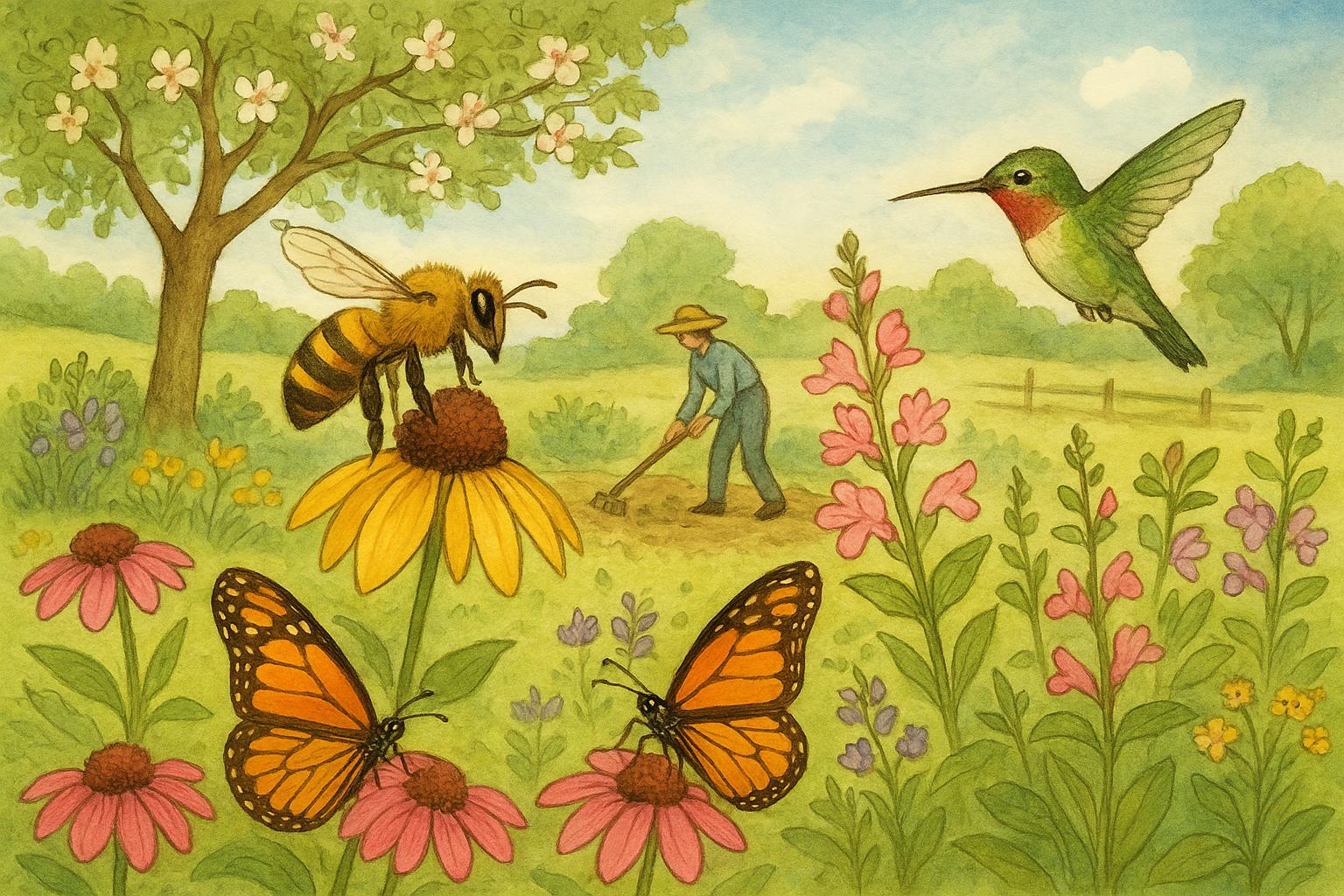
Honey bees play a major role in pollination, increasing fruit set for apples, cherries, cucurbits, and more. While native bees and other pollinators are important too, honey bees provide consistent, high-volume foraging that benefits larger garden plots. Their presence is usually a sign of a healthy plant community—and of someone in the neighborhood keeping a hive.
### Honey Bee Biology At A Glance
A honey bee colony is a superorganism: a single queen, thousands of workers, and seasonally some drones. Workers perform age-related duties—nursing, hive maintenance, foraging. Swarming is a natural reproductive behavior; a portion of the colony departs with a new queen to start elsewhere. Swarms are generally docile, focused on finding a new nesting site, and not aggressively defensive unless provoked.
### Safety: When To Be Cautious
Most encounters with honey bees are harmless. Avoid sudden movements, don’t swat, and stay calm if bees are foraging nearby. If someone in your household is allergic, maintain a safe distance and contact a professional if a hive or swarm is on your property. Remember that removing protective clothing or trying DIY extermination increases the chance of stings and harms valuable pollinators.
## Recognizing A Swarm Versus An Established Hive
Swarms look like a dense cluster of bees hanging from a limb, mailbox, or porch overhang. They are mobile and usually temporary—often only a few hours to a few days. An established hive is a fixed structure (in a cavity, wall void, or hollow tree) with continuous bee traffic to and from a single access point. Distinguishing the two informs the appropriate action: capture and relocation for swarms versus removal or hive relocation for established nests.
### When To Call A Pro
Call a beekeeper or a pest professional if the hive is inside walls, attics, chimneys, or under structures. Professionals can remove comb, salvage bees when possible, and avoid property damage. If the bees are a swarm on accessible branches, many local beekeepers are happy to collect them for free—this recovers the bees and reduces the chance someone will call for chemical extermination.
## Remedy 1: Safe Removal Of A Swarm
Materials Required
– Personal protective equipment (beekeeping suit, veil, gloves) OR clear plastic garbage bags (temporary containment)
– A ventilated swarm box or sturdy cardboard box with air holes
– A soft bee brush or a twig for gentle coaxing
– Smoker (optional; use only if you know how)
– Rope or bungee cords (if swarm is on a high branch)
– A willing and experienced beekeeper contact number
Formal Step-By-Step Removal
1. Assess Safety: Ensure no one at the site is allergic. Keep bystanders and pets far away. If the swarm is more than 10–12 feet high or over a dangerous area, do not attempt ladder work—call a professional.
2. Prepare The Container: Place the swarm box or ventilated cardboard box open and secure beneath the swarm cluster. If using a beekeeper’s nuc box, position it so bees can orient later.
3. Suit Up Or Shield: Wear full protective gear. If you lack a suit but must act (not recommended), use a clear plastic bag approach to gently envelop the cluster—this is a temporary measure and carries increased risk.
4. Coax Bees Into The Box: Gently shake or tap the branch; most of the cluster will fall into the container. If they do not, gently brush remaining bees down. Avoid crushing bees—this provokes the colony.
5. Close And Transport: Once the majority have entered, secure the lid with ventilation. Transport the bees with the box face slightly open during the trip; complete closure only when ready to house them in a hive.
6. Connect With A Keeper: If you are not a beekeeper, hand the colony over to a qualified apiarist. They will integrate the swarm into a hive, reducing the chance the new colony will become a nuisance or be destroyed.
7. Post-Removal Site Check: If a queen or parts of the colony remain, bees may return. Monitor and call a specialist if reoccupation occurs.
Note: Using smoke to calm bees during swarm capture requires training. Untrained use of a smoker can stress bees or cause accidental ignitions.
## Remedy 2: Build A Pollinator-Friendly Garden To Attract Honey Bees
Materials Required
– Native flowering plants with overlapping bloom schedules
– Untreated wood or poly nesting blocks (for other pollinators)
– Shallow water source with landing stones
– Mulch and compost
– Optional: Hive kit and basic beekeeping tools (if you plan to keep bees)
Formal Step-By-Step Garden Creation And Maintenance
1. Site Selection: Choose a sunny, sheltered area. Honey bees prefer warmth for efficient foraging.
2. Plant Selection: Create a list of at least 8–12 species that bloom sequentially from early spring to late fall. Include trees (willow, cherry), herbs (lavender, thyme), and annuals (borage, calendula). Dense plantings are better than sparse ones for foraging efficiency.
3. Soil Preparation: Amend soil with compost. Avoid pesticides; if pest control is necessary, use targeted, low-toxicity options and apply at times when bees are less active (dusk).
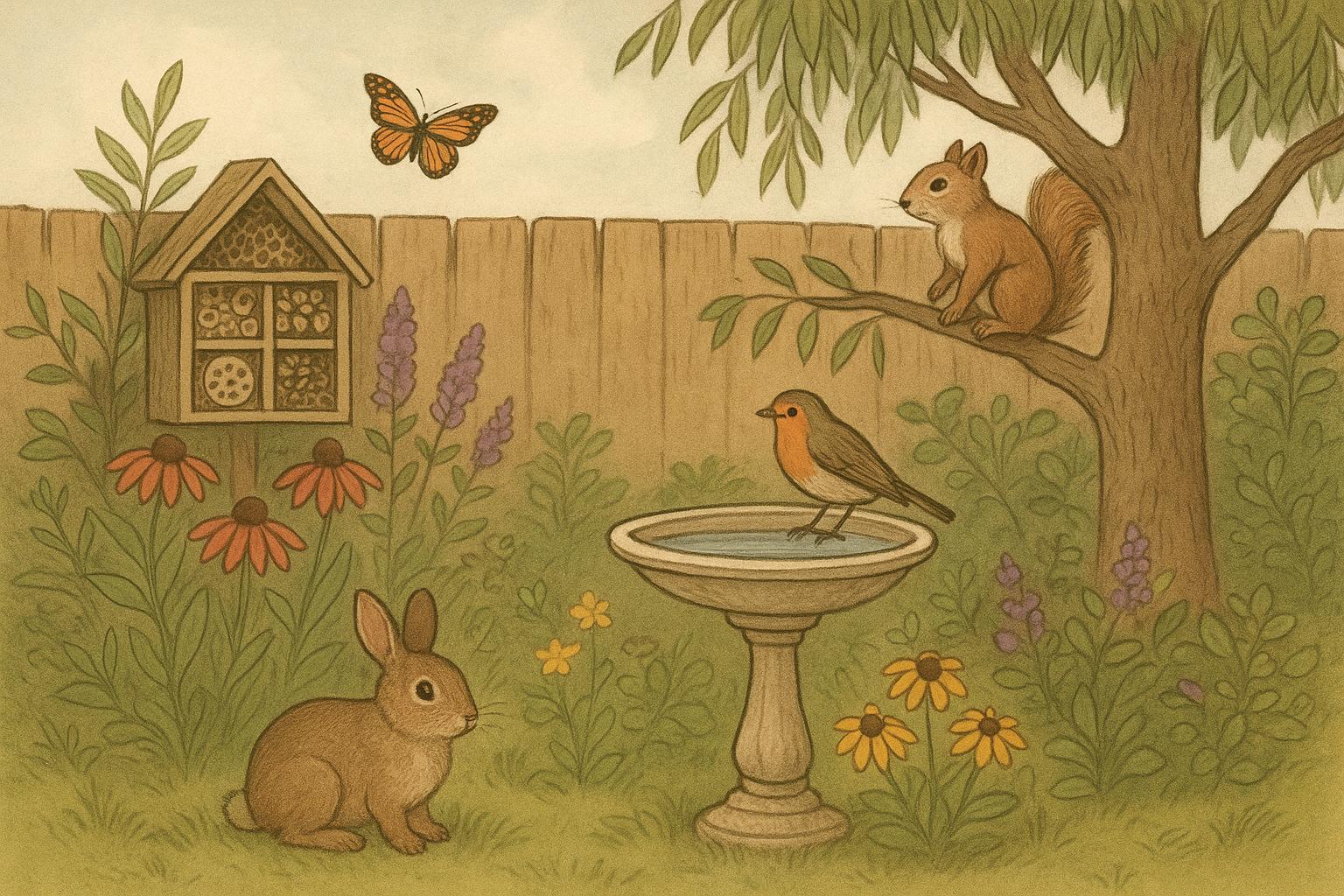
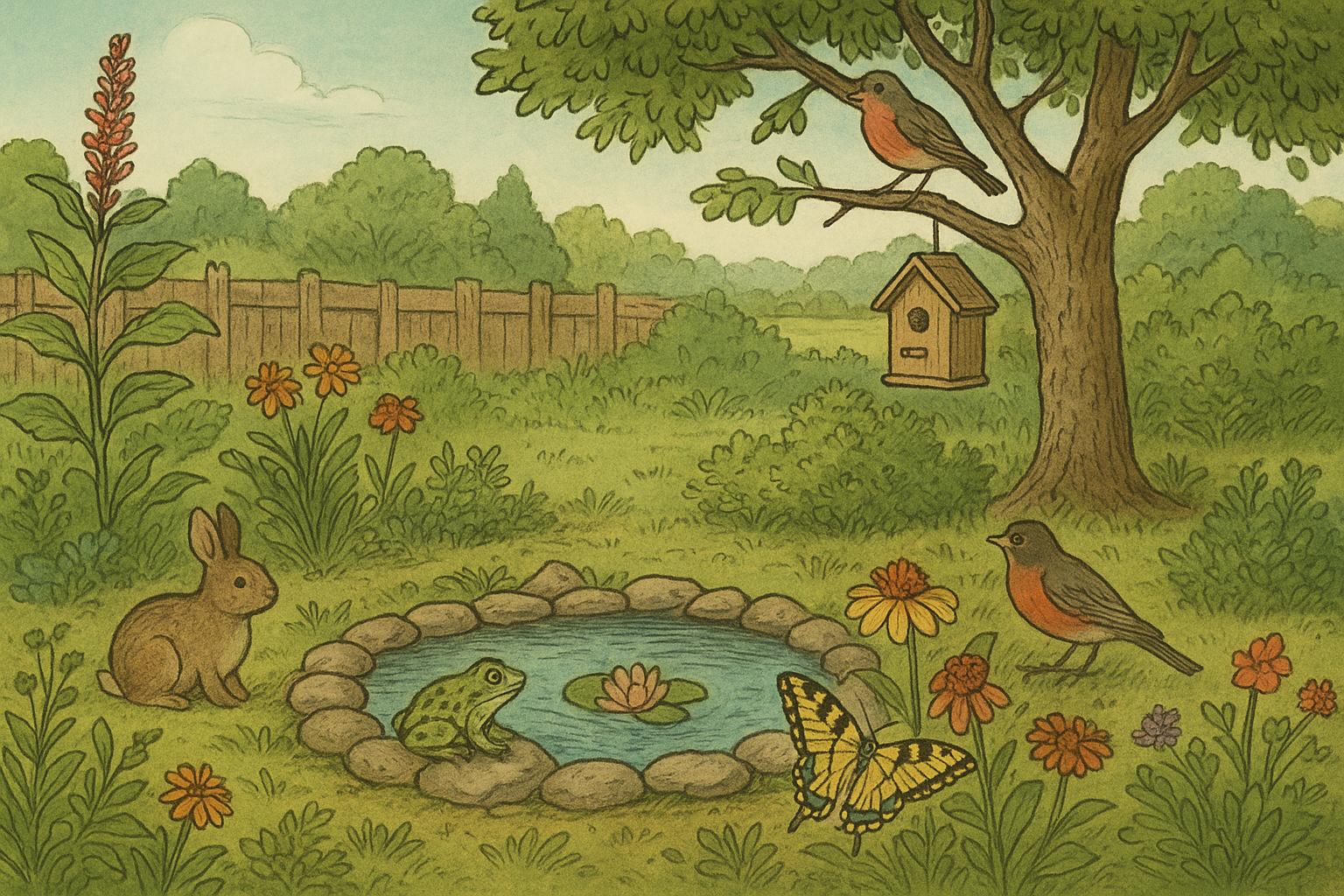
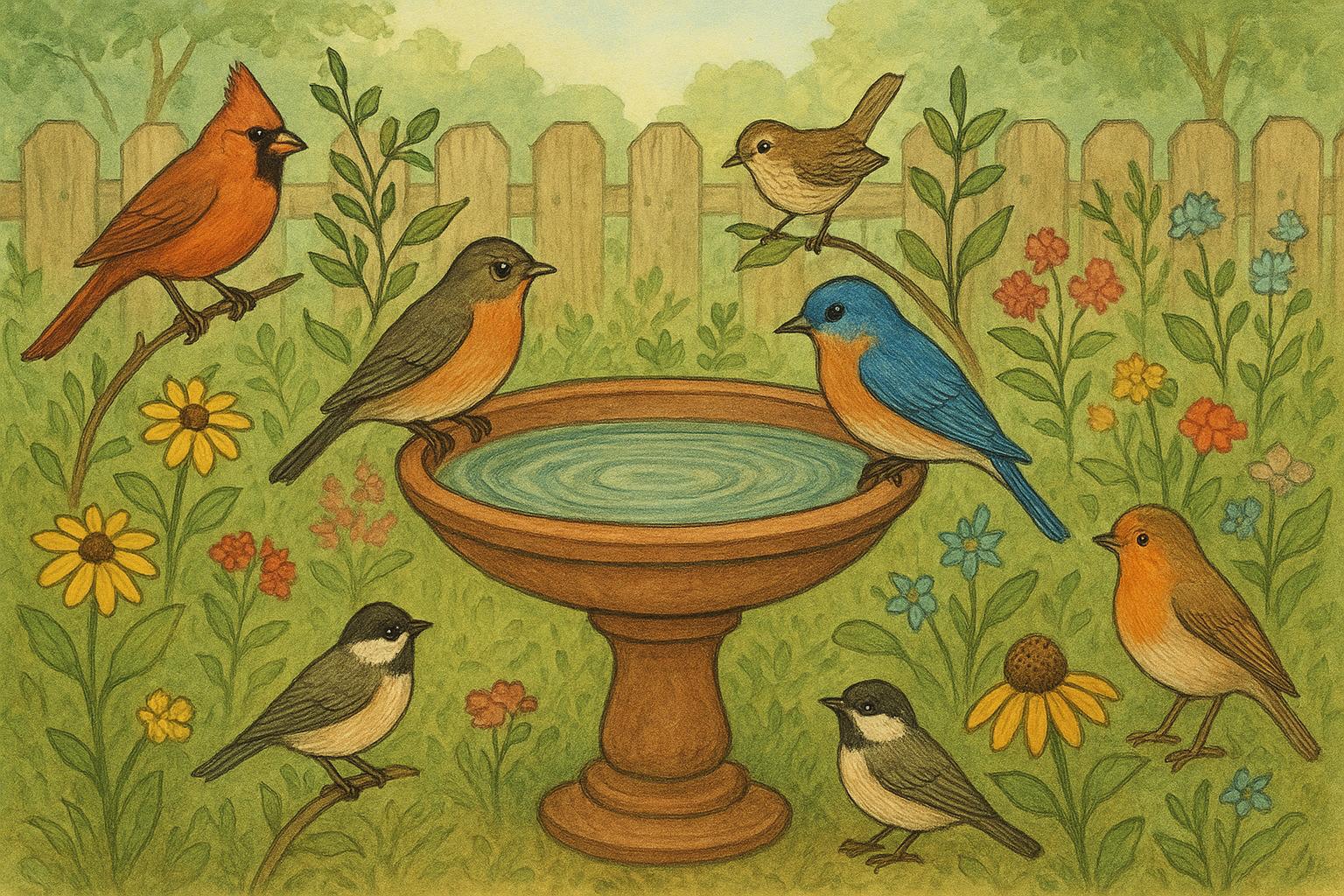
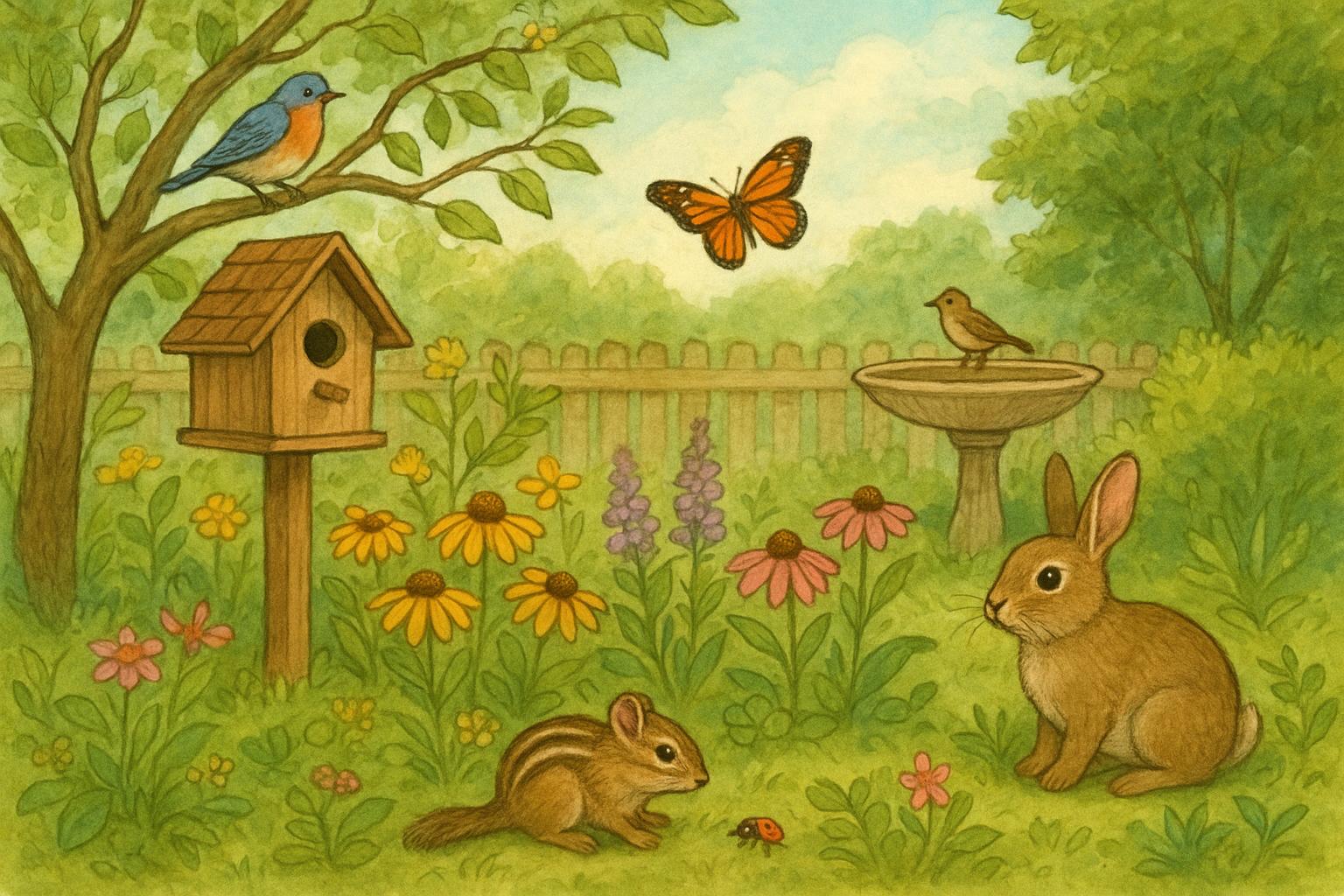
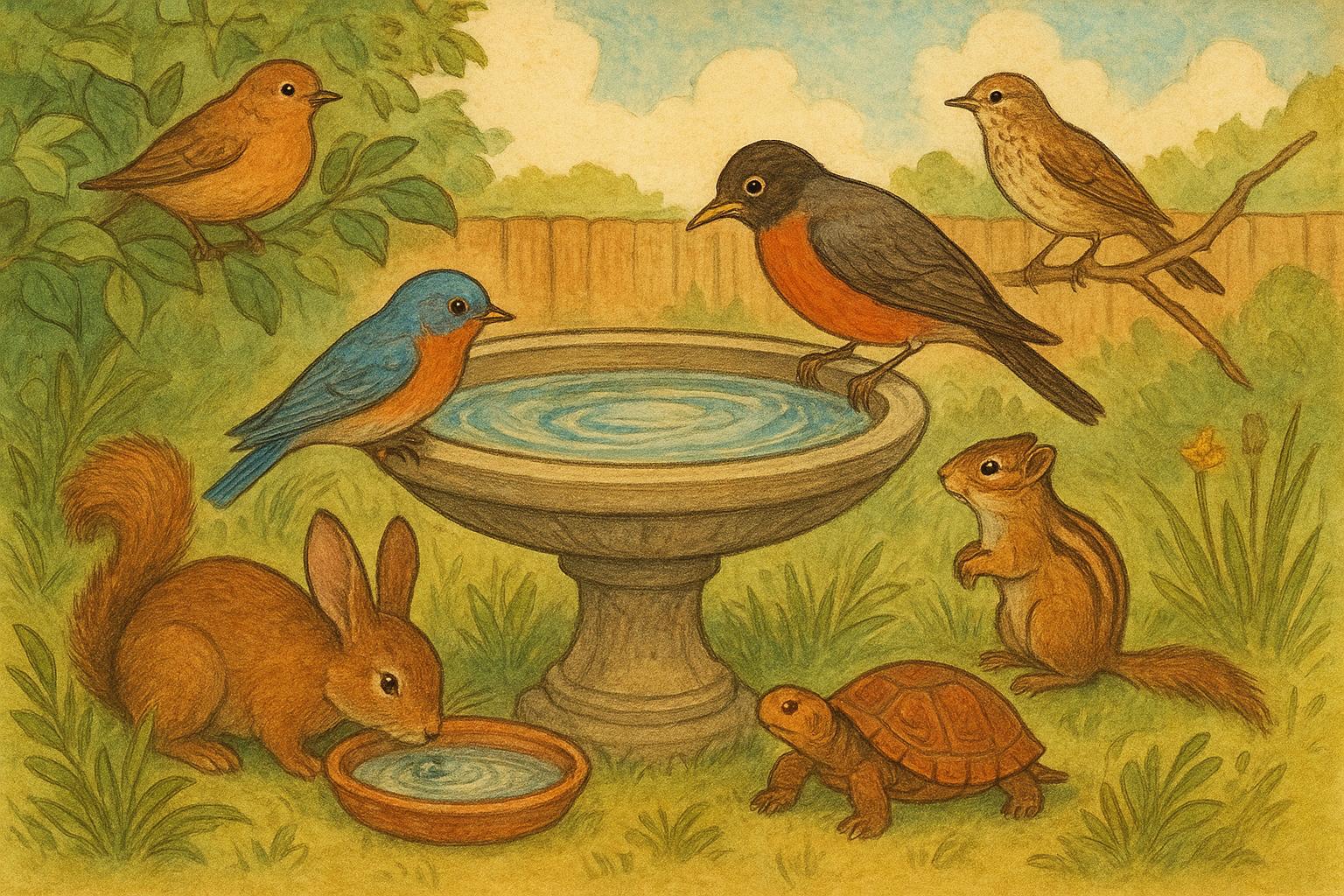
4. Install Water: Provide a shallow dish with stones or a small birdbath. Bees need water for cooling and digestion; accessible water reduces foraging trips to neighbors’ pools.
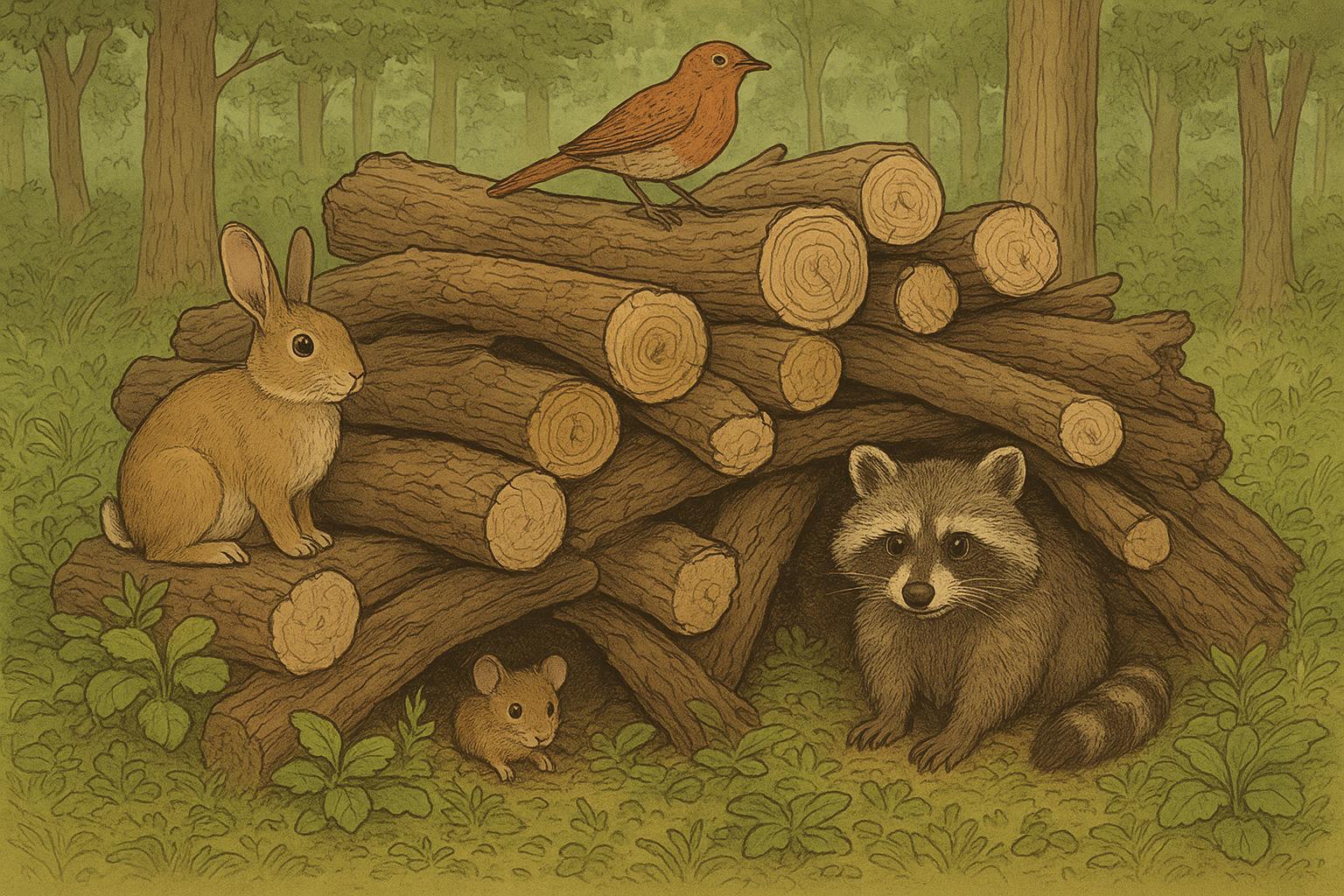
5. Nesting Habitat: Leave patches of bare ground, hedgerows, and undisturbed dead wood to support native bees. If you keep honey bees, install a hive kit on a stable, sun-facing stand, 3–5 feet above ground if possible.
6. Maintenance: Cut back non-native invasive plants, deadhead tired blooms late in season to encourage rebloom, and monitor for pests and diseases. If you keep hives, inspect on a regular schedule or enlist a mentor.
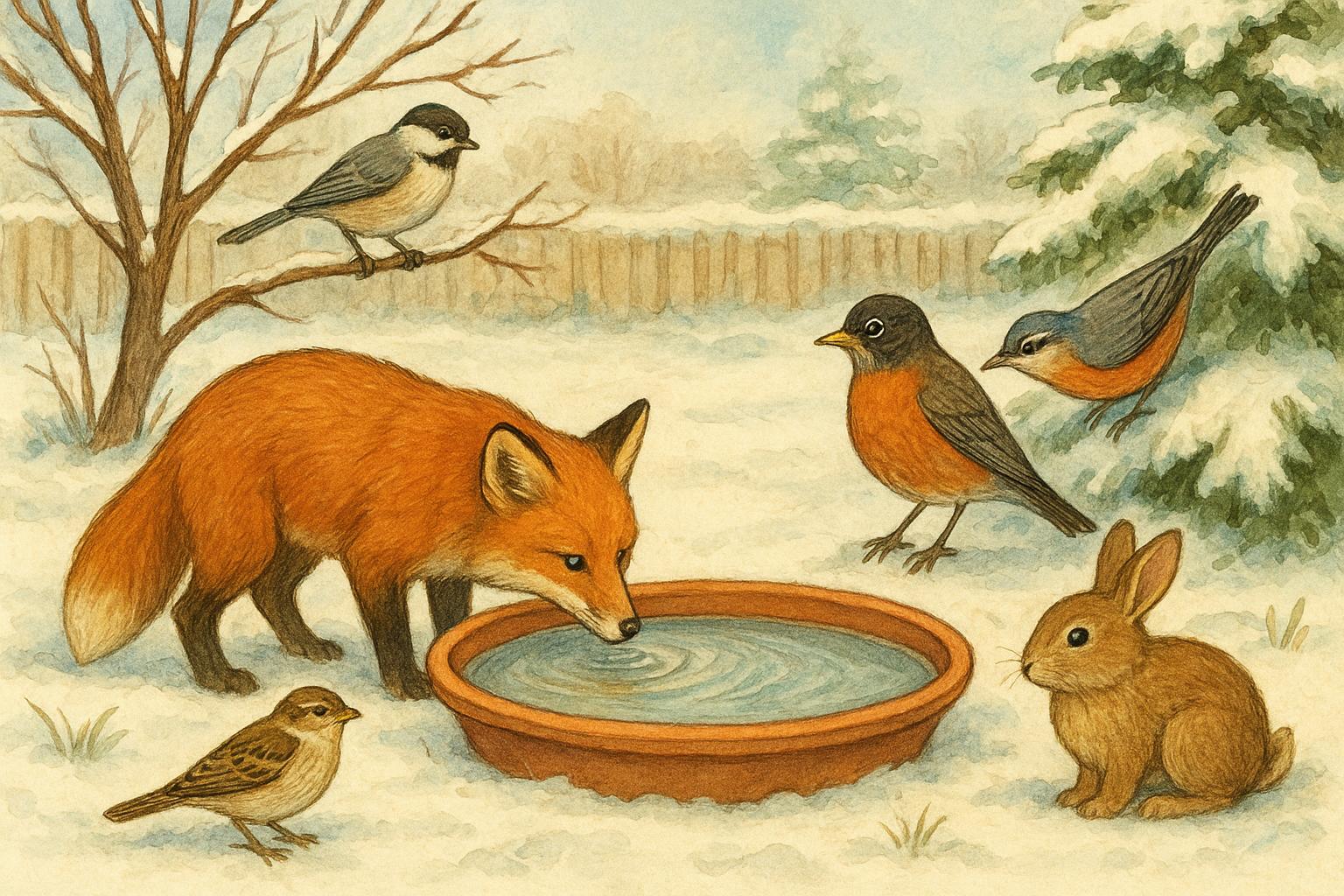
7. Seasonal Support: Plant fall-blooming species to provide late-season forage, and ensure water doesn’t freeze in winter. Avoid collapsing shrubs and maintain windbreaks to protect hives.
### When Keeping Bees Is Appropriate
Keeping honey bees requires time, commitment, and local permitting in many areas. If you decide to keep them, take a basic beekeeping course, register your hives where required, and build relationships with neighbors. Responsible beekeeping includes swarm prevention techniques—regular hive inspections, ensuring adequate space, and splitting overcrowded colonies before swarming season.
### When Not To DIY: Advanced Hive Problems
If bees are inside structural cavities, within walls, or have established long-term comb that attracts wax moths and pests, do not attempt removal yourself. Structural hive removal can require cutting into walls and careful comb extraction to prevent infestation and property damage. Contact a professional apiarist or a pest control service experienced with live bee removal.
## Living Peacefully With Honey Bees
Respectful coexistence is often the simplest path. Plant flowers, provide water, and keep calm—many backyard conflicts are solved by small habitat adjustments and communication with neighbors. If intervention is necessary, prioritize bee-friendly solutions: capture and relocation for swarms, humane removal for established colonies, and trained professionals for complex work. Your yard can be a safe, productive place for both you and the tiny, buzzing workers that make so much of your fruit and flowers possible.







Leave a Reply