
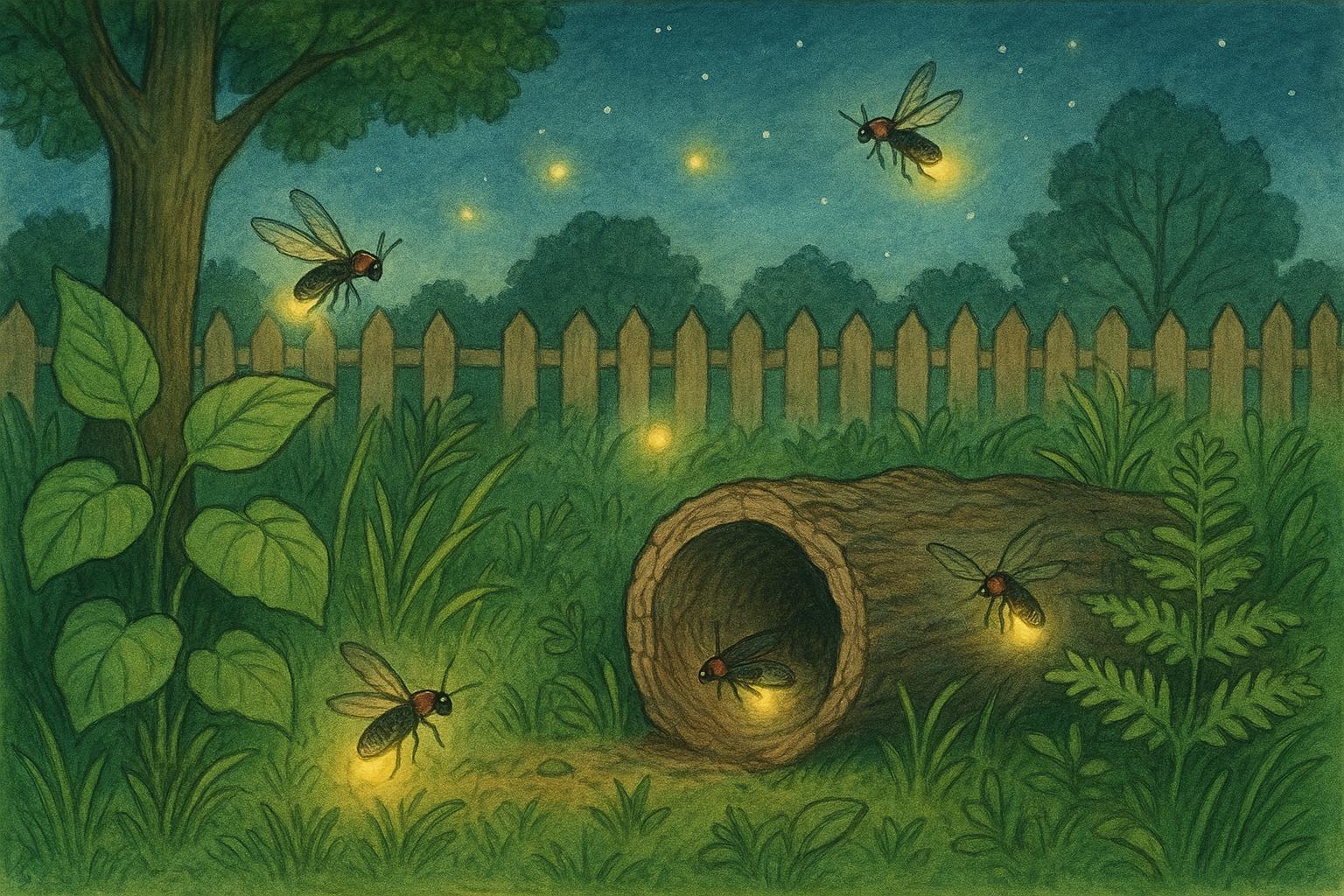
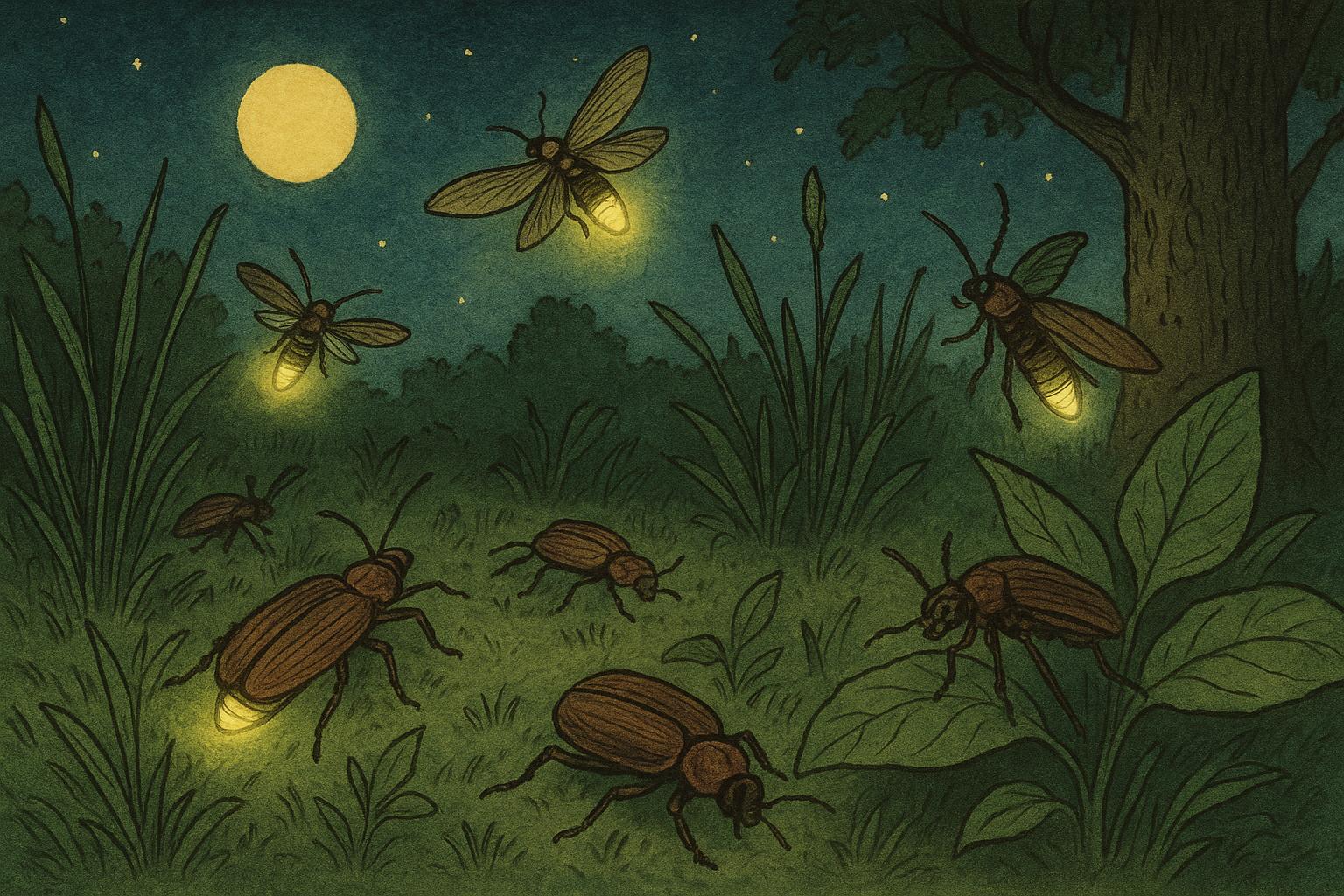
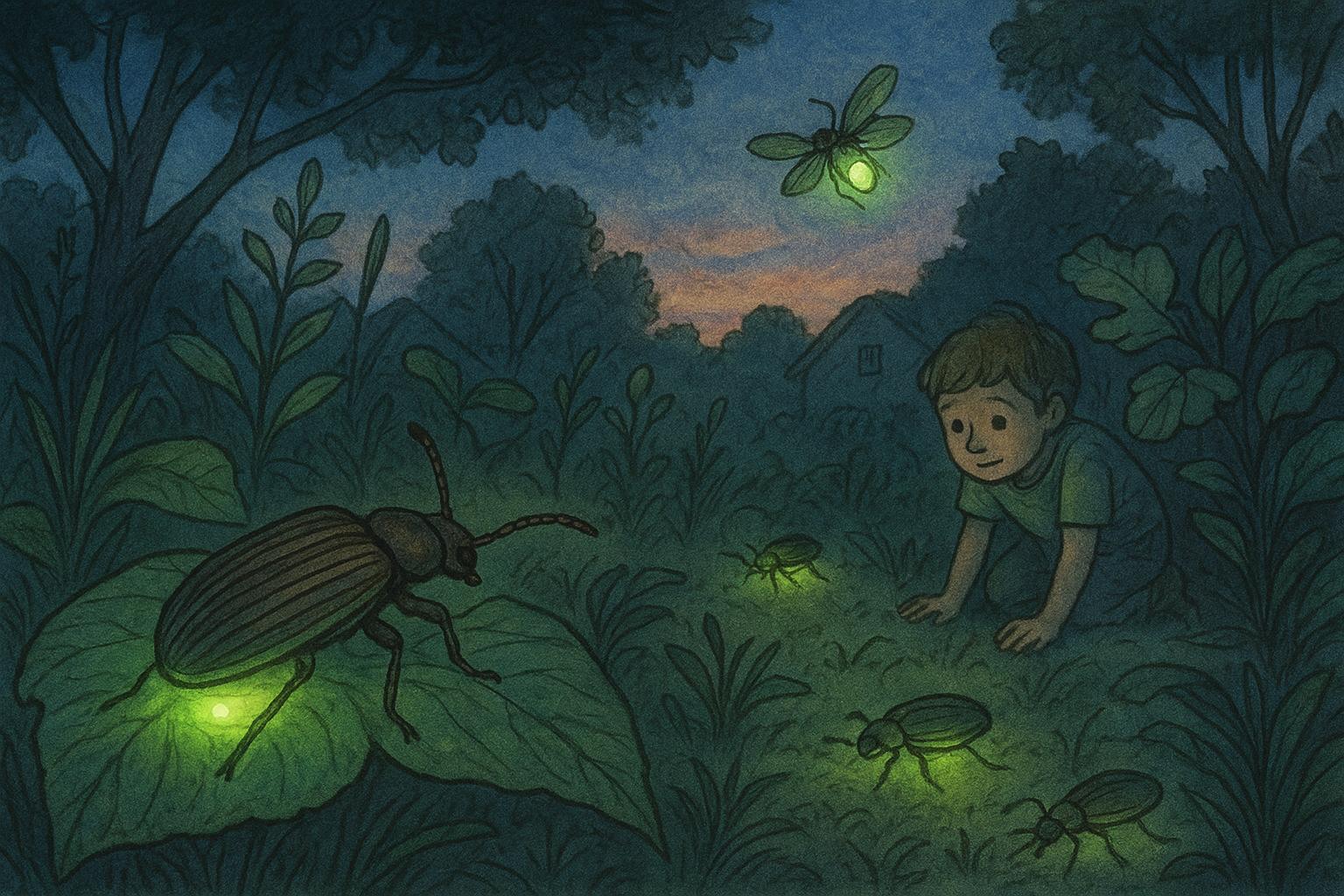
Welcome to the soft-glowing world behind your fence. If you’ve ever tried to catch a twinkling cluster of light and come up empty, the problem might not be your reflexes — it’s your yard. This guide will walk you through how to think like a beetle that prefers romantic lighting and soggy ground. We’ll focus on practical, backyard-friendly ways to restore and nurture a proper firefly habitat so your summer evenings regain a little bioluminescent magic.
## Firefly Habitat: What They Need
Fireflies aren’t picky gourmet diners, but they do need a few key things to survive and thrive: moisture, shelter, food (for larvae), and dark skies. These delightful insects spend most of their lives as larvae in the soil or leaf litter, hunting slugs and snails; the glowing adults are mostly about mating and, in some species, short-term feeding. A healthy firefly habitat starts with understanding those life stages and catering to them.
### Moist Soils And Leaf Litter
Many species require consistently damp soil or marshy edges. If your lawn is a dried-out carpet, think of it as a VIP no-entry zone for larvae. Areas near ponds, slow drains, or shaded beds with thick leaf layers are prime real estate.
#### Why Moisture Matters
Moisture keeps larvae from desiccating and supports the invertebrates they eat. It also keeps the microhabitat cool during hot evenings — very important in heat-prone climates. Mulch and undisturbed leaf litter create a sponge-like environment that holds water and provides hiding spots.
### Dark Nights And Low Light Pollution
Fireflies communicate with light. Excessive outdoor lighting confuses and interrupts their mating signals. Even low-level motion-sensor floodlights can wreck a whole neighborhood’s courting rituals. Keep your night lighting minimal, shielded, and on timers where possible.
## Habitat-Friendly Planting And Landscape Choices
A few changes to plant selection and gardening habits can dramatically improve the quality of your firefly habitat. Native, low-mow plantings and intentional wet pockets are both attractive to fireflies and helpful to broader biodiversity.
### Plant For Structure And Moisture
Include native grasses, sedges, and moisture-loving perennials along garden edges. These plants help slow water runoff, increase soil organic matter, and maintain cool microclimates. Avoid neat, manicured beds that leave soil bare and dry.
#### Reduce Turf, Increase Texture
Think of your yard less as a lawn and more as a living mosaic. Clumps of native flowers, small shrubs, and a wild corner with tall grass all provide perching and hiding sites for adults as well as prey habitat for larvae.
## Remedy 1: Create A Moist Meadow Patch
This is the single most effective change you can make for a firefly habitat: convert a portion of lawn into a simple, damp meadow patch with native plants and leaf-litter refuges.
Materials/Ingredients:
– Native sedges or moisture-tolerant grasses (enough for a 10–100 sq ft patch)
– Native moisture-loving perennials (e.g., Joe-Pye weed, cardinal flower or local equivalents)
– One bale of shredded leaf compost or well-aged leaf mulch
– Garden rake and spade
– Mulch (2–4 inches)
– Water source (hose or soaker line)
– Optional: small organic log pile or flat stones for shelter
Step-by-Step Creation:
1. Select a Location: Choose a low-lying, partially shaded area that naturally holds moisture or is near a water source. Avoid full sun with rapid drainage.
2. Prepare the Site: Mow the grass short and rake away dead material. Loosen the top 2–3 inches of soil with a spade or rake to help new roots establish.
3. Plant Natives: Space sedges and grasses in clumps, and intersperse moisture-loving perennials. Follow local planting guidelines for depth and spacing.
4. Add Leaf Mulch: Spread 2–3 inches of shredded leaf compost or aged leaf mulch around plants, leaving stems clear. This retains moisture and provides habitat for larvae.
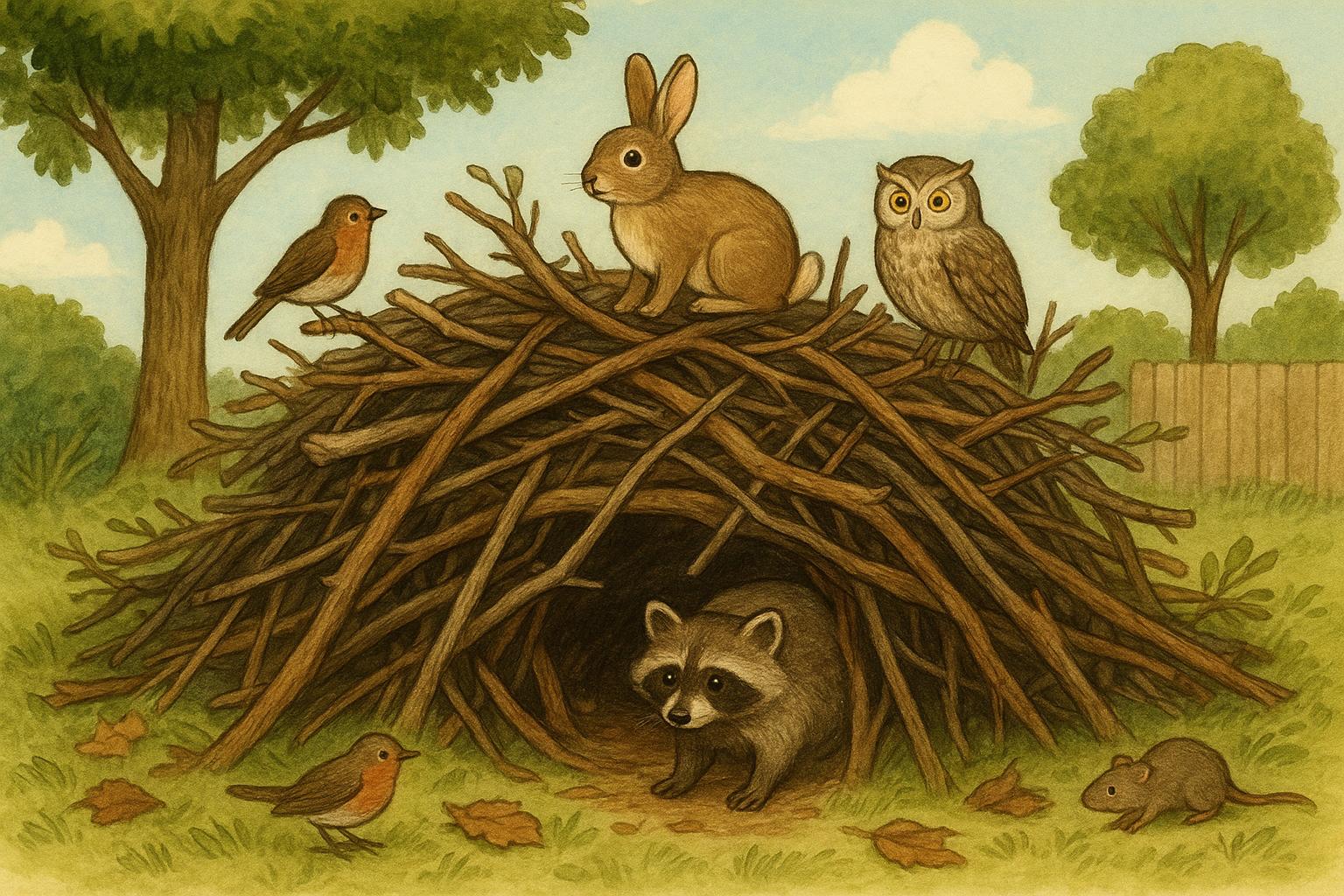
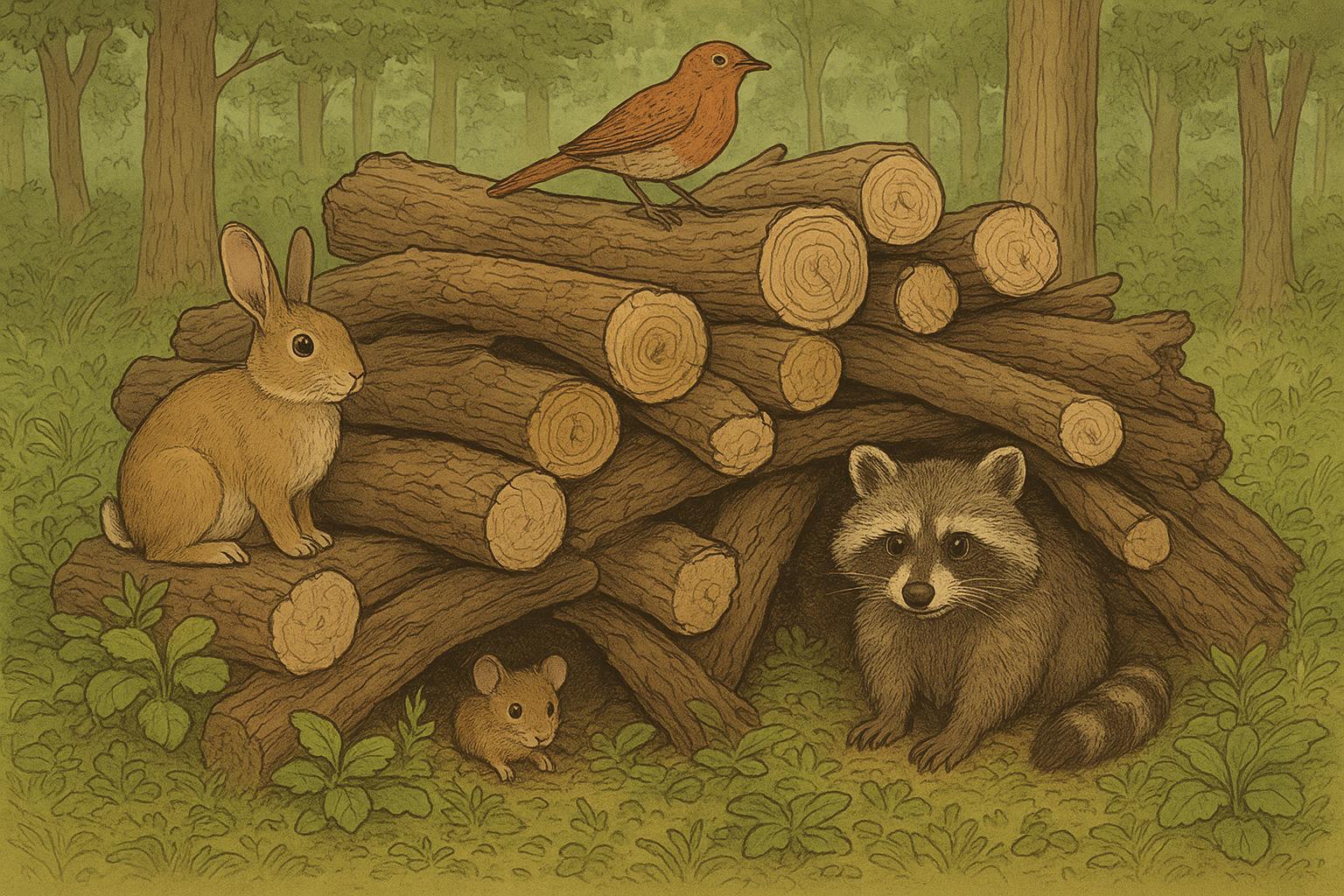
5. Create Microrefuges: Place a small, loosely stacked log pile or lay flat stones partly buried at the edge of the patch. These act as cool, humid hiding spots.
6. Water Deeply: Water thoroughly at planting to establish roots. For the first season, water to maintain moist soil, not soggy puddles.
7. Maintain Minimally: Once established, mow only the edges and add leaf mulch annually. Avoid tilling or using pesticides.
Application Notes (Formal):
– Maintain the patch by leaving at least a 3–4 inch layer of leaf litter through fall and winter.
– Do not apply chemical pesticides; these are toxic to larvae and prey species.
– Monitor soil moisture and adjust watering during droughts; a brief dry spell is tolerable, but extended desiccation will reduce larval survival.
## Remedy 2: Restore Night-Friendly Lighting And Safe Shelter
Addressing light pollution and providing safe adult perching shelter are both essential steps in enhancing a firefly habitat.
Materials/Ingredients:
– Warm-colored (amber) LED bulbs with shielding
– Motion-activated timers or switch controls
– Dusk-to-dawn or downward-facing light fixtures
– Native shrubs and low trees (for shelter)
– Mulch or groundcover plants for understory
Step-by-Step Creation:
1. Conduct A Lighting Audit: Walk your yard after dark and note every light source. Identify fixtures that are always-on, upward-facing, or unshielded.
2. Replace Bulbs: Swap out blue-rich LEDs for warm amber LEDs (≤3000K), which are less disruptive to firefly signaling.
3. Shield And Redirect: Install full-cutoff fixtures or shields to prevent light from spilling into garden beds and toward the sky.
4. Install Controls: Connect fixtures to motion sensors, timers, or manual switches. Aim for lights to be on only when necessary.
5. Add Shelter Plantings: Plant native shrubs and small trees along perimeters to break wind and provide perching and roosting sites. Include a shrub layer with dense lower branches.
6. Create Understory Cover: Plant groundcovers and apply mulch to maintain a cool, humid understory for emerging adults.
Application Notes (Formal):
– Light intensity and color are primary factors in mate-finding disruption; reducing both will restore signaling efficiency.
– Maintain a minimum dark corridor between habitat patches to improve movement and mating success.
– Avoid using broad-spectrum or high-intensity landscape lighting near wet areas or meadows.
### Practical Behavior Changes That Help
Small changes in mowing schedule and pesticide use have outsized benefits. Mow less frequently and at higher heights; allow a late-season “messy corner” for overwintering larvae. Turn the hose to soak preferred patches during long dry spells rather than frequent shallow watering.
#### Pesticide And Chemical Considerations
Many common lawn and garden pesticides — especially systemic insecticides and broad-spectrum products — are harmful to firefly larvae and their prey. Organic, targeted approaches reduce collateral damage and improve long-term habitat quality.
## Monitoring And Patience
If you create or restore a firefly habitat, know that results aren’t instantaneous. Populations respond over several seasons as larvae complete multi-year development cycles. Keep a log of sightings and note weather patterns and any changes to lighting or lawn care. Over time you’ll be able to correlate your actions with increases in flying, flashing adults.
### Citizen Science And Community Efforts
Join local bioblitzes or nationwide firefly surveys to contribute observations. Coordinated community action — reducing neighborhood lighting and creating connected habitat patches — amplifies the effects of single-yard improvements. Think of it as setting up a small, elegant dating app for fireflies: the more compatible profiles (habitat patches), the better the matches.
Your backyard can be more than a place for barbeques and slightly too-ambitious vegetable experiments. With a little planning and a few simple materials, you can create a thriving firefly habitat that brings twilight back to life. Now go plant something, tuck in some leaves, and flip those lights off — you’re running an endangered-species matchmaking service, and that’s impressive.



















Leave a Reply