
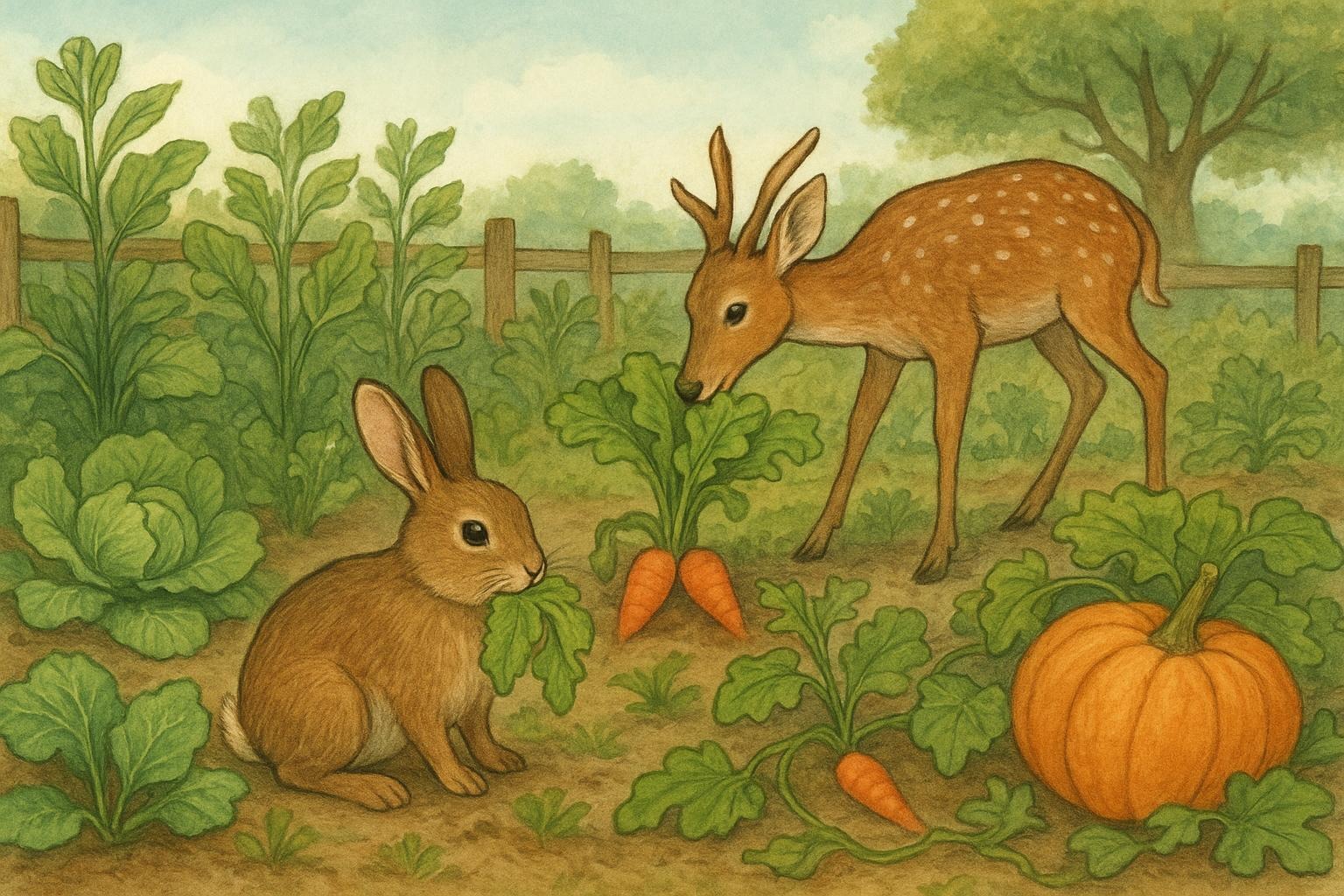
If you’ve ever walked out to your garden to find a half-eaten row of lettuce or tomato plants nibbled into submission, welcome to the club. Animals eating vegetables is one of those universal gardener grievances — a maddening blend of admiration for wildlife and the desire to protect your hard work. The good news: with thoughtful planning and some practical fixes, you can coexist with critters without turning your plot into a wildlife free-for-all.
## Dealing With Animals Eating Vegetables: Why They Come For Your Garden
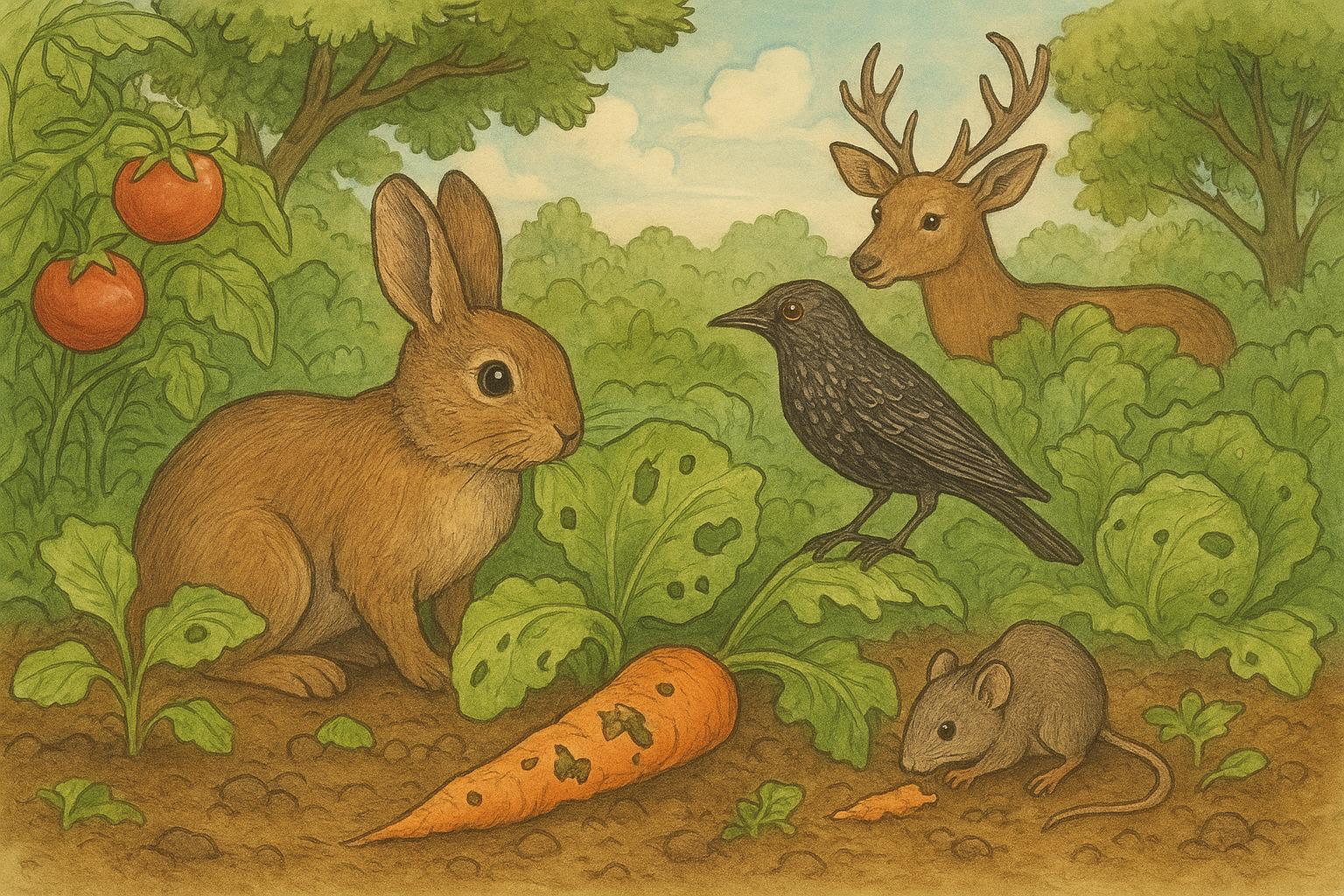
Animals eating vegetables isn’t personal. Gardens are simply convenient, predictable, and full of tasty calories. Rabbits, deer, groundhogs, birds, slugs, and even squirrels will sample vegetables when they’re hungry and your defenses are low. Understanding why animals target your garden makes it easier to design responses that work longer term.
### Common Culprits And Their Preferences
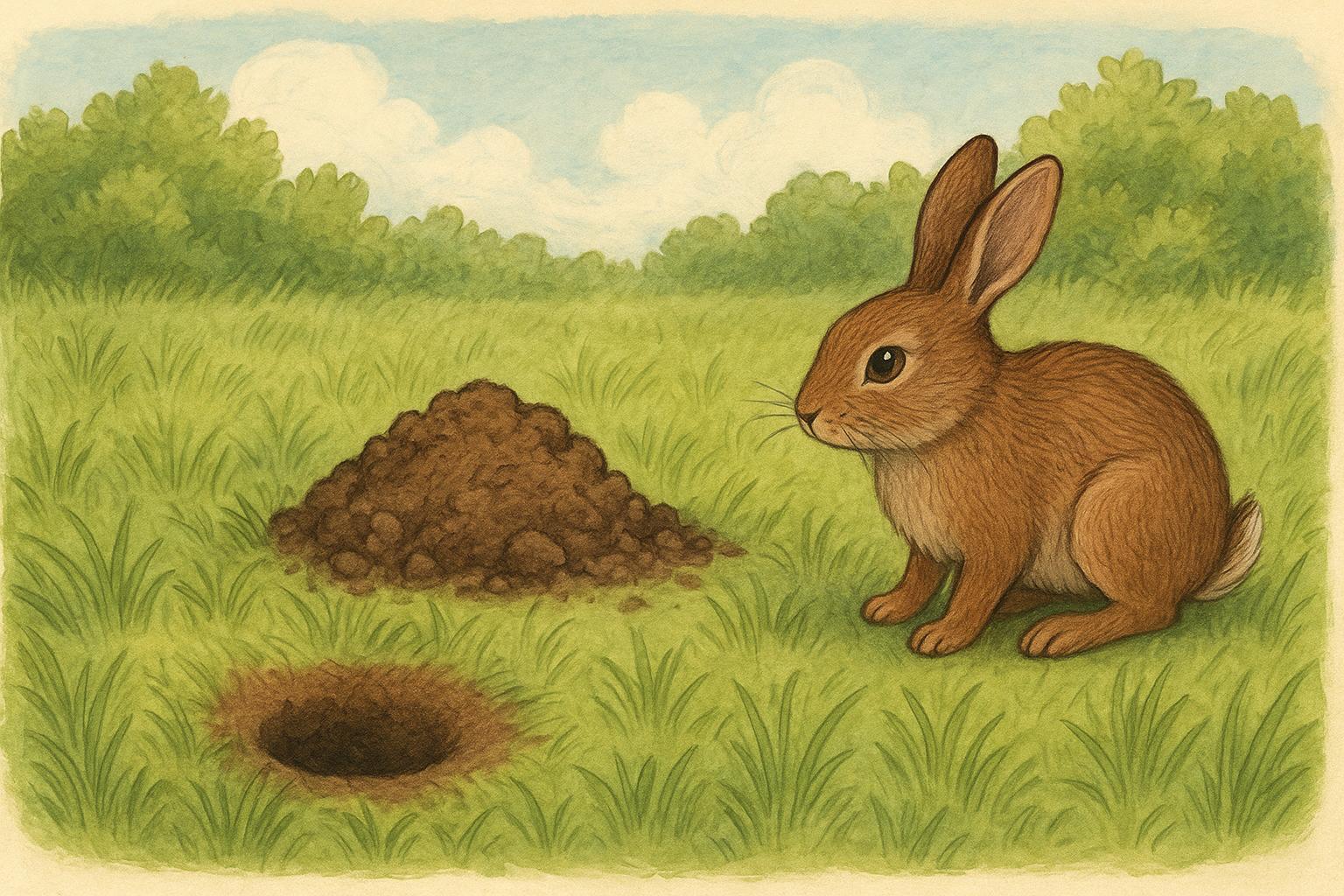
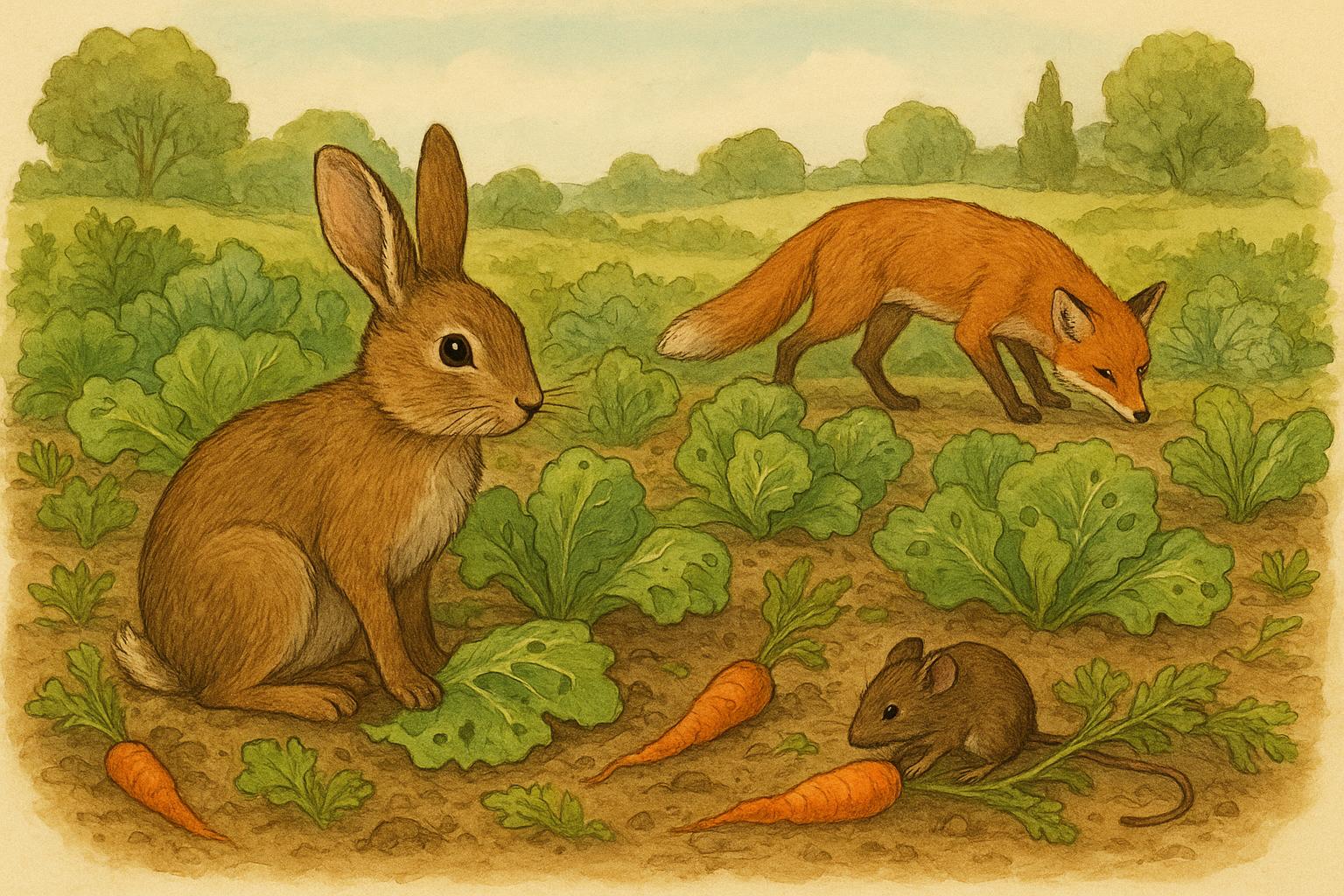
Different animals leave different signatures. Rabbits favor tender greens and seedlings; deer go for taller plants and broad leaves; slugs and snails attack at night, leaving ragged holes; birds peck at fruits; rodents chew stems. Identifying the culprit narrows your options and increases success.
### Habits To Watch For
Animals eating vegetables usually follow patterns: nightly grazing, seasonal movements, or opportunistic raids after a weather event. Track damage timing (day vs. night), droppings, footprints, or bite patterns to decide which remedy is appropriate.
## 1. Fencing And Physical Barriers
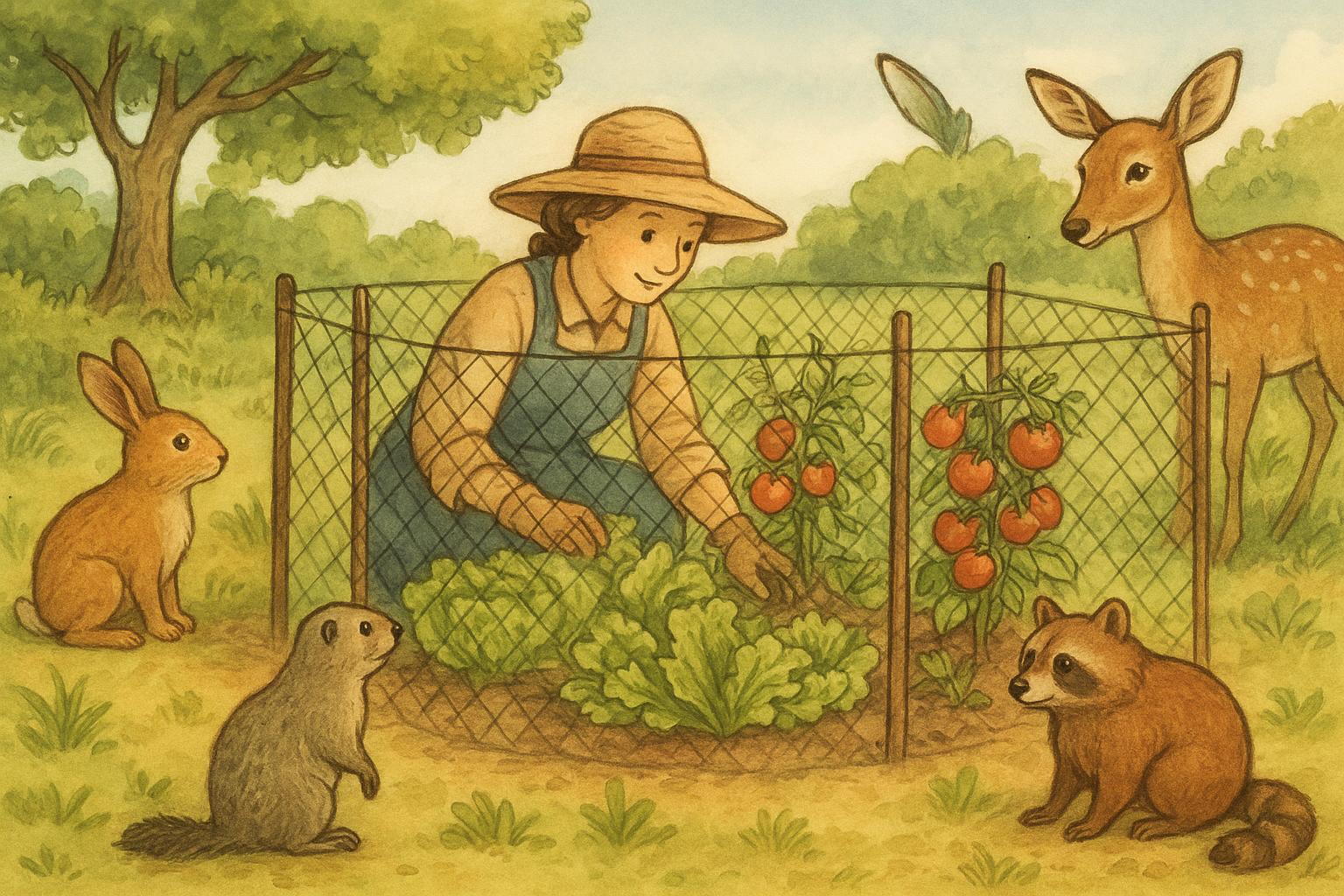
Physical exclusion is often the most reliable long-term defense. When properly designed, fences prevent entry without harming animals.
### Materials
– Sturdy wire mesh (hardware cloth or welded wire) 1/4″–1″ mesh
– T-posts or wooden stakes
– Zip ties or wire ties
– Stakes or ground anchors
– Gate hardware (if needed)
### Steps To Build And Install
1. Measure and plan: Mark the perimeter you want to protect. Consider extending the fence to include a buffer zone around beds.
2. Choose height and depth: For rabbits and ground-dwellers, 2–3 feet of fence with 6–12 inches buried prevents digging. For deer, 7–8 feet is ideal, or a double-fence approach with one shorter fence and another set back to create a visual barrier.
3. Install posts: Space posts every 6–8 feet and anchor them firmly in the ground.
4. Attach mesh: Unroll mesh and secure it to the posts using ties. Ensure the bottom is flush with the ground or buried to stop diggers.
5. Add a gate: Install an easy-to-use gate with secure latches to keep animals out.
When animals eating vegetables are persistent in your area, invest in a durable fence. Cheaper netting often fails; heavy-gauge wire pays off.
## 2. Raised Beds, Covers, And Row Covers
Raising planting surfaces and using protective covers reduces access for many pests and improves plant health.
### Materials
– Lumber or pre-made raised bed kits
– Garden fabric or floating row cover
– Hoop supports (PVC or metal)
– Clips or clothespins to secure covers
### Steps For Construction And Use
1. Build beds: Construct raised beds to a comfortable height (8–24 inches). Use rot-resistant wood or composite materials.
2. Install hoops: Place hoop supports over the bed at regular intervals to support covers.
3. Drape covers: Lay floating row cover over hoops and secure snugly to the bed edges to prevent gaps.
4. Monitor and ventilate: Lift covers periodically to check growth and pollination needs. Remove for pollinator-dependent crops during bloom if necessary.
Raised beds with secure covers are especially useful where smaller mammals and birds are the main problem; they reduce access and make your plants less tempting targets.
## 3. Natural Repellent Spray (Remedy)
A humane, homemade repellent can deter many mammals and some insects without harsh chemicals. This remedy uses scent cues animals dislike and can be applied safely.
### Ingredients / Required Materials
– 1 gallon of water
– 1 cup of strong-scented soap (castile or liquid dish soap)
– 2 cups of chopped garlic or 10–12 crushed garlic cloves
– 1 cup of hot pepper flakes or 6–8 hot peppers blended
– 1 cup of eggshell powder or a handful of black pepper (optional for extra deterrence)
– A large pot, strainer, spray bottle or garden sprayer
### Steps To Create And Apply
1. Simmer infusion: In a pot, combine water, chopped garlic, and hot pepper flakes (or blended peppers). Simmer for 20–30 minutes to extract oils and scents. Allow to cool.
2. Strain: Strain solids out using a fine mesh strainer or cheesecloth. Retain the liquid.
3. Add soap and extras: Stir in liquid soap for sticking power. Mix in eggshell powder or black pepper if using.
4. Transfer to sprayer: Pour the mixture into a garden sprayer or spray bottle. Label clearly.
5. Test and apply: Test on a small leaf to check for phytotoxicity. If no damage after 24 hours, spray plants lightly, focusing on stems and the undersides of leaves. Reapply after rain or every 7–10 days.
6. Use precautions: Wear gloves when handling hot peppers. Keep spray away from beneficial insect blooms during daytime applications.
This natural repellent is more about discouragement than eradication. Animals eating vegetables may avoid heavily scented plants, but reapplication and integration with other strategies improve outcomes.
## 4. Smell, Taste, And Texture Deterrents
Strategically using odors, tastes, and textures that animals dislike can reduce damage. Rotation and unpredictability make these methods more effective.
### Materials
– Commercial animal repellents (deer/rabbit formulations)
– Human hair or used coffee grounds (optional)
– Mulch or rough materials (pine cones, sharp gravel)
– Scented predator urine (available commercially) if legal in your area
### Steps For Application
1. Select appropriate deterrent: Choose a repellent labeled for the target animal and intended use.
2. Apply as directed: Follow manufacturer instructions for concentration and frequency.
3. Supplement with household items: Scatter coffee grounds or hair near beds to add human scent. Spread rough mulch around seedlings to discourage small critters.
4. Rotate products: Change repellents every few weeks to prevent animals from getting accustomed to one scent.
Apply these more as part of an integrated approach; alone they often provide partial control. When dealing with animals eating vegetables, consistent and varied deterrents reduce habituation.
## 5. Behavioral And Habitat Modifications
Change the environment to make your garden less inviting: remove attractants and reduce shelter that supports pests.
### Measures To Implement
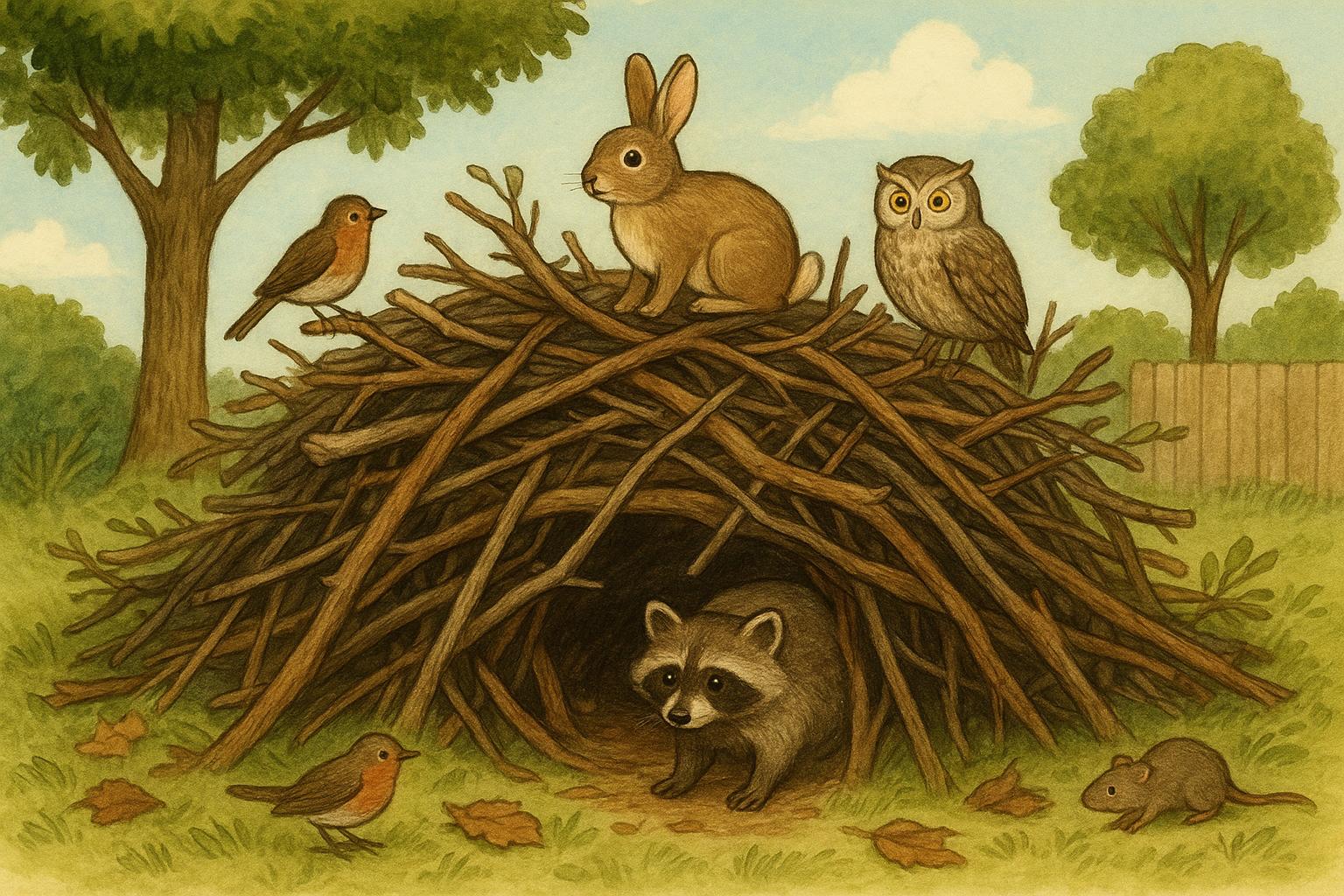
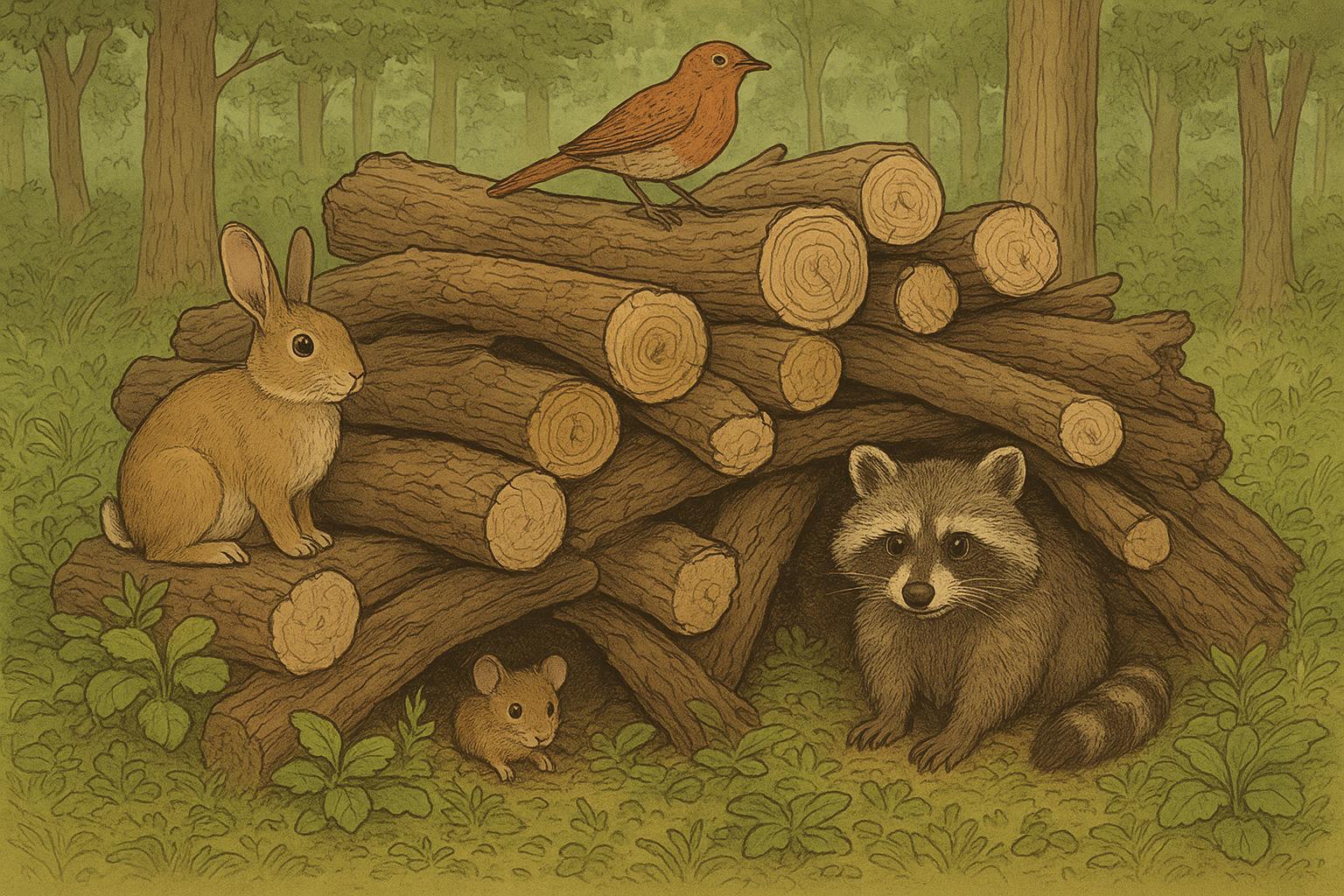
– Remove brush piles, tall grass, and old wood where rodents and rabbits hide.
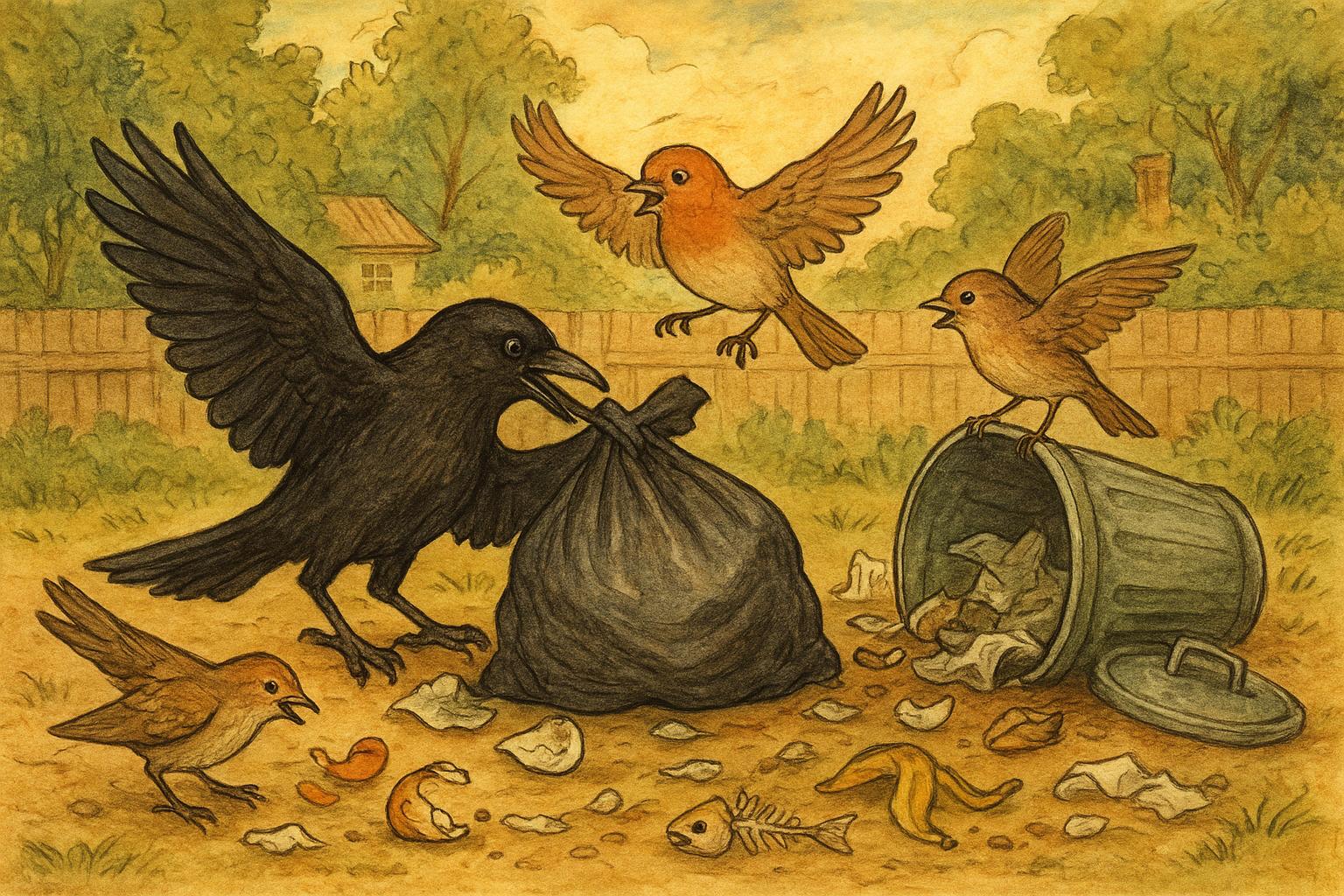
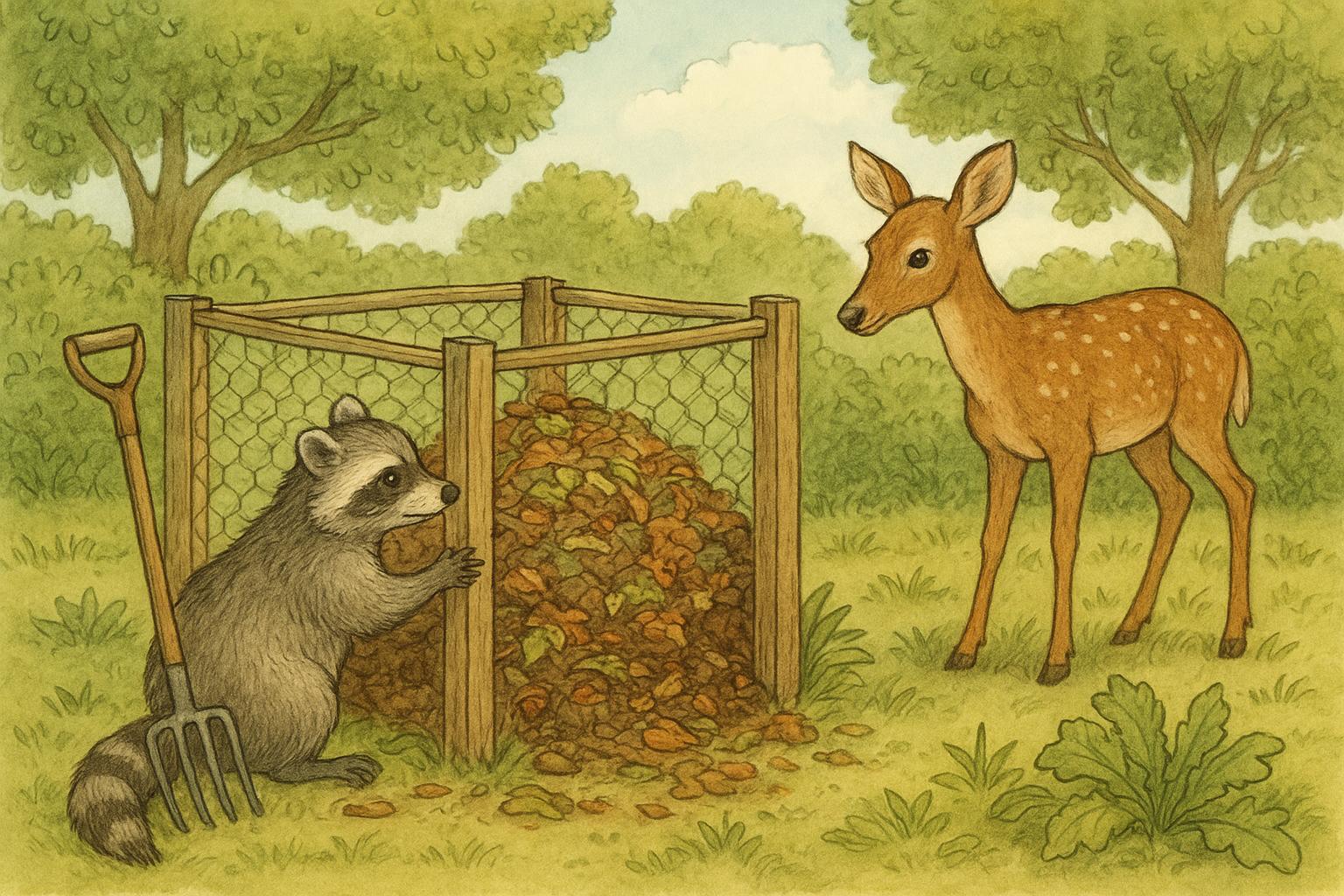
– Store pet food, birdseed, and compost properly in sealed containers.
– Trim lower branches on trees to prevent deer from browsing at head-height.
– Plant sacrificial or decoy crops (e.g., clover) away from main beds to divert attention.
When animals eating vegetables is a seasonal issue, these habitat changes can reduce population pressure and lower the chance of repeat raids.
### Monitoring And Adaptive Management
Set up a simple log: note dates, type of damage, and what you applied. Regular monitoring lets you see what works and where to tweak. Consider motion-activated lights or cameras to confirm culprits before escalating measures.
#### Legal And Ethical Considerations
Some deterrents and actions (e.g., trapping, relocation, or lethal control) are regulated. Check local wildlife laws. Favor humane, legal methods first. If you must escalate, consult a licensed wildlife professional.
## Keeping It Up Without Losing Your Mind
Dealing with animals eating vegetables requires persistence and a little creativity. Mix exclusion, repellents, habitat adjustments, and good garden hygiene, and you’ll reduce losses significantly. Remember to enjoy those moments when a bumblebee does its job or you outsmart the neighborhood rabbit — gardening is part planning, part patience, and a touch of luck.

Leave a Reply