
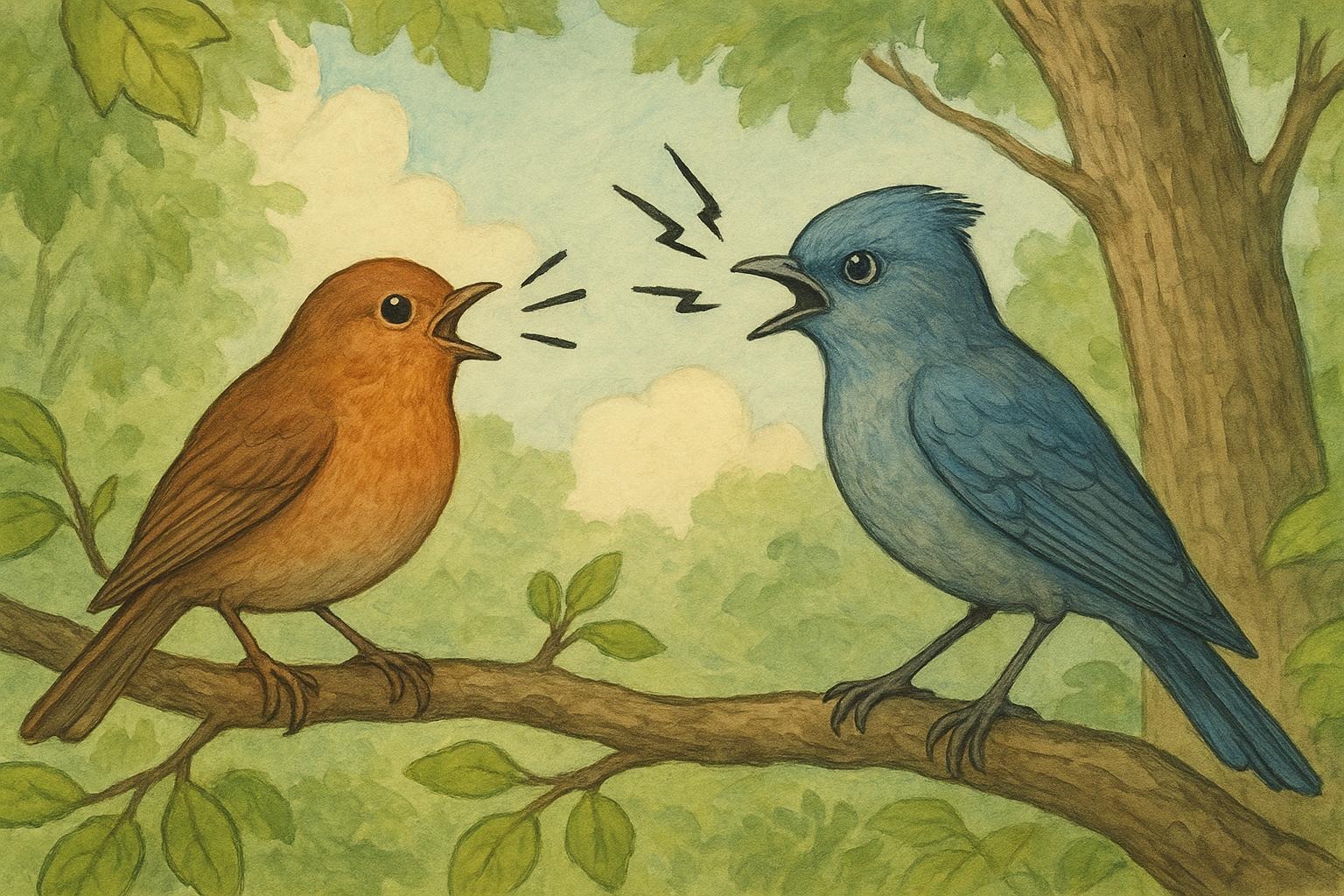
Welcome to your friendly crash-course in backyard bird linguistics — no translator required, just a pair of ears and maybe a strong cup of coffee.
## Bird Call Differences Explained For Calls Vs Alarm Sounds
Birds talk. They sing, chirp, trill, scold, and occasionally shout like they just spotted your cat on the fence. The trick for the curious backyard naturalist is learning the difference between ordinary calls and true alarm sounds. Understanding bird call differences helps you interpret what’s happening in your yard: social chatter, territory declarations, or honest-to-goodness danger.
### Why Birds Make Different Sounds
Bird vocalizations fall into functional categories. The main ones you’ll notice are:
– Contact calls: short, simple notes used to keep a flock together.
– Songs: longer, often complex sequences primarily from males during breeding season to claim territory or attract mates.
– Alarm calls: sharp, urgent notes that warn others of predators or threats.
– Mobbing calls: repetitive, aggressive calls that recruit others to harass a predator.
Each category evolved for a purpose — brevity for contact, complexity for attracting mates, and harshness plus repetition for alarms. When you focus on function instead of species, the bird call differences become easier to spot.
### How Calls Differ From Alarm Sounds
When you compare normal calls to alarm sounds, pay attention to these consistent contrasts:
– Tone Quality: Contact calls are typically mellow; alarm calls are harsher, raspier, or metallic.
– Tempo And Repetition: Alarms are often rapid and repeated; casual calls are intermittent.
– Pitch Changes: Some species use higher pitches for alarms; others drop to a rougher low note.
– Delivery: Alarm calls frequently accompany sudden flight, flocking, or a freeze-and-stare behavior.
The most useful rule of thumb is context: a single mellow “chip” while birds forage is different from a frantic series of “chip-chip-chip” that sends birds into the hedges. This practical distinction is key when you’re trying to parse bird call differences at a glance.
#### Acoustic Features To Listen For
Listen for these acoustic clues:
– Harshness: Alarm calls often sound buzzy, grinding, or clipped.
– Repetition Rate: The faster the repetition, the more urgent the message.
– Dynamic Range: Volume spikes or staccato bursts suggest alarm.
– Frequency Modulation: Rapid ups and downs in pitch can make a call sound alarm-like.
A smartphone recorder is a great companion here: slow the audio down and you’ll notice patterns your ear might miss in real time.
#### Behavioral Context And Body Language
Sound rarely stands alone. Watch how birds move:
– Freezing or Sudden Stillness: Often the precursor to an alarm call.
– Rapid Flocking Or Scattering: Alarm calls often cause immediate group movement.
– Staring And Head Turning: Birds may lock onto a predator and emit a series of calls.
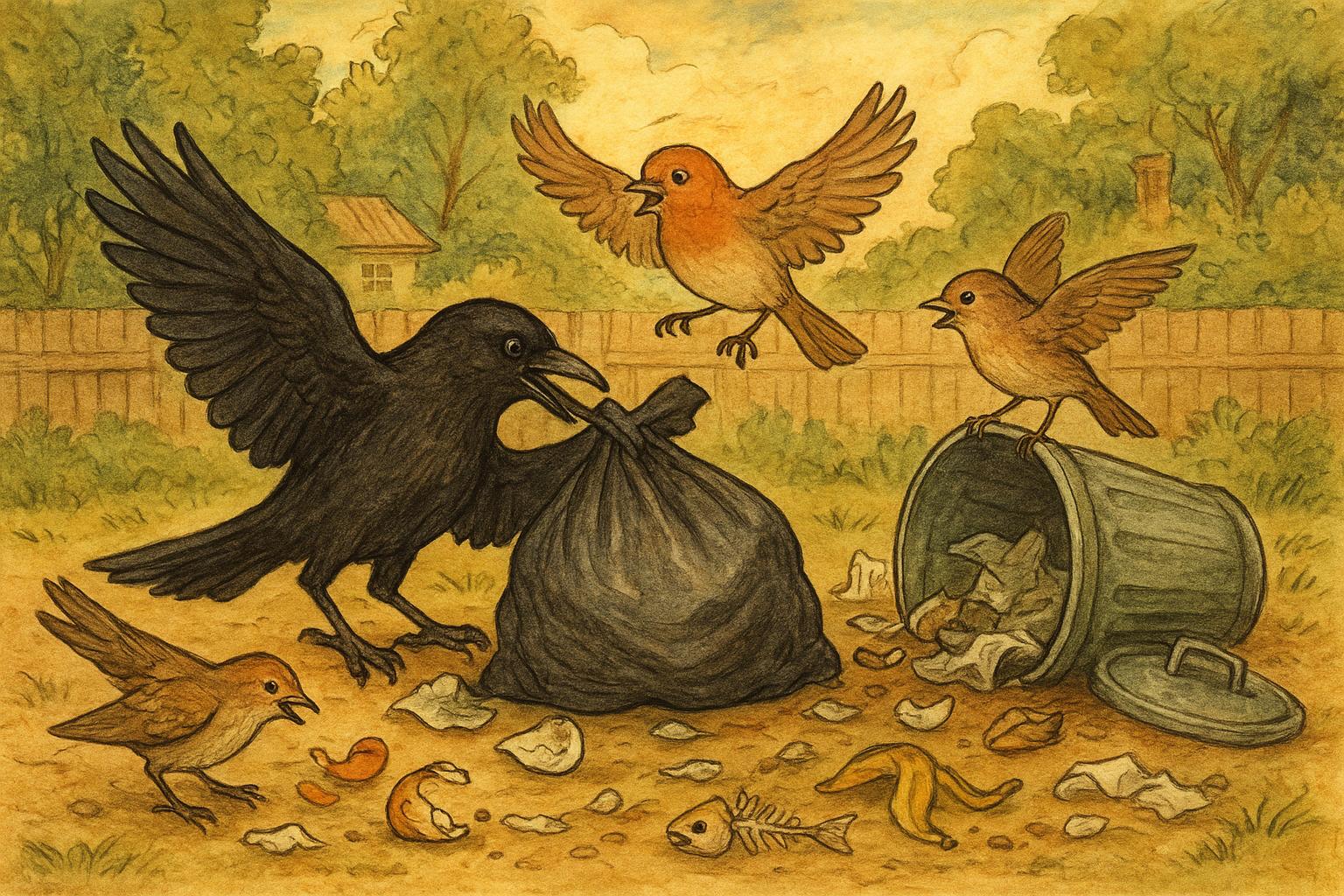
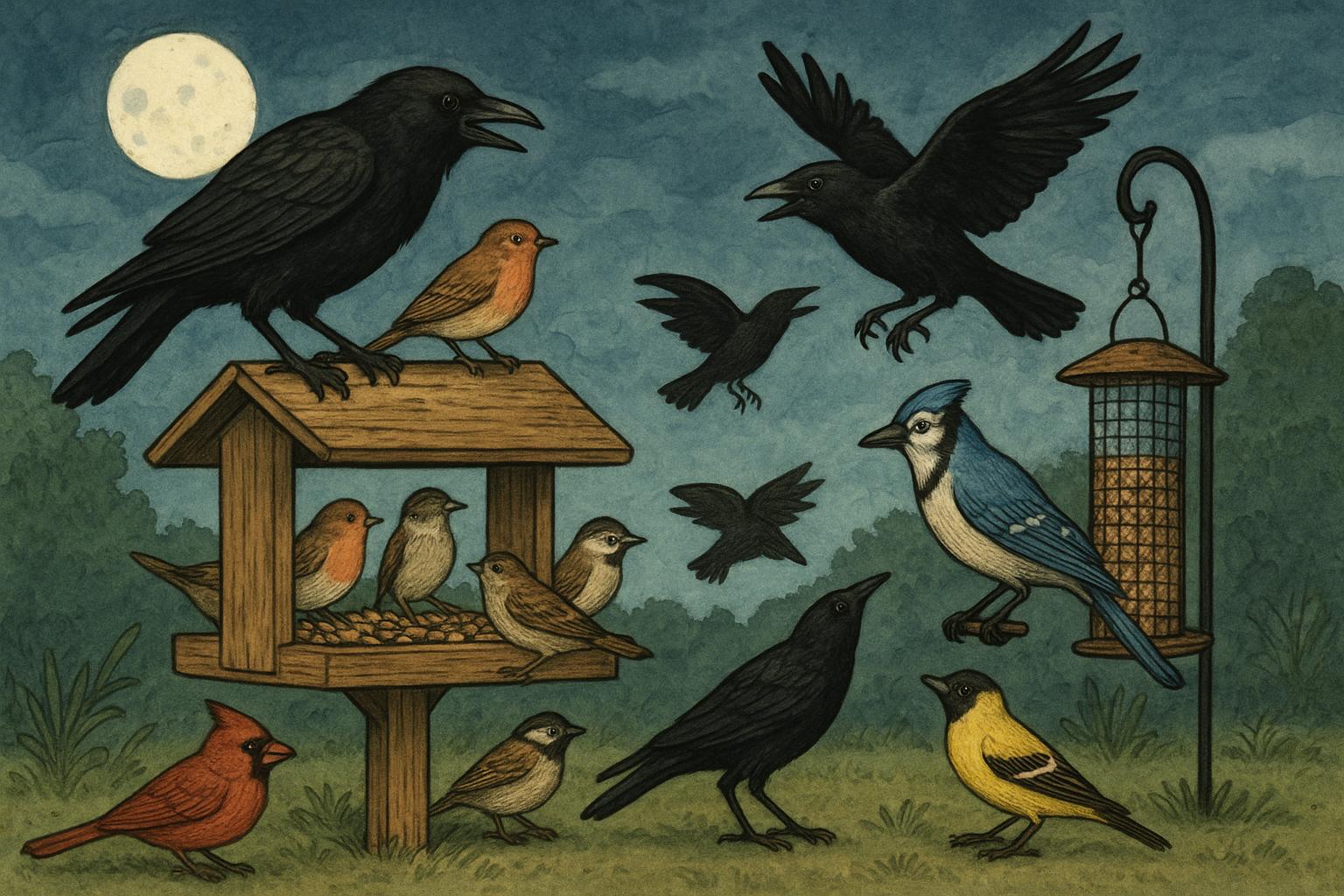
– Mobbing Approach: If birds deliberately approach and dive at a threat while calling, that’s a mobbing situation, not casual chat.
These visual cues, combined with vocal traits, are the backbone of decoding bird call differences.
## Bird Call Differences: Field Identification Tips
If you want to sharpen your ears, try these relaxed but practical tips. No lab coat required.
### Quick Listening Checklist
Use this mental checklist when a bird catches your attention:
1. Count the notes in the sequence.
2. Note tone (mellow vs harsh).
3. Observe bird behavior (feeding, preening, alarmed).
4. Scan for predators (hawk, cat, owl).
5. Listen for response (do others respond quickly?).
Keep the checklist handy and you’ll find that learning bird call differences becomes less guesswork and more pattern recognition. A little practice each morning can turn you into your neighborhood’s unofficial ornithological interpreter.
### When To Worry: Recognizing True Alarm Sounds
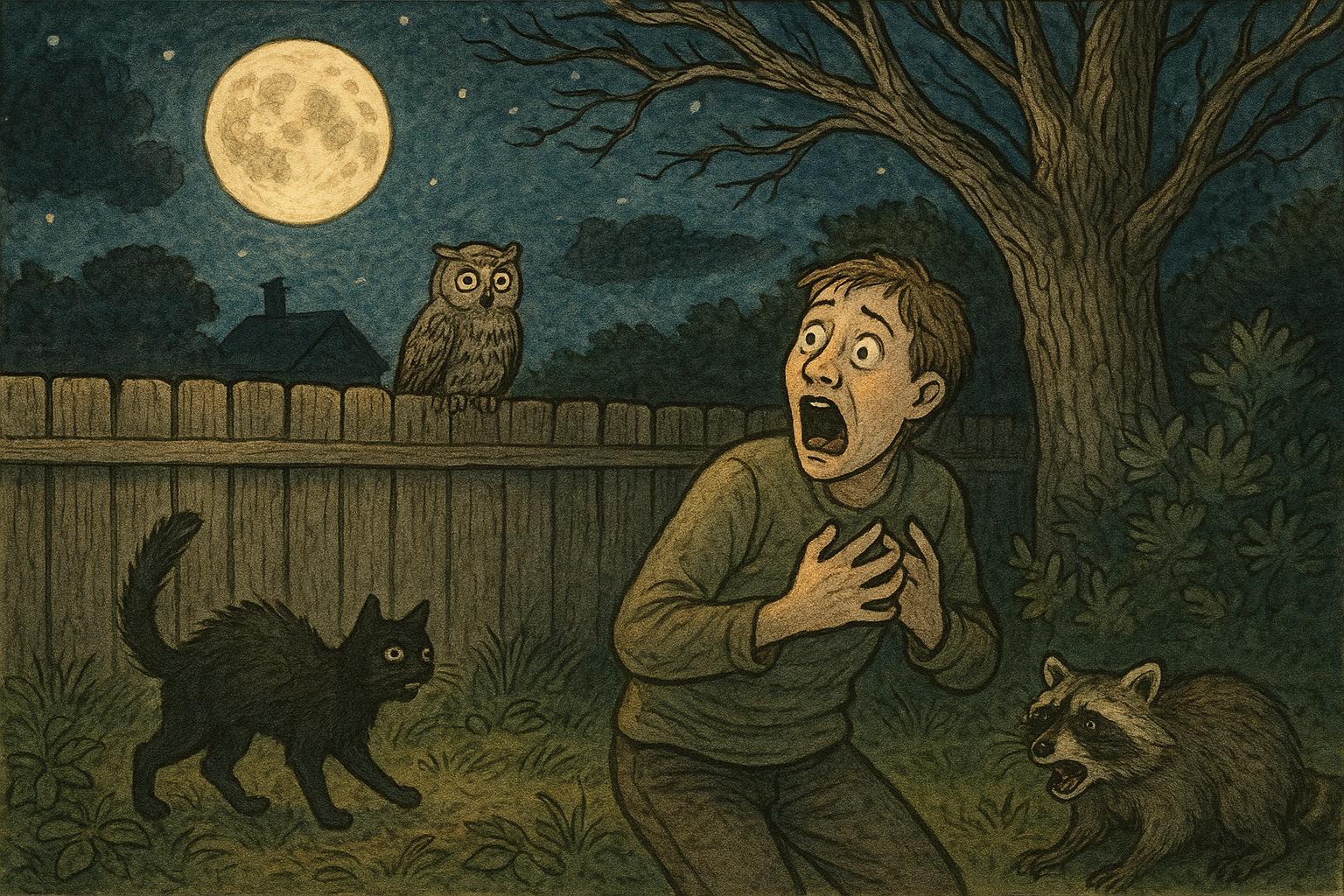
Not every frantic-sounding call means immediate danger to you — but it is likely an important event for the birds. True alarm calls often correlate with a visible predator (raptors, snakes, cats) or sometimes with a nearby human disturbance. Owls, hawks, and sometimes even squirrels provoke intense mobbing that sounds quite dramatic. If you hear sustained alarm calls and birds are mobbing or constant scanning is happening, assume something is amiss until you can visually confirm otherwise.
## Simple Remedy: Build A Call Recognition Kit
If you’d like a practical, repeatable way to distinguish bird calls from alarms, build a small call recognition kit. This section is formal and instructional: follow carefully for consistent results and ethical use.
### Materials
– Smartphone or compact digital recorder with good microphone
– A small pair of binoculars (8×42 recommended)
– Notebook or note-taking app
– Field guide app or printed guide with sonograms (recommended)
– Laptop or tablet for audio playback and slow-down analysis (optional)
### Step-By-Step Build And Use Instructions
1. Assemble Materials: Ensure your recorder and binoculars are charged and accessible. Install a reliable bird identification app that includes audio and sonograms.
2. Practice Recording: Record short sessions (30–60 seconds) during calm times. Label files with date, time, and location.
3. Observe Context: When you hear something curious, quickly note bird behavior before focusing on sound. Record a 20–60 second clip including visual context if possible.
4. Playback Analysis: Transfer recordings to a device where you can slow playback to 0.75x or 0.5x speed without changing pitch. Listen for harshness, tempo, and repetition.
5. Compare With Guides: Use your field guide or app to match spectrogram shapes and patterns. Many alarm calls show broad-band, noisy sonograms compared with narrow-band contact notes.
6. Log Patterns: Record your conclusions and any visual confirmations. Over time, you’ll build a personal database of local bird call differences.
7. Apply Ethically: Use recordings for study only; do not bait or repeatedly playback alarm calls to attract birds. Harassment and stress to wildlife is unethical and often illegal.
#### Ethical And Safety Notes
– Do not use recorded alarm calls to provoke birds for entertainment; repeated playback can cause stress and unsafe behaviors.
– Keep a respectful distance when investigating potential predators.
– If a domestic pet is the cause of alarm calls, remove the pet calmly to prevent escalation.
### Practical Applications
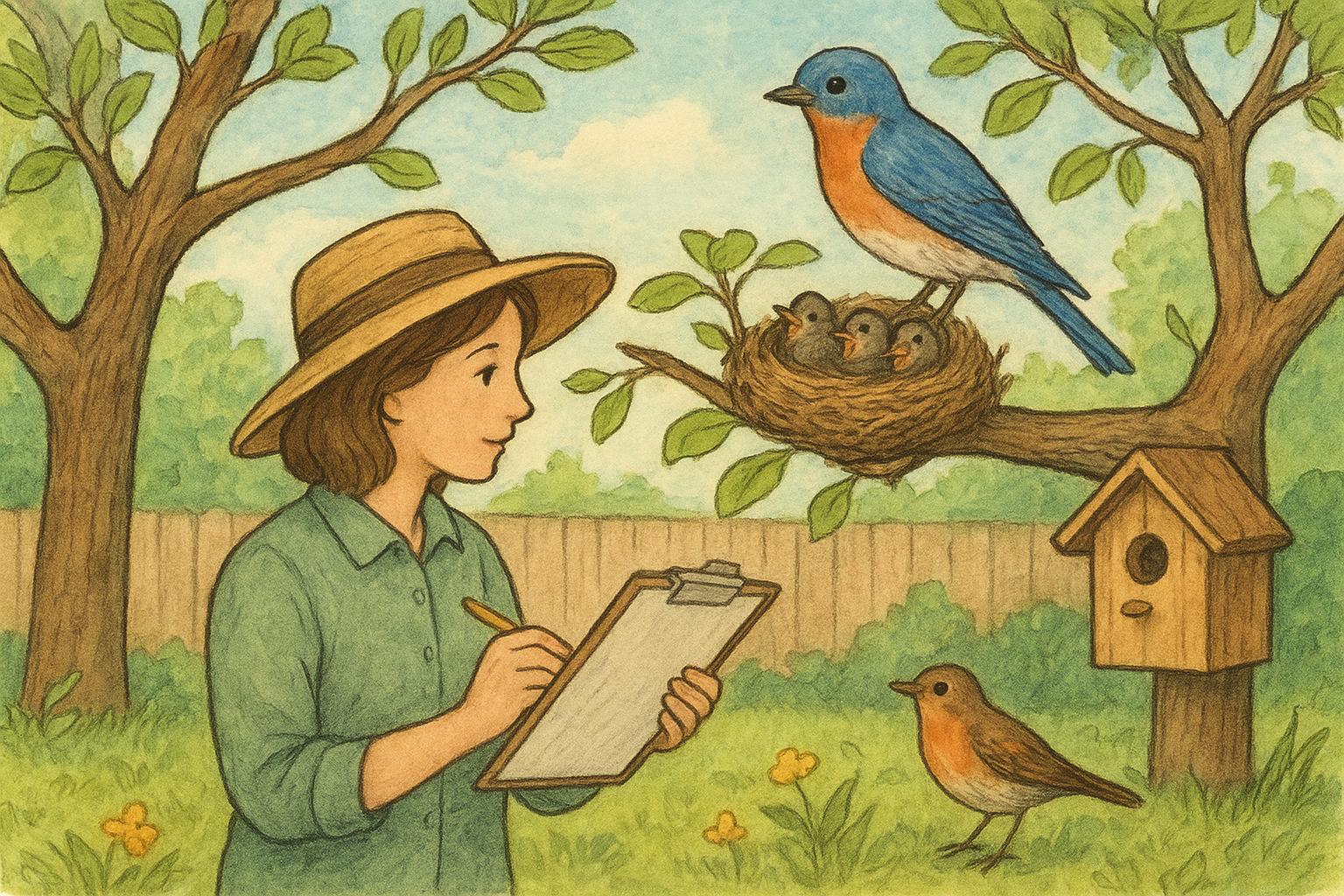
Your call recognition kit has practical uses: early detection of predators, better timing for wildlife photography, and a deeper enjoyment of daily bird activity. It’s also handy for citizen science — your recordings can contribute to local biodiversity surveys and help researchers track behavior patterns.
## Common Mistakes People Make When Interpreting Bird Calls
Even seasoned birders can stumble. Avoid these common errors:
– Relying on a single feature (tone alone can be misleading).
– Ignoring context (behavior and surroundings are critical).
– Assuming all loud calls equal alarm (some species have loud, distinctive contact calls).
– Overusing playback in the field (causes harm and unreliable responses).
Accurate interpretation of bird call differences comes with patient listening, careful observation, and ethical practices. Keep practicing, and your ears will become as reliable as your eyes — maybe even more so on a foggy morning.






















Leave a Reply