
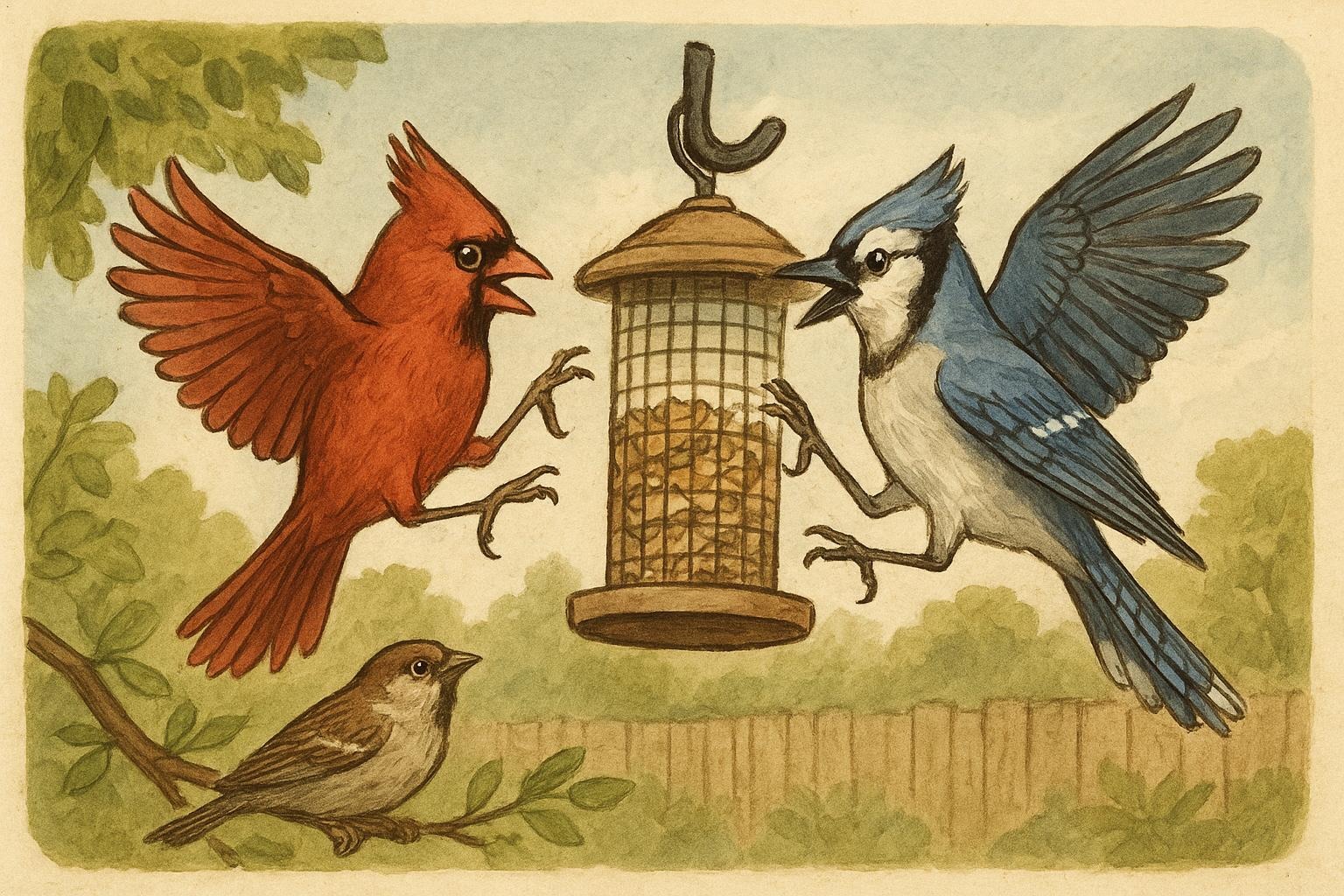
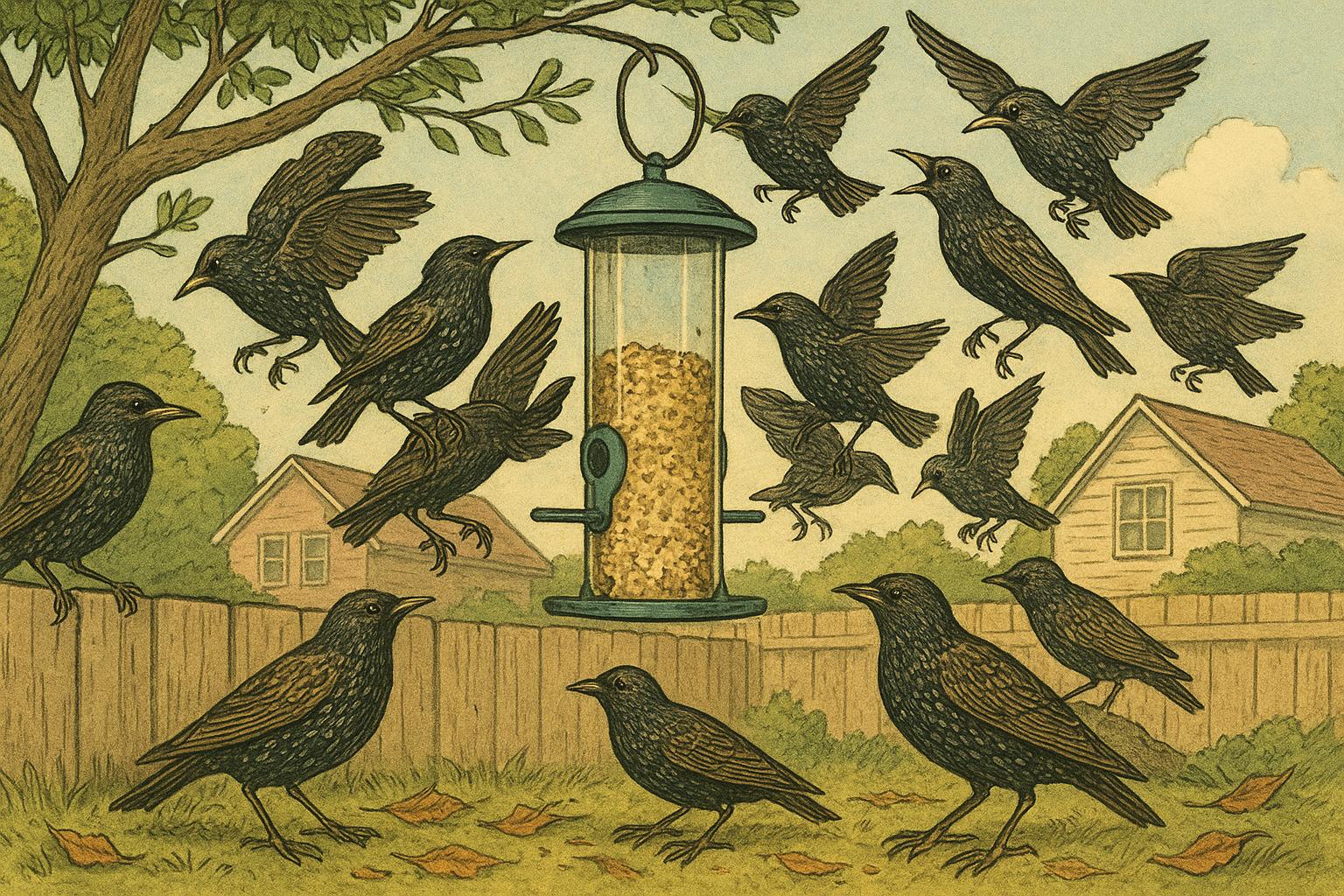
I love watching birds at the feeder — the colors, the chatter, the tiny acrobatics. But sometimes that peaceful morning show turns into an avian soap opera, complete with dramatic swoops and loud squabbles. If you’ve ever found yourself wondering why robins, sparrows, or finches suddenly turn into feathered boxers at your feeder, this article will walk you through what’s actually going on, how to read the signals, and practical steps you can take to reduce conflicts.
## Understanding Bird Fights At Feeders In Your Backyard
### What Counts As A Fight Versus Normal Feeder Behavior
Not every aggressive peck or chase is a fight. Birds naturally jostle for position when resources are concentrated. A true fight involves sustained chases, fluffed feathers, open beaks, grappling, or injuries. Short shoves and quick retreats? That’s often just a dominance display or a territorial nudge.
### Why Bird Fights Happen
Birds compete because food is a limited resource and feeders change the usual balance. Wild birds follow a “cost-benefit” approach: if the feeder is worth defending, an individual or pair will try. Key drivers include:
– High-value food items (sunflower hearts, suet, peanut butter)
– Overcrowded or poorly designed feeders that allow only one or two birds at a time
– Territorial species (jays, cardinals, house finches) defending mates or nesting areas
– Seasonal pressures such as breeding or migration when energy demands spike
### Species Dynamics And Social Hierarchies
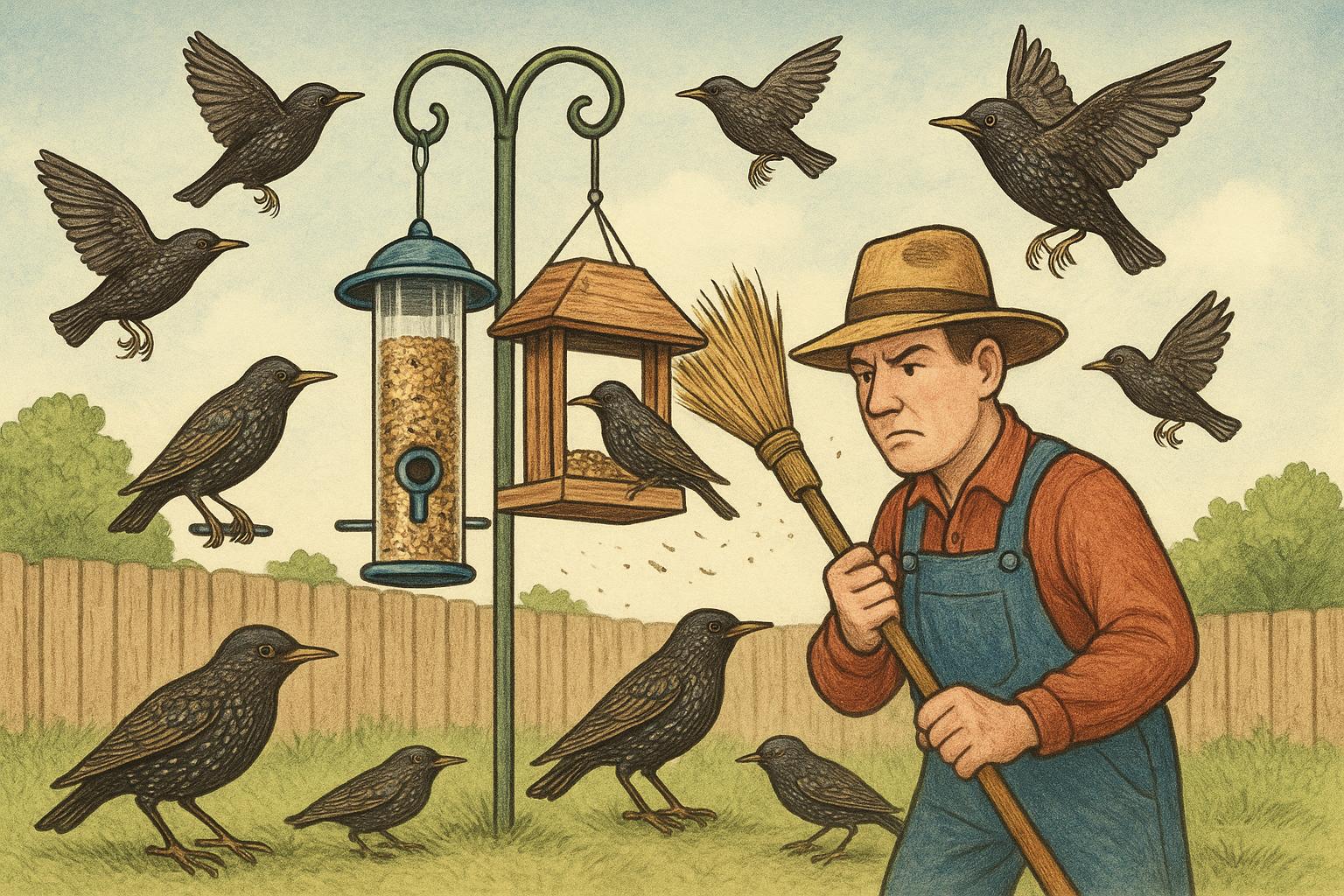
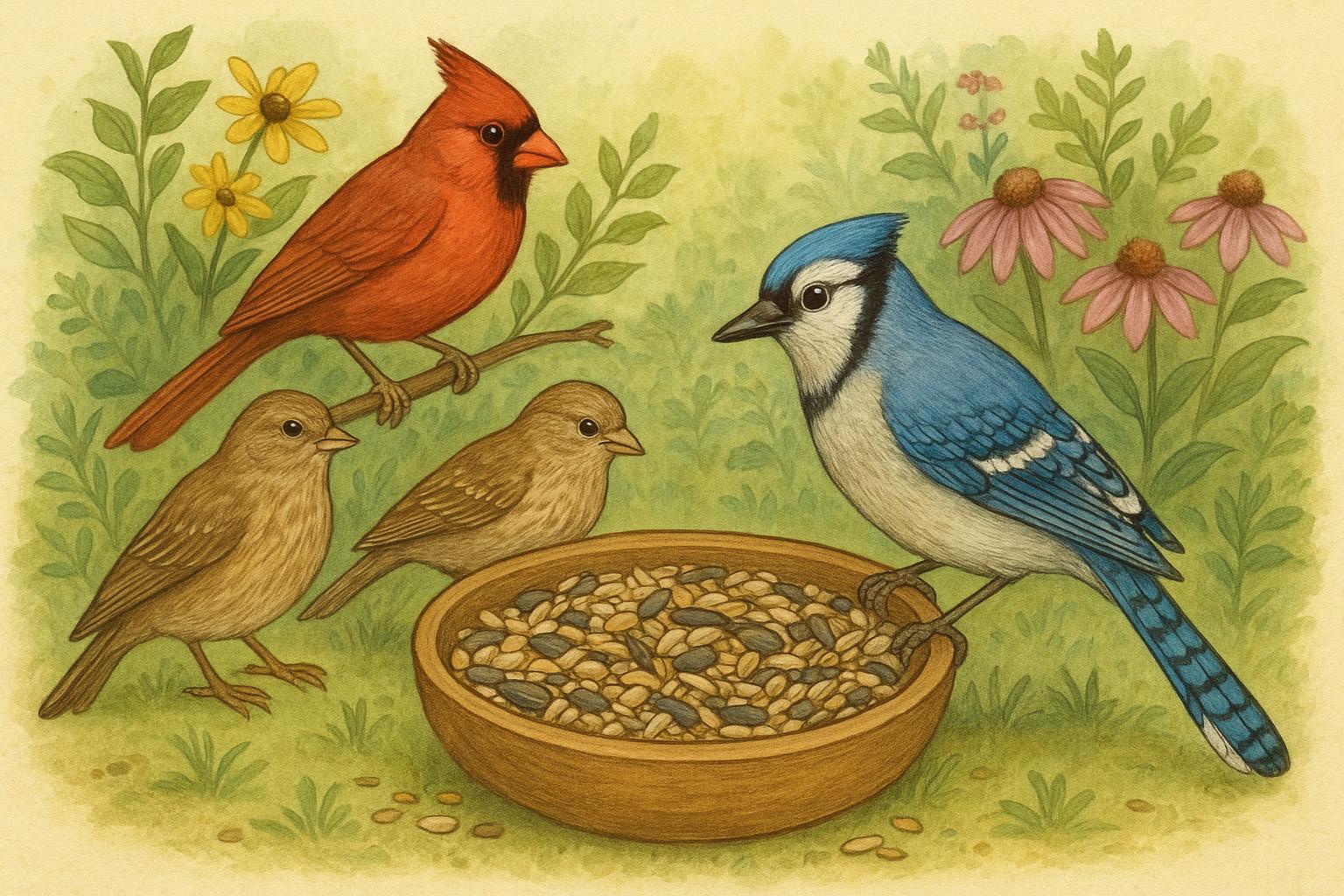
Different species have different temperaments. Some are bold and pushy; others are shy. Social hierarchies mean the same individual or species will often win disputes and monopolize food, creating recurring bird fights and limiting visits by more timid species. Observing who wins and who retreats gives clues about local pecking orders.
### Body Language And Vocal Cues To Watch For
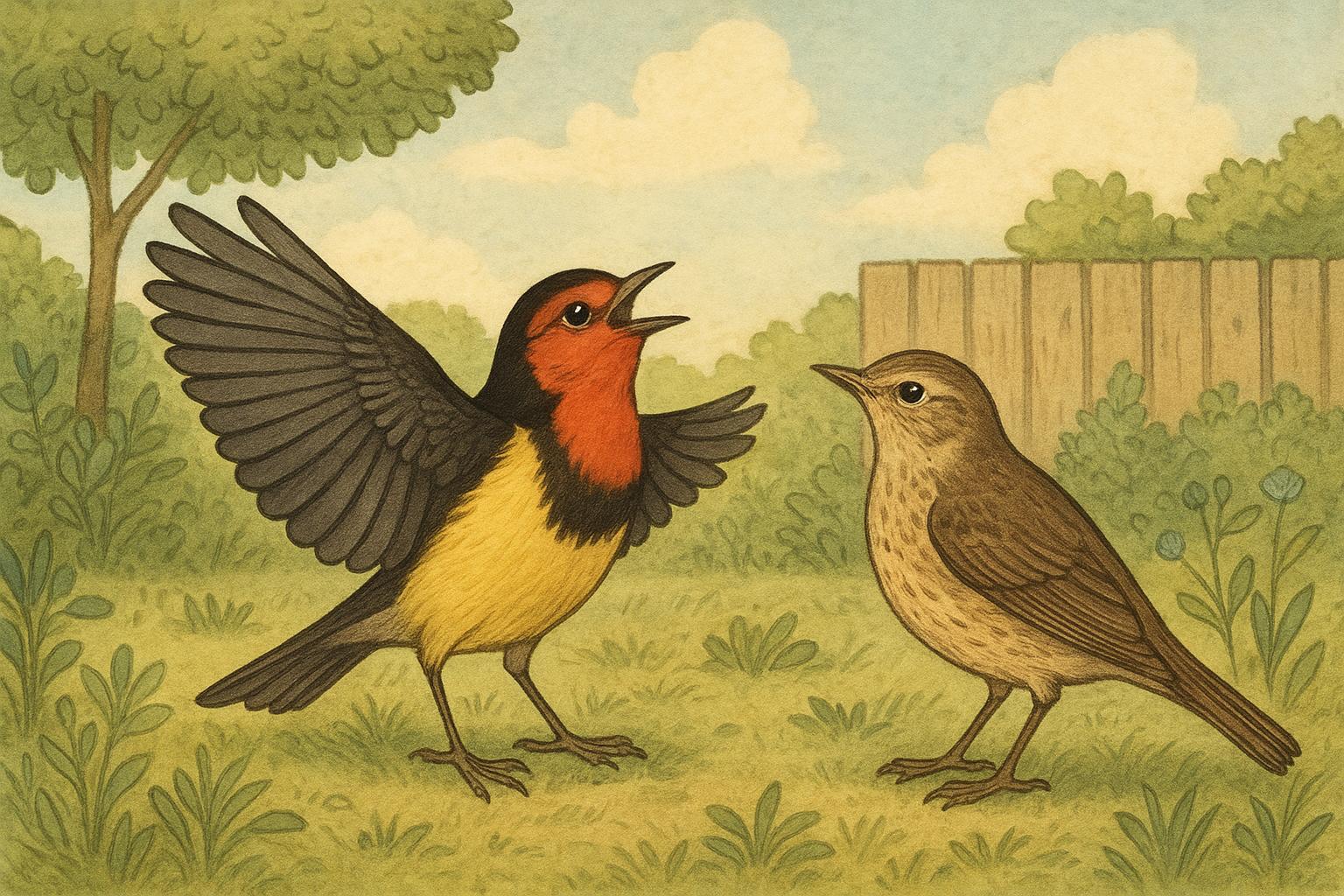
Birds communicate much of their intent before contact. Look for raised crests, puffed feathers, wing flicks, or a rapid neck-stretch followed by a brief gape. Alarm calls and harsh chattering often precede physical skirmishes. Learning these cues helps you intervene early or design feeders that reduce trigger behaviors.
## How Feeders And Placement Influence Conflict
### Feeder Design Considerations
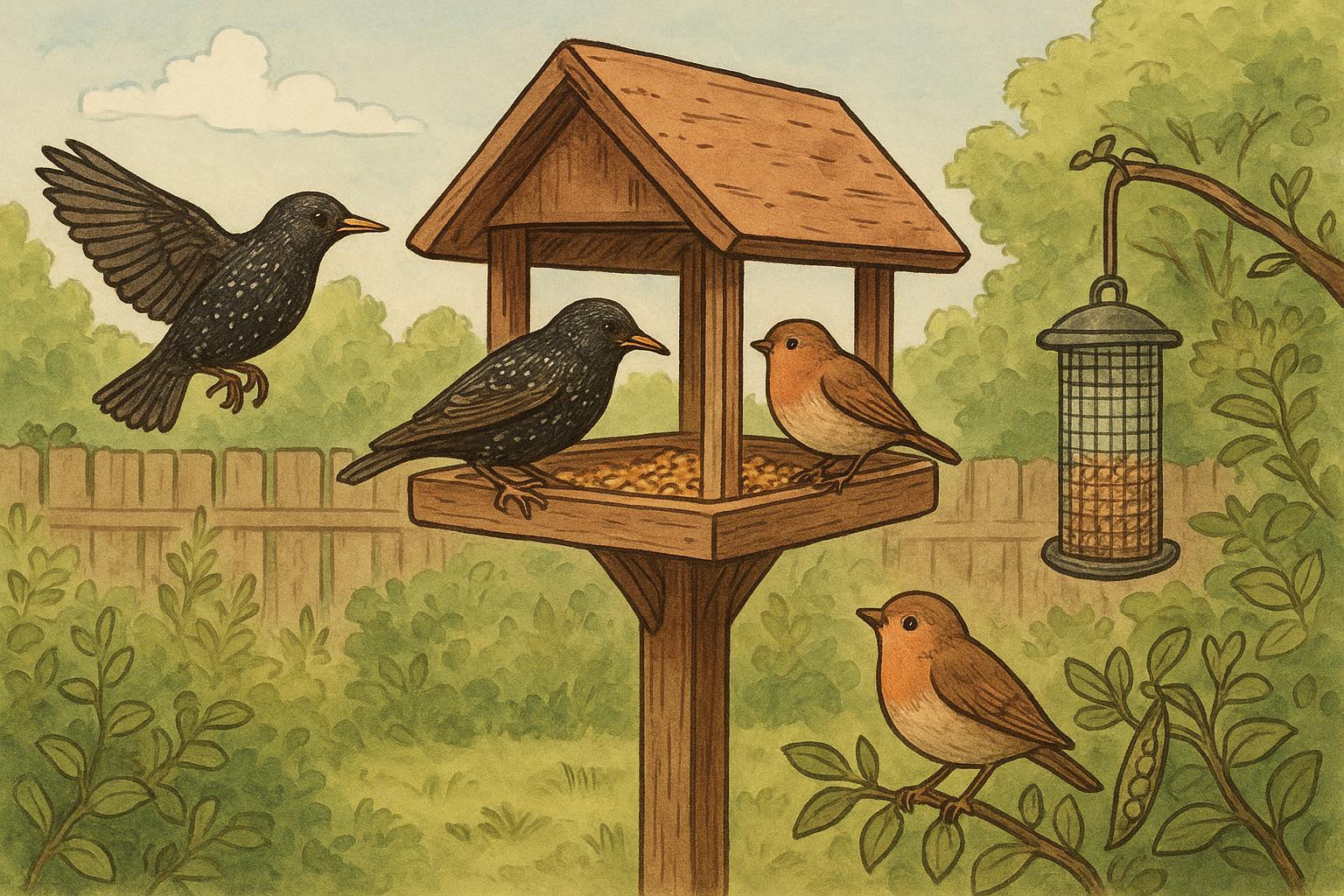
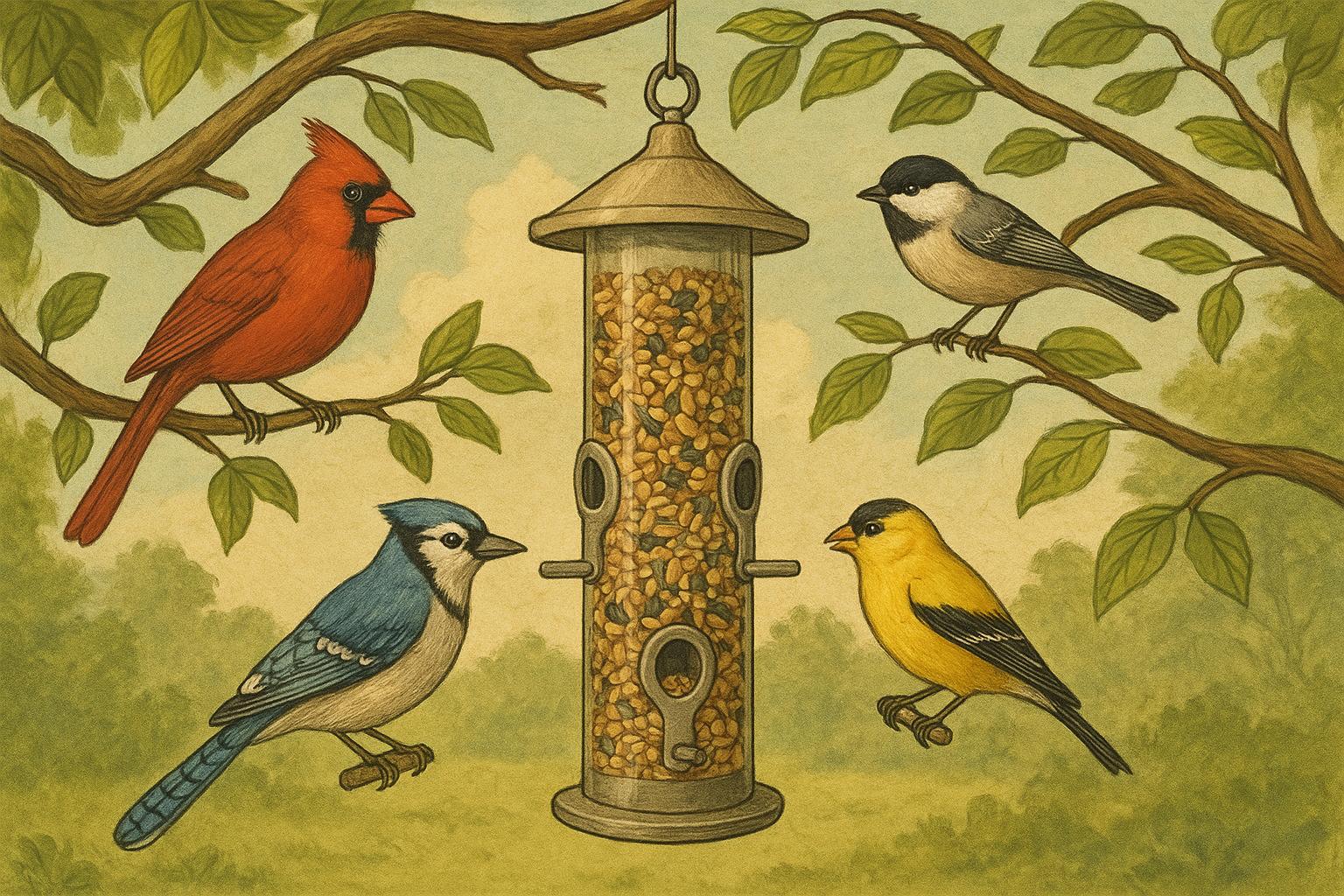
Feeders that allow multiple birds to feed at once and have easy escape routes reduce conflict. Perch space, seed access points, and how exposed a feeder is all matter. For example, long tubular feeders with several ports tend to allow more simultaneous feeding than tiny perches or single-port hopper feeders.
### Placement And Environmental Setup
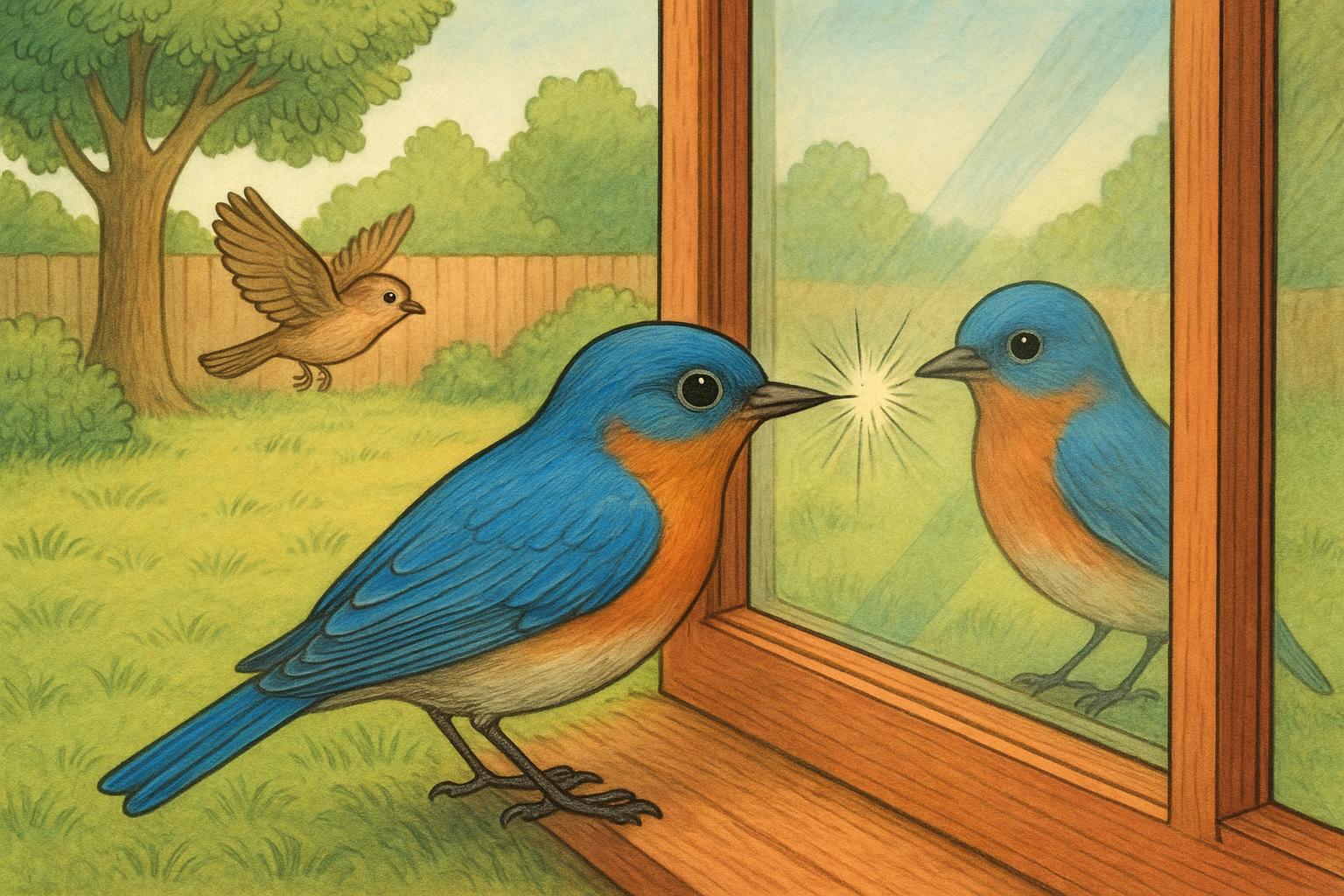
Feeders placed close to dense cover (shrubs, trees) let subordinate birds escape quickly and feel safer, which lowers aggression. However, putting feeders too close to windows or predator perches can increase stress. Aim for a balance: cover for safety, open approach for predator visibility.
## Remedy 1: Redesign And Rearrange To Reduce Bird Fights
When you’re ready to act, this remedy focuses on feeder design and placement changes to lower competition. The tone here will be more formal and instructional.
### Materials Required
– One or two multi-port tube feeders (metal or heavy-duty plastic)
– Platform feeder with roof (optional)
– 6–8 feet of sturdy shepherd’s hook or hanging hardware
– Shrubs or native plants (if planting is an option)
– Birdseed blends (mixed seed and sunflower hearts)
– Basic tools: ladder, gloves, zip ties
### Step-By-Step Installation And Application
1. Assess Current Setup: Note which species dominate and identify the main conflict times (morning, late afternoon, winter). Record feeder types and distances to cover.
2. Choose Multi-Access Feeders: Replace single-perch feeders with tube or platform feeders that permit simultaneous feeders at several ports. This increases throughput and reduces monopolization.
3. Space Feeders Apart: If you have multiple feeders, hang them at least 10–15 feet apart. This creates multiple feeding zones and reduces crowding at a single point.
4. Adjust Height And Clearance: Hang feeders 4–6 feet above ground with nearby shrubs 8–12 feet away to provide nearby cover without making predators too close.
5. Introduce Escape Routes: Ensure there are branches or shrubs within a quick flight path from the feeder so subordinate birds can flee without crossing open space dominated by aggressors.
6. Feed Blends Strategically: Offer mixed blends on one feeder and sunflower hearts on another. Observe whether certain species prefer one type and whether this segregation reduces direct competition.
7. Monitor And Tweak: Over two weeks, observe changes in behavior. If aggression persists around a particular feeder, adjust spacing or change seed type.
## Remedy 2: Behavioral And Seasonal Management To Reduce Bird Fights
This second remedy covers non-structural approaches: timing, food choices, and monitoring protocols to promote peaceful feeding. The following instructions are precise and practical.
### Ingredients And Materials
– Different seed types (mixed seed, safflower, nyjer, shelled sunflower)
– Timers for feeders (if using automated feeders)
– Suet cages (for large, clumsy suet lovers, if desired)
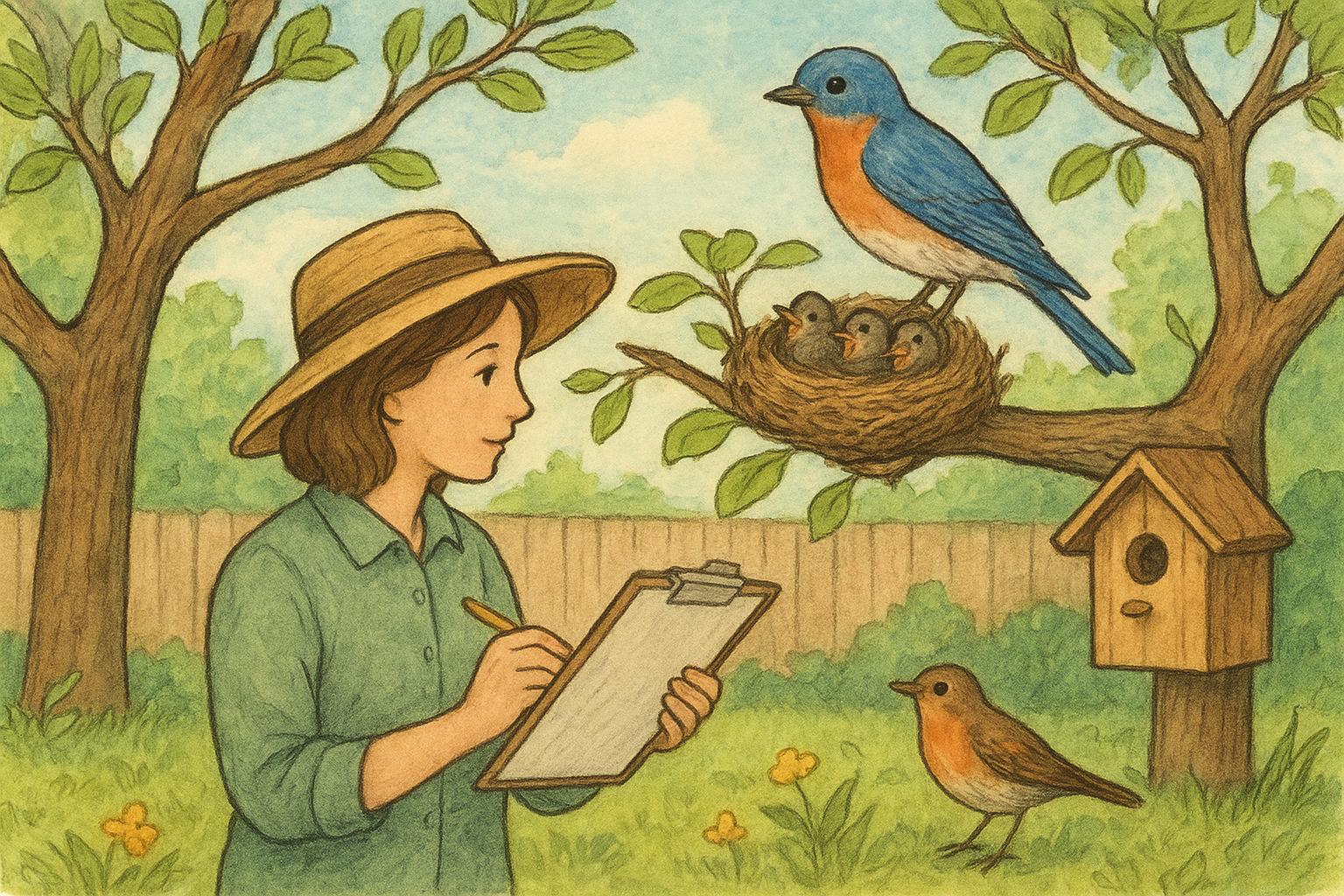
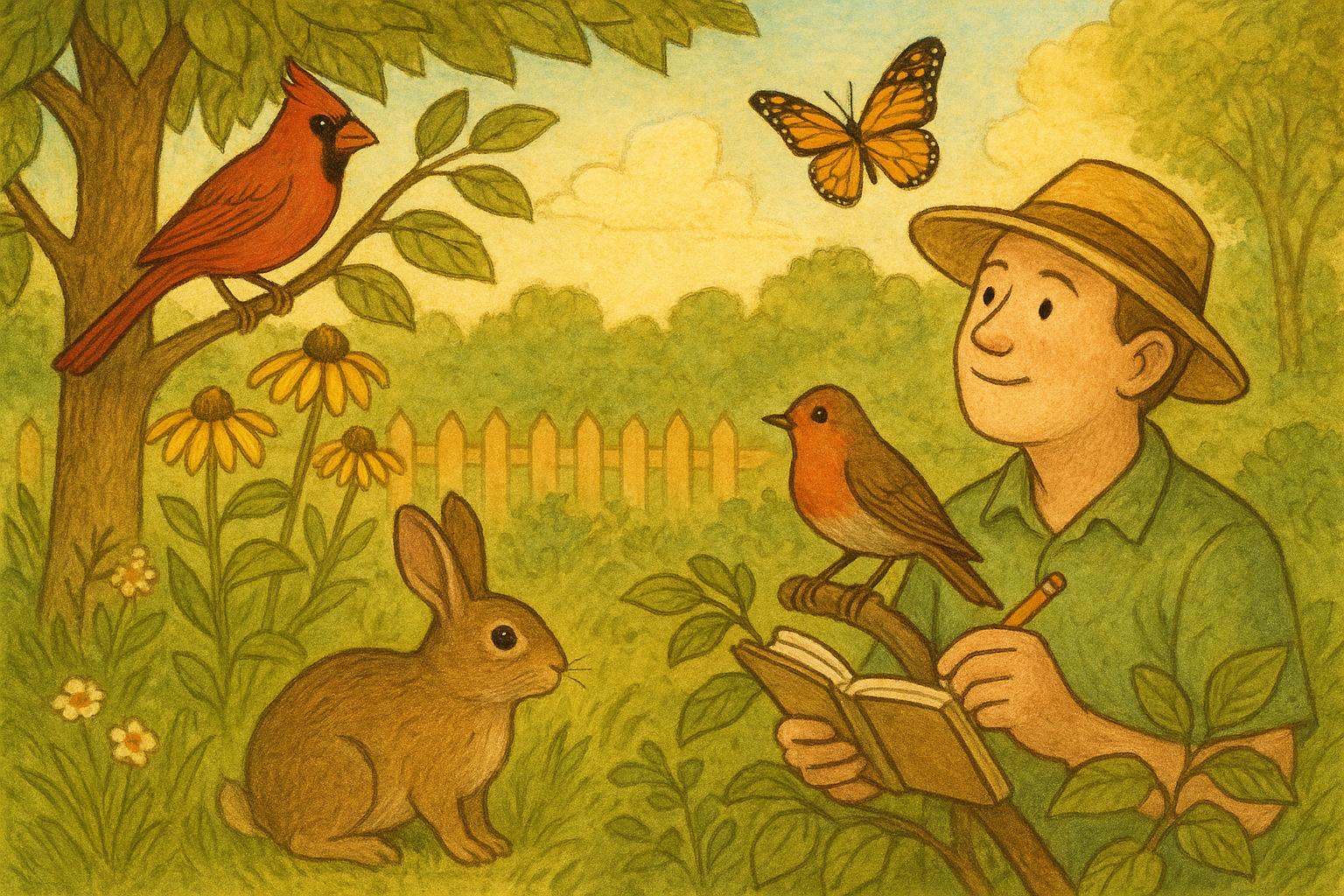
– Notebook or phone for observational notes
– Optional: decoy feeders placed away from main feeding area
### Step-By-Step Implementation And Application
1. Diversify Food Sources: Offer at least two seed types in different locations. For example, put nyjer in one feeder for finches and sunflower in another for cardinals and titmice. This reduces overlap and direct competition.
2. Time Feeding Windows: During peak aggressive periods (often early morning), use a timer to stagger feeder availability so different species get access at different times. Gradually adjust windows based on observation.
3. Use Selective Seeds: Some aggressive species avoid safflower seed, which many songbirds like. If a bully species dominates sunflower seeds, try safflower in one feeder to attract more sensitive birds.
4. Offer Multiple Suet Locations: If suet attracts jays and woodpeckers that chase others away, put suet in a separate feeding station set back from seed feeders.
5. Record And React: Keep a short log for two months noting species, times, and incidents of bird fights. Use the data to refine seed mixes, feeder placement, and timing.
6. Train Patience: Some dominance will persist as part of natural behavior. Avoid interfering physically with birds; human intervention can stress them. Let adjustments in configuration and food type reduce fights organically.
### Monitoring Protocol
Check feeders daily for seed levels and cleanliness. Clean feeders monthly with a mild bleach solution (9:1 water to bleach) to prevent disease spread. If injuries are observed often, temporarily remove the feeder for 48 hours to break aggressive habituation and reassess.
## Safety, Ethics, And When To Seek Help
### Minimizing Harm While Managing Conflicts
Prioritize measures that reduce injury risk: smoother flight paths, fewer choke points, and quicker escapes. Never attempt to separate fighting birds manually; intervening can cause more harm than good.
### Professional Assistance
If you notice wounded birds, repeated injuries, or signs of disease, contact a local wildlife rehabilitator or birding organization. They can assess whether medical care, temporary feeder removal, or community action is necessary.
### Legal And Environmental Considerations
Feeding birds is typically legal, but check local regulations regarding feeding in urban parks or protected areas. Use native plants where possible—native vegetation supports natural food sources and reduces feeder dependency, which indirectly lowers chronic bird fights by spreading resources.
Keep an eye on patterns rather than one-off incidents: occasional squabbles are normal; constant, escalating violence calls for intervention. With thoughtful design, smart feeding choices, and a little patience, your backyard can become a calmer, more diverse avian neighborhood — and you’ll still get to enjoy the best seat in the house for the drama, minus the feathered boxing matches.





Leave a Reply