
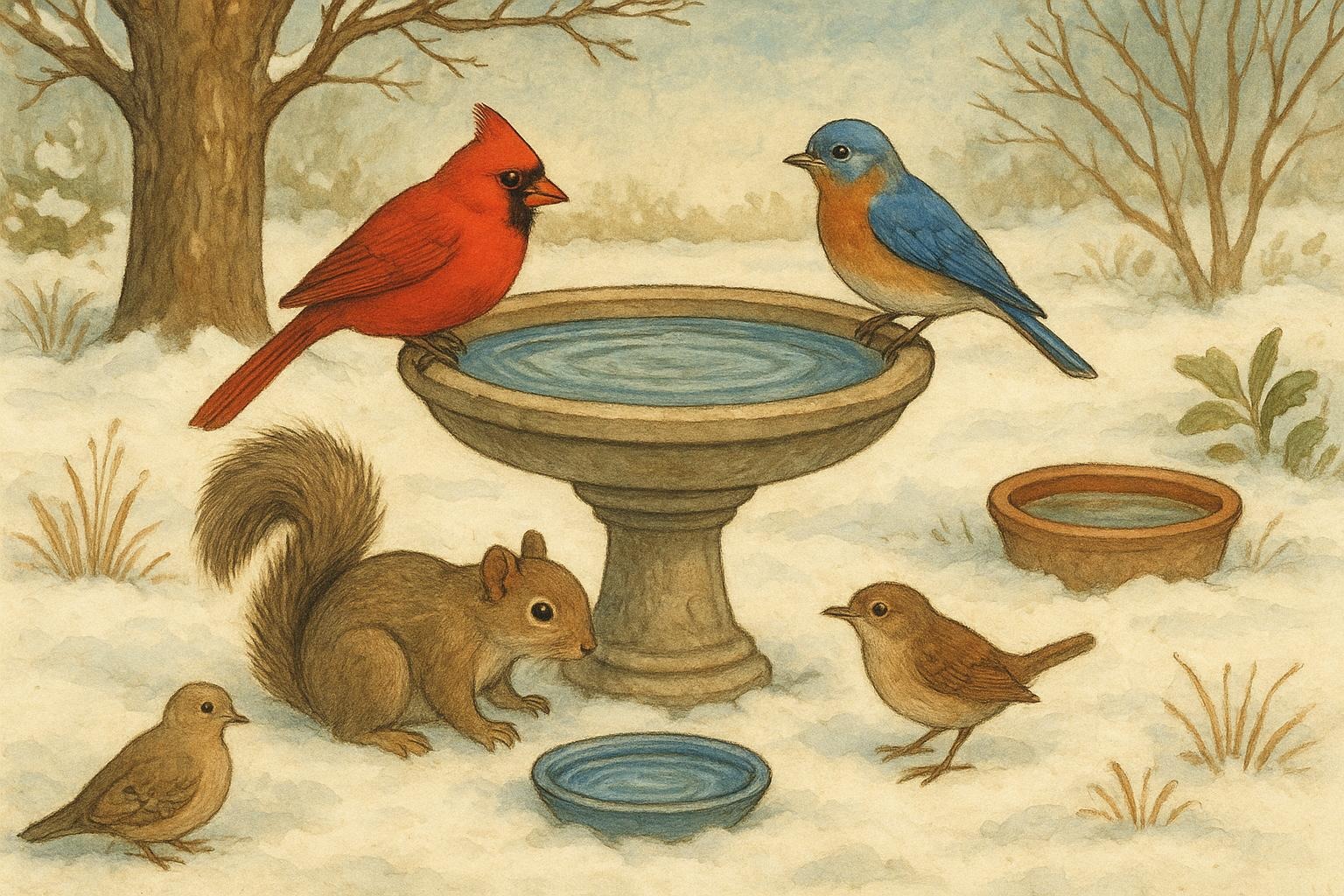
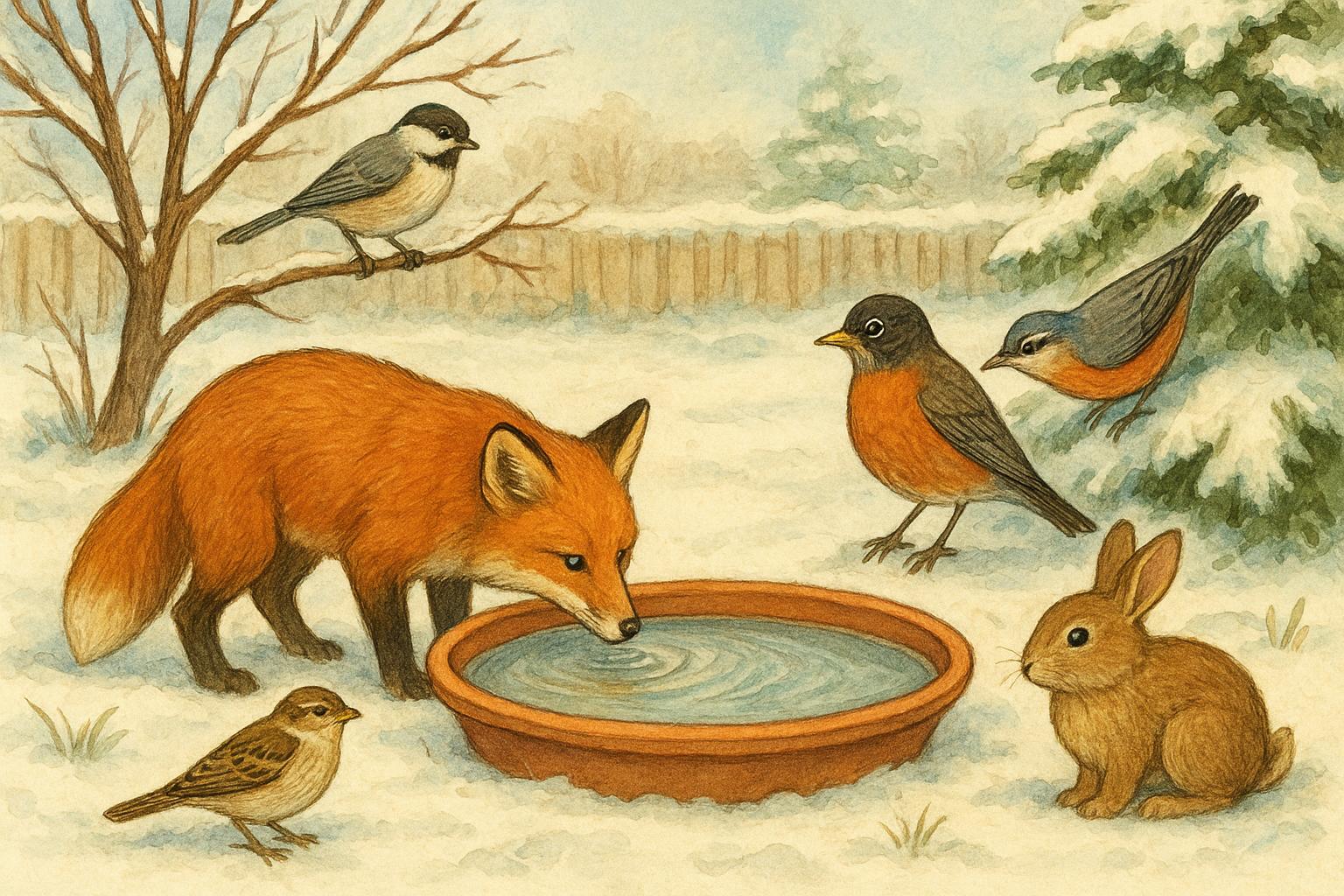
A cold, clear dish of water in the yard can mean the difference between a hungry, dehydrated chickadee and a chirpy one. Winter brings challenges, but with a little planning your backyard can be an oasis even when temperatures dip below freezing. Below you’ll find practical tips, placement advice, and two well-documented remedies to provide reliable water for birds and other wildlife.
## Why A Winter Water Source Matters
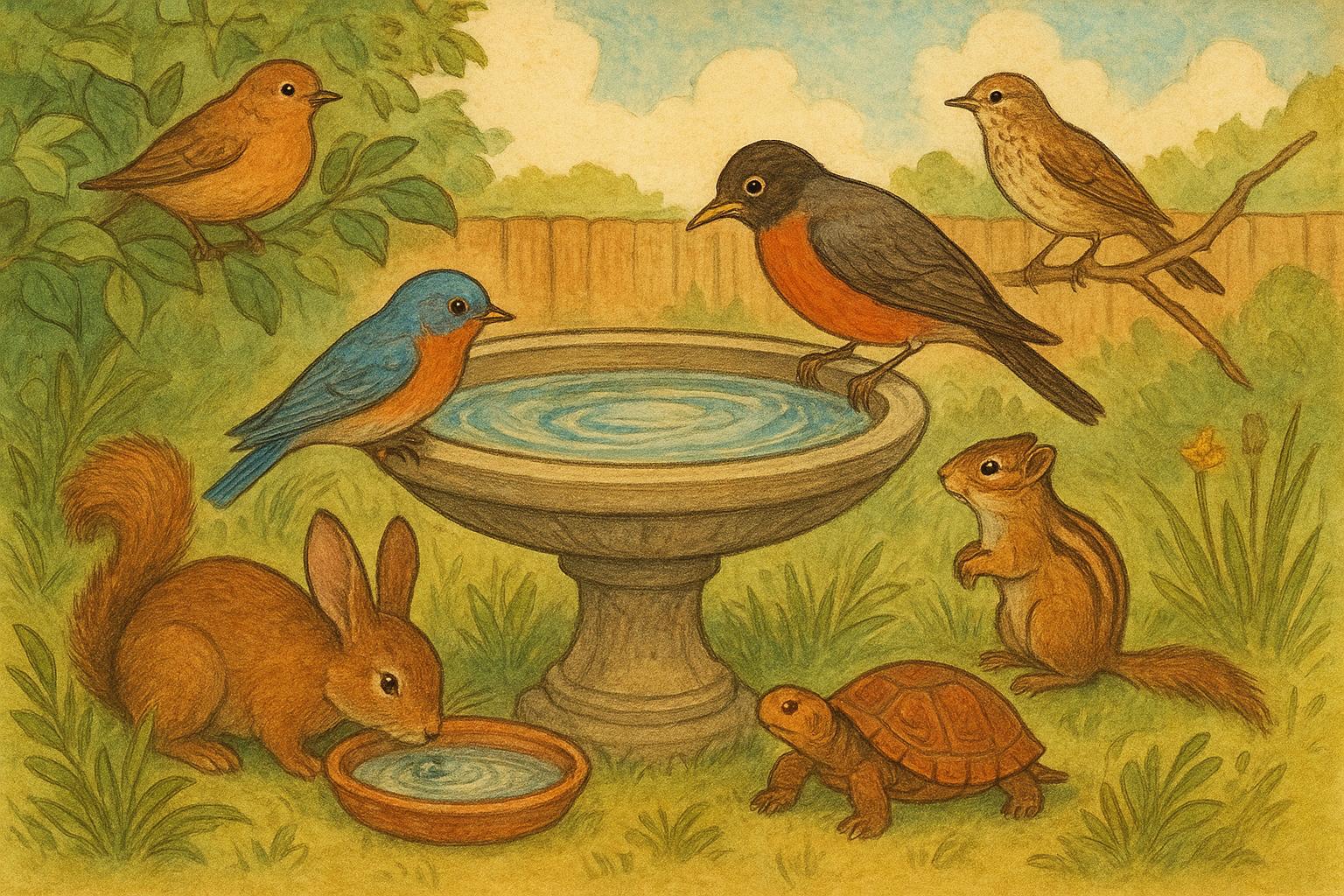
Providing a winter water source is one of the simplest, highest-impact things a backyard steward can do. Birds and mammals need water for drinking and preening; a frozen ecosystem is effectively a desert. A steady water supply supports migration stopovers, helps overwintering species maintain condition, and reduces the competition and stress that comes from animals crowding around limited melt puddles.
### How Wildlife Use Water In Cold Weather
Most birds lose heat quickly and need to stay hydrated to maintain metabolic rates. Water is essential for:
– Drinking to replace fluid lost through respiration and feeding.
– Bathing and preening to keep feathers insulating and waterproof.
– Access for small mammals who find liquid sources hard to come by when everything is iced over.
### Common Mistakes To Avoid
– Placing a water dish in a windy, exposed location (it cools faster and freezes faster).
– Using salt or antifreeze (toxic to wildlife) in an attempt to lower freezing points.
– Putting water where cats or other predators can easily ambush birds.
## Practical Placement And Design Tips
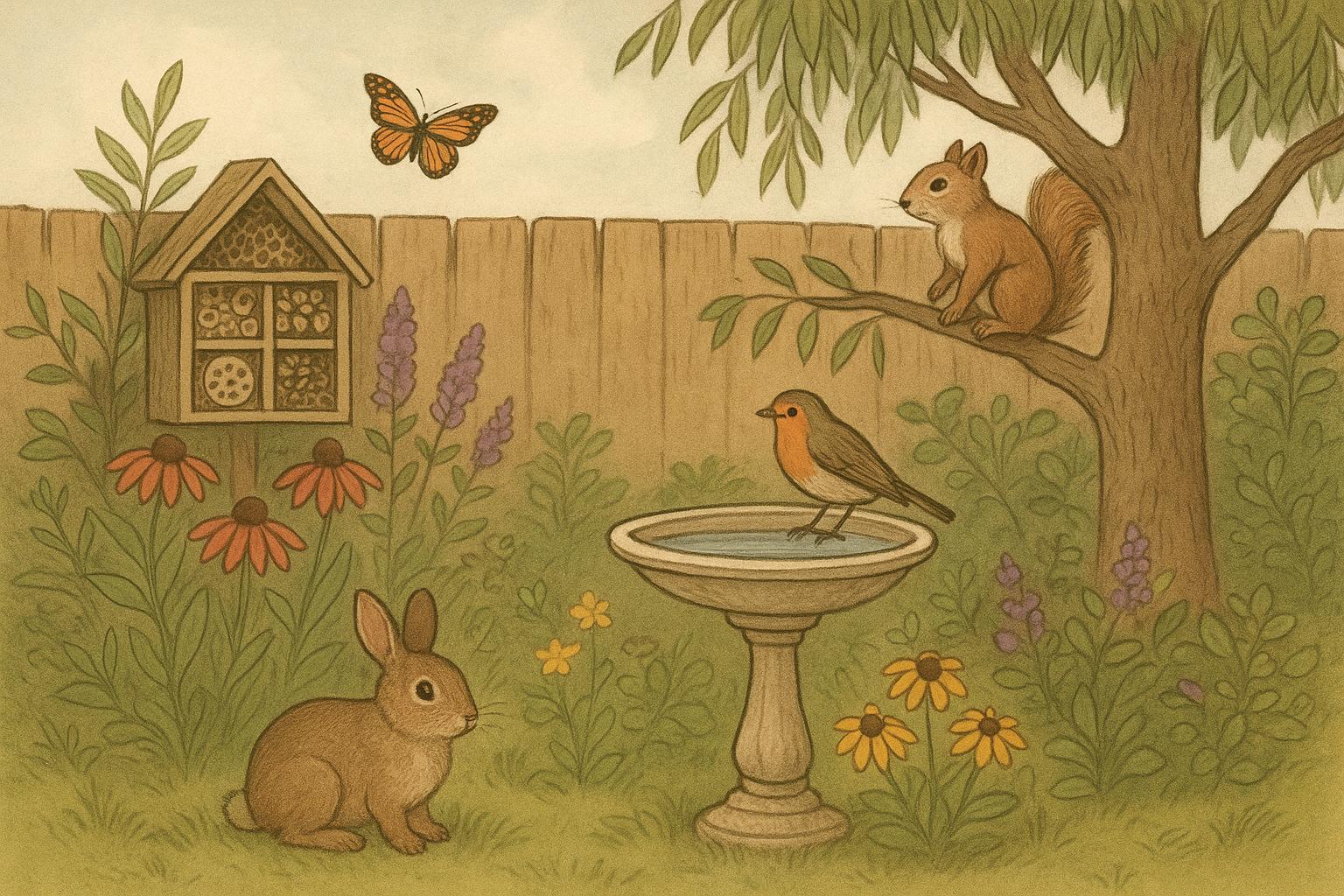
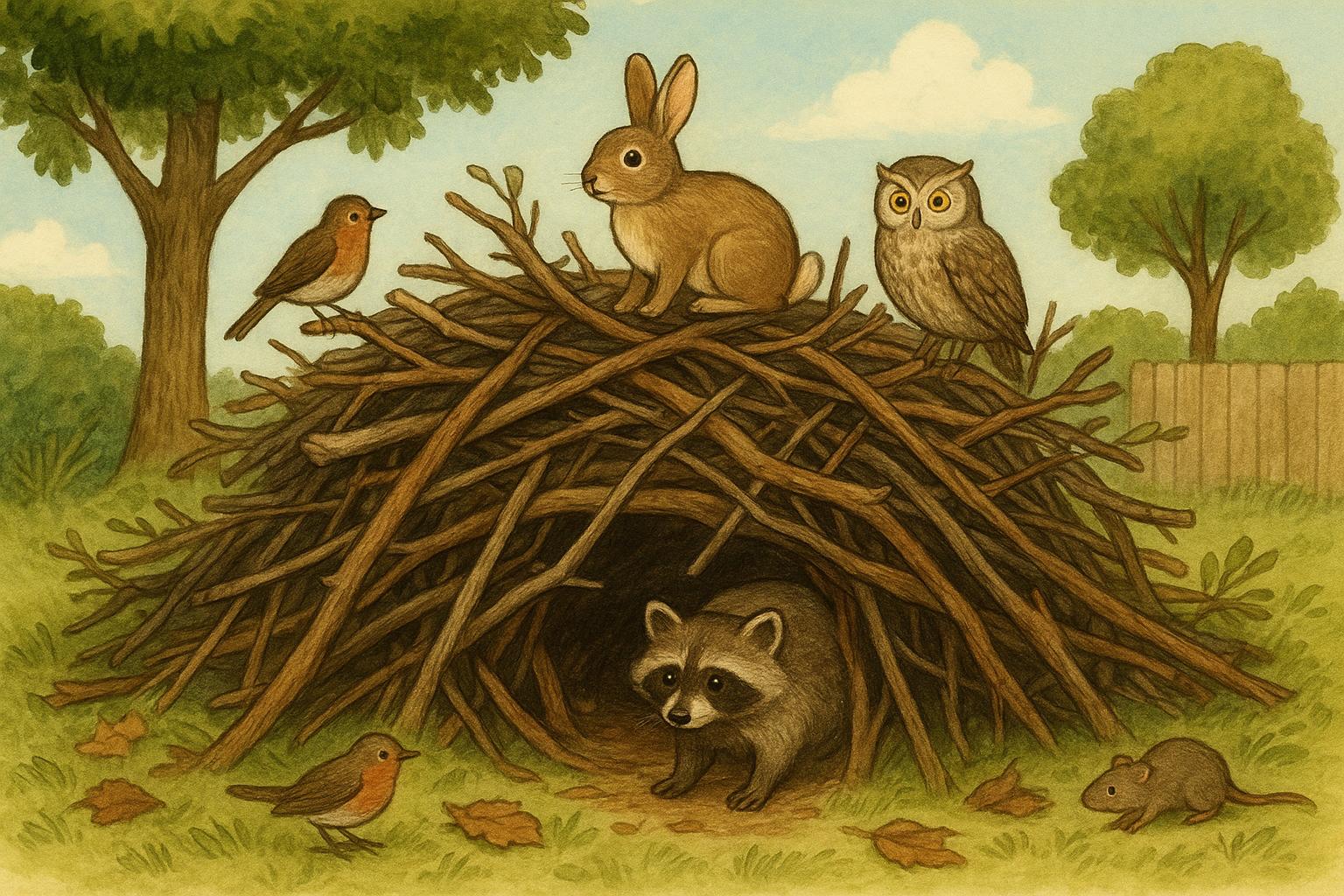
Choose sheltered spots near natural cover—shrubs, trees, or brush piles—so birds can quickly retreat after drinking. Try to keep the water source within sight lines from perches, and avoid placing it too close to feeders, where competition and jostling can become dangerous in icy weather.
#### Depth And Shape Considerations
Shallow basins (1–2 inches at edge, up to 3–4 inches center) are ideal for small birds. Deeper basins attract larger wildlife like raccoons and deer, so adjust depth based on your target visitors. Darker materials absorb more solar heat; a dark basin can gain a degree or two on sunny winter days.
#### Flow Versus Still Water
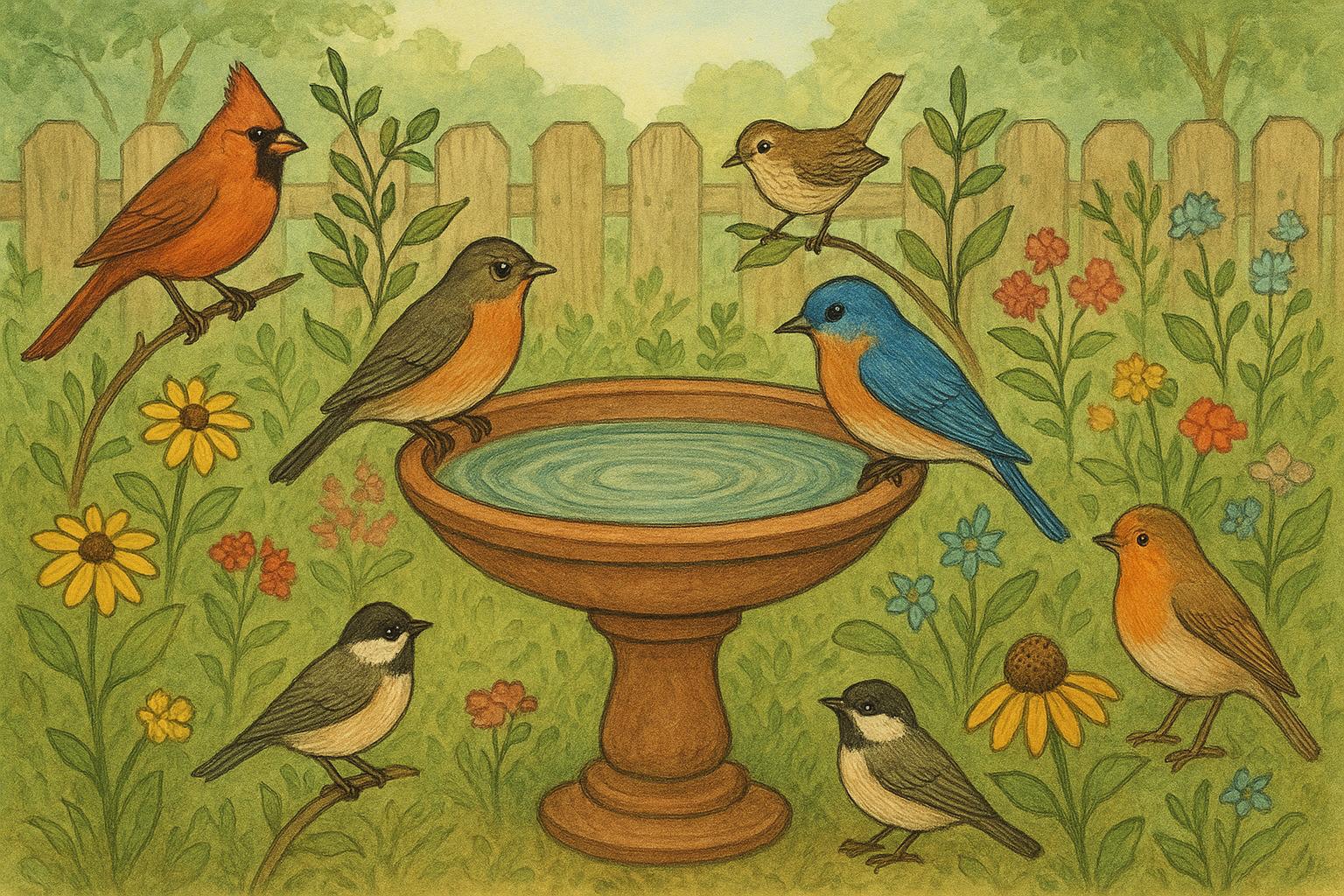
Moving water discourages freezing. Even a gentle flow or a small ripple can dramatically reduce ice formation. A recirculating pump in a fountain or a simple bubbler in a bird bath are both effective.
## 1. Heated Bird Bath With Aquarium Heater (Remedy)
When you need reliable, all-night protection against freezing, a submersible aquarium heater is a straightforward solution. Follow these steps precisely and safely.
Materials Required:
– Sturdy plastic or ceramic bird bath (small to medium size)
– Aquarium heater rated for outdoor/pond use (adjustable thermostat preferred)
– GFCI (ground-fault circuit interrupter) outlet or outdoor-rated GFCI extension
– Floating or anchored ornamental rocks (to anchor plants or provide perches)
– Thermometer (optional, for monitoring)
– Weatherproof cable routing components (clips, conduit) to keep cords neat
Creation And Application Steps:
1. Select a bird bath with stable footing and a basin depth appropriate for local species. Choose a durable material that won’t crack when wet and freezing conditions occur.
2. Position the bath in a sheltered location near cover, with a clear line for birds to approach and retreat. Ensure the location has access to a GFCI-protected outdoor outlet.
3. Install the aquarium heater according to manufacturer instructions. The heater should be designed for outdoor/pond use and rated for the volume of your bird bath. Mount it so the heating element is fully submerged when the bath is filled.
4. Route the power cord safely using weatherproof clips and, where possible, conduit. Avoid tripping hazards and keep the cord off the ground if possible, or secure it to reduce wear.
5. Set the heater thermostat to maintain a water temperature just above freezing—typically between 33°F and 40°F (1°C–4°C). Avoid overheating; the goal is to keep water liquid, not warm.
6. Add rocks or perches so smaller birds can access shallow edges safely. Check that rocks do not obstruct circulation around the heater element.
7. Monitor daily for debris, ice buildup at edges, and to ensure the heater is functioning. Replace water occasionally to maintain cleanliness and minimize pathogen buildup.
Safety Notes (Formal): Use only outdoor-rated, wildlife-safe heaters. All electrical connections must be GFCI-protected to prevent shock hazards in wet conditions. Regularly inspect cords and components for wear; replace damaged parts immediately. Do not use household indoor aquarium heaters or any equipment not rated for outdoor/pond use.
## 2. Solar-Powered Flowing Fountain System (Remedy)
A solar-powered recirculating fountain provides moving water during daylight hours and reduces freezing risk by constant motion. This option is ideal where sunny winter days occur and you prefer a lower-electricity solution.
Materials Required:
– Solar fountain pump kit rated for winter use (with battery backup if available)
– Shallow fountain basin or large saucer (frost-resistant)
– Black or dark-colored liner (if using a custom basin)
– Rocks or slate to create shallow landing areas
– Solar panel mount and cable routing supplies
– Optional: small battery bank or float switch for short-term power storage
Creation And Application Steps:
1. Choose a suitable basin that holds the pump securely and provides shallow edge depth for small birds. If creating a custom basin, line it with a frost-resistant liner or choose a preformed plastic basin.
2. Assemble the solar pump kit according to the manufacturer’s instructions. If the kit includes a battery or capacitor for cloudy periods, install and test the backup system.
3. Position the solar panel in a location that receives maximal winter sun exposure (south-facing, unobstructed by trees). Secure the panel with a mount oriented at an angle suitable for winter sun paths.
4. Place the pump in the basin, and arrange rocks or a shallow landing platform so that birds can drink and bathe while the water flows. Ensure that the flow is gentle and not creating splash hazards that could freeze quickly on surrounding surfaces.
5. Route the panel cable and secure all connections. Power up the system and observe the flow pattern. Adjust nozzle height and flow rate so water circulates without excessive splashing.
6. Maintain the fountain by removing leaves and debris periodically, and check the solar panel for snow or ice that would reduce efficiency. If your kit has a battery backup, verify charge levels and cycling functionality.
Formal Considerations: Choose a pump with sufficient lift and flow for your basin size and a solar panel sized to support it under winter irradiance. Battery backups improve reliability during overcast conditions but require winterized batteries rated for low temperatures. For long-term performance, follow the pump manufacturer’s maintenance schedule, including impeller cleaning and winter storage procedures if you opt to take the system offline for extreme cold.
### Low-Tech Supplemental Ideas
If you prefer simpler solutions, consider:
– Dark-colored bowls placed in sunny spots that can absorb heat.
– Heated rocks (commercially available) embedded near water edges to slow freezing.
– Insulating the underside of a basin with straw or foam to slow conductive heat loss.
#### Predator Awareness And Hygiene
Keep water sources within 20–30 feet of cover but not so close that predators can easily hide above. Use visual barriers and multiple perches. Clean water sources weekly if temperatures permit, and more often if birds bathe heavily—standing water can harbor bacteria if left unchecked.
### Monitoring And Seasonal Adaptation
Check your winter water source at least once daily during severe cold snaps. Refill and recover from evaporation when temperatures rise above freezing. When spring returns, transition heated systems off gradually, clean thoroughly, and inspect for any damage caused by ice expansion.
## Making It Work For Your Yard
A combination of strategies often works best: a heated bath in a sheltered area for overnight reliability, plus a solar fountain where daylight keeps things moving. Remember that even a small, consistently available winter water source can attract a wide variety of species and make a measurable difference in their survival and well-being.
Provide regular, gentle maintenance, observe local wildlife patterns, and adapt placement and design to your yard’s microclimate. With the right approach, a well-designed winter water source becomes a social hotspot for birds—and a source of joy for you, too.

















Leave a Reply