
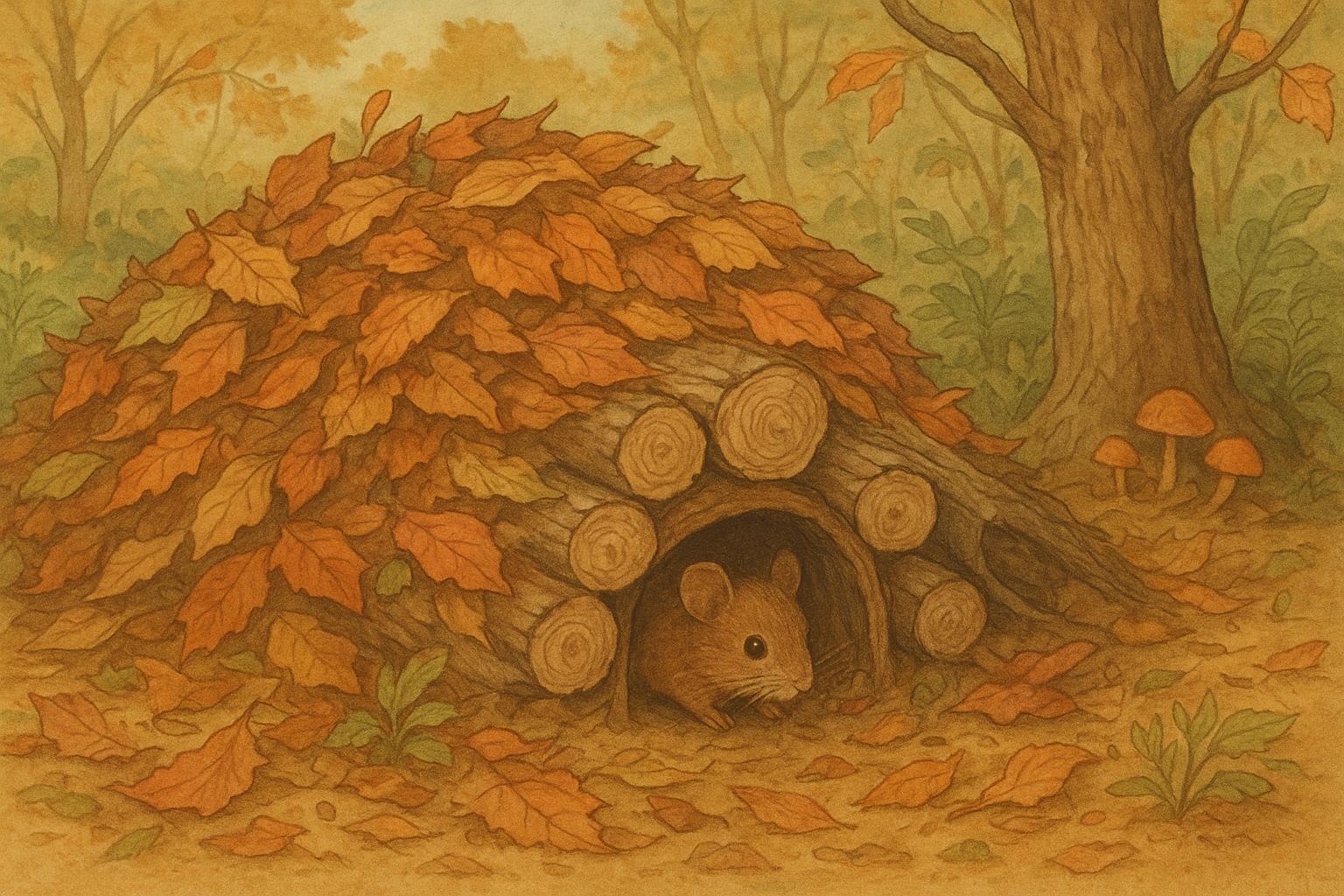
Sometimes the best wildlife hideouts are literally under your feet — a cozy jumble of twigs, old bark and softened leaves that looks like nothing at all until a slow-moving salamander or a foraging mouse reveals the secret. If you’re the sort who enjoys a cuppa and a little backyard detective work, this article will walk you through what those pockets of life are, why leaf litter is the unsung hero of habitat complexity, and how to nurture or manage hidden log piles and shelters in ways that help both wildlife and your garden.
## Leaf Litter Secrets Reveal Hidden Log Piles And Shelters
### Why Leaf Litter Matters To Backyard Ecosystems
Leaf litter is more than winter’s mess. It’s a living carpet: a micro-ecosystem that moderates soil temperature, retains moisture, and provides food and shelter for insects, fungi, amphibians, and small mammals. Decomposing leaves host bacteria and fungi that break organic matter into nutrients your plants can actually use. The physical structure of leaf litter also creates the insulation and cover many creatures need to hide from predators and the weather. Think of it as nature’s insulation and pantry rolled into one.
### What Hidden Log Piles Look Like In The Wild
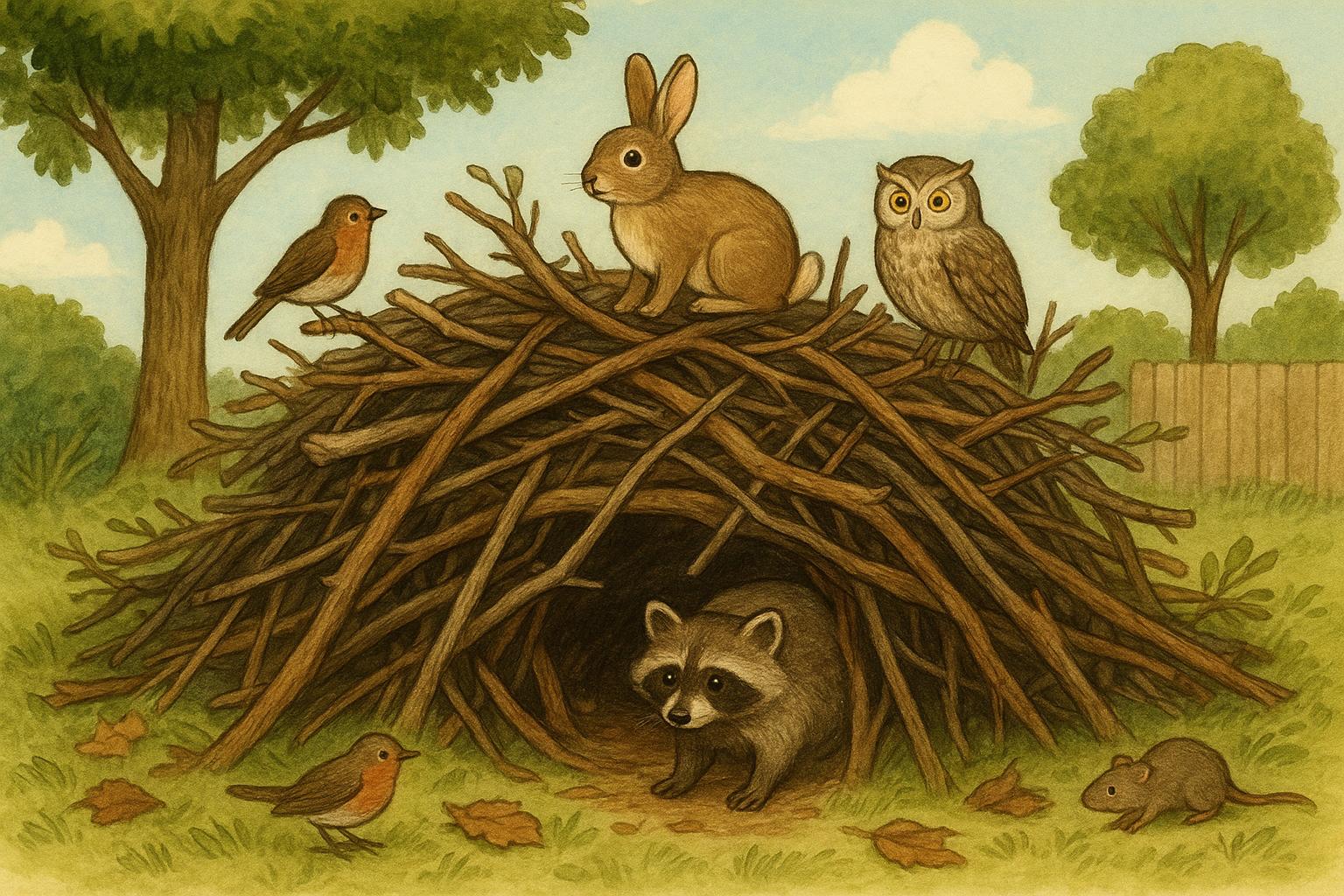
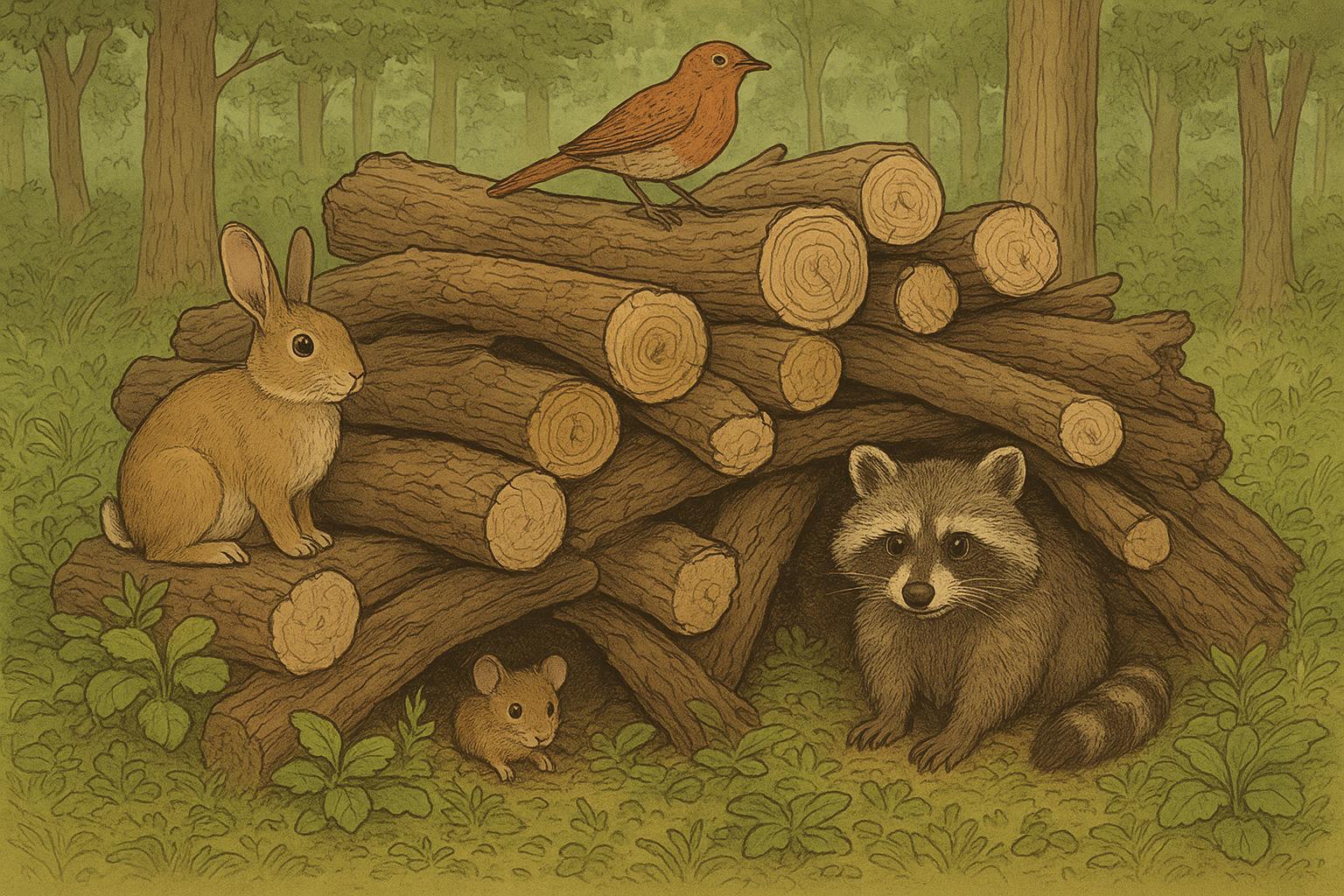
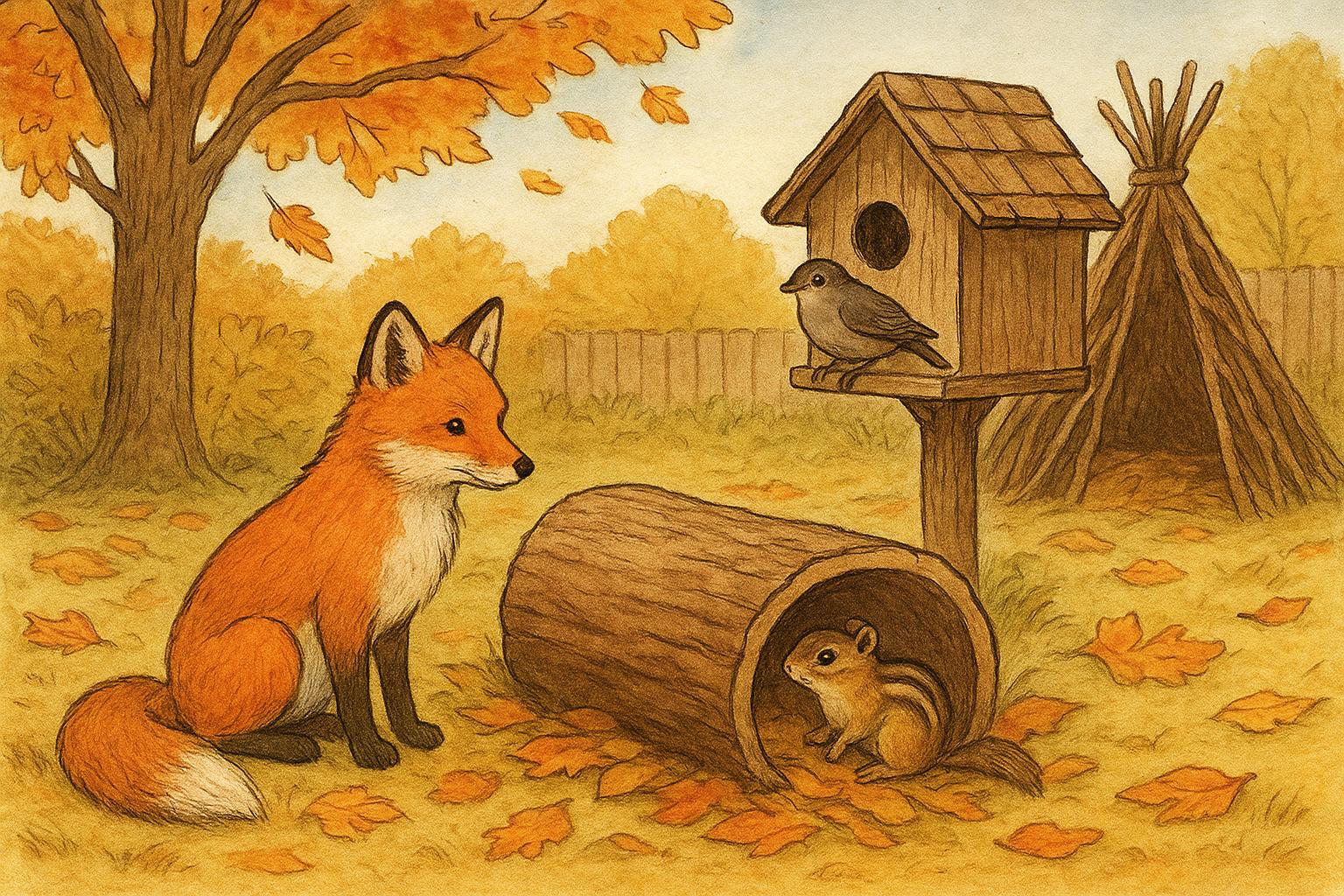
You don’t need a dramatic fallen oak to create meaningful habitat. A “log pile” can be a neat stack of branches with a base layer of logs, or simply a tangle of deadfall partially buried in leaf litter. Look for shaded depressions where leaves collect, or long, thin tunnels beneath layers of leaves and bark. In late winter and early spring, those piles will be damp and dark — prime real estate for overwintering insects, beetles, and the occasional frog.
### Who Uses These Shelters And Why They’re Useful
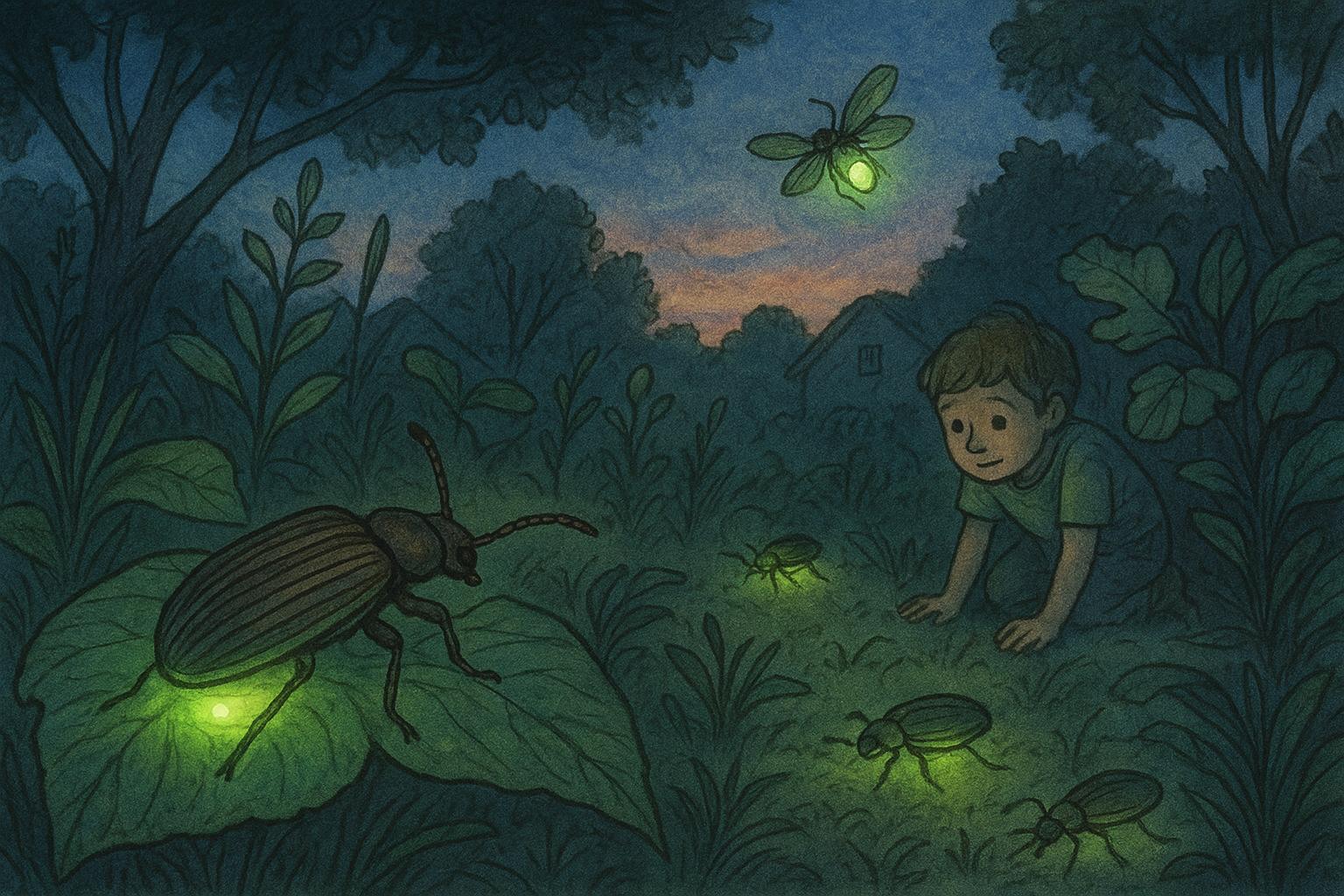
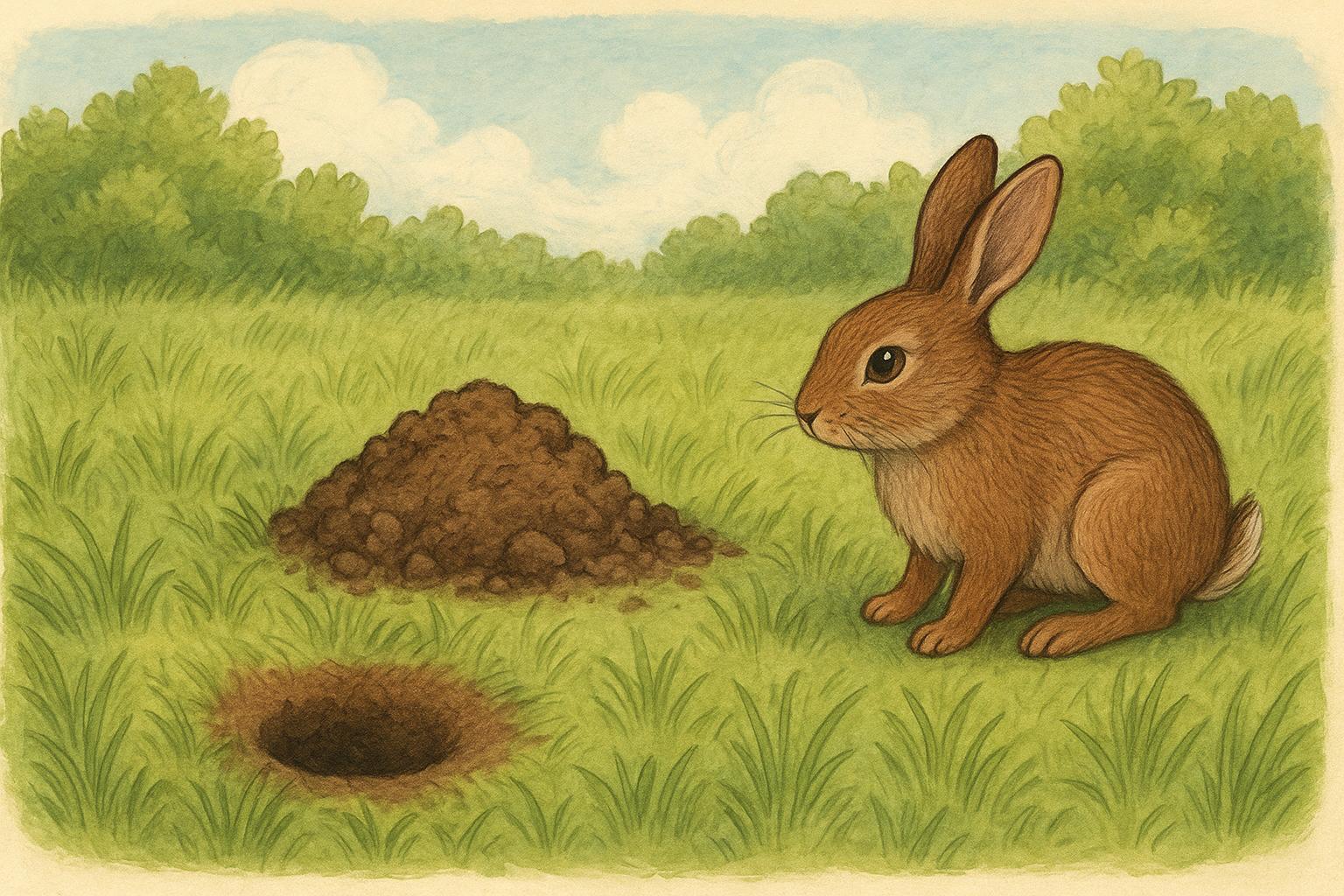
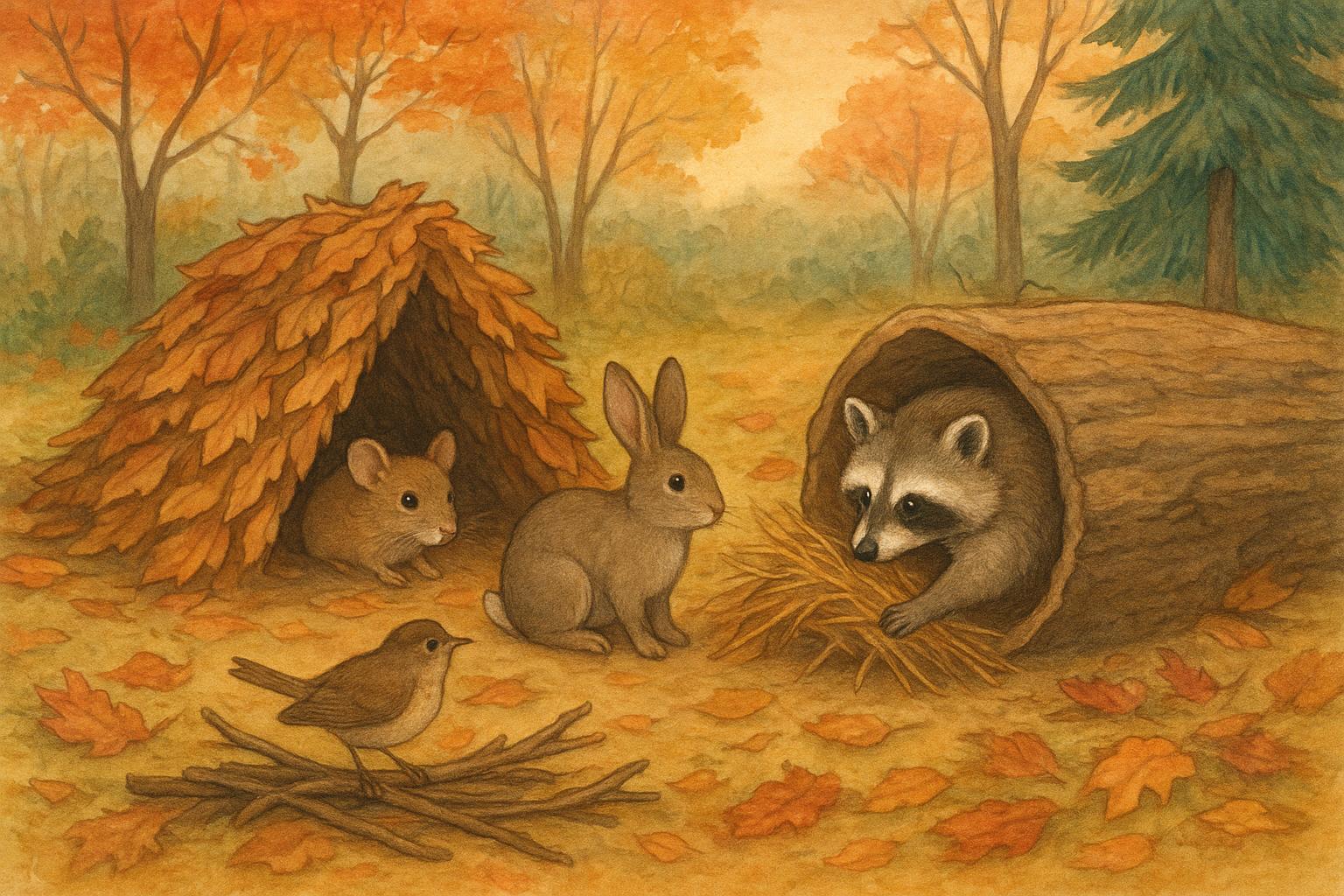
A surprising cast of characters finds refuge in leaf litter and log piles: centipedes, ground beetles, millipedes, salamanders, toads, shrews, voles, and even migrating songbirds that forage in them. Some species use the leaf layer for nesting material; others hunt among the crunchy leaves for prey. These shelters help maintain a balanced food web: predators control herbivores, detritivores break down material, and plants benefit from improved nutrient cycling.
### When To Leave Leaf Litter Alone And When To Act
If your yard is a naturalized area or you’re aiming for wildlife-friendly gardening, leaving leaf litter intact is often the best choice. However, if the litter accumulates into dense mats on lawns, smothers desirable groundcovers, or includes invasive plant seeds, some targeted management can be helpful. Also act if leaf litter is collecting near foundations or in gutters where moisture could damage structures. Otherwise, a “leave it where it falls” approach is usually safest and most beneficial.
## Remedy 1: Build A Wildlife Log Pile Shelter
### Materials Needed
– A selection of dead wood: logs (3–12 inches diameter), branches, and sticks
– Leaf litter and shredded bark
– A flat spreading of coarse woody debris (optional: rocks for foundation)
– Gloves and basic hand tools (saw, loppers)
– A tarp or sheet (for moving material)
### Step-By-Step Creation And Placement
1. Select A Site: Choose a shaded or semi-shaded spot near a hedge, shrub, or garden bed. Proximity to existing cover increases usability by wildlife.
2. Lay A Foundation: Place larger logs lengthwise to form a stable base. If the soil is very wet, raise the base slightly on a few flat stones to improve drainage.
3. Add Structural Layers: Stack medium-sized logs perpendicular or diagonally atop the base to create cavities. Include interstices — gaps are good; they become tunnels and chambers.
4. Fill With Leaf Litter: Pile leaf litter and shredded bark into and over the stack. Aim for at least 4–8 inches of insulating material covering the pile; this promotes moisture retention and microhabitats.
5. Create Entry Points: Leave some exposed areas and gaps so small animals can enter without being trapped. Avoid sealing the pile tightly.
6. Anchor And Camouflage: If you’re in a windy spot, place a few larger rocks or heavy logs on top corners. Let the surrounding plants grow up around the pile to provide additional cover and a natural look.
7. Monitor Seasonally: Check once every few months for structural shifting or unwanted pests (ants tending large aphid populations, for example). Gently adjust if necessary.
### Maintenance And Safety Notes
– Do Not Burn: Never burn a log pile; it’s habitat.
– Pest Monitoring: If you notice wasp nests or large invasive species, take targeted action rather than dismantling the entire pile.
– Legal/Ethical Considerations: Avoid creating piles near public walkways and respect local ordinances about deadwood. For safety, place piles away from property foundations to prevent rodent pressure near structures.
## Remedy 2: Leaf Litter Management For Garden Health
### Materials Required
– Leaf rake or mulching mower
– Compost bin or leaf compost bag
– Aeration tool or broadfork (optional)
– Gloves, wheelbarrow, and garden fork
– Mulch or finished compost for application
### Step-By-Step Management And Application
1. Assess The Area: Identify zones where leaf litter benefits wildlife (like woodland edges) and zones where it might harm garden beds (for example, dense cover on a vegetable patch).
2. Collect Strategically: Use a rake or mulching mower to gather excess leaves from sensitive areas, while leaving a light layer (1–2 inches) under shrubs and trees.
3. Compost Leaves: Transfer collected leaves into a compost bin. Shred leaves first if possible; shredded leaves break down faster and compost more evenly.
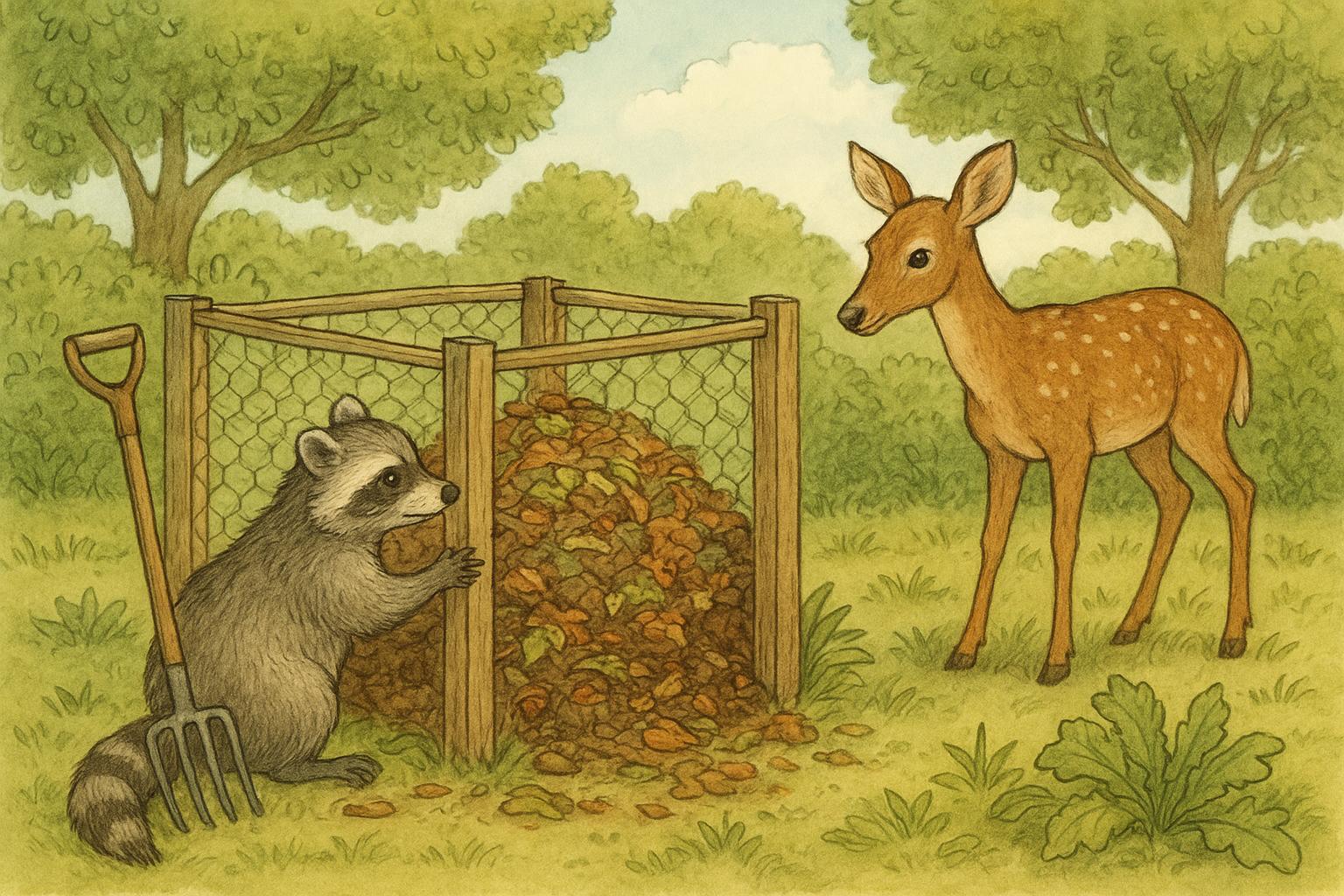
4. Create Leaf Mold (Optional But Ideal): Pile leaves in a mesh bin, keep moist, and let them decompose for 6–12 months. This produces leaf mold that’s excellent for soil structure and water retention.
5. Reapply As Mulch: Use finished leaf compost or leaf mold to mulch garden beds in a thin, breathable layer (1–3 inches) — avoid piling mulch against stems and trunks.
6. Aerate And Topdress: For compacted soils, aerate before applying compost. Topdress lawns lightly with shredded leaf matter in early spring to add organic content.
7. Seasonal Timing: Avoid heavy leaf cover from late autumn through early spring on lawns and groundcovers that need light. In garden beds, apply mulch after soil has warmed to reduce slug refuge in cool, damp months.
### Practical Outcomes Of Proper Leaf Litter Management
Properly managed leaf litter reduces the risk of soil erosion, enhances moisture retention, and supplies a steady trickle of nutrients. It also minimizes pest hot spots while preserving habitat patches where beneficial insects and amphibians can thrive. This approach balances the needs of homeowners and wildlife with pragmatic sanitation where necessary.
### Monitoring, Adaptive Care, And Documentation
Keep notes on what you do and how wildlife responds. If a particular log pile becomes heavily used by frogs and salamanders, resist the temptation to tinker. Conversely, if a pile attracts unwanted rodents too close to buildings, consider relocating it further into shrub borders and increasing perimeter vegetation to provide alternate cover. Adaptive care means observing, tweaking, and letting nature do most of the work.
#### Legal And Ethical Considerations For Wildlife Structures
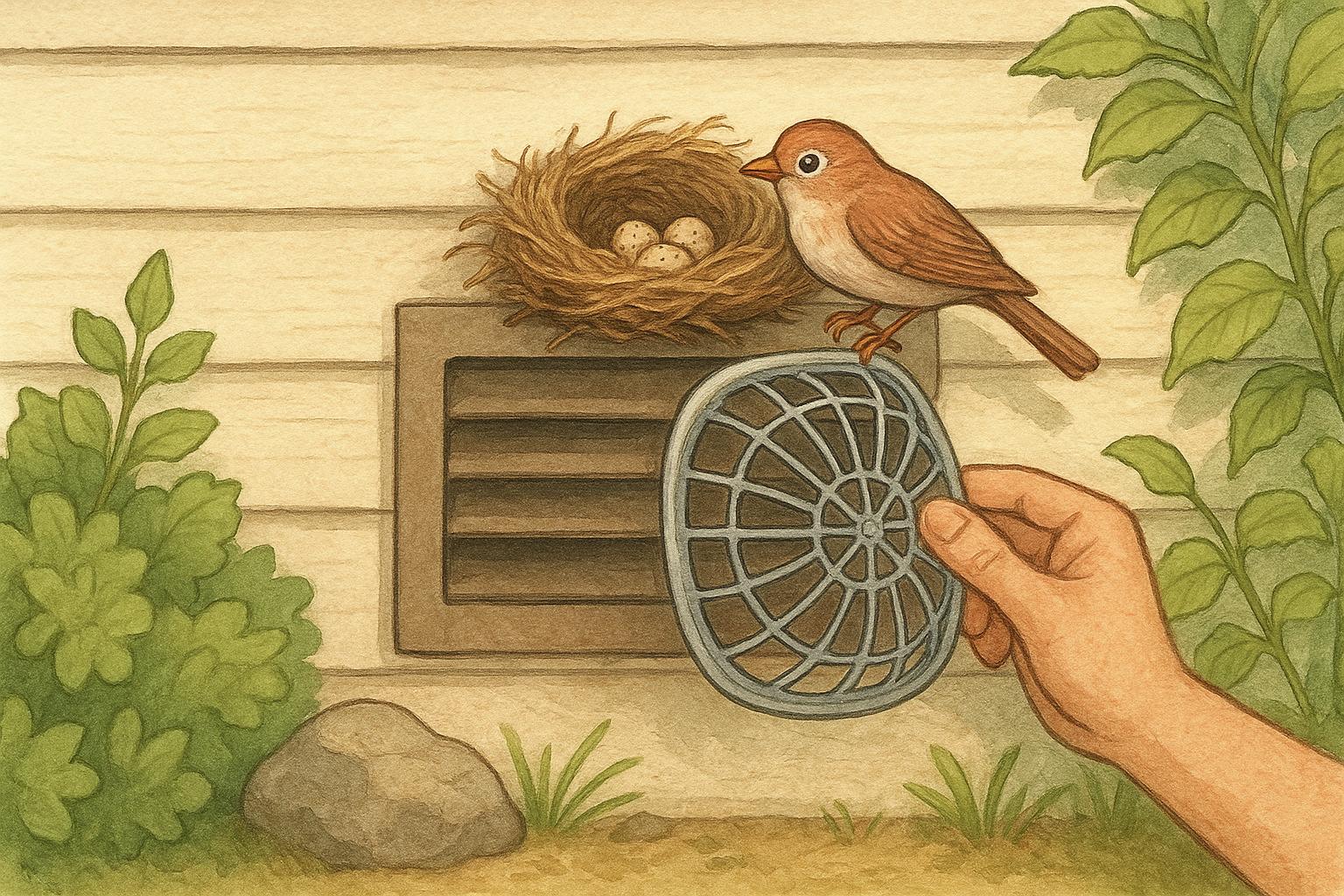
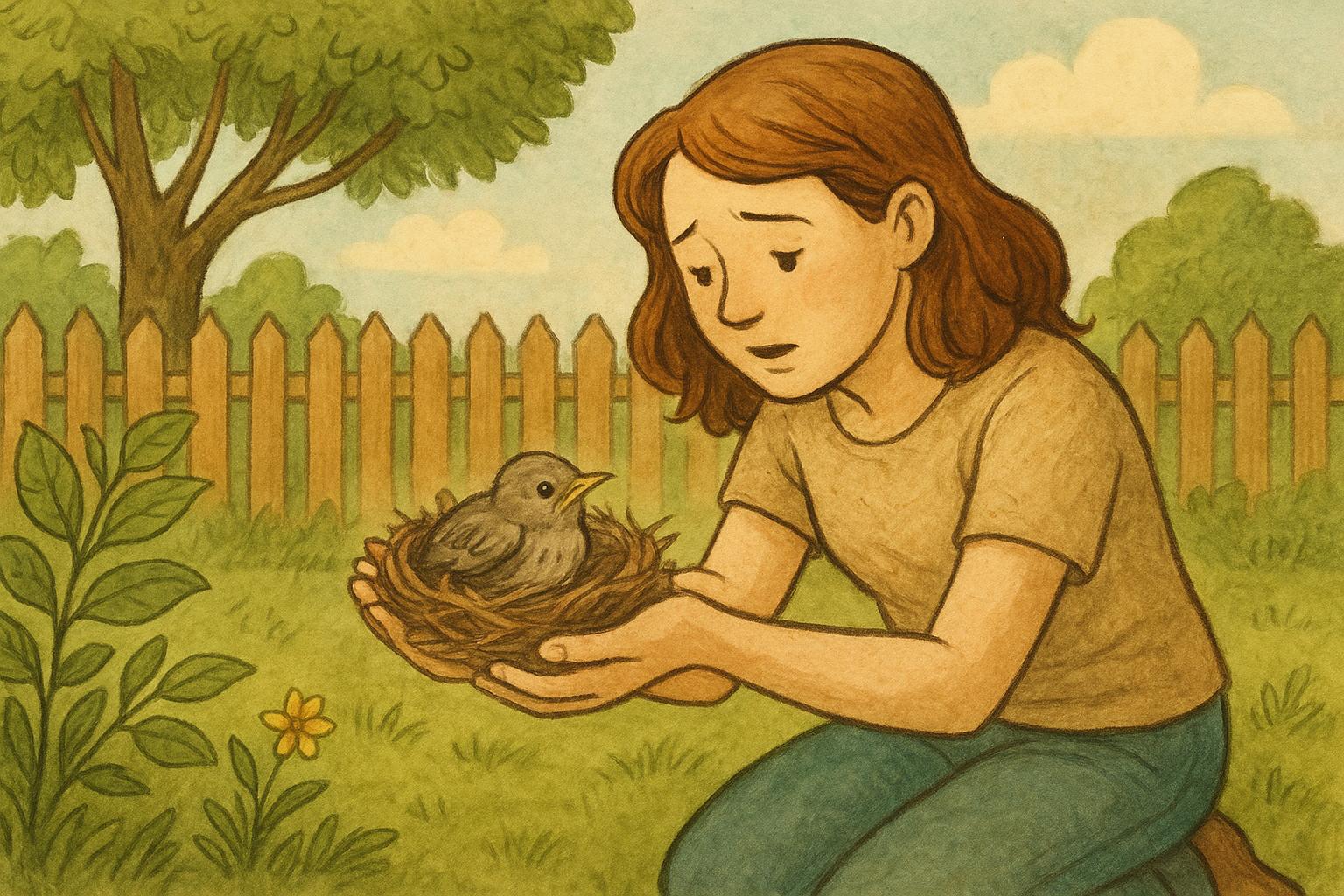
Be mindful of protected species and consult local wildlife authorities if you find unusual organisms that may require special attention. Don’t move nests of birds or disturb animals during breeding seasons. When dealing with non-native invasive plants or pests revealed by leaf litter, use targeted removal practices that minimize collateral damage to native fauna.
#### Quick Troubleshooting Tips
– If a log pile smells strongly of rot or shows fungal fruiting bodies that concern you, leave it — fungal decomposition is part of the process and often supports biodiversity. Only remove material if it poses a structural risk or is infested with a pest that threatens surrounding plantings.
– If slugs become a problem near vegetable beds, keep leaf mulch thinner around those areas and create separate log pile habitats farther away to draw wildlife predators that feed on slugs.
There’s a gentle magic in watching a handful of leaves and a few forgotten logs turn into a thriving neighborhood for small creatures. Whether you’re intentionally building a shelter or just letting the seasons unfold, a little attention to leaf litter can unlock surprising biodiversity right outside your backdoor.
















Leave a Reply