
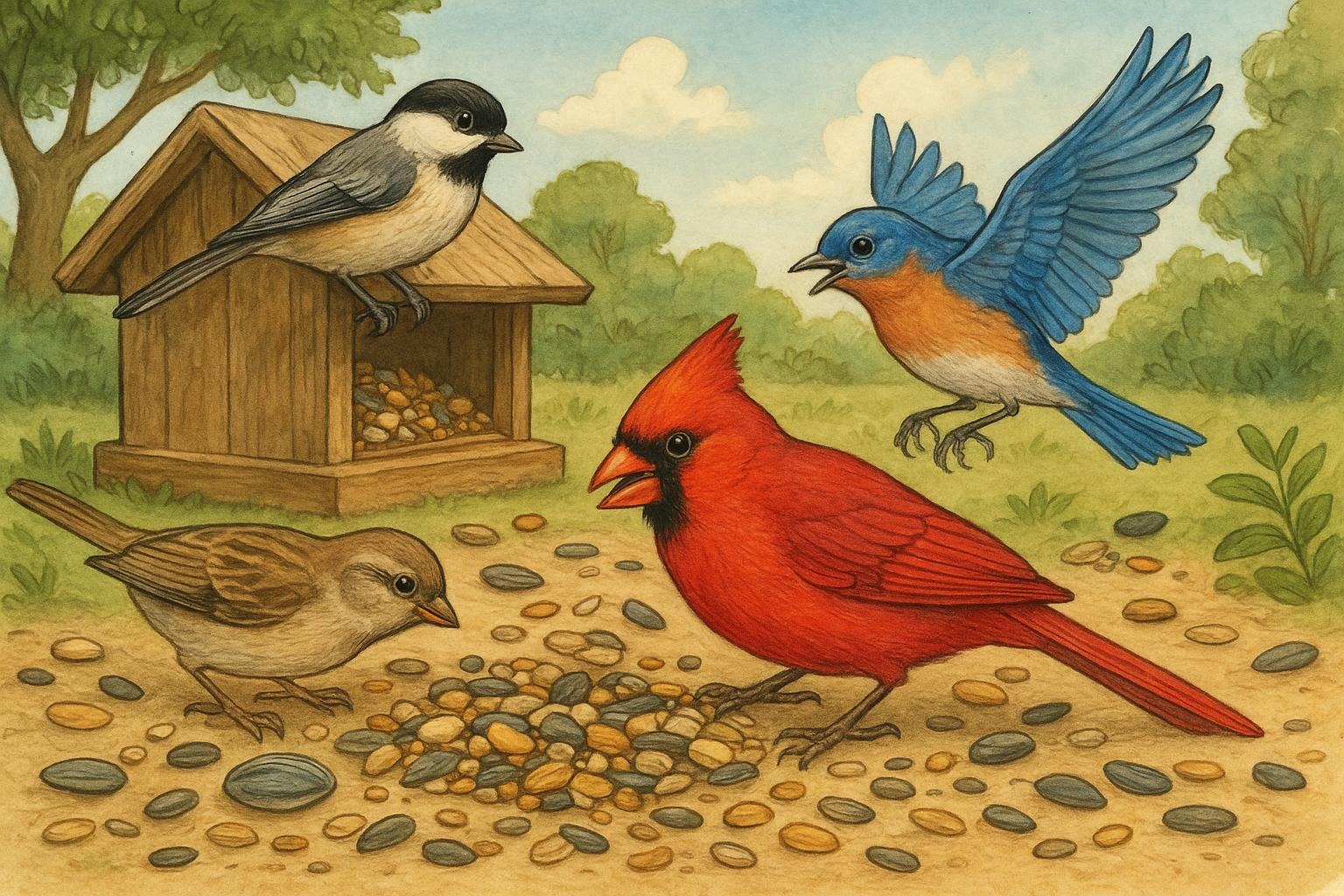
Welcome to a little backyard birding chat where the cups are full of coffee and the feeders are full of potential. If you’ve ever wondered what tiny alchemy turns your yard into a feathery hotspot, you’re in the right place. Below are practical, friendly tips and a couple of proper, no-nonsense remedies that will have songbirds lining up at your windows like it’s brunch time.
## Best Seed Choices For Feathered Friends
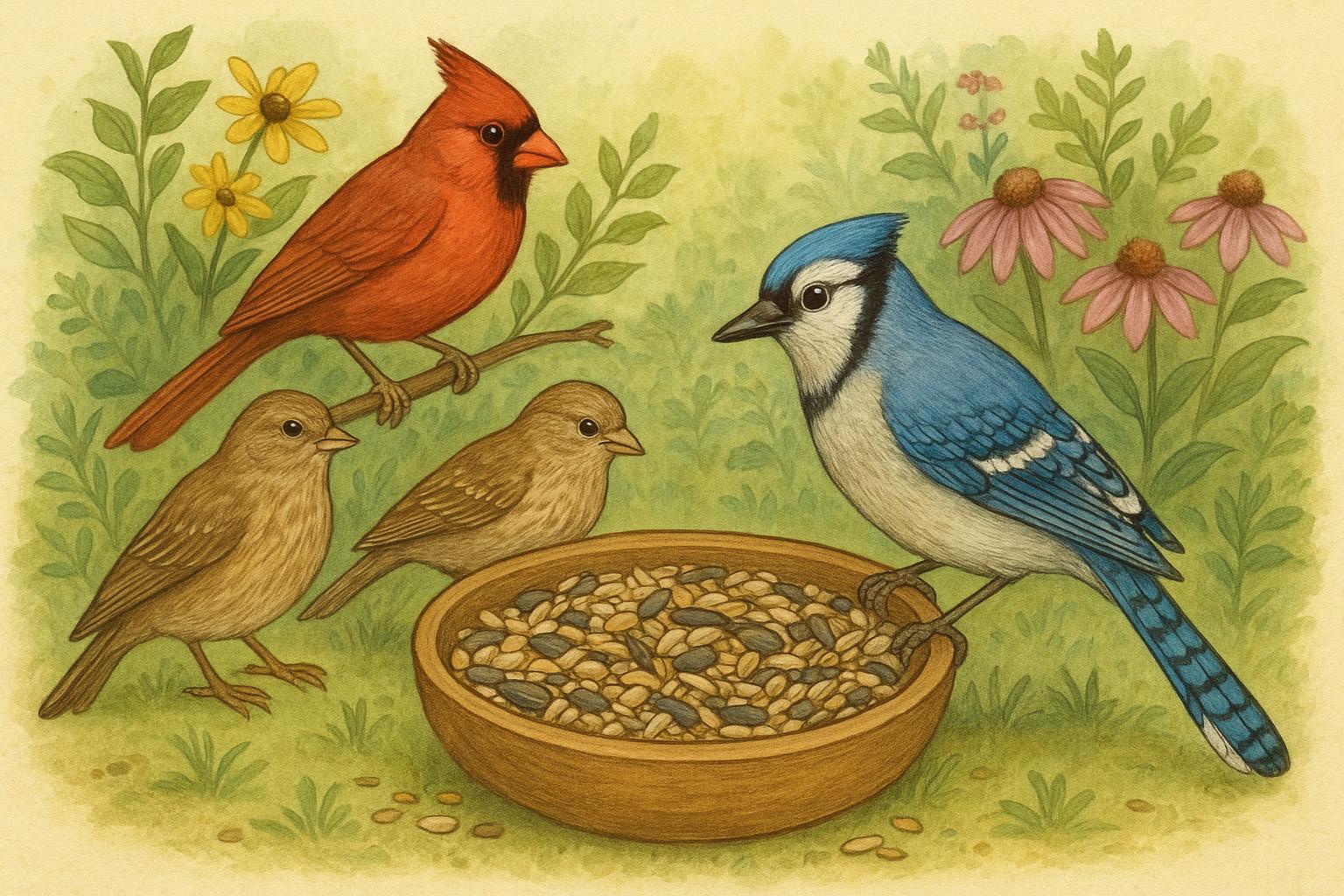
Picking the best seed for your backyard is more art than science, but it helps a lot to know what the local birds actually crave. Black oil sunflower seeds are the crowd-pleaser—rich in fat, easy for most birds to crack, and attractive to cardinals, chickadees, titmice, and nuthatches. Safflower seeds are less popular with starlings and more popular with cardinals and some sparrows. Nyjer (thistle) seeds make finches go ecstatic. Millet, often sold in mixes, is great for ground-feeding sparrows and towhees.
Choosing the best seed isn’t just about species preference; it’s about seasonality (fatty seeds in winter), feeder type, and predator control. Mixes can be convenient, but the best seed strategy is to tailor offerings to the birds you want to attract rather than buying everything in one bag.
### Understanding Bird Preferences
Birds are picky in charming ways. Finches are small-billed and favor tiny seeds like nyjer. Larger-billed birds have no trouble with sunflower kernels or shelled peanuts. Some birds love husked sunflower (meat only) while others prefer the black oil variety with the shell.
#### Seasonal Shifts
Spring and summer favor protein-rich seed and supplemental mealworms for nestlings. In fall and winter, the best seed choices are those high in fat—black oil sunflower, peanuts, and suet—to help birds maintain energy and body heat.
### Avoiding Common Seed Mistakes
It’s tempting to buy the biggest, flashiest mix at the store, but cheap mixes often contain filler seeds (milo, red millet) that attract pigeons or go uneaten. Also, buying in bulk without proper storage can lead to rancid seed. The best seed is fresh seed—if it smells stale or sooty, replace it.
## Feeding Stations And Presentation
How you present the best seed matters almost as much as the seed itself. A tidy, varied feeding station invites diversity.
### Feeder Types And Placement
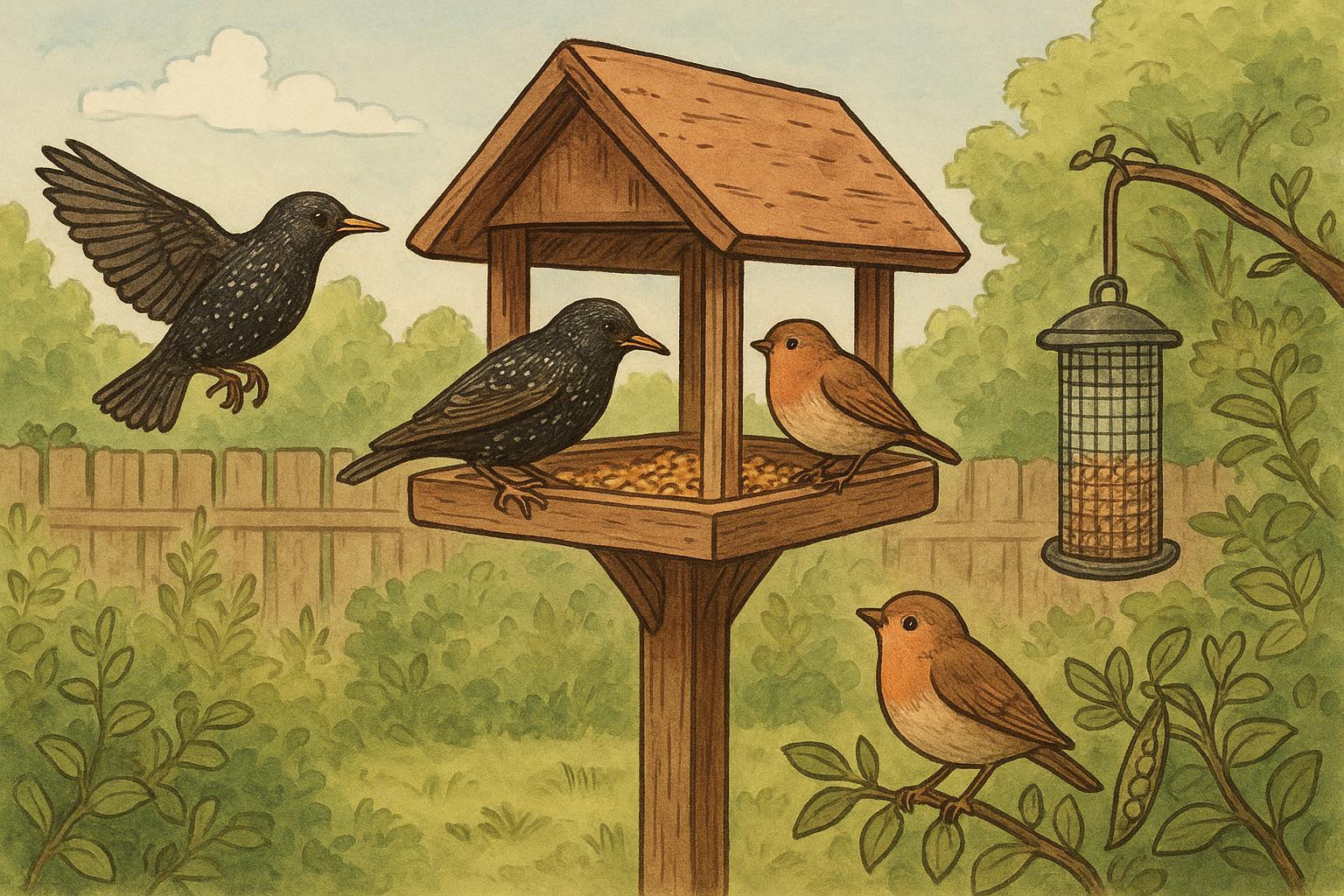
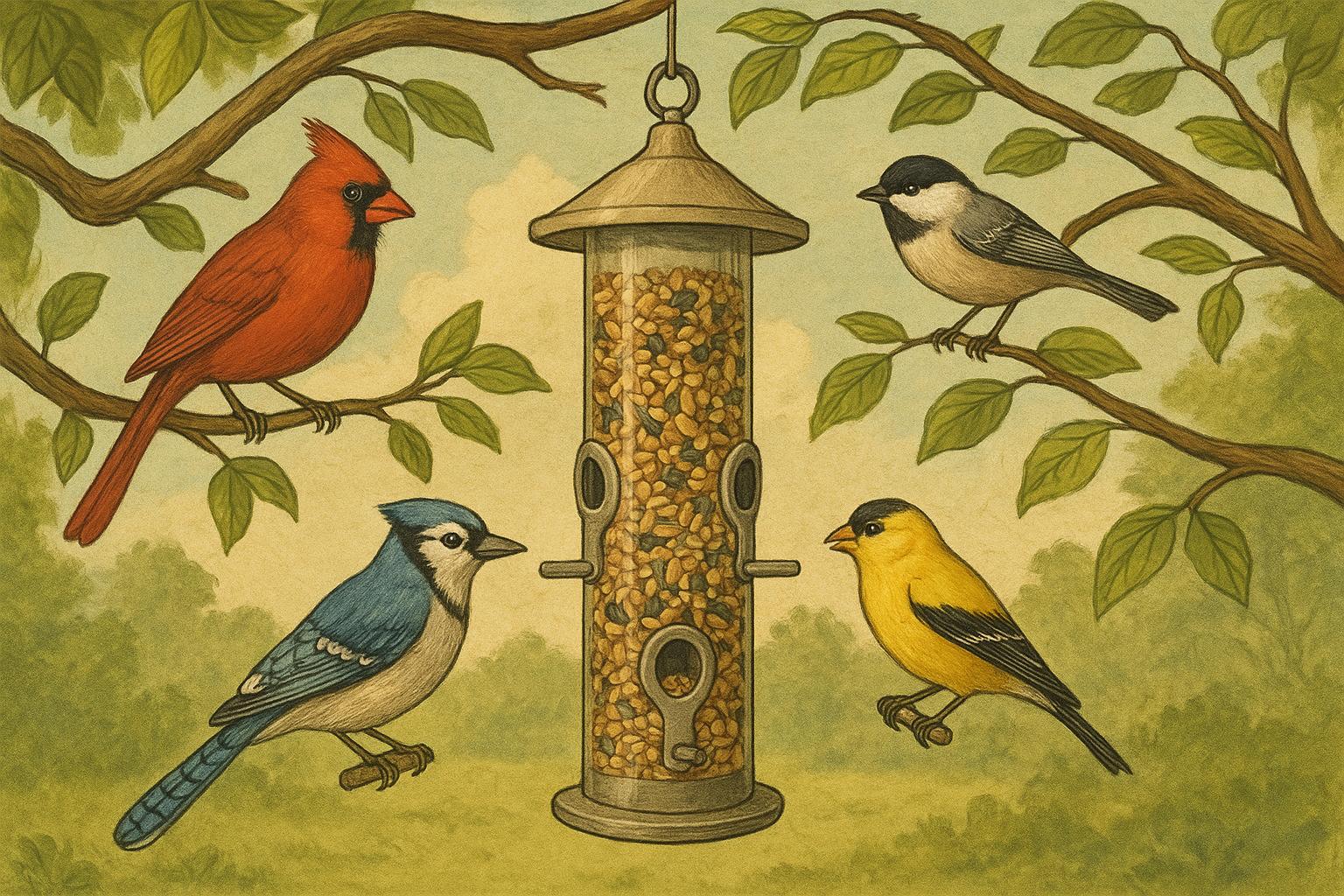
Tube feeders are excellent for cardinals and finches (use smaller port sizes for nyjer). Platform feeders serve ground-feeders but attract squirrels; consider placing platforms near shrubs for cover. Mesh socks are perfect for nyjer and smaller birds. Hang feeders at varying heights to give shy birds options and keep them safe from ground predators.
#### Cleanliness And Rotation
Mold is a bird killer. Rotate the best seed regularly, clean feeders at least every two weeks (more often in hot weather), and dispose of any seed that’s damp or clumped. A small investment in cleanliness pays big dividends in avian health.
## Remedy 1: Homemade High-Energy Seed Mix
When you want to serve the absolute best seed for winter visitors or breeding birds, a custom mix can outperform store blends. Below is a formal, step-by-step remedy to create a high-energy seed mix that is balanced, economical, and attractive to a wide variety of species.
Ingredients / Required Materials:
– Black oil sunflower seed: 5 parts
– Hulled sunflower kernels (optional): 1 part
– Shelled peanuts or peanut pieces (unsalted): 1 part
– Cracked corn: 1 part
– Safflower seed: 1 part
– Dried mealworms (optional, for breeding season): small handful
– Airtight storage container
– Mixing bucket or large bowl
– Measuring cup
Step-by-Step Creation and Application:
1. Measure Ingredients: Use the parts ratio above to measure each ingredient into the mixing bucket. Adjust small volumes for your feeder type (more hulled kernels for mixed-platform feeders, less cracked corn if you want to avoid pigeons).
2. Mix Thoroughly: Stir the components until evenly distributed. Ensure there are no moisture clumps.
3. Portion For Feeders: Fill feeder-specific containers—tube feeders get a higher percentage of black oil sunflower; platform feeders can handle more cracked corn and safflower.
4. Store Properly: Place unused mix in an airtight container in a cool, dry place to prevent oils from going rancid.
5. Monitor Consumption: Observe which components are eaten first and adjust ratios in the next batch to match local preferences.
6. Sanitation: Clean feeders before refilling to prevent spoilage. Replace any old seed after two weeks in open feeders, or sooner if wet.
This remedy follows best practices in avian nutrition and feeder management. Keep precise ratios and storage hygiene to maintain the quality of the mix and reduce disease transmission.
## Remedy 2: Squirrel-Proof Seed Cylinder (Numbered Remedy)
Squirrels are clever and persistent. If they’re snarfing every last kernel, here’s a formal solution to protect the best seed and keep the buffet for birds only.
Ingredients / Required Materials:
– Metal mesh feeder sleeve (squirrel-proof design)
– Thick PVC pipe (optional DIY method) or commercial seed cylinder
– Black oil sunflower seed (primary fill)
– Zip ties or stainless steel screws (for DIY attachment)
– Pliers or screwdriver
– Hanging hardware (S-hook and chain)
Step-by-Step Creation and Application:
1. Select a Cylinder: Choose a commercially available squirrel-proof metal cylinder or create one by cutting PVC pipe to feeder length and drilling small holes for drainage.
2. Prepare Mesh Sleeve: Slide the metal mesh over the cylinder; ensure mesh openings are small enough to prevent squirrel access but large enough for birds to retrieve seeds.
3. Fill With Seed: Pour black oil sunflower into the cylinder—this is the best seed for immersive attraction and will draw birds to the protected feeder.
4. Secure Ends: Use zip ties or stainless steel screws to fasten the mesh ends so squirrels cannot peel it off.
5. Install Hanging Hardware: Attach S-hooks and chains to a sturdy branch or pole at least five feet off the ground and three feet from any launch point like fences or roofs.
6. Monitor And Adjust: Observe for any determined local squirrels; if they persist, raise the feeder height or add a baffle.
The foregoing procedure is intended to minimize non-target species’ access and preserve seed for intended avian visitors. Use corrosion-resistant materials in outdoor installations to extend longevity.
### Attracting Specific Species
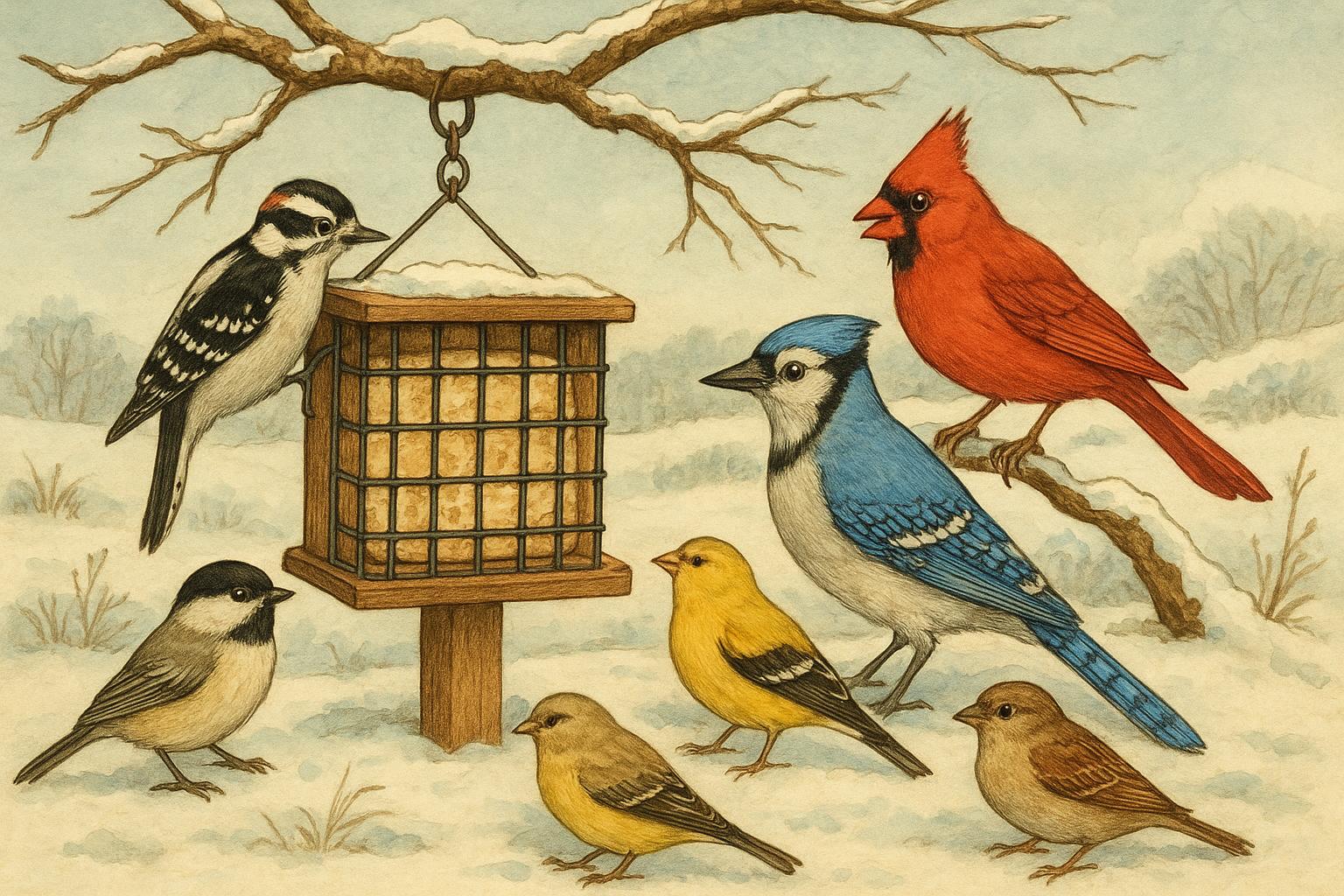
If you’re aiming to attract particular birds, tweak the offerings. Cardinals love black oil sunflower and safflower. Goldfinches adore nyjer and thistle. Woodpeckers and nuthatches will visit suet and peanuts. Warblers and some insectivores appreciate mealworms, especially during nesting season.
#### Planting For Birds
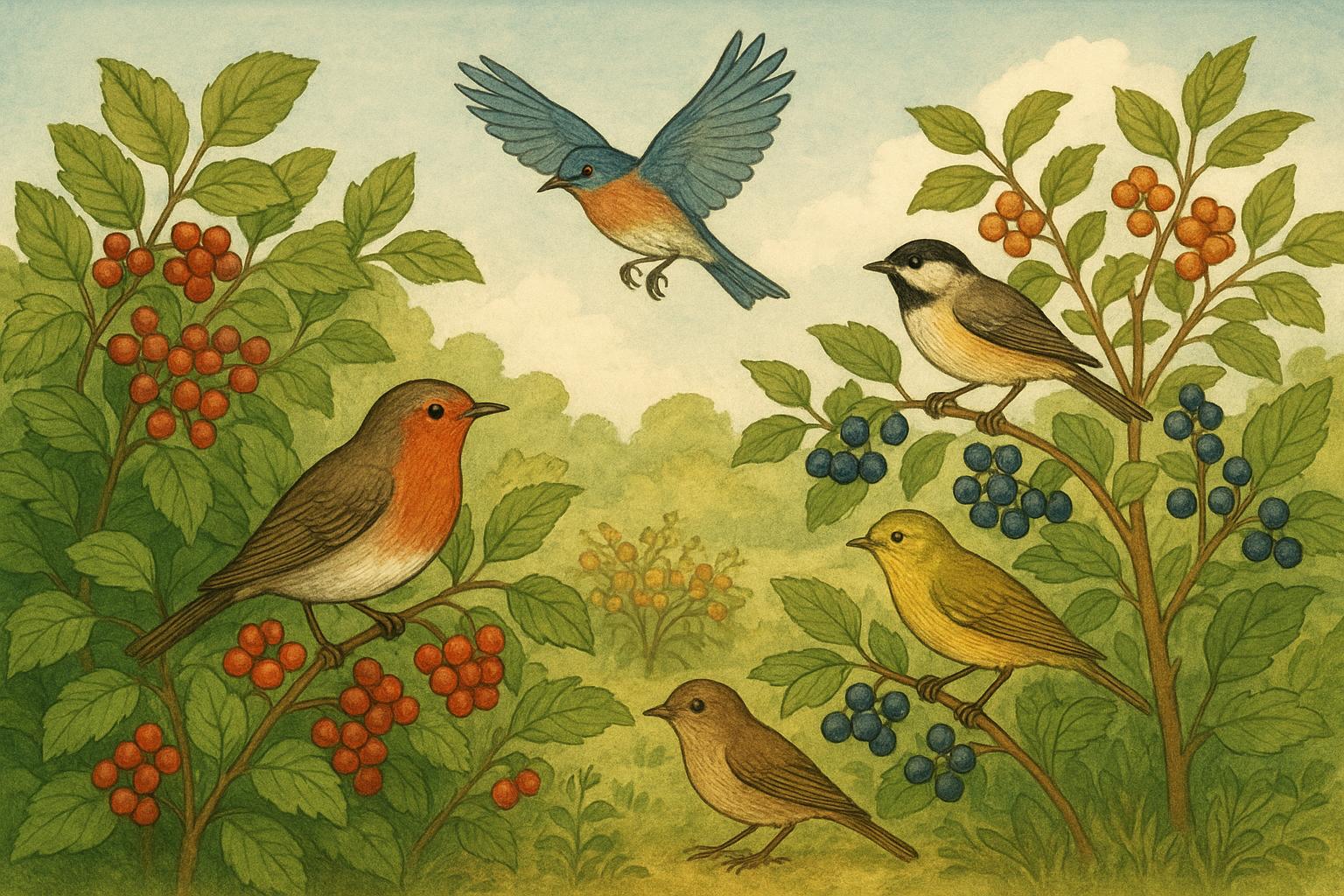
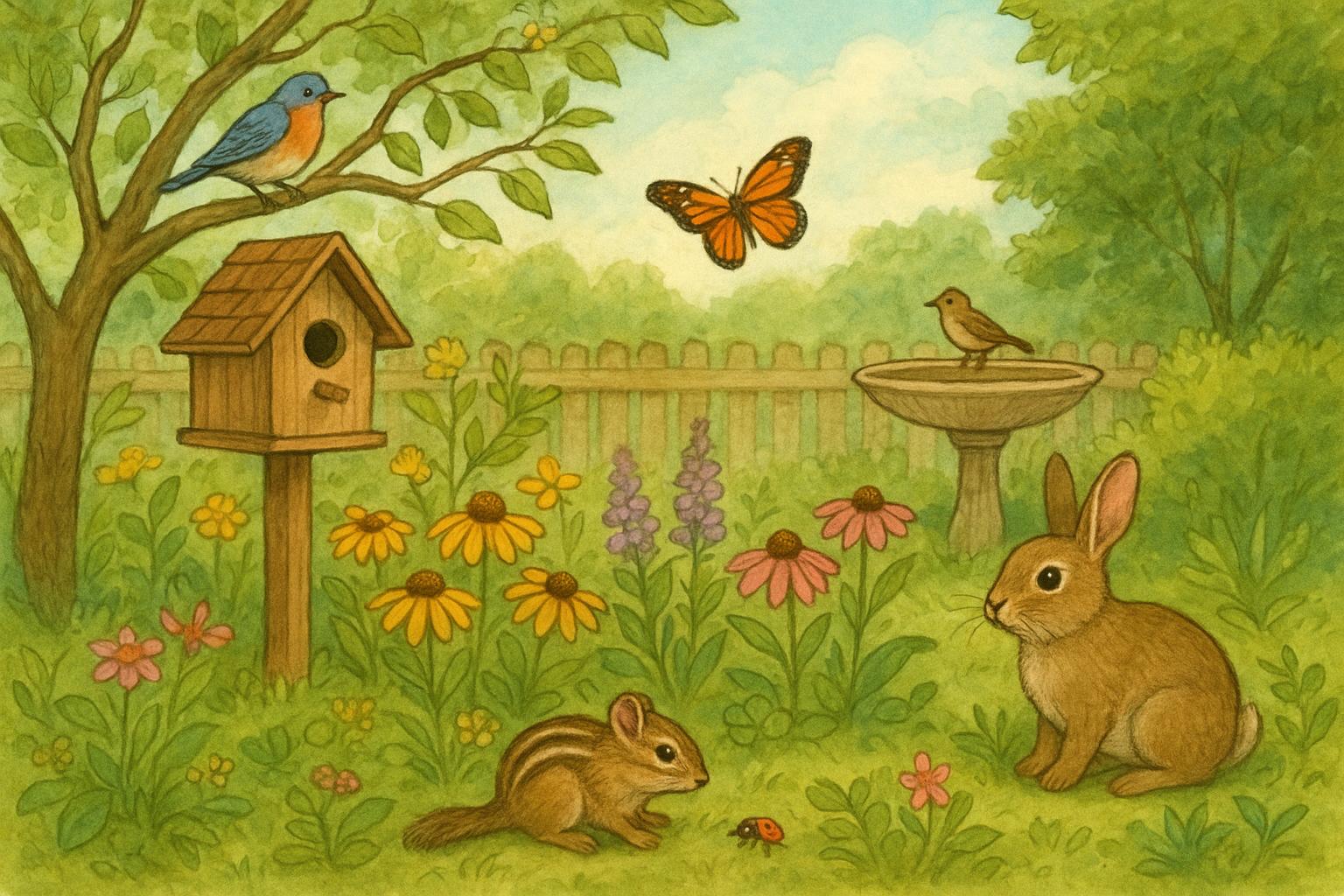
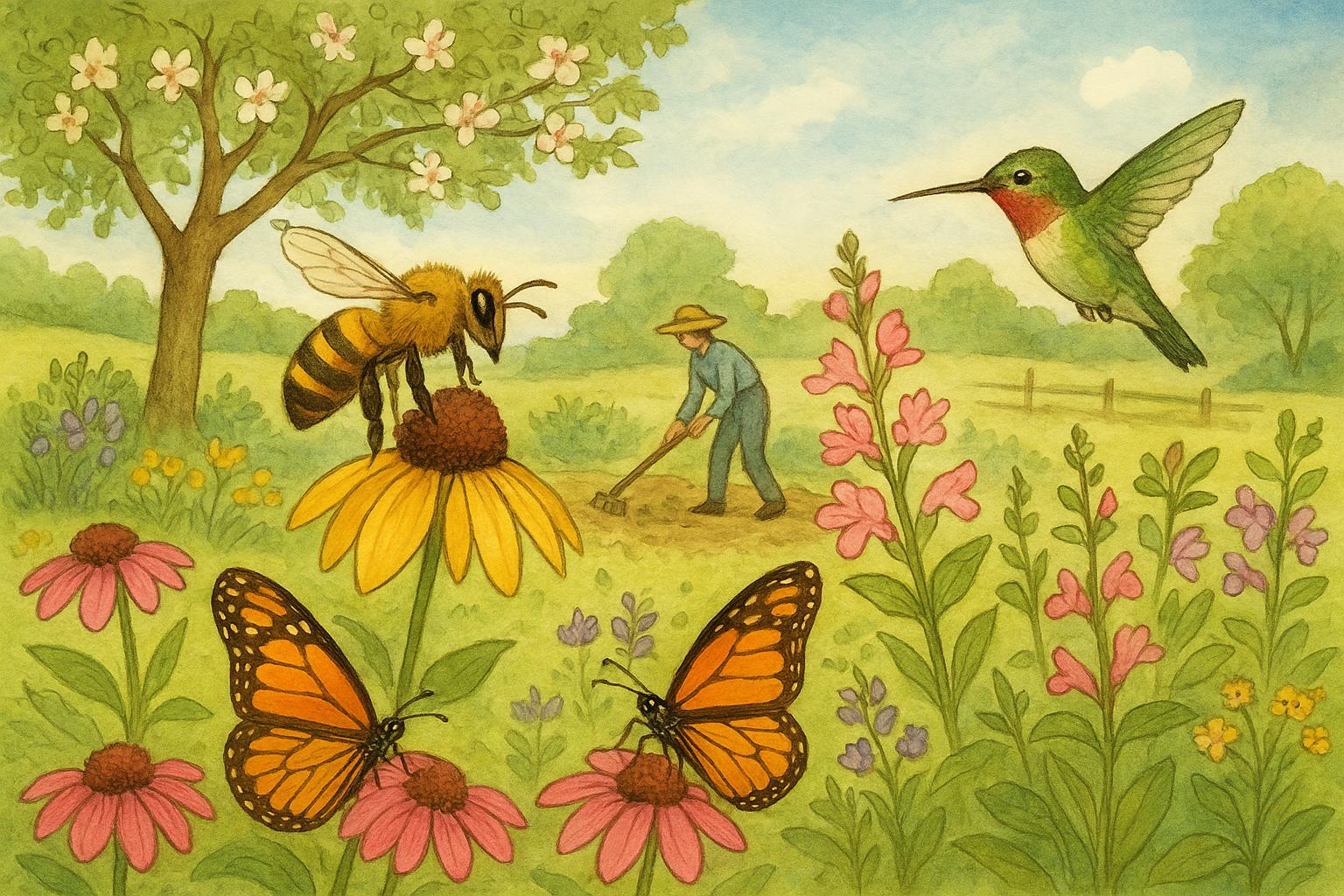
Complement seed offerings with bird-friendly plants: native shrubs with berries, seed-producing perennials, and trees that host insects. This natural food source can supplement the best seed you provide and encourage nesting.
### Troubleshooting Common Problems
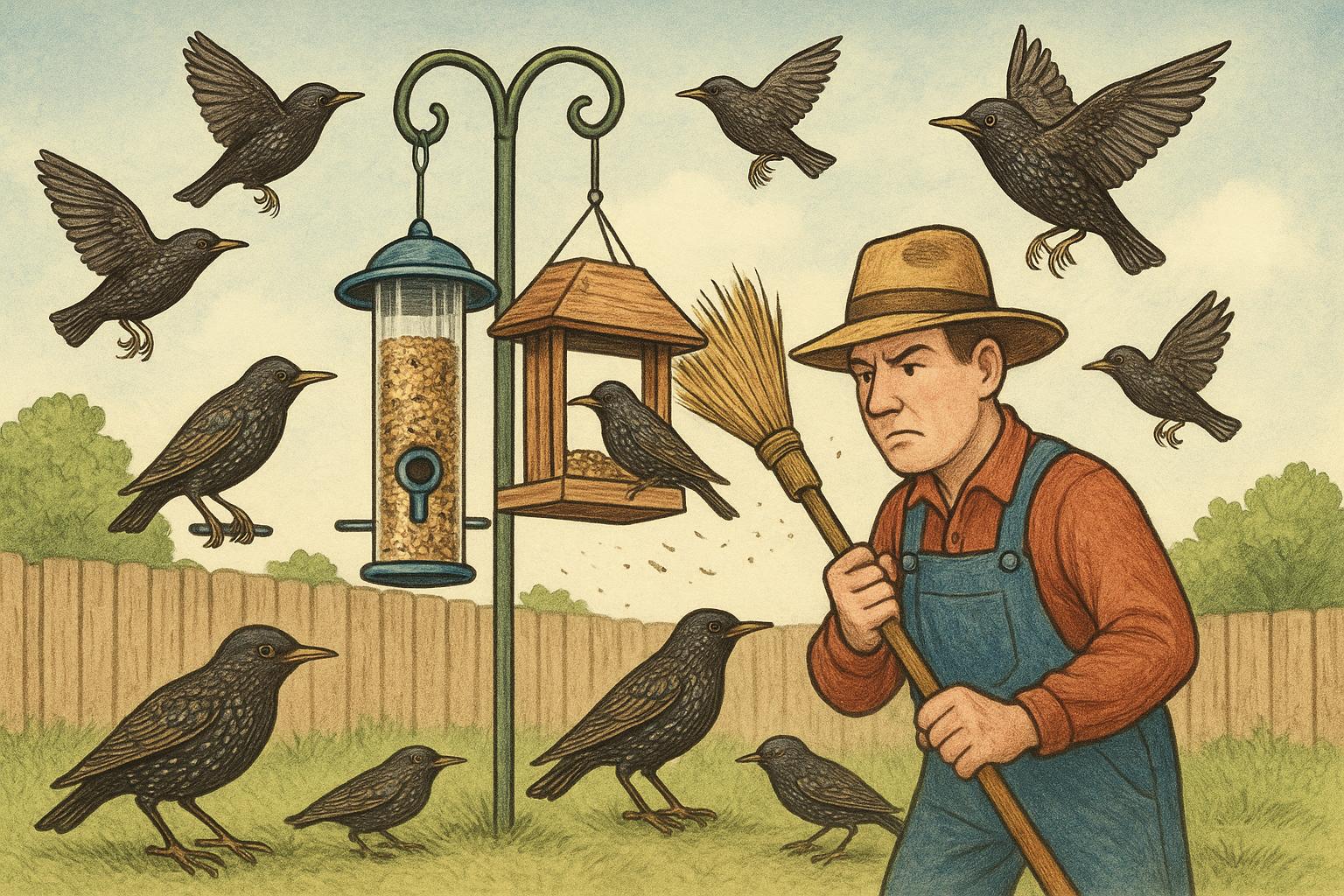
When birds avoid a feeder, check seed freshness, feeder cleanliness, and placement (too exposed or too close to predators). If aggressive species dominate, try species-specific feeders: nyjer socks for finches, cage-style feeders for smaller songbirds.
#### Storage And Pest Management
To protect the best seed from rodents, use metal containers with tight lids. Avoid storing seed in damp basements or in direct sunlight. If pests get into seed, discard the affected seed and thoroughly clean the storage container before refilling.
## Observational Tips To Maximize Success
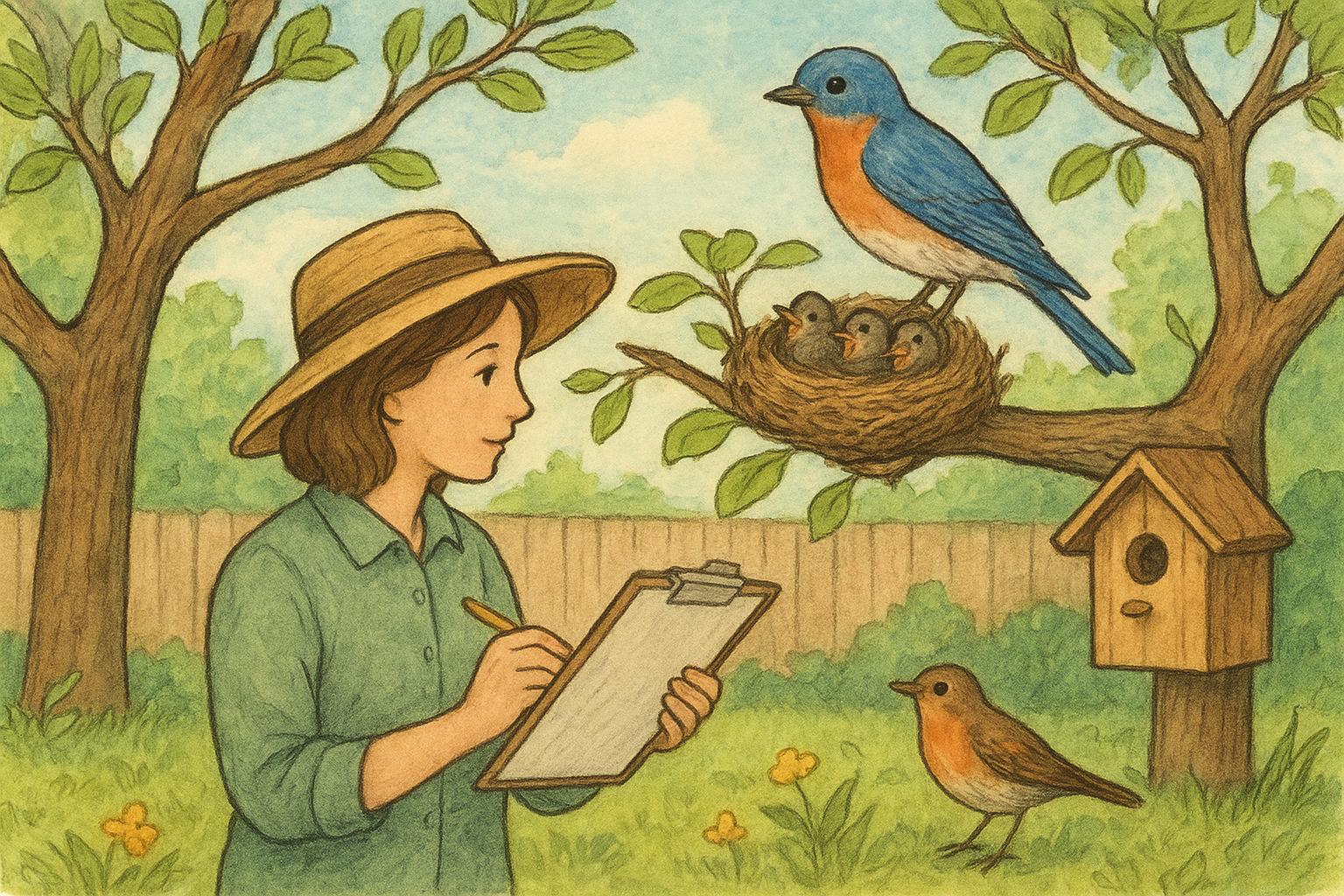
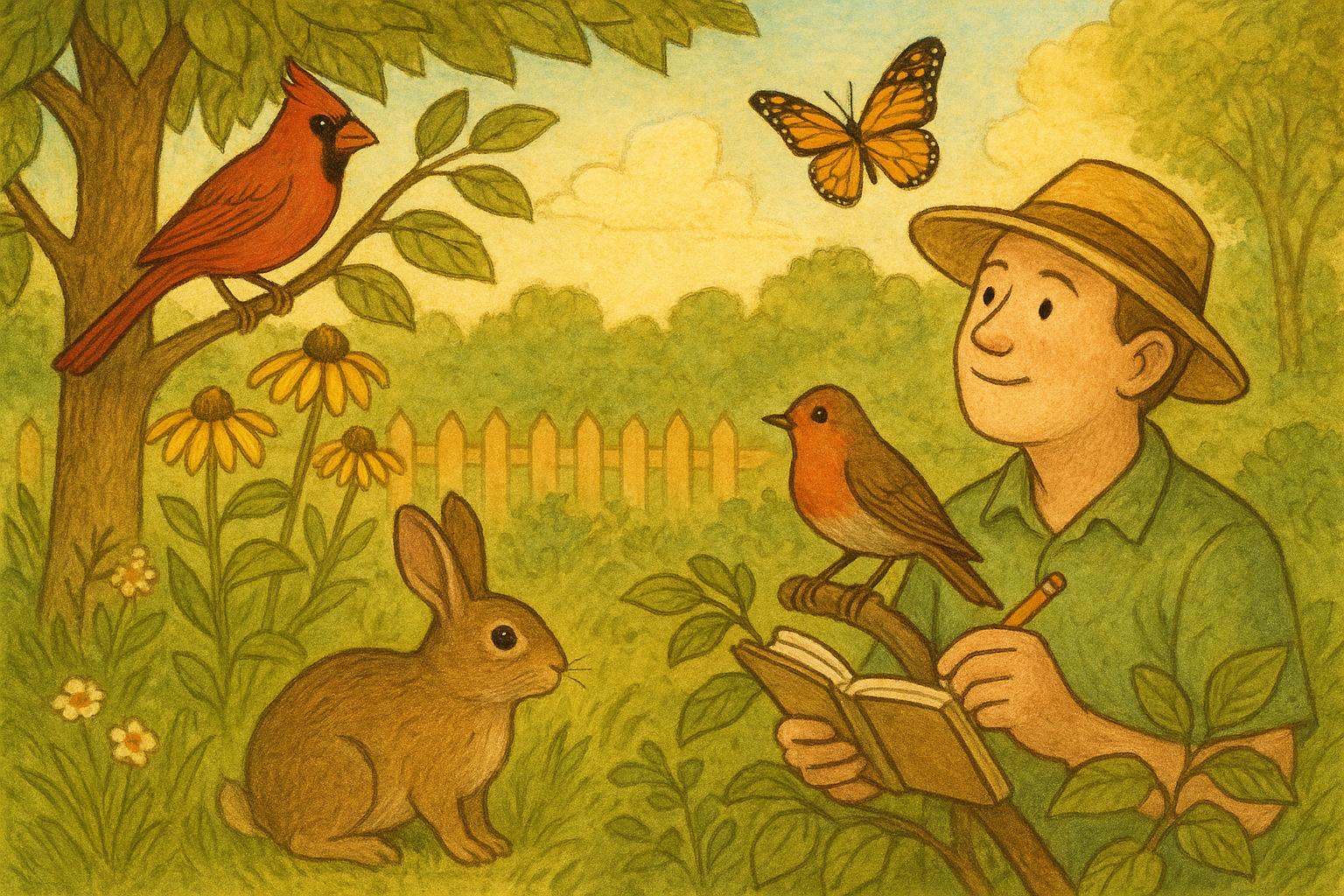
Spend a few minutes each day watching. You’ll learn which birds prefer which feeder and which seed disappears first. Keep notes: times of day when activity peaks, species diversity, and any unusual visitors. Small adjustments—like moving a feeder a few feet—can change the entire dynamic.
### Encouraging Return Visits
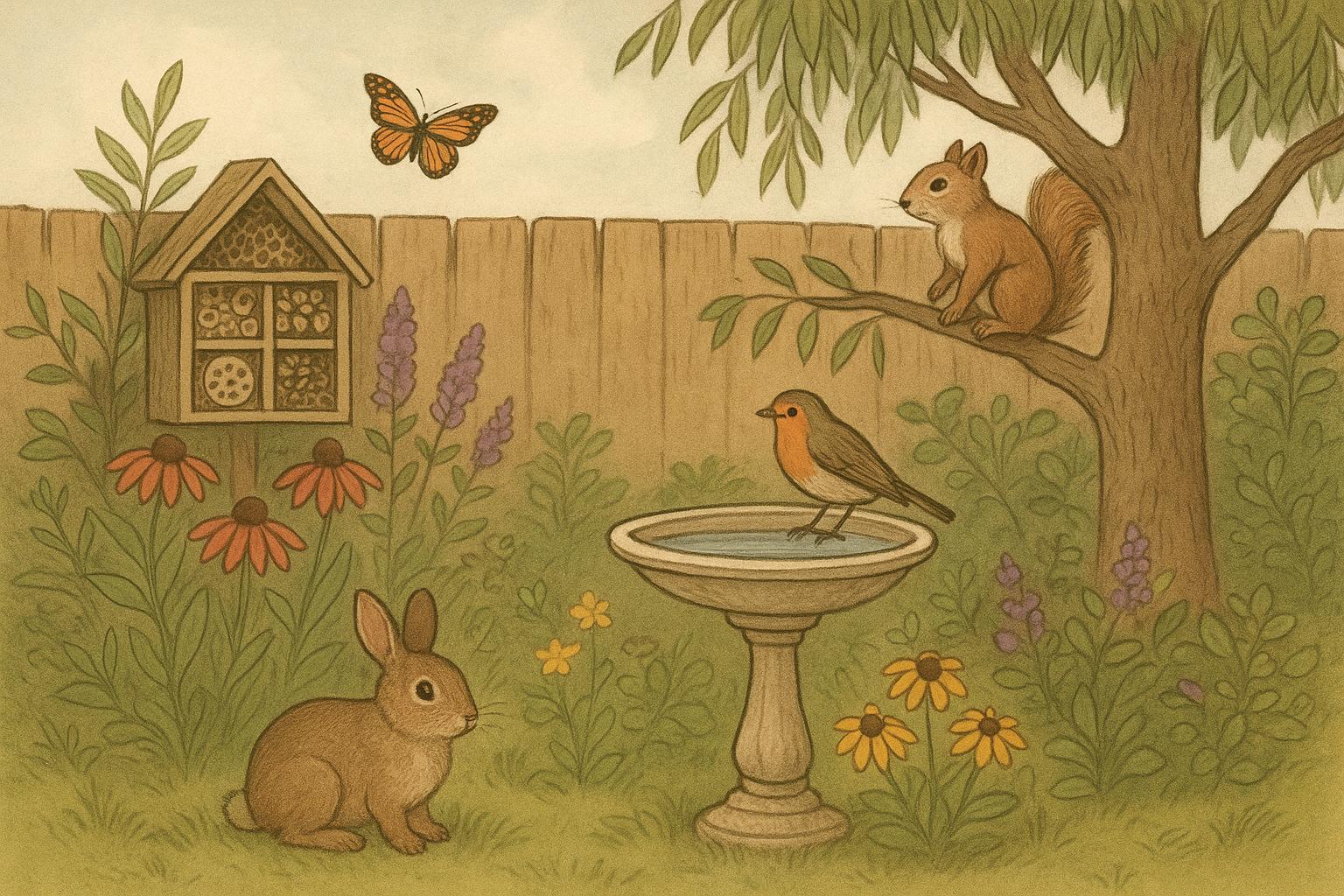
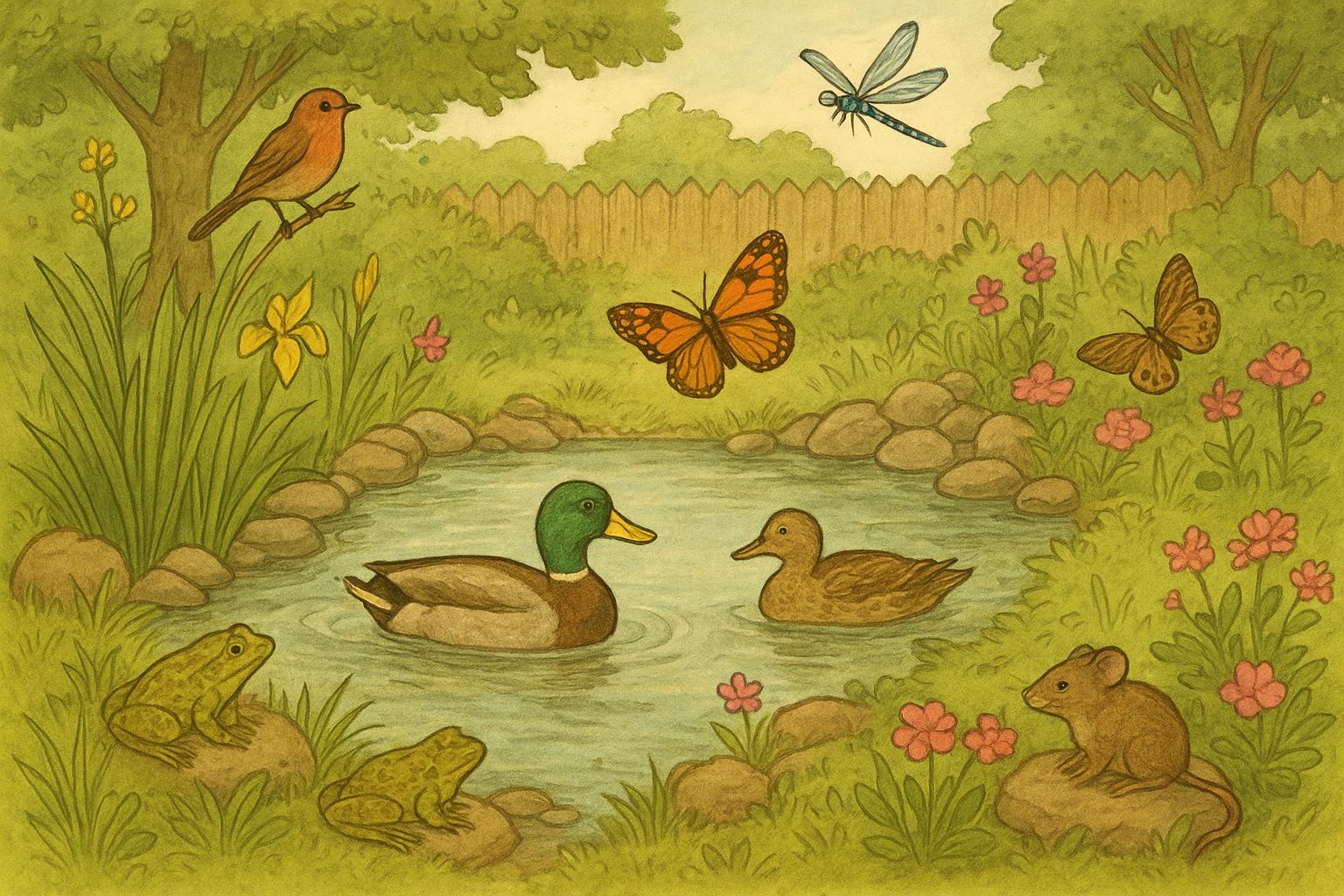
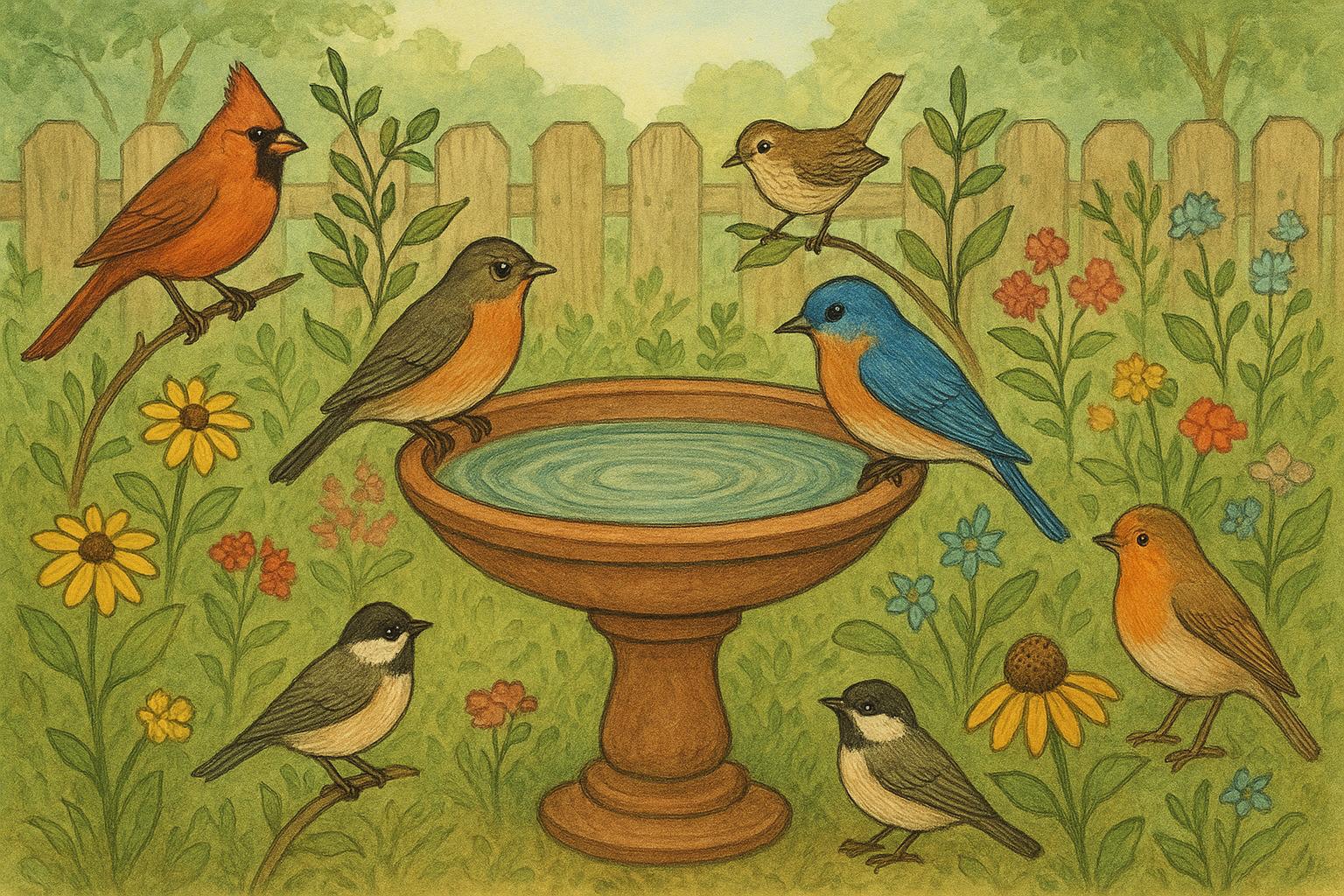
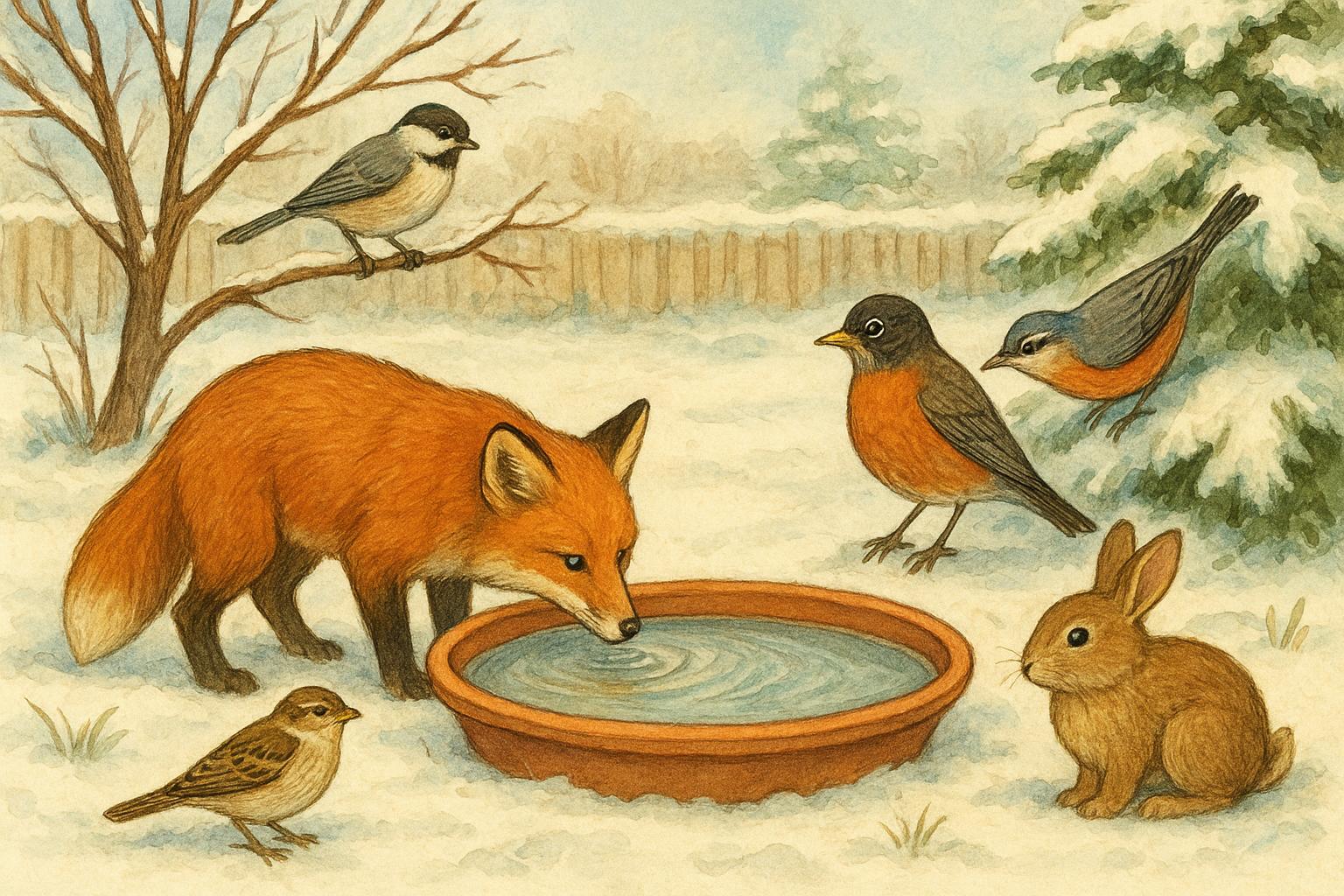
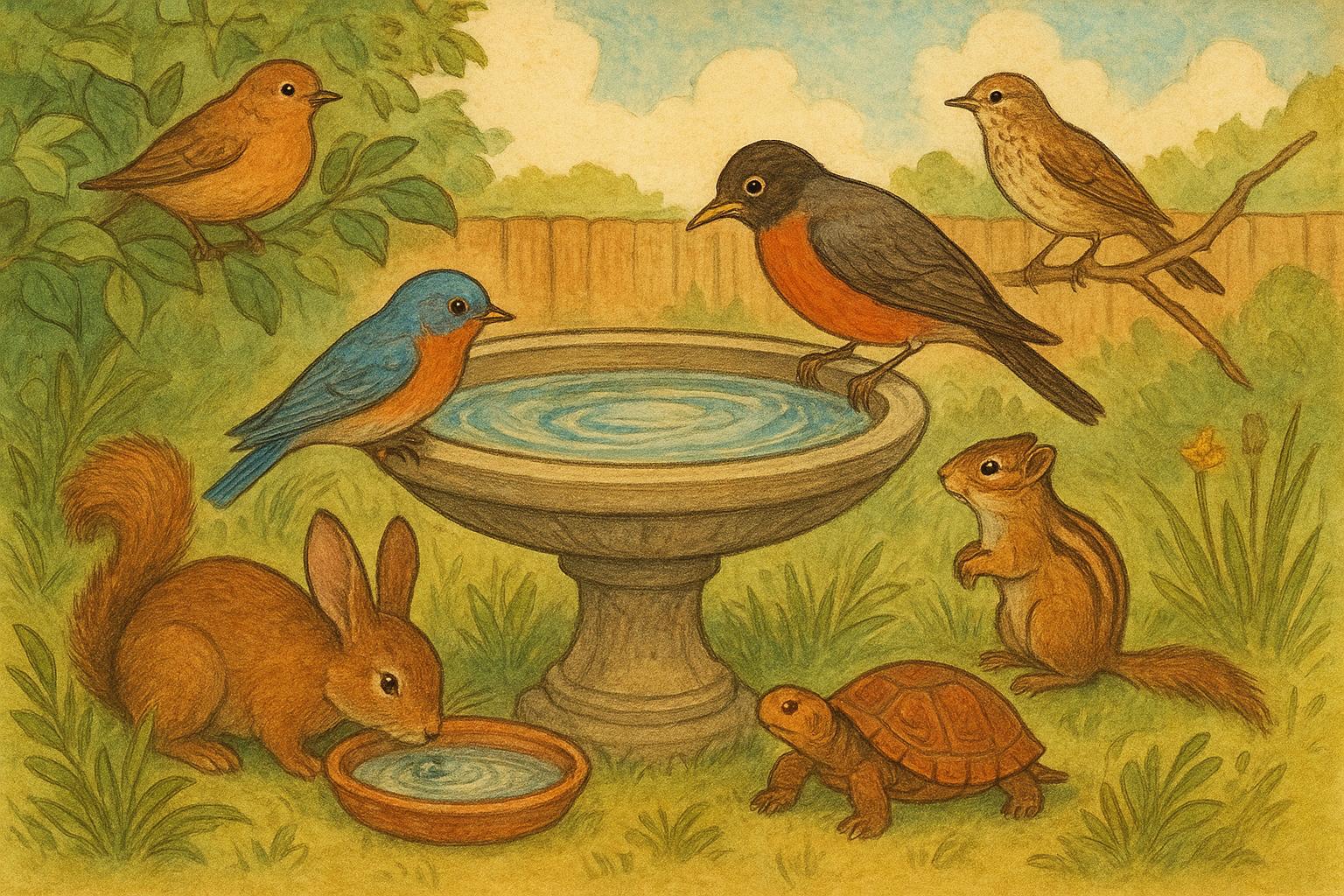
Consistency is key. Keep feeders stocked through migration seasons and harsh weather. Birds remember reliable food sources, and your yard will become a trusted stop on their routes. Pair dependable feeders with a water source—moving water like a dripper or small fountain increases visits considerably.
Now that your feeders are armed with the best seed and your methods are in place, sit back on the porch (binoculars at the ready) and enjoy the show. Keep an eye on cleanliness and adjust your mixes seasonally, and you’ll be rewarded with a healthy, diverse backyard bird community.


Leave a Reply