
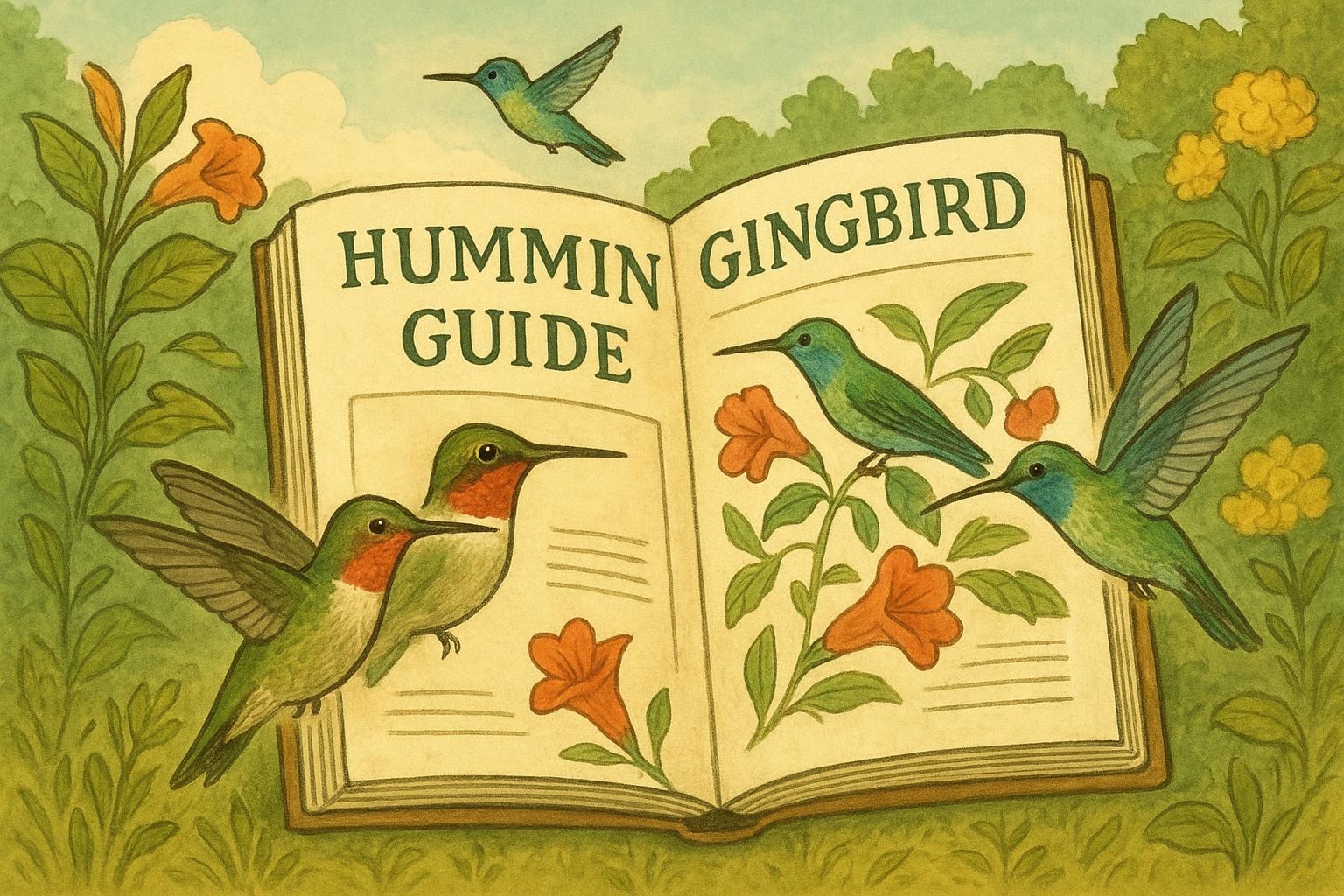
A warm welcome: if your yard has ever felt like a tiny coffee shop where speedy little patrons come for a sugar fix, you’re in the right place. This hummingbird guide is designed to turn curiosity into confidence—helping you identify species, lure them in, and keep them healthy without turning your backyard into a sticky, buzzing mess. Expect practical tips, a dash of friendly humor, and very clear instructions when it comes to nectar and feeder care.
## Hummingbird Guide: Attracting Tiny Torpedoes
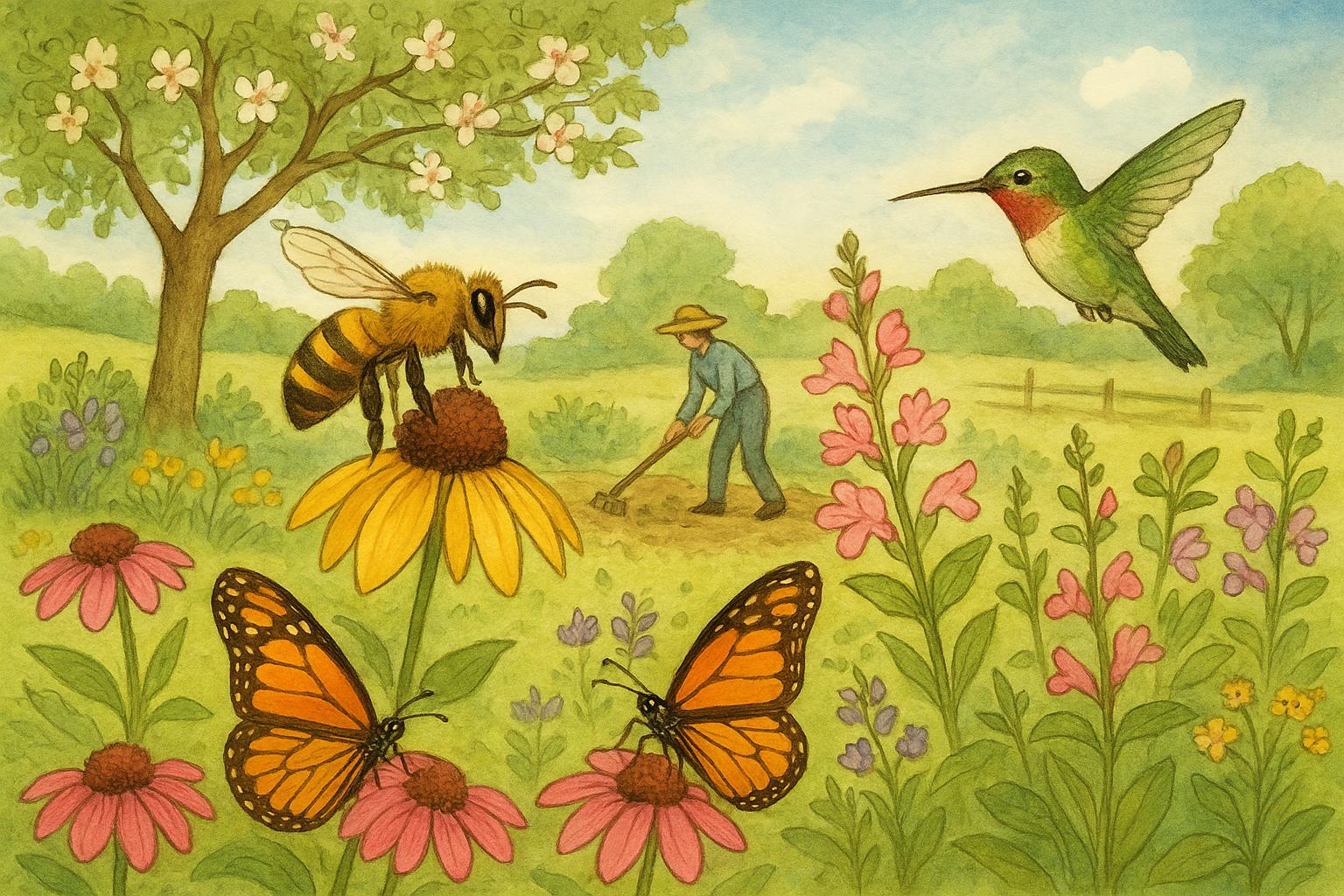
Hummingbirds are attracted to bright color, abundant nectar, and safe spots to rest. A hummingbird guide worth its salt will recommend a combination of food sources, shelter, and vigilance against hazards. Start by planting native, nectar-rich flowers like bee balm, salvia, columbine, and trumpet vine. These not only provide natural food but also attract the insects hummingbirds eat for protein.
### How To Read Hummingbird Behavior
Hummingbirds are feisty little territorialists. If you notice one chasing others away from a feeder, that’s normal. Males especially guard prime nectar real estate during breeding season. Creating multiple feeding stations at different heights and distances reduces conflict. Sit quietly, watch their flight patterns, and you’ll start to understand which perches they prefer and the times of day they feed most heavily.
### Identifying Common Backyard Species
Most neighborhoods host a handful of species, depending on region. Look for size, throat color (gorgets), and flight style. Ruby-throated and Anna’s are commonly encountered in many parts of North America, while rufous and black-chinned arrive in other locales. A compact field guide or an app with photos will help you match up the flash of metallic green and the sudden, humming blur to a species.
#### Where To Place Feeders For Best Results
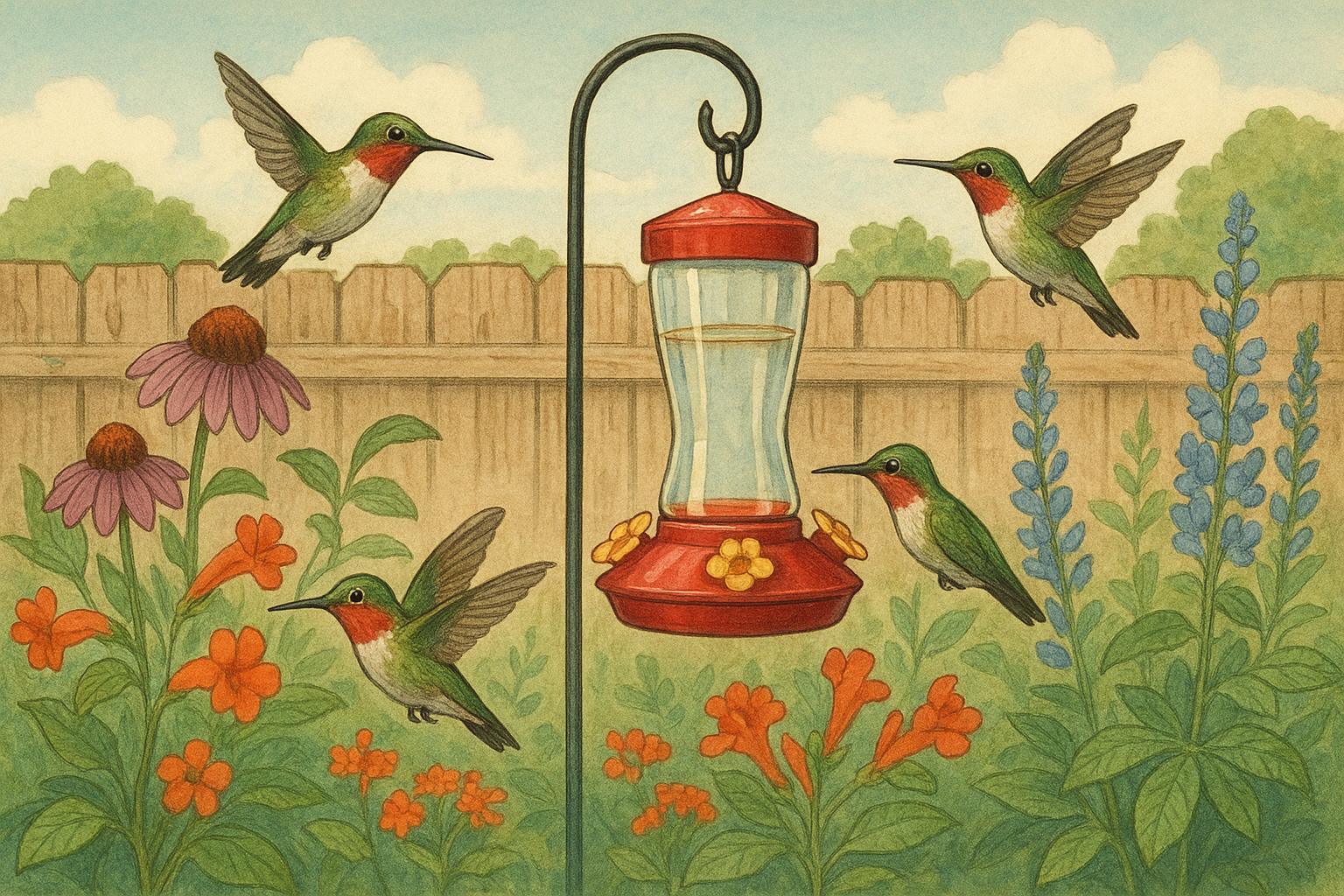
Place feeders within 10–15 feet of cover (shrubs, trees, or trellises) so hummingbirds can dart to safety, but not so close that predators can ambush them. Avoid placing feeders directly on the ground or in open sightlines to cats. If you see territorial behavior, move a feeder a few feet away—small changes can shift dominance dynamics.
## Remedy 1: Homemade Nectar
This remedy provides a safe, economical nectar recipe—and directions for preparation and use. Follow the instructions precisely to avoid harming hummingbirds.
Ingredients/Required Materials:
– 1 cup granulated white sugar
– 4 cups water (filtered or tap is fine if potable)
– Saucepan
– Stirring utensil
– Clean container for cooling
– Hummingbird feeder(s) with lids and ports
Step-by-Step Creation:
1. Measure: Combine one part sugar to four parts water. Use exact ratios—do not add honey, brown sugar, or artificial sweeteners.
2. Mix: Bring the water to a gentle boil in the saucepan. Remove from heat.
3. Dissolve: Stir in the sugar until fully dissolved. Heating helps dissolve and sterilize the solution briefly.
4. Cool: Allow the mixture to cool to room temperature in a clean container.
5. Fill: Pour the cooled nectar into your cleaned feeder(s) and securely replace lids and ports.
Application And Safety:
– Replace nectar every 3–5 days in warm weather and every 7 days or so when it’s cool. Discard any cloudy or fermented solution immediately.
– Store unused cooled nectar in the refrigerator for up to one week.
– Never add red dye. Modern feeders have red accents; dye can be harmful and is unnecessary to attract birds.
(Those instructions may sound a bit lab-like, but precision here is kindest to hummingbirds.)
### Why This Works
A 4:1 sugar-to-water ratio mimics the sucrose concentration of many natural flower nectars while minimizing the risk of microbial growth. Boiling briefly sterilizes the solution, reducing the load of bacteria and mold. Clean handling prevents contamination that can lead to illnesses like candidiasis or bacterial infections in hummingbirds.
## Remedy 2: Feeder Cleaning And Maintenance
Clean feeders are the single most important preventative action you can take. This section gives a formal, stepwise protocol to reduce disease risk and extend feeder life.
Materials Needed:
– Mild dish soap
– Bottle brush or specialized feeder brush
– Soft cloth or sponge
– White vinegar (optional)
– Hot water
– Clean towels or drying rack
Procedure:
1. Frequency: Clean every 3–4 days in hot weather and weekly in cool weather. If nectar becomes cloudy, clean immediately.
2. Disassemble: Remove all parts—ports, perches, lids—and empty remaining nectar into a compost or drain (do not reuse).
3. Soak: Fill a basin with hot water and a small amount of dish soap. Soak parts for 10–15 minutes to loosen residue.
4. Scrub: Use bottle brushes for tubes and ports; a soft cloth for outer surfaces. Pay special attention to crevices where mold can hide.
5. Rinse Thoroughly: Rinse with hot water until no soap remains. Optionally rinse with a 1:9 white vinegar-to-water solution to help disinfect, followed by a final hot water rinse.
6. Dry: Air-dry on a clean towel or rack; reassemble only when completely dry.
7. Refill: Use freshly made nectar (see Remedy 1) and hang the feeder in its chosen location.
Safety Notes:
– Do not use bleach solutions on brightly colored feeders unless manufacturer guidelines permit it; residues can harm birds. Vinegar is a safer household disinfectant when used properly and rinsed.
– Regular maintenance reduces mold and bacterial buildup, which is essential for the health of visiting hummingbirds.
### Common Feeder Problems And Fixes
Clogged ports — remove and soak in hot water, use a small brush or pipe cleaner to clear holes. Ant invasions — place feeder on a pole with an ant moat or use ant-guard technology; avoid insecticides near feeders. Bee and wasp congregations — move feeders farther from bloom clusters and consider feeders with bee guards.
## Seasonal Tips For Year-Round Success
Plan for migration windows. In spring and fall, increase feeder visibility and keep multiple stations active to support passing migrants. In winter, reduce nectar concentration slightly in extremely cold climates to lower freezing point (consult local birding resources for exact ratios). Monitor regional migration charts and local hummingbird hotspots to time your planting and feeder setup.
### Troubleshooting: When You’re Not Seeing Hummingbirds
If your yard seems hummingbird-free despite your best efforts, check these variables: competition from nearby feeders, presence of predators (cats, hawks), lack of perch sites, or poor visibility from the main flight paths. Sometimes a simple change—moving a feeder, adding a flowering bush, or reducing human traffic for a few days—will invite them back.
#### Hummingbird Guide Quick Notes
– Use a 4:1 sugar-to-water ratio; boil briefly, cool, and store properly.
– Clean feeders regularly; replace nectar more often in heat.
– Plant native nectar plants and provide cover near feeding stations.
– Never use red dye or alternative sweeteners.
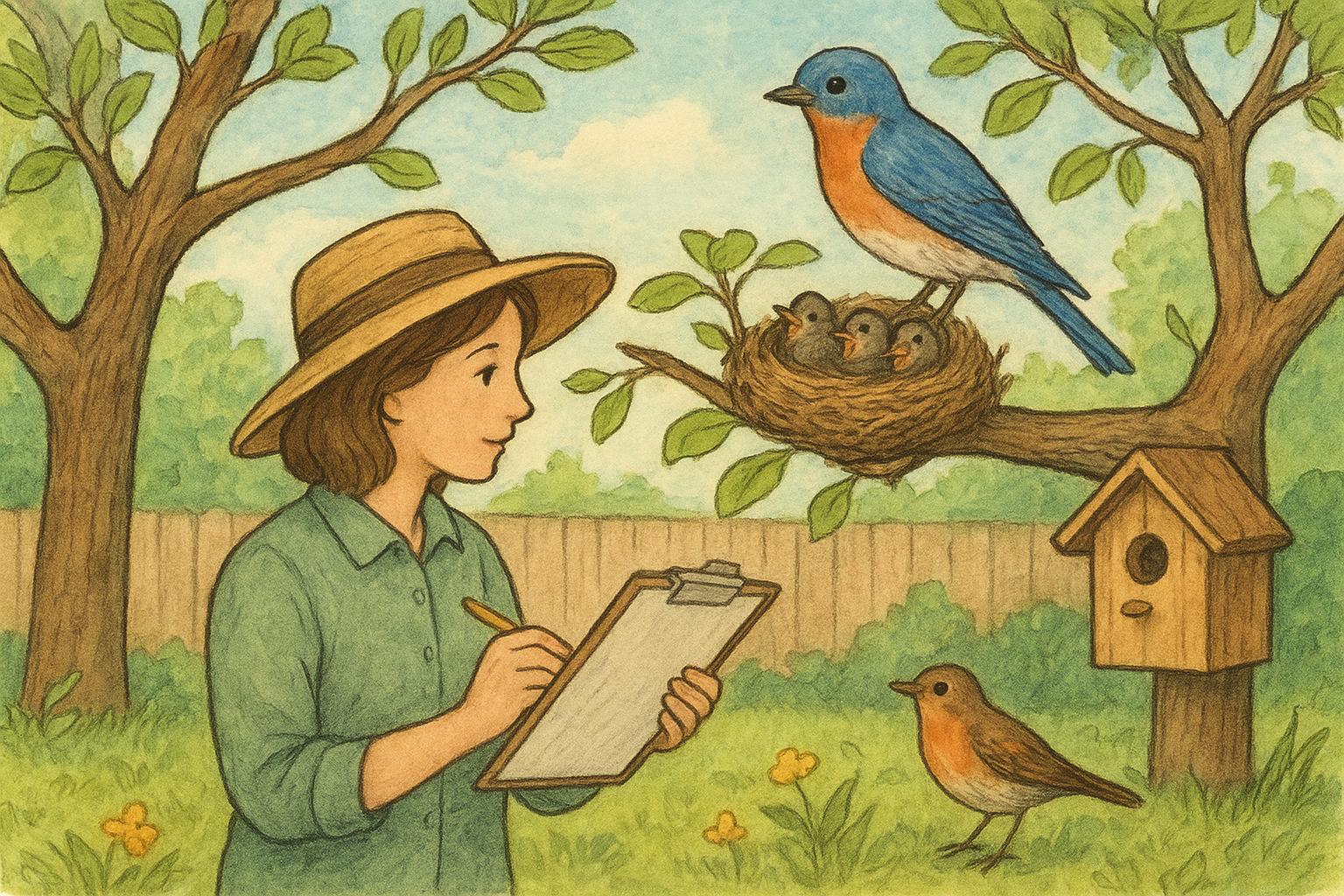
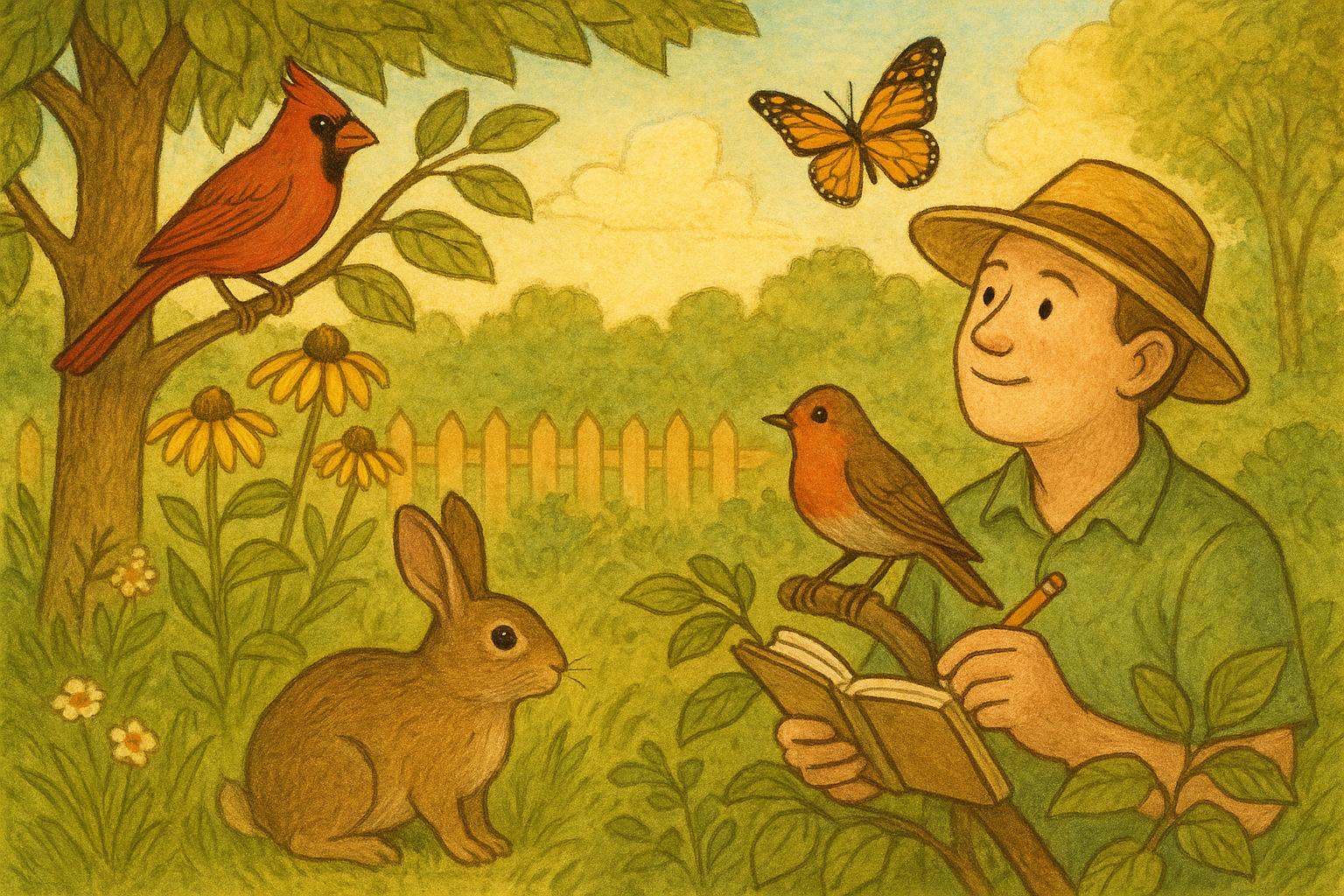
Keep an observational log: note species, time of day, feeder preferences, and any aggressive individuals. That data will make your yard a magnet for both hummingbirds and useful local knowledge.
If you follow this hummingbird guide, you’ll increase both the number and the quality of visits—without taking on the life of a full-time backyard barista. Enjoy the show, and keep those feeders clean.

Leave a Reply