
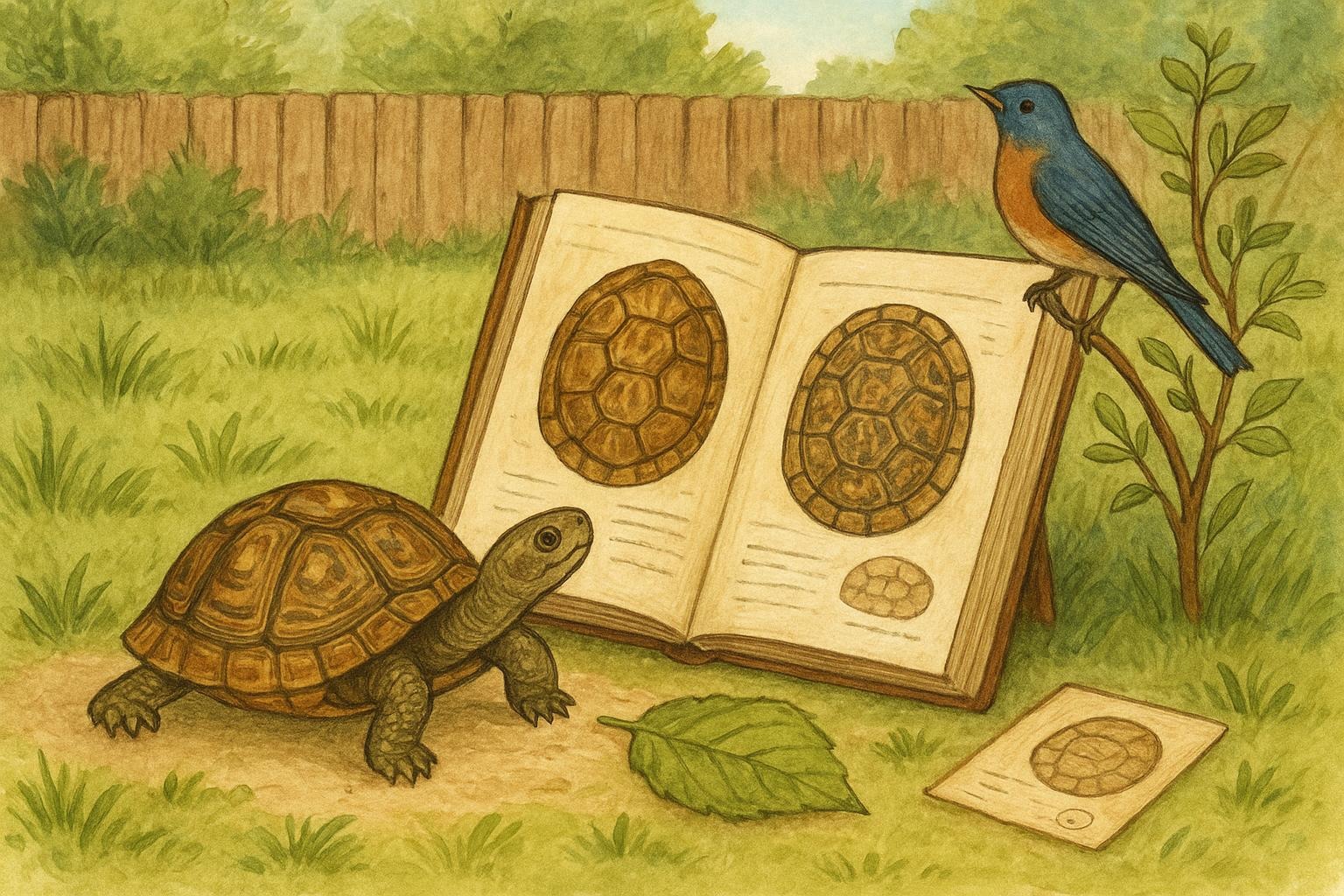
Welcome, backyard turtle friends — pull up a lawn chair, grab a cup of something warm, and let’s talk about one of the most impressive pieces of natural engineering your shelled neighbor carries around: the turtle shell. You’ll get practical, friendly advice here, a bit of natural history, and clear, formal steps for care and a safe home-treatment remedy if you suspect minor shell damage. (Serious injuries still mean a vet visit; more on that later.)
## Turtle Shell Basics For Backyard Keepers
Turtle shell structure is fascinating: it’s not armor added on top, it’s part of the turtle’s skeleton. The top half, called the carapace, and the bottom half, called the plastron, are covered by scutes — the keratin plates you see. Those scutes grow over bone and can tell you a lot about age, diet, and health. A well-formed turtle shell is smooth, hard, and free of soft spots or deep pits.
### How Shell Growth Works
Young turtles have softer scutes and a bit more flexibility as the bones calcify and keratin layers thicken. Growth rings (annuli) on scutes can be helpful but aren’t a precise age chart for many species. Proper calcium, vitamin D, and UVB exposure are essential to ensure the shell calcifies correctly rather than remaining soft or becoming malformed.
### Common Healthy Variations
Not every irregularity is a problem. Slight asymmetry, faded coloration in older turtles, or small scratches from rough surfaces can be normal backyard wear. Distinguish these from problems by checking for softness, foul odor, discharge, or loss of scute integrity — signs that something’s amiss.
## Spotting Common Shell Issues
A relaxed, observant approach is best. Check your turtle weekly when you do feeding or tank cleaning. Look for:
– Soft spots or areas that indent under gentle pressure
– Discoloration — particularly black, brown, or green patches that don’t rub off
– Cracks or deep pits in scutes
– Foul smell or white/gray material beneath a flake of scute
– Behavioral changes like lethargy, reduced appetite, or less basking
### Pyramiding, Soft Shell, And Shell Rot
Pyramiding (raised, pyramid-shaped scutes) often results from poor diet or humidity issues. A persistently soft shell in juveniles commonly points to calcium deficiency or inadequate UVB. Shell rot is a bacterial or fungal infection that causes pitting, smearing, or a slimy/odorous surface and requires attention.
#### When To Call A Vet
If you see deep cracks that expose bone, significant foul odor, systemic illness signs (eyes closed, not eating, lethargy), or rapid worsening, contact an experienced reptile veterinarian immediately. These signs often need debridement, systemic antibiotics, or professional wound care.
## Caring For A Healthy Shell
Prevention beats repair, and good husbandry is the simplest remedy for many shell problems.
### Diet And Supplementation
Offer a balanced diet appropriate to species: leafy greens, aquatic plants, insects, and protein sources as needed. Use a calcium supplement regularly; sprinkle it on food according to product instructions. For many backyard setups, a multivitamin with vitamin A, but avoid hyper-supplementing — balance is key.
### UVB And Basking
Provide direct access to UVB (either natural sunlight in a safe, supervised enclosure or a properly rated UVB lamp). Basking spots should reach species-appropriate temperatures, and the turtle should be able to fully dry its shell. Proper UVB and basking promote vitamin D3 synthesis and calcium metabolism, vital for a strong turtle shell.
### Clean Water And Substrate
Keep water clean and filtered for aquatic species. Dirty, ammonia-rich water predisposes turtles to shell infections. For semi-aquatic or terrestrial set-ups, provide a dry basking area and avoid damp, mold-prone substrates. Regular partial water changes and substrate maintenance greatly reduce infection risk.
## Remedy: Shell Cleaning And First Aid (Home Care For Minor Issues)
If you find a mild shell lesion or early-stage shell rot and cannot immediately reach a vet, the following method is a conservative, veterinarian-aligned first aid protocol suitable for minor cases. This is not a substitute for professional care when indicated.
#### Materials And Ingredients
– Clean bucket or container large enough for the turtle
– Lukewarm clean water (dechlorinated if tap water)
– Sterile saline solution (0.9% saline) or bottled saline
– Povidone-iodine solution (Betadine) or chlorhexidine (diluted per instructions)
– Sterile gauze pads and clean towels
– Soft toothbrush or soft-bristled brush
– Reptile-safe topical antiseptic or veterinary-recommended topical (consult vet for product)
– Disposable gloves
– Thermometer (to check water/basking temps)
– A separate clean, dry basking area or container for post-care
Step-by-Step Application (Formal Procedure)
1. Preparation: Wear disposable gloves. Prepare a warm soak by filling a bucket or container with lukewarm water (temperature similar to the turtle’s normal soak temperature). Ensure the water depth allows the turtle to float and keep its head above water.
2. Soak: Gently place the turtle in the water and let it soak for 10–15 minutes. Soaking softens debris and helps loosen superficial growths. Monitor the turtle closely for stress; stop if the animal shows signs of distress.
3. Clean: Remove the turtle and use sterile saline to rinse the affected area. If debris remains, use a soft toothbrush to gently dislodge loose material while rinsing with saline.
4. Disinfect: Dilute povidone-iodine to a tea-color (commonly recommended dilution is about 1:10 to 1:20 for superficial cleaning) or use an appropriately diluted chlorhexidine solution. Apply the antiseptic gently to the affected scute(s) with sterile gauze. Do not over-saturate; the goal is surface disinfection.
5. Dry: Pat the area dry with clean towels and move the turtle to a warm, dry basking area to allow the shell to air and dry fully. Avoid returning the turtle to contaminated water until the area has begun to heal.
6. Topical Application: After the area is disinfected and dried, apply a thin layer of a reptile-safe topical antiseptic or a veterinary-recommended wound ointment. Follow the product’s dosing instructions; do not use human ointments without vet approval.
7. Environmental Adjustment: Increase basking time and ensure UVB exposure for at least a few days to support healing. Check and correct water quality parameters and calcium/vitamin supplementation to address underlying causes.
8. Repeat: Perform this regimen once daily and observe changes. If there is no improvement after 3–5 days, or if the lesion worsens, arrange veterinary care promptly.
### Notes On Antibiotics And Debridement
Systemic antibiotics or professional debridement are sometimes necessary and must be performed by a veterinarian. Avoid using oral or injectable antibiotics without a vet’s prescription. Home debridement beyond removing loose material is not recommended; improper technique can worsen the condition.
## Practical Enclosure Fixes To Prevent Relapse
A few thoughtful changes often prevent recurrence:
– Provide a well-lit, temperature-graded basking area so the turtle can fully dry.
– Improve filtration and increase water-change frequency.
– Replace abrasive substrates that can scratch scutes with smoother alternatives.
– Rotate calcium-rich foods and use a UVB lamp rated for reptiles; replace bulbs per manufacturer recommendations.
### When Home Care Suffices And When It Doesn’t
Small, superficial lesions that are promptly and properly treated at home often heal without further intervention. However, if you notice systemic signs, exposure of bone, large deep cracks, or a spreading lesion, escalate to professional care. Think of the home-first-aid steps as stabilizing measures — they buy time and reduce infection risk, but they are not definitive treatment for severe conditions.
## Shell Maintenance Tips For Busy Backyard Keepers
Keep a weekly log of observations — appetite, basking time, appearance of the shell — especially after seasonal changes. Photograph the shell every month for comparison. If you move or renovate an enclosure, re-check UVB and basking temperatures. Small, consistent habits prevent large problems and keep your turtle shell in top form.
Keep an eye, keep it sunny, and remember: a healthy turtle shell is the result of steady, small investments in habitat and diet. If humor were a treatment, I’d prescribe daily doses, but for actual shell care, follow the steps above and consult your reptile vet when in doubt.




























Leave a Reply