
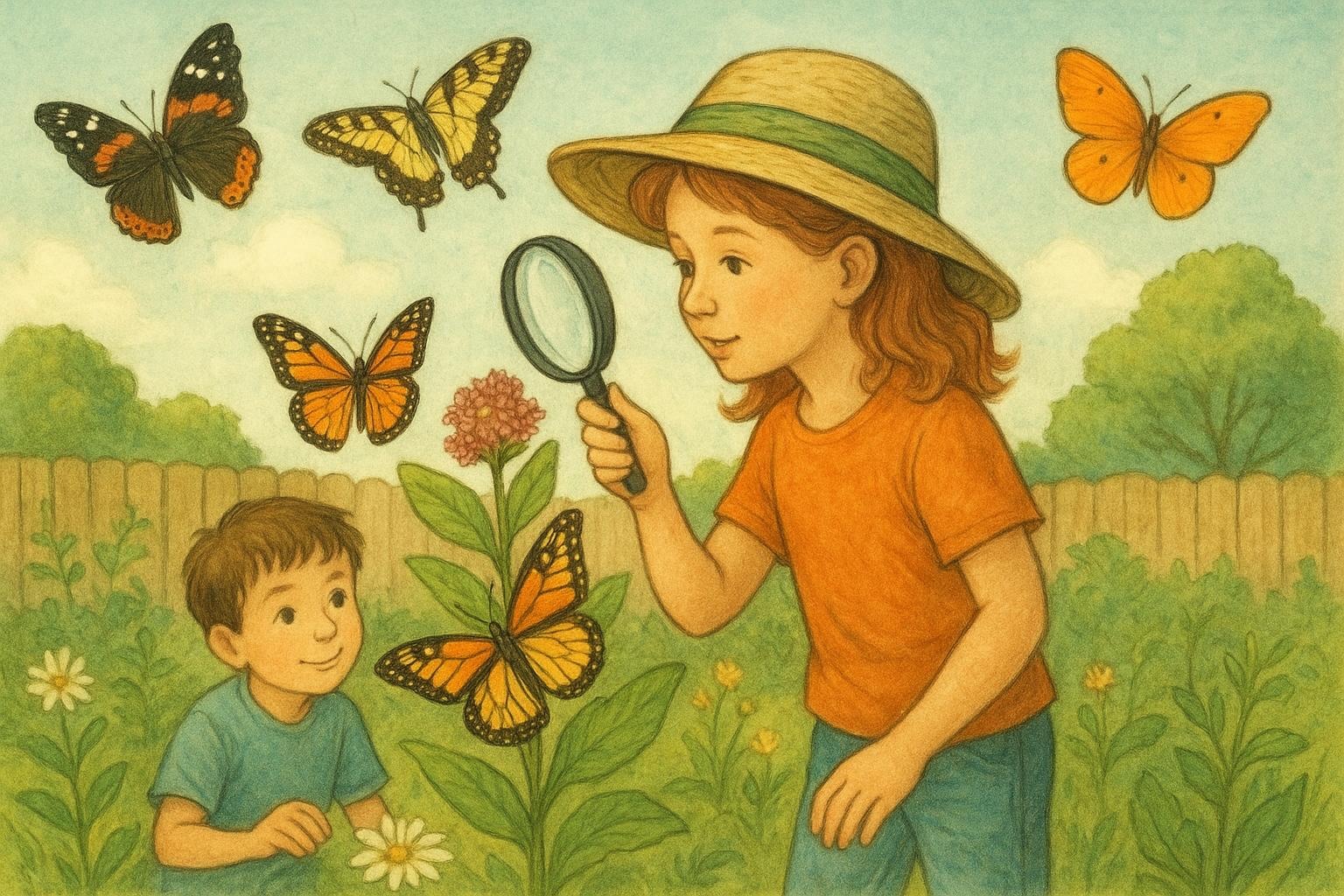
Butterflies are the backyard celebrities—colorful, fluttery, and oddly patient when you finally get your camera into focus. If you want to know who’s visiting your pollinator patch, learning the basics of butterfly identification will help you appreciate their life stories and make better habitat choices. This guide walks you through what to look for, how to document sightings, and practical remedies to attract and support the most delightful winged visitors.
## Butterfly Identification Basics For Backyard Pollinators
Butterfly identification can feel like learning a new language: spots, bands, tails, and that one species that always looks like it borrowed its cousin’s wing. Start simple: focus on a few consistent traits—size, shape, color pattern, and behavior. Over time, you’ll start recognizing groups (swallowtails, fritillaries, skippers, whites) before you even reach for a guide.
### What To Look For When Identifying Butterflies
To get reliable IDs, examine several features rather than relying on just color. Colors shift with light, and wear can make a butterfly look like it lost a costume. Key features include:
– Wing shape and margins: Are the wings rounded, triangular, or have tails? Tails often indicate a swallowtail.
– Pattern elements: Bands, eye spots, checks, and stripes help narrow the family and species.
– Size and posture: Skippers hold their wings at a distinct angle, while many brush-footed butterflies rest with wings closed.
– Flight style: Fast, erratic flight suggests a skipper; slow, booming wingbeats might mean a monarch or viceroy.
– Habitat and host plants: Where you see them and what plants are present can be a diagnostic clue—many butterflies are host-plant specific.
Butler’s tip: take photos from above and below if possible. Dorsal (top) and ventral (bottom) views often differ dramatically and both can be diagnostic.
#### Wing Patterns And Coloration
Wing patterns are like fingerprints: look for unique shapes of spots, the number and placement of stripes, and whether the colors edge into each other or remain sharply defined. Some species show sexual dimorphism—males and females look different—so don’t panic if two “different” butterflies are actually a mating pair.
#### Antennae, Legs, And Body
Don’t ignore the smaller details. Skippers have thicker, hooked antennae tips. The tiny forelegs of brush-footed butterflies (Nymphalidae) are often held close to the body and can appear reduced—hence the name “brush-footed.” These features help place a specimen into the right family.
### Tips For Photographing And Recording Sightings
Good documentation makes identification far easier. Aim for clear, well-lit photos from multiple angles. Record date, time, location, and the plant the butterfly was visiting. Digital records can be uploaded to citizen science platforms, where experts can confirm IDs and add value to local biodiversity data.
When you submit to apps or forums, include close-ups of wing patterns and photos of the underside of wings if possible. Also note behavior—nectaring, puddling, basking, or egg-laying—because that provides ecological context.
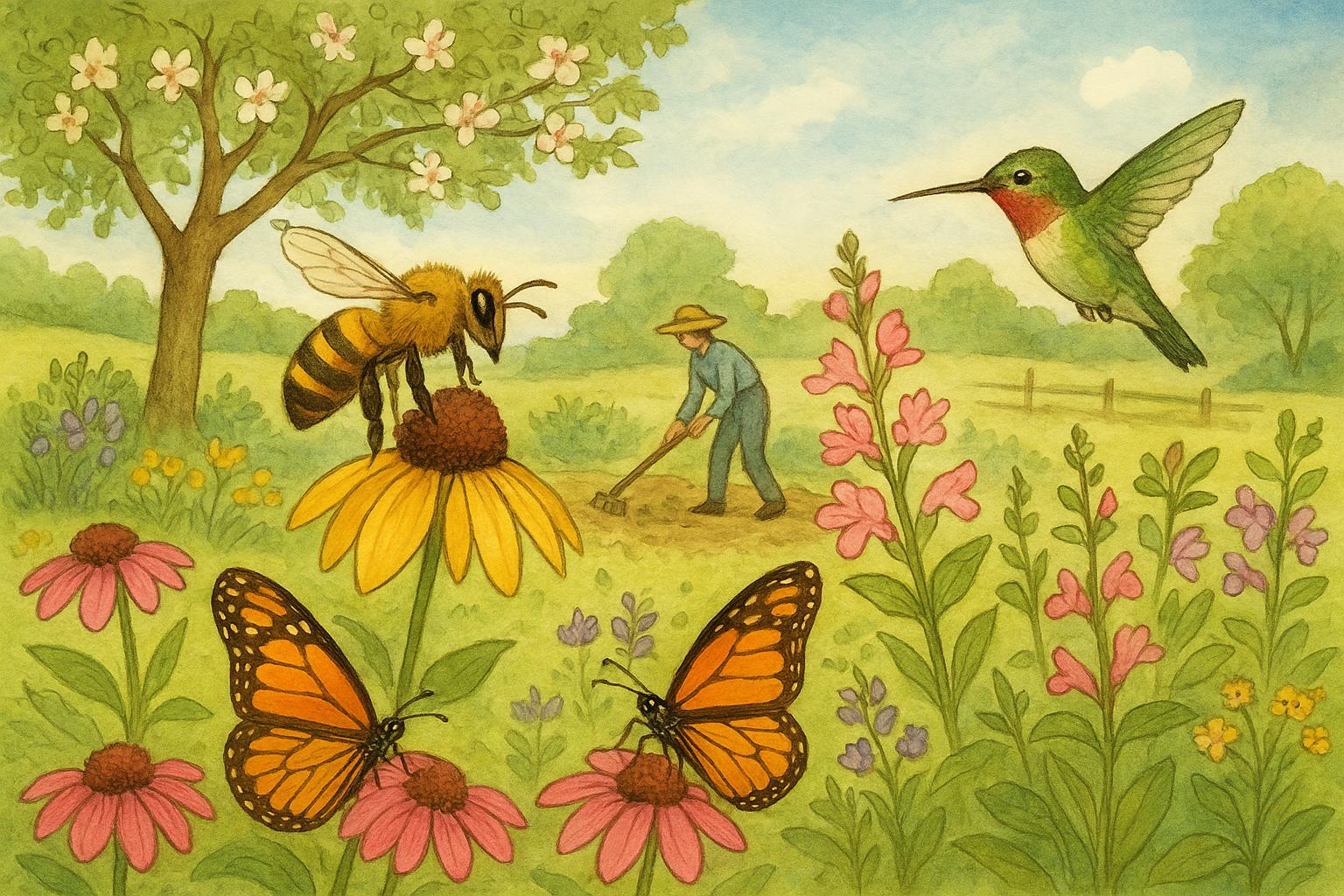
## Remedy 1: Create A Native Nectar Garden
When discussing solutions to attract and sustain butterflies, professional clarity is important. This remedy details required materials and step-by-step instructions for establishing a native nectar garden, which supports adult butterflies and benefits local ecosystems.
Materials/Required Items:
– Selection of native nectar plants (choose at least 6–8 species with staggered bloom times)
– Host plants appropriate for local butterfly species
– Mulch (organic)
– Native soil amendments if necessary (compost)
– Watering system or hose
– Labels for plants (optional)
– Gardening tools (spade, gloves, pruners)
Step-By-Step Creation And Application:
1. Site Selection: Choose a sunny spot—most butterflies prefer at least six hours of sun. Ensure some shelter from strong winds.
2. Plant Selection: Research local butterfly guides to identify both nectar sources and host plants. Include early-, mid-, and late-season bloomers to provide continuous food.
3. Soil Preparation: Amend poor soils with compost to improve drainage and fertility. Native plants often thrive in local soils, but newly planted beds benefit from organic matter.
4. Planting Layout: Group plants in clusters to make flowers more visible to butterflies. Mix heights to create structure—low groundcovers, medium perennials, and taller shrubs.
5. Watering And Mulching: Water initially to establish roots, then gradually reduce to encourage deep rooting. Apply a thin layer of mulch, keeping it away from stems to prevent rot.
6. Maintenance: Minimize pesticide use; if necessary, apply targeted treatments and avoid spraying during peak pollinator activity. Deadhead selectively—leave some seedheads and foliage for overwintering insects.
7. Monitoring: Regularly inspect for caterpillars and eggs to ensure host plants are serving their purpose. Record arrivals and bloom times for adaptive planting.
This structured approach increases the likelihood of attracting a diverse butterfly assemblage and aids ongoing butterfly identification efforts by concentrating species where you can observe them.
## Remedy 2: Build A Puddling Station
Puddling stations provide minerals and moisture that many butterflies (especially males) actively seek. This remedy presents the formal materials list and a clear construction and application sequence.
Materials/Required Items:
– Shallow dish or tray (ceramic saucer, pie pan)
– Sand or gravel (coarse)
– Organic material (rotting fruit or compost tea)
– Salt or mineral supplement (sparingly)
– Water
– Flat rock for perching (optional)
Step-By-Step Creation And Application:
1. Choose Location: Place the station in a sunny or partly shaded area near your nectar plants. Ground-level access is ideal.
2. Prepare Base: Place the shallow dish on a level surface and add a 1–2 cm layer of coarse sand or gravel to prevent mud and allow butterflies to perch comfortably.
3. Add Mineral Source: Mix a small pinch of salt or finely crushed eggshells into a handful of sand or gravel. Alternatively, soak a piece of overripe fruit in water and place it in the dish.
4. Moisture: Pour enough water to moisten the sand/gravel, creating a damp substrate. Replenish water daily in hot weather or when dry.
5. Perch and Observe: Add a flat rock partially submerged to serve as a dry perch. Monitor and replenish organic material; replace if moldy or heavily soiled.
6. Hygiene and Safety: Clean the dish periodically (every 1–2 weeks) and refresh the substrate to prevent mosquito breeding. Use minimal salts—excess can harm plants and wildlife.
Implementing these puddling stations in multiple locations can increase the number and variety of butterflies visiting your yard, creating more opportunities for observation and butterfly identification.
### Using Field Guides And Apps For Accurate ID
Modern identification combines old-school field guides with digital tools. Apps can suggest likely species based on photos and location, but they’re not infallible. Cross-reference app suggestions with regional field guides and look for key diagnostic features described earlier. Join local naturalist groups or online forums to get expert verification—community expertise sharpens your skills faster than going it alone.
#### Notes On Seasonal Variation And Molting
Seasons affect appearance; freshly emerged butterflies (tenerals) often look paler and softer, while worn individuals may have faded colors and missing scales. Some species have seasonal forms—different patterns in spring versus summer generations—so always consult seasonal notes when performing butterfly identification.
### Common Mistakes And How To Avoid Them
Misidentifications usually stem from relying on a single trait, poor-quality photos, or neglecting to consider the underside of the wings. To avoid these pitfalls:
– Capture multiple photos from different angles.
– Observe behavior and habitat alongside morphology.
– Use regional keys to rule out look-alikes.
– When in doubt, mark the sighting as “possible” and seek confirmation from experts or vetted platforms.
If you document consistently and compare your notes with authoritative sources, your confidence in butterfly identification will grow steadily.
### Citizen Science And How Your Observations Matter
Submitting your records to local or global databases contributes to species distribution maps, helps researchers track migration and population trends, and informs conservation priorities. When you upload a sighting, include photos, date, location, and any notes on behavior or host plants. Clear, repeatable data are what researchers want—your backyard is more important than you think.
Enjoy the process. Butterfly identification is part science, part patience, and part slow observational joy. Keep your field guide close, your camera charged, and your nectar garden blooming; the butterflies will do the rest.











Leave a Reply