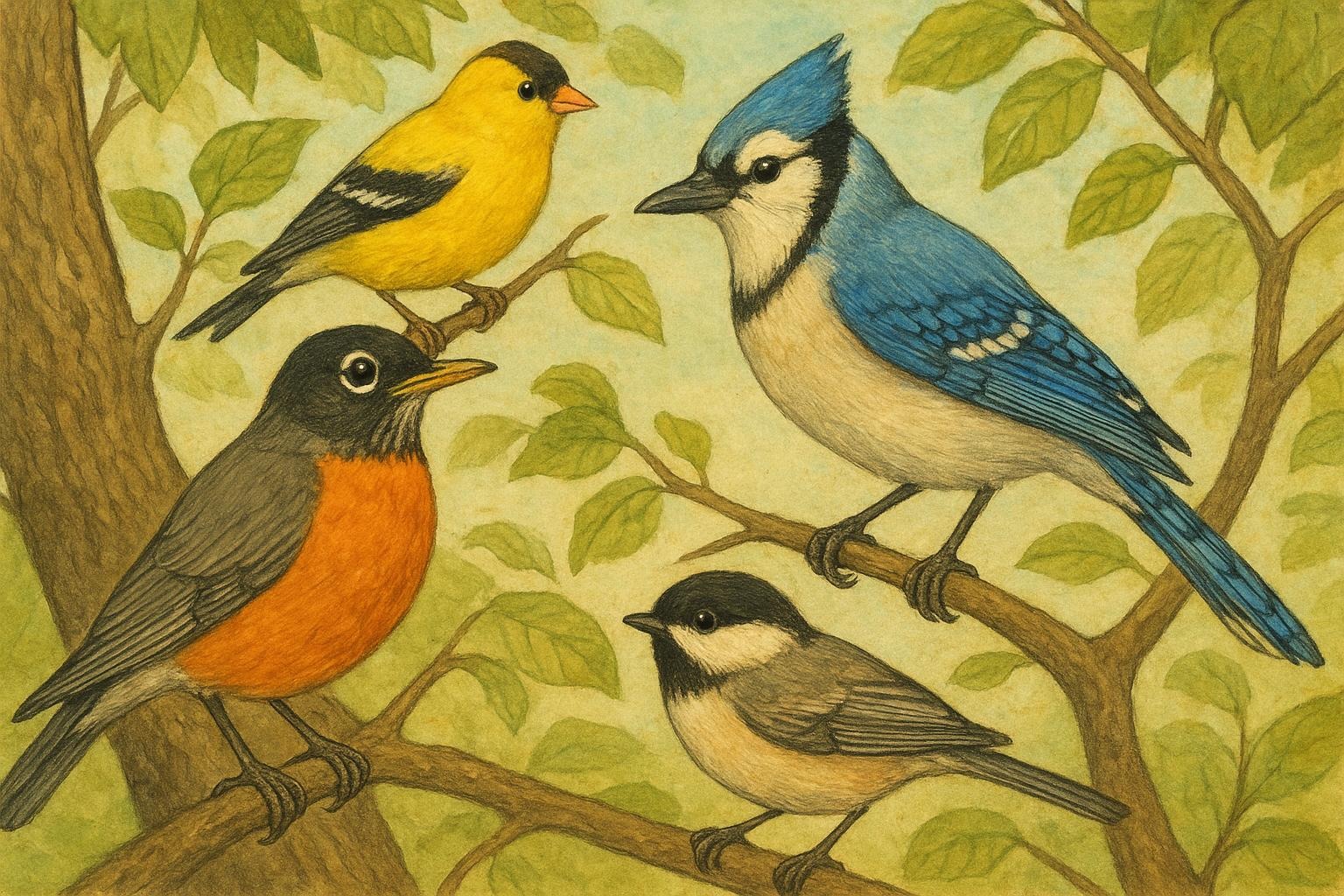
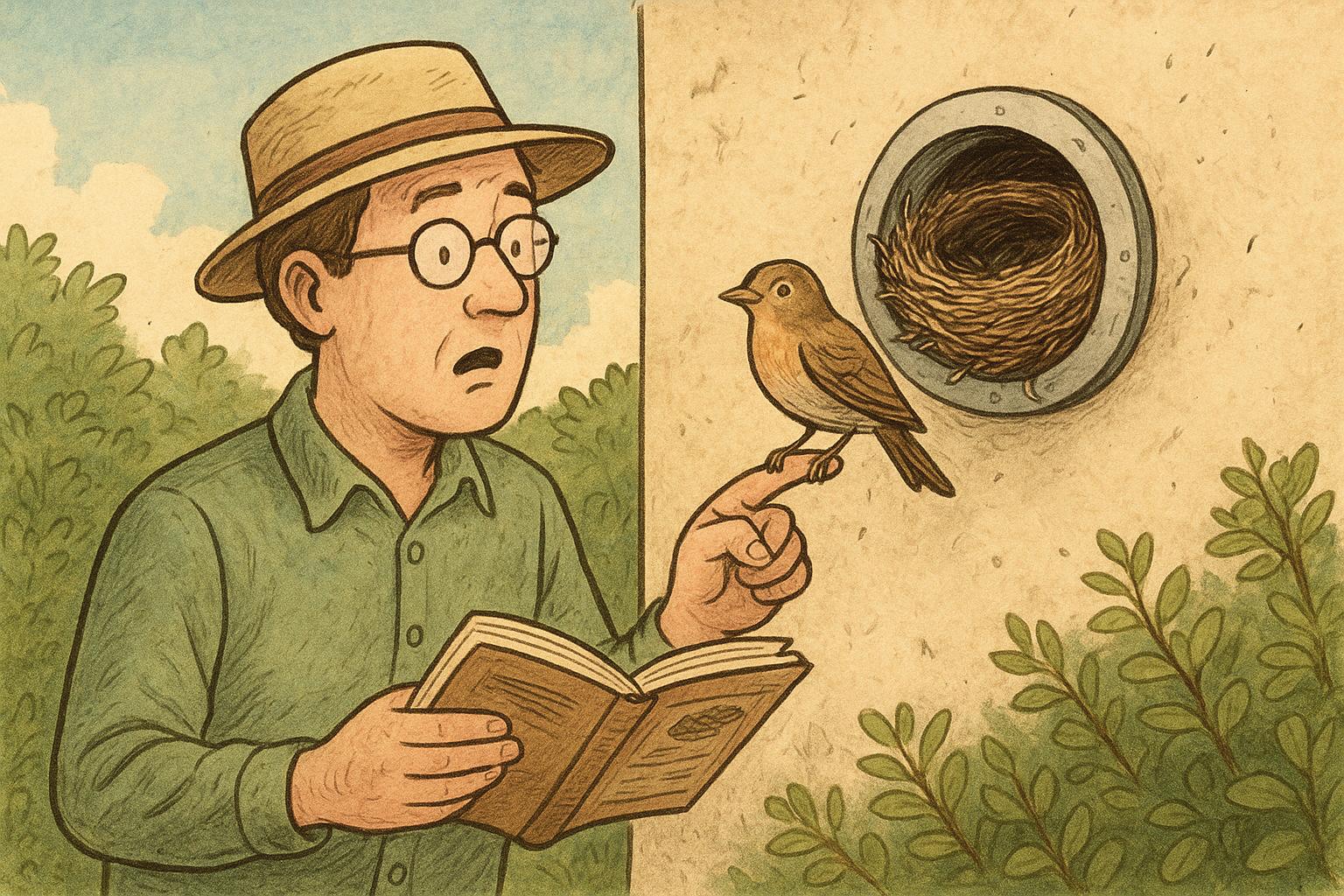
Hello there—pull up a chair, binoculars, or a mildly suspicious-looking garden hat. If you’ve ever paused mid-sip of coffee to watch a flashing feathered parade in your yard, you’re in the right place. This article is a relaxed, slightly cheeky tour through the birds you’re most likely to see right outside your window and a couple of practical, step-by-step remedies for helping them thrive.
## Common Backyard Birds A Playful Identification Companion
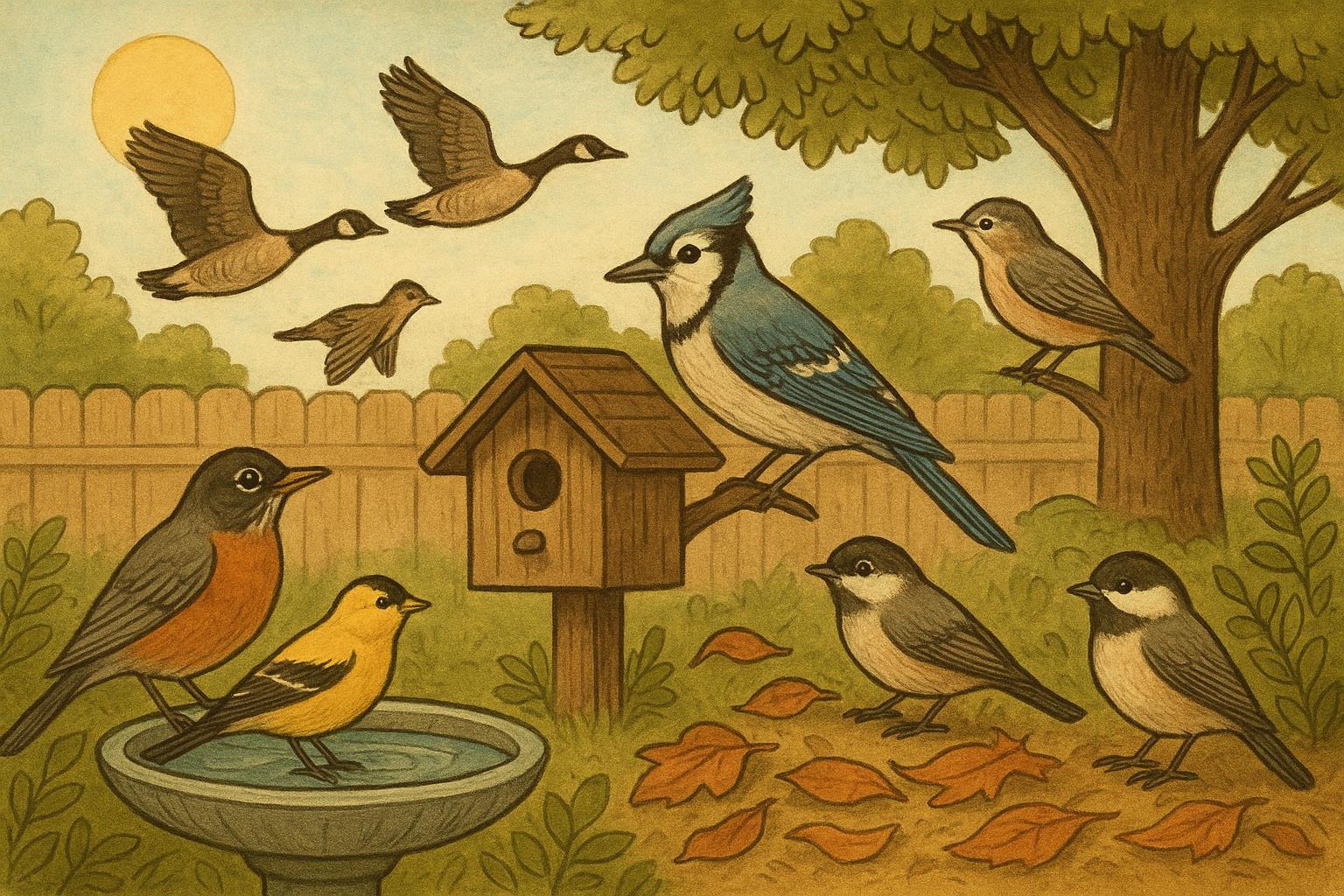
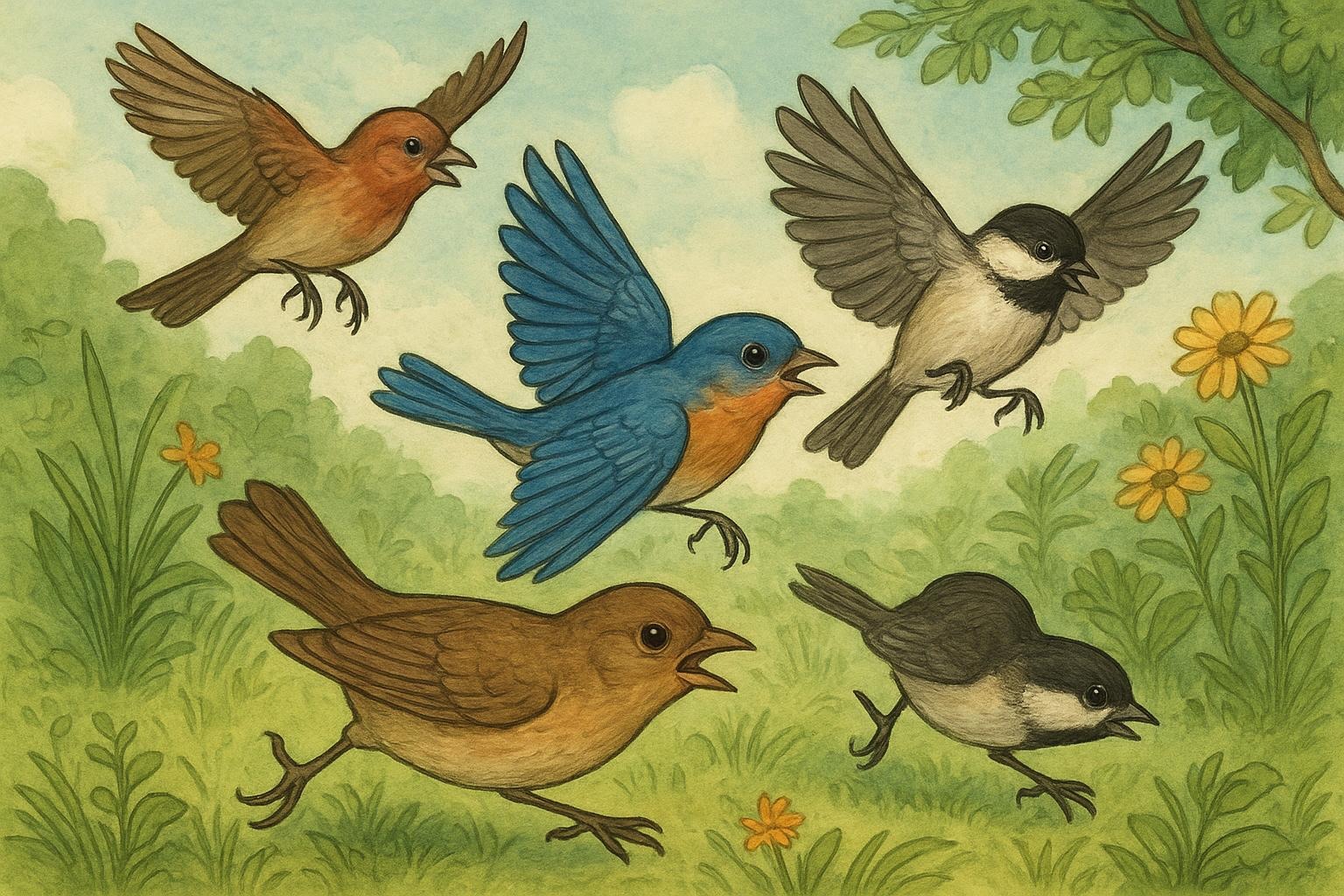
Whether your yard is a postage-stamp lawn or a small suburban oasis, a handful of species show up with dependable regularity. Below are friendly ID notes, behaviors to watch for, and a few field-savvy tips to help you tell one bird from the next without needing a PhD in ornithology.
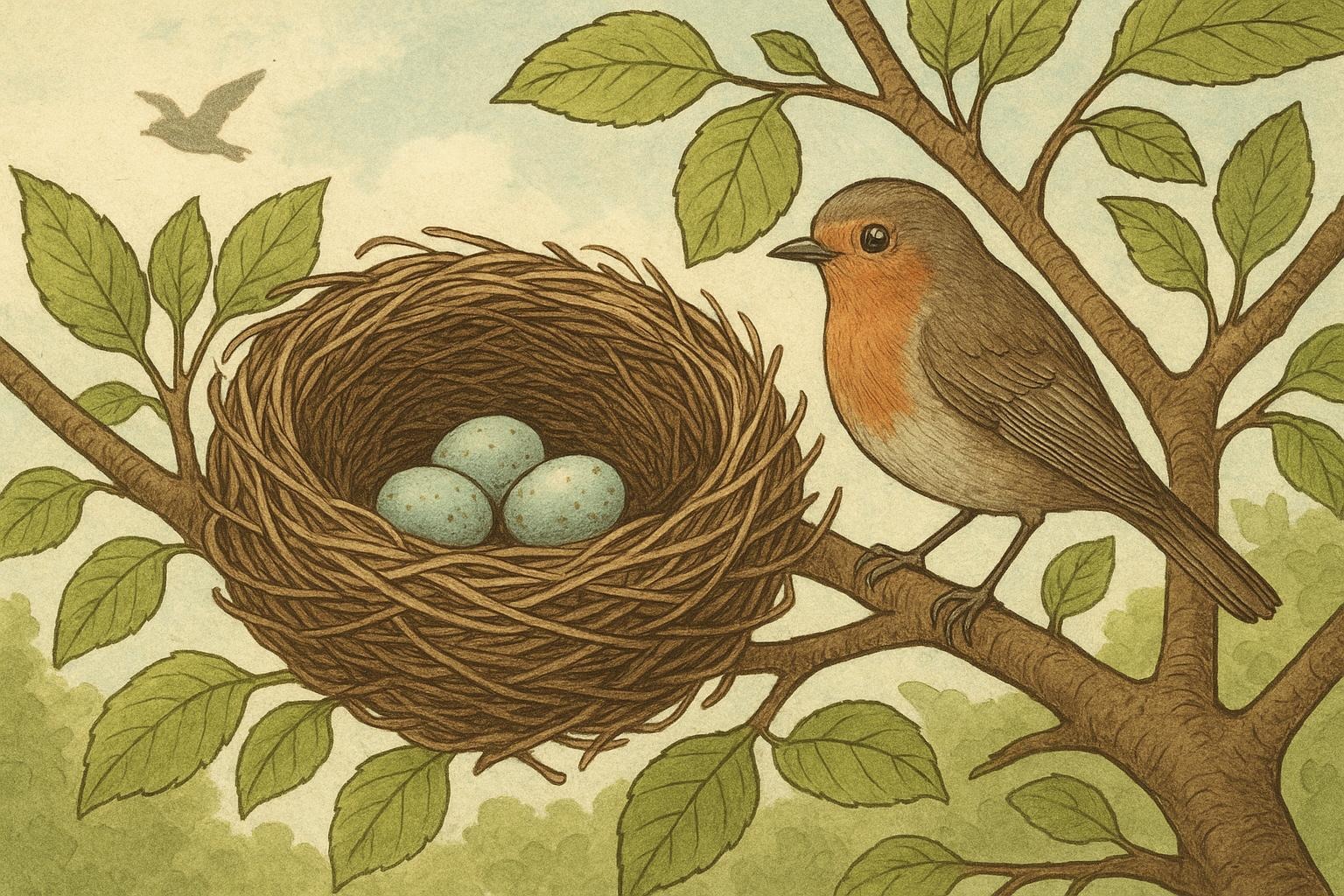
### American Robin: The Ground Patrol
The American Robin is the classic lawn detective—big, round, and orange-breasted. They forage on the ground, pulling up worms like tiny, polite archaeologists. Look for:
– A slate-gray back, round shape, and alert head tilt.
– Tail flicks while hopping in search of earthworms.
#### Quick Tip For Identifying Robins
Robins often sing from high, exposed perches in the early morning—perfect for a quick identification by sound as well as sight.
### Northern Cardinal: The Flash Of Color
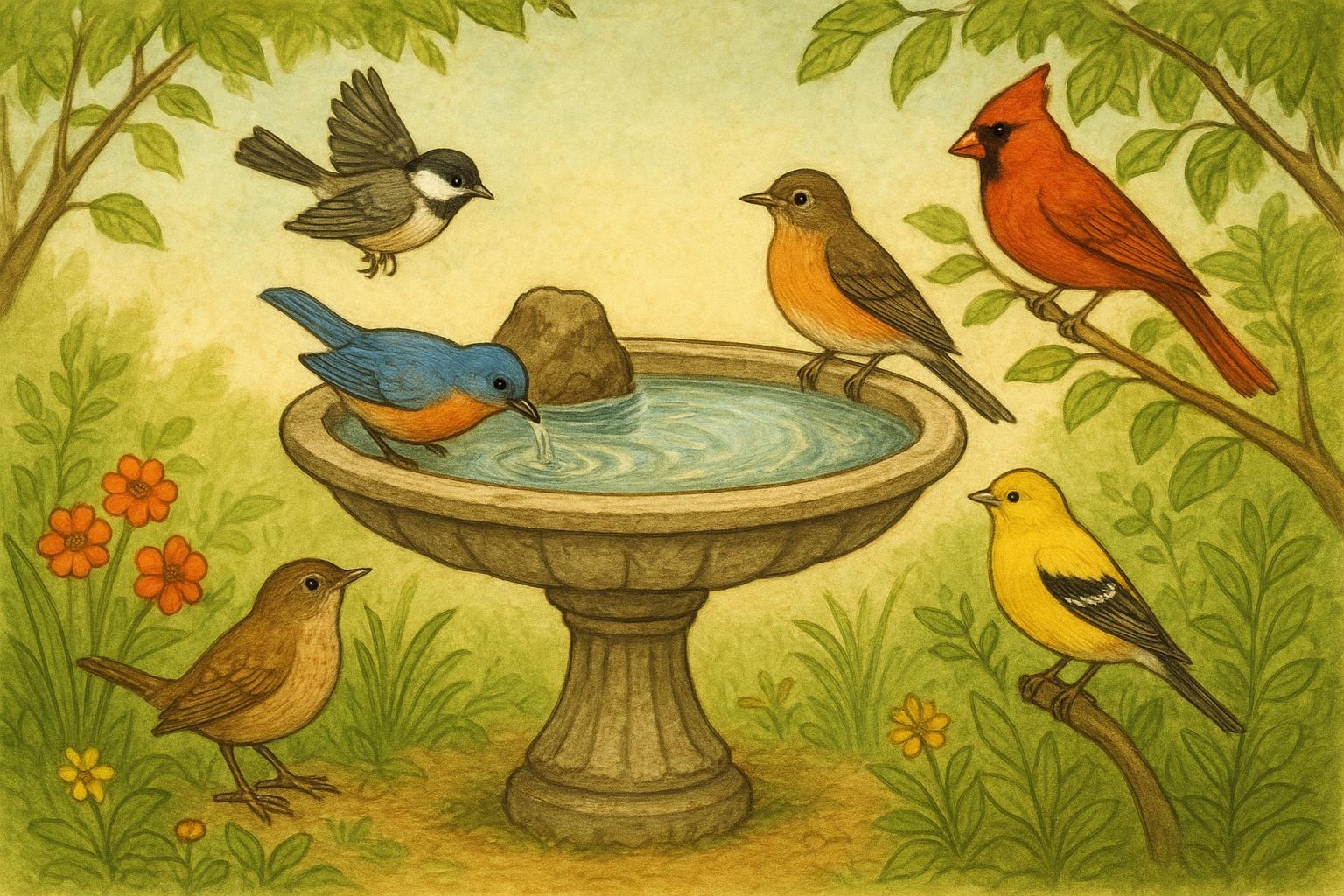
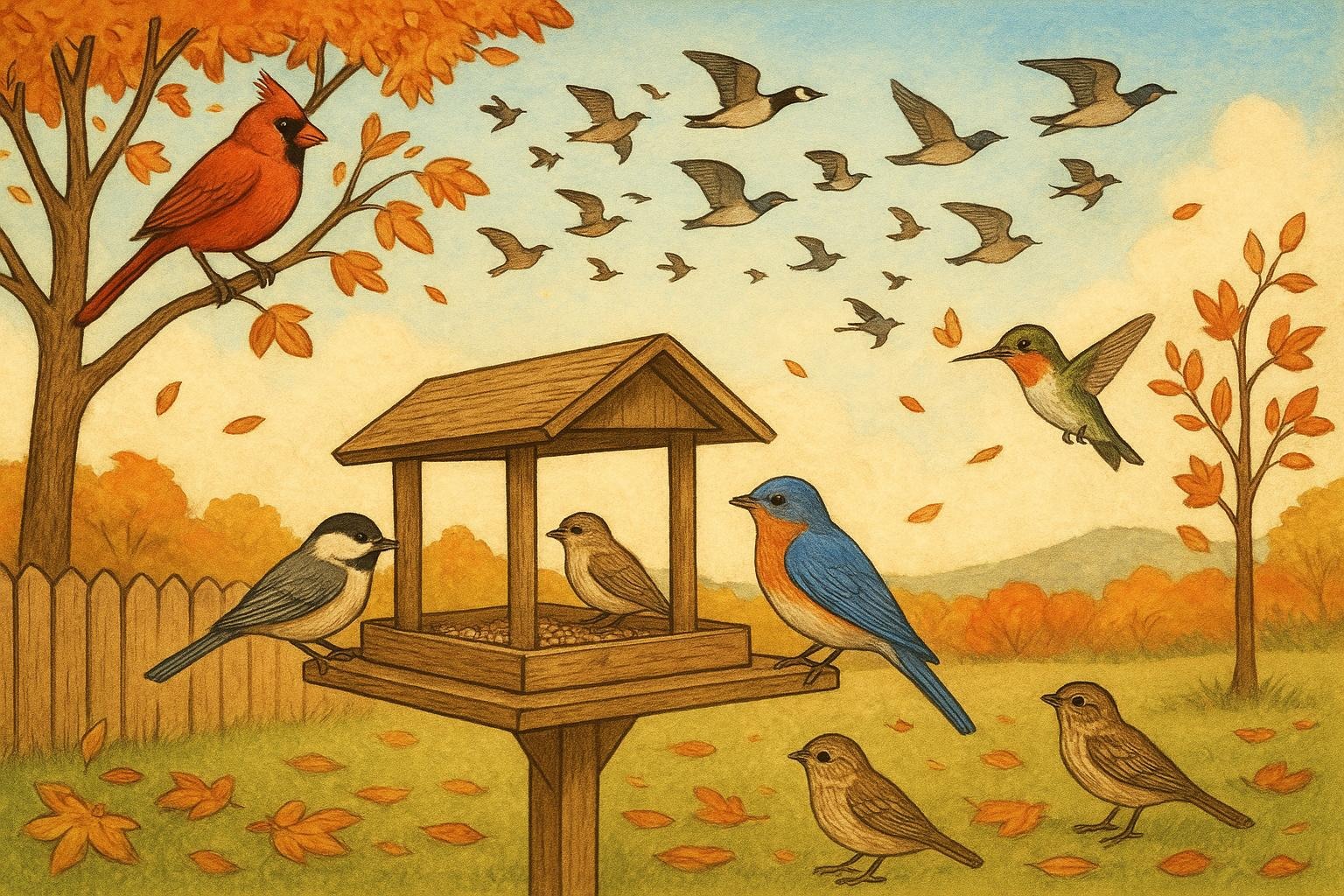
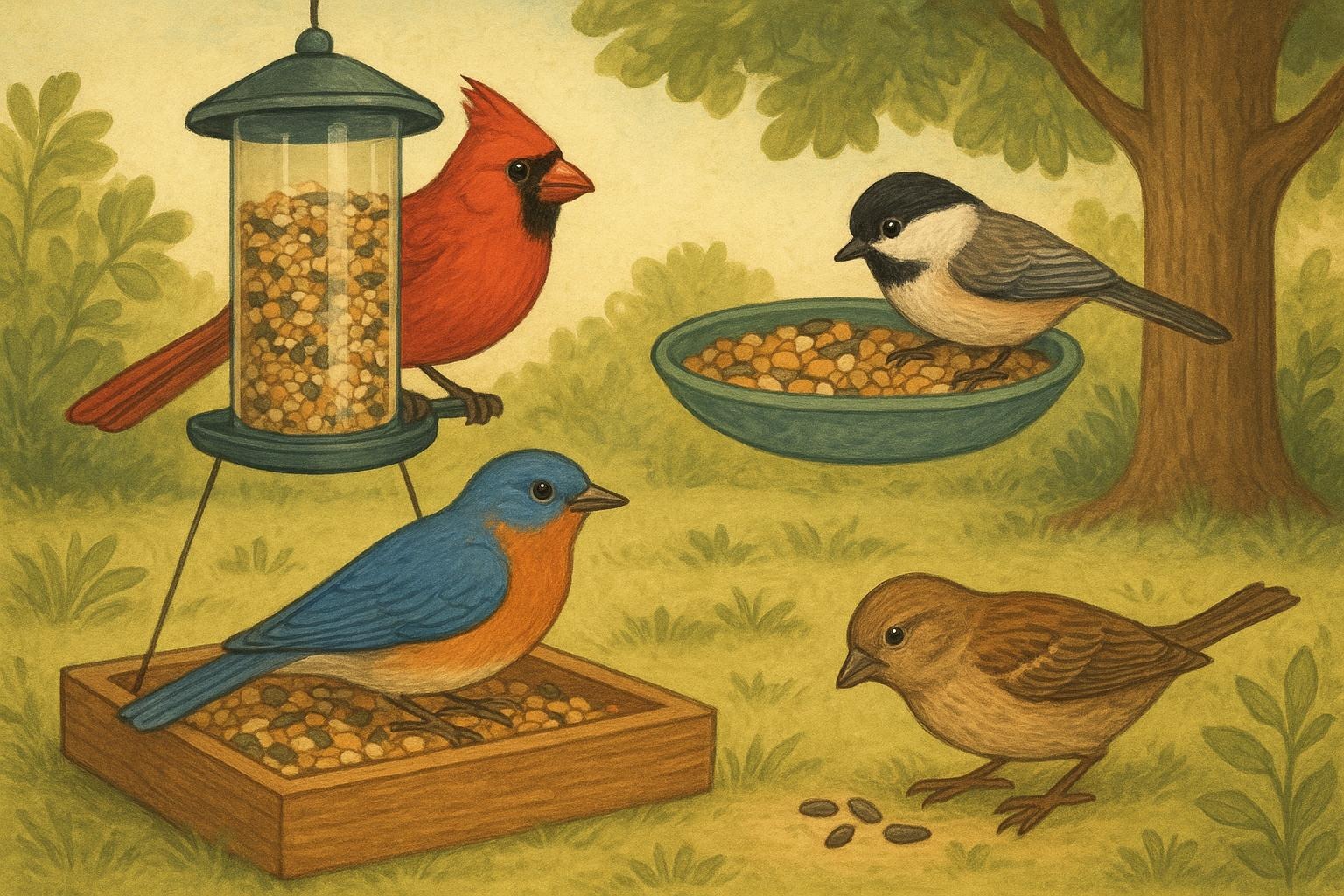
Cardinals are like a spot of holiday ribbon in your backyard: males are vivid red, females are warm brown with red accents. Listen for a clear, whistled series—often described as “cheer, cheer, cheer.”
#### Behavior To Note
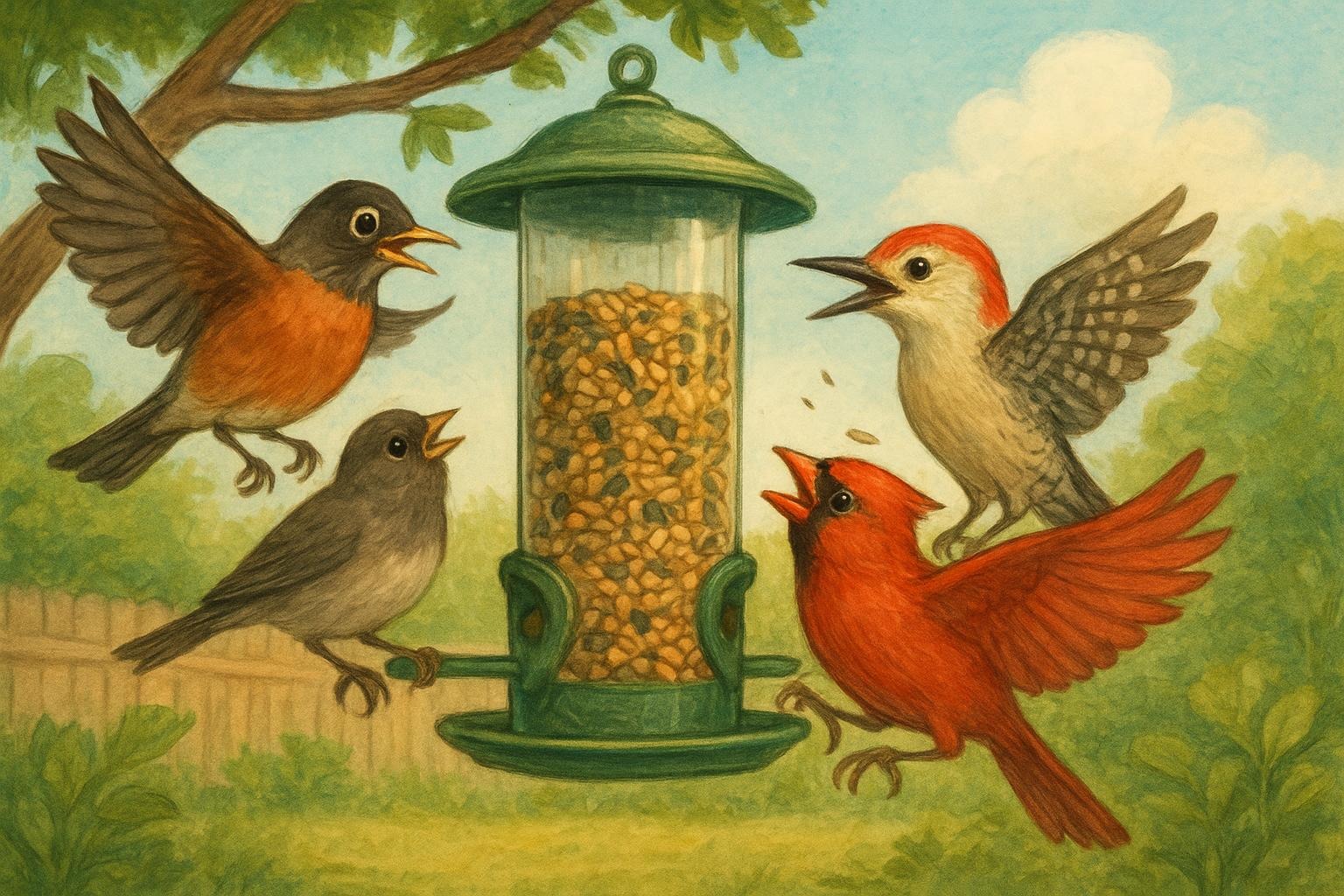
Cardinals are frequent feeder visitors and stay fairly territorial, especially during nesting season.
### Blue Jay: The Loud Neighbor
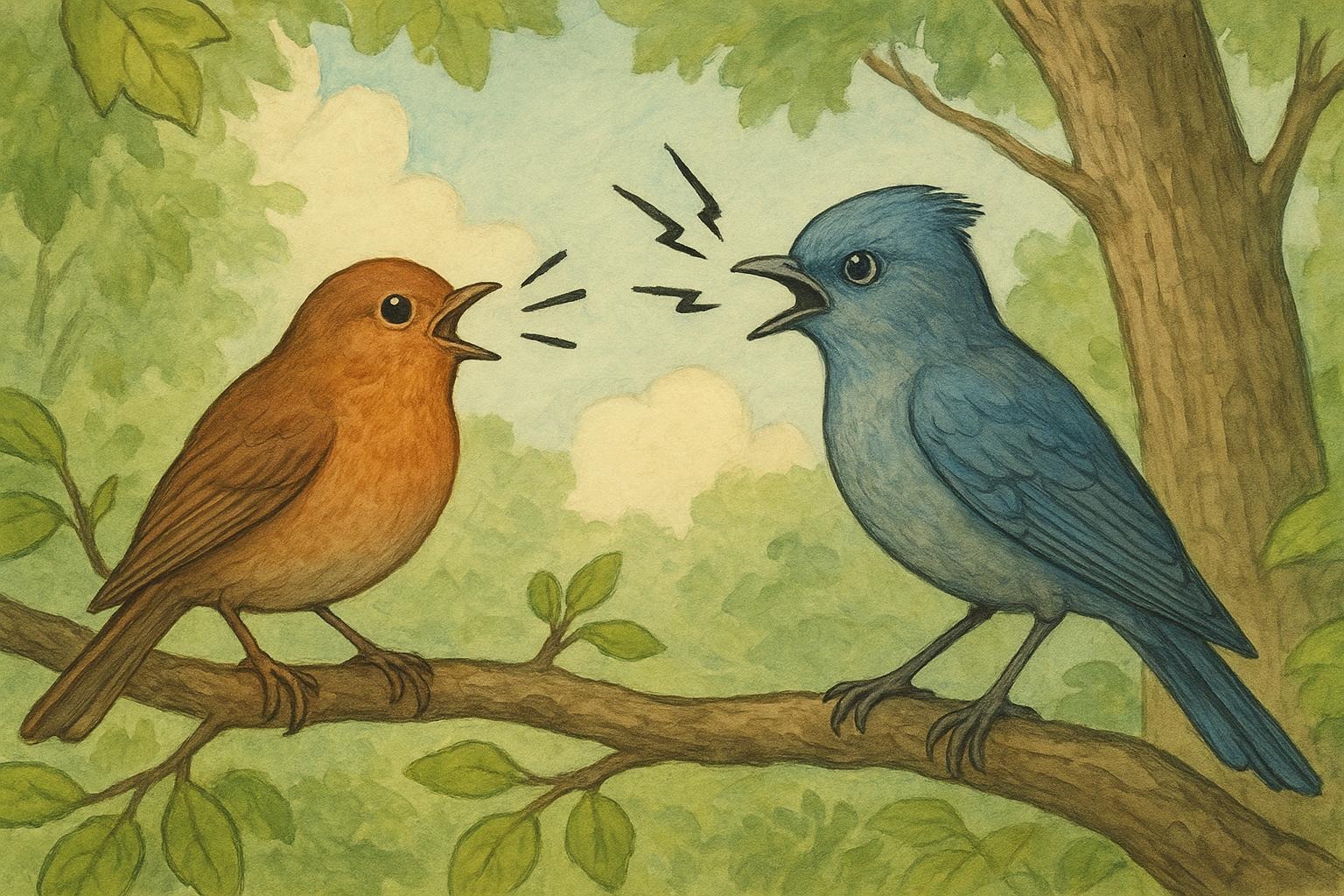
Blue Jays are bold, noisy, and unmistakable. They’re larger than many backyard birds and display blue, white, and black plumage with a crested head.
#### Field Markers
Jays often mimic hawk calls (they’re showing off, not trying to trick you). They can be protective of feeders and will mob perceived predators.
### House Sparrow And House Finch: The Small Crowd
These two little species are omnipresent in urban and suburban yards. House Sparrows are chunky with streaky backs, whereas House Finches show a rosy wash on the head and chest (males).
#### Watch For
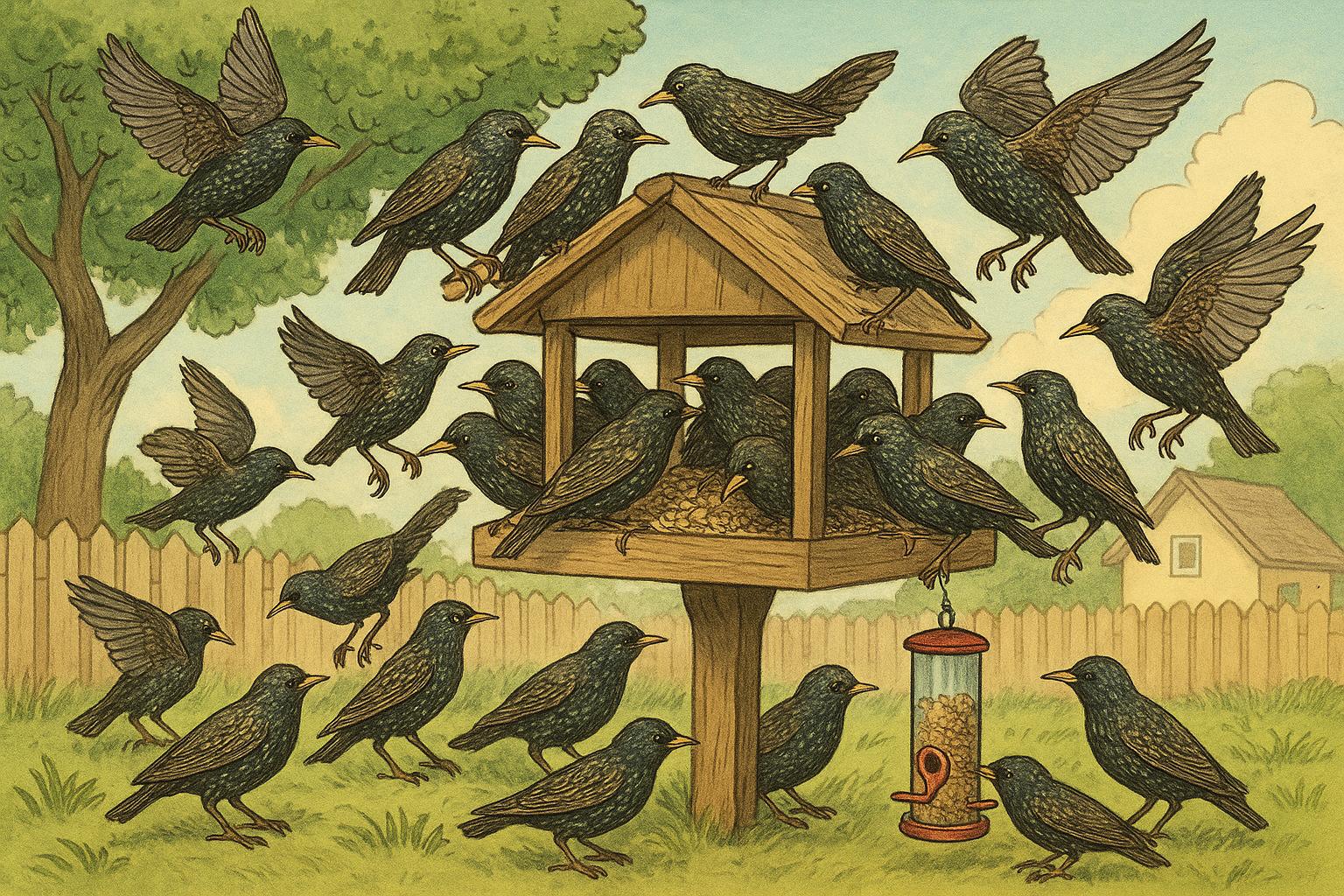
Both species are comfortable around people and are likely the ones crowding your feeder at breakfast time.
### Mourning Dove: The Soft-Voiced Guest
With a gentle coo and a plump body, Mourning Doves are often to be seen perched on wires or foraging on the ground for seeds.
#### Identification Ease
Their pointed tails and soft, mournful coo make them easy to pick out even when camouflaged in the shrubby parts of your yard.
### Black-Capped Chickadee: The Little Philosopher
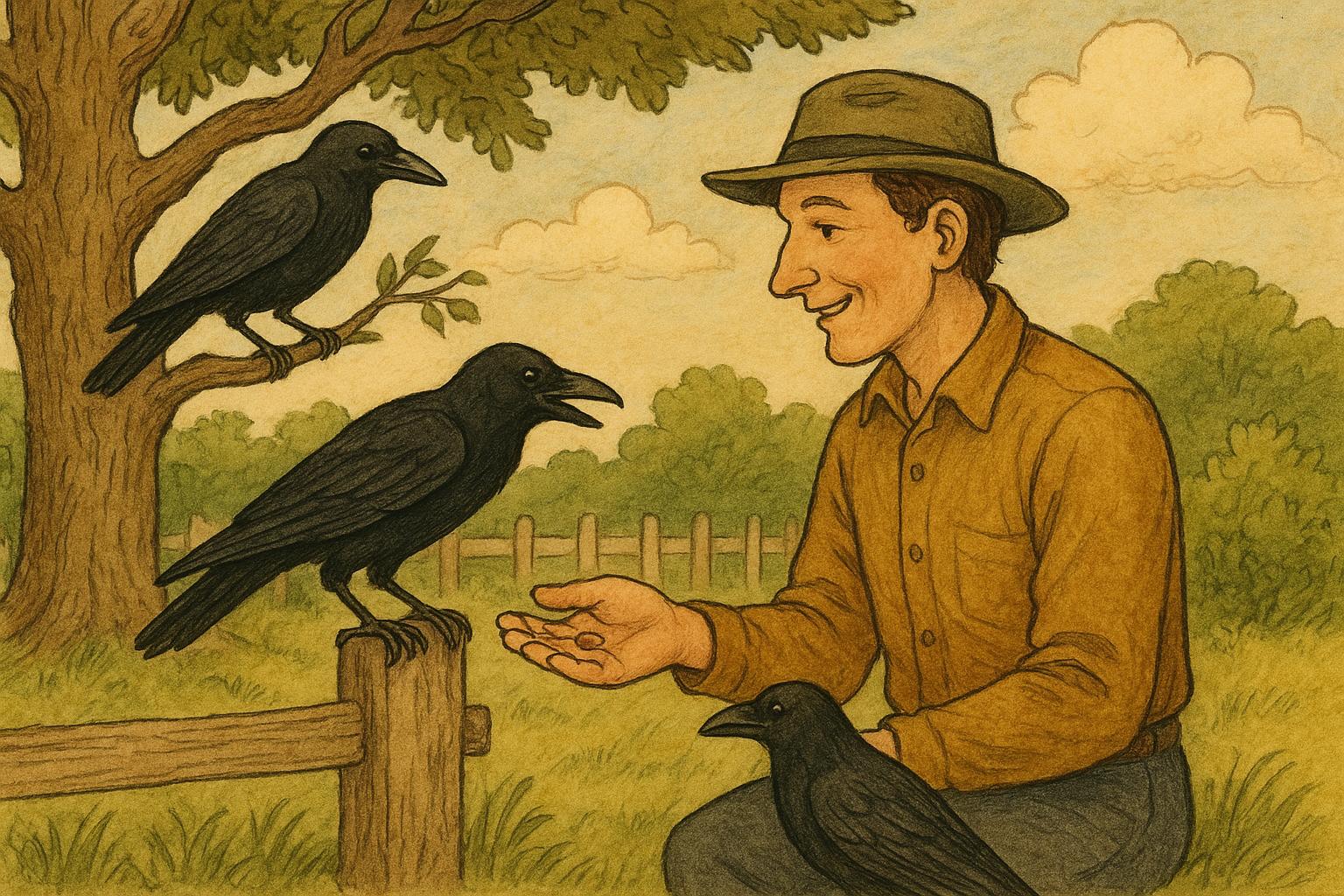
Chickadees are curious, sprightly, and have a black cap with a distinctive “chick-a-dee-dee” call. They’ll take seed from your hand if you’re patient.
#### Behavior Note
They cache food in crevices—watch for quick, darting movements as they stash and skim around branches.
### Red-Bellied Woodpecker And Downy Woodpecker: The Tap Teams
Woodpeckers announce themselves by drumming. The Downy is small with a delicate bill; the Red-Bellied is larger with a zebra-striped back and a touch of red on the belly (and head on males).
#### Where To Spy Them
Look along trunks and dead branches where they probe for insects hidden under bark.
## How To Attract And Support Common Backyard Birds
If you’d like these regulars to stick around, think of your yard as a neighborhood with houses, restaurants, and a few cozy apartments. Diversity in food, water, and shelter is the key. Below are two practical remedies—tried-and-true approaches—for feeding and habitat that are friendly to birds and easy to implement.
## 1. Homemade Suet Cakes For Winter Feeding
Ingredients / Required Materials:
– 2 cups suet (or beef fat substitute such as rendered lard or vegetable shortening for vegetarian option)
– 2 cups peanut butter (smooth)
– 3 cups quick oats
– 1 cup cornmeal or birdseed
– A heat-safe bowl and spoon
– Molds or an old loaf pan
– Waxed paper or parchment
– Optional: dried fruit pieces (raisins), unsalted nuts, or seeds
Step-By-Step Creation and Application:
1. Gently melt the suet or fat in a heat-safe bowl over a double boiler. Do not overheat; you merely want it soft and pourable.
2. Stir in the peanut butter until the mixture is uniform.
3. Remove from heat and add oats, cornmeal or birdseed, and any optional dried fruit or nuts. Mix thoroughly.
4. Spoon the mixture into molds or a loaf pan lined with parchment. Press firmly to remove air pockets.
5. Chill the suet cakes in the refrigerator until fully solidified (at least 2–3 hours).
6. Cut cakes to suitable size and wrap individual portions in waxed paper for storage; keep in the refrigerator or freezer to maintain freshness.
7. Mount suet cakes in a suet feeder or in a mesh bag and hang in a sheltered spot near trees or shrubs—out of direct midday sun. Replace cakes when they look oily or have been heavily sampled by critters.
Application Notes:
– Suet is most beneficial during cold months when birds need high-energy food; it is less advisable in hot weather as it can go rancid.
– Use a feeder designed for suet to reduce mess and limit access by rodents.
## 2. Native Plant Patch To Attract Common Backyard Birds
Ingredients / Required Materials:
– Selection of native shrubs and perennials suited to your region (consult local native plant lists)
– Compost or aged manure
– Mulch (bark or wood chips)
– Basic gardening tools: shovel, gloves, watering can/hose
– Optional: a shallow birdbath and a small native grass patch
Step-By-Step Creation and Application:
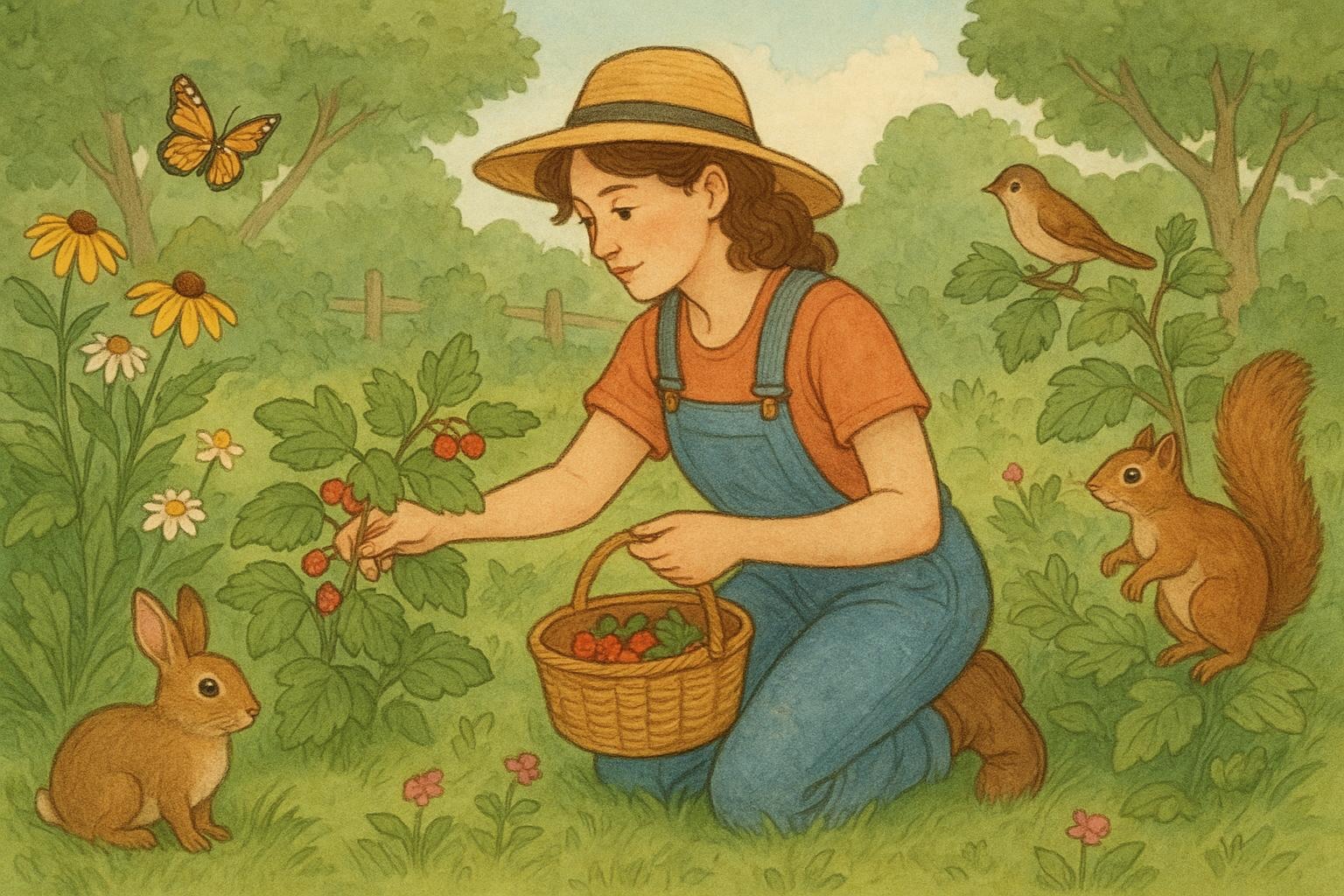
1. Choose a location that receives a mix of sun and shade and is near cover (shrubs or a fence). Birds like quick escape routes.
2. Select a palette of native plants that provide varied resources: berry-producing shrubs, seed-head natives, and nectar plants for early-season insects. Examples include serviceberry, elderberry, native coneflowers, and native grasses.
3. Prepare the soil by removing invasive species and loosening the top 6–8 inches. Amend with compost if soil is poor.
4. Plant shrubs and perennials in groups to create visual massing—this helps birds locate food sources quickly. Follow spacing guidelines for mature plant size.
5. Add a layer of mulch to conserve moisture and suppress weeds. Water thoroughly after planting and maintain regular watering for the first season.
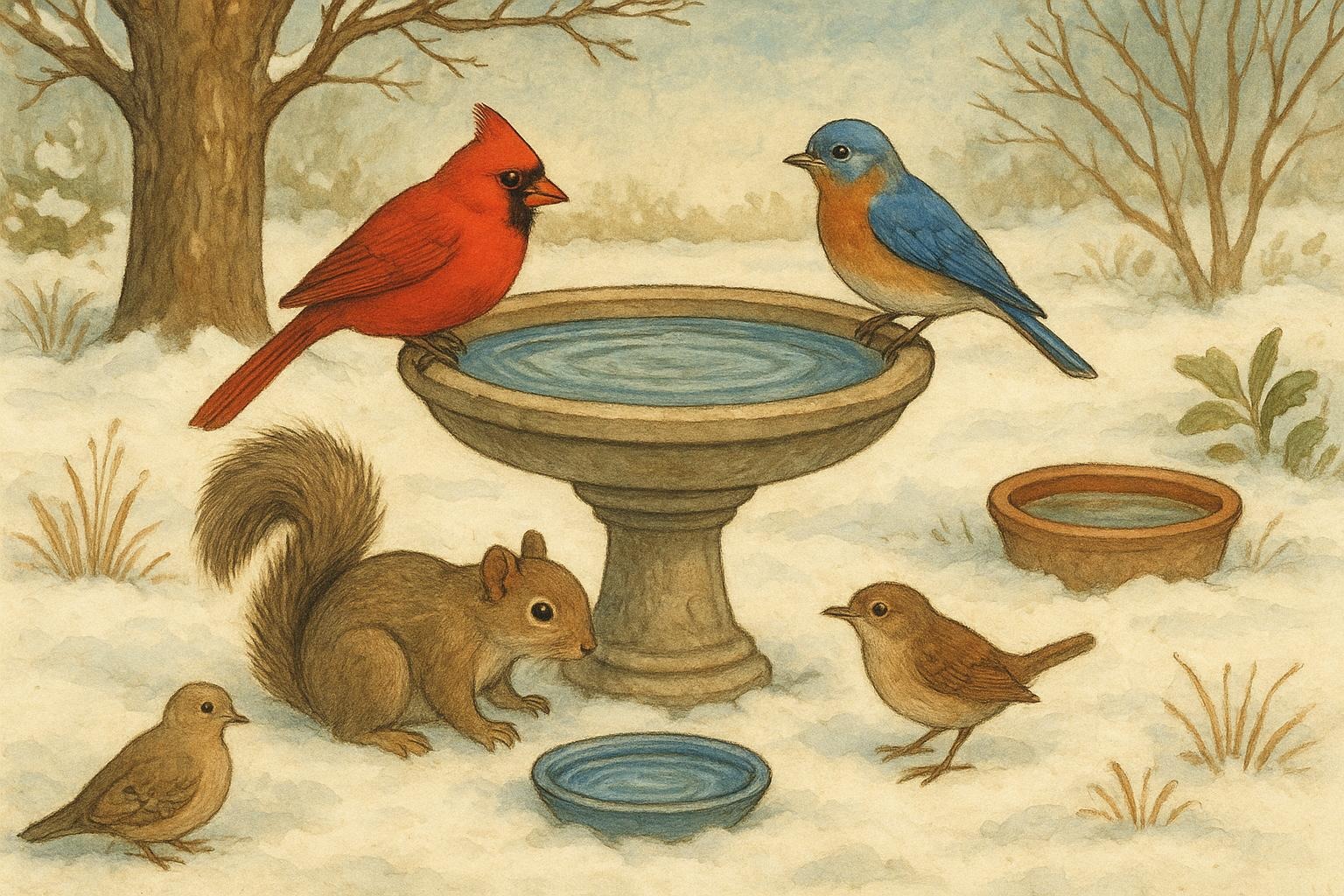
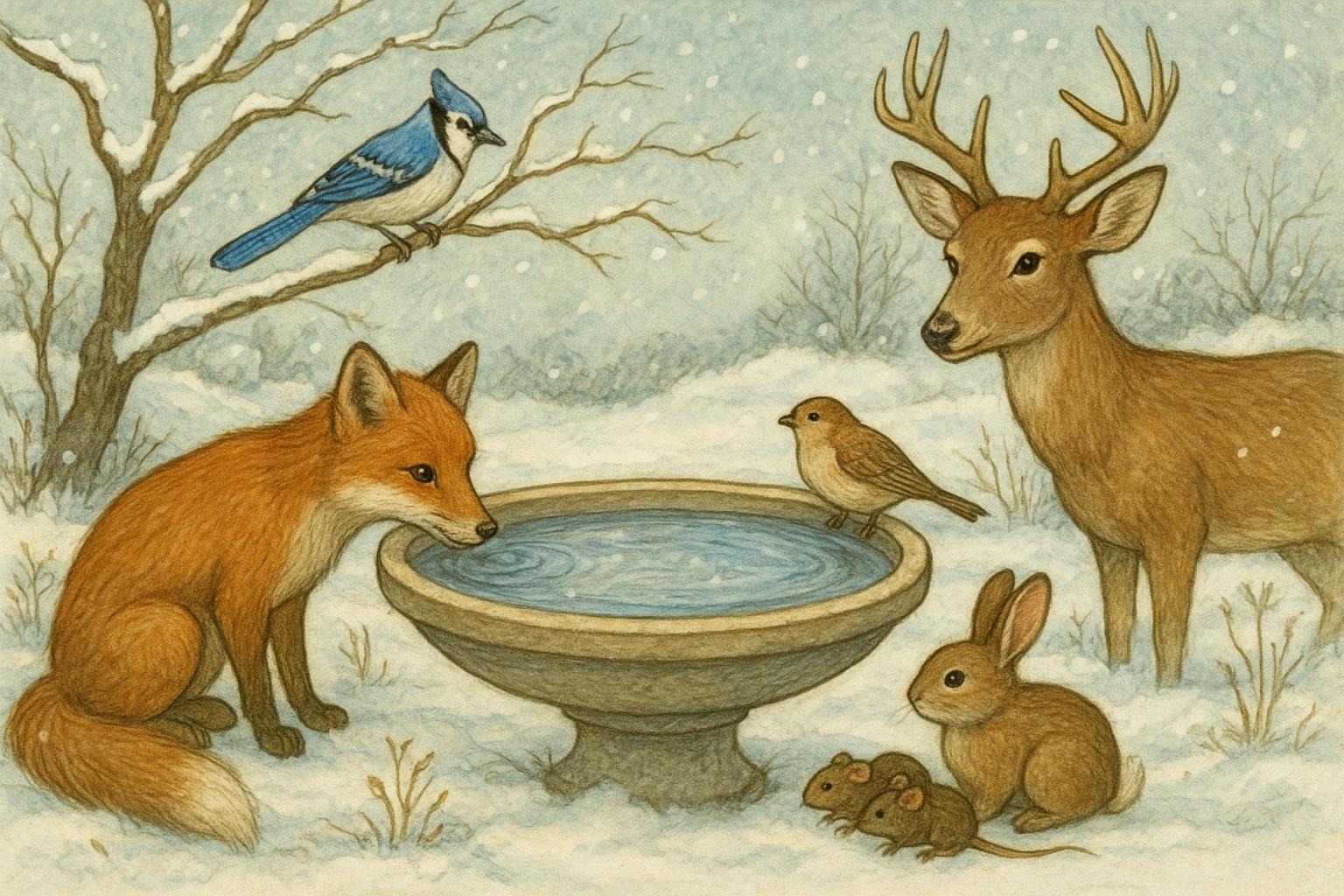
6. Install a shallow birdbath with a gentle slope and keep water clean; moving water with a dripper or small fountain is highly attractive to birds.
7. Minimize pesticides—the goal is a healthy insect population, an essential food source for nestlings.
8. Over time, allow some seed heads to remain through winter and remove invasive plants promptly.
Application Notes:
– Native plants support local insect populations and provide year-round benefits: nesting materials, shelter, and food.
– A small patch of dense shrubs will be used as nesting cover by many species and is more valuable than a single row of isolated plants.
### Feeding Etiquette And Healthy Habits
Keeping feeders clean and providing appropriate food types reduces disease risk. Rotate feeders, clean them every two weeks with a 10% bleach solution (rinse thoroughly), and dry before refilling. Also, pay attention to what species you’re attracting: black oil sunflower seed is a versatile favorite, while thistle (nyjer) seed is especially loved by finches.
#### Safety Considerations
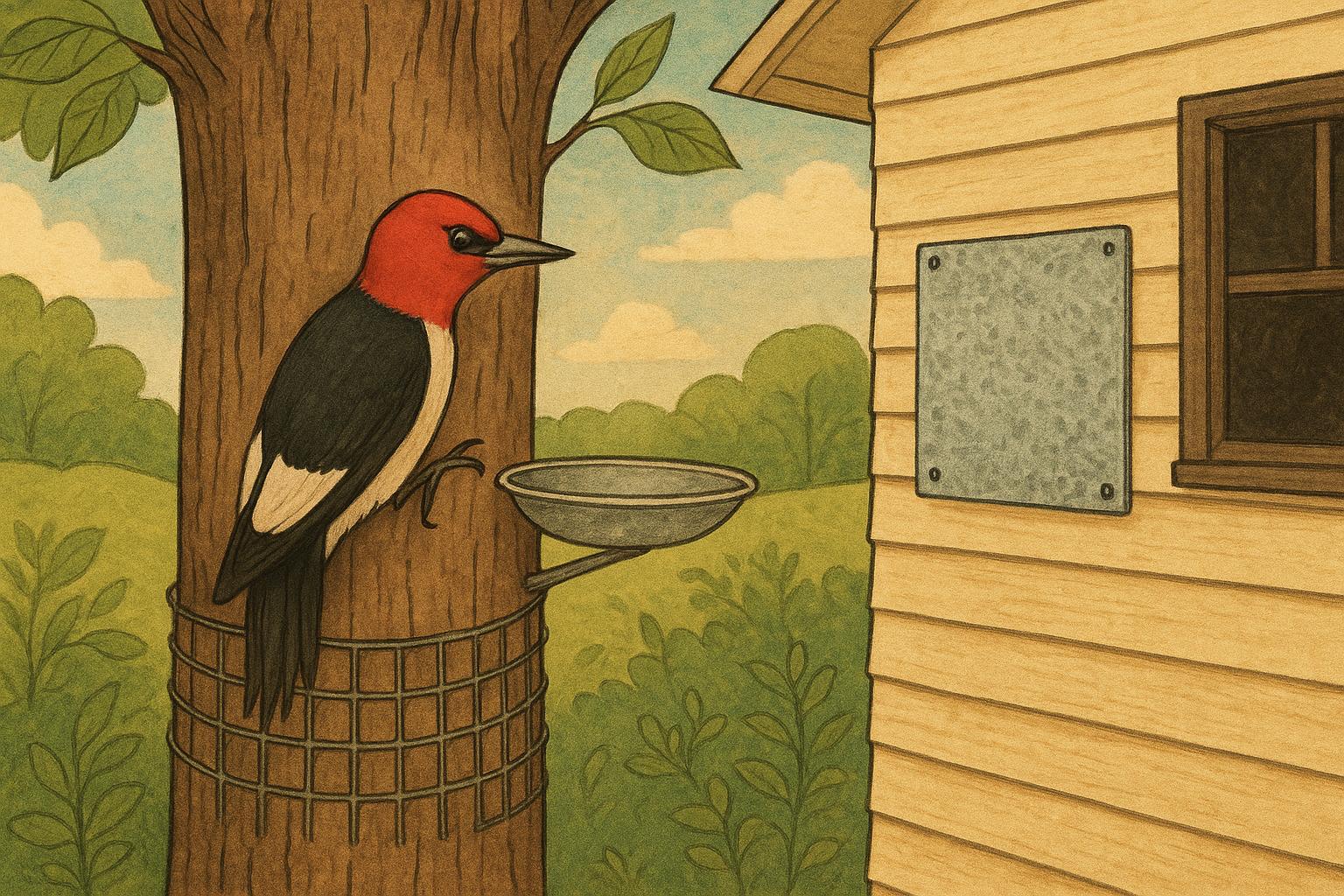
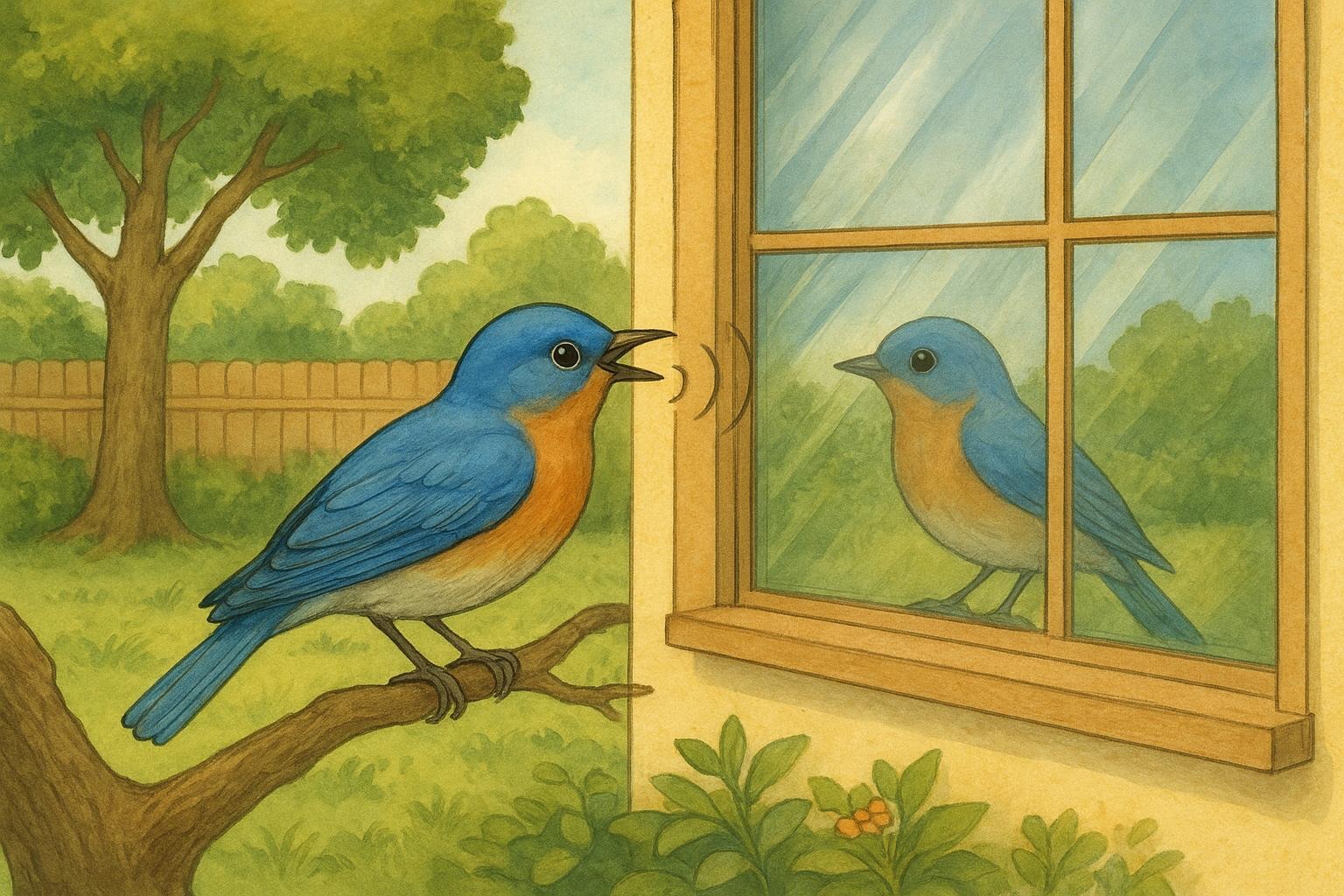
Place feeders and baths at least three feet from dense cover where predators can hide but offer nearby perching cover for quick escapes. Avoid placing feeders directly under windows to reduce collision risk—use decals or netting if necessary.
### A Few Identification Shortcuts To Practice
– Look for silhouette and posture first: a stocky bird with a short tail behaves differently than a sleek, long-tailed species.
– Listen: many species are easier to recognize by song than by sight. Keep a notes app handy to jot down distinctive calls.
– Behavior beats exact plumage in many cases—ground foragers, bark gleaners, and aerial hawkers each have characteristic movements.
You’re now equipped with an easy ID lineup, a winter-feeding solution, and a habitat plan to make your yard a sustained bird-friendly haven. Keep the binoculars ready and the coffee hot—those familiar faces will be back tomorrow, and you’ll enjoy recognizing who’s who.

Leave a Reply