
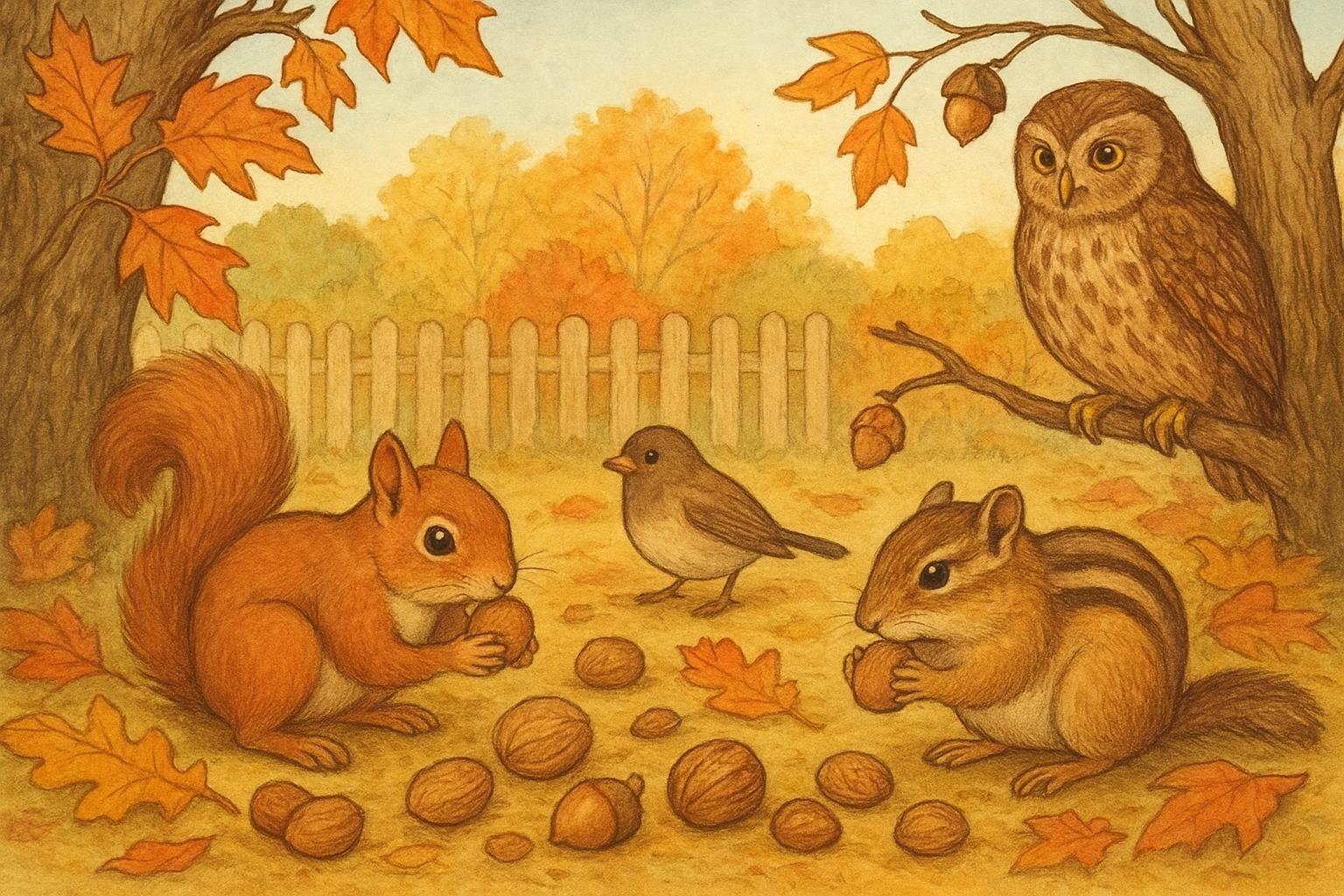
Fall is the part of the year when your backyard turns into a free snack bar for birds, rodents, and the occasional nosy raccoon. If you’ve ever watched a jay stash a cache of acorns or a squirrel do its furious, adorable digging, you’re already in love with one of the season’s most satisfying pastimes: nut foraging. This guide will walk you through the hows and whys, give practical habitat tips, and offer two remedies you can build to make nut foraging safer and more productive—for wildlife and for you.
## Nut Foraging Basics For Fall Backyards
Nut foraging is the seasonal treasure hunt that wildlife depends on when temperatures drop and daylight fades. Nuts are high in calories and fats, and many animals rely on them to build up reserves for winter. For backyard stewards, understanding the rhythm of nut drop and the animals that harvest them will keep your yard both lively and ecologically useful.
### When Nuts Fall: Timing And Signals
Each species has a predictable window when its nuts are prime. Acorns typically drop from late summer to early fall, though timing varies by oak species and region. Hickory and walnut may follow later in fall. Weather influences timing—warm, dry spells can accelerate drop, while wet conditions may delay it. Keep a simple calendar: note first and last sighting of mature nuts each year to anticipate peak foraging.
### What To Look For: Types Of Nuts And Trees
Oak (acorns), hickory (bite-sized and fatty), walnut (large and high oil), chestnut (sweet and encased), and beech (small but numerous) are common backyard sources. Learn to identify the trees by leaves and bark; a mature tree means consistent annual returns. Fallen nut husks, shells with bite marks, and small caches are giveaways that your yard is already providing for wildlife.
## How Backyard Wildlife Uses Nuts
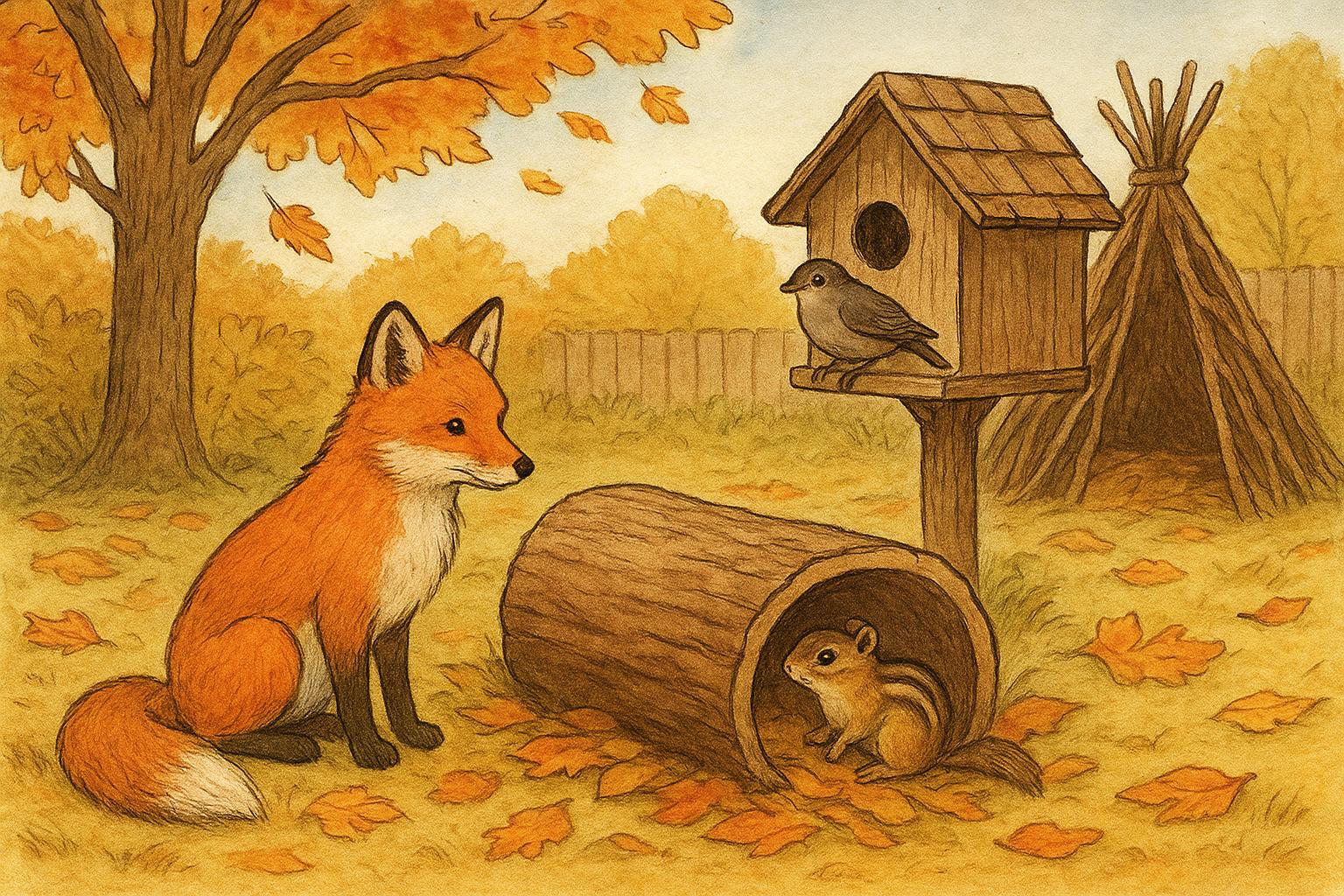
Animals employ a range of strategies: scatter-hoarding (squirrels, jays), underground caching (mice, chipmunks), and immediate consumption (deer, raccoons). Scatter-hoarding benefits the yard—forgotten caches become new sapling locations—so encouraging diverse species can enhance your tree population naturally. Note, however, that high concentrations of food can also attract many visitors; balance is key.
### Squirrels, Jays, Mice And More
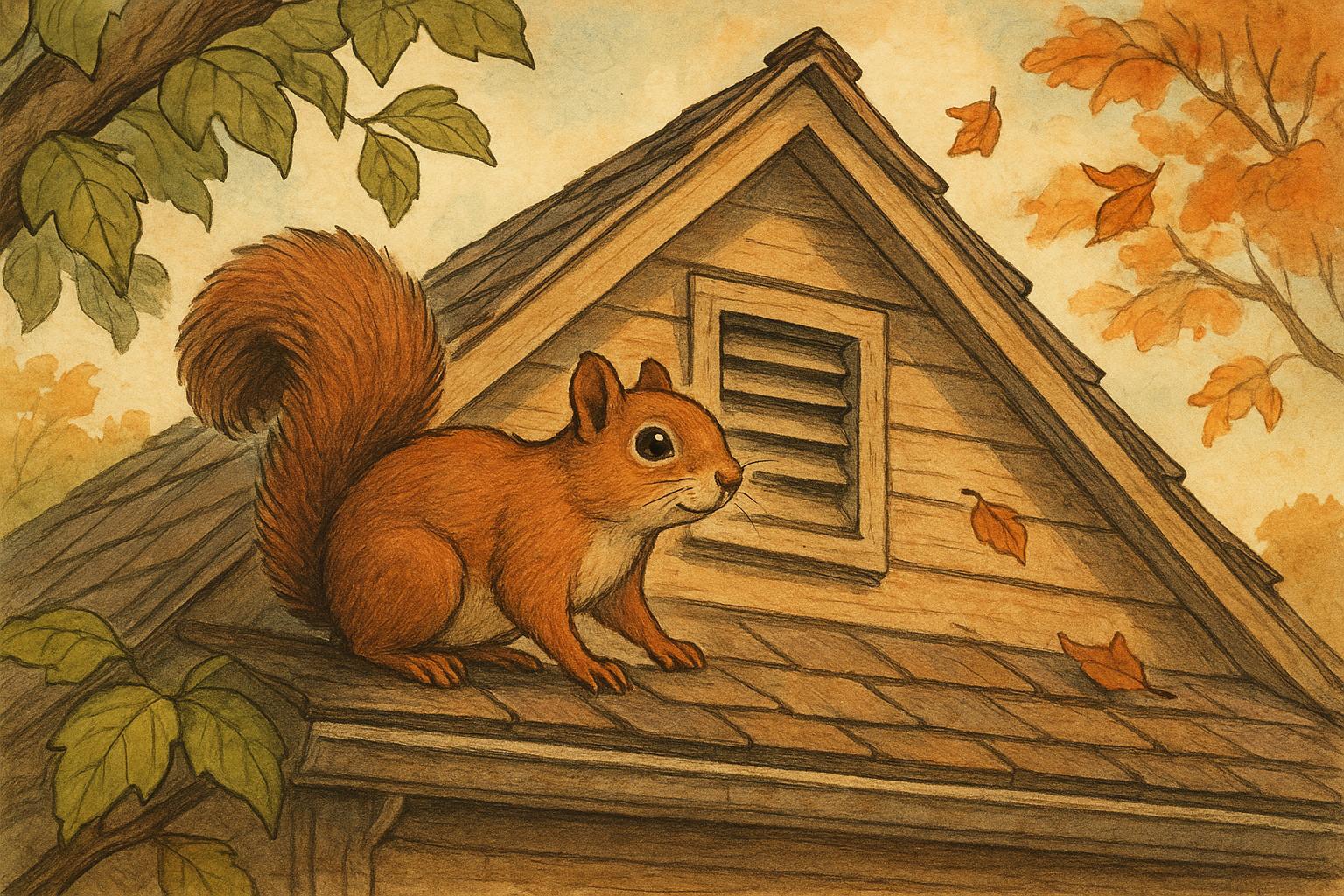
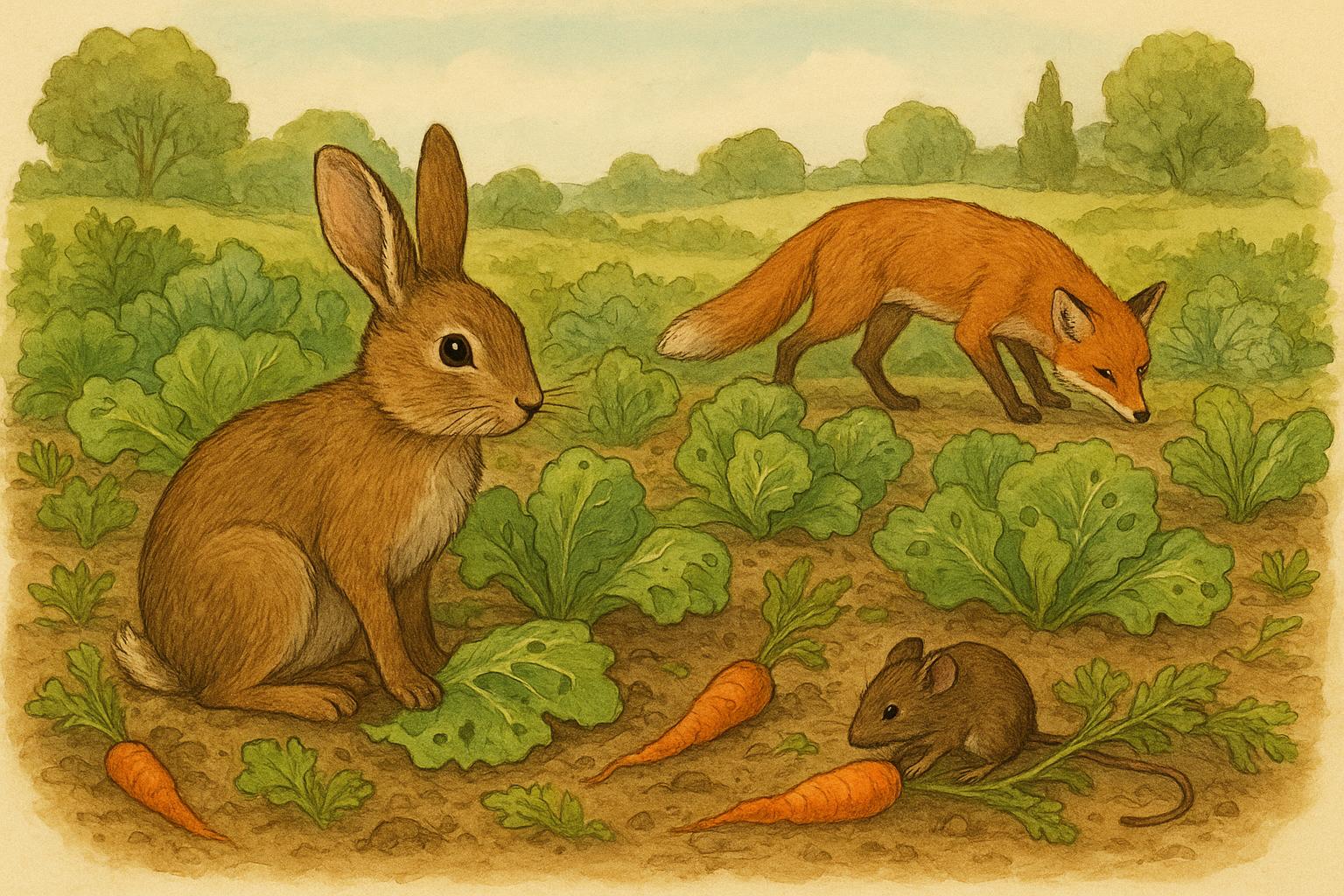
Squirrels are the classic foragers, burying nuts in many shallow caches. Blue jays pluck then fly, often storing in crevices. Mice and voles harvest close to the ground and can affect seedling survival by nibbling. Understanding which species visit helps tailor your approach to nut foraging—some strategies favor birds, others small mammals.
## Managing Your Yard For Better Nut Foraging
Good management increases the availability of safe, nutritious nuts without turning your yard into an ecological imbalance. The goal is to encourage variety and accessibility while preventing disease spread and human-wildlife conflicts.
### Habitat Tips That Help Without Turning Yard Into Buffet
– Maintain native nut-bearing trees and plant understory shrubs that provide cover and safe caching sites.
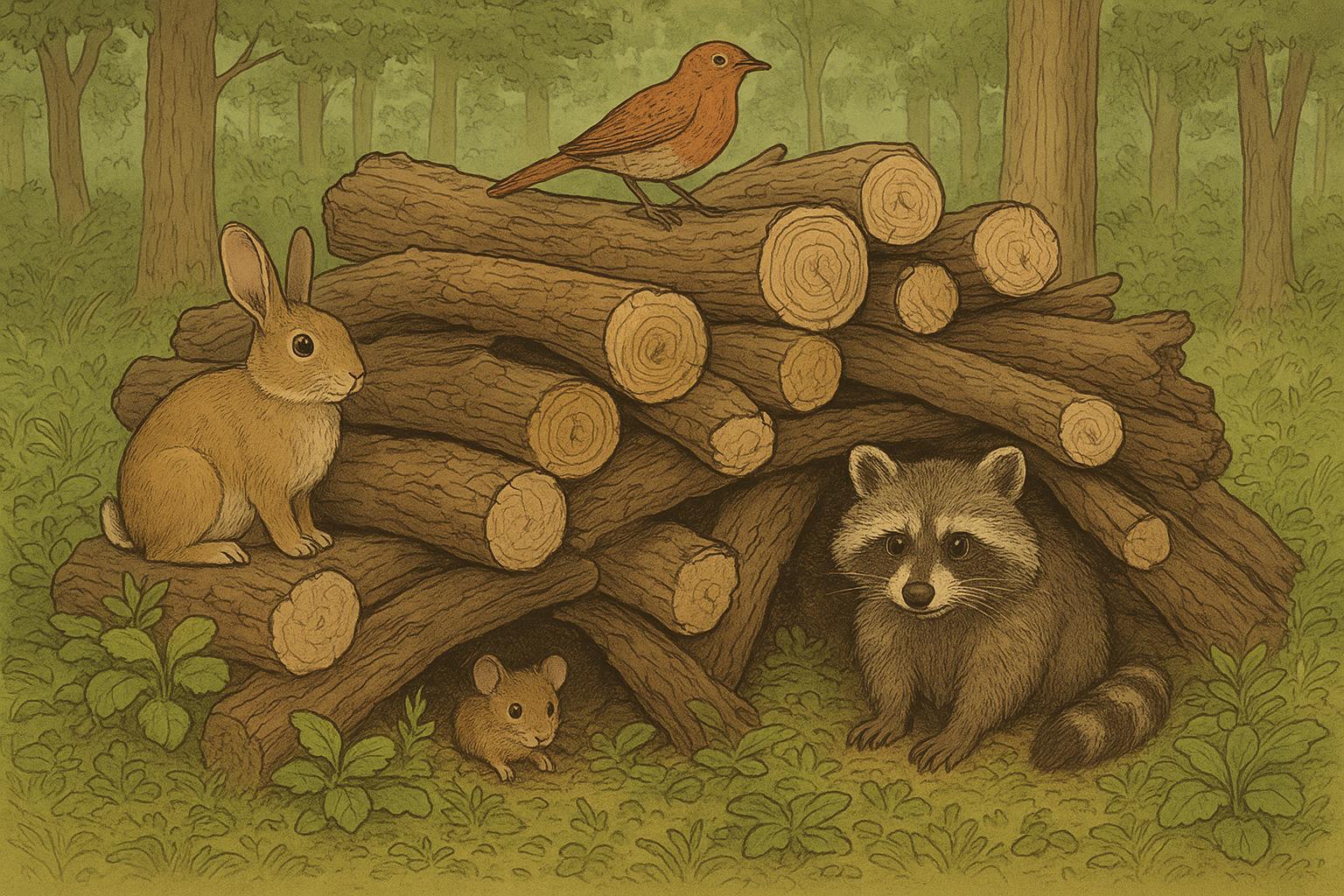
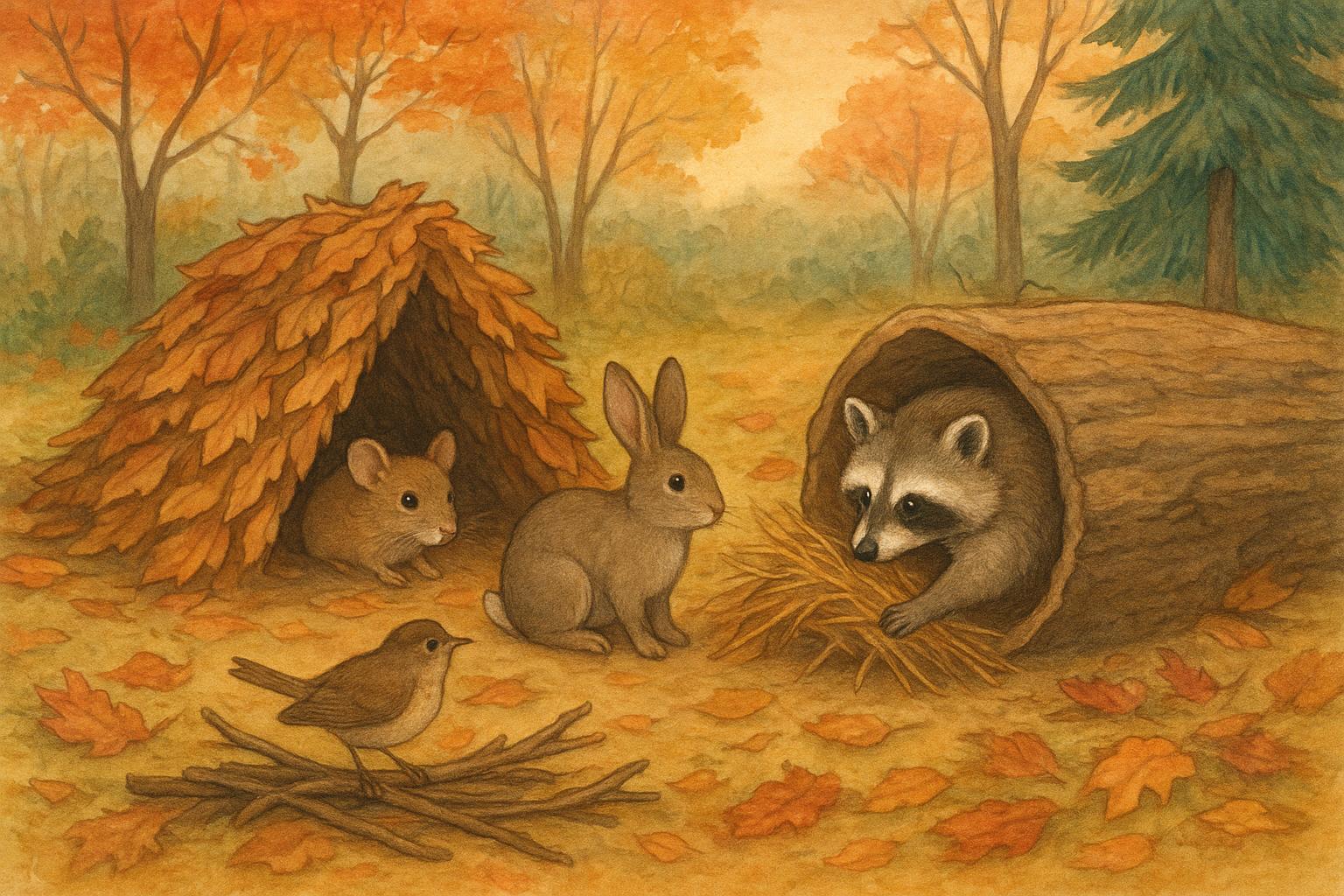
– Leave some leaf litter and woody debris; it’s habitat for invertebrates and hiding places for caches.
– Avoid overfeeding with processed human foods; nuts appropriate to wildlife are preferable and reduce the risk of digestive upsets.
#### Protecting Seedlings
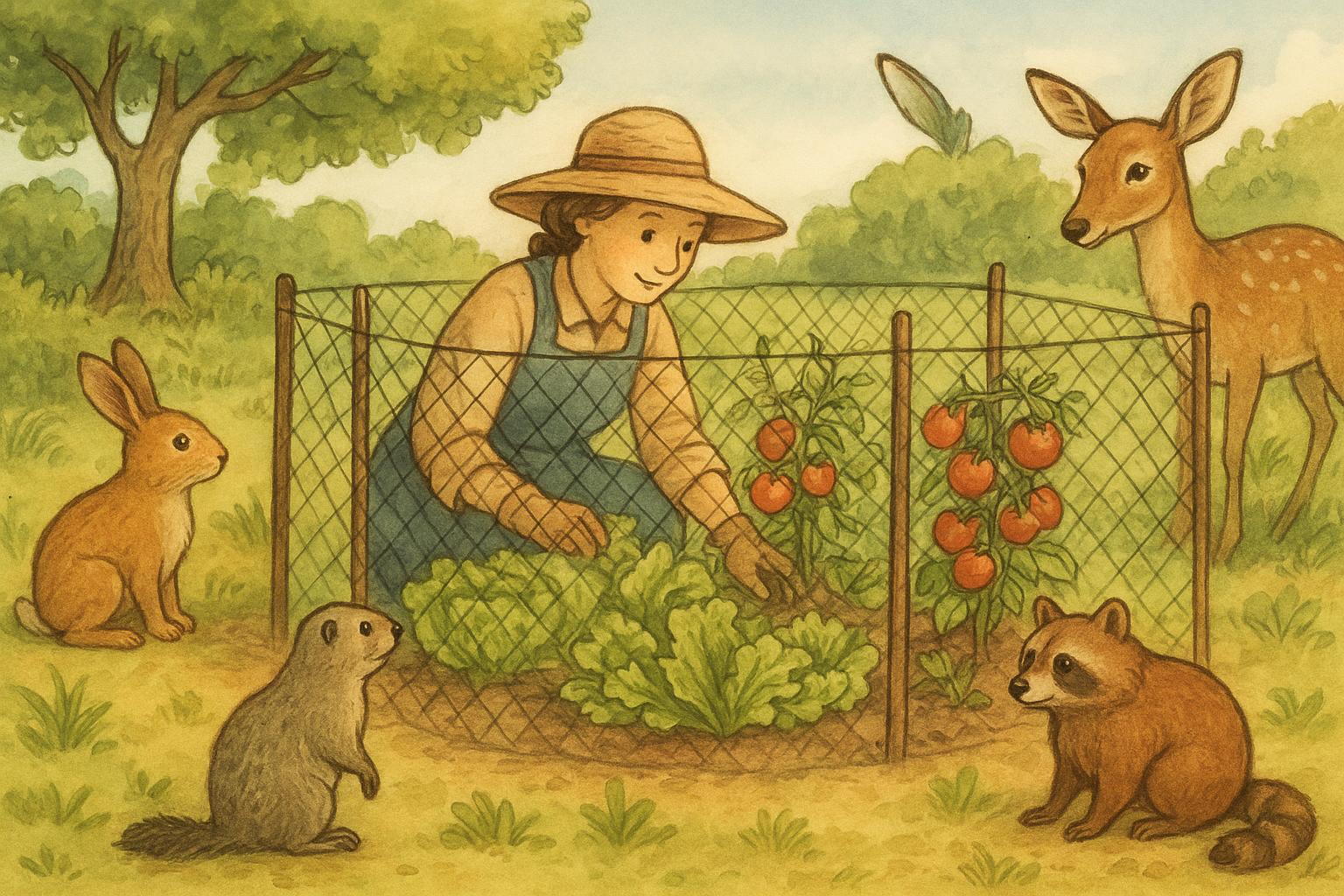
If you want to encourage natural regeneration, protect young seedlings with small wire cages or stakes until they’re above nibble height. This minimizes damage from voles and rabbits, and helps more caches succeed in becoming trees.
### Disease And Pest Considerations
Rot and fungal disease can spread when many nuts are left piling and getting soggy. Raking away excess wet debris in damp microclimates reduces fungal spread. If you notice moldy or oddly soft nuts, remove them promptly—wild animals will find healthier options and avoid spreading pathogens.
### Legal And Ethical Notes
Local regulations sometimes govern supplementary feeding or wildlife attractants. Check municipal codes if you plan big installations like feeders, and be mindful of neighbors: dense wildlife attracts might affect adjoining yards.
### Remedy 1: DIY Elevated Nut Feeder
Materials:
– One untreated wooden board (18″ x 8″ x 1″)
– Four metal L-brackets and stainless screws (4 each)
– One 4′ wooden post (treated for in-ground use)
– 1 qt outdoor-grade wood sealer or exterior paint (optional)
– Drill, screwdriver, saw (if cutting is needed)
– Small mesh or thin lip (1″ height) to contain loose nuts
Creation And Application (Formal Instructions):
1. Prepare the Board: Cut the wooden board to desired size if necessary. Sand edges to remove splinters. Apply wood sealer or exterior paint and allow to cure per manufacturer instructions to extend service life.
2. Attach Brackets: Secure an L-bracket at each corner underside of the board using stainless screws. These will strengthen the board-post connection.
3. Mount to Post: Stand the post vertically and position the board approximately 4–5 feet above ground to limit access by small mammals while allowing birds to feed. Use screws to fix the board to the post through the brackets, ensuring a level mounting.
4. Install Lip: Attach a 1″ high mesh or thin wood strip around the board edges to contain loose nuts during wind or rains.
5. Site Selection: Place the feeder in a shaded location with some nearby cover—within view of tree perches—but at least 10–15 feet from dense shrubbery to deter predation of visiting birds.
6. Filling And Maintenance: Offer native nuts (shelled or unshelled depending on species you wish to favor). Check weekly for mold or pests. Clean with a mild bleach solution (1:10 bleach:water), rinse, and dry before refilling to reduce disease transmission.
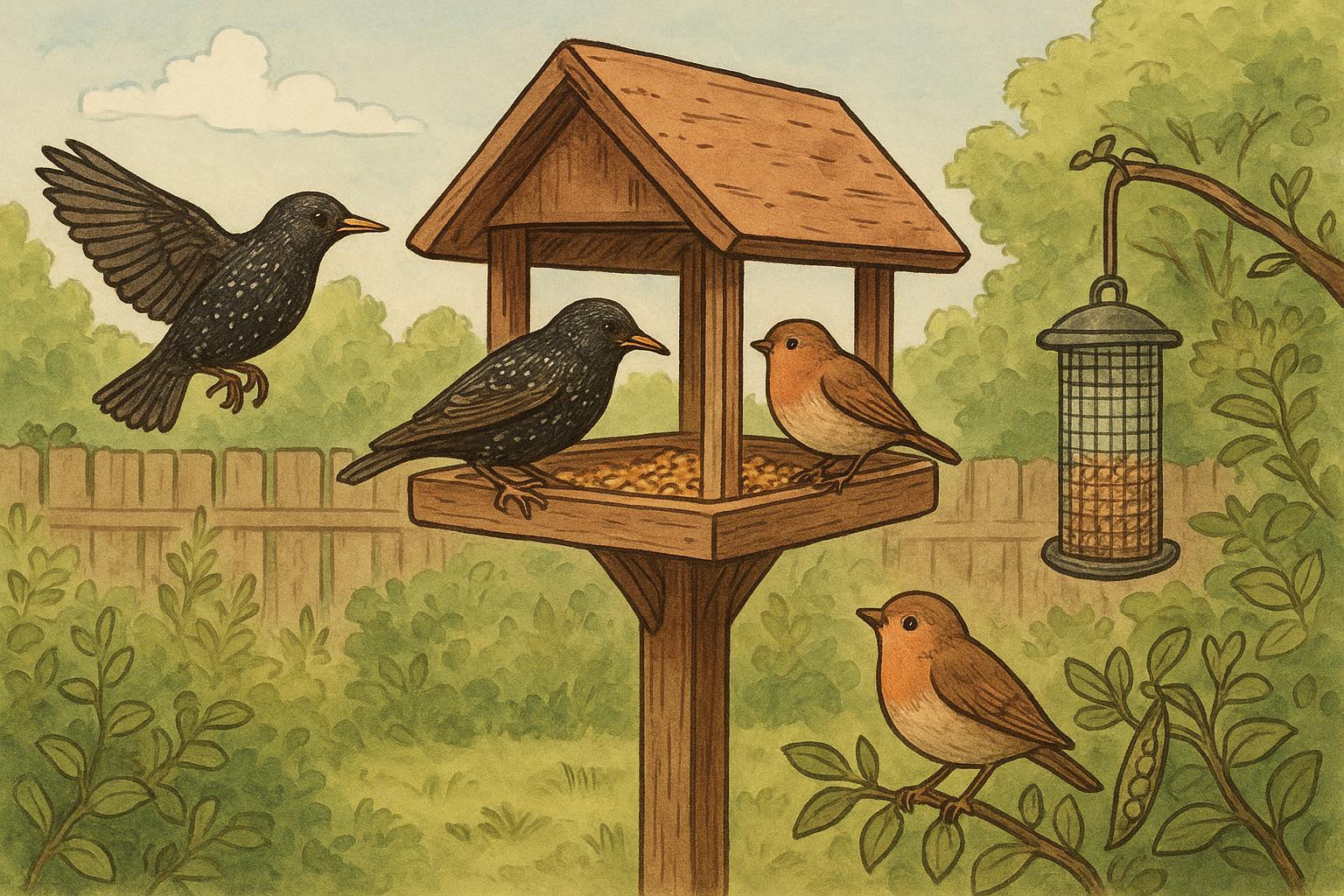
This elevated feeder reduces ground crowding, gives birds safe perches, and lessens trampling of understory seedlings.
### Remedy 2: Simple Nut Cache Protector
Materials:
– 1/2″ hardware cloth (4′ x 2′)
– Wire cutters and pliers
– 12″ wooden stakes (x6)
– Twine or small zip ties
Creation And Application (Formal Instructions):
1. Cut Hardware Cloth: Using wire cutters, cut the hardware cloth into 12″ x 12″ squares—each will serve as a protective “pocket” over a cache site.
2. Prepare Stakes: Drive a wooden stake into the soil where a desirable cache or seedling is located, leaving about 8″ aboveground.
3. Form Pocket: Bend the hardware cloth into a shallow dome or cylinder about 6″ high. Secure seams with pliers and zip ties.
4. Mounting: Slip the cage over the stake and press it slightly into the soil so the bottom edge lies flush. Tie or secure the top to prevent large animals from displacing it.
5. Application: Place this protector over areas where you want to encourage seedling establishment or protect known small caches from being dug up by larger mammals. Check periodically for accumulated debris and to ensure the structure is intact.
6. Maintenance: Replace any damaged sections and remove the protector once seedlings reach ~6–8 inches height to avoid interfering with growth.
This cache protector is designed to minimize pilferage by larger mammals while allowing smaller native fauna to continue their ecological roles.
## Safe Handling, Storage And Human Use
If you intend to collect nuts for human consumption, proper handling is essential. Always identify the species—some look-alikes can be bitter or mildly toxic. Wear gloves when handling moldy or unknown nuts to avoid skin irritation. Store clean, dry nuts in breathable containers (paper sacks or mesh bags) in a cool, dry place. For long-term storage beyond a few months, refrigeration or freezing extends shelf life and reduces insect damage. When feeding wildlife, present nuts in their shells to slow consumption and reduce the chance of overfeeding.
### Foragers’ Safety And Legal Notes
Be aware of local ordinances regarding wildlife feeding; some areas restrict supplemental feeding to prevent unnatural congregation or disease spread. If harvesting nuts for personal use, check property boundaries and obtain permission if the tree isn’t yours. Finally, if you are unsure about an animal’s health or see large die-offs, report it to your local wildlife agency—disease can spread quickly among densely foraging populations.
Enjoy watching the choreography of late-season nut foraging: the quick dart of a squirrel, the decisive hop of a jay, the silent nibble of a vole. With a few simple structures, a bit of habitat attention, and some seasonal awareness, your backyard can become a fall hotspot that supports local wildlife and enriches your connection to the natural cycles of the neighborhood.


Leave a Reply