
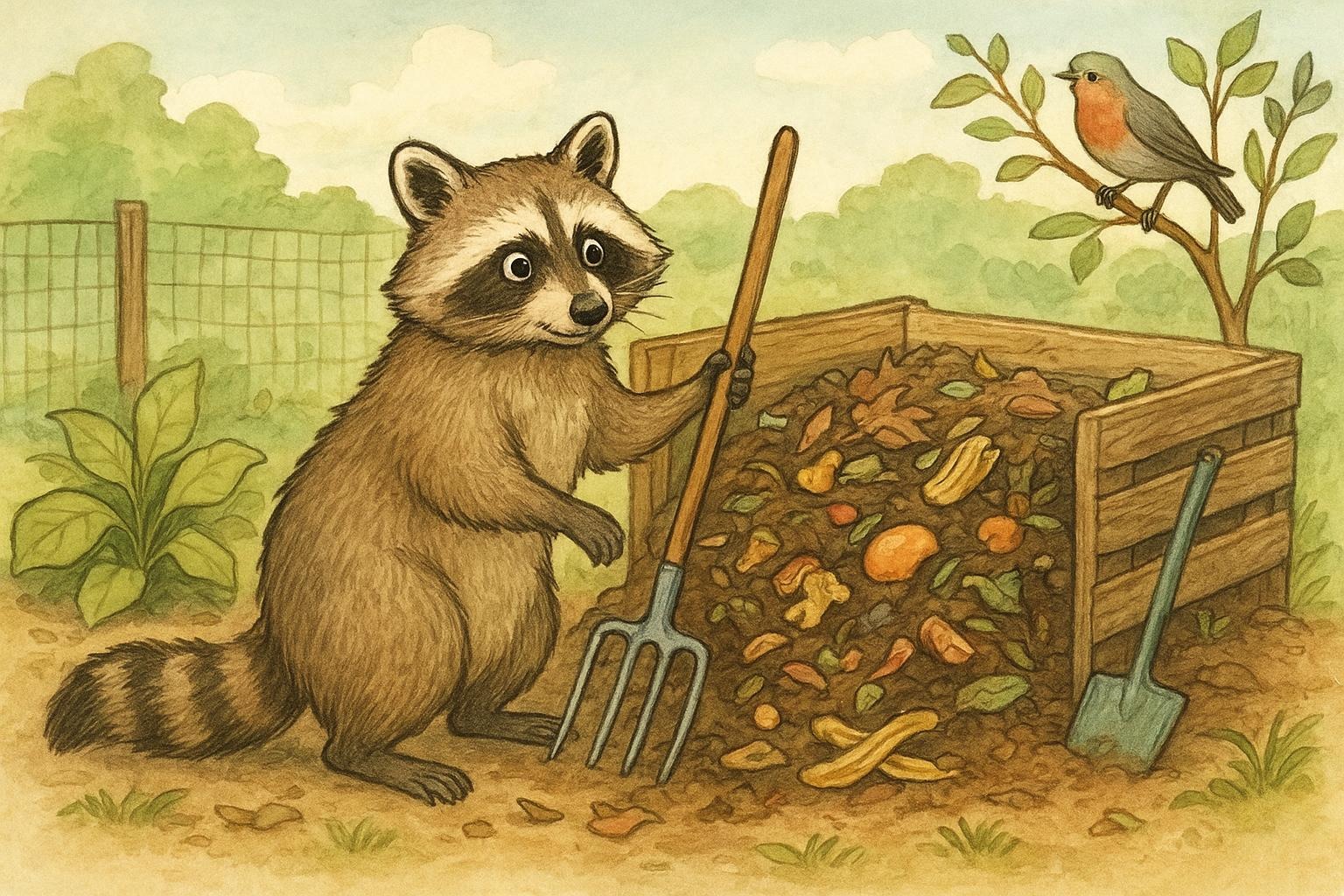
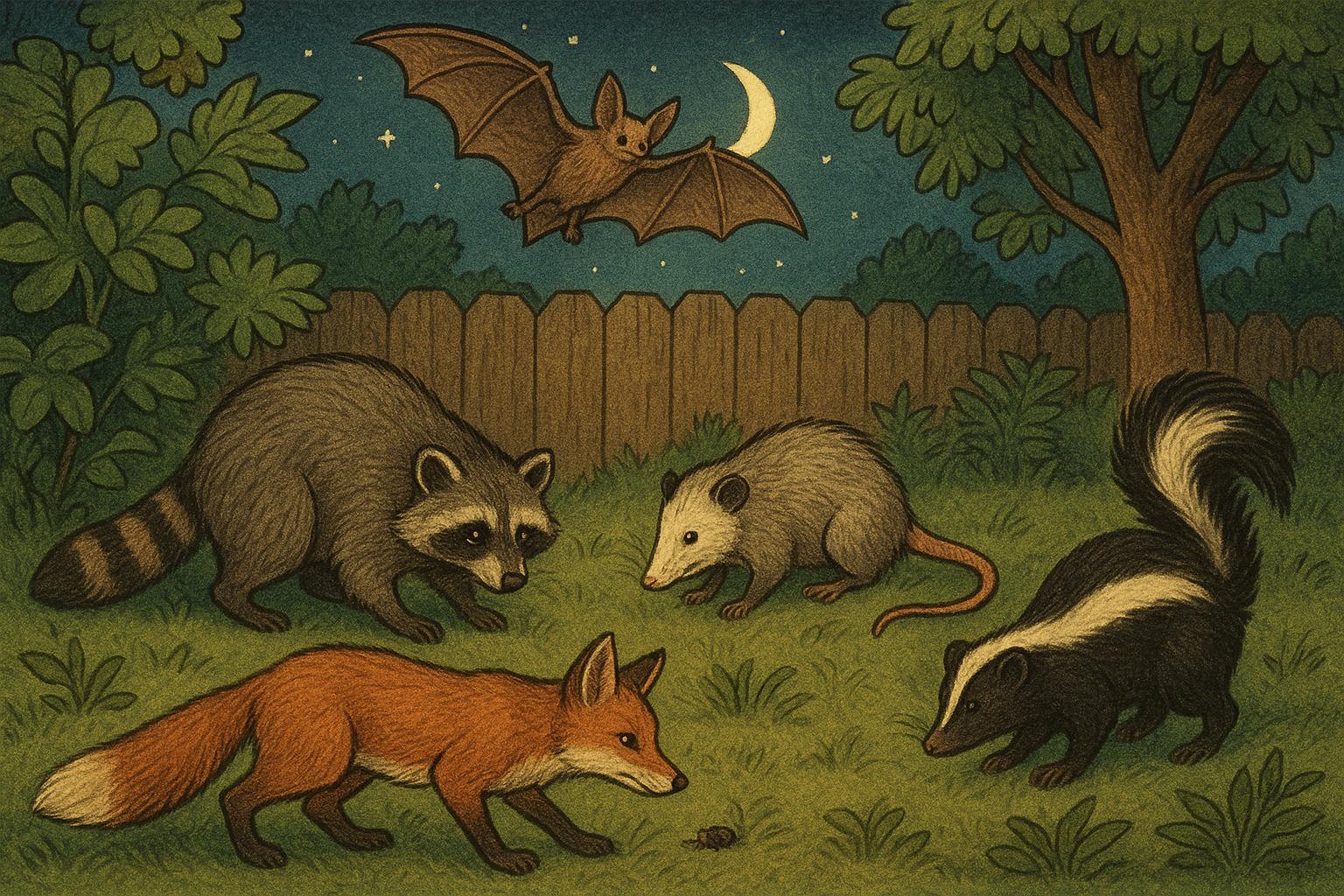
If you’ve ever woken to a toppled compost bin and a masked bandit doing interpretive dance with your kitchen scraps, you’re not alone. Raccoons are clever, persistent, and oddly charming—until they upend your yard and scatter banana peels like confetti. This guide will help you understand why those midnight raids happen and give practical, humane ways to protect your compost and keep critters out of your yard.
## Raccoon Compost: Why They Raid Your Bin
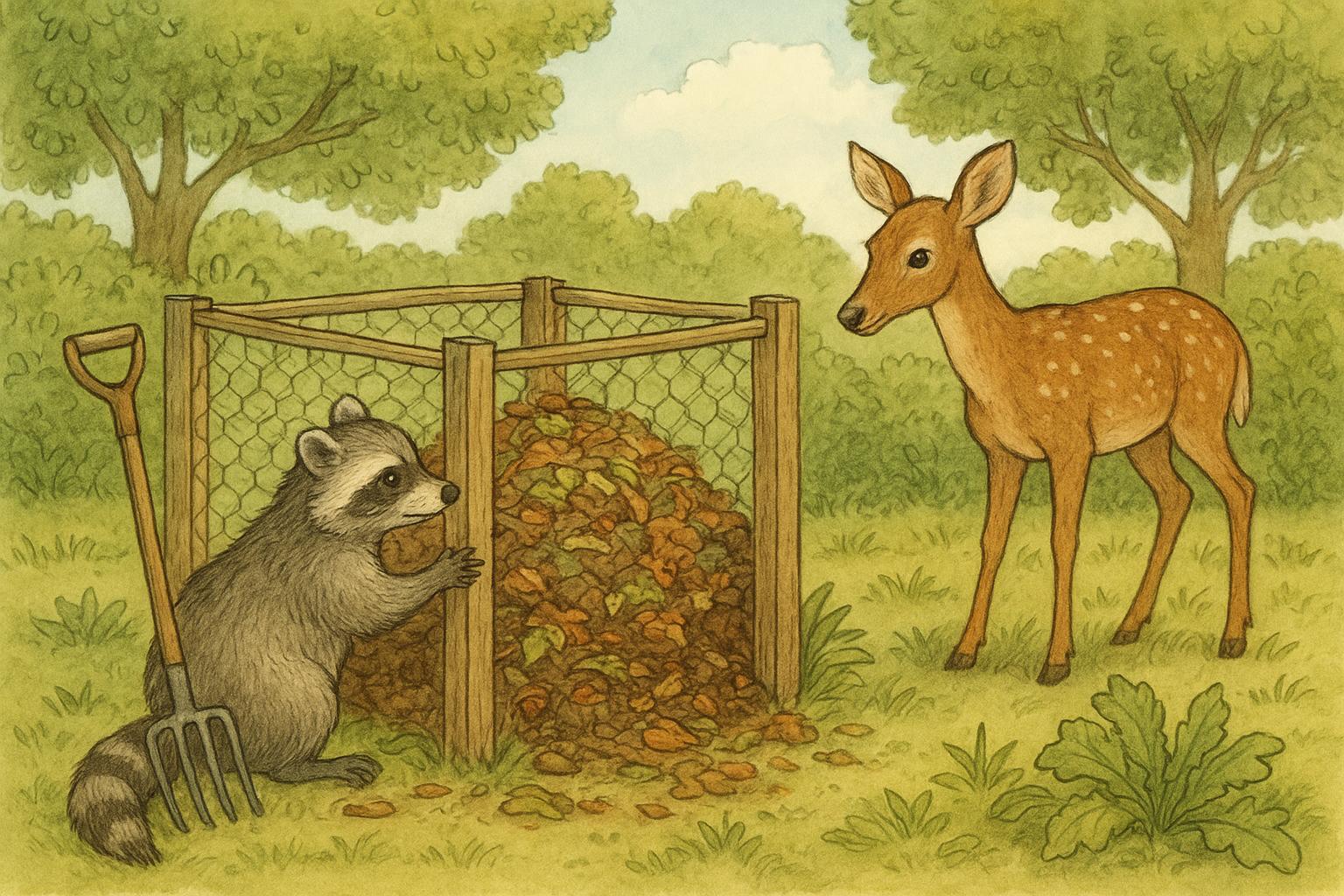
Raccoons are opportunistic omnivores with excellent hands for prying and a nose for food. The aroma of fermenting food draws them from a surprising radius. When a compost pile smells like dinner (meat, dairy, oily scraps) or when the bin is easy to access, raccoons treat it like an all-you-can-eat buffet. The phrase raccoon compost sums up this particular backyard conflict: animals attracted to the food value in compost material.
### How Raccoons Find Your Compost
Raccoons navigate by scent more than sight. A poorly sealed bin or a container with gaps creates a scent trail. Raccoons are also creatures of habit: once they find a reliable food source, they remember and return regularly.
### Why Compost Smells Like Dinner
Not all compost smells bad, but certain food scraps—cooked meat, grease, and dairy—decompose in ways that produce strong odors. Those smells are biologically irresistible to many wildlife species, especially raccoons.
## Smart Siting And Simple Habits To Reduce Attraction
You don’t need to wage war on wildlife to have a raccoon-free compost area. Small changes in placement and handling can cut your chances of a raid dramatically.
### Choose The Right Spot
Put your compost bin away from hedges, decks, and low branches that provide cover or access. Keep it on bare soil—raccoons dig more in sandy or loose areas and are less likely to dig where it’s harder.
### Manage What Goes In
Avoid putting meat, bones, dairy, oily foods, and large quantities of cooked scraps into your compost. Use a separate food scrap system (sealed container in the garage or freezer) if you regularly compost animal products; that reduces nightly attractants.
### Maintain Regular Turning And Covering
Frequent turning speeds decomposition and reduces strong hotspots of smell. Also, always cover fresh kitchen scraps with at least a few inches of brown material: leaves, shredded paper, or finished compost.
## ### 1. Secure Compost Bin Upgrade (Remedy)
This is the most reliable long-term fix for raccoon compost raids. Build or buy a raccoon-proof composter that balances ventilation with security.
#### Materials Needed
– Heavy-duty plastic or metal compost bin with a locking lid (or materials to modify an existing bin)
– Metal hardware cloth (1/4″ to 1/2″ mesh)
– Carriage bolts, washers, and nuts (stainless steel recommended)
– Weatherproof padlock or spring-loaded hasp
– Optional: plywood, exterior paint, and rubber gasket for sealing
#### Step-By-Step Creation And Installation
1. Inspect your current bin for gaps or weak points. Remove flimsy lids or top sections that can be pried open.
2. If starting from scratch, choose a bin with a solid top and minimal seams. Drill holes for ventilation and cover them with hardware cloth to keep small paws out.
3. Attach the hardware cloth to any openings using carriage bolts with washers and nuts; ensure the mesh sits flush and is tamper-resistant.
4. Install a locking mechanism on the lid. A simple spring-loaded hasp with a small padlock is effective—raccoons are dexterous but avoid complicated latches that rust closed.
5. For extra deterrence, add a rubber gasket around the lid to minimize odor escape. Paint or finish exposed wood to weatherproof.
6. Place the bin on a stable base (concrete pavers or compacted gravel) so raccoons can’t tip it or dig underneath.
This more formal approach maintains compost function while denying access. A well-sealed, sturdy bin typically resolves persistent raids.
## ### 2. Physical Deterrents And Yard Management (Remedy)
If upgrading the bin isn’t enough or you prefer layered defenses, implement physical barriers and habitat changes around the yard.
#### Materials Needed
– 1/2″ galvanized hardware cloth (enough to create skirts around the bin)
– Landscape staples or rebar stakes
– Motion-activated lights and/or sprinklers
– Heavy-duty garden fencing (3–4 feet recommended)
– Trim tools for vegetation management
#### Step-By-Step Application
1. Create a perimeter skirt by attaching hardware cloth around the base of the compost bin and securing it flat to the ground with landscape staples or rebar. This prevents digging under.
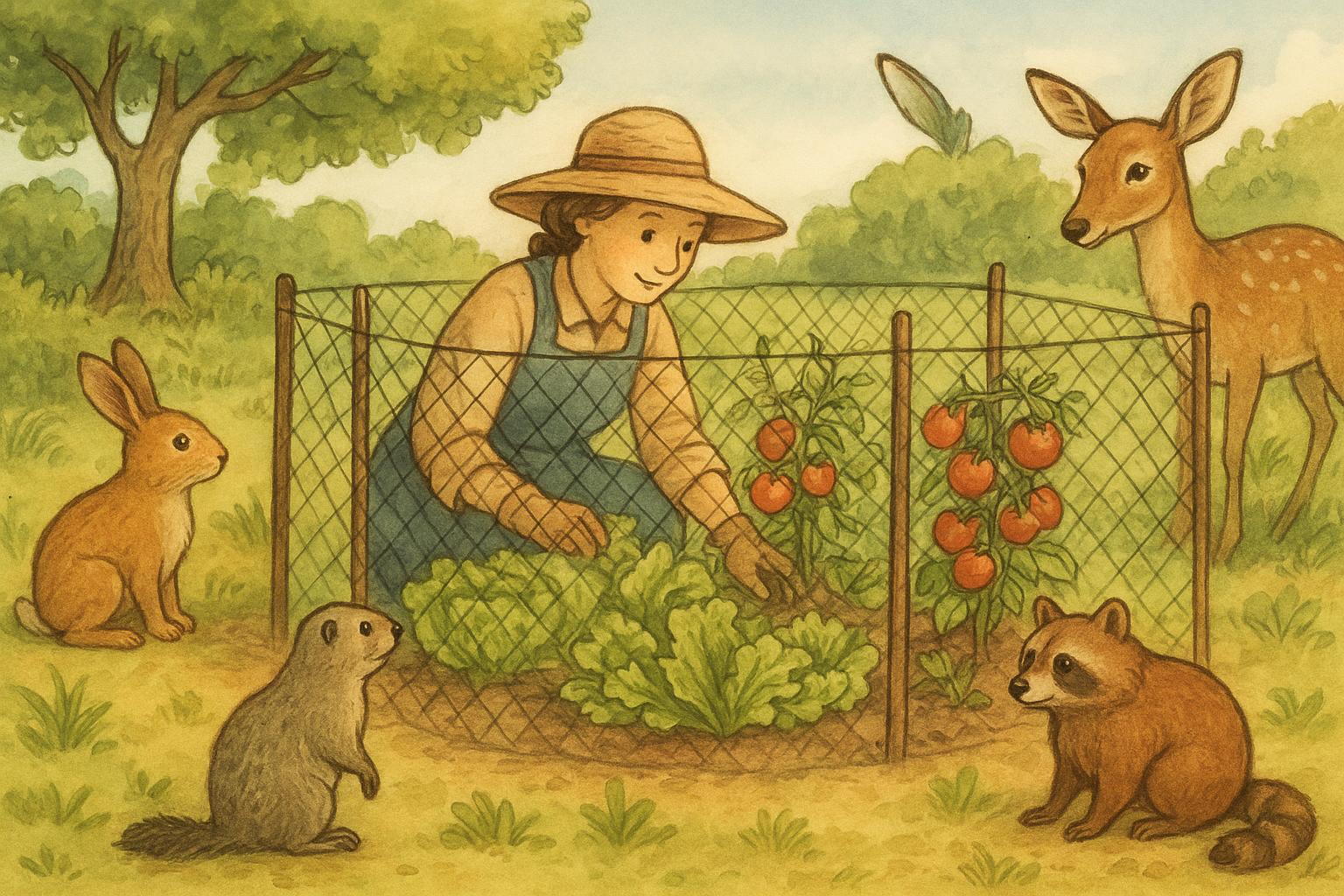
2. Install a low fence around the composting area. A 3–4 foot galvanized fence, securely anchored, is typically enough to deter casual entry. Bury the bottom 6–8 inches or create an outward-facing skirt to prevent digging.
3. Add motion-activated lights near access points. Sudden bright light can deter nocturnal visitors without harming wildlife.
4. Optionally install a motion-activated sprinkler; sudden bursts of water are humane and highly effective at discouraging returns.
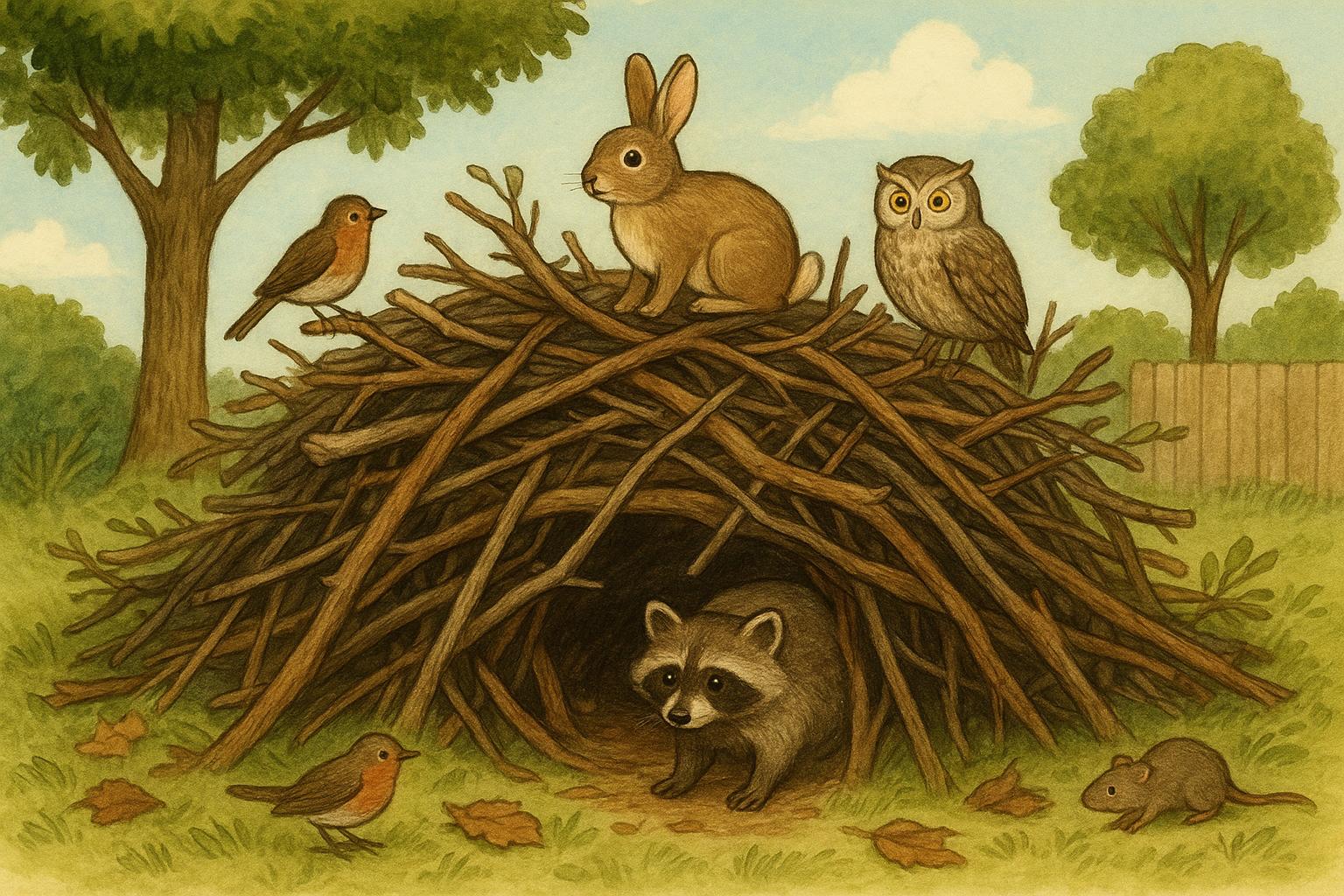
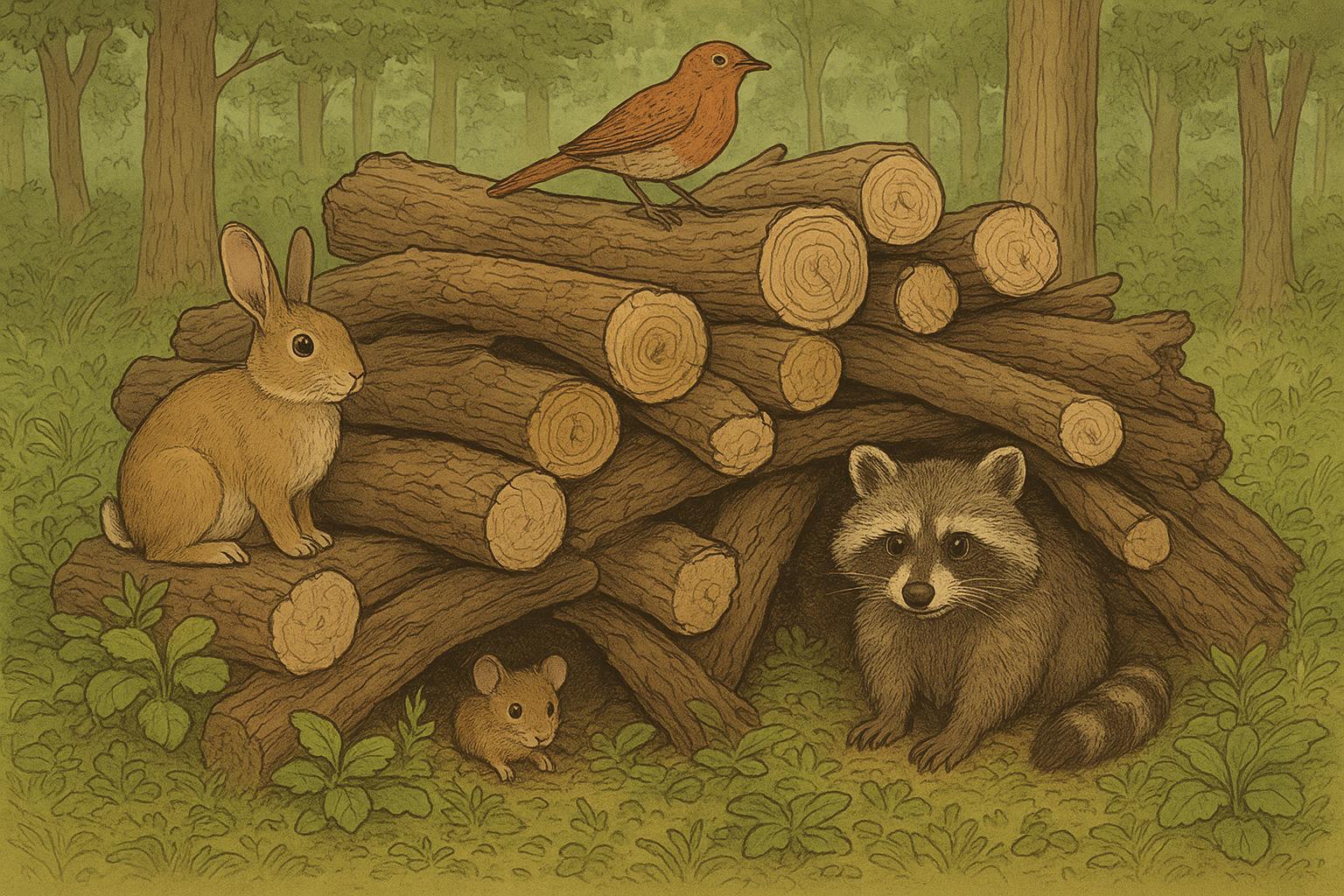
5. Remove brush piles, wood stacks, and dense shrubs near the compost. Eliminating cozy hiding spots makes raccoons less likely to frequent the area.
6. Keep pet food indoors and secure trash cans with lids and straps.
When applied systematically, these measures reduce attractiveness and accessibility. They’re especially useful in neighborhoods with high raccoon activity.
## ### 3. Humane Live-Trapping And Relocation (Remedy)
Live-trapping should be a last resort and done in accordance with local wildlife laws and best practices. It requires more involvement and responsibility.
#### Materials Needed
– Humane live trap sized for raccoons
– Bait (non-scented canned fish, marshmallows, or sweetened fruit—used sparingly)
– Thick gloves and handling knowledge
– Access to licensed wildlife rehabilitator or local animal control contact information
– Vehicle and crate for transport (if relocation is legal and ethical in your area)
#### Step-By-Step Procedure And Legal Notes
1. Check local regulations. In many jurisdictions, relocation without a permit is illegal because it can spread disease and disrupt local ecosystems.
2. If allowed, place the trap near the compost bin on stable ground and follow manufacturer setup instructions. Position the trap facing away from direct sun or standing water.
3. Bait the trap sparingly. Avoid creating a long-term feeding site; the bait should be enough to lure but not encourage more animals to the yard.
4. Monitor the trap regularly—at least twice daily. Don’t leave an animal confined for long periods.
5. If captured, contact local animal control or a wildlife rehabilitator for guidance. Transport only if you are permitted and trained; otherwise, a professional should handle relocation or euthanasia if necessary for public safety.
6. After removal, immediately implement preventive measures (see Remedies 1 and 2) to prevent other raccoons from filling the vacancy.
This method is formal and regulated: improper trapping and relocation can be illegal and inhumane. Consult authorities before attempting.
## Practical Maintenance Habits That Help
Small daily habits compound into big effects. Keep these consistent and raccoons will look elsewhere.
### Nightly Checks
Bring pet bowls in, secure trash, and double-check the compost lid before dusk. Raccoons prefer predictable food sources; unpredictability reduces their interest.
### Seasonal Considerations
Raccoon activity can spike in spring and fall. In cooler months they may be less active, but persistent food sources will keep them coming year-round.
### Record Keeping
If you experience repeated raids, note time, frequency, and any particular attractants. That information helps you tweak deterrents and, if needed, communicate with local wildlife control.
A little effort goes a long way toward peaceful coexistence with your masked neighbors. Follow the secure bin upgrade and layered yard-management approaches for the best results, and remember: a well-managed compost system can be efficient, eco-friendly, and raccoon-resistant all at once.

















Leave a Reply