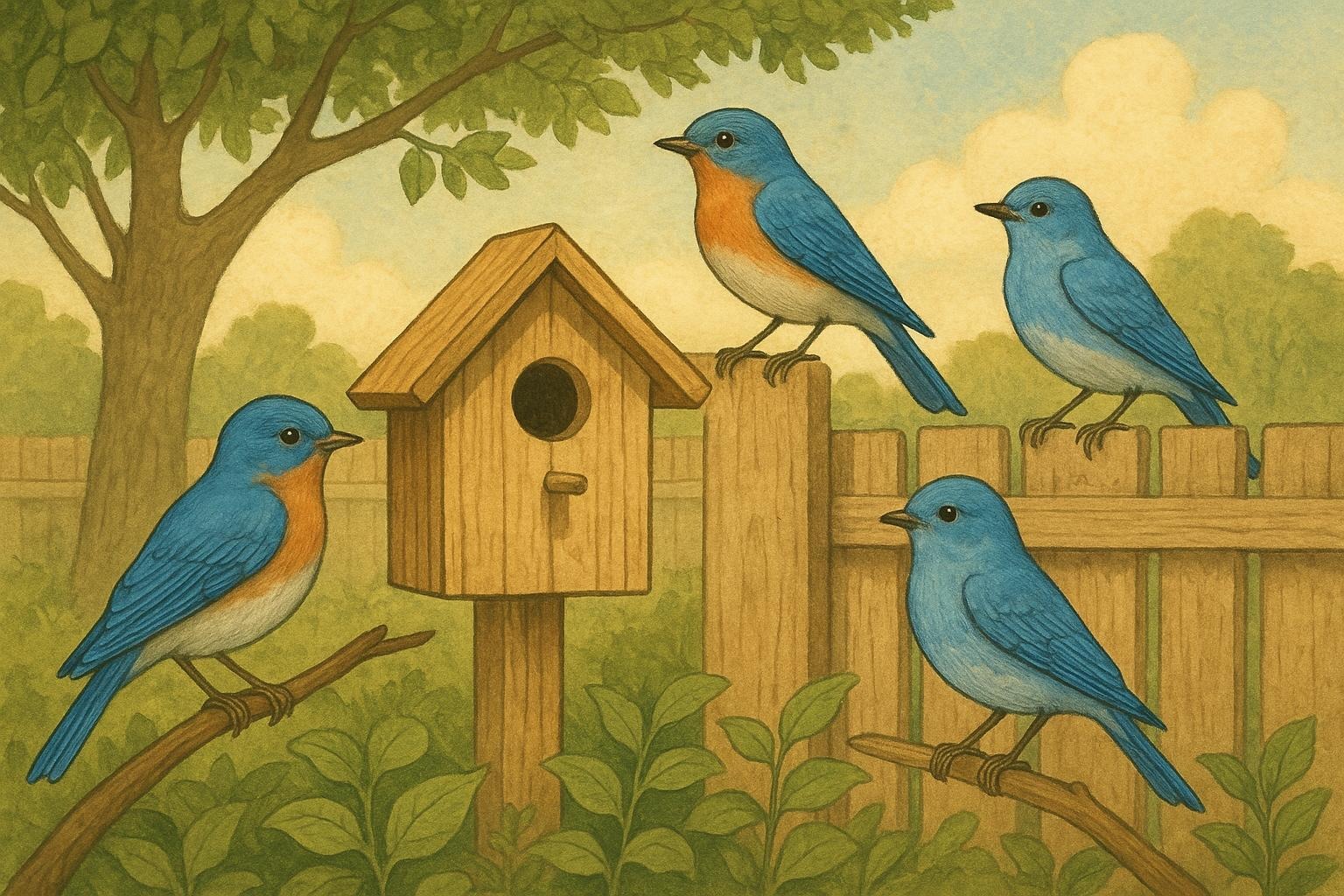
If you like a splash of sky and a song in the morning, welcome — you and the neighborhood’s blue birds are going to get along just fine. This practical color guide walks through the species you’re likely to see, why that blue is so dazzling, and what to do (professionally and politely) to invite them, protect them, and keep your backyard humming without turning it into a bird buffet for raccoons.
## Blue Birds In The Backyard: Who’s Who
“Blue birds” is a friendly catch-all, but backyard visitors vary by region and habit. Here are the common players:
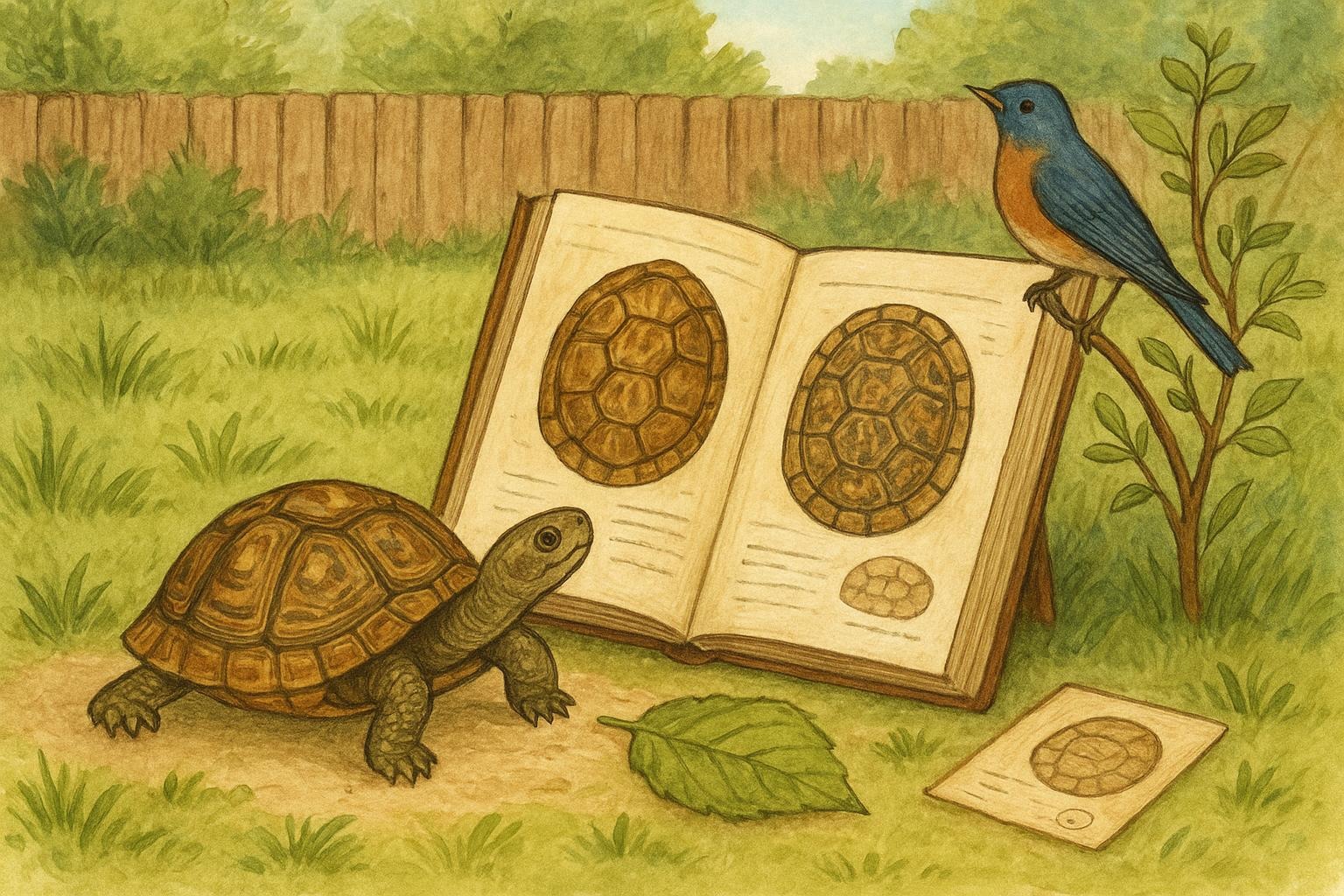
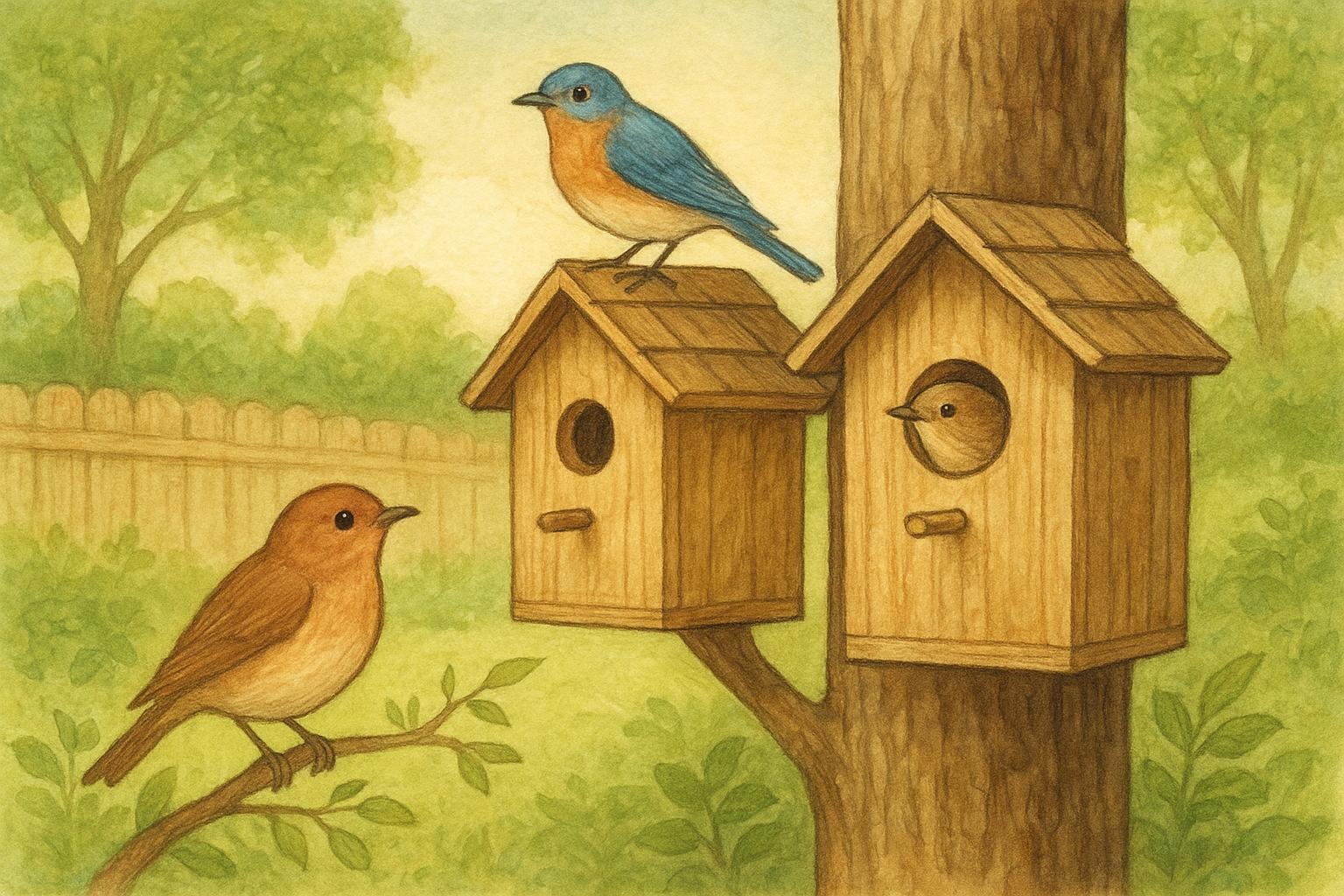
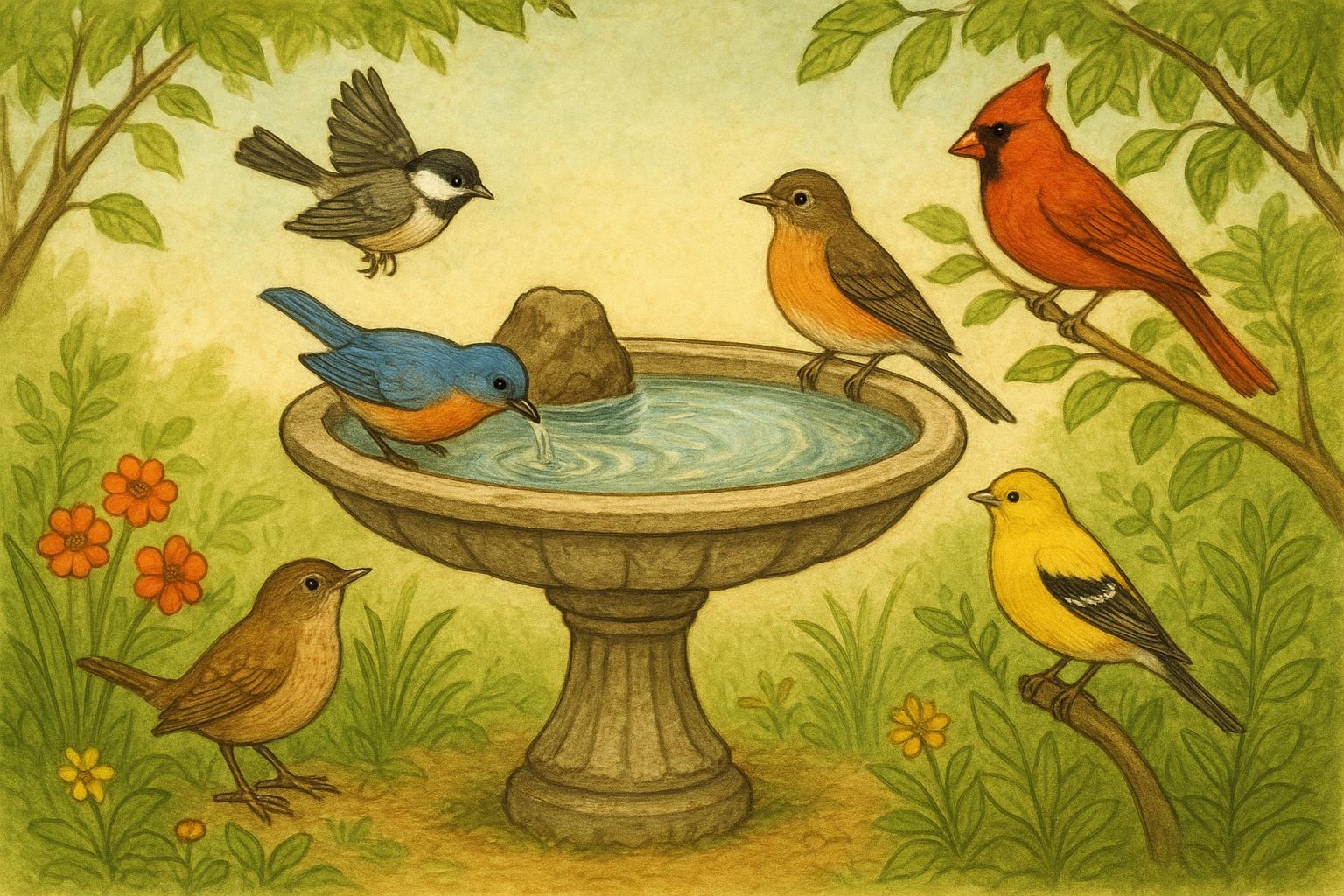
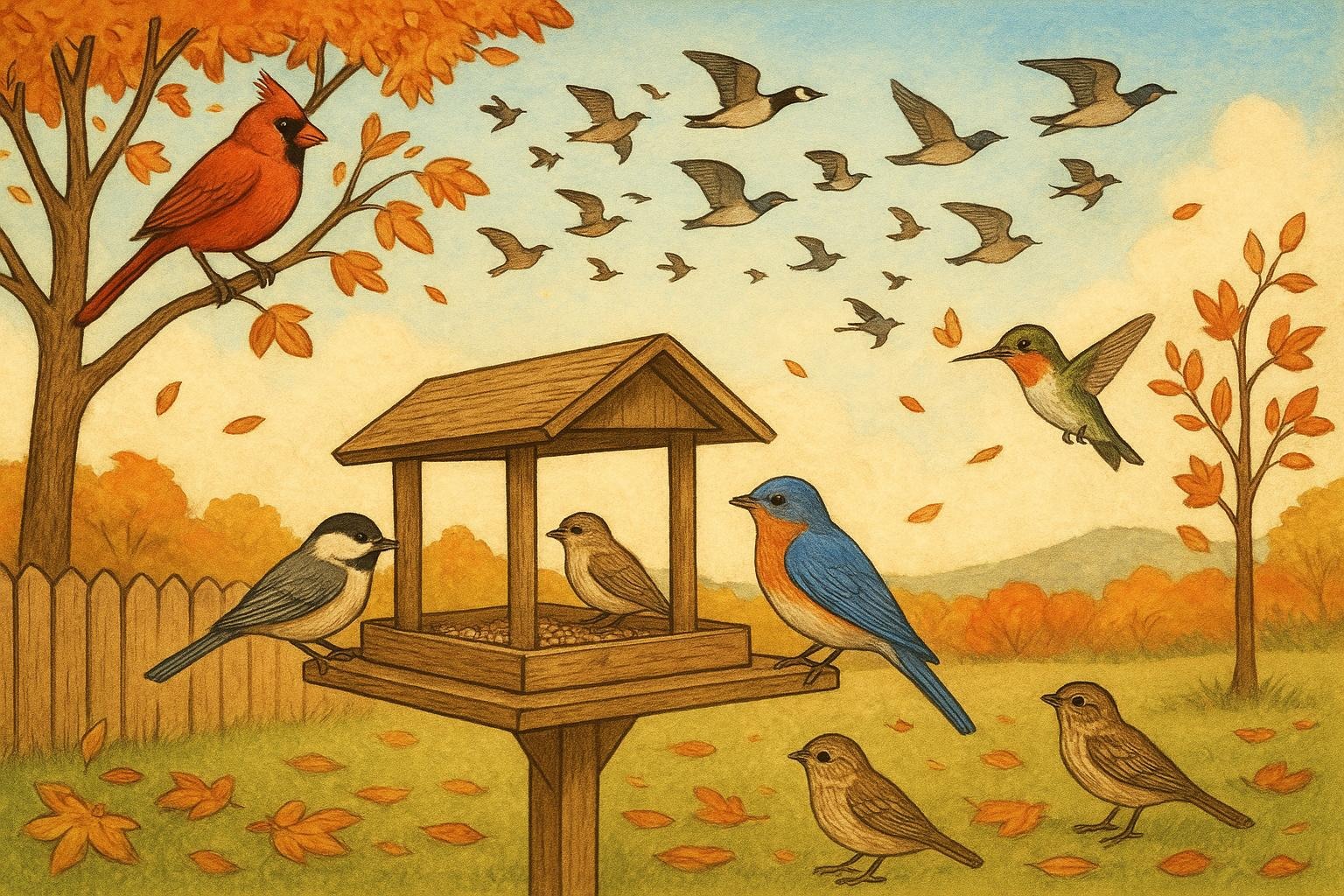
– Eastern Bluebird: Males wear bright cobalt backs and rusty chests; females are paler. They prefer open spaces, lawns, and nest boxes.
– Western Bluebird: Similar to Eastern but with slightly different markings and a taste for woodlands and open pine areas.
– Mountain Bluebird: A true azure that looks like someone spilled the sky on a perch; more common at higher elevations and in open country.
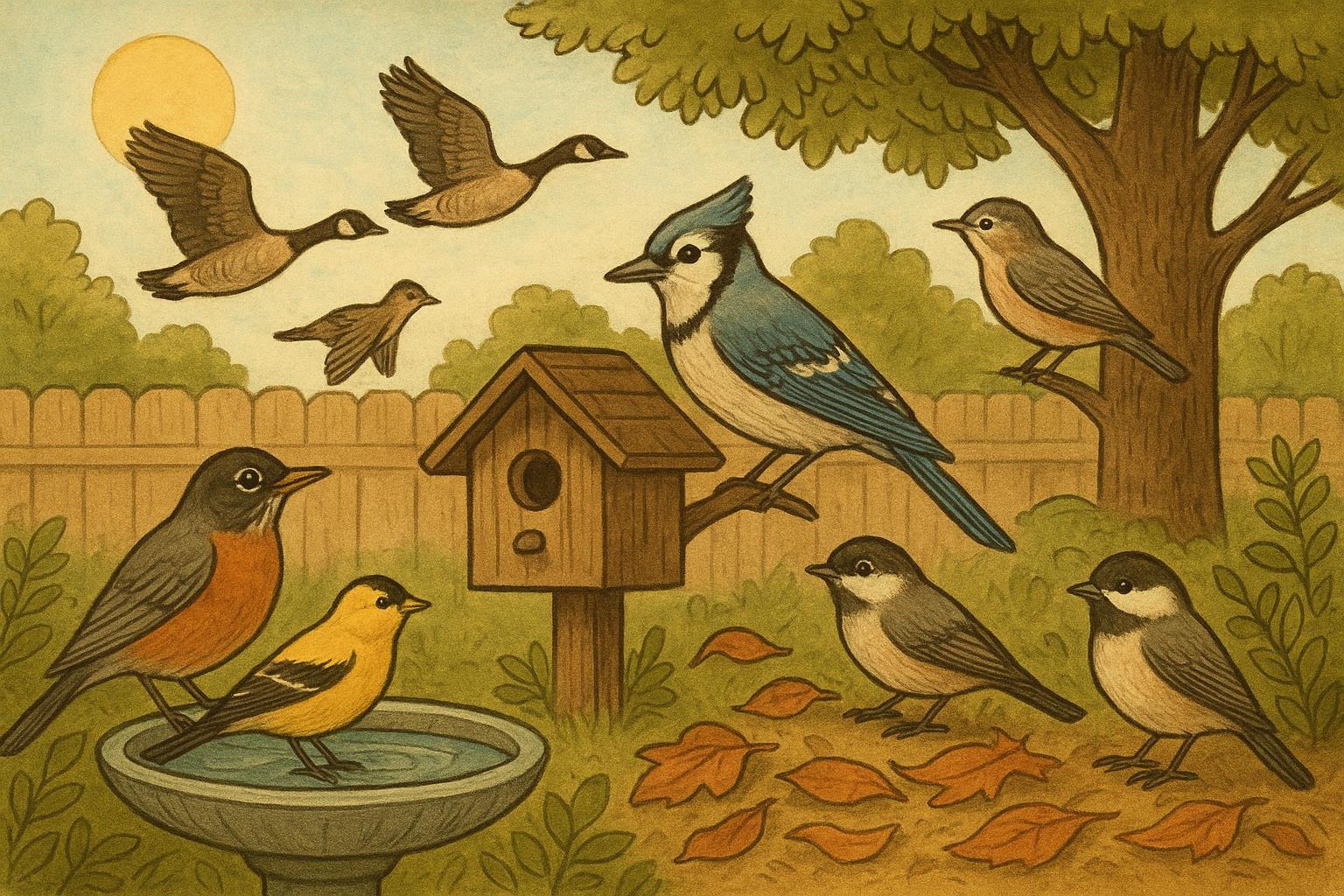
– Blue Jay: Loud, bold, and not a bluebird in the strict sense, but a familiar large blue presence at feeders and trees.
– Indigo Bunting: Smaller and intensely blue in summer males; often found in brushy edges and hedgerows.
Spotting field marks is half the fun. Size, shape, behavior (do they hawk insects, perch on wires, or inspect nest boxes?), and the presence of rufous or white on the breast will help you distinguish the species.
## Why Blue Feathers Look Blue
Birds don’t usually contain blue pigments; that sky-blue comes from feather structure scattering light. Tiny air pockets and keratin in feathers refract blue wavelengths while other colors cancel out — a neat optical trick. This is why faded or dusty feathers can appear dull: it’s a structural effect rather than a stained cloth.
Understanding this also helps when you’re assessing bird health. A clean, vibrant blue generally implies good feather condition and nutrition. Dull feathers may indicate molt, malnutrition, or underlying health issues.
## Common Behaviors And Backyard Habits
Blue birds are varied in diet and behavior. Eastern and Western bluebirds eat lots of insects in spring and summer, switching to berries in fall and winter. Mountain bluebirds are insectivores that perch on fences and sally out to catch prey. Blue Jays are opportunistic omnivores; they’ll take seeds, nuts, eggs, and sometimes small nestlings — so their presence changes how you manage other species.
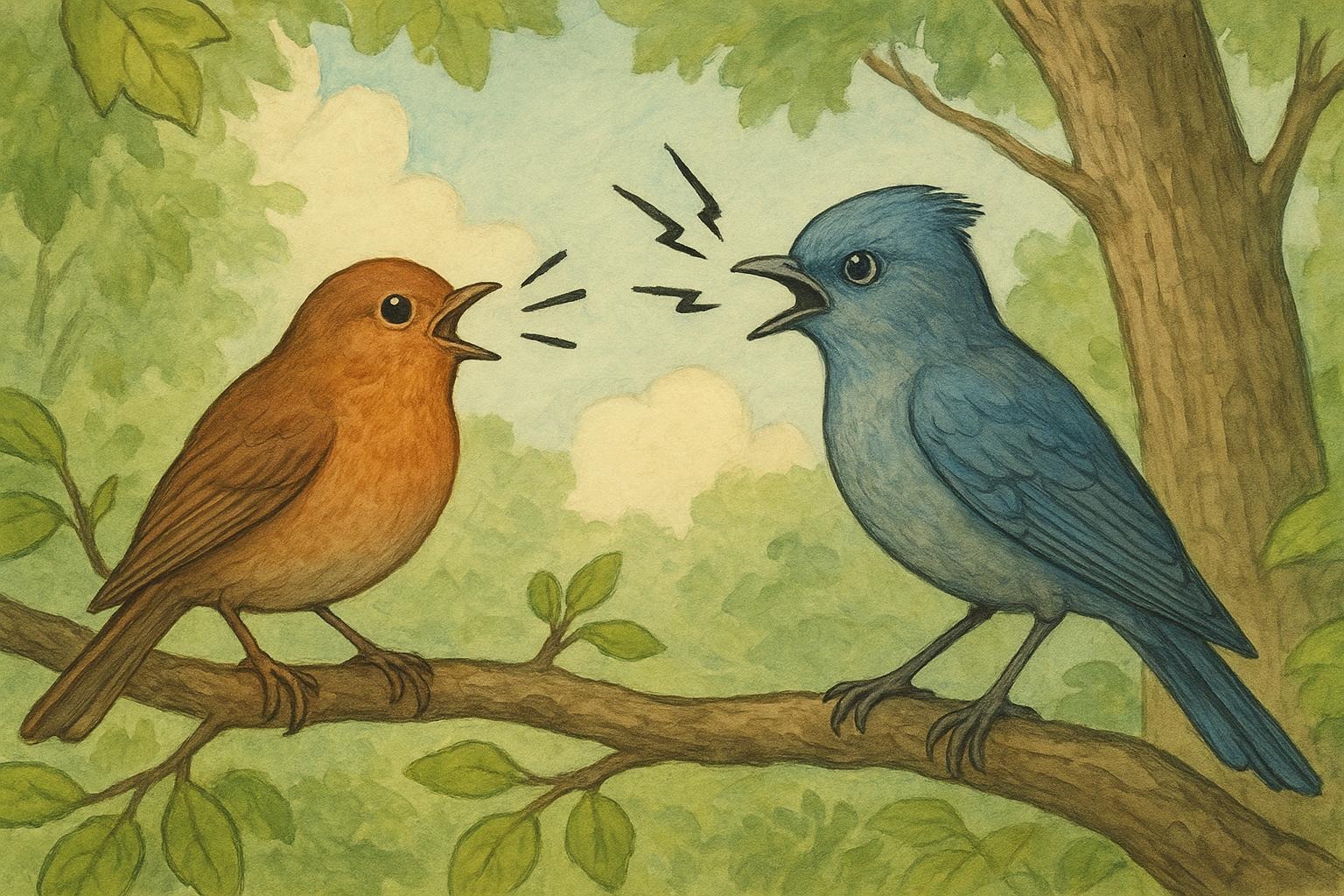
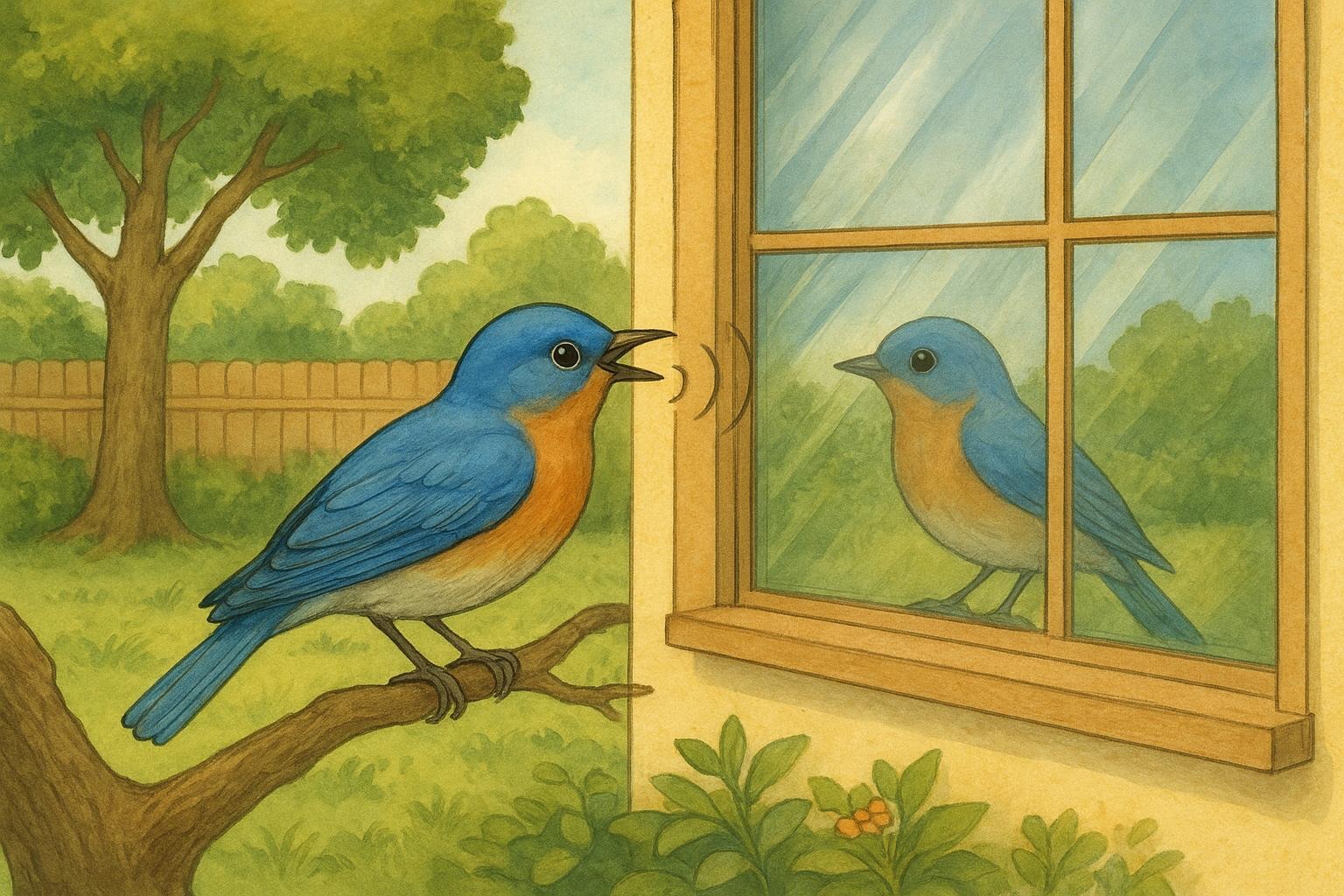
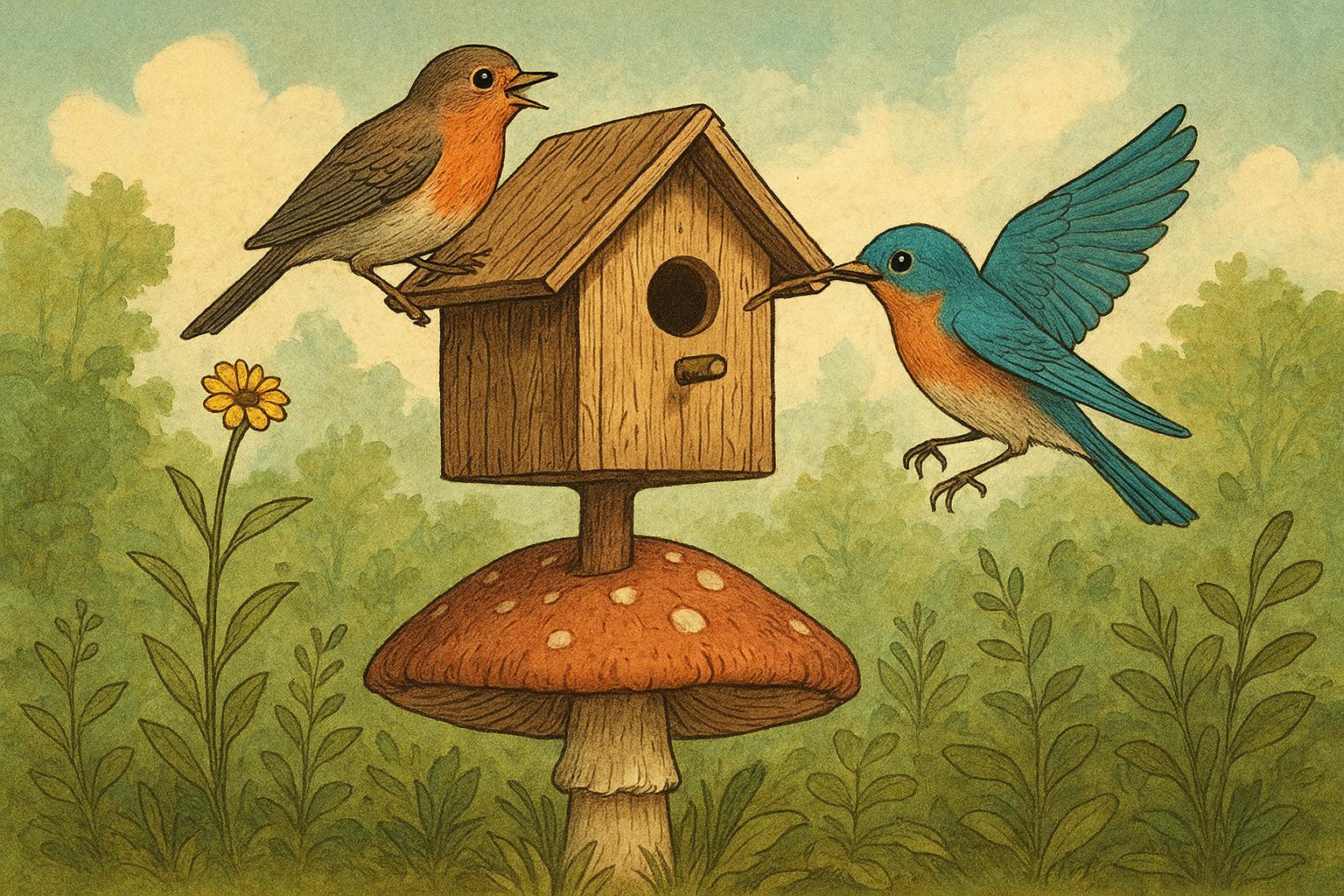
Nesting: Many bluebirds are cavity nesters. They happily use natural cavities or human-provided nest boxes. Males often scout and show potential cavities during courtship. Territorial disputes can be vocal; if you hear chattering or repeated singing perched atop a fence, someone’s staking a claim.
Migration: Some species are migratory. Count on seeing fewer blue birds in cold winters in northern climates unless you’re providing food sources they rely on.
### Remedy 1: How To Attract Blue Birds
When offering a solution, it’s important to be precise and practical. This remedy focuses on creating habitat features that align with the needs of insectivorous and cavity-nesting bluebirds.
#### Materials/Ingredients
– Nest box(s) sized for the target species (e.g., 1 1/2″ entrance hole for Eastern Bluebird)
– Mounting pole (predator-friendly with baffle)
– Mealworm feeder (optional; live or dried mealworms)
– Native berry-producing shrubs (serviceberry, dogwood, sumac)
– Short lawn or open perching area (fence posts, low branches)
– Wire mesh (for predator guards), screws, outdoor-grade paint (bluebirds prefer natural colors; use muted earth tones)
#### Steps (Formal, Informative)
1. Select the Appropriate Nest Box: Choose boxes with dimensions suited to the species you want to attract. Ensure entrance hole size matches to limit unwanted species.
2. Locate Boxes Properly: Place boxes 4–6 feet above ground in open areas with nearby perches and short grass. Avoid dense forest edges for Eastern Bluebirds; distance boxes at least 100–200 feet apart to reduce territorial conflict.
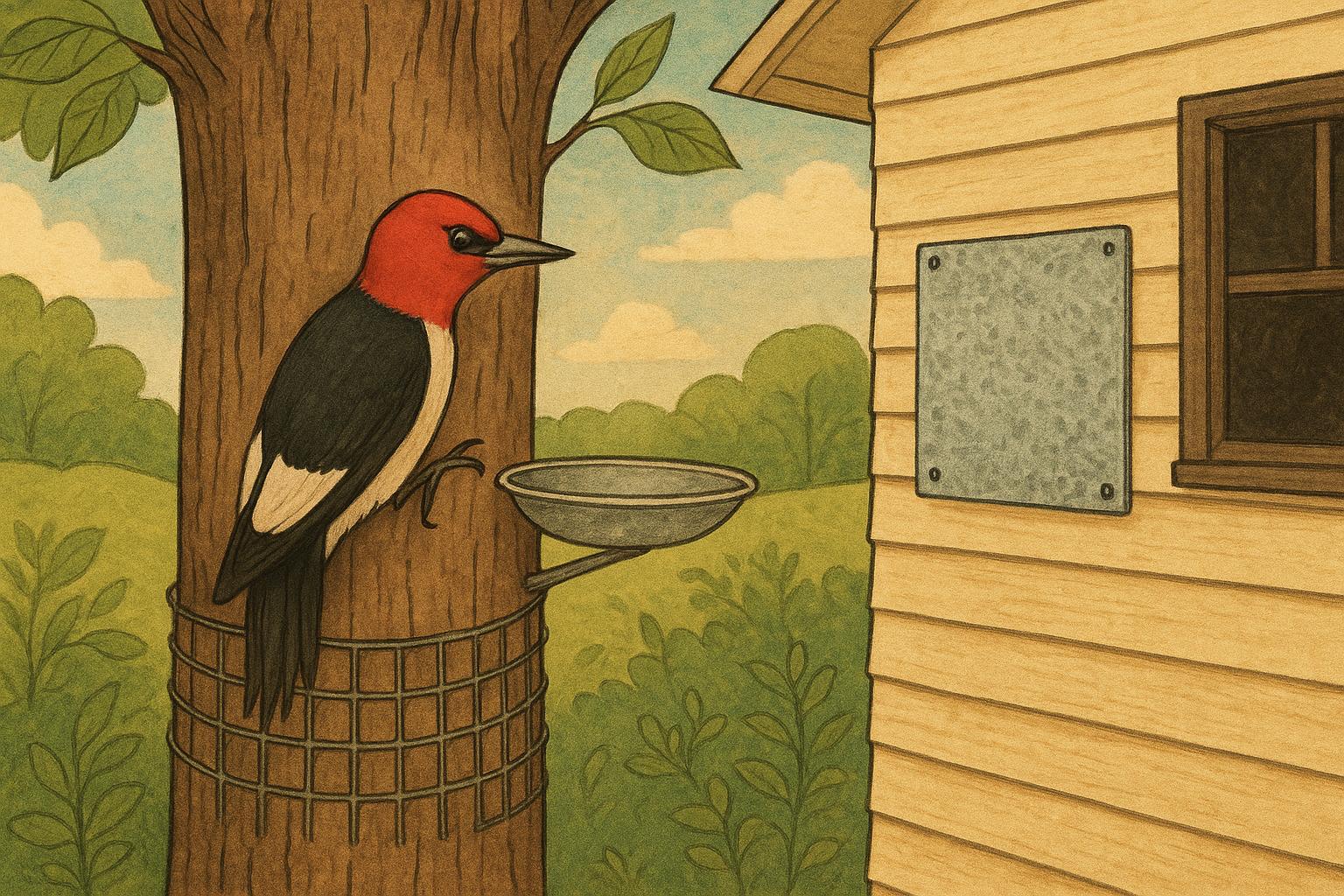
3. Install Predator Protection: Mount boxes on metal poles with a predator baffle. Avoid attaching boxes to trees where snakes and raccoons can climb.
4. Provide Food Resources: Establish native plants that produce berries in fall and winter, and maintain short grassy areas that host insects in summer. Use mealworm feeders sparingly during breeding season to supplement protein.
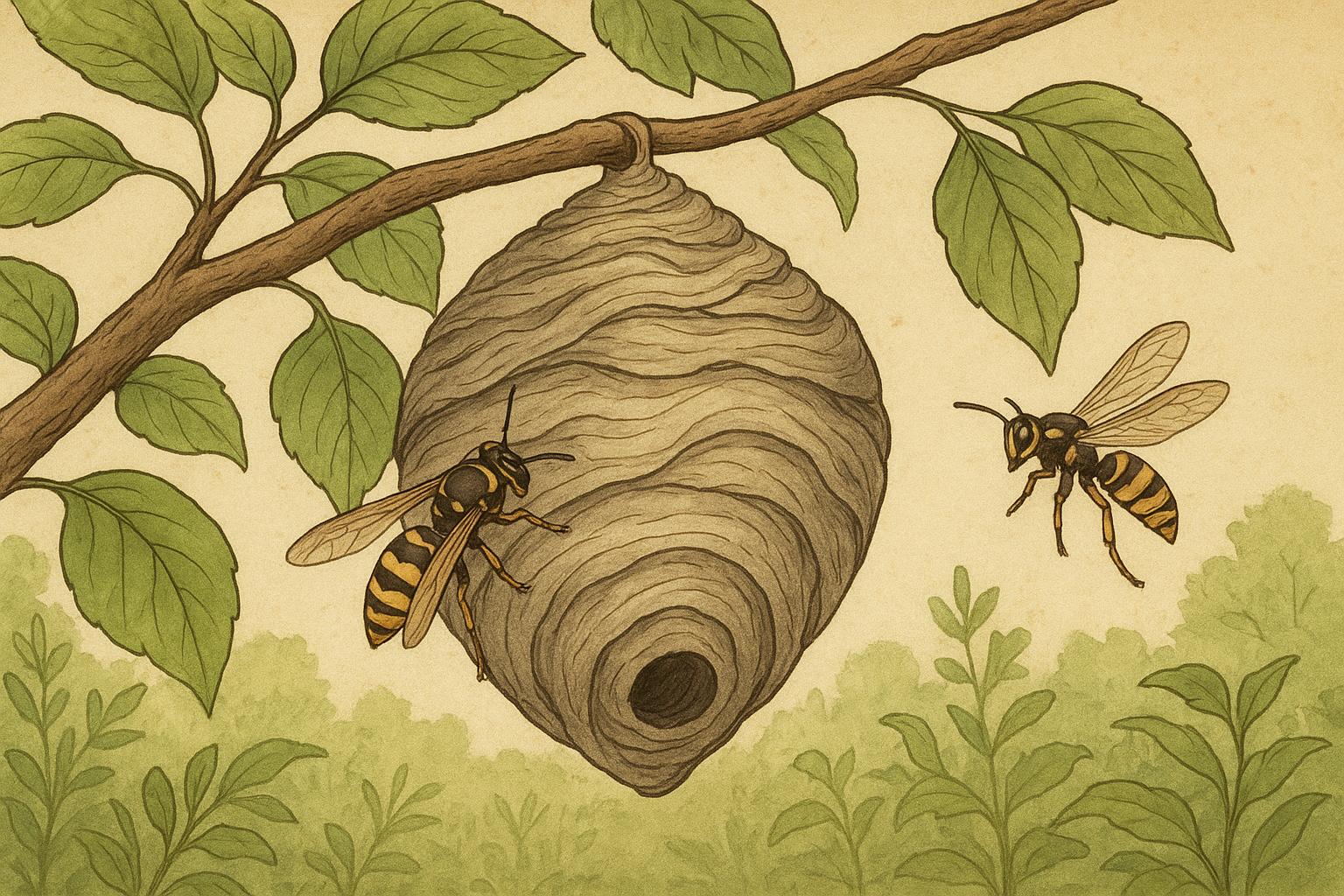
5. Monitor And Clean: Check boxes outside of breeding season for parasites, old nests, and wasp activity. Clean annually in late winter with gloves and a mild bleach solution (10% bleach), rinsing thoroughly and allowing to dry.
6. Minimize Disturbance: Once established, limit human interference near nesting boxes. Observe from a distance to avoid causing nest abandonment.
### Remedy 2: Protecting Nests From Predators
Predation is a top reason nests fail. This remedy uses practical, low-impact measures to increase nest survival rates.
#### Materials/Ingredients
– Metal mounting pole and predator baffle
– Entrance-hole guard (metal)
– Adjustable trap or deterrent devices (for persistent non-native predators)
– Folding ladder or long-reach inspection tool
– Heavy-duty gloves and basic tool kit
#### Steps (Formal, Informative)
1. Mount Boxes On Poles: Use free-standing poles rather than attaching boxes to trees. Poles reduce access for climbing predators and can be fitted with baffles.
2. Fit Metal Entrance Guards: Install metal collars around entrance holes to prevent enlargement by squirrels or woodpeckers and to deter larger predators.
3. Place Baffles Properly: Position predator baffles 2–3 feet below the nest box, sized appropriately so raccoons and snakes cannot bypass them.
4. Avoid Perches Near Box Entrances: Do not mount boxes with branches or ledges directly adjacent, as these provide launching pads for predatory birds.
5. Monitor For Signs Of Predation: Check for disturbed nests, eggshells, or broken eggs. If a non-native invasive predator is identified and persists, consult local wildlife control professionals; use humane, legal control measures only.
6. Record And Adjust: Keep a simple log of nesting outcomes and adjust placement or protection methods based on observed risks.
### Remedy 3: Managing Competition And Nest Boxes
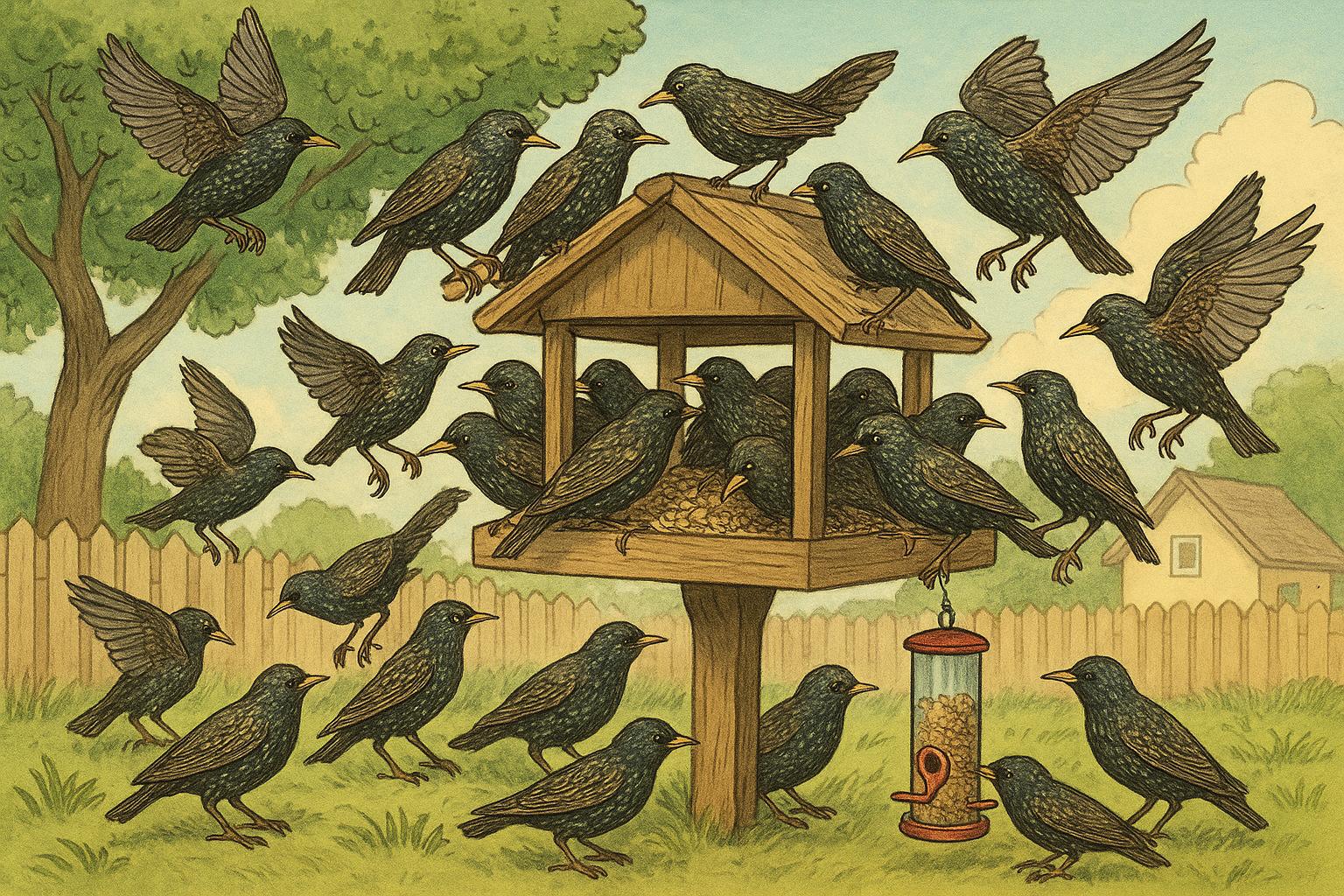
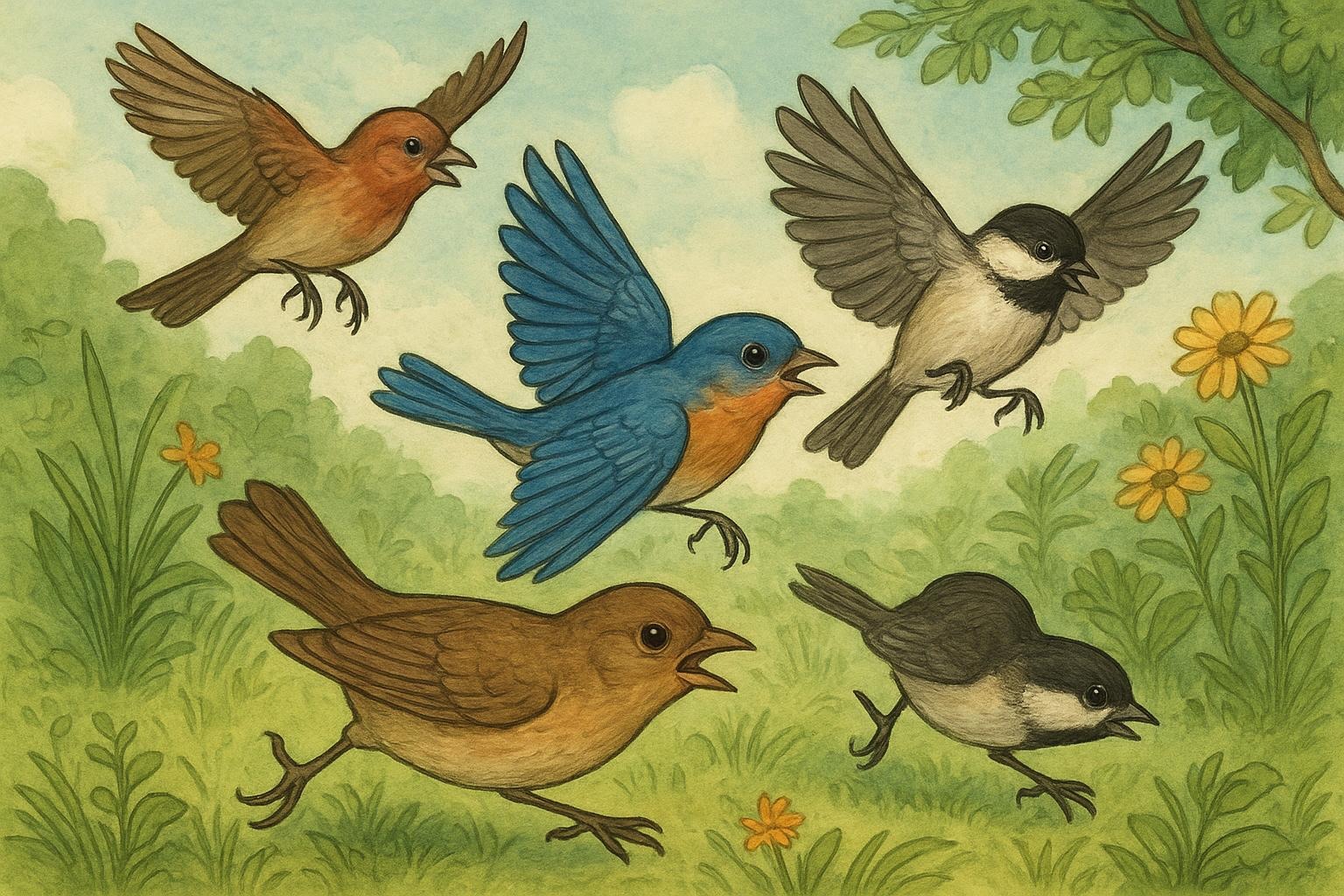
Competition from starlings, house sparrows, and even aggressive blue jays can displace desirable blue birds. This remedy addresses exclusion and management.
#### Materials/Ingredients
– Starling-proof nest boxes or entrance-hole reducers
– Trap and remove tools only if legal in your area (local regulations vary)
– Visual deterrents for sparrows (reflective tape used sparingly)
– Educational signage if in a shared community space
#### Steps (Formal, Informative)
1. Use Species-Specific Box Designs: Install boxes with entrance holes and dimensions that favor bluebirds over starlings and house sparrows (e.g., 1 1/2″ hole, interior dimensions tailored to bluebirds).
2. Remove Aggressive Competitors Legally: Where house sparrows or starlings are a problem, follow local wildlife regulations for removal. Non-lethal exclusion through physical exclusion and habitat modification is preferred.
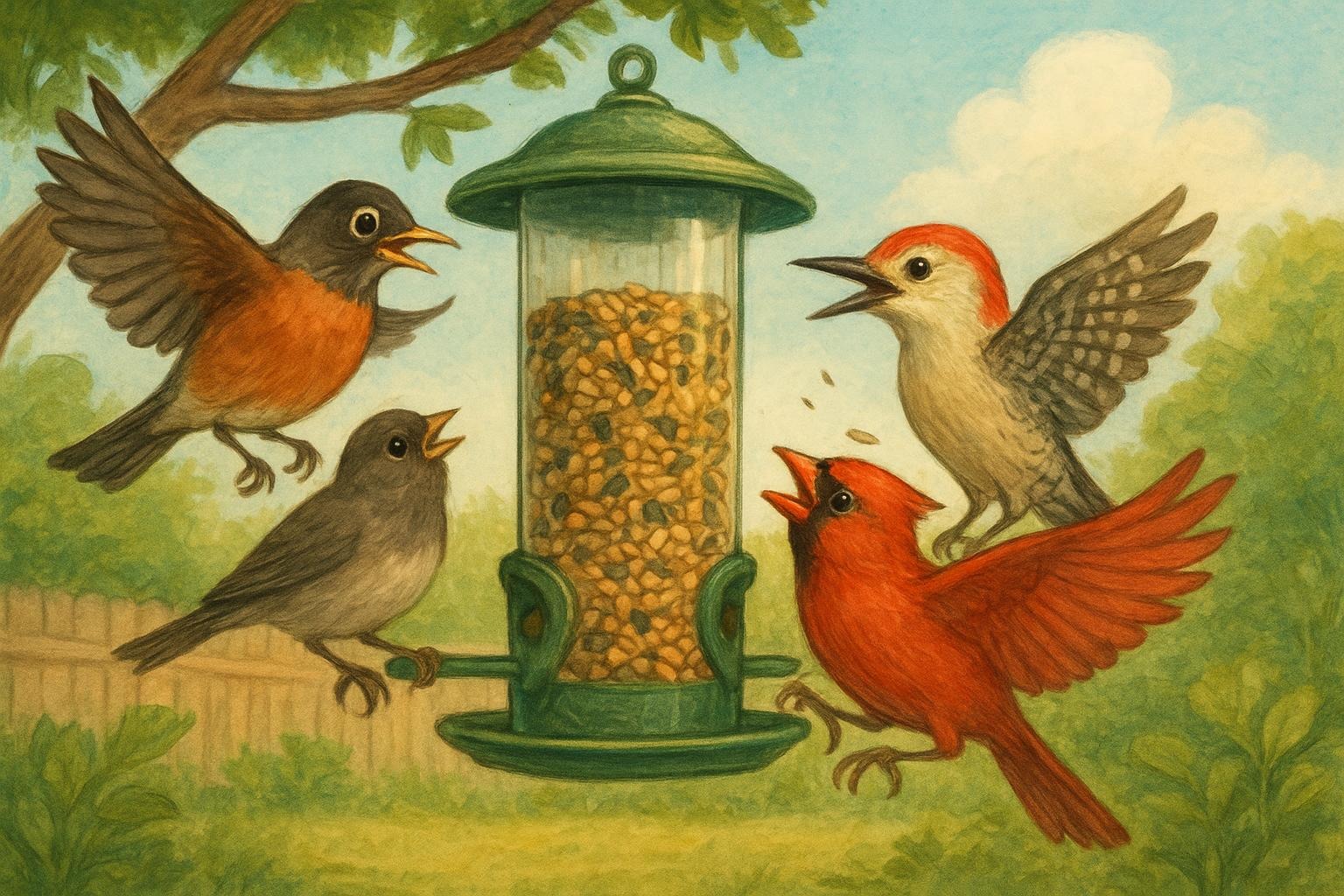
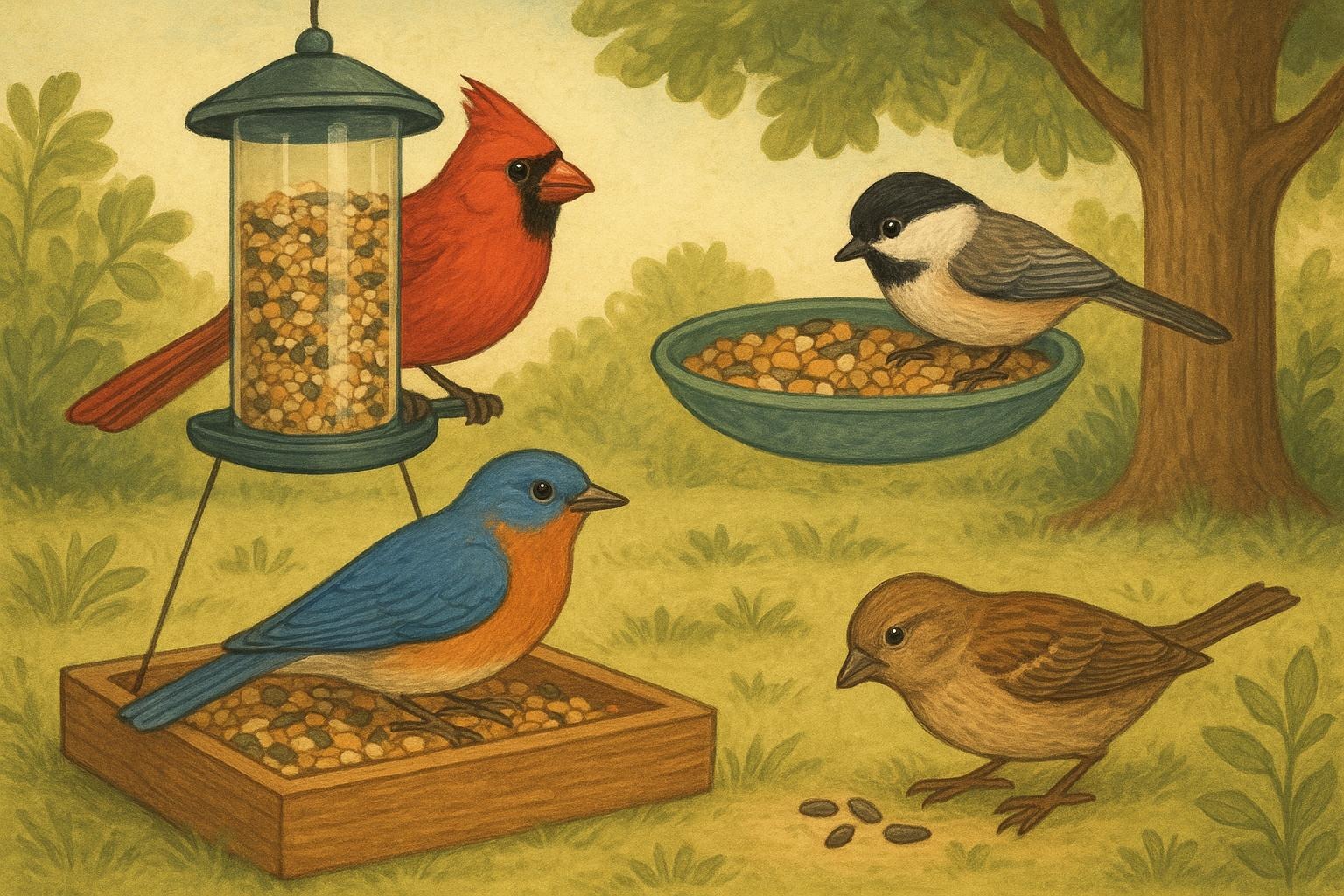
3. Limit Food Attractants For Unwanted Species: Place seed feeders away from nesting areas; sparrows and starlings are more likely to be attracted to large seed mixes. Offer suet or mealworms in controlled feeders closer to nest boxes if needed.
4. Regular Monitoring And Management: Inspect boxes weekly during nesting season. Remove house sparrow nests immediately before egg-laying, following local guidance to ensure compliance with wildlife laws.
5. Community Coordination: In shared green spaces, coordinate with neighbors to reduce attractive habitat for competitors and standardize box designs to benefit bluebirds regionally.
## Seasonal Care For Blue Birds
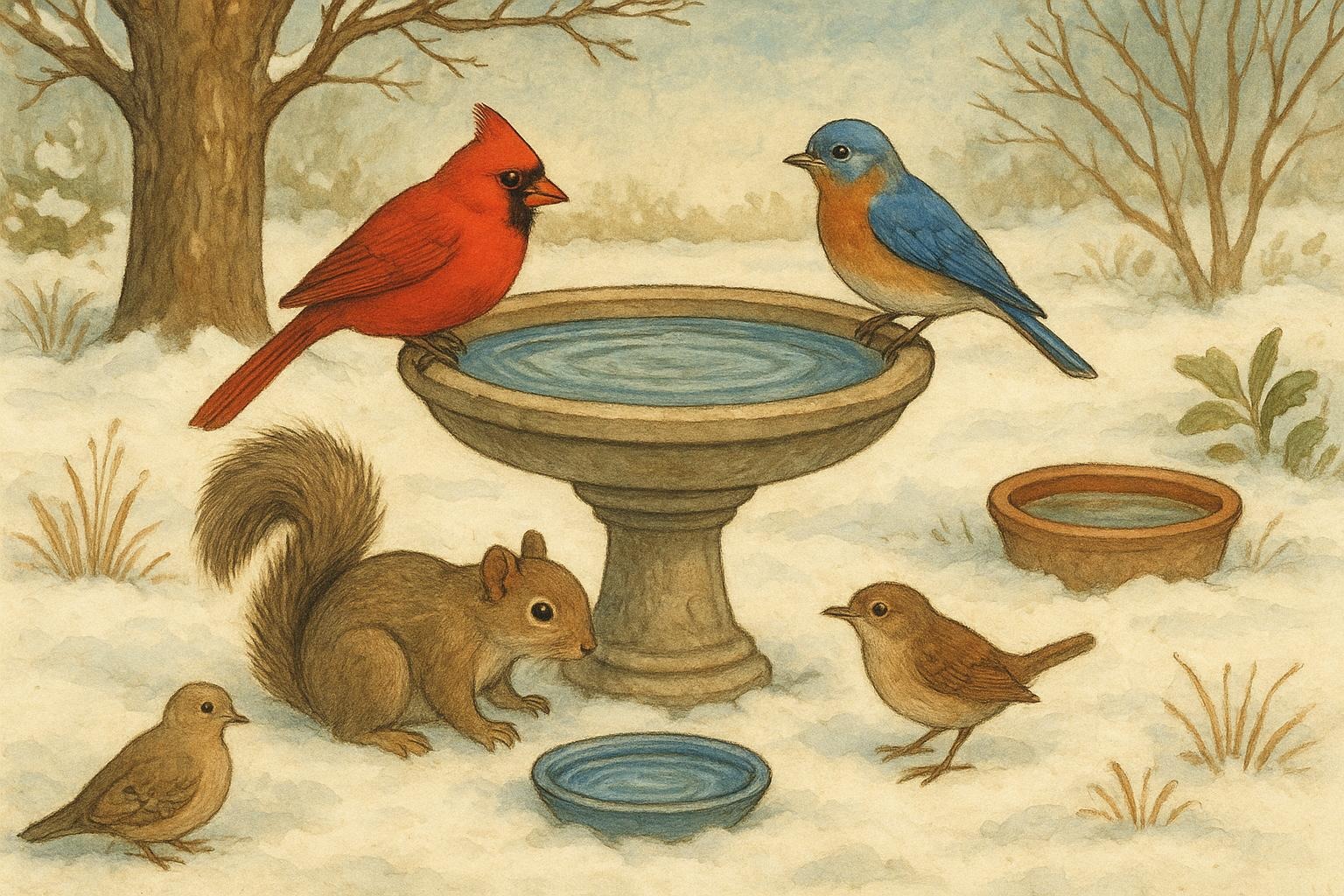
Spring and early summer require nest box readiness and food availability. In fall, focus on transitioning to berry-producing plantings and reducing pesticide use to protect the winter food web. Winter care is minimal for most true bluebirds — they rely on native fruits and open foraging areas — but supplemental mealworms in extreme cold can help. Always consult local birding groups for timing of migrations and species-specific recommendations.
## Common Problems And When To Call A Professional
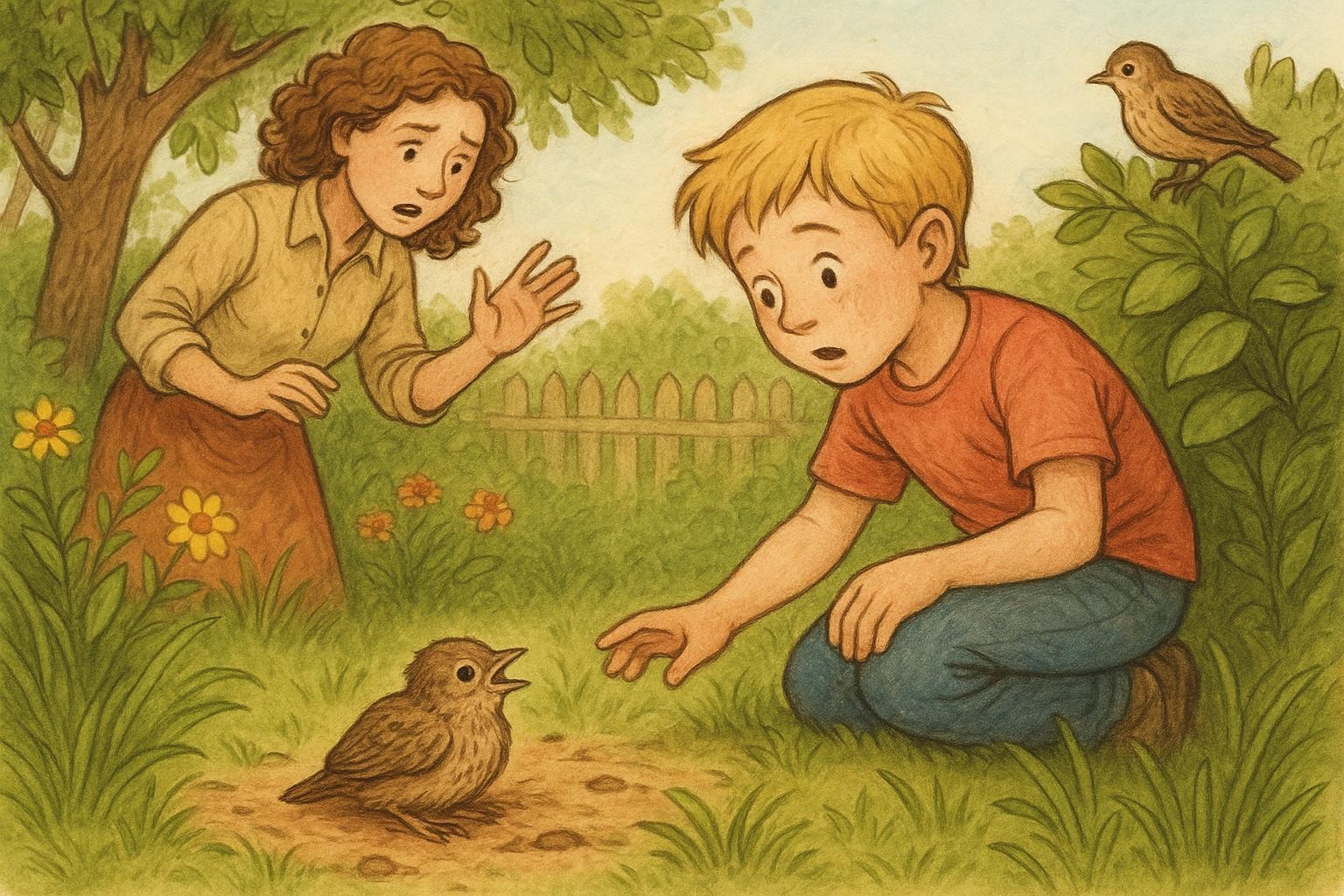
Diseases (mites, avian pox), severe predator pressure, or structural nest box damage sometimes need more than DIY fixes. Call a licensed wildlife rehabilitator or local extension office if you find injured birds, chicks out of the nest, or signs of disease (bloody droppings, lethargy, fluffed feathers). For persistent predator issues or legal questions about trapping and removal, contact your local wildlife agency; they can advise on lawful, humane solutions tailored to your region.
Keep a notebook of observations: species present, nest outcomes, and predator encounters. That simple record will help professionals give accurate advice and will improve your success attracting more blue birds next season.

Leave a Reply