## Pollinator Garden Basics For Butterfly Gardeners
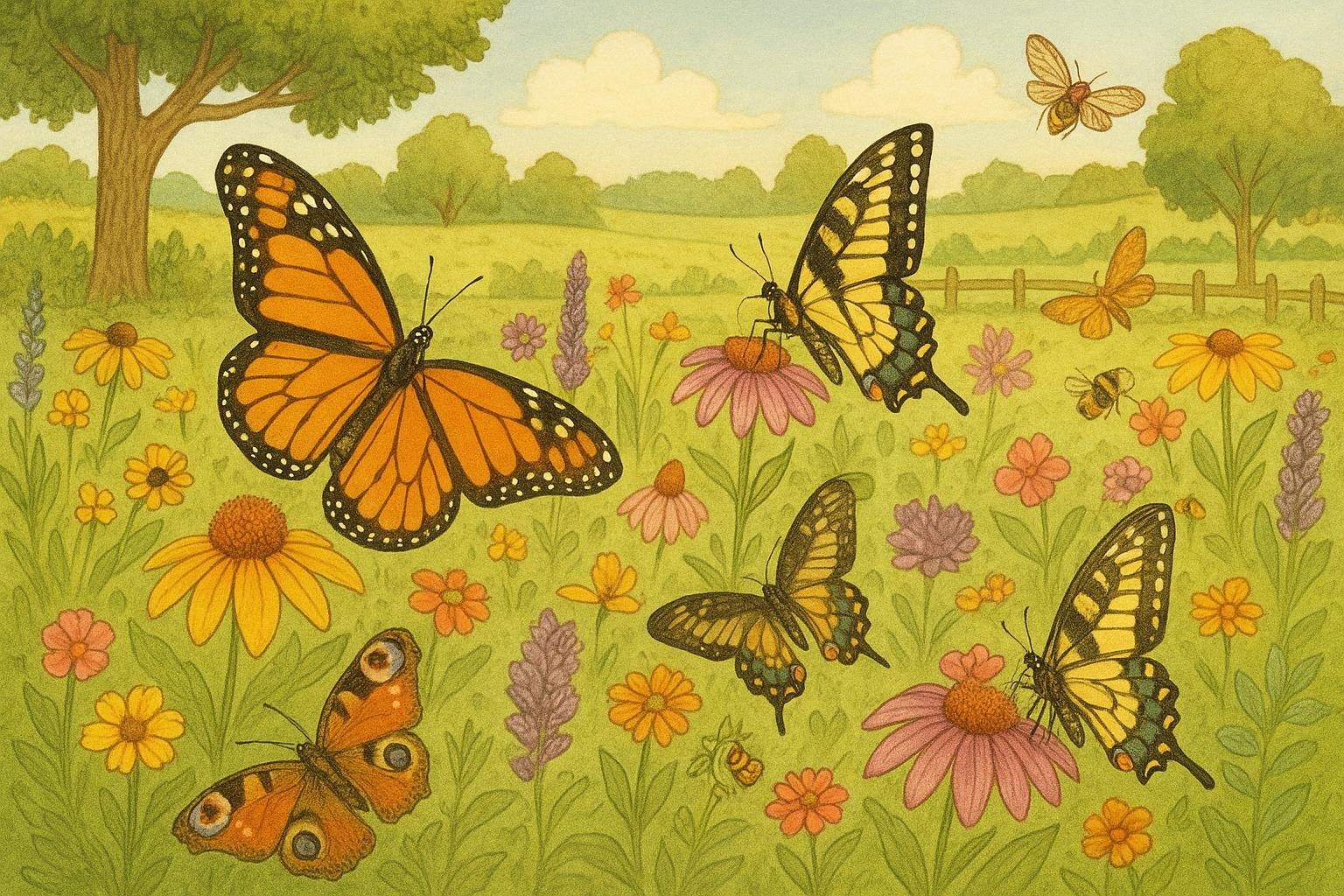
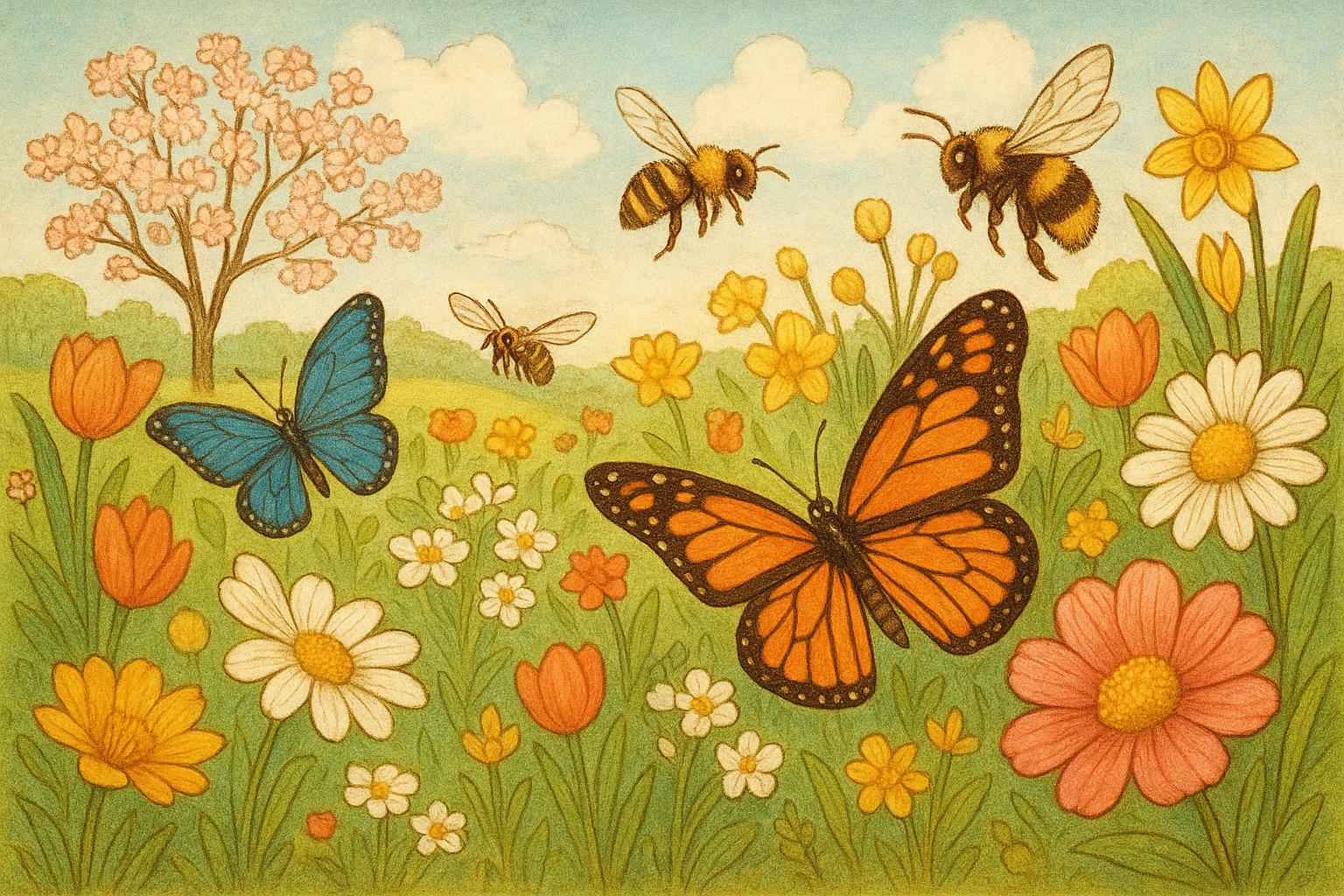
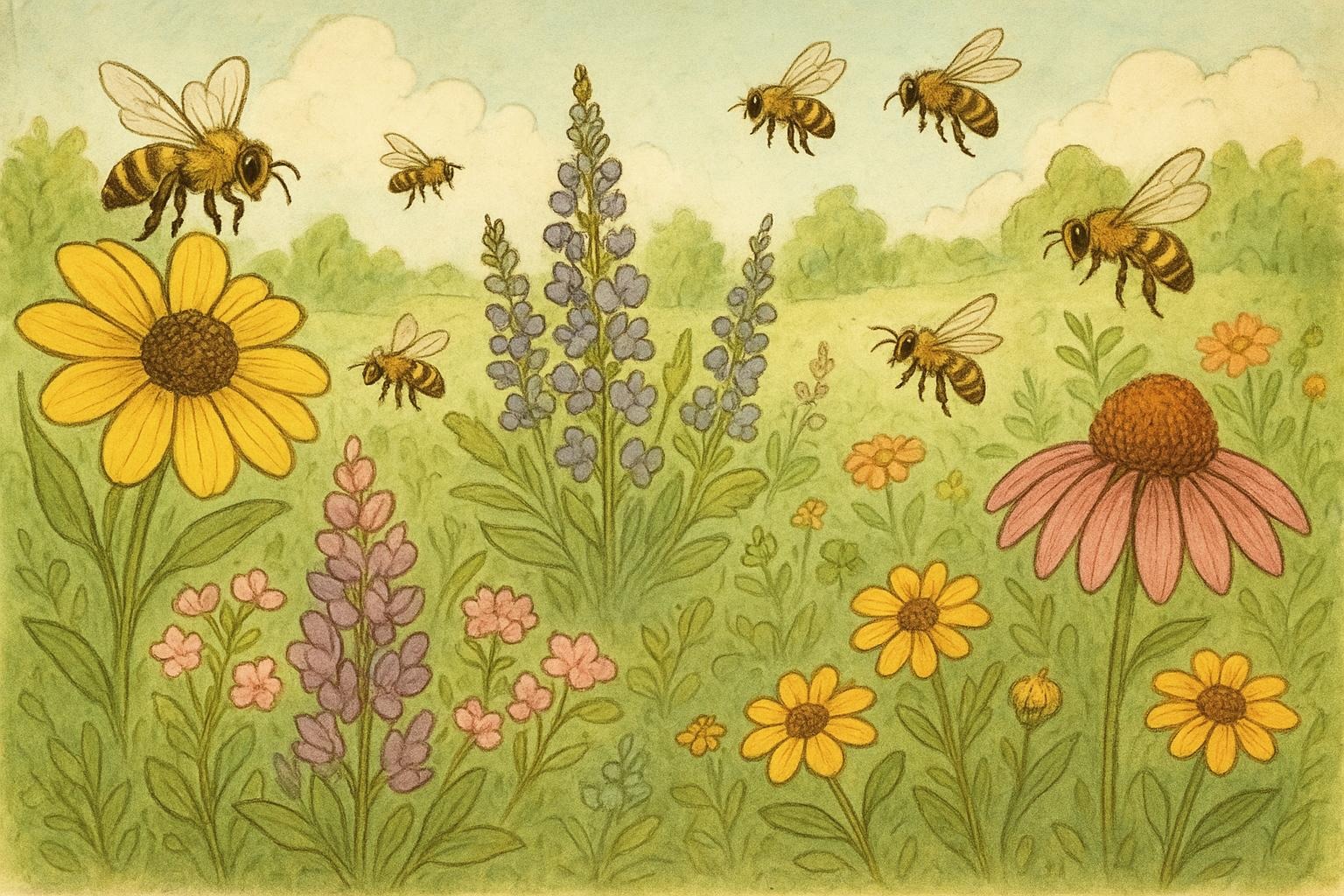
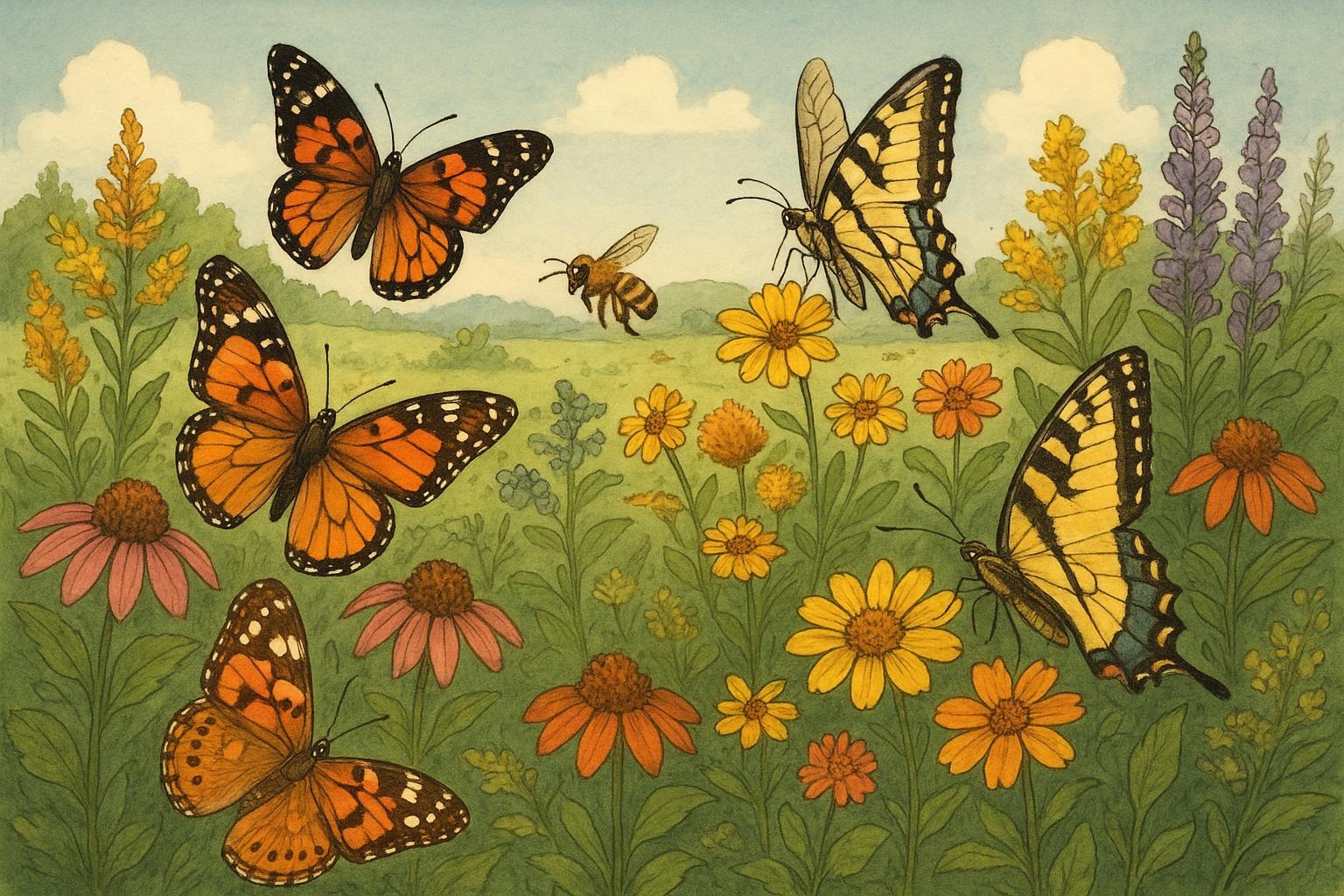
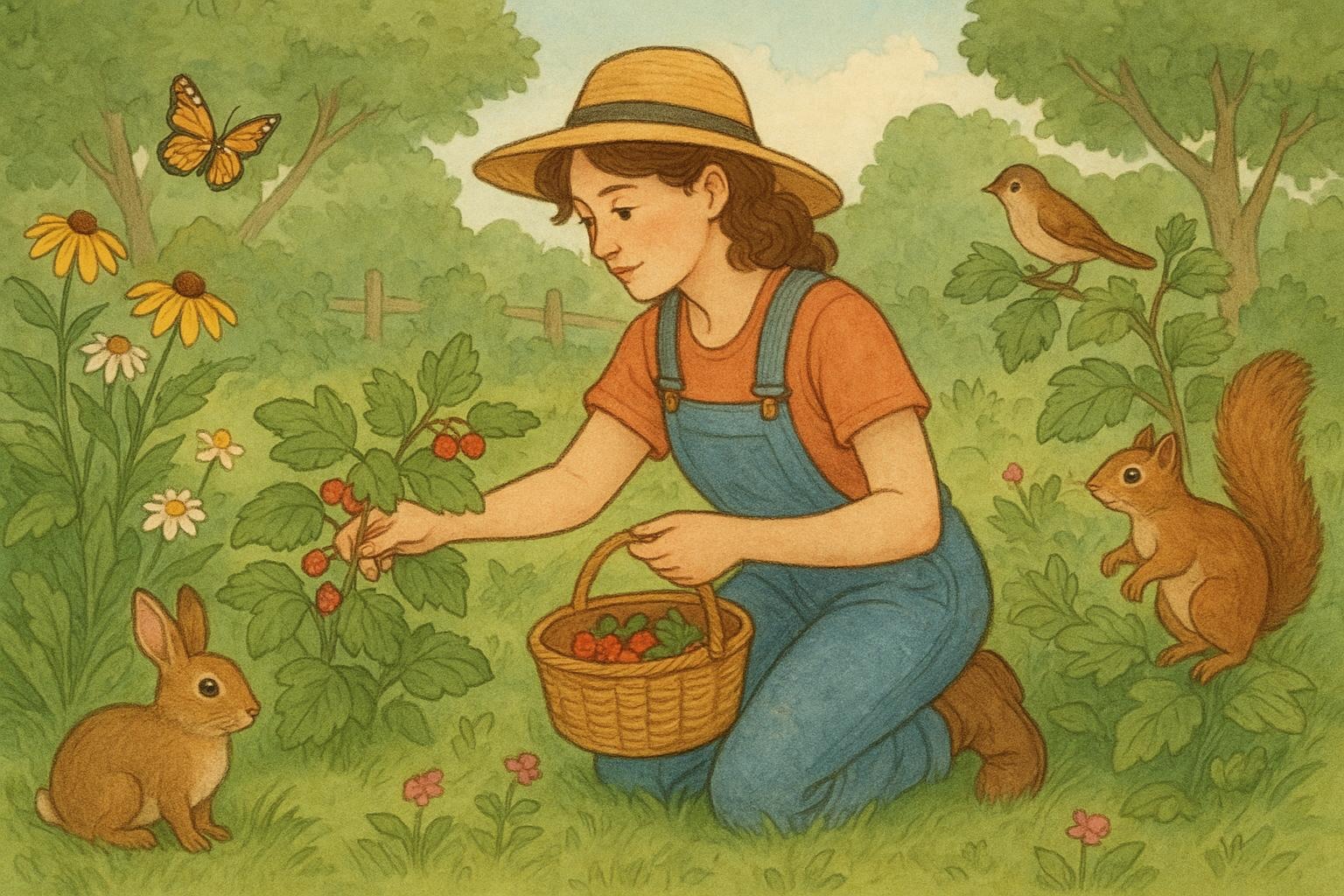
If you’re reading this, you probably love butterflies—or at least have a soft spot for those graceful flutterers that turn a backyard into a living watercolor. A pollinator garden is your best invitation to them. Think of it as a buffet, guesthouse, spa, and maternity ward all rolled into one for insects that move pollen around and keep ecosystems humming.
A well-planned pollinator garden does more than look pretty. It supports entire life cycles: flowering plants for adult butterflies to feed, host plants for caterpillars, sheltered spots for roosting, and places to find water and minerals. Butterflies are picky about their needs: they want sun, flowers with nectar, and a few safe corners to lay eggs. Give them that, and you’ll get daylight dancing in return.
### Why Butterflies Love A Pollinator Garden
Butterflies need three core things: nectar sources, host plants, and safe microhabitats. Flowers provide the fuel; host plants are where caterpillars eat and grow; and microhabitats—sunny perches, flat rocks, and undisturbed leaf litter—offer shelter and thermoregulation spots. A pollinator garden that addresses each of these needs will see higher visitation, more successful breeding, and a greater diversity of species.
Timing matters. Early-blooming trees and late-season asters stretch the dance card for butterflies, meaning they find food across the seasons. Native plants often outperform exotics because local butterflies have coevolved with them. And diversity—structural and botanical—is more valuable than sprawling monocultures.
### Designing With Nectar, Host, And Shelter In Mind
Design the garden as a layered habitat. Arrange plantings so sunny perches are adjacent to nectar-rich borders. Group the same species in clusters rather than scattering single plants; clumps are more visible to butterflies and more efficient for their flight paths. Include varying heights—groundcovers, mid-height perennials, and taller shrubs or small trees—to create vertical complexity.
Avoid pesticides. Even so-called “safe” products can harm beneficial insects. Instead, use integrated pest management: monitor, encourage natural predators, and only treat problem areas with targeted, least-toxic measures when truly necessary.
#### Sun, Soil, And Water
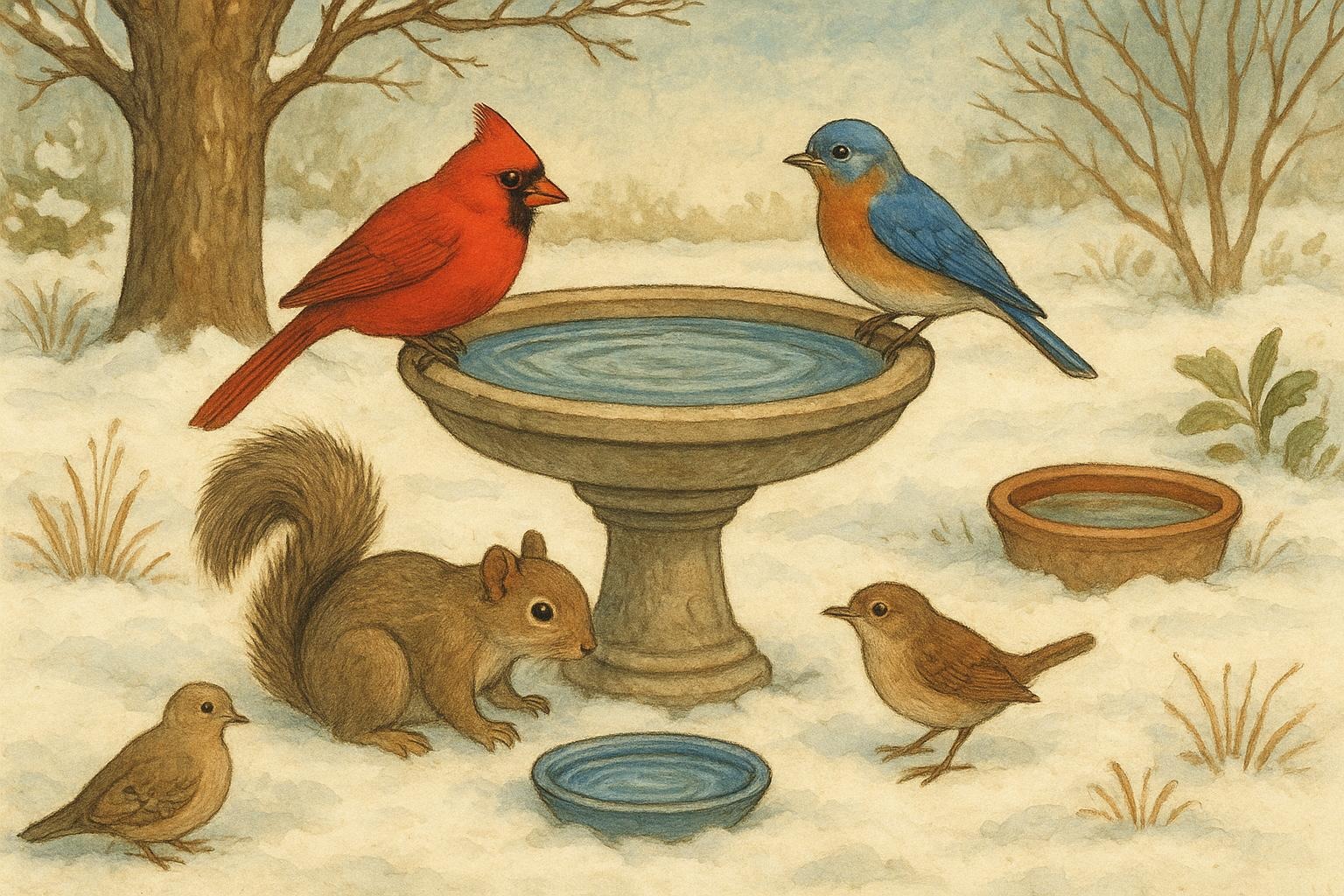
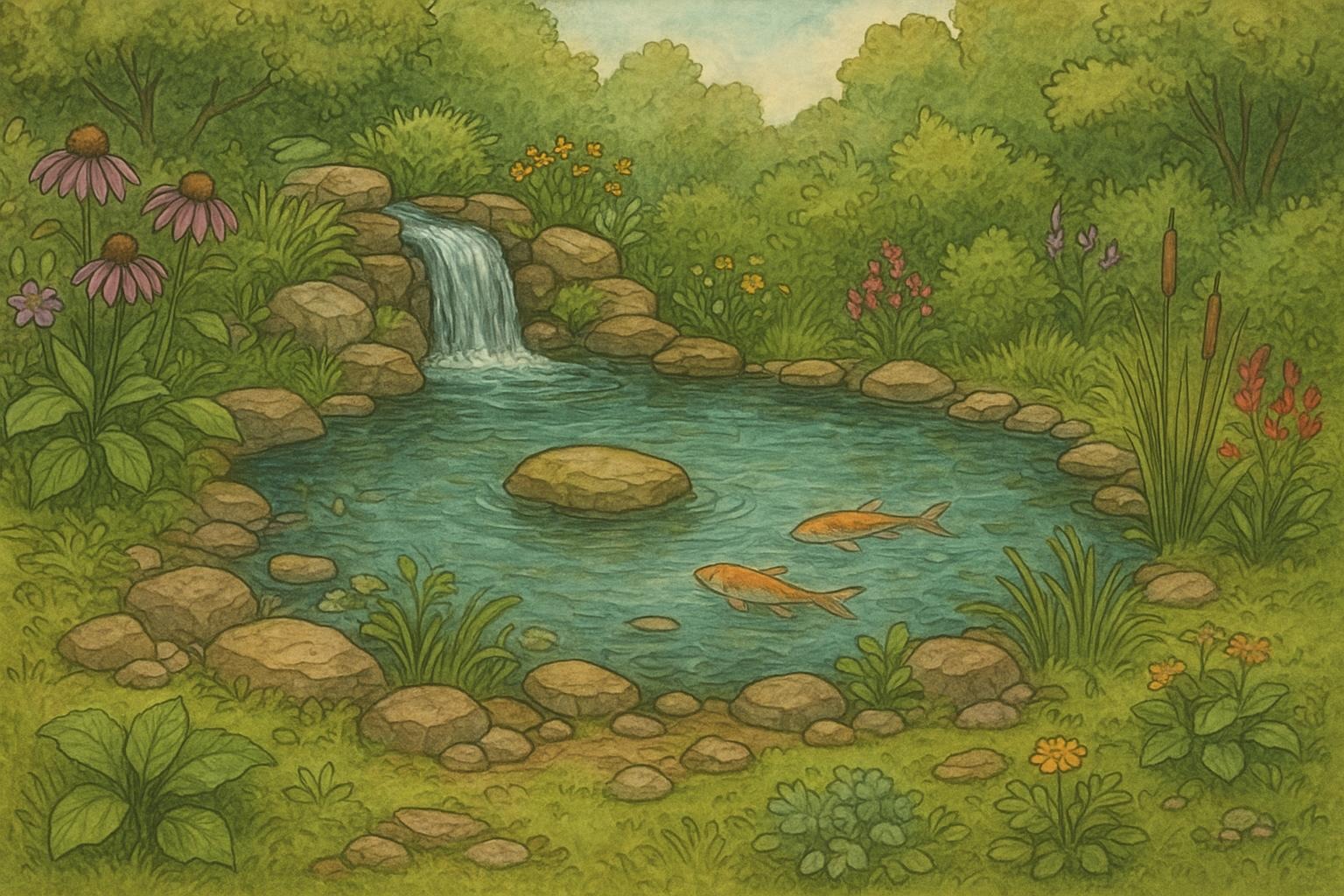
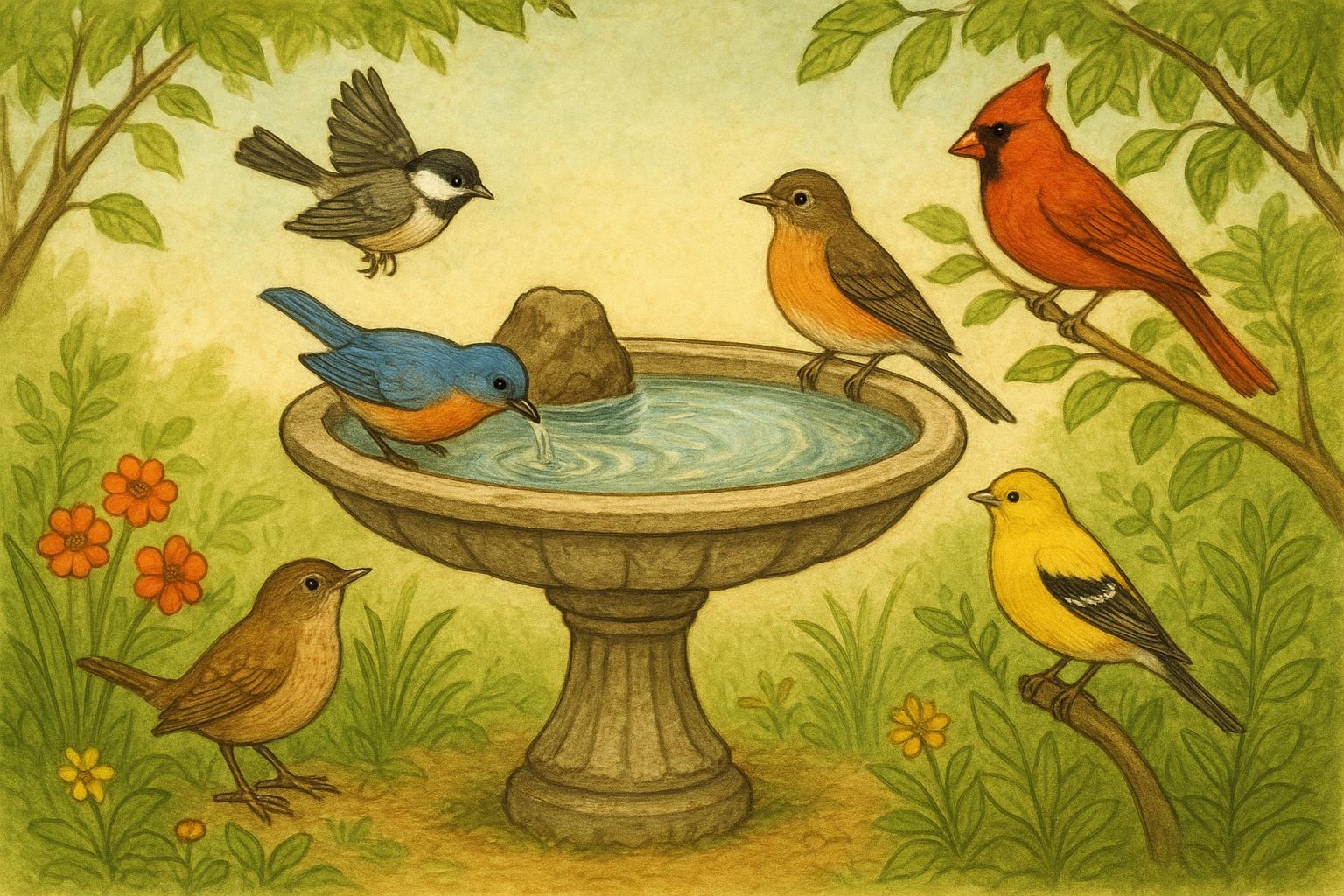
Most butterflies favor sunny, sheltered locations. Aim for at least six hours of sunlight for the primary butterfly-attracting area. Soil doesn’t have to be perfect—many natives thrive in lean soils—but drainage is important. Provide a shallow water source or a “puddling” area where butterflies can sip and obtain minerals. A flat stone in a shallow dish of damp sand will be used more than you’d expect.
#### Planting For Continuous Bloom
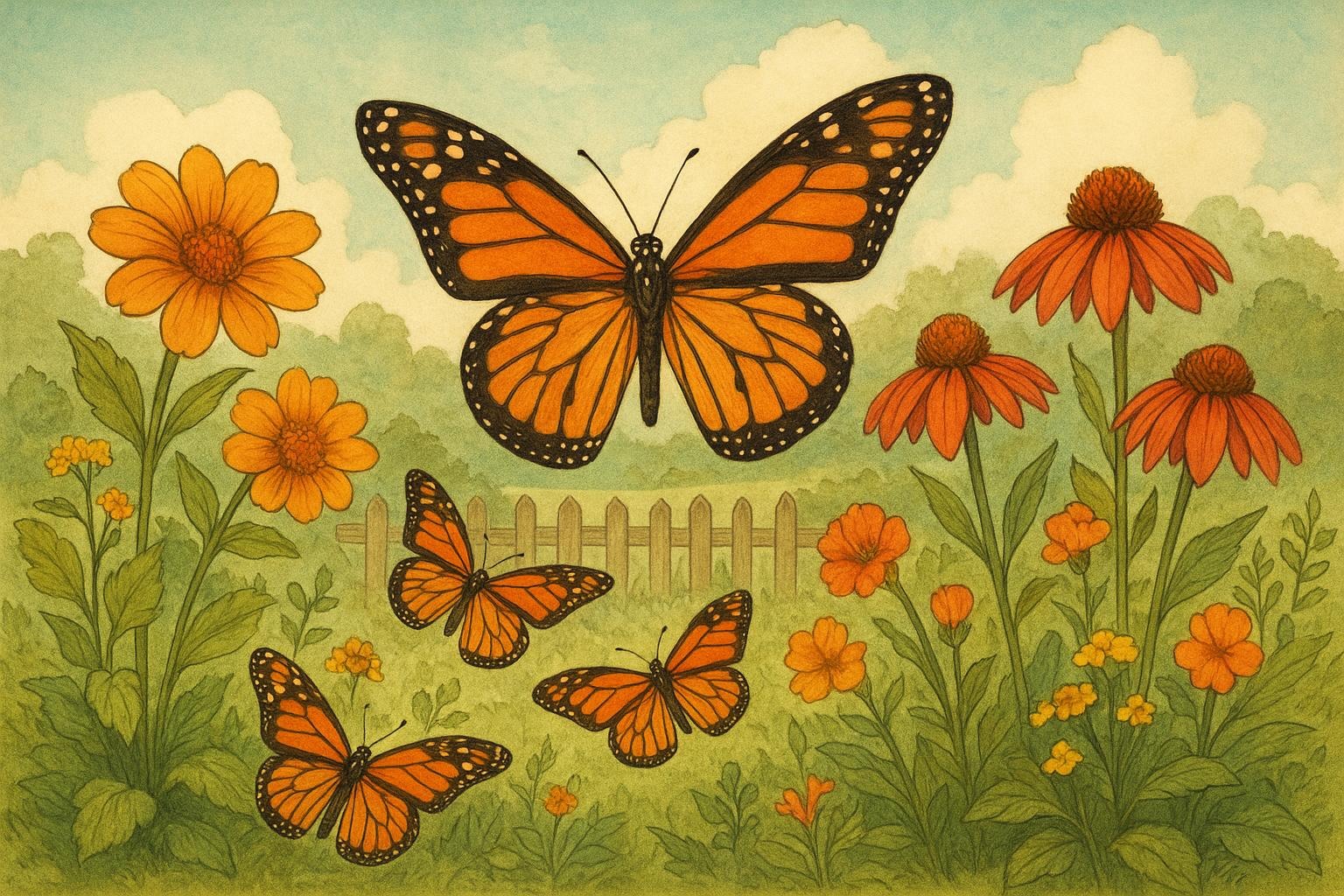
Stagger bloom times so nectar is available from spring through fall. Use early-blooming species like milkweed and native salvias, midsummer staples like coneflowers and black-eyed Susans, and late-season asters and goldenrods. Don’t forget shrubs like butterfly bush (Buddleja) in areas where it’s appropriate and non-invasive, or native substitutes where required.
## 1. Remedy: Build A Simple Pollinator Garden Bed
When you want to create a dedicated space that attracts and supports butterflies, follow this structured approach. The steps below are formal and procedural to ensure predictable, effective results.
Materials/Ingredients:
– Shovel, garden fork, and rake
– Compost or well-rotted organic matter (2–4 cubic feet)
– Native perennial plants: three nectar species, two host species, one shrub or small tree (see suggestions below)
– Mulch (2–3 inches of shredded bark or leaf mulch)
– Flat stones (2–4 for basking)
– Shallow saucer or tray and coarse sand for puddling station
– Garden twine and stakes (optional for layout)
Recommended Plant Suggestions:
– Nectar: Salvia nemorosa, Echinacea spp. (coneflower), Rudbeckia fulgida (black-eyed Susan)
– Host Plants: Asclepias spp. (milkweed for monarchs), Passiflora (passionvine for some fritillaries), native violets for fritillary caterpillars
– Shrub: Ceanothus, manzanita, or native serviceberry (as local climate/region permits)
Step-By-Step Creation:
1. Choose Location: Select a sunny, sheltered site with at least six hours of sun. Avoid heavy shade.
2. Prepare Soil: Remove turf and weeds from the planting area. Loosen soil to a depth of 8–12 inches with a garden fork. Incorporate 1–2 inches of compost into the loosened soil; mix thoroughly for improved structure and fertility.
3. Layout Design: Use garden twine to define bed edges and create planting groups. Place taller plants toward the back or center, with shorter ones in front. Group each species in clumps of 3–7 plants for visibility.
4. Planting: Dig holes twice the width of the root ball but no deeper. Position plants at original soil level and firm soil gently around roots. Water each plant thoroughly after planting.
5. Mulching: Apply 2–3 inches of organic mulch, keeping it a few inches away from stems to prevent rot. Mulch conserves moisture and suppresses weeds without suffocating young roots.
6. Install Stones and Puddling Station: Set flat stones into the soil for basking. Fill a saucer with coarse sand and keep it damp; add a shallow dish of water if desired. Place these in sunny, accessible spots.
7. Maintenance Schedule: Water deeply once per week for the first season unless rain provides moisture. Replenish mulch annually. Monitor for pests and use hand removal or targeted biologicals if necessary.
Application Notes:
– Observe and adapt planting based on local butterfly species. Replace underperforming plants after one season if they attract few visitors.
– Avoid broad-spectrum insecticides in and near the bed.
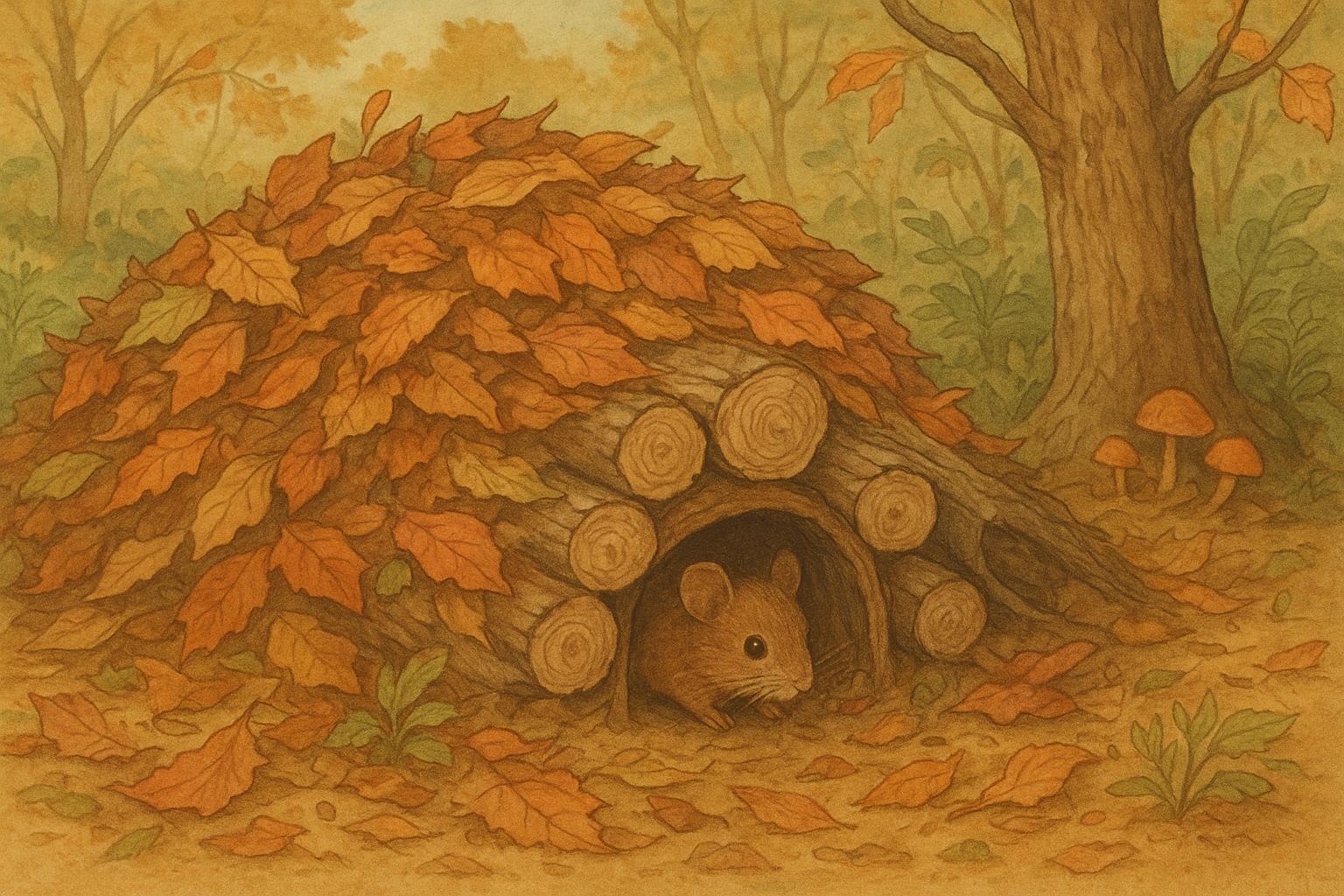
– Keep a small section of leaf litter or stems through winter for overwintering pupae and eggs, but tidy in spring once butterflies emerge.
### When To Plant And How To Space
Plant in spring after the last frost or autumn in mild climates. Spacing depends on mature plant size; commonly space perennials 12–24 inches apart to allow for growth without crowding. Document bloom times in a simple calendar to ensure seasonal continuity.
## 2. Remedy: Create A Butterfly Puddling Station
Butterfly puddling is a behavior where butterflies gather moisture and minerals from damp soil, puddles, or mud. Providing a controlled puddling station increases their ability to hydrate and obtain essential salts, especially for males depositing nutrients during mating. This remedy is presented formally to ensure correct construction and long-term utility.
Materials/Ingredients:
– Shallow plastic saucer or ceramic dish (6–12 inches diameter)
– Coarse sand or fine gravel
– Sea salt or garden-grade mineral salt (very small amount)
– Fresh water
– Flat stone for perching
– Optional: small tray to raise saucer above mulch level
Step-By-Step Creation And Application:
1. Select Site: Choose a sunny spot near your main pollinator garden, preferably where butterflies already frequent.
2. Prepare Base: Place a flat stone or small tray to stabilize the saucer. This improves drainage and prevents saucer sinking into soil.
3. Fill With Sand/Gravel: Add a 1–2 inch layer of coarse sand or fine gravel to the saucer to mimic natural muddy conditions.
4. Add Water And Salt: Moisten the sand until damp but not flooded. Dissolve a pinch (no more than 1/8 teaspoon) of sea salt in a cup of water and pour gently to moisten the sand; this supplies minerals. Replenish with plain water as needed, and add the saline solution sparingly once a week in dry weather.
5. Provide Perch: Place a flat stone partially in the saucer so butterflies can land and sip comfortably.
6. Monitor And Maintain: Keep the sand damp, replacing it periodically if it becomes moldy or clogged with organic debris. Clean the saucer monthly to prevent mosquito breeding by rinsing and refilling.
Application Notes:
– Do not add fertilizers or chemical additives to the puddling station.
– In very hot weather, place the station in partial shade to prevent rapid evaporation while still allowing moderate warmth.
– Use multiple small stations spaced throughout large gardens to accommodate more visitors.
### Additional Habitat Enhancements
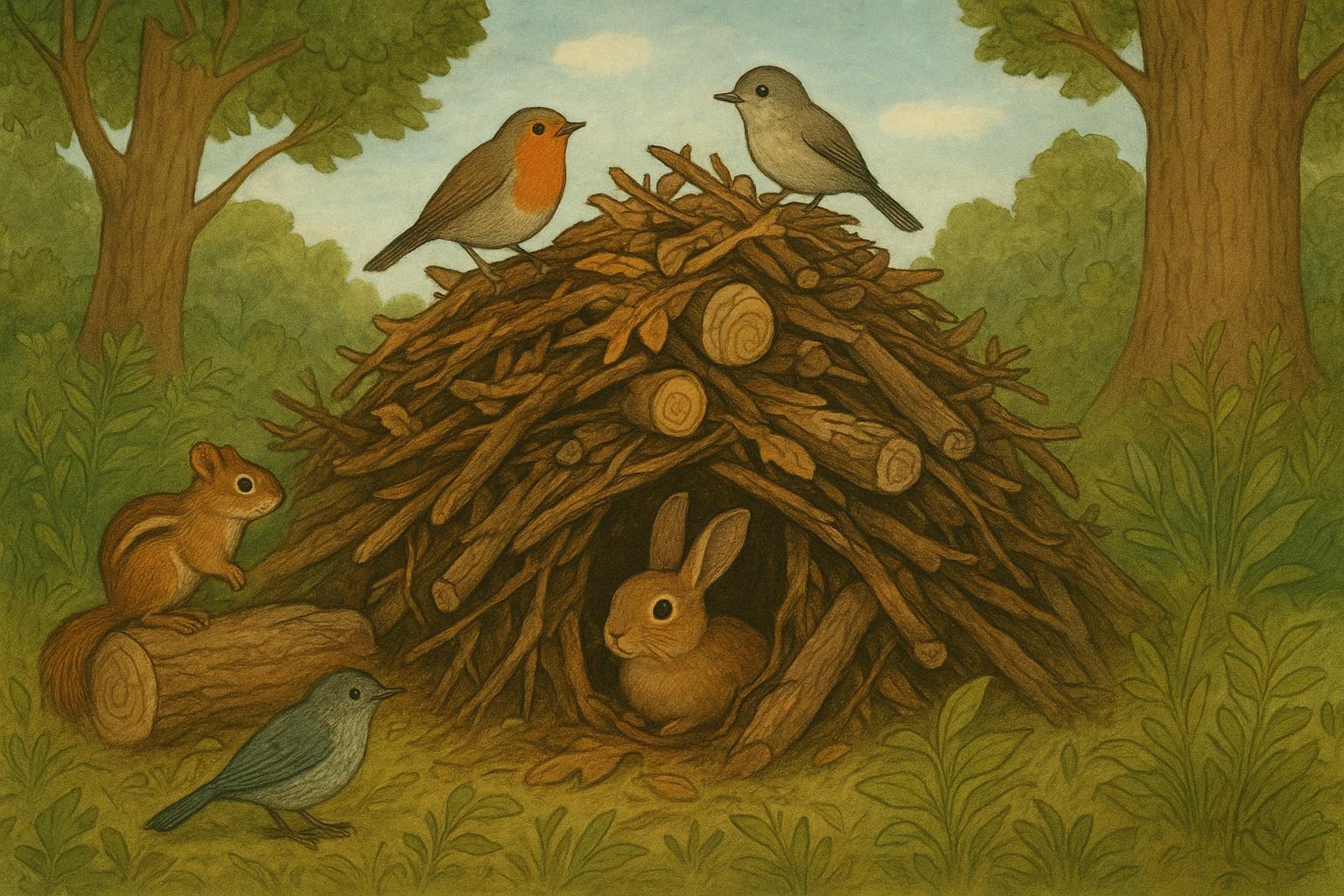
Add a variety of shrubs and small trees for shelter and nectar sources. Provide undisturbed patches—logs, leaf litter, and stems—for overwintering butterflies. If space allows, create a rotated mowing or pruning schedule to leave seasonal refuges intact.
### Monitoring Success And Citizen Science
Keep a simple log of species observed, bloom times, and notable behaviors. Submit sightings to local butterfly monitoring programs or apps. This helps track population trends and validates garden design choices.
#### Seasonal Care And Troubleshooting
In spring, clear excessive debris from nesting areas but retain some winter shelters. If a plant is failing, investigate soil compaction, drainage, and sun exposure before replacing. When caterpillars appear, resist the urge to “clean” them off—these are your success signals. If pest outbreaks occur, use targeted methods: hand-pick, apply Bacillus thuringiensis kurstaki for lepidopteran pests only when necessary, and avoid systemic insecticides.
Keep the tone light in the garden and serious in your methods: consistent, informed actions yield the best habitat outcomes. A pollinator garden that’s thoughtfully planned and maintained will reward you season after season with winged visitors, colorful blooms, and the gentle satisfaction that comes from being part of a living chain.








Leave a Reply