
There’s a particular kind of thrill that comes from seeing a flash of feathers or a careful deer step through your yard—like having a tiny, unpaid safari right outside your back door. But that thrill can come with maintenance tasks, occasional midnight critter dramas, and the eternal debate over whether to let that beaver-ish thing gnaw the fence post. If you’re serious about balancing wildlife with yard upkeep, you’ll find it’s less about choosing one and more about smart compromises and thoughtful design.
## Why Balancing Wildlife Makes Your Yard More Thrilling
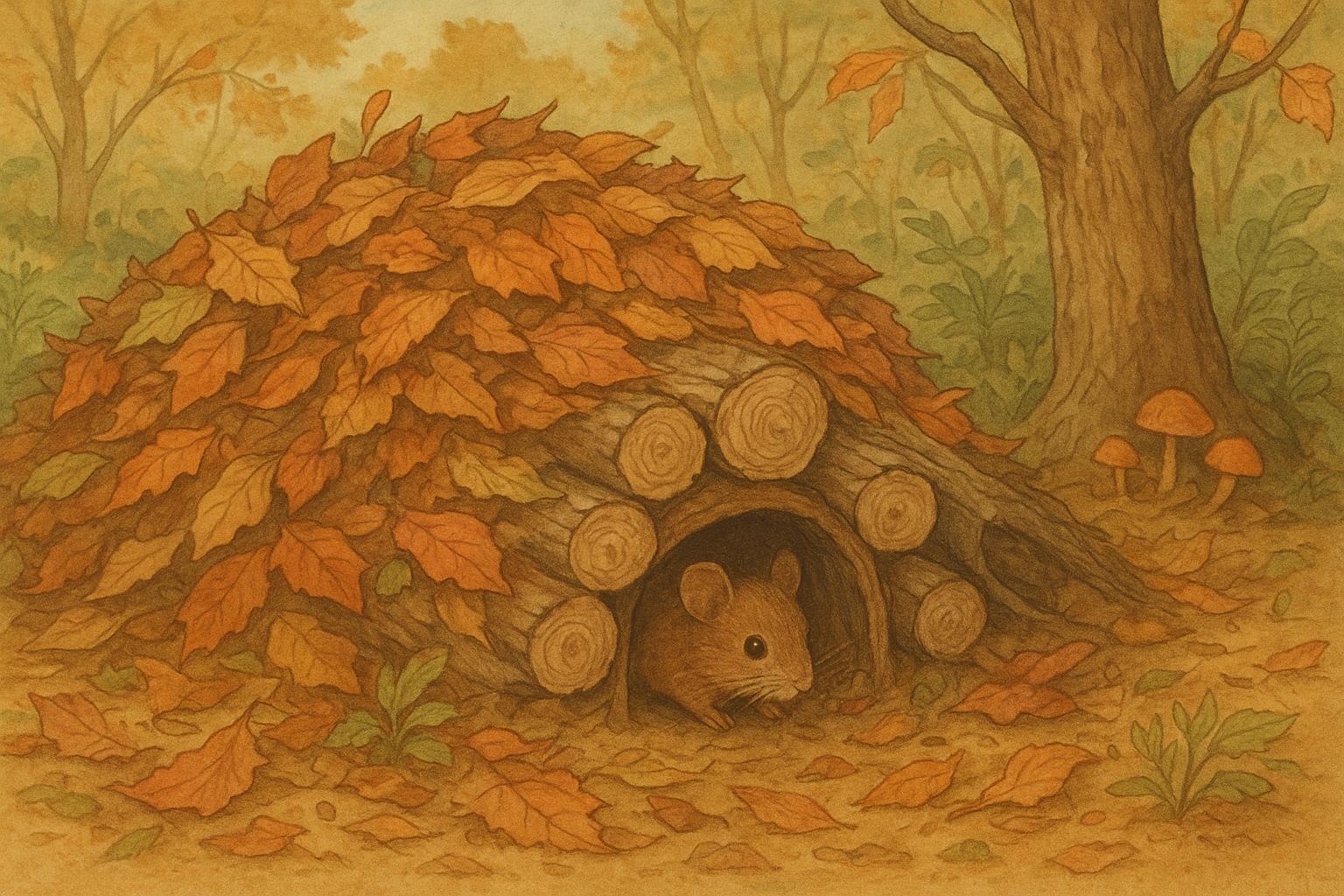
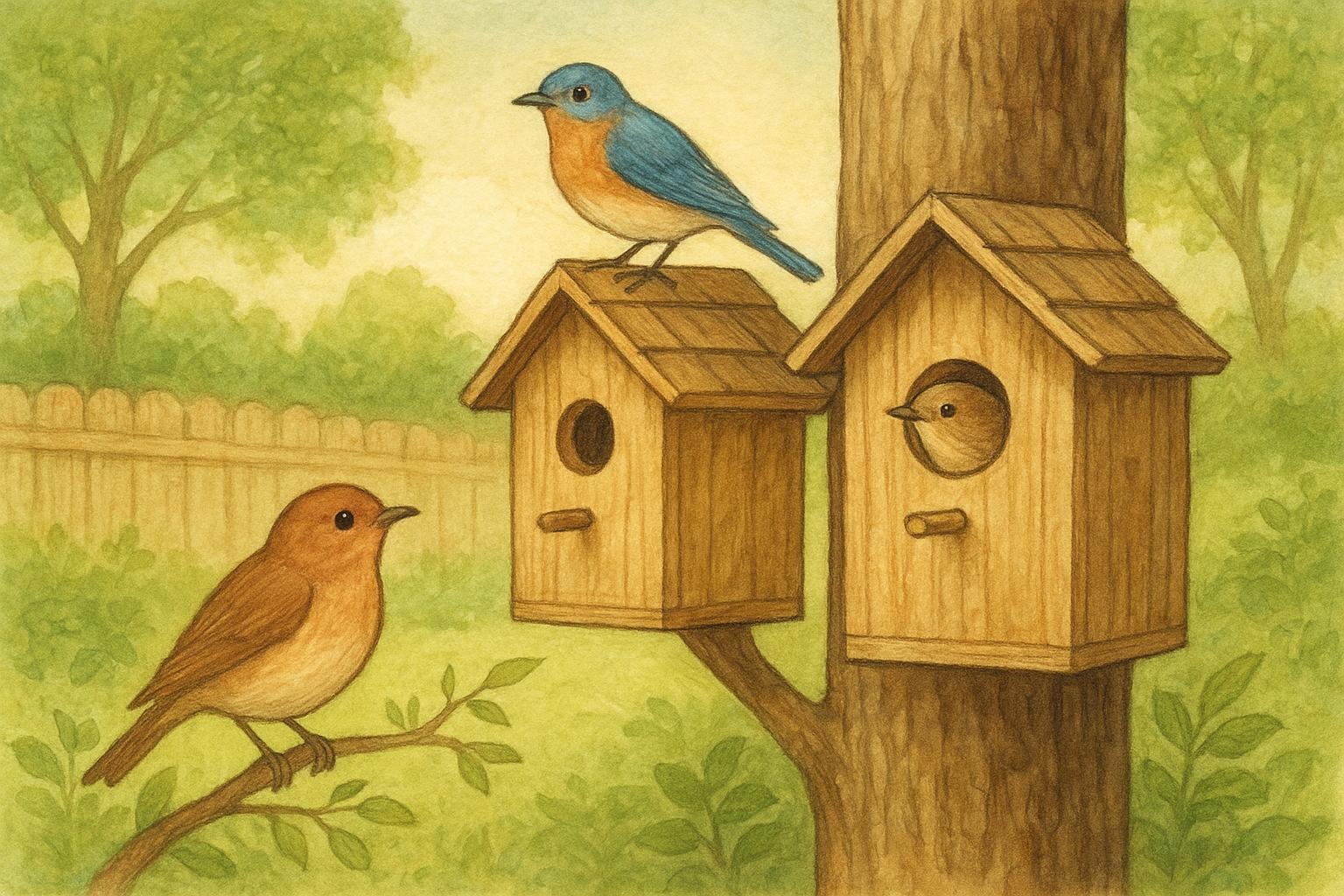
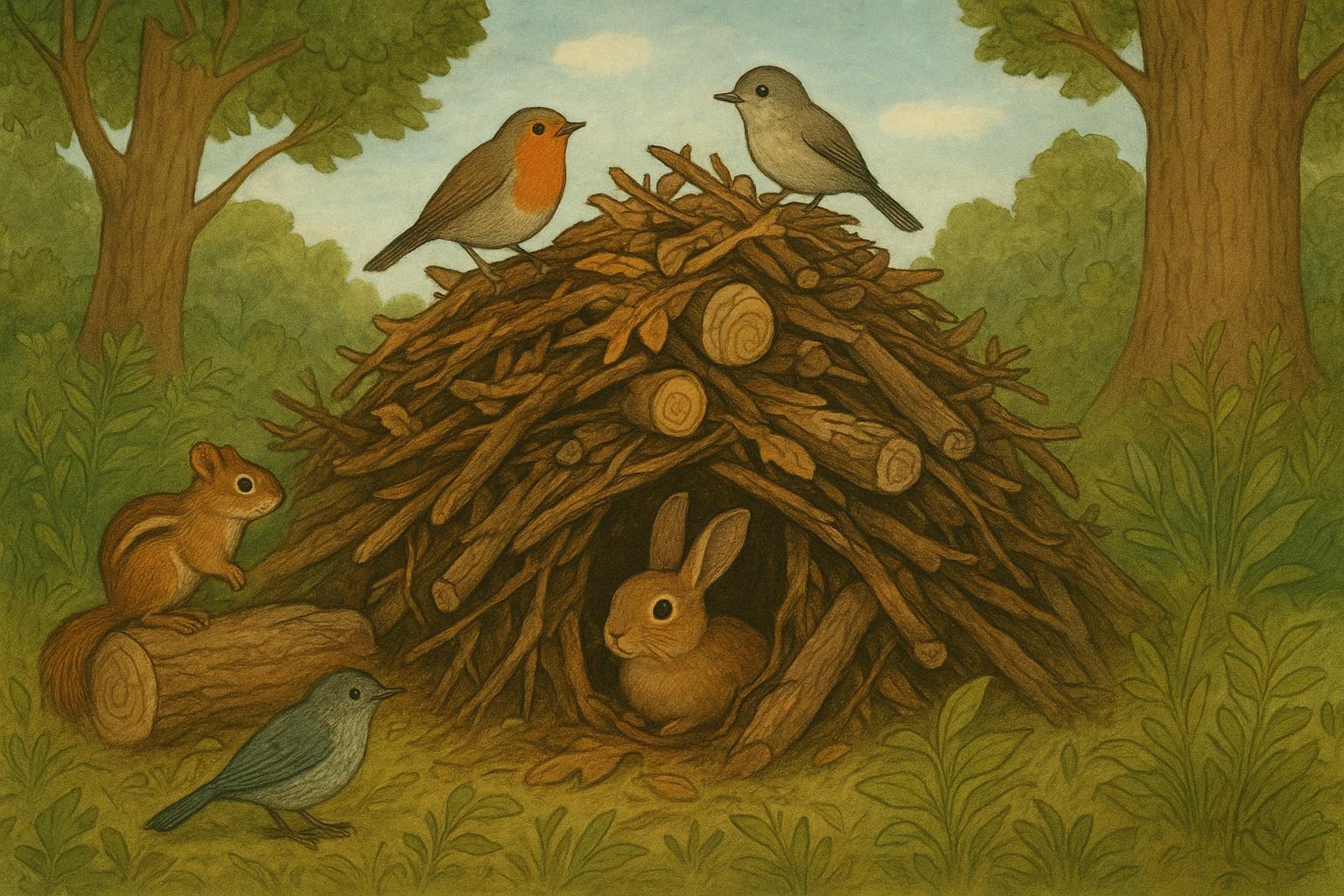
Getting good at balancing wildlife doesn’t mean accepting chaos or turning your lawn into a jungle. It means designing a yard that supports native species, offers safe refuge, and still looks tidy enough for neighborhood barbecues. When you succeed, you gain biodiversity, pest control on a natural timetable, and the kind of wild encounters that make mornings worth getting out of bed.
### The Benefits Of A Wildlife-Friendly Yard
A yard that attracts birds, pollinators, and small mammals has ecological payoffs:
– Natural pest suppression from insect-eating birds and bats.
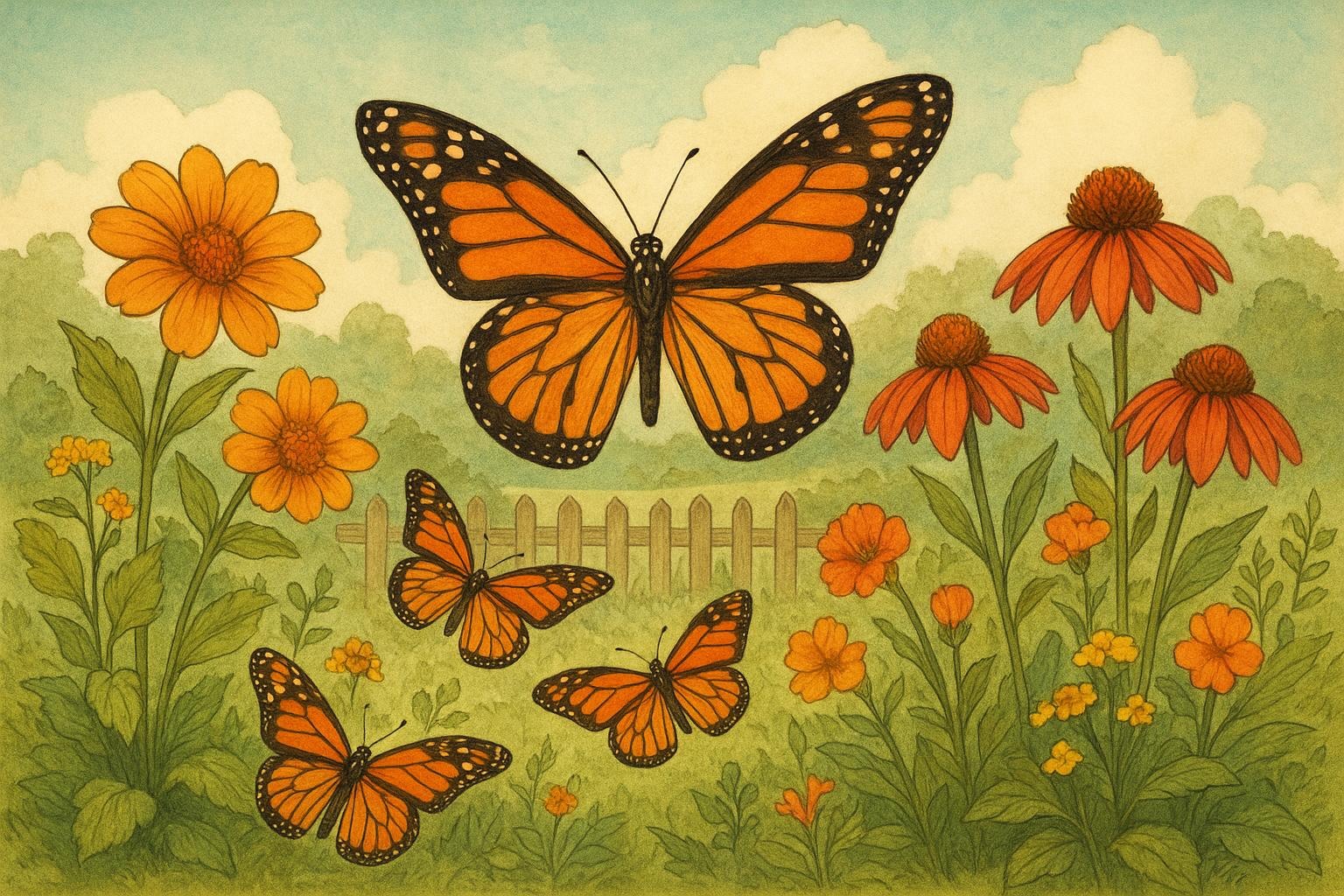
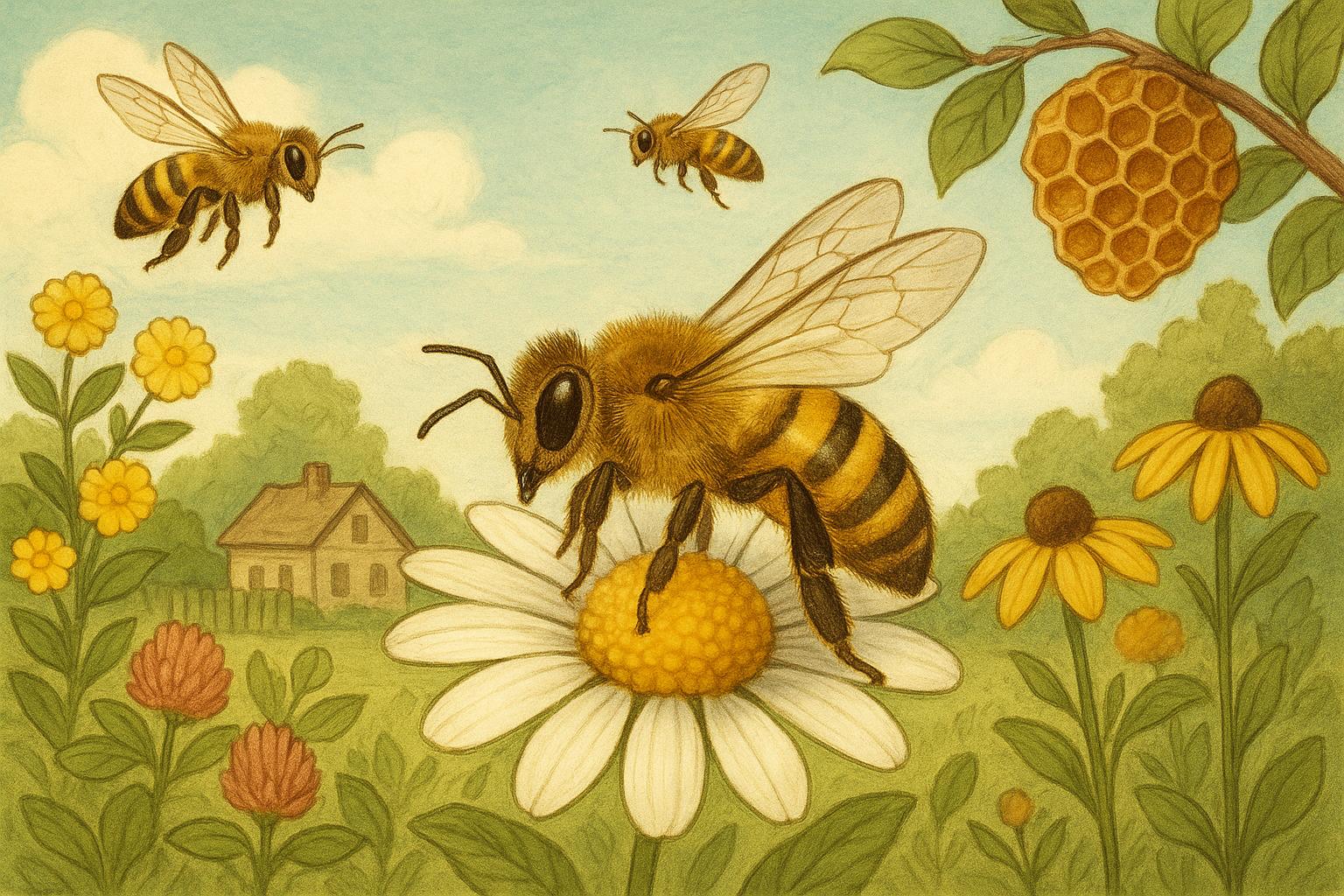
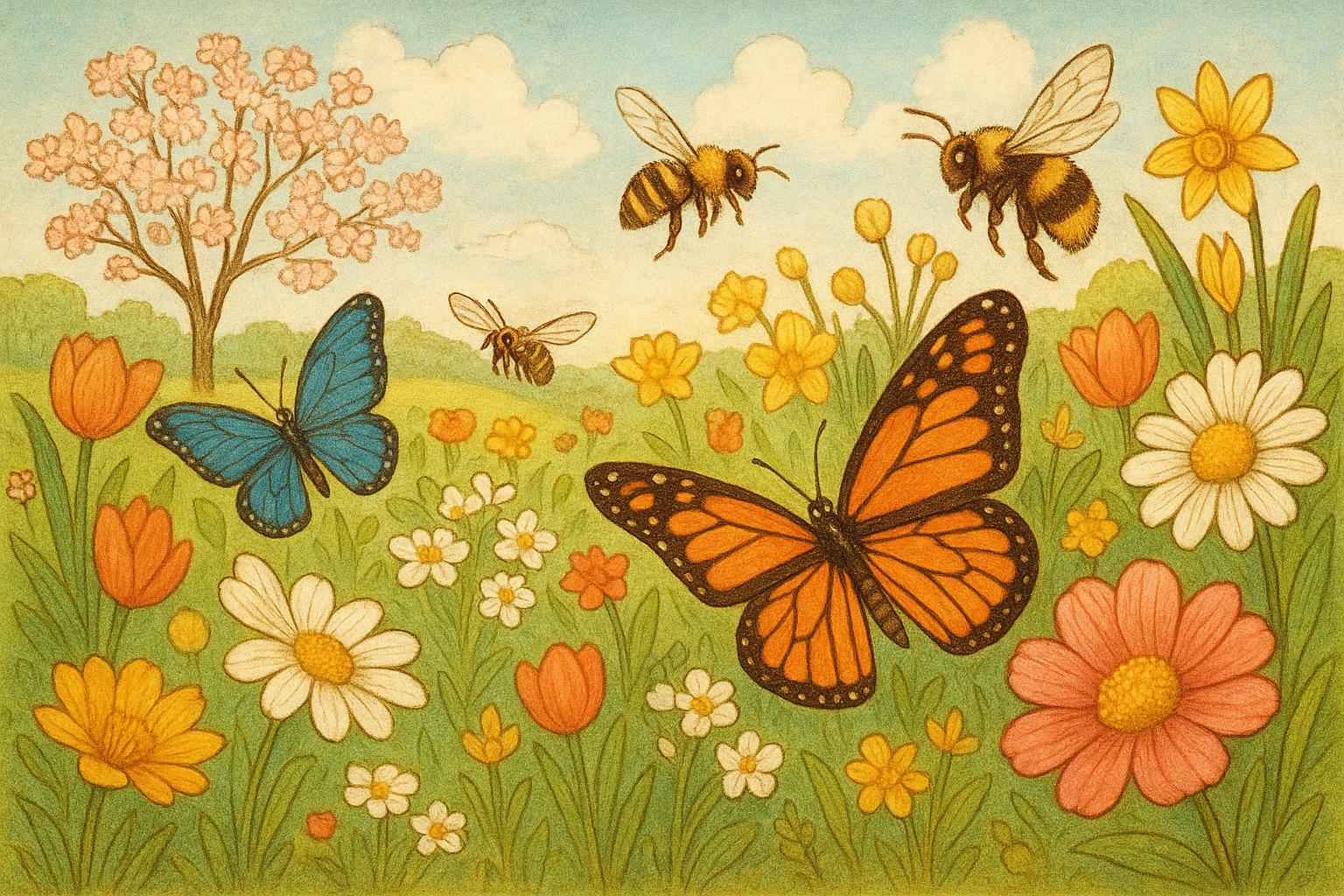
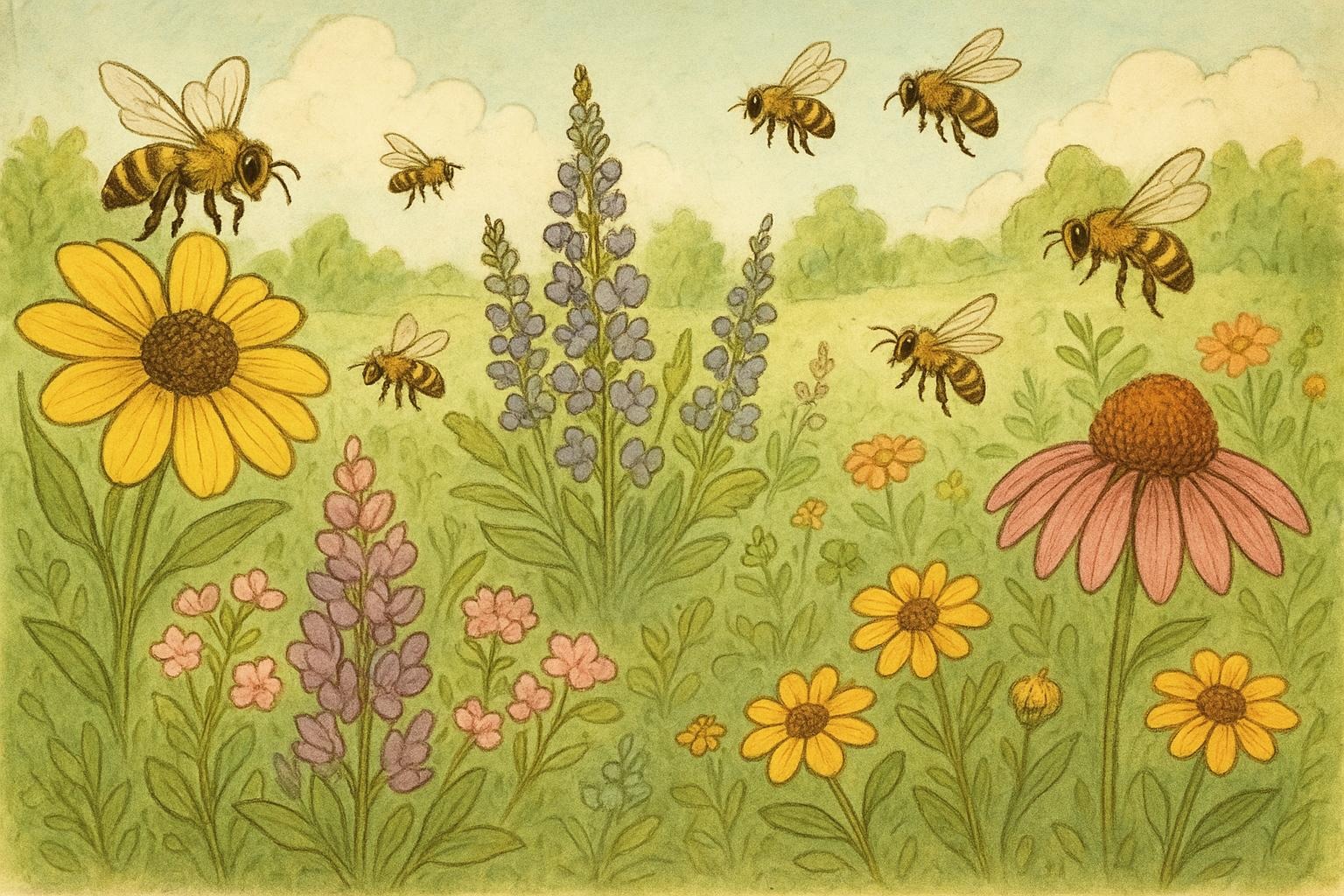
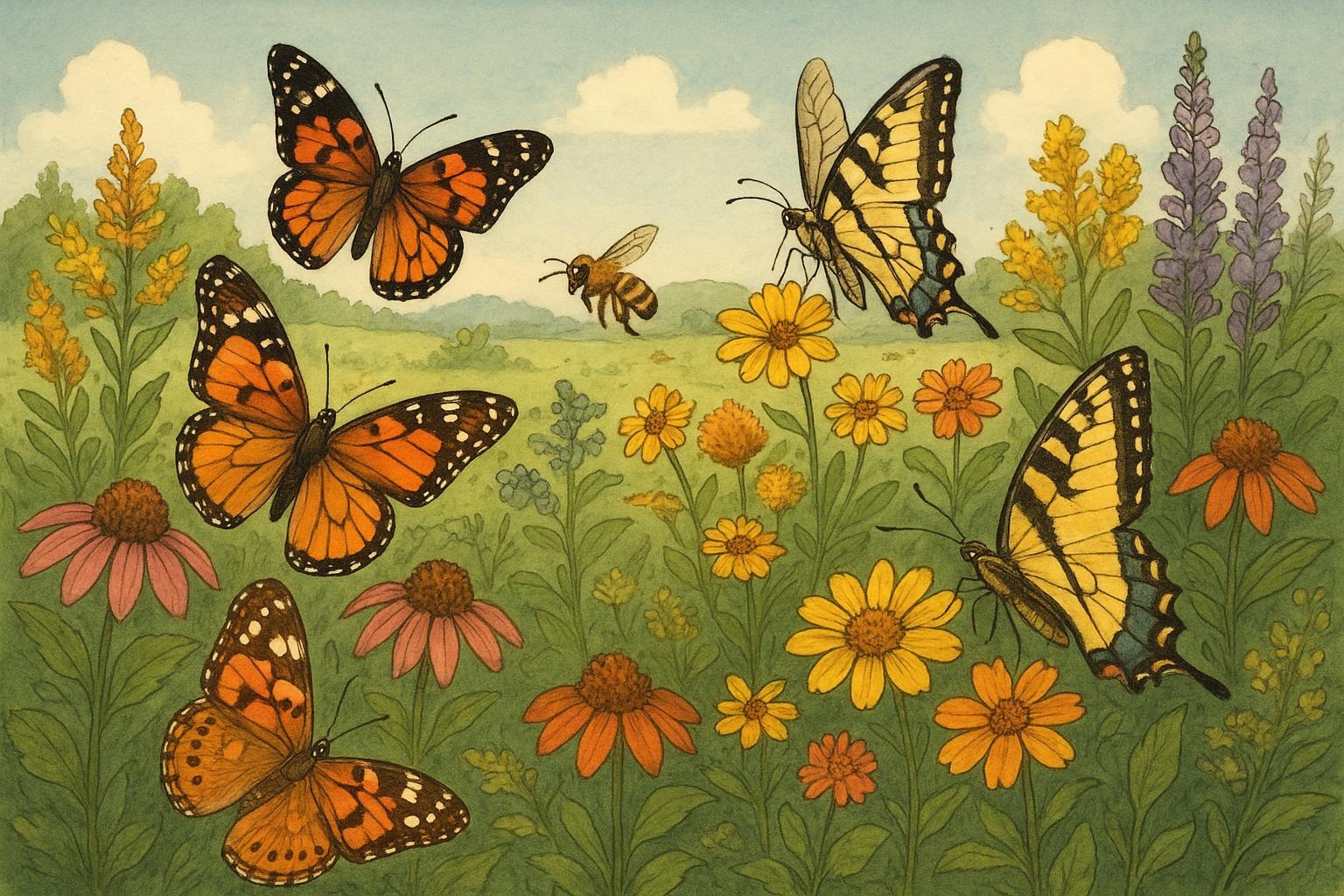
– Pollination services from bees and butterflies.
– Soil improvement as animals redistribute nutrients.
You’ll also enjoy a richer sensory experience—more birdsong, a variety of blooms, and surprising visitors that make your yard feel alive.
### Common Tensions Homeowners Face
The drama usually centers on:
– Plants being nibbled, dug up, or trampled.
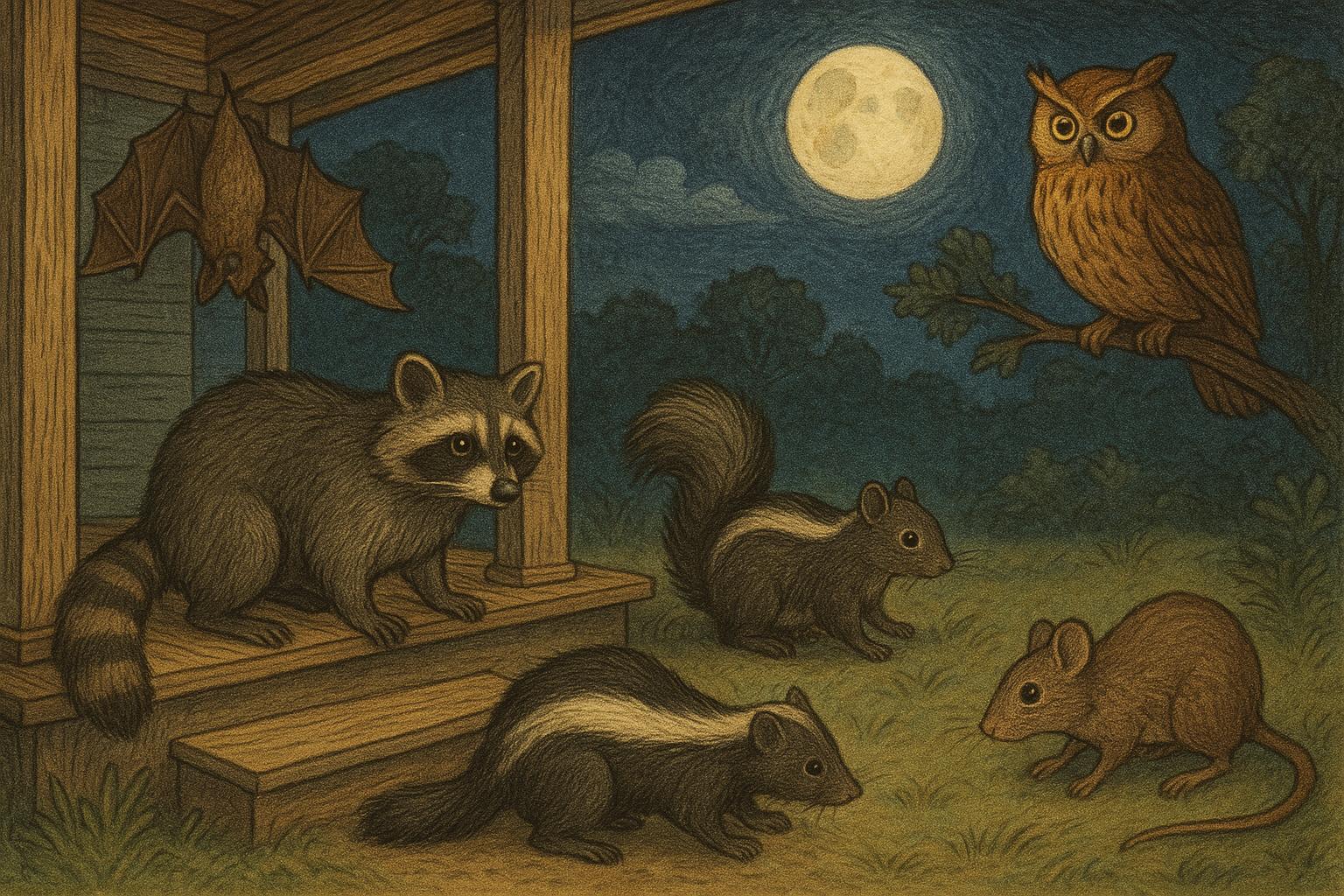
– Predators or scavengers causing noise or mess.
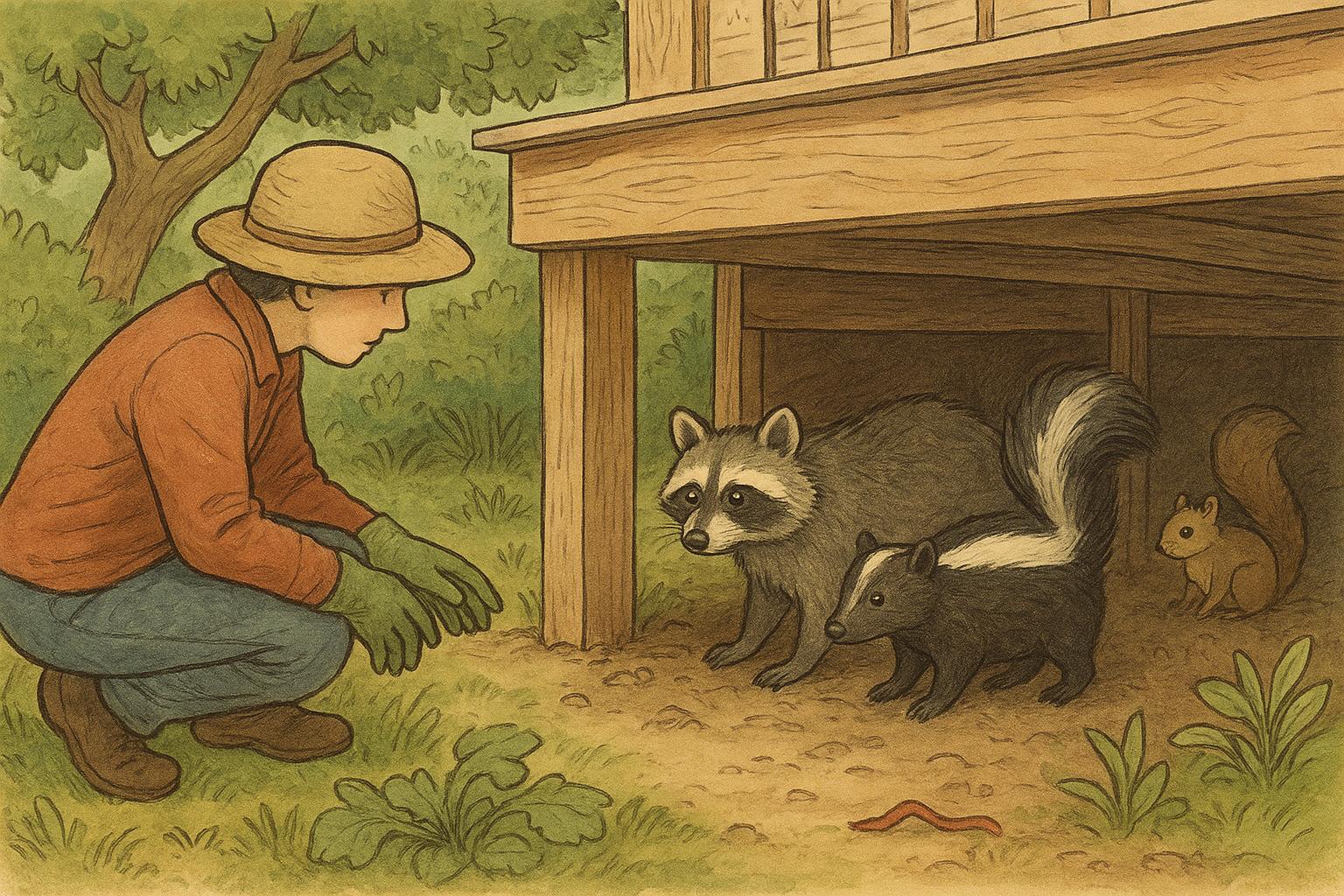
– Blocking of access points like decks or sheds by critters.
Those are solvable problems when you approach them as manageable trade-offs rather than permanent defeats.
## Understanding Resident Species And Their Needs
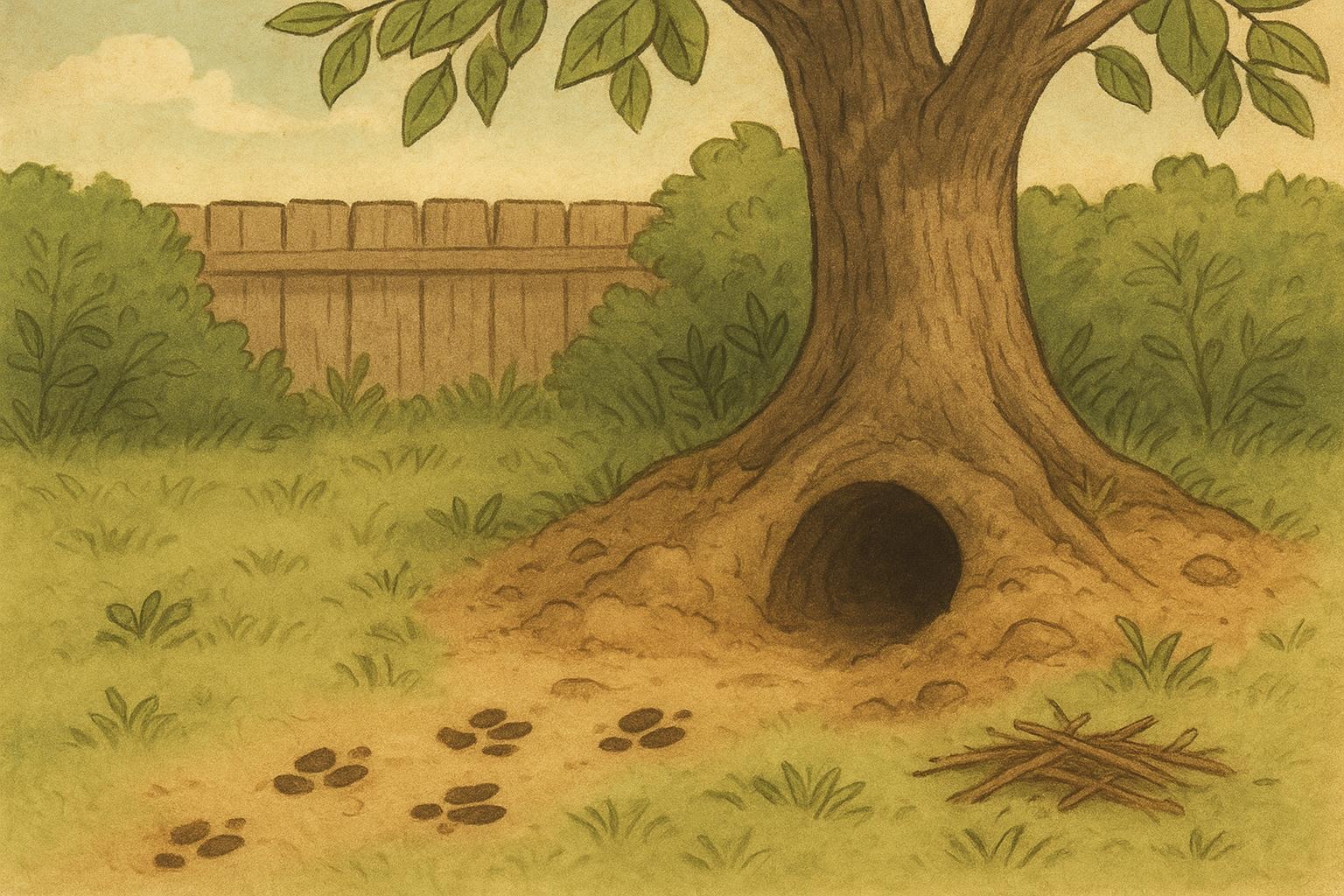
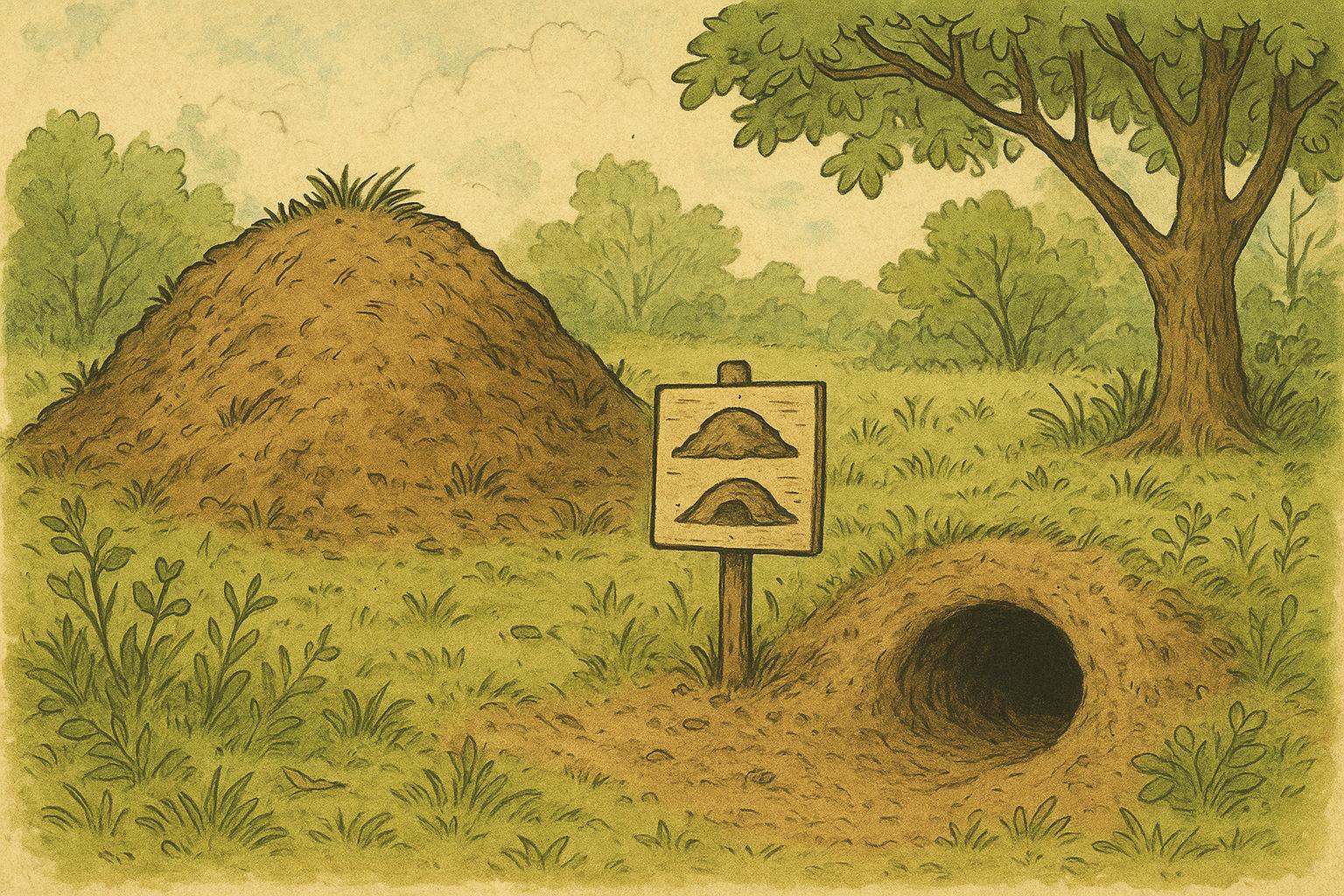
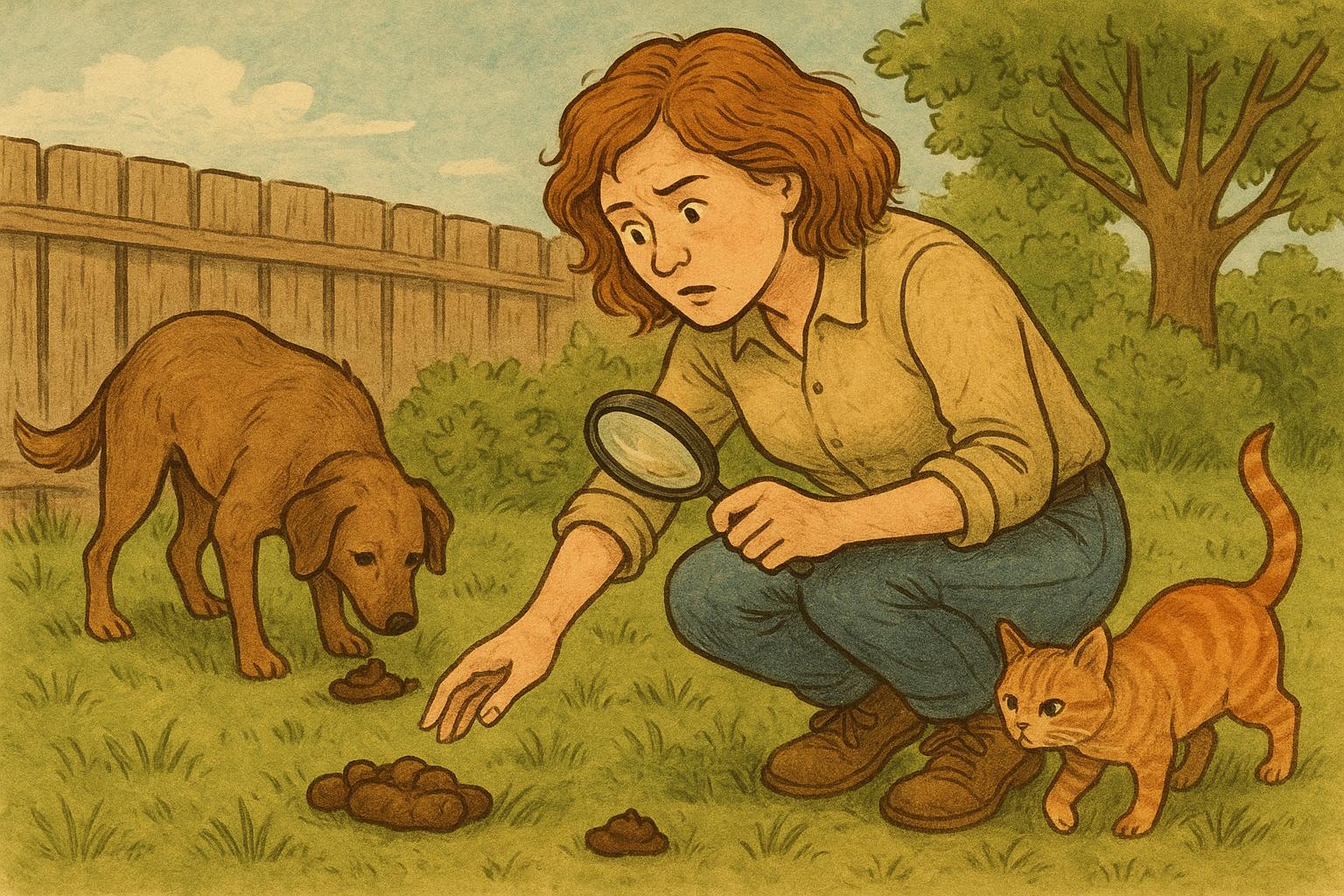
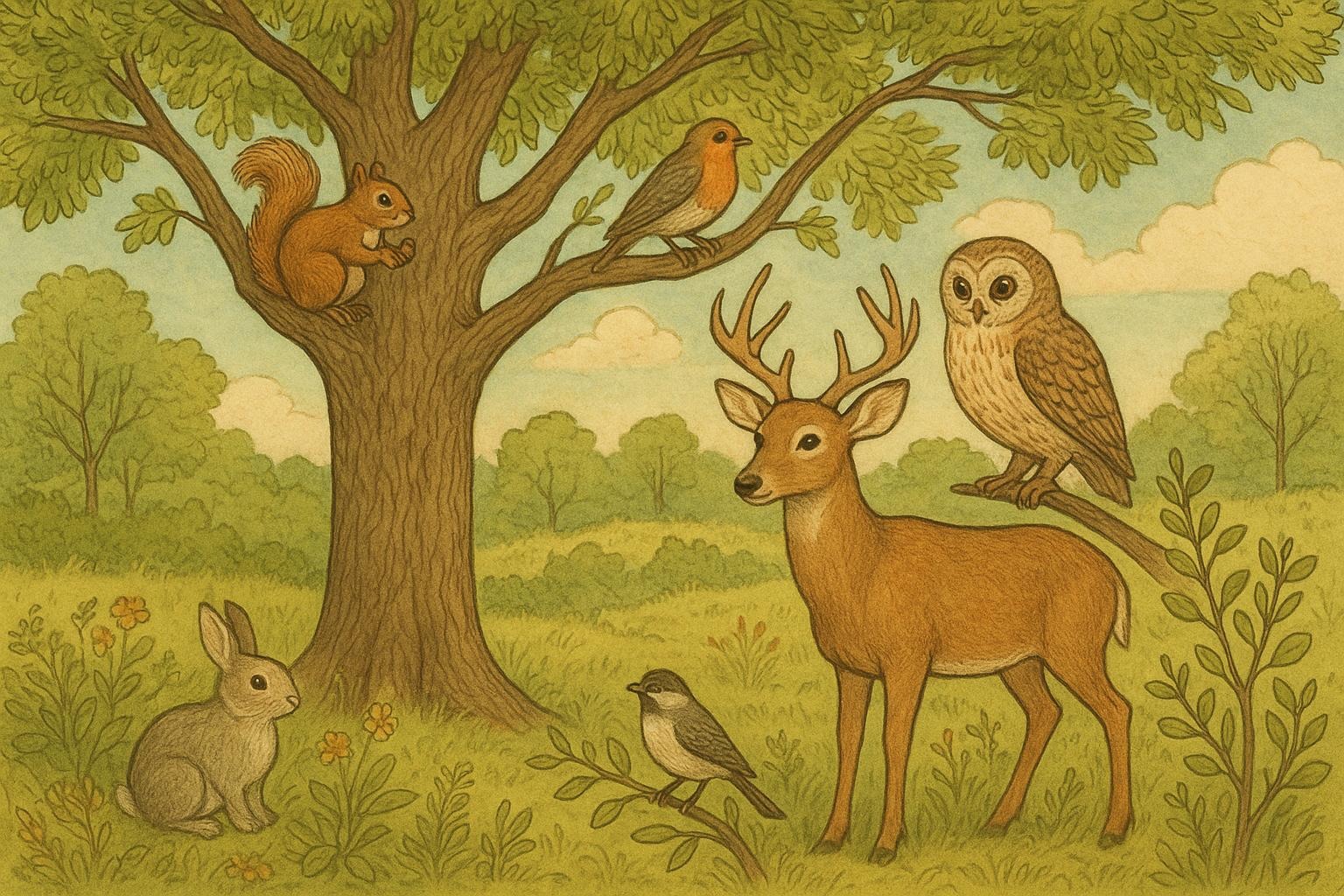
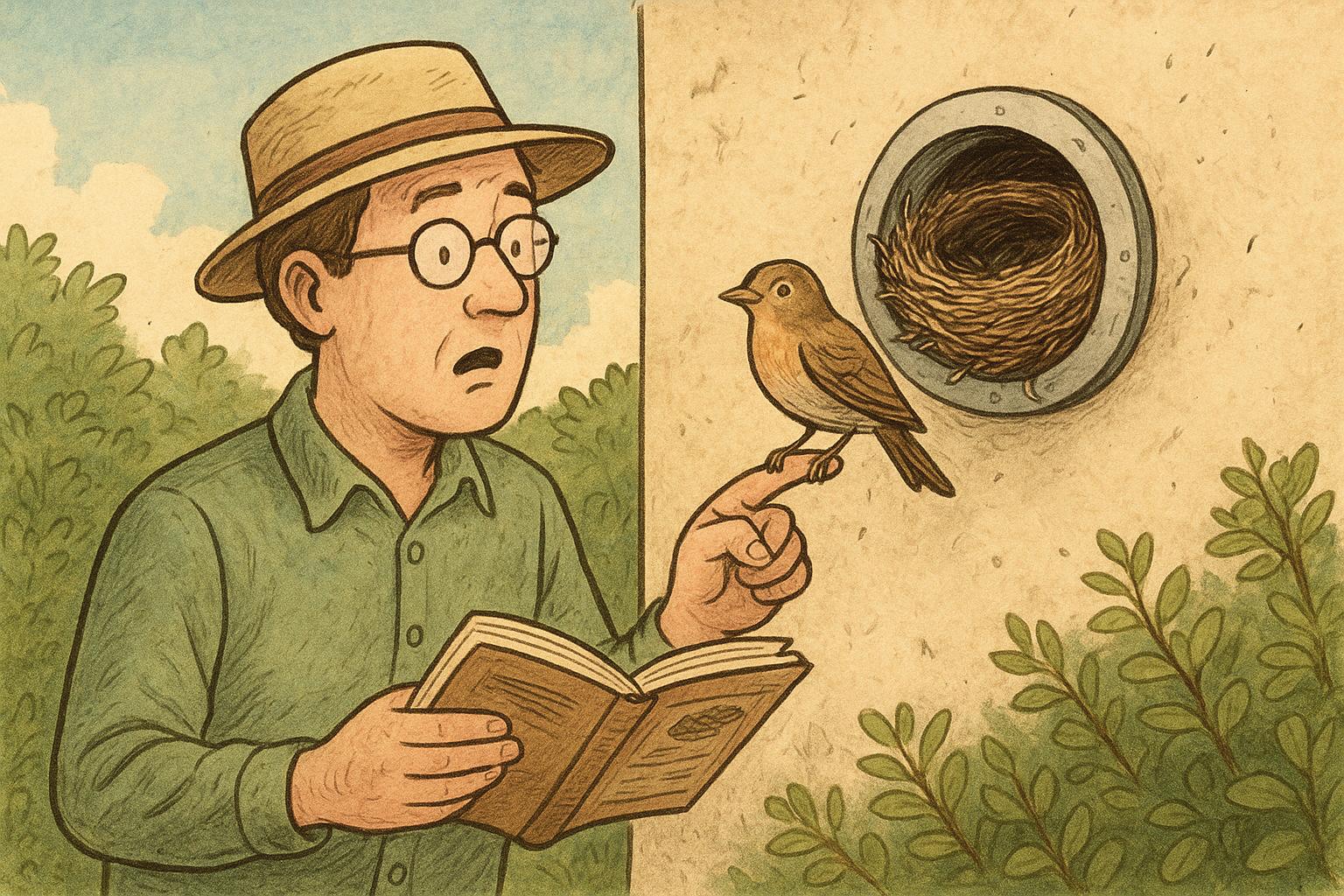
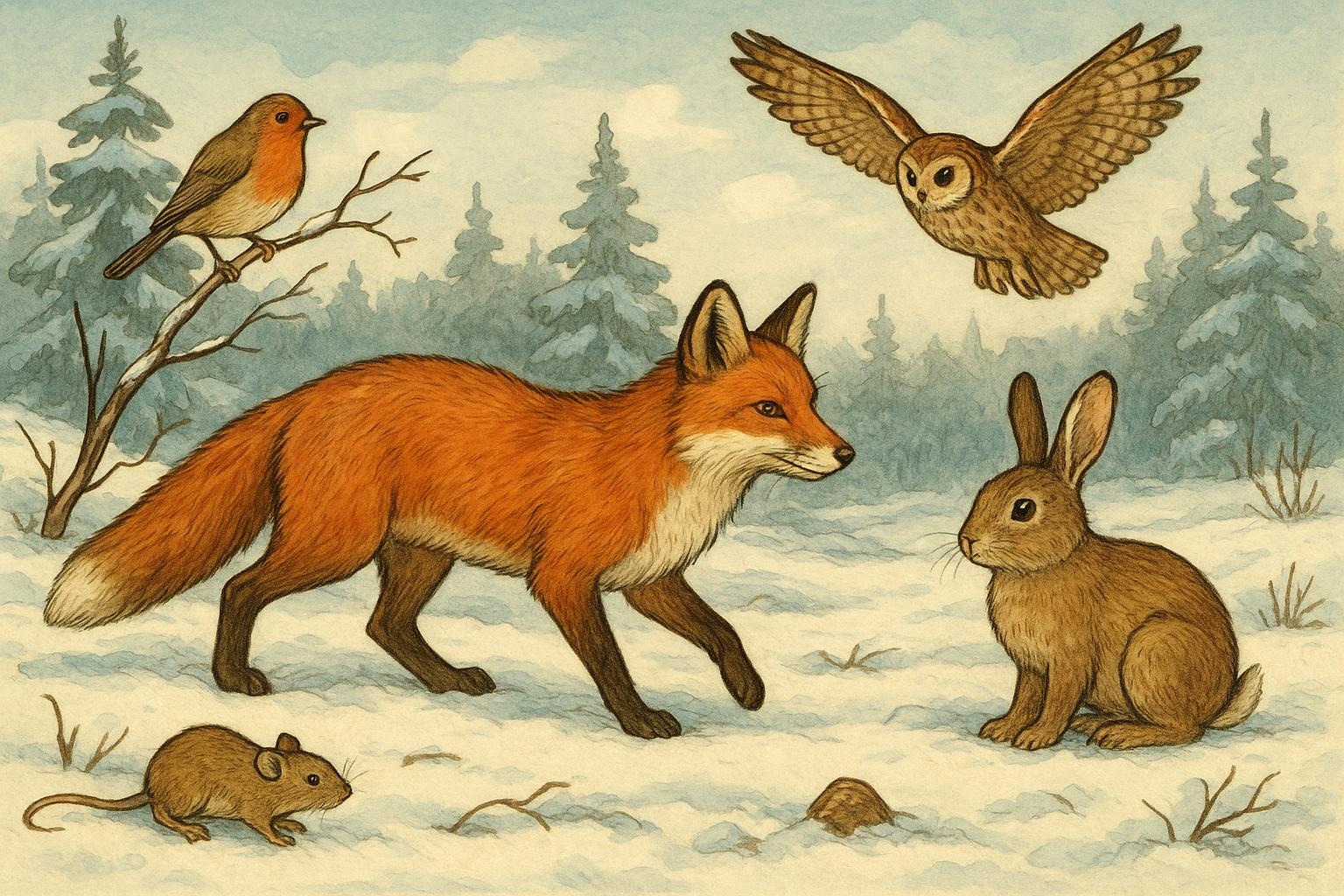
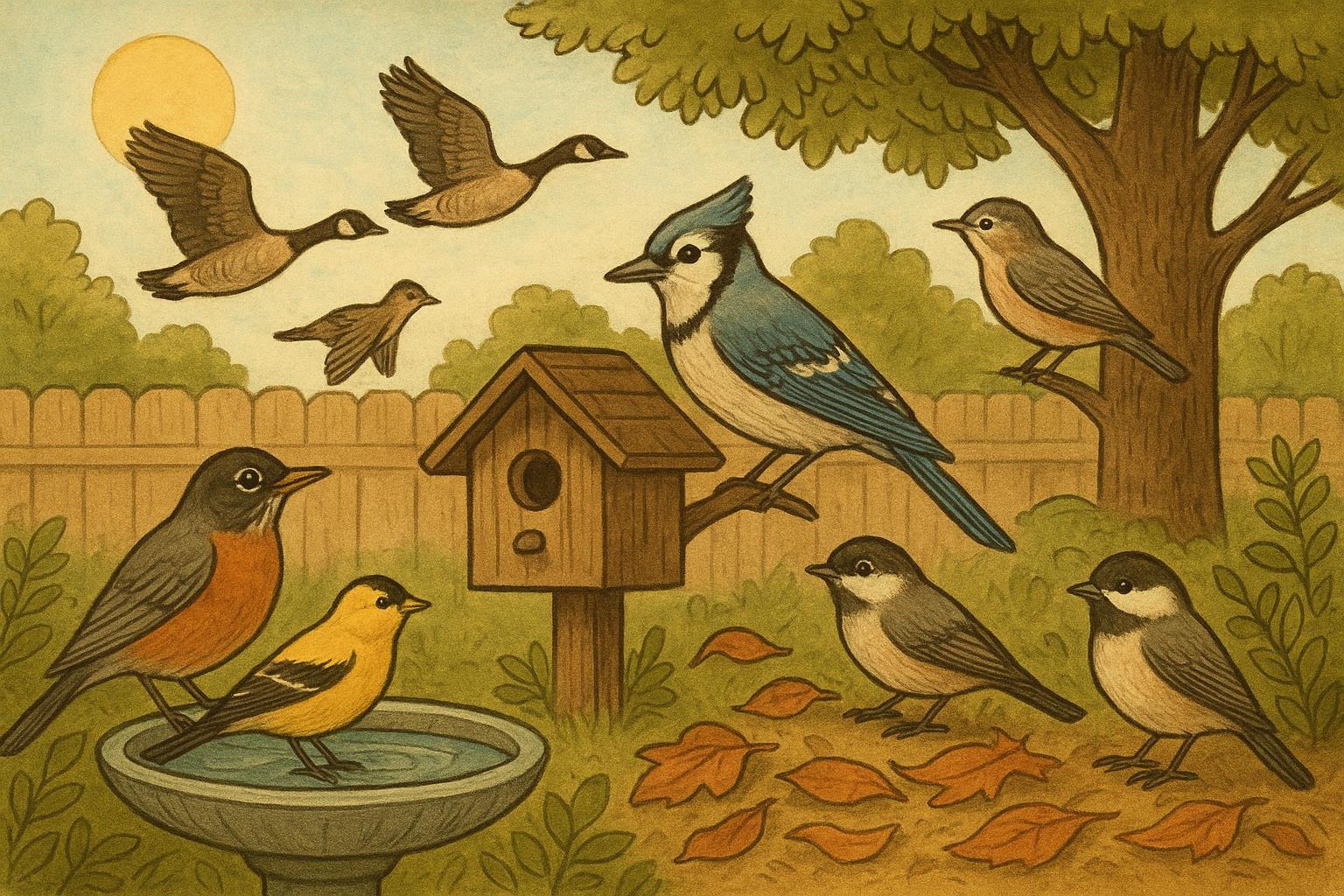
A key to balancing wildlife is knowing who’s actually using your space. Take time to observe—early morning and dusk are prime windows. Identify common visitors: songbirds, rabbits, chipmunks, raccoons, deer, pollinators, and occasional larger animals depending on where you live. Each has predictable needs—food types, shelter preferences, and movement patterns. Matching your yard features to those needs, in a controlled way, reduces conflict.
### Seasonal Patterns And Behavior
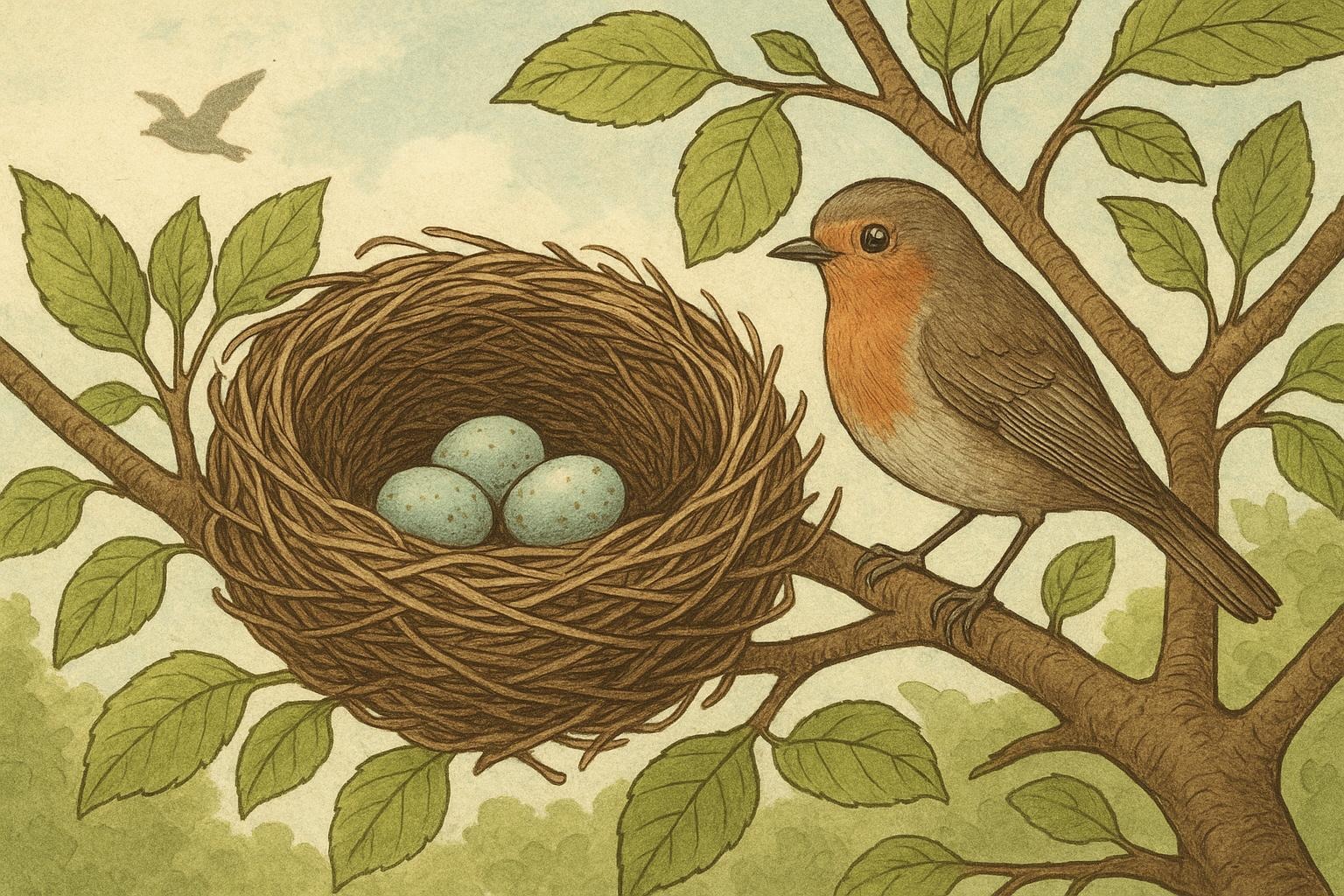
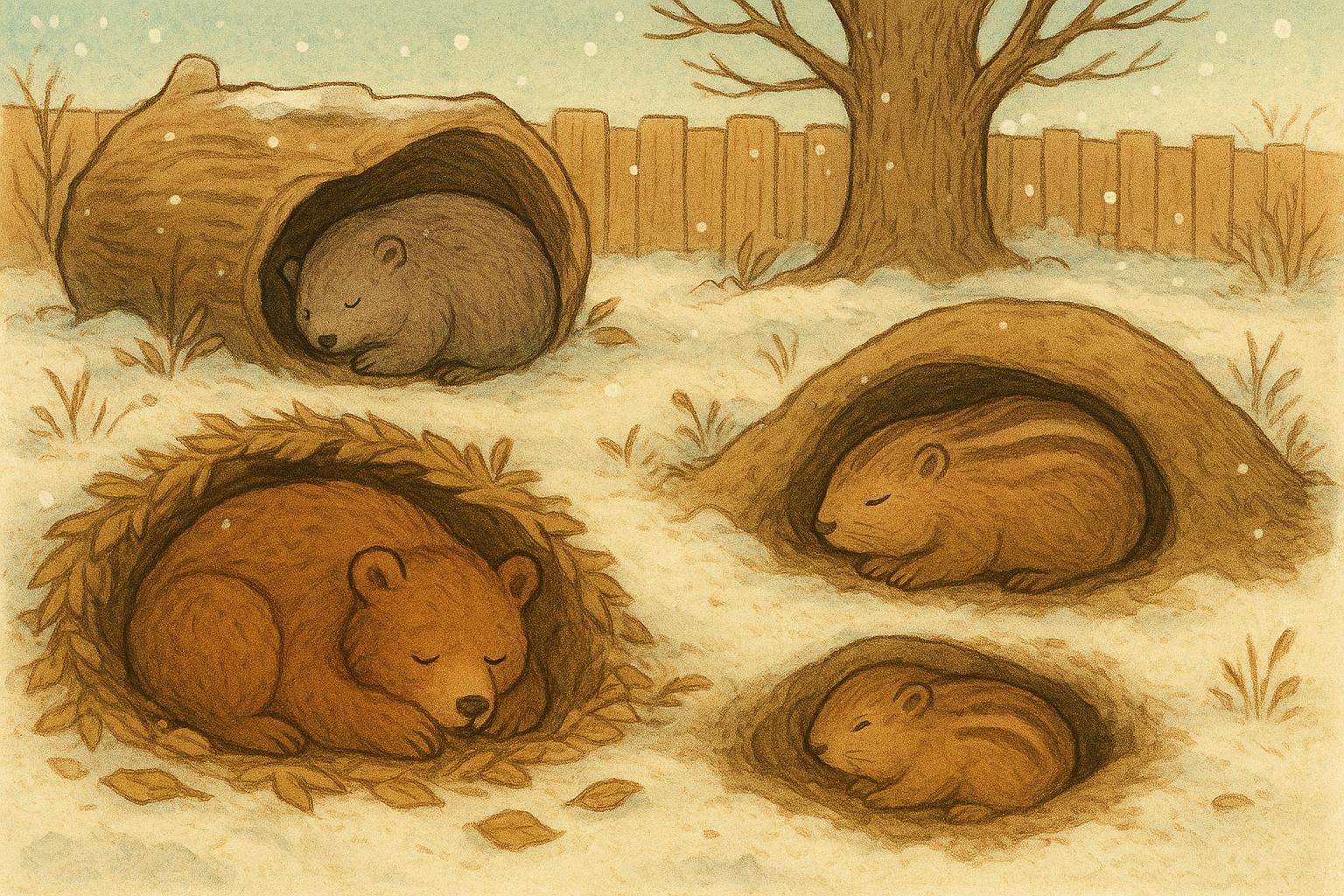
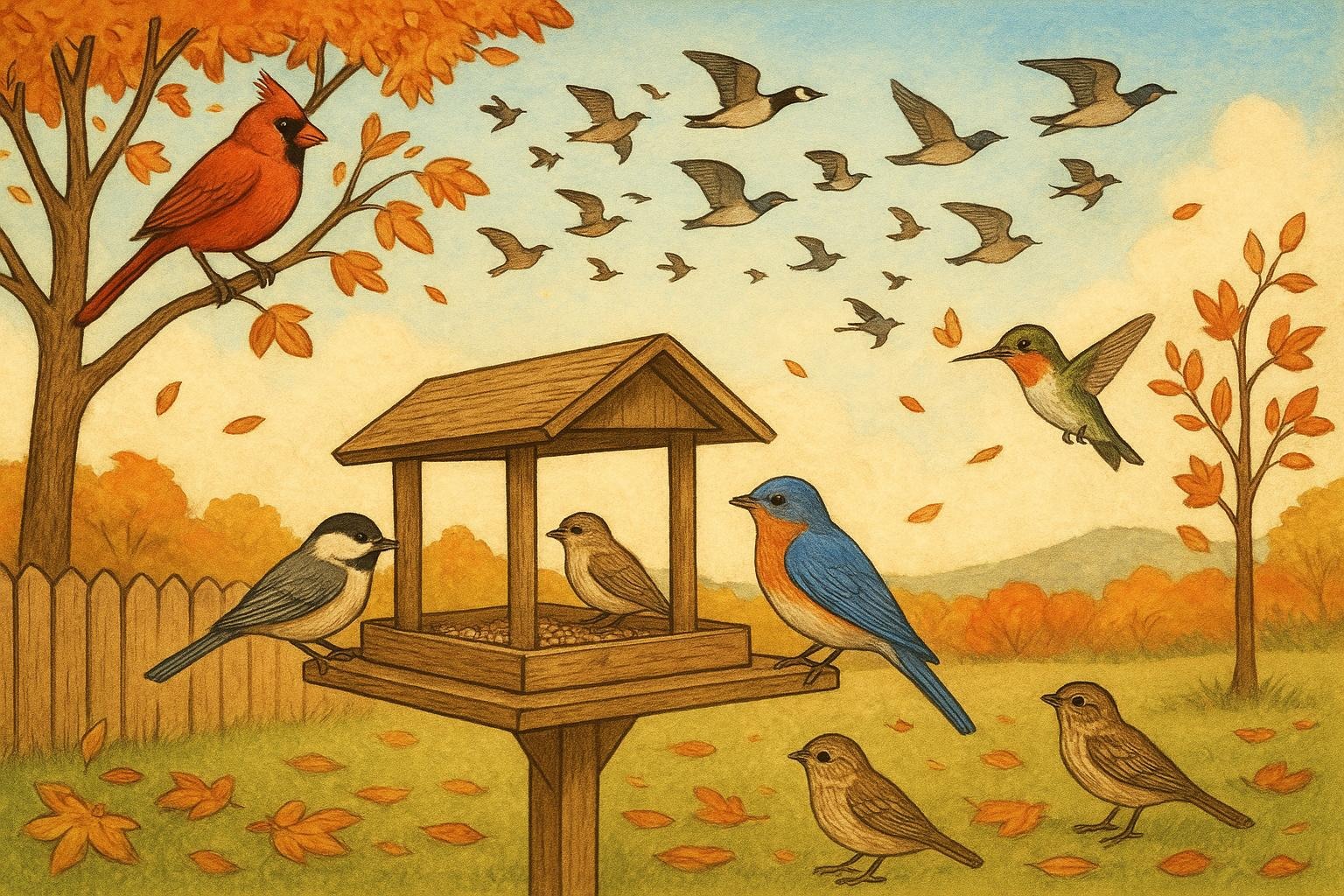
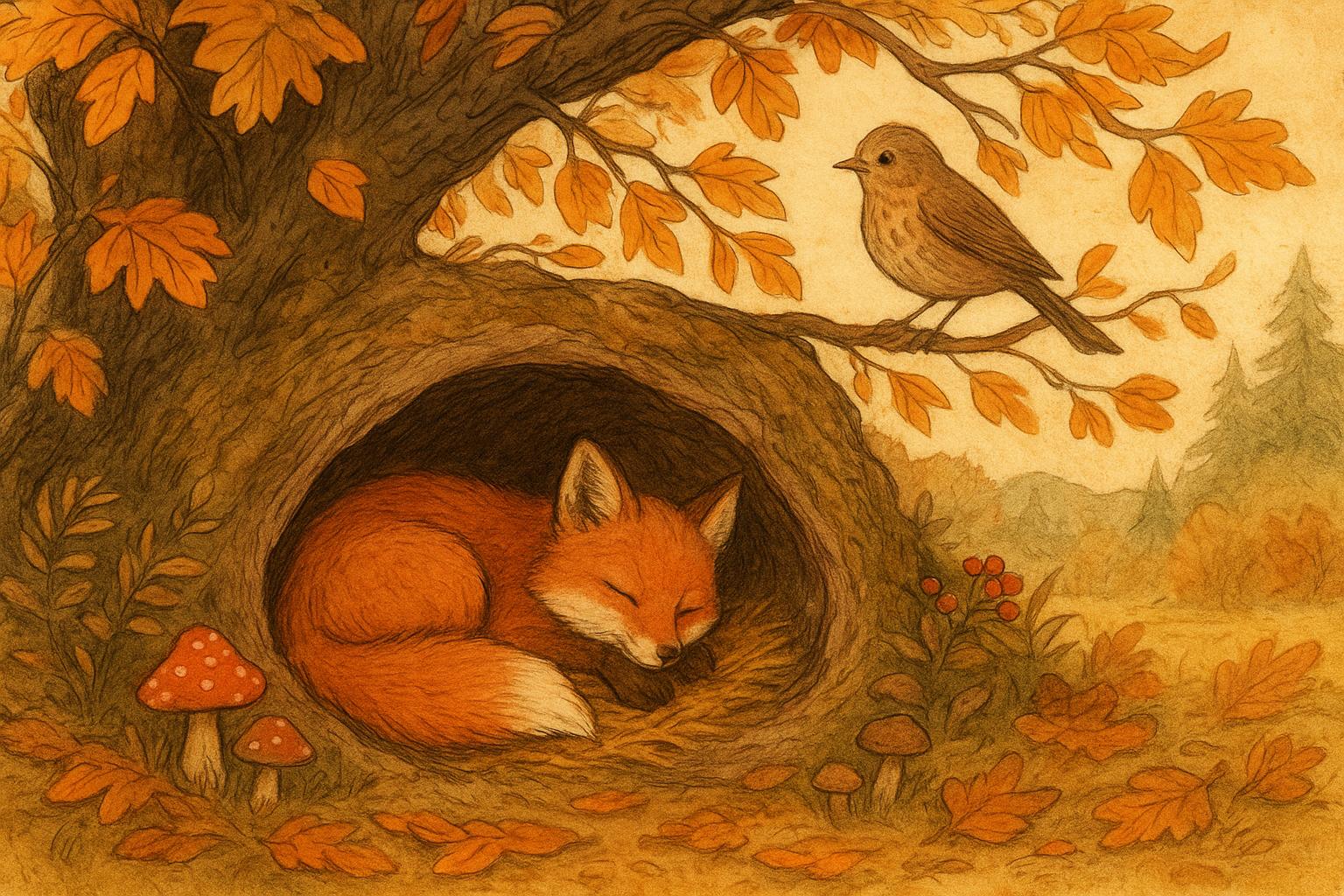
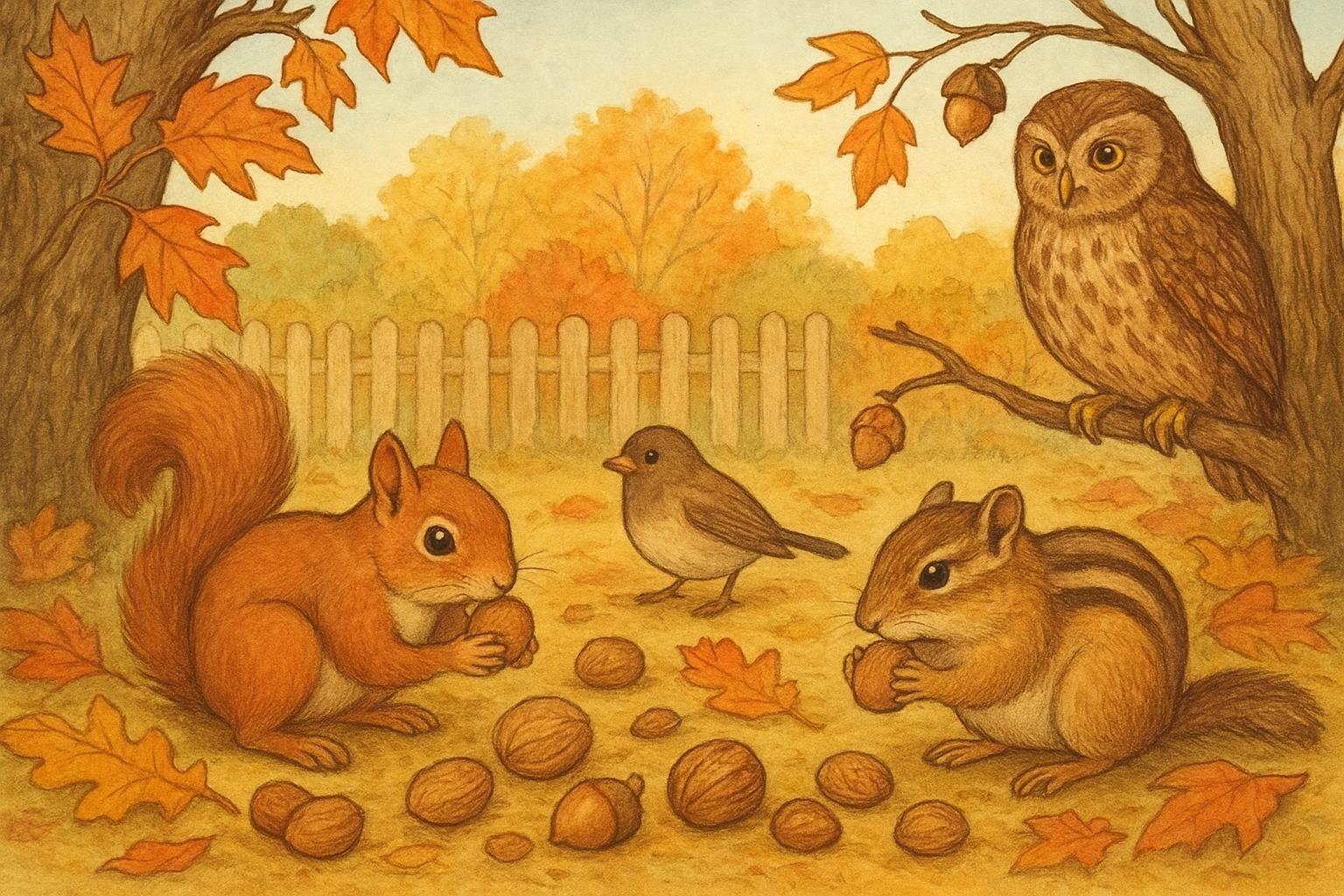
Wildlife activity shifts across seasons. Nesting birds in spring need safe shrubs and minimal disturbance, whereas deer pressures on shrubs often peak in late winter and early spring when food is scarce. Timing gardening tasks and pruning outside of critical periods helps you avoid unintended impacts.
### Minimal-Conflict Layouts
Design your yard so that higher-maintenance ornamental plants are placed in protected beds (near the house, fenced, or under netting), while wildlife-friendly native plantings occupy borders and buffer zones. This zoning reduces direct conflict while still providing habitat.
## Design Strategies That Help With Balancing Wildlife
Good design is the easiest way to enjoy a wild yard without constant upkeep. Think layered plantings (groundcover, shrubs, and canopy trees), strategically placed water features, and hardscape elements that guide animal movement away from vulnerable areas.
### Native Plants And Food Sources
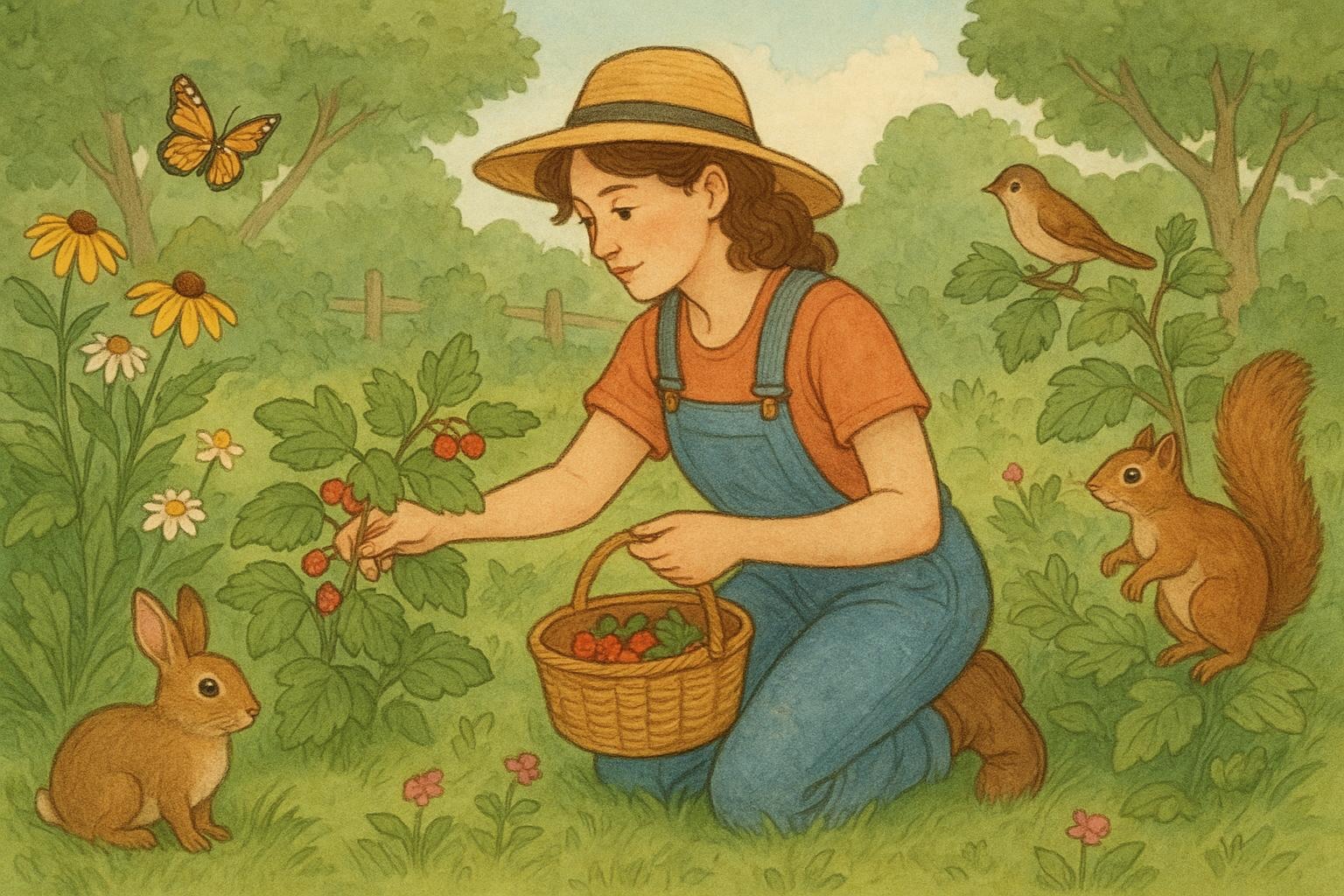
Selecting native species gives you higher success for feeding pollinators and providing seeds and berries for birds. Native plants are typically lower-maintenance because they’re adapted to local soil and climate conditions—less work, more wildlife value.
#### Plant Placement And Timing
Place strong-growing, deer-resistant shrubs where browsing is likely. Use spring-flowering bulbs in areas that deer and rodents are less likely to dig up, such as along patios or under raised beds.
### Water Features Without The Headache
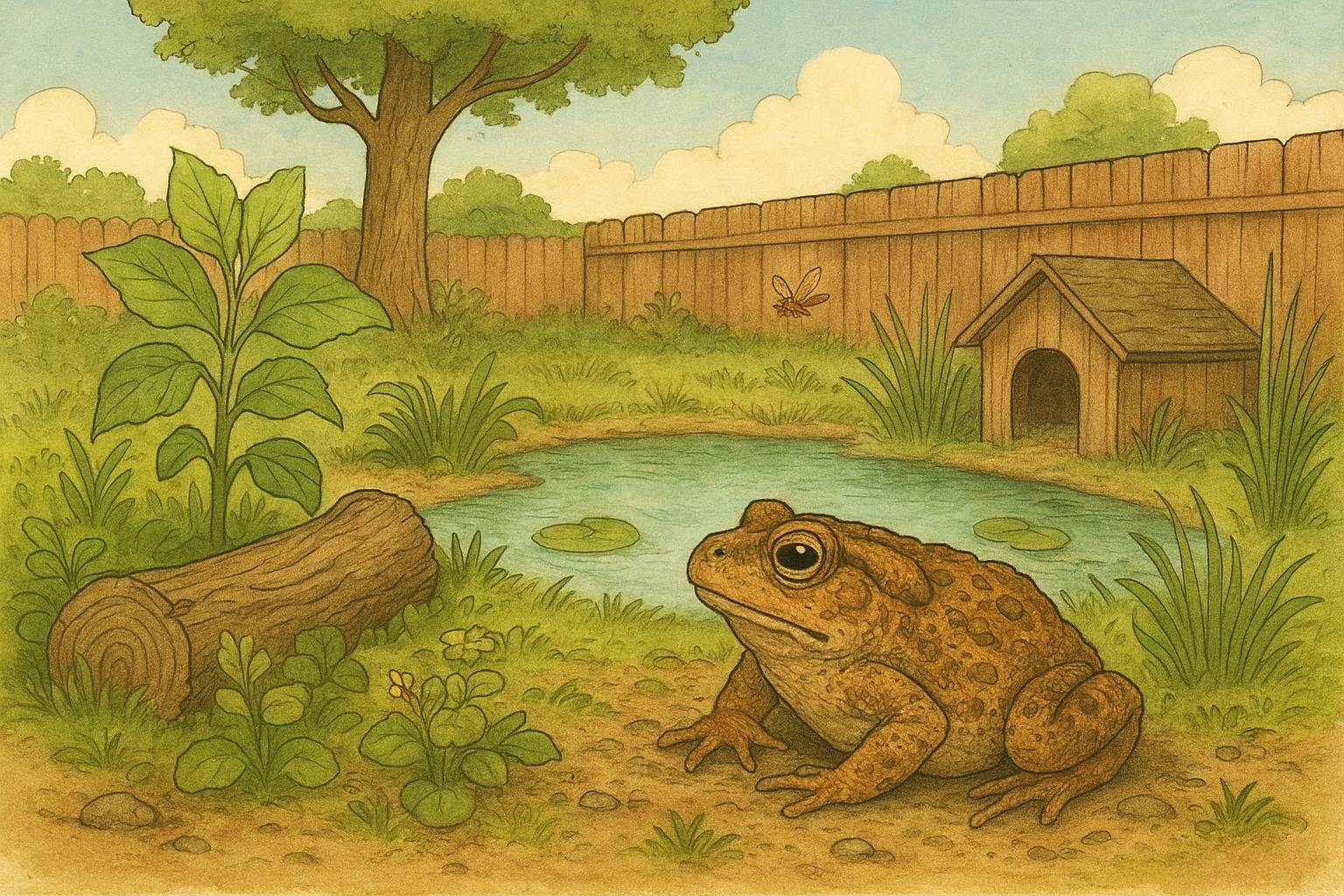
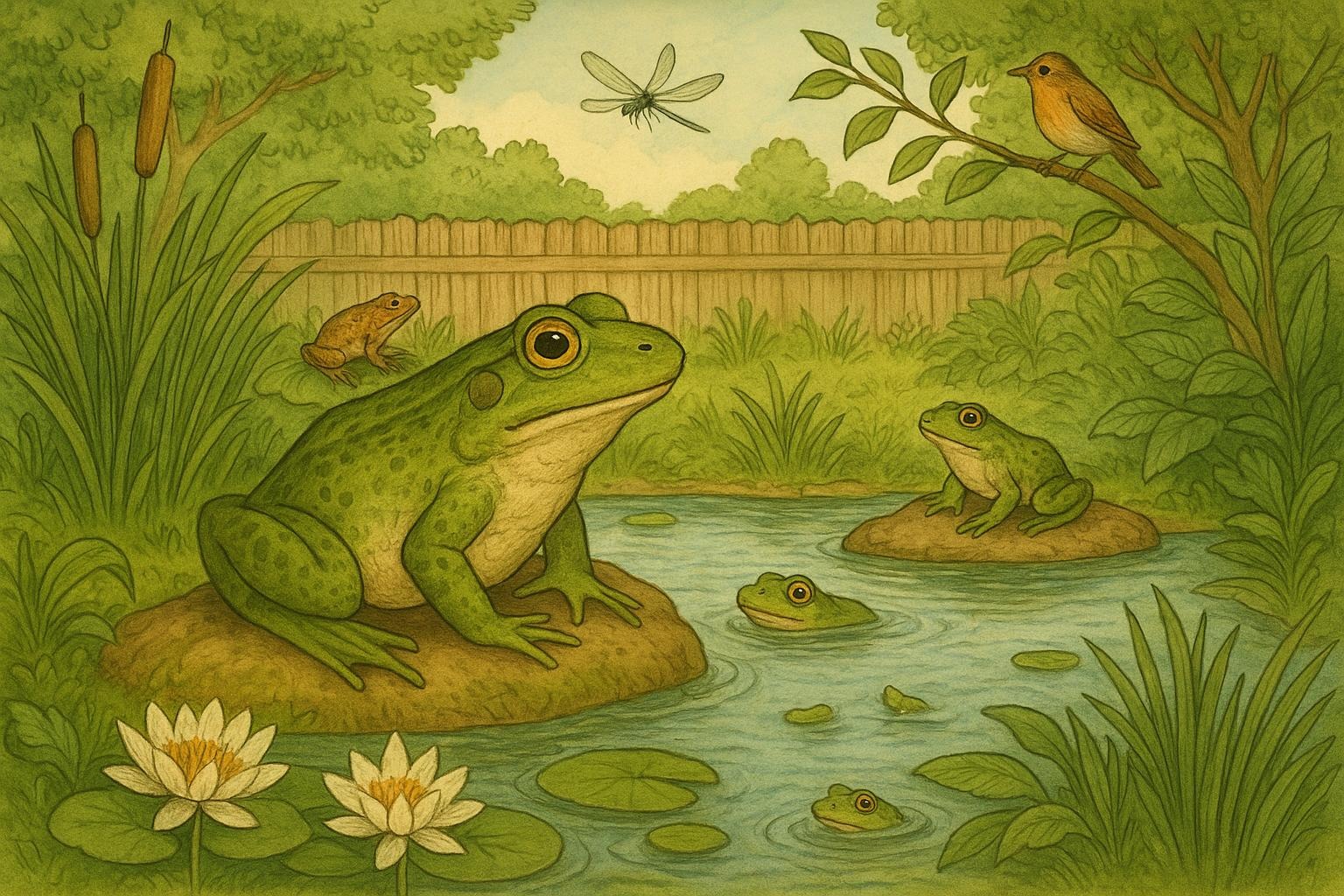
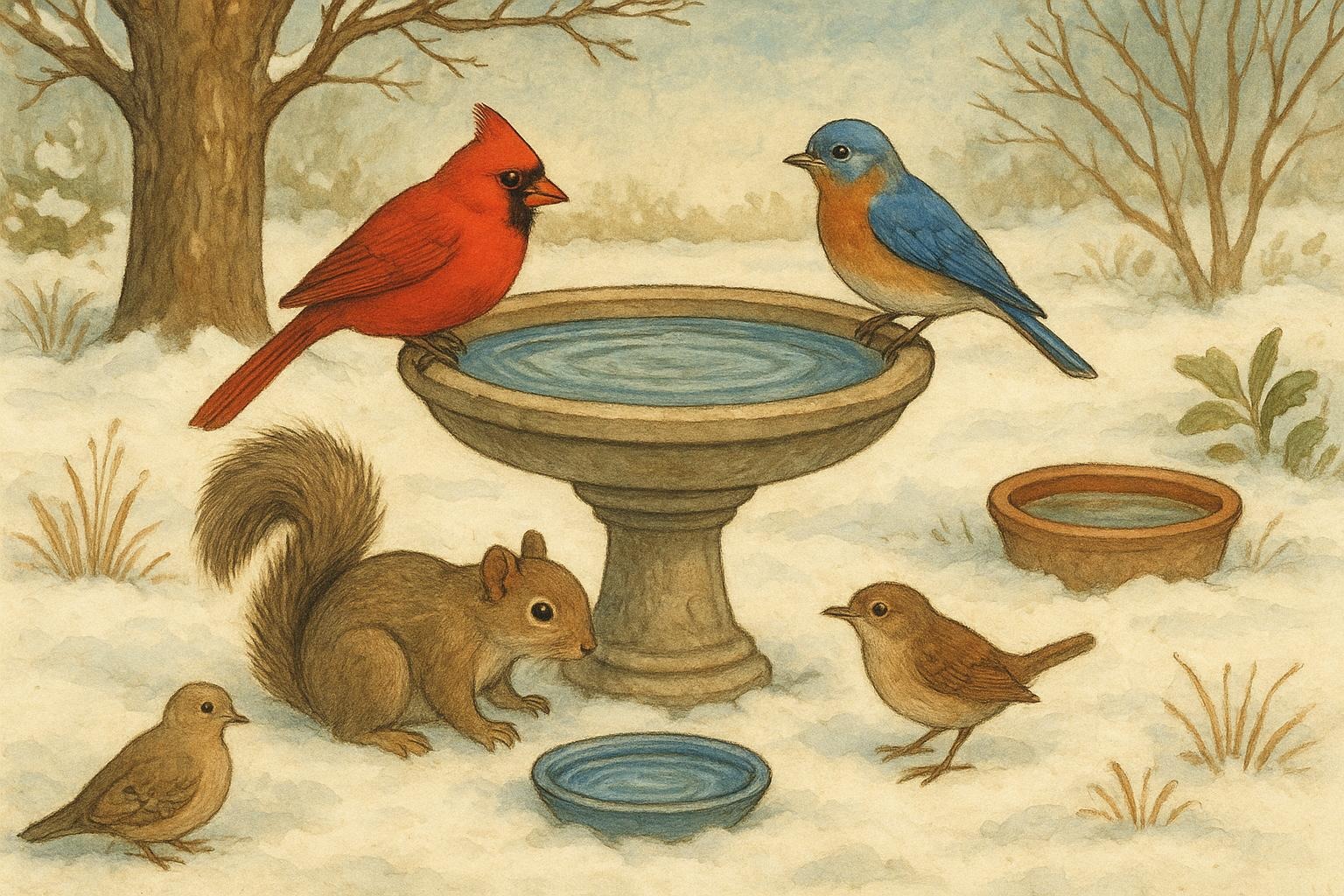
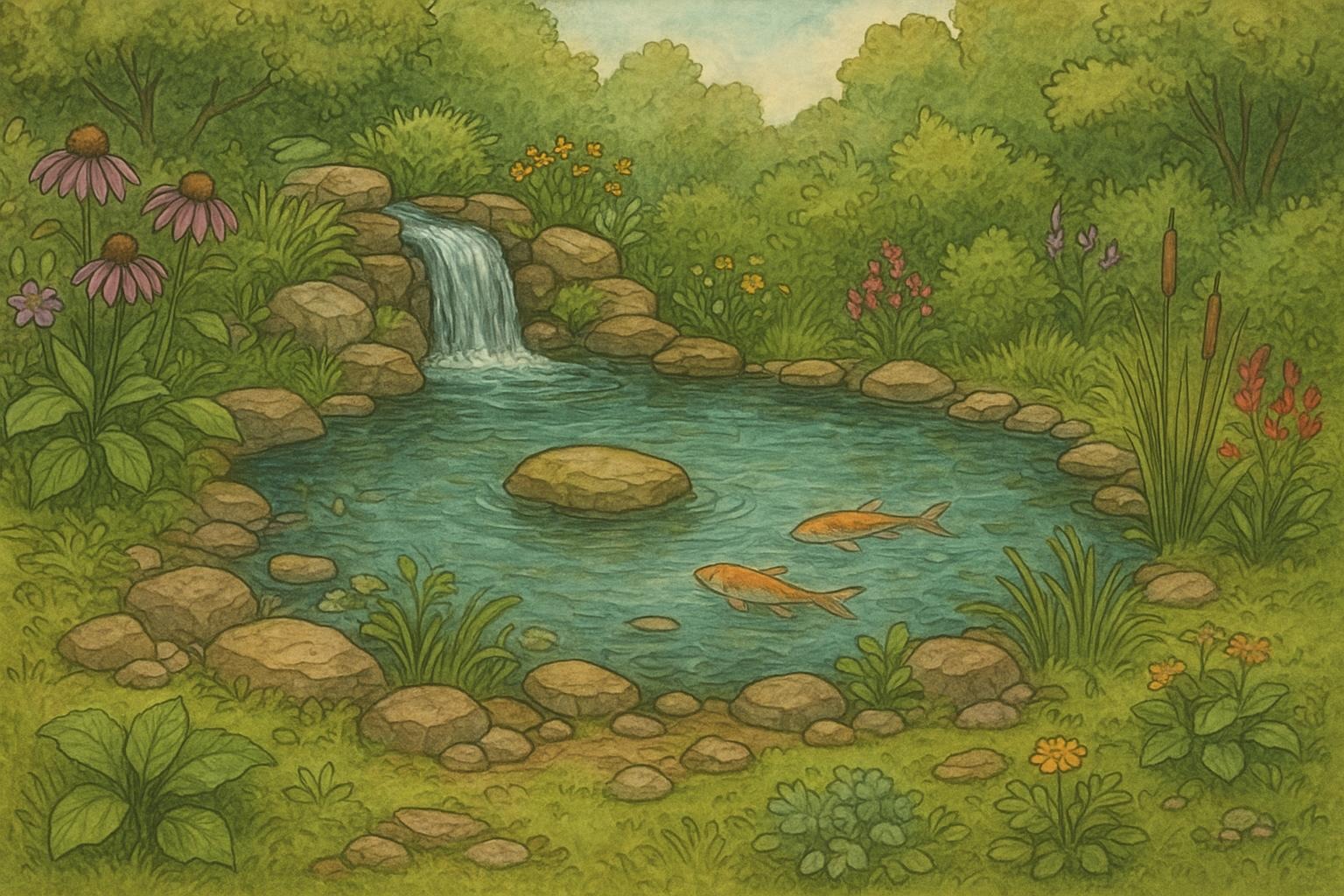
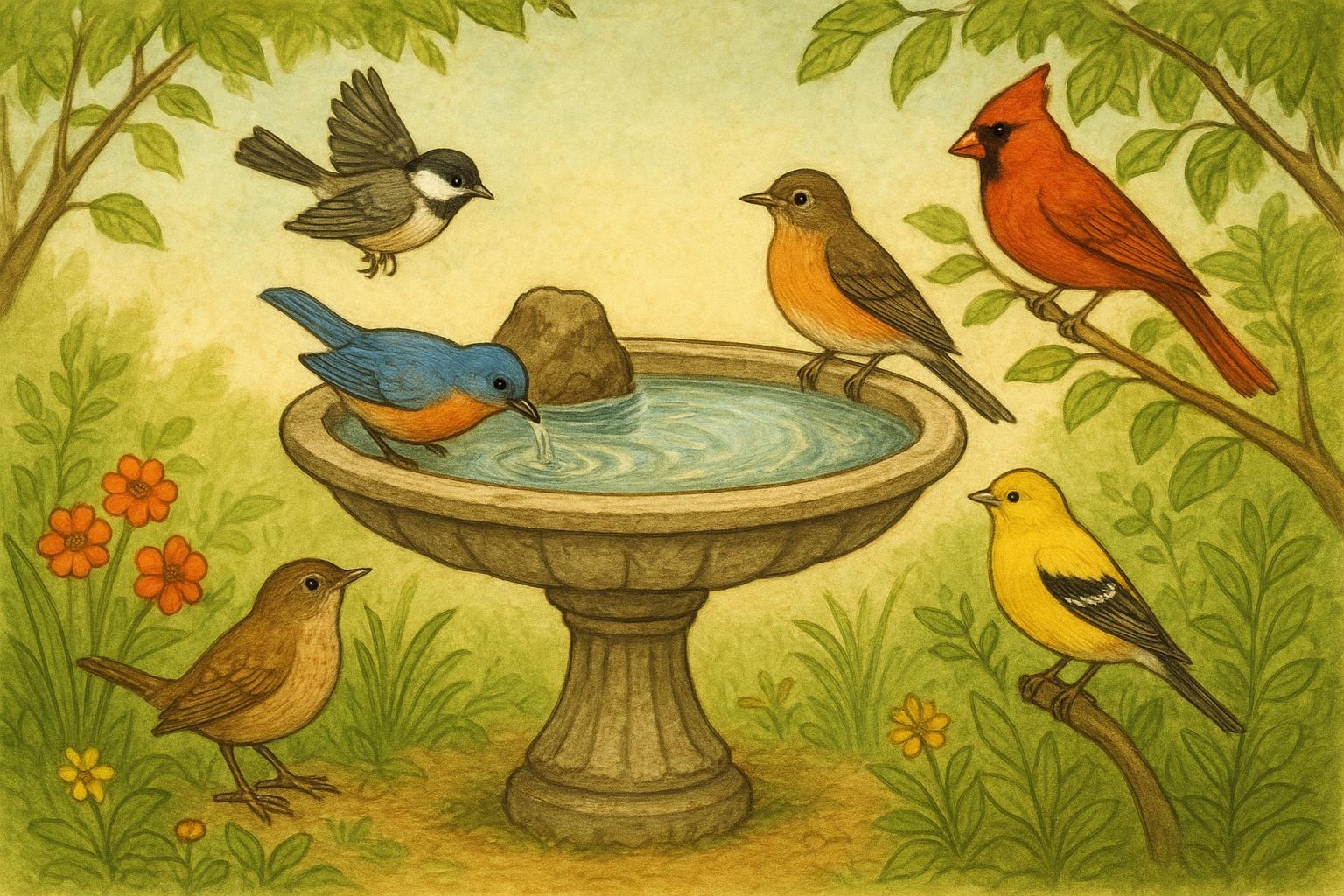
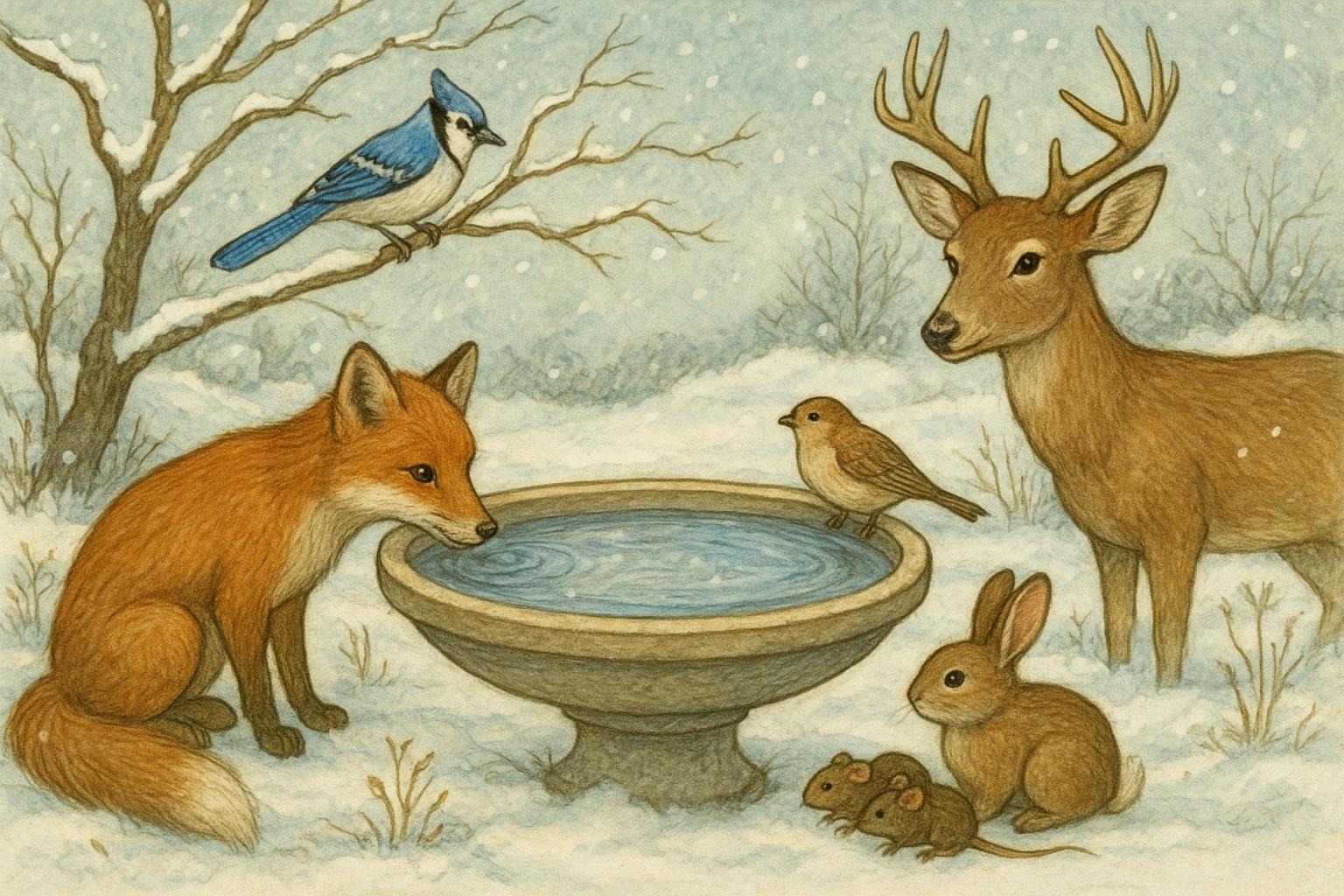
Water attracts wildlife but also mosquitoes and algae if neglected. Small, shallow basins with circulating pumps reduce standing water issues. Position water near cover like shrubs so birds can arrive and depart safely, minimizing predator exposure and stress.
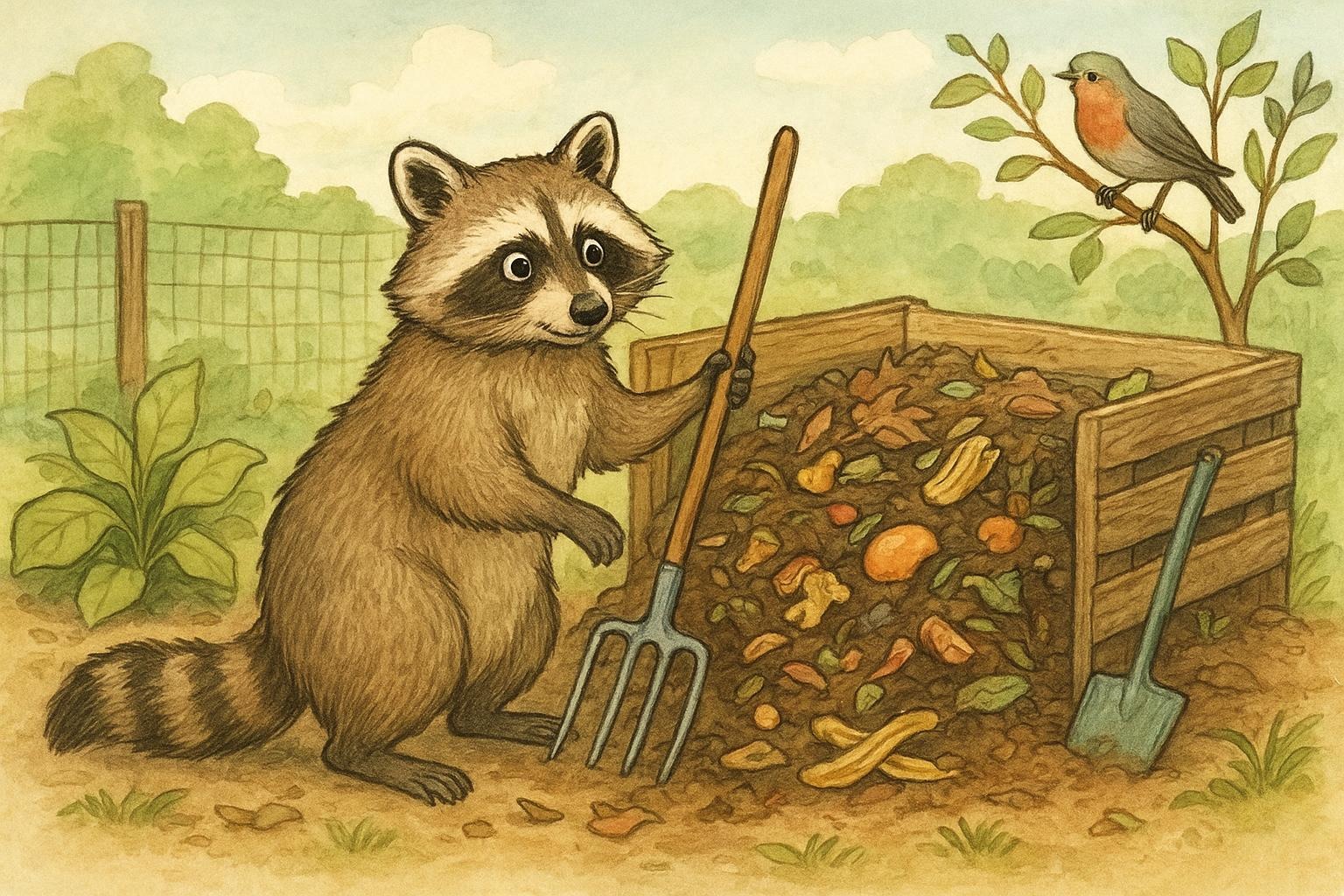
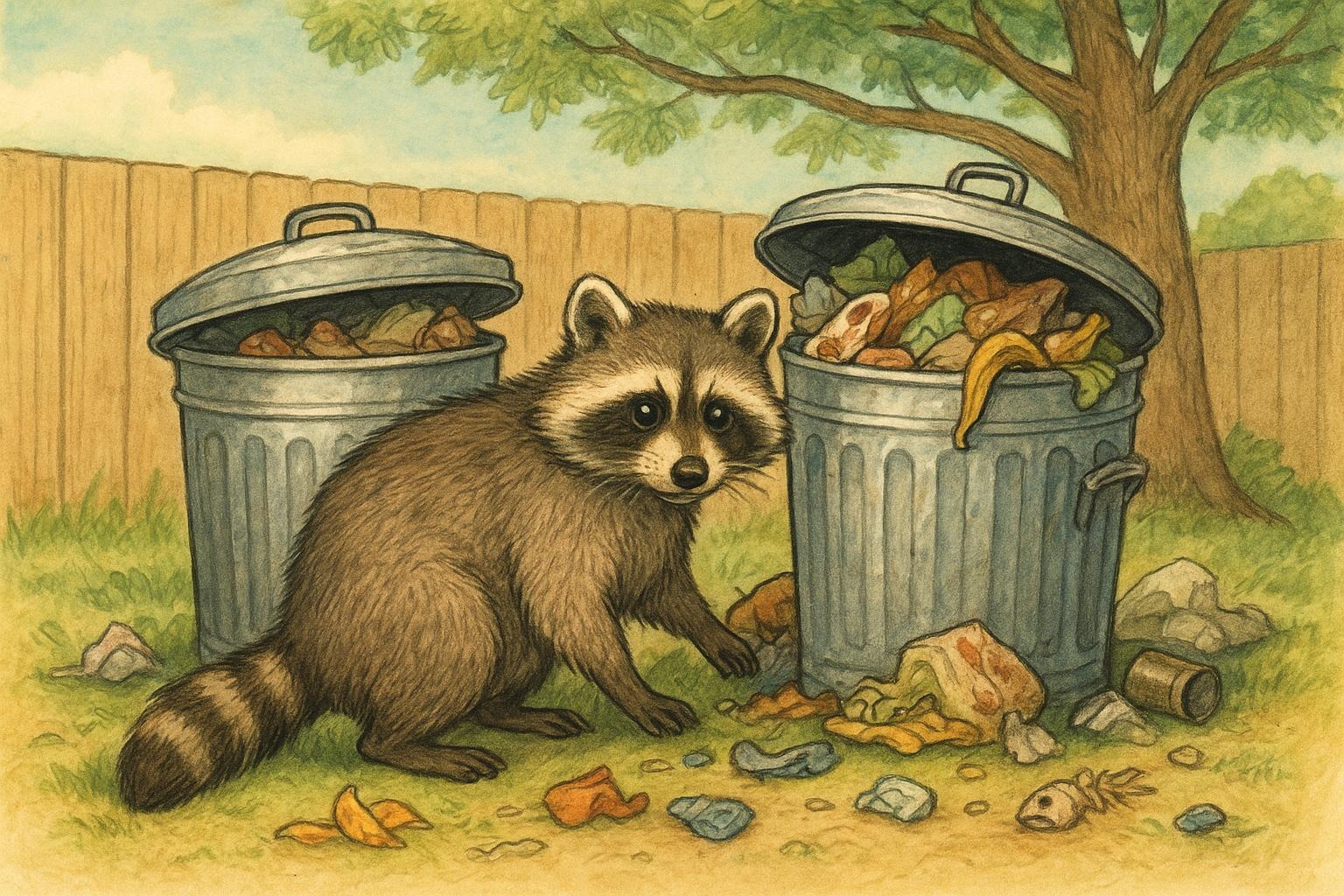
## Remedy 1: Raccoon-Proof Compost Bin And Secure Feeding Station
(Required Materials And Step-By-Step Construction And Application)
This remedy is formal and prescriptive to help you maintain hygiene and reduce nocturnal rummaging without harming animals.
Materials:
– 1 heavy-duty, 55-gallon plastic drum with lid or a dedicated compost bin rated for wildlife resistance
– 4 galvanized steel bolts (½ inch) with matching nuts
– 2 heavy-duty hasps or carabiner clips
– 1 roll of hardware cloth (¼-inch mesh)
– Drill with spade or hole saw bit
– Shovel and work gloves
– Optional: concrete pavers or a raised platform
Step-by-Step Construction And Application:
1. Select Location: Choose a site at least 10 feet from property lines, with some cover nearby (shrubs) but not directly against structures.
2. Prep The Drum: Drill drainage holes near the bottom (six to eight, ½-inch) and ventilation holes near the top. Line the inside bottom with a 2–3 inch layer of coarse material (twigs, straw) for aeration.
3. Reinforce Lid: Attach hardware cloth to the inside of the lid using galvanized bolts to prevent raccoons from prying through seams. Secure with hasps and lockable clips.
4. Mounting And Stability: Place the drum on pavers or a raised platform to discourage animals that prefer ground-level access. Anchor the drum to the platform using bolts through the base to prevent tipping.
5. Composting Practice: Alternate layers of “greens” (kitchen scraps, not meat/dairy) and “browns” (dry leaves, newspaper). Turn weekly if possible. Avoid adding meat or oily foods that attract scavengers.
6. Maintenance: Check the lid daily during initial weeks. If there is excessive odor, add more brown material and maintain moisture balance.
Applying this method will significantly reduce nocturnal scavenging while preserving composting functionality.
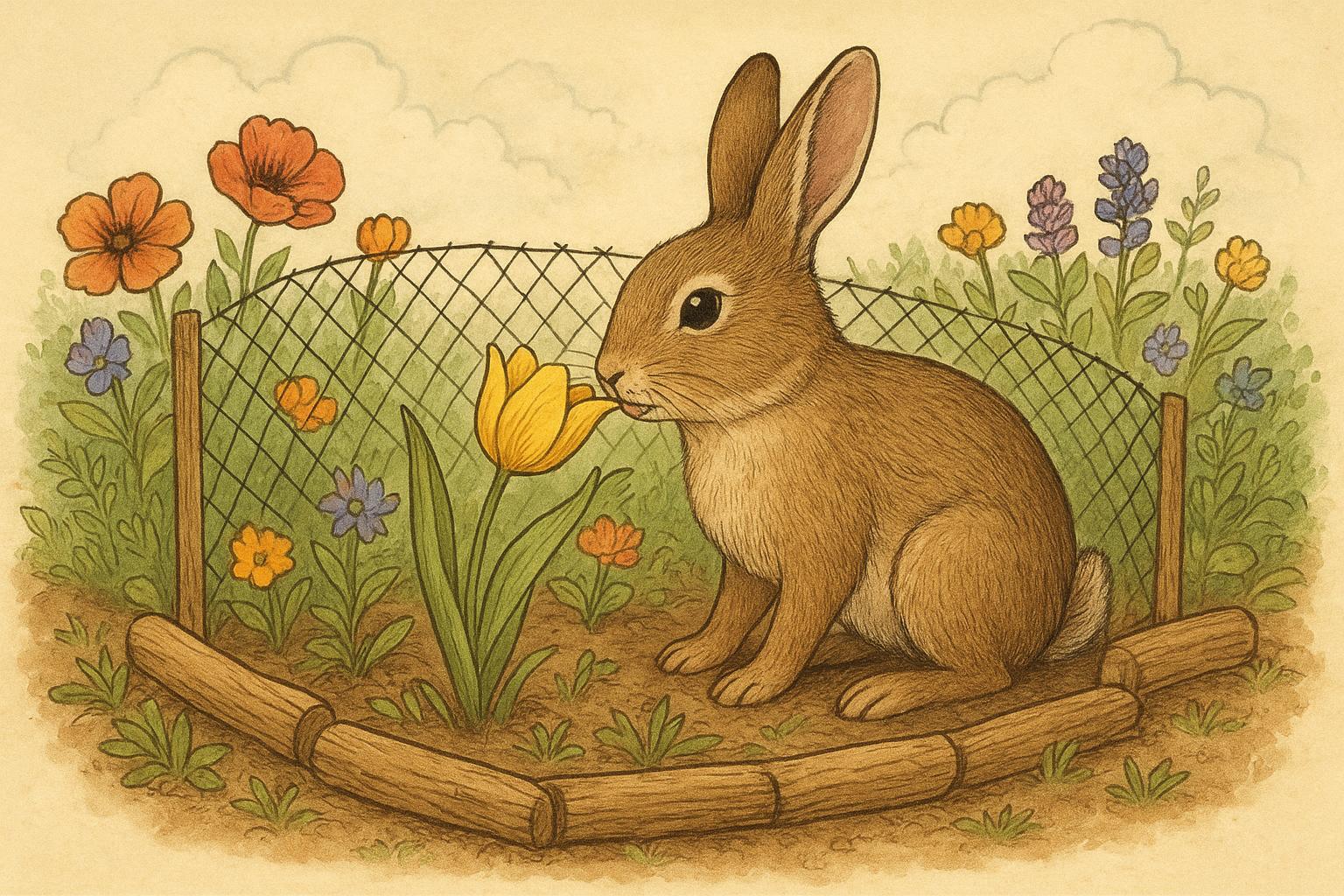
## Remedy 2: Deer-Resistant Planting Bed With Protective Barrier
(Required Materials And Step-By-Step Creation And Application)
This remedy is presented formally to provide a durable, low-impact defense against deer browsing while keeping plantings appealing.
Materials:
– 100 feet of 4-foot-high deer mesh fencing or welded wire
– 10 pressure-treated wooden posts (6–8 feet tall)
– 1 roll of landscape fabric (optional)
– Native, deer-resistant plant selections (e.g., lavender, Russian sage, boxwood, certain ornamental grasses)
– Mulch (wood chips or shredded bark)
– Hammer, post-hole digger, zip ties, staple gun
Step-by-Step Creation And Application:
1. Site Selection: Identify the bed you wish to protect, preferably one that receives good sun for chosen species.
2. Install Posts: Dig post holes approximately every 8–10 feet to a depth of 2 feet. Set posts firmly and allow to settle.
3. Attach Fencing: Unroll deer mesh fencing and attach to posts using staples or zip ties. Ensure the bottom edge is flush with the ground or staked to prevent deer from pushing underneath.
4. Prepare Soil: Remove grass sod if present, roughen the surface, and add compost to improve fertility.
5. Planting Layout: Arrange deer-resistant plants with taller shrubs in back and lower plants in front. Maintain spacing according to mature size.
6. Mulch And Fabric: Optionally apply landscape fabric beneath mulch to suppress weeds. Add a 2–3 inch mulch layer to conserve soil moisture and reduce maintenance.
7. Ongoing Care: Replace any damaged mesh promptly. Monitor plant health and replace nonperforming specimens with different deer-resistant species.
This approach minimizes plant loss to deer and keeps the aesthetic tidy without resorting to lethal control.
## Practical Tips For Everyday Maintenance
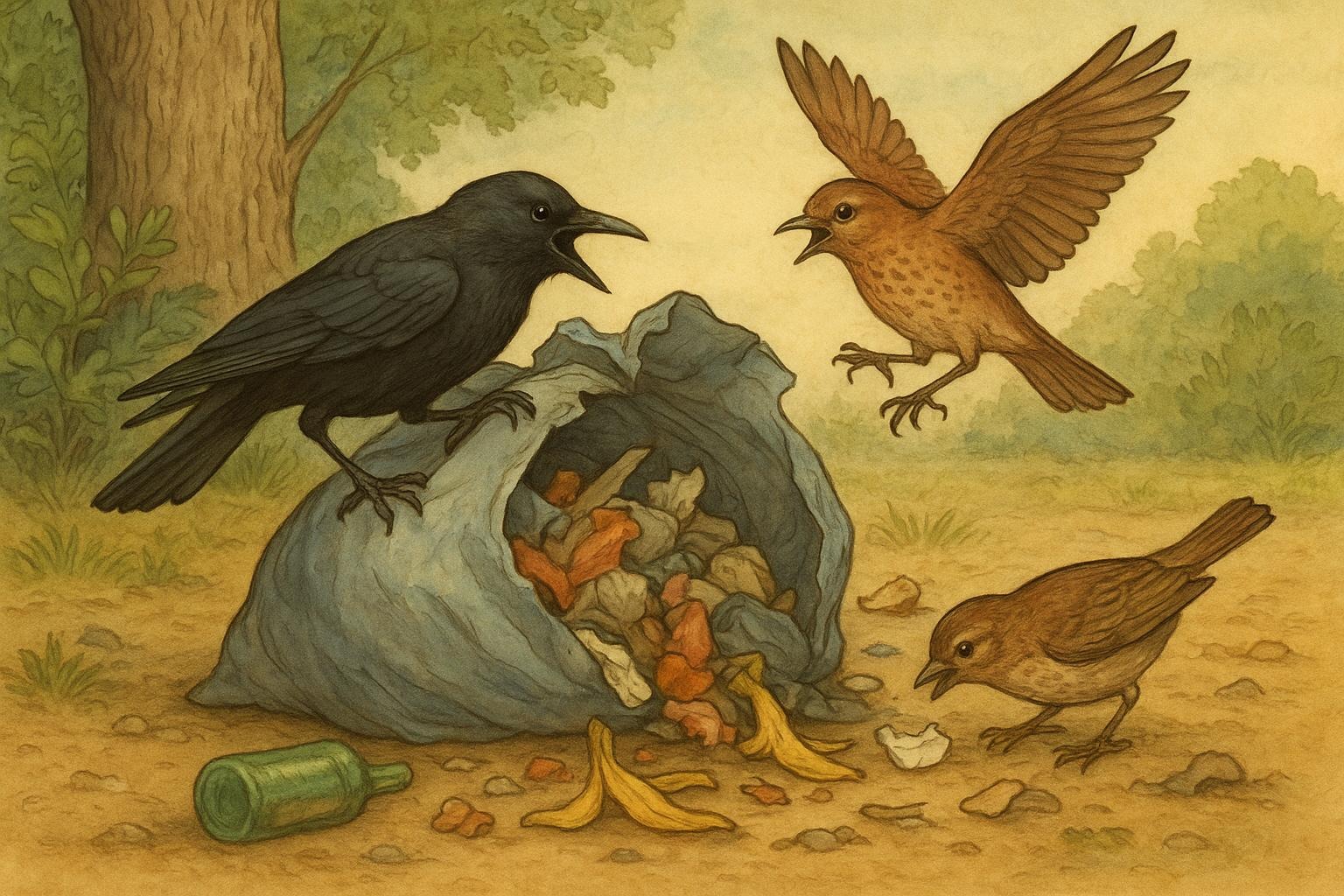
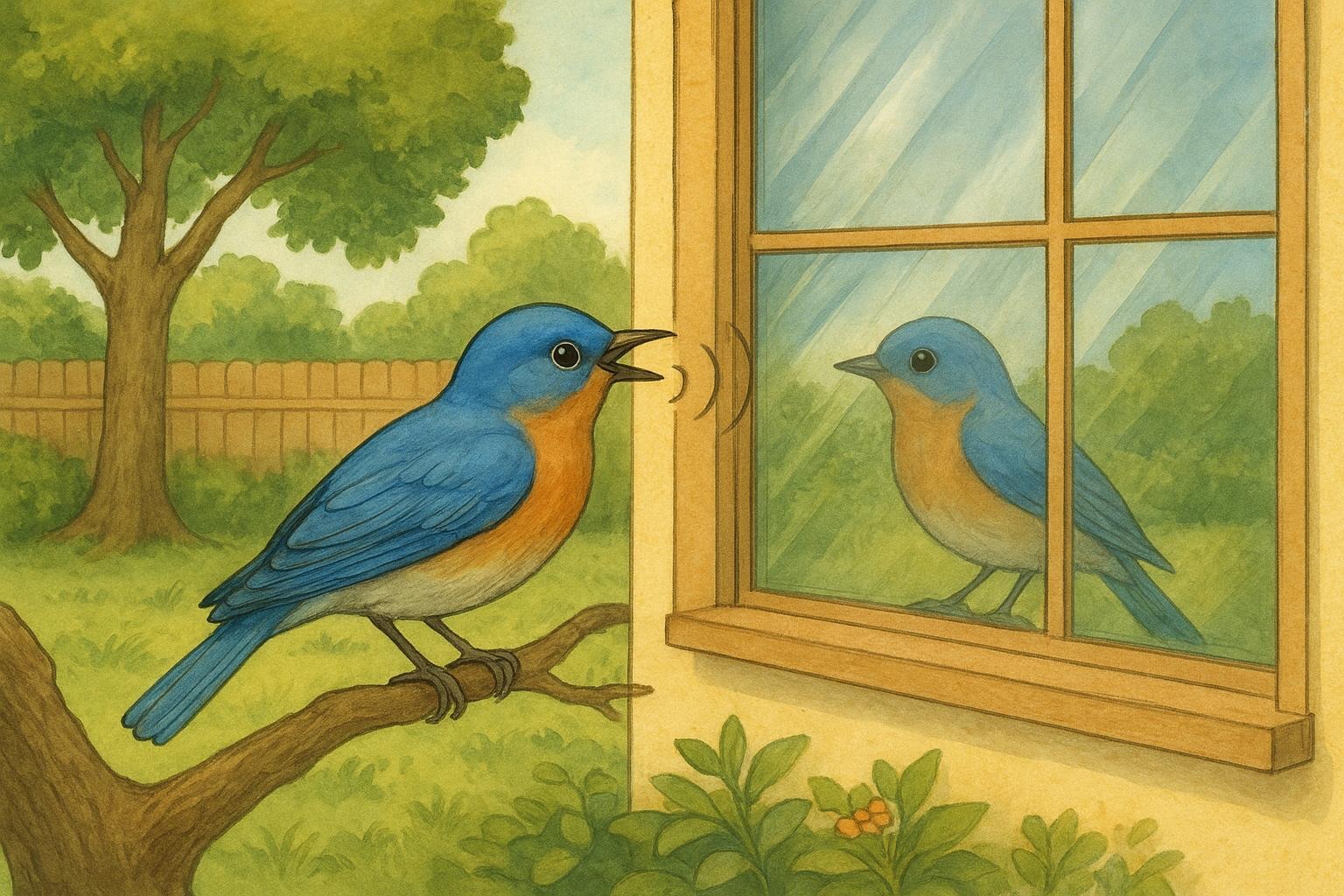
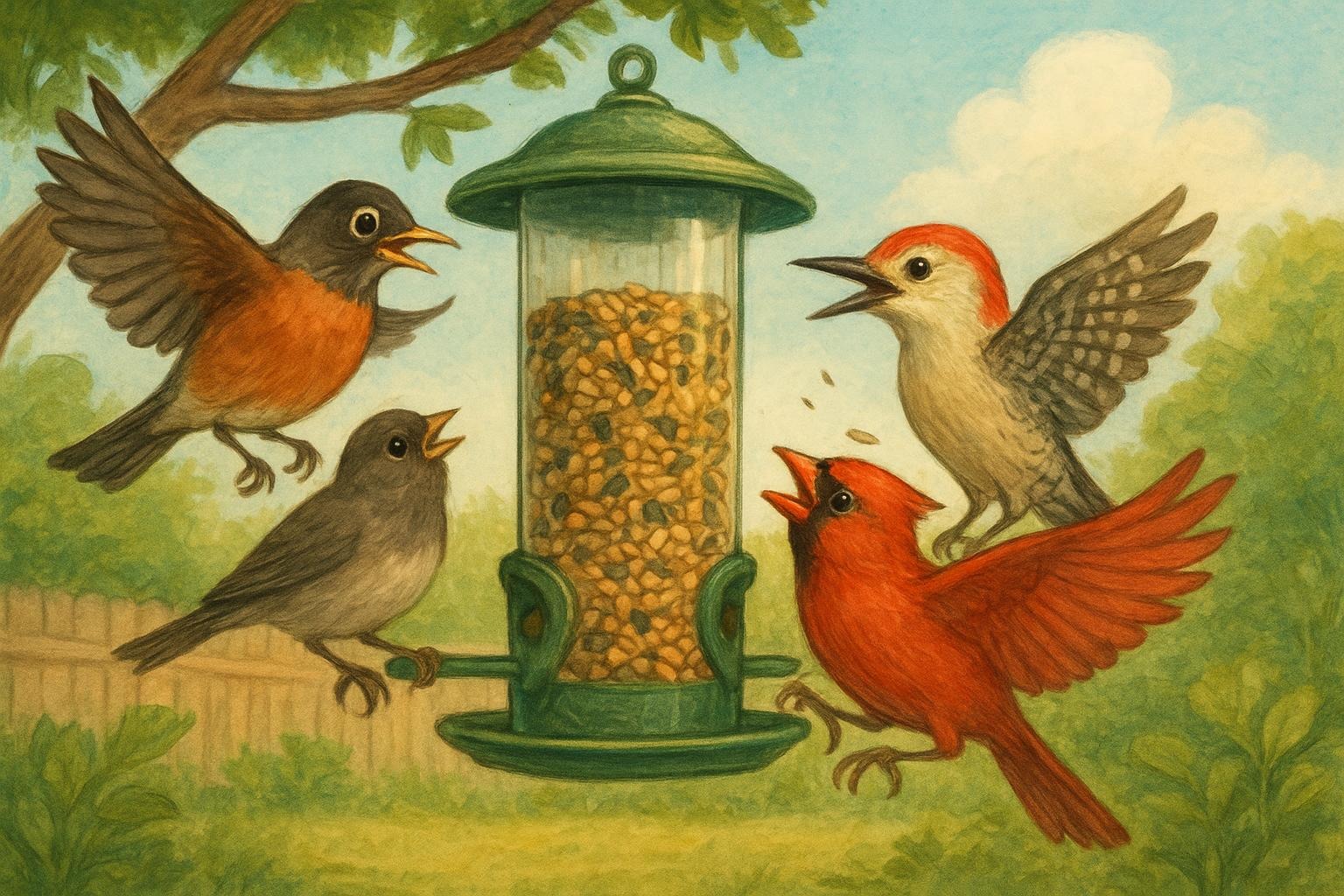
Small habits make a big difference when balancing wildlife. Keep pet food indoors, secure garbage with tight lids, and store firewood away from foundations. Time mowing and pruning to avoid nesting season and place feeders away from windows to reduce collisions. These simple routines lower conflict and keep your yard functioning as a vibrant, manageable habitat.
### Friendly Reminders
You don’t need to become a full-time wildlife manager. Start with one or two changes—native plant patches, a secure compost bin—and observe how visitors adapt. A yard that favors wildlife and meets maintenance goals is a work in progress, but it’s also deeply rewarding: you get to enjoy the thrill without sacrificing a clean, usable outdoor space.







Leave a Reply