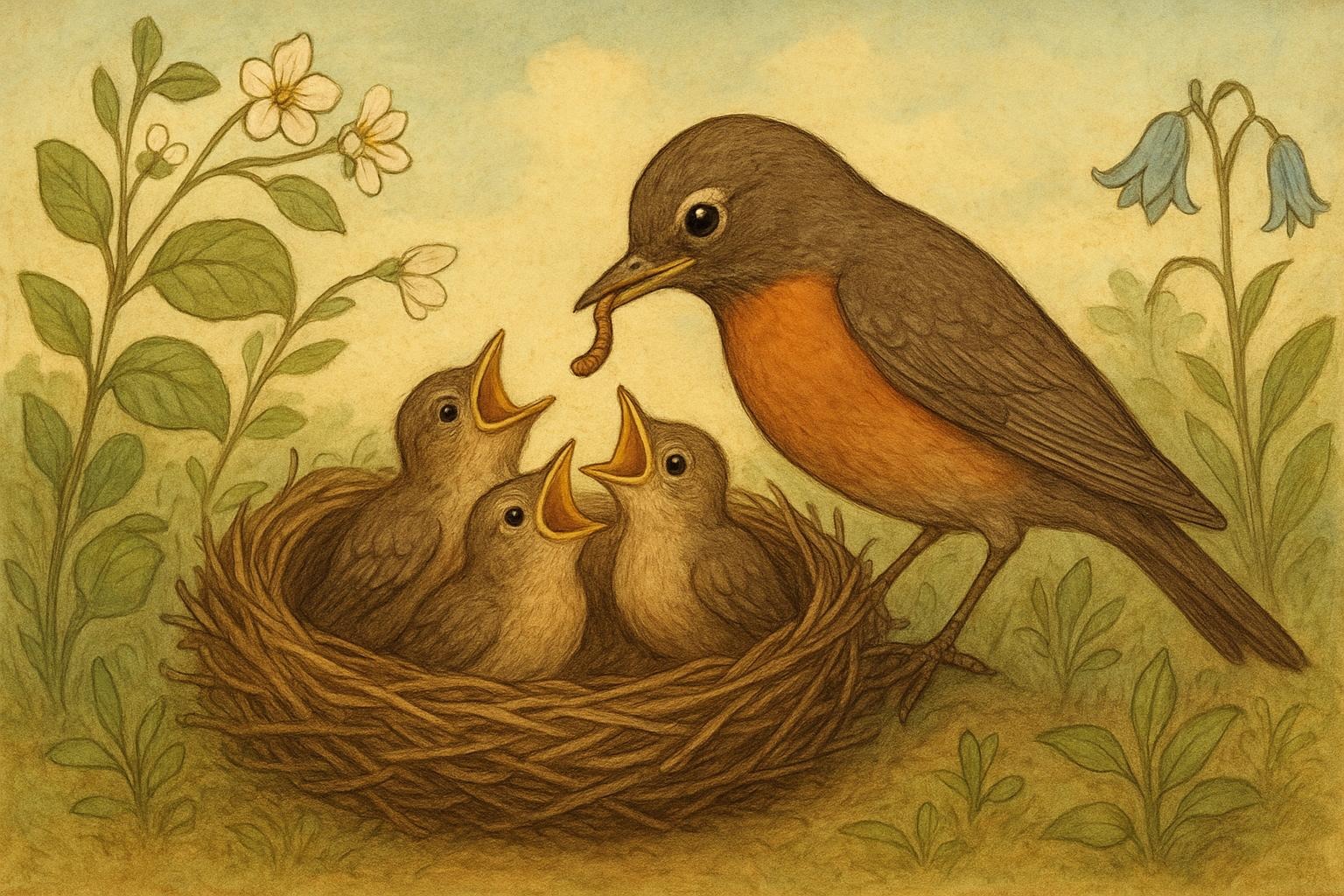
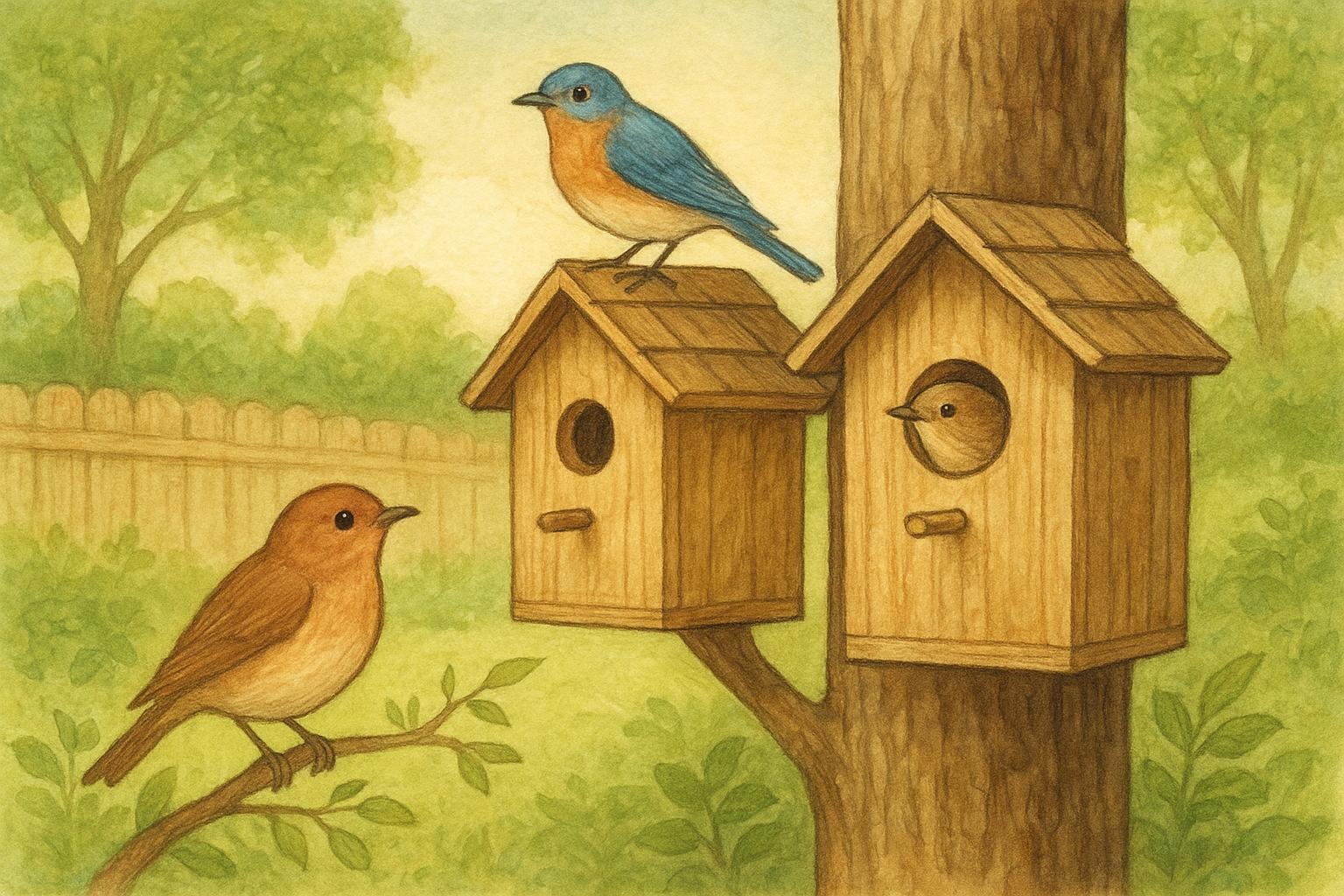
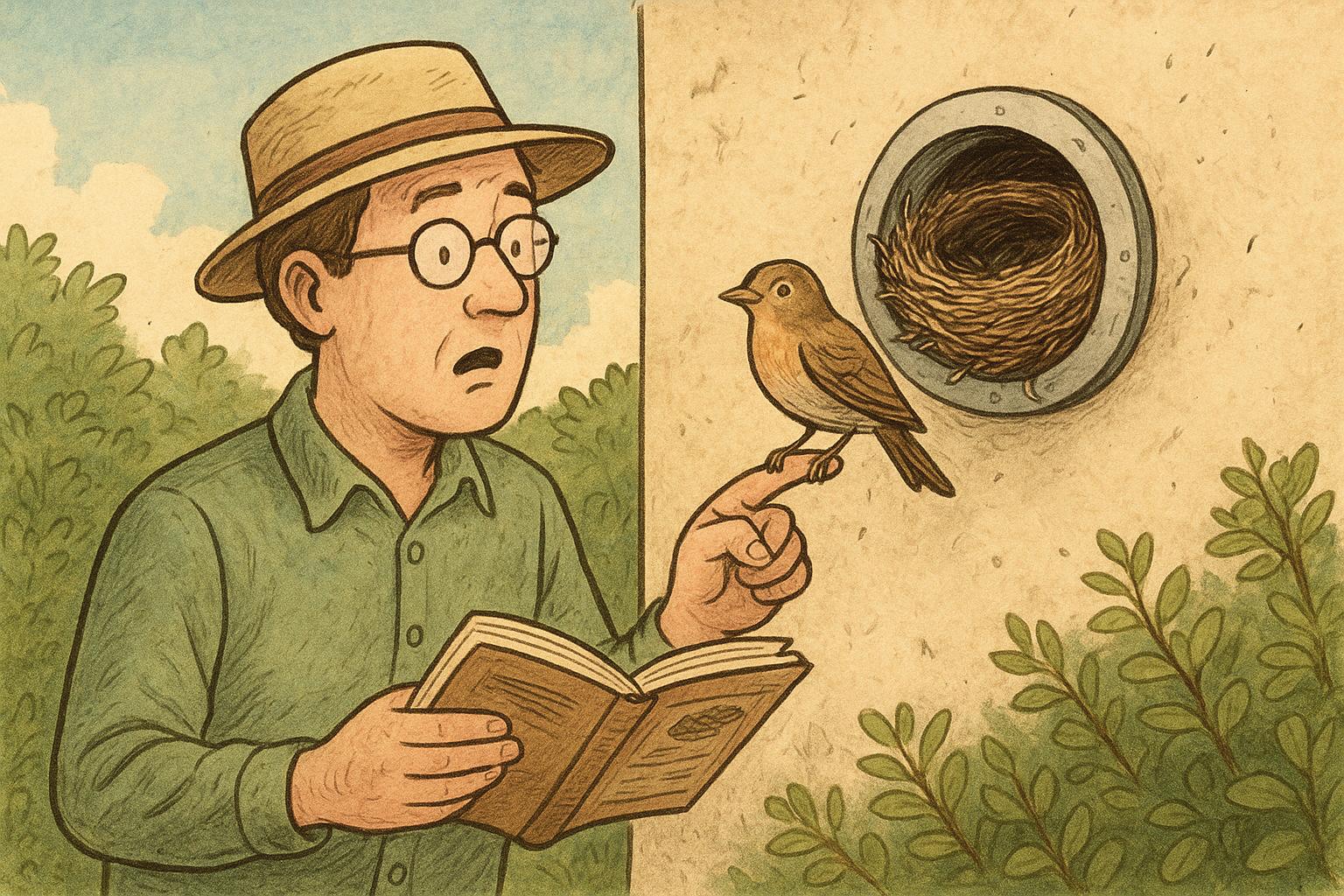
Welcoming a clutch of tiny, feathered tenants is one of nature’s small pleasures. You might find yourself whispering to a robin-sized roommate or tiptoeing past a shrub where a mama wren has set up housekeeping. Gentle, thoughtful baby bird care keeps those little lives safe without turning your yard into a bird hospital (unless that’s your new hobby—no judgment).
## Baby Bird Care: How To Be A Friendly Yard Host
When nests appear in your shrubs, eaves, or a hanging basket, your instinct may be to help every which way. That impulse is noble, but the best support is often subtle: observe, protect, and interfere only when necessary. Practicing conscientious baby bird care means balancing curiosity with restraint so parents can continue feeding and training without human-caused setbacks.
### How To Identify A Nest And Its Occupants
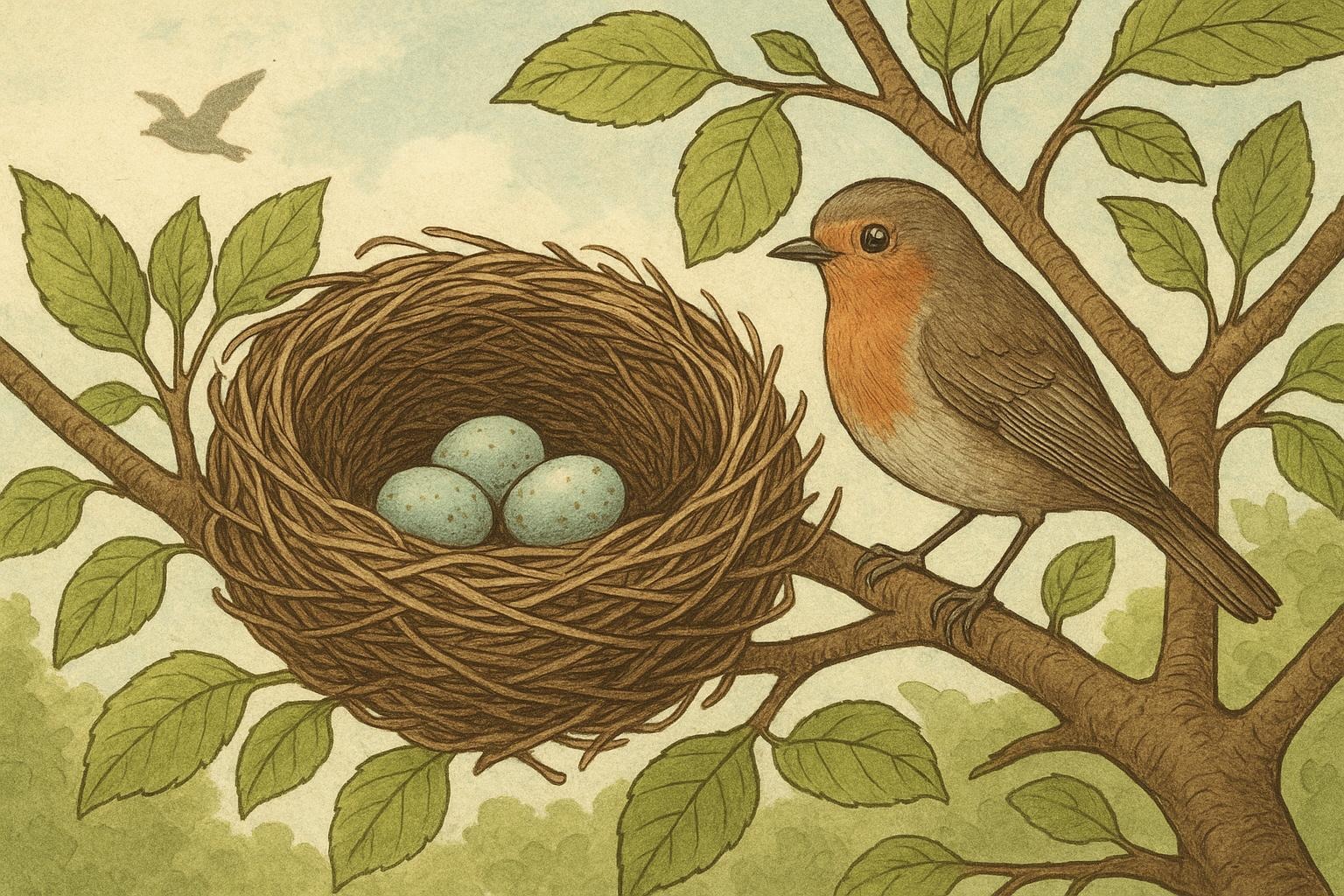
Nests come in all shapes and materials—mud cups, woven grasses, or hidden cavities. Pay attention to:
– The species (size and adult coloration).
– Number of hatchlings (if visible).
– Nest location and accessibility.
A nest with feeding trips every 10–30 minutes is usually healthy. If you can see the inside safely from a distance and the parent birds are returning, that’s a great sign.
### Why Minimal Disturbance Matters
Frequent human approach can lead to nest abandonment in sensitive species, attract predators by creating a trail to the nest, or cause parents to hesitate returning. Resist the temptation to handle nestlings or move nests unless they’re in immediate danger.
## Observing Without Disturbing
You can enjoy watching the birds without stressing them out. Use binoculars, take photos from a respectful distance, and avoid touching or rearranging nesting material. Keep pets and children away from nesting areas. If you need to check a nest for the safety of the young (fallen eggs, visible injury), limit your inspection to short, infrequent visits.
### How To Tell If A Nestling Needs Help
Not all awkward-looking baby birds need rescuing. Typical behaviors include:
– Cheeping loudly when parents are absent.
– Eyes closed for the first few days, later opening and flapping.
– Fluffy, downy feathers before developing flight feathers.
A nestling is likely in trouble if it is cold, visibly injured, bleeding, or a fledgling is alone and visibly starving for more than 24 hours. That’s where informed baby bird care comes into play.
## Common Scenarios And What To Do
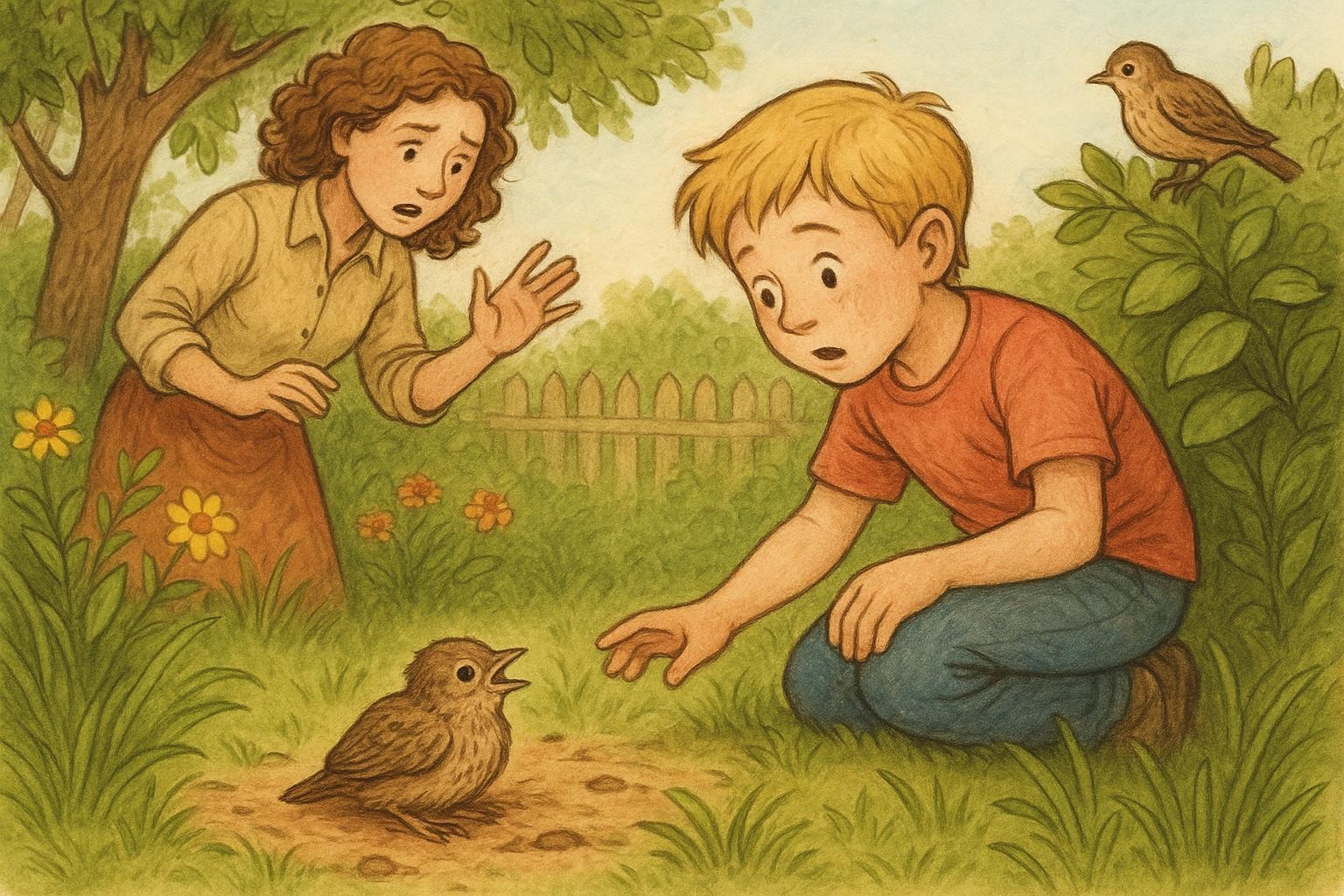
Scenario: You find a fallen nestling at the base of a tree. First question—Is it a nestling (too young to fly) or a fledgling (learning to fly)? Nestlings usually have little to no wing feathers and need to be returned to the nest. Fledglings are often on the ground as parents train them; observe from a distance and parents will usually show up to feed.
Scenario: A nest is exposed to predators or rain. You can add protective measures—see the remedies below—but don’t move the nest. Relocation often causes abandonment.
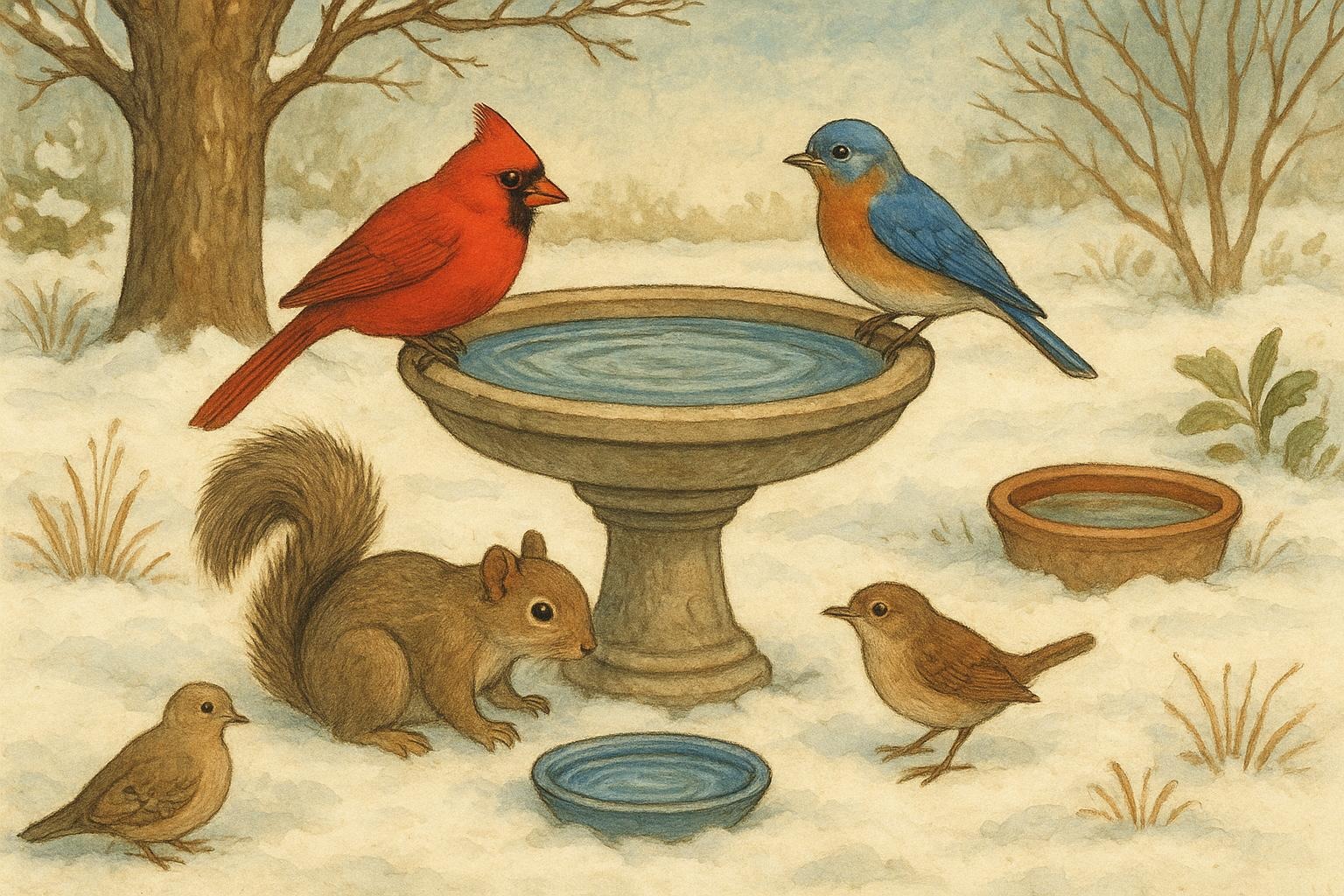
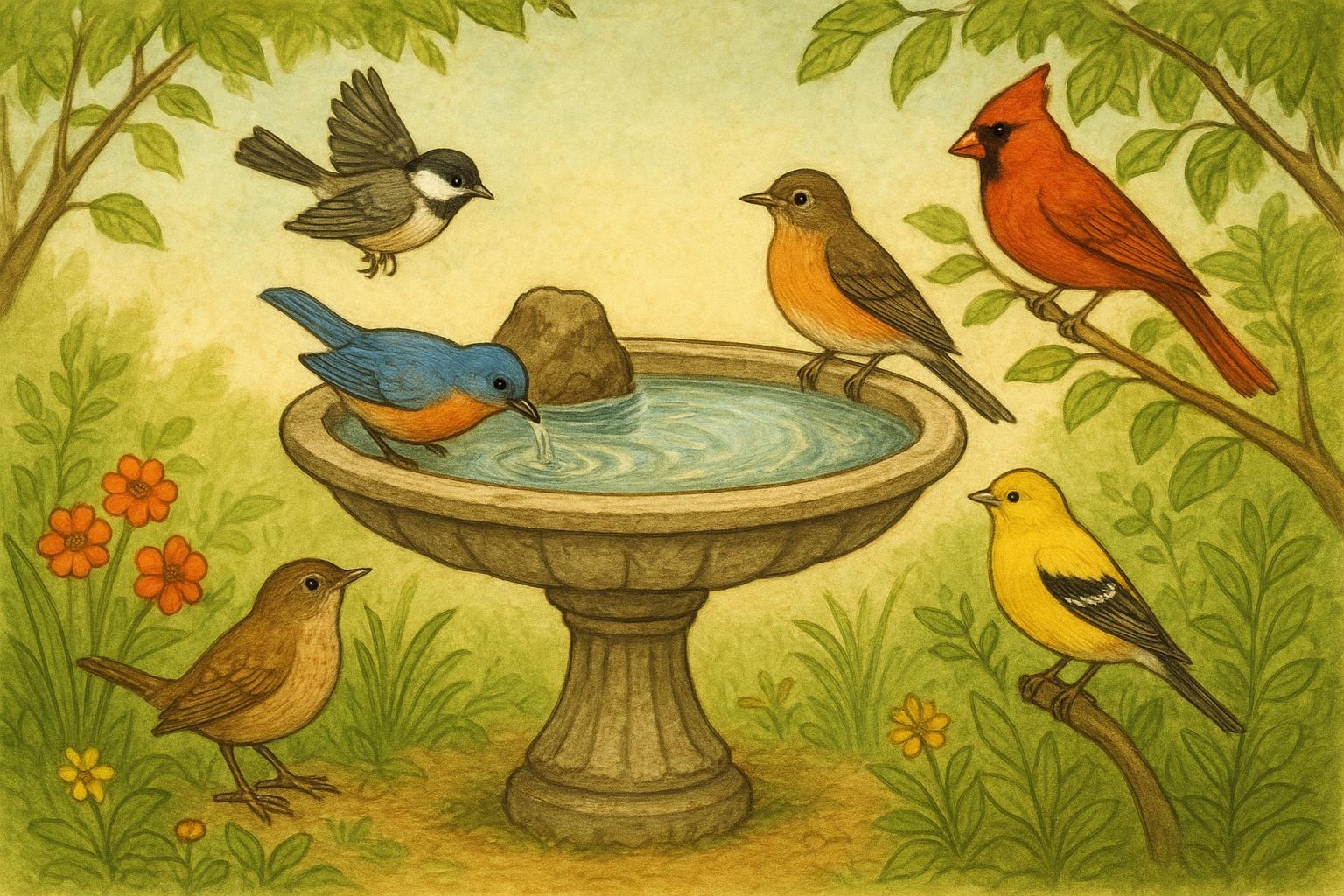
## Remedy 1: Safe Hydration Station For Nestlings
When summer heat spikes or parents are delayed, providing a safe hydration option for birds in your yard (not directly in the nest) can be beneficial. This is for temporary use only; parents are the primary providers.
#### Materials
– Shallow dish or birdbath with gently sloped sides.
– Large, flat stones or marbles (to create standing spots).
– Clean water (changed twice daily).
– Optional: small solar-powered pump to keep water moving (prevents mosquitoes).
#### Steps To Create And Apply
1. Choose Placement: Place the dish in a shaded area within sight of the nest but at least 6–8 feet away to avoid attracting predators to nesting sites.
2. Prepare Surface: Add flat stones so small birds can perch safely without risk of drowning. Stones should break the water surface to create multiple perching points.
3. Fill With Water: Add clean, fresh water until it covers about half the height of the stones. Water depth should be shallow—no more than 1–2 centimeters at the edges.
4. Monitor Regularly: Refill and clean the dish twice daily to prevent bacteria and mosquito larvae. If you observe increased predator activity, remove the station immediately.
5. Withdraw When Normal: If parents return and feeding frequency normalizes, discontinue supplementary water to reduce dependency and predator attraction.
This formal protocol reduces risk and offers support without disrupting parental care.
## Remedy 2: Temporary Shelter For Fallen Nestlings
If you must intervene and a nestling has fallen into immediate danger (predators, busy foot traffic), creating a temporary shelter can buy time until its parents can reunite or a rehabilitator arrives.
#### Materials
– Shallow, ventilated container (small berry box or cardboard shoe box).
– Clean, dry paper towel or a small bit of non-sticky, breathable nesting material.
– Soft towel for warmth (if cold).
– Gloves to minimize human scent transfer.
– Access to a local wildlife rehabilitator or raptor center phone number.
#### Steps To Create And Apply
1. Safety Assessment: Wear gloves. Confirm the chick is injured or in imminent danger. Check for bleeding, broken limbs, or hypothermia (cold body temperature).
2. Collect Carefully: Using gloves, gently place the nestling into the container lined with a paper towel. Provide soft material for cushioning. Do not attempt to feed.
3. Keep Warm: If the bird is cold, place the box in a warm, quiet area. Use a soft towel under the container; avoid direct heat sources which can overheat.
4. Short-Term Holding: Limit holding time to the minimum necessary. Parents may still come if the chick is left near the nest site—place the container in a hidden spot nearby where the parents can access it or check visually from a distance for parental return.
5. Contact Professionals: Immediately call a licensed wildlife rehabilitator for instruction. If transport is advised, follow their guidelines for safe transfer.
6. Avoid Prolonged Human Care: Do not attempt to feed, water, or medicate the bird unless directed by professionals. Improper care can cause serious harm.
This remedy is intended as a temporary measure and must be followed with professional direction. Proper baby bird care often ends in coordination with licensed rehabilitators.
## Creating A Nest-Friendly Yard Without Being Overbearing
Make your garden more hospitable while keeping interactions hands-off. Plant native shrubs and trees for natural shelter, provide varied foraging opportunities by avoiding broad-spectrum pesticides, and keep birdbaths clean. If you enjoy watching, set up a comfortable viewing spot at least 15–20 feet from nests to limit disturbance.
### Predator Management Tips
– Keep cats indoors during nesting season or use enclosed outdoor pens.
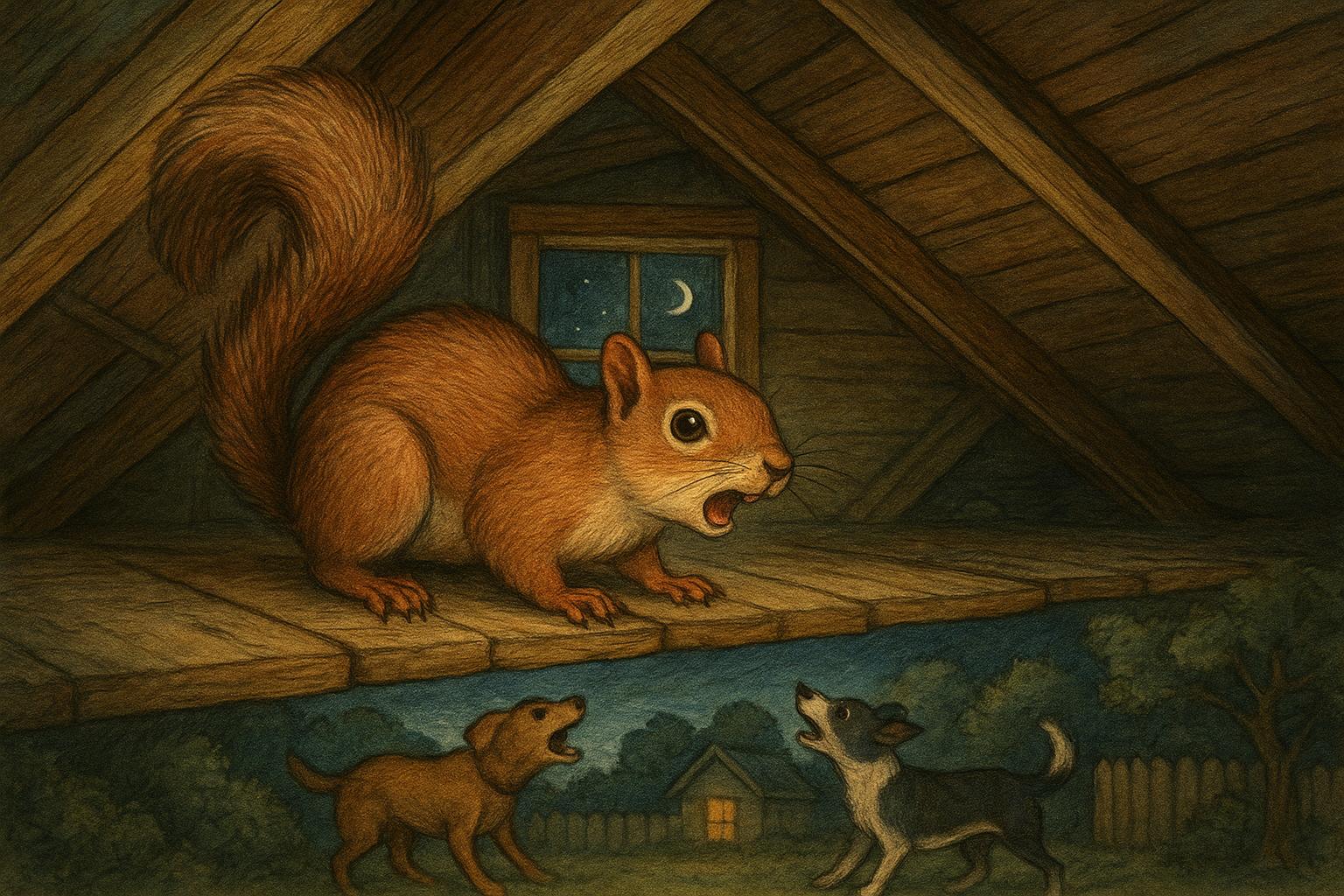
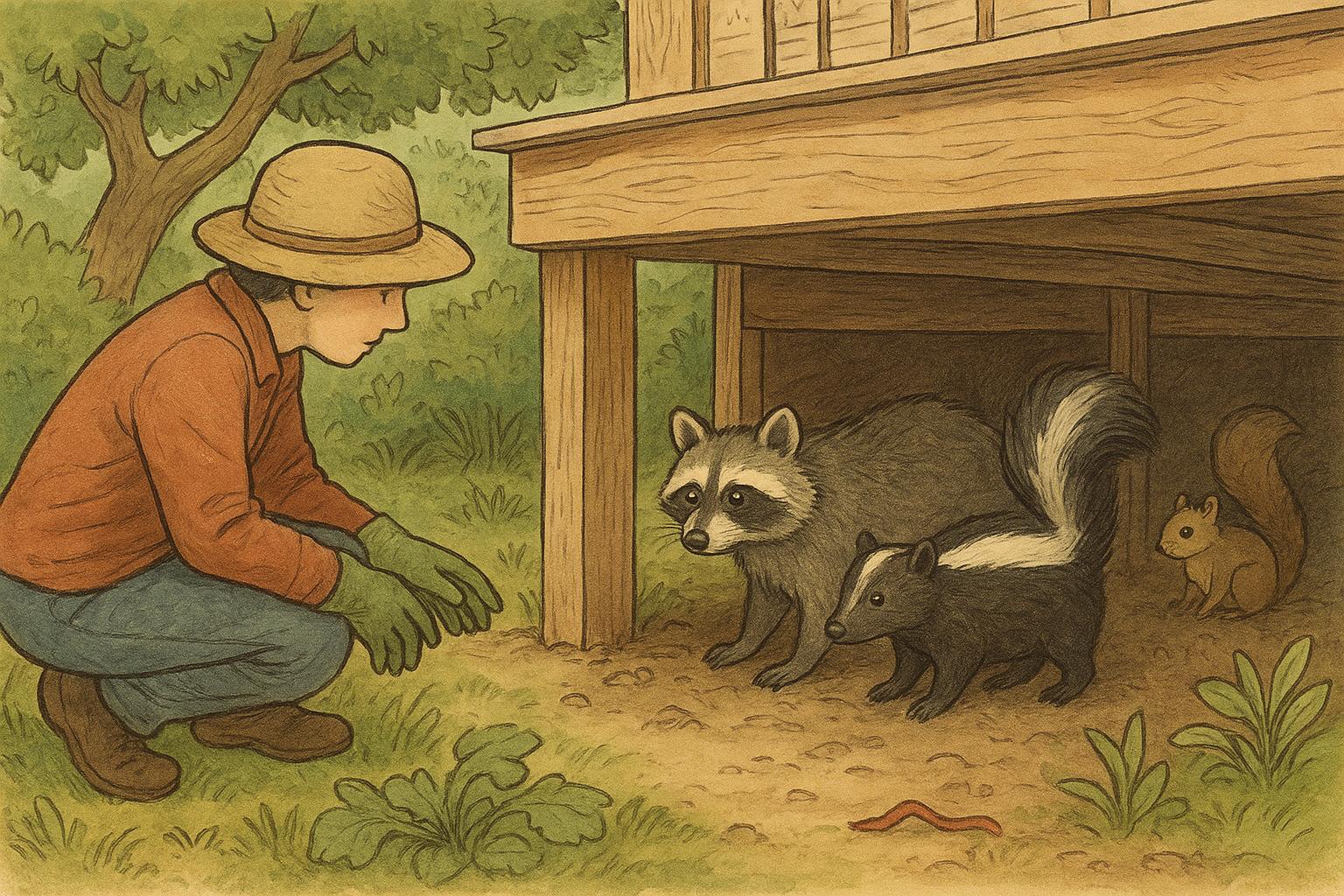
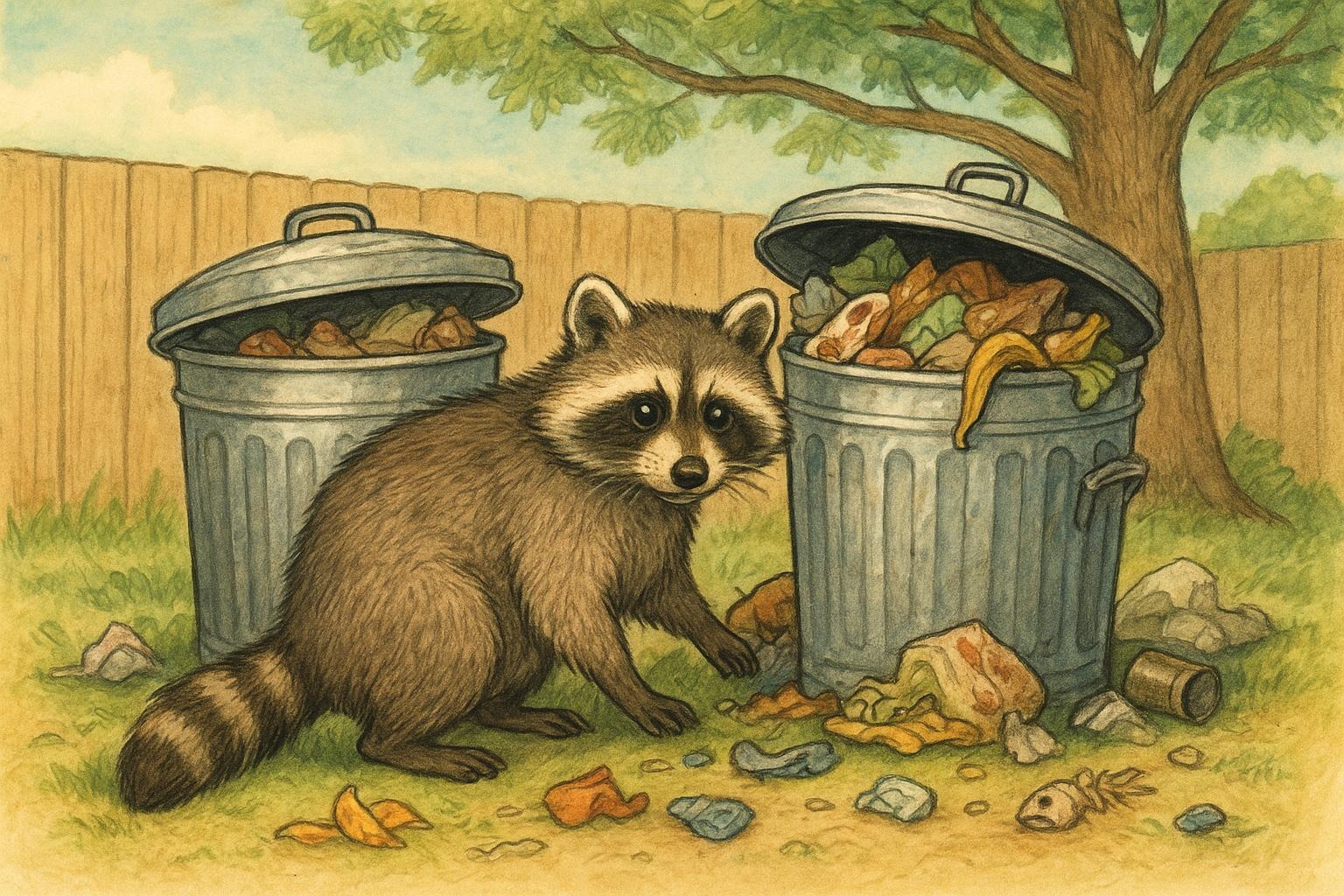
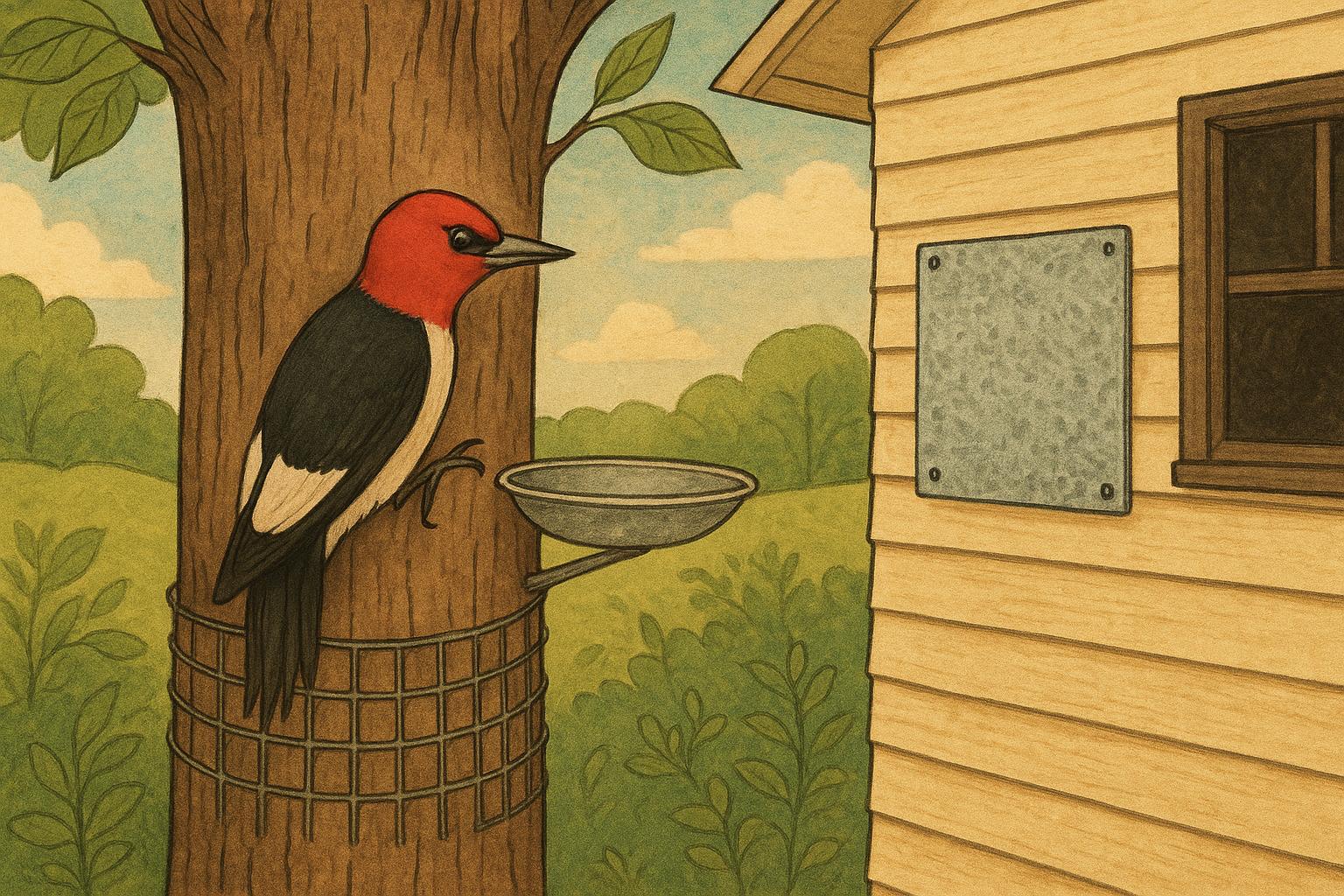
– Install baffles on poles to deter raccoons and squirrels.
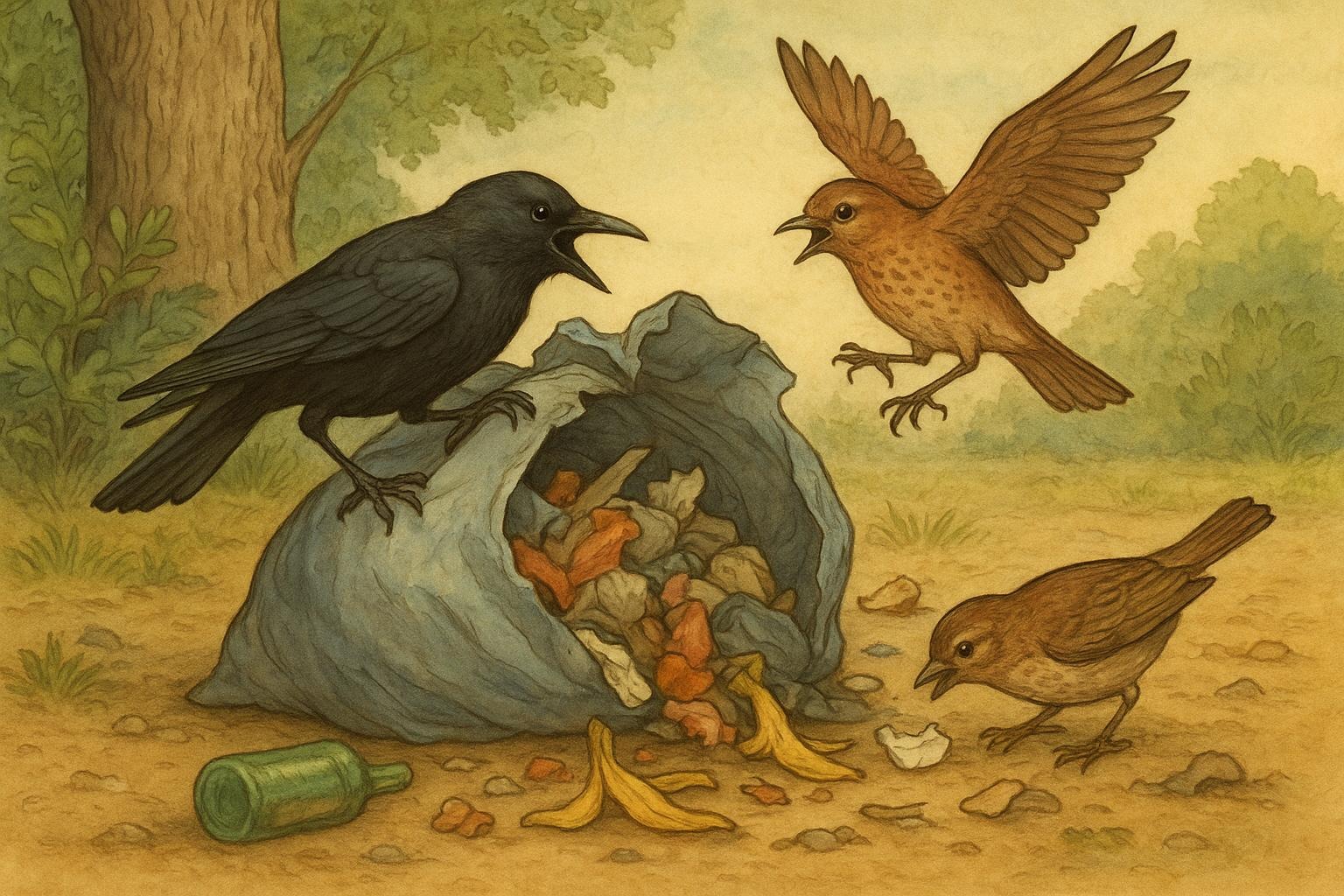
– Reduce attractants like accessible pet food or trash.
These measures support long-term baby bird care by lowering daily risks.
## When To Call A Wildlife Rehabilitator
Professional help is required if a bird is obviously injured, bleeding, or if parent birds have not returned within 24 hours to a visibly helpless nestling. For species that are threatened or protected, contacting experts is essential because handling and care are regulated. Locate a local rehabilitator through your state wildlife agency or a nature center.
### Information To Provide When Calling
Be prepared to describe species (or size), behavior, location, and any visible injuries. The rehabilitator will advise whether the bird should be returned, sheltered temporarily, or brought in for treatment.
If you find yourself frequently helping young birds, consider learning more about local species’ nesting calendars and connecting with local birding or wildlife groups. That’s how you graduate from accidental rescuer to an informed steward of the feathered neighborhood—complete with a slightly smug embrace of your own good intentions.
Enjoy the show, be kind to the parents, and remember: thoughtful baby bird care is mostly about watching, protecting, and knowing when to call the pros.





Leave a Reply