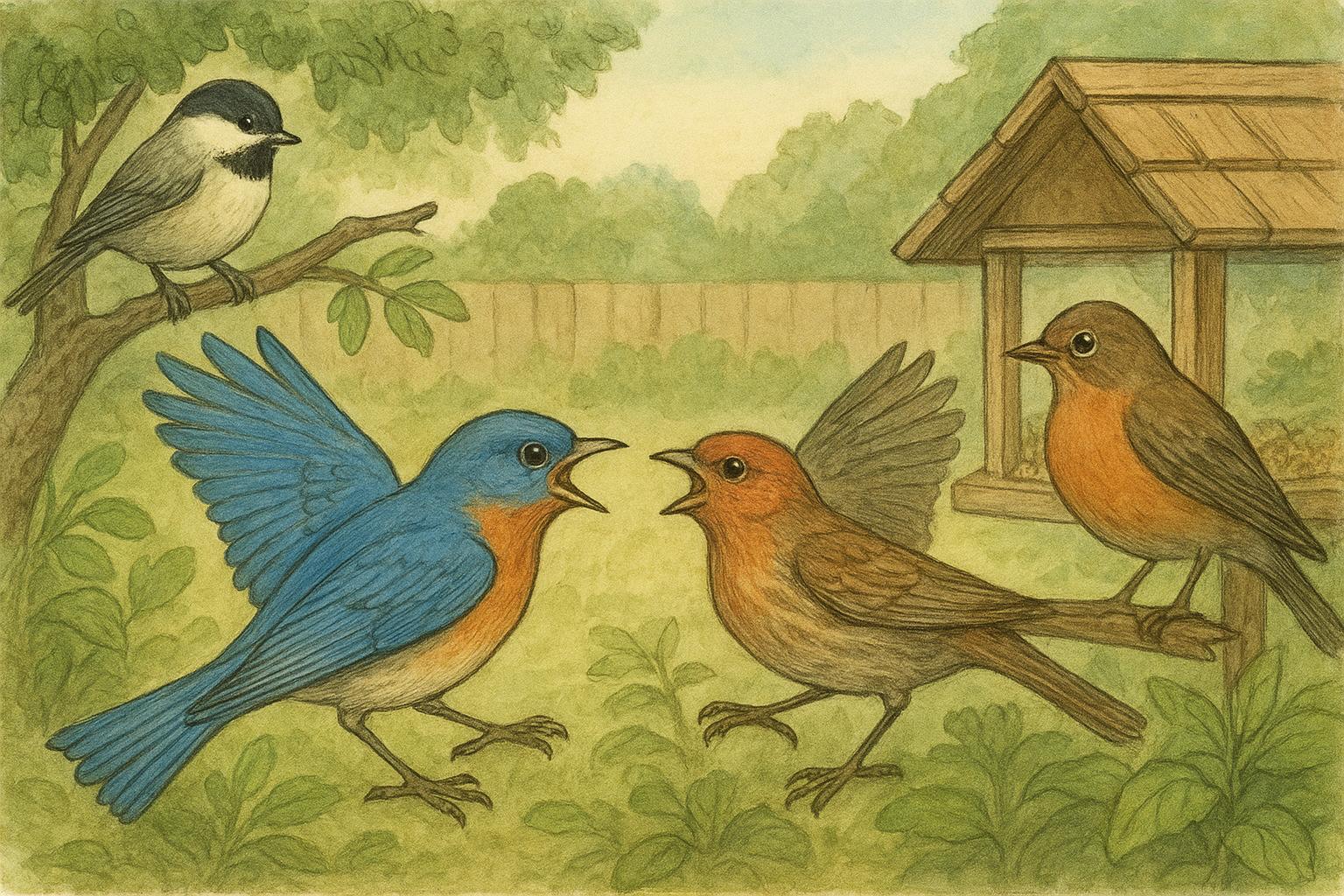
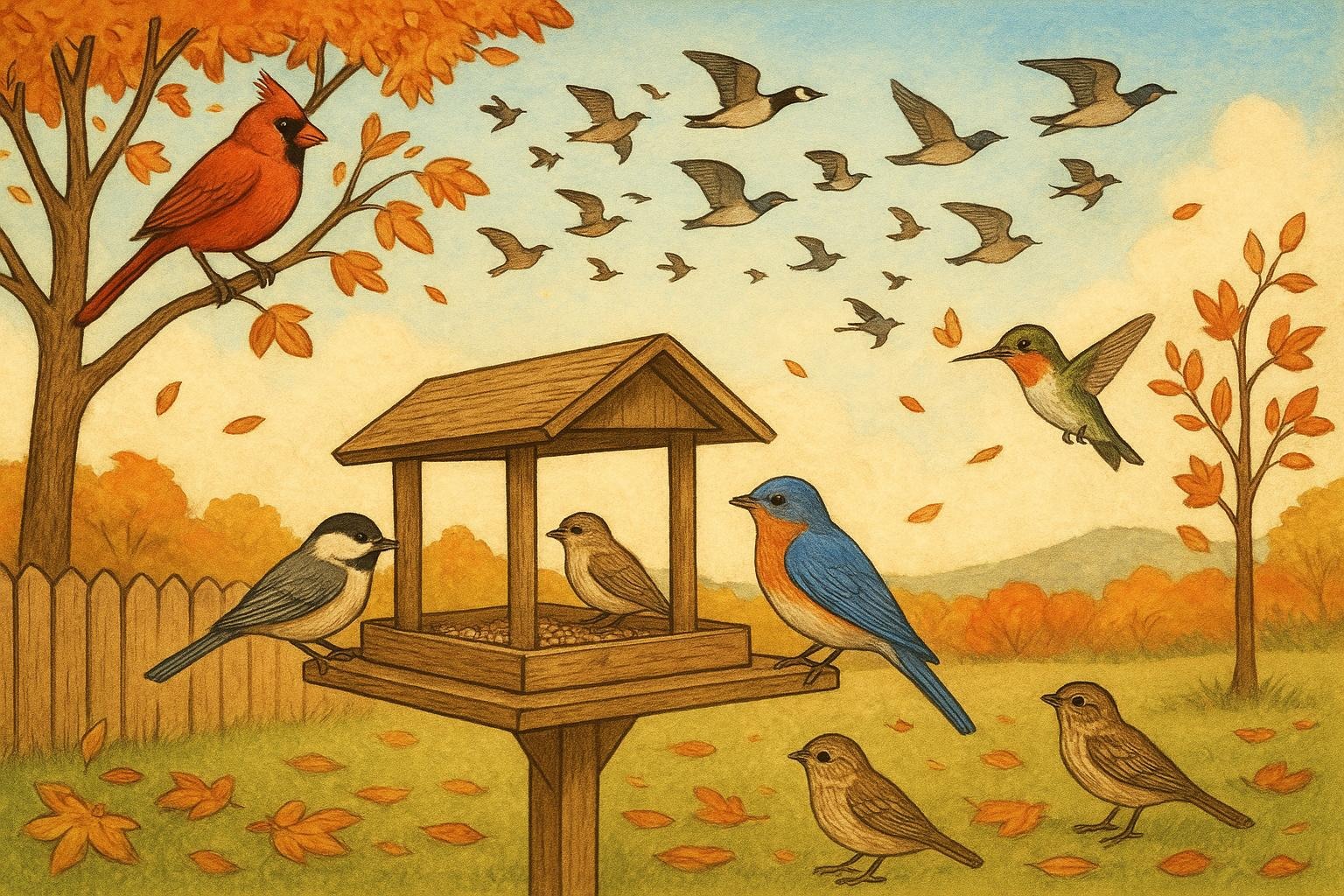
There’s nothing quite like the sound of wings and the blur of feathers at your feeder—until one bird decides another needs a quick lesson in backyard politics. Backyard bird brawls can be dramatic, surprisingly loud, and occasionally provide what feels like an avian soap opera. Before you call in reinforcements (or popcorn), understanding the drivers behind bird aggression can help you peacefully coexist with your local feathered citizens.
## Bird Aggression: Why It Happens
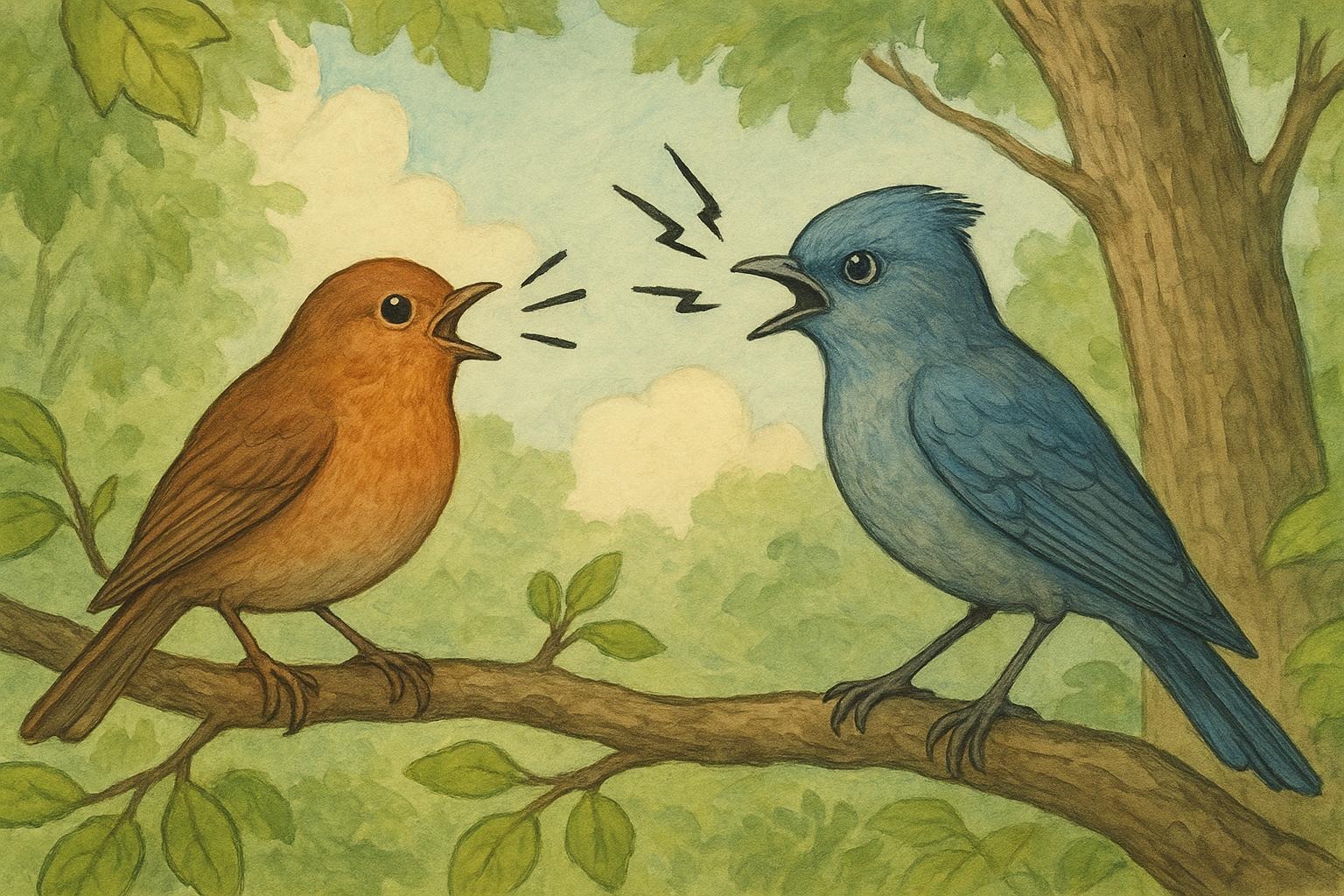
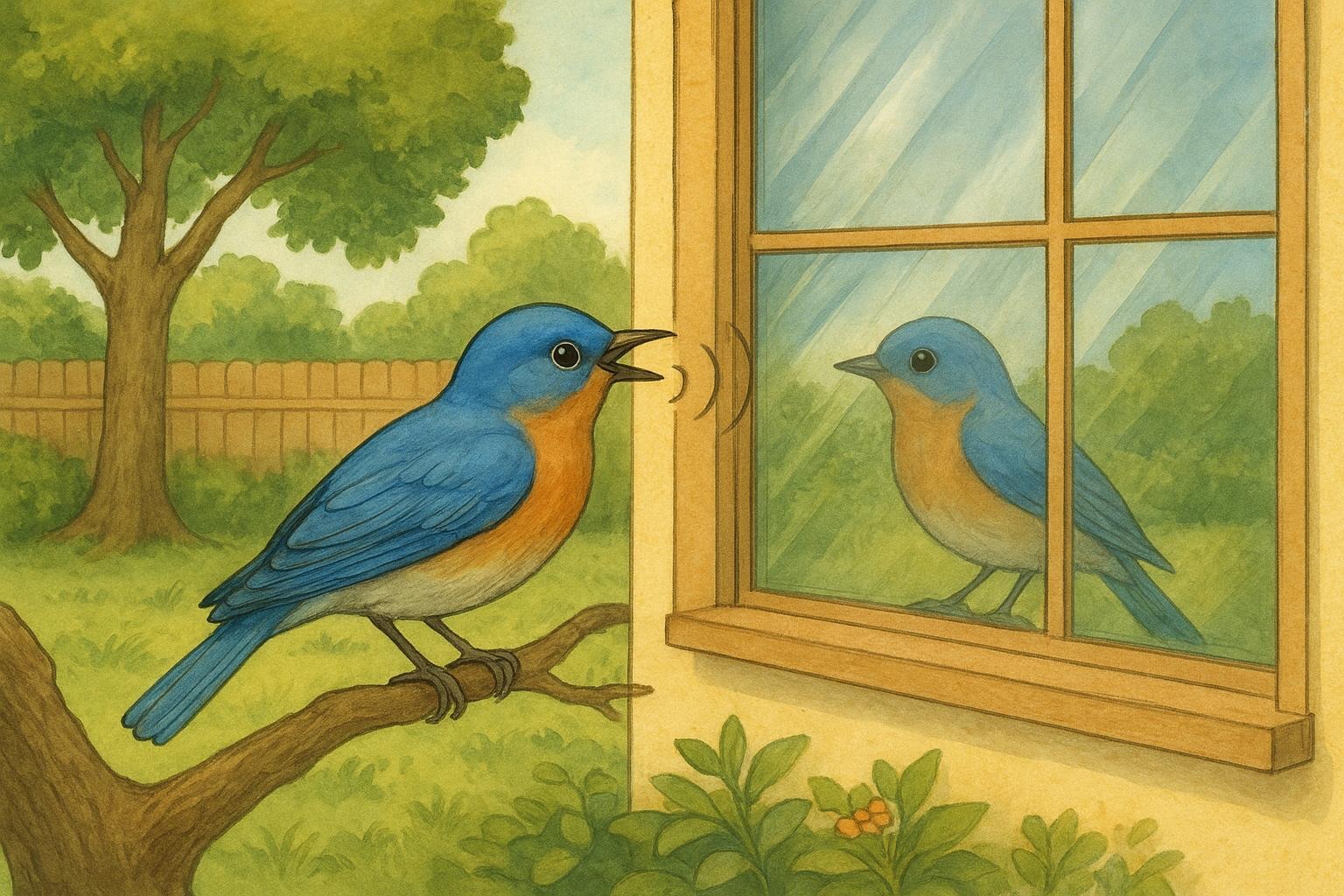
Bird aggression is a natural set of behaviors rooted in survival. Whether it’s a male cardinal puffing up to protect a nesting site or a stubborn grackle staking out the sunflower seed buffet, aggression helps birds secure resources such as food, mates, and territory. In many species, what looks like pure hostility is really communication: establishing dominance, testing boundaries, or signaling fitness. Recognizing the cause makes the behavior less puzzling and gives you clues on how to reduce conflicts humanely.
### Territorial Interactions And Dominance
Territory matters. Many species—especially passerines like sparrows, finches, and thrushes—will defend a patch of yard if it’s got nesting sites or reliable food. Territorial disputes can involve chasing, vocal threats, and sometimes physical contact. Often it’s the same individuals reshuffling the neighborhood hierarchy; once pecking order is set, aggression tends to drop.
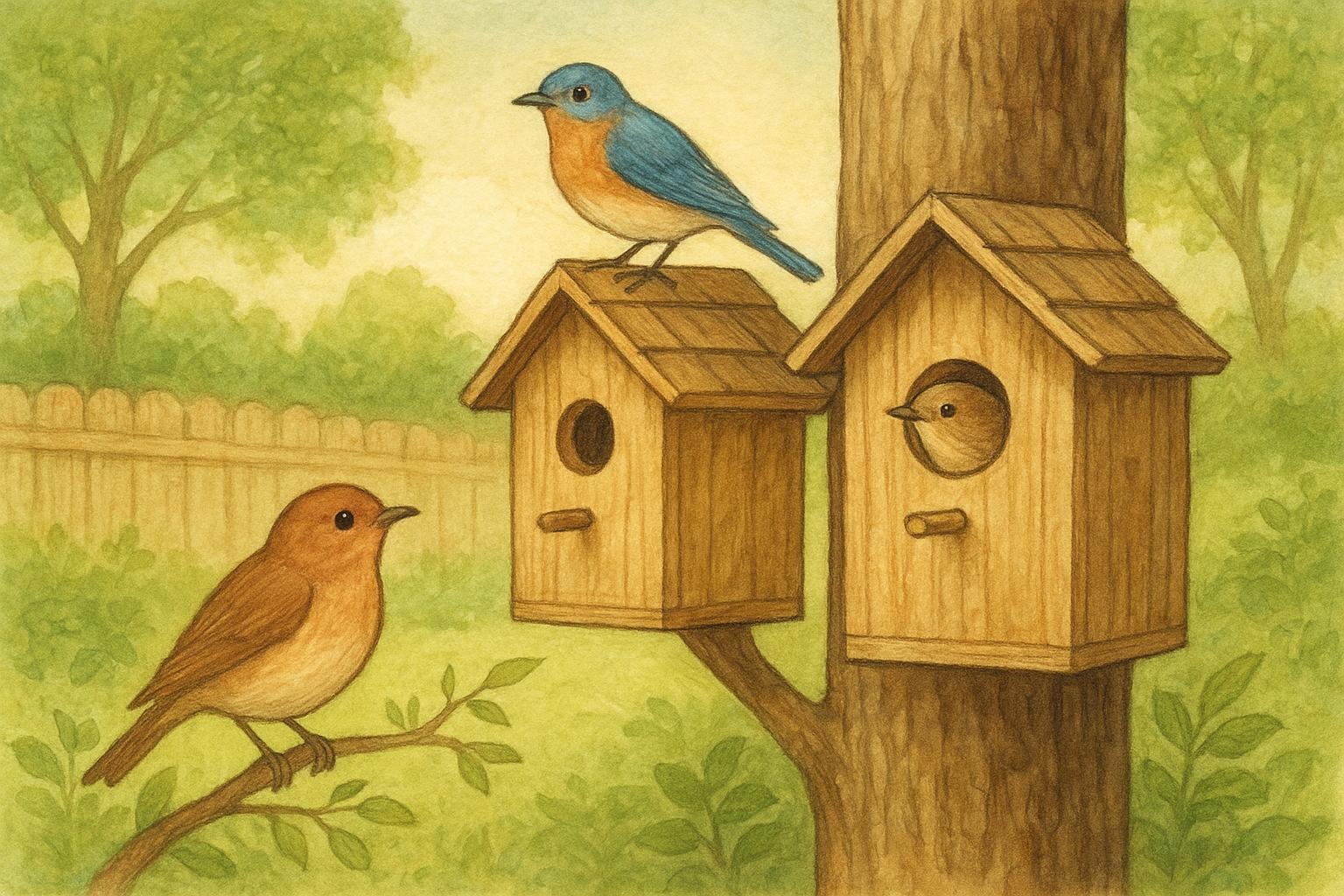
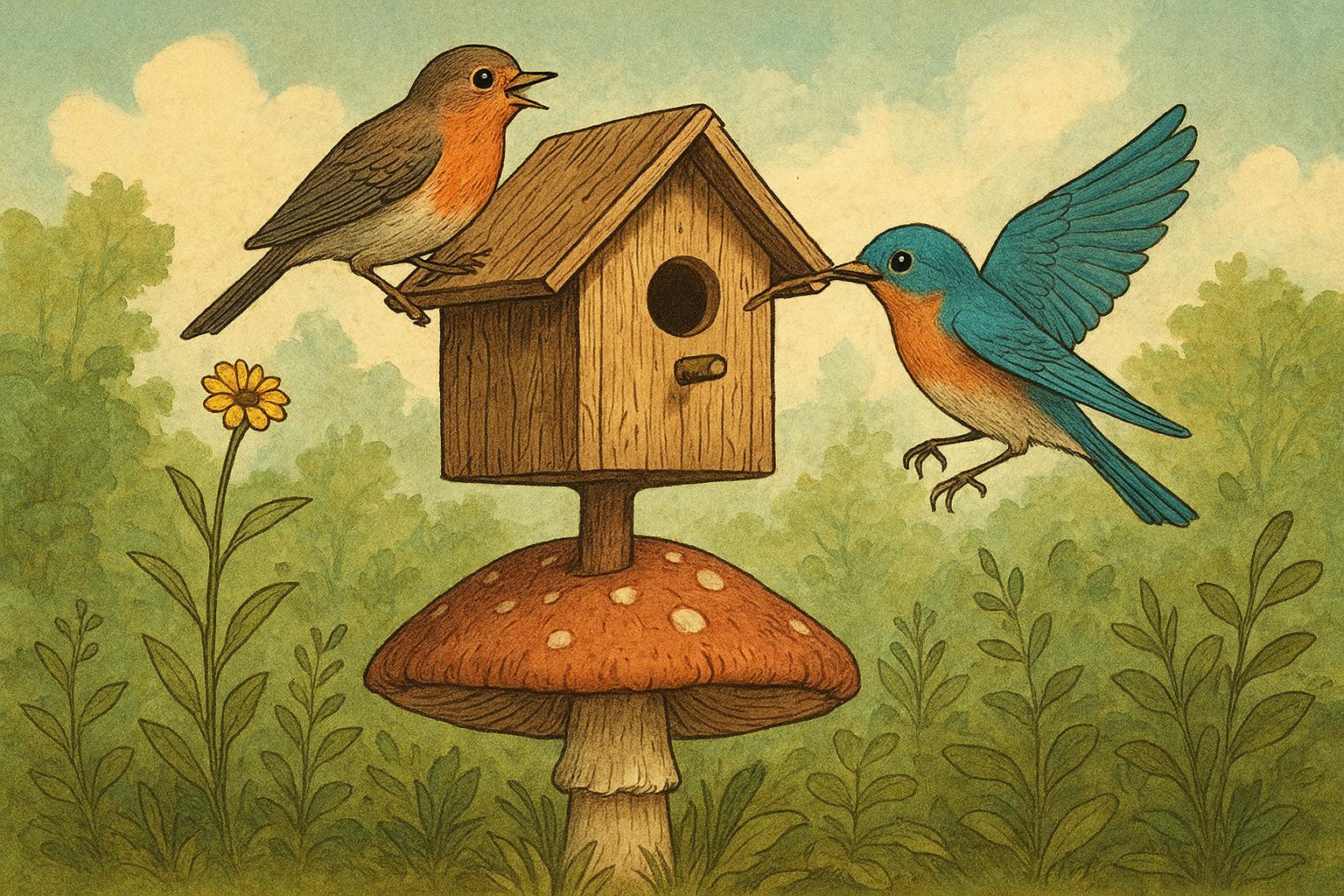
If your yard has favorite perches or a nest box nearby, expect more confrontations during breeding season. In short bursts, this is normal; chronic, escalating aggression may indicate competition for scarce resources.
### Food Competition And Seasonal Triggers
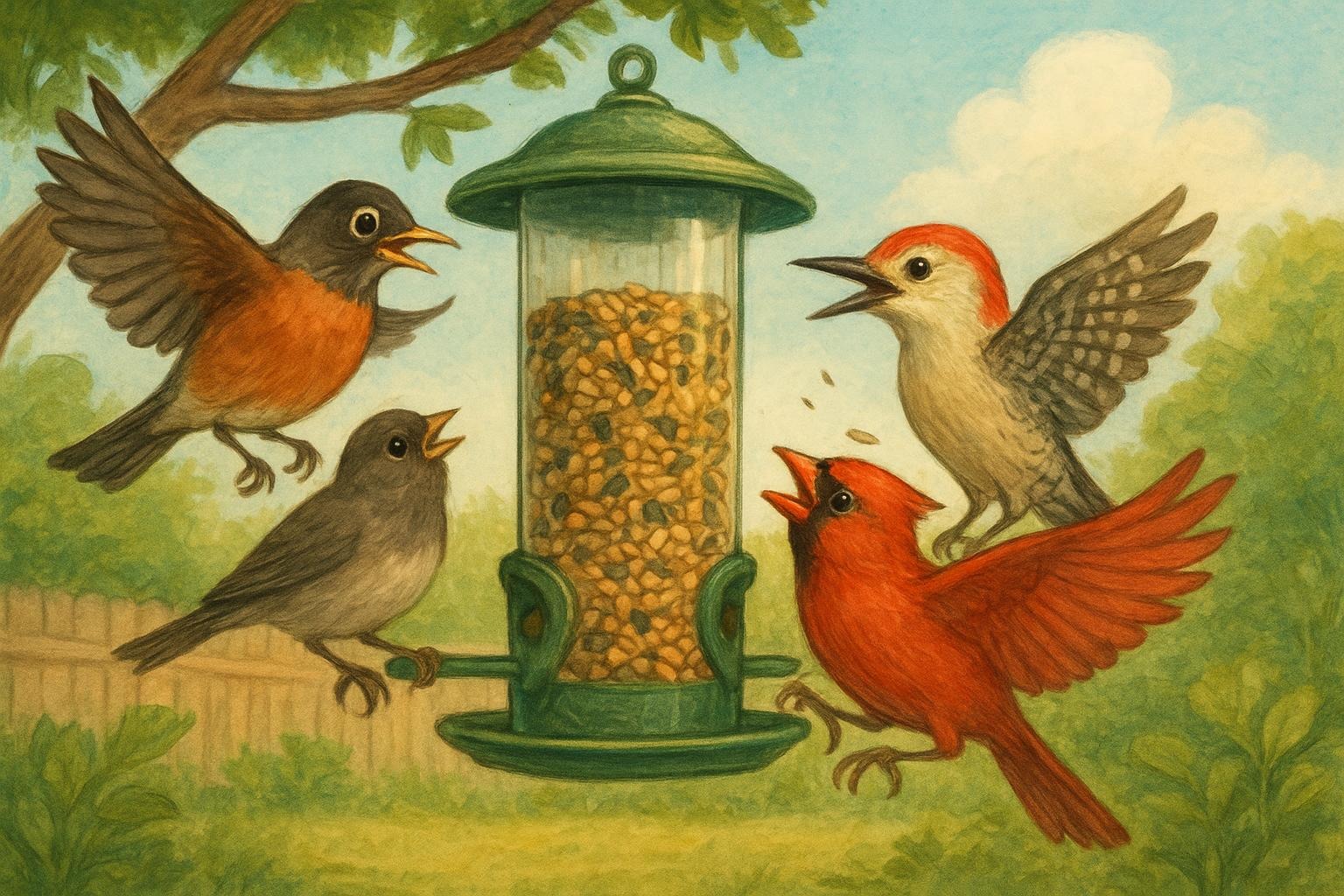
When food is limited or particularly attractive—think suet in winter or a full hopper of sunflower seeds—bird aggression spikes. Migratory periods add pressure as stopover birds fuel up, and cold snaps concentrate birds at dependable feeders. Males may also become belligerent around mating season to show off or displace rivals. So those dramatic mid-air chases at dawn? Often a mix of hunger and hormones.
## Common Backyard Aggressors
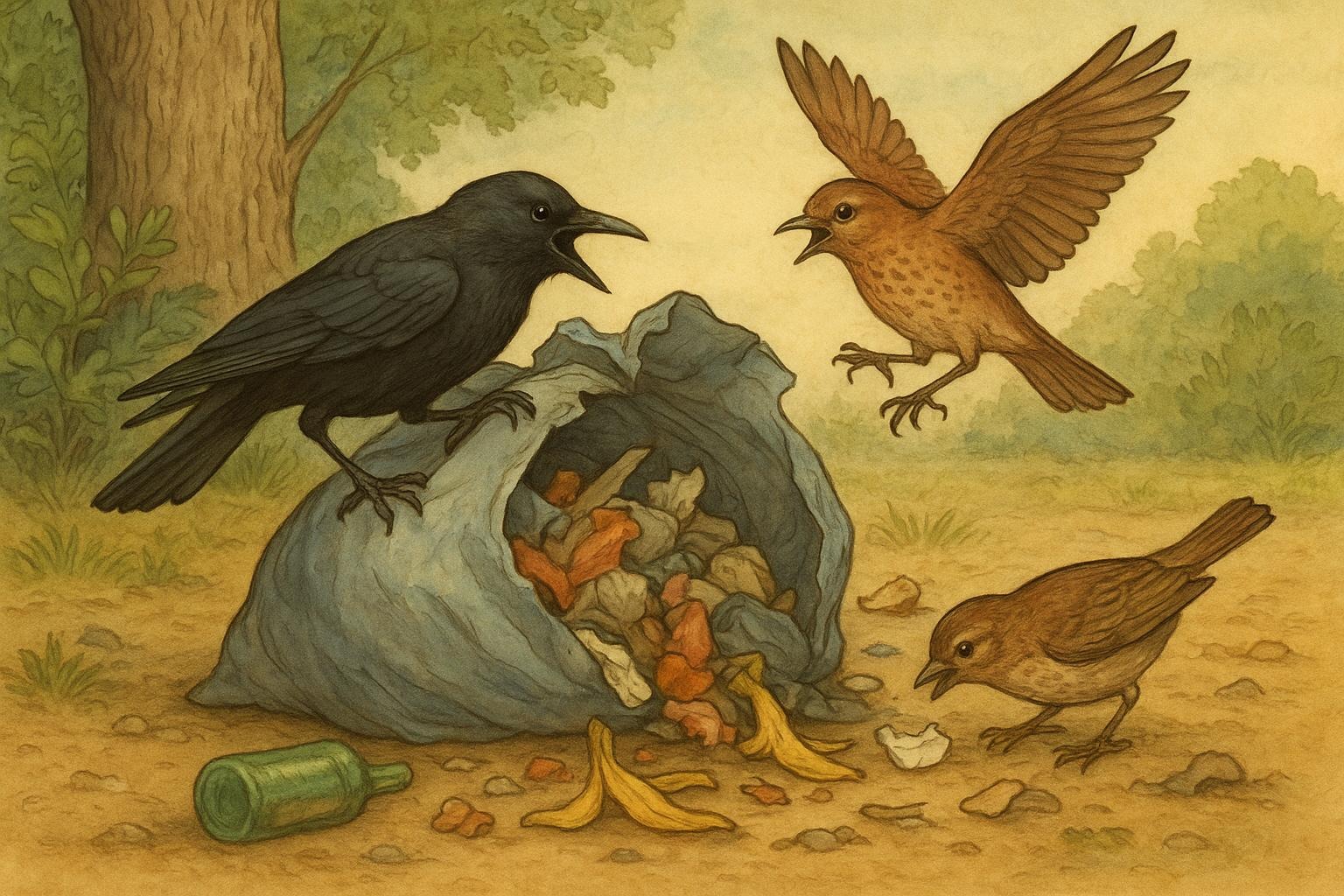
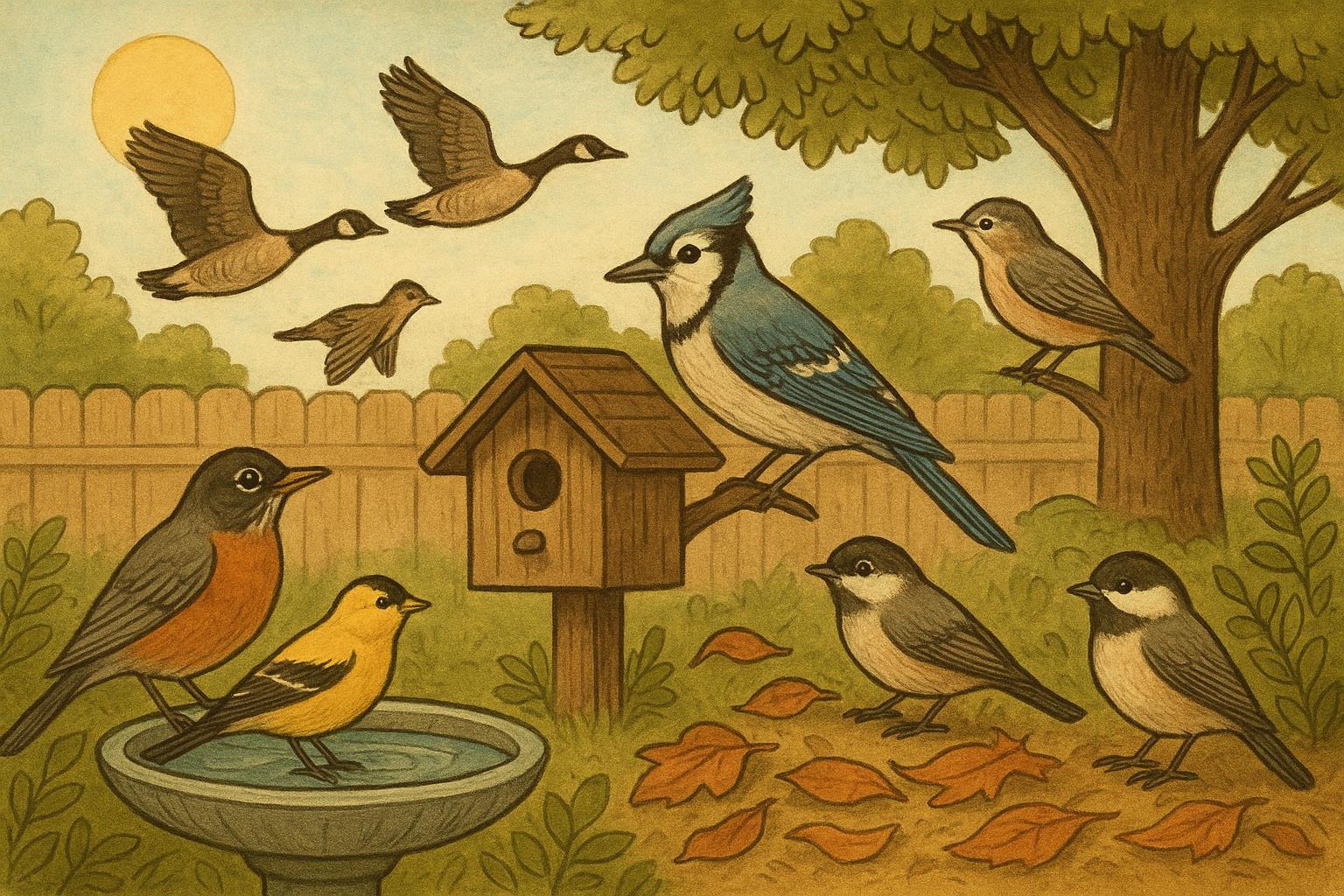
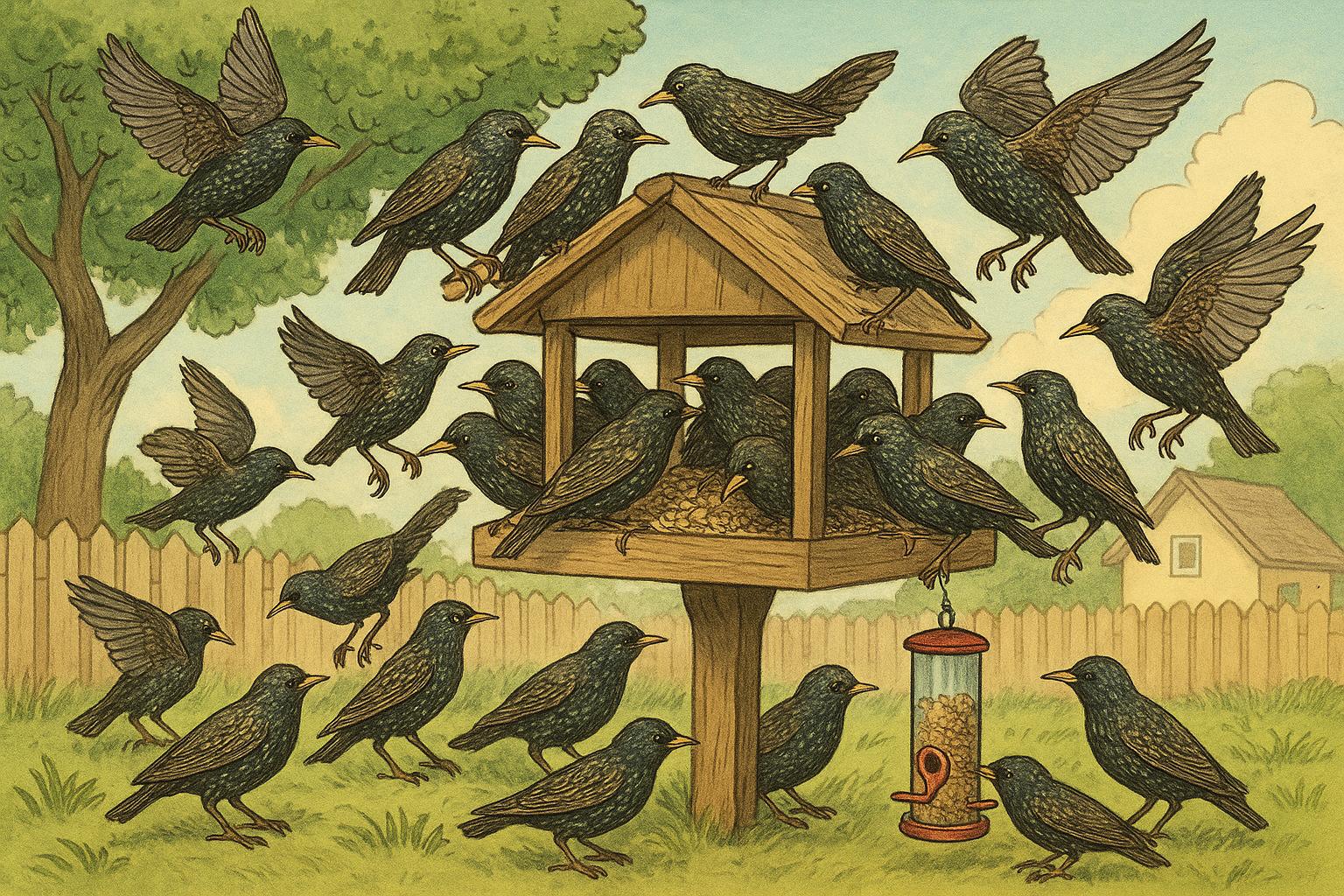
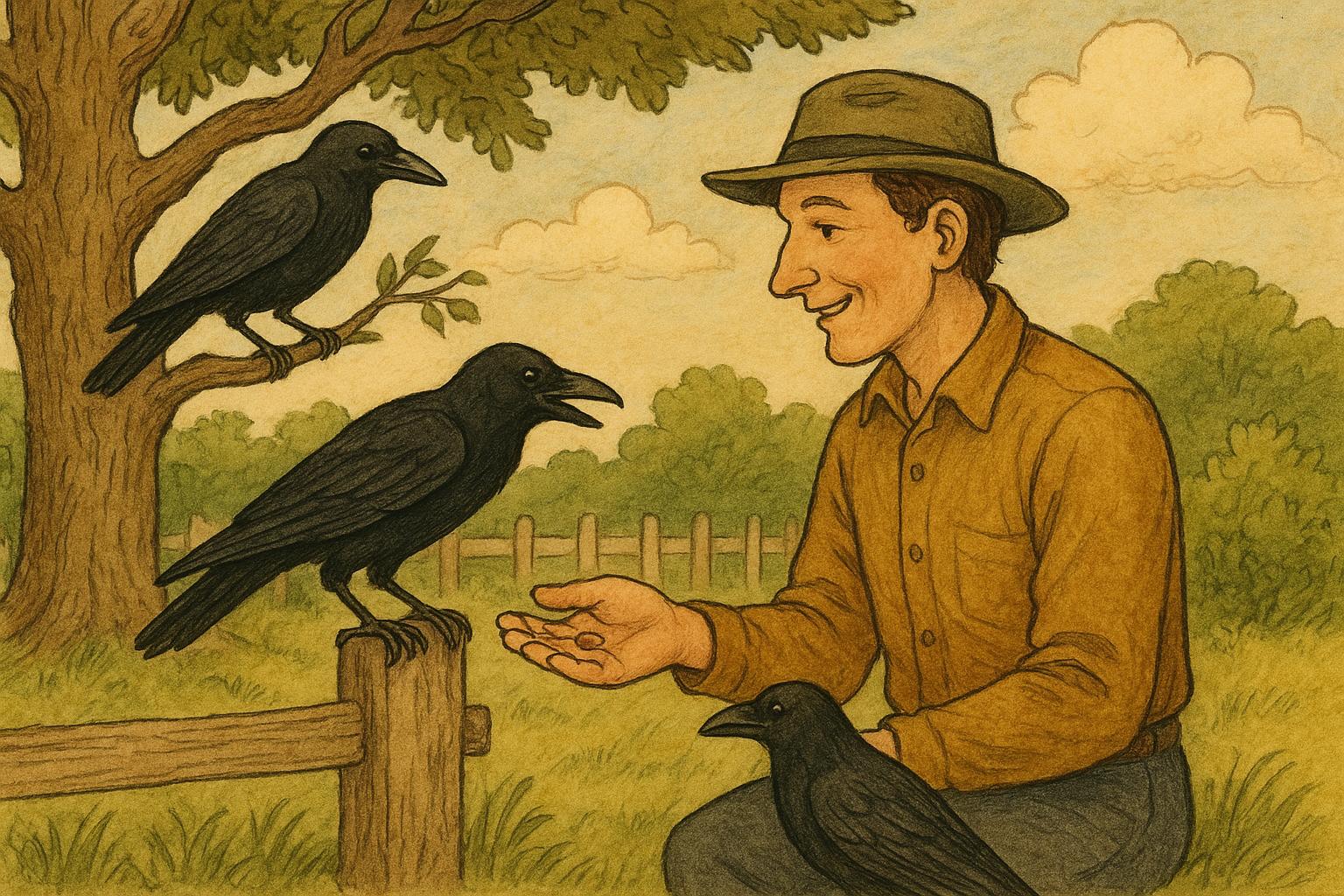
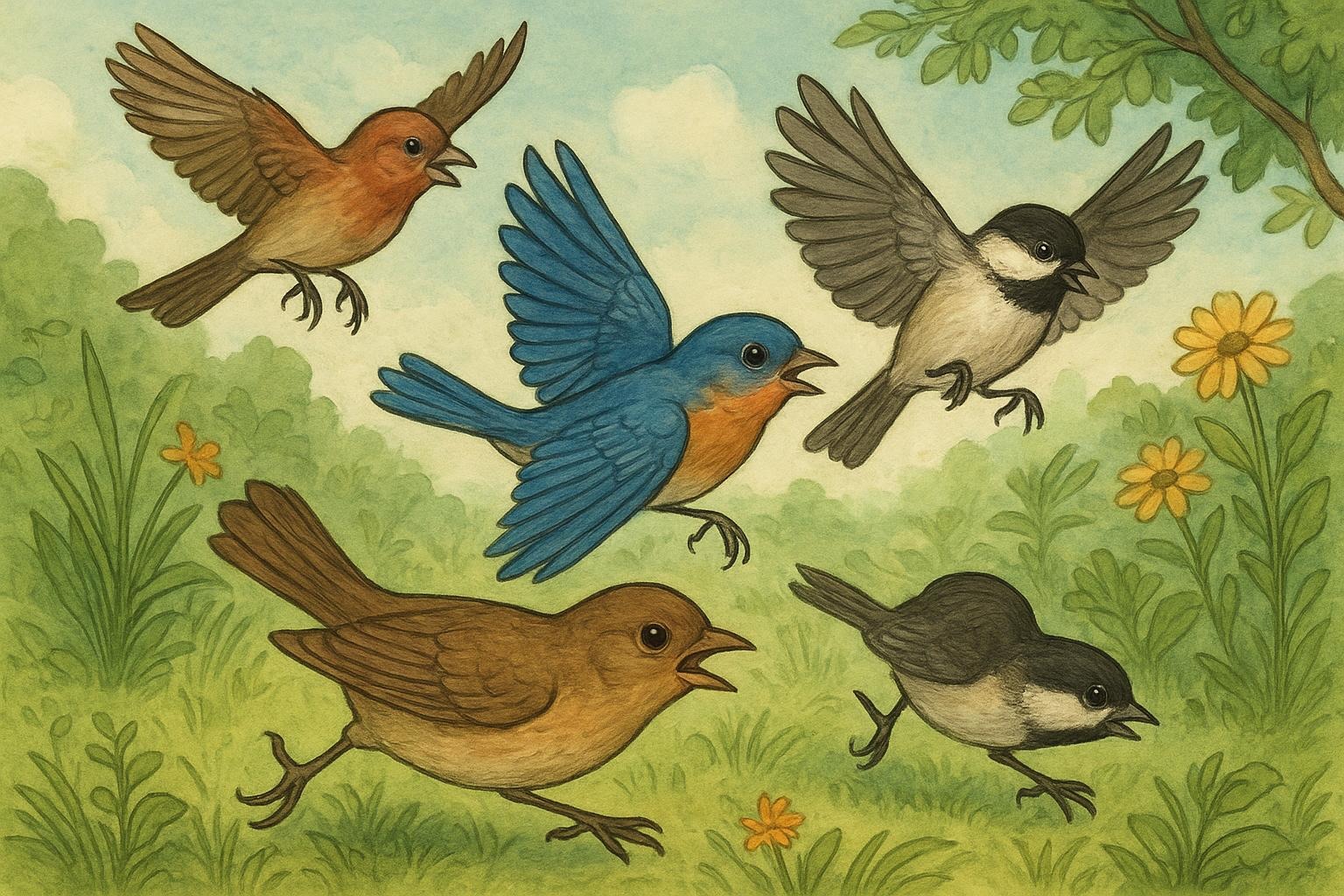
Not all species are created equal in the aggression department. House sparrows and European starlings are notorious for monopolizing feeders and displacing smaller birds. Jays and crows bring both size and attitude, often bullying others for access to food or to assert dominance. Even seemingly meek species, like chickadees and nuthatches, will show surprisingly assertive behaviors when defending nests or prized food spots. Understanding who’s likely to be the troublemaker helps you tailor solutions.
### Misleadingly Cute Aggression: Small Birds With Big Attitudes
Tiny birds can act like thems fighting for a king’s ransom. Wrens and chickadees, both tiny, will sometimes harass larger intruders through persistent squawking and close passes. This kind of feathered feistiness is mostly bluff—a lot of noise, occasional pecks, and then a retreat—yet it can be startling if you’re witnessing it up close. Recognize that these displays often protect nests or young, making the behavior protective rather than vindictive.
## 1. Create Multiple Feeding Stations (Remedy)
Ingredients / Required Materials:
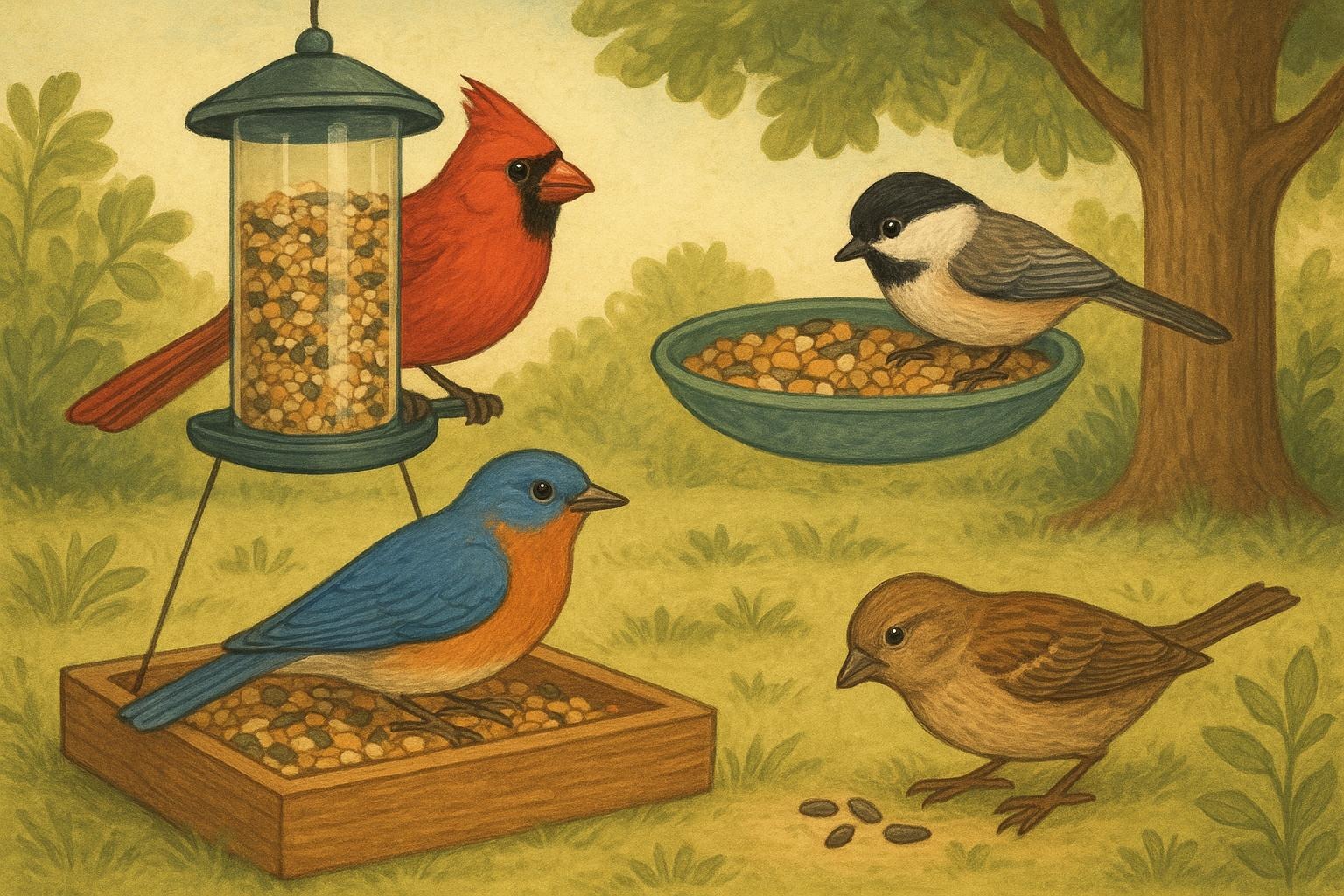
– Two to four feeders of varying types (tube, hopper, platform)
– Poles or hangers to place feeders at different locations
– Optional: squirrel baffles if local problem
Purpose: Reduce crowding and competition by providing multiple, dispersed food sources. This can lower aggressive encounters at individual feeders.
Step-by-Step Creation and Application:
1. Select Locations: Choose feeder sites at least 10–20 feet apart where birds naturally travel (near shrubs, trees, or open lawn). Space minimizes direct line-of-sight dominance.
2. Install Feeders: Mount or hang feeders at different heights (e.g., 4 ft, 7 ft, 10 ft). Use poles or sturdy hangers and ensure each feeder is stable.
3. Use Variety: Place different feeder types to attract a range of species—tube feeders for finches, platform feeders for ground-feeding species, and suet cages for woodpeckers and nuthatches.
4. Maintain Supply: Keep food fresh and filled across stations. Uneven supply causes birds to concentrate on the fullest feeder, reigniting conflict.
5. Monitor And Adjust: Observe patterns for a week. If one site attracts monopolizers, move it farther from the others or swap seed types to change preferences.
This remedy aims to reduce direct competition and give subordinate birds safe access. Implementation should be consistent—sudden removal or relocation can temporarily increase aggression as birds renegotiate territory.
## 2. Provide Visual Barriers And Escape Routes (Remedy)
Ingredients / Required Materials:
– Potted shrubs or dense evergreen branches
– Mesh screen or lattice panels (optional)
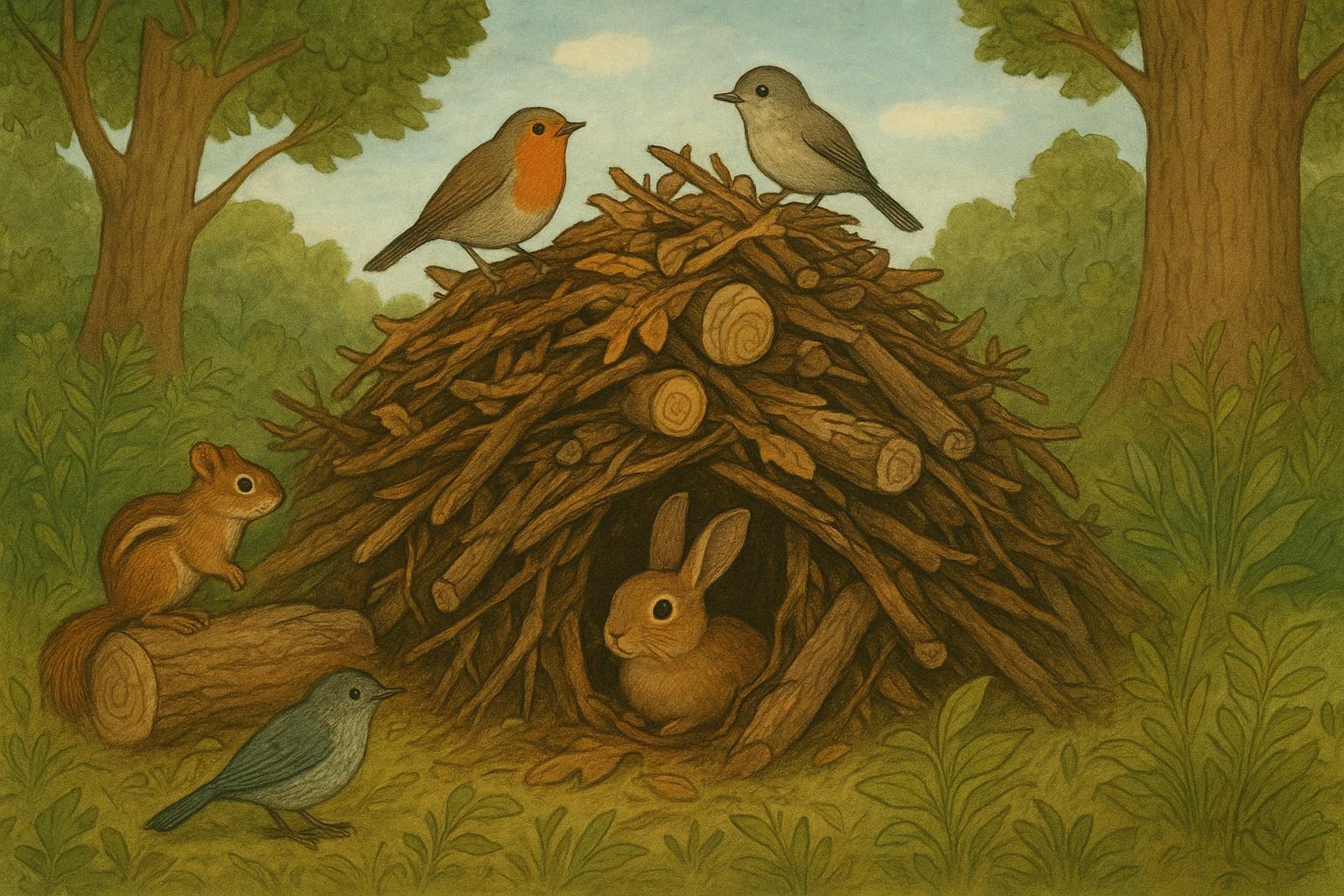
– Branch perches or brush piles
Purpose: Offer birds quick cover to avoid chases and create visual breaks that interrupt aggressive displays.
Step-by-Step Creation and Application:
1. Identify Vulnerable Areas: Note where chases often end—near feeders, open lawn, or close to human structures.
2. Install Cover: Place potted shrubs or evergreen boughs near but not touching feeders to create refuges. If using lattice or screens, position them strategically to break lines of sight between feeding spots.
3. Create Escape Lanes: Ensure low branches or brush piles are available within short flight distance (2–5 meters) from feeding stations so birds can quickly retreat.
4. Stabilize Structures: Secure any screens or panels to avoid hazards during wind events.
5. Observe Effectiveness: Over several weeks, monitor whether birds use the cover and whether chase frequency decreases. Adjust placement as needed.
Visual barriers lower the chance of prolonged chases by giving chased birds immediate hiding options. These installations are particularly effective for smaller species intimidated by larger aggressors.
## 3. Offer Variety And Timing To Reduce Conflict (Remedy)
Ingredients / Required Materials:
– Multiple seed mixes (sunflower hearts, nyjer, safflower)
– Separate feeding dishes or trays
– Timer for early morning feeder filling (optional)
Purpose: Satiate different species’ diets and reduce competition peaks by staggering food availability.
Step-by-Step Creation and Application:
1. Identify Species: Make note of which birds frequent your yard and their preferred foods (sunflower for cardinals, nyjer for finches, suet for woodpeckers).
2. Allocate Food Types: Dedicate feeders to specific seeds—nyjer in a finch sock, safflower in another tube, sunflower in a hopper. Predatory or aggressive species often shun certain seed types (starlings dislike nyjer).
3. Stagger Feeding Times: Fill high-attraction feeders (like suet) at times when fewer birds are present, such as late morning, to disperse activity from peak dawn feeding. Using a timer for automatic filling can help maintain consistency without daily labor.
4. Monitor Consumption: Rotate offerings based on what’s eaten most and which feeders attract bullying. Reduce items that consistently invite monopolizers.
5. Adjust Quantity: Smaller, more frequent top-ups mean less leftover bounty that can attract large groups and fuel turf wars.
Varying diet types and timing reduces hotspots of competition and helps create a more peaceful feeding regime for diverse backyard guests.
### When To Seek Professional Help
If aggressive behavior escalates to frequent injury, predation, or persistent exclusion of multiple species for long periods, contact local wildlife rehabilitators or extension services. Persistent, abnormal aggression may signal issues like resource collapse, disease, or invasive species impacts that warrant expert assessment.
#### Legal And Ethical Notes
Always avoid harmful deterrents. Lethal control or illegal poisons endangers non-target species, pets, and local ecosystems. Many municipalities have regulations protecting native birds; consult local wildlife authorities before taking drastic measures. Humane, habitat-based solutions are the most effective long-term approach to reducing bird aggression while preserving the richness of backyard birdlife.






Leave a Reply