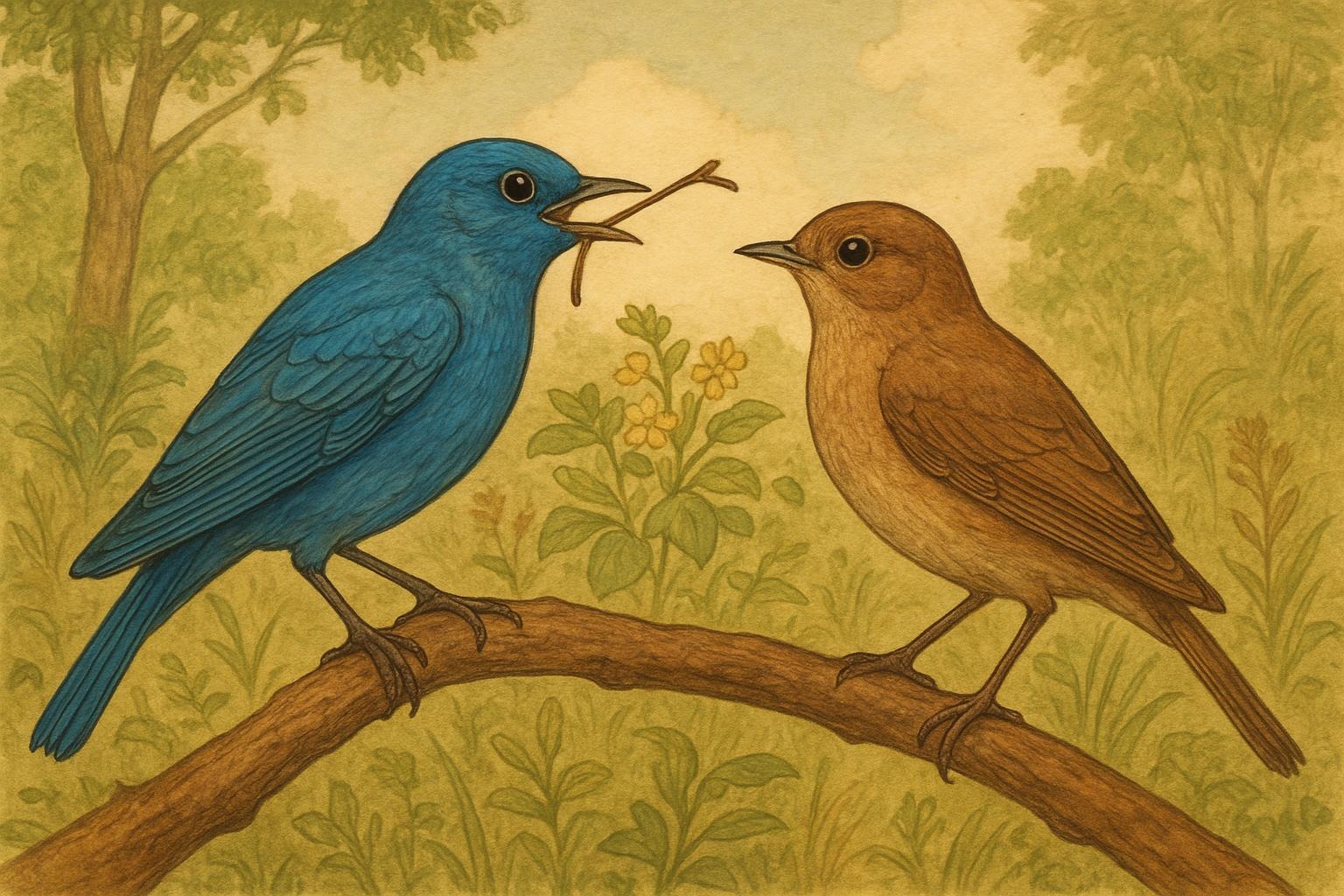
You glance up from your coffee and there it is: a feathered rom-com unfurling on your fence post. Backyard courtship can be surprisingly theatrical—and sometimes sticky, literally and figuratively. If you’ve ever wanted to decode the flirtations, fierce fights, and clandestine nest building happening in your shrubs, welcome. This is your friendly, slightly nerdy guide to bird mating mysteries that happen right outside your door.
Yes, “bird mating” season is often a soap opera in miniature. Males puff up, sing at the top of their lungs, and sometimes present gifts that would make a romantic comedy screenwriter proud. Females are discerning directors, and neighbors—well, they mostly provide the popcorn (and seeds). Let’s go through who’s doing what, when, and why, and then get practical with two remedies for encouraging healthy courtship or managing nests responsibly.
## Bird Mating Behaviors To Watch In Your Yard
Bird mating is not just about who gets to mate when; it’s a suite of behaviors designed to attract a partner, defend territory, and ensure that offspring survive. Expect to see songs, dances, aerial displays, and sometimes dramatic wing-spreading that looks suspiciously like a feathered Broadway number.
### Songs, Displays, And Plumage
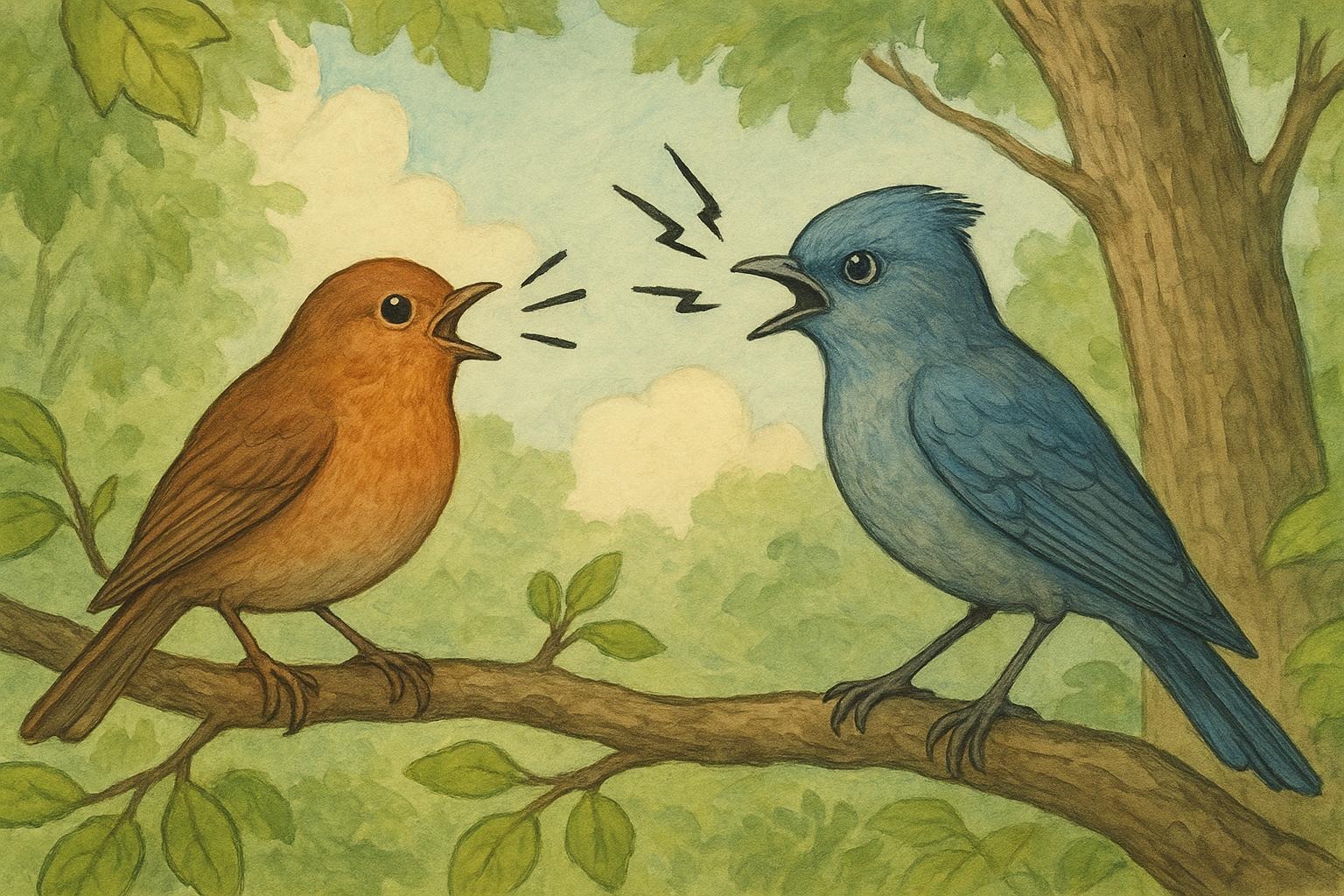
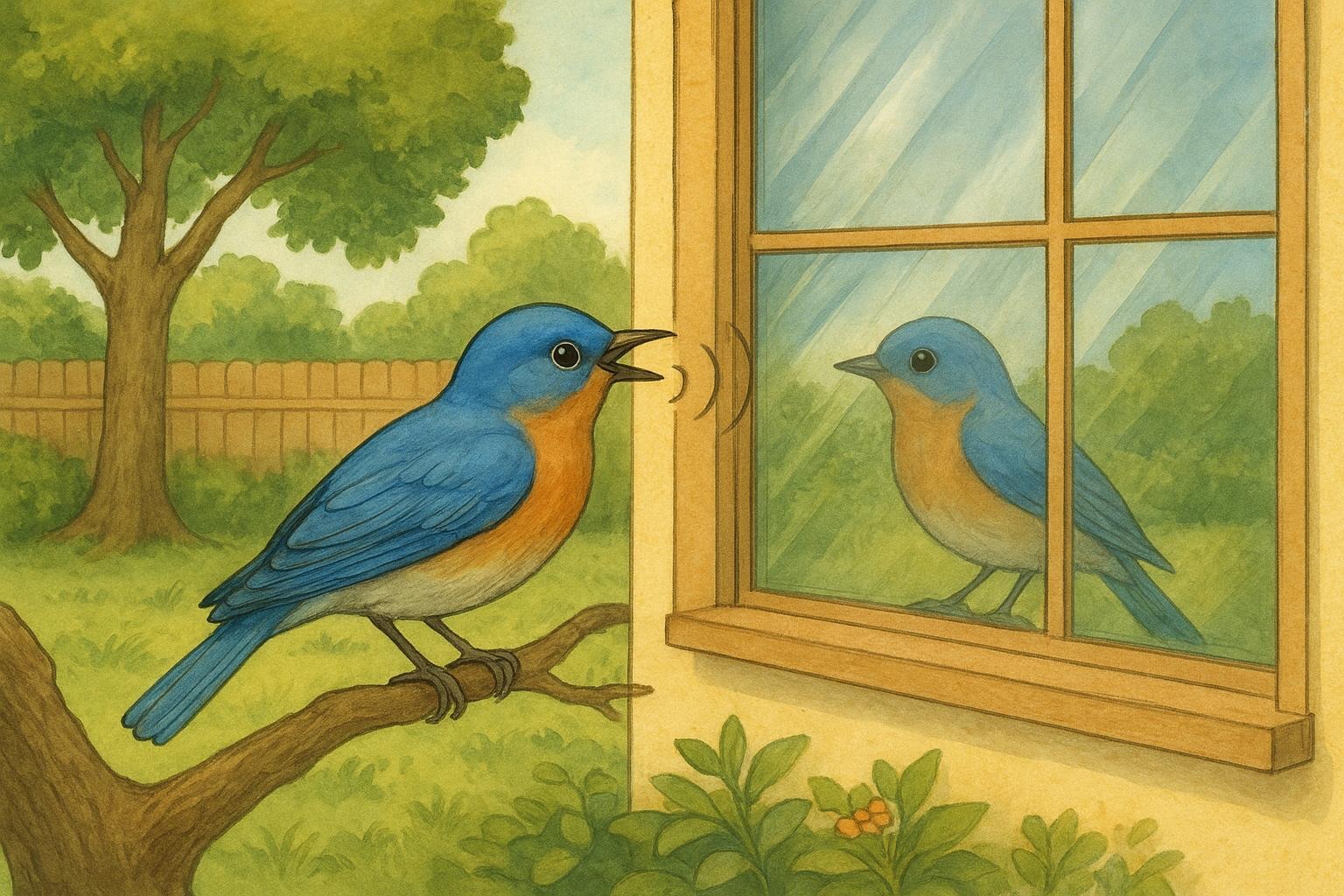
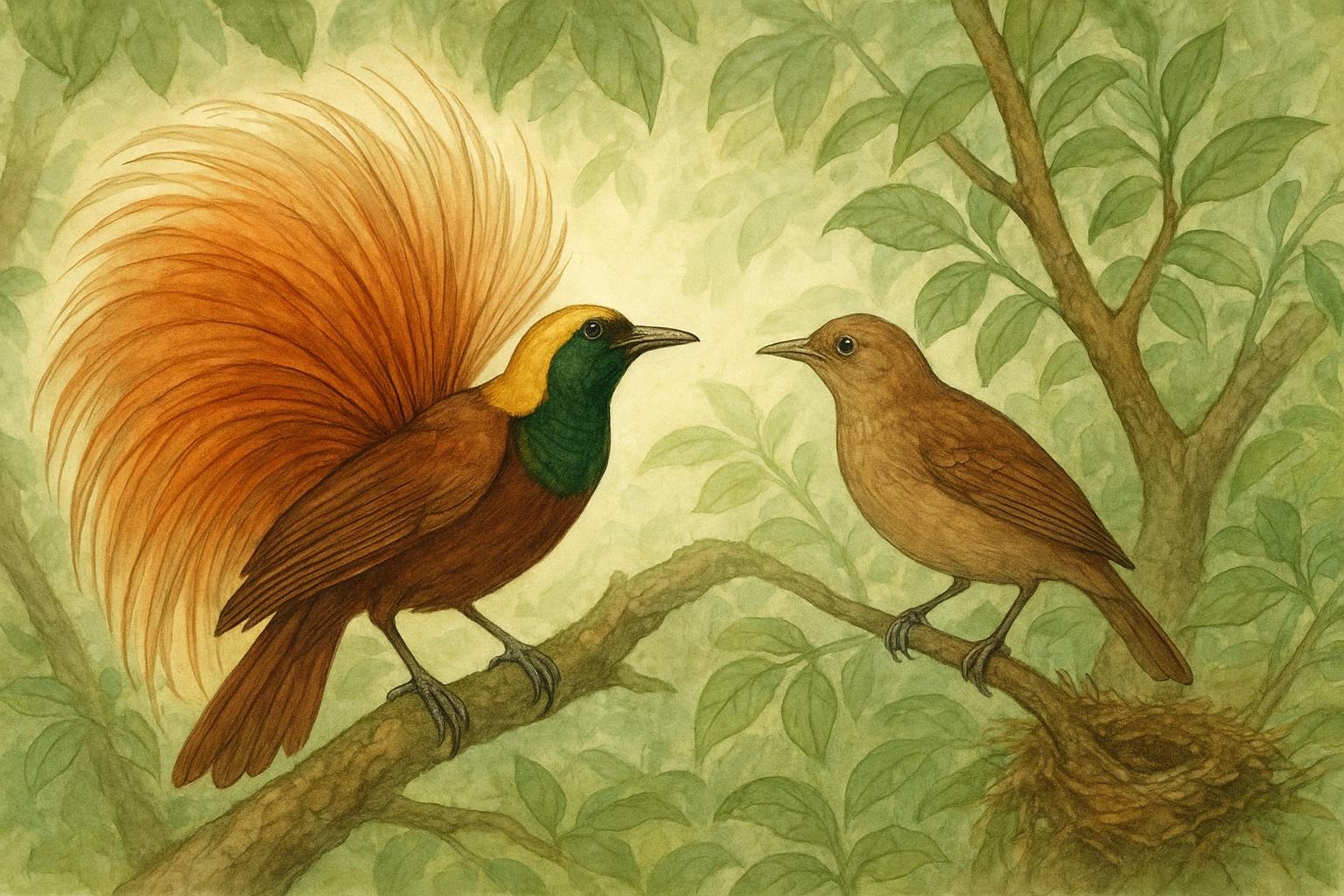
Males often advertise fitness through song and appearance. Bright plumage, elaborate crests, or glossy feathers are visual proof—think a billboard that reads “I’m healthy; mate with me.” Song complexity and volume signal stamina and territory quality. In many species, males maintain a singing post or perch and perform at dawn, the so-called “dawn chorus,” when sound carries best.
### Territory, Aggression, And Courtship Feeding
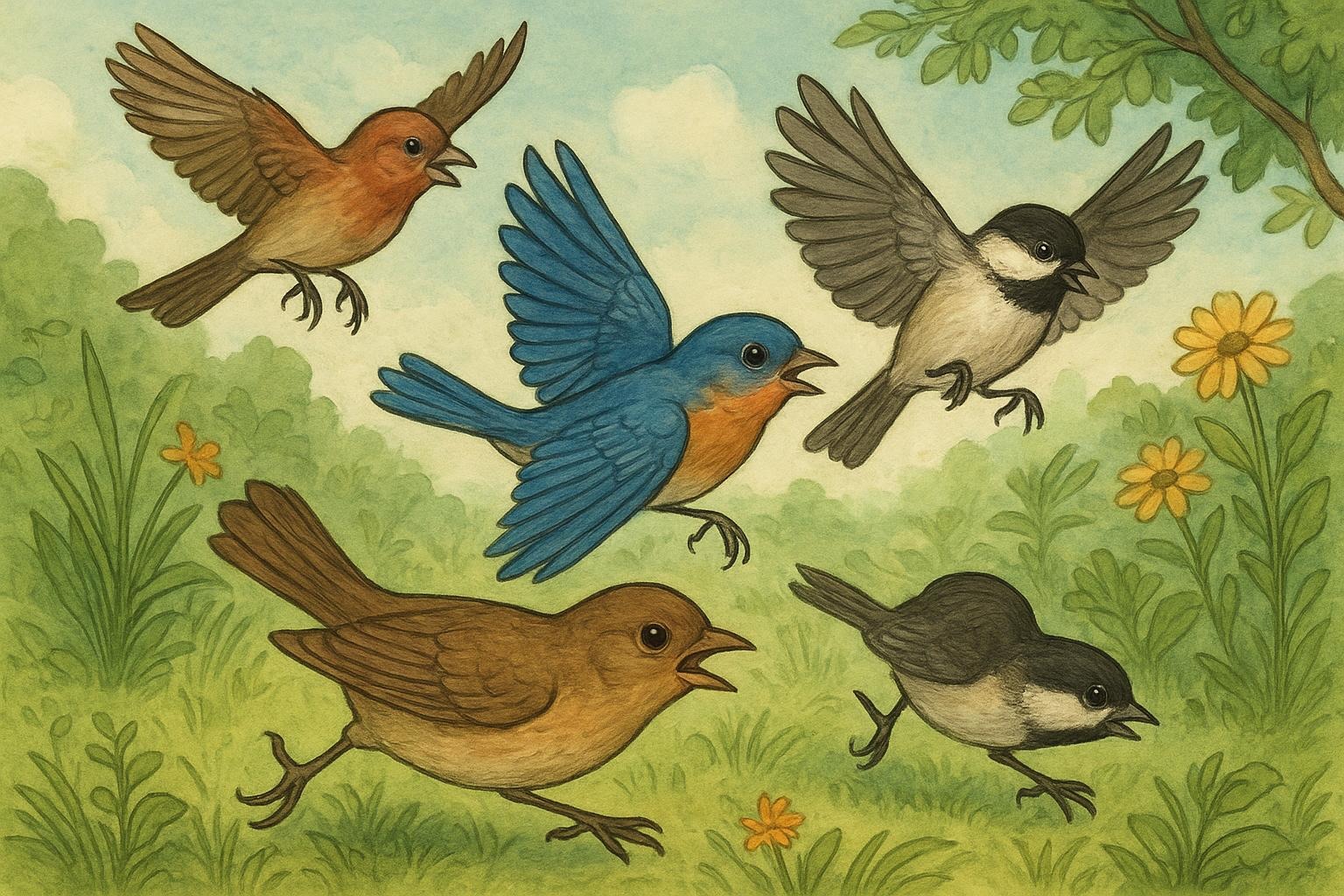
A male defending a patch of yard rich in food and nesting sites is saying, in essence: “I can provide.” You’ll notice territorial chases—sometimes just noisy posturing, sometimes aerial skirmishes. Courtship feeding, where a male offers food to a female, is both a nutritional and a bonding behavior. If you’ve ever seen a male present a juicy beakful and the female accept it, that’s bird mating diplomacy at work.
#### Visual Signals Versus Vocal Signals
Different species prioritize different signals. House finches rely heavily on plumage color and song; robins emphasize song and feeding offerings; bluebirds lean on nest-site displays and cooperative provisioning. Learning which cues a local species favors helps you understand what you’re watching.
## How Different Backyard Species Pair Up
Not every backyard romance looks the same. Some species form lifelong bonds; others are more casual. Familiarize yourself with common neighbors so you can interpret the behavior.
### Robins, Cardinals, And Sparrows
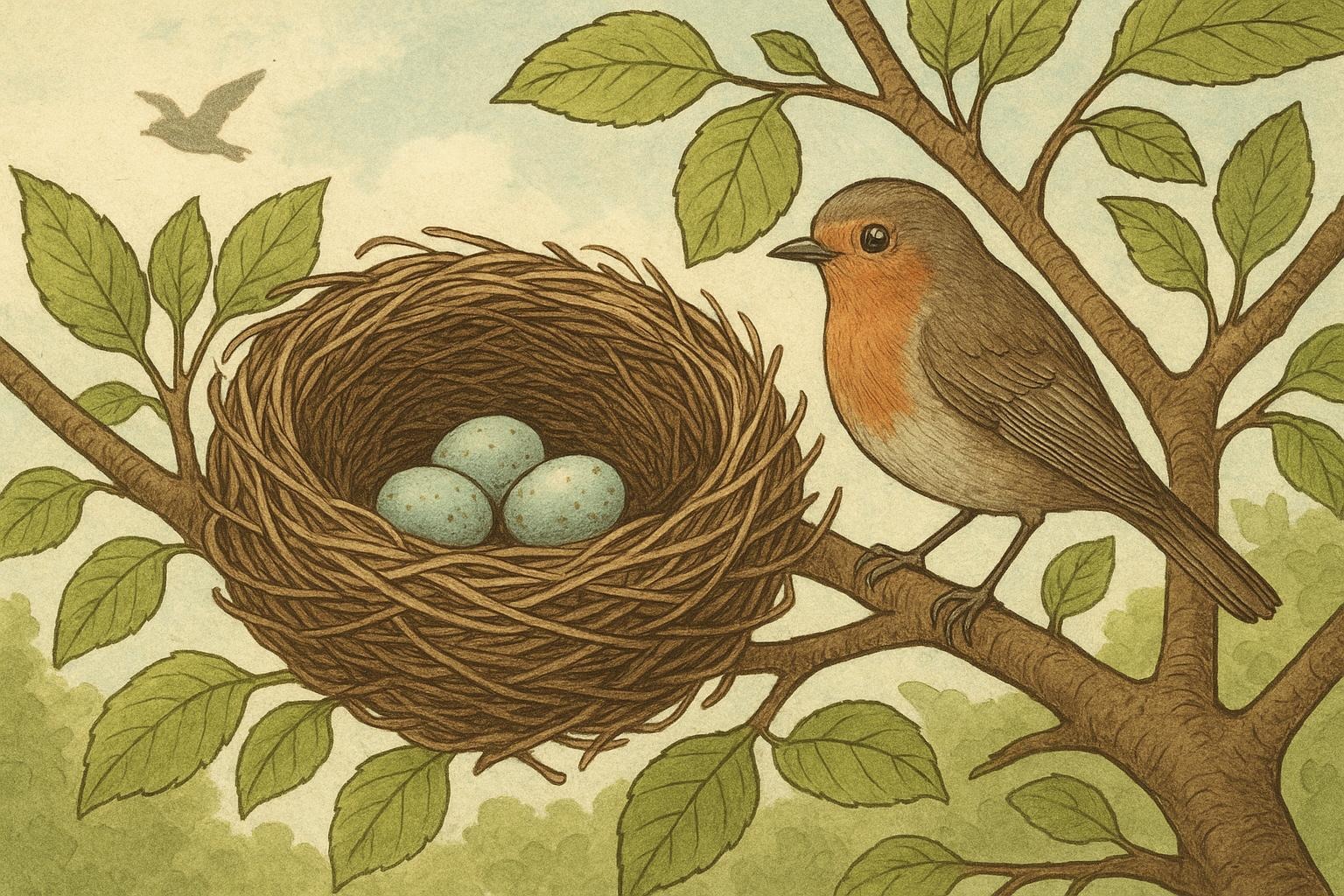
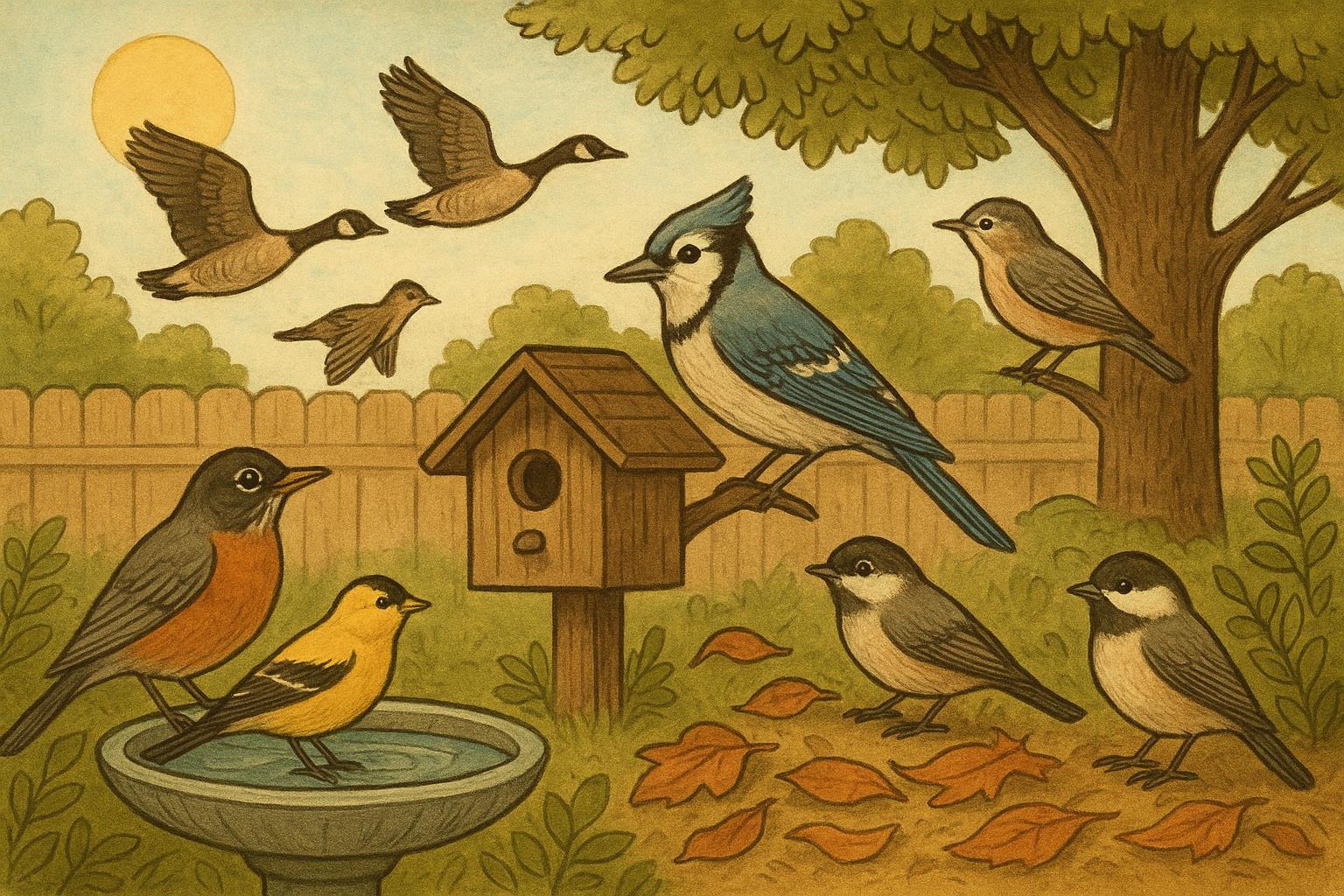
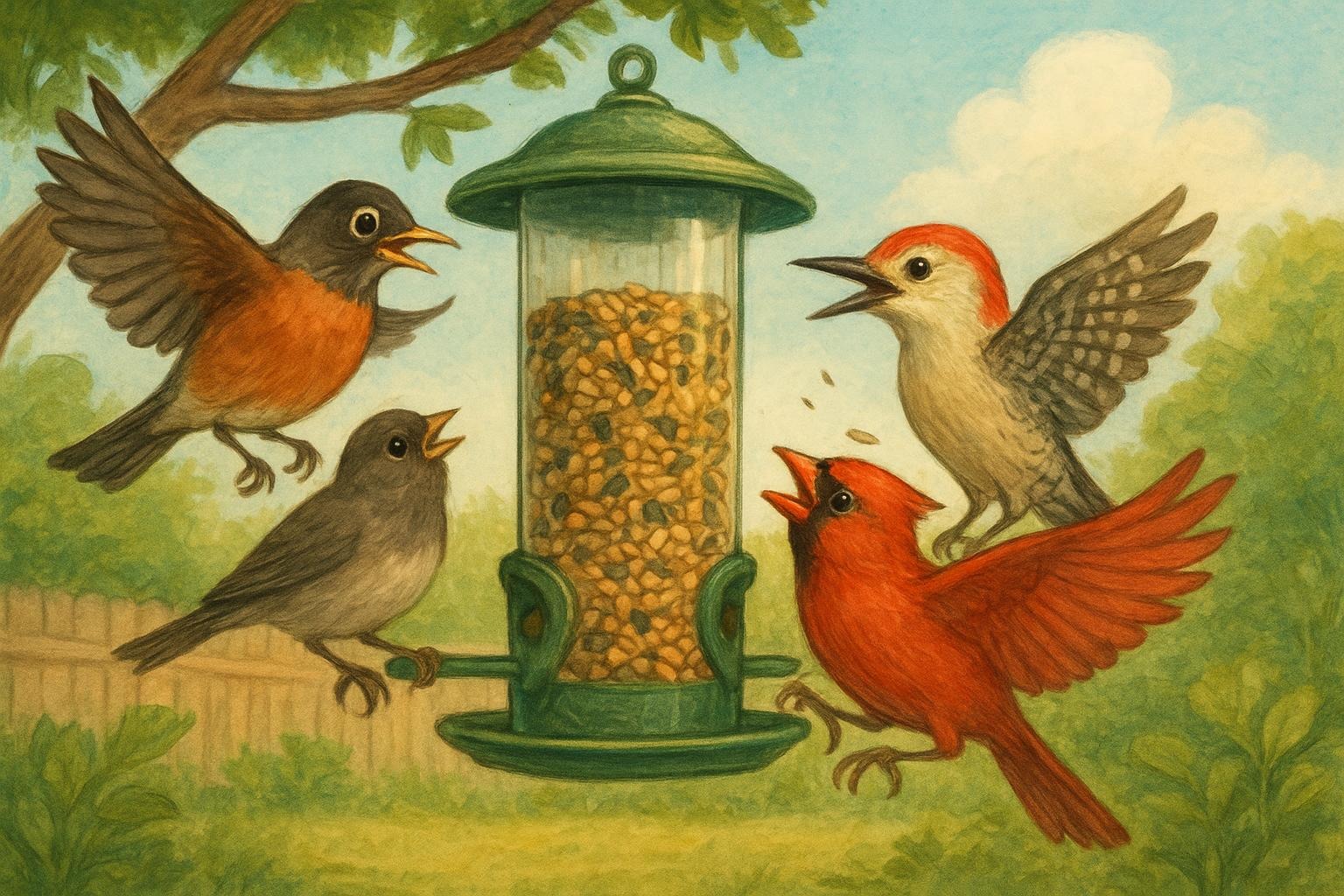
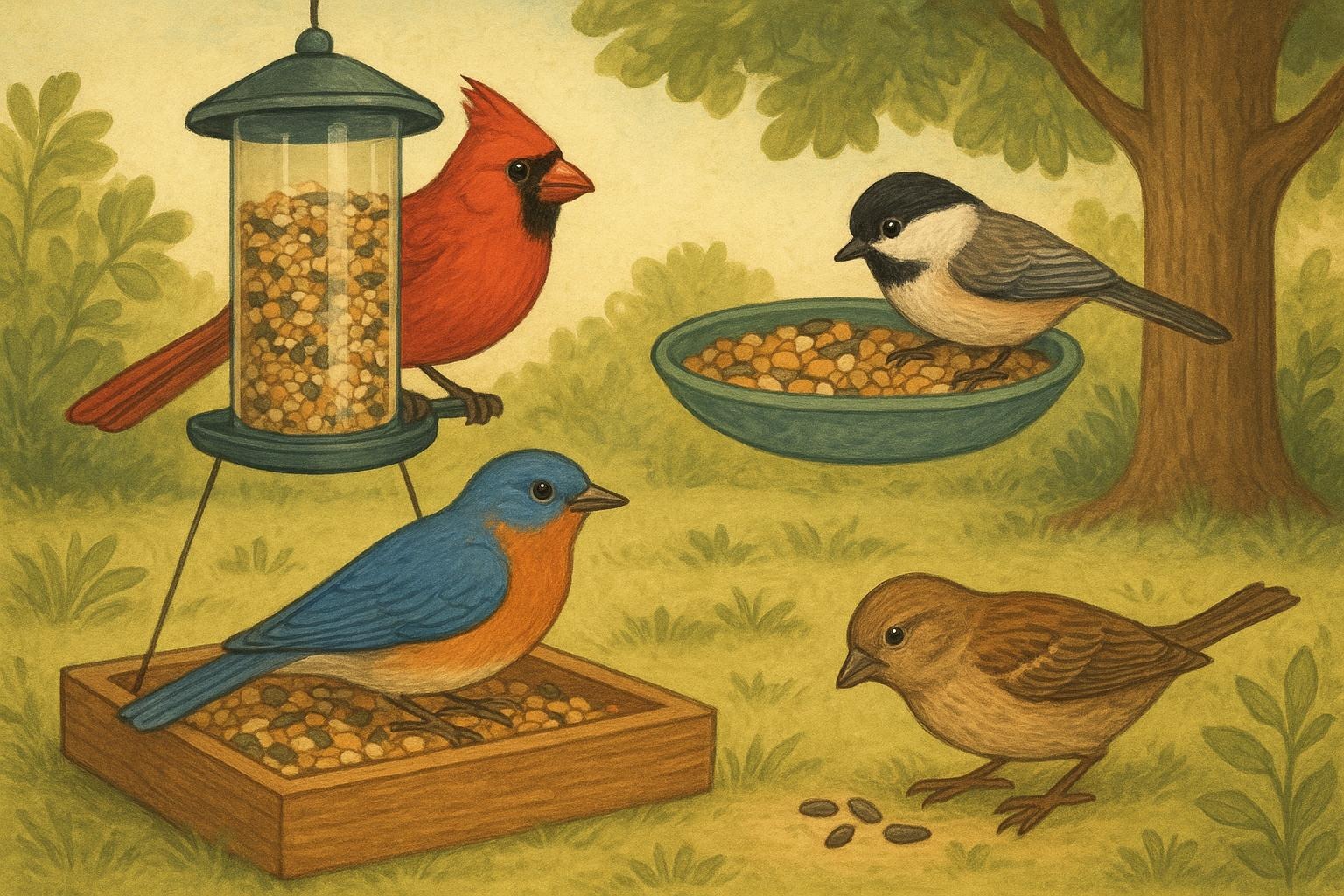
Robins often display territorial singing and ritualized dances; courtship feeding is common. Cardinals are famously monogamous during the breeding season, with males delivering food and helping defend territory. Sparrows may show more opportunistic mating patterns, with lots of vocal dueling and rapid courtship flights.
### Bluebirds And Cavity Nesters
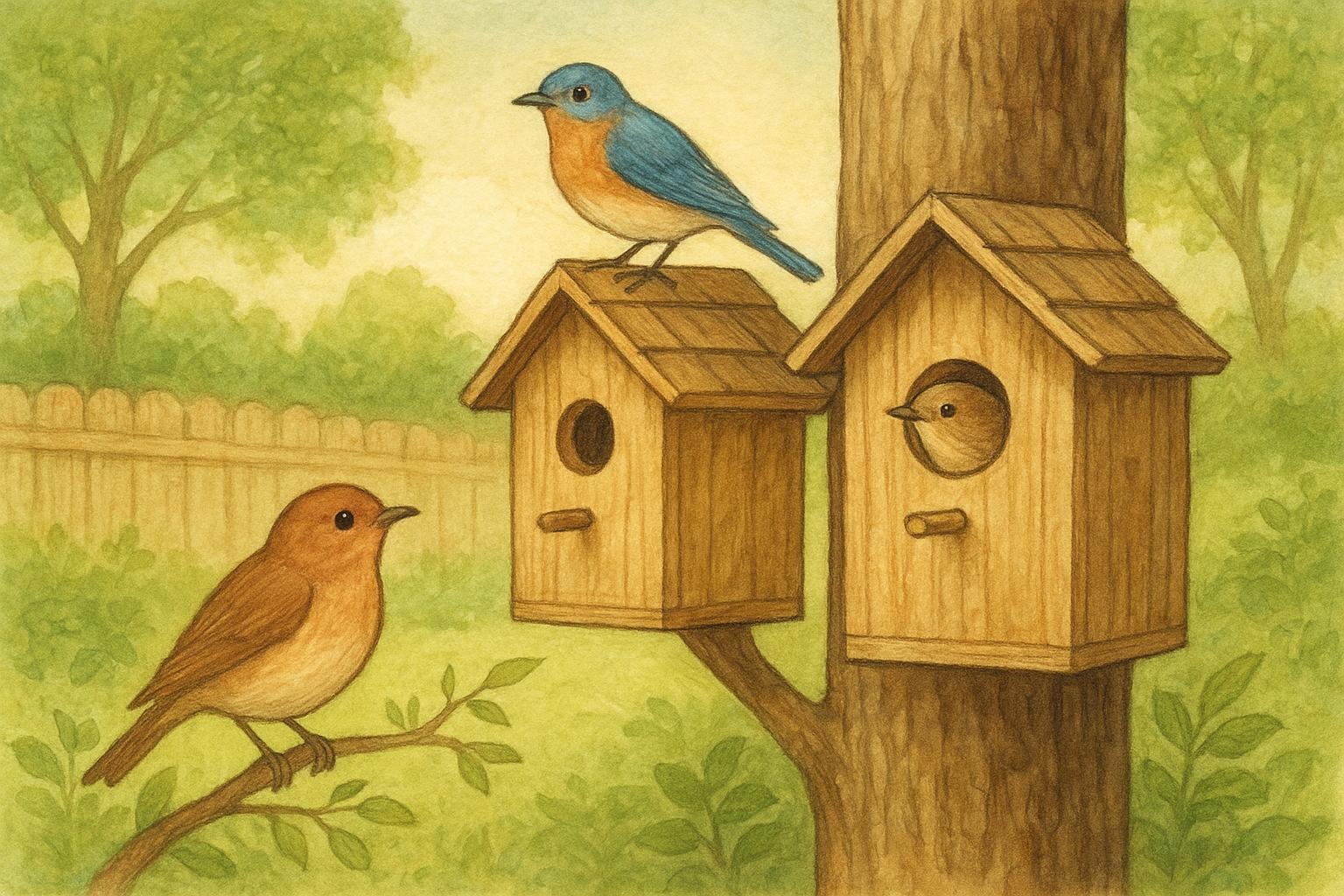
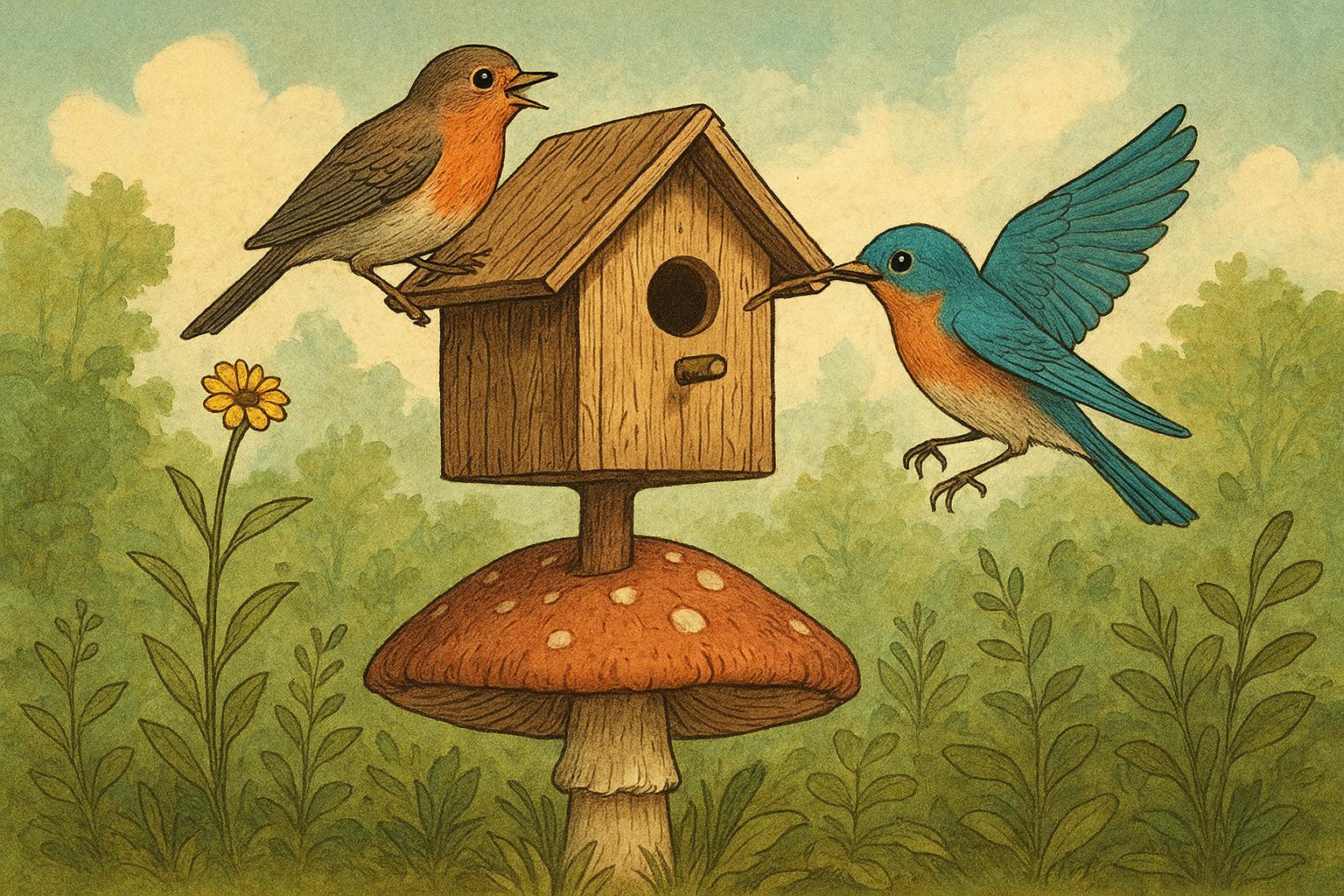
Bluebirds—especially Eastern Bluebirds—use nest boxes avidly, which makes them an ideal study subject for backyard observers. Males show off potential nesting sites, and pairs inspect cavities together. Cavity nesters can be sensitive to disturbance, so careful monitoring is key during bird mating season.
## When Timing Matters: Seasons And Environmental Cues
Bird mating seasons are closely tied to daylight, temperature, and food availability. Longer days stimulate hormones; abundant insects or seeds make reproduction more feasible.
### Climate, Food, And Photoperiod
In temperate zones, increased photoperiod (longer daylight) in spring triggers physiological changes. Warmer nights and more food let parents feed hatchlings. If your yard provides consistent resources, it can become prime real estate—so polite behavior and thoughtful yard management are useful.
#### Urban Versus Rural Dynamics
Urban birds may begin courtship earlier due to heat islands and artificial lighting. That can shift the timing of nesting and feeding behaviors; keep an eye on how local conditions affect your feathered friends.
## Remedy 1: Create A Courtship-Friendly Habitat
When you want to encourage healthy bird mating activity—more courtship displays, safer nesting, and greater fledgling success—build habitat that supports courtship needs. Below is a formal, step-by-step plan with required materials.
Materials / Ingredients:
– Native shrubs and flowering plants (species list for your region)
– Layered plantings: groundcover, mid-story, canopy plants
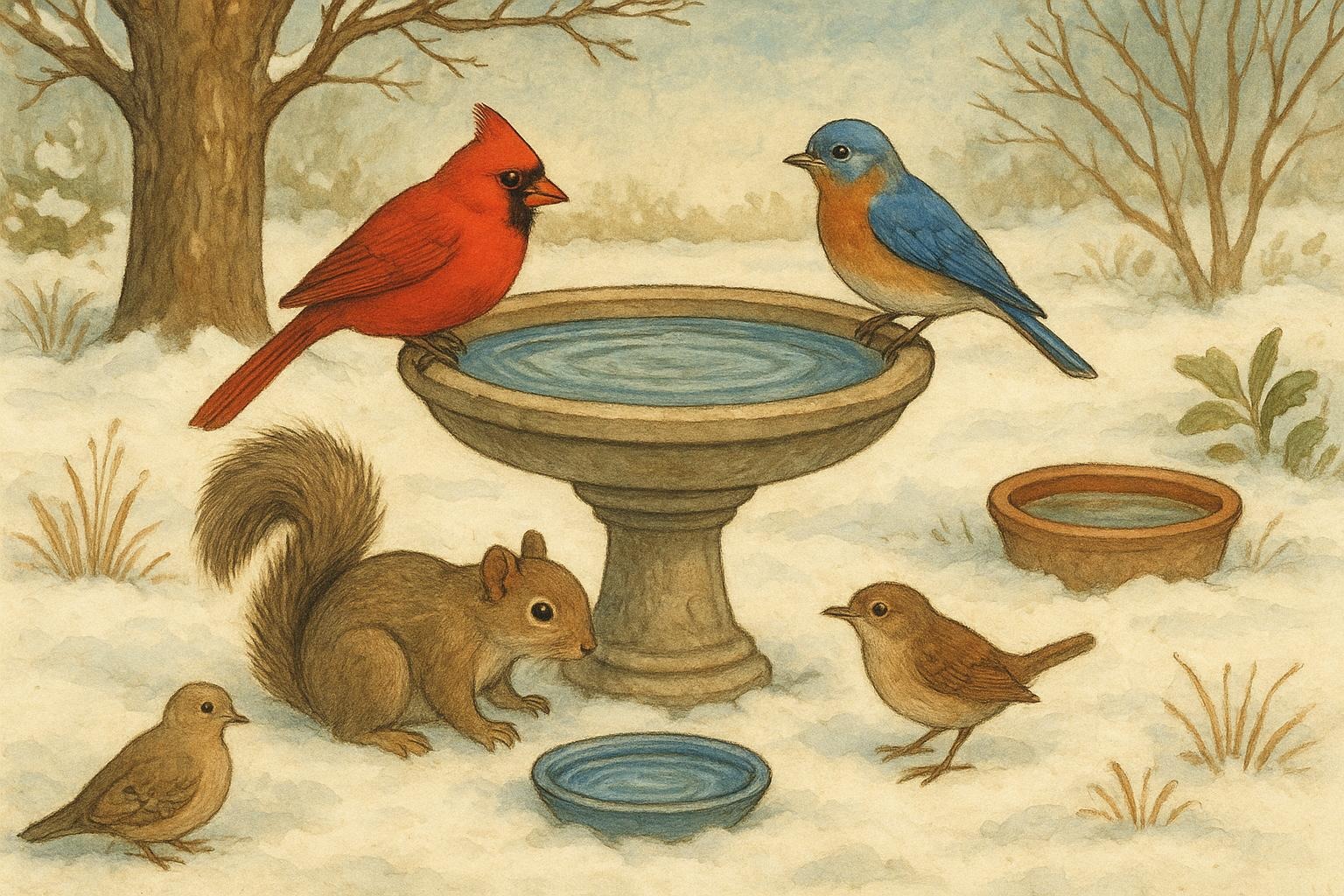
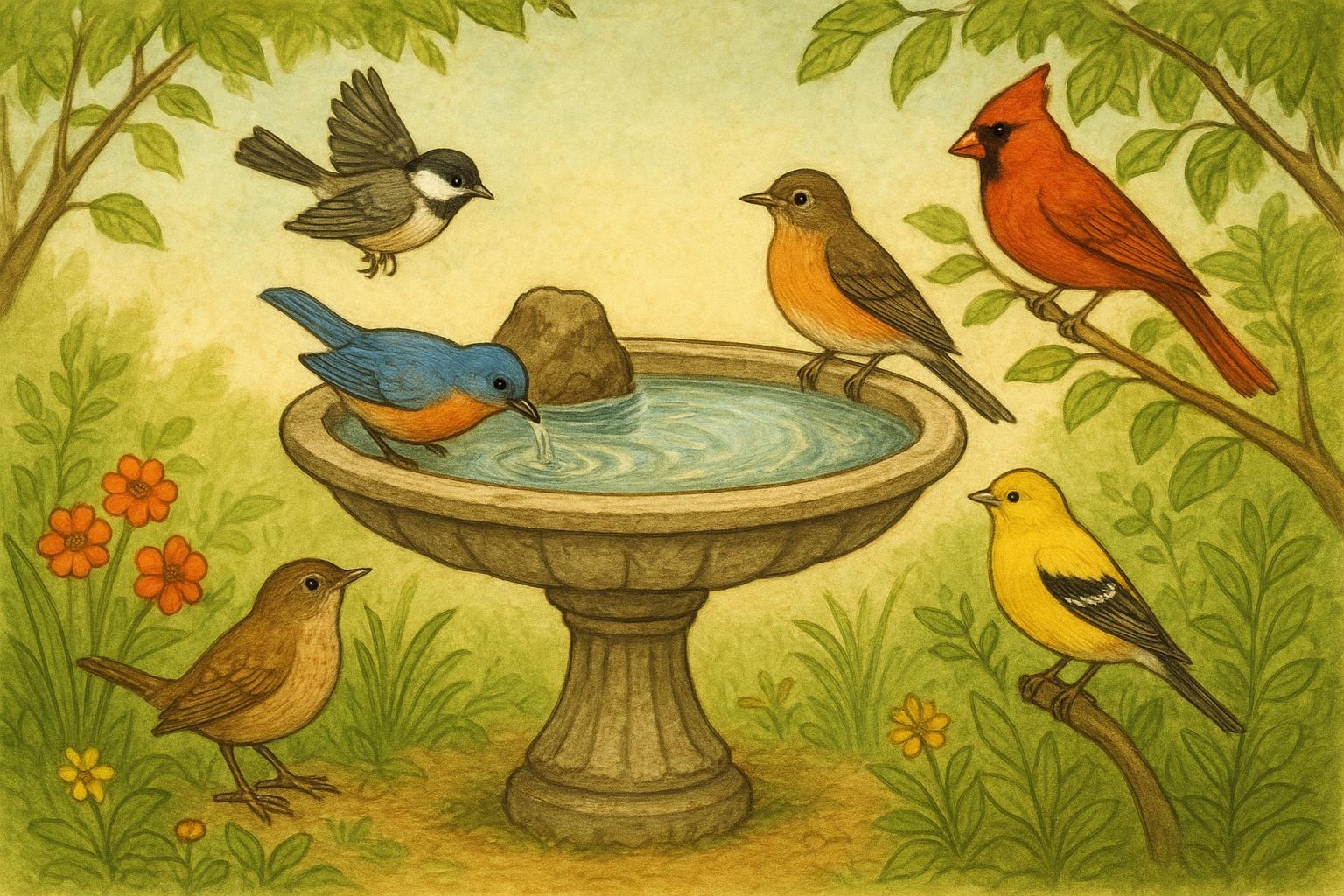
– Stable water source (shallow birdbath with dripper)
– Natural nesting materials (untreated grasses, small twigs)
– Low-to-moderate-density bird feeders (tube feeder and suet feeder)
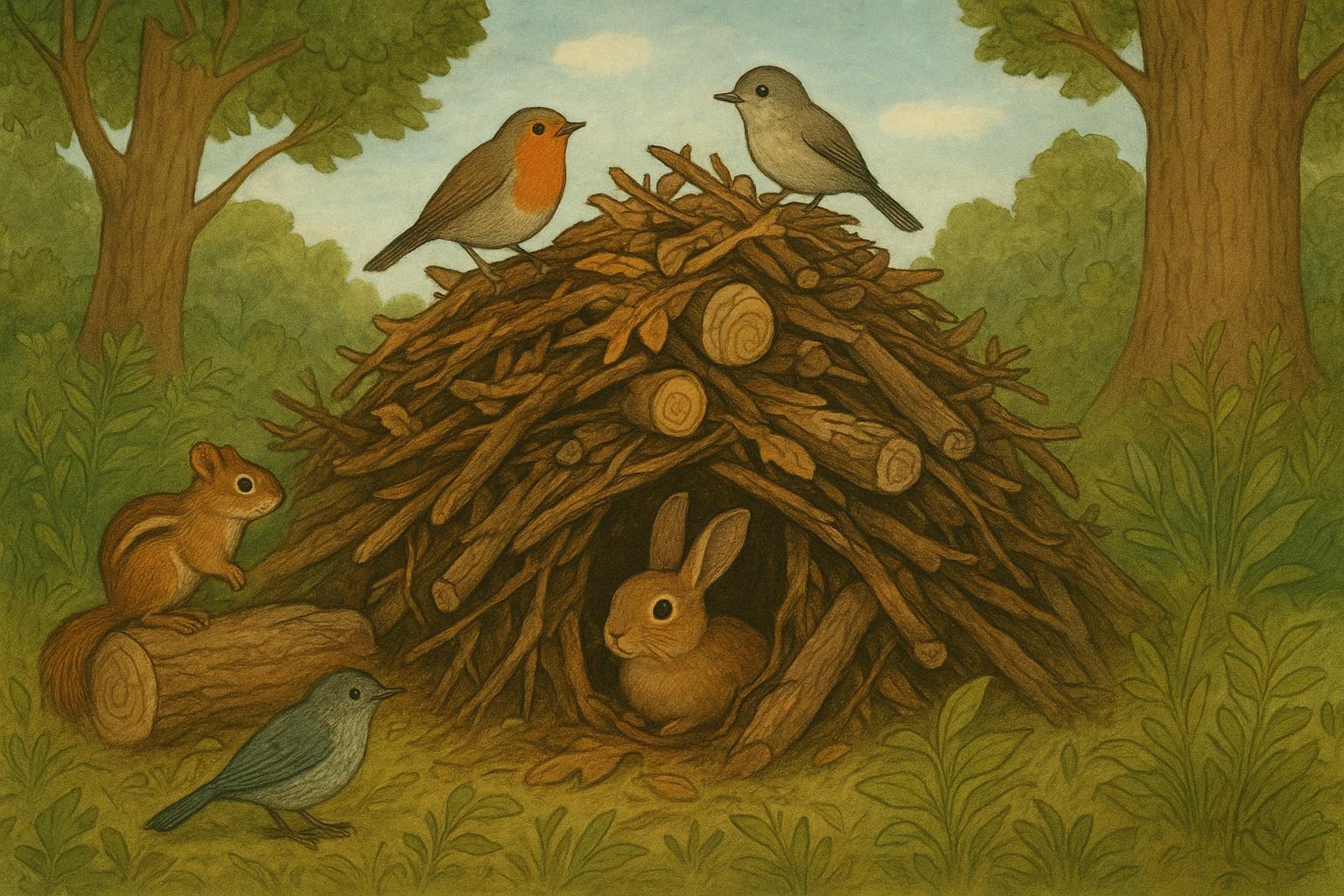
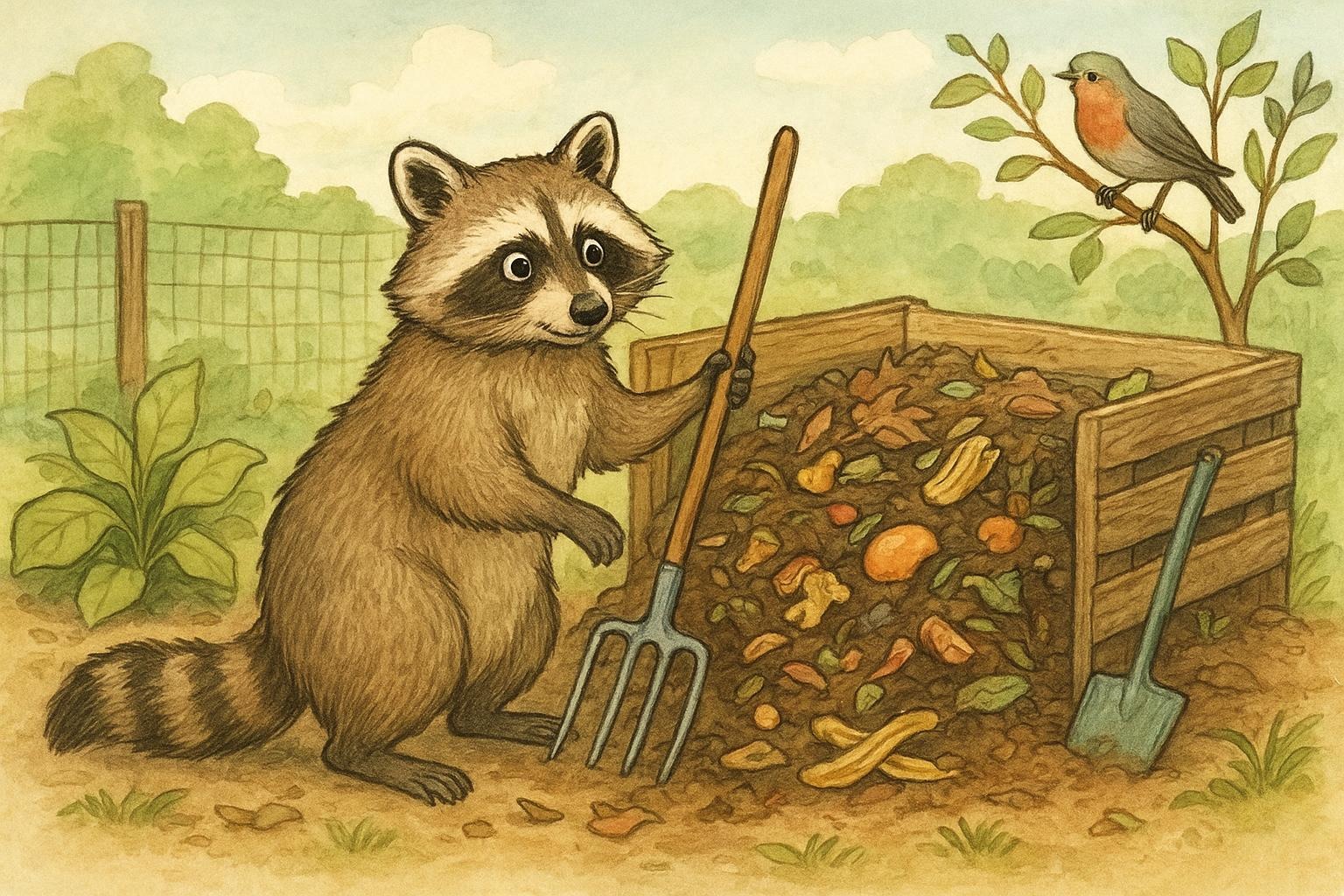
– Leaf litter area or compost patch (for insects)
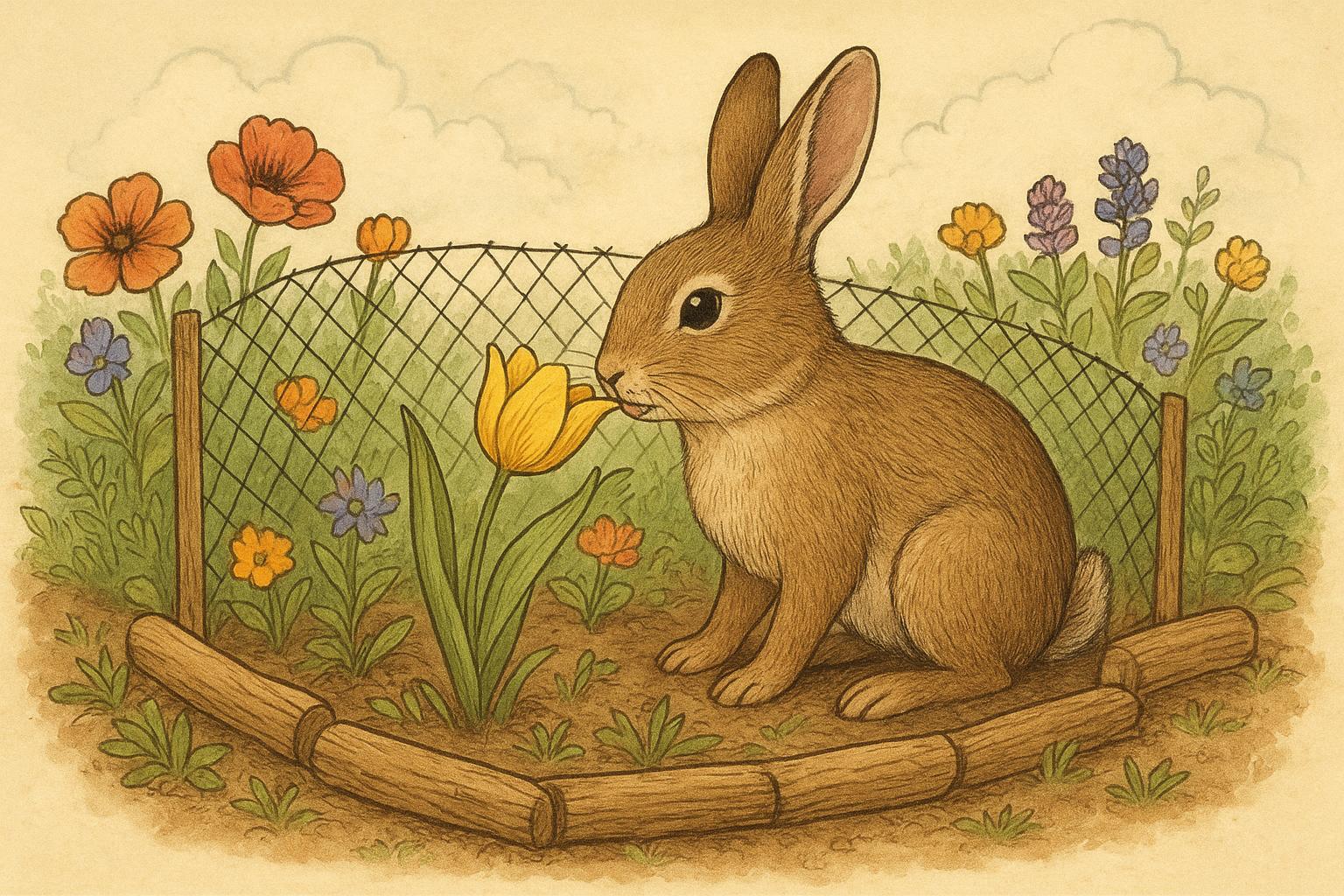
– Protective planting stakes or cage mesh for young plants
Step-By-Step Creation And Application:
1. Assess The Space: Map sun exposure, existing plants, and predator hotspots (e.g., cat paths). Choose a sheltered corner for primary plantings.
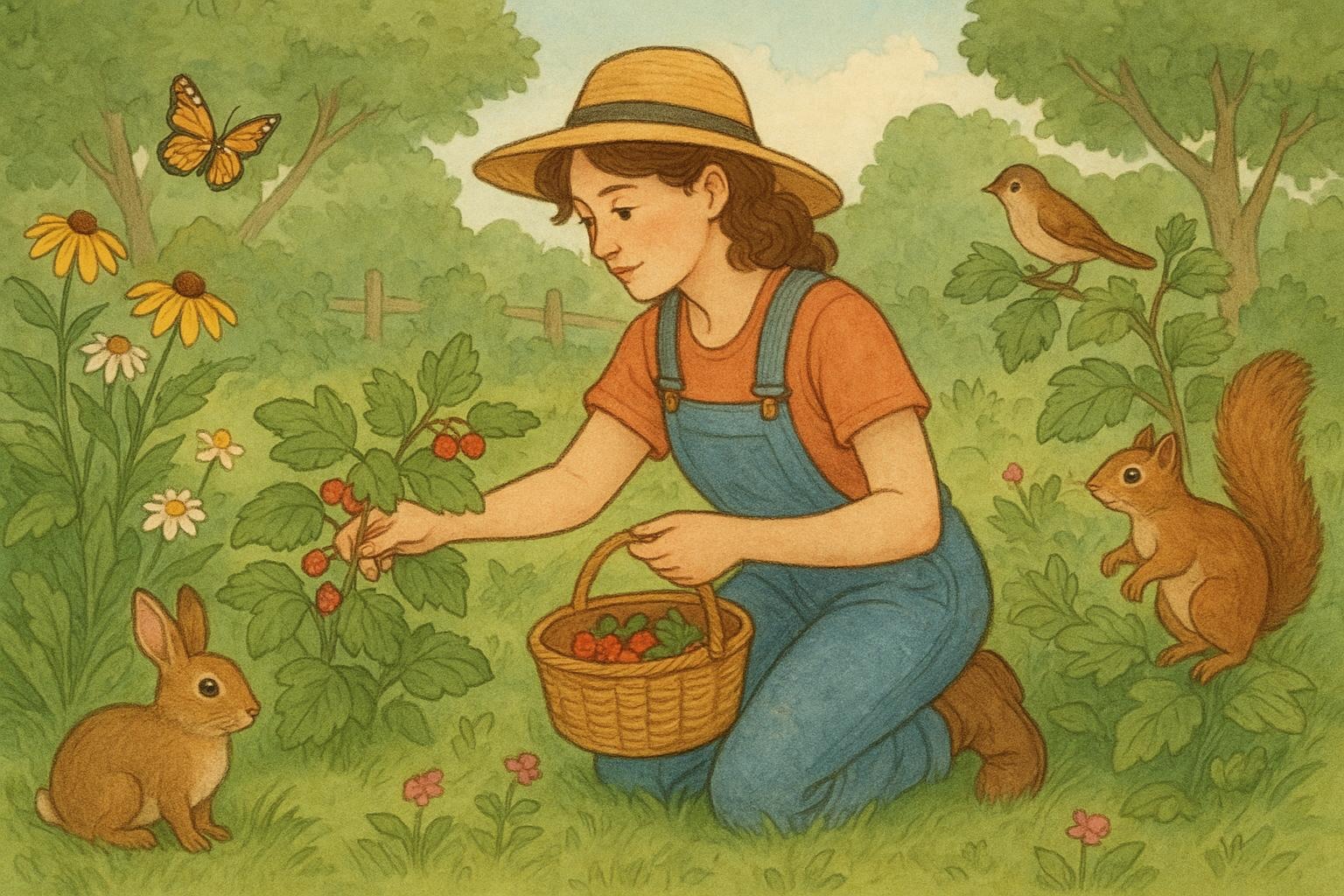
2. Plant For Structure: Install layered vegetation—groundcovers (e.g., native grasses and low herbs), mid-story shrubs (e.g., native currants, serviceberry), and small trees. Aim for staggered heights to provide cover and display perches.
3. Provide Food Sources: Plant native species that bloom in sequence to provide nectar and seeds. Add a small insect-attracting patch by leaving some leaf litter and creating a compost area to boost natural prey abundance.
4. Install Water: Place a shallow birdbath where song carries; add a gentle dripper to attract attention. Change water regularly to prevent disease.
5. Offer Nesting Resources: Tie small bundles of untreated grasses, feathers, and hair in bush crotches or provide a nesting material station in a sheltered area.
6. Position Feeders Thoughtfully: Hang feeders at varying heights and distances from cover so males can display safely and females can observe feeding quality.
7. Control Disturbance: During peak courtship and nesting, minimize lawn mowing and pruning near active territories. Keep pets supervised or indoors during dawn/dusk when courtship peaks.
Application Notes:
– Monitor but do not handle nests. Observation should be distant and unobtrusive.
– Keep pesticide use to zero; insect declines directly affect breeding success.
– Record observations to track seasonal trends and adjust habitat plantings over time.
## Remedy 2: Install And Manage Nest Boxes For Target Species
For cavity-nesting species, nest boxes can greatly aid successful breeding if installed and maintained correctly. This remedy requires careful attention and consistent monitoring.
Materials / Ingredients:
– Species-appropriate nest box (dimensions vary: e.g., bluebird box ~12″ high, 5″ x 5″ floor, 1.5″ entrance hole)
– Galvanized screws or non-corrosive mounting hardware
– Predator guard (baffle) and mounting pole
– Ventilation and drainage holes (pre-drilled or ready to modify)
– Camouflage paint (non-toxic) and weatherproofing materials
– Ladder and safety gear for installation
– Gloves and hand sanitizer for handling
Step-By-Step Creation And Application:
1. Select Species And Box Design: Choose the correct box dimensions and entrance size for your target species. Consult local birding resources or extension services for region-specific designs.
2. Build Or Buy A Proper Box: Ensure ventilation holes near the top and drainage at the bottom. Use untreated, rot-resistant wood; avoid metal or plastic interiors that overheat.
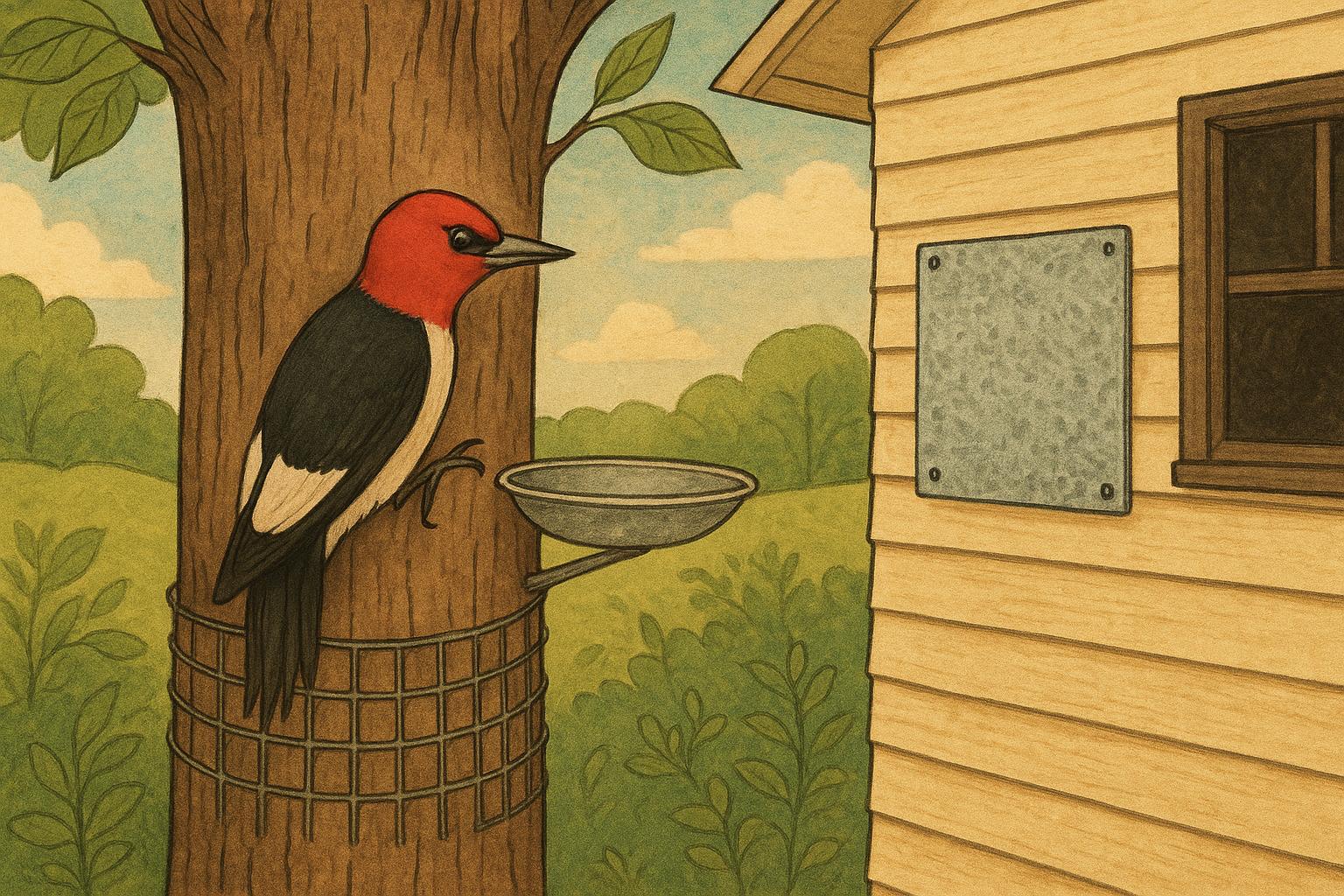
3. Install With Predator Protection: Mount the box on a pole with a predator baffle at least 5–6 feet above ground and clear of perching branches within 10–15 feet. Face the entrance away from prevailing winds and direct sun (east or southeast is common).
4. Maintain Seasonally: Inspect boxes in late winter before the breeding season for structural integrity, clean out old nesting material after fledging (wear gloves), and repair any damage. Do not disturb active nests—only monitor from a distance.
5. Monitor And Record: Keep a log of occupancy, eggs, hatch dates, and fledging success. This enhances understanding of local bird mating dynamics and informs future box placement.
6. Legal And Ethical Compliance: Follow local wildlife regulations. In some regions, handling nest boxes without permits for certain species is restricted.
Application Notes:
– Clean boxes with a mild bleach solution (10% bleach in water) after the nesting season; rinse thoroughly and dry.
– Avoid attracting invasive or aggressive species by selecting entrance sizes appropriately and removing nests of non-target species only when permitted.
## Ethical Observation And When To Intervene
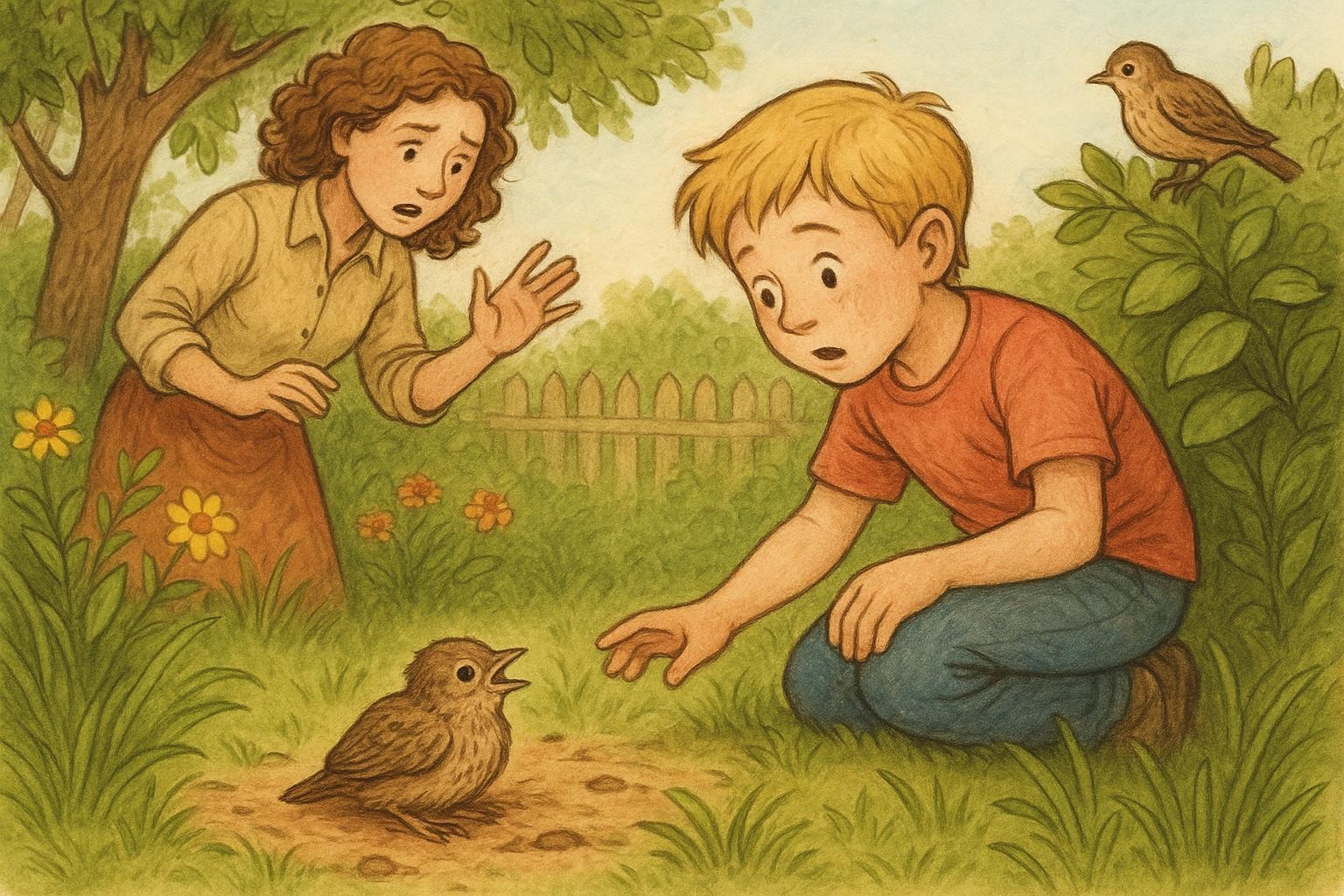
Watching bird mating behavior is delightful, but the ethical line is sharp. Disturbing nests or moving fledglings can reduce reproductive success, so intervene only for clear hazards.
### Signs That Warrant Intervention
If a nest is dangling dangerously, exposed to a predator that will surely destroy it (e.g., repeated cat attacks), or contaminated with oil/chemicals, contact a licensed wildlife rehabilitator or local extension office. Do not attempt to relocate active nests yourself unless guided by professionals.
### Legal Considerations And Respectful Practices
Many songbirds are protected by law, which prohibits nest disturbance. Keep a respectful distance, use binoculars for close views, and educate neighbors about the importance of leaving birds undisturbed during the bird mating season. If you must trim trees or prune shrubs, schedule such work outside nesting months.
Enjoy the show—quietly
Backyard bird mating displays are entertaining, educational, and essential to local ecosystems. With a few thoughtful habitat tweaks, correct nest box management, and a commitment to ethical observation, you’ll support both the drama and the success of your neighborhood’s feathered cast.


Leave a Reply