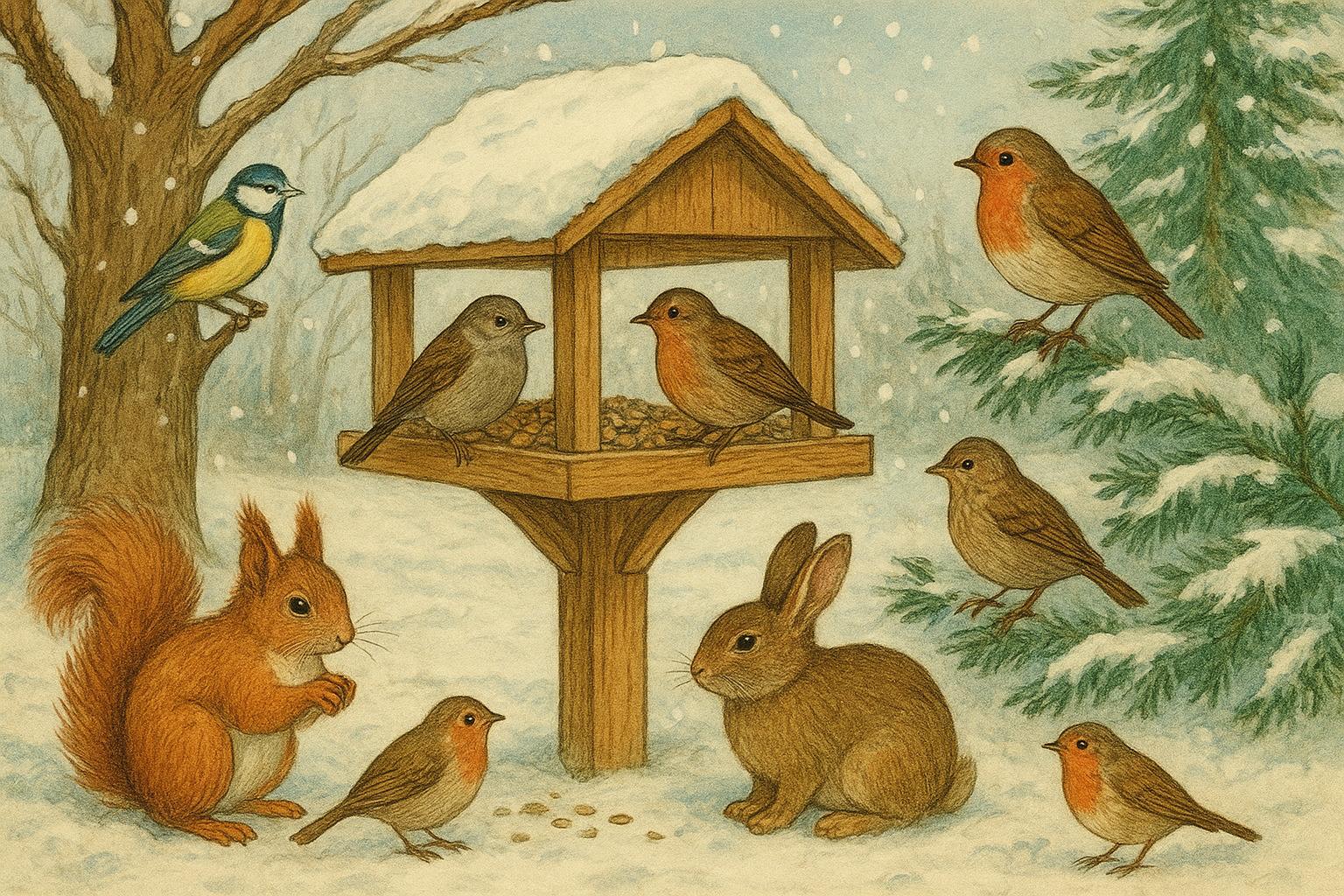
Winter arrives, and suddenly your backyard feels less like a retirement community for robins and more like a chilly game show where only the toughest (or hungriest) survive. If you’ve ever wondered whether to top off a feeder, offer extra suet, or let nature take its course, you’re in the right place. This piece will help you make compassionate, informed choices about backyard wildlife care that balance animal well-being, ecological responsibility, and the occasional backyard drama (yes, the squirrels will plot).
## A Formal Guide To Winter Feeding And Seasonal Wildlife
### Principles Of Responsible Winter Feeding
Winter feeding can be a lifeline for many native species when natural food sources are scarce, but it isn’t a free pass to dump sugar water and stale bread into the yard. Effective winter feeding rests on a few clear principles:
– Provide high-energy, species-appropriate foods that mimic natural diets.
– Maintain cleanliness to reduce disease transmission.
– Place feeders and water sources to minimize predation and human-wildlife conflict.
– Avoid creating dependency by limiting supplemental feeding periods and escalating natural habitat improvements (native plants, seed-producing shrubs).
When you commit to winter feeding, think of it as emergency aid, not a long-term substitute for habitat. Done poorly, well-intentioned feeders can concentrate animals, spread disease, or alter natural behaviors. Done well, they can help birds, small mammals, and pollinators get through lean months while you enjoy quieter, healthier wildlife.
### Common Mistakes To Avoid
– Offering Inappropriate Foods: Bread and uncooked rice are calorie-poor and can cause digestive issues.
– Using Dirty Feeders: Moldy seed and accumulated droppings are disease hazards.
– Feeding Year-Round At The Same Intensity: Continuous, heavy feeding can reduce natural foraging instincts.
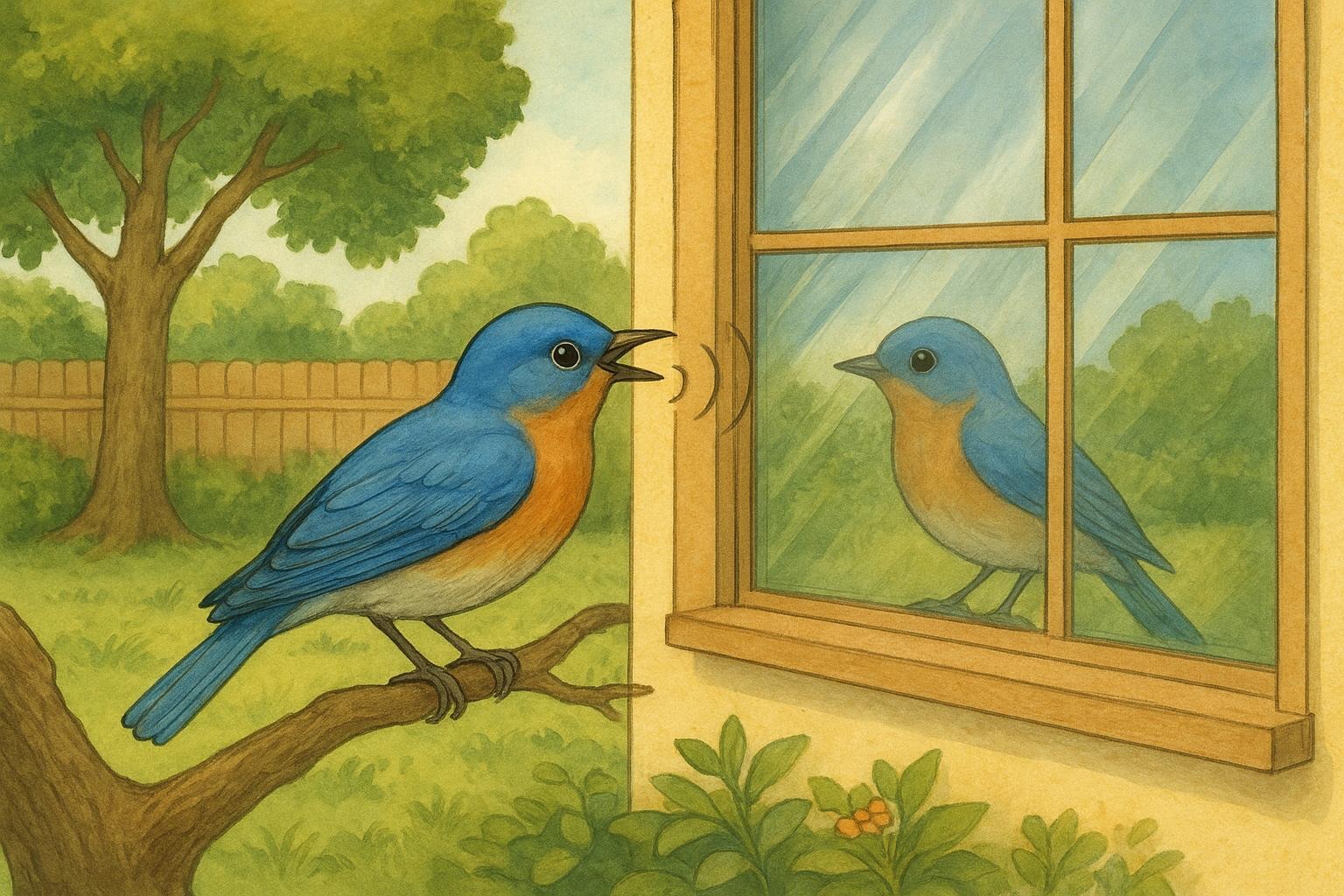
– Placing Feeders Too Close To Windows Or Predators’ Ambush Points: Collisions and predation spikes can result.
#### Disease Management And Hygiene
Regular cleaning is non-negotiable. Use a diluted bleach solution (1 part bleach to 9 parts water), fully rinse, and let equipment dry before refilling. Clean bird baths and water sources at least weekly, more often during warm spells or when lots of visitors show up. Replace wet or clumped seed immediately.
## 1. DIY Suet Cakes For Birds (Remedy)
When formal, high-fat supplementation is needed, suet cakes are a reputable and effective option. They deliver dense calories to insectivores and seed-eaters alike, especially on very cold nights.
Ingredients/Required Materials:
– 2 cups rendered beef suet or high-quality vegetable shortening (if avoiding animal fat)
– 2 cups peanut butter (no xylitol and low salt)
– 4 cups mixed seed (sunflower hearts, millet, milo, cracked corn)
– 1 cup quick oats (optional for texture)
– Small molds or empty yogurt containers
– Twine or wire for hanging (galvanized recommended)
– Double boiler or microwave-safe bowl
– Thermometer (optional but useful)
Step-By-Step Creation And Application:
1. Sanitize workspace and utensils. Work in a clean environment to avoid contamination.
2. Melt the suet or vegetable shortening in a double boiler over low heat until fully liquid. If using a microwave, heat in short bursts and stir to avoid overheating.
3. Remove from heat. Stir in peanut butter until thoroughly blended and homogeneous.
4. Add the mixed seed and oats. Mix until seeds are evenly suspended in the fat matrix. Consistency should be thick but pourable.
5. Pour the mixture into molds or prepared containers. Leave a small hole for hanging if using molds that allow it; otherwise, set the mixture and attach hanging twine after partial solidification.
6. Cool at room temperature briefly, then refrigerate until fully set (several hours). Refrigeration ensures structural integrity in cold but not freezing conditions.
7. Place suet cakes in commercially available suet feeders or hang from branches 5–10 feet from shelters and at least 10 feet from windows. Inspect daily for spoilage; remove any that become rancid or waterlogged.
8. Monitor usage and replenish as needed during severe weather, but taper feeding as natural food becomes available in spring.
These suet cakes provide dense calories for species like chickadees, woodpeckers, and nuthatches. Use caution with peanut butter for areas where squirrels dominate; consider caging feeders or using peanut-free formulas to reduce squirrel monopolization.
## 2. Heated Water Station For Small Wildlife (Remedy)
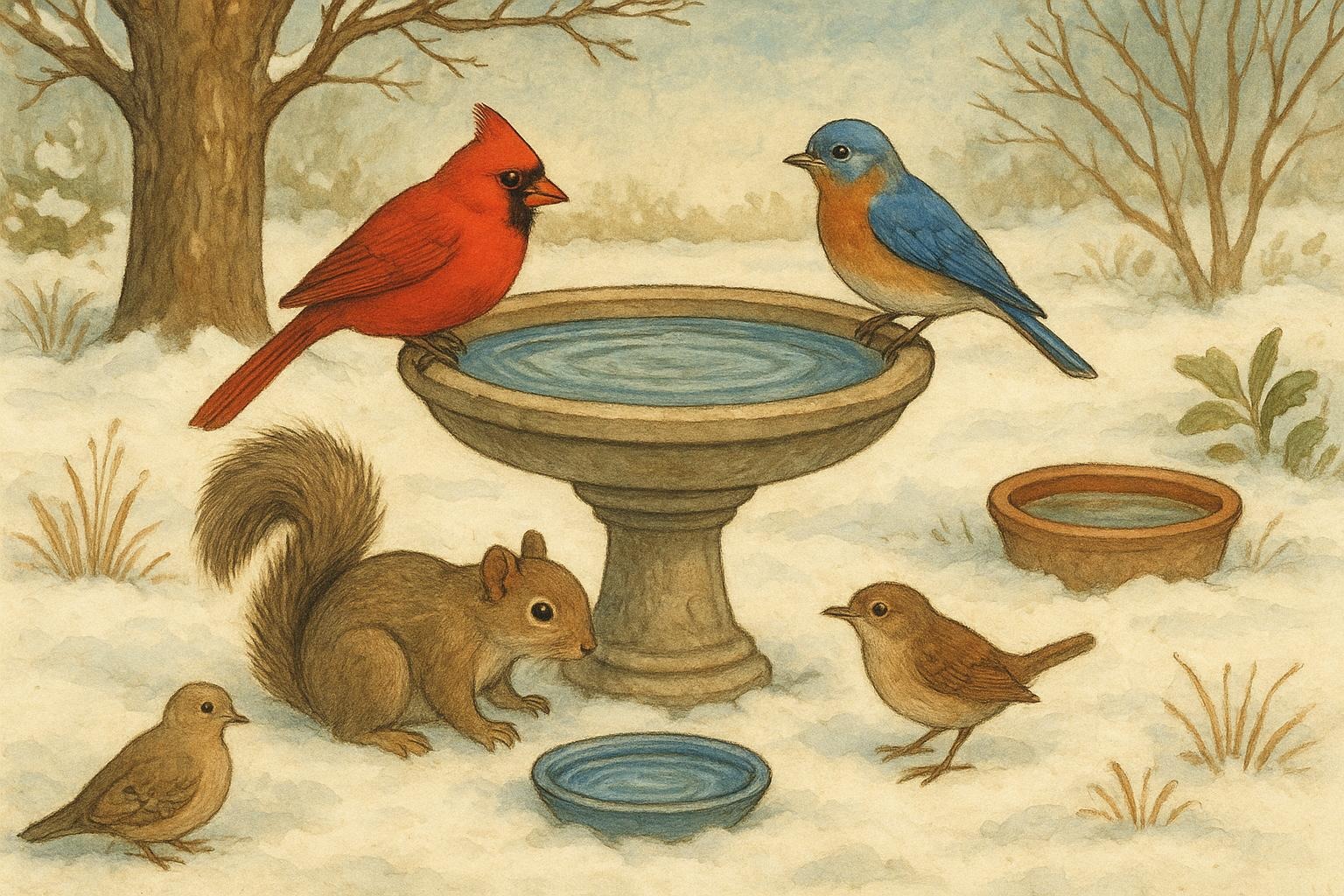
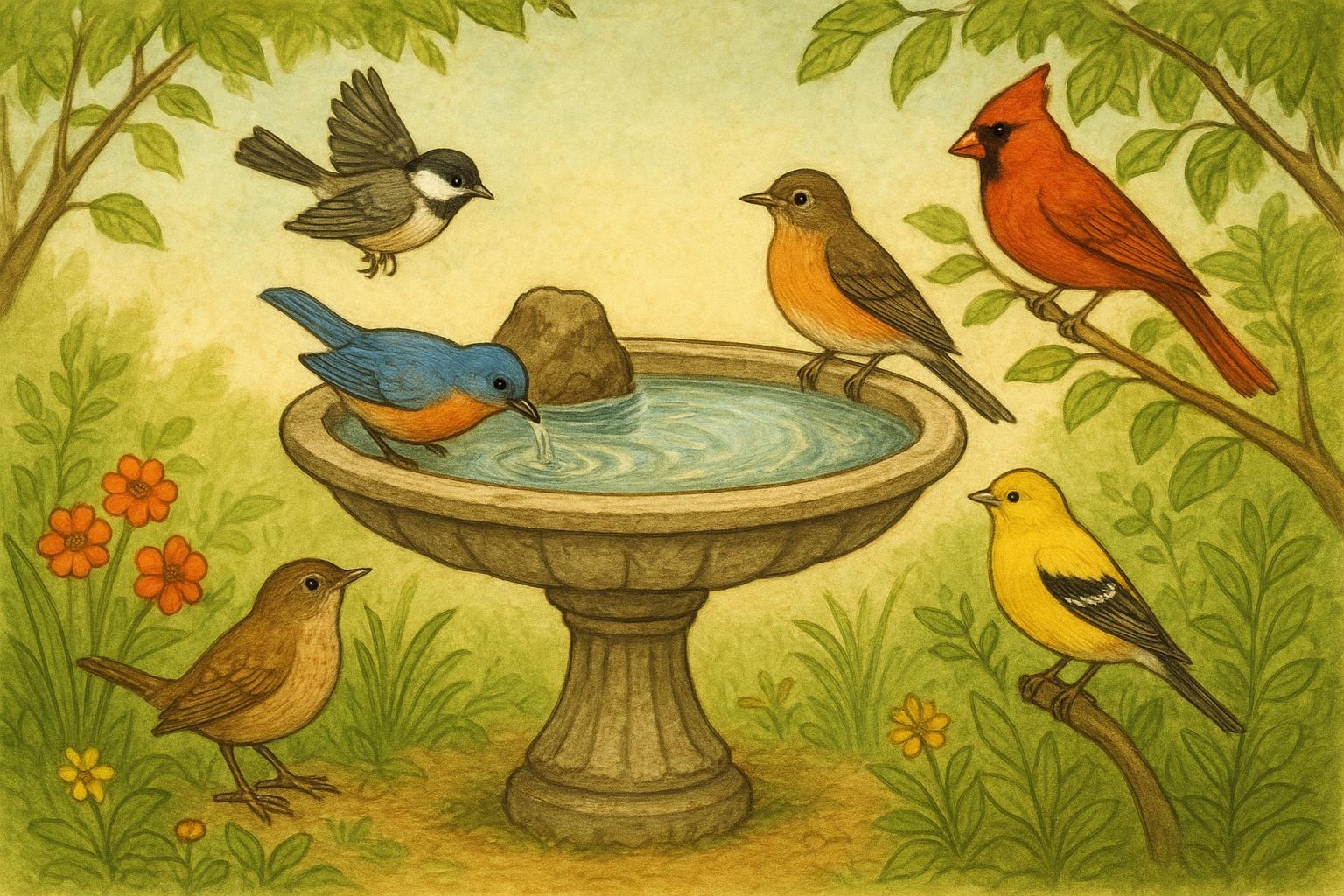
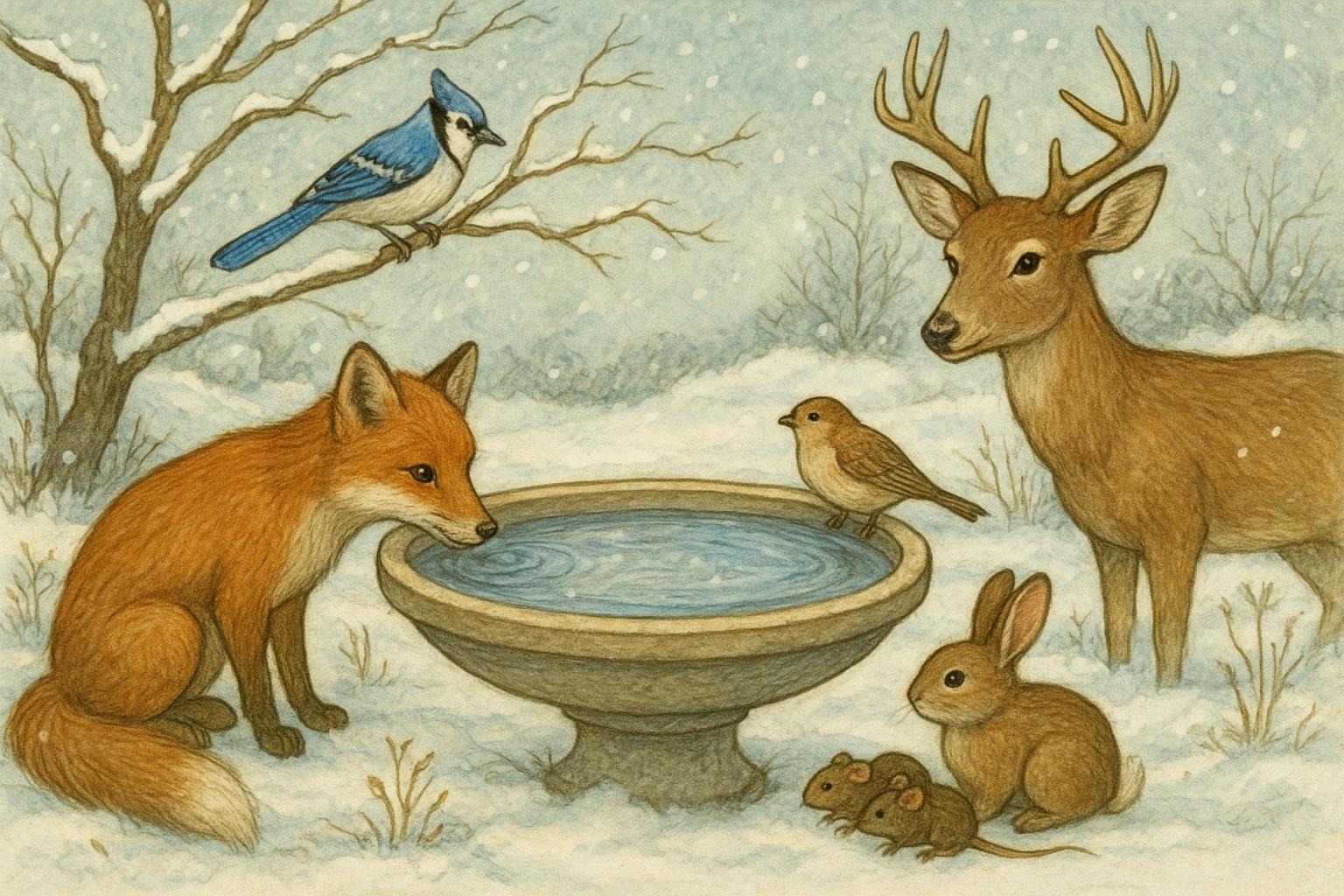
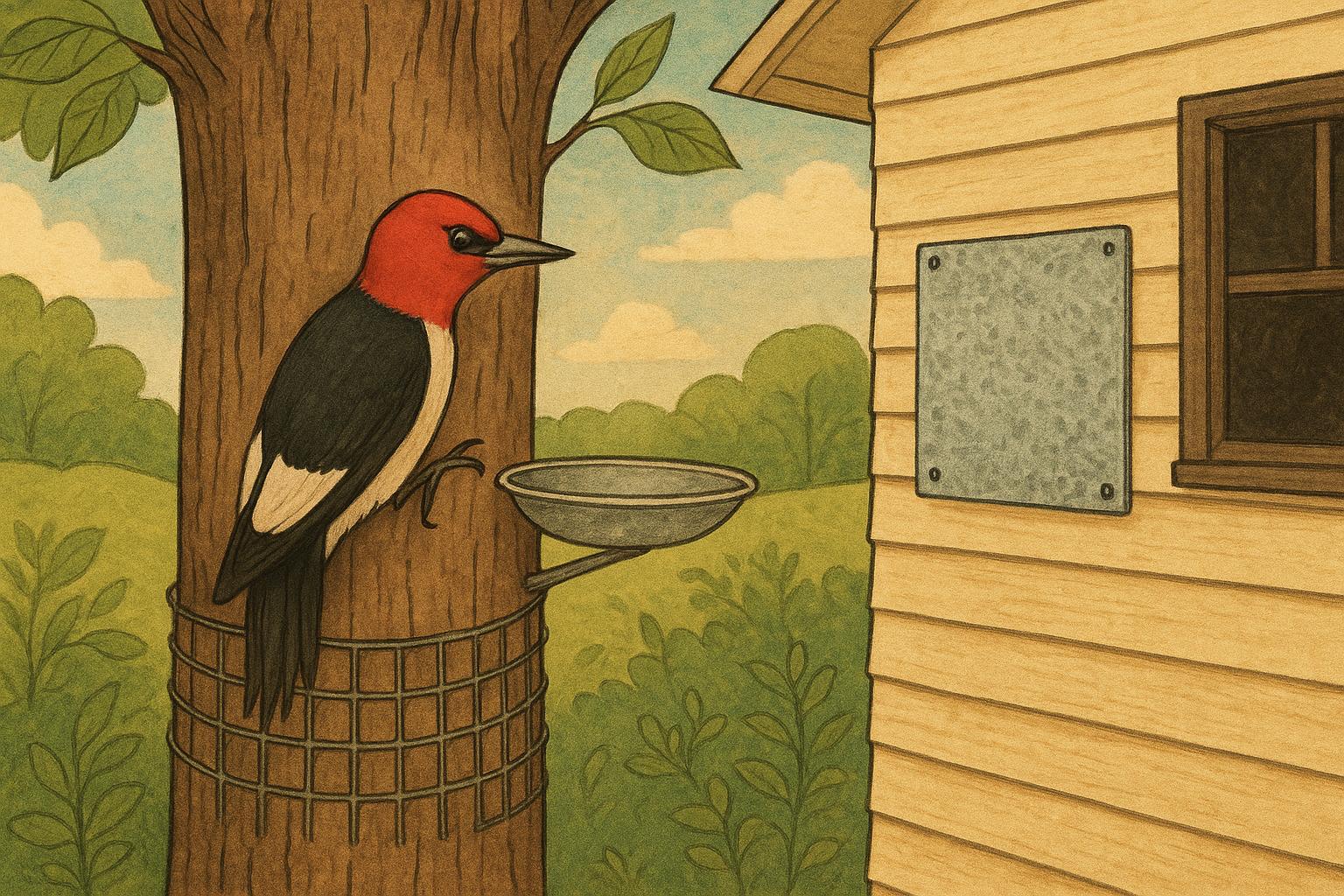
Access to liquid water is critical during winter. A heated water station supports birds, small mammals, and insects during freezing conditions while minimizing ice-related stress.
Materials/Ingredients:
– Small wildlife-safe heated bird bath or aquarium heater rated for outdoor use
– Shallow basin (ceramic, metal, or heavy-duty plastic)
– GFCI-protected outdoor outlet or weatherproof extension cord
– Insulating platform (brick or cinder block)
– Thermometer (optional)
– Weatherproof cover or partial windbreak (optional)
Step-By-Step Construction And Application:
1. Select Location: Place the basin in a sheltered area with good visibility for wildlife and safe access away from direct wind and predators. Keep at least 10–12 feet from dense shrub cover to reduce ambush risk.
2. Prepare Platform: Elevate the basin on an insulating platform to reduce ground freezing. This also improves visibility and reduces contamination from ground debris.
3. Install Heater: Attach the heated bird bath unit or aquarium heater per manufacturer instructions. Ensure the heating element is submersible and rated for outdoor conditions. Connect power to a GFCI-protected circuit only.
4. Set Temperature: Maintain water temperature just above freezing (1–4°C / 34–39°F). Avoid warm water that could attract predators or create unnatural patterns.
5. Add Water And Test: Fill the basin and verify that the heater prevents ice formation. Monitor the water level daily, topping up to compensate for evaporation and feather cleaning.
6. Maintain Hygiene: Replace water regularly and scrub the basin weekly with a diluted bleach solution (1:9) and rinse thoroughly. Remove any carcasses or debris immediately.
7. Seasonal Operation: Operate the heated station only during freezing periods to prevent dependency. Gradually stop use once ambient temperatures consistently remain above freezing.
Operating a heated station requires responsible electrical safety and routine maintenance. Use weatherproof plugs and check for frayed cords. The benefit is immediate: providing safe hydration dramatically improves survival odds for many species during extended cold snaps.
### Species-Specific Recommendations
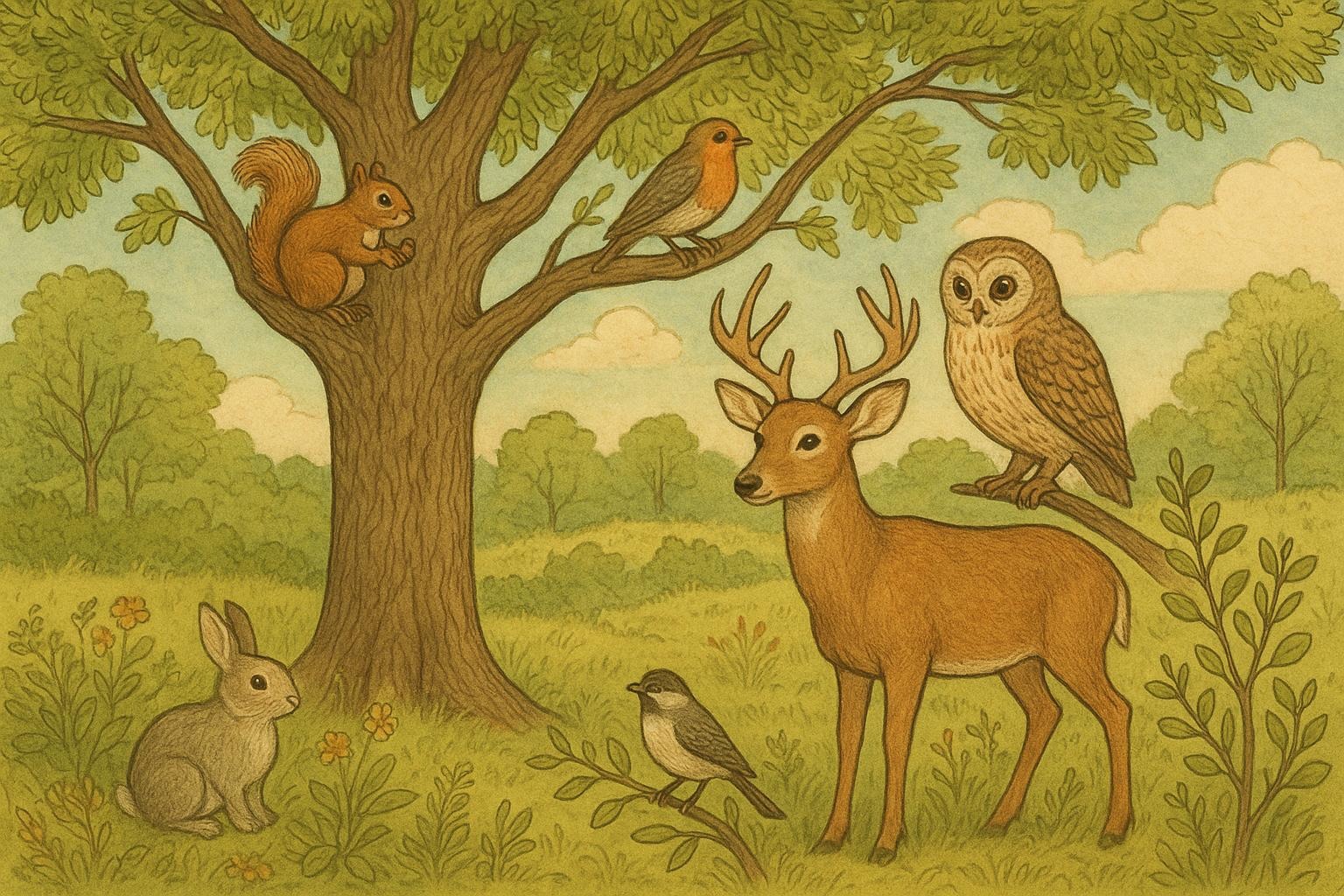
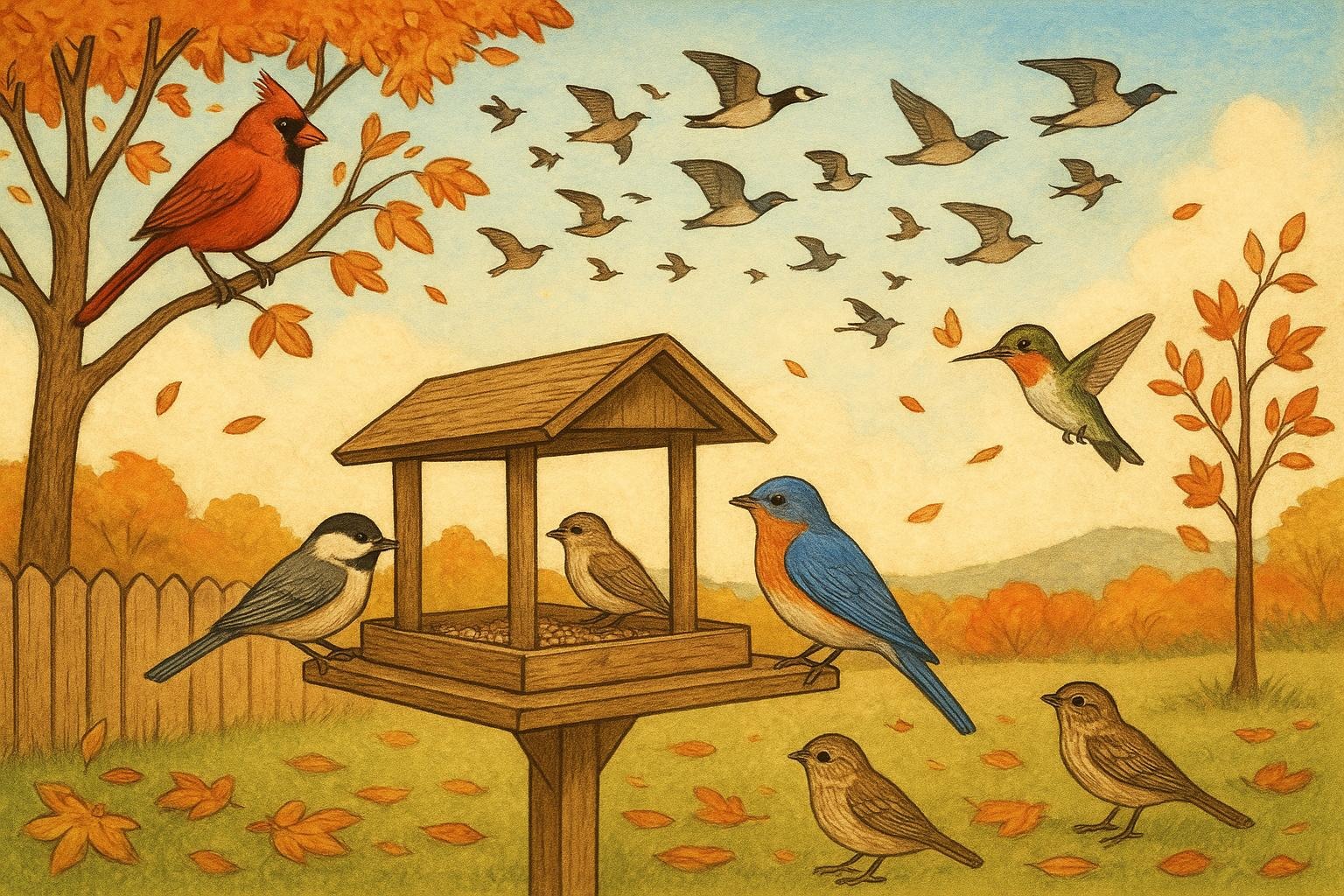
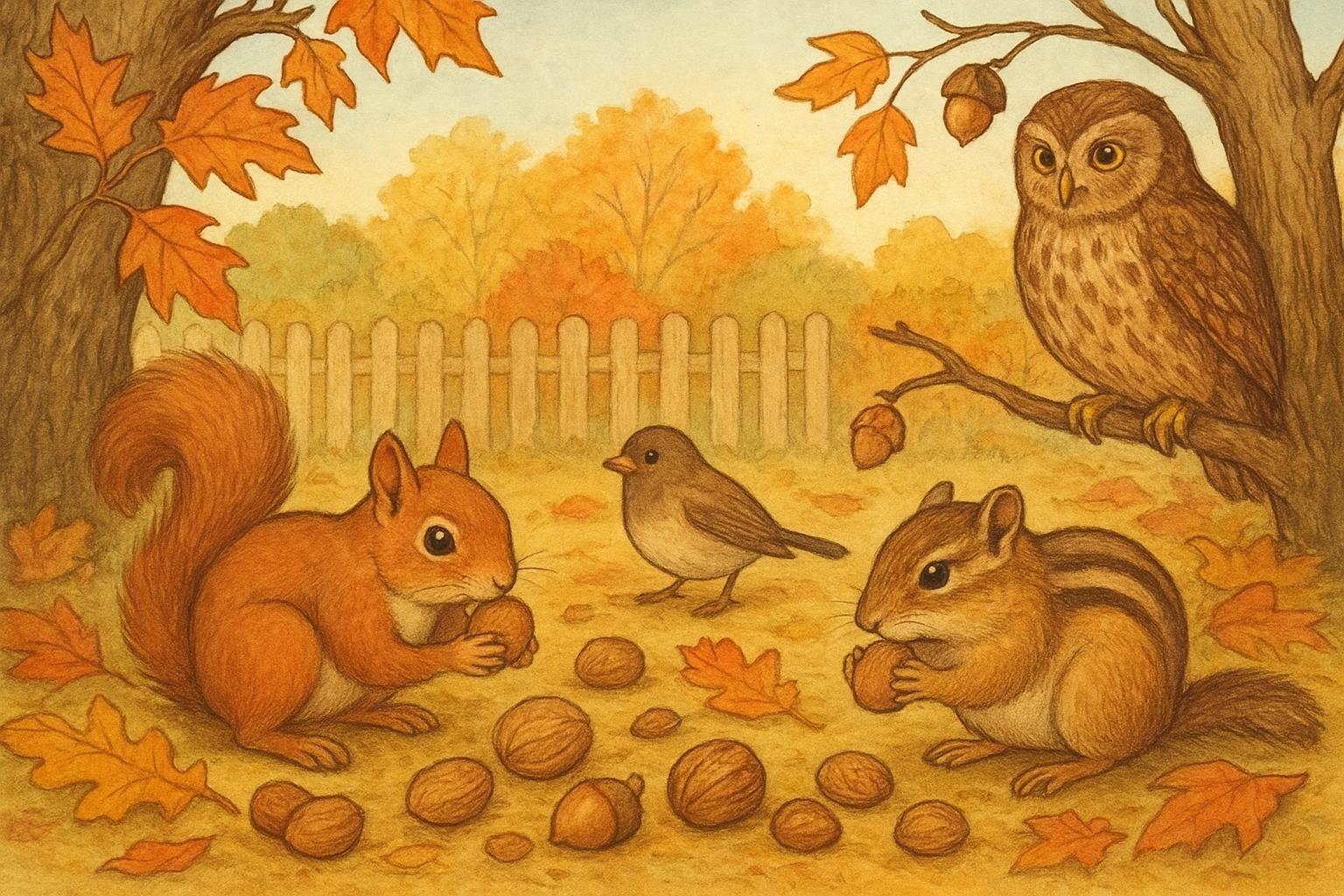
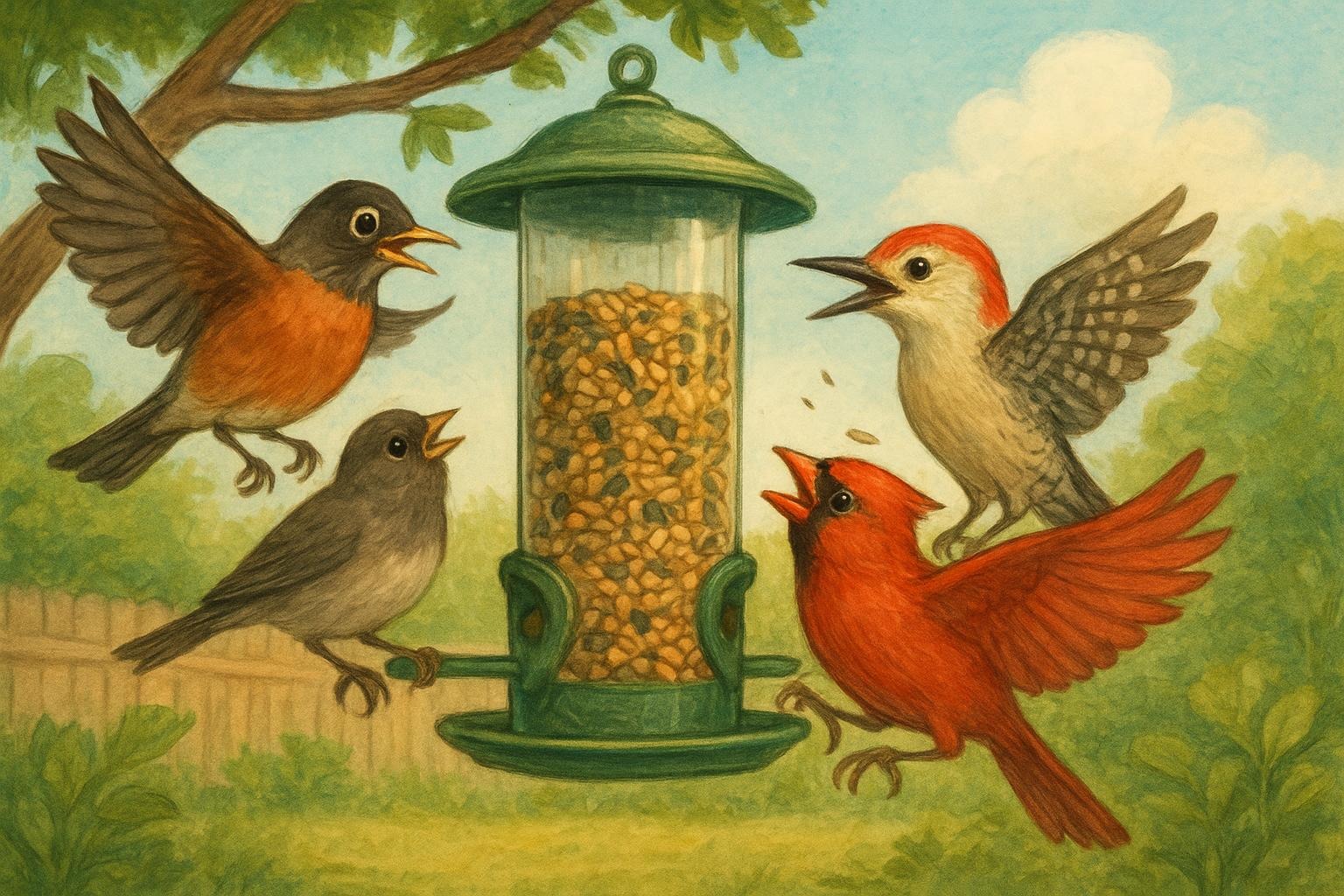
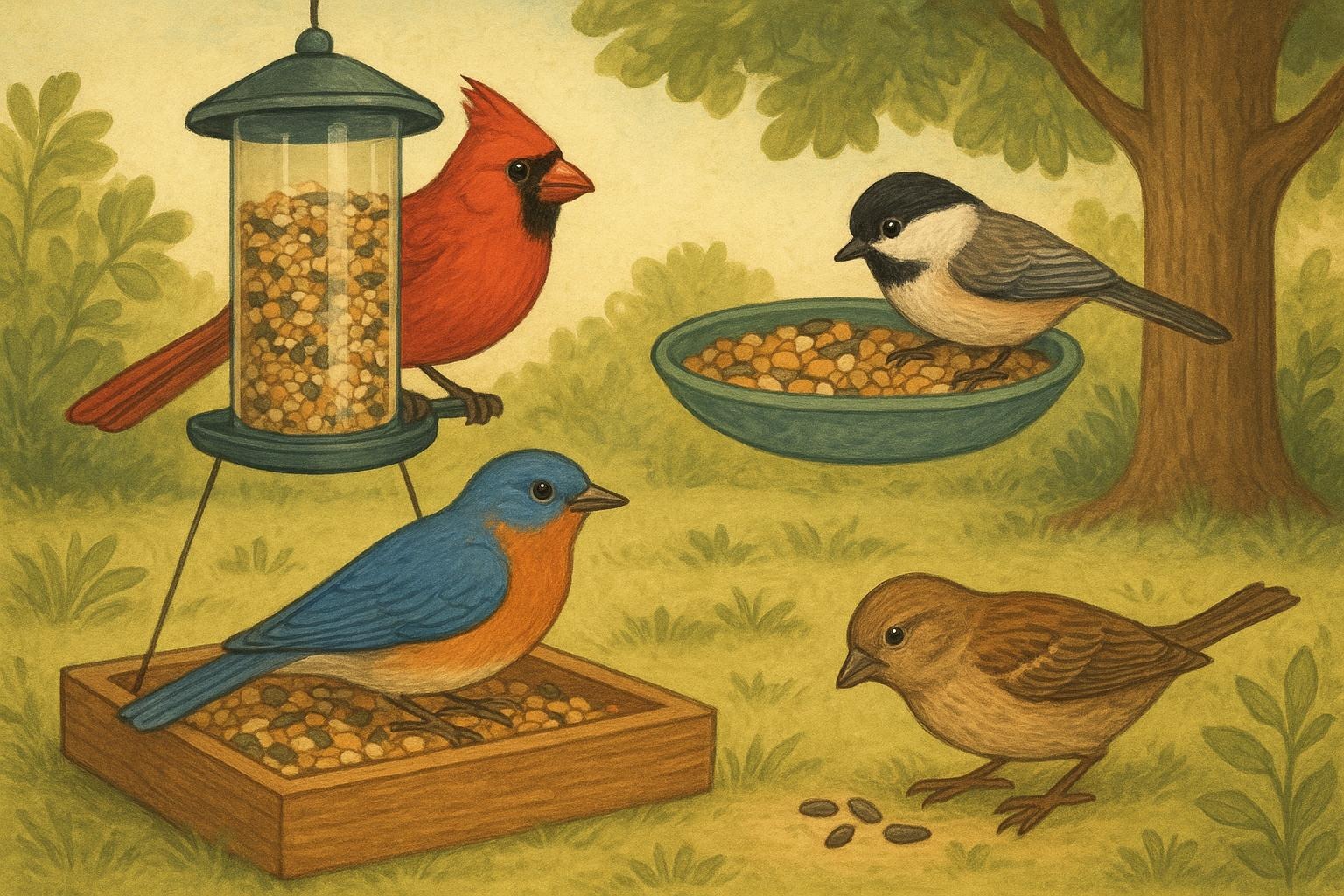
Different animals have different needs. High-energy seeds (black oil sunflower) and suet favor small to medium-sized songbirds. Seed mixes with large components (milo, cracked corn) attract ground-feeding birds and may encourage sparrows and pigeons. For finicky insectivores, suet with added mealworms or insect fragments is superior. For small mammals like chipmunks, a small, protected trough with nuts and seed placed near cover is useful, but reduce access to larger mammals to avoid habituation.
#### Feeder Placement And Window Safety
Place feeders 10–20 feet from windows or within 3 feet to minimize collision speed; either extreme reduces collision risk. Hang reflectors, use patterned glass, or install external netting for additional protection. When winter feeding, change placement slightly every few weeks to disperse droppings and lower disease transmission.
### Legal And Ethical Considerations
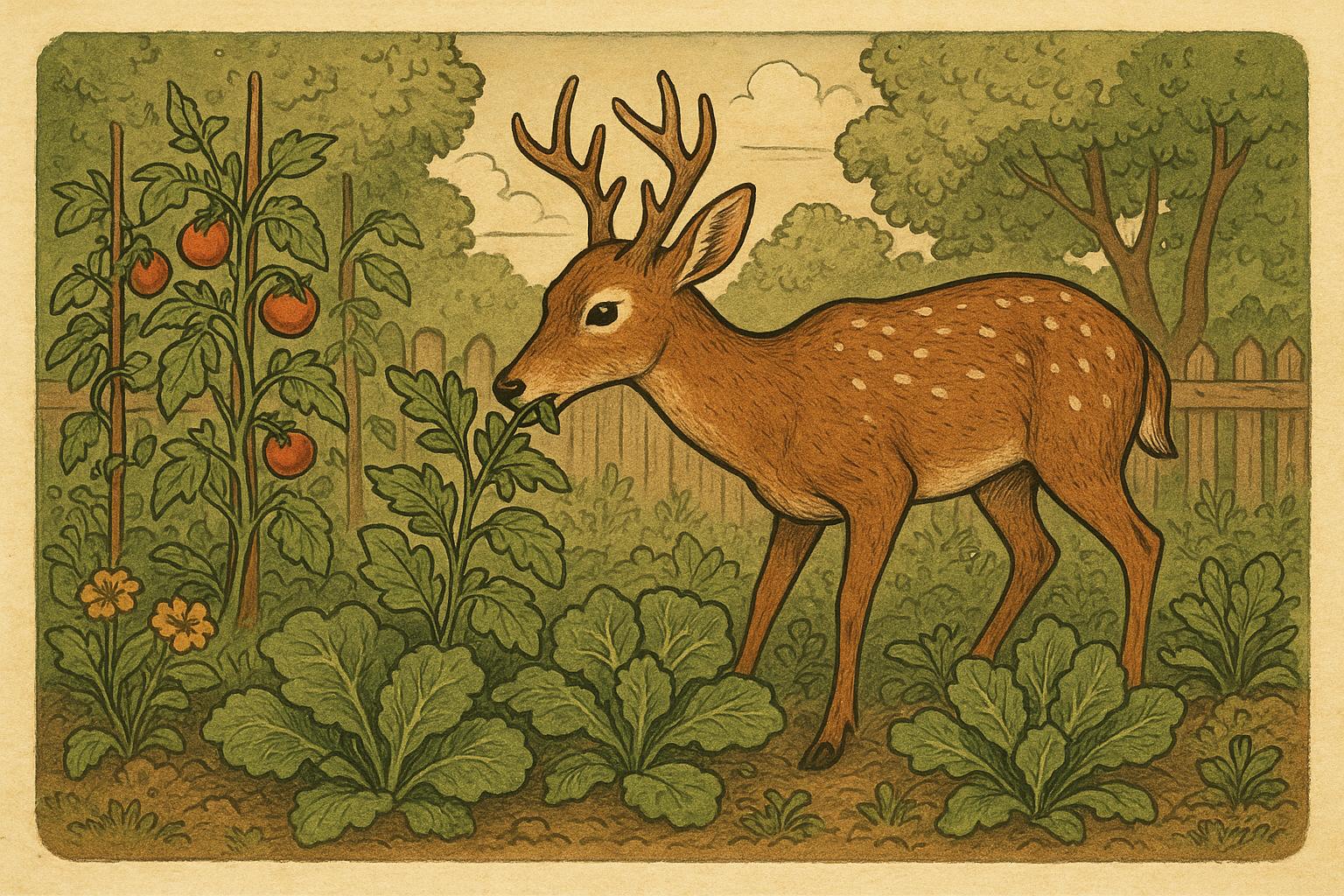
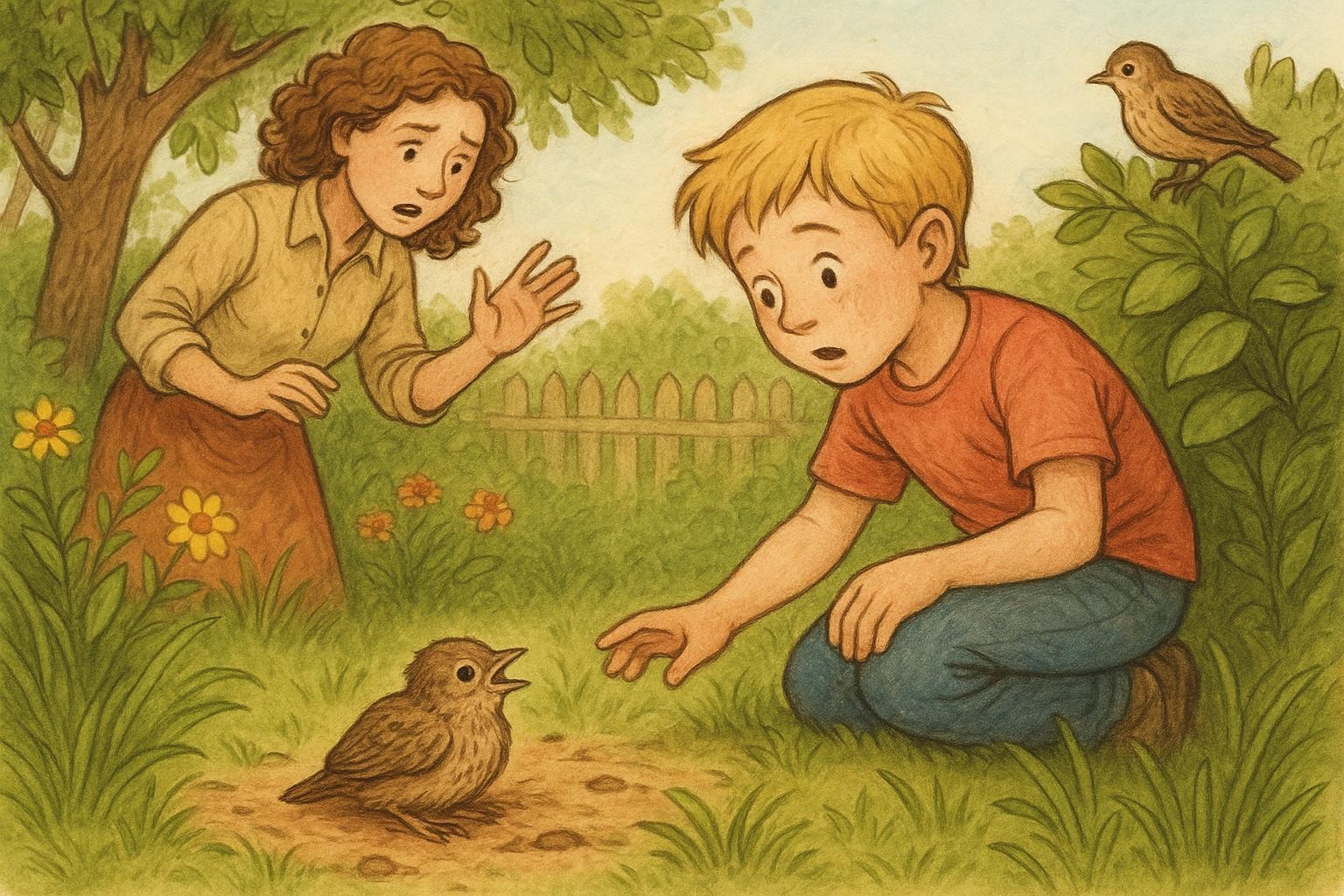
Check local regulations; some municipalities restrict supplemental feeding due to disease or nuisance species concerns. Avoid feeding species that are illegal to attract in your region (e.g., certain deer-feeding bans). Follow wildlife rehabilitation guidelines if you find an injured animal—supplemental feeding is not a replacement for professional care.
### Monitoring And Adaptive Management
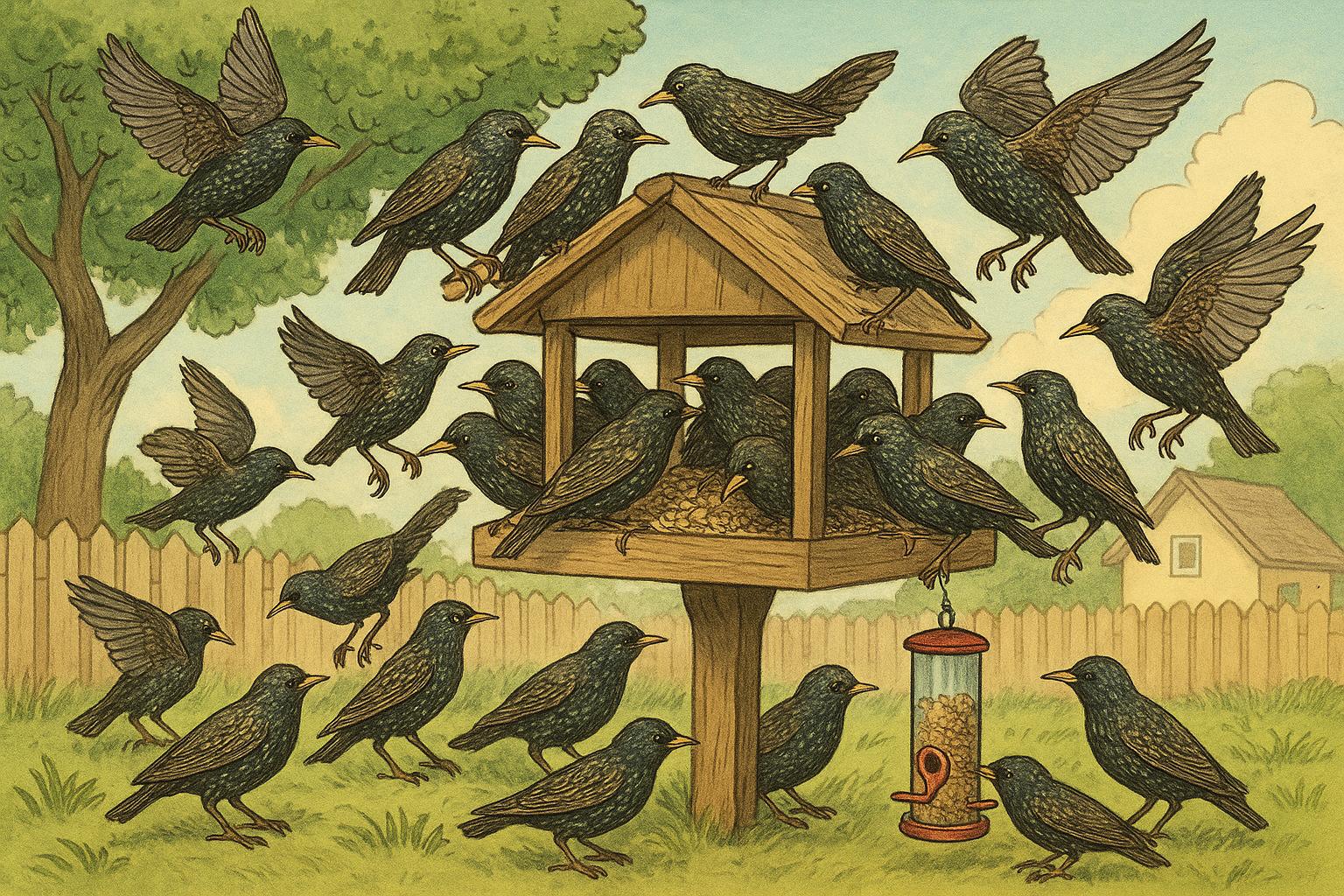
Keep a brief log: species observed, feeder types used, frequency of visits, and any signs of disease or predation. Adaptive management—changing strategies in response to observations—keeps your winter feeding program effective and responsible. If you see increased aggression or concentrated droppings, reduce quantities or increase feeder sites to spread risk.
### Minimizing Predator Risk
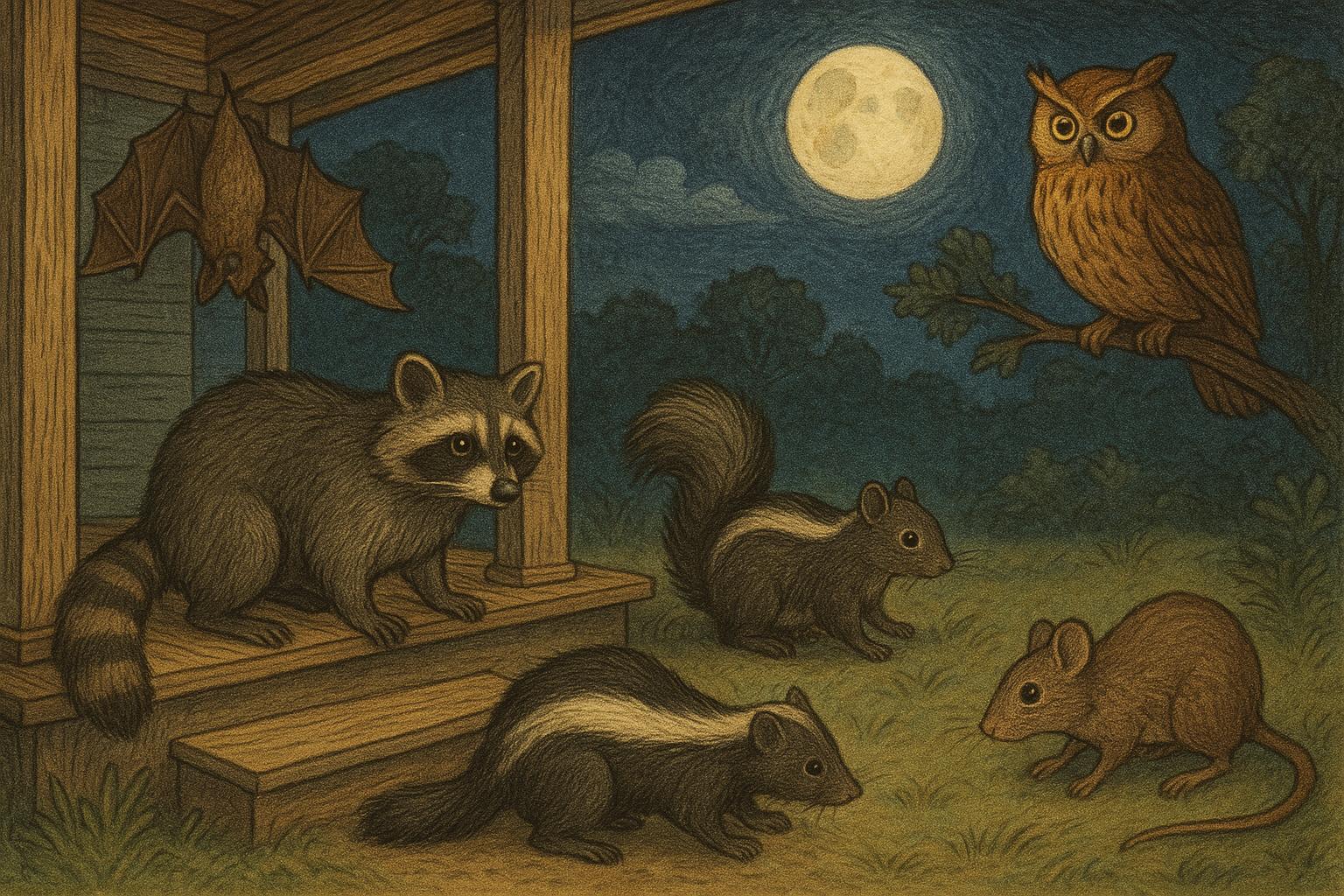
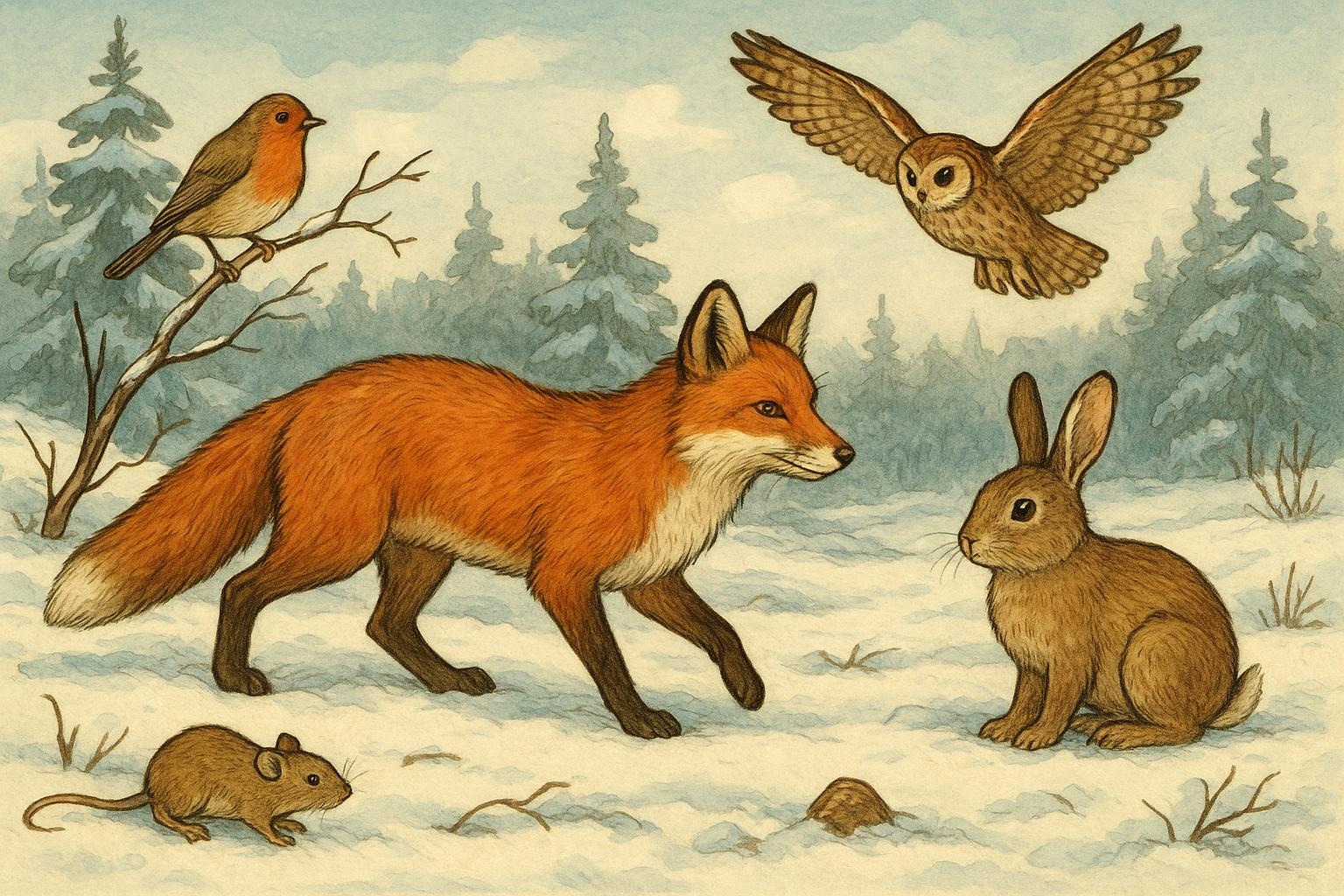
Predators will follow concentrated prey. Maintain landscape complexity: provide overhead cover for birds (trees, dense shrubs) and clear lines of sight so animals can detect danger. Avoid ground feeding when possible; use tube feeders or cages that favor target species and exclude larger animals.
Winter can be hard, but a few well-executed measures make your yard a smart, ethical refuge. Remember: winter feeding should be thoughtful, temporary, and part of a broader commitment to habitat stewardship—because the best way to help wildlife long-term is to create a place they can find food, shelter, and safety on their own.


Leave a Reply