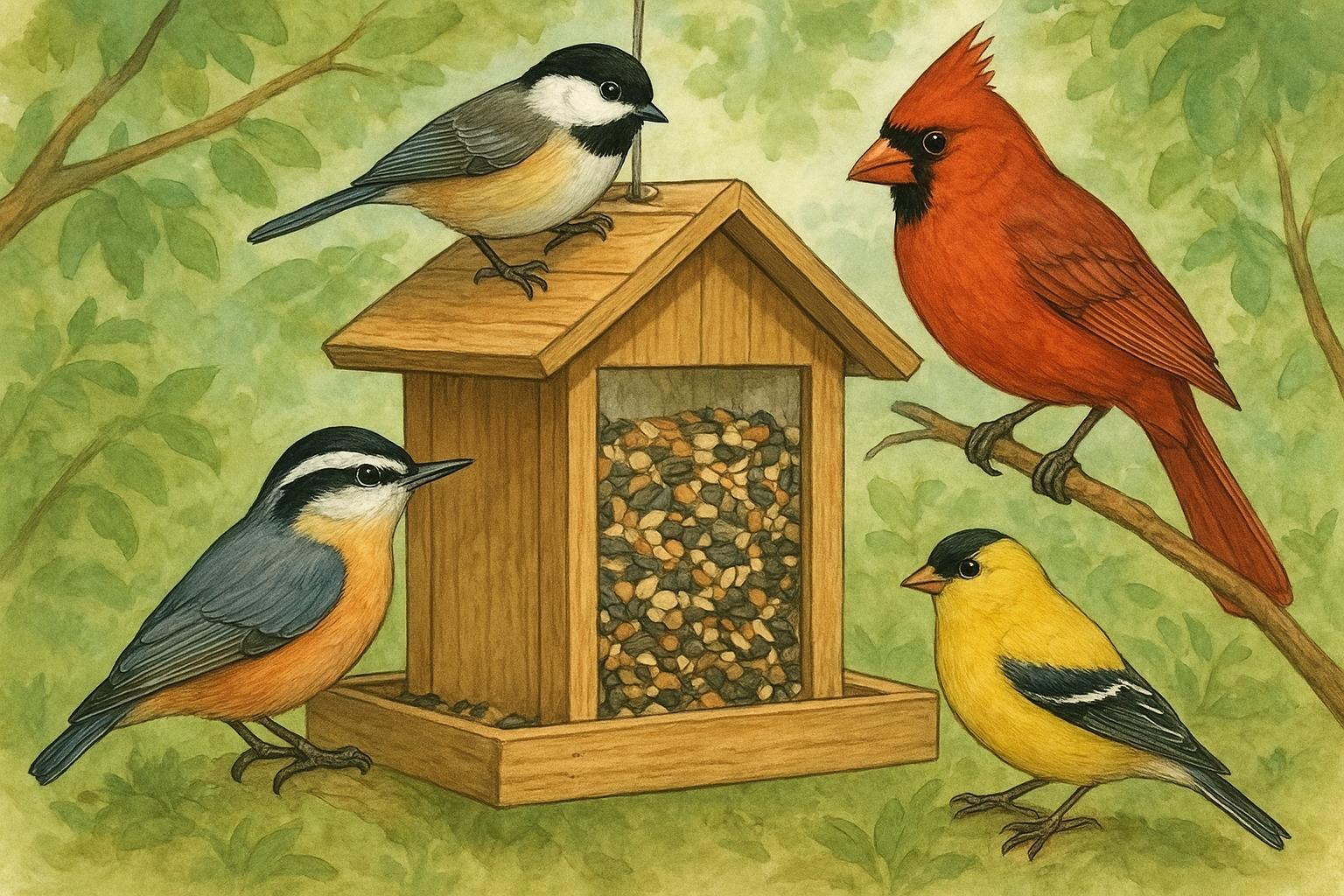
Welcome to your friendly, slightly nerdy tour of the birds that show up when you put seed out in the yard. Whether you’ve hung a beginner’s tube feeder or a fancy platform setup that would make a squirrel hire a contractor, this guide helps you put names to the beaks. Expect identification tips, behavior clues, and a couple of practical remedies to keep your birds healthy and your feeders doing their job.
Seed Feeder Birds Identification Guide For Backyard Birders
## Seed Feeder Birds Identification Guide For Backyard Birders
### Why Feeders Attract So Many Birds
Feeding is a short, efficient energy transaction for wild birds: you provide concentrated calories, they provide entertainment and, occasionally, commentary. Different species prefer different feeder types and seed sizes. Watch how a bird approaches, perches, and eats—those behaviors often tell you more than plumage alone. If you’re trying to catalog who’s visiting, use binoculars and a small notebook (or a phone app) to note size, color patches, beak shape, and preferred seed — all classic clues for identifying seed feeder birds.
### How To Observe And Record Visitors
Good observation beats guessing. Set a schedule (early morning is usually best) and stay still; birds are surprisingly tolerant but suspicious of sudden movement. Record these details:
– Size relative to a familiar species (sparrow, robin)
– Primary colors and any distinctive markings (eye ring, wing bars)
– Beak shape (conical seed-cracking vs. slender probing)
– Feeding behavior (hangs upside down, pecks at seed, eats on platform)
Keep it light and fun—bird ID is like detective work with feathered suspects.
### Common Seed Feeder Birds You’ll See
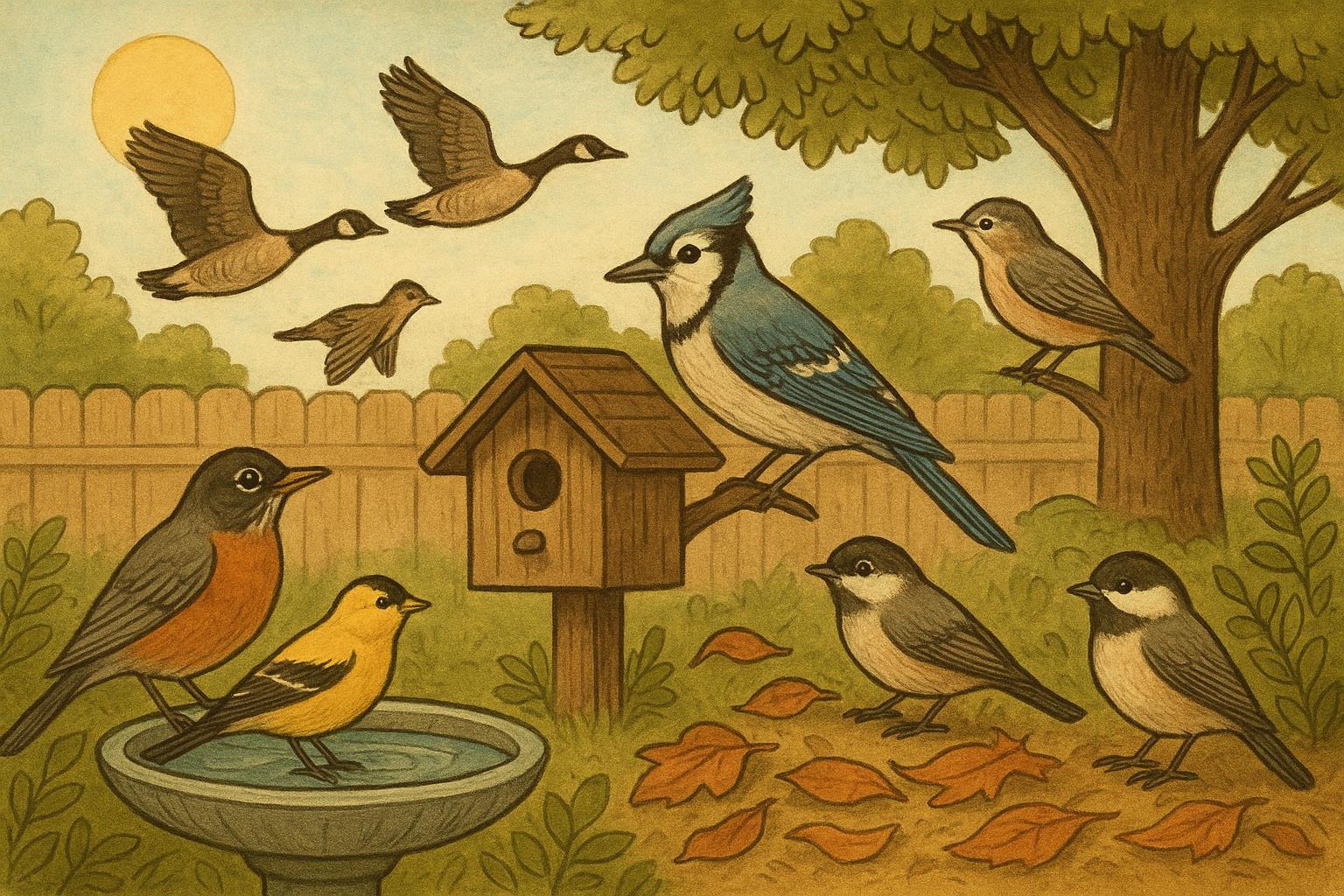
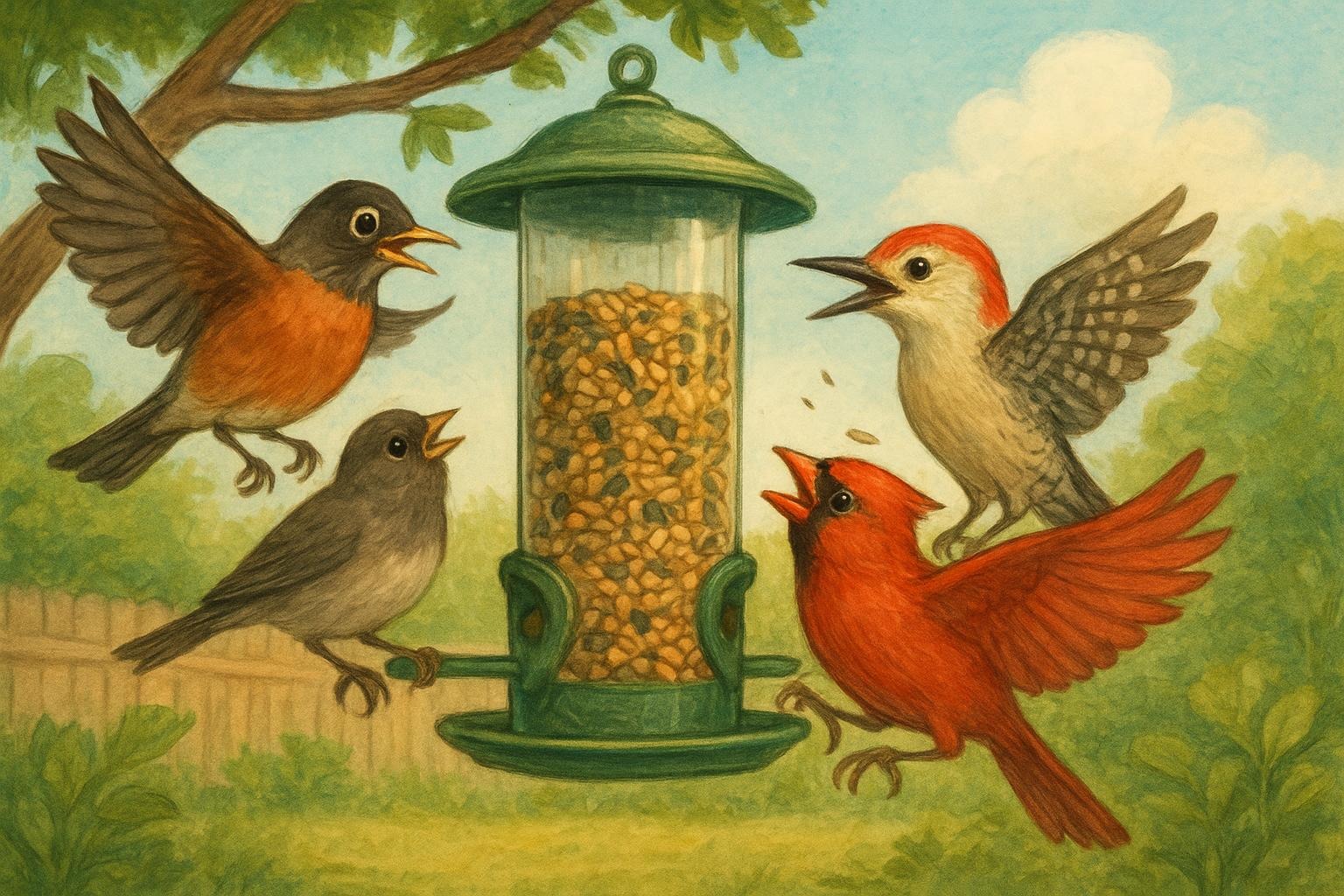
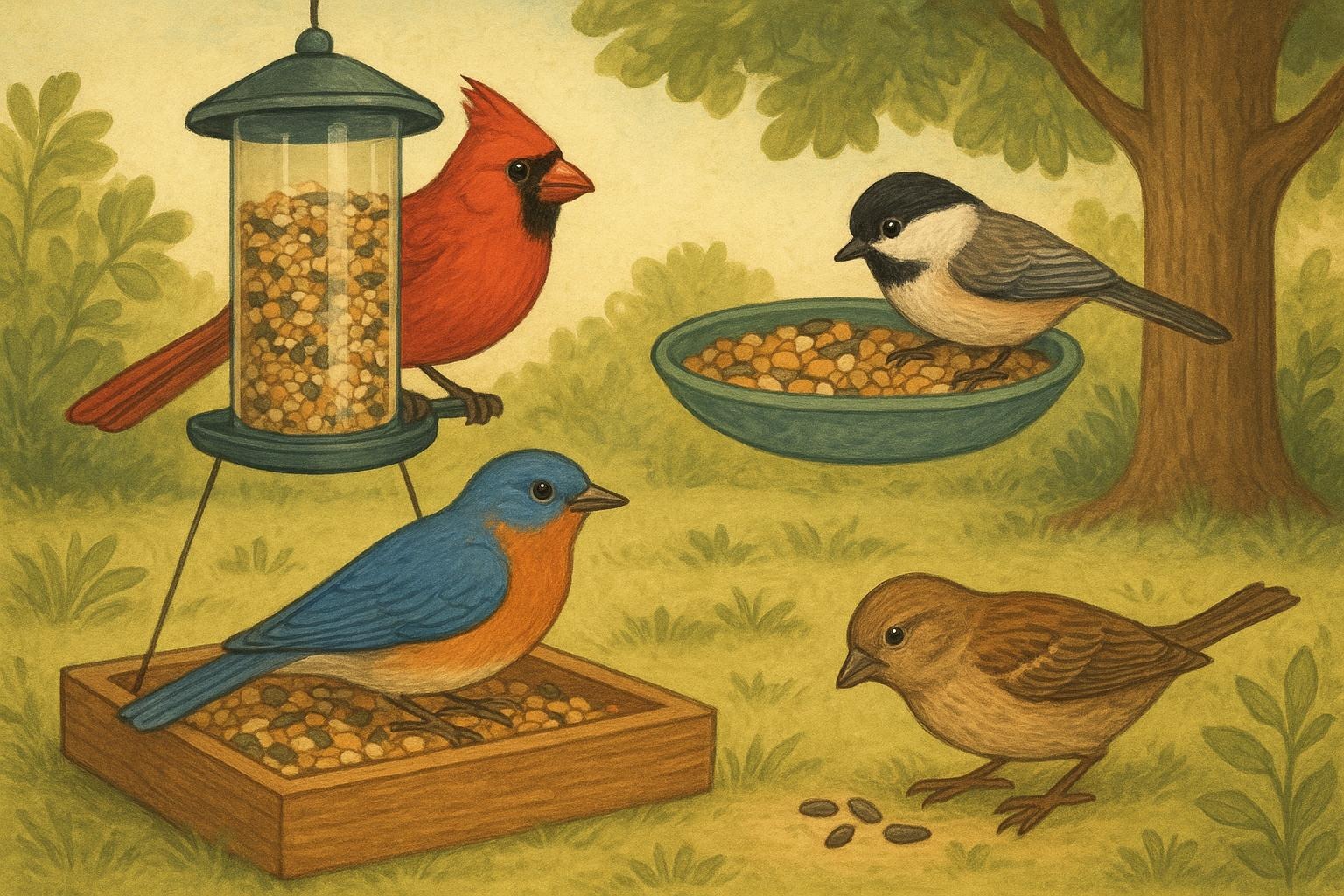
Below are nine regulars you’ll likely encounter. Each entry includes appearance, preferred seed, and a quick behavior cue to help you identify them on the fly.
#### Northern Cardinal
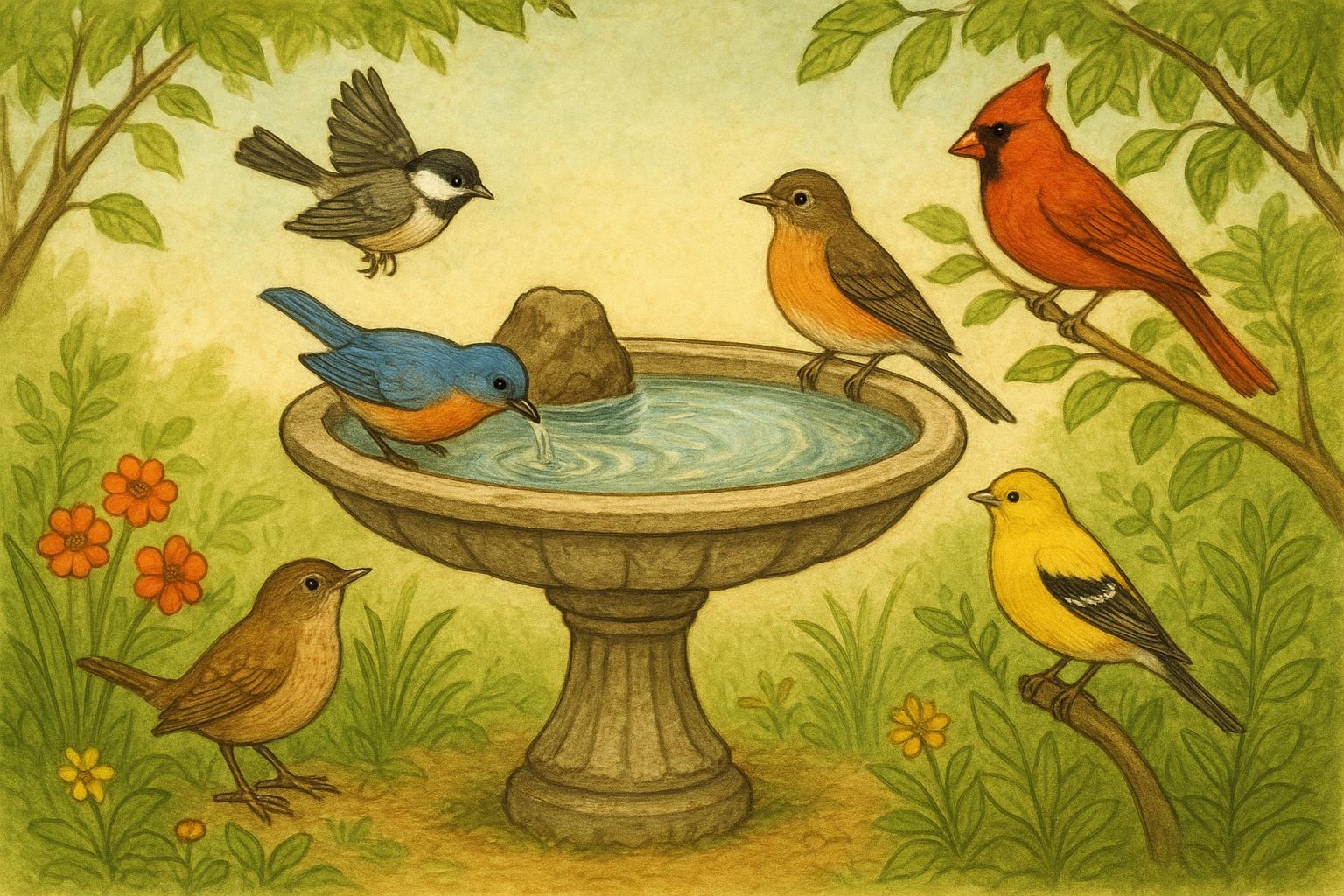
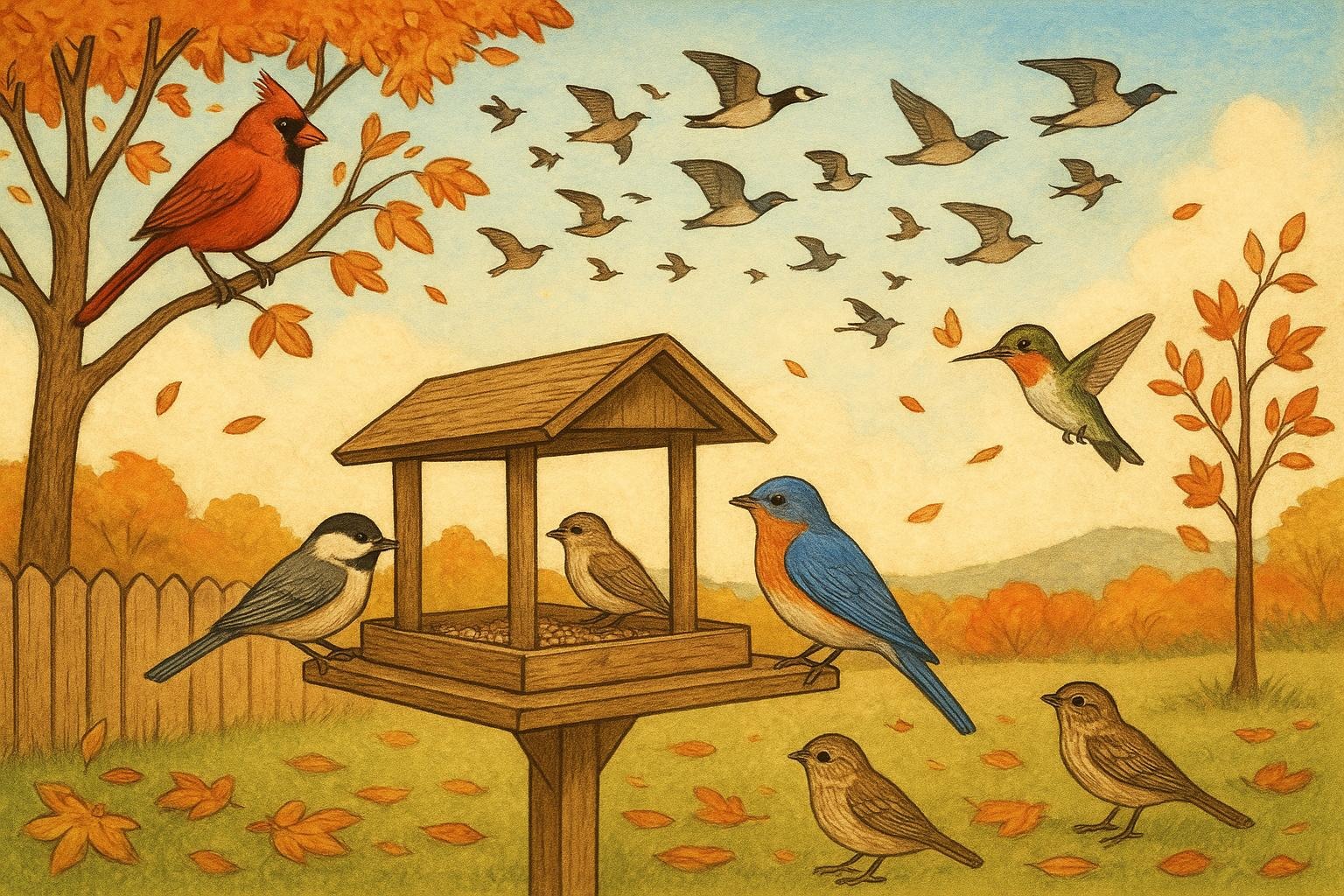
Males are unmistakable: brilliant red with a crested head and a thick orange conical bill. Females are warm brown with red-tinted wings and crest. Cardinals favor sunflower seed and safflower and usually feed from a stable perch—watch for their bold, territorial behavior; they’ll monopolize a feeder for a while.
#### American Goldfinch
Bright yellow males in summer (duller in winter) with black wings and a small, pointed bill. These acrobats love nyjer (thistle) and sunflower chips and will cling to tube or mesh feeders, often feeding upside down. Movement and small size are good clues.
#### House Finch
A small finch with streaky brown body and variable red on the head and chest (males). They prefer sunflower and mixed seed, and they’re comfortable on platform and hopper feeders. House finches feed nervously in flocks, which sets them apart from the solitary cardinal.
#### Black-Capped Chickadee
A tiny, friendly-looking bird with a black cap and bib and soft gray back. Chickadees are bold and inquisitive; they’ll cling to suet and seed, often hopping along branches before approaching a feeder. They handle seeds deftly and are frequent visitors to tube and hopper feeders.
#### Tufted Titmouse
Gray with a prominent crest and big black eyes, the tufted titmouse is a compact, energetic feeder that likes sunflower seed and peanut pieces. Look for its habit of hovering near a feeder and taking seed to a quiet perch to hammer it open.
#### Downy Woodpecker
Small woodpecker with a black-and-white checkered back and a stubby bill. Downy woodpeckers enjoy suet but also peck at seed clinging to suet and millet on trays. Their habit of tapping or clinging to the sides of feeders is a reliable sign.
#### White-Throated Sparrow
A streaky brown bird with a clean white throat and distinctive yellow lores (between eye and bill) on many. They’re ground feeders but will visit platform feeders for millet. Their sweet, whistled song is often how you’ll know they’re nearby before you see them.
#### Dark-Eyed Junco
A small, slate-gray bird with a clean white belly (various subspecies vary). Juncos are ground feeders that hop in small flocks and favor millet on trays or scattered beneath feeders. Look for the “snowbird” flocking behavior, especially in winter.
#### Mourning Dove
A larger, plump, gentle dove with a long tail and soft gray-brown plumage. Doves are primarily ground or platform feeders and prefer mixed seed and sunflower. They feed calmly and often coax smaller birds off a platform by their sheer size.
### Reading Beak Shapes And Feeding Styles
Beak shape is diagnostic: conical, stout bills indicate seed crushers (finches, sparrows); long slender bills suit probing (not common at seed feeders); chisel bills denote woodpeckers. Also watch the feeding posture—perch feeder, hopper feeder, cling-and-hang—these habits help distinguish look-alike species.
## Remedy 1: Homemade High-Energy Seed Mix For Winter To Attract Seed Feeder Birds
(Ingredients And Materials)
– 10 cups hulled sunflower chips or black oil sunflower seed
– 3 cups millet (white or red)
– 2 cups cracked corn
– 2 cups peanut pieces (unsalted)
– Mixing container and airtight storage bin
– Measuring cup and spoon
(Procedure And Application)
1. Combine Ingredients: In a clean mixing container, measure and combine sunflower chips, millet, cracked corn, and peanut pieces. Mix gently to distribute evenly.
2. Store Properly: Transfer the mix to an airtight storage bin to keep moisture and pests out. Label with date.
3. Fill Feeders: Use this mix in hopper feeders, platform feeders, or scatter some on ground trays. Avoid tube feeders for mixed seed; they can clog and waste seed.
4. Monitor And Adjust: Watch which components are consumed fastest. If small finches dominate, increase nyjer or fine sunflower chips; if bigger birds dominate, increase cracked corn or whole sunflower.
This mixture provides a balance of fats and carbohydrates essential for overwintering birds. Maintain strict hygiene and avoid leaving wet seed in feeders.
## Remedy 2: Feeder Cleaning Protocol To Prevent Disease (Step-By-Step)
(Required Materials)
– Stiff brush or bottle brush
– Mild dish soap
– Bleach (household, unscented)
– Gloves and safety glasses
– Clean water supply and drying rack or towels
(Procedure And Application)
1. Disassemble Feeder Components: Wear gloves. Take the feeder apart as much as the design allows. Remove old seed and debris.
2. Pre-Soak And Scrub: Fill a bucket with warm water and a few drops of dish soap. Soak feeders for 10–15 minutes, then scrub all surfaces with a stiff brush to remove droppings and film.
3. Disinfect: Prepare a bleach solution at 1 part household bleach to 9 parts water. Submerge feeder parts for 10 minutes. This concentration is effective against common avian pathogens while minimizing residue risk.
4. Rinse Thoroughly: Rinse all parts with clean water until no bleach odor remains. Residual bleach can harm birds, so thorough rinsing is essential.
5. Dry Completely: Allow feeders to air-dry fully on a rack or clean towels. Reassemble only when completely dry to prevent mold growth.
6. Schedule: Clean feeders every two weeks during low-use seasons and once a week during high use or wet weather. Immediately clean any feeder that shows mold, clumping seed, or visible droppings in seed trays.
Adhering to this formalized cleaning protocol reduces the risk of disease transmission among visiting seed feeder birds and prolongs feeder life.
### Seasonal Notes And Behavioral Expectations
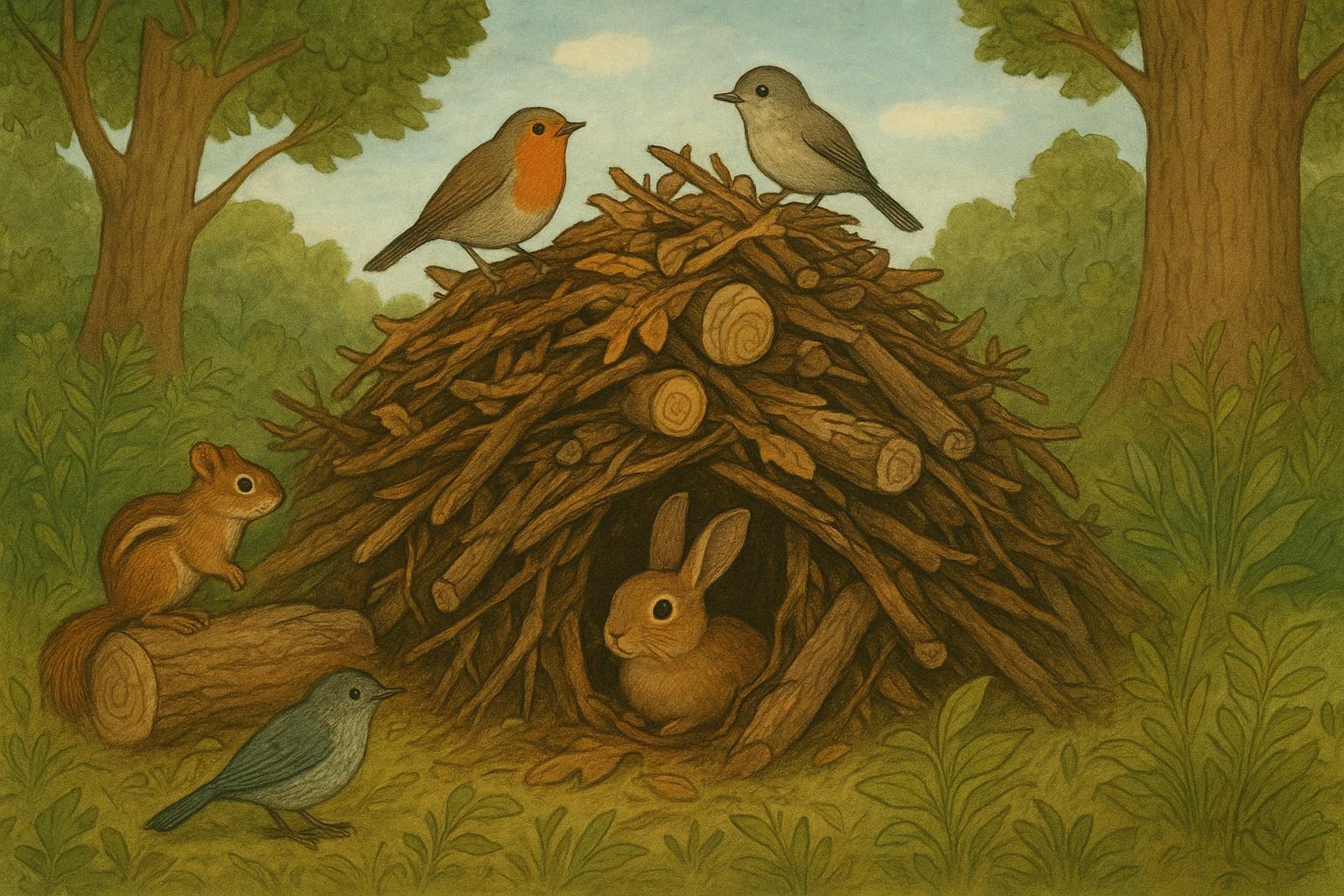
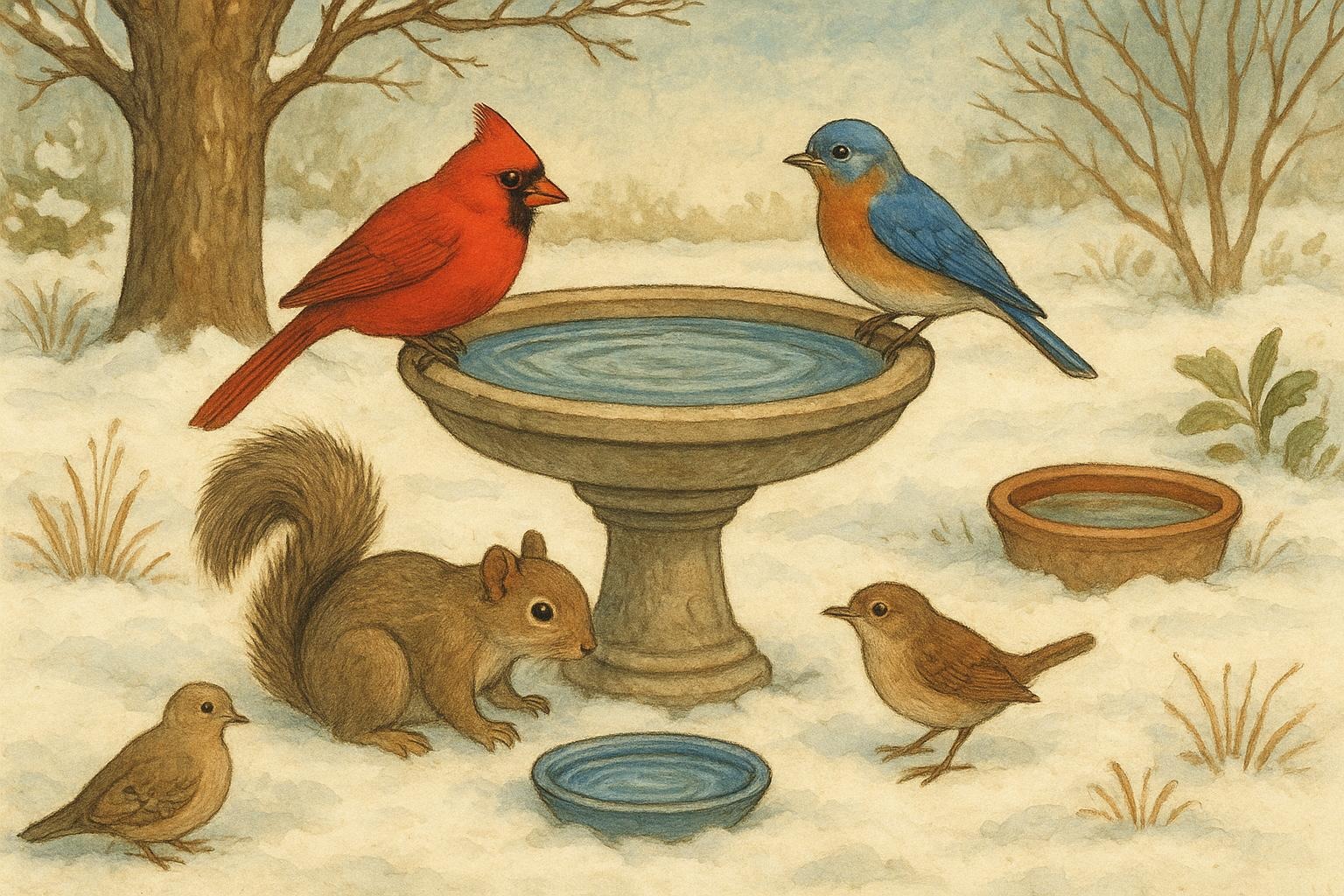
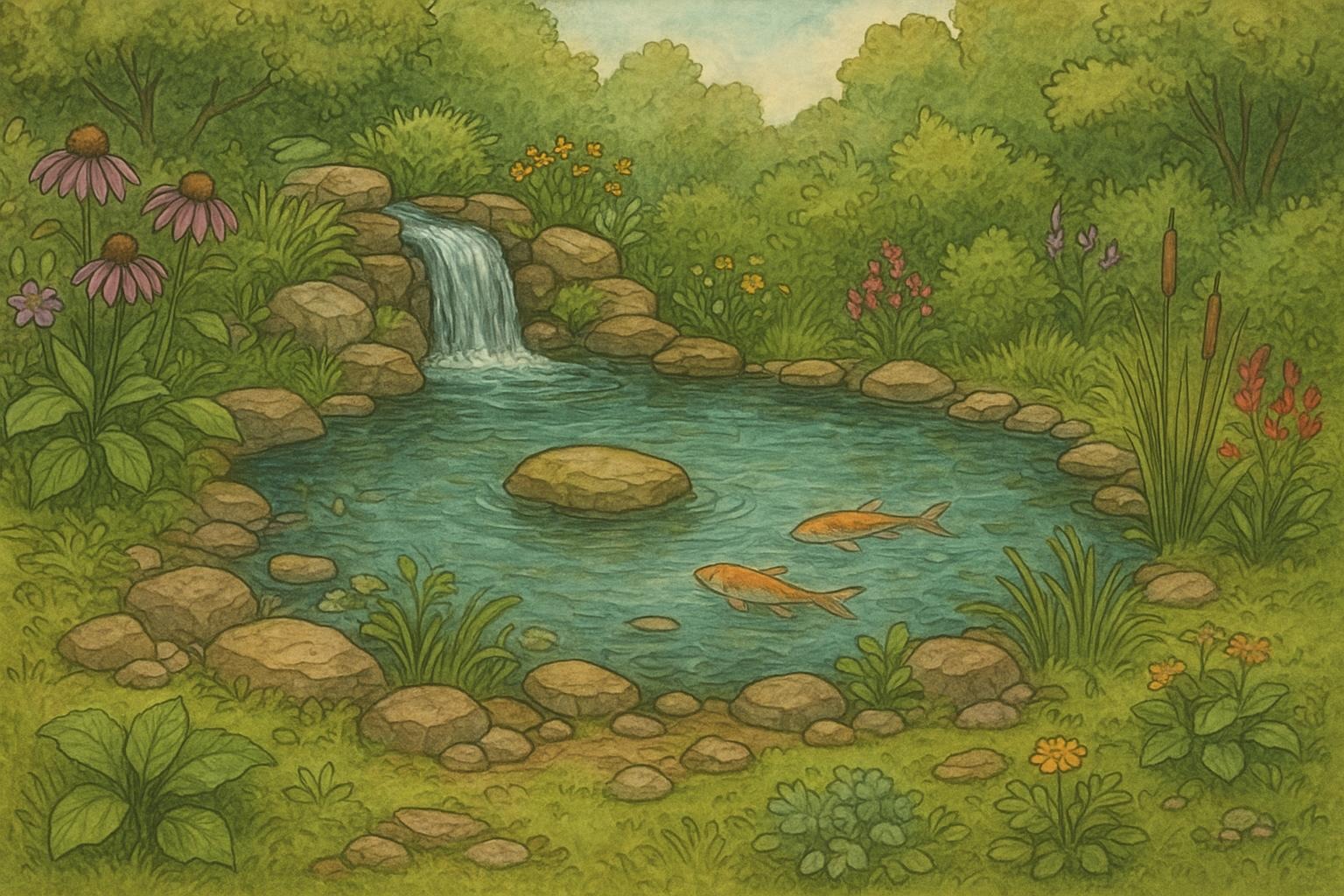
Expect turnover in species by season. Goldfinches and juncos follow seasonal patterns; more sparrows and doves arrive in colder months. If you suddenly lose a species, check seed freshness, feeder cleanliness, and nearby cover (cats, new predators, or pruning that removed shelter can all cause declines). Preservation of habitat—native plants, brush piles, and water—supplements feeders and supports healthy, diverse populations of seed feeder birds.
### Tools For Deeper Learning
A pocket field guide or a smartphone app that lets you log sightings will up your ID game quickly. Pair audio clips of bird songs with your visual observations—many species are heard before they’re seen. Join a local birding group or online forum to share photos; experienced backyard birders love helping identify tricky visitors and will appreciate your reports.
Now that you’ve got the look, the behaviors, and a couple of practical remedies under your belt, you should be able to name most of the feathered regulars at your feeders and keep them healthy and coming back.


Leave a Reply