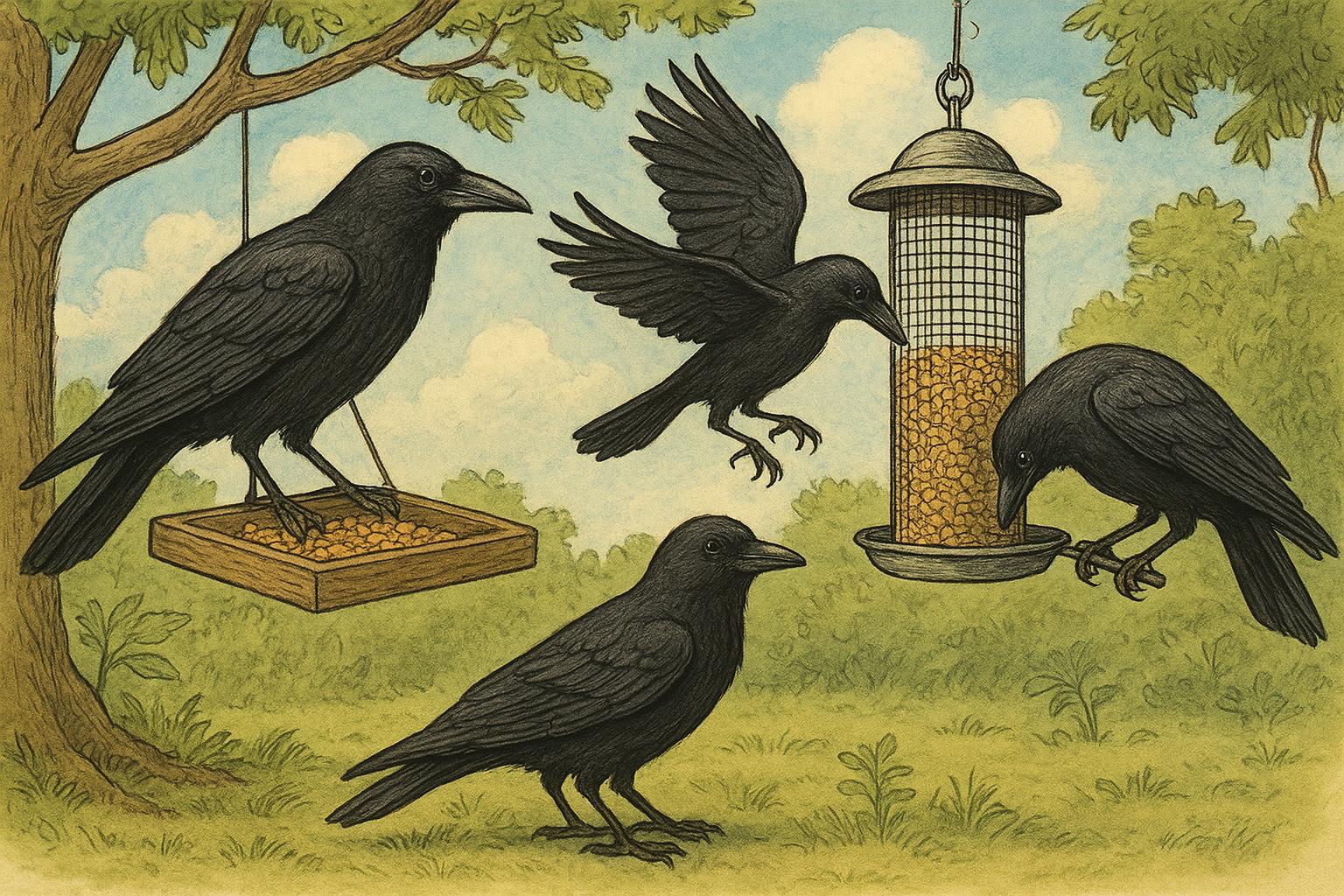
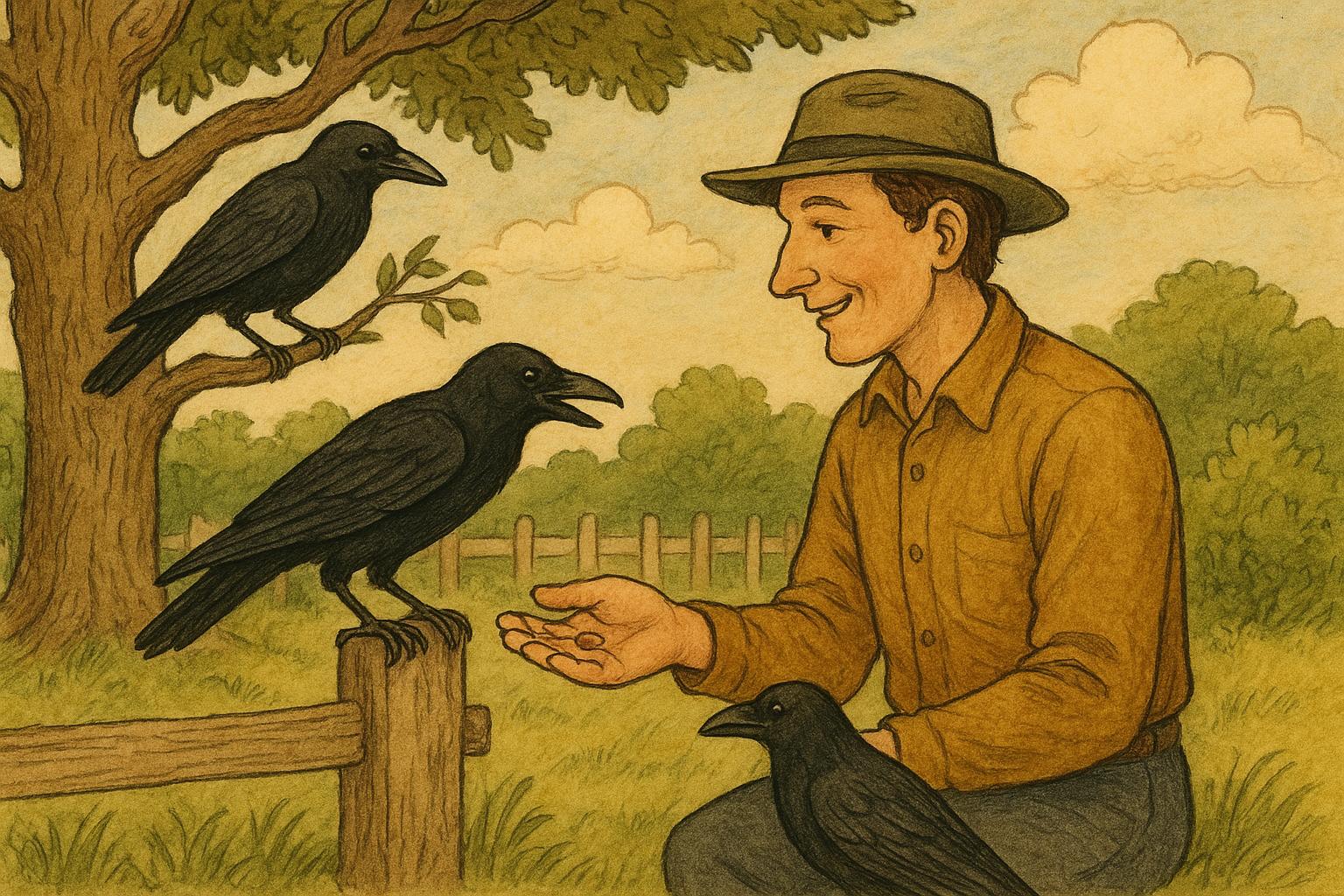
If you’ve ever topped off your birdseed and watched the neighborhood black-feathered VIPs descend like a feathery flash mob, you’re in good company. Backyard birding is full of surprises, and crows are among the most charismatic — and controversial — visitors. They’re smart, social, and sometimes a little bossy about the buffet.
## Crows At Feeders Explained For Backyard Birders Today
(1st occurrence)
### Why Crows Come To Your Yard
Crows are opportunists. They notice food, assess risk, communicate with their kin, and return when the math checks out. Here are the main draws:
– Food Variety: Crows eat seeds, nuts, fruit, suet, and even scraps or pet food left outdoors. A mixed feeder or ground feeding area is particularly attractive.
– Social Learning: Once one crow finds a reliable resource, they’ll call others. Crows teach each other; a single discovery can become a daily caravan.
– Safety And Perch Opportunities: Open lawns and tall trees give crows a clear field of view to watch for predators while they dine.
– Seasonal Needs: In spring and early summer they forage more actively to feed young, and in winter they’ll take advantage of calorie-rich food.
### What Crows Eat At Feeders And How They Eat It
Crows are generalists. At feeders you might see them:
– Picking large seeds like sunflower, peanuts, or corn.
– Taking suet cakes or suet pellets.
– Scavenging spilled seed on the ground.
– Breaking into platform feeders or raiding hopper-style feeders.
They’re physically capable of opening many feeder types and are comfortable feeding on the ground or perching to snack. Unlike smaller songbirds, crows won’t be intimidated by height or exposed perches.
### Read The Signs: Are Crows Dominating Or Coexisting?
A few crows around feeders can be enjoyable to watch. Problems arise when they monopolize feed times, disrupt feeder etiquette, or chase off smaller birds. Look for patterns:
– Time Of Day: Regular morning visits suggest learned behavior.
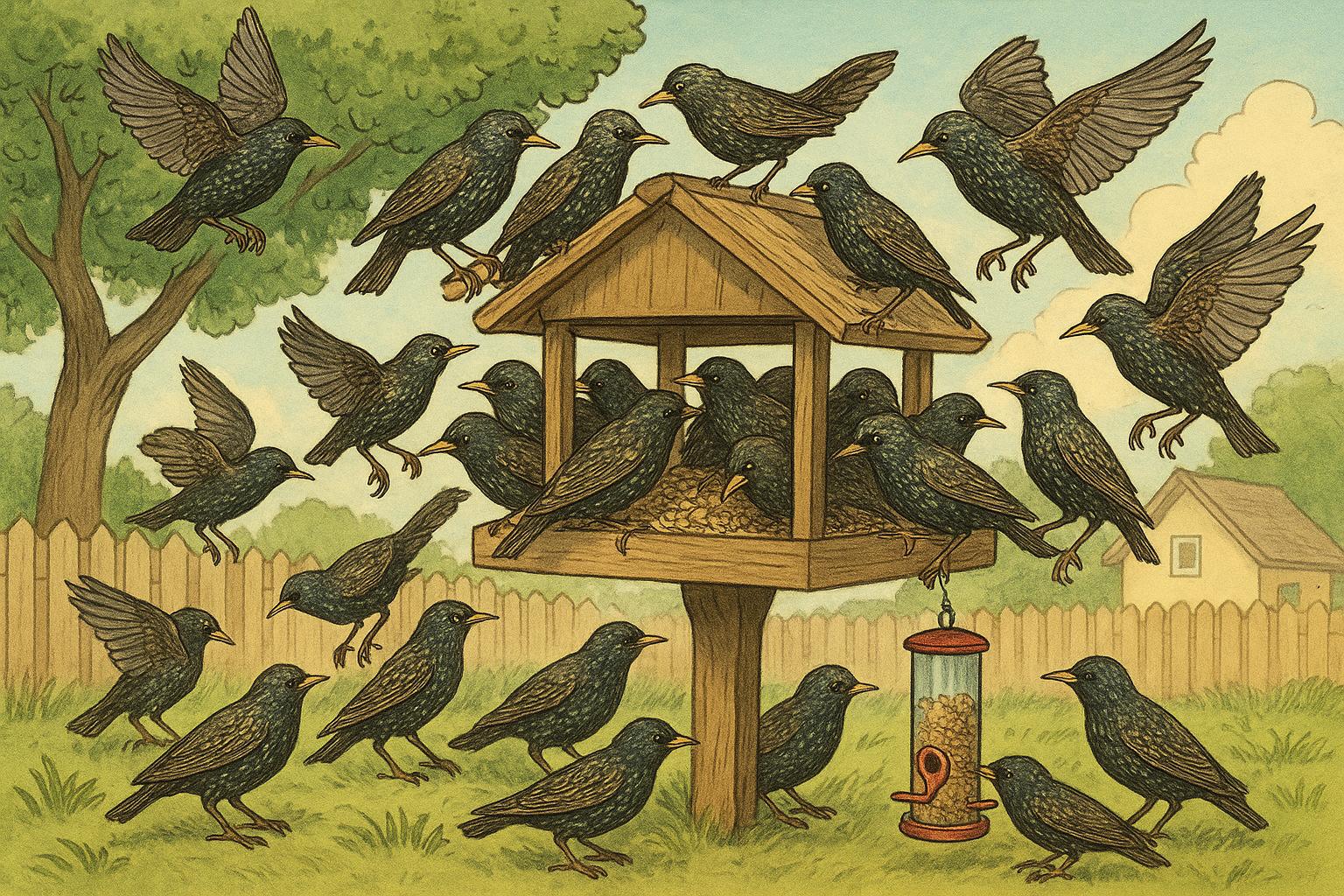
– Numbers: Flocks of three to a dozen are common; larger groups can indicate communal foraging.
– Damage: Bent poles, chewed baffles, or scattered seed can mean persistent crow activity.
### The Effects On Other Backyard Birds
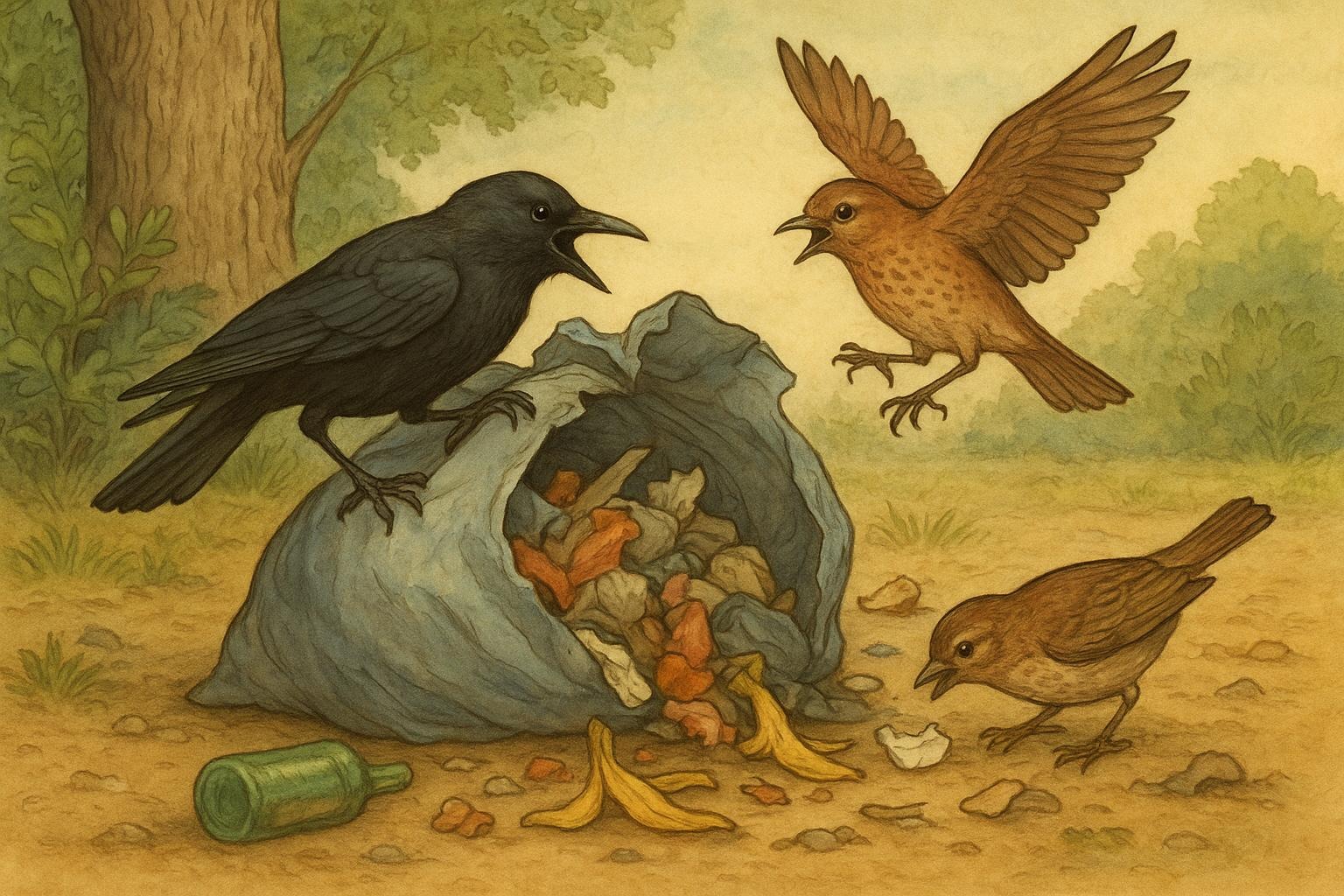
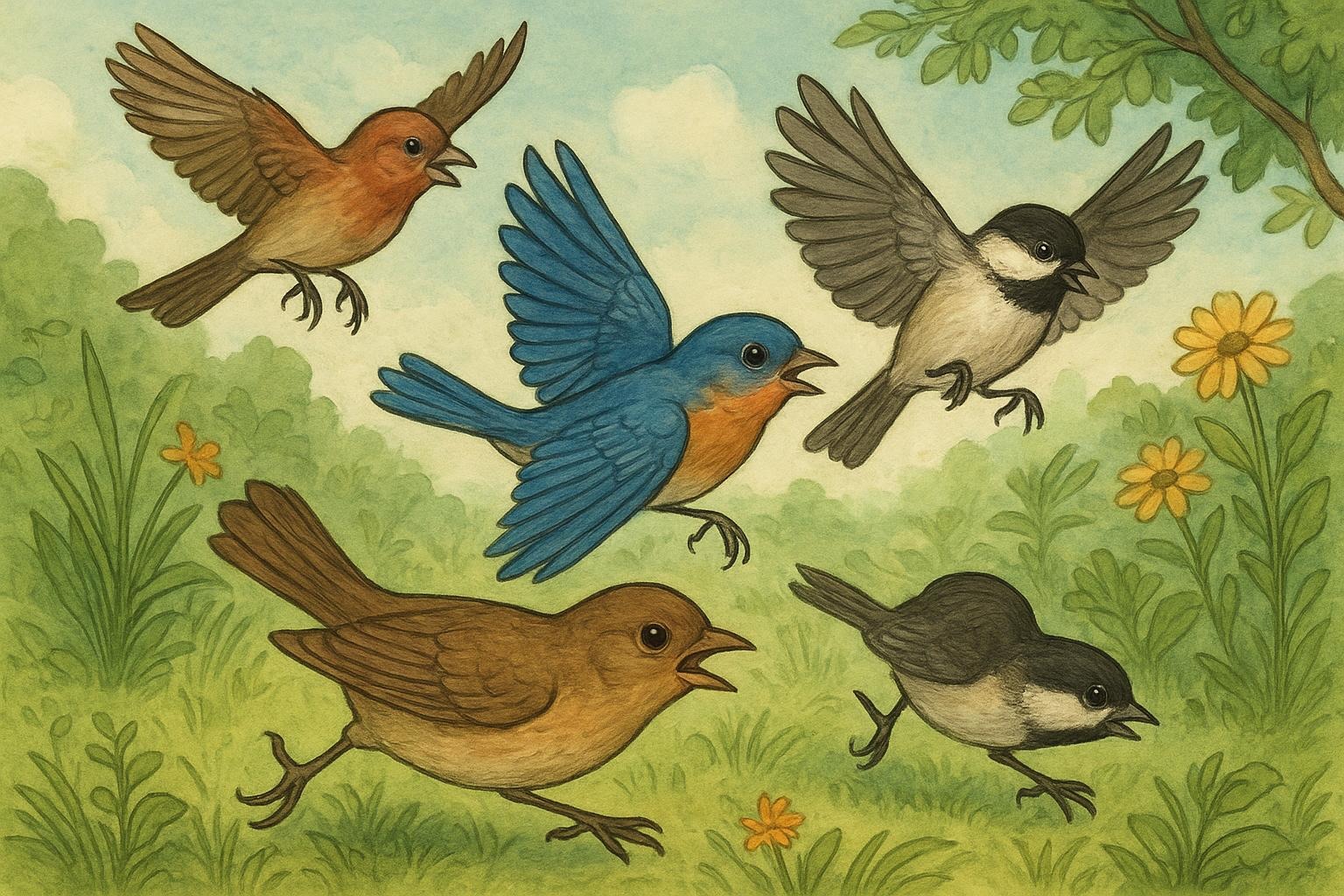
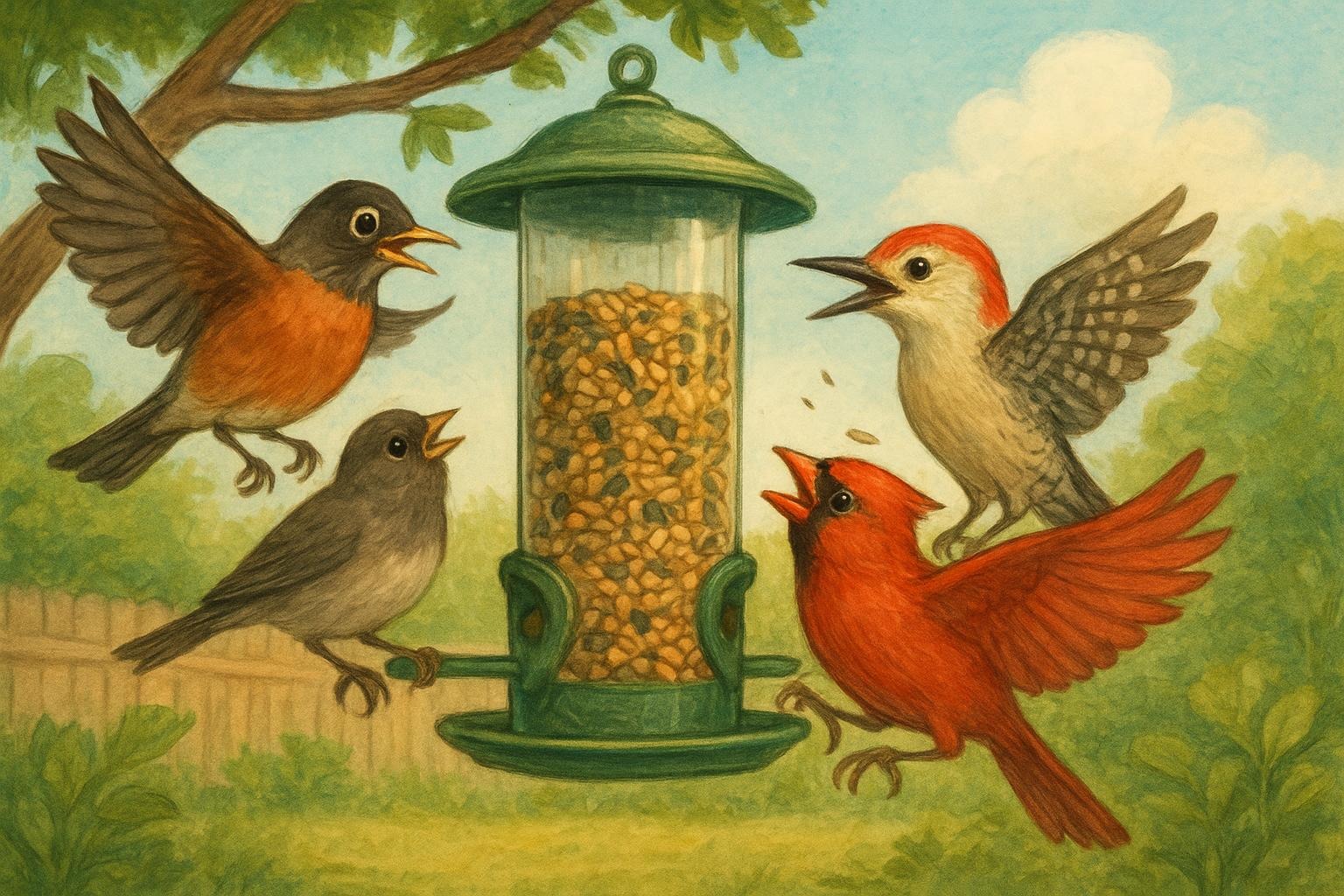
Crows are large and bold, and their presence can deter timid feeder visitors like chickadees and finches if crows perch nearby or monopolize food. However, crows also help by cleaning up large waste and may consume pests. The aim for many birders is balance — enjoy crows without losing smaller species.
#### Legal And Ethical Notes About Deterring Crows
Crows are protected under the Migratory Bird Treaty Act in many regions. Harassment, harm, or lethal measures are illegal in many jurisdictions. Nonlethal, ethical deterrents are the recommended approach: modify habitat, change feeding practices, or use exclusion methods that do not injure birds.
#### Timing And Pattern Adjustments You Can Make
One simple tactic is changing when and what you feed. If crows visit at dawn consistently, consider shifting feeding to late morning or afternoon when smaller birds are more active. Also, offering species-specific feed (like nyjer for finches in a specialty feeder) can reduce appeal to crows.
### Remedy 1: Modify Feeders And Food Placement (Nonlethal Exclusion)
Ingredients / Required Materials:
– Squirrel-proof tube feeder(s) and small-mesh seed feeders
– Platform feeder with removable tray (optional)
– Pole-mounted baffle (metal or sturdy plastic)
– Seed catch tray or ground netting (optional)
– Nut or suet cages that reduce access to large-billed birds
Step-By-Step Creation And Application:
1. Assess: Observe when crows arrive and which feeders they use most. Note whether they feed on the ground or on perches.
2. Replace: Install narrow tube feeders with small perches that favor smaller birds. Use nyjer or small sunflower hearts in these feeders; crows have difficulty handling very small seeds.
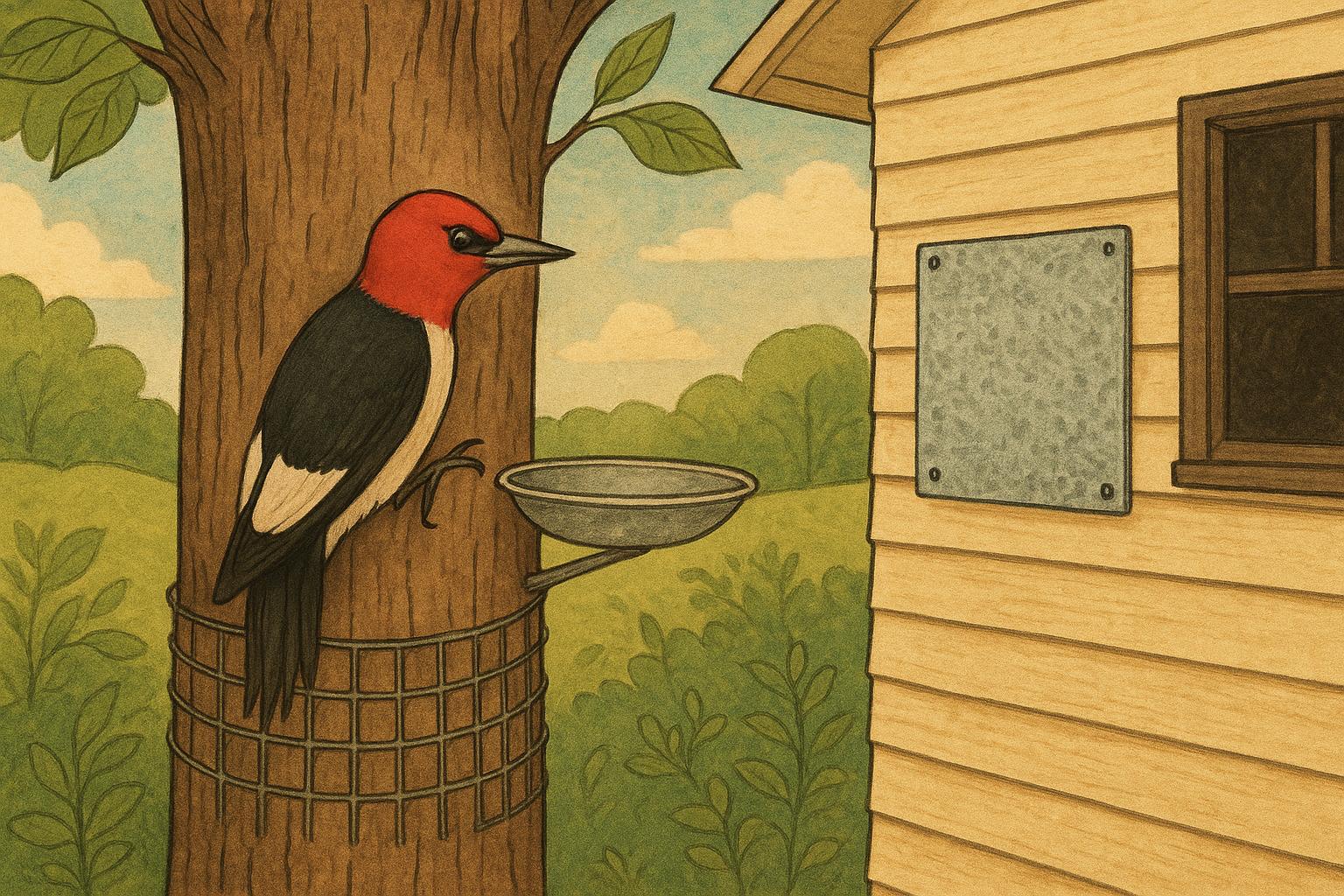
3. Baffle Installation: Mount a sturdy baffle on the feeder pole at least 60–72 inches above the ground to prevent upward access from perches. Ensure the baffle is wide enough to stop crows from reaching around it.
4. Platform Management: Remove or cover platform feeders during peak crow activity. Replace with enclosed feeders where possible.
5. Ground Control: Use a seed catch tray that reduces spilled seed, or remove ground feeding sites entirely by sweeping up spilled seed daily.
6. Monitor And Adjust: Check feeders weekly for damage, and adjust heights and baffle distances as crows learn new tactics.
Follow these steps methodically. Proper installation and consistent maintenance are key to effectiveness.
### Remedy 2: Behavioral Deterrents And Visual Management
Ingredients / Required Materials:
– Reflective items (Mylar strips, old CDs, reflective tape)
– Motion-activated garden sprinklers or noise deterrents (non-harmful)
– Decoys (hawk owl decoy with rotating head or life-like raptor silhouette), optional
– Bird-safe line or drop cords to make landing awkward
Step-By-Step Creation And Application:
1. Site Survey: Identify common crow landing zones: poles, rooflines, and yard trees.
2. Reflective Deterrents: Hang several reflective strips or old CDs from tree branches and feeder poles so they move in the breeze. Space them to create a visual field that crows find uncomfortable.
3. Motion-Activated Devices: Install motion-activated sprinklers aimed to cover feeder approach paths during feeding hours. Set them to activate intermittently to avoid habituation.
4. Decoy Placement: Install a realistic raptor decoy on a rotating stand and move it every few days to reduce habituation. Ensure decoy placement does not endanger other birds.
5. Landing Disruption: String thin, visible line (e.g., twine) about 2–3 feet above the ground in problem areas to make landing and takeoff awkward for large birds while allowing smaller birds to come and go.
6. Evaluate: Observe effectiveness over 2–3 weeks and alter spacing, motion settings, or decoy positions based on crow reactions.
These behavioral measures require patience and shifting application to prevent crows from quickly learning patterns. Always use humane, non-lethal means.
### Coexistence: Embrace The Intelligence Without Losing The Feeder
You can welcome crows and still protect feeder space for smaller birds. Simple practices—like providing a separate feeding station for crows (away from tiny-bird feeders), keeping seed clean, and using exclusion devices—reduce conflict. Remember that crows are part of the ecosystem; their presence signals a healthy, functioning yard.
#### When To Seek Professional Advice
If crows demonstrate unusual aggression, cause property damage, or are associated with a broader wildlife issue, consult local wildlife rehabilitators or municipal wildlife authorities. They can advise on legalities, ethical practices, and landscape modifications tailored to your region.
### A Few Friendly Tips For Happy Backyard Birding
– Rotate deterrents seasonally to avoid habituation.
– Keep feeders clean; crows follow easy routines.
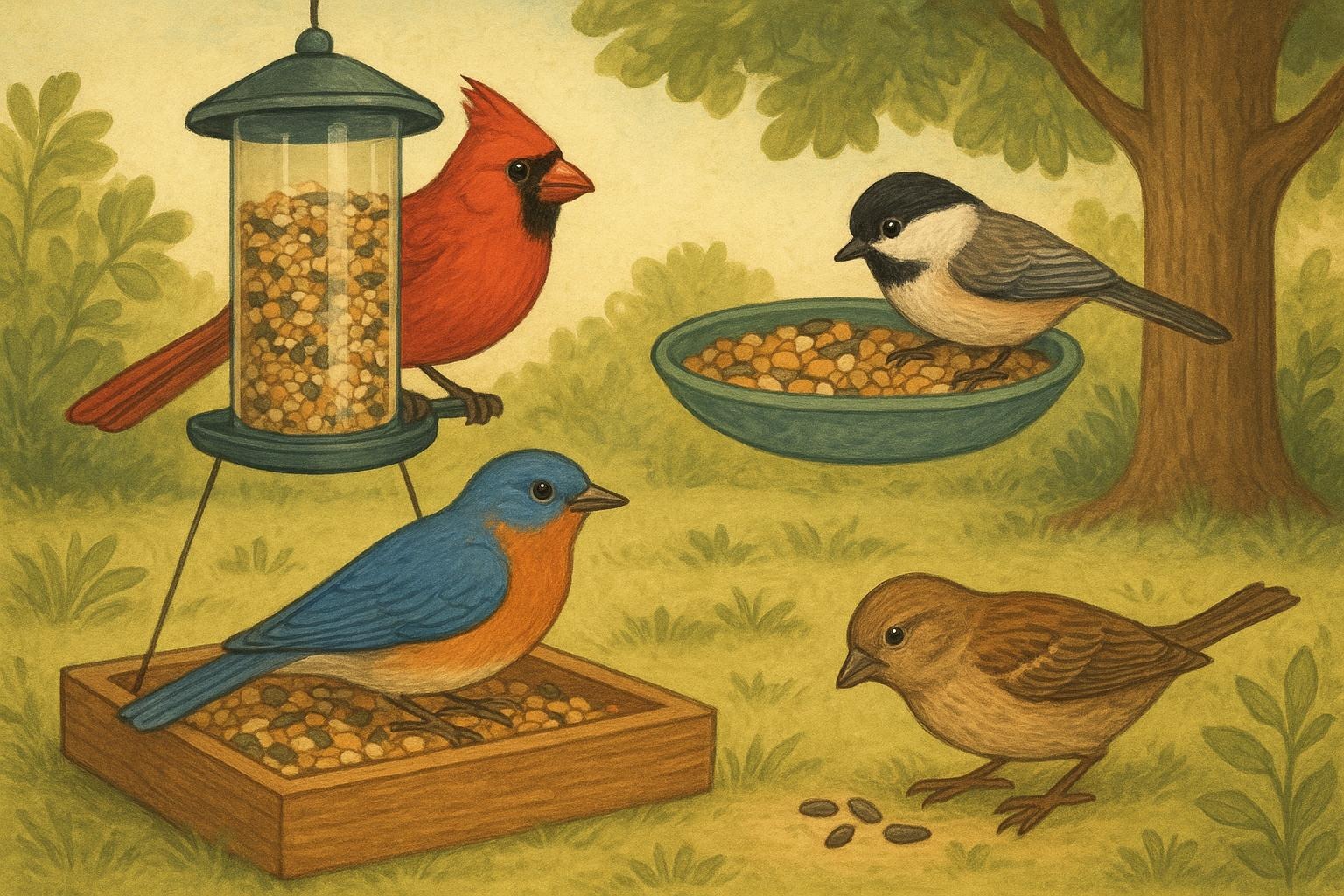
– Offer distinct feeding stations: small-seed feeders for tiny songbirds, and a separate ground or platform station for larger birds if you wish to accommodate both.
– Educate neighbors: coordinated changes reduce the chance that one neighbor’s leaving of pet food or open compost will undermine your efforts.
Watching crows at feeders can be entertaining and educational — they are among the most cognitively advanced backyard birds. With the right combination of feeder design, habitat tweaks, and humane deterrents, you can keep your yard welcoming to a variety of species without letting the crows write all the house rules.

Leave a Reply