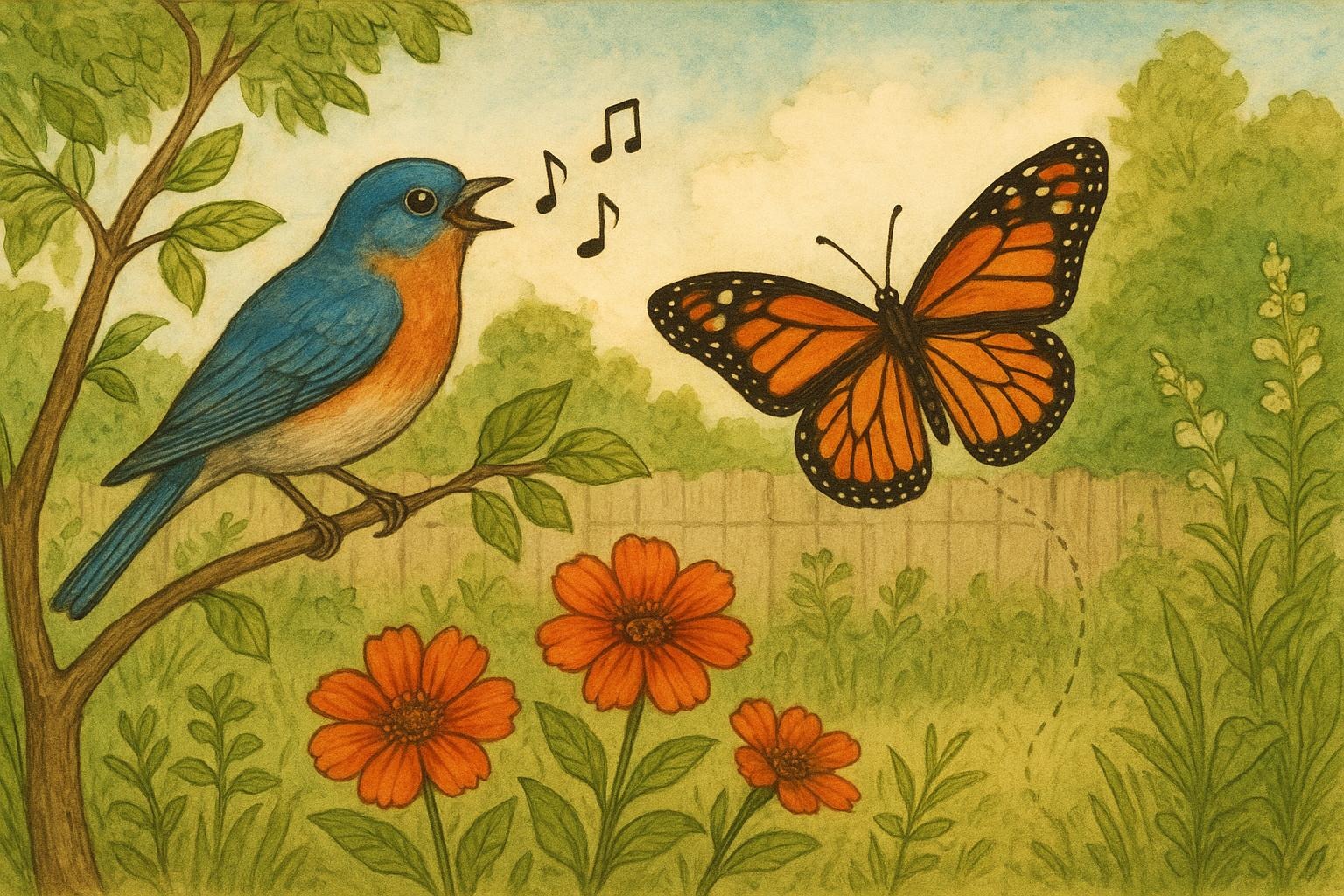
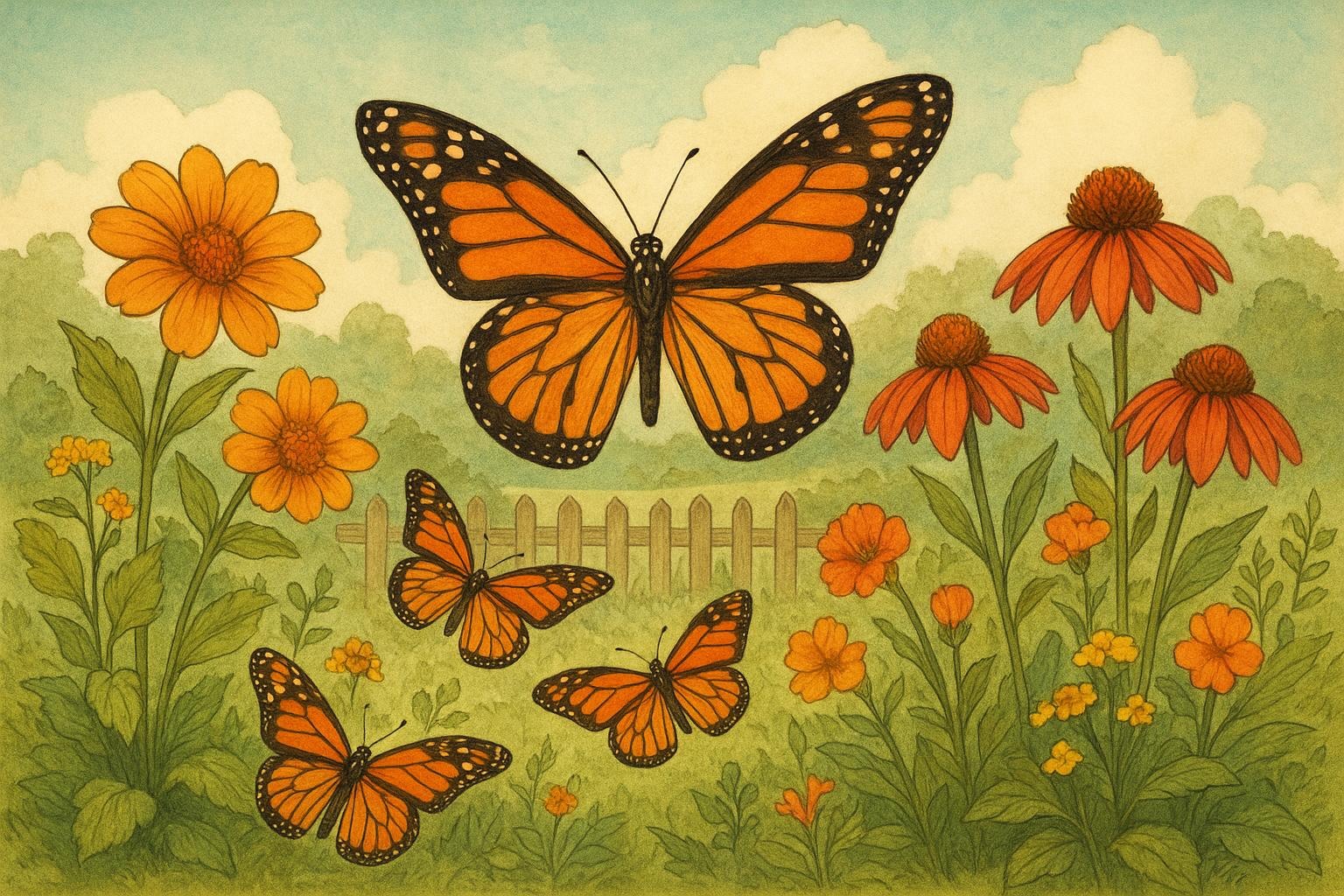
Welcome to your backyard’s unofficial audition for a nature documentary. If you’ve ever wanted a fluttering chorus of color that’s as much about gardening as it is about patience and a little birdsong, you’re in the right place. This guide will help you turn ordinary lawn and patio areas into a welcoming stage for butterflies, with practical, step-by-step remedies that actually work.
## How To Attract Butterflies To Your Backyard
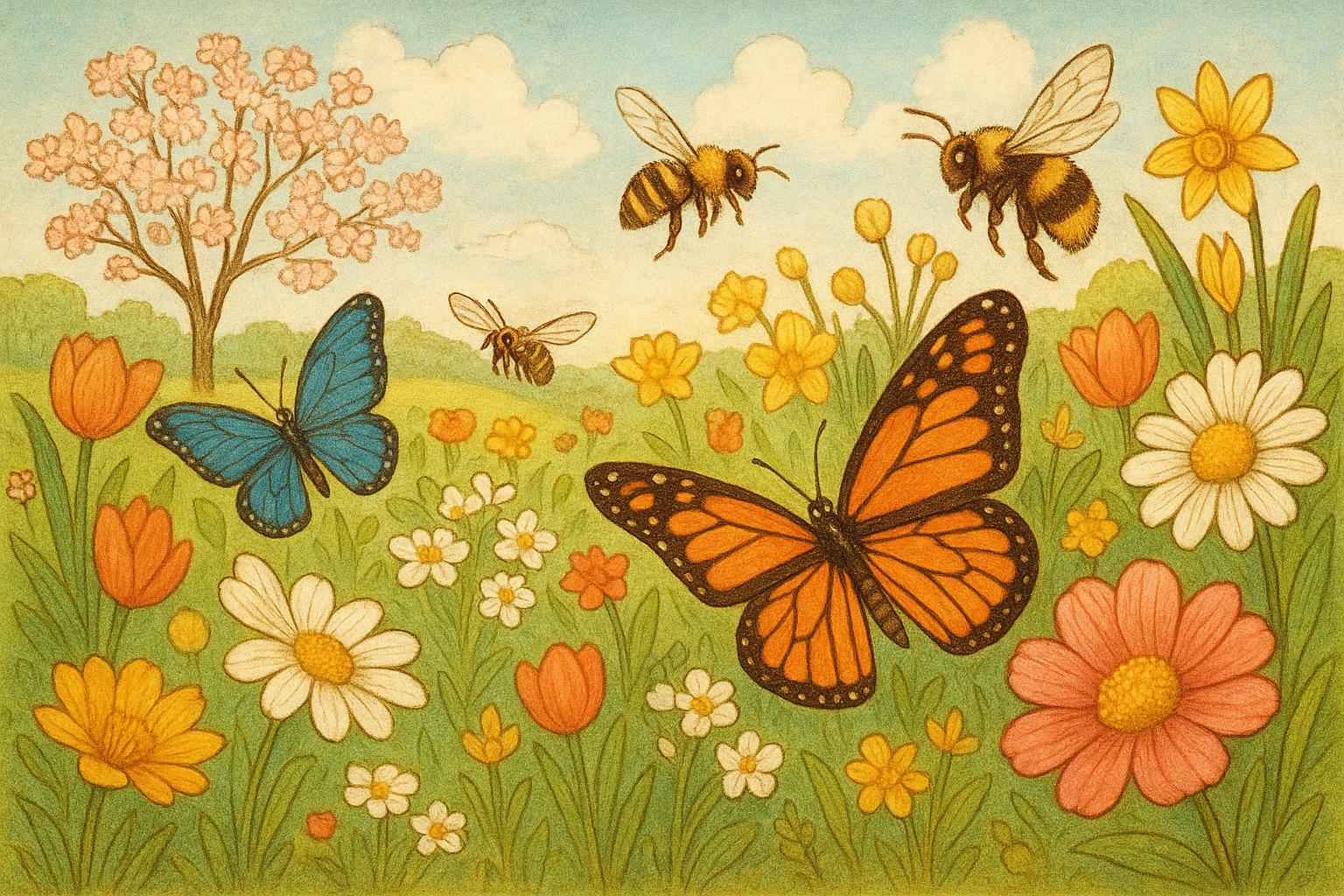
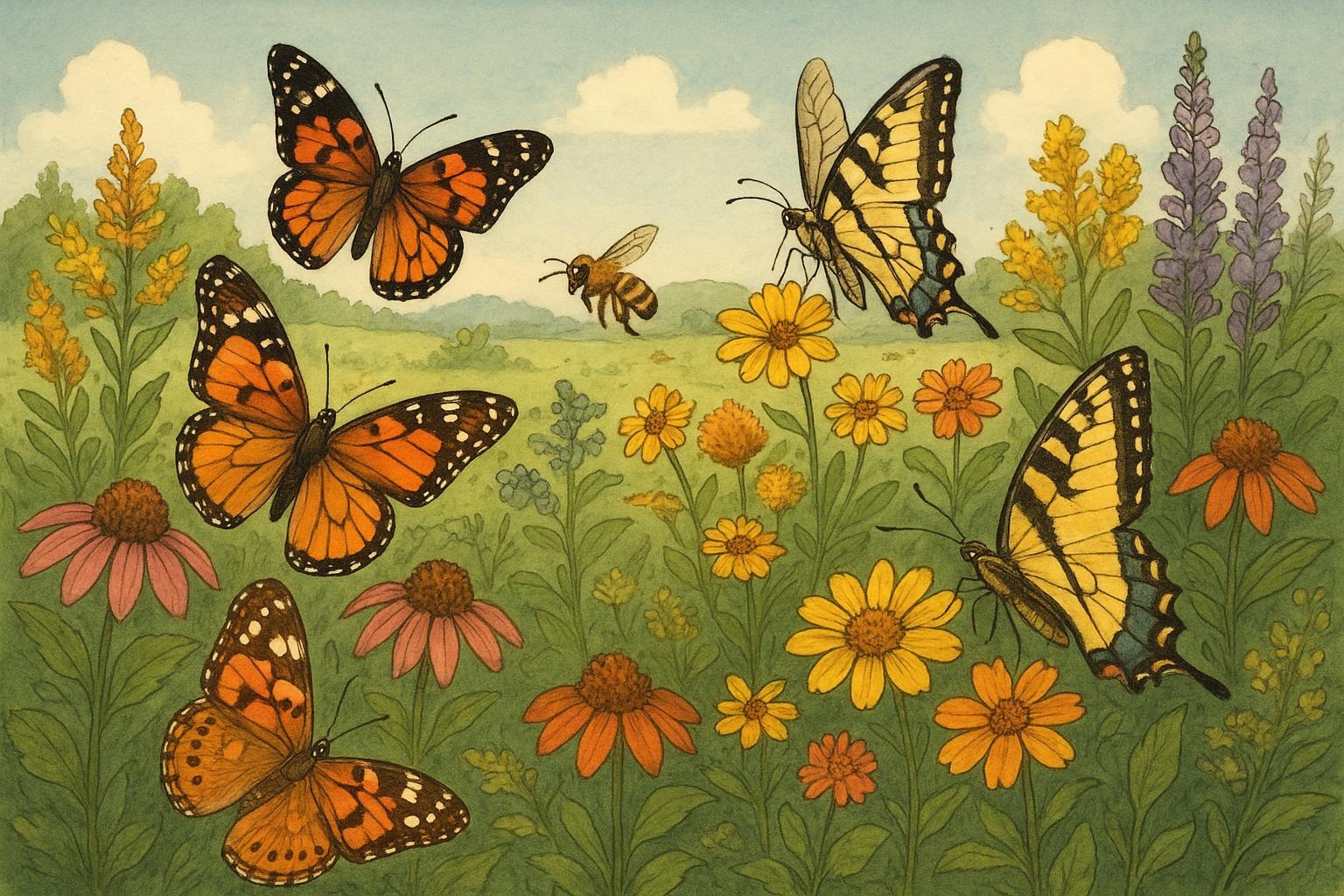
Butterflies are picky showgoers: they want nectar, snug places for caterpillars, sunny perches, and a safe spot for puddling breaks. A garden that balances these needs will soon become a hotspot. Plant choice, water sources, shelter, and minimal chemical use are the core elements. Think of yourself as both host and caterer—offer good food, easy access, and a clean environment.
### Understanding What They Need
Butterflies need four basic things: food for adults, food for caterpillars, a microclimate for thermoregulation, and safe spots for egg-laying. Adult butterflies sip nectar, while caterpillars often feed on specific host plants. Sunlight is essential because butterflies are cold-blooded and need warm perches to raise their body temperature. Finally, damp soil or sand provides salts and minerals through a behavior called puddling.
#### Host Plants Versus Nectar Plants
Host plants are often species-specific. For instance, monarch caterpillars only eat milkweed, while swallowtail larvae favor parsley and fennel. Nectar plants should provide accessible flowers with flat or clustered blooms so a butterfly can land and feed. Diversity is more important than quantity: a few chosen species planted in clumps will be more effective than dozens scattered thinly.
## Remedy 1: Native Nectar Border
This is your primary strategy—a dedicated strip or border of native nectar plants that blooms across the seasons.
Ingredients / Required Materials:
1. A selection of 6–10 native perennial nectar plants (examples: coneflower, asters, bee balm, salvia, goldenrod)
2. Mulch (organic)
3. Soil conditioner or compost
4. Gardening tools: spade, gloves, watering can or hose with gentle nozzle
5. Optional: small stake plant labels
Step-By-Step Creation And Application:
1. Choose A Location: Select a sunny border that receives at least 6 hours of sunlight. Butterflies love sunny spots near sheltered edges.
2. Prepare The Soil: Remove turf and weeds. Dig to loosen the top 6–8 inches and mix in compost to improve drainage and fertility.
3. Plan Plant Groupings: Arrange plants in clumps of three to five of the same species rather than single specimens. Clumps are more visible and efficient for feeding.
4. Plant With Care: Set plants at the same depth they were in their pots. Firm the soil gently and water in immediately to settle roots.
5. Mulch Lightly: Apply a 2–3 inch layer of organic mulch to suppress weeds and retain moisture, keeping mulch a few inches from stems to avoid rot.
6. Maintain Seasonally: Deadhead spent flowers to encourage more blooms, but leave some seed heads late in the season for butterflies and birds. Avoid pesticide use; spot-treat pests manually.
7. Monitor And Adjust: Note which plants get the most visits and expand those clumps over time. Replace poorly performing species with other native options.
## Remedy 2: Butterfly Puddling Station
Puddling stations supply essential minerals and are social gathering spots. This remedy is straightforward and rewarding.
Ingredients / Required Materials:
1. Shallow dish or tray (stone saucer or shallow ceramic dish works well)
2. Sand or fine gravel
3. Clean water
4. A small flat stone for basking (optional)
5. Salty additions like a pinch of sea salt or a small piece of fruit (bananas or oranges) — optional and use sparingly
Step-By-Step Creation And Application:
1. Choose A Site: Place the station in a sunny, sheltered location close to nectar plants. Butterflies prefer warm, calm spots.
2. Set Up The Base: Fill the shallow dish with a layer of sand or fine gravel to create a damp substrate that retains water without turning into mud.
3. Add Water And Minerals: Pour in just enough water to moisten the sand. For mineral attraction, you may add a tiny pinch of sea salt dissolved in the water or place a small piece of overripe fruit nearby. Avoid excess; too much sugar or salt can be harmful.
4. Provide Basking Spots: Position a flat stone in the dish or beside it to give butterflies a warm, dry perch close to the water source.
5. Keep It Fresh: Refresh water daily or whenever it becomes cloudy. Clean the dish to prevent mold and bacterial buildup.
6. Observe And Record: Note the species and behaviors you see—this helps refine placement and attractants.
### Planting For All Seasons
To keep a steady supply of nectar, plan for staggered bloom times. Early spring bulbs and native shrubs feed early migrants; mid-summer perennials support peak adult activity; late-season asters and goldenrods are essential for autumn movement. Plant layers—groundcover, mid-height perennials, and taller shrubs—create structure and shelter.
#### Trees, Shrubs, And Structural Elements
Incorporate native shrubs and small trees that provide perching and roosting spots. Butterfly-friendly shrubs include spicebush, serviceberry, and elderberry. Structures like trellises with vines (honeysuckle or trumpet vine) can offer vertical interest and extra flowers.
## Habitat Features That Keep Them Coming Back
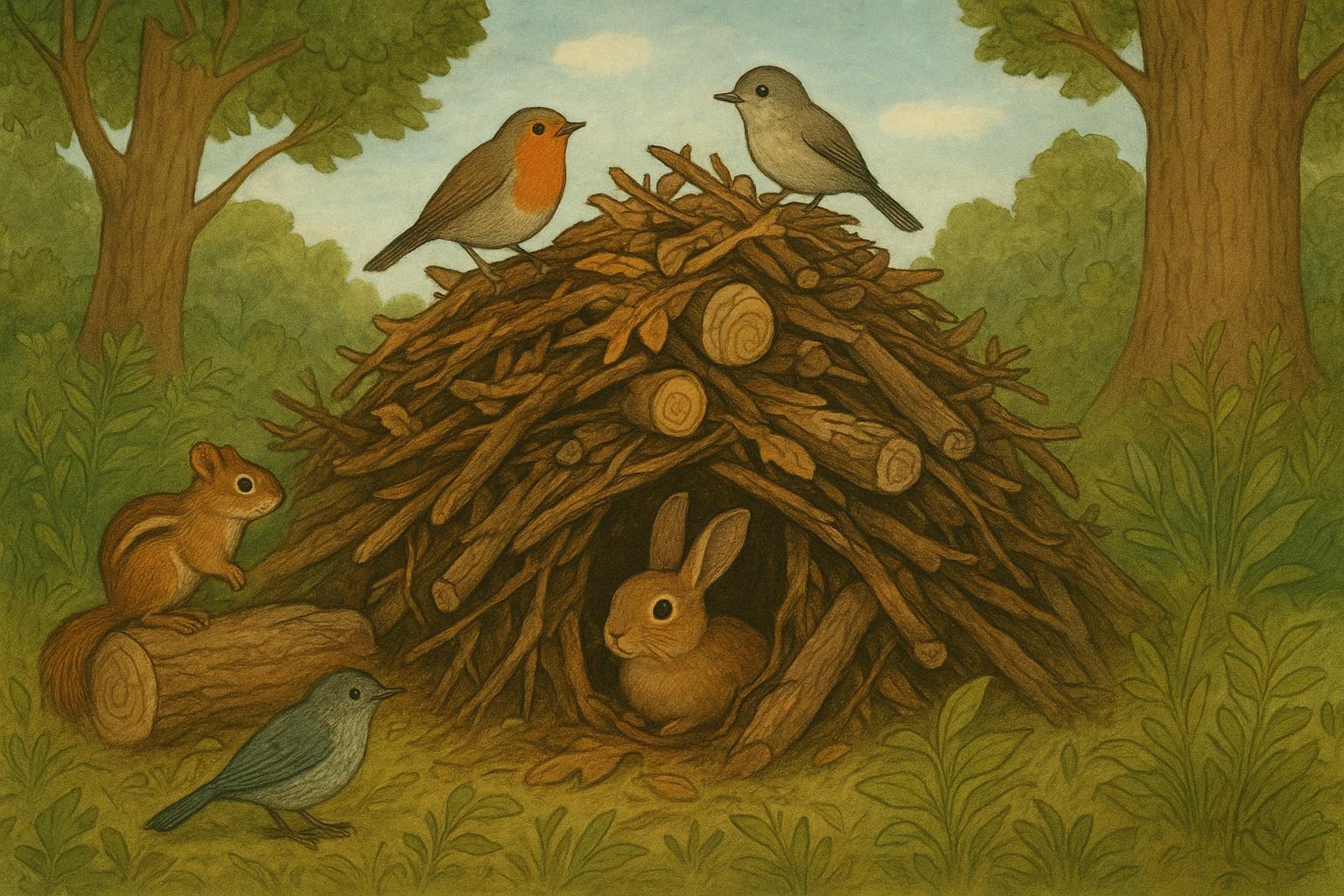
Create microhabitats: sunny spots with nearby shade, windbreaks, and undisturbed corners for laying eggs. Leave small brush piles or low-growing vegetation for caterpillar shelter, but keep these away from play areas to balance safety and biodiversity.
### Chemical Practices To Avoid
Pesticides and broad-spectrum insecticides are harsh on butterflies and their host caterpillars. Adopt integrated pest management: manual removal, beneficial insects, and tolerating minor leaf damage. Herbicides that remove native weeds can also eliminate larval food sources—consider spot control rather than blanket treatments.
#### Water Management And Drainage
Butterflies won’t hang out in soggy places, so ensure beds drain well. Raised beds or gentle grading can help. Conversely, don’t let everything dry to the point of stress—watering deeply and infrequently encourages deep roots and more reliable blooms.
## Attracting Specific Species
If you have a soft spot for a particular species, research its host plant. Monarchs require milkweed; hairstreaks often use buckwheat; fritillaries may favor violets. Planting a few host plants can transform your garden from a casual cafe into a full-service nursery for those species’ caterpillars.
### Watching Without Disturbing
Butterflies are sensitive to disturbance while feeding and puddling. Provide quiet observation spots at a distance and avoid touching or handling specimens. Binoculars or a camera with a zoom lens make for excellent, low-impact enjoyment.
#### Citizen Science And Monitoring
Consider documenting your sightings through apps or local butterfly counts. Regular monitoring helps you learn patterns and contributes to broader conservation data.
## Seasonal Care And Winter Planning
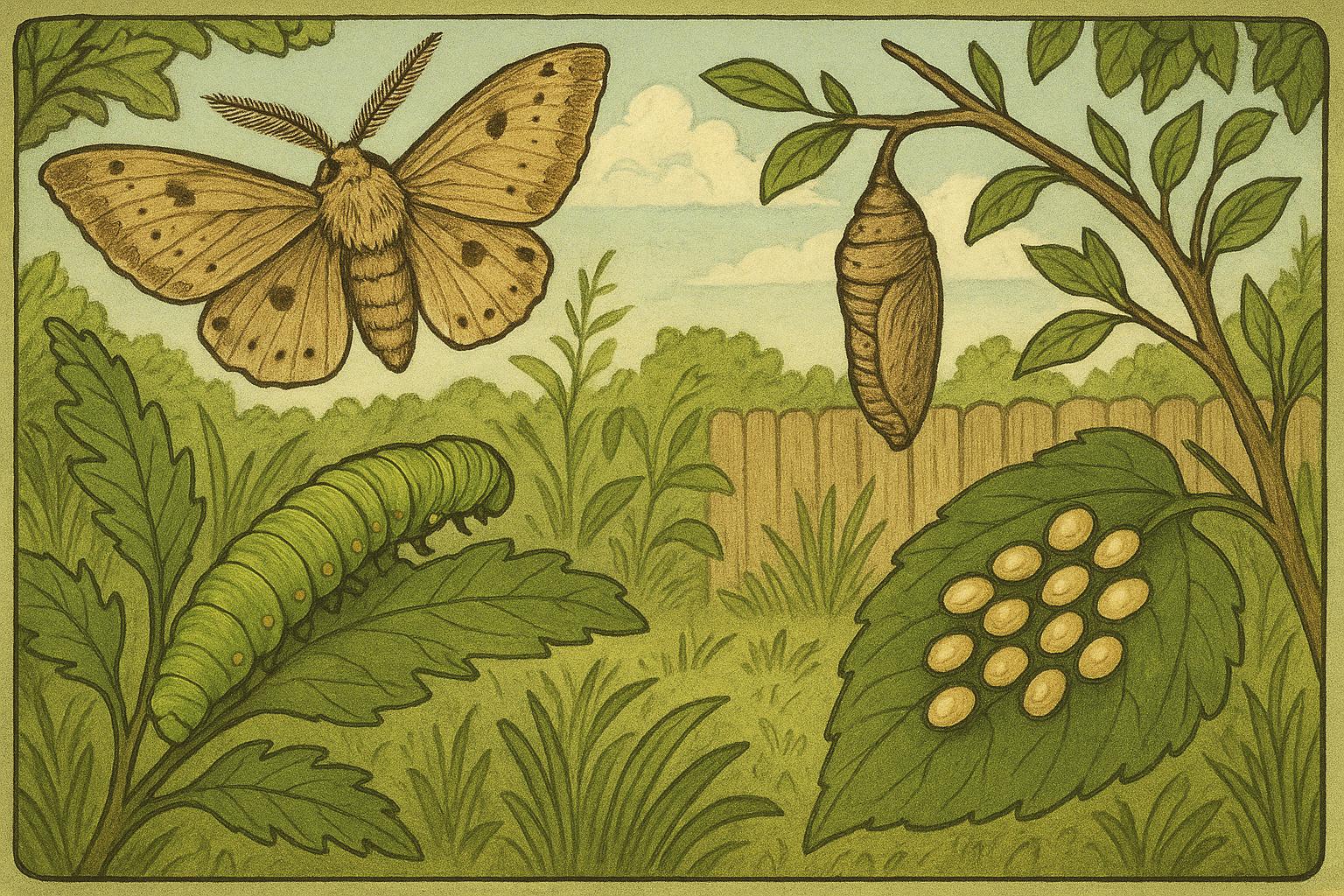
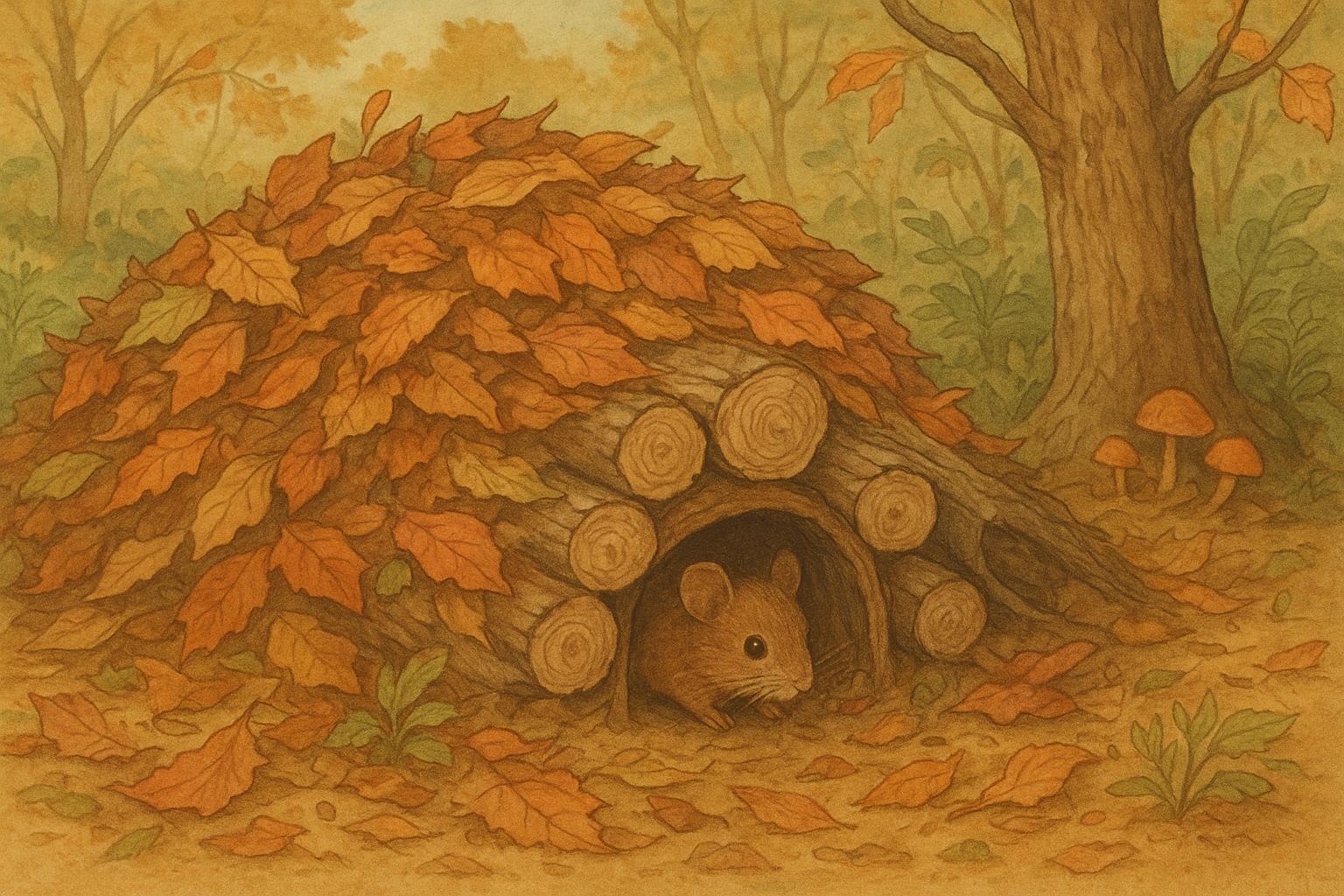
In late fall, leave some seedheads and plant stems for overwintering insects. Resist the urge to tidy everything away; many species overwinter as eggs, larvae, or pupae in leaf litter and stems. In early spring, delay heavy pruning until new growth appears.
### Bringing Children And Neighbors Into The Fold
Teaching others about host plants and the difference between pollinator-friendly gardening and pesticide use spreads the benefits. Simple signage or a small pamphlet near the garden can explain why you’re keeping certain “messy” spots—people usually forgive a little wildness when it has a purpose.
## Troubleshooting Common Problems
If you see few visitors, check for blooms, sun exposure, and pesticide drift from nearby properties. If caterpillars vanish, local predators or parasitic wasps could be involved—this is natural, though sometimes heartbreaking. Increasing plant density and variety often compensates for losses and supports more resilient populations.
### Little Extras That Make A Big Difference
Provide small piles of flat stones for basking, a shallow bowl with tree sap or rotting fruit for extra adult food sources, and paths that allow you to approach quietly. Even a speaker playing faint bird calls (yes, a little birdsong) can create an atmosphere of safety that encourages prolonged visits.
Enjoy the process. Gardens develop over seasons, not weekends. With patience, good plants, clean water, and a respect for the messy parts of nature, your backyard will become a magnet for butterflies and the quiet joy they bring.







Leave a Reply