
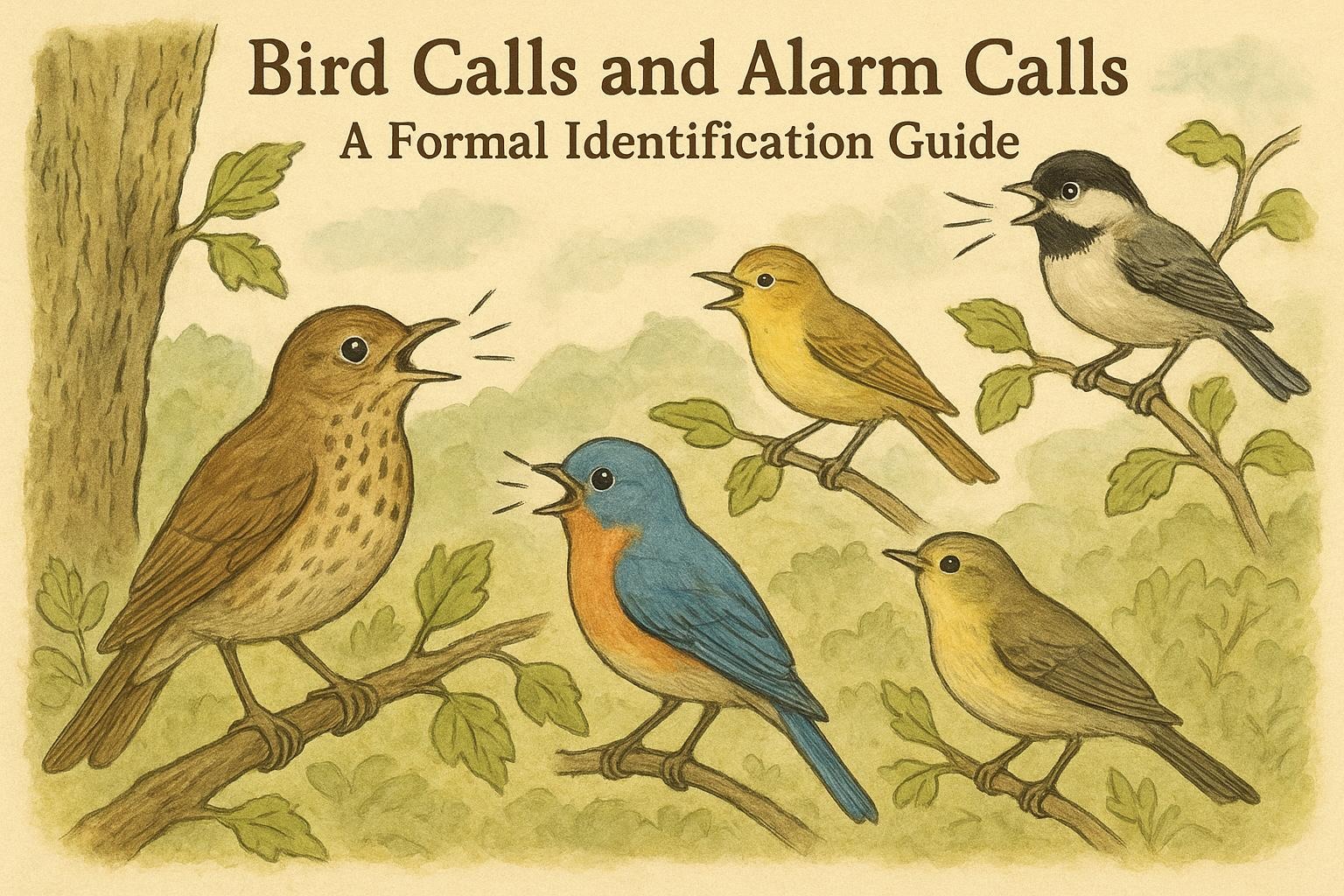
Birdsong is like a neighborhood gossip network — once you learn the language, you can tell who’s flirting, who’s warning of danger, and who’s just bragging about territory. This guide will help you identify common bird calls and alarm calls, read context clues, and even take practical steps to reduce stress-causing disturbances in your backyard. Think of it as a field manual with a friendly voice — and, yes, a little charm.
## Bird Calls: The Basics
Bird calls are short vocalizations used for day-to-day communication, while songs are longer, more complex sequences used primarily for breeding and territory. Alarm calls are a specific subset of calls: urgent, often harsh sounds that signal immediate danger. Knowing the difference between casual contact calls and true alarm calls is the first step to identifying what birds are trying to tell you.
### How To Tell Calls From Songs
– Calls are usually brief, repeated, and context-driven (e.g., contacting a mate or signaling a flock).
– Songs are longer, melodic, and often delivered from a conspicuous perch during breeding season.
– Alarm calls tend to be sharp, repetitive, and sometimes escalate into mobbing — multiple species joining in to harass a predator.
## Acoustic Clues That Reveal Meaning
Listening carefully gives you clues beyond the sound itself. Pay attention to tempo, pitch, repetition, and the bird’s behavior at the time.
### Tempo And Repetition
Fast, choppy sequences often mean agitation. Slow, musical patterns are usually territorial songs. For example, a rapid “chick-a-dee” that speeds up and adds extra “dees” is often a chickadee’s alarm or mobbing call.
### Harshness And Pitch
Alarm calls tend to be harsher and raspier; contact calls are softer. High-pitched single notes repeated rapidly can be a small bird’s distress call, whereas lower, booming calls are more likely territorial proclamations by larger species.
#### Directionality And Context
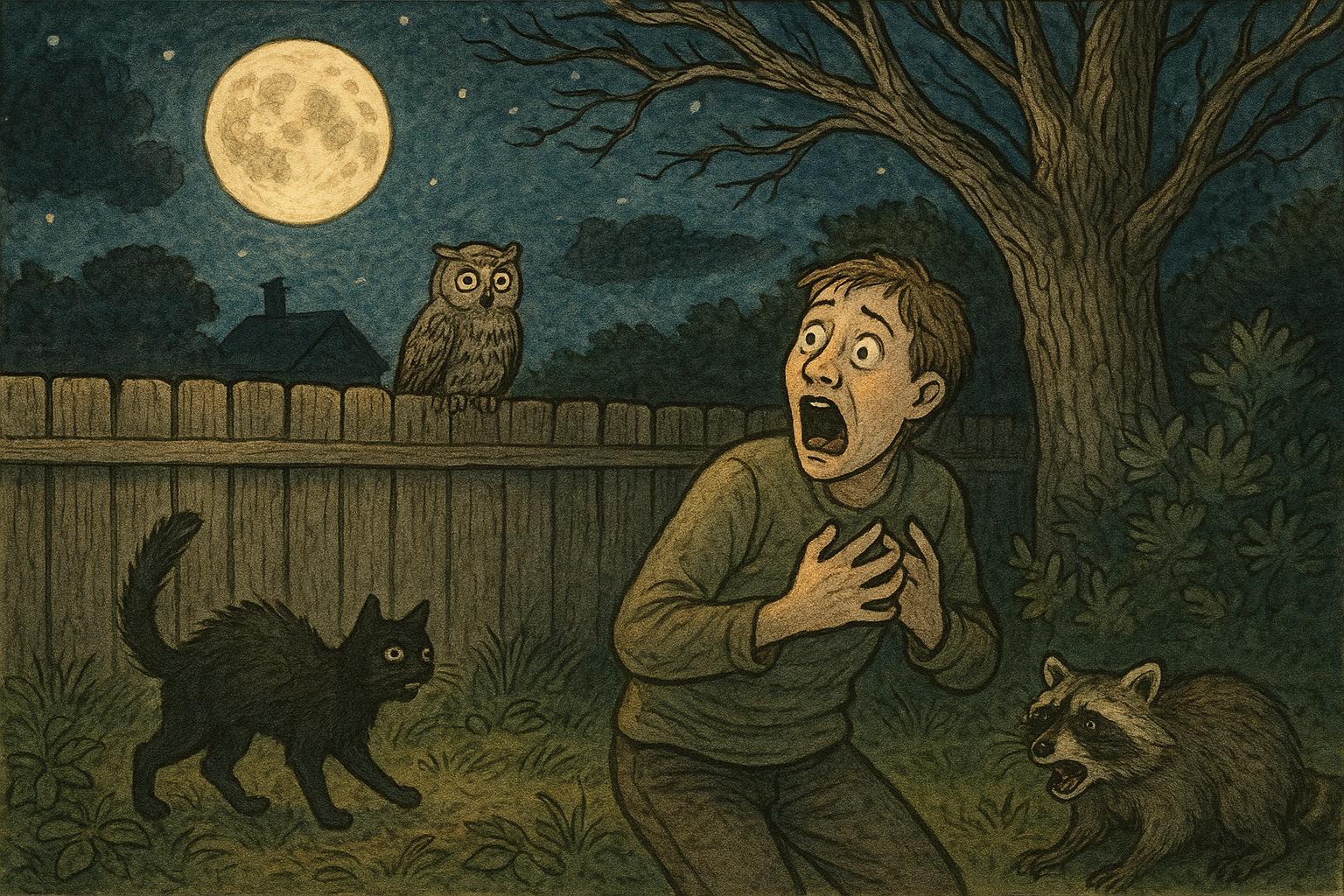
Watch where birds are looking. If many birds suddenly face one direction and begin calling, that’s your cue to look for a hawk, cat, or other disturbance. Birds often combine calls: a contact call to keep spacing, and an alarm call to warn others of immediate danger.
## Common Alarm Call Examples In Backyards
Knowing species-specific signatures helps. A few commonly heard backyard alarm calls:
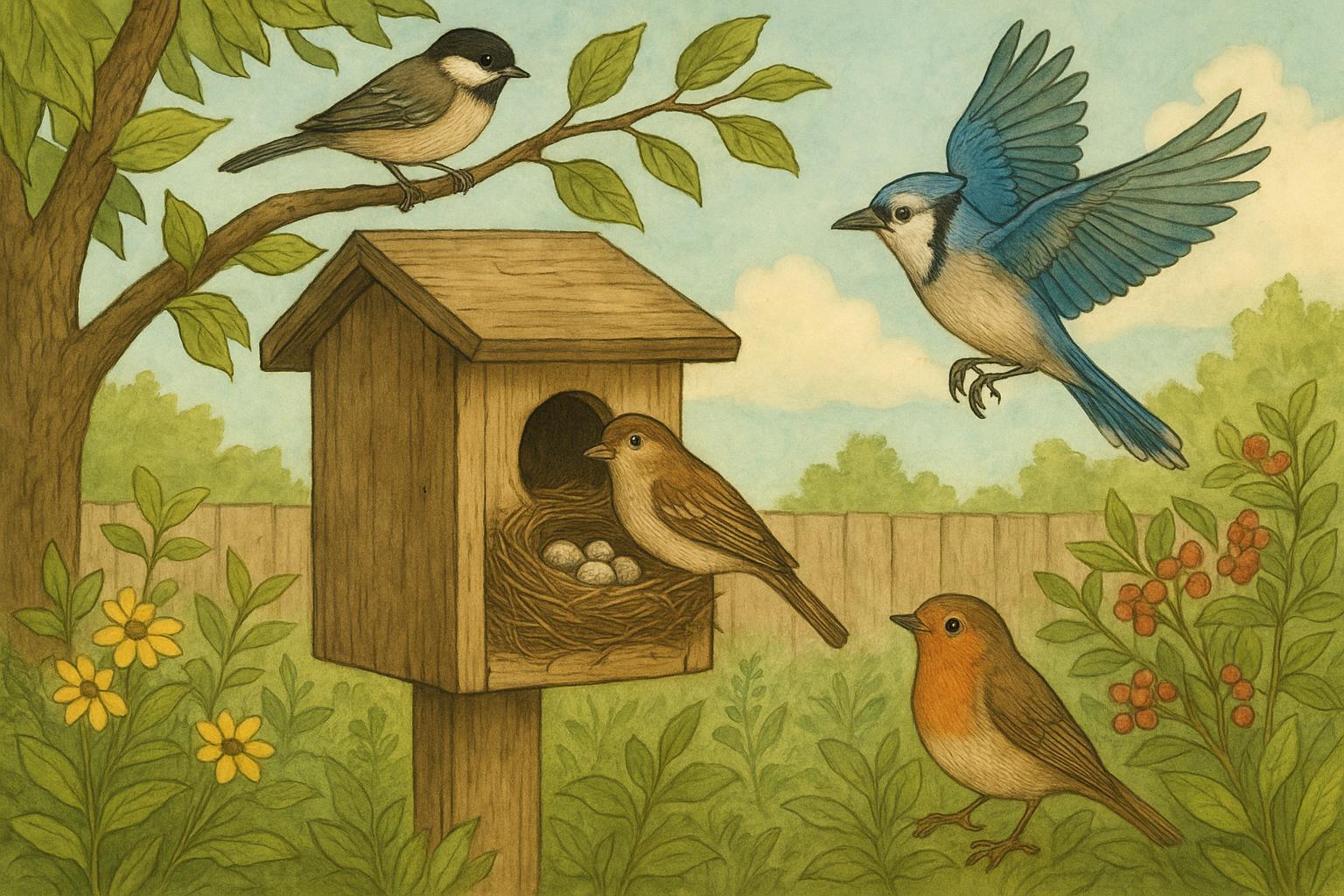
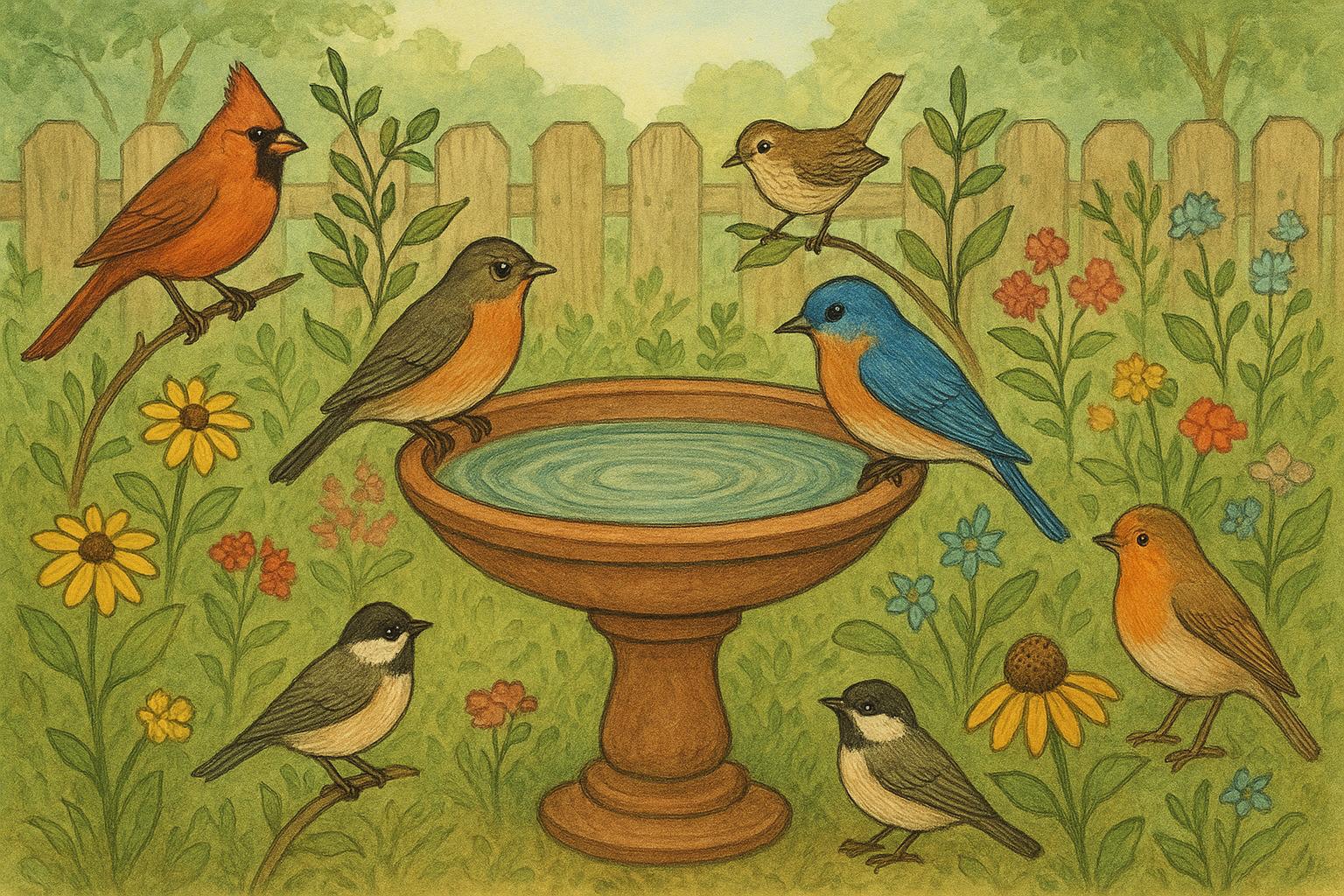
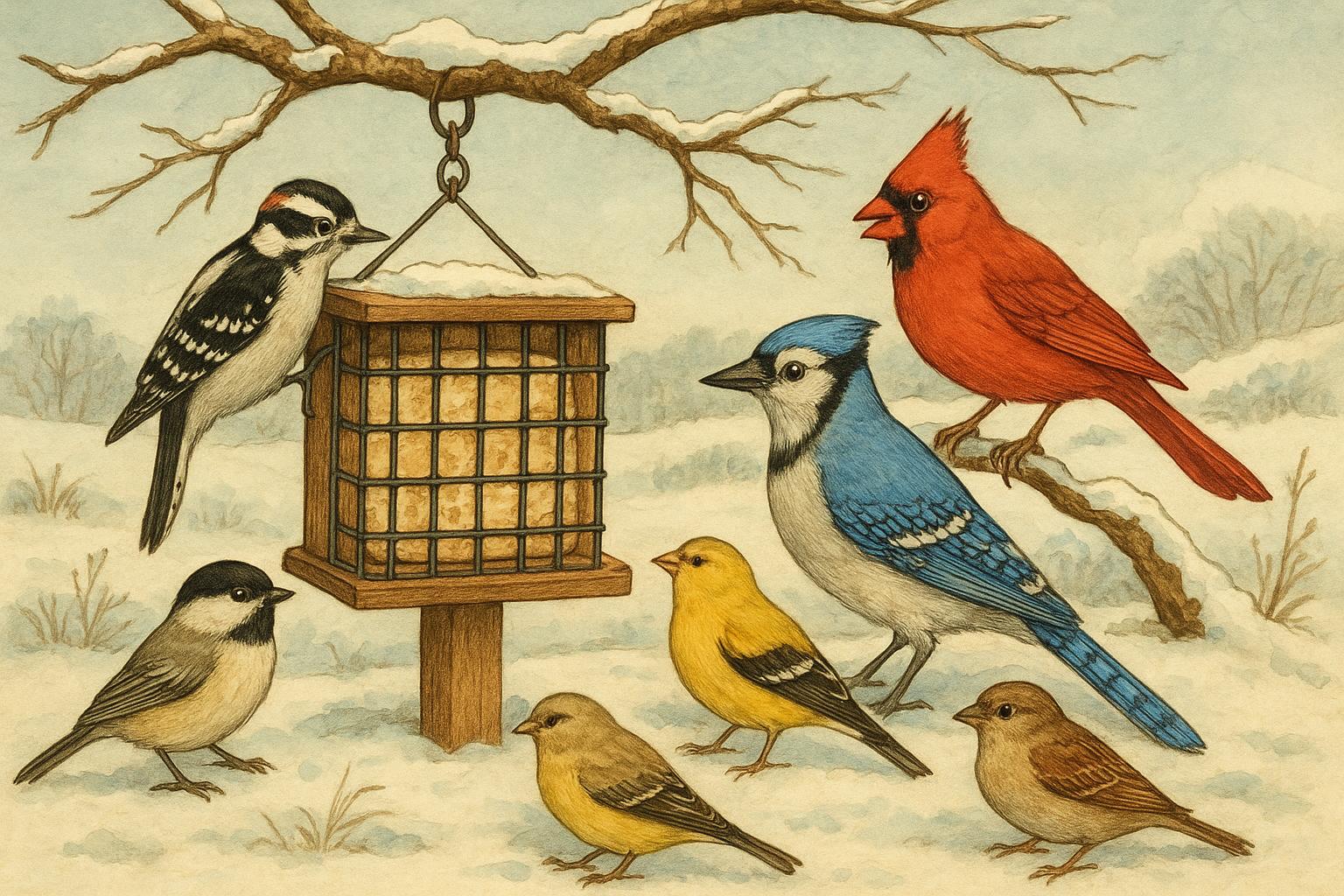
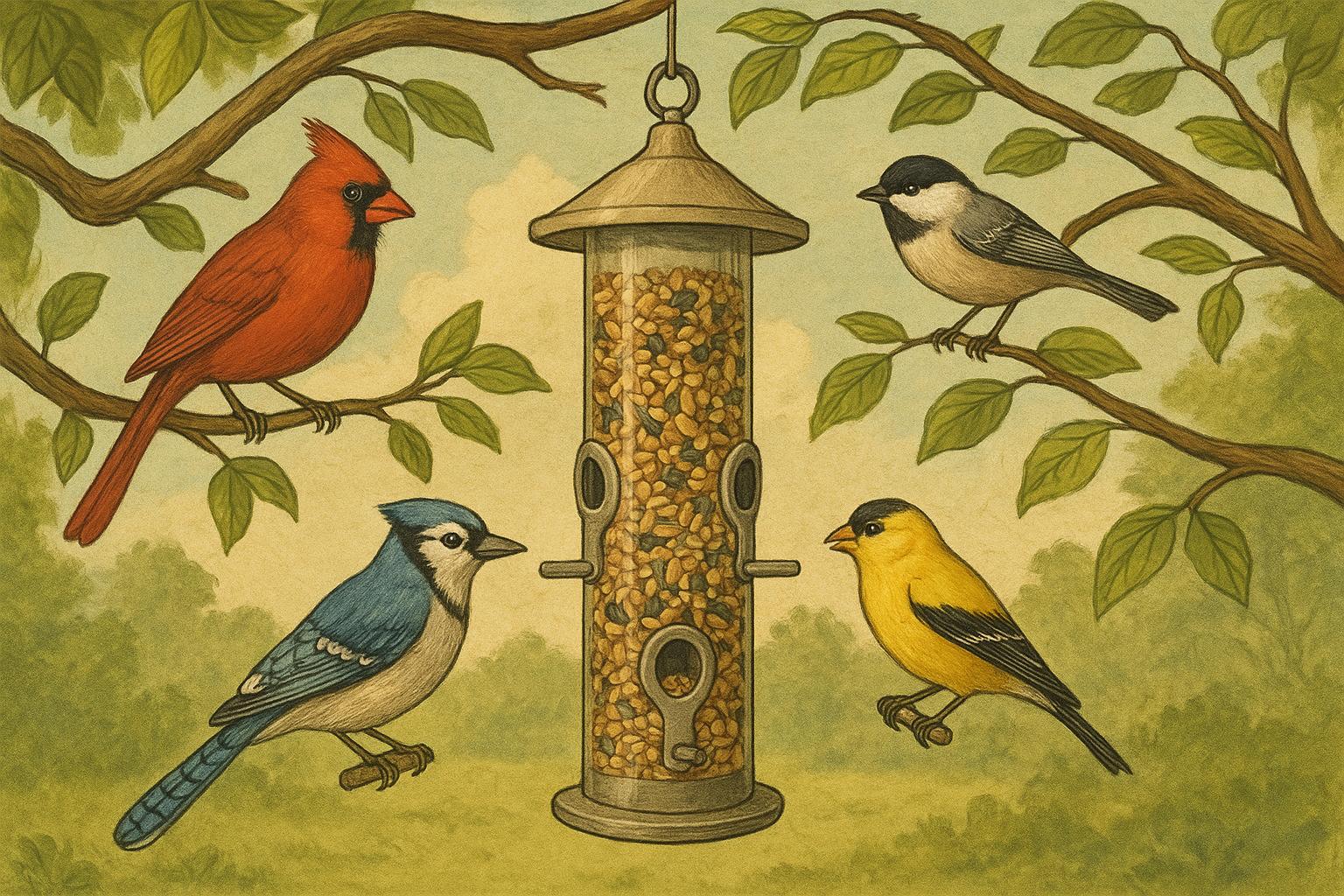
– Black-capped Chickadee: The iconic “chick-a-dee” — extra “dees” often indicate higher threat levels. This is both a contact and alarm system; context matters.
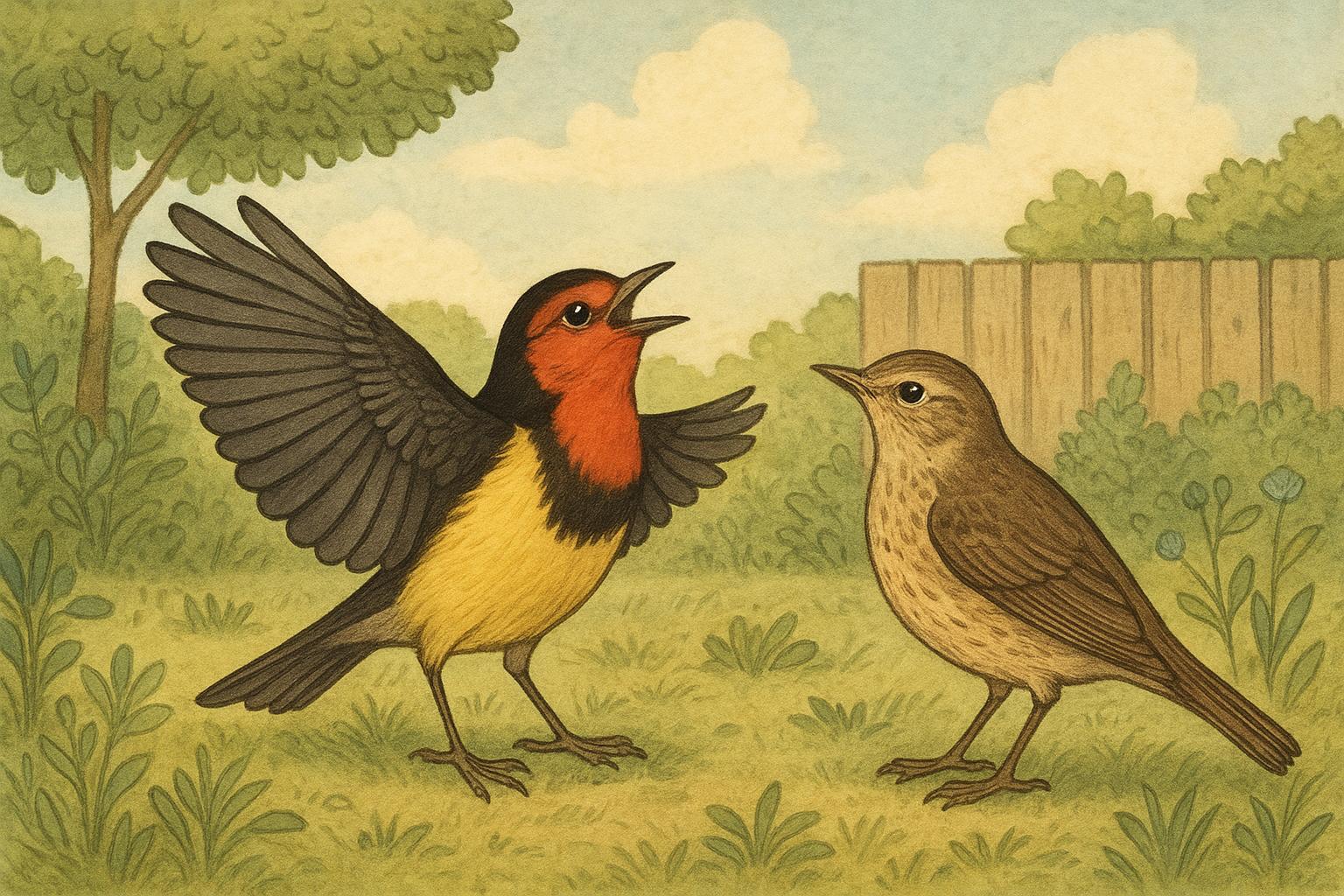
– American Robin: A sharp, nasal “chuck” or repeated short phrases; when alarmed, tends to flick and scold loudly.
– Blue Jay: Loud, harsh “jeer” or “jay” calls; excellent sentinel birds that alert many others.
– House Sparrow: Repetitive “chirp-chirp” that becomes frantic when threatened.
– Mourning Dove: Low, soft cooing is normal; sudden rapid fluttering and a higher-pitched series of notes often signals disturbance.
## Mobbing Calls Versus Alarm Calls
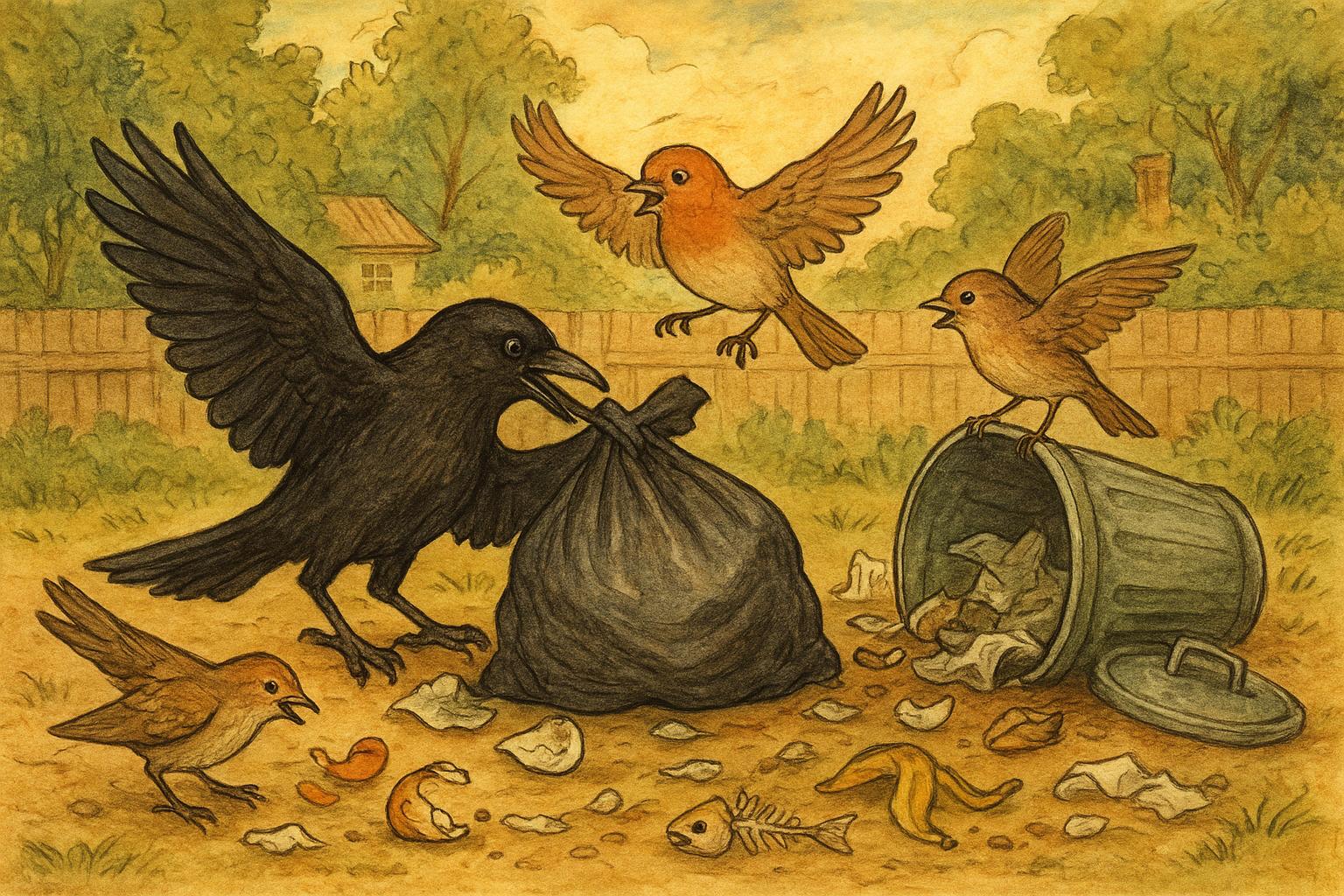
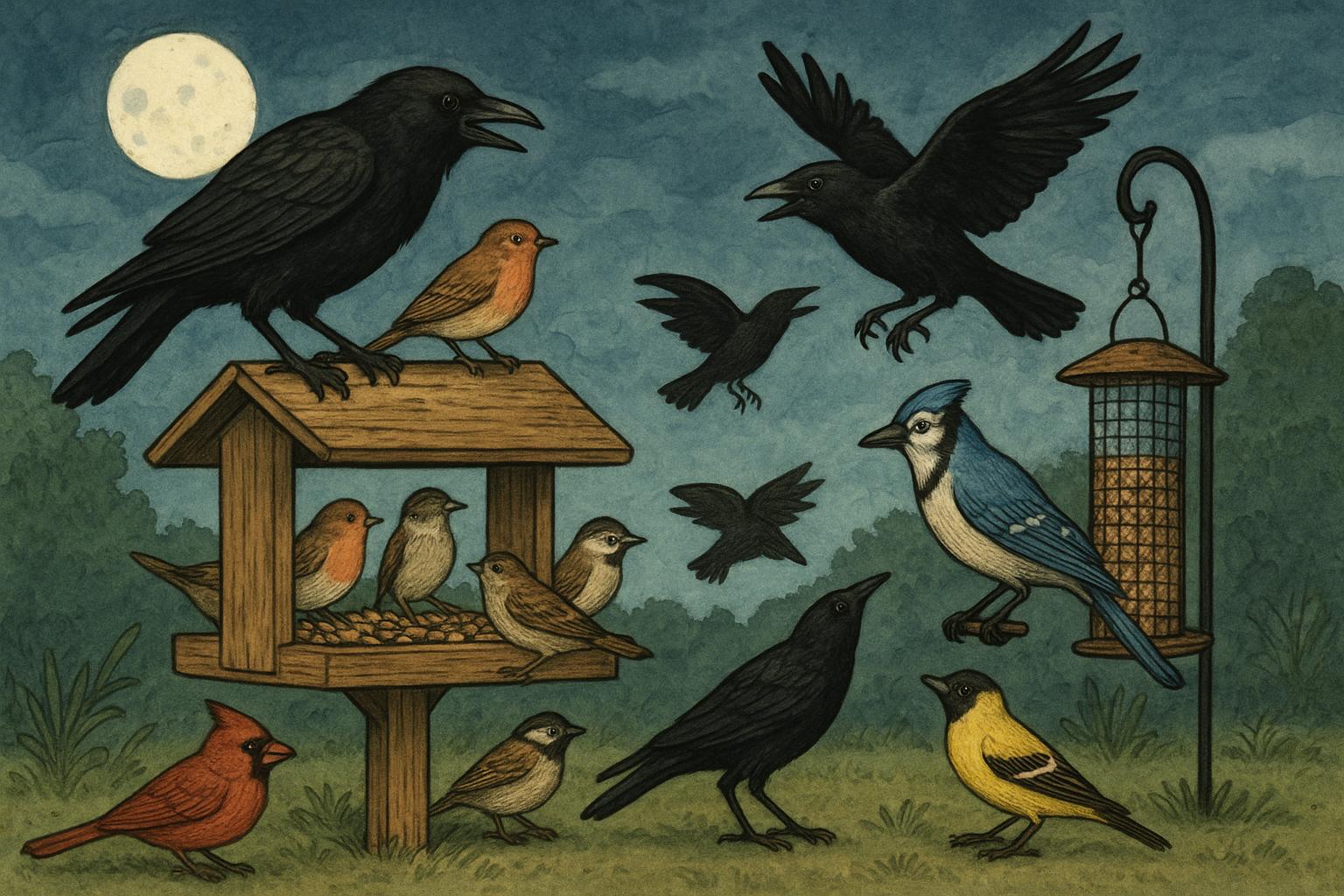
Mobbing calls are a specialized alarm behavior: several birds collectively harass a predator until it leaves. These calls are often more insistent and can involve multiple species. If you see a chorus of varied harsh calls and birds dive-bombing a tree, you’re observing mobbing — a powerful communal defense.
### Using Spectrograms And Recordings
If you’re serious about identification, use a smartphone recorder and a free spectrogram app (many birders swear by them). Visual patterns help distinguish similar-sounding calls: alarm calls often show as repeated vertical spikes; songs are more continuous and patterned.
## Field Identification Tips That Make You Sound Like You Know What You’re Doing
– Note time of day: many alarm calls spike at dawn and dusk when predators are active.
– Observe behavior with the sound: a perched bird giving a sharp call is often territorial; frantic flight + calls suggests immediate threat.
– Compare with online resources or apps — but trust your backyard observations first.
### When To Intervene In Backyard Disturbance
Sometimes alarm calls indicate persistent stress in your bird community: frequent predator presence (free-roaming cats, repeated hawk flyovers near feeders), sudden habitat changes, or human-caused disturbances. Intervening thoughtfully can reduce chronic alarm-calling and help birds feel secure.
#### Remedy: Reducing Recurrent Alarm Calls In Your Backyard
The following remedy aims to reduce chronic alarm calling by minimizing predator access and providing safer foraging options. The style below is intentionally formal and informative.
Materials Required:
– Sturdy bird feeders with baffles or squirrel-proof designs
– Native shrubs and low cover plants (potted or planted)
– Motion-activated lights or gentle auditory deterrents (optional)
– Humane predator-deterrent tools (e.g., cat-proof fencing, reflective tape)
– Notebook or smartphone for monitoring
Step-by-Step Creation And Application:
1. Assess The Problem:
– Monitor and record alarm call frequency over one week (time of day, number of callers, and behavior).
– Note potential predator sources (neighbor cats, open areas used by raptors, dense perches used by corvids).
2. Secure Feeding Areas:
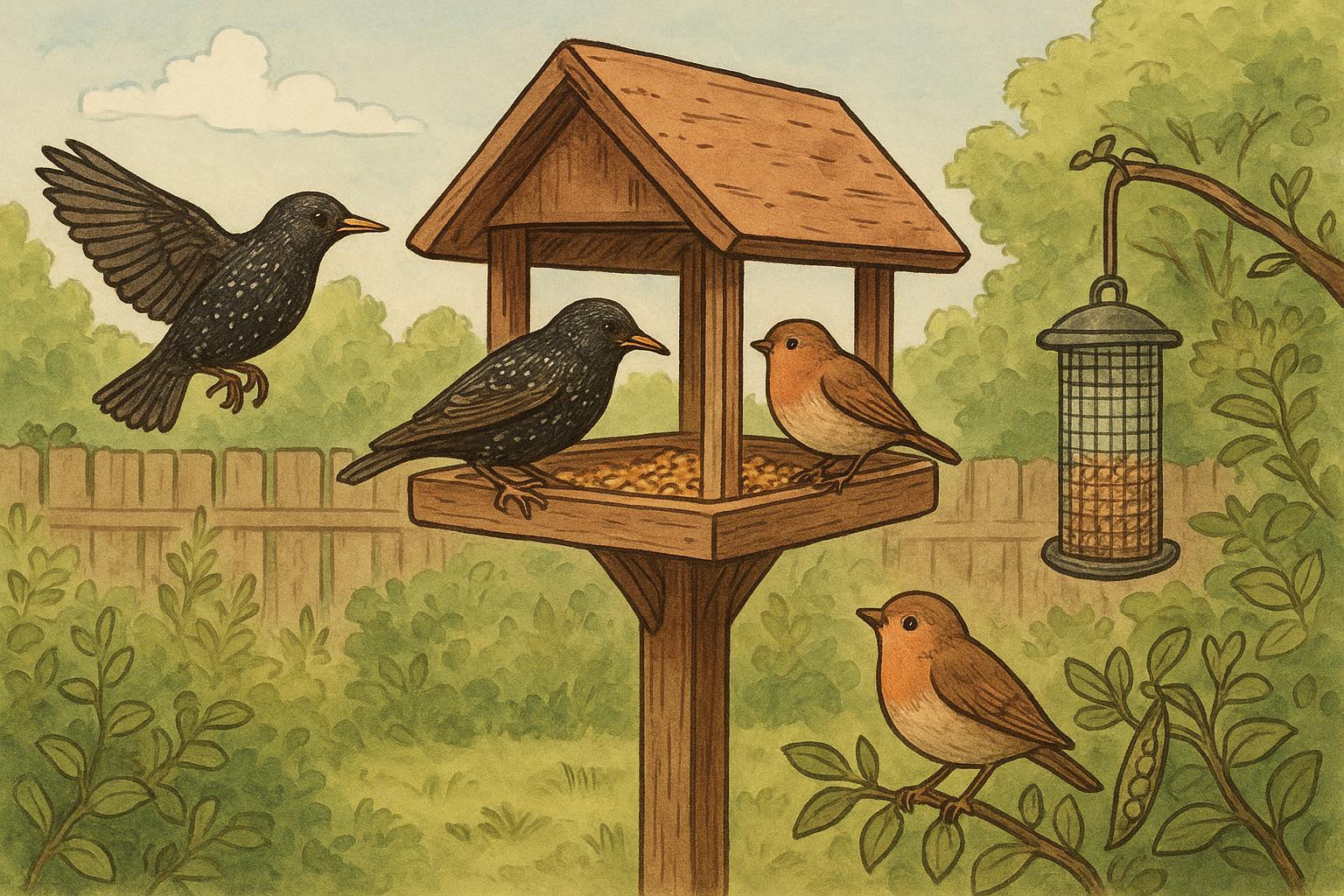
– Install feeders with baffles and place them 10–12 feet away from dense cover where ambush predators can hide.
– Prefer tube feeders for seed and hopper feeders with cages for larger birds; this reduces surprise predation close to food.
3. Provide Alternative Cover:
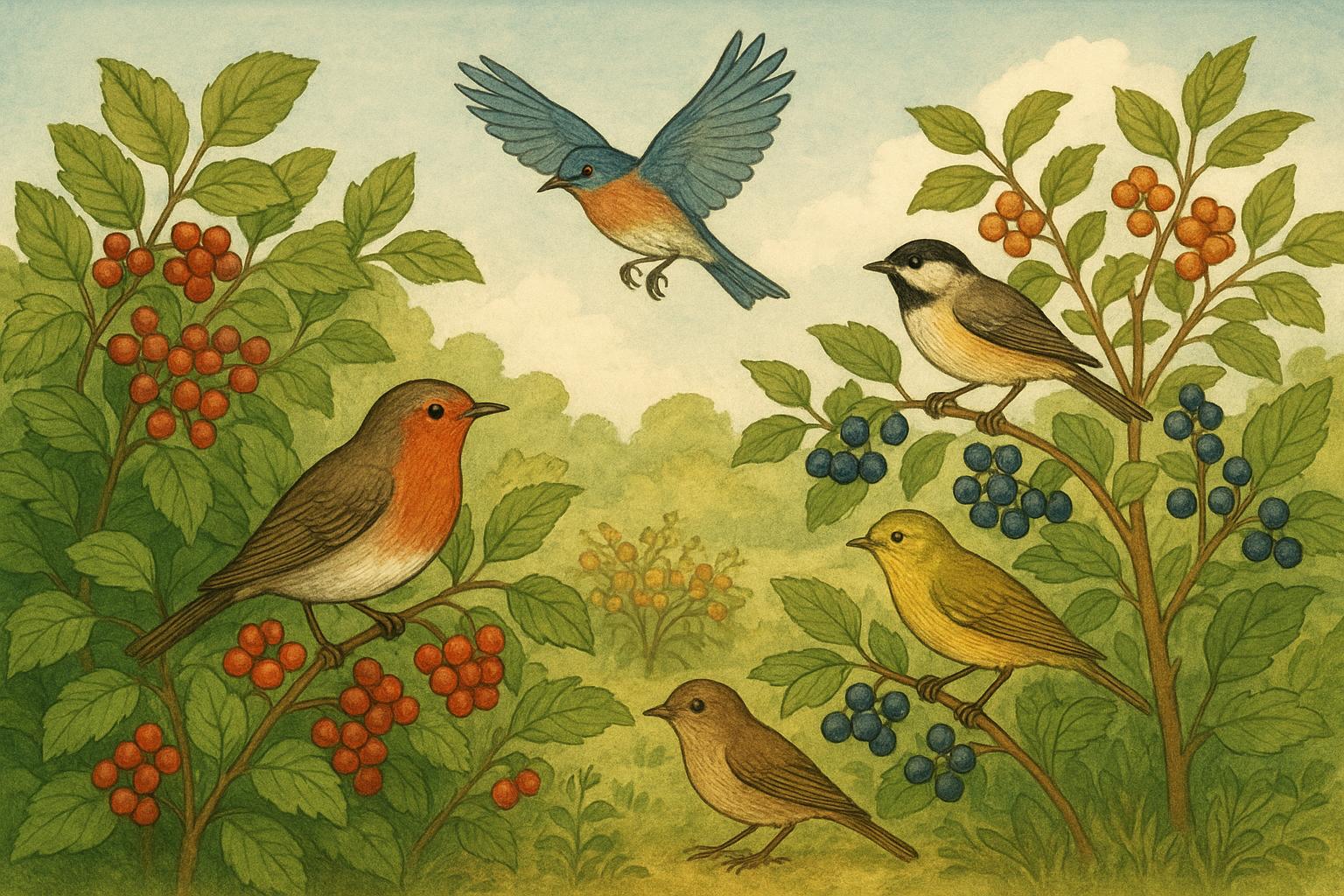
– Plant or place native shrubs and low hedges within sightlines but sufficiently spaced from feeders to give birds quick escape routes.
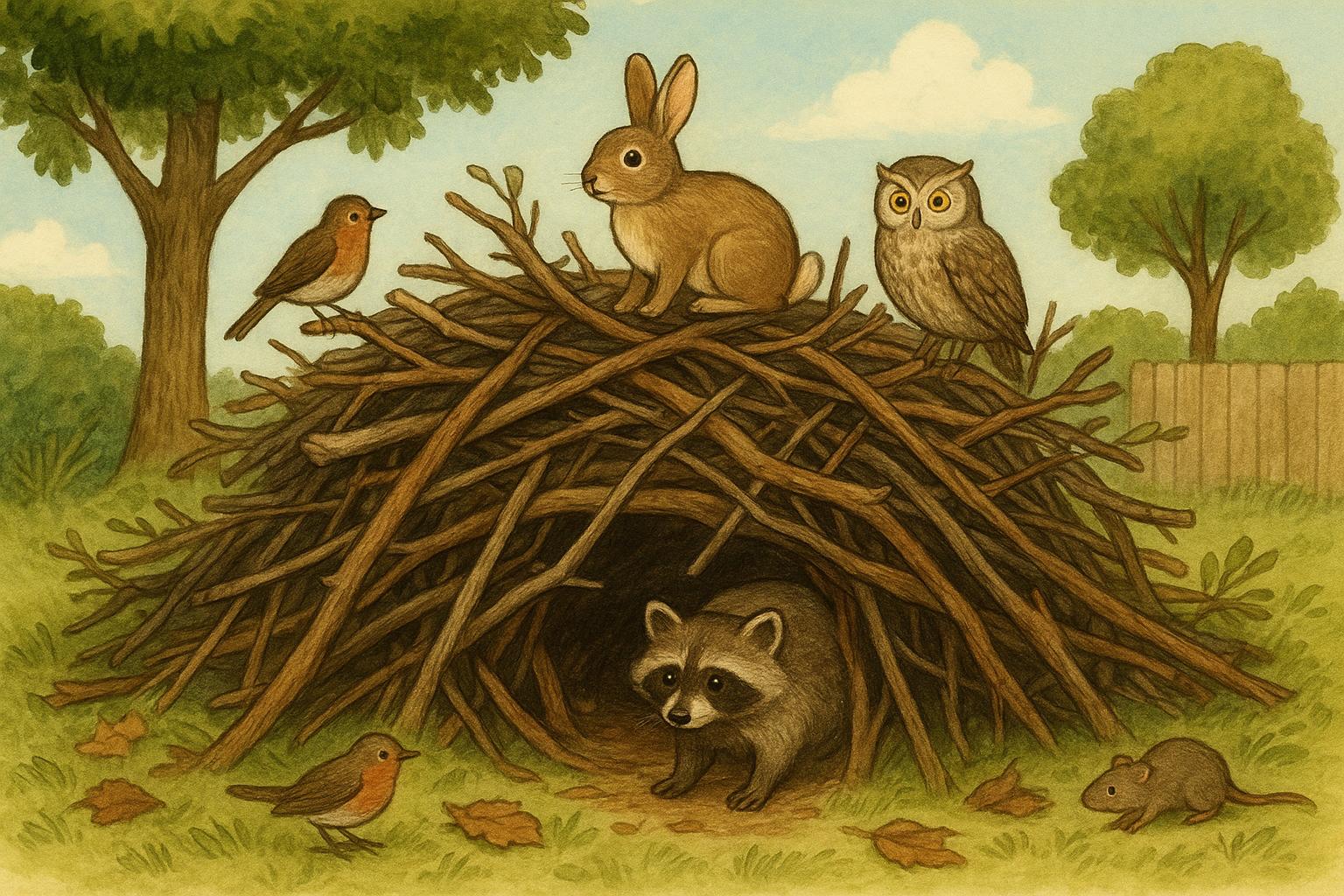
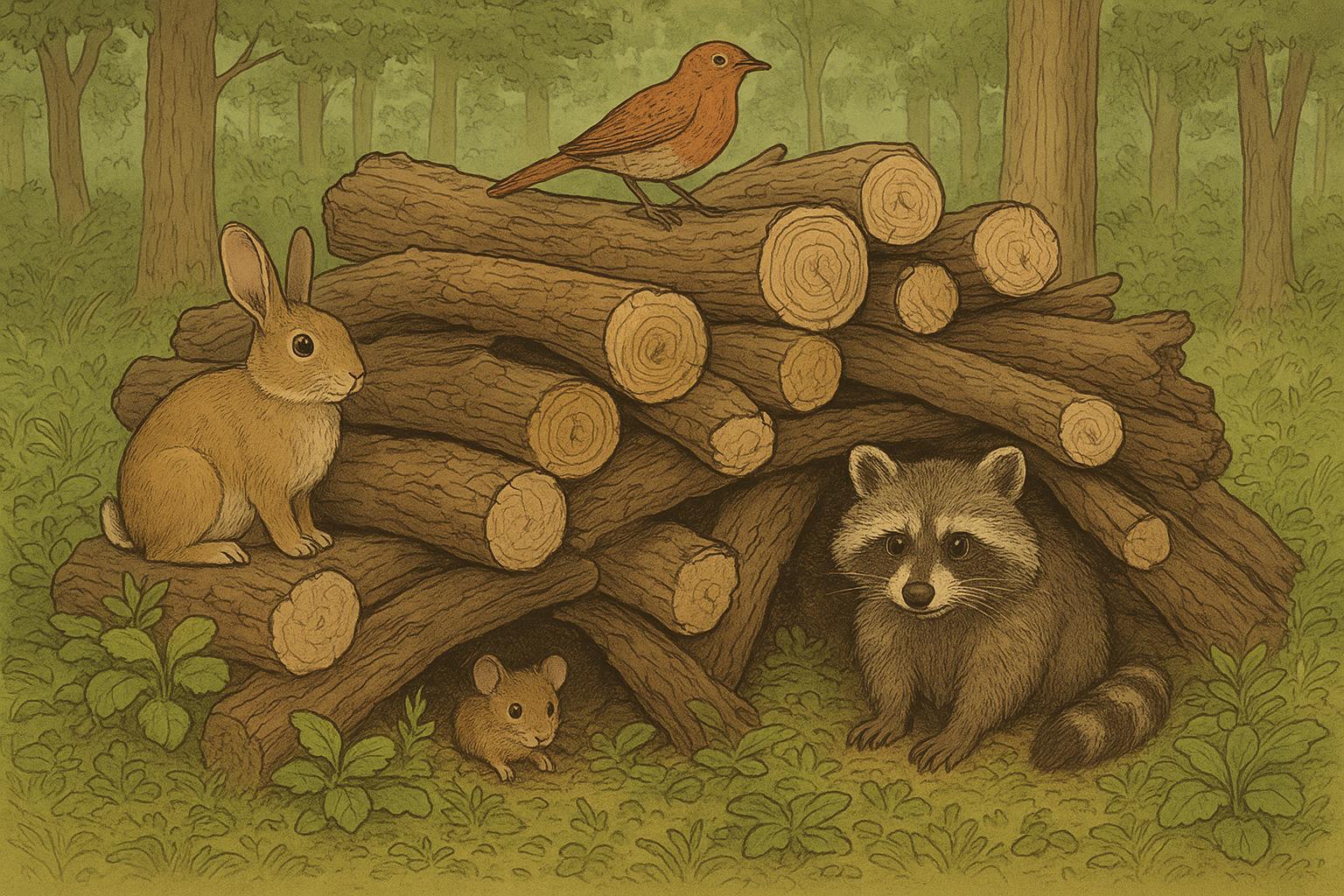
– Use potted evergreens or brush piles in winter; these provide sheltered perching that decreases flight-time exposure to predators.
4. Reduce Predator Access:
– If free-roaming cats are present, discuss humane containment with owners or suggest cat-proof fencing. Consider motion-activated sprinklers where appropriate.
– Trim dense low branches that provide cover for hawks’ perches, while preserving taller trees for safe roosting.
5. Modify Human Disturbance:
– Reduce sudden loud noises near nesting or feeding sites (lawn equipment during dawn/dusk), and position seating so people do not loom directly above feeders.
6. Monitor And Adjust:
– Continue noting alarm call occurrences weekly for one month. If calls decrease, maintain measures. If not, re-evaluate perch locations, cover placement, and feeder types.
7. Optional Nonharmful Deterrents:
– If necessary, deploy reflective tape or gentle auditory deterrents away from primary birding areas to discourage persistent predators without causing stress to local birds.
Notes On Application:
– Implement changes incrementally to avoid creating sudden habitat loss.
– Prioritize native plants; they support local insects and natural prey for birds, reducing unnatural foraging patterns near risky areas.
– Avoid lethal measures; they disrupt ecological balance and often increase alarm behavior by scattering predator territory.
## Advanced Identification: Small Clues With Big Payoffs
– The Number Of Notes In A Call: Some species increase the number of notes when signaling larger threats (e.g., chickadees adding dees).
– Call Sequences And Combinations: Birds combine contact and alarm calls. A soft purring followed immediately by harsh chattering often indicates a shift from casual to alarmed state.
– Cross-Species Responses: If multiple species respond to the same call, the sound has broad recognition — often a true alarm.
### Practical Listening Exercises
Spend five minutes a day with a notepad. Record the sounds, note associated behaviors, and check apps later. Over time you’ll recognize patterns and be able to translate a flurry of calls into a narrative: “Ah — a Cooper’s hawk was overhead two minutes ago.”
## Quick Field Checklist For Identifying Alarm Calls
– Is the sound harsh or musical?
– Are multiple birds responding?
– Is there a simultaneous change in flight or posture?
– Is the call repeated rapidly?
– Can you detect a predator or human disturbance nearby?
Keep this checklist on your phone for a fast field diagnosis. It’ll save you from overreacting to a melodious song and missing a genuine alarm.
## When To Seek Expert Help
If you notice persistent alarm calling with signs of injury, nest disturbance, or a non-native predator population, contact local wildlife rehabilitators or birding groups. They can provide targeted advice and sometimes help with humane mitigation strategies.
Now go outside, listen closely, and enjoy decoding your local avian newsfeed. You might find that the neighborhood sparrows have a lot more to say than you thought — and occasionally, they’ll tell you where the cat is hiding.















Leave a Reply