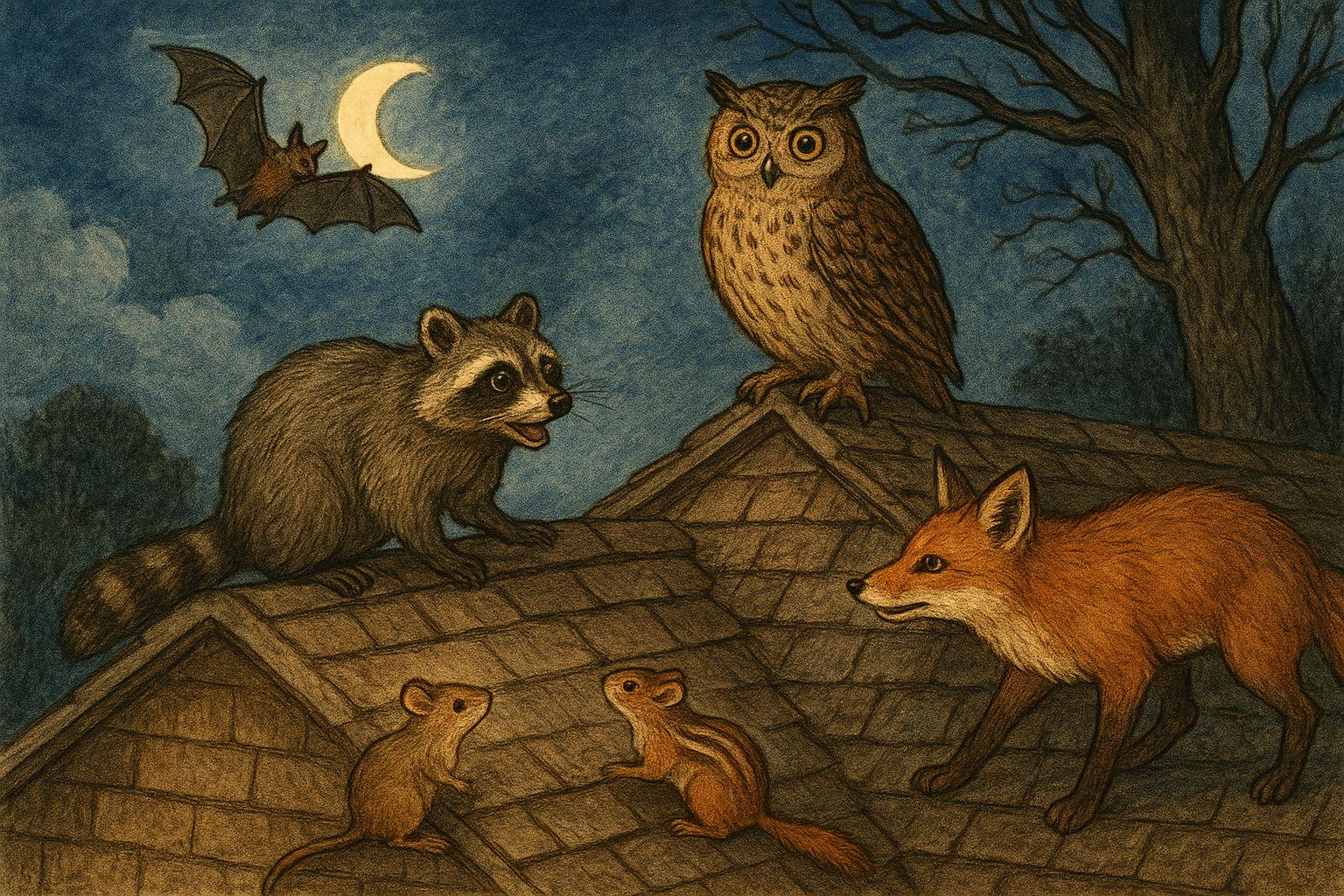
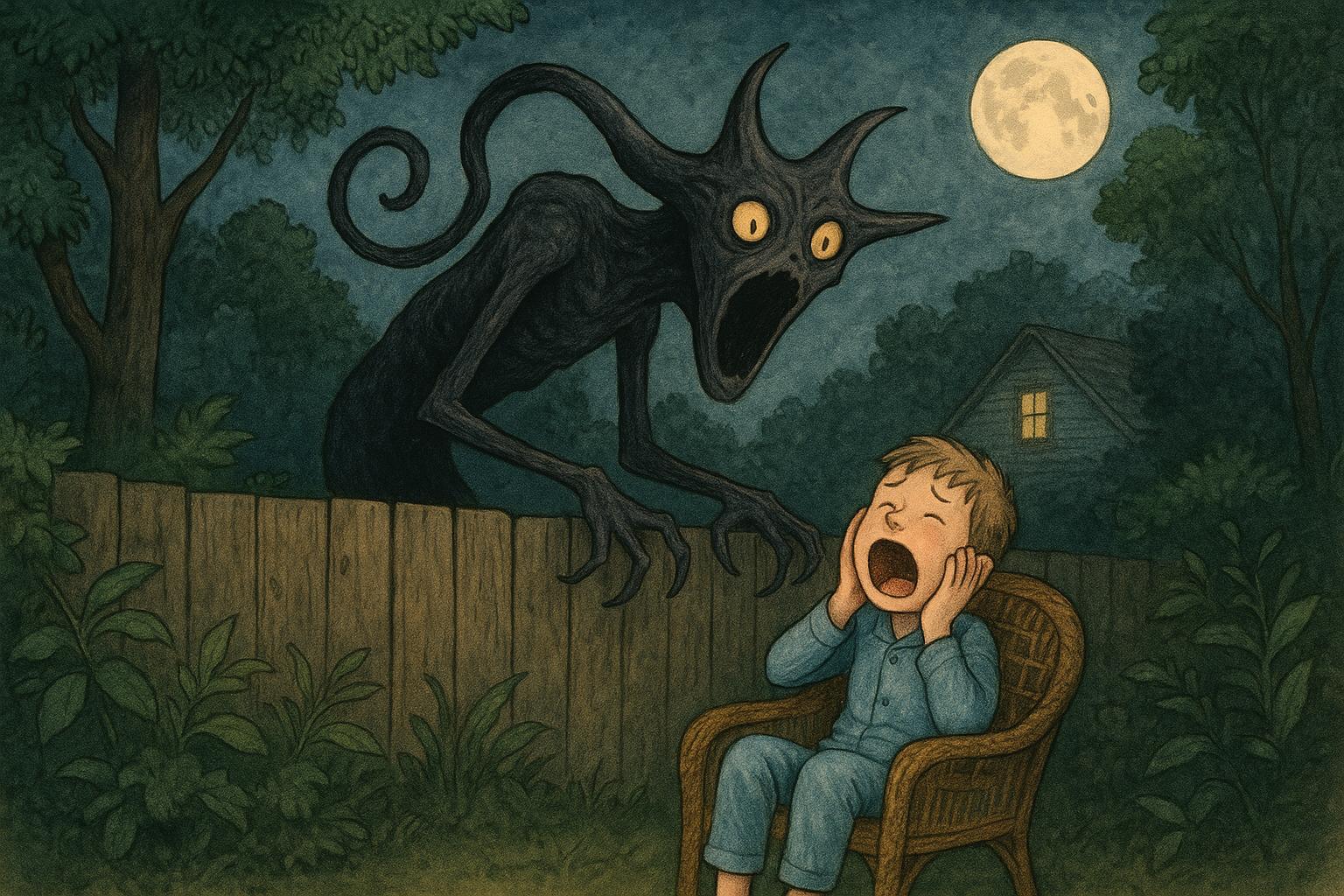
Hello neighbor — if you’ve ever lain awake at 2 a.m. listening to mysterious scuttles and thumps above your bed, you’re in good company. Nighttime critters have a talent for turning a quiet roof into a percussion section, and those roof noises can feel like a personal concert you didn’t RSVP to. This guide is friendly, practical, and a little bit cheeky when it helps keep your sanity intact — then switches to decidedly professional when it’s time to fix the problem for good.
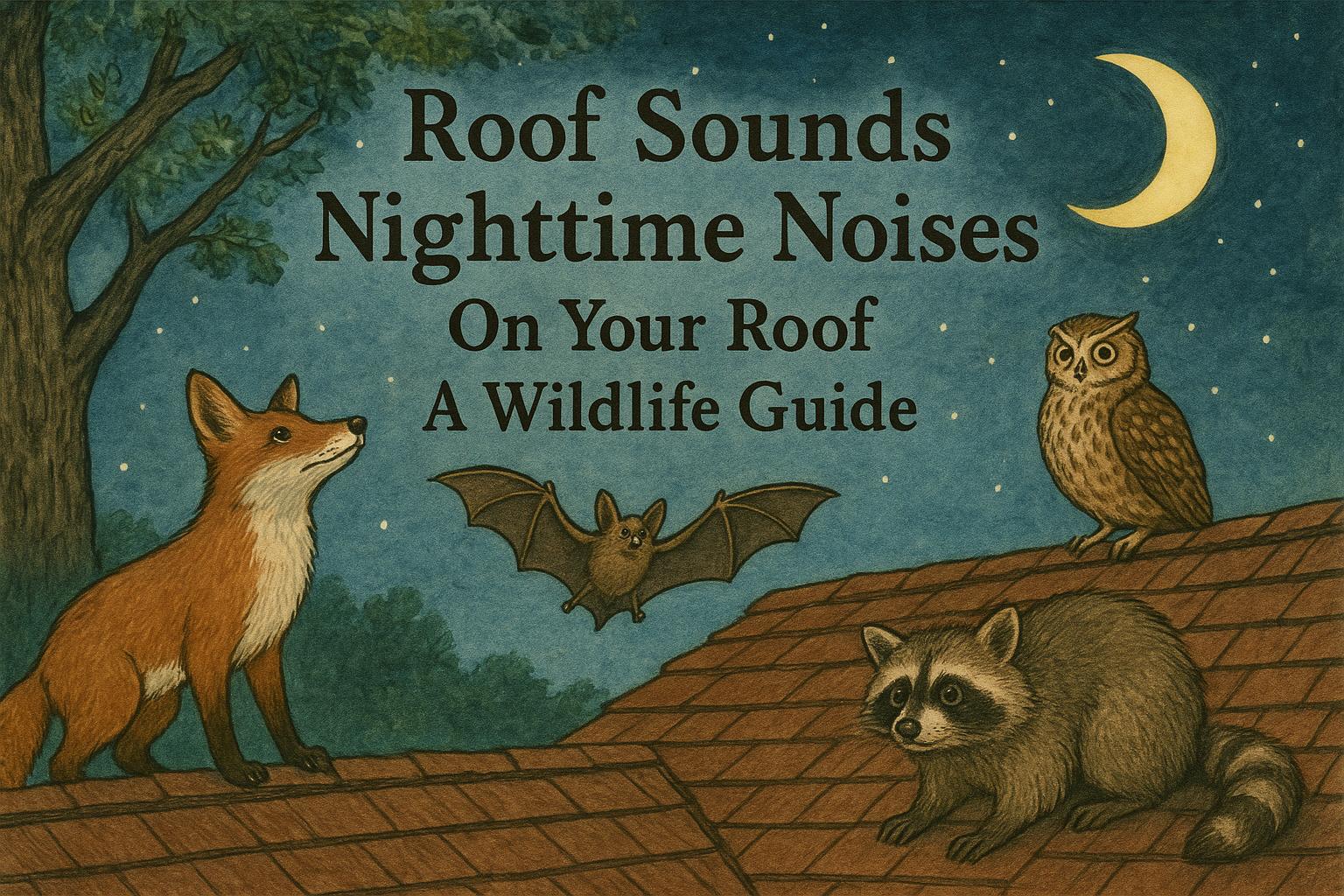
## Roof Noises From Nighttime Wildlife On Your Roof A Guide
### What You’re Hearing And Why It’s Happening
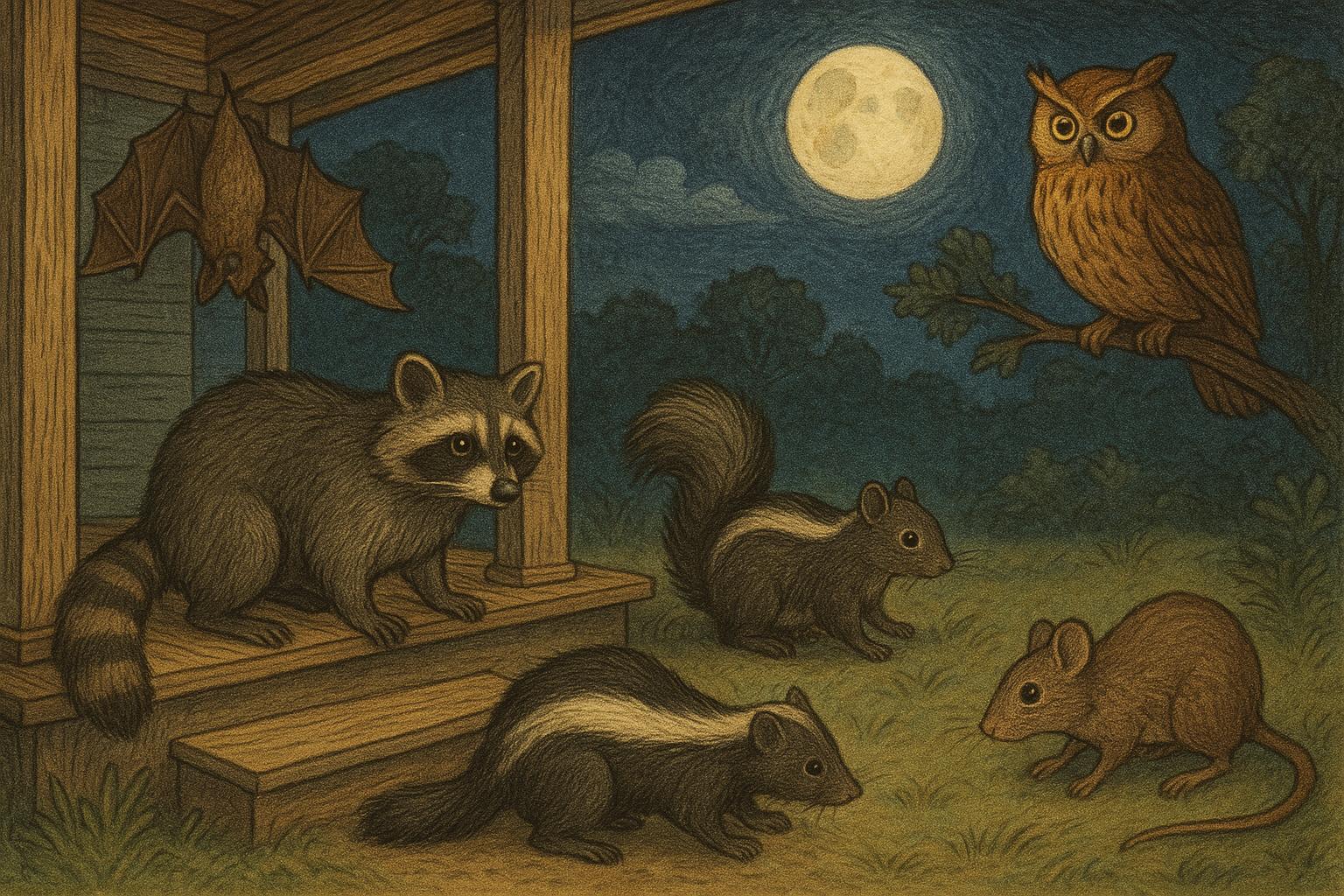
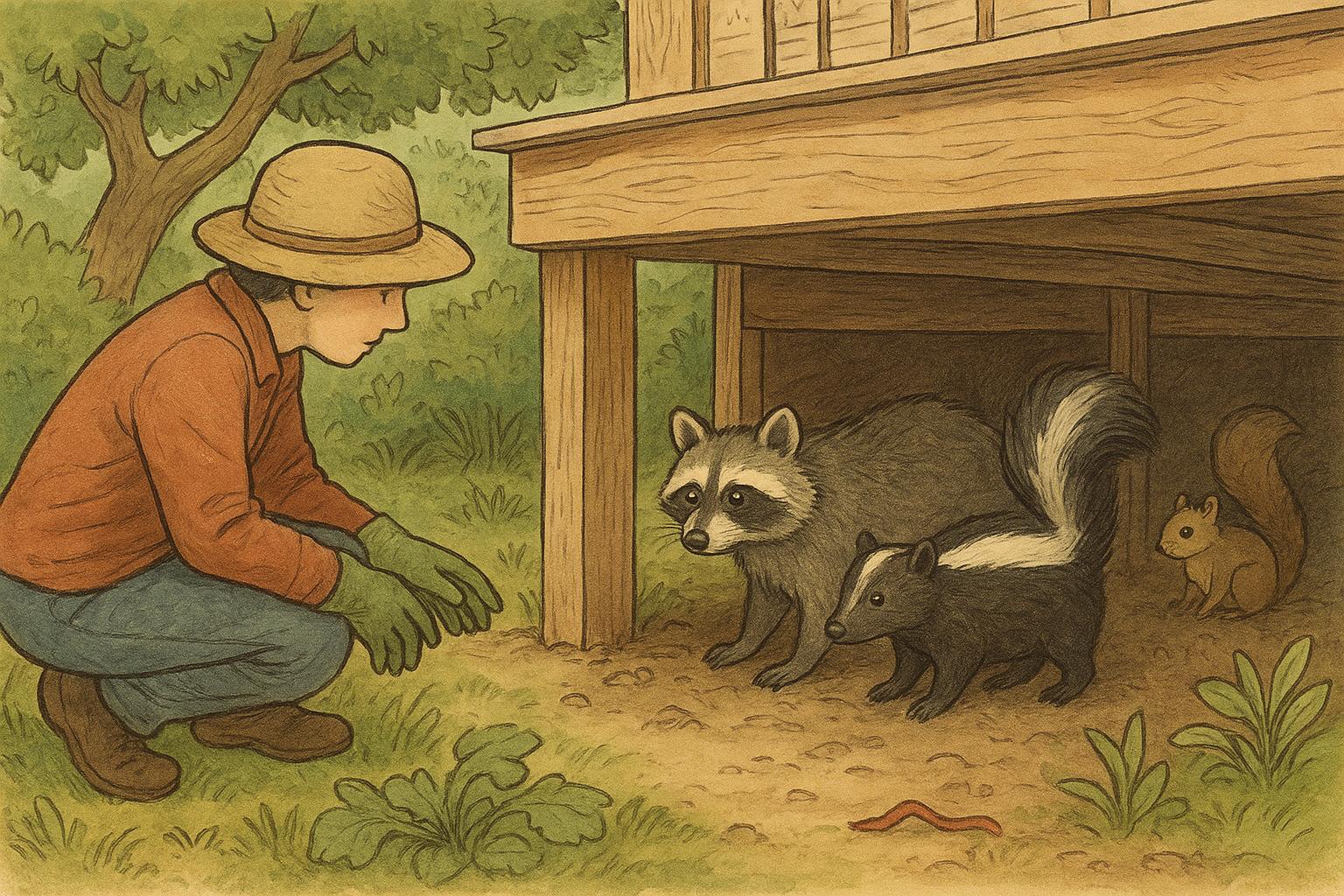
Most of the time, the band on your roof is made up of mammals and birds rather than ghosts. Raccoons, squirrels, opossums, rats, and birds are the usual suspects. Each creates a distinct signature of sounds: tiny scratching, heavy thumps, scurrying that travels across rafters, or repeated knocking. Those roof noises are not just annoying — they can signal entry points, nesting, or more serious damage.
#### Raccoon Racket
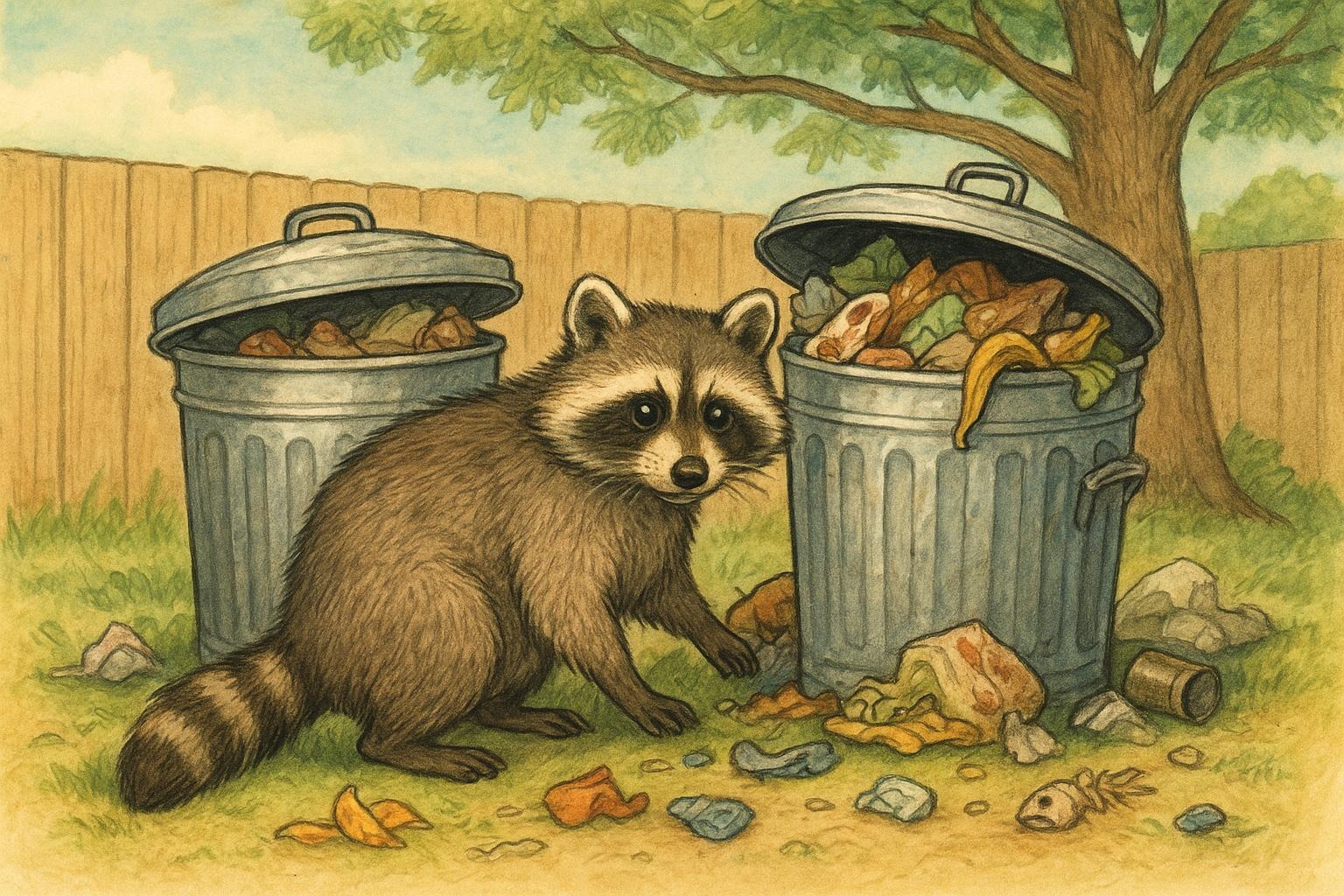
Raccoons are nimble and surprisingly heavy for their size. They can walk along rooflines and use chimney caps and vents to gain access. Late-night thumps, dragging sounds, or guttural chittering often point to raccoons.
#### Squirrel Samba
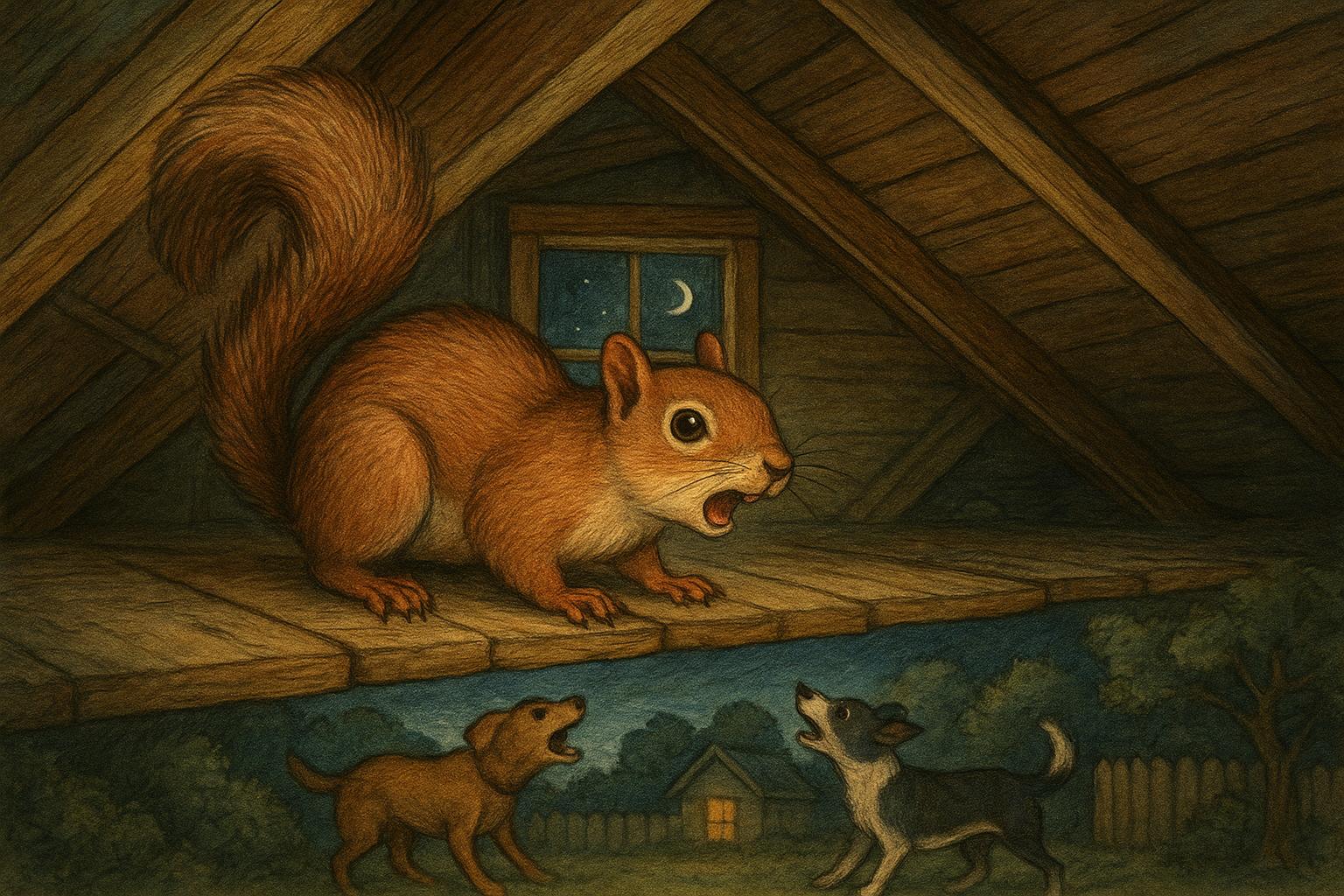
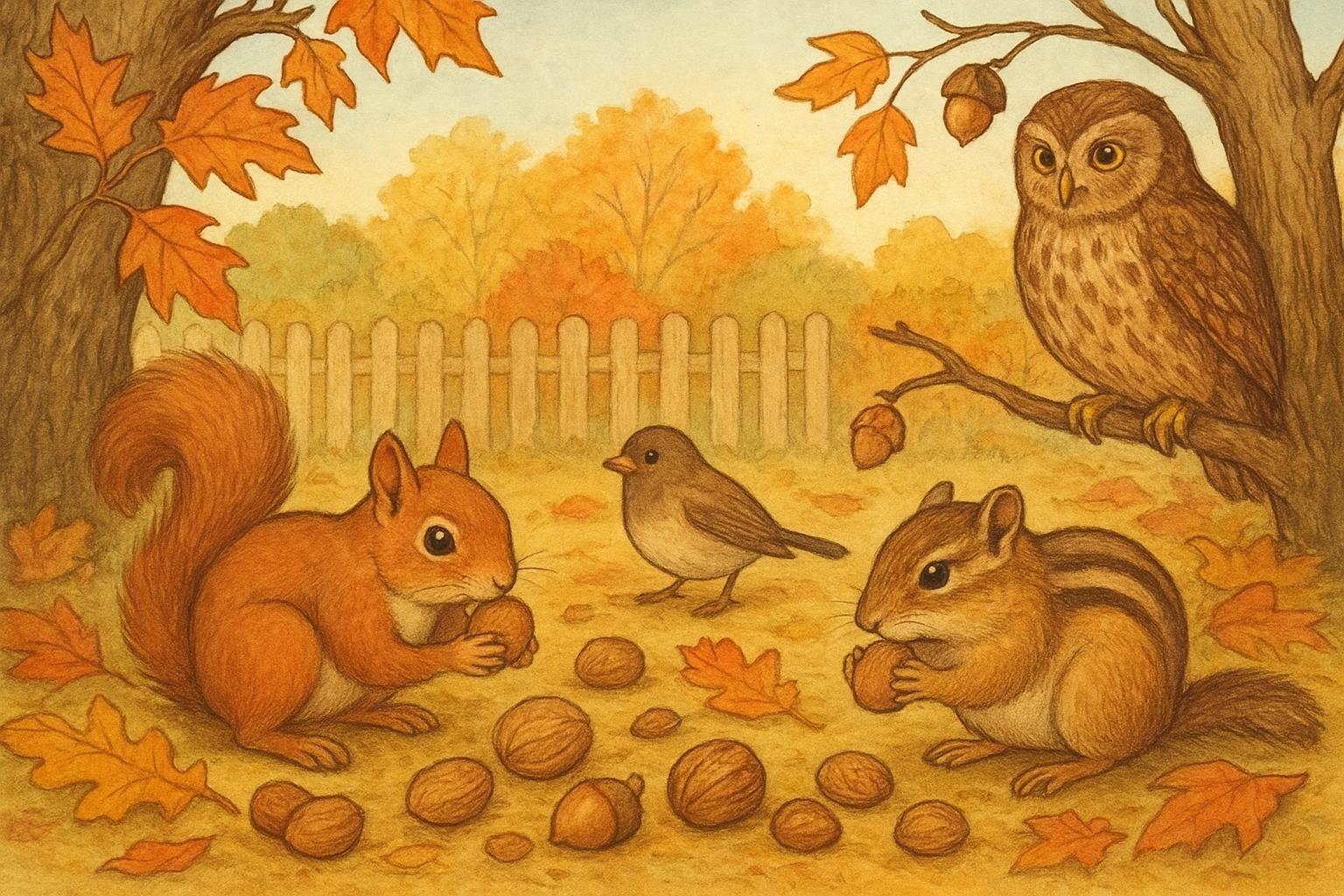
Squirrels are acrobatic and fast. Scrabbling, light thumps, and quick runs that dart across the surface are typical squirrel behavior. They may shred shingles or chew vents to create access.
#### Bird Beats
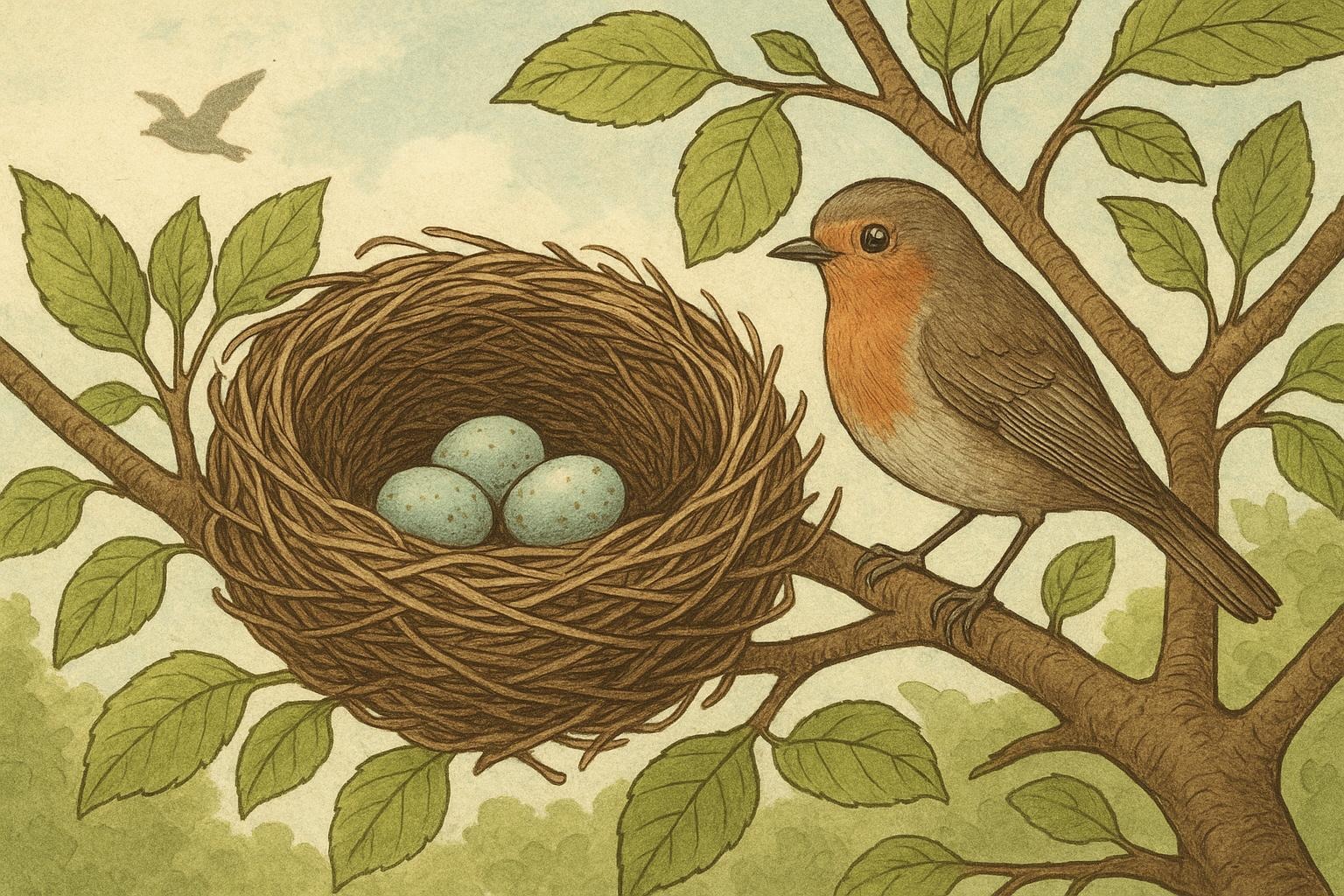
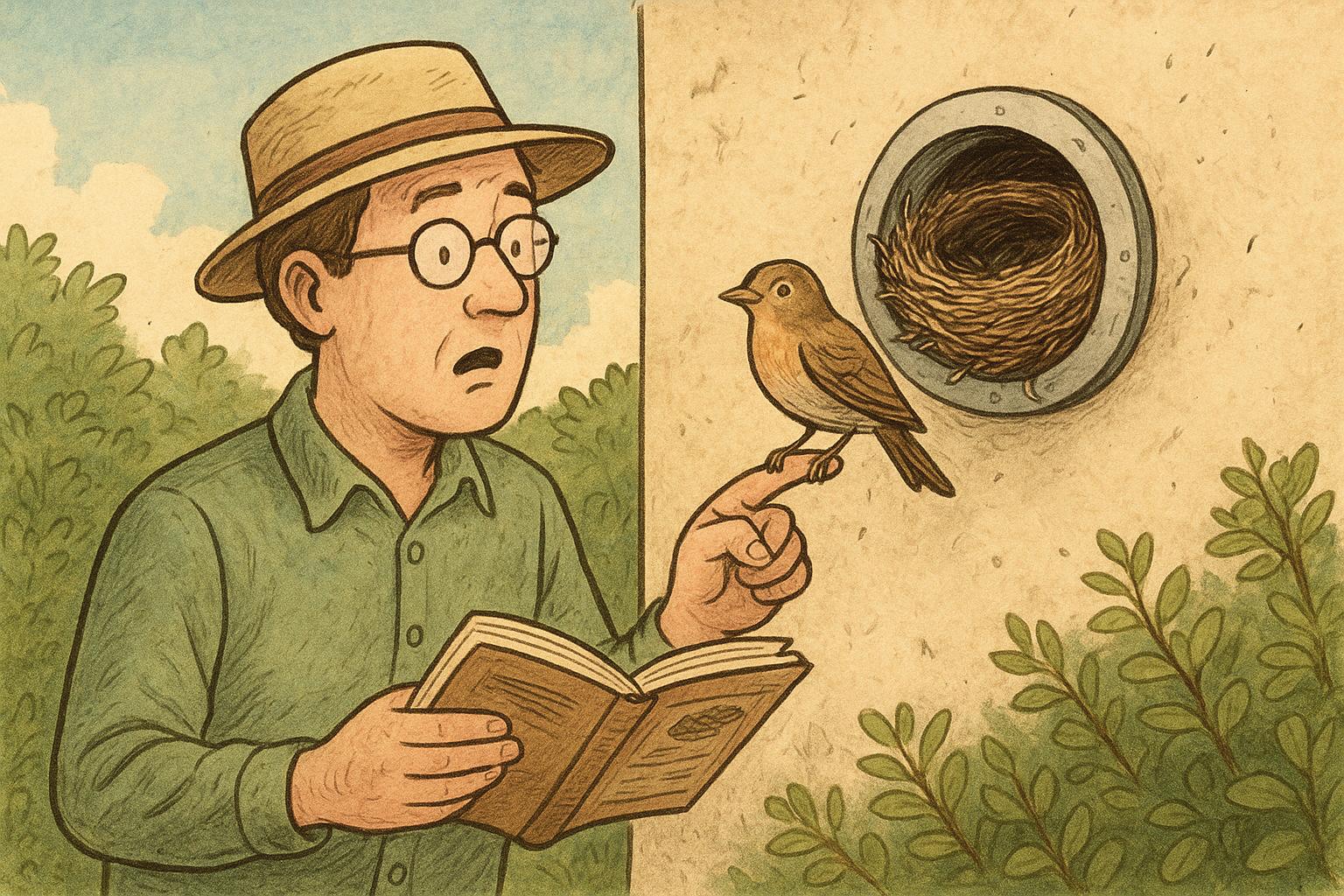
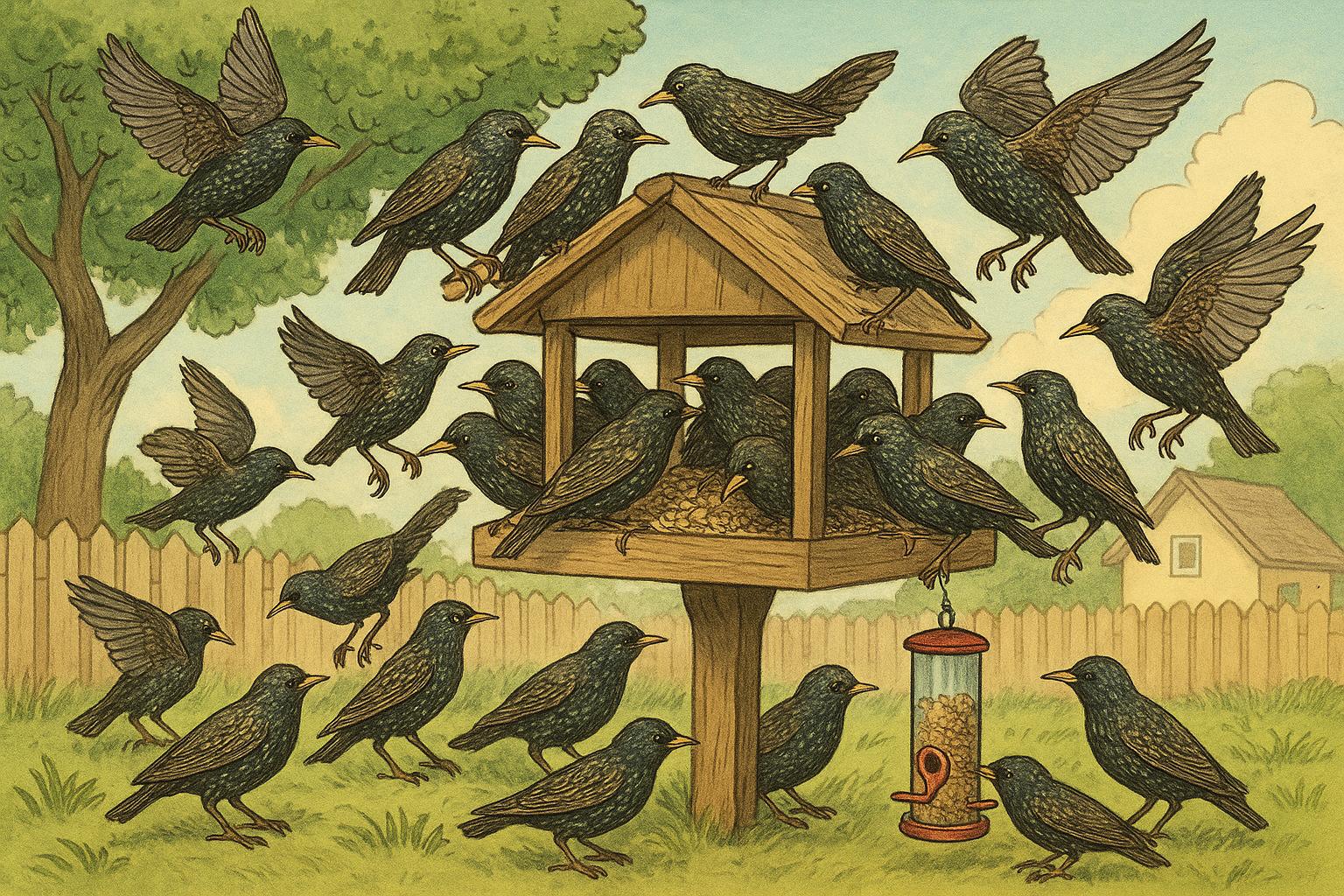
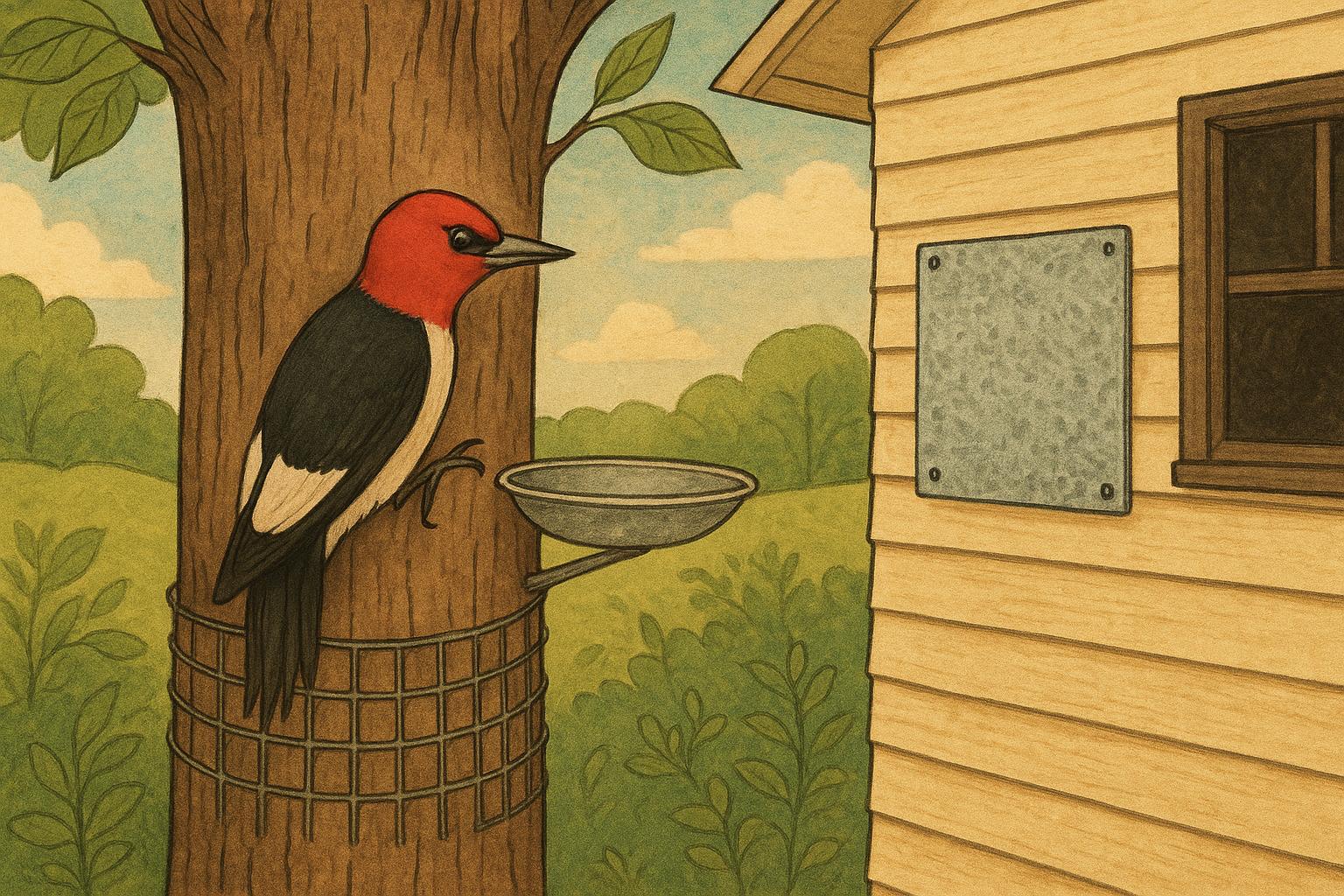
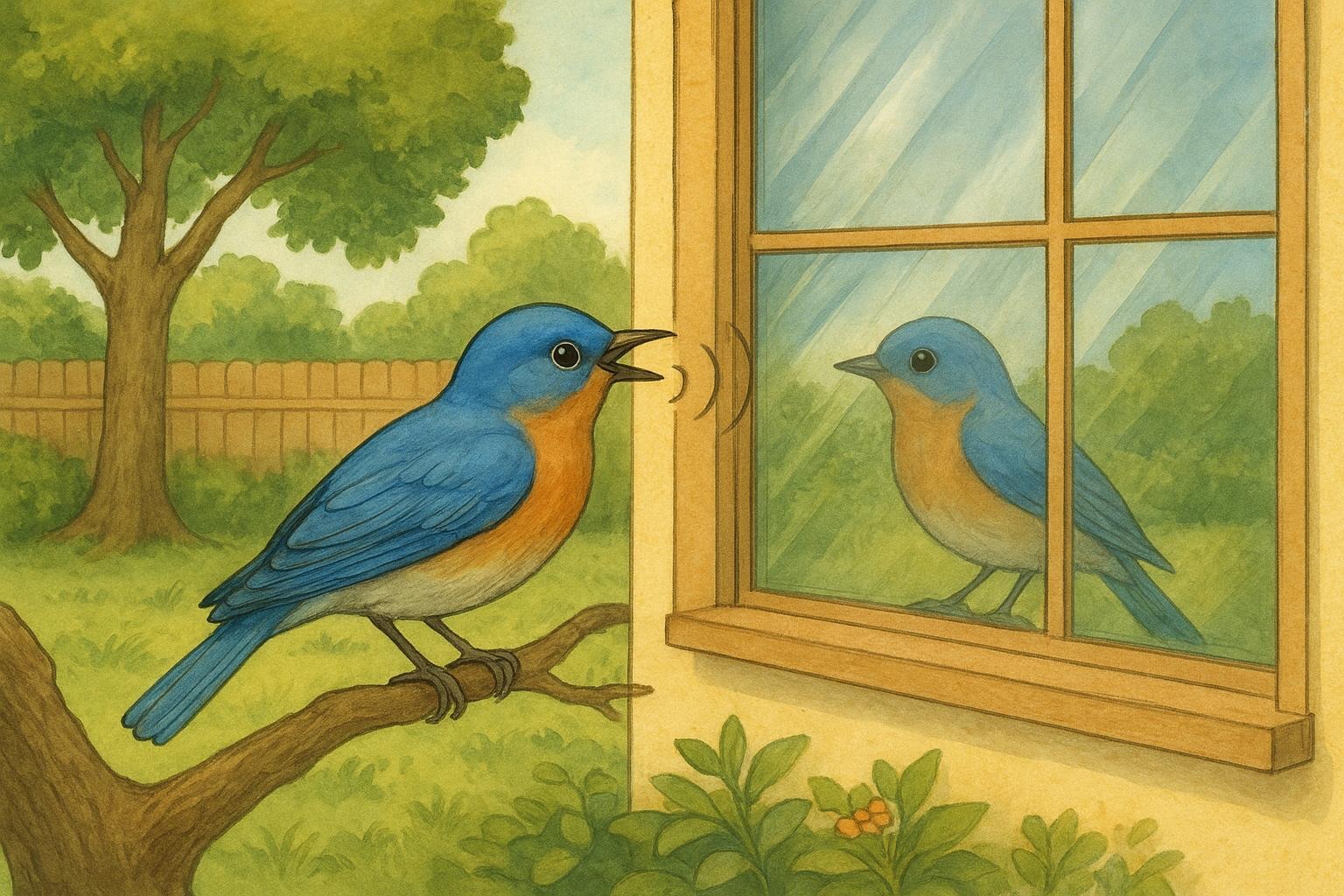
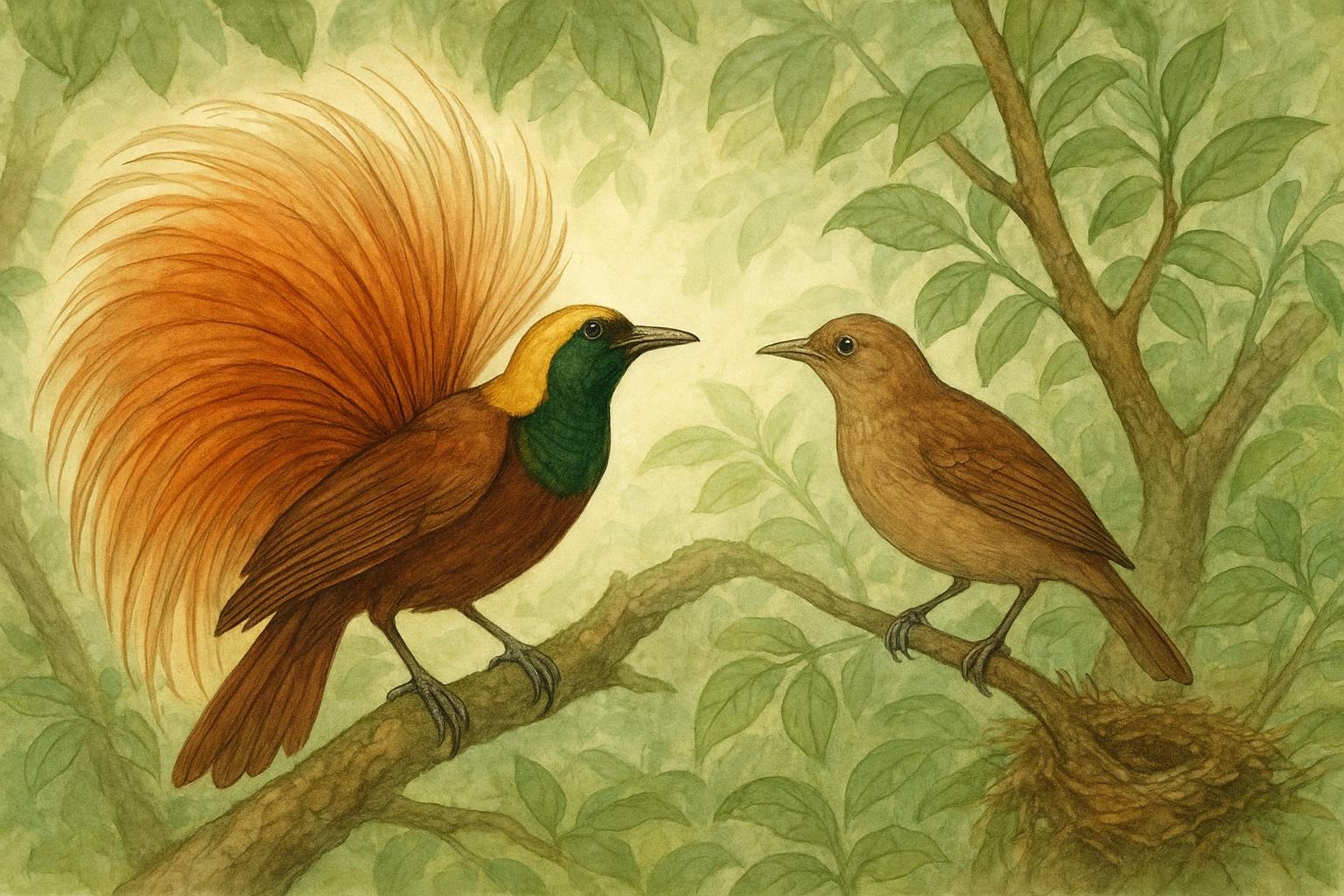
Pigeons, starlings and owls might be the culprits for repetitive pecking or high-pitched fluttering. Bird nests in eaves and gutters can cause both noise and drainage issues.
#### Rodent Rustle
Rats and mice produce scratchy, continuous movement sounds, often smaller but more persistent. They can gnaw through soft materials and create nesting inside attics, which amplifies the noise.
### When Roof Noises Signal An Urgent Problem
Not all roof noises are created equal. Occasional scuffles might be a passing skunk or opossum, but persistent, increasing, or heavy-impact sounds deserve quicker action. If you hear noises during daylight too, that suggests active nests, breeding, or a dense population. Water stains on ceilings, missing insulation, or visible droppings are red flags indicating entry into living spaces.
### How To Diagnose The Source (Without Becoming A Night Surveillance Pro)
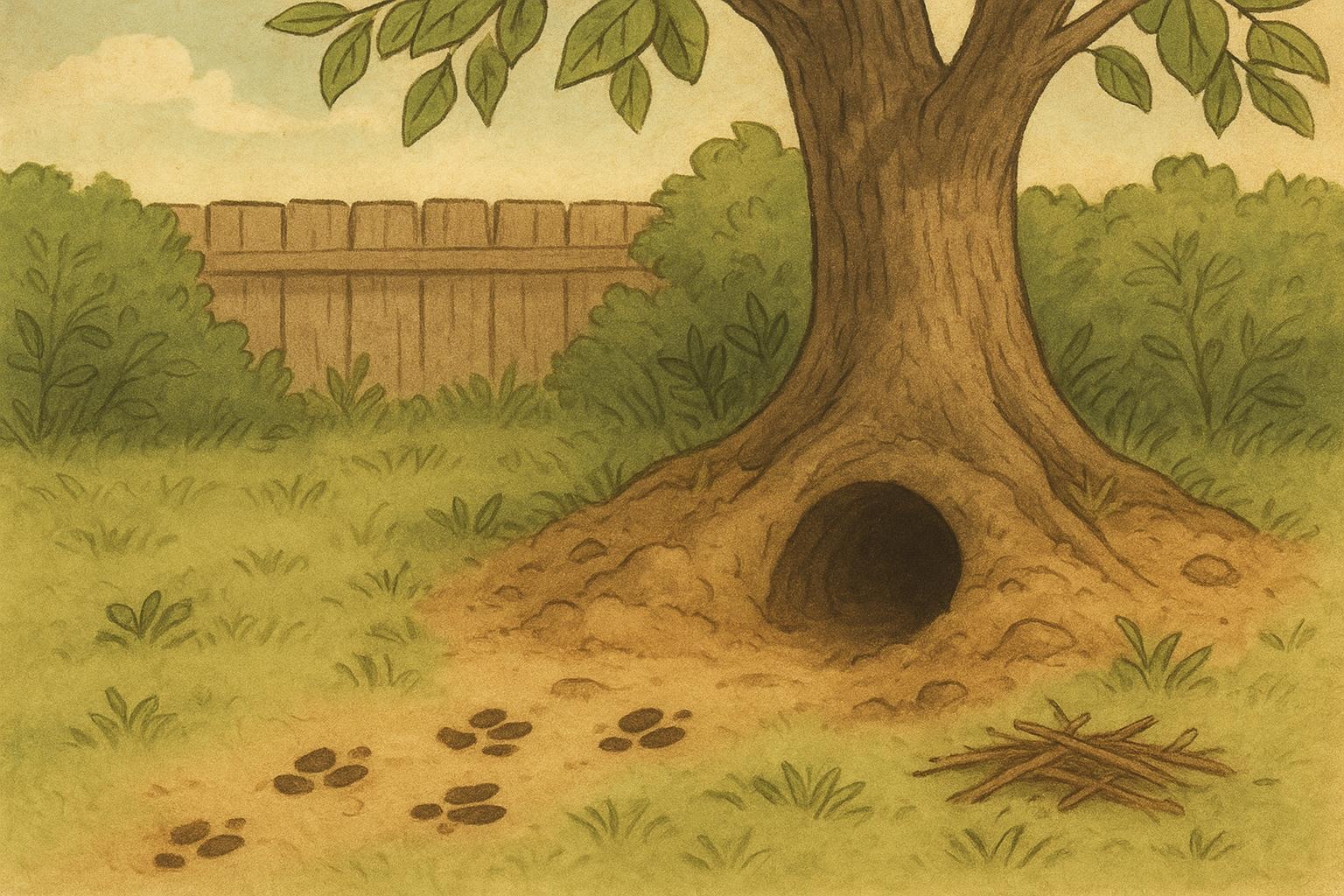
First, record when the sound happens (time of night, weather conditions, season). Second, go outside with a flashlight and binoculars shortly after dusk — though do not surprise a raccoon at its den. Third, look for physical signs: droppings, tracks, chew marks, displaced shingles, or torn vents. A camera set to motion-trigged recording can be useful. Note: avoid poking at suspected entry points with bare hands — animals can be dangerous if cornered.
## Remedy 1: Install A Wildlife Exclusion Barrier
### Materials And Tools Required
– Heavy-gauge galvanized wire mesh (1/2″ hardware cloth)
– Sheet metal flashing (as needed)
– Stainless steel screws and washers
– Metal chimney cap or repair kit (if chimney is involved)
– Caulk rated for exterior use (silicone or polyurethane)
– Ladder, work gloves, safety glasses
– Tin snips, drill/driver, measuring tape
– Flashlight or headlamp
### Step-By-Step Creation And Application
1. Inspect and Map: Conduct a thorough exterior inspection to identify all potential entry points: eaves, vents, soffits, ridge caps, chimneys, and fascia. Note each location and measure openings.
2. Prepare Materials: Cut hardware cloth and flashing to sizes that will fully cover gaps with at least a 2-inch overlap onto solid roof or framing. Use galvanized or stainless materials to resist corrosion.
3. Secure Vents And Soffits: For vent openings, fasten hardware cloth to the vent frame with screws and washers. Use flashing to direct water away from the edge. Seal edges with exterior-grade caulk for a weather-tight fit.
4. Install Chimney Protection: Replace or install a heavy-duty chimney cap designed to exclude wildlife. Secure flashing around the base and caulk to ensure a continuous seal.
5. Close Gaps At Eaves And Fascia: Fasten hardware cloth from the fascia onto the underside of rafters and along the attic vents. Trim and tuck to prevent any gaps that clever animals could exploit.
6. Reinforce Ridge And Gable Vents: If ridge vents are compromised, consider replacing them with models that include fine mesh and a solid outer cap. Fasten and seal per manufacturer specifications.
7. Final Check And Test: After installation, run a final inspection. Wait for a night or two to monitor. If noises persist, re-evaluate the site for missed openings or consider professional inspection.
Please follow all safety protocols when working on ladders or rooftops. If you are not comfortable performing these tasks, hire a licensed contractor. A professionally installed exclusion barrier should be tight enough to prevent re-entry but constructed to avoid harming wildlife — exclusion is about humane removal and prevention, not trapping animals in place.
## Remedy 2: Professional Inspection, Repair, And Attic Remediation
### Materials And Preparation Required
– Professional inspection report (from a licensed wildlife control or roofing contractor)
– Replacement roofing materials as recommended (shingles, flashing, vent covers)
– Insulation and attic-cleanup supplies (gloves, masks, HEPA-rated vacuums)
– Pest-proofing products (heavy-gauge mesh, animal-proof vent covers)
– Repair crew and necessary safety equipment
### Step-By-Step Professional Process
1. Contract A Licensed Professional: Hire a wildlife removal specialist or roofing contractor experienced in humane exclusion and structural repair. Ensure proper licensing and insurance. Request a detailed written assessment.
2. Conduct A Full Inspection: The professional will perform a thorough exterior and interior evaluation, including attic space, roofline, vents, chimney, and soffits, to locate all points of entry and damage.
3. Implement Safe Eviction (If Necessary): If an active animal occupies the structure, professionals will use humane eviction techniques timed appropriately (not during birthing seasons for the species involved). They may install one-way doors where appropriate to allow animals to leave but not re-enter.
4. Repair Structural Damage: Replace or repair damaged roofing, flashing, vents, and eaves. Ensure that all repairs meet local building codes and manufacturer recommendations to prevent leaks and future access.
5. Sanitize And Insulate: Remove contaminated insulation, droppings, and nesting materials using proper PPE and HEPA filtration. Replace insulation to restore thermal performance and reduce odors that attract pests.
6. Install Long-Term Exclusion Systems: Use heavy-gauge mesh, metal flashing, and animal-proof vent covers as permanent deterrents. Professionals should seal all gaps and make recommendations for landscape adjustments that reduce roof access.
7. Follow-Up Monitoring: Schedule a follow-up visit to confirm the issue is resolved and to inspect for new signs of activity.
This professional approach is more formal and comprehensive, aimed at ensuring safety, code compliance, and long-term resolution. Expect clear documentation, warranty coverage for workmanship, and a timeline for remediation.
### Preventive Steps You Can Take Tonight
– Trim tree branches that overhang or touch your roof; many animals use these as bridges.
– Secure pet food and garbage — scent attracts wildlife.
– Install motion-activated lights near vulnerable areas; many animals prefer dark corridors.
– Keep gutters clean; debris can support nests and mask entry points.
### Legal And Ethical Considerations For Wildlife On Roofs
Laws vary by region. Some species (e.g., certain birds, bats) are protected, and removal requires permits. Avoid lethal control and unlicensed trapping; these actions can be illegal and inhumane. When in doubt, consult local wildlife authorities or a licensed wildlife control operator.
### When To Call For Help
If you hear persistent, escalating roof noises; find multiple entry points; discover droppings inside attic spaces; or if you suspect an aggressive animal, call a professional. Structural damage and health risks from droppings and parasites make prompt, professional action the responsible choice when DIY isn’t enough.
If you’re still awake because your roof has turned into a nocturnal nightclub, remember that most problems are solvable. With careful inspection, humane exclusion, and proper repairs, those roof noises can go from all-night opera back to quiet background static — the kind that lets you sleep through the encore.

Leave a Reply