
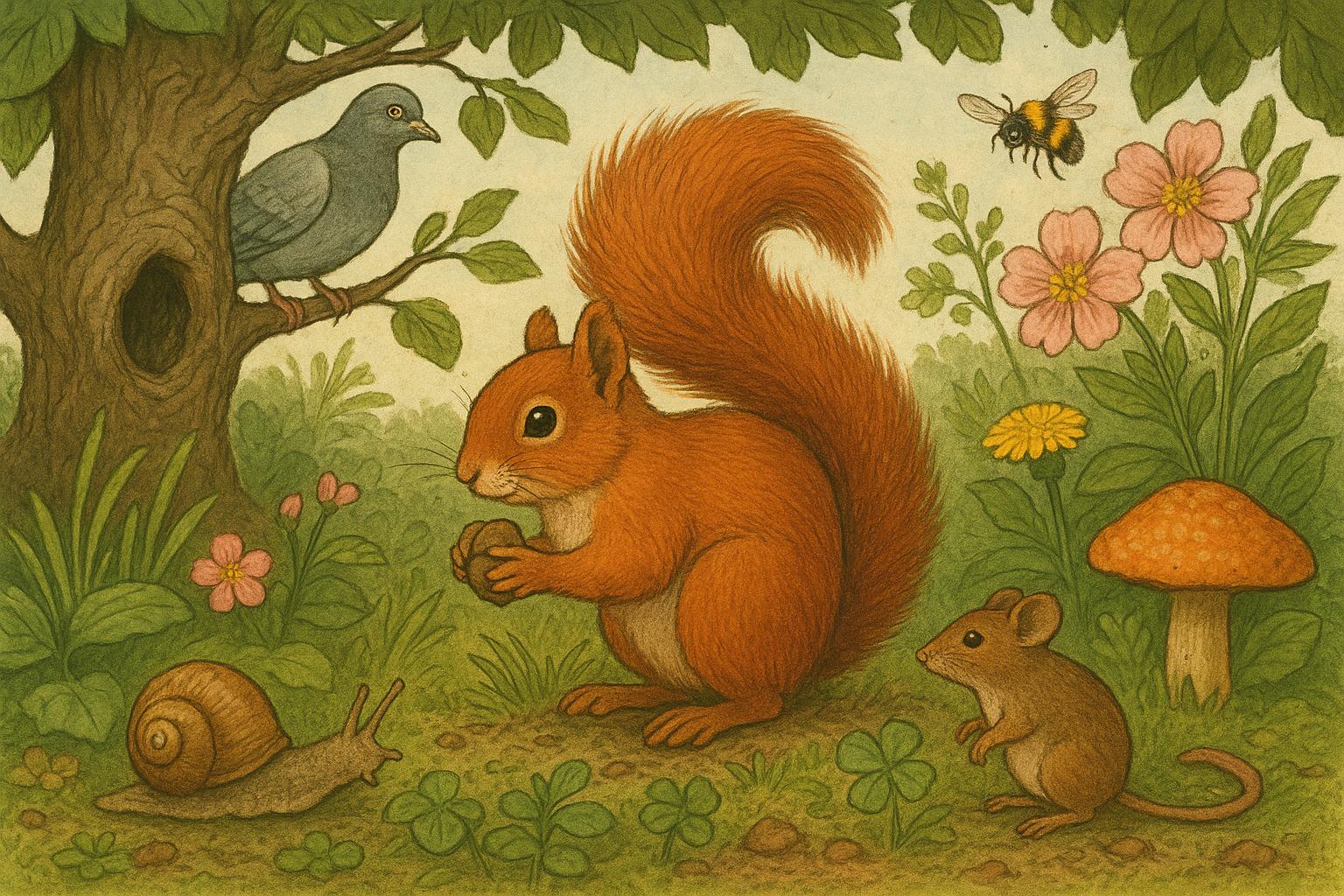
If you’ve ever stood at your kitchen window with a mug of something warm and wondered who’s rearranging your bird feeder while you sleep, you’re in good company. Backyard wildlife can feel like a living, breathing sitcom — and the cast member that often steals the show is the squirrel. They’re audacious, acrobatic, baffling, and oddly charming. This article peels back some of those gray-and-red mysteries to help you understand what’s happening in your own garden and what practical, humane steps you can take to live—and garden—better together.
## Mysteries Of Backyard Squirrels Revealed In Your Garden
Watching backyard squirrels is like tuning into a wildlife documentary filmed just beyond your patio. They aren’t just entertaining; their behaviors tell a story about food, territory, parenting and seasons. Let’s unpack the most common mysteries and what they mean for your yard.
### Why Do They Seem So Bold?
Squirrels that appear fearless usually aren’t trying to be rude. Urban and suburban backyard squirrels get habituated to people because food sources are predictable—feeders, compost, pet food. Over time, lacking fear of humans becomes an advantage: bold squirrels access easy calories and increased survival.
#### Body Language And Signals
A flicking tail, crouched posture, or loud chatter all convey different things: annoyance, alarm, or a territorial warning. Learning a few of these signals helps you interpret whether a squirrel is curious, defensive, or simply on a foraging spree.
### Caching: The Great Nut Scam
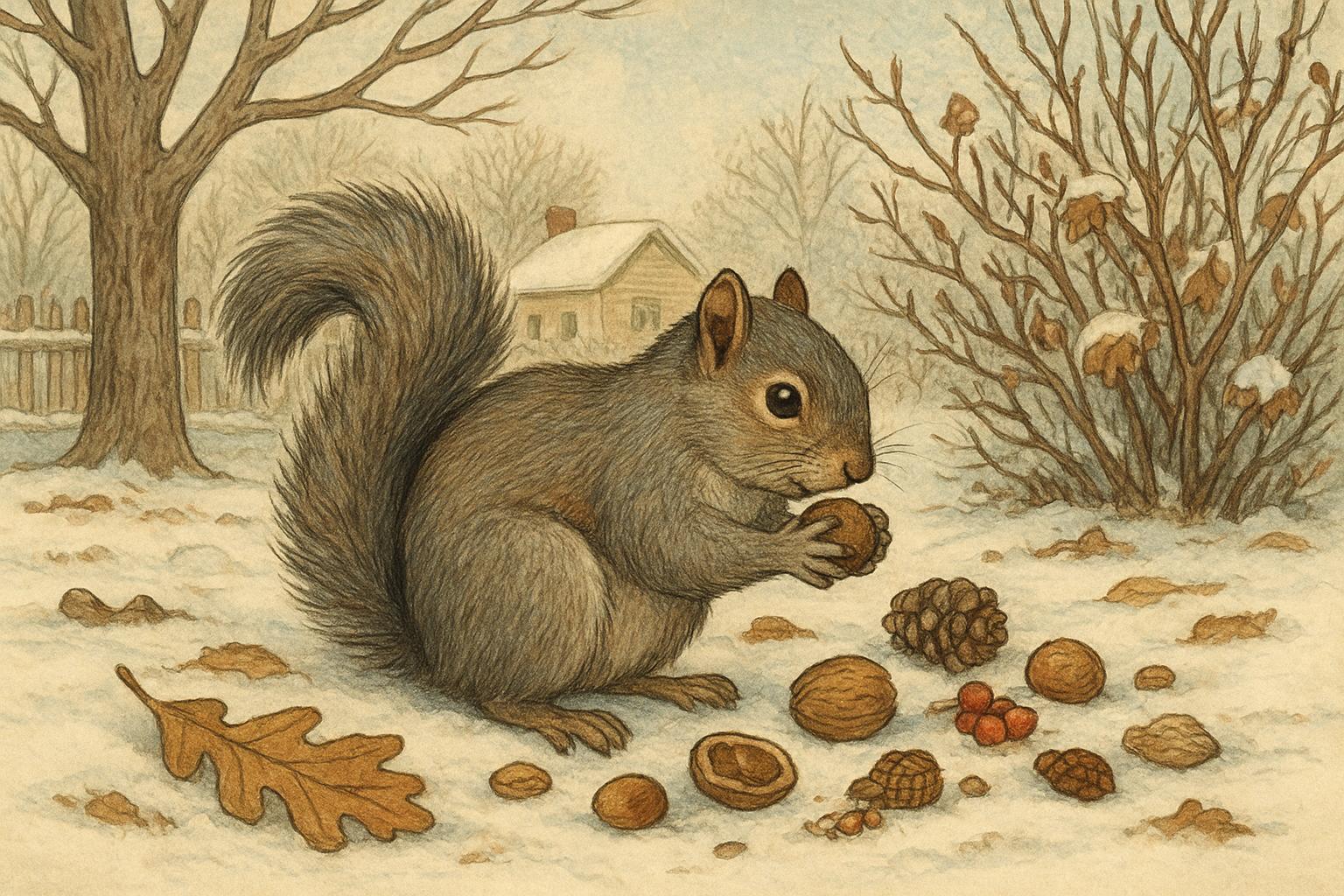
Squirrels bury (or “cache”) food to buffer against lean times. What looks like forgetfulness is actually strategic scatter-hoarding. They remember general locations and use scent, visual landmarks, and even memory to recover caches. Many seeds that end up growing into trees began as a squirrel’s forgotten lunch—so backyard squirrels can be surprisingly good horticulturalists.
### Why Do They Raid Bird Feeders?
Bird feeders are like fast-food joints from a squirrel’s perspective. If you want to keep birds happy without feeding the local squirrel circus, you’ll need to get strategic about feeder design, placement, and food type.
### The Drama Of Mating Season
Squirrel courtship is a noisy, frantic episode. Multiple males may pursue a single female, and the commotion you hear in spring comes from mating chases, territorial disputes, and a lot of squirrel gossip. Pups are usually born in late spring and summer, explaining the increased activity in those months.
### Predators, Pests, And Health Concerns
Backyard squirrels face hawks, owls, coyotes, and domestic pets. They can also carry ticks and occasionally transmit parasites or diseases; however, direct transmission to humans is uncommon if typical hygiene practices are observed. It’s wise to be cautious around animals that appear sick or unusually tame.
### When Squirrels Become A Nuisance
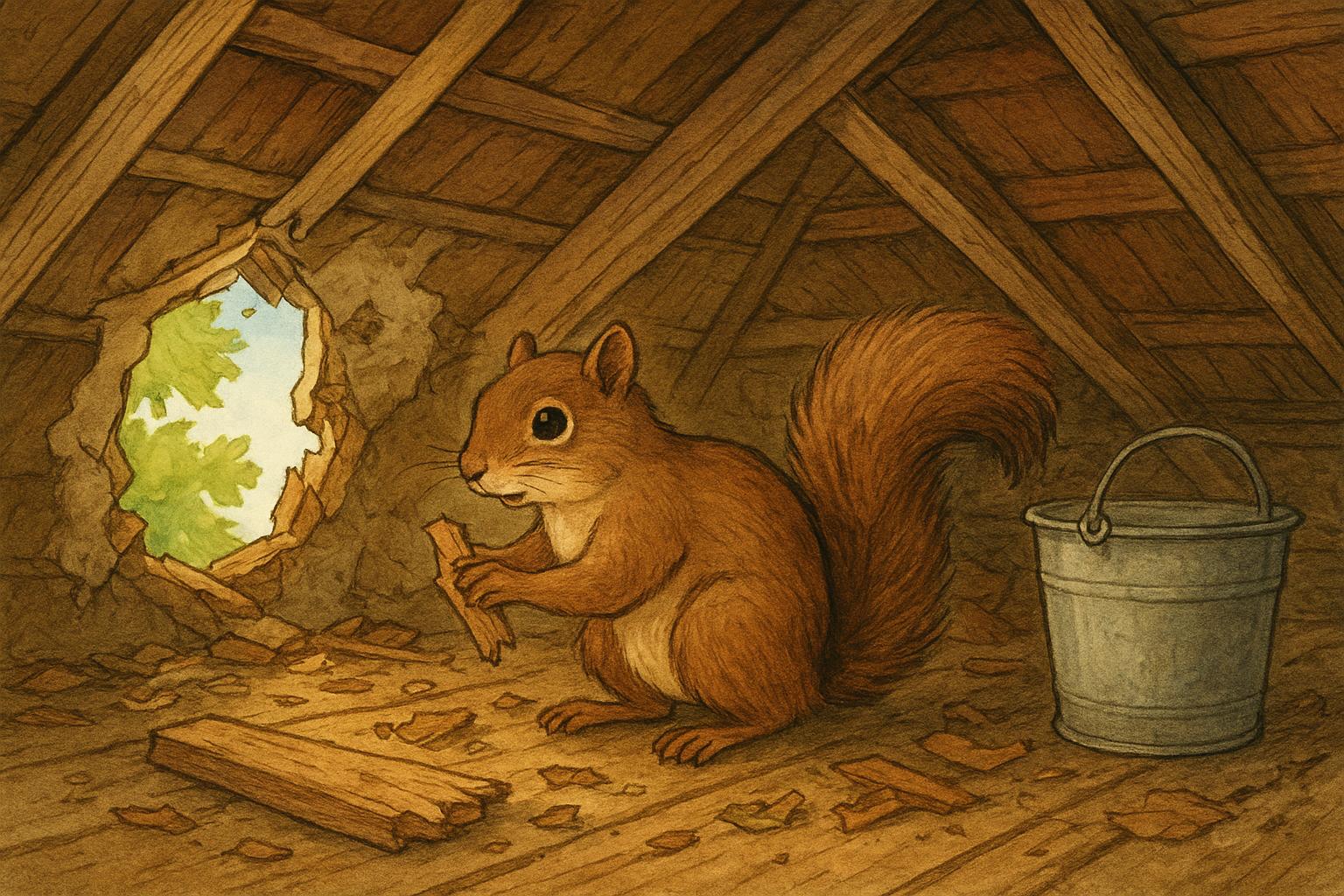
Nuisance behaviors include chewing on wiring or wood, denning in attics or sheds, and excessive raiding of feeders and gardens. Before escalating to extreme measures, consider humane deterrents and habitat modification to reduce conflict.
## 1. Humane Repellent Barrier For Feeders And Plants
This remedy is practical, low-risk, and focused on deterring squirrels without harm. The following materials and steps are precise and intended for safe, repeatable application.
Materials/Required Items:
– Sturdy metal or polycarbonate baffle for pole-mounted feeders, or a dome-style feeder baffle
– Bird feeders with weight-sensitive perches or cages (if feeder-specific)
– Hardware cloth (1/2-inch mesh) or galvanized wire for small garden enclosures
– Zip ties, stainless steel screws, and mounting brackets
– Gloves, safety glasses, and basic hand tools (drill, screwdriver, wire cutters)
– Optional: cayenne powder or commercial squirrel repellent spray (for surface application only; follow manufacturer instructions)
Step-By-Step Creation And Application:
1. Select Appropriate Baffle: Choose a dome (above feeder) or a conical baffle (below feeder) designed to prevent climbing and jumping access. Ensure diameter is larger than the feeder height to prevent leverage.
2. Install Baffle Correctly: Mount the baffle at a height of 1–1.5 feet above the feeder on a pole or place the dome at least 4–5 feet above ground and 6–8 feet from launching points (trees, fences). Fasten securely with brackets or stainless screws.
3. Convert Feeders To Squirrel-Resistant Models: Replace open perches with weight-sensitive feeders that close when a heavier animal (like a squirrel) lands. Follow manufacturer’s assembly and mounting instructions closely.
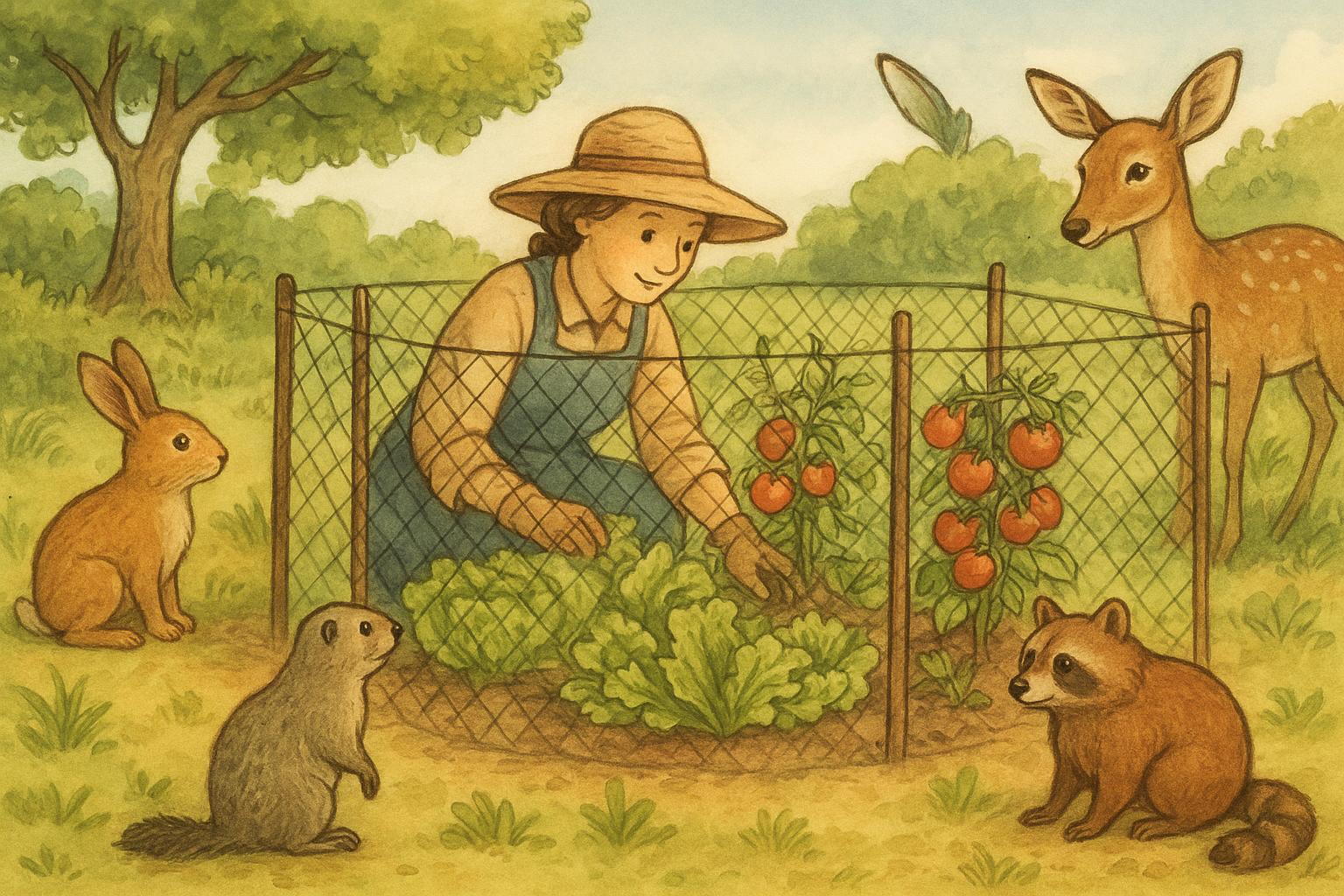
4. Protect Garden Plants: Construct short enclosures using hardware cloth. Dig a shallow trench and bury edges 4–6 inches to prevent burrowing. Secure with zip ties and fasten to stakes.
5. Apply Taste Deterrents (Optional): Lightly dust ground-level seed spillage areas with a safe, registered squirrel repellent or cayenne powder (avoid planting edible crops after application without washing). Follow label directions for concentration and reapplication interval.
6. Monitor And Adjust: Observe activity for two weeks. If squirrels find alternate access points (trees overhanging feeders, fence jumps), increase distance or add tree-trunk baffles. Document caching or chewing behavior to tailor defensive measures.
## 2. Squirrel-Friendly Feeding Station To Redirect Behavior
If coexistence is your goal, provide an alternative that keeps squirrels occupied and away from delicate plants or bird feeders. This remedy is intended to redirect rather than repel.
Materials/Required Items:
– Squirrel feeder (large platform or hopper feeder)
– Mixed nuts in shell (e.g., walnuts, hazelnuts) and unsalted seeds
– Hanging hardware or a dedicated pole away from trees/structures
– Small platform or shelf installed near a visual screening (to reduce human disturbance)
– Gloves and basic tools (drill, measuring tape, pliers)
Step-By-Step Creation And Application:
1. Choose Location Carefully: Install the squirrel feeder at least 10–12 feet from bird feeders and launching structures. This distance reduces the likelihood they’ll use it as a staging area for bird-feeder raids.
2. Assemble Feeder: Mount the platform or hopper securely, ensuring it can hold the weight of several squirrels at once. Attach using stainless steel screws and brackets for stability.
3. Stock With Appropriate Food: Offer whole shelled nuts and large seeds that squirrels must work to access. This engages their natural foraging skills and reduces interest in easily available birdseed blends.
4. Maintain Regular Cleaning: Clean the feeder at least once every two weeks to prevent mold or disease. Remove uneaten, moldy food immediately.
5. Evaluate Behavioral Changes: After introducing the feeding station, monitor the use. If squirrels consistently favor it, gradually reduce the amount you leave around other feeders. If not, adjust food types or placement.
### Legal And Ethical Considerations
Be aware local ordinances may restrict feeding wildlife in certain areas. Feeding can alter animal behavior and disease dynamics; therefore, use informed moderation and clean feeding practices. If animals exhibit signs of disease or severe aggression, contact local wildlife control or animal services to evaluate options.
### When To Seal Off Attic Or Shed Access
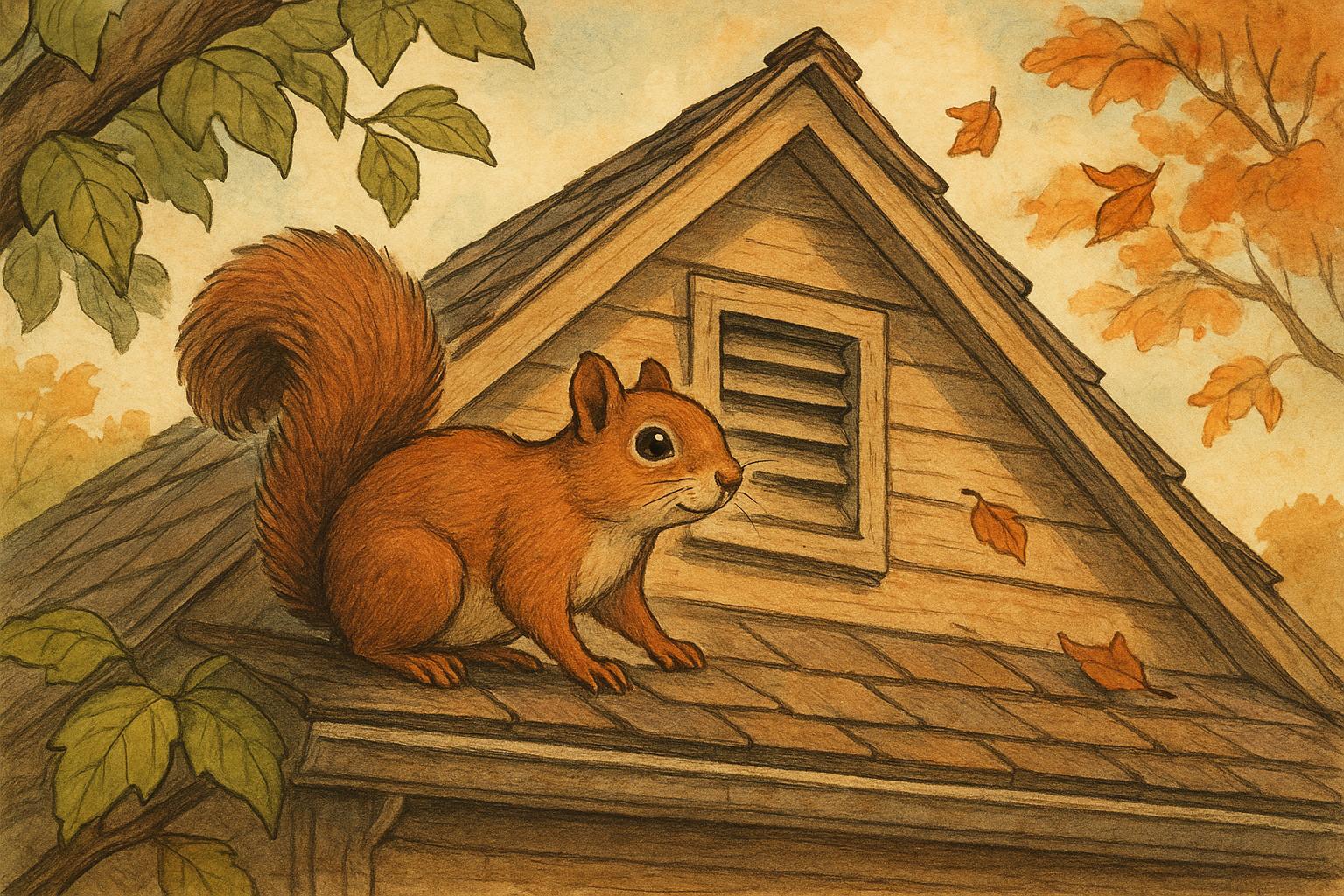
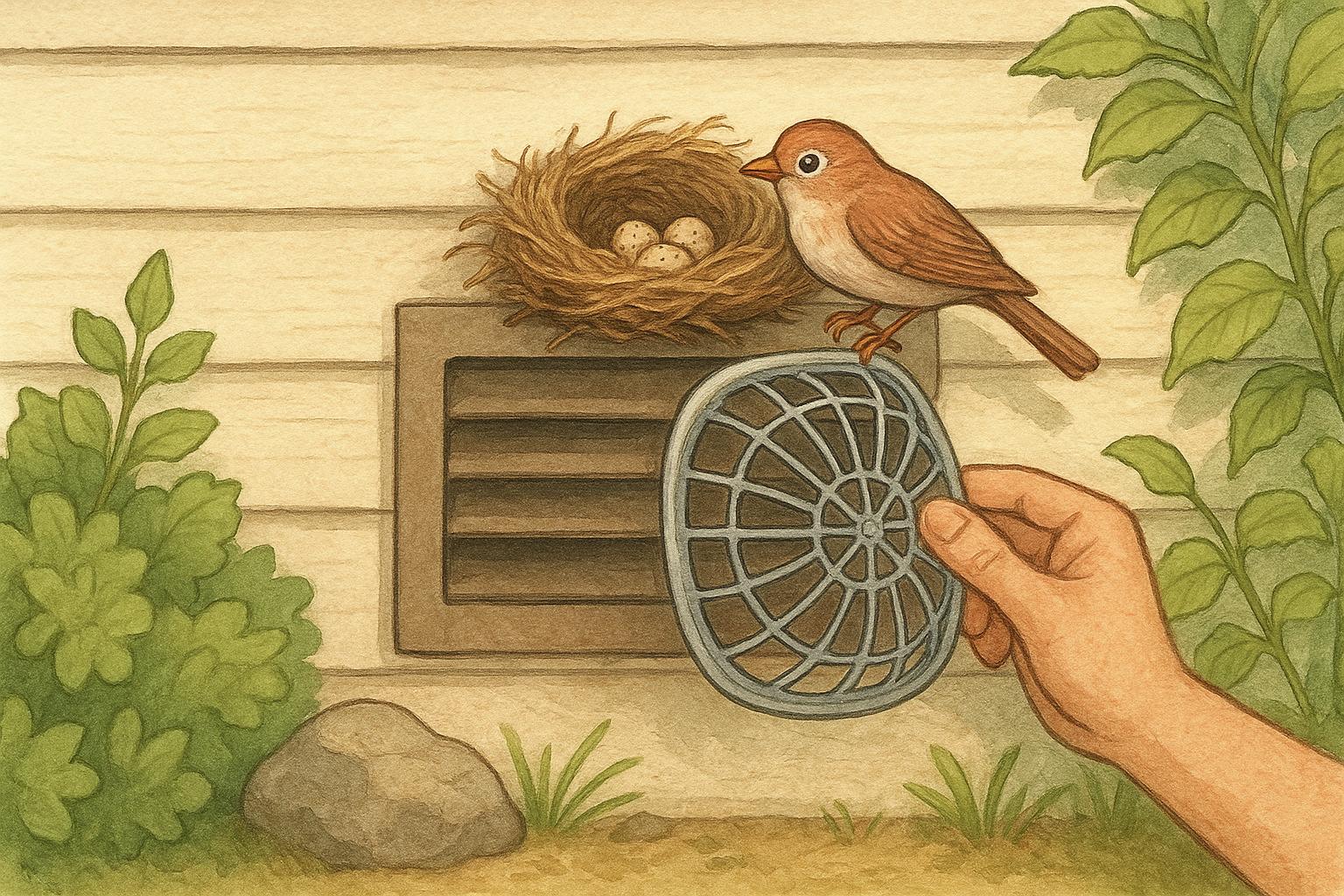
If squirrels have entered structural spaces, professional intervention is often required. Exclusion should be performed when pups are not present; otherwise, trapping and exclusion can cause juvenile abandonment. A licensed wildlife professional will inspect, remove animals humanely if necessary, and seal entry points with metal flashing or hardware cloth. Materials and techniques should meet building-code standards for animal exclusion.
### Encouraging Beneficial Interactions
Backyard squirrels contribute to seed dispersal and provide ecological benefits like supporting predator species. If you’re comfortable with a few visitors, adjust landscaping to include native nut- and seed-producing plants placed away from vulnerable areas. This approach supports biodiversity while keeping conflict low.
### Quick Tips For Peaceful Coexistence
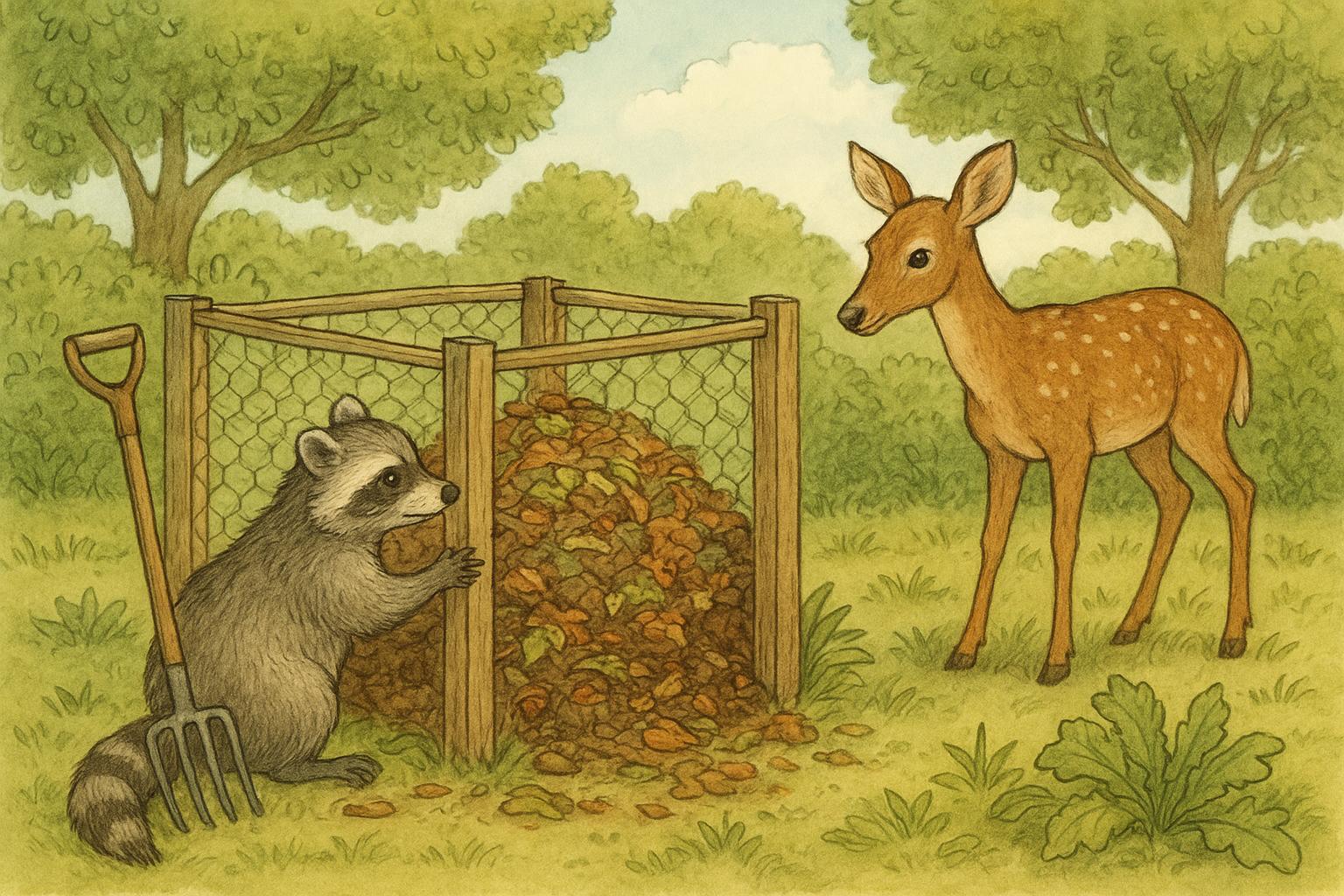
– Keep pet food indoors and secure compost bins to reduce attractants.
– Prune branches that overhang roofs or come within 8–10 feet of feeders.
– Rotate and clean bird feeders to discourage dependency and reduce disease risk.
– Use motion-activated lights or sprinklers in extreme cases, but apply these sparingly to avoid undue stress to wildlife.
Squirrels are part show, part neighborhood maintenance crew. With a blend of understanding, modest habitat adjustments, and humane remedies, you can enjoy their antics without letting them take over your garden. Embrace a few squirrel-imposed mysteries as part of backyard life—and if all else fails, remember: a misplaced acorn today could be the mighty oak of tomorrow.

Leave a Reply