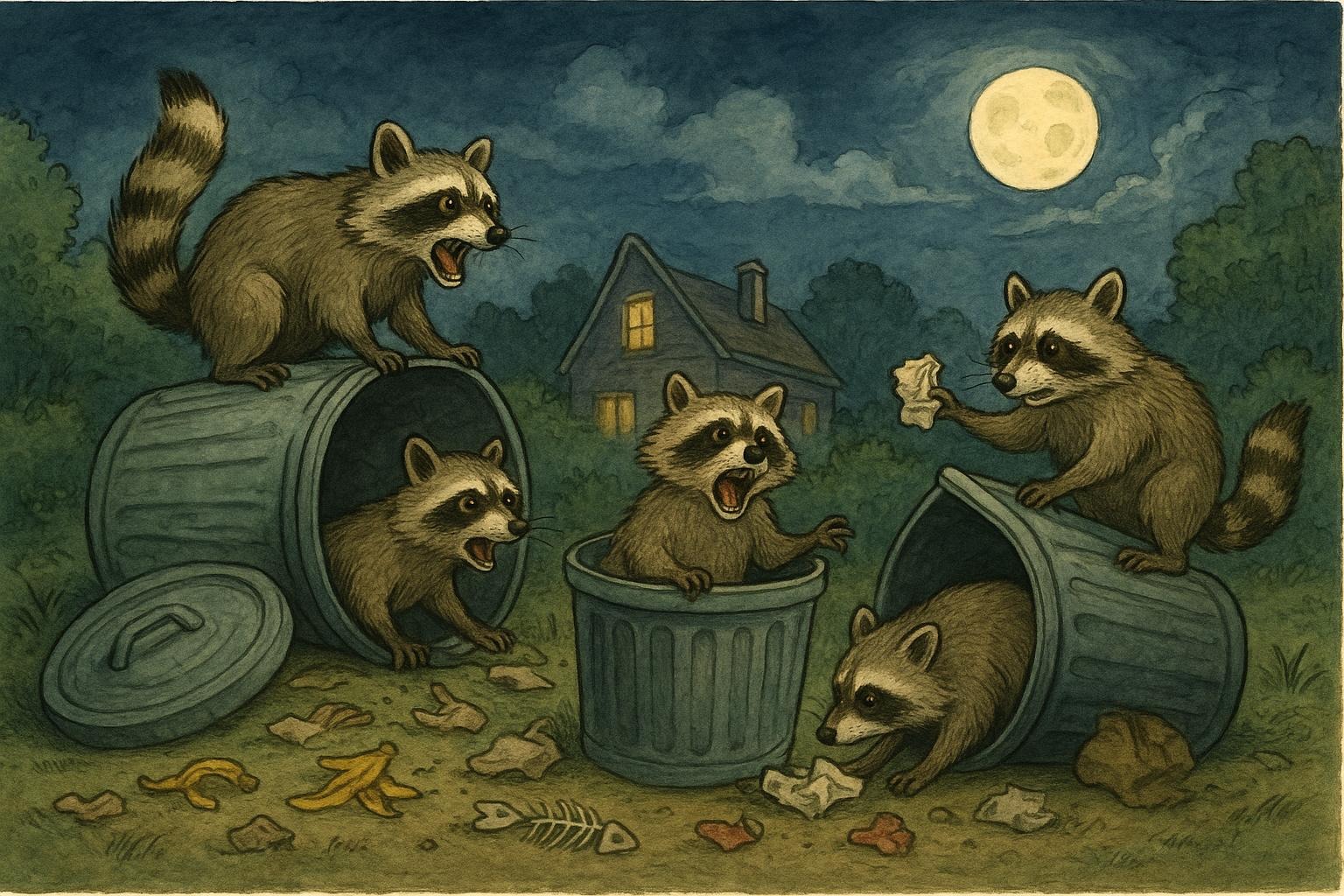
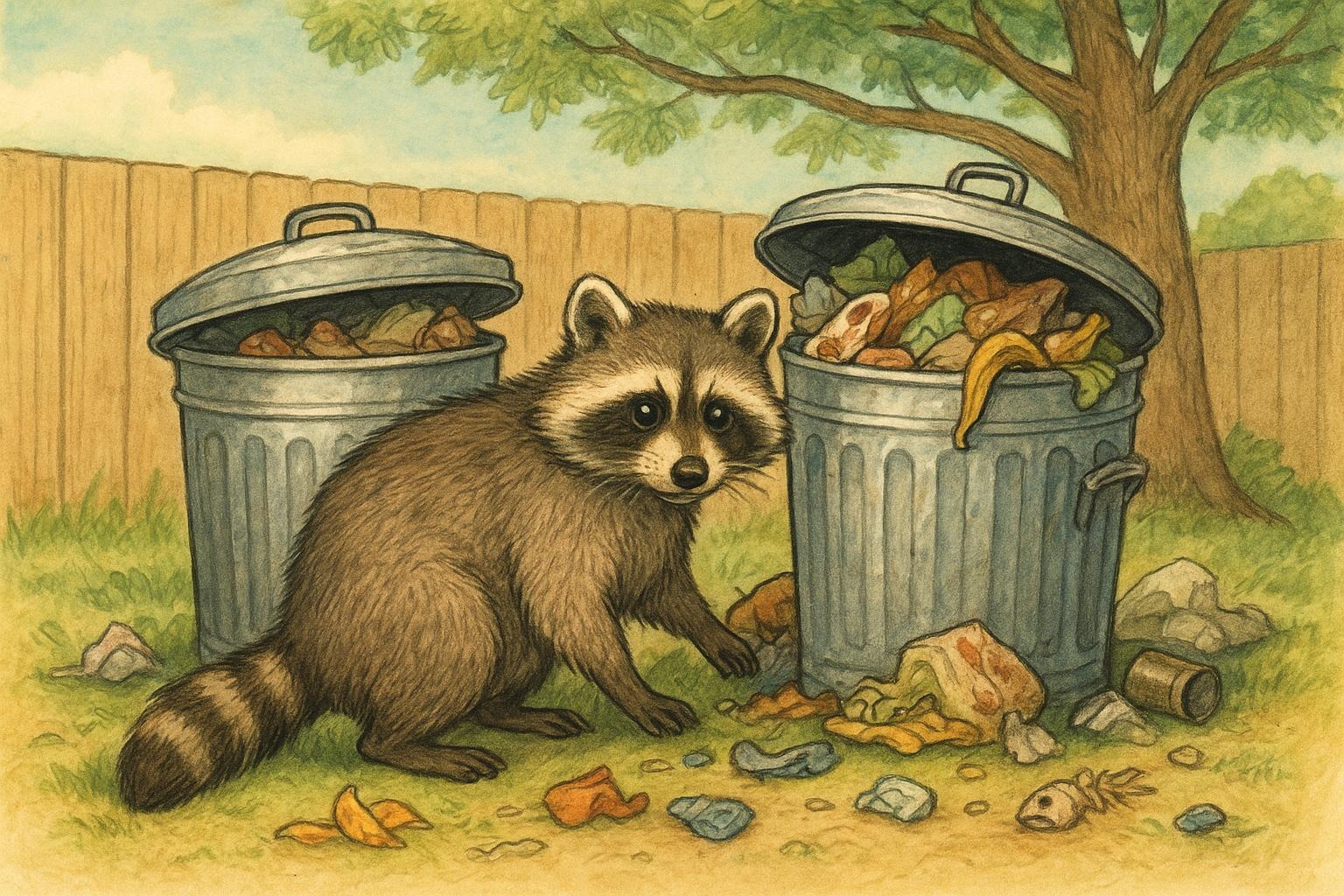
Last night, the neighborhood chorus switched from lawnmowers to something with nimble hands and a taste for leftovers: the unmistakable clatter of a trash can raid. If you woke to the shuffle of little bandit feet and a triumphant rustle of wrappers, you’re in good company. There’s a particular mix of annoyance and admiration that comes with watching a raccoon treat your garbage like an all-you-can-eat buffet.
## Raccoons In Trash: Why Tonight’s Raid Felt Like A Heist
Raccoons are clever, adaptable, and mostly nocturnal — which is why the scene in the alley looked less like wildlife and more like a tiny, masked heist. The core reasons they turn our curbside containers into treasure chests are simple: scent, access, and opportunity. Leftover pizza slices, compostable food bits, pet food left outdoors, and unsecured lids all send a dinner invitation that’s hard for them to resist.
Urban and suburban raccoons can learn routes and routines. When one discovers an easy food source, word spreads — through social cues and juvenile learning — and what looks like one-off chaos becomes a neighborhood habit. So if you’ve had repeated nights of raccoons in trash, it’s not random; it’s learned behavior reinforced by reward.
### Who Are The Nighttime Bandits
Raccoons are inquisitive and dexterous. Their front paws are sensitive and almost hand-like, making it easy to manipulate trash can lids, bags, and fasteners. They’re opportunistic omnivores, meaning they’ll eat just about anything palatable. When garbage smells like a smorgasbord, they come.
They’re also cautious and teachable. Once they figure out that a certain house or alley consistently yields food, they’ll return. A few things to keep in mind:
– Raccoons can open simple bungee-tied lids or loose snap latches.
– They often prefer cans where odors linger and where they can dig through soft-sided bags.
– Nighttime lighting, human activity, and presence of pets will alter their timing and approach.
#### Signs You’ve Been Visited
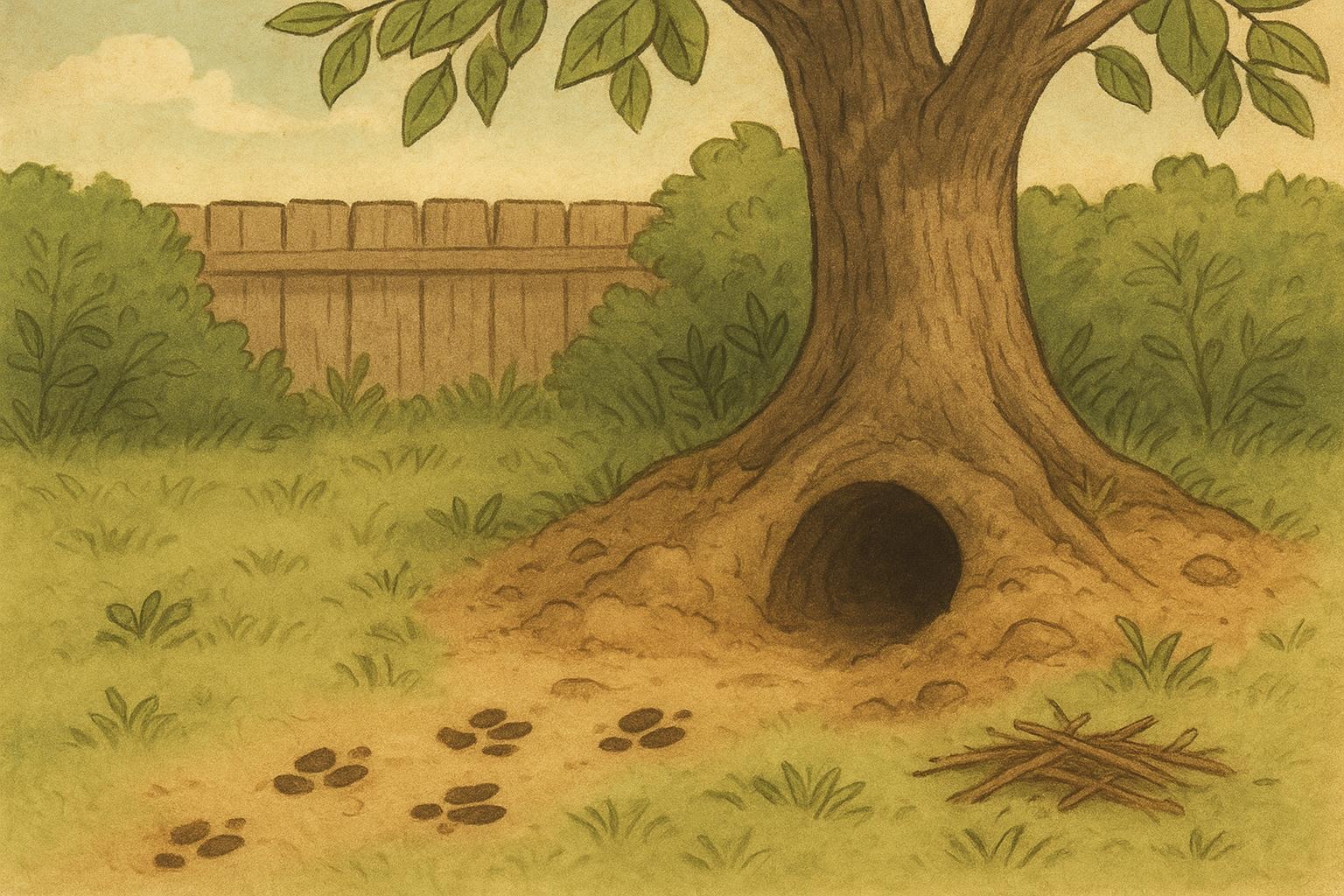
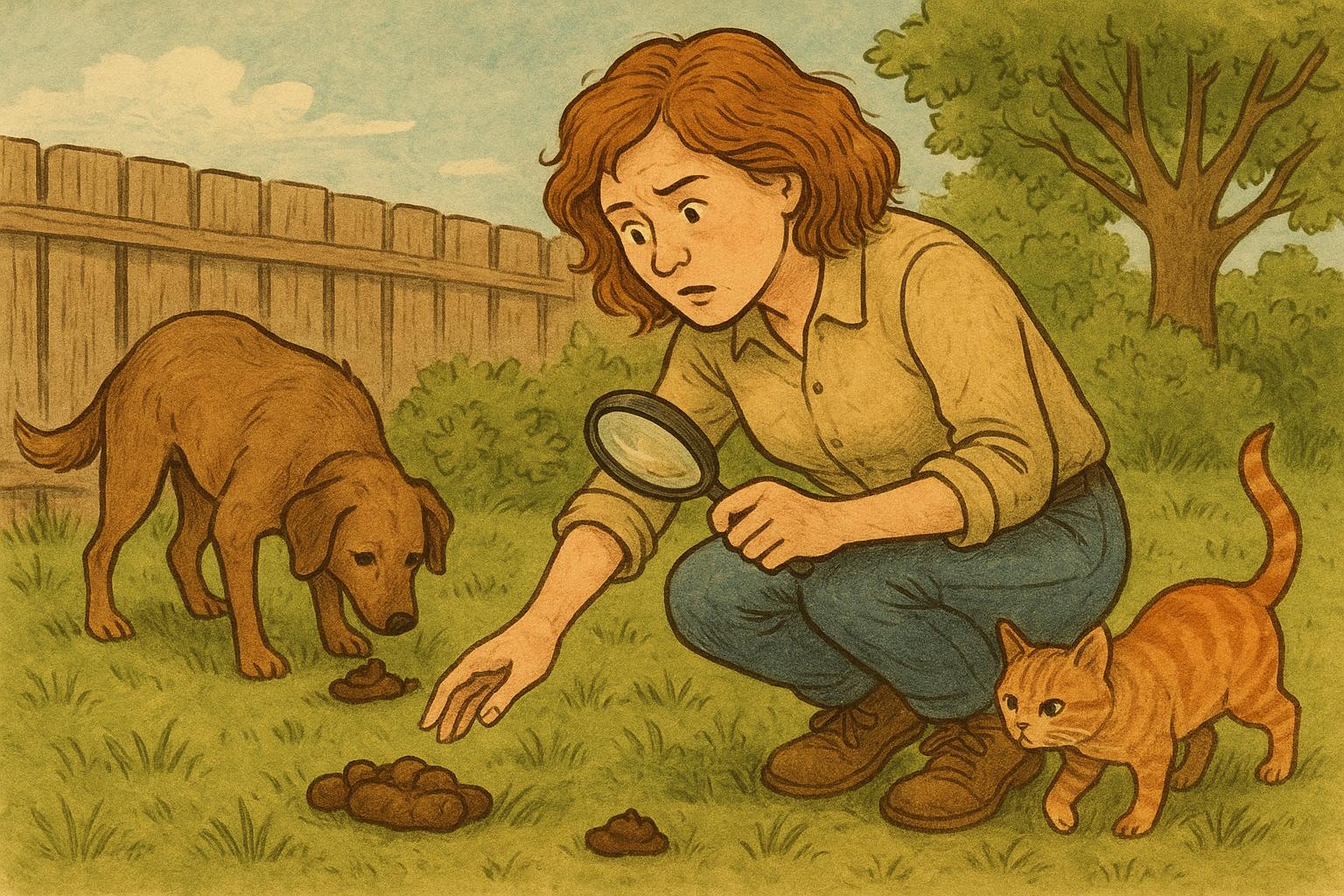
Tracks and scat near the bin, smeared trash bag remnants, and lids knocked to the curb are classic signs. If you’re dealing with persistent raccoons in trash, documenting the times and types of damage can help you choose an effective response.
### Why Local Habits Make A Difference
Neighbors who leave compostable scraps at the curb, or leave pet bowls outside overnight, are inadvertently creating magnets. Each attractant increases the local raccoon population’s incentive to stake out a territory. Coordinating with neighbors reduces the overall draw and is often the most effective long-term tactic.
## Remedy 1: Secure Lid System For Trash Cans
This remedy focuses on physically preventing access. The language below is formal and instructional.
Materials / Ingredients:
– Sturdy plastic or metal trash cans with locking mechanisms (or retrofit lids)
– Heavy-duty bungee cords or lid locks rated for outdoor use
– Stainless steel carabiners or latch kits (for permanent installs)
– Weatherproof adhesive or mounting hardware (if securing to a post)
– Gloves and safety goggles
Step-by-Step Creation And Application:
1. Select Appropriate Cans: Choose trash cans with reinforced rims and lids that can bear a lock or latch. Metal or high-density plastic is preferable.
2. Retrofit Lids If Needed: Install a retrofit latch kit across the lid seam following the manufacturer’s instructions. Use stainless hardware to resist rust.
3. Use Bungee And Carabiner: For a less permanent solution, stretch a heavy-duty bungee cord over the closed lid and attach ends to carabiners clipped to molded loops or handles on the bin. Ensure tension is sufficient to prevent lifting by raccoon paws.
4. Anchor Cans When Possible: If permissible by local ordinances, anchor cans to a stationary object (e.g., a post) using a short cable and lock. This prevents tipping and dragging.
5. Store Indoors Until Collection: When feasible, keep bins in a garage or shed until the morning of pickup. If indoor storage is not possible, move them to a secured area away from property edges.
6. Maintain and Inspect: Regularly inspect latches, cords, and anchors for wear. Replace any compromised components immediately to maintain effectiveness.
Note: Secure lid systems reduce temptation and teach raccoons that your cans are not rewarding. This approach is humane and focused on prevention.
## Remedy 2: Motion-Activated Deterrents And Sensory Barriers
This second remedy uses sensors and environmental adjustments. Instructions are formal and directive.
Materials / Ingredients:
– Motion-activated LED floodlight(s) with dusk-to-dawn sensor
– Motion-activated sprinkler system (battery or electric models)
– Ultrasonic deterrent unit (commercial grade designed for outdoor wildlife)
– Zip ties, mounting brackets, and necessary wiring or batteries
– Protective covers for devices (if in exposed locations)
Step-by-Step Creation And Application:
1. Site Survey: Identify the primary access points raccoons use — back alley approach, side gate, or direct driveway. Position devices to cover these routes.
2. Install Motion-Activated Lights: Mount LED units at a height and angle that illuminate the can area without blinding neighbors. Connect to power or batteries, ensure the sensitivity is calibrated to avoid constant triggering by small animals.
3. Deploy Motion Sprinklers: Place sprinklers to cover the approach to the bins. These provide a startling but harmless deterrent that raccoons quickly associate with the area.
4. Add Ultrasonic Devices: Install ultrasonic units as supplementary deterrents. Position them in sheltered spots to maximize lifespan and reduce exposure. Follow manufacturer specs regarding distance and placement.
5. Combine Tactics: For persistent problems, pair lighting with sprinklers and secure lids. Multi-modal deterrence is significantly more effective because raccoons can habituate to a single stimulus.
6. Monitor Effectiveness: Over a two-week period, evaluate activity. Adjust sensor angles, sensitivity, and device positions to reduce false triggers and increase efficacy.
Important: Ensure devices comply with local regulations and do not create nuisance conditions for neighbors. Motion deterrents should be used responsibly to minimize disturbance while achieving wildlife management goals.
### Preventive Yard Practices
Reducing attractants is the cornerstone of long-term control. Some formal, practical steps:
– Bring pet food indoors overnight; feed pets at specific times and remove any uneaten portions.
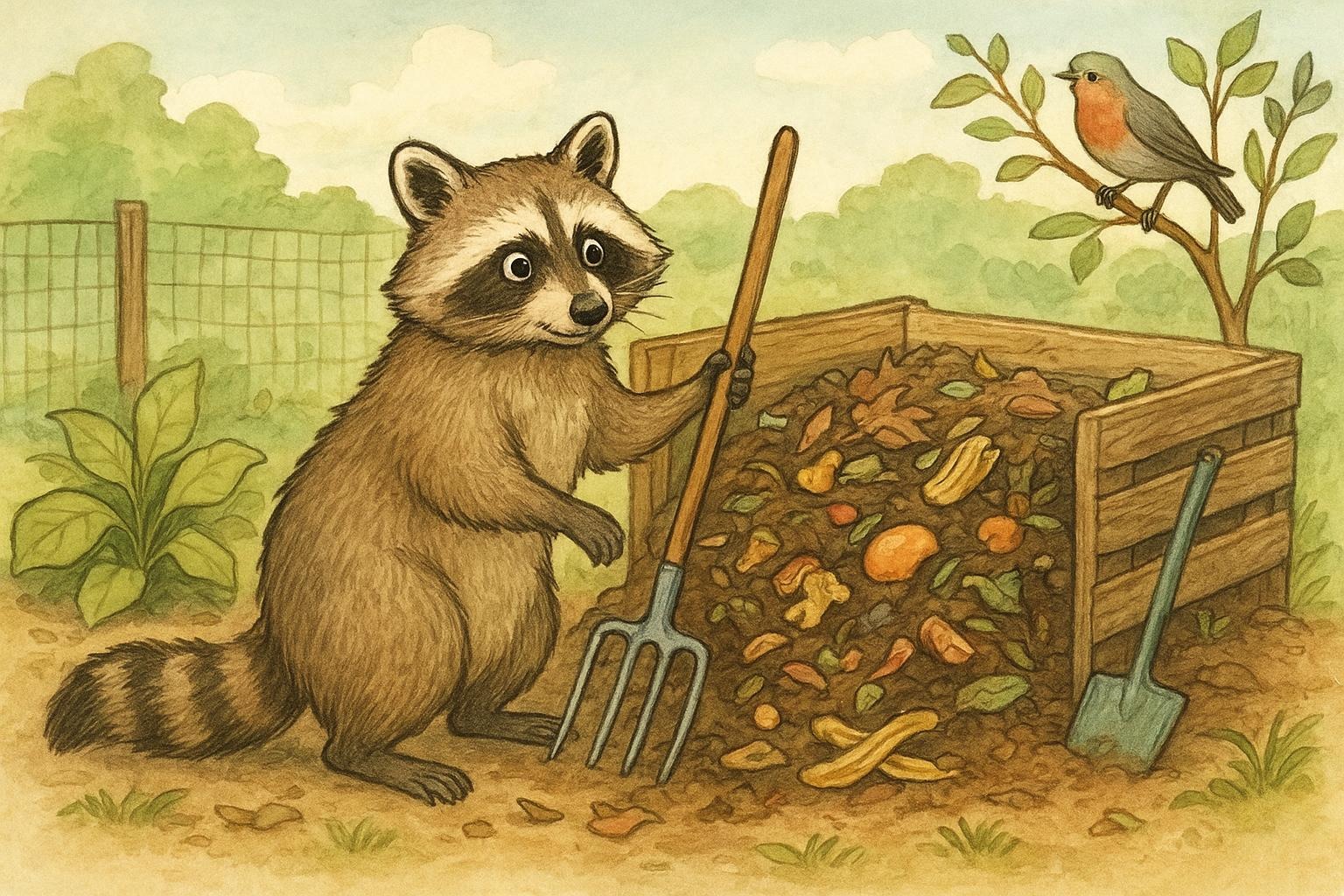
– Use sealed compost bins that are designed to exclude wildlife.
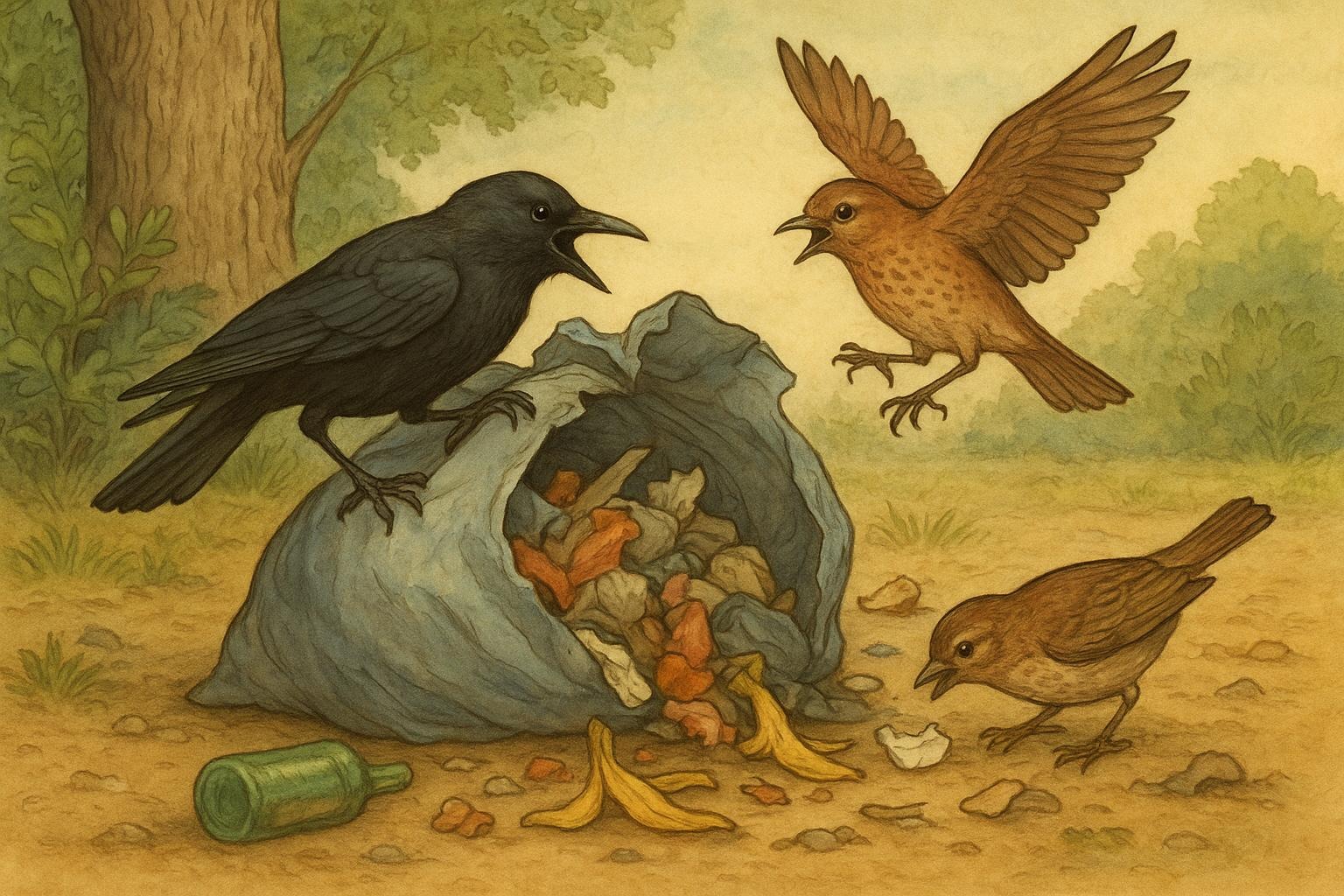
– Avoid placing food waste in thin plastic bags that can be easily torn. Instead, use sturdy bins and double-bag messy food scraps.
– Keep tree branches trimmed away from roofs and fences; raccoons are excellent climbers and can access elevated areas to reach trash or shelter.
– Regularly clean bins with a diluted bleach solution to remove lingering odors that invite further visits.
When these practices are combined with secure lids and deterrents, instances of raccoons in trash drop dramatically.
#### Working With Wildlife Professionals
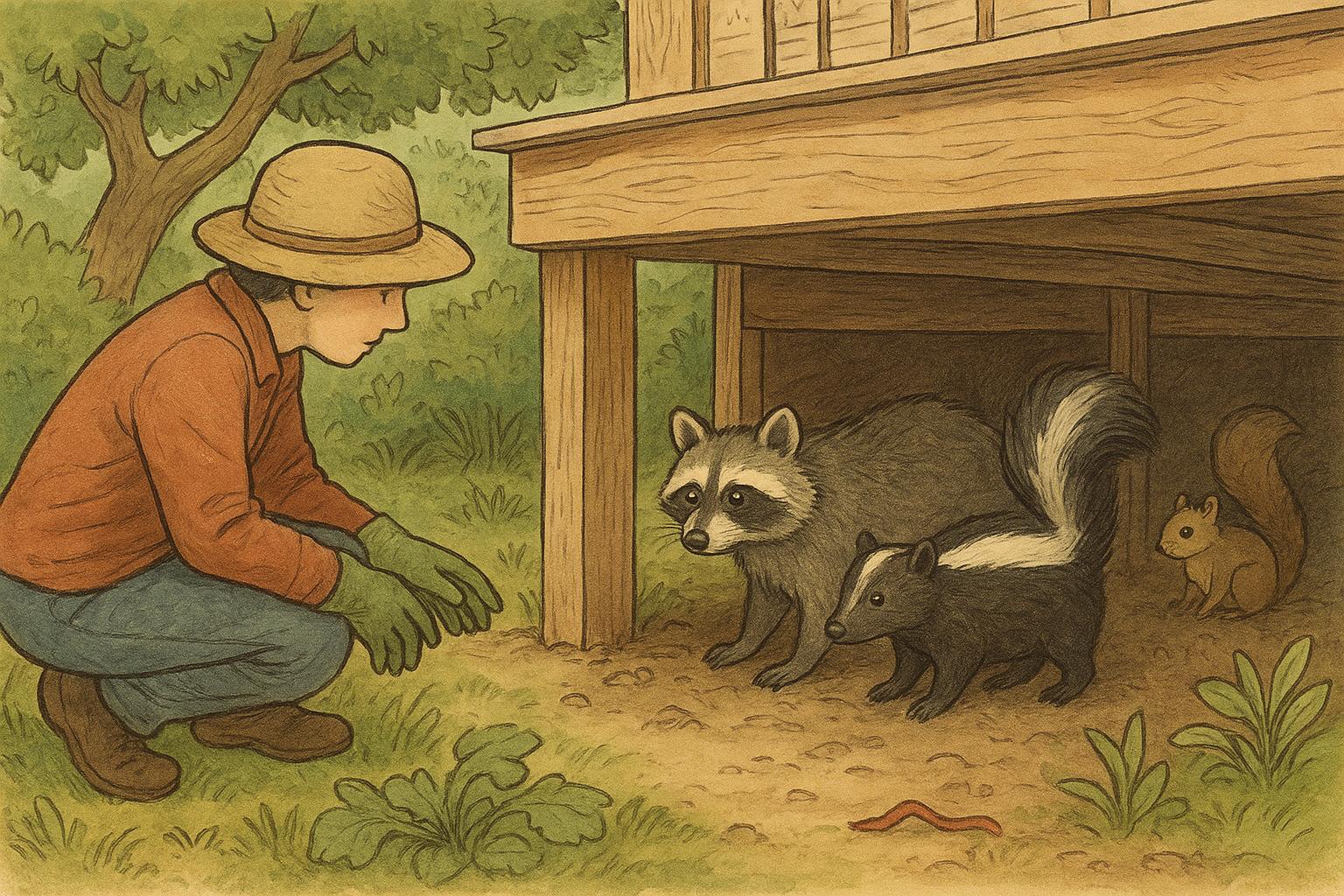
If raids continue despite homeowner efforts, consult licensed wildlife control professionals. They can assess whether nuisance behavior is caused by a single bold individual, an established den site, or a local population increase. Professionals can recommend exclusion devices, humane traps (where legal), or habitat modifications. Engaging a pro is often more efficient and safer for both humans and wildlife.
### Neighborhood Coordination And Legal Considerations
Local ordinances often regulate how trash must be stored and when it can be placed at the curb. Some municipalities require bins to be stored out of public view except on collection day; others prohibit tethering to public property. Check with your local city or county code enforcement for specifics.
Organize a neighborhood meeting or online group to coordinate practices: synchronized trash placement times, shared storage solutions for alley-facing bins, or a communal garbage area with upgraded security. Collective action reduces the odds that raccoons in trash will be a recurring communal problem.
#### Health And Safety Notes
Raccoons can carry parasites and pathogens, including roundworm and rabies. Avoid direct contact with raccoons or their feces. If you must handle contaminated materials, wear disposable gloves, use a mask if dust is present, and wash hands thoroughly. If you encounter an animal that appears sick or injured, contact local animal control or a wildlife rehabilitator.
### When To Call The Authorities
If raccoons are aggressive, are acting unusually during the day, or pose a bite risk, contact local animal control immediately. Any animal exhibiting disorientation, staggering, or excessive friendliness may be ill and should not be approached by untrained individuals.
Raccoons are clever and persistent, but with the right combination of barrier methods, deterrents, and community coordination, the midnight symphony of raccoons in trash can be reduced to a rare, nonrecurring event. Take action early, be consistent, and prioritize humane, legal approaches to keep your cans intact and your curb appeal intact.


















Leave a Reply