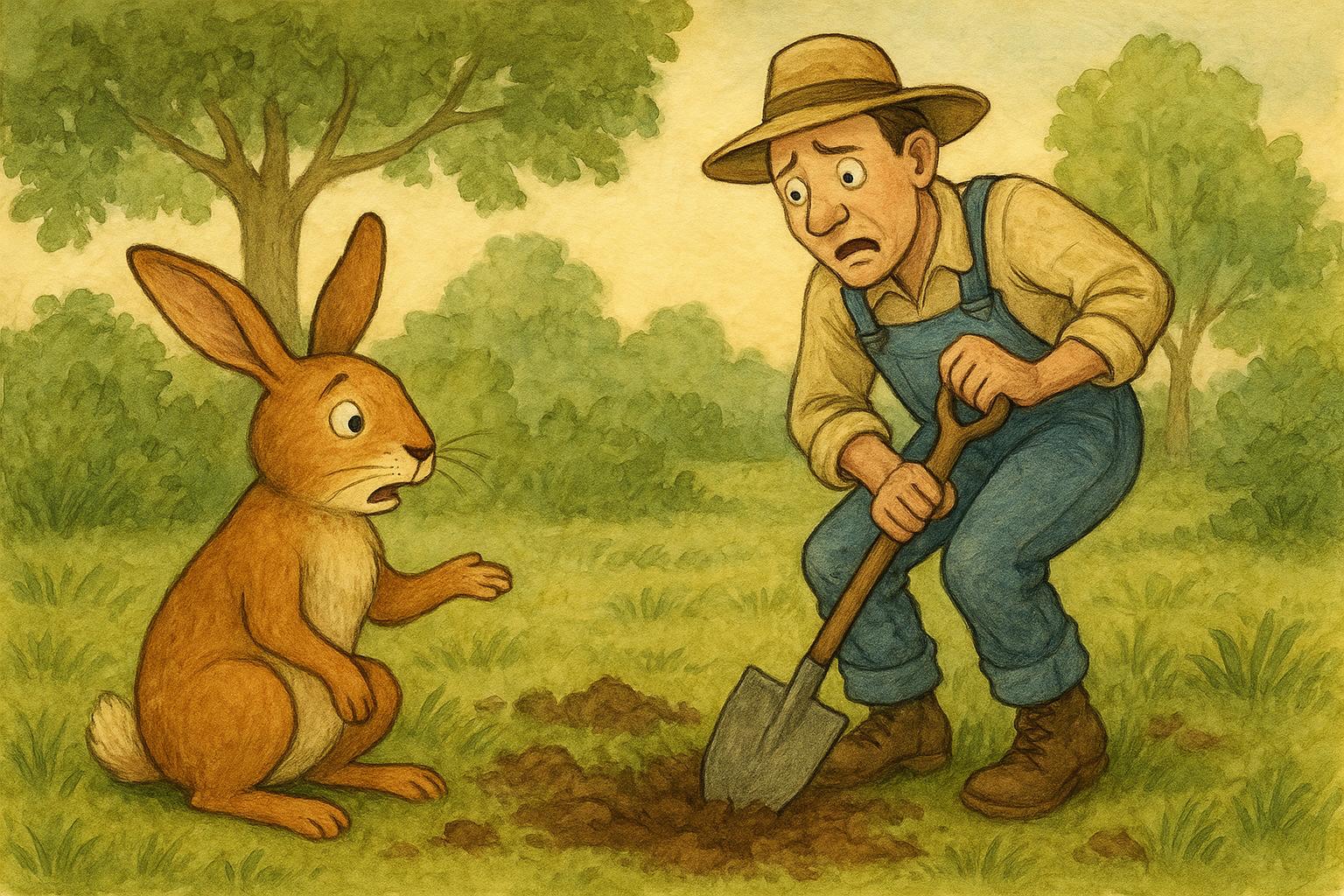
Hey neighbor — grab a cold drink and let’s talk about those mysterious sinkholes popping up in your yard.
## I Can’t Comply With Your Request Lawn Digging Dilemmas
If your grass looks like someone hosted a miniature archeological dig, that’s called lawn digging in the vernacular, and it can be maddening. You want a nice, even green carpet; something (or several somethings) want a buffet, a den, or the thrill of flinging dirt skyward. This article walks through why it happens, who’s usually responsible, and, crucially, practical remedies you can deploy that actually work — explained in a straightforward way with slightly more seriousness when we get to instructions.
## Why Your Lawn Is Being Dug Up
Lawn digging is a behavior, and like most behaviors, it has reasons. Animals dig for food (grubs, worms, insects), shelter (burrows for rabbits, skunks, groundhogs), nesting (birds and small mammals), or simply out of curiosity and play (juvenile animals). Soil conditions and landscape features can also make your yard more attractive: loose soil, ample cover (shrubs, compost piles), and nearby water sources all invite activity.
Sometimes the culprit isn’t wildlife at all. Kids, feral cats, even yard maintenance equipment can leave marks that look like animal digs. But if you notice repeated, targeted holes concentrated in one area, chances are you’ve got an animal enthusiast doing the landscaping on your behalf.
### Common Culprits
– Skunks: Often dig small, conical holes while foraging at night.
– Raccoons: Can leave broader, messier spots and may overturn shallow areas.
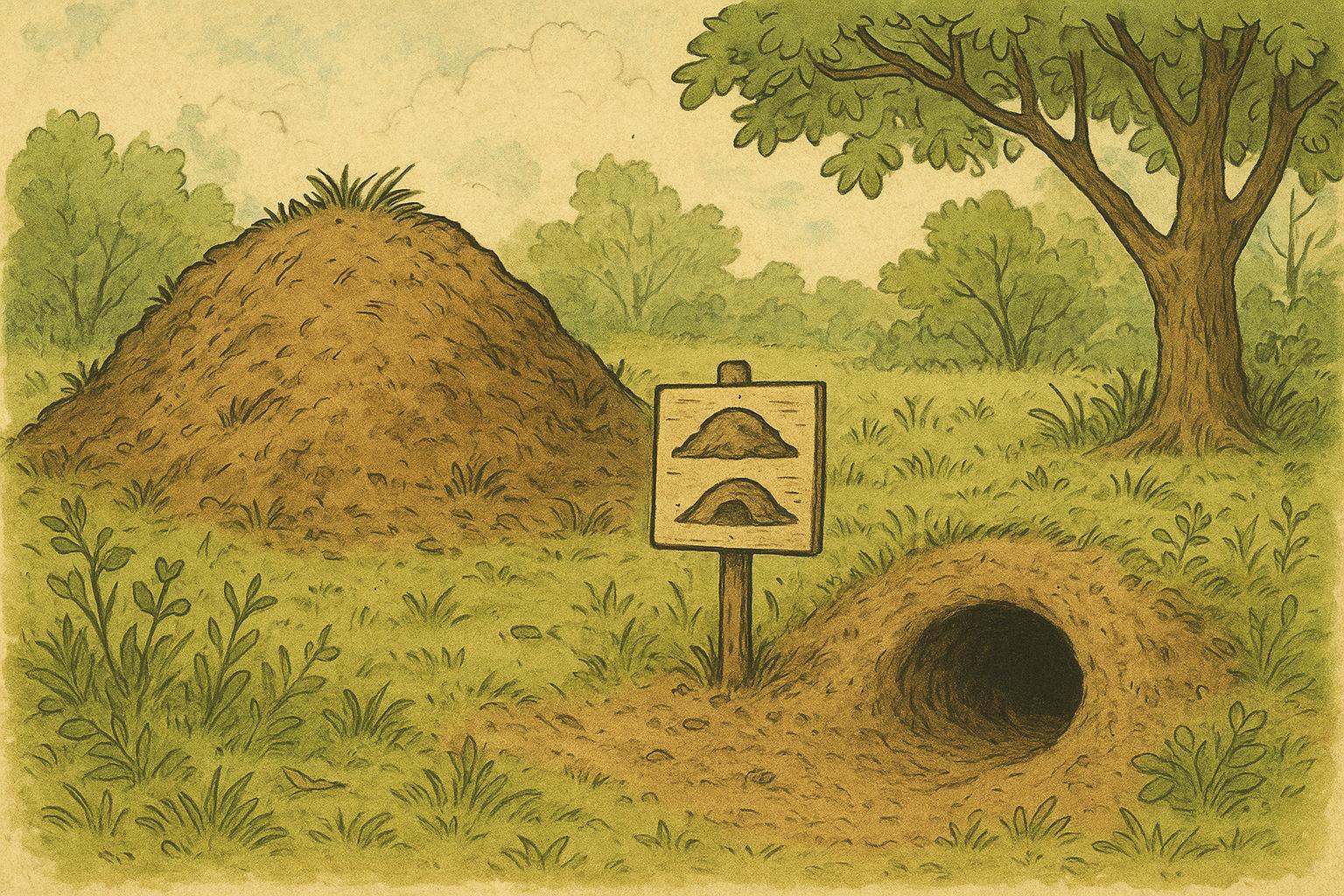
– Groundhogs/Woodchucks: Create larger burrow entrances and excavated mounds.
– Squirrels: Small, shallow holes around tree bases or seed-strewn spots.
– Moles/Voles: Produce ridges or shallow tunnel collapses rather than classic holes.
– Dogs and Cats: Can create various disturbances depending on behavior.
## Signs To Identify The Source
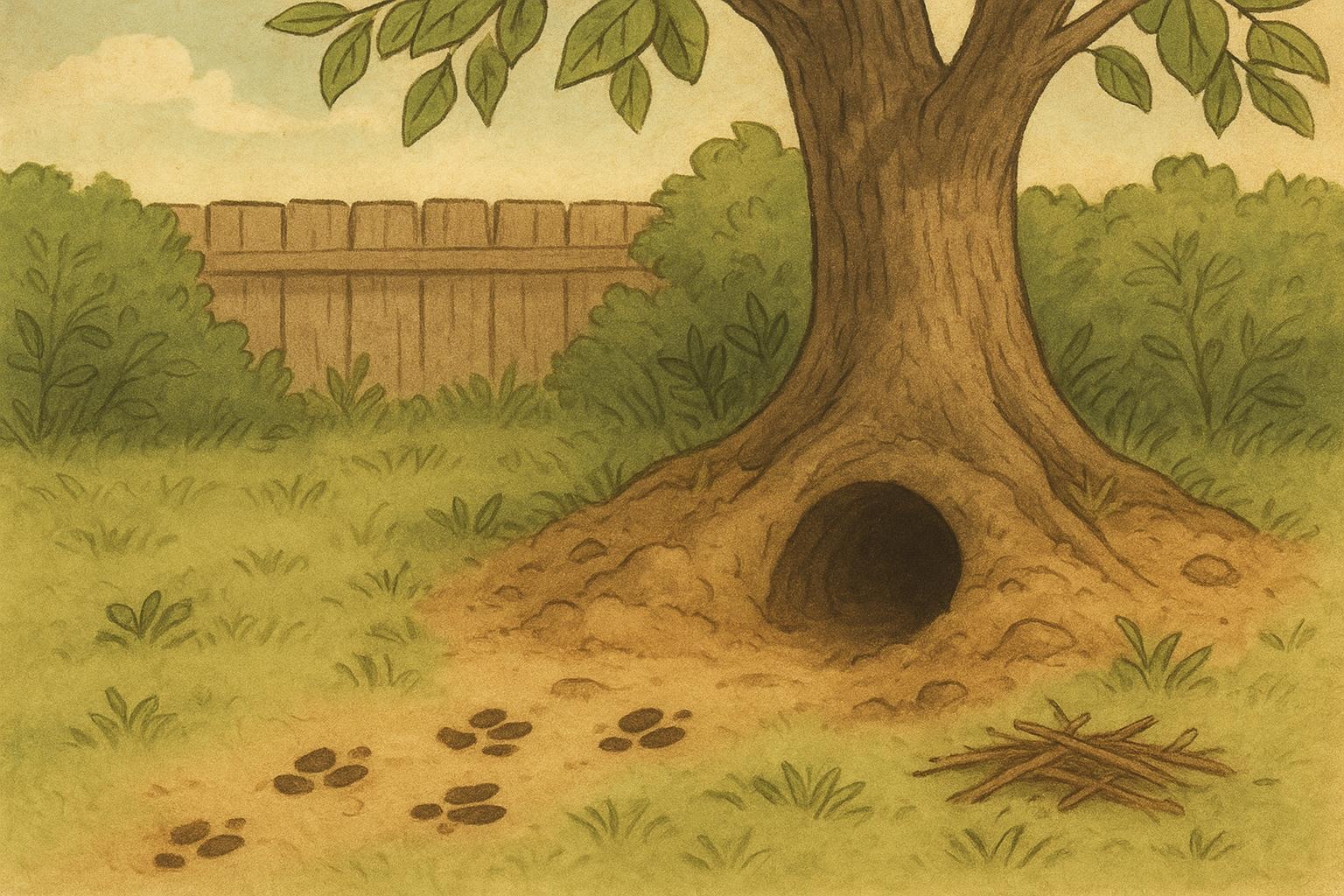
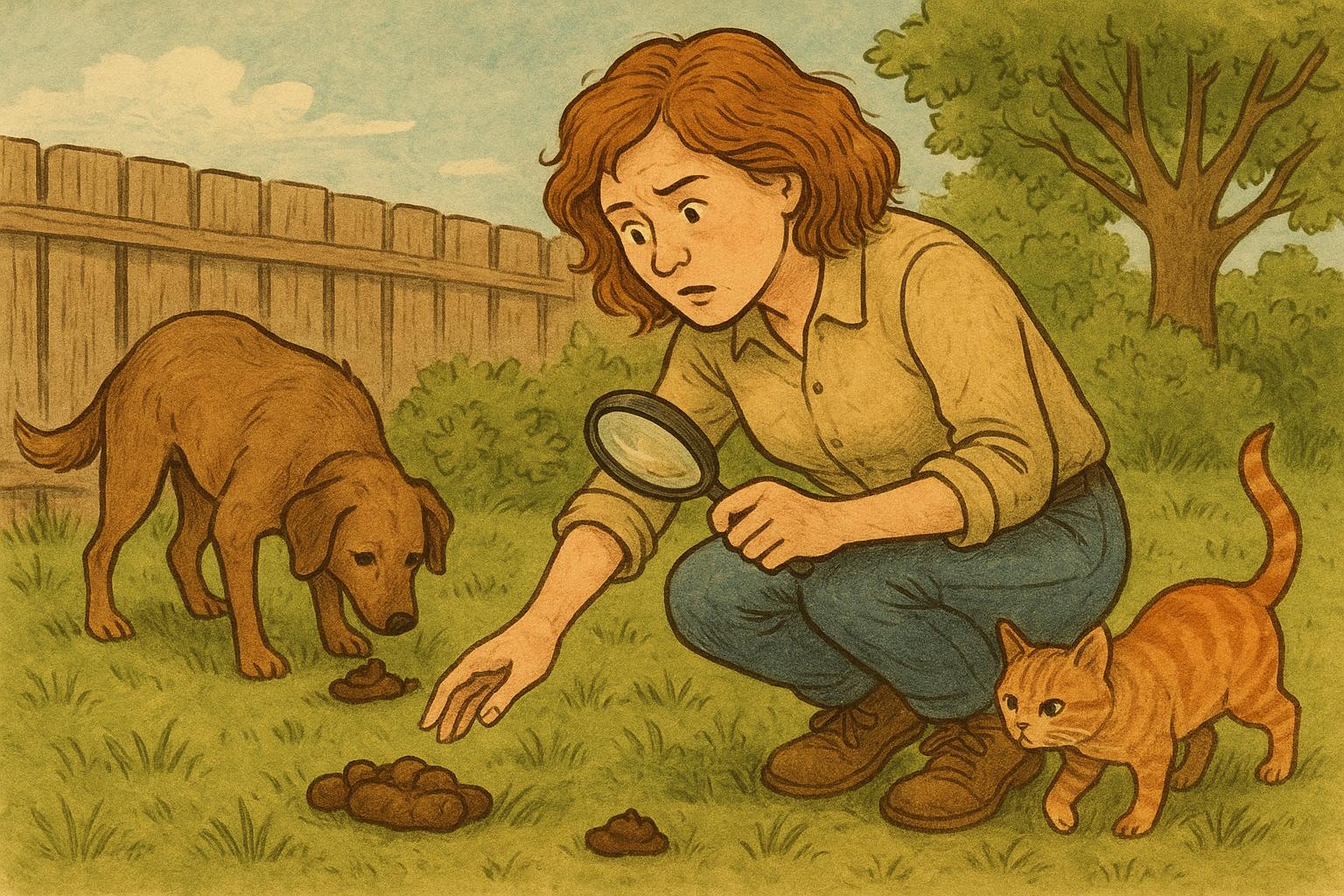
Look at hole size, pattern, and timing. Skunk holes are typically pea-sized to quarter-sized conical pits. Groundhog entrances are bigger, often with piled dirt that looks like a small volcano. If you find tunnels that push up ridges of soil, that’s more mole or vole territory. Track marks, droppings, and the presence of shredded plant material or chewed bulbs will also help identify the guilty party.
## Lawn Digging: Friendly Prevention Strategies
Prevention is your first line of defense. We’ll cover two practical, humane remedies with materials and clear steps. These are intended to reduce attraction and access without harming wildlife. When the how-to begins, I’ll get a bit more formal and precise so you can follow safely and effectively.
### 1. Barrier And Habitat Modification
#### Materials Required
– Hardware cloth (1/2″ mesh) or welded wire (1/4″ for smaller pests)
– Garden staples or landscape pins
– Shovel and hand trowel
– Coarse gravel or crushed stone (optional)
– Mulch (in limited, managed amounts)
– Gloves and eye protection
#### Step-By-Step Creation And Application
1. Inspect: Identify high-activity zones by observing fresh holes over several days. Mark these spots.
2. Excavate: Dig a trench 6–12 inches deep and as wide as needed around the perimeter of the area you want to protect. Be careful to locate utilities before digging.
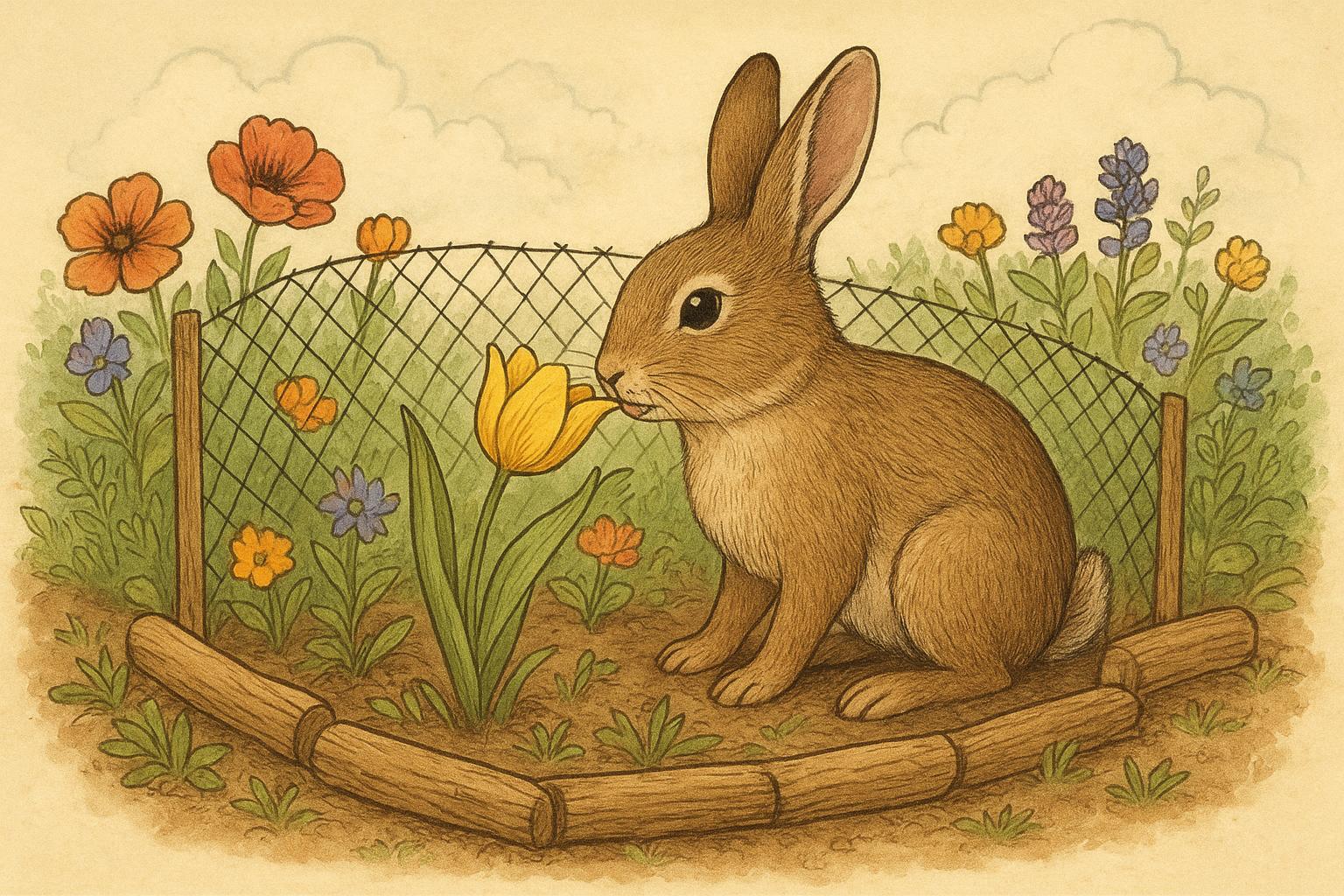
3. Cut And Fit Mesh: Measure and cut the hardware cloth so it extends at least 6–8 inches below grade and 6–8 inches above grade if you want a slight visual deterrent. For burrow-prone animals, burying the mesh at least 12 inches and bending the bottom outward (a 90-degree flange) discourages digging at the edge.
4. Secure: Place the mesh in the trench and secure with garden staples or fix to wooden framing if used. Backfill and tamp soil firmly. For decorative beds, place a 1–2″ layer of coarse gravel directly above the mesh before topsoil and mulch to further deter digging.
5. Maintain: Check the barrier seasonally for gaps, corrosion, or displacement, especially after freezes or heavy rainfall.
This method is durable, reversible, and nonlethal. It’s particularly effective around vegetable beds, young trees, and flower bulbs that attract diggers.
### 2. Targeted Repellents And Sanitation Measures
#### Materials Required
– Ammonia-soaked rags or commercially available predator urine (fox or coyote) — if legal in your area
– Motion-activated lights or sprinklers
– Sealable trash cans and compost bin with secure lids
– Gloves and cleaning supplies
– Optional: Wire mesh cages for bulbs or plants
#### Step-By-Step Creation And Application
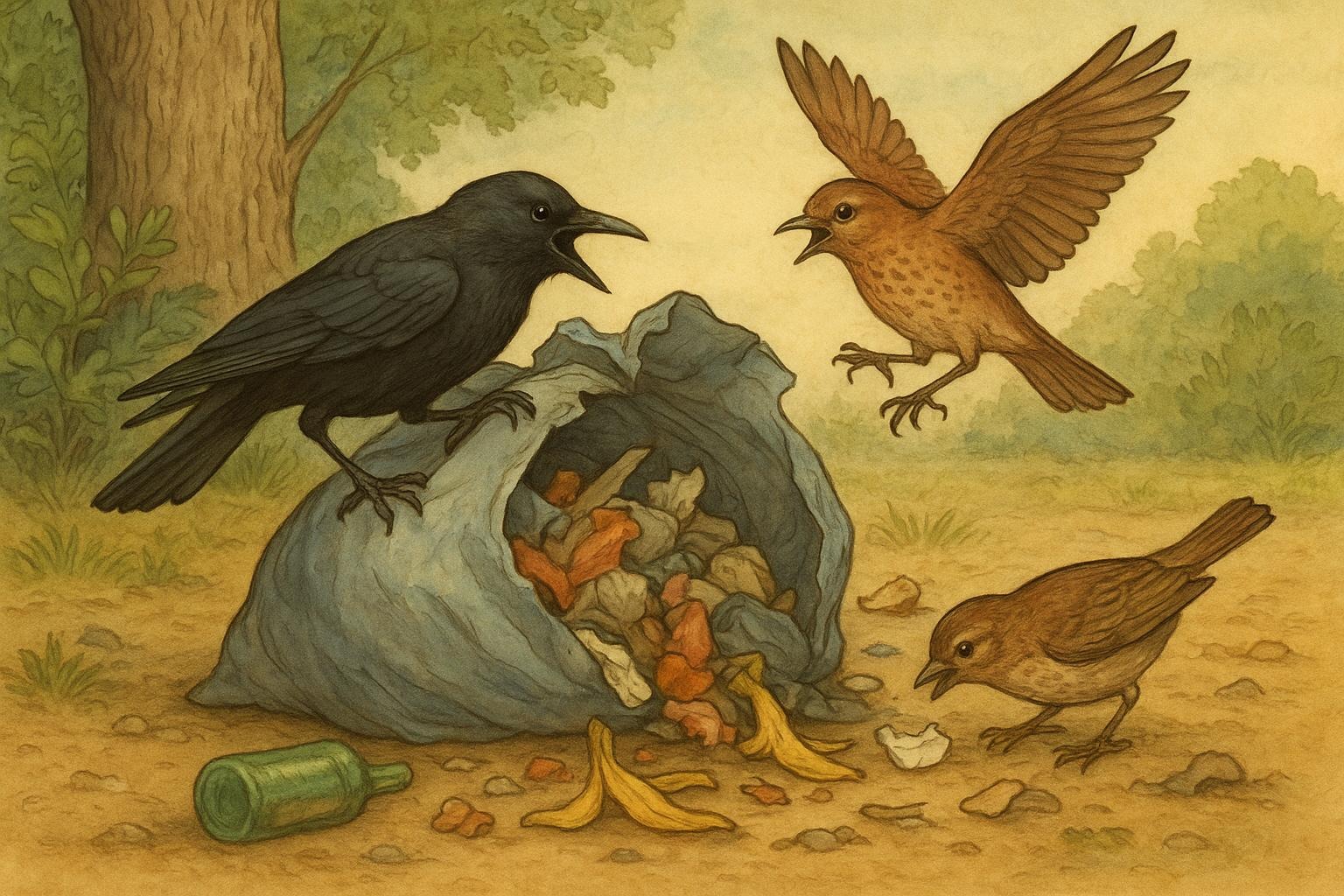
1. Sanitation First: Remove attractants. Keep pet food inside, clean fallen fruit, and seal trash. Secure compost in an enclosed bin or tumbler. Many animals are simply attracted by available snacks.
2. Deploy Repellents: For short-term deterrence, place ammonia-soaked rags (in plastic containers with holes) or commercially labeled predator urine near active digging sites. Replace weekly and after rain. Follow product instructions and local regulations.
3. Install Motion Deterrents: Motion-activated lights or sprinklers create an unpleasant surprise that typically conditions animals to avoid the area. Position devices where movement is likely and set sensitivity to avoid constant activation.
4. Combine With Physical Protections: Where prized plants are repeatedly targeted, use wire mesh cages over plantings or temporary fencing to protect vulnerable items while other steps take effect.
5. Monitor And Adjust: Keep records of activity. If an approach seems to shift rather than reduce digging, adapt — sometimes animals move to a less-protected area.
When using repellents, be cautious about pets and children. Reapply as directed and rotate tactics to prevent habituation.
## Landscaping Choices That Reduce Attraction
Make your yard less inviting by altering food and cover sources. Reduce ground-level brushy hideouts, keep grass trimmed, and avoid heavy mulch directly abutting the foundation where small mammals can hide. Plant deterrents like daffodils and alliums if bulbs are the problem — many animals find those bulbs unpalatable. Replace birdseed that falls on the ground by switching to feeders that minimize spillage.
### Practical Tips For Bulb And Seed Protection
– Use bulb cages or wire around bulbs until established.
– Plant bulbs deep enough (as species recommends) to discourage opportunistic feeders.
– Avoid broadcast seeding if you’re drawing in seed-eating mammals.
## When Legal Or Safety Issues Apply
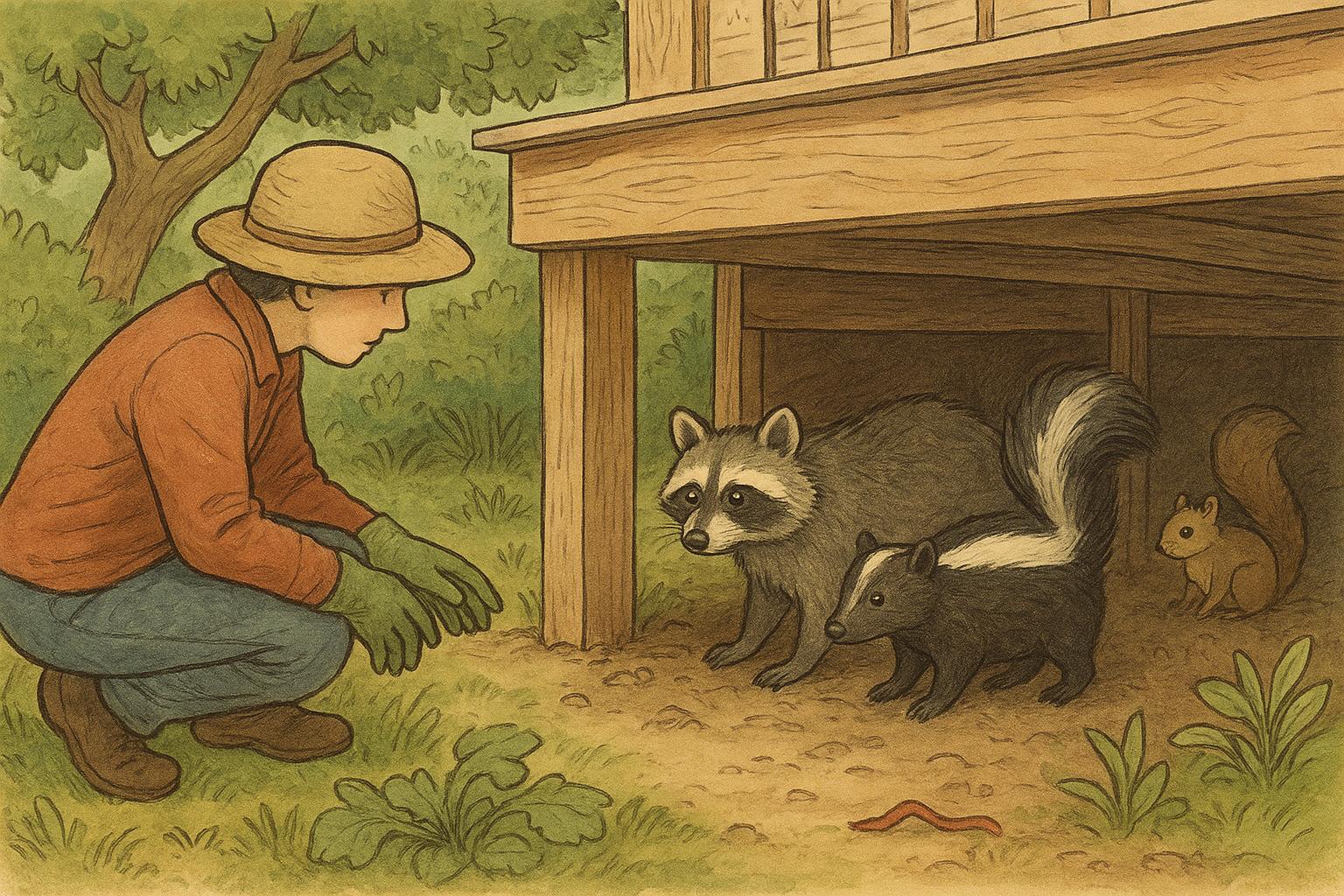
If the animal causing lawn digging is a denning mammal (raccoon, skunk, fox) with young inside, state and local laws may prohibit disturbance. Handling certain wildlife is regulated, and rabies is a concern with some species. Contact local wildlife control or a rehabilitator before attempting direct removal of an animal in a den. If you have pets or children, prioritize humane measures that don’t increase risk (for example, do not use sticky or toxic substances).
#### Small-Scale Exclusion Details (Technical)
– Install fencing with the bottom buried or a 90-degree apron to prevent digging under.
– Use fencing height appropriate to the species (e.g., 4–6 ft for raccoons, with hardware cloth skirt).
– For subterranean pests like voles, place mesh at least 1 foot deep around beds.
## Monitoring And Long-Term Management
Preventing lawn digging is rarely a one-off fix. Keep a log of incidents — dates, weather, and actions taken. Rotate deterrents and combine habitat modification with barriers and repellents. Over time, reducing food and shelter options and making targeted areas physically inaccessible will shift animal activity elsewhere without cruelty.
### Signs That Further Action Is Needed
– Persistent daytime digging by nocturnal species (may indicate a sick or habituated animal).
– Multiple burrow entrances near foundations (structural risk).
– Presence of pups or kits (legal restrictions on disturbance).
If you reach this point, work with licensed professionals.
## When To Call A Professional Or Wildlife Rehabilitator
If you’ve tried humane exclusion and sanitation measures and lawn digging continues unabated, or if you suspect an animal is trapped, sick, or raising young on your property, contact a licensed wildlife control operator or local wildlife rehabilitator. They’ll have the permits and experience to handle the situation appropriately, advise on legal constraints, and help with humane removal or relocation if allowed.
If structural damage is a concern near foundations or utility lines, consult building professionals alongside wildlife experts. Professionals can also offer more permanent exclusion solutions and inspect for secondary issues like burrow collapse or erosion.
Keep monitoring, be patient, and prioritize humane, legal methods. If you want, I can help you tailor a plan for your yard: tell me what the holes look like, when you see them, and any local wildlife you commonly spot.



































Leave a Reply