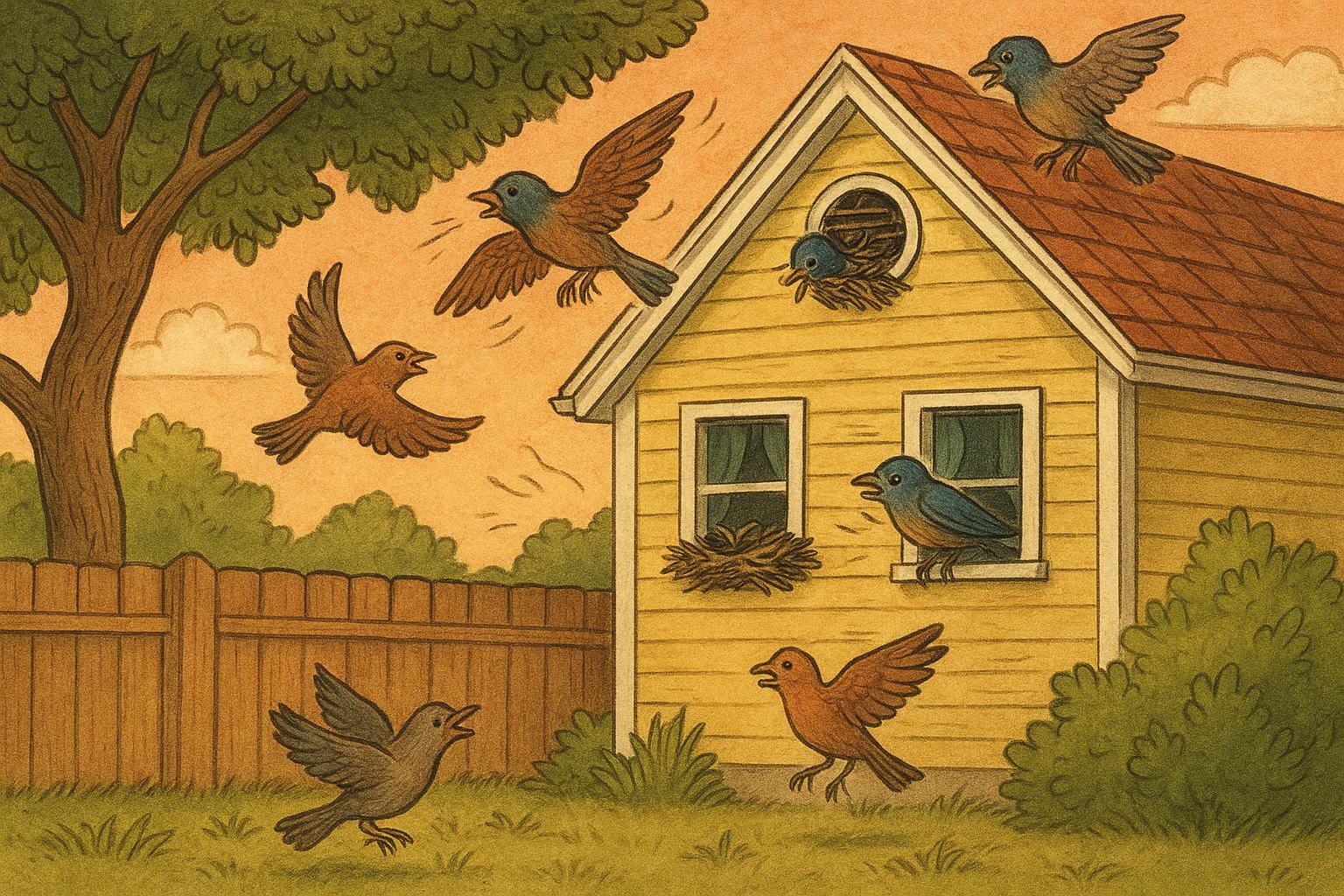
The neighborhood chat thread lit up after dusk: frantic texts, a few panicked videos of a raccoon trying to negotiate a rooftop, and the unmistakable sound of frantic chirps from within the eaves. If you own a home with roof vents, soffits, or plumbing stacks, you know how a single pair of keen-eyed birds can turn calm suburban evening into a backyard crisis. This isn’t a horror movie—just real life, wings, and a lot of nesting ambition.
## Birds Nesting Vents: Why This Happens Tonight
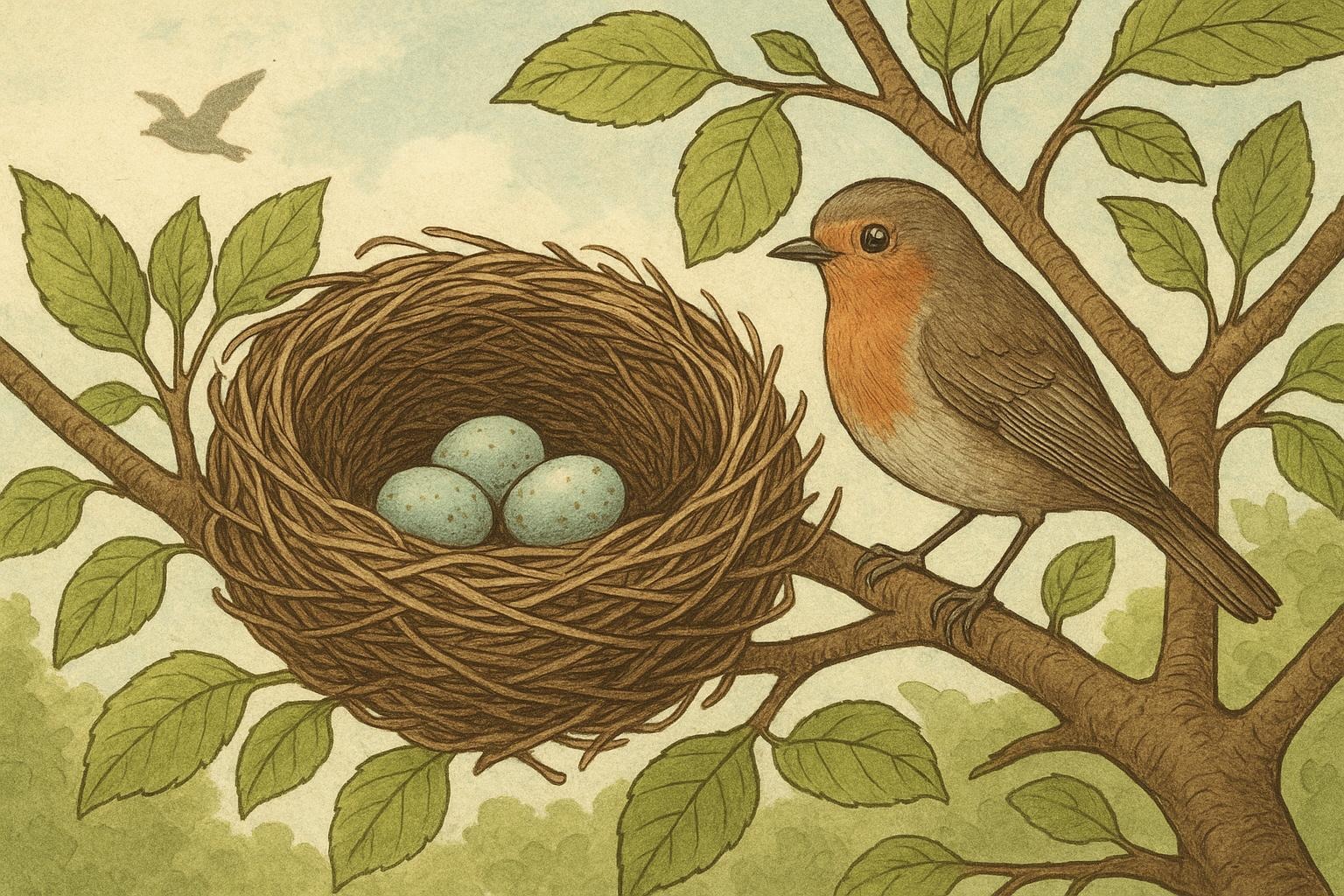
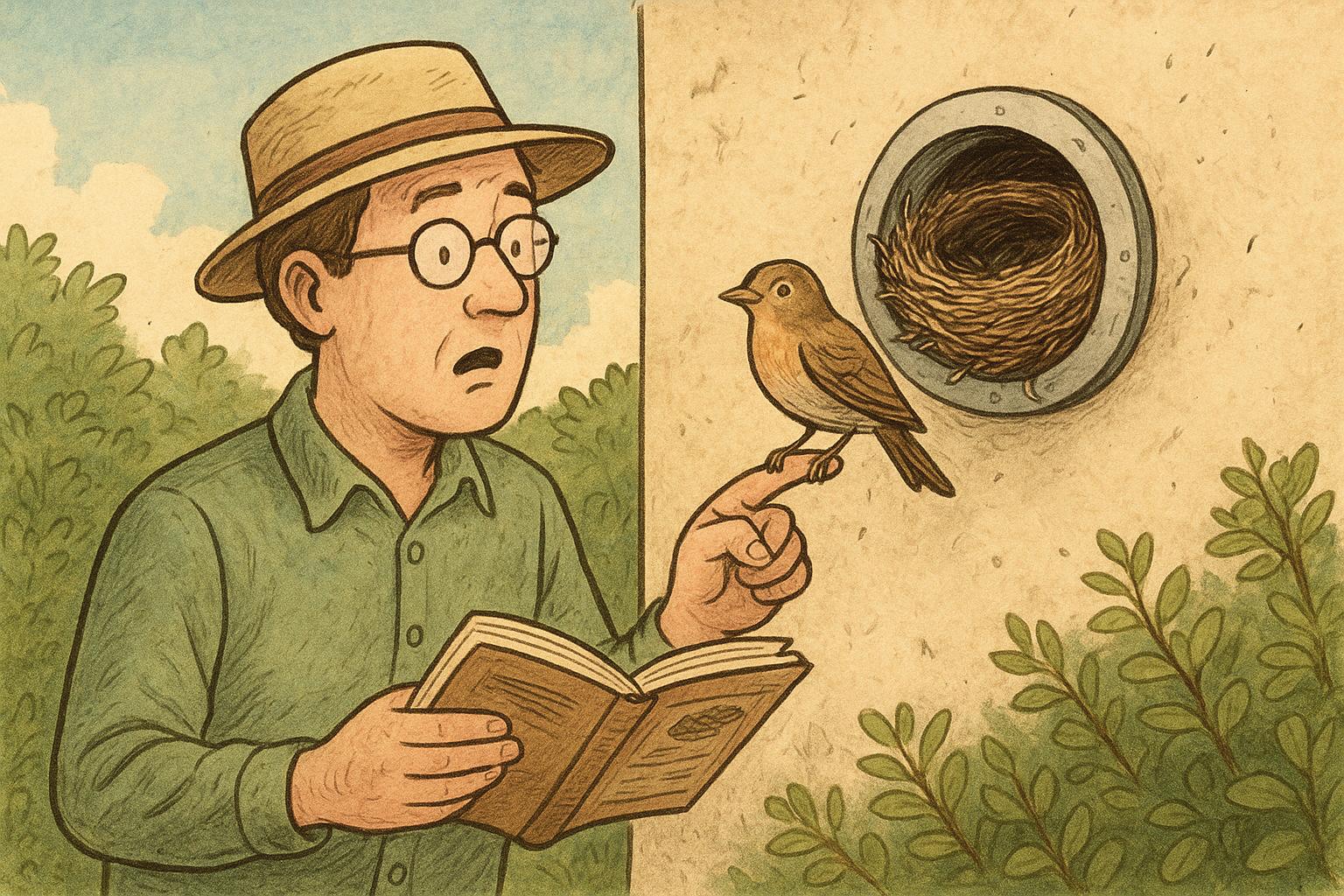
Birds are opportunists and the vents on your roof are basically “move-in ready” real estate. Vents provide shelter, relatively stable temperatures, and protection from predators. When you combine early spring hormones, scarcity of natural cavities, and the cozy invitation of a vent, you get birds nesting vents—and sometimes a sudden spike in chirps, sticks, and feathers right over your living room.
### Signs That Birds Are Using Your Vents
You don’t need to climb onto the roof to confirm a problem. Listen and look:
– Repeated morning and evening chirps coming from a specific vent.
– Small twigs, grass, or feathers near vent openings.
– Intermittent blockage causing unusual smells or reduced vent function.
– Sudden visits by adult birds carrying nesting material.
If you see these signs, treat the situation as both a wildlife concern and a home maintenance issue. Ignoring a nest can risk blockages, reduced airflow, and in rare cases, fire hazards if dryer vents are clogged.
### Common Culprits And Timing
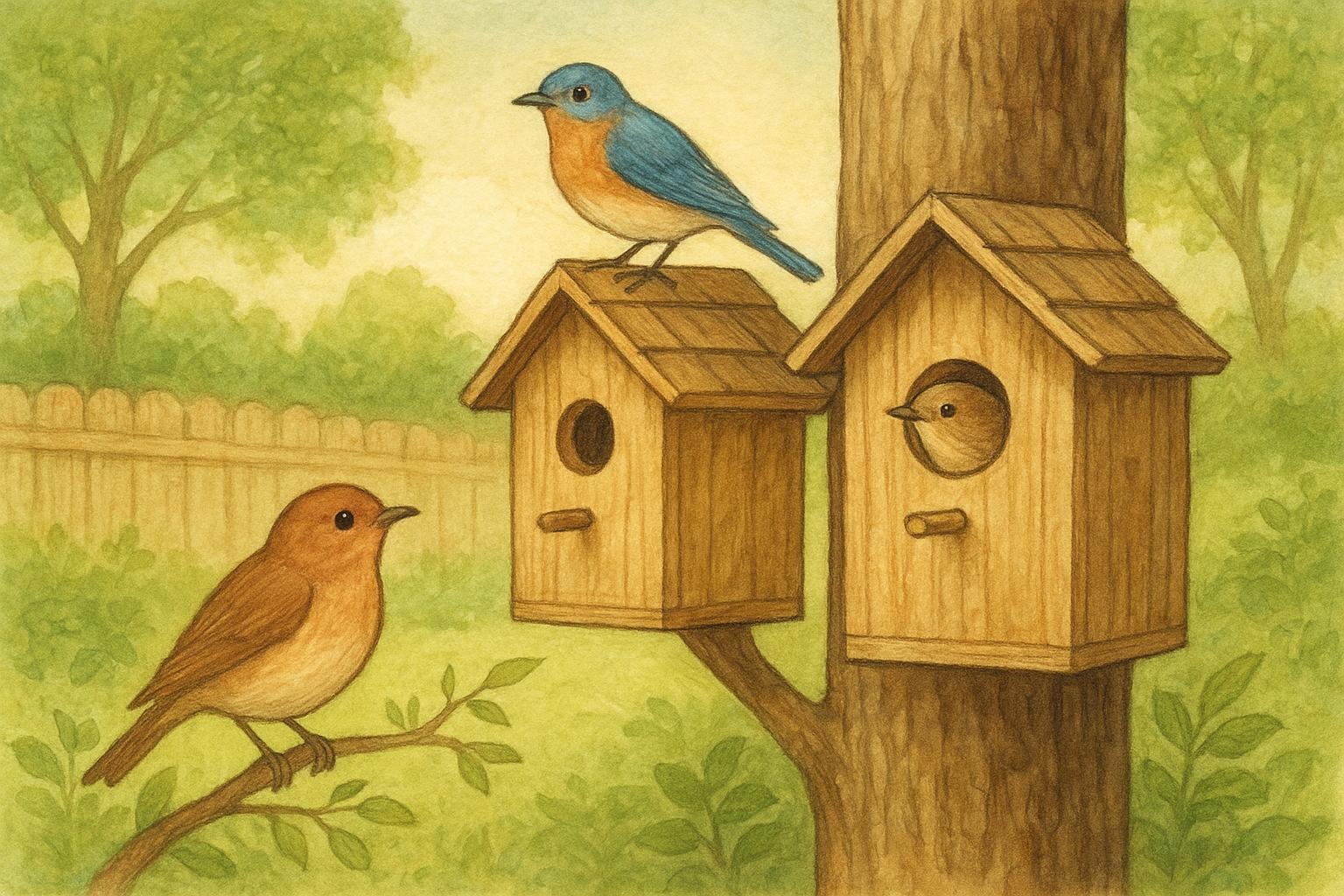
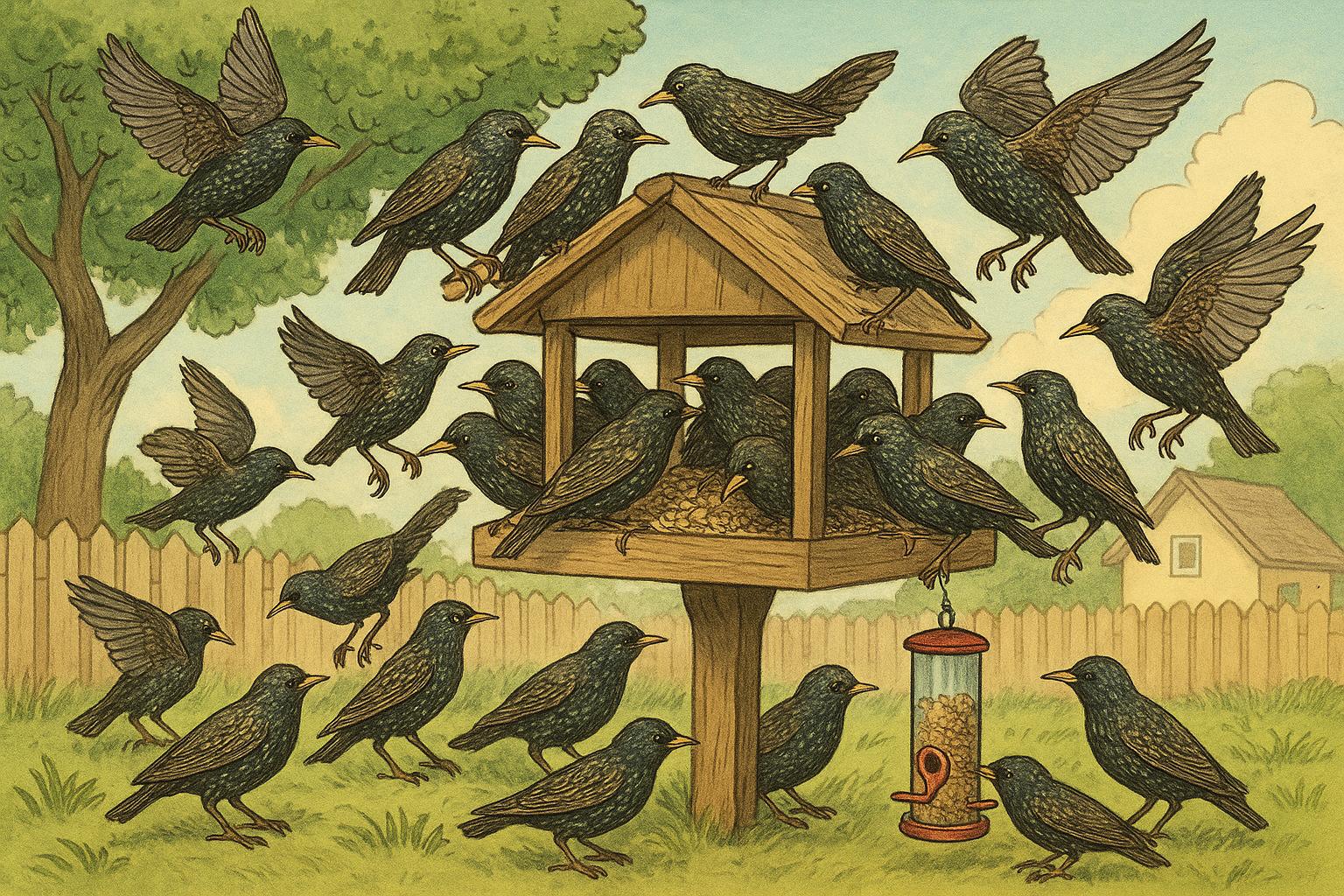
Species that like vents often include house sparrows, starlings, swallows, and occasionally small owls or wrens. They select vents for warmth and safety. Timing matters too: peak nesting season varies by region but generally runs from early spring through late summer. So tonight’s crisis might be the opening act of a season-long series.
## 1. Install Humane Vent Guards (Remedy 1)
When addressing birds nesting vents, prevention is the most effective long-term strategy. The approach described here is humane, building-code considerate, and designed to keep ventilation functioning properly.
Materials Required
1. Vent guards or mesh (galvanized steel or stainless steel, 1/4″ to 1/2″ mesh)
2. Exterior-grade screw hooks and stainless steel screws
3. Weatherproof silicone sealant
4. Metal snips and wire cutters (if cutting mesh)
5. Drill with appropriate bits
6. Gloves and safety glasses
7. Ladder and person to steady ladder
8. Measuring tape
Step-by-Step Installation (Formal And Informative)
1. Assess Each Vent: Identify which vents are used for exhaust (dryer, bathroom) versus intake (soffit). Do not block active exhaust vents permanently—use guards designed for that vent type.
2. Measure the Opening: Use measuring tape to get exact dimensions. Account for overlap to secure the guard to siding or vent flange.
3. Select Proper Guard Material: Choose rust-resistant metal mesh sized to exclude nesting material but allowing adequate airflow. Plastic mesh can melt or degrade near dryer vents—avoid it there.
4. Cut To Fit: Using metal snips, cut mesh to size. Wear gloves to avoid sharp edges. Ensure edges are smooth or folded under to prevent injury and tearing of siding.
5. Pre-Drill Attachment Points: Mark where the screws or hooks will go. Pre-drill small pilot holes to prevent splitting siding or damaging vent flanges.
6. Secure The Guard In Place: Attach the guard with stainless screws or screw hooks. Ensure the mesh is taut—loose mesh can collect debris and still allow nesting attempts.
7. Seal Gaps: Apply weatherproof silicone sealant around the perimeter where the mesh meets the structure to prevent small birds from squeezing through. Allow sealant to cure per manufacturer instructions.
8. Test Vent Function: For exhaust vents, run the appliance (dryer, bathroom fan) briefly to confirm airflow isn’t restricted. Adjust if necessary.
9. Regular Inspection: Check guards seasonally for debris, corrosion, and to ensure no birds are trapped outside the mesh.
Note: Do not remove active nests yourself if eggs or young are present—this is illegal in many regions. Consult local wildlife authorities for translocation or permitting.
### Why This Works
A fine metal mesh prevents birds from entering while maintaining airflow. Stainless hardware resists weathering, and a professional installation reduces gaps that determined birds or raccoons might exploit.
## 2. Temporary Emergency Block And Redirect (Remedy 2)
If you discover an active nesting attempt tonight and need a temporary fix to protect airflow or safety (e.g., dryer vent clogging), use the following emergency method. This is strictly temporary and must be followed by a proper guard installation as above.
Materials Required
1. Rigid temporary vent cap (cardboard is NOT acceptable for dryer vents)
2. High-temperature tape (for dryer vents: HVAC foil tape)
3. Flexible vent hose (if temporarily rerouting a dryer)
4. Gloves and safety glasses
5. Ladder and helper
Step-by-Step Emergency Procedure (Formal And Informative)
1. Identify Vent Type: Confirm whether the vent is associated with a gas appliance, dryer, or passive attic vent. Never block vents for gas appliances—call a professional.
2. For Dryer Vents: Temporarily redirect the dryer’s exhaust to a short, safe length of new flexible or rigid duct directed outside, away from the obstruction. Use HVAC foil tape to seal joints.
3. For Passive Vents: If the vent is purely passive and you must block temporarily, use a rigid, weatherproof cap that vents through a small mesh to allow minimal airflow. Do not use materials that can trap moisture or combust.
4. Secure The Cap: Use stainless fasteners and make sure the cap is firmly attached. Do not rely solely on tape for long-term attachment.
5. Monitor Continuously: Check the temporary fix every 24 hours. Active nests require wildlife guidance—do not leave a temporary cap on for more than a few days.
6. Schedule Permanent Solution: Arrange to install proper vent guards as soon as possible to avoid reoccurrence.
### Legal And Safety Considerations
Blocking vents that serve heaters, gas appliances, or fireplaces can create carbon monoxide hazards. If in doubt, contact a licensed HVAC or plumbing professional before making any changes. Many regions protect native and migratory birds by law; removal of nests with eggs or young may require wildlife agency approval.
#### When To Call A Pro
– If the nest is in an exhaust vent tied to a heating appliance.
– If you suspect young birds or eggs are present.
– If you find signs of damage or pest infestations beyond simple nesting.
– If vents are inaccessible or on steep roofs.
### Practical Tips For Living With Birds Around Your Vents
A few neighborly pointers that don’t require a ladder:
– Keep tree branches trimmed away from vents—less convenient perches means fewer scouts.
– Limit hanging vegetation near soffits where birds can stage launches.
– Use decoys sparingly; some birds habituate to static decoys quickly.
– Schedule seasonal checks before nesting season to patch holes and fit guards.
Birds nesting vents is a common and solvable problem. A little vigilance, humane exclusion, and timely professional help when necessary will keep your home running smoothly and your feathered neighbors safe—preferably settled somewhere other than your dryer chase.


















Leave a Reply