There’s something about a flash of red at the feeder that makes even the most casual backyard observer straighten up and look. Bright reds are a magnet: bold, unmistakable, sometimes confusing when species overlap in hue. This guide will help you sort crimson from scarlet, vermilion from rust, and give you a couple of practical, science-backed ways to attract or manage the birds you want (and politely discourage the ones you don’t).
## Red Birds In The Backyard A Formal Color Identification Guide
### How To Read Color Notes And Why Hue Matters
Color alone can be misleading. Light, wet plumage looks darker. Sunlight can push tones toward orange or purple. This guide uses a mix of primary color cues (overall red intensity), secondary markers (wing bars, crown, streaking), beak shape, size, and behavior to ID common backyard species. Expect overlap — the field marks are your friends.
### Northern Cardinal: The Classic Backyard Red
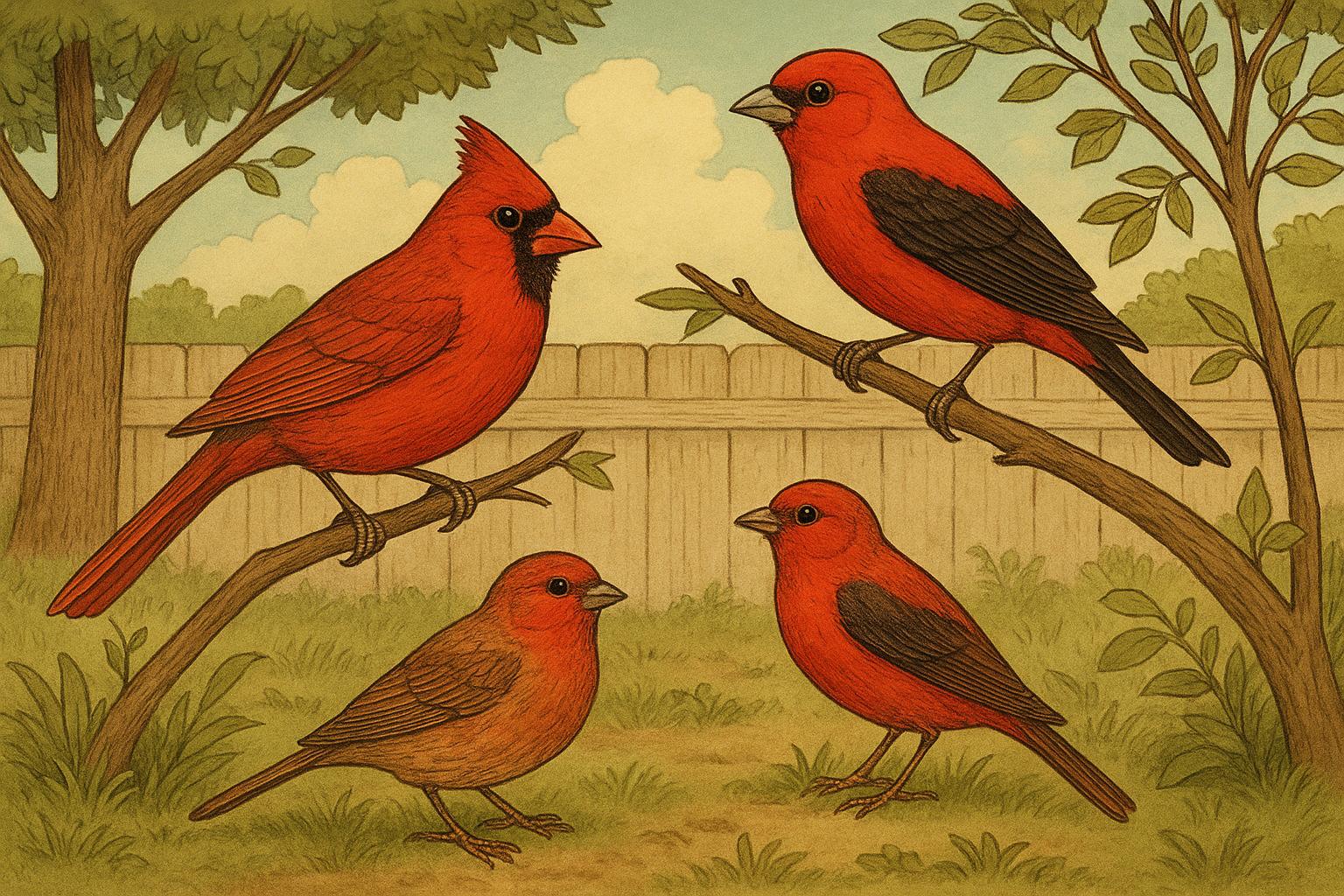
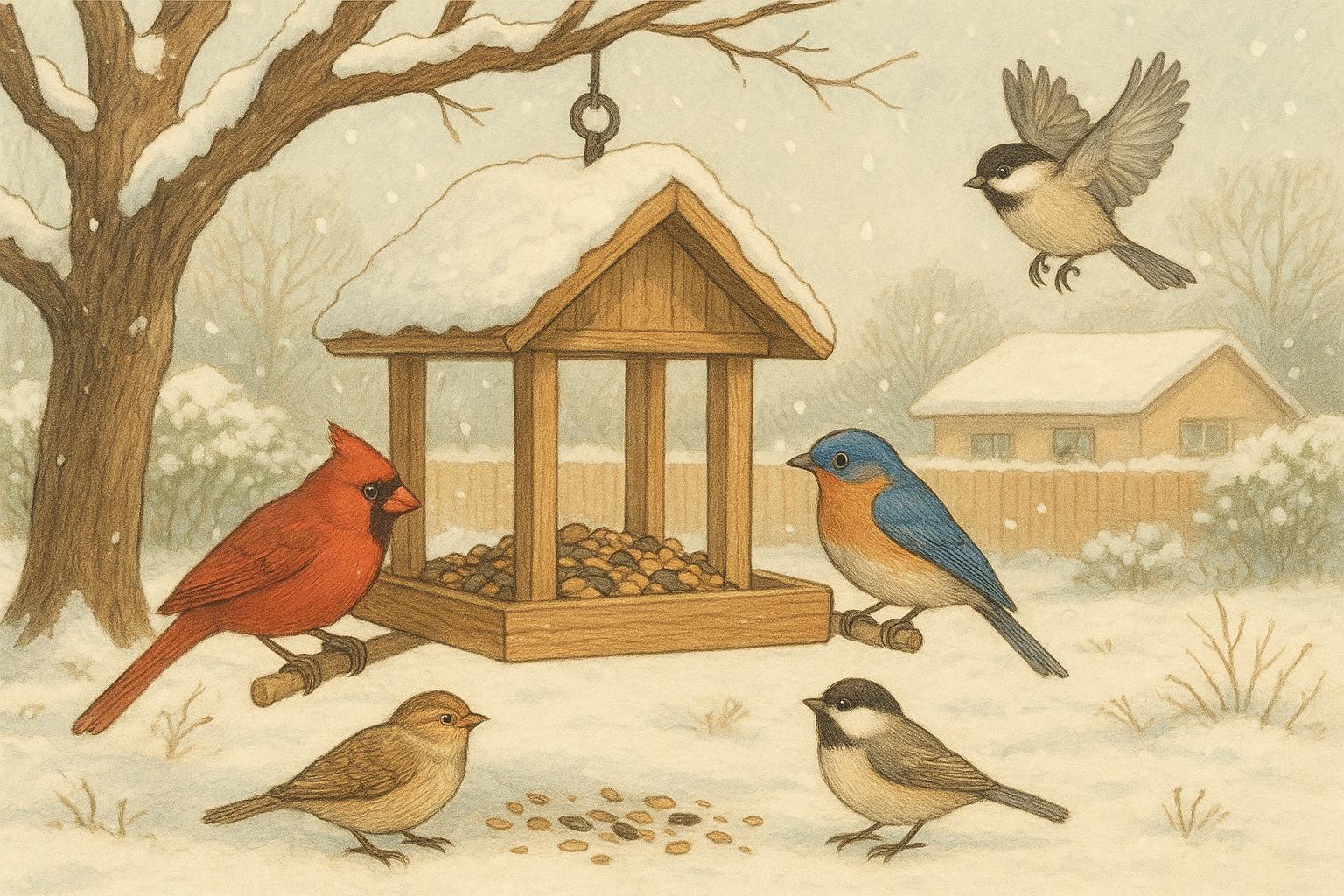
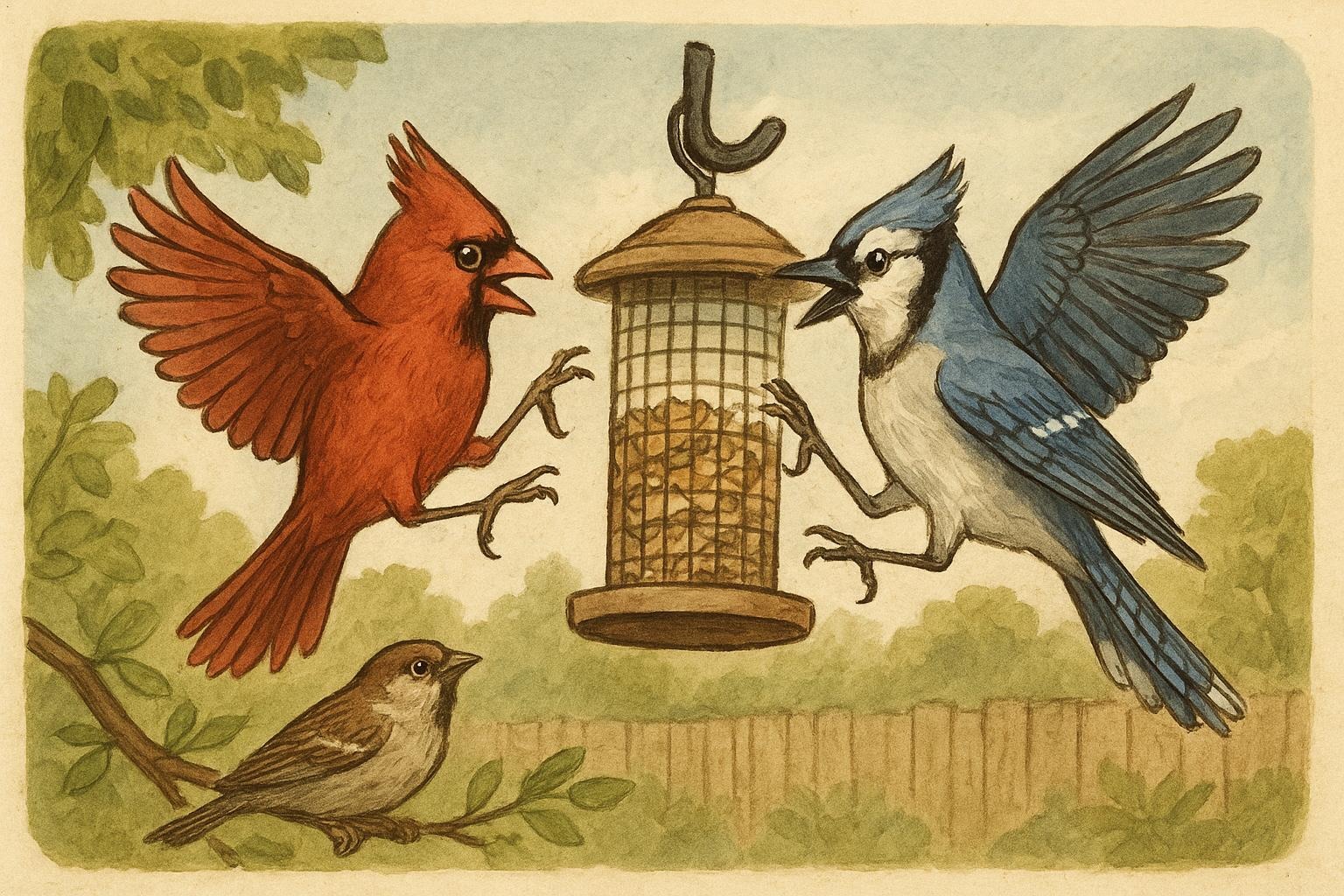
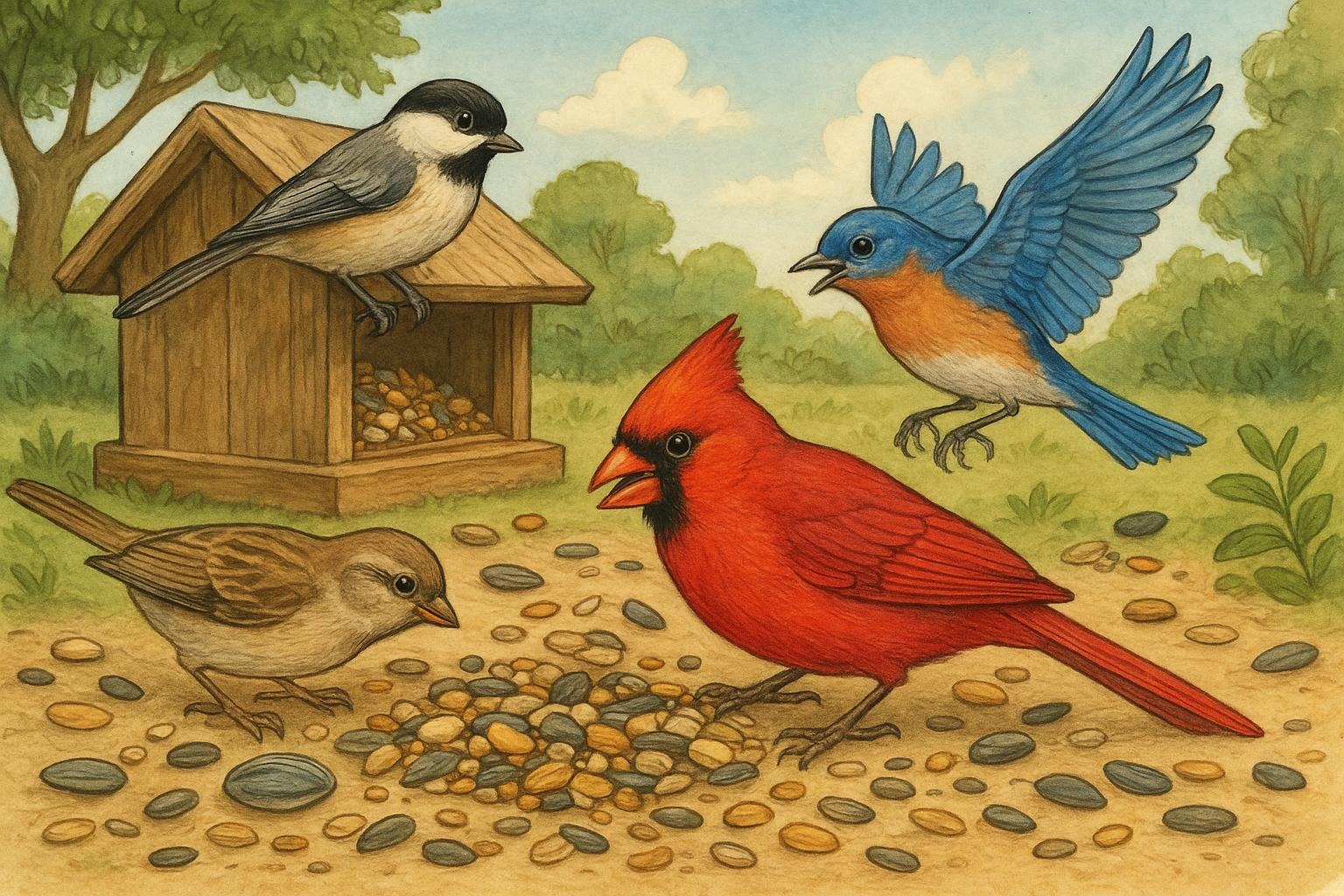
Male northern cardinals are a textbook red bird: medium-large, uniformly bright red with a black face mask and a stout, conical orange bill. They’re often seen perched conspicuously at the top of shrubs and trees, and they’ll visit feeders for sunflower seeds and safflower.
#### Female And Juvenile Coloring
Females are warm reddish-brown with red accents in the wings and tail — not exactly crimson, but unmistakable once you get used to the contrast with the male.
### House Finch: Reddish Tinge And Streaking
House finches show a range from yellow to deep raspberry. Their red is usually concentrated on the forehead, throat, and chest, with brown streaking on the flanks. Smaller and slimmer than cardinals, house finches have a pointier beak and often visit hanging tube feeders.
#### Behavior Cues For The House Finch
They’re social at feeders, often forming small flocks. If the red is patchy and the bird is streaked, you’re likely looking at a house finch rather than a solid-red species.
### Scarlet Tanager And Summer Tanager: True Reds Of The Tree Tops
Scarlet tanagers (male, breeding season) are a vivid, almost fire-engine red with contrasting black wings — a dramatic combination. Summer tanagers are uniformly red without the black wings; their red is softer, leaning toward a deep, rich tone.
#### Seasonal Notes
These tanagers are usually migrants passing through or breeding in wooded areas. Spotting one in a mixed-species songbird meltdown is a delight — and a reminder to look at more than just color (wing pattern and range help confirm ID).
### Vermilion Flycatcher: Small, Flashy, And Agile
A small bird with a bright red belly and face and dark wings — the vermilion flycatcher looks painted. Watch for flycatching behavior: aerial sallies from exposed perches. Their red is intense but limited to the ventral area and face.
### Red Crossbill And Other Pine Specialists
Red crossbills are a rose to orange-red, not a pure scarlet. Their defining feature is the crossed bill adapted for extracting seeds from conifer cones. If you’re near pines and see a reddish bird with an odd beak, suspect a crossbill.
### Color Confusion: When Two Species Look Similar
When multiple red birds share a yard, check:
– Beak shape: conical (seed eaters) vs. slender (insect eaters).
– Wing and tail contrast: black wings on a red body (scarlet tanager) vs. uniform red (summer tanager).
– Size and posture: cardinal’s upright stance vs. finch’s active hopping.
## Identifying Subtle Shades And Practical Field Tips
### Lighting, Molt, And Age
Molting birds may show mixed plumage; juveniles can be duller. Morning and evening light casts reds differently — midday sun gives the truest color. Use binoculars if possible, and take note of song and behavior as confirming details.
### Photography And Record Keeping
If you photograph a candidate, include the bill and any wing patterns. A simple field note with date, time, and habitat (feeders, trees, pines) helps later verification. Pictures can exaggerate color — especially with smartphone processing — so pair images with observational notes.
### When You Need A Remedy: Attracting Or Managing Red Birds (Remedies 1 And 2)
The following remedies are practical, evidence-based, and organized for clear application. Ingredients and step-by-step instructions are provided. Language shifts to a slightly more formal, directive tone here to ensure safe and successful outcomes.
### Remedy 1: Create A Red-Bird-Friendly Feeder Station
Goal: Attract male and female red birds (cardinals, finches, tanagers) safely and consistently.
Ingredients / Materials:
1. Platform feeder and one tubular feeder (metal or weather-resistant plastic).
2. Safflower seed and black-oil sunflower seed (5–10 lbs each, depending on traffic).
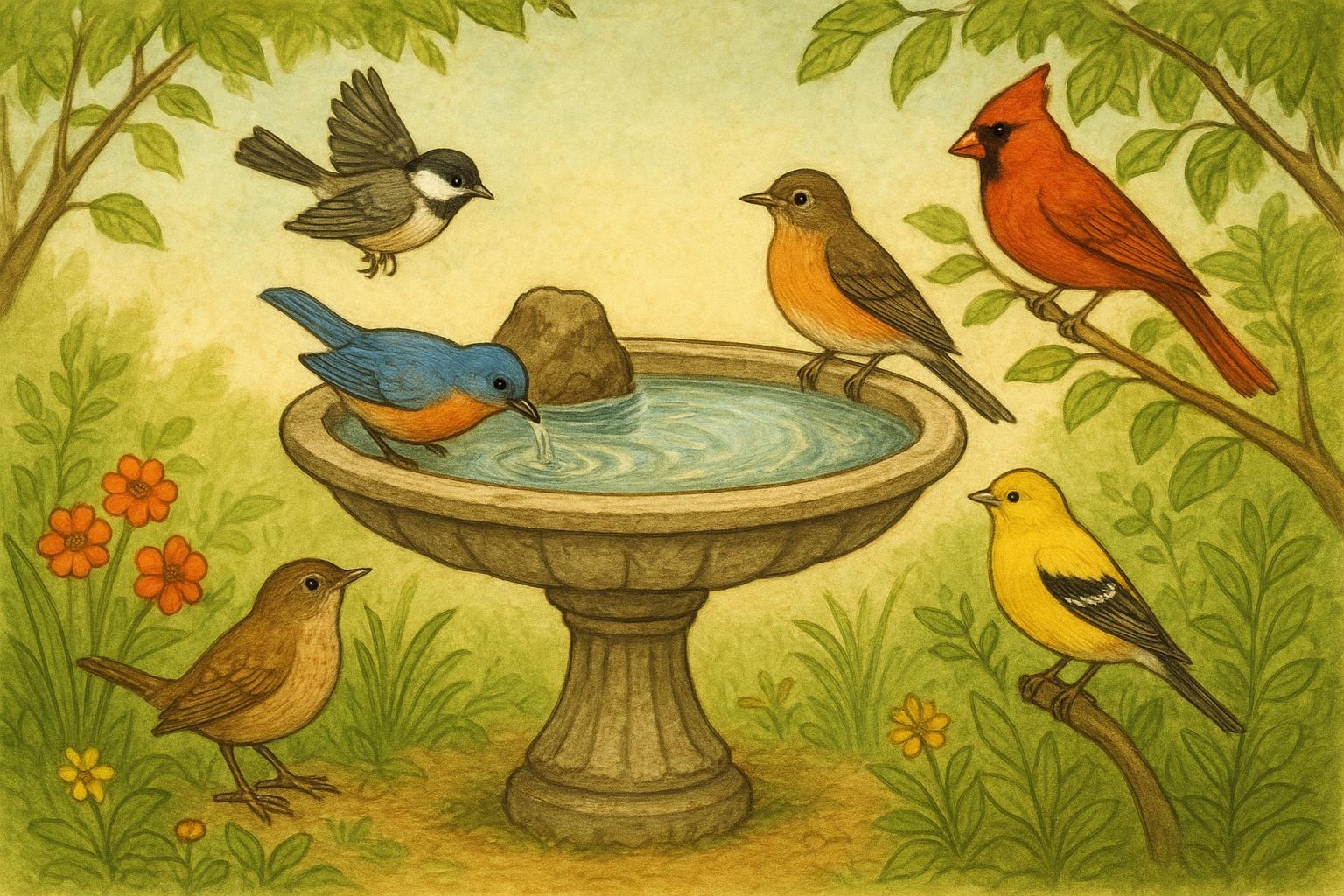
3. Fresh water source: small heated bird bath or shallow basin.
4. Native shrubs and small trees for cover (e.g., serviceberry, dogwood, native holly).
5. Predator deterrents: baffles for poles, metal baffle for pole feeders.
6. Optional: Nyjer seed for finch-specific attraction.
Step-by-Step Creation and Application:
1. Placement: Install feeders within 10–20 feet of cover (shrubs or low trees) so birds can quickly retreat if threatened, but keep them at least 5 feet from potential ambush sites for neighborhood cats.
2. Setup: Mount a platform feeder on a pole with a baffle; hang a tubular feeder on a branch or shepherd’s hook 4–6 feet high.
3. Seed Selection: Fill the platform feeder with safflower (preferred by cardinals, less by house sparrows) and the tubular feeder with black-oil sunflower (favored by many seed-eating red birds).
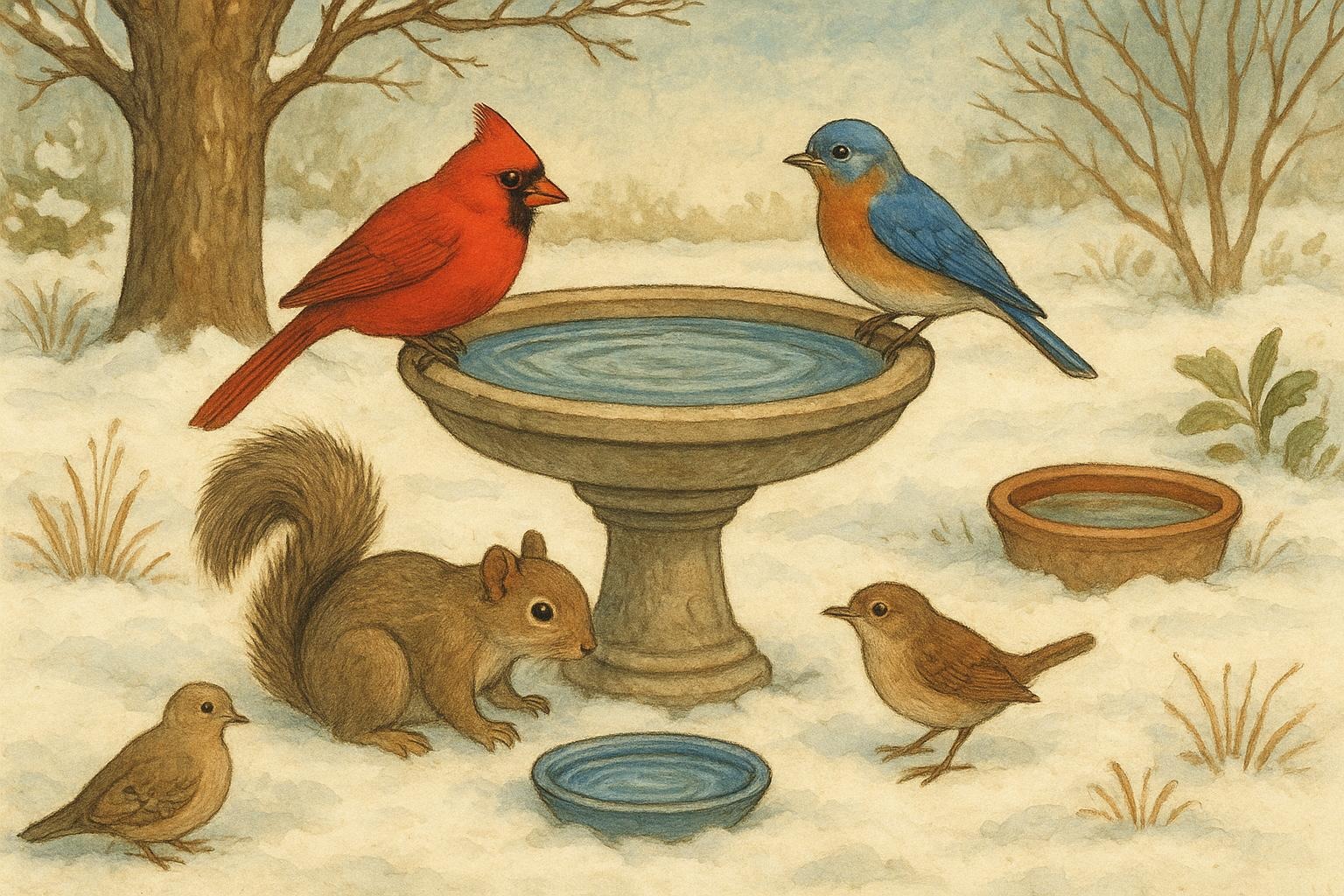
4. Water: Provide fresh water daily. In cold climates, use a heated bath rated for outdoor use to prevent freezing.
5. Planting: Introduce native shrubs in stages to provide year-round cover and potential natural food sources (berries, insects). Plant groupings to create safe approach corridors.
6. Maintenance: Clean feeders every 2–3 weeks with diluted bleach solution (1 part bleach to 9 parts water), rinse thoroughly, and refill with fresh seed. Monitor for mold or clumping in wet seasons and discard spoiled seed.
7. Monitoring: Keep a log of species and numbers to fine-tune seed mixes and feeder type. If aggressive species dominate, adjust seed type (safflower discourages some aggressive non-native species).
### Remedy 2: Reduce Unwanted Competition Or Predation
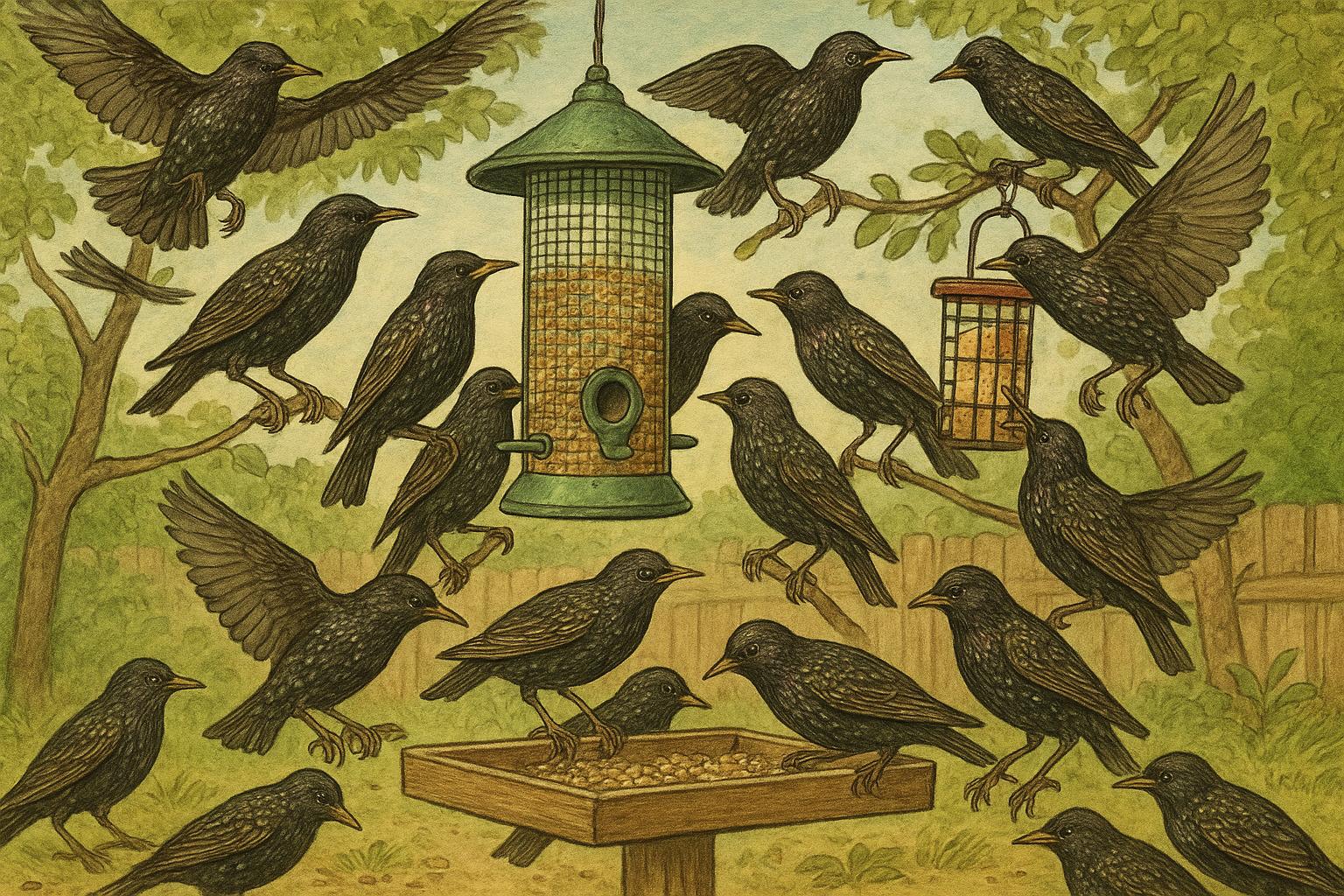
Goal: Minimize aggressive competitors (house sparrows, starlings) and reduce predation risk for attracting red birds.
Materials:
1. Safflower seed and feeder designs that exclude larger birds.
2. Mesh or small-port tube feeders for finches.
3. Predator-safe landscaping elements (dense low cover for quick escape).
4. Motion-activated deterrents (lights or sprinklers) if raccoons or cats are persistent.
Step-by-Step Creation and Application:
1. Seed Strategy: Use safflower seed in open platform feeders to favor cardinals and discourage starlings and house sparrows. For finches, use nyjer in small-port tube feeders that exclude larger beaked birds.
2. Feeder Design: Replace wide-mouthed feeders with narrow or mesh feeders that limit access to small-bodied birds. Ensure perches are appropriate for target species.
3. Cat Deterrence: Position feeders away from areas accessible to neighborhood cats. Consider motion-activated sprinklers in high-traffic areas; these are humane and effective deterrents.
4. Predator-Proofing: Install baffles on pole feeders and maintain a clear zone beneath feeders to reduce cover for ambush predators. Provide nearby dense shrubs for quick refuge but not so close that predators can hide within striking distance.
5. Monitoring And Adjustment: If non-target species still dominate, rotate feeder types and seed mixes on a weekly basis to discourage habituation by unwanted birds.
### Safety And Legal Notes For Remedies
Always use native plants where possible and follow local wildlife regulations. Do not attempt to trap or handle wild birds unless licensed — instead, contact a rehabilitator or wildlife professional if you find injured red birds.
### Field Practice: Quick ID Checklist
Use this internal checklist when you spot a red bird:
1. Overall red saturation: uniform or patchy?
2. Presence of black wings or mask?
3. Size relative to a cardinal or sparrow?
4. Beak shape: thick seed-crushing or slender insect probe?
5. Behavior: hopping, sallying, perched at canopy top?
Record answers to help narrow IDs quickly in the field.
A day spent tracking shades of red in your backyard can be oddly satisfying: you learn to appreciate subtle differences, anticipate seasonal visitors, and build a mini-ecosystem that supports both song and color. Keep a pair of binoculars handy, update your feeder strategy seasonally, and enjoy the show — with a little science and a few carefully placed feeders, your yard will be a magnet for the reds that suit your landscape and tastes.





Leave a Reply