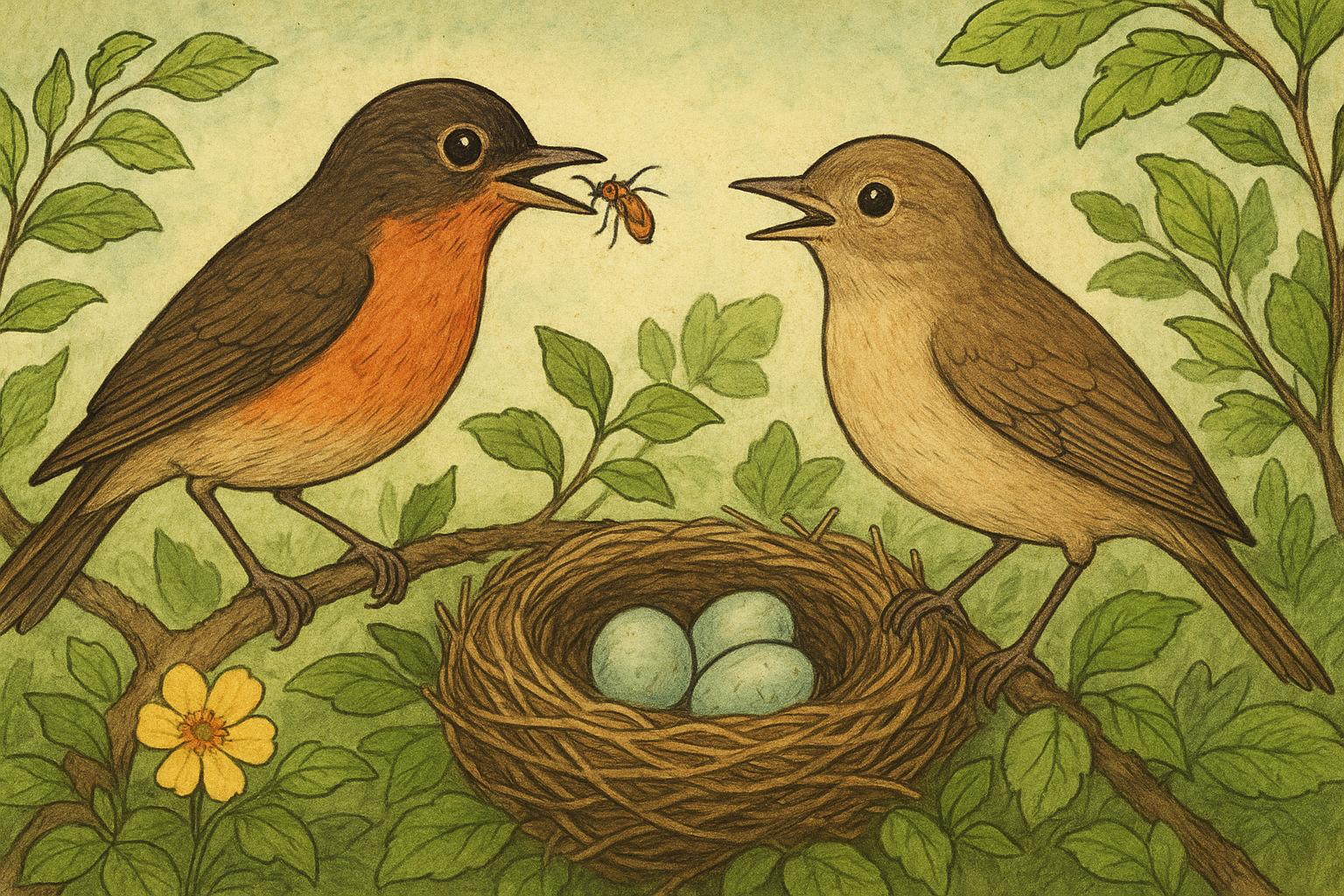
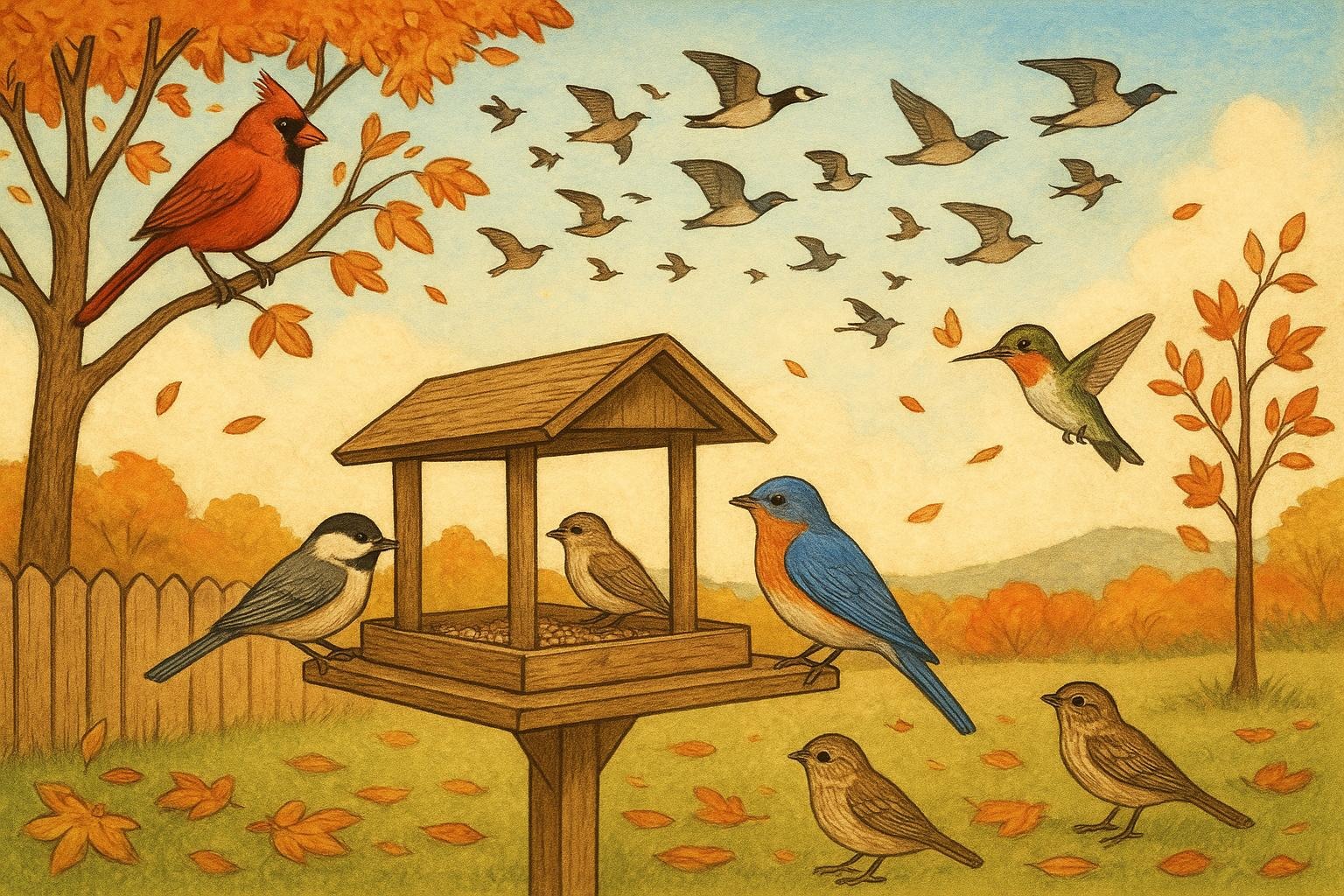
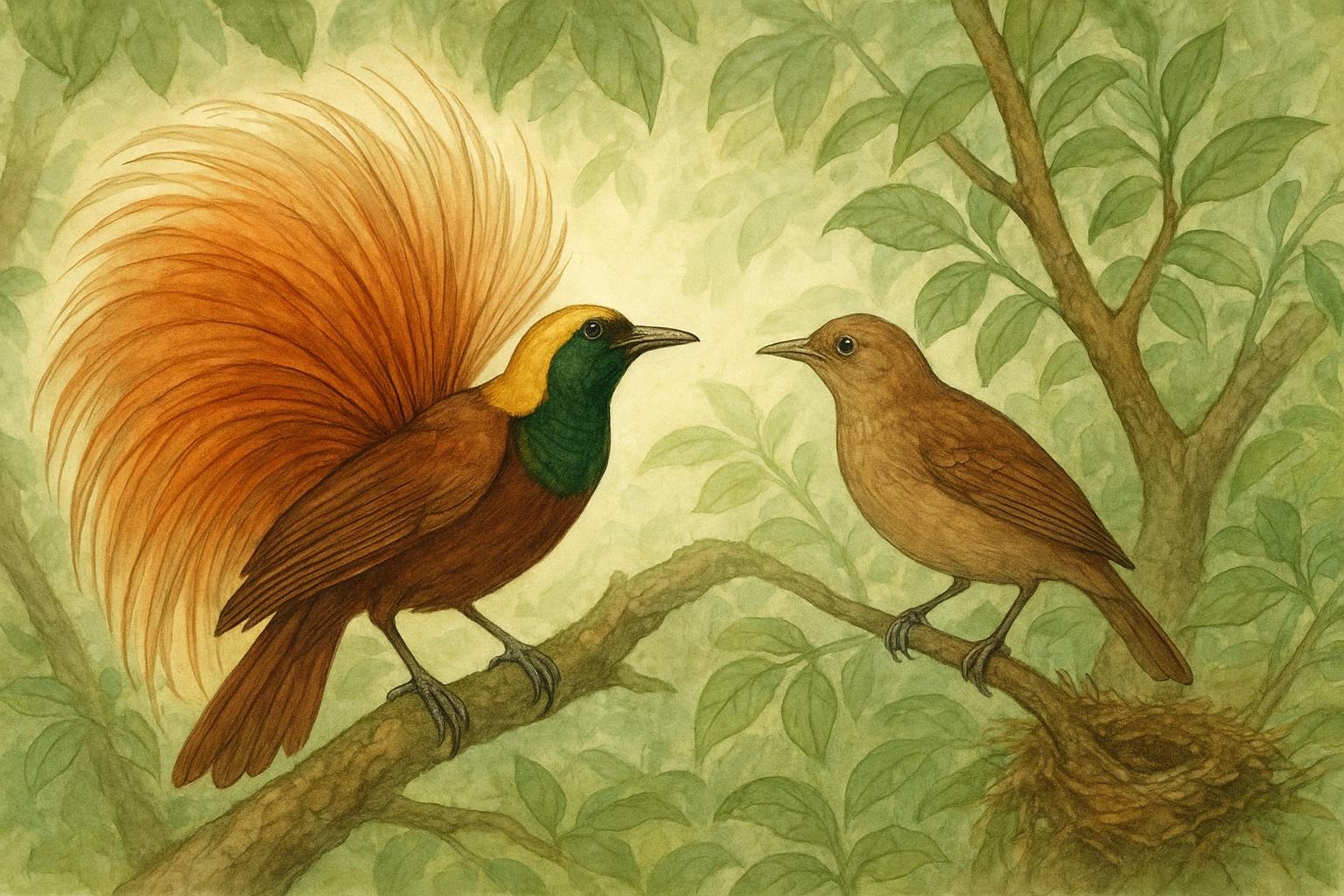
Spring in the yard brings a kind of rom-com starring your local feathered residents — brief serenades at dawn, elaborate wing displays, and the occasional stick-and-mud architectural effort that says, “I’ve got commitment issues, but also construction skills.” If you’ve ever paused with a mug of coffee to watch a male cardinal puff up and sing, you’ve witnessed the fascinating choreography of bird courtship.
## Bird Courtship: Why Backyard Passions Matter
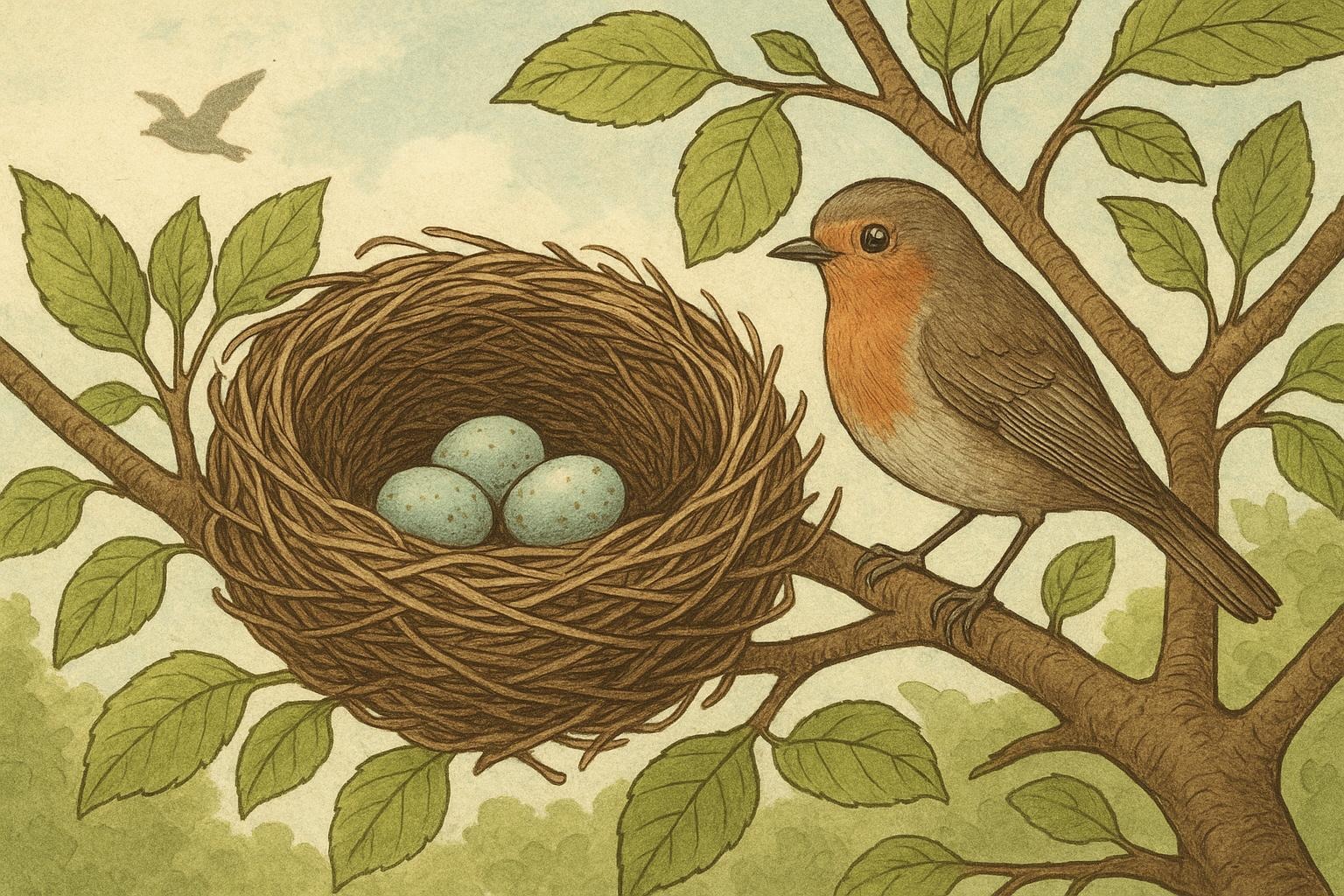
Bird courtship is the set of behaviors birds use to attract mates and establish nests. In your backyard, these rituals determine which species stick around to raise young and which fly elsewhere. Understanding bird courtship helps you recognize what’s natural (a male robin delivering worms) versus what might be a stressed or displaced behavior (persistent, frantic calling late into evening). Observing these patterns is not only delightful, it’s useful: you can make small, targeted changes that improve nesting success and enrich the biodiversity right outside your window.
### Signs To Watch For During Nesting Season
Courtship behaviors are often obvious once you know where to look. Look (and listen) for:
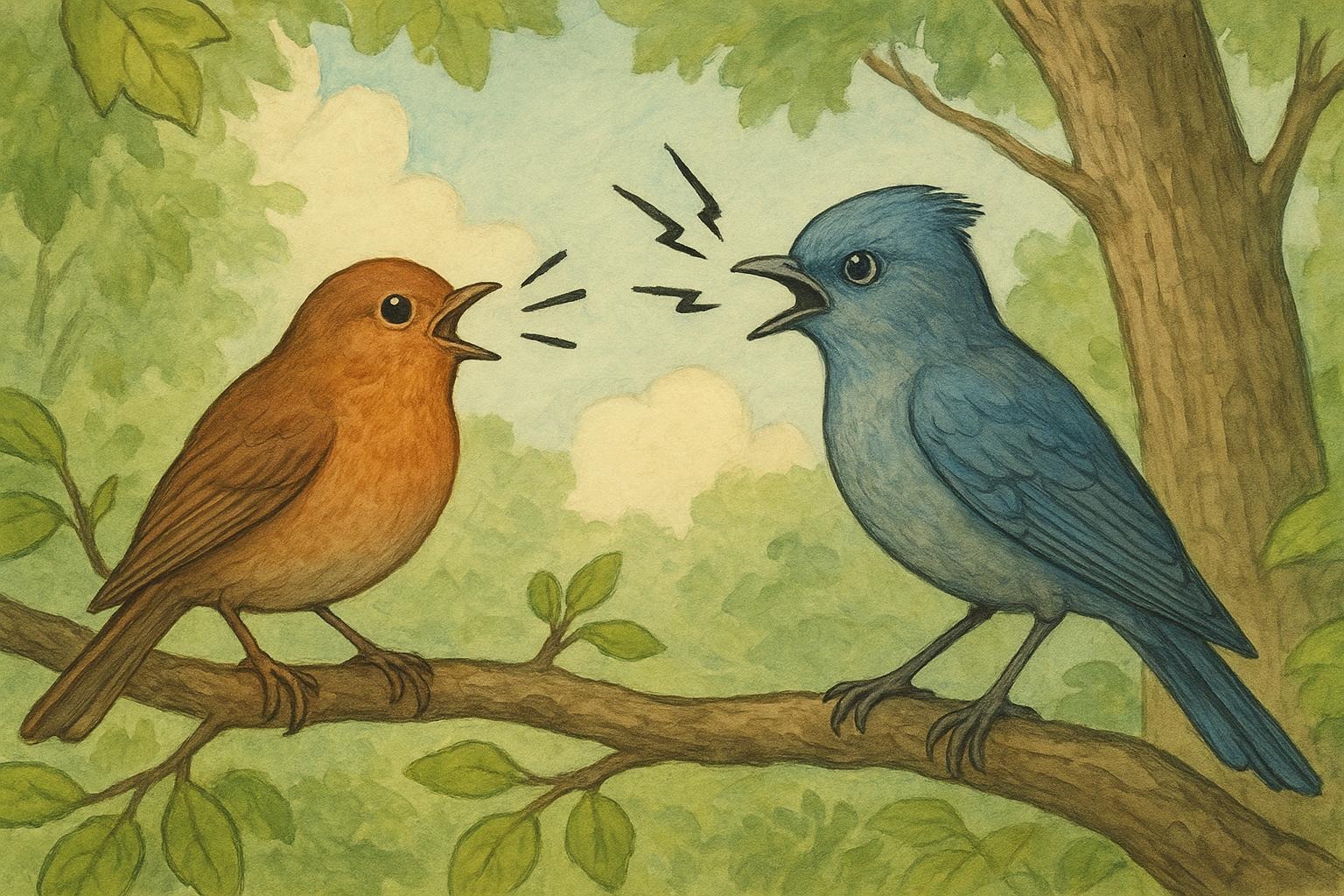
– Singing at dawn and dusk — often male birds advertising territory and availability.
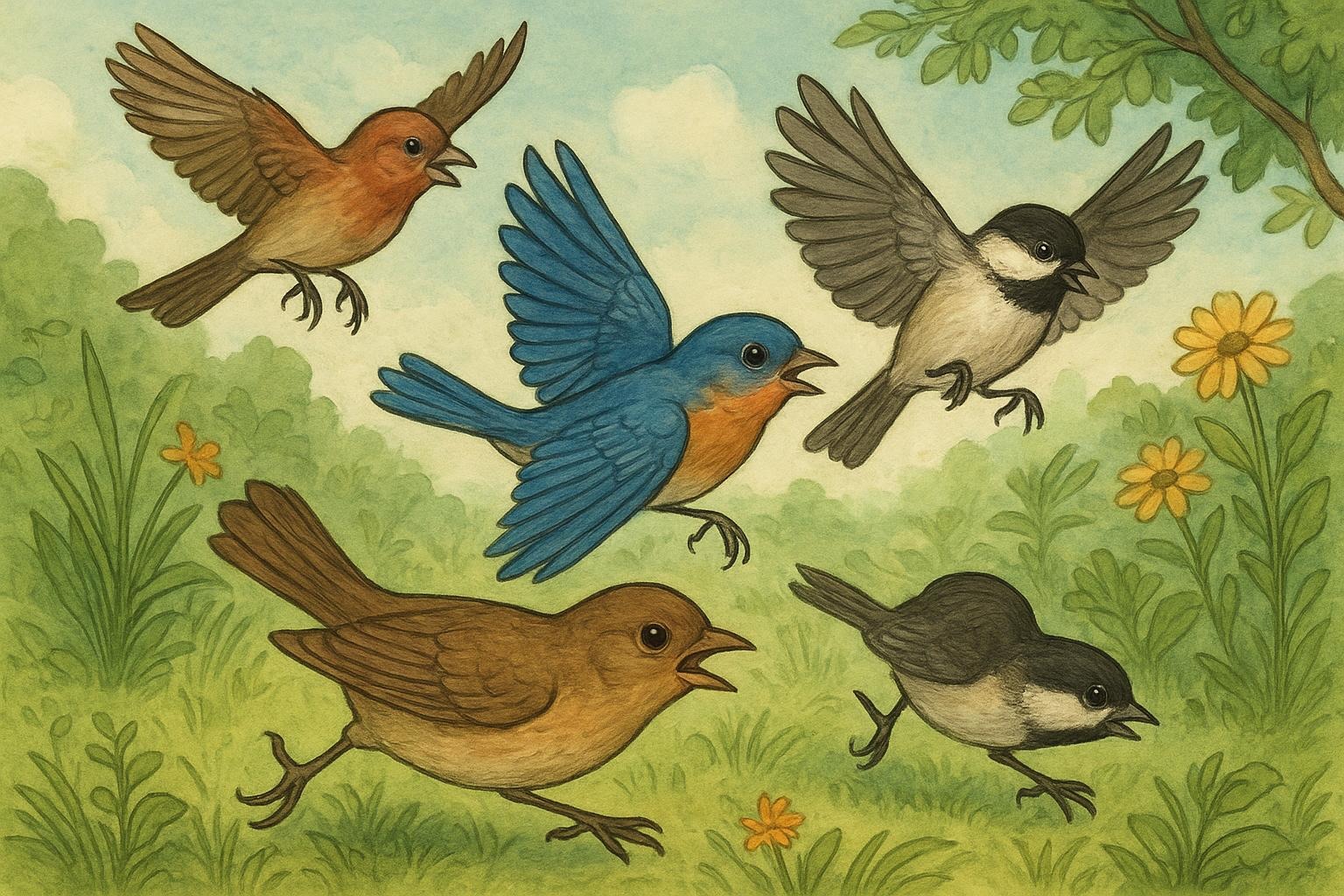
– Display flights and wing-fluttering — some species perform aerial stunts or tail spreads.
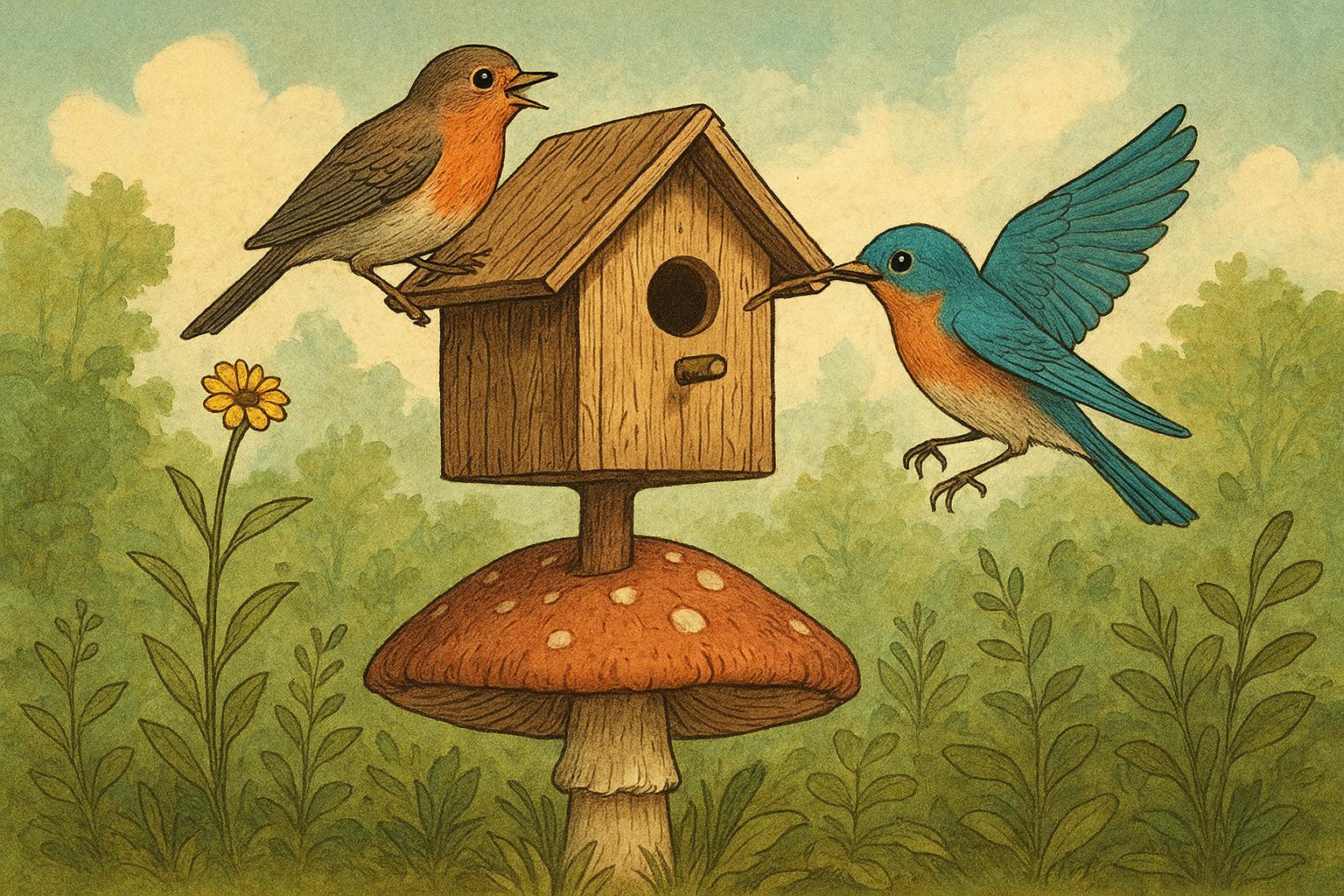
– Gift-giving — food presentations, nesting material drops, and even insect offerings.
– Paired preening and nearby duetting — signs that a bond is forming.
These behaviors are all part of the bird courtship toolkit. Not every species does every item on the list; some favor song, others favor nest quality or dazzling plumage. Patience pays off — many of these rituals happen in a narrow window of the season.
## 1. Build A Nest Box To Encourage Courtship
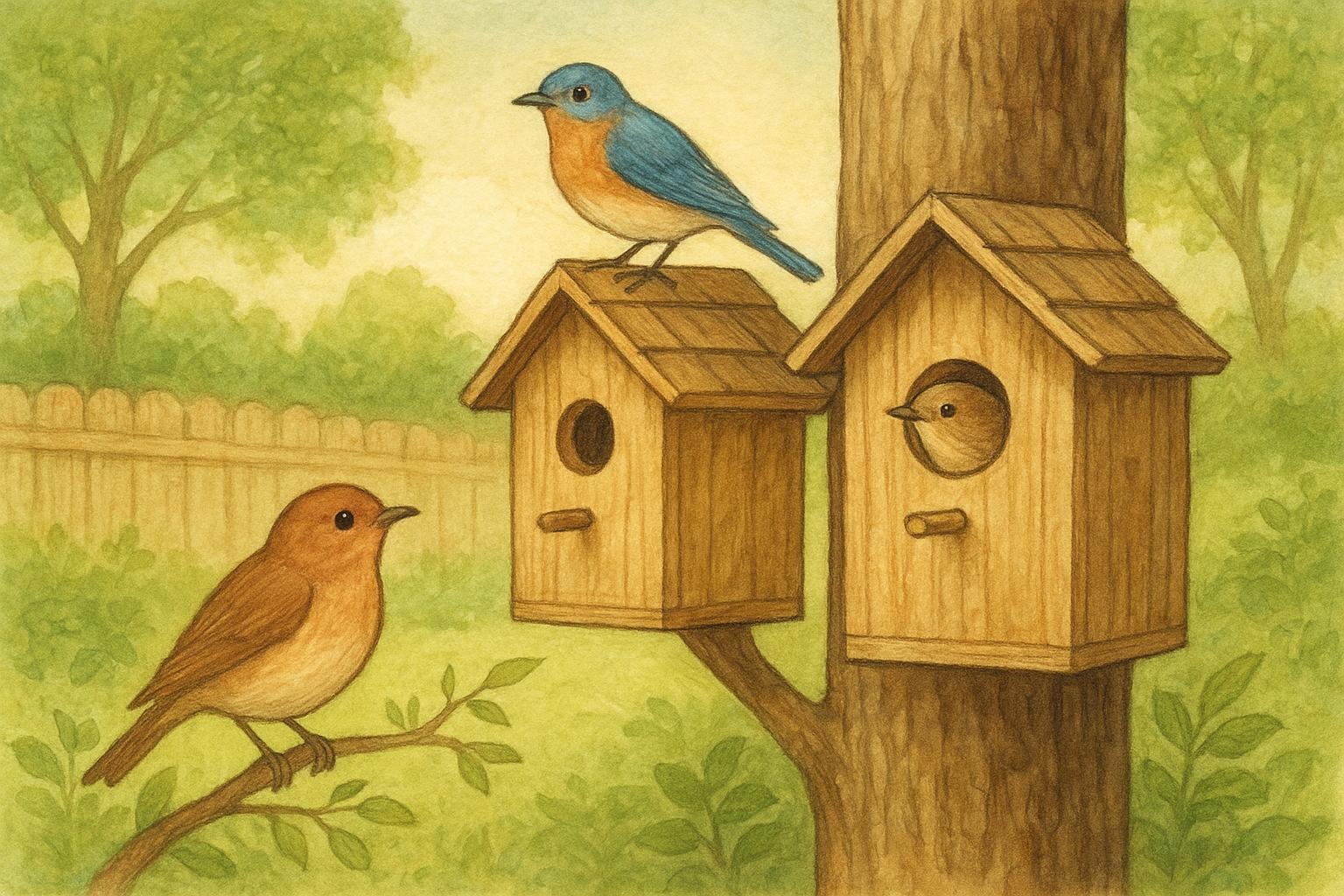
If you want to coax courting birds into nesting on your property, a properly constructed nest box is one of the most effective, low-impact solutions. Below is a clear, formal set of materials and steps intended for common cavity-nesting songbirds (bluebirds, chickadees, titmice). Follow local guidelines for species-specific dimensions where applicable.
#### Materials Required
– Untreated lumber: 1-inch thick cedar or pine boards (avoid pressure-treated wood)
– Galvanized or stainless steel screws
– Outdoor, bird-safe non-toxic paint or stain (optional; exterior grade)
– Hinges for clean-out access
– 1/4 inch hardware cloth (optional, predator guard)
– Drill with hole saw bit (for entrance hole)
– Measuring tape, saw, sandpaper, wood glue (exterior)
#### Step-By-Step Construction And Installation
1. Measure and cut pieces to approximate dimensions (example for Eastern Bluebird): floor 5×5 in, front/back 10×10 in, sides 10×7 in, roof 7×10 in with overhang.
2. Drill the entrance hole: 1.5 inches diameter for bluebirds, positioned about 6-7 inches above the floor. Smooth edges with sandpaper.
3. Assemble the box using screws and exterior glue, ensuring tight seams but leaving the top or side panel hinged for seasonal cleaning.
4. Add ventilation holes near the top of the sides and small drainage holes in the floor.
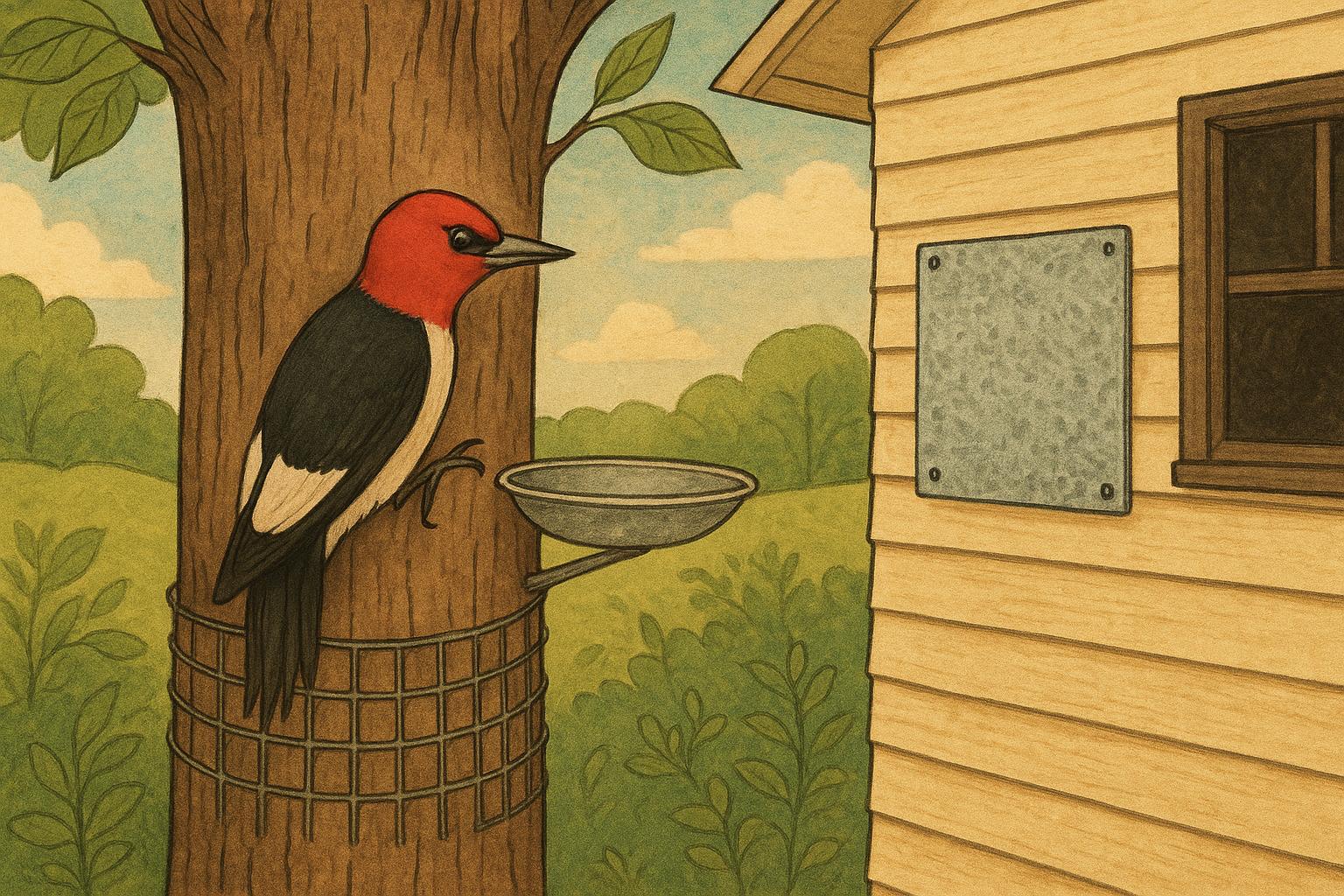
5. Optionally affix hardware cloth around the pole or below the entrance as a predator guard.
6. Paint or stain the exterior lightly if desired; avoid painting the inside. Use light, natural colors.
7. Install the box on a metal pole or predator-resistant mount at recommended height (usually 4–6 feet for bluebirds) facing away from prevailing winds and with a clear flight path.
8. Monitor from a distance; avoid frequent disturbance during active courtship and nesting.
### Placement And Timing
For effective results, install boxes before the local nesting season begins so birds find them during territory establishment. Place boxes in pairs for species amenable to nearby neighbors. Avoid placing boxes too close to dense predator cover; ideally, they should be near open spaces with nearby perches for males to display.
## 2. Create A Courtship-Friendly Landscape
Beyond boxes, the broader yard habitat influences how birds perform their rituals. This remedy focuses on modifying planting, feeding, and safety practices to foster thriving courtship behaviors. The instructions below are presented in a formal, informative style for clarity and reliable application.
#### Required Materials And Supplies
– Native shrubs and native-flowering perennials (species chosen for your region)
– Mulch and leaf litter management tools (rake, compost bin)
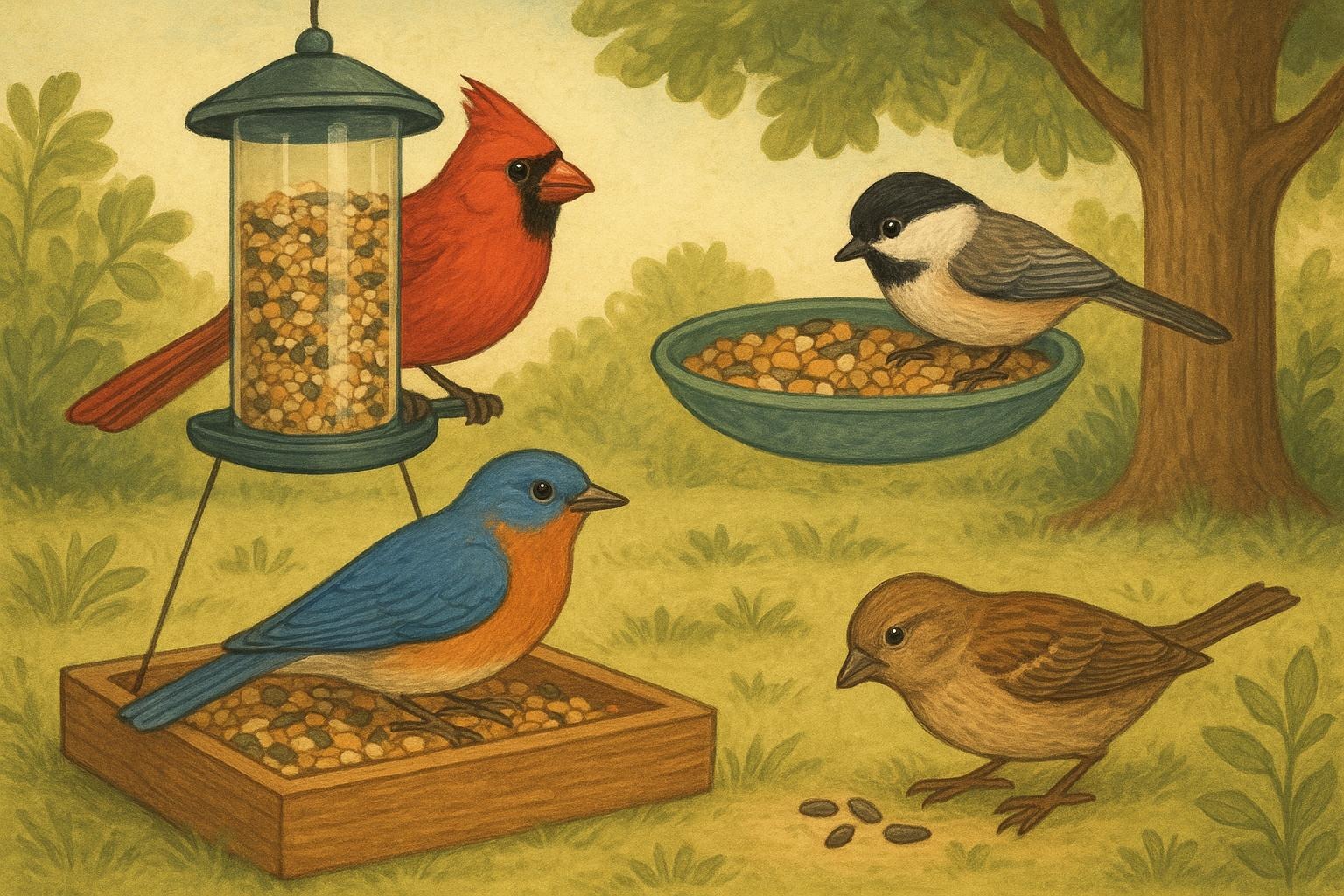
– Bird feeders of appropriate type (tube, platform, suet)
– A supply of natural nesting materials (untreated twine, pet-safe cotton, hair from grooming — optional and used sparingly)
– Binoculars and a simple notebook for observation (optional)
#### Step-By-Step Habitat Creation And Management
1. Audit Your Yard: Identify sunny/open areas, shrub layers, and potential predator perches (like low fences). Map spaces where courtship displays are visible but safe.
2. Plant Structural Diversity: Install a mix of native shrubs for cover and tall perennials for insect support. Aim for layered vegetation — groundcover, shrubs, small trees — to provide for different species’ courtship preferences.
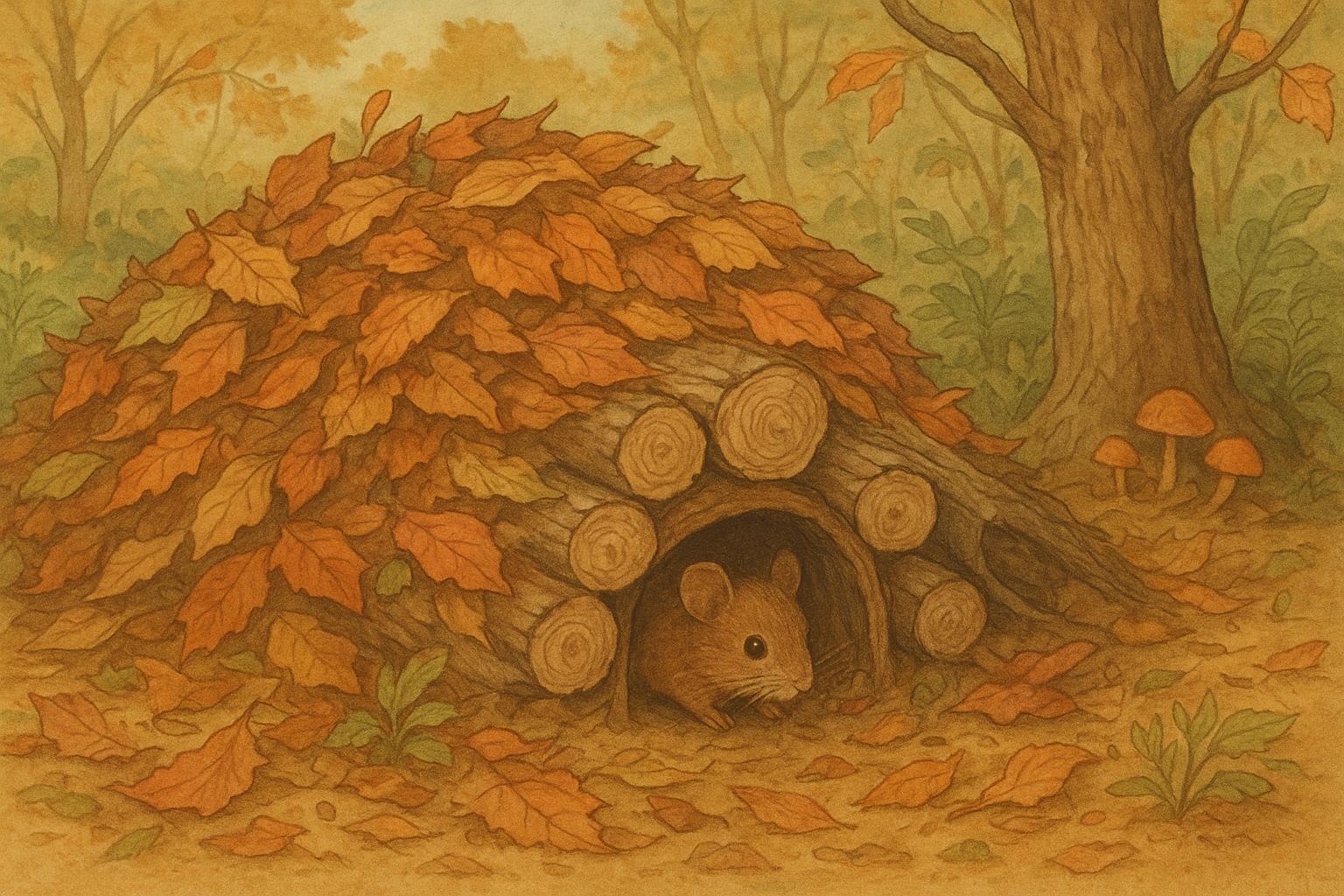
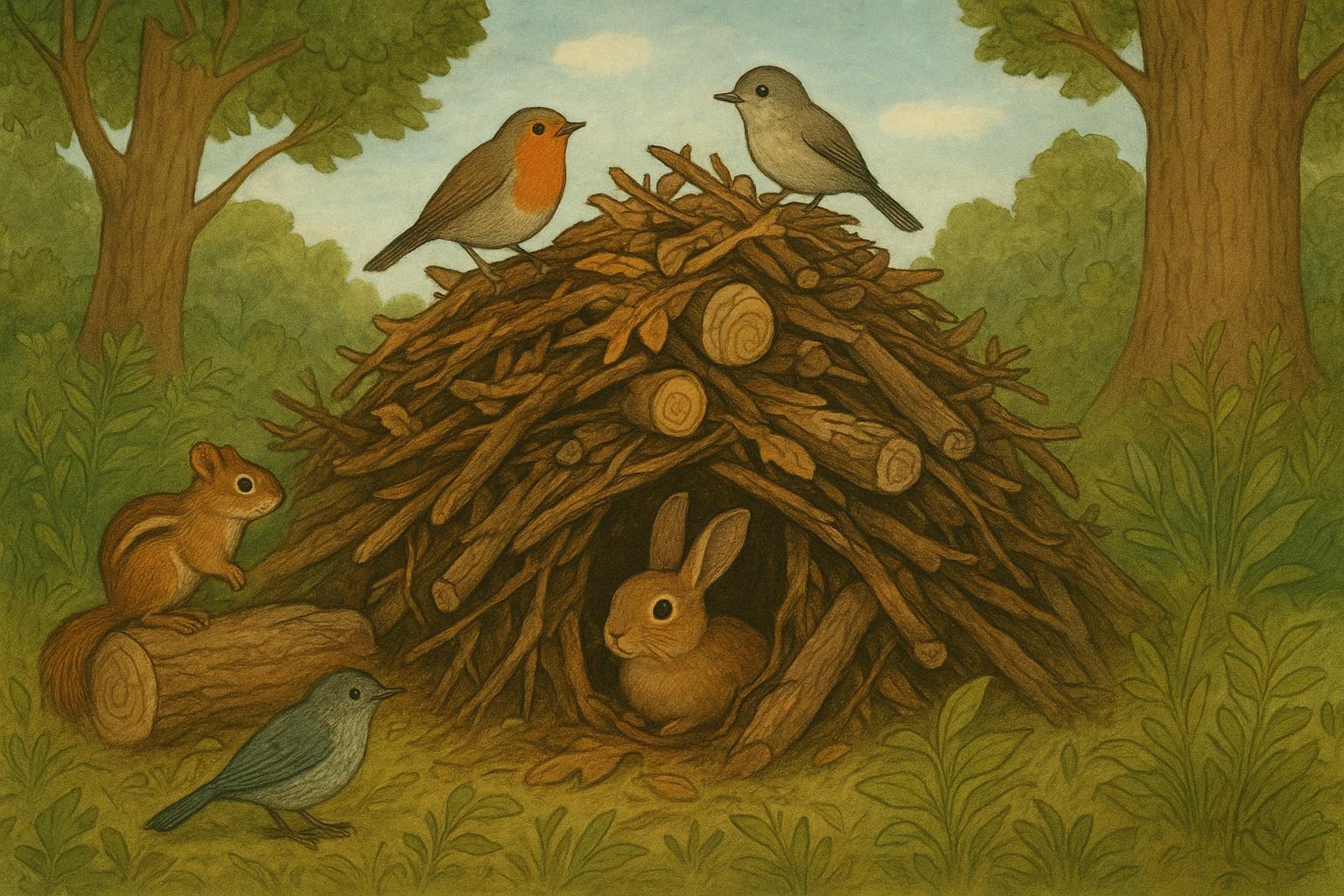
3. Manage Leaf Litter Thoughtfully: Leave small patches of leaf litter and brush piles away from heavy human traffic. Many insects and spiders hide there, and they’re attractive food for birds performing courtship feeding.
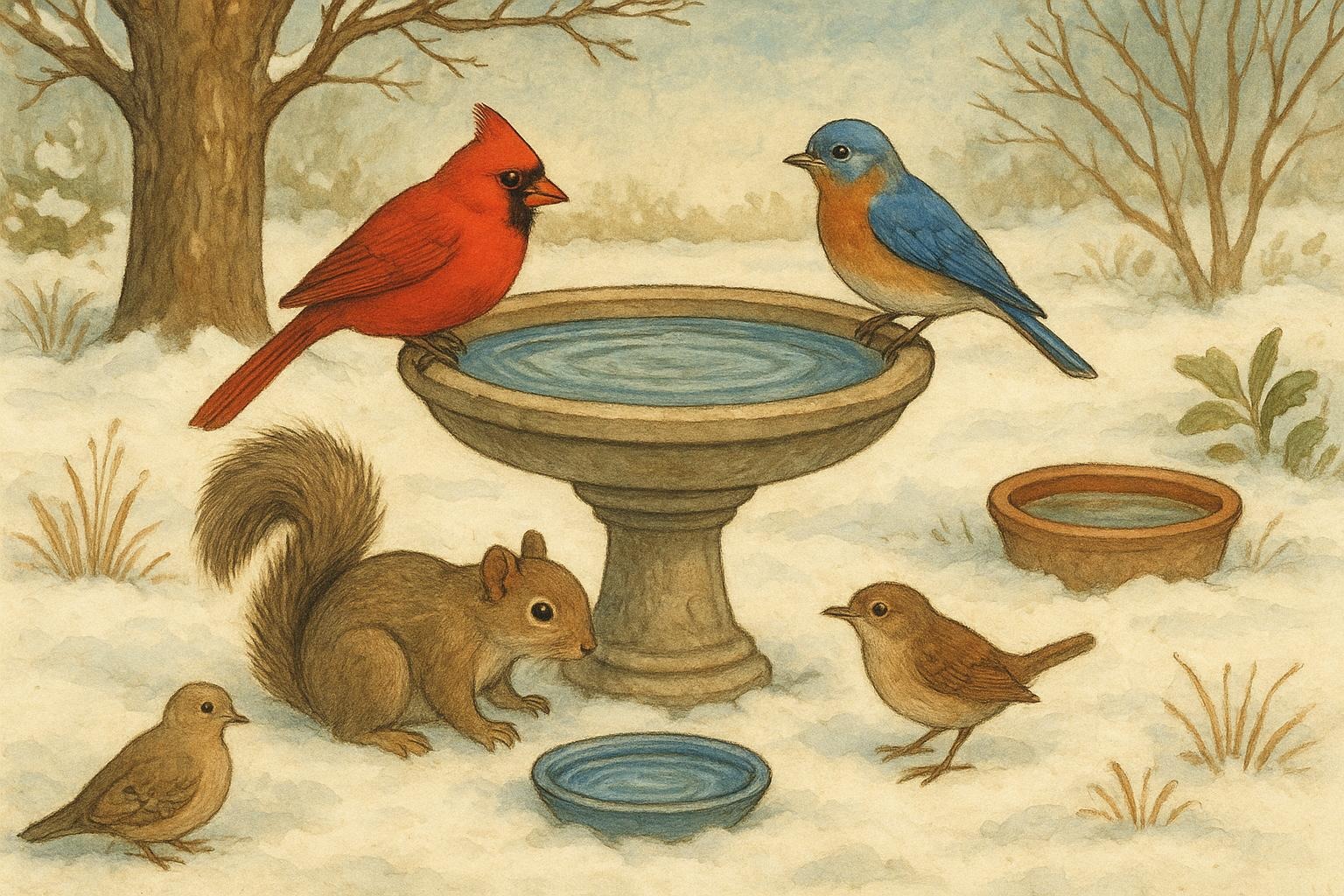
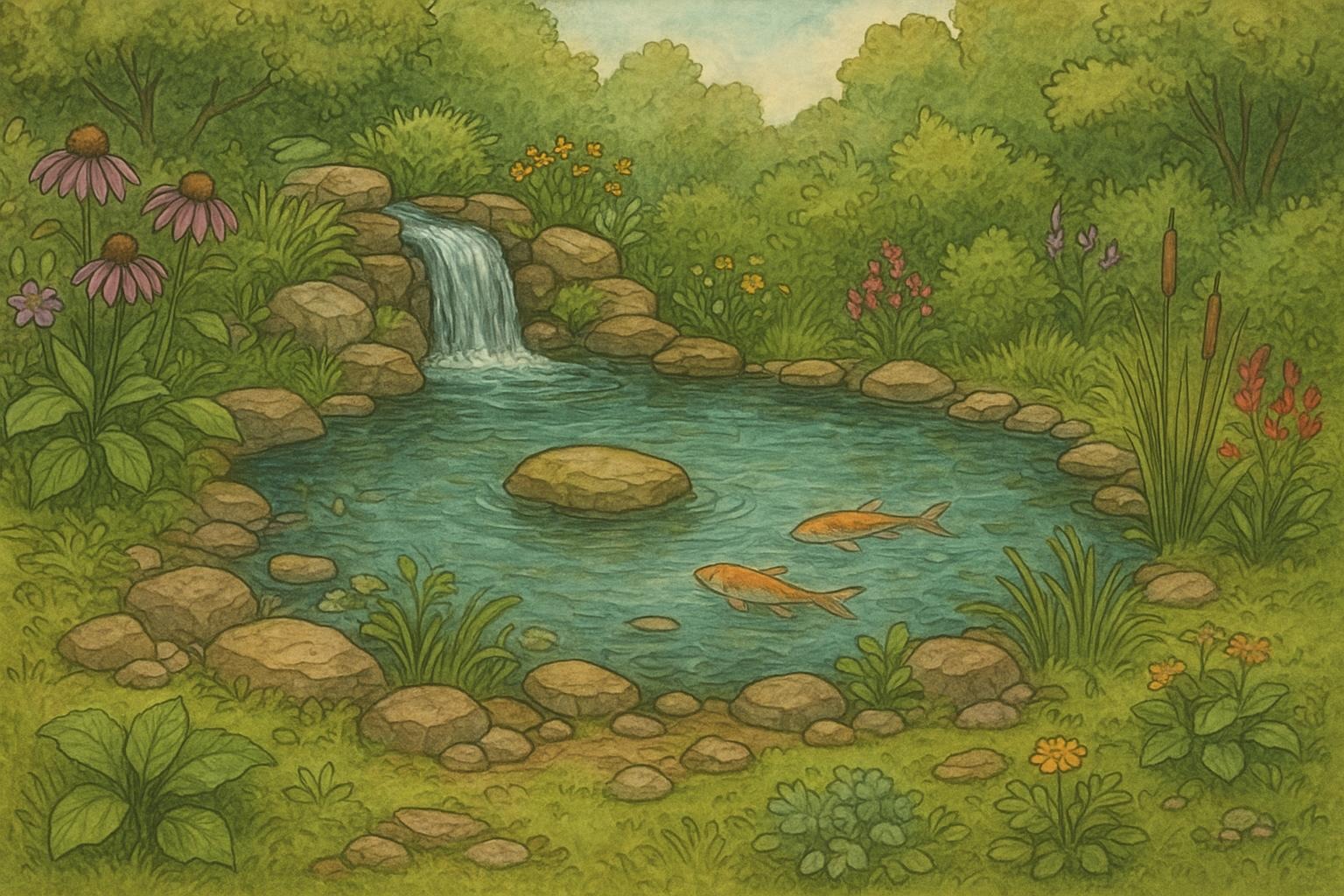
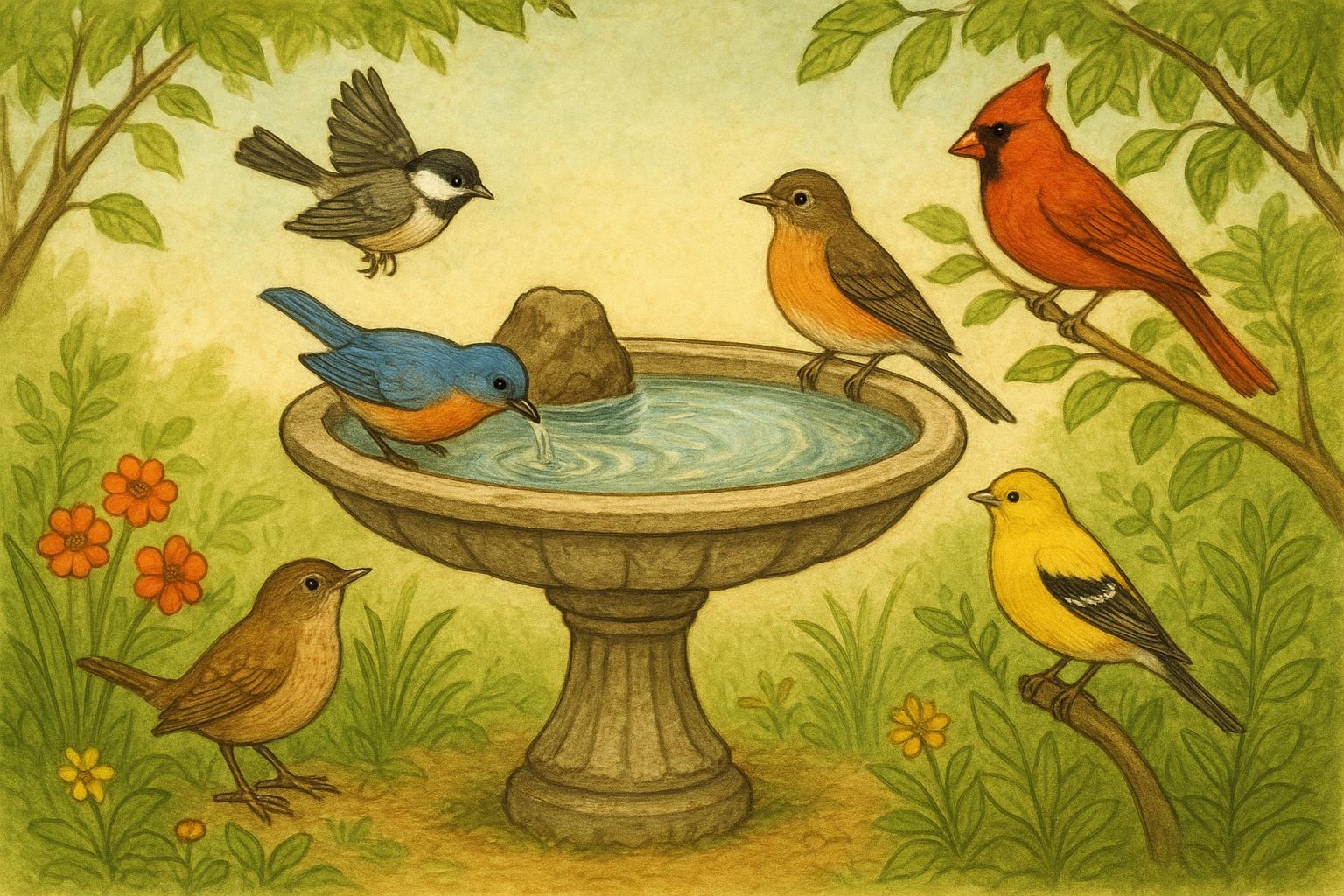
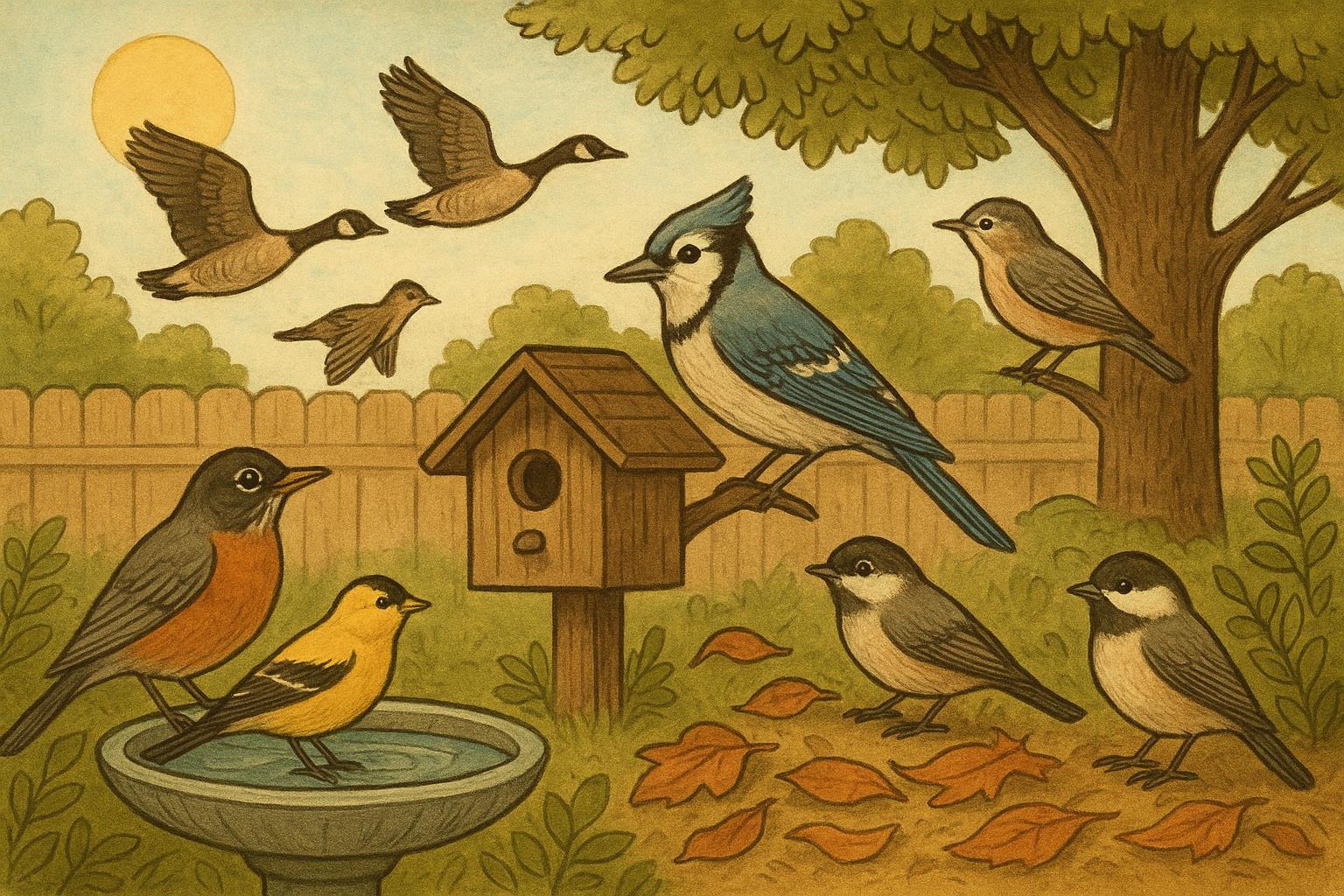
4. Provide Water: Install a small, shallow birdbath with a gentle dripper or mister. Moving water attracts attention and becomes a focal point for displays and bonding moments.
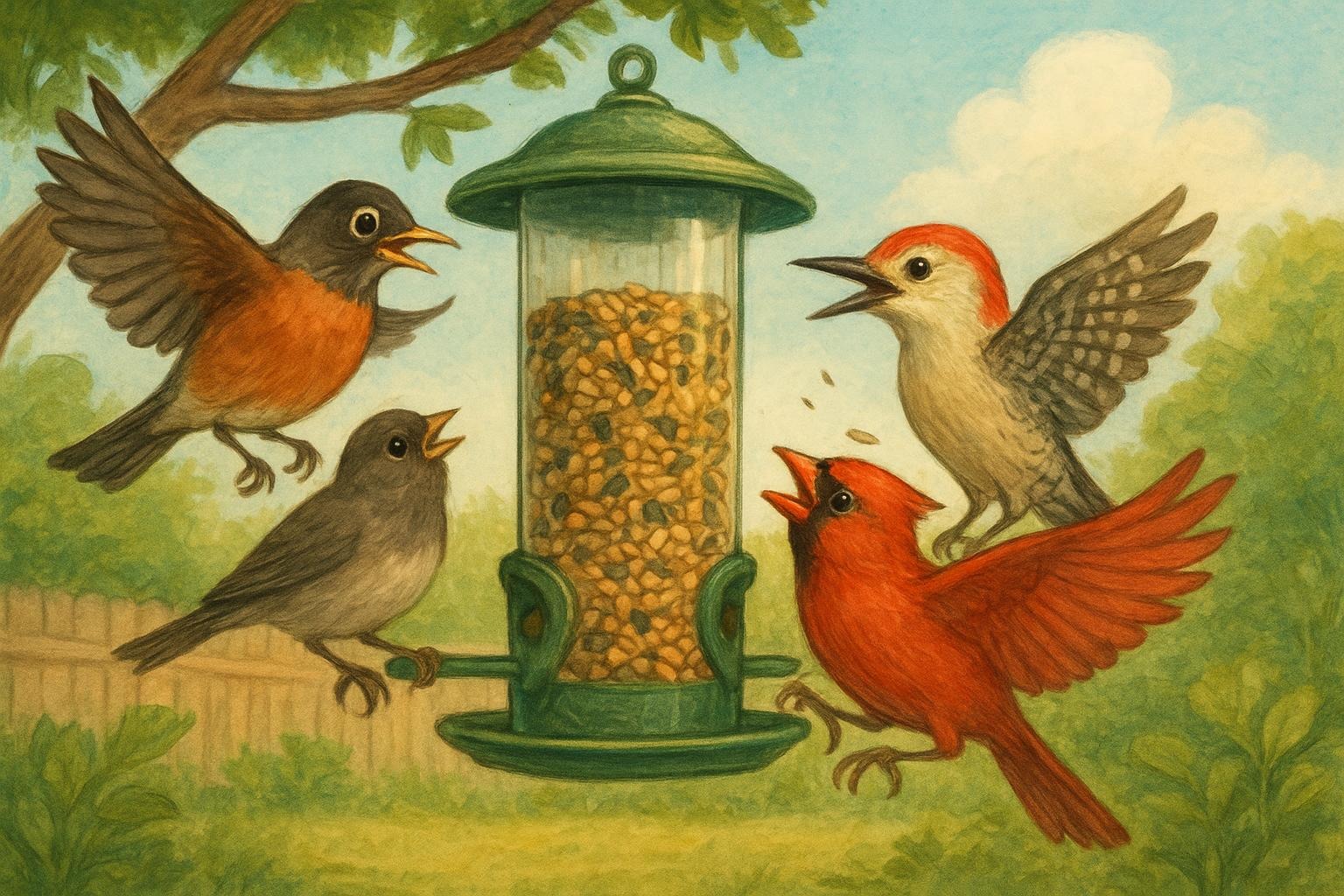
5. Position Feeding Stations Strategically: Place feeders where males can perch and display but away from dense shrub thickets that harbor predators. Clean feeders regularly to reduce disease.
6. Offer Nesting Materials Carefully: Provide short, untreated grass clippings, pet hair, and natural fibers in a dispenser or open basket. Take care to remove any materials that could tangle or harm nestlings (no yarn or plastic).
7. Limit Disturbance During Peak Times: Reduce yard work, loud noises, and pet activity during early morning and nesting periods to avoid interrupting delicate courtship sequences.
### Safety Measures And Predator Management
Predation is a primary reason courtship fails to translate into successful nesting. Formal steps to mitigate risk:
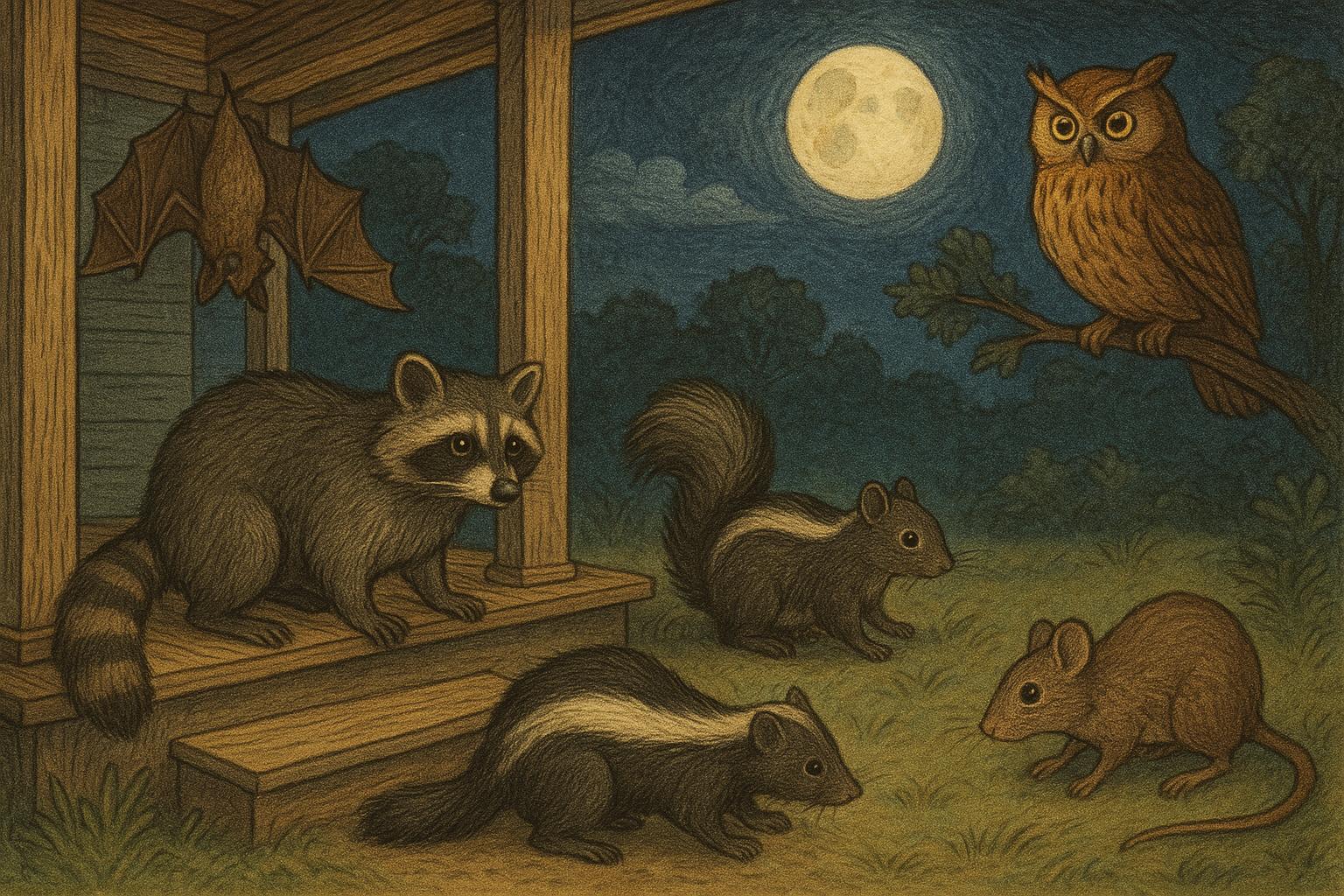
– Install predator guards on nest boxes and avoid low-hanging branches that allow cats or raccoons easy access.
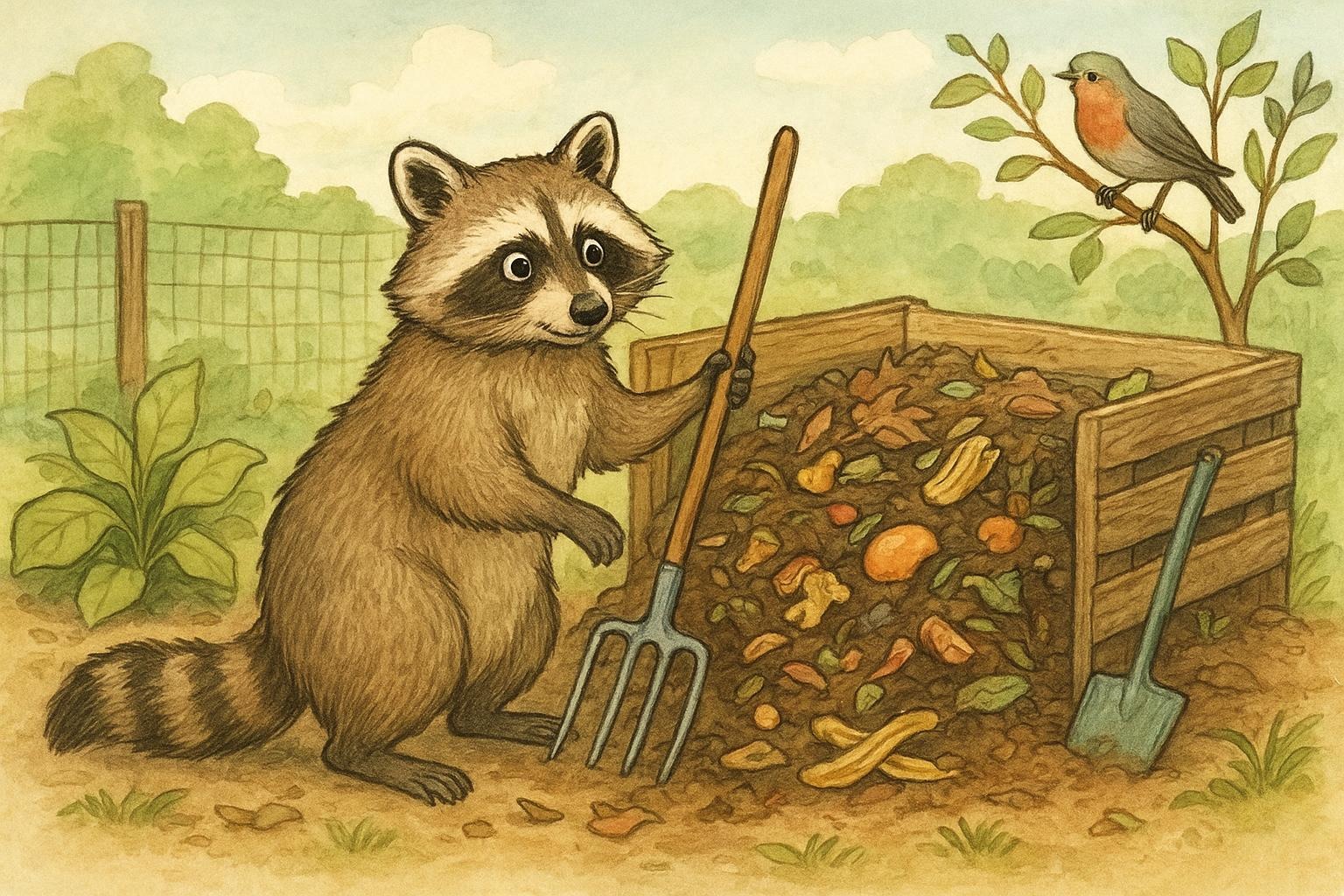
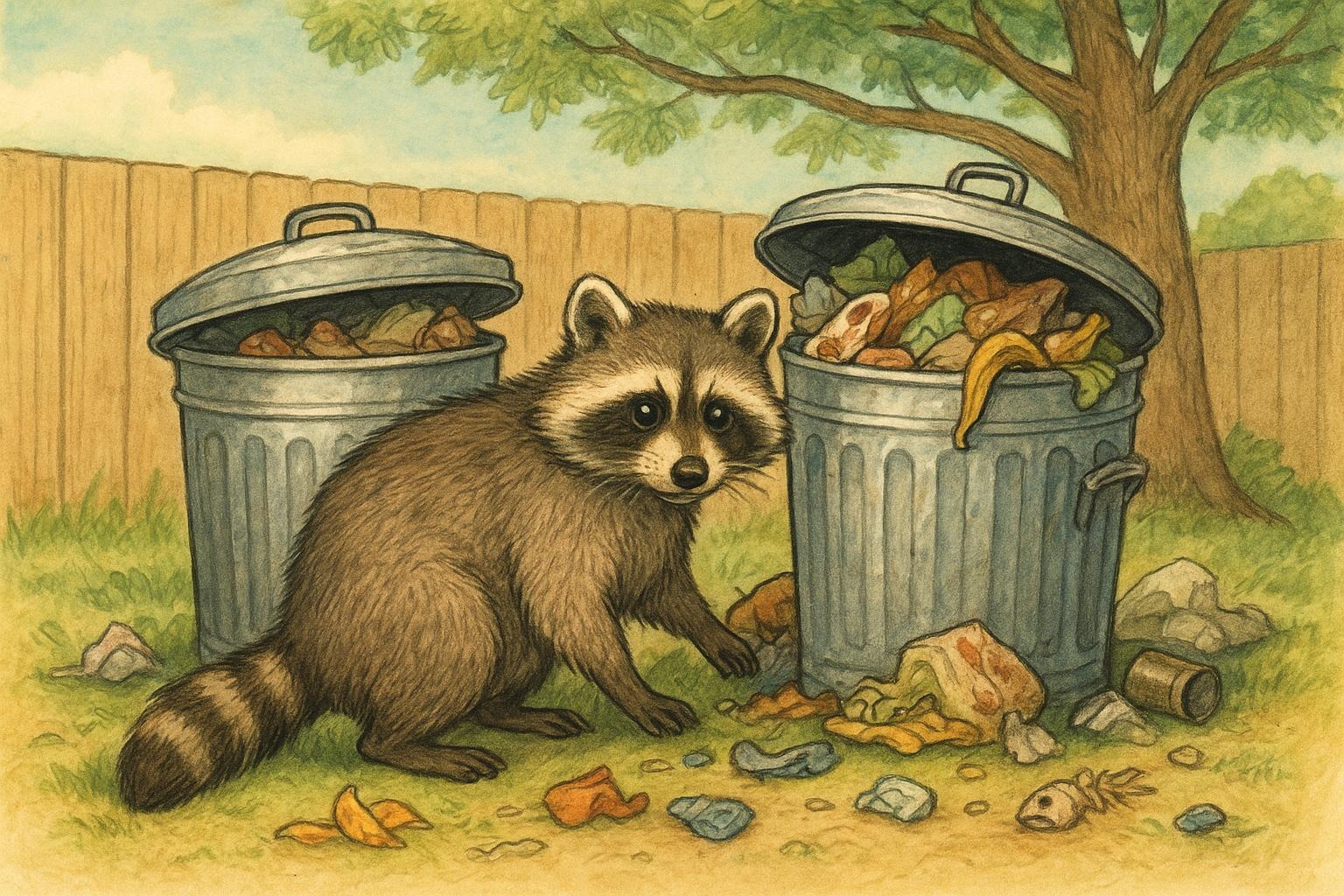
– Secure garbage cans and compost to reduce food subsidies for mammals that prey on nests.
– Keep cats indoors during nesting season when possible. Indoor cats live longer, and your local bird population thanks you.
### Recognizing When To Intervene And When To Step Back
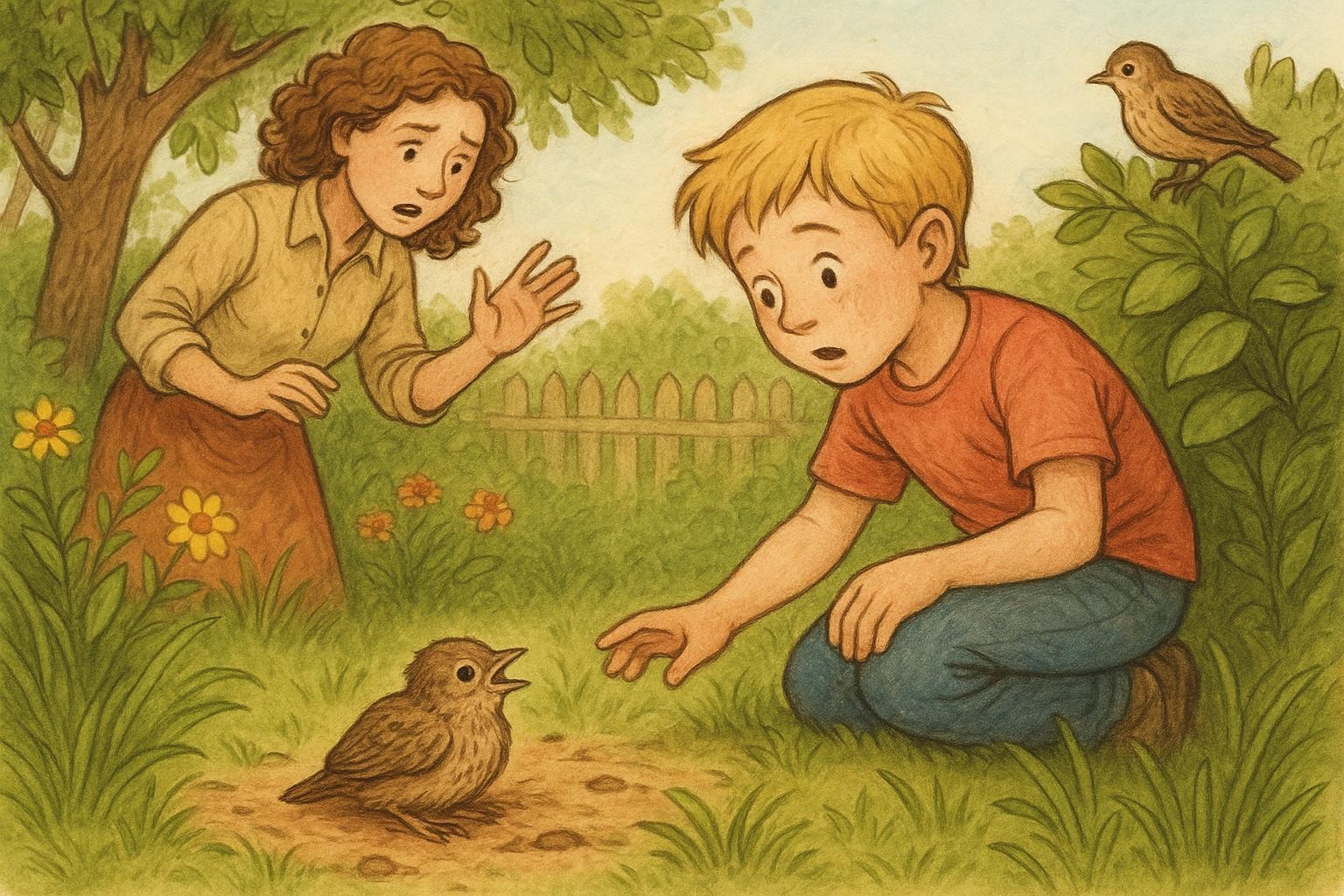
It’s tempting to “help” every awkward moment you see — such as a shy bird not finding a mate or a pair abandoning a nest after a disruptive event. Intervening can do more harm than good. General guidelines:
– Intervene only for immediate threats (e.g., a nest in imminent danger from a predator or weather event).
– If a nest fails, allow time — some species will attempt again; others will skip a brood.
– Contact local wildlife rehabilitators or birding groups for species-specific advice before moving nests or birds.
### Watching Without Whetting The Appetite Of Predators
Encourage respectful viewing: keep a tidy yard with minimal food waste, use binoculars rather than approaching nest sites, and teach children to observe quietly. Such etiquette promotes natural bird courtship to be completed without human-caused interruption.
#### Quick Tips For Photo-Friendly Courtship Observations
– Use blinds or sit well back for long, quiet observation sessions.
– Note the timing of display flights and schedule observing times accordingly.
– Record songs to compare patterns across the season; many species vary song complexity during intense courtship phases.
Bird courtship in the yard is a blend of spectacle and practical biology — a daily soap opera where song, color, and architecture decide futures. Be the supportive audience member who tidies up the stage and removes the hazards, rather than the director who waltzes onto the set.

Leave a Reply