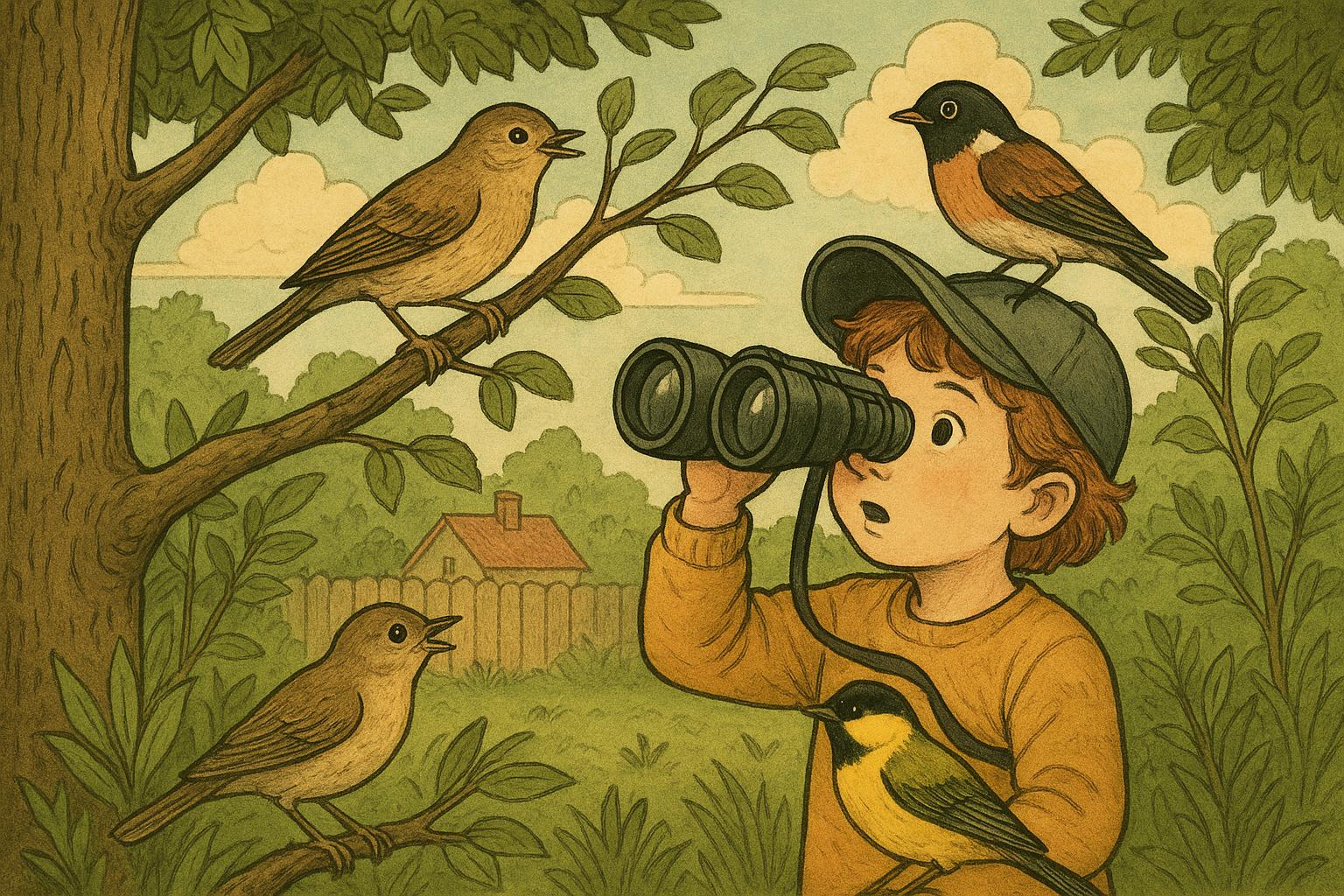
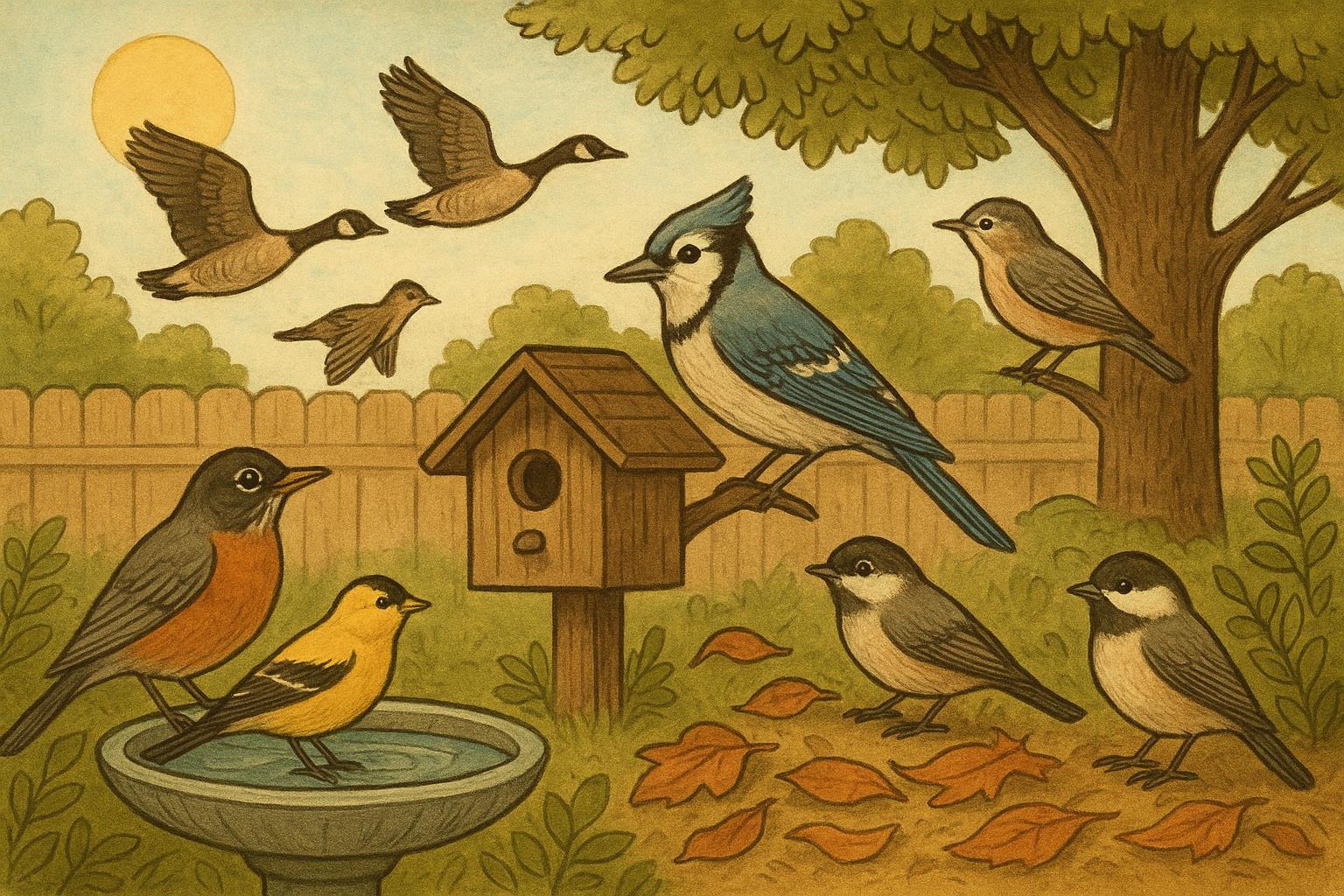
You don’t need to trek to a remote canyon to see dramatic plumage or hear a concert of trills. Plenty of jaw-dropping songbird drama unfolds right over your fence. This guide pulls back curtains on the easiest, most effective ways to sharpen your songbird identification skills — the kind that let you point, smile, and maybe impress your neighbor (or at least your cat).
## Songbird Identification Basics You Can Use Now
Songbird identification starts with paying attention to the obvious and the sneaky: overall shape, standout colors, behavior, and sound. If you approach identification as a small, repeated experiment rather than a test, you’ll learn faster and enjoy it more. The trick is to create a habit loop: notice, note, compare. Over time the patterns emerge and unfamiliar birds become familiar faces—often before you even consult a field guide or app.
### Look For Shape, Size, And Posture
Shape is the language of birds. Is that bird a compact, round-bodied warbler or a long-tailed, slender flycatcher? Note the bill — thick and conical suggests seed-eaters, thin and hooked leans toward insectivores. Posture matters: hunched, upright, or tail-cocked? A quick silhouette often narrows the possibilities dramatically.
### Pay Attention To Color Patterning, Not Just Color
Colors fade with distance and light; patterns don’t. Eye stripes, wing bars, rump patches, and throat patches are the headline acts. When you jot a quick sketch or a note on your phone, highlight contrasts: “white eyebrow,” “black throat,” “rusty rump.” Those small details can turn a frustrating ID into a confident one.
### Listen For Songs And Calls
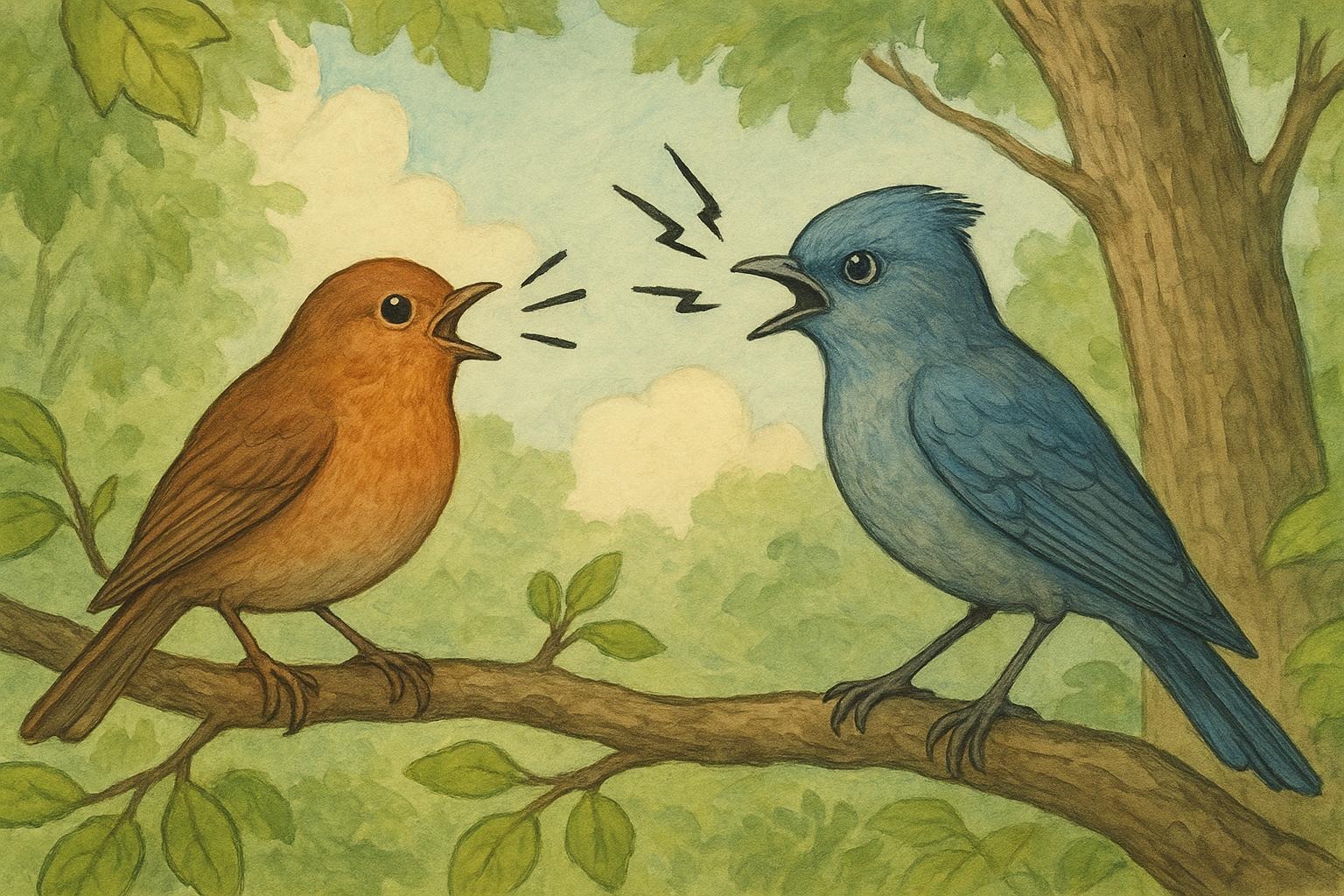
Sometimes your ears beat your eyes. Songs and calls are often species-specific, and learning a few key vocal signatures is one of the fastest routes to reliable songbird identification. Start with the common backyard singers where you live and use spectrograms or apps as training wheels if you like a more tech-driven path.
## 1 Practical Remedy: Build A Simple Identification Station
This remedy is designed to be implemented with clarity and precision. The identification station creates a controlled observation point that improves viewing opportunities and enables systematic recording for later verification.
#### Materials Needed
– Stable platform or pole (6–8 ft recommended)
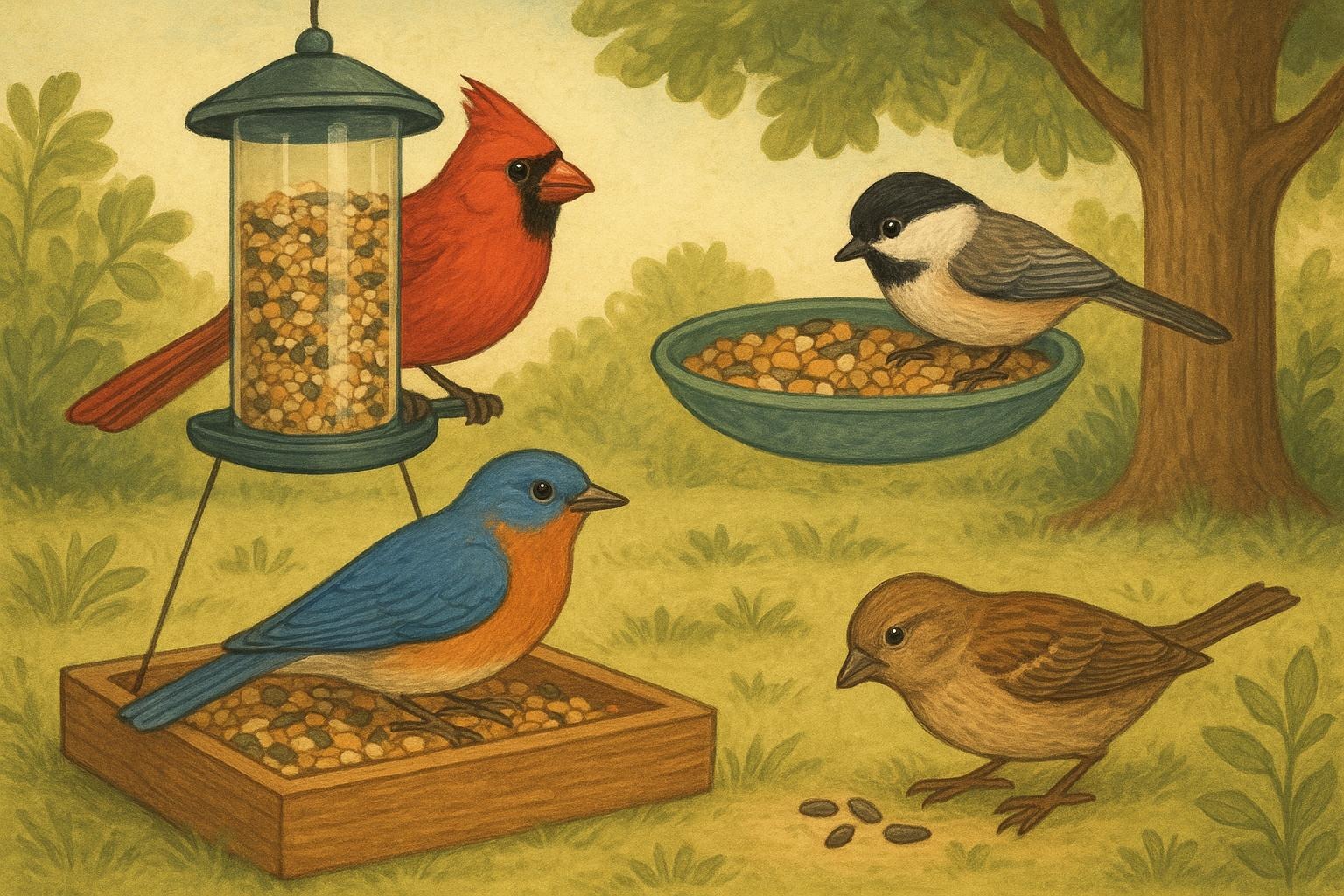
– Two types of feeders: tray and tube
– Small camera or smartphone with a tripod or mount
– Binoculars (6x–10x)
– Notebook or voice recorder
– A few native seed mixes and mealworms (see species preferences)
– Optional: motion-activated camera for nocturnal visitors
Step-By-Step Creation And Application
1. Select A Site: Choose a quiet corner of your yard with a mix of open space and nearby cover (shrubs or trees). Birds need a safe flight path to approach feeders.
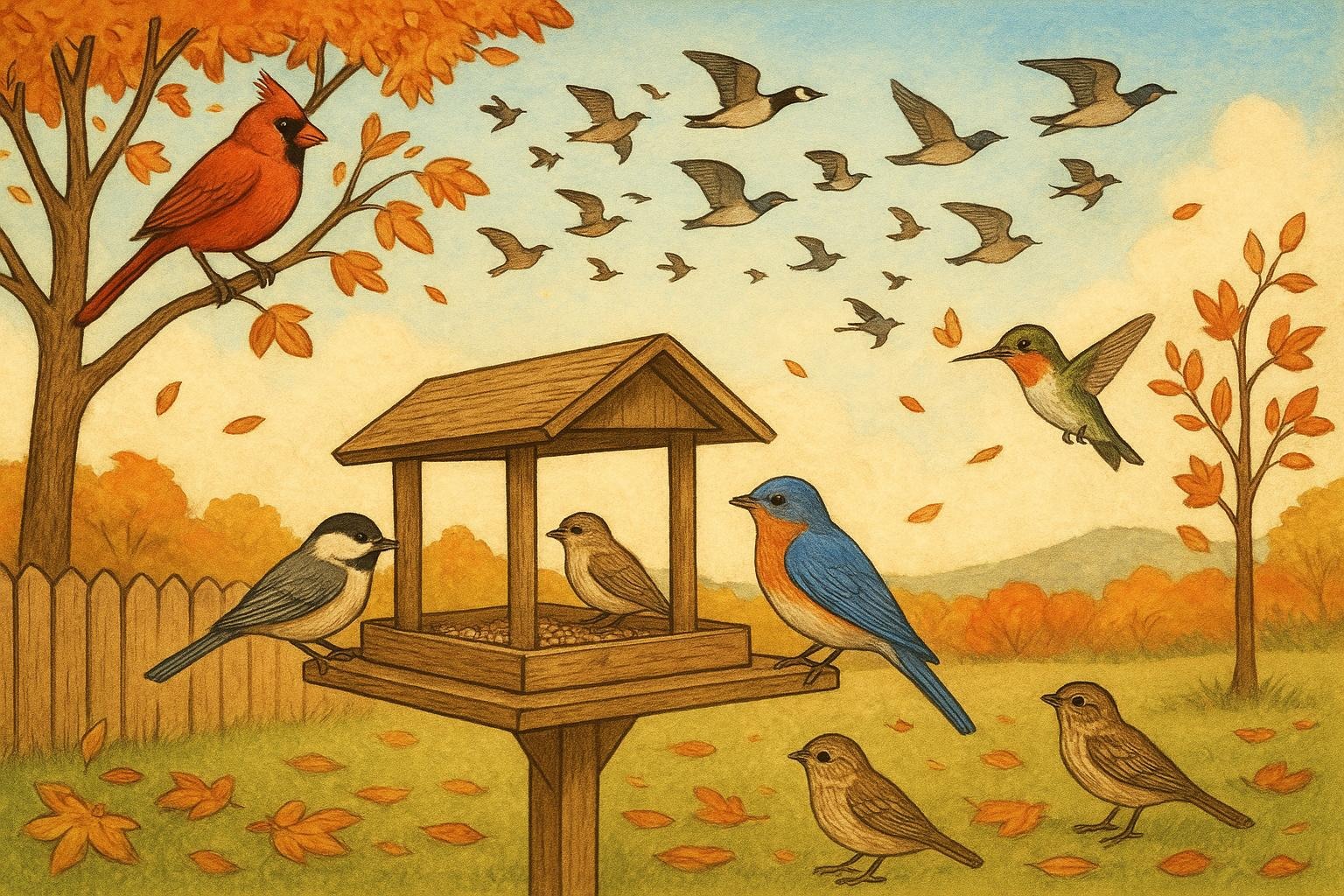
2. Install The Platform: Secure the pole or mount on level ground. Attach feeders at varying heights (tray lower for ground-feeders; tube higher for finches).
3. Stock Feeders Properly: Place a seed mix appropriate for local species (safflower and sunflower for cardinals/doves, nyjer for finches) and a separate tray for mixed seeds and grit. Keep mealworms in a shallow dish to attract insectivores.
4. Set Up Observation Gear: Place binoculars and notebook at a comfortable viewing distance. Position the camera on tripod to capture consistent frames; set motion sensitivity to reduce false triggers.
5. Establish A Recording Routine: Visit at regular times (early morning and late afternoon) and take 10–15 minute observation sessions, noting species, behavior, and any vocalizations. Use voice memos if you prefer quick capture.
6. Analyze Weekly: Review photos and audio recordings, cross-reference with regional field guides and apps, and update your species list. Keep a log of seasonal changes.
This station reduces variables: you’ll see birds instead of chasing them, and the systematic notes make songbird identification a repeatable scientific hobby.
## 2 Practical Remedy: Create Mini-Habitats To Improve Identification Opportunities
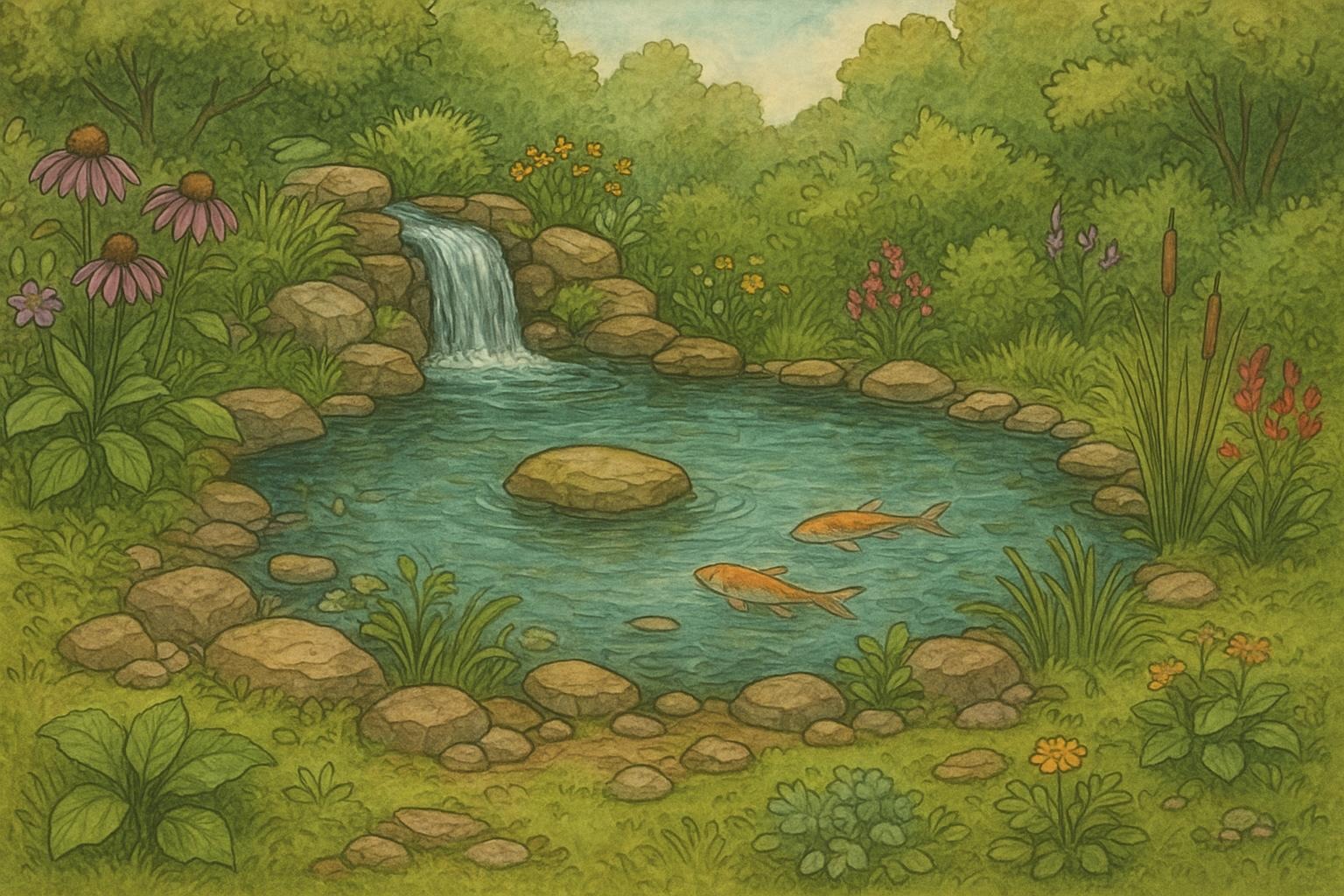
Habitat is a remedy because the right plants and micro-environments bring predictable birds. Formal planning and targeted planting will increase the variety and frequency of species using your yard, which in turn enhances identification practice through repeated exposure.
#### Materials Needed
– Native shrubs and small trees (species list from local extension)
– Groundcover plants and native grasses
– Water source (birdbath or small recirculating fountain)
– Mulch and compost
– Tools: shovel, gloves, measuring tape
– Planting plan map (paper or digital)
Step-By-Step Creation And Application
1. Conduct A Site Assessment: Record sun exposure, soil type, and existing vegetation. Identify areas for shrubs (shelter) and open ground (for foragers).
2. Choose Native Species: Select shrubs and trees that provide berries, seeds, and shelter across seasons. Prefer multi-layer plantings for vertical structure—groundcover, shrubs, understory trees.
3. Plant Strategically: Position berry-bearing shrubs within view of your identification station but close to cover; seed-producing perennials near feeders. Maintain spacing for future growth.
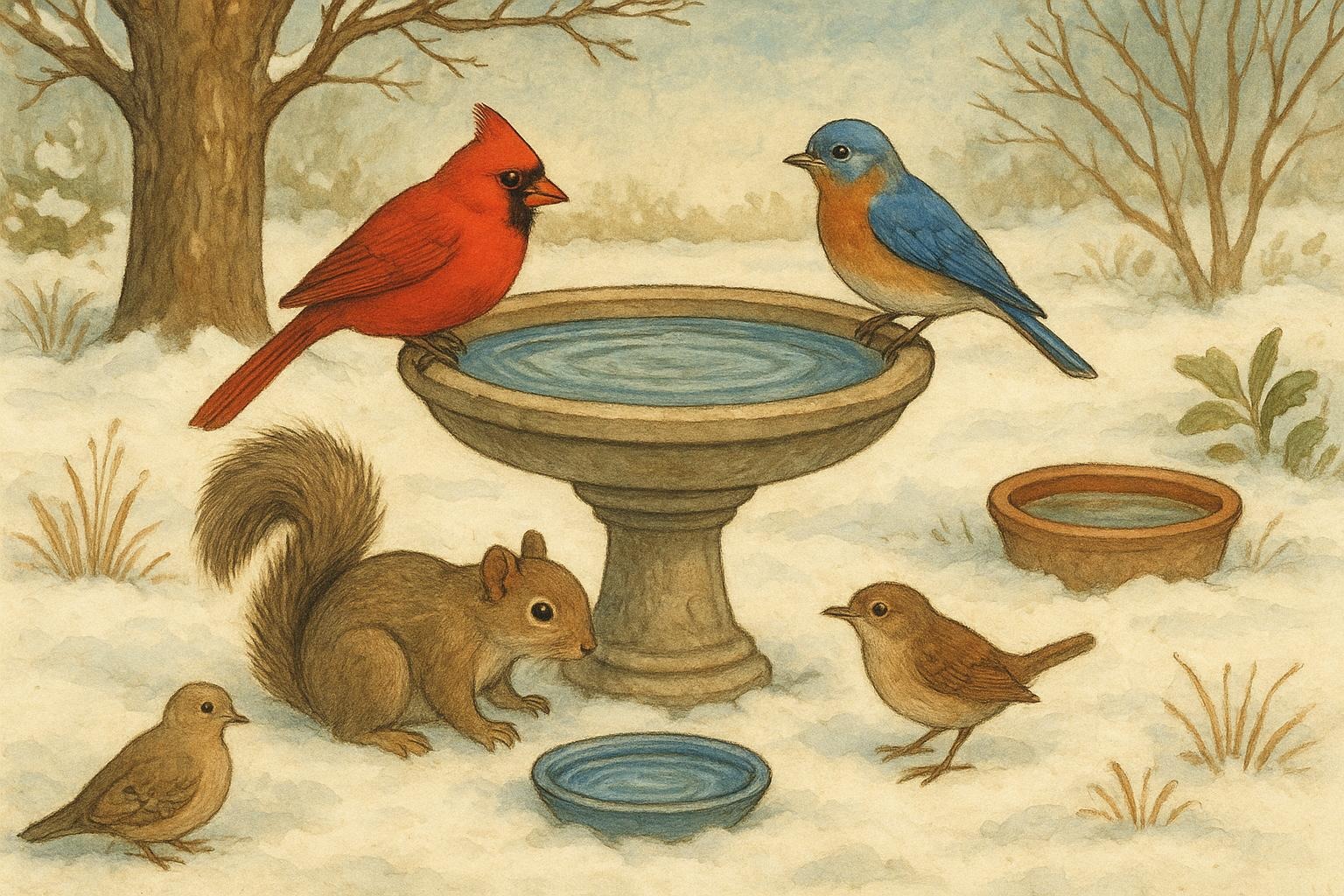
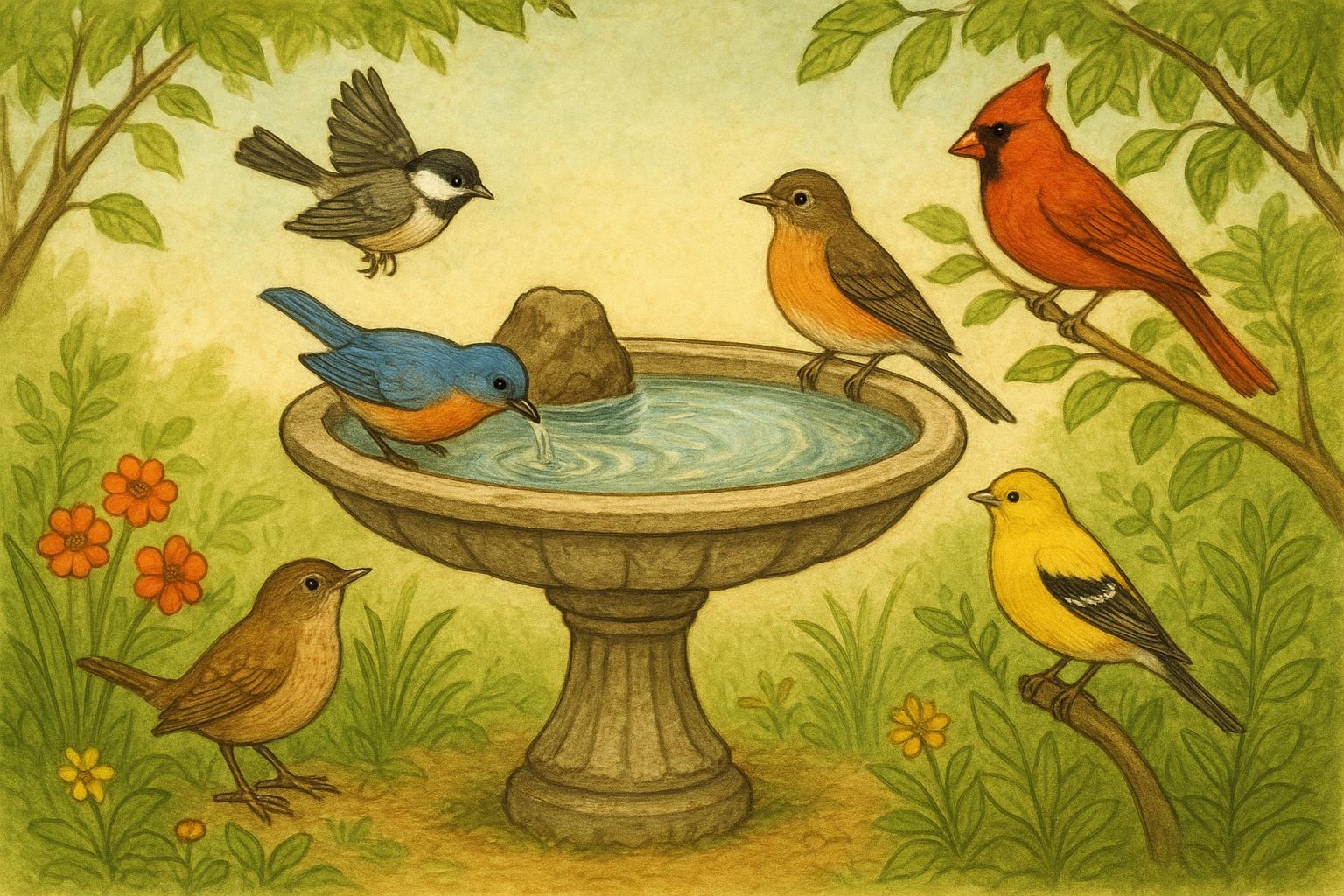
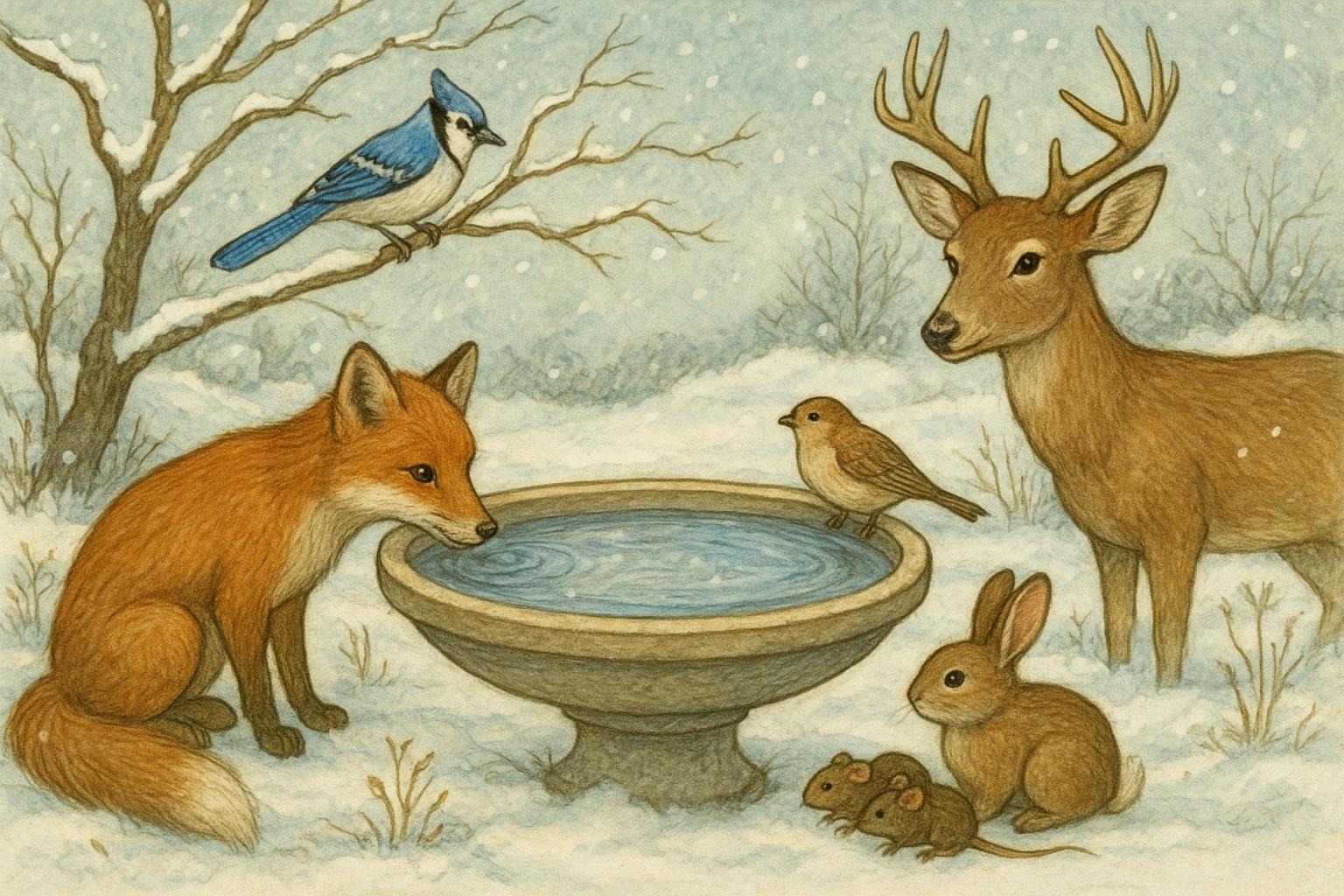
4. Install Water: Place a birdbath in an open area so birds can spot predators. A fountain adds sound and movement which attracts more species.
5. Manage For Safety: Keep at least some dense cover for quick escape from predators; avoid pesticides and keep cats under supervision.
6. Monitor And Record: As plants establish, note which species use which micro-habitats and update your ID notes. Over time, correlate plant phenology with arrivals and departures of different birds.
When implemented formally and consistently, habitat work yields predictable patterns—meaning you can plan observation sessions to maximize learning about particular species’ behaviors and identification cues.
## Quick Reference Tricks For Faster Songbird Identification
Here are compact tricks that help you lock in IDs quickly without a field guide in hand:
– Focus On Behavior: How does the bird feed? Hovering and sallying often indicate flycatchers; ground scratching suggests juncos or towhees.
– Rump And Tail Patterns: Many species show distinctive rump patches in flight. Glance for that flash of color.
– Wing Bars And Eye Stripes: These are high-value traits; two wing bars on a dull bird can be a warbler vs. a sparrow.
– Seasonal Context: Migration windows narrow the possibilities. If you see a bright warbler in late March in your area, that list is much shorter than in July.
– Size Comparisons: Keep a common reference species in mind (house sparrow, robin) to judge size quickly.
### Using Technology Responsibly
Apps and online databases are powerful, but they should support, not replace, observation skills. Use recordings to confirm uncertain calls, and use photos to compare field marks after the fact. When uploading images or recordings to citizen science platforms, include accurate location and date metadata — it helps researchers and trains identification models. Be mindful of not sharing precise nest locations to protect vulnerable species.
Be patient with yourself. Songbird identification is a layered skill: you stack small recognitions (shape, pattern, song, behavior) until you see the whole bird. Keep notes, experiment with your station and habitat remedies, and celebrate the small wins—like naming that particular sparrow that’s been eluding you for a month.









Leave a Reply