
The night has a way of turning an ordinary backyard into a slow-moving wildlife documentary. If you hear soft padding, a curious snuffle, or a high, flat yelp, you might be getting a guest drop-in. Relax — it’s probably not an alien. It’s likely a clever, bushy-tailed forager on patrol.
## Red Fox Moonlight Invasion Drops In Your Backyard Tonight
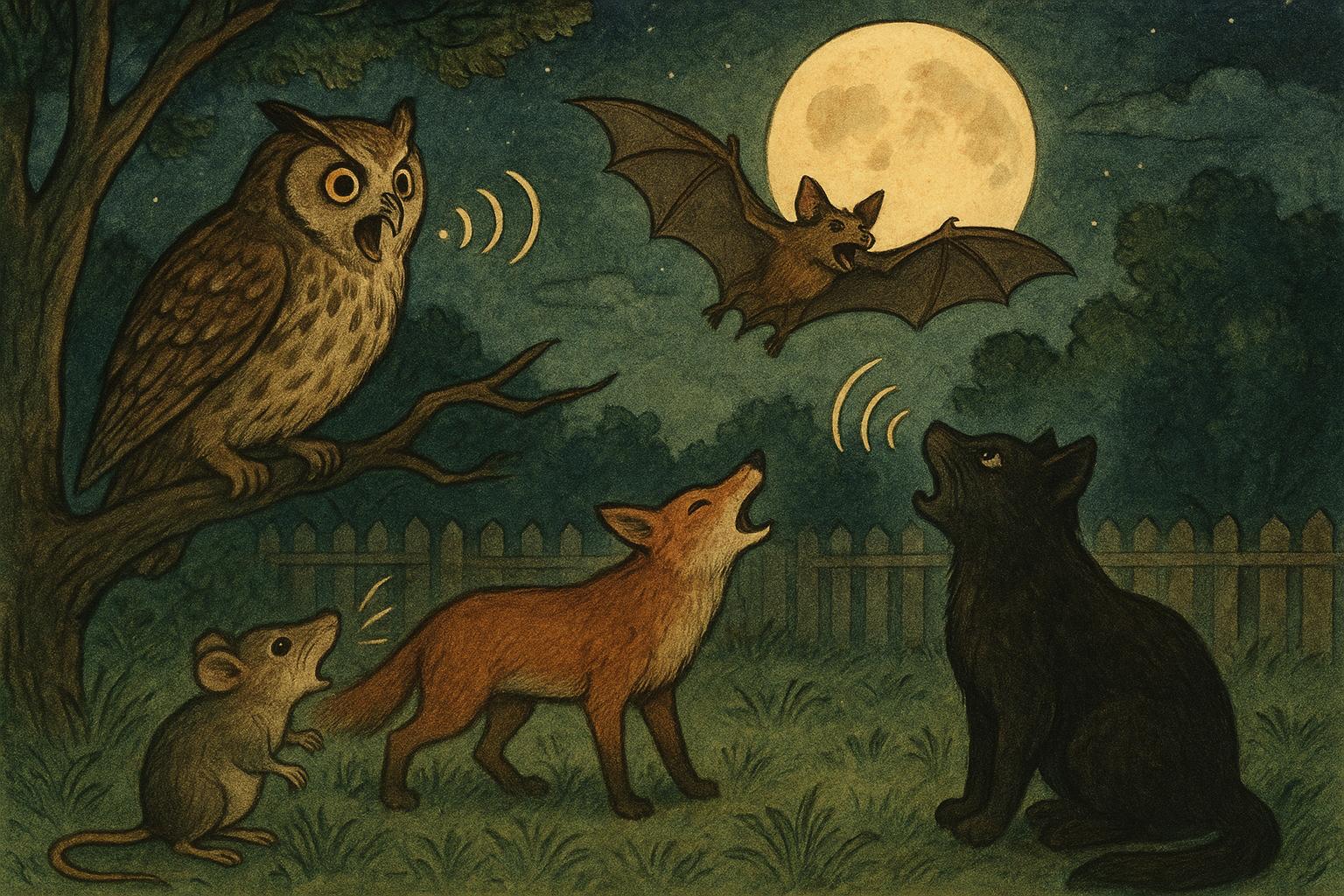
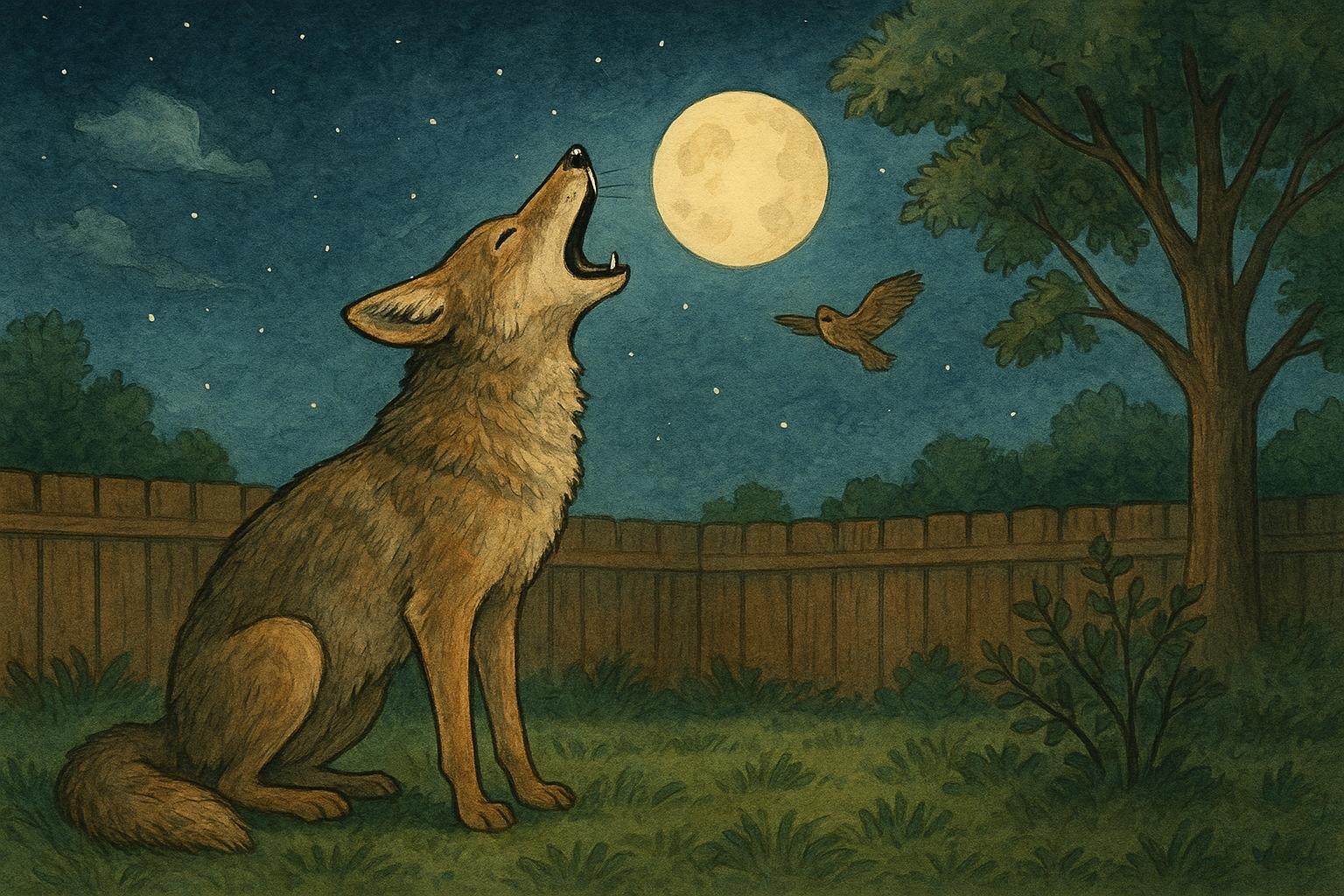
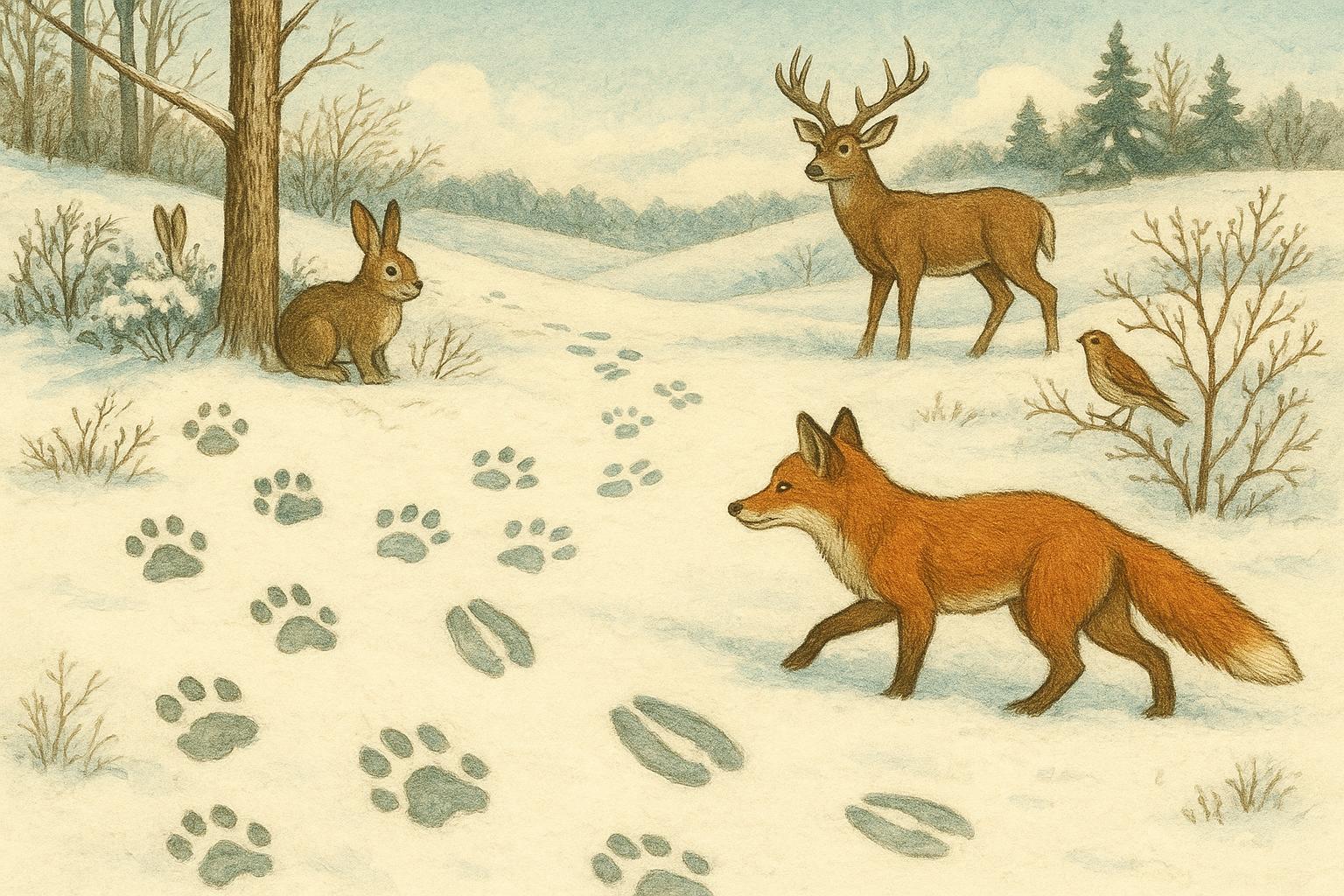
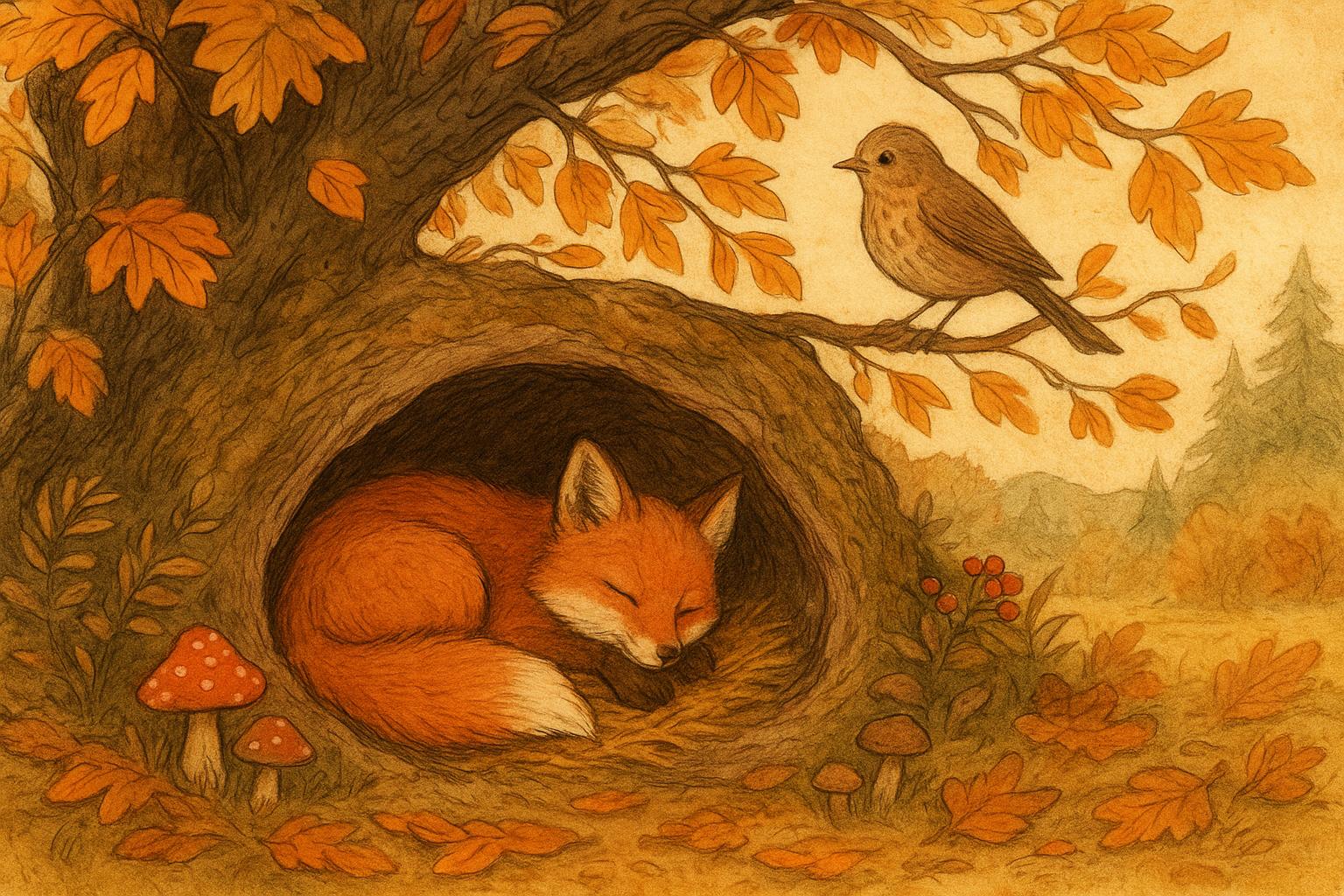
There is something quietly cinematic about spotting a red fox slipping along the fence line under a silver moon. These animals move with a mix of mischief and efficiency, often visiting yards for small mammals, fallen fruit, pet food left out overnight, or simply the thrill of exploring a new scent map. If you’re lucky enough to witness one, it’s a small, wild moment that connects your backyard to a larger suburban ecosystem.
### What To Expect When A Nighttime Visitor Shows Up
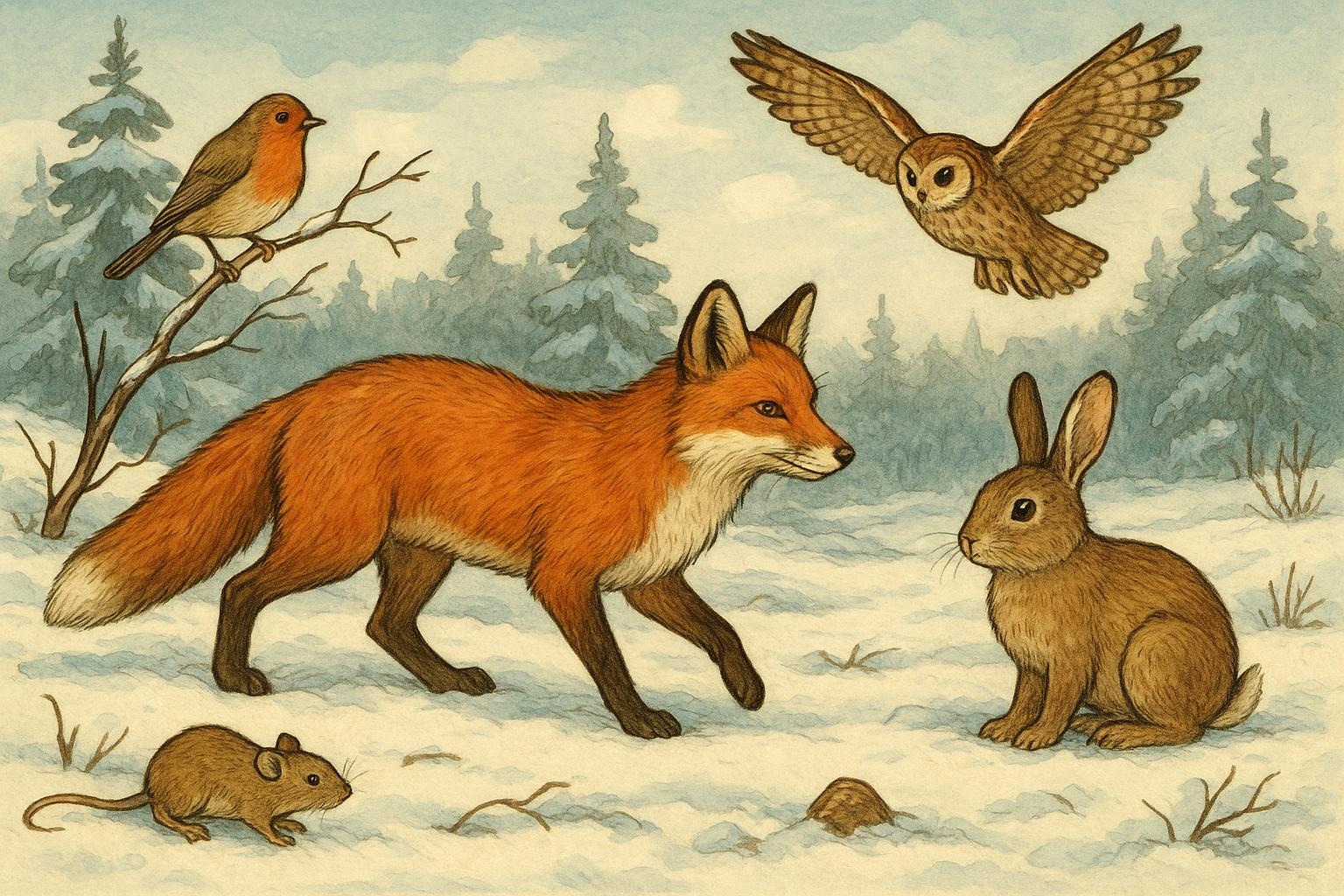
A red fox is slim and quick, with pointed ears, bright eyes, and that unmistakable bushy tail. They tend to be crepuscular and nocturnal — most active at dawn and dusk, but perfectly happy to roam after dark. In many neighborhoods they’ve learned that human environments often provide easy meals and relatively low predation risk.
You might notice:
– Light, deliberate footsteps that stop and listen.
– A pounce followed by a brief, delighted scramble — they’re hunting voles or mice.
– Quick, deliberate foraging around compost bins, trash, or near bird feeders where spilled seed accumulates.
Foxes are generally shy and avoid confrontation. They’re also remarkably adaptable; urban and suburban foxes often become bolder over time, especially if there’s food available.
### Are They Dangerous Or Just Nosy?
In most cases a red fox is more of a curious forager than a threat. They rarely attack pets like adult cats or dogs, but small pets and chickens can be at risk, especially if the animals are unattended or housed insecurely. Foxes are carriers of some diseases and parasites — rabies is rare in many regions, but localized outbreaks can occur — so avoid handling or approaching them.
If a fox behaves unusually tame, aggressive, or active during daylight hours, that can indicate sickness or habituation to humans. In such cases contact local animal control or wildlife authorities.
## Remedy 1: Humane Deterrent Perimeter Kit
When a fox becomes a repeat visitor and you need to protect pets, compost, or small livestock, a structured deterrent approach works best. Below is a practical, formal remedy for creating an effective perimeter that discourages foraging visits without harming the animal.
#### Materials And Supplies Required
– Motion-activated lights (outdoor-rated) — 2 to 4 units depending on yard size.
– Motion-activated sprinkler (optional) — 1 unit.
– Sturdy hardware cloth (1/2″ mesh) — to protect compost or chicken runs.
– Heavy-duty trash can with locking lid or animal-proof compost bin.
– Scent deterrent options: commercial predator urine (fox-specific, if available) or homemade citrus-peel and ammonia mix (see safety notes).
– Solar-powered ultrasonic deterrent (optional).
– Zip ties, stakes, and landscape staples.
– Gloves and safety glasses for installation.
#### Step-By-Step Installation And Application
1. Survey the yard at dusk to identify common fox routes and targets (bird feeders, compost, pet feeding areas, gaps under fences).
2. Install motion-activated lights to cover likely approach paths. Aim lights at a downward angle to reduce neighbor disturbance.
3. Place a motion-activated sprinkler in open areas where the fox tends to traverse. Ensure it is positioned to startle but not injure.
4. Secure compost bins and trash cans with locking lids. Position bins away from the house and avoid leaving them out overnight.
5. Repair fence gaps with hardware cloth; bury the bottom edge at least 6 inches and extend it outward for a small apron to prevent digging beneath.
6. Apply scent deterrents sparingly around the perimeter. If using predator urine, follow product instructions for safe handling. If using a homemade scent mix, dilute ammonia heavily and test on a small area first to avoid plant damage; wear gloves and avoid inhalation.
7. Activate ultrasonic deterrents if desired, and check local regulations regarding their use. Place them away from patios and neighbor-facing areas.
8. Monitor results nightly for two weeks; adjust placement of lights, sprinklers, and scents as the fox learns the new pattern. Remove attractants (pet food, fallen fruit) immediately.
Note: All interventions should comply with local wildlife regulations. Do not use harmful poisons or traps that can injure pets, children, or non-target wildlife.
### Remedy 2: Coexistence Camera And Observation Station
If your priority is to enjoy sightings rather than exclude the animal entirely, a non-invasive observation setup will let you capture behavior while helping the fox stay wild and wary of human proximity. This remedy is useful for gardeners, photographers, and families who want safe, respectful wildlife viewing.
#### Materials And Supplies Required
– Motion-activated trail camera or wildlife camera with night-vision capability.
– Elevated, sheltered viewing platform or a simple backyard bench placed at a respectful distance (15–25 meters).
– Secure bird feeders with catch trays to reduce spillage.
– Pet feeding schedule adjustment: feed pets indoors or remove food bowls overnight.
– Informational signage for family members about safe wildlife observation protocols.
#### Step-By-Step Setup And Guidelines
1. Choose camera placement in a concealed but stable location that covers likely paths and open foraging spots. Mount the camera on a tree or post at about 1–1.5 meters high.
2. Aim the camera slightly downward to capture approaches and pounces. Make sure vegetation is trimmed to prevent false triggers.
3. Set camera to record brief video clips or a burst of photos when motion is detected. Use the lowest sensitivity that still catches motion to reduce false positives.
4. Establish a family agreement: view sightings from the deck or platform quietly and avoid chasing or baiting wildlife. Teach children to observe from indoors or at a distance.
5. Keep pet food and birdseed managed to minimize easy calories that can habituate foxes.
6. Use the camera footage to learn patterns — if a fox is repeatedly using your yard at certain times, you can adjust human activity patterns or deterrents accordingly.
7. Maintain the observation kit: check battery levels, clear memory cards, and reposition cameras seasonally as vegetation and animal habits change.
### Helpful Etiquette And Small Comforts For Both You And The Visitor
Seeing a red fox on your property can be a delightful reminder of nature’s persistence. A few small practices make coexistence smoother: trim low shrubs near walkways to reduce nightly ambushes of bird feeders, keep compost rotating and covered, and socialize family members about not feeding wildlife. If you’re tempted to scatter kibble to guarantee nightly appearances — don’t. Feeding wildlife leads to habituation and often creates problems for the animal and neighbors.
### When To Call Professionals
If a fox displays aggressive behavior, acts unusually during daytime, appears emaciated or injured, or if you suspect rabies, contact your local animal control or wildlife rehabilitation center immediately. These professionals have protocols for safe capture, testing, and care. Avoid attempting to capture or handle a wild fox yourself.
#### Legal And Safety Considerations
– Check local ordinances about wildlife feeding and deterrents; some regions restrict the use of certain repellents or trapping methods.
– Never use poisons or illegal traps; they often harm unintended species and violate laws.
– When in doubt, document the behavior and consult wildlife authorities, giving them specific times, locations, and the fox’s appearance.
A moonlit visit from a red fox can turn an ordinary evening into a small, memorable experience. With a little planning — whether you prefer to deter, document, or simply watch from a distance — you can keep your yard safe and let the fox do what foxes do best: remain wild, a little mysterious, and always a joy to spot.
































Leave a Reply