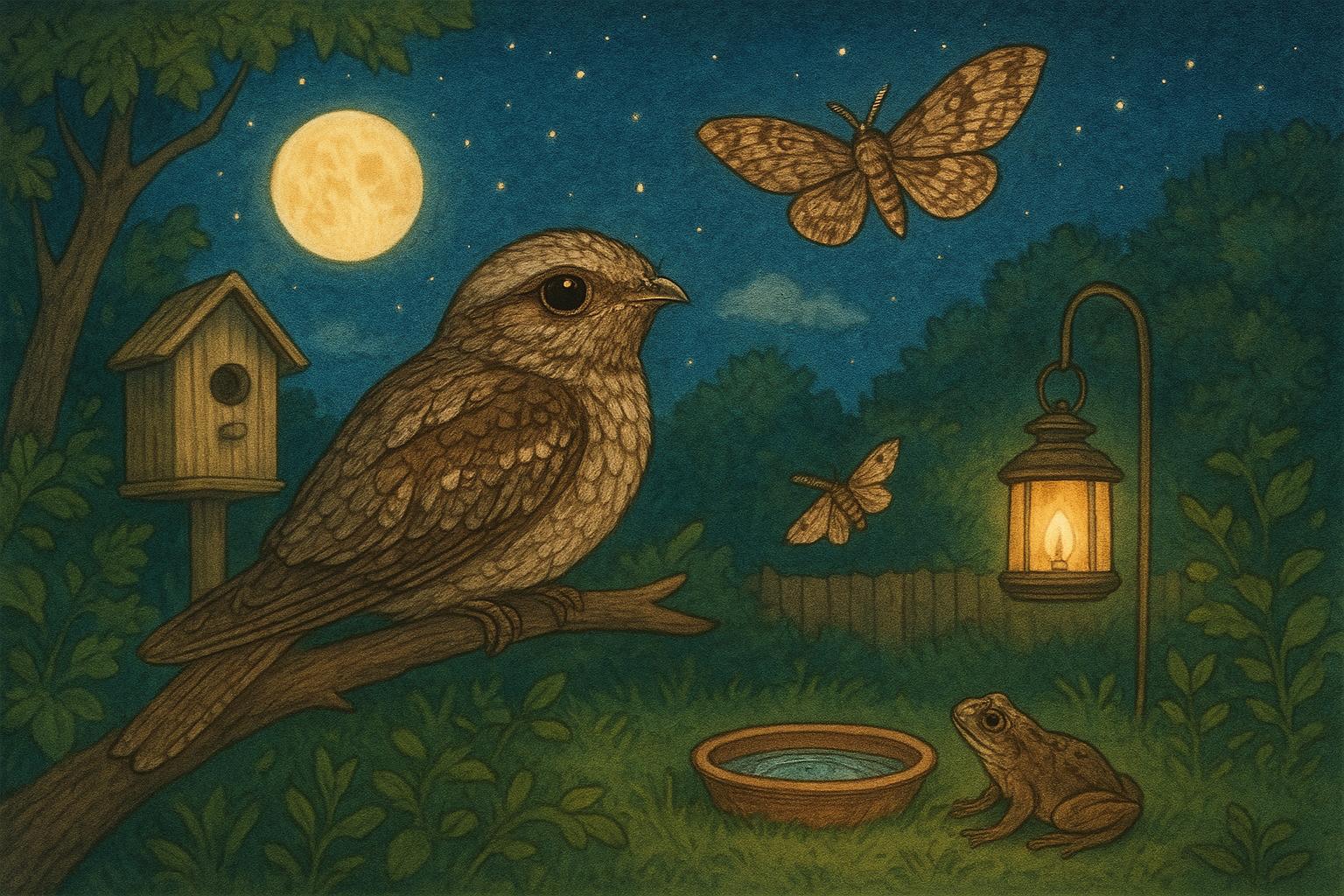
I still remember my first awkward encounter with a nightjar: half a startled tumbleweed of wings, half an oddly placid face, and a call that sounded like someone blowing across the mouth of a bottle. If you’ve got a backyard that’s willing to host a little nocturnal theater, these birds can be delightful, low-maintenance neighbors — provided you give them the right stage.
## Nightjar Essentials For Your Backyard
Nightjar-focused backyards rely less on tidy lawns and more on gentle chaos. These birds are masters of blending into rough ground, open scrub, and meadows. They don’t want birdfeeders or busy perches; they want insects, quiet nights, and places to nest on the ground or low vegetation. Creating a welcoming space is more about restraint than renovation: reduce bright lights, leave some leaf litter, and let a couple of shrubs grow into cozy towers.
### Who Are These Nighttime Ninjas?
Nightjar is a common name for a group of crepuscular and nocturnal insectivores — think of them as the evening shift of the bird world. Their mottled plumage makes them astonishingly hard to spot during the day, and their wide gape is designed for scooping moths and beetles mid-flight. They are most active at dusk and dawn, and their distinctive churring or rattling calls are often the best way to know they’re around. If you love the idea of a wildlife soundtrack for your evening tea, these birds are excellent contributors.
### Where Nightjars Like To Hang Out
These birds prefer open or semi-open habitats: clearings, heath, scrub, and old fields. In suburban backyards, they’ll use larger lawns with patches of bare ground, gravel drives, or areas where vegetation is a little wild. Because they nest on the ground, they appreciate places where predators have fewer hiding spots and where human disturbance is minimal in nesting season. Installing features that mimic natural open areas promotes both feeding and nesting opportunities.
#### Ground Scrapes And Nesting Spots
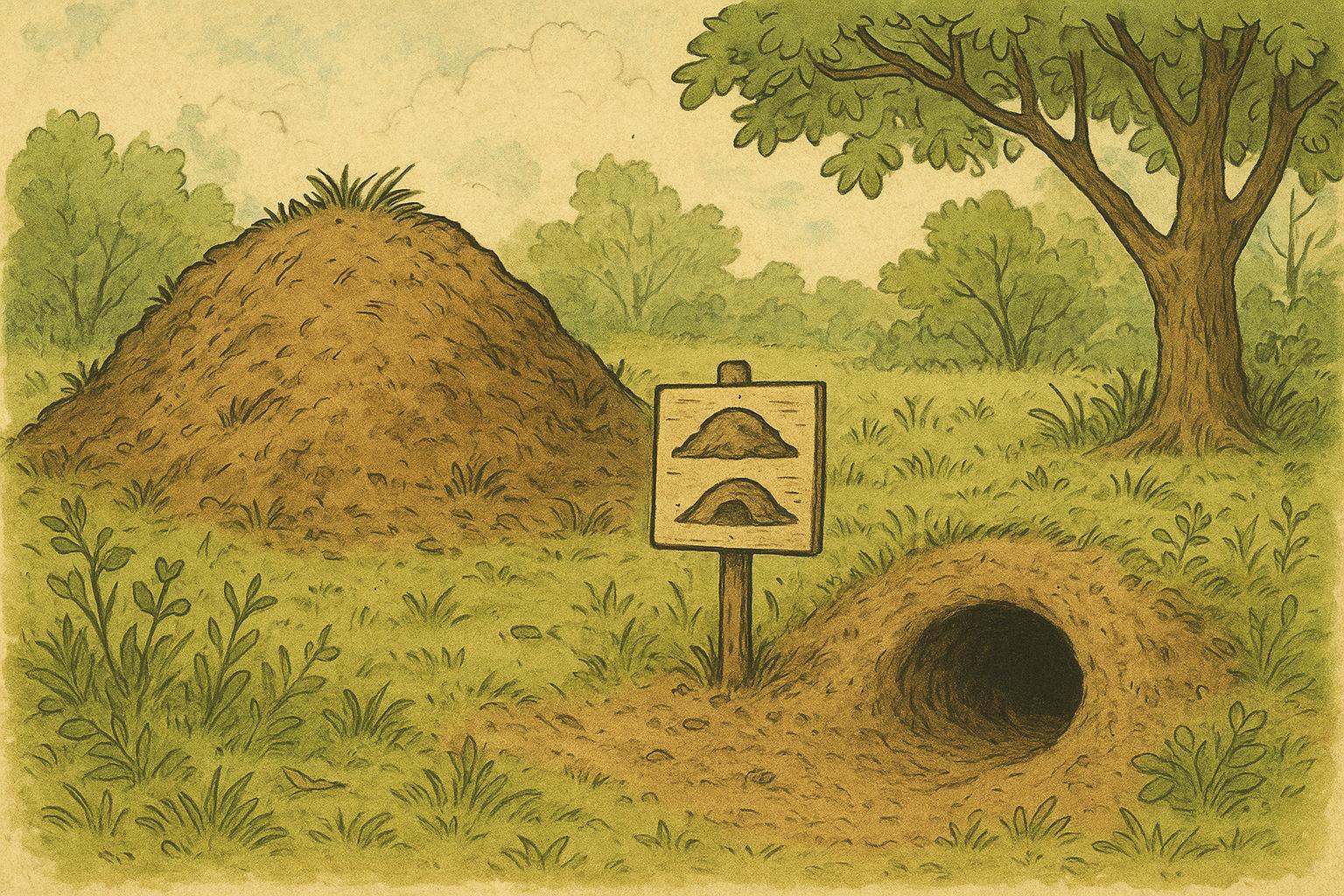
A nest for a nightjar is typically a simple ground scrape — a shallow depression lined with a bit of gravel or leaf litter. They do not build cup nests or hang nests like many passerines. If your yard has gentle sun-warmed patches and a scattering of small stones or leaves, that’s often good enough. Avoid raking every last leaf in late spring and early summer; this small act of lawn laziness can make your yard friendlier to nesting birds.
### Listening And Watching Tips
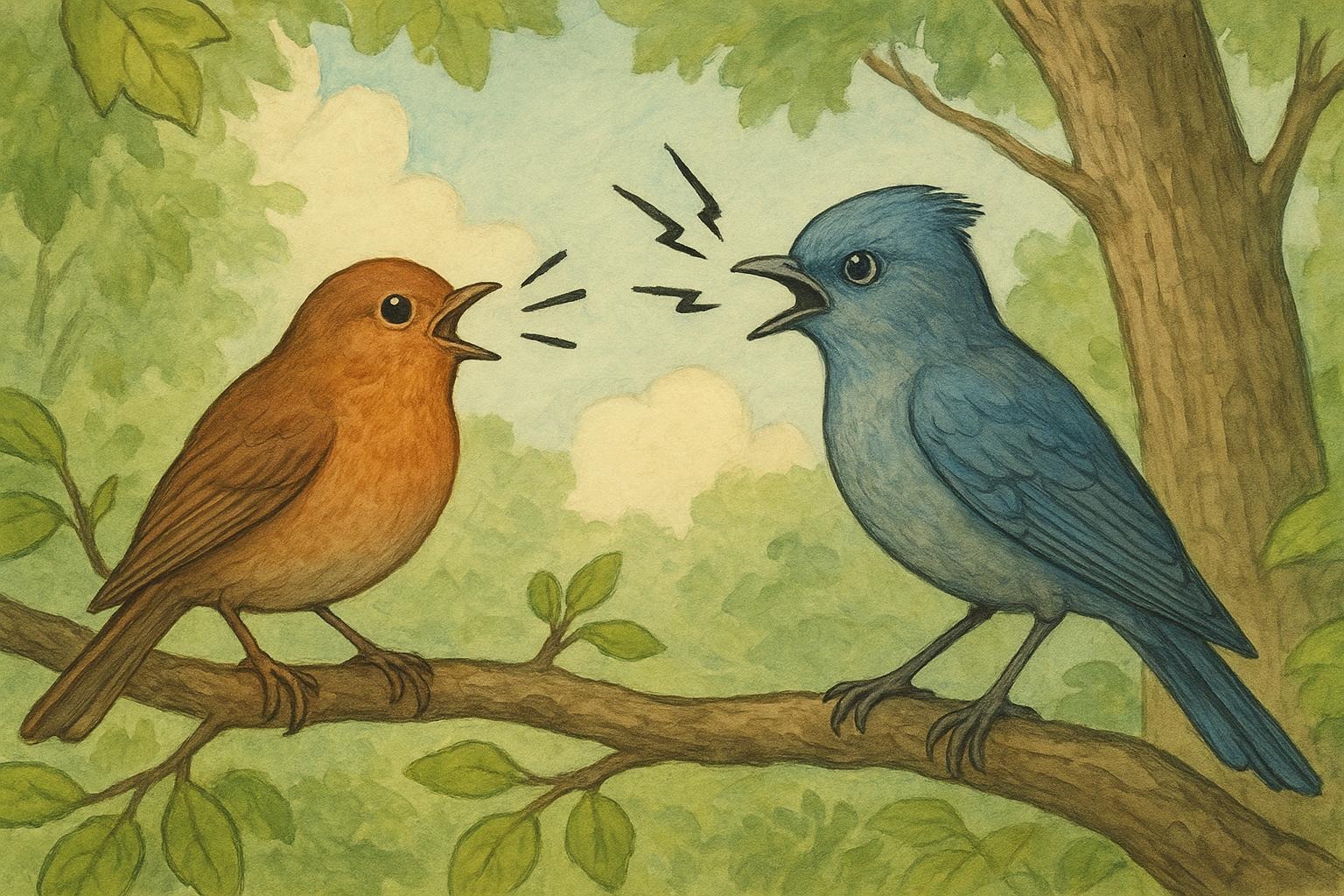
Nightjar calls can vary regionally, but they generally include soft churring or repetitive mechanical notes. Listen from a quiet spot at dusk, and be patient: nightjars may remain motionless on the ground until you’re almost on top of them. Use a dim red flashlight if you must check an area — bright white beams can startle birds away. If you want to photograph or observe, keep interactions brief and non-invasive so you don’t stress the birds, especially during nesting.
## Light, Bugs, And Backyard Attractants
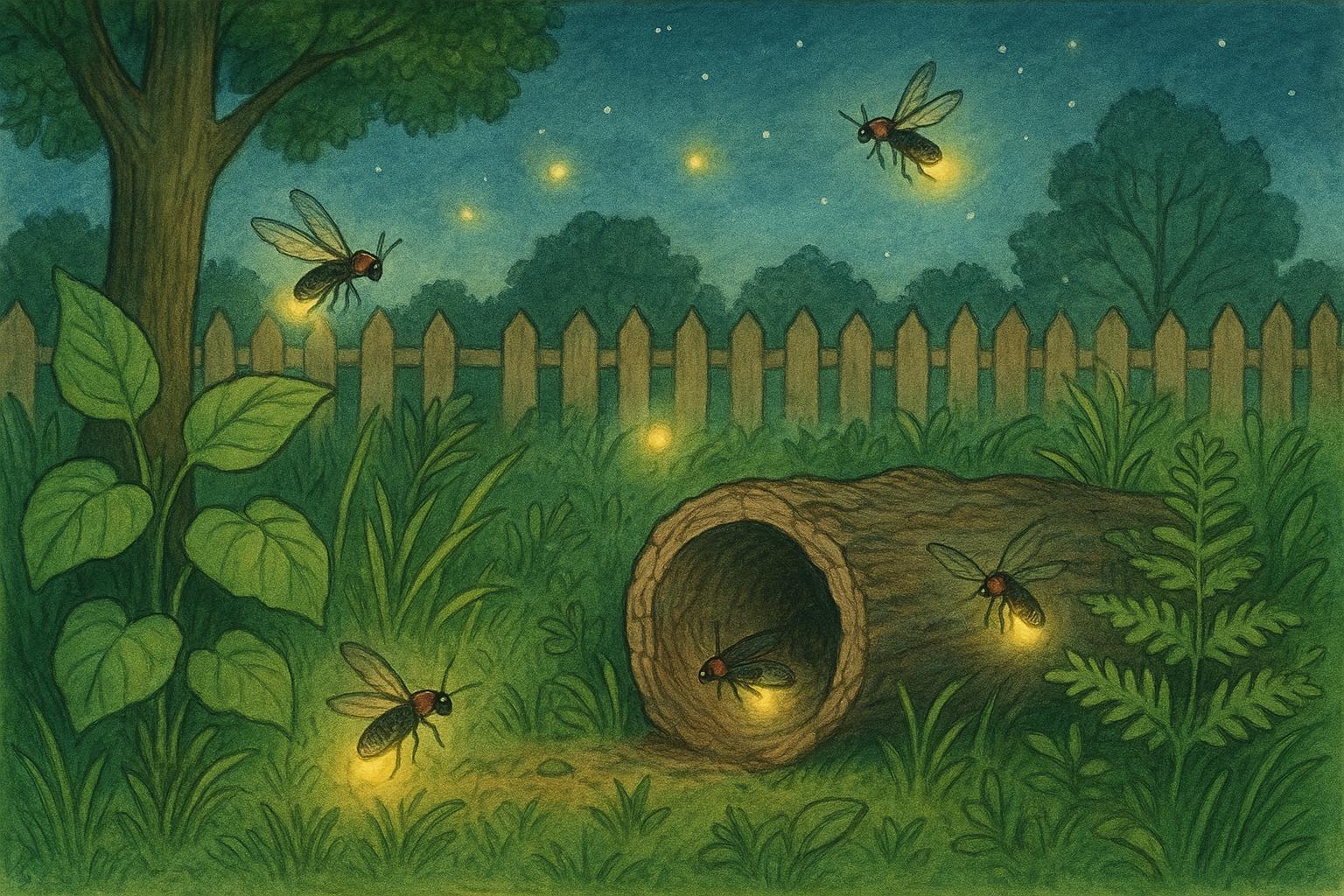
One of the biggest draws for nightjars is an abundant insect buffet. Nightjar feedings often follow areas with healthy populations of moths, mayflies, and other flying insects. Simple changes to your lighting and planting can dramatically influence insect activity, and therefore, nightjar presence.
### What To Avoid
Overly bright, white security lights and frequent late-night activity will reduce insect activity in your yard — and make it less appealing to nightjars. Likewise, manicured lawns with no flowering plants or leaf litter won’t support the moth and beetle communities these birds rely on. Allowing native flowering plants to bloom, installing a shallow water source, and switching to “bug-friendly” warm-toned lighting can all increase nocturnal insect abundance.
## Remedy 1: Create A Nightjar-Friendly Habitat
This remedy provides a formal, step-by-step approach to modifying a suburban or rural backyard to support nightjar activity and nesting. Follow the materials list and procedural steps carefully to reduce disturbance and maximize habitat suitability for these ground-nesting, insectivorous birds.
Required Materials / Ingredients:
– Native grasses and flowering forbs (seed mix appropriate to your region)
– Low-profile gravel or pebble mixture (for creating a few warmed patches)
– Mulch (leaf litter or coarse woody mulch)
– Shallow water source (bird bath or shallow basin)
– Warm-toned outdoor lighting (2700K or lower) or motion-controlled fixtures
– Simple signage or rope to limit foot traffic during nesting season
– Optional: small native shrubs for perching (do not provide high, dense cover near ground-scrape sites)
Step-by-Step Creation And Application:
1. Site Selection: Identify a quadrant of your yard that receives sun in the morning or evening and remains relatively undisturbed during dusk and night. Avoid sites close to heavy human traffic or domestic pet routes.
2. Vegetation Plan: Prepare a planting area with a seed mix of native grasses and flowering forbs known to attract nocturnal insects. Plant in patches rather than a uniform lawn — aim for a mosaic of low vegetation and open ground.
3. Ground Scrape Zones: Create 2–4 small cleared patches (approximately 1–2 square meters each) with a sprinkling of low-profile gravel or small pebbles mixed with some leaf litter. These should be shallow depressions mimicking natural scrapes; do not compact the soil tightly. Space them at least 5–10 meters apart.
4. Water Installation: Place a shallow water basin or bird bath near vegetation patches but not directly adjacent to the ground scrapes. Maintain water cleanliness with occasional refilling and gentle scrubbing; stagnant water can encourage unwanted pests.
5. Lighting Adjustments: Replace bright white lights with warm-toned fixtures (2700K or lower). Install motion sensors set to long timeouts and aim lights downward. Consider turning off unnecessary lights between dusk and midnight to encourage insect activity.
6. Protective Measures: Install subtle signage or a short rope boundary around known scrape zones during nesting months (typically late spring–summer, region-dependent). This reduces accidental disturbance while keeping the aesthetic unobtrusive.
7. Monitor And Document: Record any observations of nightjar activity, noting dates, locations, and behaviors. Adjust placement of scrapes and plantings as needed based on usage. Avoid approaching active nests; if you detect nesting, maintain a larger buffer until fledging occurs.
Application Notes:
– Timing: Implement plantings in early spring or fall, depending on local climate, to maximize establishment before peak insect seasons.
– Maintenance: Leave leaf litter and natural debris in place during nesting season. Remove invasive plant species promptly. Keep pet access restricted overnight if possible to reduce predation risk.
– Legal/Ethical: Do not handle eggs or young and avoid deliberately attracting predators (for example, by leaving pet food outdoors). Follow local wildlife regulations concerning protected species, and consult local conservation groups if you suspect nesting.
#### Nest Scrape Placement Notes
When placing scrapes, avoid low-lying frost pockets or areas prone to flooding. Slightly elevated patches with good drainage warm up faster and are less likely to be disturbed by runoff. Place scrapes near insect-rich plantings, but not so close that the scrapes become concealed by tall vegetation — nightjars rely on the ability to launch quickly to catch prey.
## Other Helpful Adjustments
Beyond creating habitat, consider these additional measures: reduce pesticide usage to preserve insect populations, allow some shrubs to mature for occasional perches, and time any heavy yard work outside the primary nesting months. If you have outdoor cats, keep them indoors overnight or use cat-proof fencing; ground-nesting birds are highly vulnerable to predation.
### Recording Encounters And Citizen Science
If you observe a nightjar or its nesting activity, consider contributing data to local bird atlases or apps like eBird. Provide precise, non-invasive notes (date, time, general location, behavior) without sharing exact nest coordinates publicly. This data helps conservationists understand population trends and inform protective measures that keep both birds and neighborhoods thriving.
Spend a few evenings listening, adjust lights to be a little cozier for insects, and let a few corners of your yard be gloriously untamed. You’ll likely be rewarded with the uncanny presence of a nightjar — a quiet, stunning reminder that wildlife likes a little bit of the wild, even in suburbia.



















Leave a Reply